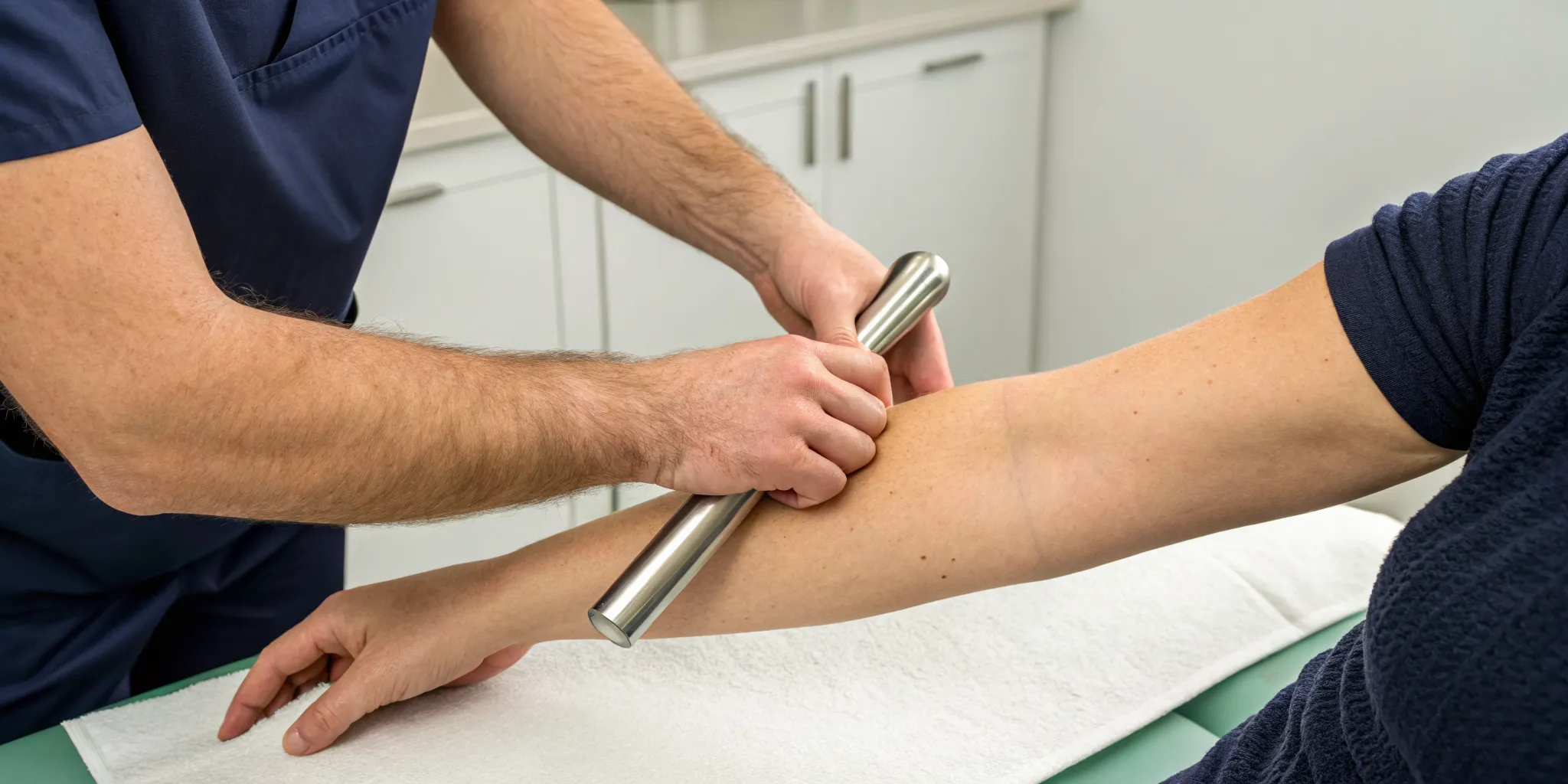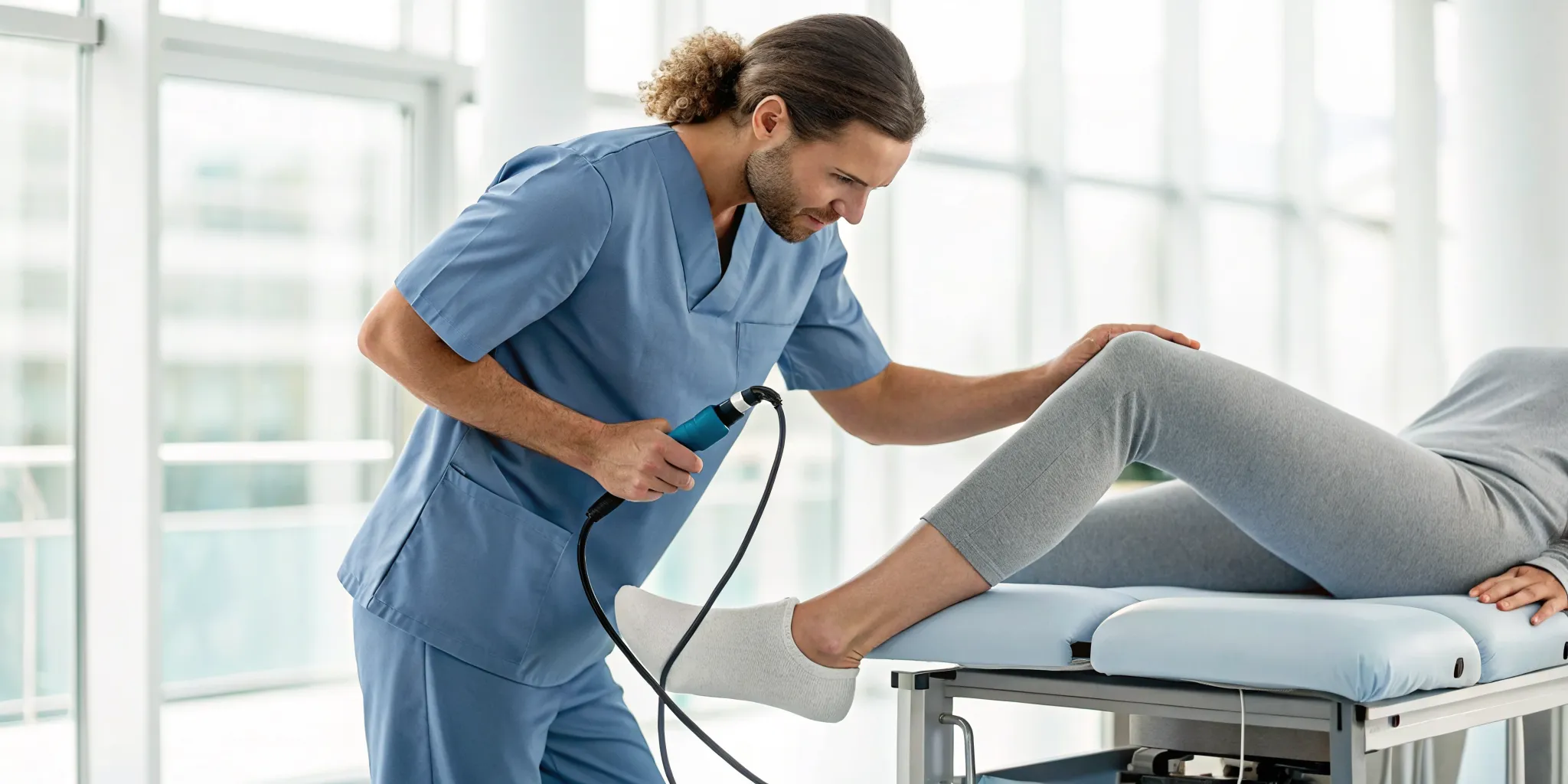
There’s a significant difference between masking pain and truly healing. After a car accident, many people get caught in a cycle of temporary fixes that never address the core injury. This is because the force of a collision doesn't just cause a sore neck; it can disrupt your entire system, from your spinal alignment to your body's inflammatory response. A truly effective recovery requires a comprehensive approach. The right car accident injury doctor will look beyond your immediate symptoms to understand the full picture. They create a personalized plan that not only corrects structural issues but also supports your body’s innate ability to repair itself, leading to lasting wellness instead of recurring pain.
Key Takeaways
- Don't wait for pain to appear: Adrenaline after an accident can mask serious underlying issues like whiplash or spinal damage. A prompt evaluation by a specialist is crucial to identify these hidden injuries and prevent them from developing into chronic conditions.
- Choose a doctor who treats the whole person: A full recovery requires more than just symptom relief. Seek out a team specializing in accident trauma that uses a comprehensive approach, combining physical and functional medicine to address the root cause of your pain and support your body's total healing.
- Be an active partner in your healing: A personalized recovery plan is your roadmap, but your participation is what drives progress. Lasting results come from consistently following your plan, which may include chiropractic adjustments and corrective exercises, to restore strength and function.
Common Injuries After a Car Accident
Even a seemingly minor car accident can have a major impact on your body. The sudden force can jolt your system in ways that lead to a variety of injuries, some of which aren't immediately obvious. Right after a crash, your body is flooded with adrenaline, which can mask pain and make you think you’re perfectly fine. However, many common injuries don't show symptoms until hours, days, or even weeks later.
This delay can be deceptive. You might walk away from an accident feeling a little shaken but otherwise okay, only to wake up the next morning with a stiff neck or a throbbing headache. That’s why getting a thorough evaluation from a specialist who understands accident-related trauma is so important. They know what to look for beyond the surface-level bumps and bruises. Addressing these issues early on can prevent them from turning into chronic problems that affect your quality of life for years. From whiplash to hidden spinal issues, understanding the potential conditions we treat after an accident is the first step toward a full recovery.
Whiplash and Neck Strain
Whiplash is one of the most common injuries from a car accident, especially in rear-end collisions. It happens when your head is suddenly and forcefully thrown backward and then forward, like the cracking of a whip. This motion can stretch and damage the muscles and ligaments in your neck.
The symptoms don't always appear right away, but you might start to notice neck pain and stiffness, worsening headaches that often start at the base of your skull, dizziness, or even pain that radiates into your shoulders and arms. Without proper care, whiplash can lead to chronic pain, limited neck movement, and persistent discomfort that interferes with your daily activities.
Back and Spinal Injuries
The force from a car accident can put immense pressure on your spine. This can lead to serious issues like herniated or bulging discs, where the soft cushions between your vertebrae are pushed out of place. When a disc presses on a nerve, it can cause intense pain, numbness, or weakness.
You might experience sharp lower back pain, or sciatica, which is a shooting pain that travels from your lower back down one of your legs. These injuries can significantly limit your mobility and may worsen over time if they aren't addressed correctly. A specialist in physical medicine can properly assess your spine and create a plan to support its healing and restore function.
Soft Tissue Damage
Soft tissue injuries refer to damage done to your muscles, ligaments, and tendons. During a collision, these tissues can be stretched, sprained, or torn. This can happen anywhere in your body, but it’s very common in the back, shoulders, and knees.
Symptoms include localized pain, swelling, bruising, and difficulty moving the affected area. Like other accident-related injuries, the pain from soft tissue damage might be delayed. You might feel a bit sore at first, but the inflammation and discomfort can build over the following days. Ignoring these injuries can lead to chronic pain and instability in your joints, making a proper diagnosis essential for effective healing.
Concussions and Head Trauma
You don’t have to hit your head on the dashboard or window to sustain a concussion. The violent jarring motion of the accident alone can cause your brain to move inside your skull, leading to head trauma. A concussion is a functional injury, meaning it affects how your brain works.
Symptoms can be subtle and include headaches, confusion, dizziness, sensitivity to light and noise, memory issues, or feeling like you’re in a fog. It’s critical to take any potential head injury seriously, as symptoms can evolve or worsen. A thorough evaluation can determine the extent of the trauma and guide the right approach to help your brain heal properly.
Why You Should See a Doctor Right After an Accident
After a car accident, your mind is racing and adrenaline is pumping. It’s a chaotic experience, and your first thought might be about your car or getting home. In the immediate aftermath, you might even feel completely fine. But that feeling can be misleading. The rush of adrenaline can mask pain and hide underlying issues that won’t surface until hours, days, or even weeks later. That’s why getting a professional evaluation right away is one of the most important steps you can take for your long-term health.
Even a seemingly minor fender-bender can cause significant stress on your body, leading to subtle misalignments and tissue damage. A specialist trained in post-accident care can identify problems you might not feel yet and create a plan to address them before they become chronic. Seeking prompt attention isn't just about addressing immediate pain; it's about ensuring a faster, more complete recovery and preventing future complications. Many of the conditions we treat can stem from unresolved injuries, so taking proactive steps now is crucial for your future well-being. It's about looking beyond the initial shock and investing in a healthy, pain-free future.
The Danger of Hidden Injuries
It’s incredibly common to walk away from an accident feeling shaken but otherwise unharmed, only to wake up a day or two later with significant pain and stiffness. Many common accident-related injuries, like whiplash, micro-tears in muscles, or subtle spinal misalignments, don't present obvious symptoms right away. Your body is excellent at compensating, but these hidden injuries can lead to bigger problems like chronic pain, headaches, and reduced mobility if left unaddressed. A thorough examination by a doctor who specializes in these types of injuries is the only way to know for sure what’s happening beneath the surface and get the care you need.
How Delaying Care Can Hurt Your Recovery
When you wait to seek care, you’re giving minor issues a chance to become major ones. The body’s natural healing process kicks in immediately, but without proper guidance, it can lead to the formation of scar tissue and dysfunctional movement patterns. This can make your injury more difficult to resolve down the line, often requiring a longer and more intensive recovery process. Getting evaluated quickly allows a specialist to intervene early, reducing inflammation and ensuring your body heals correctly from the start. This proactive approach is a core part of physical medicine, which focuses on restoring proper function and preventing long-term pain.
Symptoms You Can't Afford to Ignore
Pay close attention to your body in the days and weeks following an accident. Don't dismiss new aches and pains as insignificant. Seemingly unrelated symptoms can often be traced back to the incident. Be on the lookout for things like persistent headaches, neck or shoulder stiffness, lower back pain, dizziness, fatigue, or numbness and tingling in your arms or legs. These are all signs that your body has sustained an injury that needs attention. Listening to these signals and seeking a professional opinion is the best way to advocate for your own health and get on the path to a full recovery.
What Kind of Doctor Should You See for Car Accident Injuries?
After a car accident, figuring out your next steps can feel overwhelming, especially when you're in pain. You might wonder who you should see first. The answer isn't always straightforward because different types of injuries require different kinds of care. The most important thing is to see a professional who truly understands the complex ways an auto accident can affect your body. Choosing a doctor who looks beyond the immediate symptoms to address the root cause of your pain is key to a full and lasting recovery. A provider experienced in accident-related trauma will know exactly what to look for and how to create a plan that helps you heal properly.
The Role of a Chiropractor
A chiropractor is often one of the best professionals to see after an accident, especially if you’re experiencing neck, back, or shoulder pain. They specialize in the musculoskeletal system and are experts at identifying and treating issues like whiplash and spinal misalignments caused by the force of a collision. Using gentle adjustments, they work to restore proper alignment and mobility to your spine. This not only helps relieve pain and stiffness but also supports your body’s innate ability to heal itself. Seeking chiropractic care promptly can prevent acute injuries from becoming chronic problems down the road.
Why Physical Medicine Specialists Are Key
Physical medicine specialists are another excellent choice because they focus specifically on diagnosing and treating injuries related to accidents and physical trauma. They have a deep understanding of how a collision impacts the body’s structures, from muscles and ligaments to joints and nerves. These practitioners go beyond just managing symptoms; they develop comprehensive recovery plans that may include corrective exercises, spinal decompression, and other therapies designed to restore function and strength. Their specialized knowledge ensures you get the targeted care needed for a successful recovery.
How Functional Medicine Supports Healing
A car accident is a major shock to your entire system, not just the parts that were visibly injured. This is where functional medicine comes in. It takes a holistic approach, looking at how the trauma has affected your body as a whole. An accident can trigger widespread inflammation, disrupt your gut health, and throw your hormones off balance, all of which can slow down your recovery. A functional medicine practitioner uses advanced testing to uncover these hidden imbalances and creates a personalized plan with nutritional support and lifestyle changes to help your body heal from the inside out.
When a Team Approach Is Best
Often, the most effective path to recovery involves a team of professionals working together. Your body is a complex, interconnected system, and an injury in one area can have ripple effects throughout. Combining different modalities gives you the most comprehensive care. For example, a chiropractor can address spinal alignment while a functional medicine practitioner works on reducing systemic inflammation. This integrated team approach ensures all aspects of your injury are addressed, leading to a more complete and resilient recovery. It’s about putting all the pieces of your health puzzle back together.
Myths About Post-Accident Care
After a car accident, misinformation can be just as harmful as the injury itself. Well-meaning friends, family, and even outdated online articles can steer you in the wrong direction, potentially delaying your recovery. Let’s clear up a few common myths about post-accident care so you can make informed decisions about your health. Understanding the facts is the first step toward getting the right support and truly healing. It’s about separating fiction from the foundational principles of recovery and giving your body the care it deserves from the very beginning.
Myth: "I feel fine, so I don't need a doctor."
It’s easy to assume you’re uninjured if you can walk away from an accident without obvious pain. However, the adrenaline coursing through your system can mask significant problems. Many common accident-related injuries, like whiplash, micro-tears in ligaments, or spinal misalignments, don't show immediate symptoms. They can take days or even weeks to surface, often appearing as headaches, stiffness, or radiating pain. Waiting for the pain to become undeniable can make the condition more difficult to address. Getting a thorough professional evaluation right away is the only way to identify and address underlying damage before it becomes a chronic issue.
Myth: "Any doctor can handle car accident injuries."
While many healthcare professionals are skilled in their fields, not all have the specific training required to diagnose and treat the unique injuries caused by car accidents. The forces involved in a collision can create complex issues within your musculoskeletal system that require a specialized eye. A practitioner who focuses on physical medicine and biomechanics understands how to look for hidden spinal and soft tissue damage. They are equipped with the diagnostic tools and treatment protocols designed specifically for these types of injuries, ensuring you get the targeted care needed for a complete recovery, rather than just a superficial check-up.
Myth: "Chiropractic care isn't a real medical treatment."
This outdated belief prevents many people from getting the effective care they need. Chiropractic is a healthcare discipline focused on the diagnosis and treatment of neuromuscular disorders, with an emphasis on the spine. After an accident, vertebral misalignments can interfere with your nervous system and hinder your body’s ability to heal. A chiropractor uses precise adjustments to restore mobility to joints, correct your body’s alignment, and relieve pressure on nerves. This is a foundational part of a comprehensive recovery plan, helping to address the root cause of your pain and dysfunction, not just mask the symptoms.
How to Choose the Right Doctor for You
Finding the right doctor after a car accident is a critical step in your recovery. The care you choose can make all the difference in not just feeling better, but truly healing. With so many options, it can be hard to know where to start. Focusing on a few key areas like experience, treatment philosophy, and patient results can help you find a team that’s perfectly suited to help you get back on your feet.
Look for Specialized Experience
When you’re dealing with injuries from a car accident, you need a doctor who understands the specific ways a collision can affect your body. Look for a team that has direct experience with these types of injuries. Some doctors focus specifically on treating the aftermath of an accident, so they are deeply familiar with conditions like whiplash, spinal misalignments, and soft tissue damage.
This specialized knowledge is invaluable. A team with this background knows exactly what to look for, how to diagnose underlying issues, and which treatments are most effective. They understand the unique biomechanics of accident-related trauma and can create a care plan that addresses the specific conditions we treat that often result from them. This focused expertise ensures you get the precise care you need to heal correctly.
Prioritize Whole-Body Healing, Not Just Symptom Relief
Your body works as an interconnected system, and a car accident can disrupt that system in ways that aren't always obvious. That’s why it’s so important to find a doctor who offers a holistic approach, looking at your whole body to find the root cause of your pain. Simply masking symptoms with temporary fixes won’t lead to lasting wellness. True healing happens when you address the underlying problems.
This approach might involve looking at inflammation levels, gut health, or hormonal imbalances that were triggered by the stress of the accident. By combining different healing methods, a doctor can support your body’s natural ability to repair itself. This comprehensive view is the foundation of functional medicine, ensuring your recovery plan supports your entire well-being, not just the site of the injury.
Check Patient Testimonials and Track Record
Hearing from other people who were in a similar situation can give you confidence in your choice. Before committing to a doctor, take some time to read through their patient reviews and testimonials. Look for stories from individuals who had injuries like yours. How was their experience? Did they feel heard and supported by the medical team? What were their results like?
Reading about others' recovery journeys can provide powerful insight into a clinic’s approach and the quality of care you can expect. Reputable doctors are proud of the results they help their patients achieve and will make these stories available. Seeing a strong track record of success in patient testimonials is a great sign that you’ve found a team you can trust with your health and recovery.
What to Expect at Your First Visit
Walking into a doctor’s office after a car accident can feel overwhelming, but knowing what’s ahead can make the process much smoother. Your first visit is all about understanding the full picture of your health, identifying the root cause of your symptoms, and creating a clear path toward recovery. It’s a collaborative process where your doctor listens to your experience and uses their expertise to figure out the best way to help you heal. The goal is to move beyond just managing symptoms and start addressing the underlying issues so you can get back to feeling like yourself.
This initial appointment is the most important step you can take. It sets the foundation for your entire recovery journey. We believe in a partnership approach to health, which means your concerns are heard and your goals are prioritized from day one. Our team is here to guide you through each step, ensuring you feel supported and confident in your care. You can explore our patient testimonials to see how we’ve helped others in Tampa on their path to wellness. This first visit is your opportunity to get answers and start the healing process.
How to Prepare for Your Appointment
To make the most of your first visit, a little preparation goes a long way. Before you arrive, take a few moments to gather any information you have about the accident. It’s also helpful to jot down a list of all your symptoms, no matter how minor they seem. Think about any new aches, stiffness, headaches, or even feelings of fatigue or fogginess you’ve experienced since the incident. This information gives your doctor valuable clues about what’s going on inside your body. Having these details ready helps ensure your consultation is thorough and productive, allowing us to focus on what matters most: you.
Your Initial Examination and Assessment
During your first appointment, your doctor will conduct a comprehensive assessment to understand the full extent of your injuries. This starts with a detailed conversation about the accident and the symptoms you’re experiencing. From there, you’ll go through a series of physical evaluations. These tests are designed to check your range of motion, nerve function, and spinal alignment. The goal is to identify any hidden injuries that may not be obvious yet. Many accident-related issues, like whiplash or soft tissue damage, can take days or even weeks to present fully. A thorough initial exam helps us catch these problems early and address the specific conditions we treat.
Creating Your Personalized Recovery Plan
After your assessment, the next step is to build a recovery plan tailored specifically to you. This is not a one-size-fits-all approach. Your plan will be based on your unique injuries, your overall health, and your personal recovery goals. It will outline the specific therapies and treatments recommended to address the root cause of your discomfort and facilitate your body’s natural healing process. Your doctor will walk you through each part of the plan, explaining how different approaches, like physical medicine, will work together to restore your health. This roadmap gives you a clear understanding of what to expect as you move forward on your journey to feeling better.
What Does a Recovery Plan Look Like?
After an accident, you want a clear path forward. A truly effective recovery plan isn't a one-size-fits-all handout; it's a personalized strategy designed around your specific injuries, your body, and your health goals. The aim isn't just to quiet the pain temporarily but to address the underlying damage so you can heal correctly and get back to your life. Think of it as a roadmap created by your doctor, guiding you from where you are now to where you want to be.
This roadmap often involves several types of care working together. It's a multi-faceted approach because your body is a complex, interconnected system. An injury in one area can have ripple effects, causing inflammation, muscle guarding, and other issues that slow down healing. A comprehensive plan addresses these interconnected problems. It might combine hands-on treatments to correct structural issues with rehabilitative exercises to restore strength and stability. It also considers your body's internal environment, supporting the healing process from the inside out. This integrated strategy gives your body the best possible support for a full and lasting recovery. At Ascend, our physical medicine and functional medicine services are designed to work in concert, creating a plan that treats you as a whole person.
Chiropractic Adjustments and Spinal Decompression
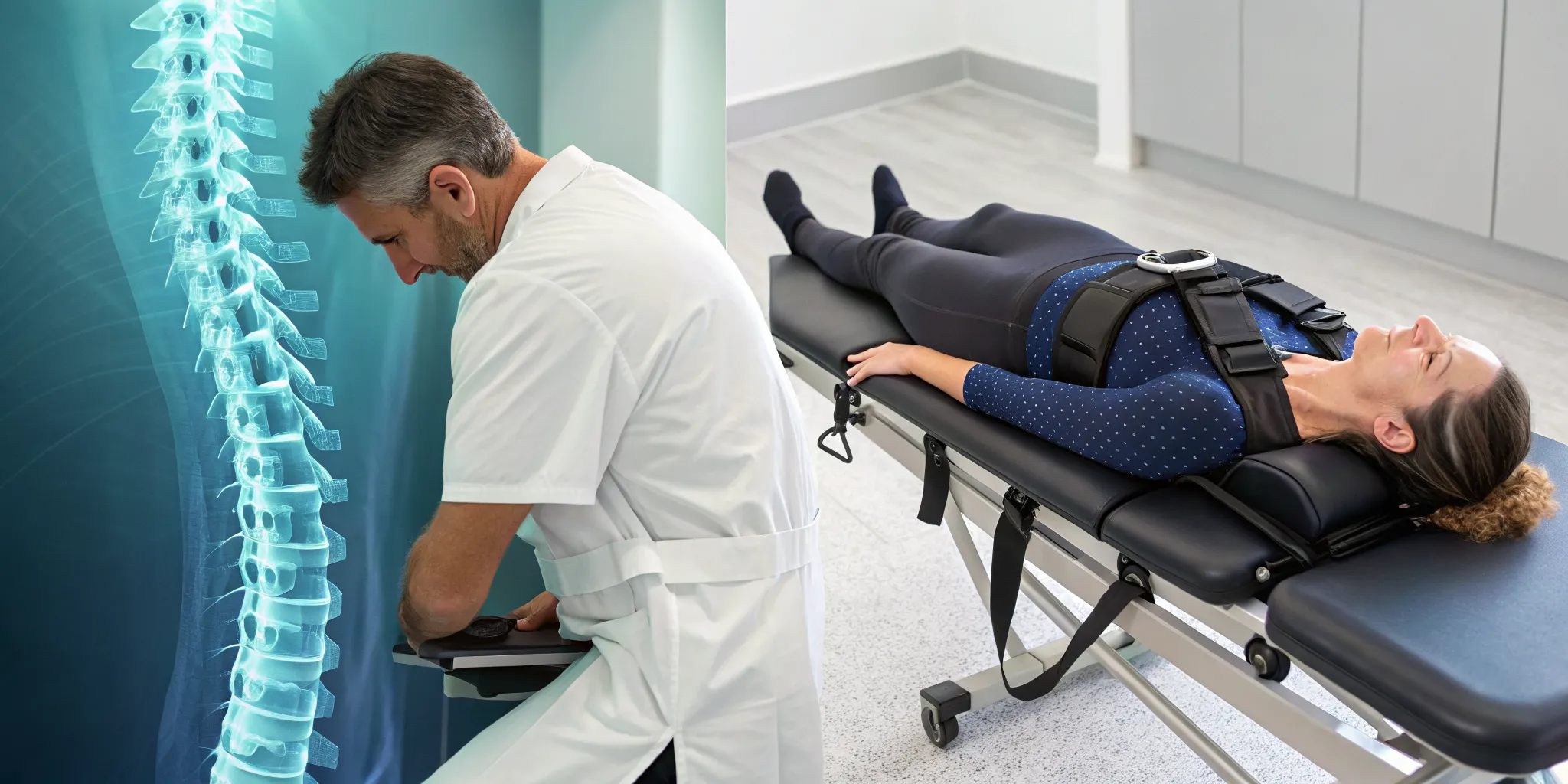
A cornerstone of many recovery plans is hands-on care to address the spine and joints. After the jolt of an accident, your spine can be knocked out of its proper alignment, putting pressure on nerves and causing pain. Chiropractic adjustments are gentle, precise movements used to restore that alignment and relieve nerve pressure. For issues involving the discs between your vertebrae, your doctor might also use spinal decompression. This technique gently stretches the spine to create space, taking pressure off the discs and allowing them to heal. These treatments work to restore your body's foundational structure.
Corrective Exercises and Rehabilitation
While adjustments help realign your body, corrective exercises help it stay that way. These aren't just generic stretches; they are specific movements prescribed to address your unique pattern of injury. The goal is to strengthen the muscles that support your spine and joints, improve your flexibility, and restore your range of motion. Think of it as rebuilding the support system around the injured area. A consistent rehabilitation program is your active role in the healing process, helping you regain strength and confidence in your body's ability to move without pain.
Functional Medicine for Full-Body Support
A truly holistic recovery plan looks beyond the immediate injury. This is where functional medicine comes in. Instead of only focusing on your neck or back pain, this approach considers your entire system to find and address the root causes of why you may not be healing optimally. An accident can trigger a cascade of inflammation and stress throughout the body. Functional medicine uses a detailed understanding of your health to create a plan that supports your body’s natural healing abilities, perhaps by addressing nutrition and reducing systemic inflammation. This whole-body support helps create the ideal internal environment for a faster, more complete recovery.
What Factors Influence Your Recovery Time?
After an accident, one of the first questions on your mind is likely, "How long will it take to feel like myself again?" The truth is, there’s no simple answer or universal timeline. Your recovery journey is unique to you, and how quickly you heal depends on a few key factors. Understanding these elements can help you set realistic expectations and take an active role in your healing process. Your body has an incredible capacity to repair itself, and giving it the right support is what matters most.
The Severity of Your Injury
The nature and extent of your injuries are the most significant factors in your recovery timeline. Some injuries, like deep bruising or minor strains, may resolve relatively quickly. However, many common car accident injuries aren't immediately obvious. Issues like whiplash, micro-tears in ligaments, or spinal misalignments can have delayed symptoms that worsen over time if left unaddressed. That’s why a thorough evaluation is so important. A comprehensive approach to physical medicine goes beyond surface-level symptoms to identify the full scope of the damage, ensuring your recovery plan addresses everything from the start.
Your Overall Health
Your body’s baseline health plays a huge role in its ability to bounce back from an injury. If you were already dealing with chronic inflammation, nutritional deficiencies, or high stress levels before the accident, your body’s healing resources may already be depleted. This can slow down the repair process. On the other hand, if you have a strong foundation of health, you’re better equipped to recover efficiently. This is where functional medicine can be a game-changer. By looking at your whole system, we can identify and address underlying issues that might be hindering your body's innate ability to heal, giving you the support you need to recover fully.
How Consistently You Follow Your Plan
Your commitment to your recovery plan is just as important as the plan itself. Healing isn't a passive process; it requires your active participation. Following through with your recommended care is crucial for making steady progress and preventing setbacks. This means attending all your appointments, consistently performing your corrective exercises at home, and making any suggested lifestyle adjustments. When you stick to the plan, you’re giving your body the consistent support it needs to rebuild and restore function. Our patient testimonials show what’s possible when you become an active partner in your own healing journey.
Documenting Your Injury for Legal Purposes
After an accident, your focus is rightly on healing. But there’s another piece of the puzzle that’s just as important for your long-term recovery: proper documentation. Thinking about legal matters can feel overwhelming, but creating a clear record of your injuries and treatment is one of the most empowering steps you can take. It ensures that your story is accurately told and helps you secure the resources you need to follow your recovery plan without compromise. This isn't about adding stress; it's about protecting your health and future.
Why Proper Documentation Matters
Think of your medical records as the official story of your recovery journey. After a car accident, a doctor’s notes provide crucial, objective evidence of the injuries you sustained. This is especially important if another driver was at fault. Without a formal record from a healthcare provider, it becomes much harder to demonstrate the extent of your injuries and the care required to heal them. Proper documentation validates your experience and is a key component in making sure you can access the full scope of treatment you need. At Ascend, we meticulously document the conditions we treat, creating a clear and thorough history of your care from day one.
How to Keep Detailed Treatment Records
While your healthcare provider will keep detailed clinical notes, it’s also a good idea for you to maintain your own records. This doesn’t have to be complicated. Simply keep a folder or a digital file where you can store copies of visit summaries, treatment plans, and receipts. It’s also helpful to jot down a few notes after each appointment about what was discussed and how you’re feeling. Tracking your symptoms, pain levels, and any limitations on your daily activities provides a valuable personal account that complements your official medical file. This simple habit helps you stay organized and actively participate in your recovery. You can contact our team to learn more about how we support patients through this process.
Coordinating with Your Legal Team
You don’t have to manage the flow of information by yourself. Your healthcare provider and your legal representative should be on the same team, working together for your benefit. Clear communication between them is essential. At Ascend, we understand the importance of this partnership and are experienced in providing the necessary documentation to legal teams. If you have a lawyer, we will work to ensure they have everything they need. If you haven't hired one yet, it’s important to find someone you trust. Your focus should be on your health, and having a coordinated team behind you allows you to do just that. Learning more about our team can give you confidence that you have dedicated partners in your corner.
Start Your Recovery Journey in Tampa
Taking that first step after an accident can feel overwhelming, but if you're in the Tampa area, you have access to excellent, specialized care. The key is finding a team that looks beyond surface-level symptoms. Your body is an interconnected system, and a proper recovery plan should reflect that. The goal is to address the root cause of your pain and dysfunction, which is the only way to ensure true, long-term healing and prevent future problems.
Your recovery journey should be as unique as you are. Look for a clinic that takes the time to understand your specific situation and creates a personalized plan for you. The most effective approaches often combine different therapies, like targeted physical medicine to address structural issues and functional medicine to support your body's overall ability to heal. This comprehensive strategy helps you not just recover from the accident, but build a stronger foundation for your future health.
You don't have to piece together your recovery on your own. Finding a dedicated team in Tampa that understands the full scope of conditions we treat after an accident is the most important step you can take. When you're ready, reaching out to a team that prioritizes your whole-body health can set you on the path to not just feeling better, but truly getting well. We encourage you to contact our office to learn how a personalized, integrated approach can make all the difference in your recovery.
Related Articles
- Physical Medicine in Tampa | Chiropractic & Rehab Care | Ascend Functional Health
- Discover Expert Chiropractic Care in Tampa, FL for Pain Relief
- Chiropractic Care - A Holistic Approach to Functional Health
- Physical Medicine | Alessi Functional Health Tampa, FL
- Tampa’s #1 Chiropractic & Functional Medicine Clinic
Frequently Asked Questions
I was in a minor accident and feel fine. Do I really need to see a doctor? Yes, it’s a very good idea to get evaluated even if you feel fine. The adrenaline your body produces during a stressful event like an accident is a powerful painkiller. It can easily mask underlying injuries like whiplash or spinal misalignments. Symptoms from these issues often don't appear for hours or even days, and seeking care early can prevent them from turning into long-term, chronic problems.
What's the difference between seeing a specialist and just going to my family doctor? Your family doctor is wonderful for your general health, but car accident injuries require a specific type of expertise. A specialist in physical medicine or a chiropractor has advanced training in the mechanics of the body, especially the spine and soft tissues. They know how to identify and treat the unique types of damage caused by the force of a collision, which are often missed during a standard check-up.
How does functional medicine help with a car accident injury? A car accident is a major shock to your entire system, not just the part that hurts. This trauma can trigger widespread inflammation and throw other systems, like your gut health, off balance, which slows down your body's ability to heal. Functional medicine looks at this bigger picture. It helps identify and address these internal issues to create the ideal environment for your body to repair itself more efficiently.
Is it too late to seek care if my accident was weeks or even months ago? It is absolutely not too late. While addressing injuries right away is ideal, it's very common for people to seek help later when they realize a nagging pain isn't going away. A specialist can still assess the chronic patterns and dysfunctions that have developed since the accident and create a plan to address the root cause of your discomfort, helping you find relief and improve your function.
What can I do to help speed up my own recovery? Your active participation is one of the most important parts of your recovery. The best thing you can do is be consistent with the care plan your doctor creates for you. This means attending your appointments and, just as importantly, doing your prescribed corrective exercises at home. These exercises are designed to strengthen and stabilize your body, helping to make your professional treatments more effective and long-lasting.