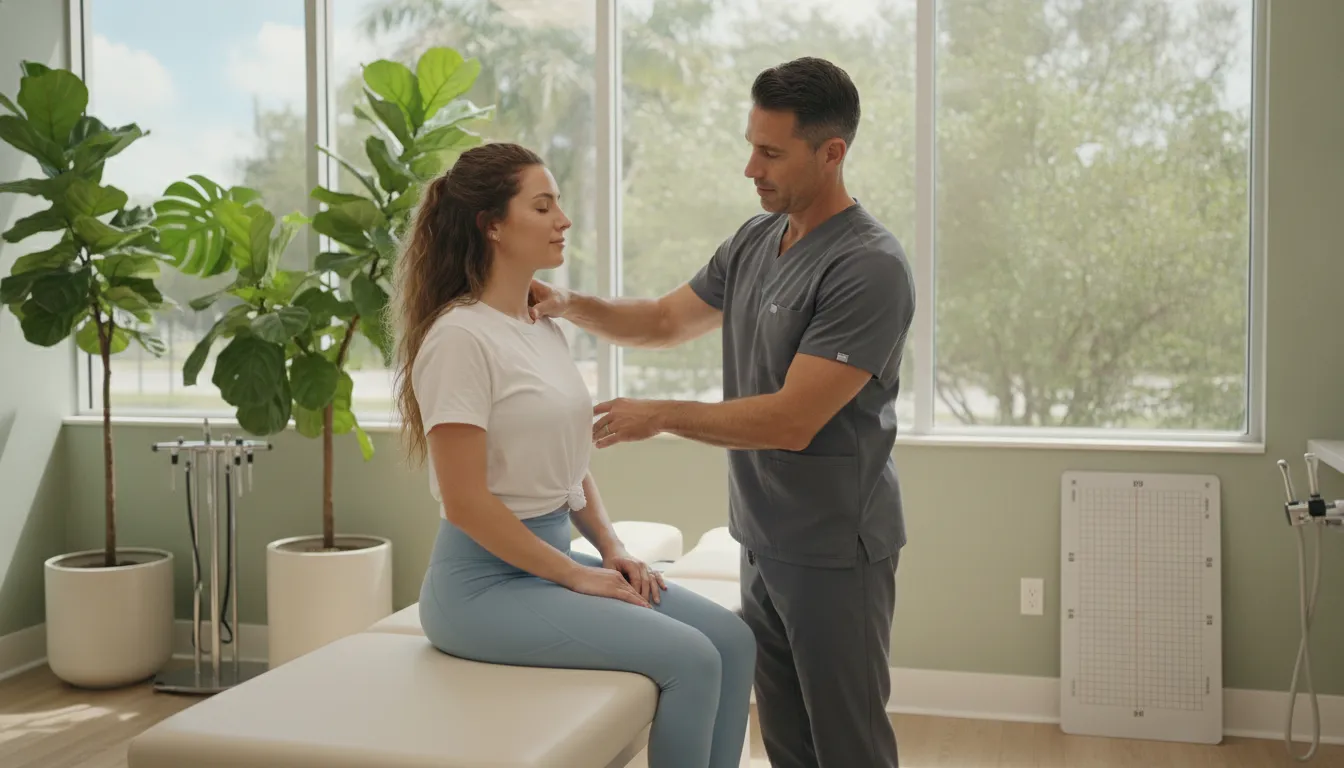
True wellness is about being proactive, not just reacting to problems as they arise. Many serious health risks, like declining bone density or the accumulation of dangerous visceral fat around your organs, develop silently without obvious symptoms. A dexa body scan gives you a look under the hood, providing critical information that allows you to address these potential issues early. It’s a powerful tool for prevention, offering insights that empower you to make targeted lifestyle changes now to protect your long-term health. This is the foundation of longevity medicine: using precise data to build a stronger, more resilient body for the future.
Key Takeaways
- Get a precise blueprint of your body: A DEXA scan measures your exact fat percentage, lean muscle mass, and bone density, offering a more accurate health assessment than BMI or a standard scale.
- The scan is a quick and safe process: The appointment is straightforward and comfortable, lasting about 15 minutes with minimal radiation exposure, which makes it a reliable tool for tracking health changes over time.
- Use your results to create an effective health plan: Your DEXA report provides the specific data needed to build a personalized strategy, helping you set clear, actionable goals for your fitness and long-term health.
What Is a DEXA Scan?
If you’ve ever felt like the number on your bathroom scale doesn’t tell the whole story, you’re right. A DEXA scan, which stands for Dual-Energy X-ray Absorptiometry, offers a far more detailed and accurate picture of what’s happening inside your body. Think of it as a complete blueprint of your body composition, showing you exactly what you’re made of, from bone and muscle to fat. It’s a powerful tool that moves beyond weight to give you actionable insights into your health.
How DEXA Technology Works
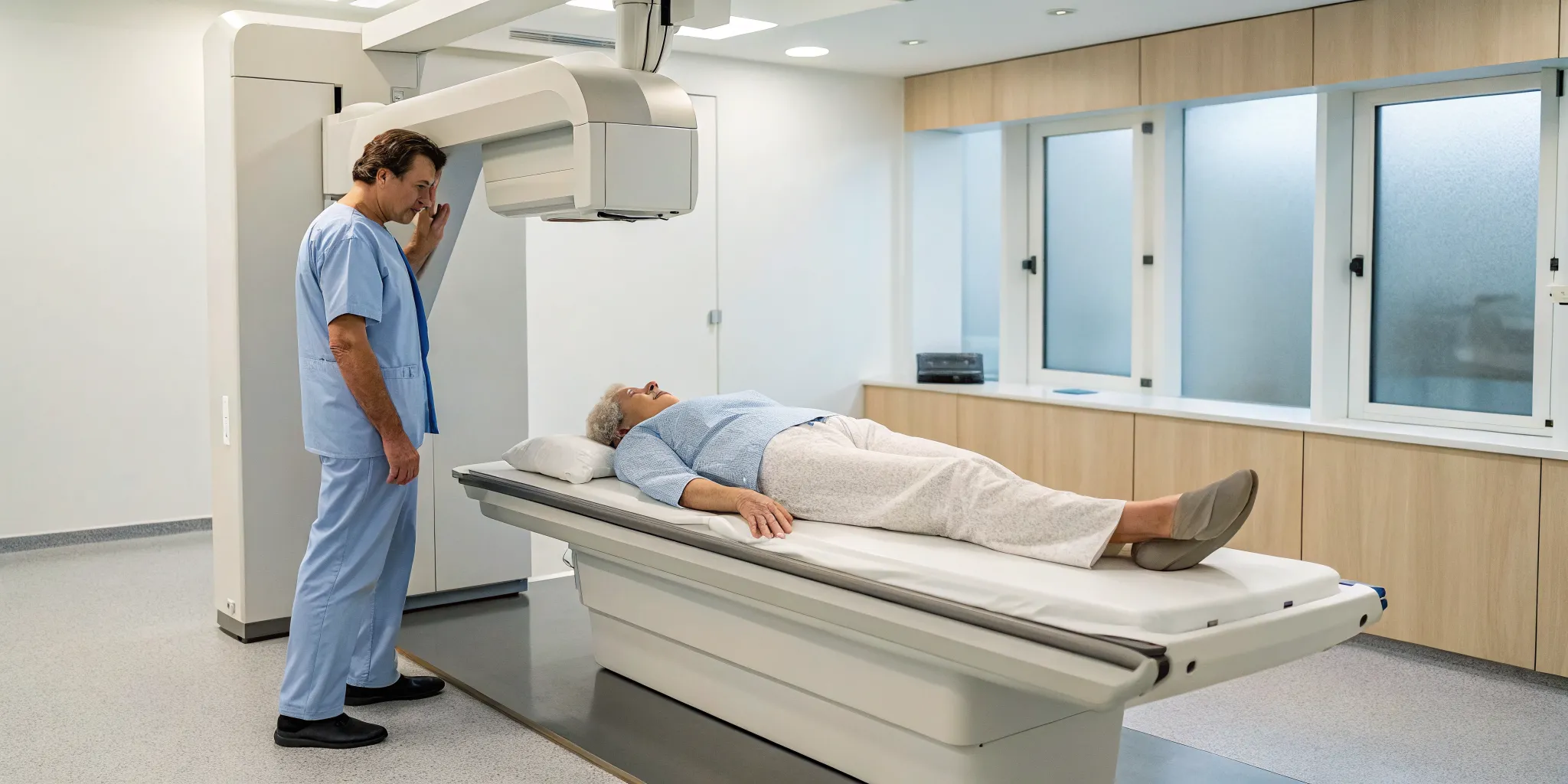
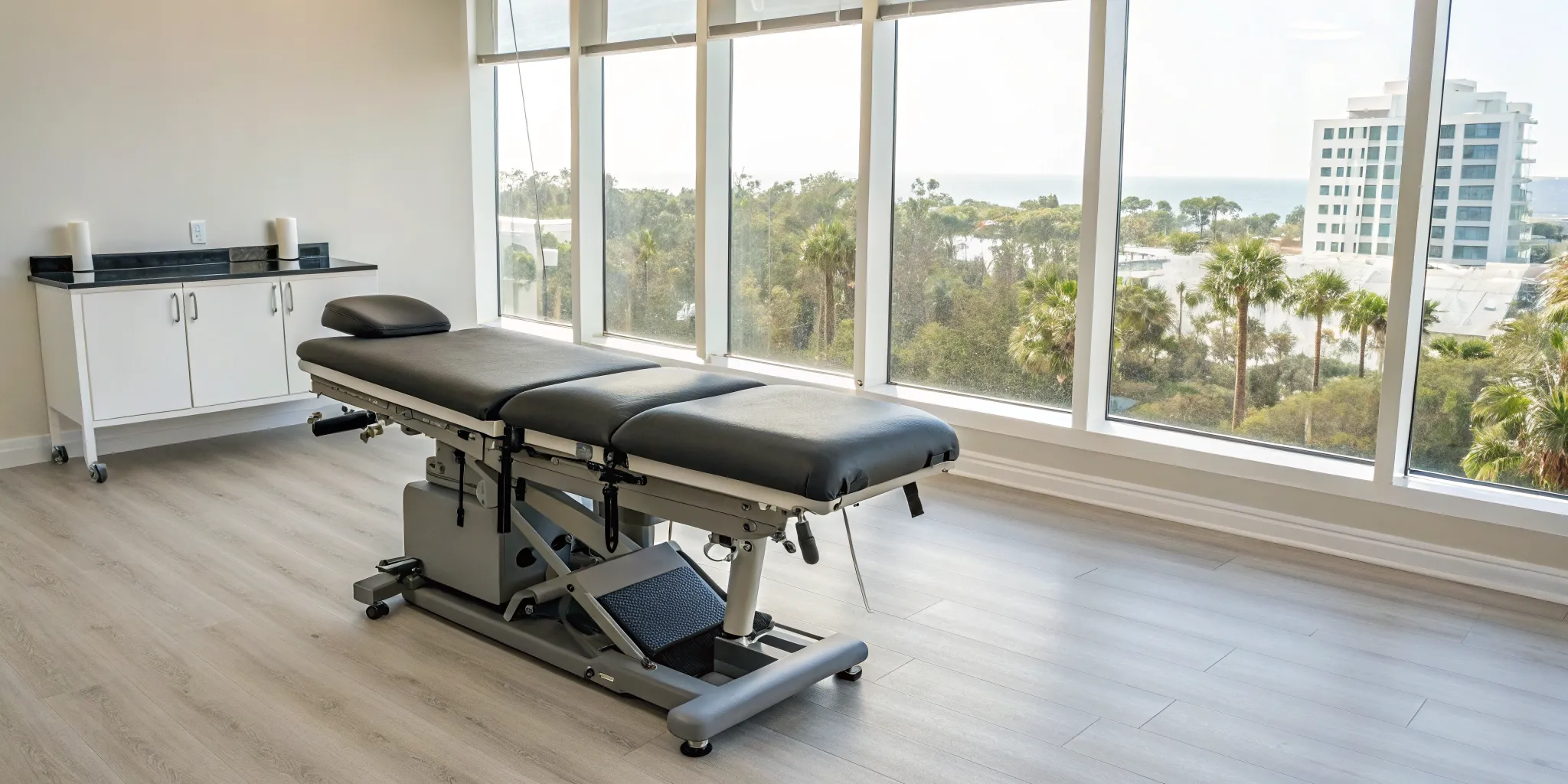
The process of getting a DEXA scan is surprisingly simple and straightforward. You’ll lie down comfortably on a padded table while a machine arm moves slowly over your body. According to UC Davis Health, the scan is quick, completely pain-free, and uses very low-power X-rays to gather information. The open design of the machine means you won’t feel closed in or claustrophobic. In just a few minutes, the scan is complete, and the system has collected precise data on your body’s unique composition without any discomfort on your part.
What a DEXA Scan Measures (Beyond Bone Density)
While DEXA technology was first developed to measure bone density and diagnose osteoporosis, it has since become the "gold standard" for comprehensive body composition analysis. A single scan provides a wealth of information, including your exact body fat percentage, lean muscle mass, and bone mineral density. This detailed breakdown helps you understand your body far better than a simple scale ever could. By tracking these metrics, you can get a clearer picture of how your diet and exercise habits are impacting your health, which is a cornerstone of effective longevity medicine.
DEXA vs. Other Body Composition Tests
You’ve probably seen other methods for measuring body composition, like bioelectrical impedance scales (smart scales), BMI charts, or skinfold caliper tests. While these can offer a rough estimate, a DEXA scan is significantly more accurate and reliable. Unlike a smart scale that can be thrown off by your hydration levels, a DEXA scan provides a direct measurement of your fat, muscle, and bone. This level of precision is why it’s considered superior to older methods. Getting an accurate baseline is a key first step in any functional medicine plan designed to address your specific health goals.
Why Get a DEXA Scan?
Stepping on the scale only tells you one number, but your body is a complex system of bone, muscle, and fat. A DEXA scan gives you the full story. Think of it as a detailed internal map that shows you exactly what you’re made of. This information is incredibly powerful because it moves you beyond guesswork. Instead of just chasing a number on the scale, you can set specific, meaningful goals for your health, whether that’s building strength, protecting your bones, or reducing harmful fat. It’s the kind of precise data that forms the foundation of a truly personalized health plan, allowing you to track your progress with accuracy and confidence.
Get a Clear Picture of Your Body Composition
A DEXA scan is widely considered the gold standard for measuring body composition. It precisely breaks down your body into three key components: bone mass, lean muscle mass, and fat mass. This is far more insightful than traditional methods like BMI, which can’t distinguish between a pound of muscle and a pound of fat. With a DEXA report, you can see your exact body fat percentage and how it’s distributed throughout your body. This level of detail is the first step in our Functional Medicine approach, as it helps us understand your unique physiology and create a plan that addresses your specific needs.
Assess Your Bone Health and Osteoporosis Risk
Strong bones are the foundation of a long, active life. A DEXA scan is the most accurate way to measure your bone mineral density, which is a key indicator of bone strength. It can detect signs of bone loss early, long before a fracture occurs. This is especially important for identifying your risk for osteopenia or osteoporosis. Catching these conditions early gives you the chance to make proactive changes to your diet, exercise, and lifestyle to protect your bones for years to come. This preventative insight is a core part of our approach to Longevity Medicine.
Measure Visceral Fat and Its Health Impact
Not all body fat is the same. The fat you can see and pinch is called subcutaneous fat, but there’s another, more dangerous type called visceral fat. This is the fat stored deep within your abdominal cavity, surrounding your vital organs. High levels of visceral fat are linked to serious health issues, including insulin resistance, heart disease, and other chronic conditions. A DEXA scan is one of the few methods that can accurately measure this internal fat. Knowing your visceral fat level provides a critical health marker that we can work to improve through targeted protocols for the conditions we treat.
Identify Muscle Imbalances Early
If you’ve ever felt like one side of your body is stronger than the other, you’re probably right. A DEXA scan provides a detailed report that shows the exact amount of muscle mass in each arm and leg. This can reveal muscular imbalances that you might not even be aware of. Identifying these asymmetries is key to preventing injuries, improving athletic performance, and correcting postural issues. This data allows our Physical Medicine team to develop targeted corrective exercises and therapies to help you build a more balanced, resilient body.
How Much Does a DEXA Scan Cost?
One of the first questions people have about getting a DEXA scan is, "What's the price tag?" It's a fair question, and the answer depends on a few key factors. The cost can vary based on your location, the type of facility you visit, and whether your insurance plan considers the scan a covered benefit. A scan performed in a hospital setting for diagnostic purposes often carries a different price than a body composition scan at a private wellness center like ours.
The reason you're getting the scan plays a big role in the final cost. Are you monitoring bone density based on a doctor's recommendation, or are you proactively tracking your body composition as part of your fitness journey? We'll walk through the typical price ranges and explain how insurance coverage works so you can feel confident about your investment in your health.
What to Expect to Pay
Generally, you can expect to pay between $150 and $400 for a DEXA scan, especially when it's done at a hospital or medical facility for diagnostic purposes. However, if you're interested in a scan specifically for body composition analysis, the price is often lower. Many private wellness centers offer these scans for somewhere between $40 and $150. The price difference usually comes down to the purpose of the scan and the type of report you receive. It's always a good idea to call the facility ahead of time to confirm their pricing and what's included in the cost.
Will Insurance Cover Your Scan?
This is the big question, isn't it? Whether insurance will cover your DEXA scan really depends on why you're getting it. If your doctor orders the scan to diagnose or monitor a medical condition like osteoporosis, there's a good chance your insurance will cover at least part of the cost. This is because it's considered medically necessary. However, coverage varies widely between different insurance plans. The best first step is to call your insurance provider directly. Ask them about your specific benefits for bone density testing and what their requirements are for coverage. This simple phone call can save you from any surprise bills later on.
Medically Necessary vs. Elective Scans
It's helpful to understand the difference between a "medically necessary" scan and an "elective" one. A medically necessary scan is one your doctor orders to screen for or manage a health condition, like low bone mass. These are the scans insurance is most likely to cover. An elective scan, on the other hand, is one you choose to get for personal insight, such as tracking muscle gain or fat loss. While these scans provide incredibly valuable data for your personal health and longevity medicine goals, they are typically paid for out-of-pocket. Think of it as an investment in a highly detailed, accurate snapshot of your body's health.
Where to Get a DEXA Scan in Tampa
Finding the right place for your DEXA scan in Tampa depends on your personal health goals. Whether you’re tracking fitness progress, assessing bone health, or getting a complete picture of your body composition, you have several excellent options. The key is to find a provider that not only offers the scan but also helps you understand what the results mean for you. Let’s walk through what to look for and where you can go.
Your DEXA Scan at Ascend Functional Health
If you’re seeking a comprehensive understanding of your health, we offer DEXA scans right here at Ascend Functional Health. We don’t just give you a report; we integrate your results into a bigger picture of your well-being. Our approach combines physical medicine, functional medicine, and longevity medicine to create a personalized plan. A DEXA scan is a powerful tool in our diagnostic toolkit, helping us identify the root causes of health concerns and track your progress over time. Our team is dedicated to providing tailored solutions, ensuring your scan is the first step toward a clearer, more effective health strategy.
Medical Facilities vs. Wellness Centers
When you start your search, you’ll notice that DEXA scans are offered in different settings, mainly medical facilities and wellness centers. Medical facilities, like hospitals or outpatient imaging centers, typically provide DEXA scans as part of a wide range of diagnostic services. They are well-suited for investigating specific medical issues. In contrast, wellness centers often use DEXA scans to focus on body composition, fitness, and preventive health. The right choice for you depends on your goals. If you want to integrate your scan into a holistic health plan, a wellness-focused provider like Ascend Functional Health might be the perfect fit.
How to Choose a Quality Provider
When selecting a provider for your DEXA scan, a little research goes a long way. Start by looking into the experience of the staff and the quality of the technology they use. A reputable facility will be transparent about its pricing, so you know exactly what to expect without any hidden fees. One of the best ways to gauge the quality of care is to read what other people have to say. Checking out patient testimonials can give you valuable insight into the patient experience and the level of support you’ll receive. Choosing a provider you trust is essential for making your results truly actionable.
What to Expect at Your DEXA Appointment
Knowing what’s coming can make any new health appointment feel much more comfortable. The good news is that a DEXA scan is a straightforward and completely painless process. From start to finish, it’s designed to be quick and easy. You’ll be lying down comfortably the entire time, and there are no needles or invasive procedures involved. The whole point is to gather precise data about your body so we can help you build a health plan that’s tailored specifically to you. Let’s walk through the simple steps, from how to prepare for your appointment to understanding what your results really mean for your health journey.
How to Prepare for Your Scan
Prepping for your DEXA scan is simple. The main goal is to ensure nothing interferes with the imaging, so we get the most accurate results possible. On the day of your scan, make sure you’re well-hydrated, but try not to eat for at least three hours beforehand. Wear comfortable, light clothing without any metal, like zippers, buttons, or underwires. Think workout clothes or loungewear. You’ll also need to remove any jewelry, watches, or belts. If you have any questions about specific medications or supplements you’re taking, it’s always a good idea to contact our office ahead of time for guidance.
What Happens During the Scan
The scan itself is quick and relaxing. You’ll lie down on a padded table, and a C-shaped scanning arm will move slowly over your body. It’s a completely open design, so you won’t feel enclosed or claustrophobic. The machine does all the work while you just lie still and breathe normally. The entire process usually takes about 10 to 15 minutes. There’s no noise, no discomfort, just a few minutes of quiet time while the scanner gathers detailed information about your body composition. It’s one of the simplest and most efficient ways to get a clear picture of what’s happening inside your body.
Making Sense of Your Results
After your scan is complete, you’ll receive a detailed report. But data is only useful when you know what to do with it. This is where the real value comes in. One of our experts will sit down with you to go over your results, explaining exactly what they mean. We’ll look at your body fat percentage, muscle mass, and bone density, and identify any muscle imbalances or visceral fat levels that need attention. This data is the foundation of a truly personalized health plan, a core part of our approach to functional medicine. We use these insights to create actionable steps that help you reach your specific health goals.
Is a DEXA Scan Safe?
It’s completely normal to have questions about the safety of any medical procedure, especially one that involves radiation. When it comes to DEXA scans, the good news is that they are considered extremely safe. The technology is designed to give you a detailed look inside your body with minimal risk, providing valuable information that can guide your health and wellness journey.
The key is understanding the context of the radiation involved and knowing if there are any specific situations where a scan might not be recommended. Let's walk through the specifics so you can feel confident and informed about the process. Our team at Ascend Functional Health is always available to answer your questions and ensure you feel comfortable every step of the way. This scan is more than just a test; it's a tool that gives you a clear, accurate baseline of your body composition. This information empowers you to make targeted changes to your lifestyle and see tangible proof of your progress over time.
Understanding the Radiation Levels
The word "radiation" can sound intimidating, but it's something we encounter in our environment every day. The amount of radiation used in a DEXA scan is incredibly small. In fact, the dose is lower than what you would receive from a standard chest X-ray and is often compared to the amount of natural background radiation you’re exposed to on a cross-country flight.
This low-dose X-ray technology is precisely why DEXA is the gold standard for measuring body composition and bone density. It provides highly accurate results without exposing you to significant levels of radiation. This makes it a safe and effective tool for tracking your health progress over time, allowing for periodic scans to monitor changes in muscle, fat, and bone health without concern.
Who Should Not Get a DEXA Scan?
While DEXA scans are safe for most people, there is one primary exception: pregnancy. To protect the developing fetus from any unnecessary radiation exposure, however small, DEXA scans are not recommended for individuals who are pregnant or think they might be. It’s one of the first questions we’ll ask to ensure patient safety and is a standard precaution across all medical imaging.
If you have recently had another imaging test that involved a contrast agent, like certain CT scans or nuclear medicine scans, you may also need to wait a bit before your DEXA scan. This is to ensure the contrast material doesn't interfere with the results. Always be sure to discuss your full medical history with your provider so they can give you the best recommendation.
Common Myths About DEXA Scans
The most common myth about DEXA scans revolves around the fear of radiation. It’s easy to group all X-ray procedures together, but the technology and dosage can vary dramatically. DEXA scans are on the very lowest end of the spectrum. The scientific and medical communities agree that the benefits of obtaining precise data on your bone density, muscle mass, and visceral fat far outweigh the minimal risk associated with the scan.
This detailed information allows you and your healthcare provider to make proactive, informed decisions about your diet, fitness, and overall health strategy. It helps you address potential health concerns like osteoporosis or high levels of visceral fat before they become more serious problems, giving you a clear path forward.
Related Articles
- Functional Medicine in Tampa | Root Cause Care | Ascend Functional Health
- Longevity Medicine in Tampa | Joint & Recovery Care | Ascend
- Physical Medicine in Tampa | Chiropractic & Rehab Care | Ascend Functional Health
- Comprehensive Blood Work | Alessi Functional Health
- At Home Lab Tests | Alessi Functional Health
Frequently Asked Questions
How often should I get a DEXA scan to track my progress? The ideal frequency really depends on your personal health goals. If you're actively working on a new fitness or nutrition plan, getting a follow-up scan in three to six months can provide excellent feedback on how your body composition is changing. For general health maintenance or monitoring bone density over the long term, an annual scan is often a great rhythm. We can help you figure out a schedule that makes the most sense for you.
Is the DEXA scan process uncomfortable or claustrophobic? Not at all. The entire experience is designed to be comfortable and straightforward. You simply lie on your back on a padded, open table while a scanning arm passes slowly overhead. There is no pain, no needles, and no enclosed tunnel, so you can just relax and breathe normally for the few minutes it takes to complete the scan.
Do I need a doctor's referral to get a DEXA scan? For a body composition scan at a wellness-focused center like Ascend Functional Health, you typically do not need a referral from a doctor. You can schedule one directly as part of your proactive health journey. If your primary goal is to diagnose or monitor a specific medical condition like osteoporosis for insurance purposes, it's best to start with your physician.
What makes a DEXA scan better than the smart scale I have at home? While smart scales are convenient for daily check-ins, they provide a rough estimate using technology that can be easily influenced by your hydration levels or recent meals. A DEXA scan, on the other hand, gives you a direct and precise measurement of your bone, muscle, and fat. It’s considered the gold standard because it delivers a much more accurate and reliable snapshot of your body's makeup.
How long does the entire appointment take? The scan itself is very quick, usually lasting between 10 and 15 minutes. However, we always set aside extra time to go through your results with you afterward. The real value comes from understanding the data, so we make sure you have a chance to discuss your report, ask questions, and see how this information fits into your broader health plan.