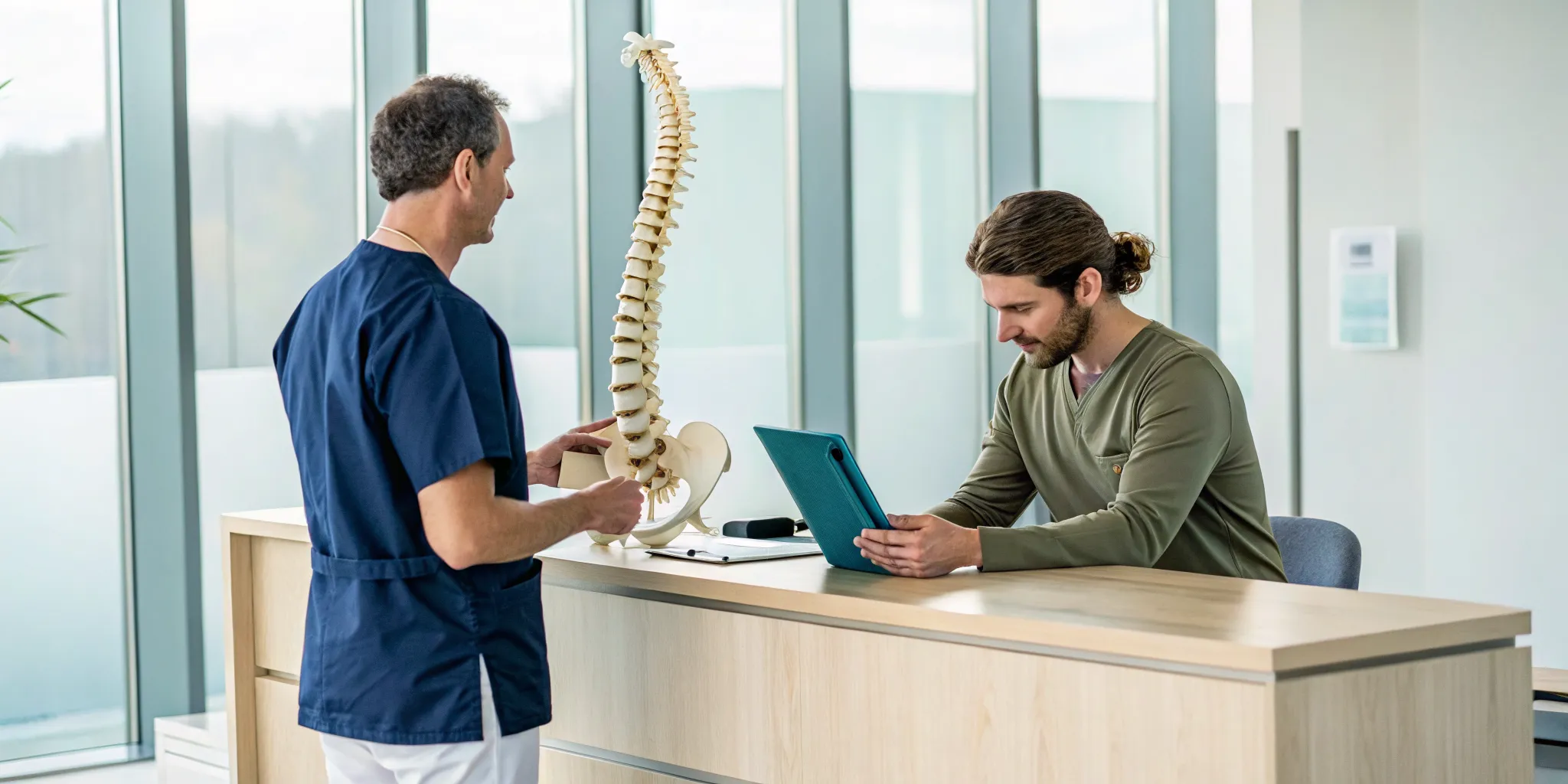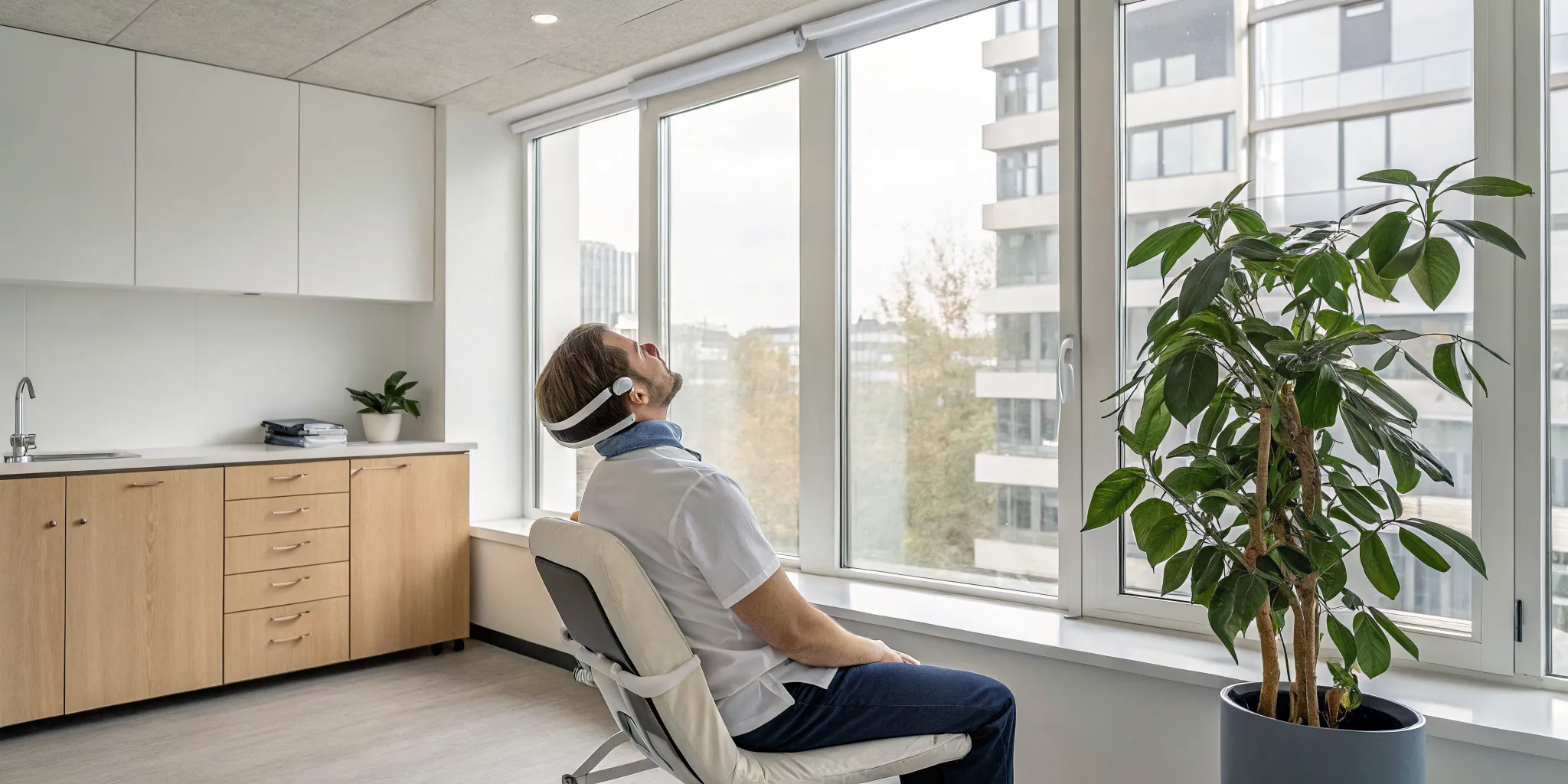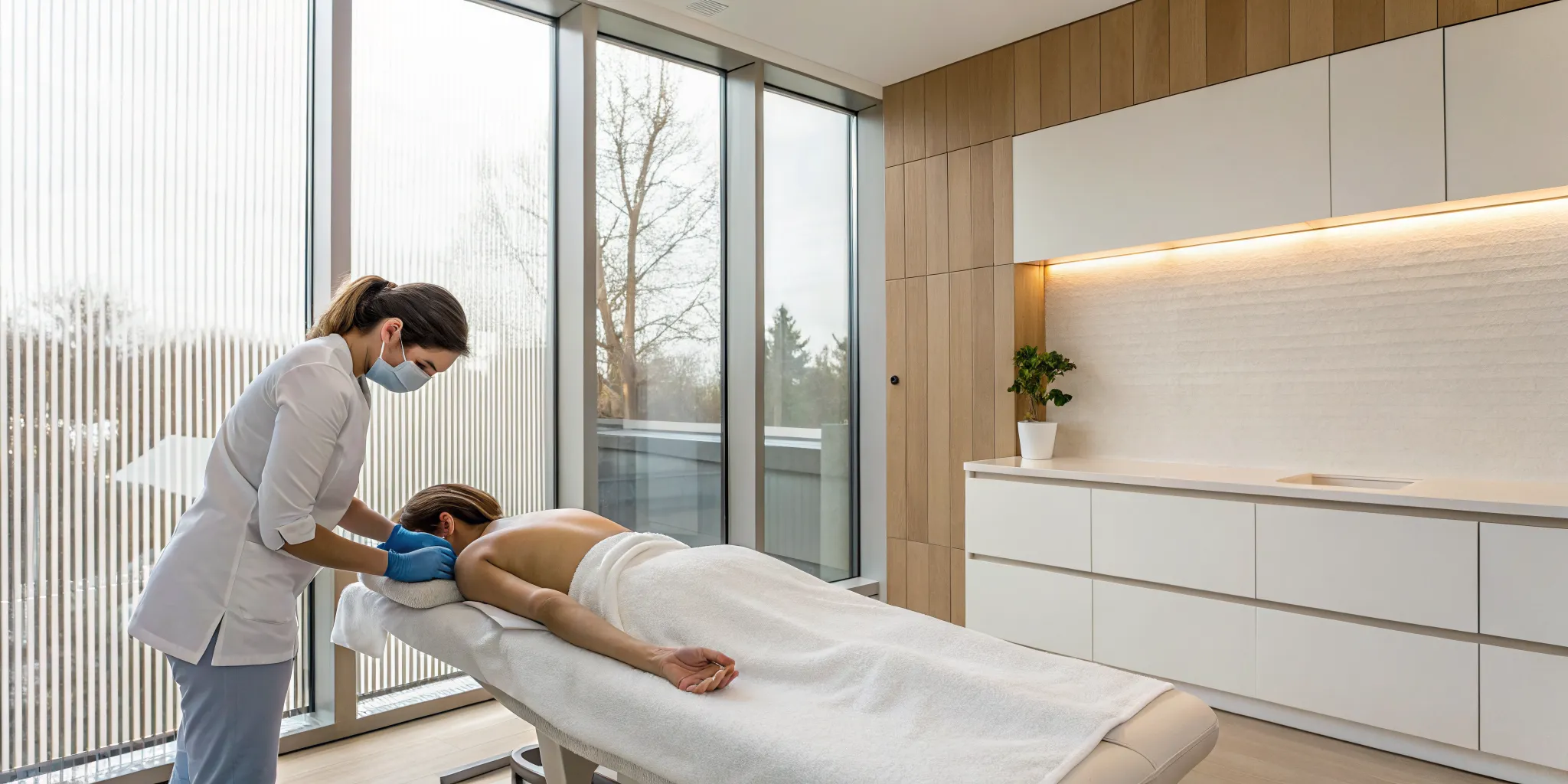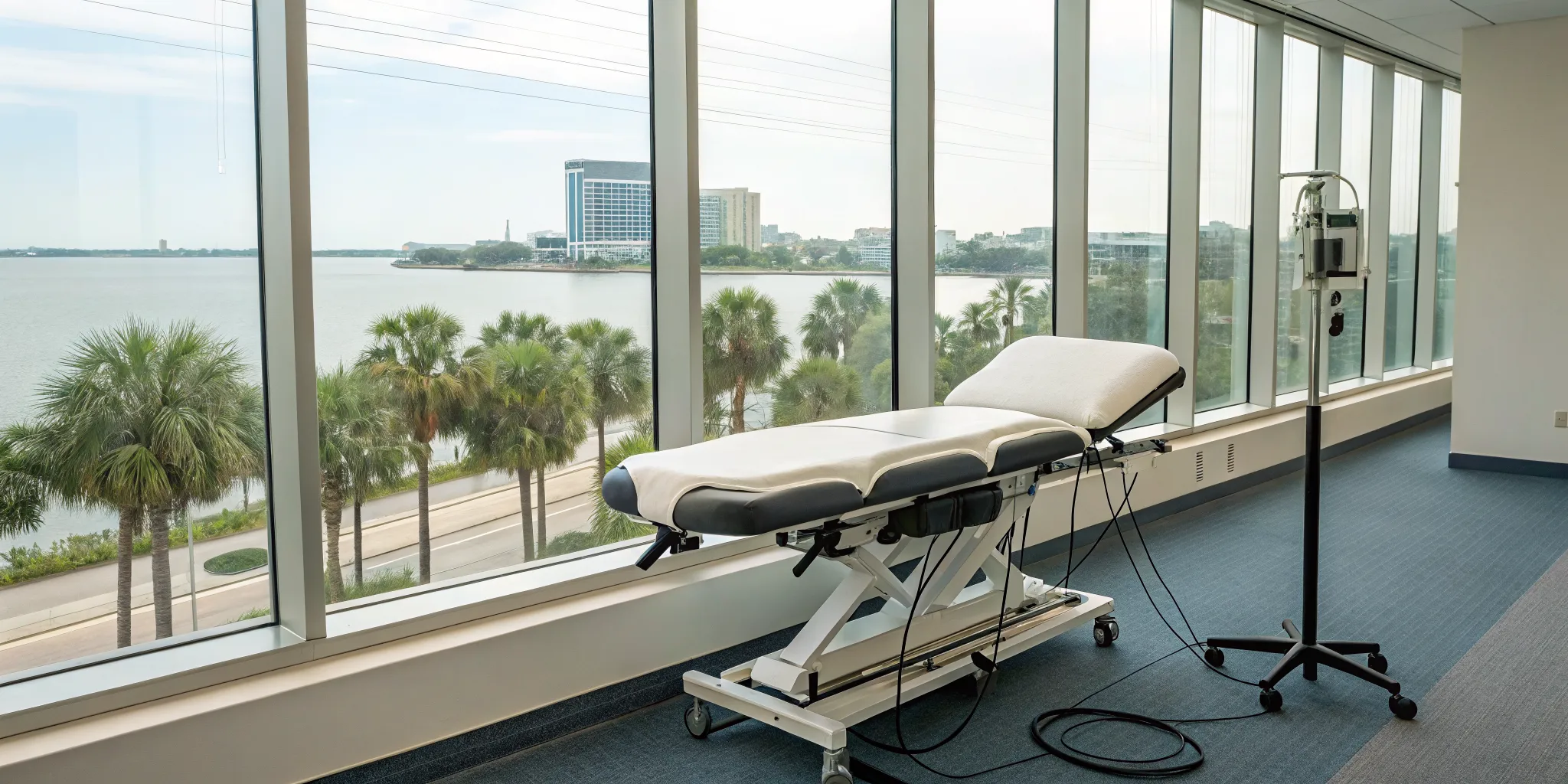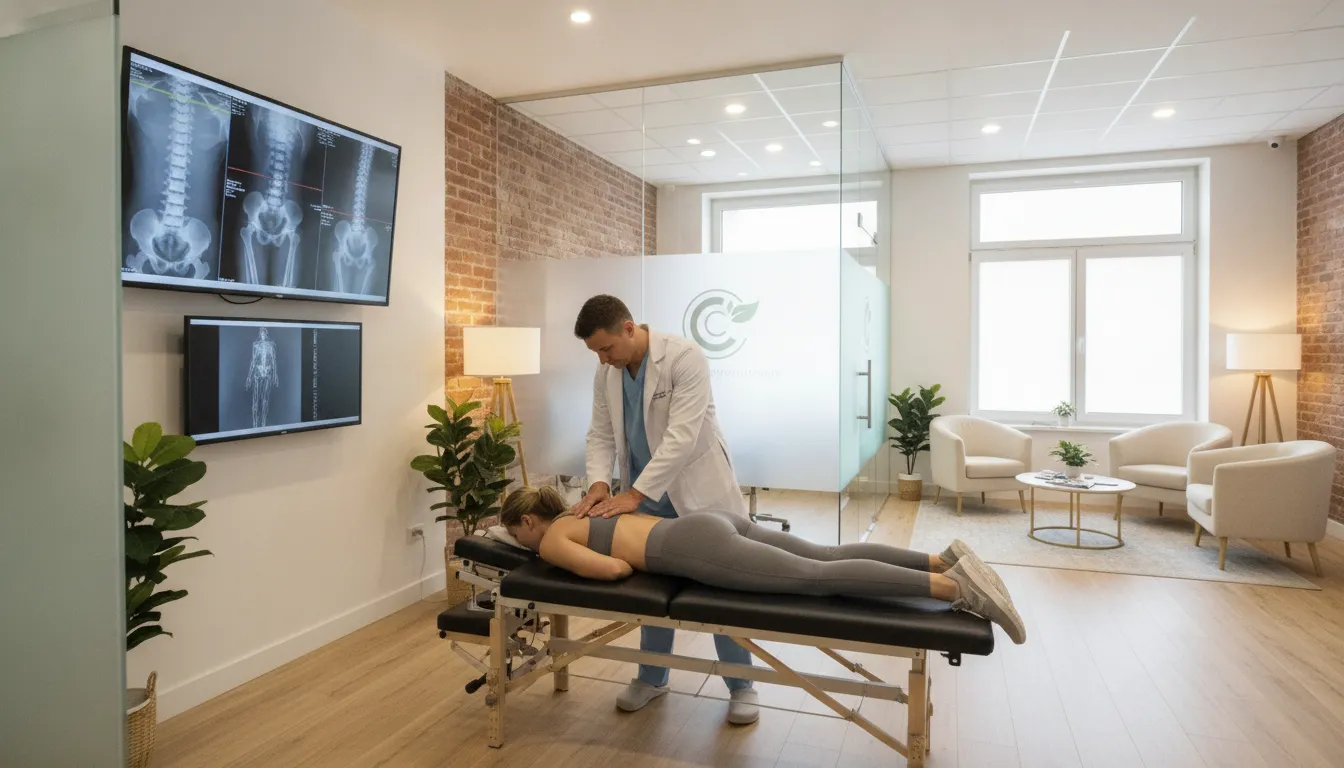
The market for at-home health devices has exploded, and tools for lumbar traction are no exception. While the convenience of treating your back pain in your own home is appealing, it’s crucial to approach it with the right information. Using a device incorrectly can do more harm than good. This is why understanding the difference between professional, guided treatment and at-home care is so important. A healthcare professional can provide a proper diagnosis, ensure traction is safe for your specific condition, and recommend the right protocol. This article will explore the benefits of both approaches and help you make an informed decision about what’s best for your spinal health.
Key Takeaways
- Traction Creates Space for Healing: Lumbar traction works by gently stretching your lower spine. This creates space between vertebrae, relieving the pressure on discs and nerves that causes pain from conditions like sciatica or herniated discs.
- Consult a Professional First: Before starting any traction therapy, especially at home, get an expert evaluation. A professional can confirm if it's a safe option for your specific condition and guide you on how to use it correctly for the best results.
- Pair Treatment with Supportive Habits: For long-term relief, think of traction as one part of a larger plan. Combine your sessions with core-strengthening exercises and lifestyle adjustments, like better posture, to build a stronger, more resilient back.
What is lumbar traction and how does it work?
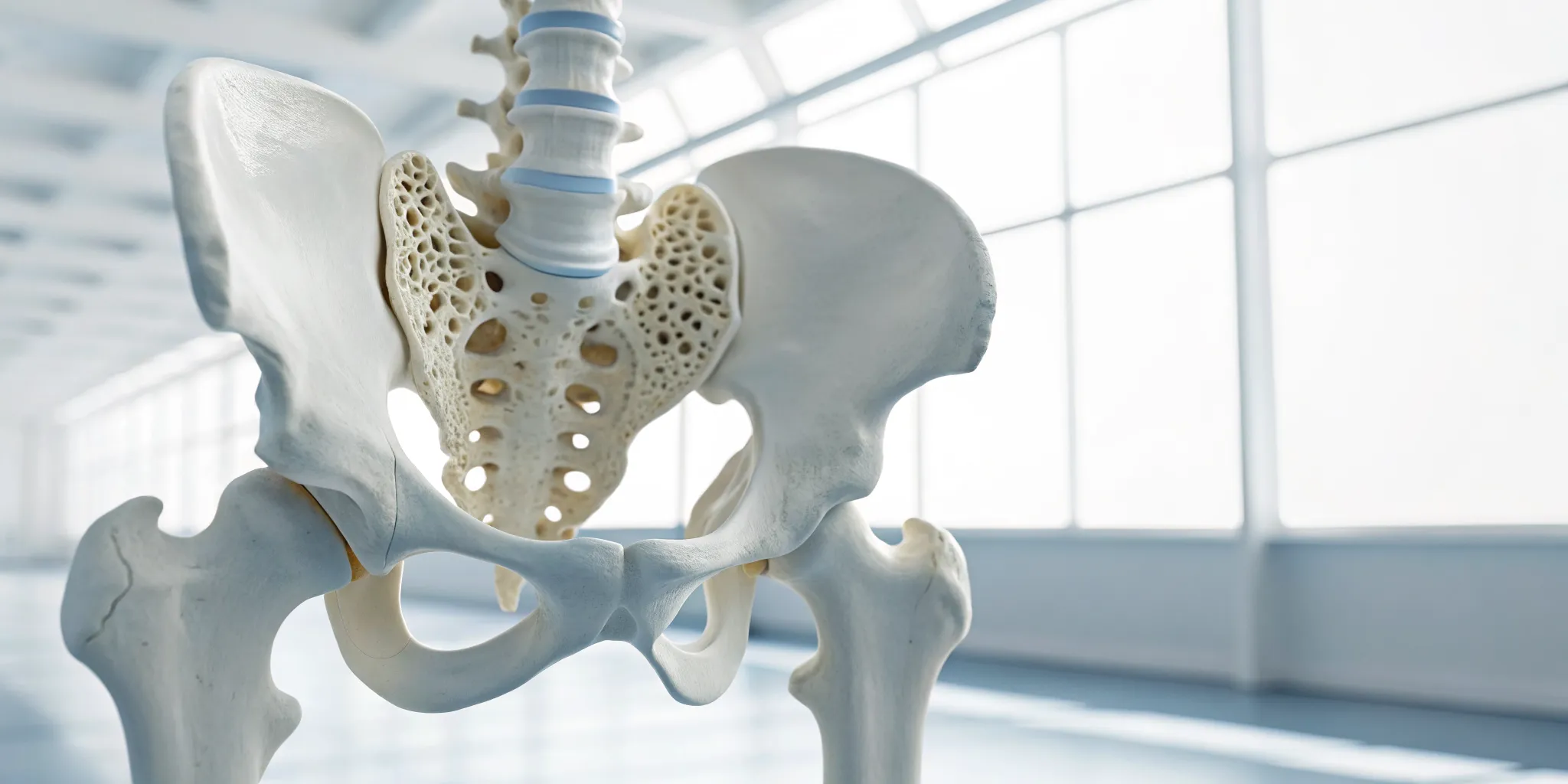
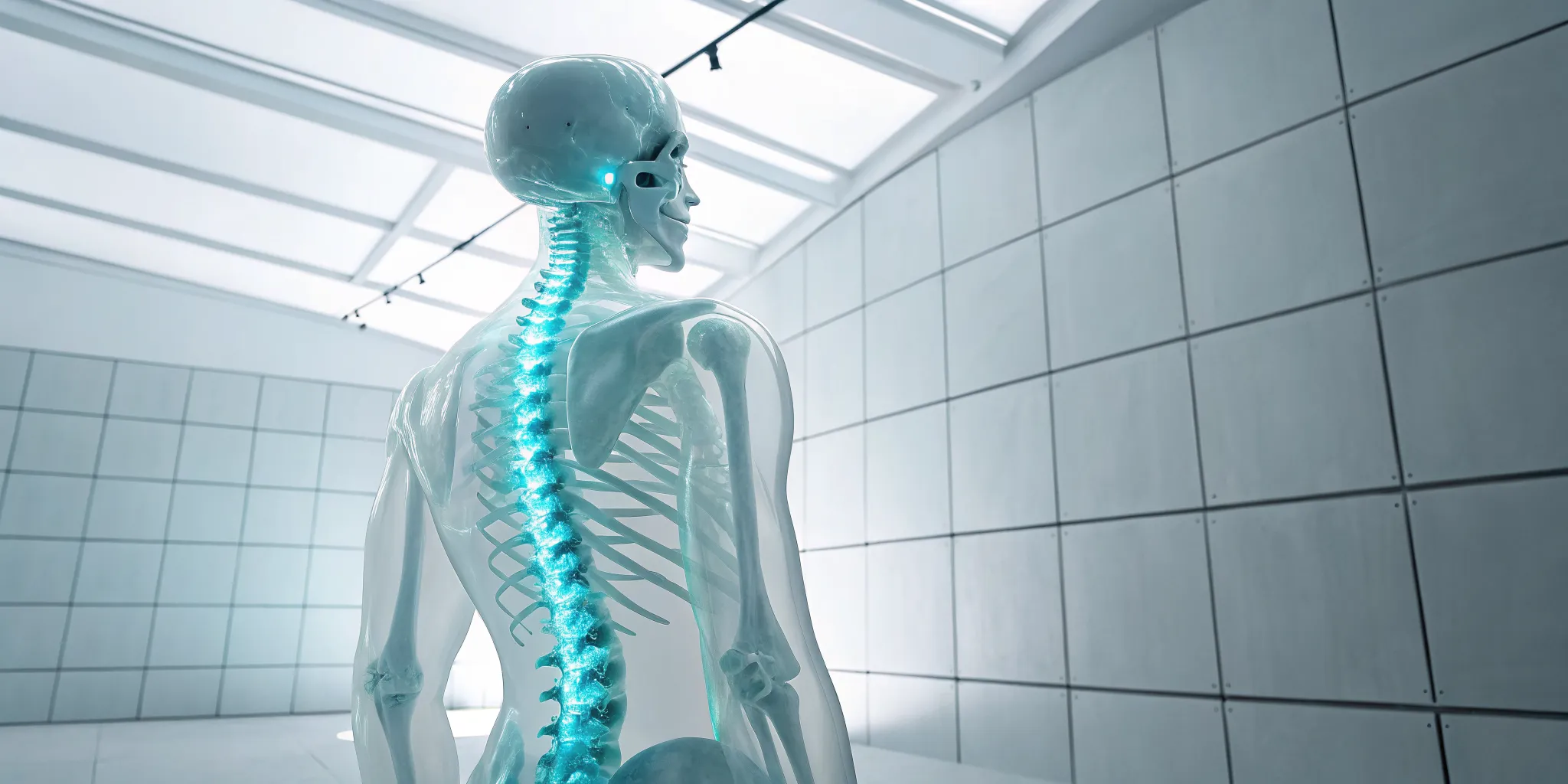
If you're dealing with persistent lower back pain, you’ve probably heard about lumbar traction. Think of it as a specialized, targeted stretch for your spine. It’s a therapeutic technique designed to gently pull your vertebrae apart, creating space where things have become compressed. This process, often called spinal decompression, is a cornerstone of physical medicine and can be a game-changer for relieving pressure on your spinal discs and nerves.
Imagine your spine as a stack of building blocks with soft cushions (your discs) in between. Over time, due to injury, posture, or just gravity, that stack can get squished. Nerves can get pinched, and discs can bulge, leading to pain, sciatica, and stiffness. Lumbar traction works to counteract that compression. By carefully stretching the lumbar (lower) region of your spine, it gives those discs room to breathe and helps nerves function without interference. It’s a non-invasive way to address the root cause of the pressure, rather than just masking the symptoms.
The goal: Decompressing your spine
The main objective of lumbar traction is simple: create negative pressure within your spinal discs. This gentle separation of the vertebrae can help a bulging or herniated disc retract, taking pressure off the surrounding nerves. It’s this nerve compression that often causes the sharp, radiating pain associated with conditions like sciatica. By decompressing the spine, we not only aim to reduce pain but also to improve the flow of oxygen and nutrient-rich fluids to the discs. This helps promote a better healing environment for your back, improving overall spinal health and restoring mobility so you can get back to your life.
Manual vs. mechanical traction
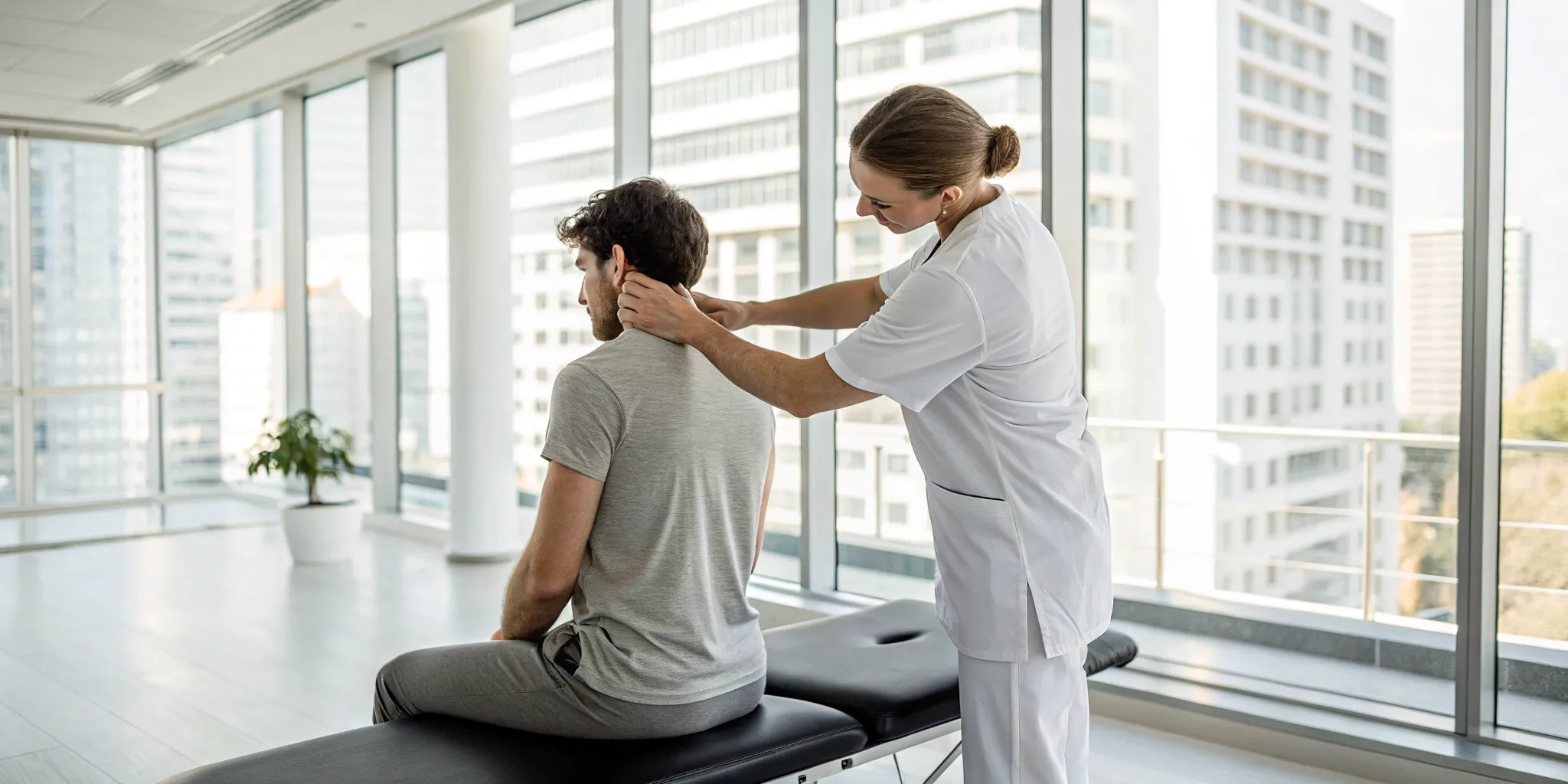
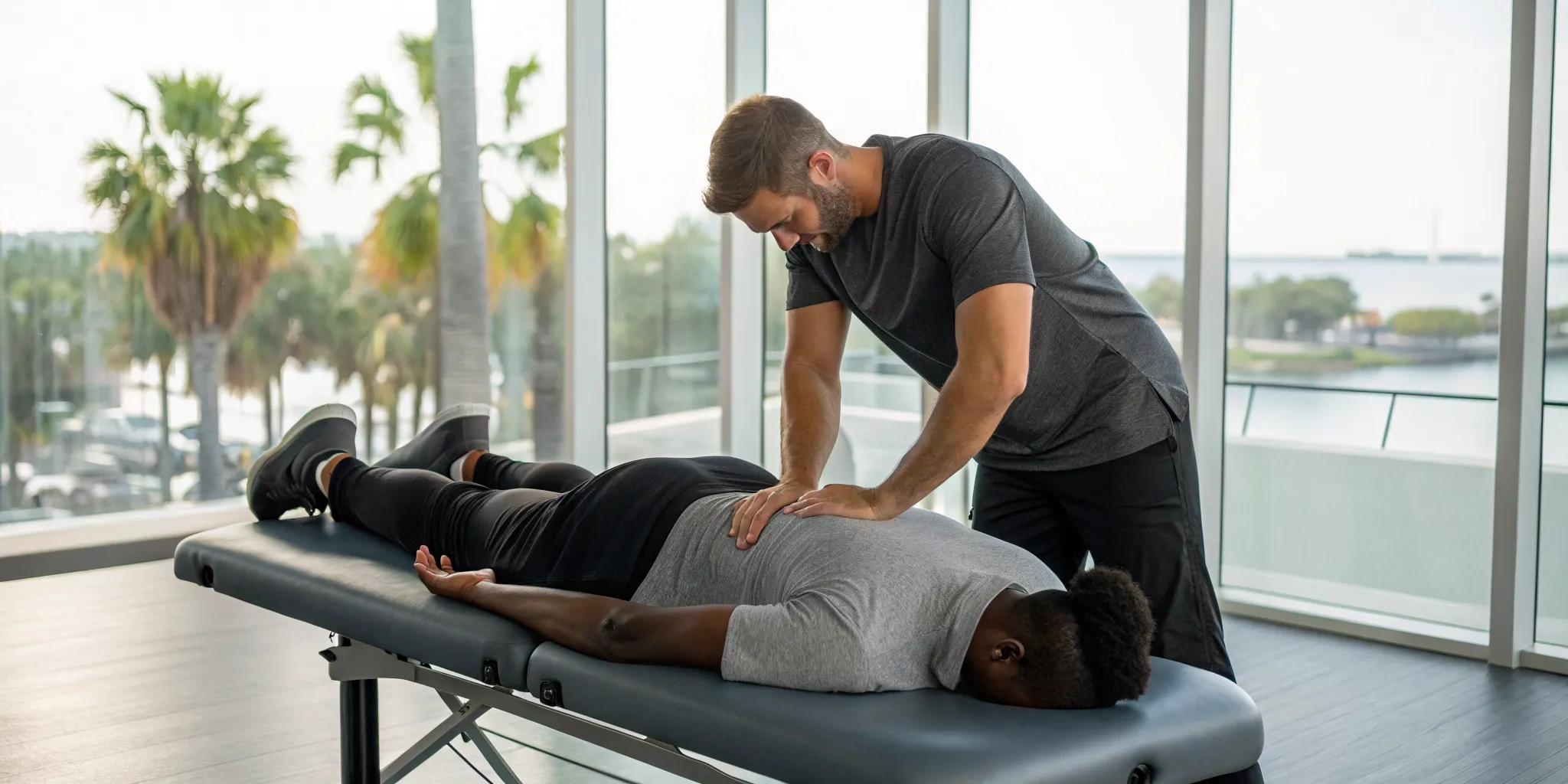
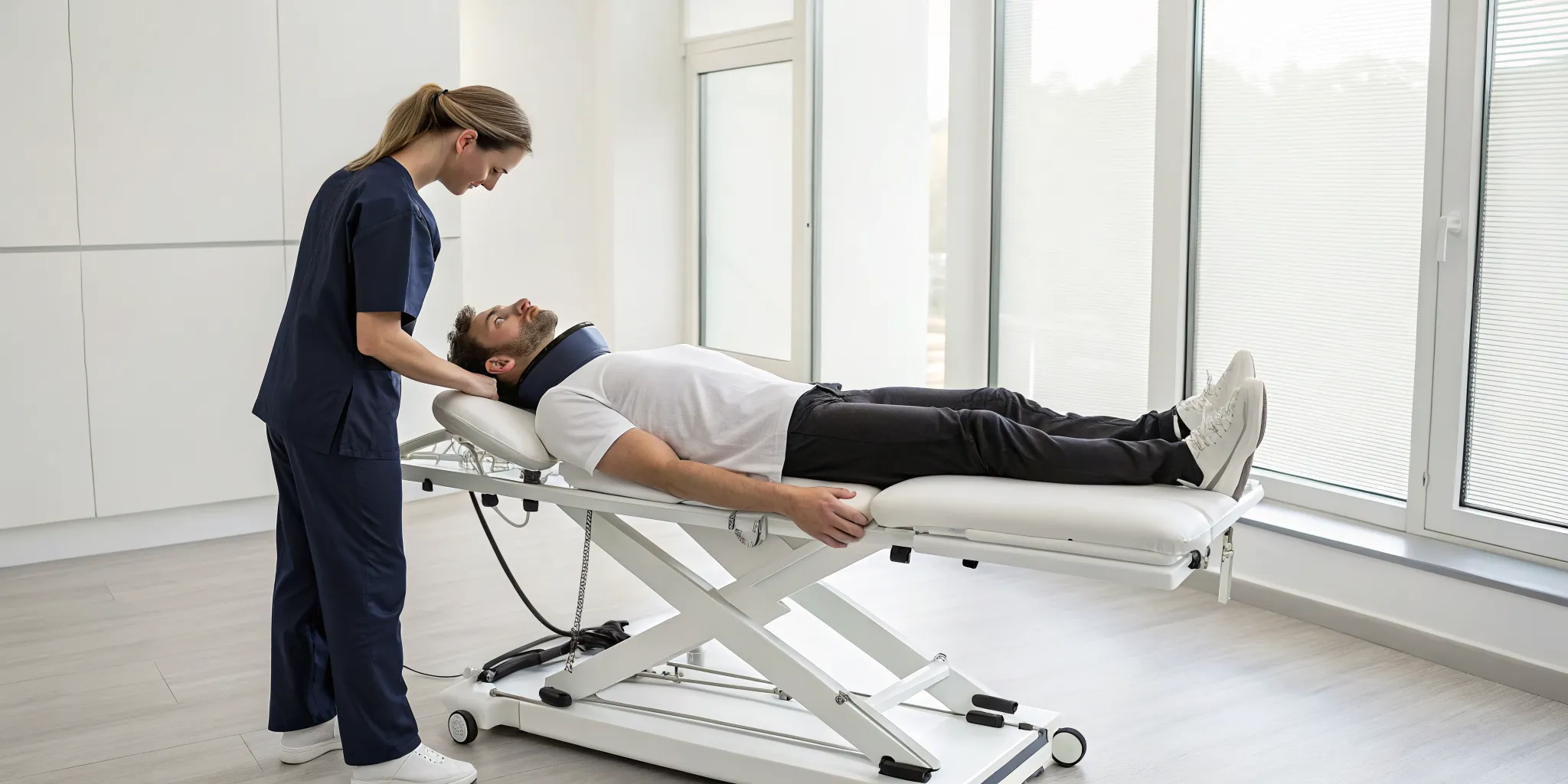
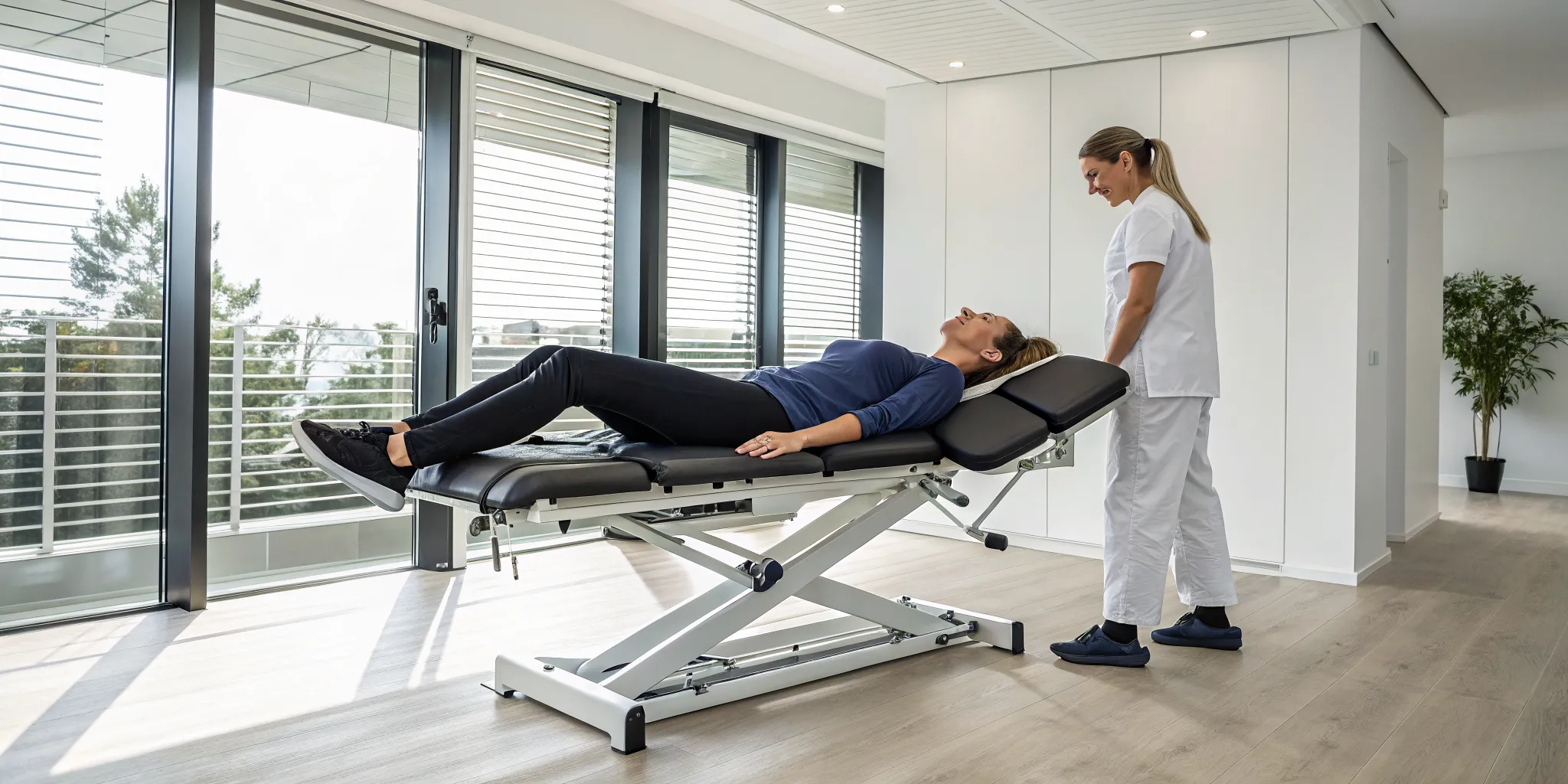
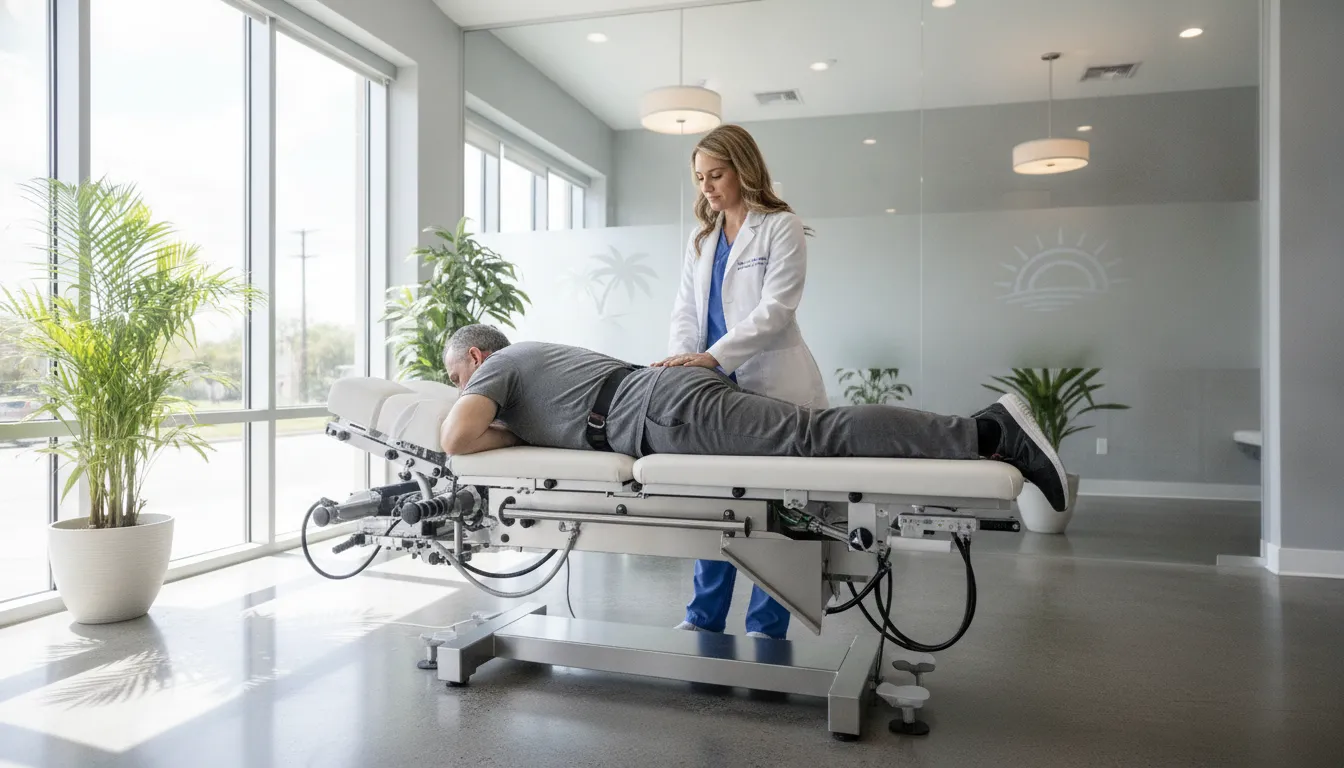
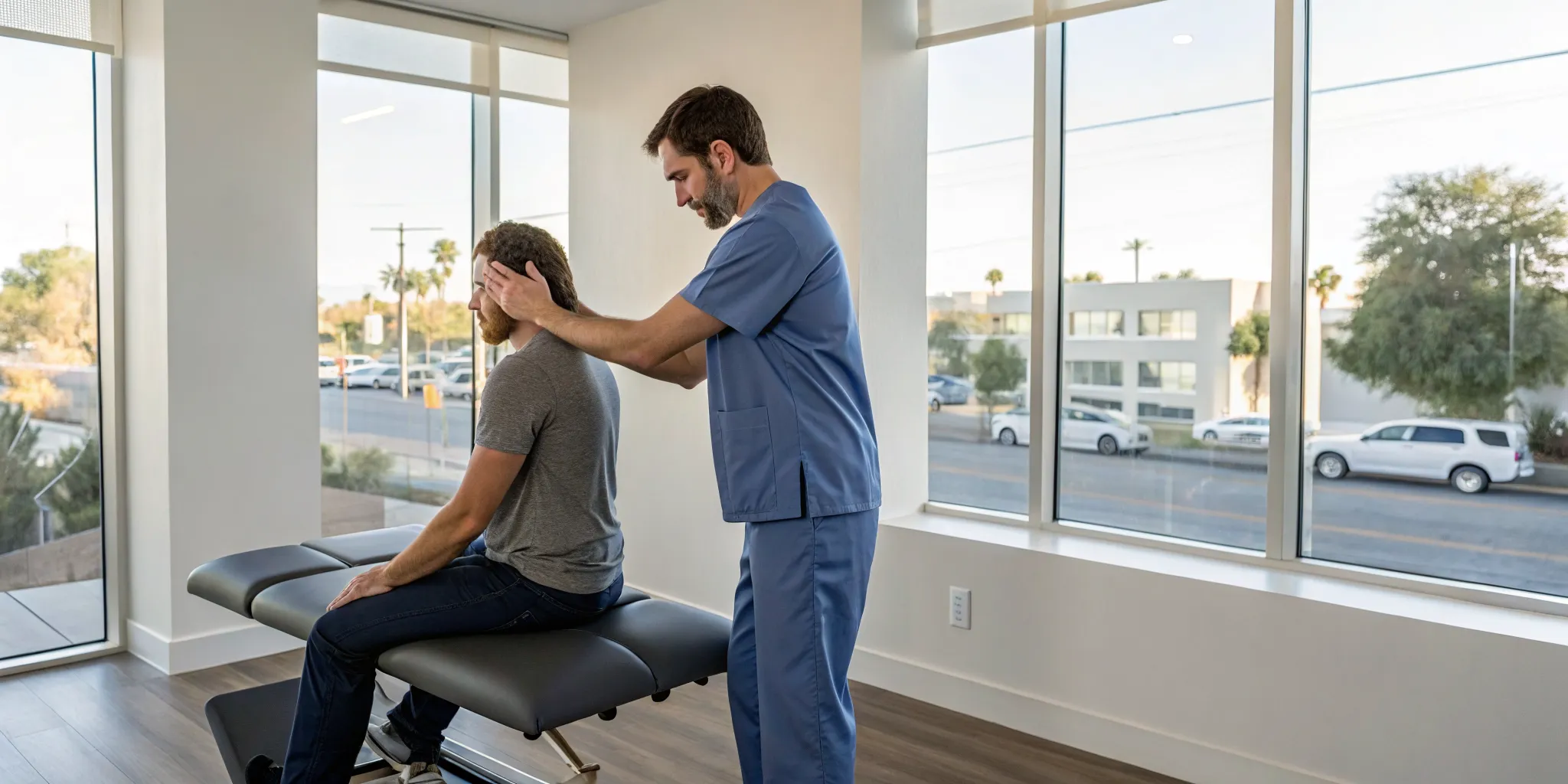
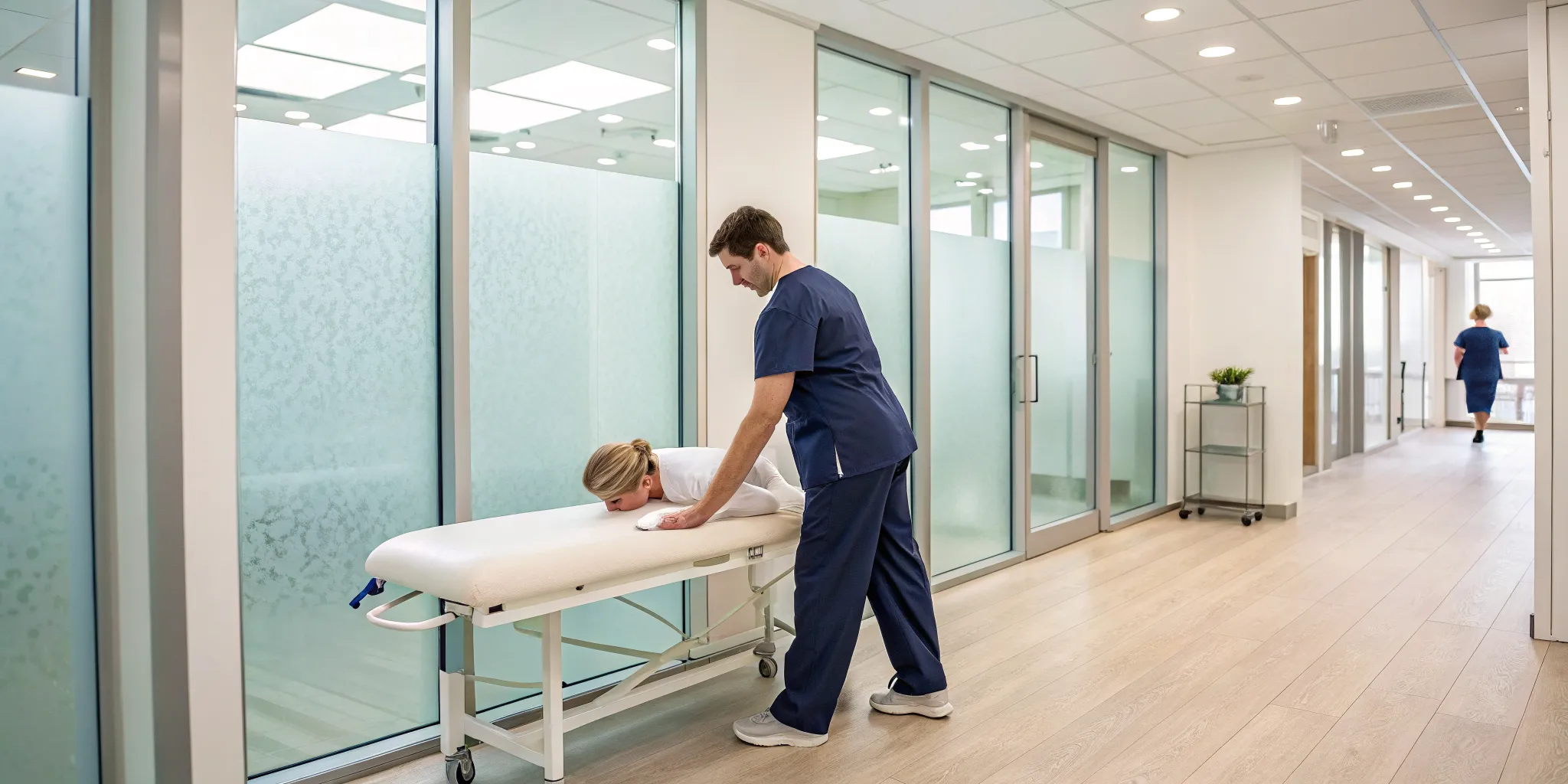
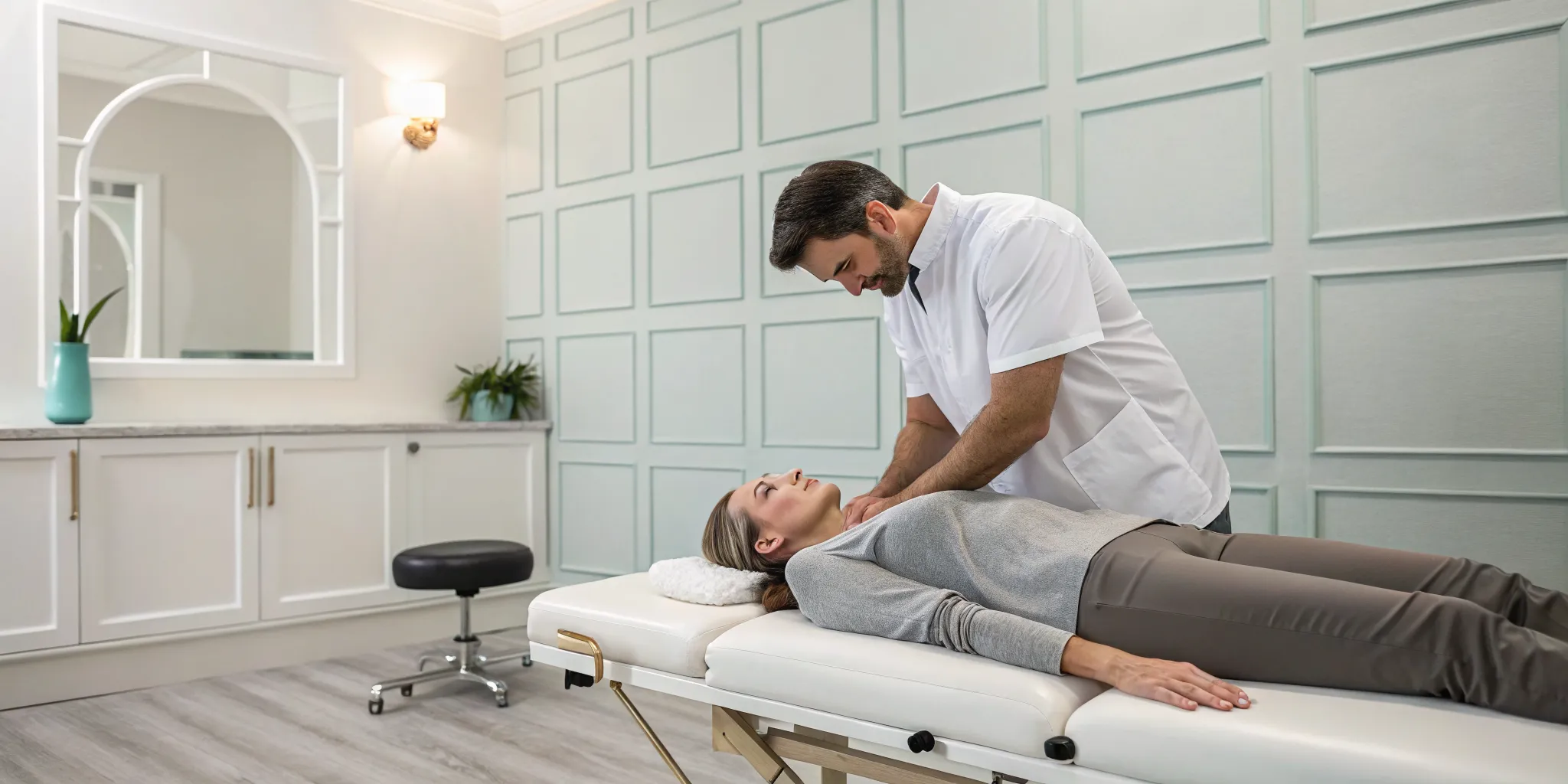
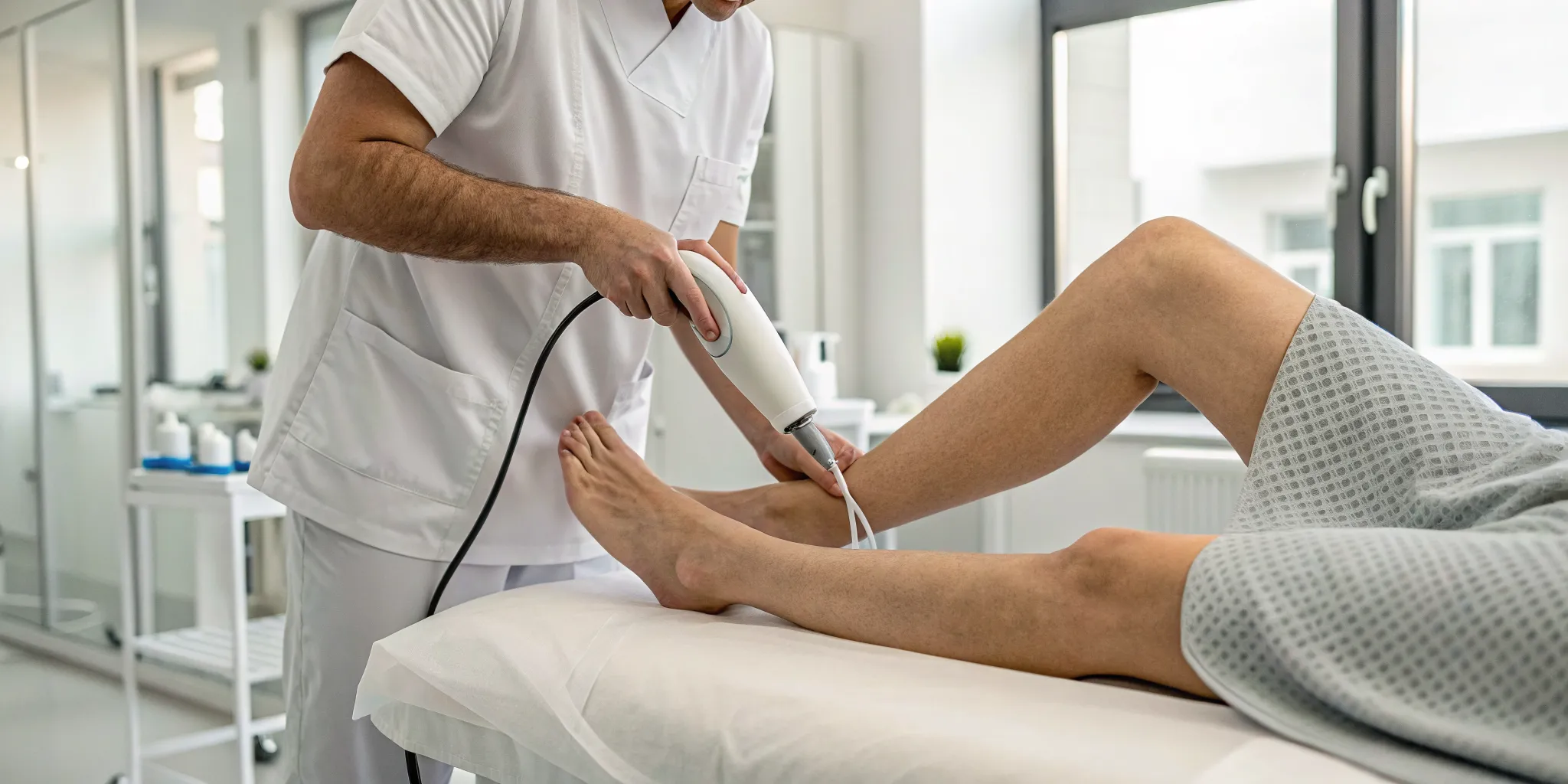
Spinal traction isn't a one-size-fits-all approach; it can be performed in a couple of different ways. Manual traction is a hands-on technique where a physical therapist or chiropractor uses their hands to gently stretch your spine. This allows for real-time feedback and precise adjustments. Mechanical traction, on the other hand, uses a specialized table with straps and a motorized system to apply a steady, controlled pulling force. This method is highly consistent and allows for specific treatment parameters. While some at-home devices exist, it's crucial to approach traction with professional guidance, as incorrect application can sometimes worsen the pain. A consultation can help determine which method is right for your specific needs.
Key benefits of lumbar traction for back pain
If you're dealing with persistent lower back pain, you know it can feel like there's no escape. The good news is that lumbar traction offers a powerful, non-invasive way to find relief. Think of it as creating breathing room for your spine. By gently stretching the lumbar region, traction helps to decompress the discs and nerves that are causing you pain. This isn't just about masking symptoms; it's about addressing the mechanical stress on your spine. The benefits go beyond immediate relief, helping to improve your overall spinal health and mobility so you can get back to living your life more comfortably.
What conditions can traction help?
Lumbar traction is a versatile therapy that can be incredibly effective for a range of lower back issues. If you're struggling with the sharp, shooting pain of sciatica, traction can help by reducing pressure on the pinched nerve. It's also a go-to treatment for herniated or bulging discs, as the gentle stretching creates a negative pressure that can help the disc material retract. People with degenerative disc disease or facet joint pain often find relief because traction increases the space between vertebrae, easing compression. It can even help calm persistent muscle spasms by relaxing tight, overworked back muscles. We see these types of chronic conditions frequently and find traction to be a key part of many successful treatment plans.
Find pain relief and improve mobility
The ultimate goal of any back pain treatment is simple: feel better and move better. Lumbar traction directly targets both. By decompressing your spine, it alleviates the constant pressure that causes aching, stiffness, and sharp pain. When your nerves aren't being compressed and your discs have more space, you'll notice a significant reduction in discomfort. This pain relief has a wonderful ripple effect. With less pain, your body can relax, and your range of motion improves. You might find it easier to bend, walk, or even just sit comfortably. Regular traction sessions can help restore your mobility, allowing you to return to the activities you love without being held back by your back.
Types of lumbar traction devices
Once you start looking into lumbar traction, you'll find a few different types of devices designed for home use. They all share the same goal of decompressing your spine, but they go about it in slightly different ways. The main categories you’ll come across are manual units, motorized systems, and inversion tables. Understanding the basics of each can help you have a more informed conversation with your healthcare provider about what might be the best fit for your specific needs and comfort level. Let's break down what makes each type unique.
Manual traction units
Manual traction units are a great starting point because they put you in the driver's seat. These devices are designed to give you targeted relief by letting you control the amount of stretch applied to your lower back. For example, a wearable Manual Lumbar Traction Device allows you to gently stretch the spine yourself, which can reduce pressure on your discs and nerves. This hands-on approach is perfect for those who want to carefully manage the intensity of their treatment and find the exact level of decompression that feels right for them. It’s a straightforward way to get relief for conditions like herniated discs or sciatica right at home.
Motorized traction systems
If you're looking for a more consistent and automated approach, motorized traction systems might be the answer. These devices, such as the Saunders Lumbar Traction Device, often use a pneumatic system to provide a steady and easily adjustable level of traction. Think of it as setting your preferred level of stretch and letting the machine do the work. These are often medical-grade tools designed to be safe and effective for home use. They are particularly helpful for stretching and decompressing the lower back to treat a variety of back pain conditions without requiring any manual effort during the session.
Inversion tables and other options
You’ve likely seen inversion tables before. These and other similar lumbar traction devices use a simple but powerful force: gravity. By positioning your body so that your head is lower than your feet, these tables use your own body weight to gently stretch the spine. This action helps create more space between your vertebrae, which can relieve the pressure and discomfort that comes from spinal compression. While inversion tables are a popular option, other devices also use gravity-assisted stretching to help you find relief from persistent back pain.
How to choose the right lumbar traction device
Finding the right lumbar traction device can feel like a big decision, but it doesn't have to be overwhelming. The best choice for you depends on your specific health needs, the features you're looking for, and some practical considerations like your budget. Think of it less like shopping for a gadget and more like investing in a tool for your long-term well-being. By breaking down the process and focusing on what truly matters for your body, you can confidently select a device that helps you find relief and get back to doing what you love.
Consider your specific condition
First things first, you need to make sure lumbar traction is a safe and appropriate therapy for you. While it can be incredibly effective for conditions like herniated discs or sciatica, it’s not a one-size-fits-all solution. Certain conditions, such as osteoporosis or specific types of cancer, can be made worse by spinal traction. This is why it’s so important to get a professional opinion before you start any new treatment. A thorough evaluation can determine the root cause of your back pain and confirm if traction is the right path. We can help you understand your unique needs and guide you toward the safest, most effective physical medicine therapies for your body.
Key device features to look for
Once you have the green light from a healthcare professional, you can start looking at device features. You’ll want a medical-grade tool that provides gentle, controlled force. Many high-quality at-home devices use a pneumatic system (air pressure) to decompress your lower back. This design allows for a precise and comfortable stretch, which is key for both safety and effectiveness. Look for devices that are easy to use without assistance and have clear instructions. The goal is to find a tool that helps relieve pressure on your spinal discs and nerves, not one that adds more stress to your day.
Factor in your budget and portability needs
Finally, let’s talk about the practical side of things. Lumbar traction devices come in a range of prices, from more affordable manual options to higher-end systems that can cost several hundred dollars. It’s helpful to set a budget before you start shopping. You should also think about where and how you’ll use the device. Will you be using it in one dedicated spot, or do you need something lightweight and portable? Some models are compact and easy to store, which is great for smaller spaces or for people who want to maintain their routine while traveling. Considering these factors will help you narrow down the options to find the perfect fit for your lifestyle.
Risks and safety considerations
Lumbar traction can be a fantastic tool for relieving back pain, but it’s not the right fit for everyone. Like any medical treatment, it’s important to understand the potential risks and know whether it’s a safe option for your specific health situation. Being informed helps you make the best decisions for your body and ensures you approach treatment with confidence. Before you begin any new therapy, especially one you might try at home, getting a clear picture of the safety guidelines is a non-negotiable first step.
Who should avoid lumbar traction?
While many people find relief with lumbar traction, certain health conditions can make it risky. If you have osteoporosis, for example, your bones may be too fragile to withstand the pulling forces. This treatment is also generally not recommended for individuals with certain types of cancer, spinal tumors, or infections. If you’ve had a recent spinal fracture or are dealing with a condition where movement is restricted, traction is not a safe choice. This is why a thorough evaluation from a healthcare professional is so important. A proper diagnosis ensures you’re getting the right physical medicine for your needs and not accidentally making things worse.
Know the side effects and warning signs
Listening to your body is key during any new treatment. While lumbar traction is designed to relieve pain, it can sometimes cause muscle spasms or increase discomfort, especially when you’re just starting. Other potential side effects to watch for include dizziness or changes in blood pressure, particularly with inversion tables. These symptoms are your body’s way of telling you to stop and reassess. If you experience a sharp increase in pain or any other concerning side effects, it’s best to halt the treatment immediately and consult with your provider. Don’t try to push through the pain; getting professional advice is the safest path forward when dealing with these health concerns.
Common myths about traction
There’s a lot of information out there, and it’s easy to get confused by common myths. One major misconception is that lumbar traction and spinal decompression are the same thing. While both aim to relieve pressure on your spinal discs, they use different technologies and methods to achieve that goal. Another myth is that these therapies aren't credible. On the contrary, non-surgical spinal decompression is a gentle, research-backed option that has provided significant relief for many people suffering from chronic back pain. Clearing up these myths helps you understand your options and recognize the value of these targeted, non-invasive treatments.
How to safely use a traction device at home
Bringing a traction device into your home can be a fantastic step toward managing back pain, but using it correctly is key to getting relief safely. Think of it like any new piece of equipment; you need to understand the instructions to get the best results and avoid injury. Following a few simple guidelines for setup, timing, and technique will help you make the most of your at-home treatment. Let's walk through how to use your device effectively so you can feel confident in your path to a healthier back.
Set up your device correctly
To get the most out of your treatment, setting up your traction device properly is non-negotiable. For example, the Saunders Lumbar Traction Device is a medical-grade tool that uses air pressure to gently stretch and decompress your lower back. To ensure it works as intended, you should always place it on a stable, non-slippery surface, like the floor or a firm bed. This prevents the device from shifting during your session, which is crucial for both safety and effectiveness. Always read the manual that comes with your specific device, as setup can vary between models. Taking a few extra minutes to get it right can make all the difference in your pain relief journey.
Follow treatment duration and frequency guidelines
Once you're set up, the next step is to stick to the recommended treatment times. It can be tempting to think that more is better, but that’s not always the case with traction. Generally, a good starting point is using the device for 10 to 20 minutes per session, once or twice a day. Some home traction devices may allow for longer sessions, but it’s vital to listen to your body and follow the manufacturer's guidelines. If you’re working with a professional at Ascend, we can provide personalized recommendations based on your specific condition. Consistency is more important than intensity, so find a routine that works for you and stick with it.
Using your device: Solo vs. with a partner
Did you know that how you use your device can impact your results? While you can certainly use a traction unit by yourself, some find that partner-assisted traction at home can be more effective. If you have a partner, spouse, or friend who can help, they can assist by providing a steady and secure pull. A common technique involves them wrapping a towel around your ankles to get a firm grip, ensuring the traction is applied smoothly and consistently. This teamwork can enhance the stretch and decompression, potentially leading to better pain relief. If you’re going solo, just be sure you can comfortably and safely secure yourself according to the device’s instructions.
What to expect during treatment
Starting any new treatment can come with a lot of questions. What will it feel like? How long until I see results? Knowing what to expect can make the process feel much more comfortable and empowering. Lumbar traction is a gentle and controlled therapy, and your experience will be tailored specifically to your body and your needs. Let’s walk through what your first few sessions might look like and how traction can work with other therapies to support your healing.
Your first few sessions and progress timeline
Every person’s body responds to treatment differently, so your journey will be unique. The first few sessions are all about finding what works for you. Your practitioner will start with a gentle force and a shorter duration to see how your body reacts. It’s important to know that some people experience minor muscle soreness or a temporary increase in discomfort as their spine and muscles adjust. This is a normal part of the process for some, but it also highlights why professional guidance is so crucial.
Progress isn't always a straight line. While some people feel immediate relief, for others, the benefits build up gradually over several weeks. The most important thing you can do is maintain open communication with your provider. Sharing feedback about what you’re feeling helps them fine-tune your physical medicine plan for the best possible results.
Pairing traction with other therapies
Lumbar traction is rarely a standalone solution. It’s most effective when it’s part of a comprehensive treatment plan designed to address the root cause of your pain. Think of it as one powerful tool in a larger toolkit. At Ascend Functional Health, we often pair traction with other therapies to create a holistic approach to healing. This can include chiropractic adjustments, corrective exercises, massage therapy, or other modalities.
Combining treatments allows us to tackle your condition from multiple angles. For example, after a traction session creates space in your spine, a chiropractic adjustment can be more effective. Because the therapy itself is quite gentle and comfortable, it integrates easily with other services you may be receiving. This combined approach helps ensure we’re not just managing symptoms but creating lasting structural change and promoting long-term health.
Professional vs. at-home lumbar traction
Deciding between professional treatment and an at-home device can feel like a big choice, but it doesn't have to be one or the other. Many people find that a combination of both works best. The key difference comes down to expert guidance versus daily convenience. While at-home devices offer the flexibility to perform traction on your own schedule, starting with a professional ensures you’re using the right approach for your specific needs.
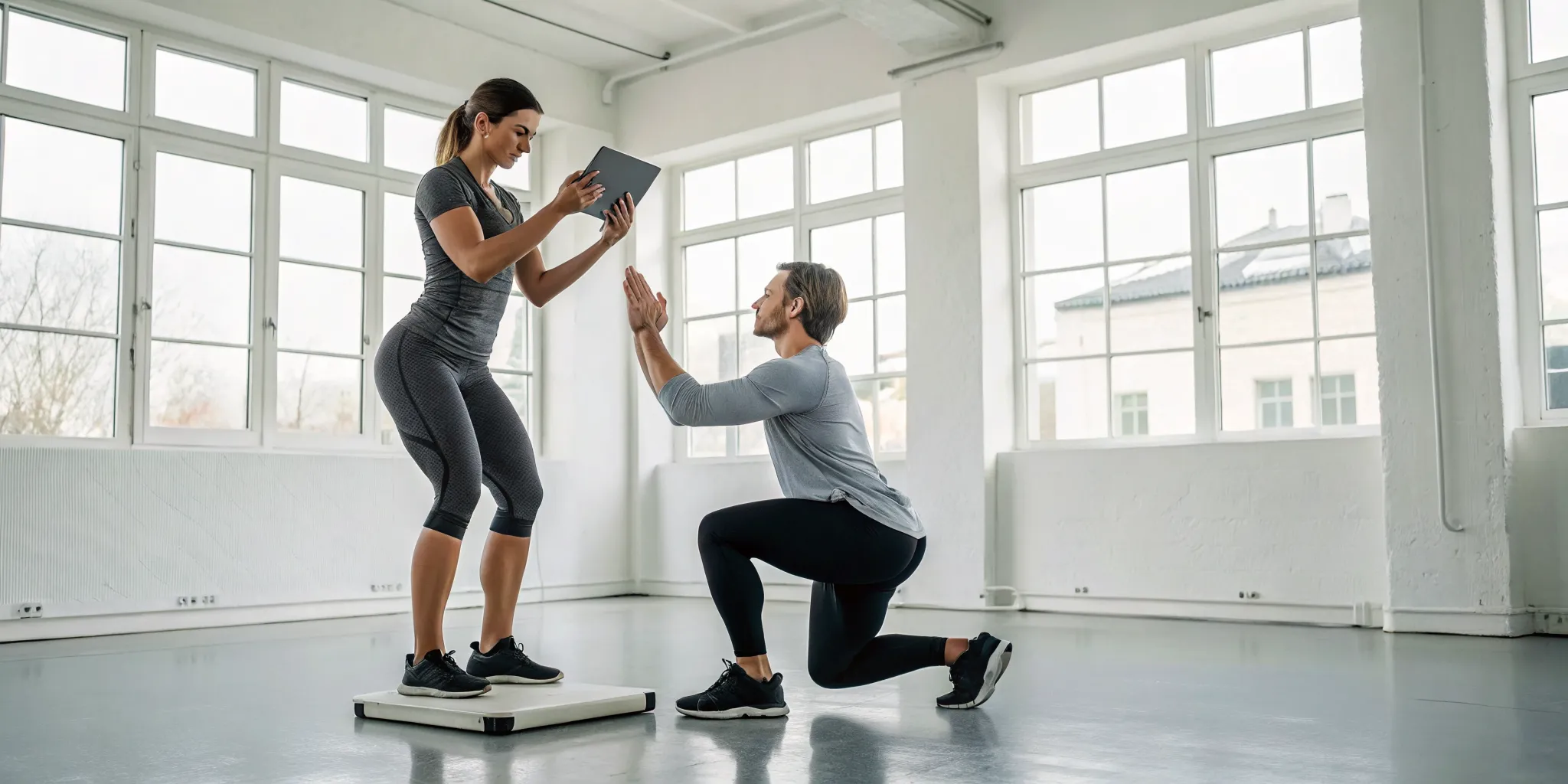
Think of it like personal training. You could follow workout videos online, but a trainer can assess your form, create a custom plan, and make sure you don't injure yourself. Similarly, a healthcare professional can diagnose the root cause of your back pain and design a traction protocol that is both safe and effective. They use advanced, medical-grade equipment that allows for precise adjustments to target the exact source of your discomfort, something most at-home units can't replicate.
The benefits of professional treatment
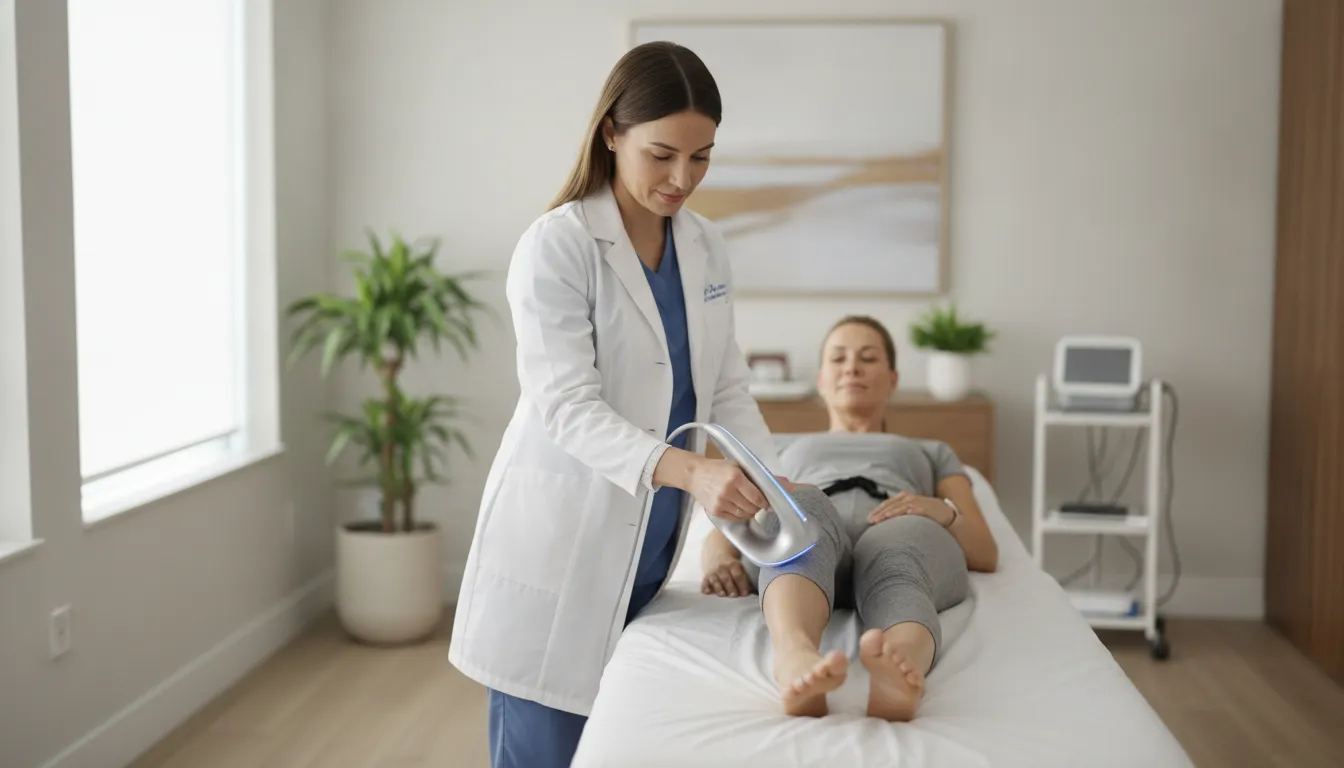
The biggest advantage of professional treatment is safety and personalization. A trained specialist can properly assess your condition to confirm that lumbar traction is the right therapy for you. This is a critical first step, as traction can sometimes worsen pain if it's not appropriate for your specific issue, especially for those with conditions like osteoporosis. At a clinic, you have access to powerful, precise equipment that can be calibrated to the exact force and angle needed to decompress your spine effectively. A professional will create a complete physical medicine plan, guiding you through each session and adjusting the treatment as you progress to ensure you get the best possible results without the risk of injury.
When to see a professional at Ascend Functional Health
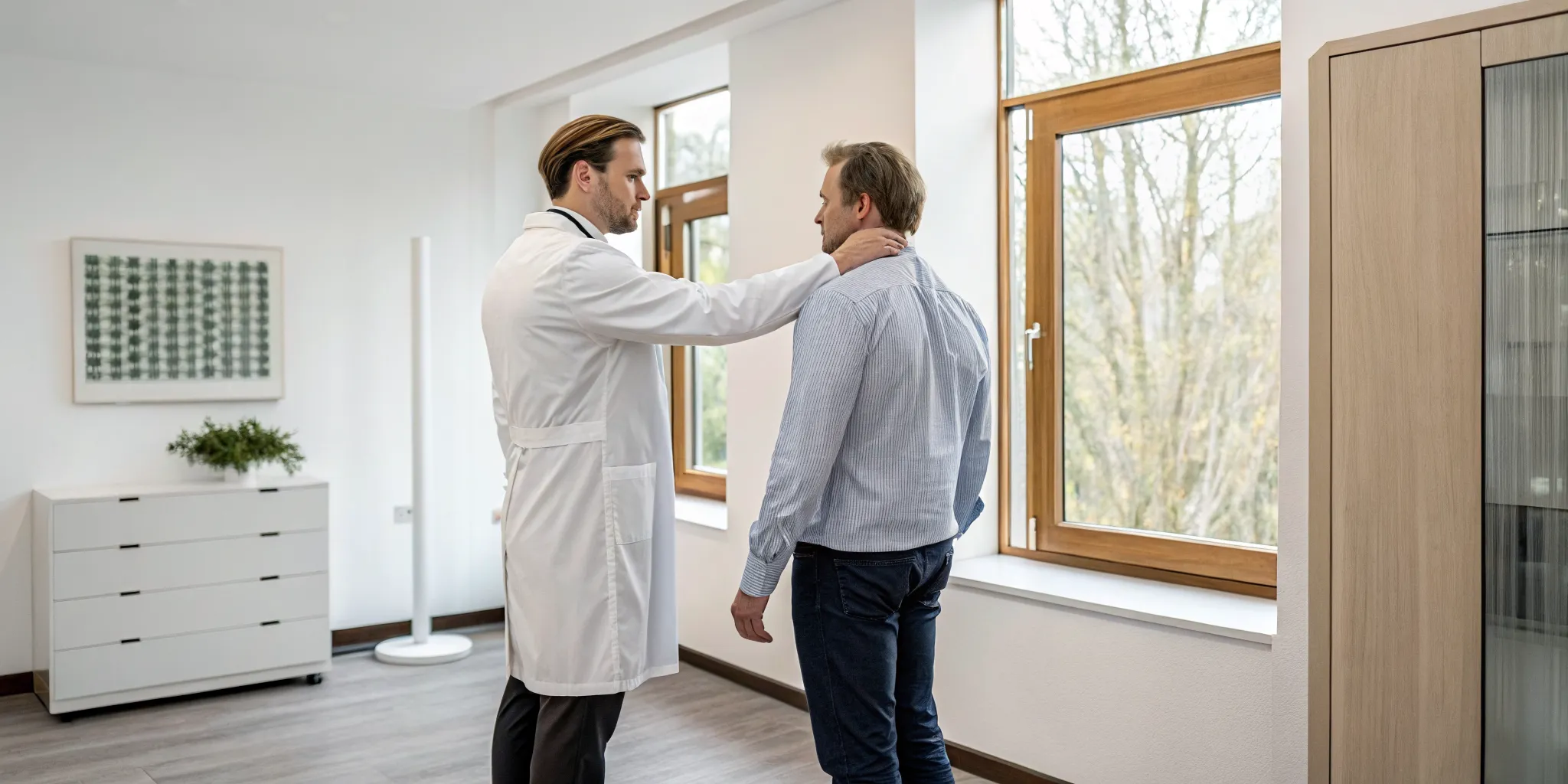
It’s always best to consult a professional before starting any new treatment, including lumbar traction. Even if you’re considering an at-home device, getting an expert evaluation first will help you understand if it’s a safe option for you and how to use it correctly. Spinal decompression isn't just for severe issues like herniated discs; it can provide significant relief for a wide range of conditions causing back pain and stiffness. If you're experiencing persistent discomfort, sciatica, or limited mobility, it's time to get a clear diagnosis. At Ascend Functional Health, we can identify the underlying cause of your pain and determine if lumbar traction is the right path forward for your unique health journey. You can contact our team to schedule a consultation and get started.
Buying a lumbar traction device
If you and your healthcare provider have decided that at-home lumbar traction is a good fit for you, the next step is finding the right device. This can feel like a big decision, but thinking through a few key factors will help you make a confident choice. You’re not just buying a piece of equipment; you’re investing in your long-term spinal health and daily comfort. The goal is to find a high-quality, effective device that suits your specific needs and budget without adding more stress to your life.
From understanding the price range to figuring out payment options and identifying quality features, a little research goes a long way. We’ll walk through the essential things to consider so you can find a device that helps you get the most out of your at-home treatment plan. Remember, the best tool is one you’ll use safely and consistently.
Understanding the costs
The price of at-home lumbar traction devices can vary quite a bit, depending on their features and design. Medical-grade tools designed for home use, like the Saunders Lumbar Traction Device, can cost over $800. Other popular and effective options, such as the ComforTrac Lumbar Traction Device, are often in the $500 to $600 range. You can also find simpler, yet still powerful, models for under $500. Think of this as an investment. While the upfront cost is a factor, consider the potential long-term savings on other treatments and the priceless value of consistent pain relief.
Using insurance or an HSA
Many people wonder if they can use insurance to cover the cost of a lumbar traction device. In most cases, you will need a prescription from a healthcare provider who has diagnosed your specific condition and recommended traction as part of your treatment. This is a key step for any insurance consideration. The good news is that many lumbar traction devices are eligible for payment using a Health Savings Account (HSA) or Flexible Spending Account (FSA). This allows you to use pre-tax dollars for the purchase, which can make it much more affordable. Always check with your insurance provider and your HSA/FSA administrator to confirm the details of your coverage.
How to find a quality device
When you start shopping, focus on finding a device that matches your specific needs. Some units are better suited for certain conditions, while others are designed for general relief. Devices like the ComforTrac are often recommended by healthcare professionals for their ease of use and effectiveness. The most important step you can take is to consult with a medical professional before making a purchase. A specialist in physical medicine can help you determine if a device is appropriate for your condition, recommend a specific type, and guide you on the proper force and duration for your sessions. This expert guidance ensures you invest in a tool that is both safe and effective for you.
Get the most out of your treatment
Lumbar traction can be a game-changer for back pain, but it works best when it’s part of a bigger plan for your spinal health. Think of it as one powerful tool in your toolkit, not the only one. To achieve lasting relief and truly support your body’s healing process, it’s important to combine traction with targeted exercises and smart lifestyle habits. This comprehensive approach helps address the root causes of your pain and builds a stronger, more resilient back for the long haul. By integrating these practices, you’re not just treating symptoms; you’re actively creating a foundation for better movement and a pain-free life.
Complementary stretches and exercises
The main goal of traction is to create space in your spine, which provides relief so you can move more freely. This is your window of opportunity to introduce gentle exercises that strengthen the muscles supporting your back. It’s crucial to be completely relaxed during your traction session; tensing up can work against the gentle pulling force.
Once you’ve finished a session, consider movements that stabilize your core and improve flexibility. Simple exercises like pelvic tilts, bird-dog poses, and gentle stretches can be incredibly effective. The key is to listen to your body and avoid anything that causes sharp pain. Our team can guide you on the best exercises to pair with your physical medicine treatments to ensure you’re moving safely and effectively.
Lifestyle changes for long-term relief
Consistent traction sessions are just one piece of the puzzle. For long-term relief, it’s helpful to look at your daily habits. Simple adjustments can make a huge difference in reducing strain on your lower back. Pay attention to your posture while sitting and standing, ensure your workspace is set up ergonomically, and use proper techniques when lifting heavy objects.
Before starting any new treatment at home, it's always best to consult a healthcare professional to make sure it’s the right choice for your specific condition. Staying hydrated, maintaining a healthy weight, and incorporating regular, low-impact movement like walking or swimming can also significantly support your spinal health. These small, consistent efforts add up, helping you maintain the progress you make with traction.
Related Articles
- Bulging Disc Therapy Treatment: A Complete Guide
- Spinal Decompression Hurts Lower Back: Normal or Not?
- Revitalize Your Spine with Spinal Decompression Therapy in Tampa, FL
- Spinal Decompression Therapy in Tampa, FL - Alessi Functional Health
Frequently Asked Questions
What does lumbar traction actually feel like? Is it painful? That’s a great question, and the short answer is no, it shouldn't be painful. Lumbar traction is designed to be a gentle, controlled stretch for your lower back. Most people describe the sensation as a mild pulling or a feeling of length and space being created in their spine. The goal is relief, not discomfort. If you ever feel sharp or increasing pain during a session, that’s a clear signal to stop and consult with a professional.
How long will it take to see results from lumbar traction? This really varies from person to person because every back and every condition is unique. Some people feel a noticeable sense of relief after their very first session, while for others, the benefits are more gradual and build over several weeks of consistent use. The key is consistency. Lasting improvement comes from regularly decompressing the spine, which helps create a better healing environment over time.
Can I just use an inversion table instead of a specific traction device? While inversion tables also use gravity to stretch the spine, they are quite different from medical traction devices. Traction devices, especially professional or medical-grade home units, allow for a much more precise and controlled force to be applied to a specific area of your lumbar spine. Inversion tables provide a more general stretch and can sometimes put pressure on your ankles and head. For targeted relief of conditions like a herniated disc, a dedicated traction device is often a more effective and comfortable option.
Is it safe to do lumbar traction every day? For many people, yes, daily sessions can be very beneficial, especially when you're first starting out. Most at-home protocols recommend one or two short sessions (around 10 to 20 minutes) per day. However, it's not a one-size-fits-all answer. The ideal frequency depends on your specific condition and how your body responds. It's always best to follow the guidance provided by your healthcare professional to create a schedule that is both safe and effective for you.
Do I really need a doctor's recommendation before using a traction device at home? Absolutely. This is a step you should not skip. While lumbar traction is safe for many, it can be harmful for people with certain conditions like osteoporosis, spinal fractures, or tumors. A professional evaluation is the only way to get an accurate diagnosis and confirm that traction is the right approach for your back pain. This ensures you invest your time and money in a treatment that will actually help, not hurt.