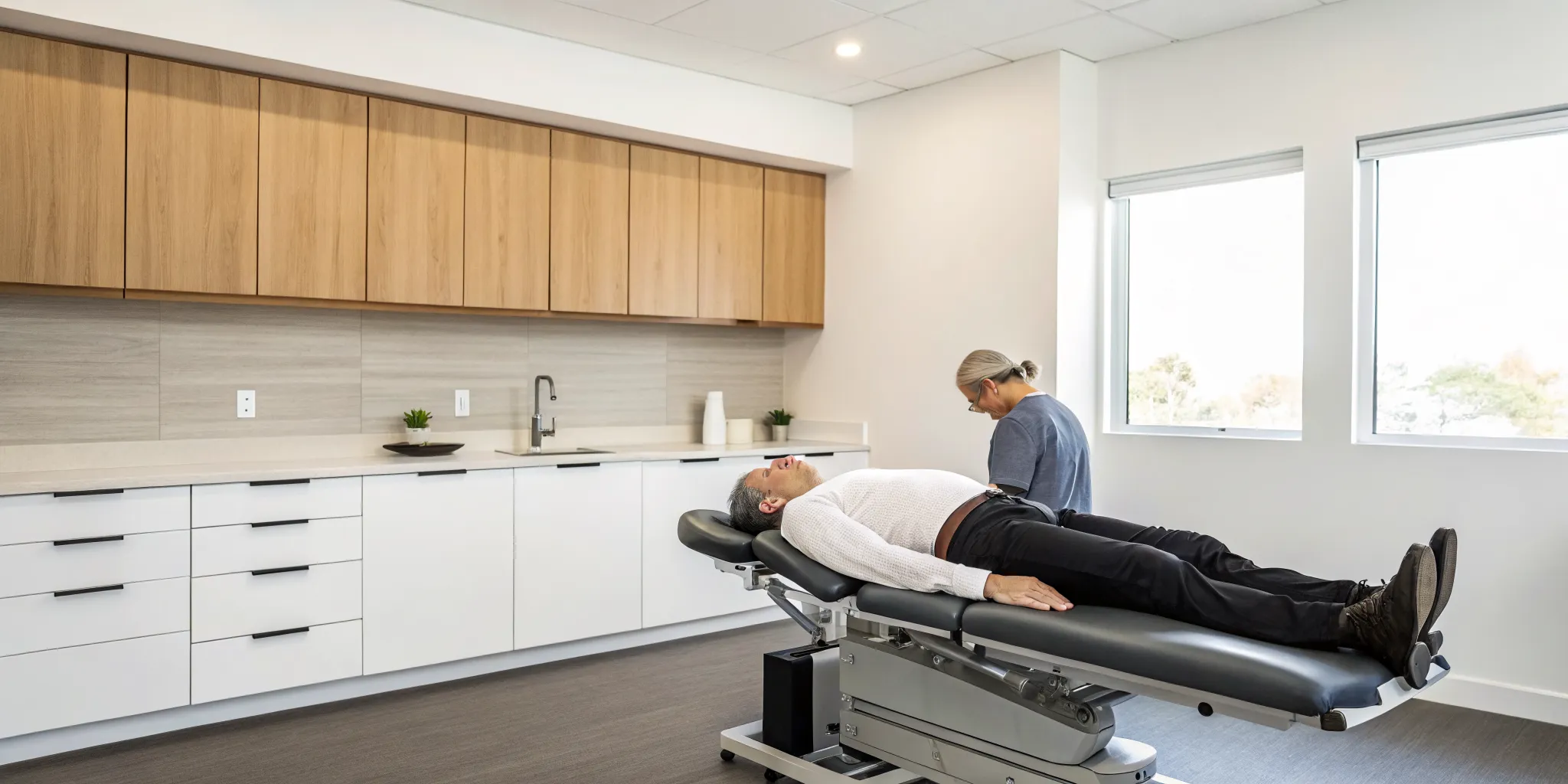
That persistent ache at the base of your skull is almost always connected to tension and misalignment in your neck. You can't truly fix one without addressing the other—they're a package deal. When the delicate balance of bones, nerves, and muscles in your neck is off, it triggers pain that radiates straight into your head. These chronic neck pain headaches aren't something you just have to live with. If you're wondering if a chiropractor can help, the answer starts with understanding this connection and restoring proper function to the entire system.
Key Takeaways
- Recognize the link between your neck and head: Many persistent headaches are not random; they are directly triggered by underlying problems in your neck stemming from poor posture, chronic stress, or past injuries.
- Address the root cause for lasting relief: Chiropractic care provides a long-term solution by correcting the source of your pain with adjustments, soft tissue therapy, and personalized exercises, rather than just masking symptoms with medication.
- Know when it's time to seek help: If your pain is recurring, limits your ability to move freely, or interferes with your daily activities and sleep, it's a clear signal that your body needs professional support to heal correctly.
What's Really Causing Your Neck Pain and Headaches?
If you’re dealing with persistent neck pain and headaches, you know how much they can disrupt your life. It’s more than just an annoyance; it’s a constant drain on your energy and focus. Often, these two issues are closely linked, with a problem in your neck directly triggering pain in your head. Instead of just reaching for a pain reliever, the first step toward lasting relief is understanding what’s causing the problem in the first place. Your body is sending you a signal, and our goal is to help you interpret it.
The source of your discomfort isn’t always obvious. It could be a result of your daily habits, the way you hold your body, or even an old injury you’ve long forgotten. By looking at the full picture of your health and lifestyle, we can start to connect the dots between your activities and your symptoms. Identifying these triggers is key to creating a plan that doesn’t just quiet the pain but addresses the underlying issue. At Ascend Functional Health, we specialize in investigating the many conditions we treat to find the true source of your discomfort.
Could Poor Posture Be the Culprit?
Think about how much time you spend looking down at your phone or hunched over a computer. This common forward-head posture, often called “tech neck,” places a tremendous amount of strain on the muscles and vertebrae in your neck. For every inch your head moves forward, its effective weight on your spine increases significantly. Over time, this constant tension can lead to muscle fatigue, stiffness, and chronic pain that radiates from your neck into your head, causing persistent headaches. Our approach to Physical Medicine can help correct these postural imbalances and relieve the associated strain.
The Surprising Link Between Stress and Pain
Stress isn’t just an emotional state; it has very real physical consequences. When you’re stressed, your body often enters a “fight or flight” mode, causing you to unconsciously tighten the muscles in your shoulders and neck. If you’re dealing with chronic stress, these muscles can remain tense for long periods, leading to trigger points and restricted movement. This constant muscle contraction is a primary cause of tension headaches, the most common type of headache. It’s your body’s way of telling you it’s carrying too heavy a load. Our Corporate Wellness programs are designed to help manage these workplace stressors.
When Old Injuries Cause New Pain
Sometimes, the source of today’s pain is an injury from your past. A car accident that caused whiplash, a fall, or a sports injury can create misalignments in your spine and damage to the surrounding soft tissues. Even if the initial pain subsided, the underlying structural issue may not have been fully resolved. These old injuries can lead to chronic inflammation and nerve irritation in the neck, which can directly cause a type of headache known as a cervicogenic headache. We’ve seen incredible results by addressing these long-standing issues and helping the body finally heal correctly.
How Your Sleep Position Affects Neck Pain
You spend about a third of your life sleeping, so your position in bed has a major impact on your spinal health. Sleeping on your stomach, for example, forces you to twist your neck to one side for hours, putting your spine in a compromised and unnatural position. Using a pillow that’s too high or too flat can also strain your neck muscles throughout the night. If you frequently wake up with a stiff neck or a headache already in progress, your sleep habits could be a significant contributing factor. Making simple adjustments can make a world of difference in how you start your day.
Underlying Medical Conditions to Consider
While lifestyle habits are often at the root of neck pain and headaches, sometimes these symptoms are your body’s way of signaling a more specific underlying condition. If you’ve already improved your posture and managed your stress but the pain persists, it might be time to look deeper. Structural issues within your neck, from worn-out joints to irritated nerves, can create chronic discomfort that won’t resolve on its own. Identifying the precise medical cause is the most important step toward finding a treatment that provides real, lasting relief. At Ascend Functional Health, our diagnostic process is designed to uncover these root causes so we can create a truly personalized care plan for you.
Arthritis in the Neck
When you hear "arthritis," you might think of achy knees or hands, but it can also affect the small joints in your cervical spine (your neck). This condition can cause inflammation and stiffness that directly trigger what’s known as a cervicogenic headache—a headache that originates from a problem in your neck. The pain often starts at the base of the skull and can radiate to the front of your head. It’s not something you just have to live with. Our physical medicine services focus on improving joint mobility and reducing inflammation to address the source of the pain, rather than just masking the headache itself.
Slipped or Degenerative Discs
The discs between your neck bones act as cushions, providing flexibility and absorbing shock. Over time, these discs can wear down (degenerate) or even slip out of place, putting pressure on the surrounding nerves. This pressure doesn't just cause localized neck pain; it can be a direct cause of chronic headaches. If your headaches are accompanied by stiffness or a grinding sensation in your neck, a disc issue could be the culprit. Understanding the specific structural problem is key, and through a thorough evaluation, we can determine the best approach to relieve that pressure and restore proper function to your spine.
Pinched Nerves
Your neck is a busy highway for nerves that travel from your brain to the rest of your body. If a bone, disc, or swollen muscle presses on one of these nerves, it can cause sharp, radiating pain. This condition, often called a pinched nerve, can lead to occipital neuralgia, where irritated nerves at the base of the skull cause intense, piercing headaches. You might also feel tingling or numbness in your shoulders or arms. Correcting the underlying misalignment is crucial to taking the pressure off the nerve and stopping the pain signals at their source, which is a core focus of the conditions we treat.
Jaw Problems (TMJ)
The connection between your jaw and neck is stronger than you might realize. If you clench your jaw due to stress or have a temporomandibular joint (TMJ) disorder, the tension in your jaw muscles can easily spread to the muscles in your neck and scalp. This constant strain is a common trigger for tension headaches and can contribute to chronic neck stiffness. You might notice clicking or popping in your jaw, or pain when you chew. Addressing jaw tension is often a missing piece of the puzzle when it comes to resolving persistent headaches, highlighting the importance of a holistic approach that examines how different parts of the body influence one another.
Identifying Your Type of Headache
Not all headaches are created equal, and knowing which type you’re experiencing is the first step toward finding effective relief. The dull, persistent ache of a tension headache feels entirely different from the sharp, shooting pain of occipital neuralgia. Each type has its own set of triggers, symptoms, and, most importantly, its own path to treatment. By learning to distinguish between them, you can move beyond simply managing the pain and start addressing the root cause. Think of it as learning your body’s language; the location, intensity, and type of pain are all clues pointing toward the underlying issue, whether it’s muscular tension, a nerve issue, or a problem originating in your neck.
Tension Headaches
Tension headaches are the kind most of us are familiar with—that constant, dull ache that feels like a tight band wrapped around your head. They often stem directly from muscle tension in the neck and shoulders, which is why they’re so closely linked to stress and poor posture. When you’re stressed, your body’s “fight or flight” response kicks in, causing you to unconsciously clench your jaw and tighten your shoulder muscles. Over time, this sustained contraction creates trigger points and restricts blood flow, leading to that all-too-familiar headache. It’s a physical manifestation of the daily pressures you carry, both literally and figuratively.
How Common Are Tension Headaches?
Tension headaches are the most common type of headache, affecting a large portion of the population. They are what most people mean when they say they have a "regular" or "stress" headache. Because they are so widespread, many people assume they are just a normal part of life and try to push through the discomfort with over-the-counter pain relievers. However, their frequency is often a sign that an underlying issue, like postural strain or chronic stress, needs to be addressed for long-term relief.
Cervicogenic Headaches (Headaches from the Neck)
Unlike other headaches that originate inside the skull, cervicogenic headaches are a type of referred pain, meaning the problem starts in your neck but you feel it in your head. This pain is often caused by issues with the vertebrae, discs, or strained muscles in the upper part of your spine. Activities that put a strain on your neck, like poor posture at your desk, a past whiplash injury, or even sleeping in an awkward position, can trigger them. Because the source is structural, lasting relief often requires a physical approach that corrects the underlying dysfunction in the neck, which is a core focus of our Physical Medicine services.
Cervicogenic Headaches vs. Migraines: Key Differences
It’s easy to confuse cervicogenic headaches with migraines, especially since both can cause significant pain and involve the neck. The key difference lies in the origin of the pain. With a cervicogenic headache, the neck problem is the direct cause of the head pain. In contrast, with a migraine, the headache is the primary issue, and the neck pain is often a secondary symptom. A cervicogenic headache might also be accompanied by a reduced range of motion in the neck and pain that worsens with certain neck movements, which helps distinguish it from a classic migraine.
Migraines
Migraines are in a class of their own. They are a complex neurological condition characterized by severe, throbbing pain, typically on one side of the head. But the pain is only part of the story. Migraines are often accompanied by other debilitating symptoms, such as nausea, vomiting, and extreme sensitivity to light and sound. For many, the experience can be so intense that the only option is to retreat to a dark, quiet room. While the exact cause is multifaceted, identifying personal triggers through a comprehensive health review, a key part of Functional Medicine, can be a game-changer in managing their frequency and severity.
Occipital Neuralgia
If you’ve ever felt a sharp, shooting, or electric shock-like pain in the back of your head, upper neck, or behind your ears, you may have experienced occipital neuralgia. This condition occurs when the occipital nerves, which run from the top of your spinal cord up through the scalp, become irritated or compressed. Because the pain is so intense and specific, it can sometimes be mistaken for a migraine. However, the distinct zapping quality of the pain is a key indicator that a nerve is involved, pointing to a need for treatment that addresses nerve compression and inflammation at its source.
Dizziness and Other Accompanying Symptoms
Headaches and neck pain rarely travel alone. They often bring along other unwelcome symptoms like dizziness, stiffness, or pain that radiates into your shoulders and arms. These additional symptoms are important clues that help pinpoint the root cause of your discomfort. For example, dizziness combined with a headache can sometimes indicate an issue in the upper cervical spine affecting your body's sense of balance. Paying attention to these accompanying signals is crucial, as they tell us that the problem is more than just a simple headache. They show that your body’s systems are interconnected and that a holistic approach is needed to restore proper function, which is central to the conditions we treat.
Getting to the Root Cause: The Diagnostic Process
Finding a lasting solution for neck pain and headaches starts with a thorough investigation. Instead of just treating the symptoms, a proper diagnosis aims to uncover the specific reason you’re in pain. This process is a partnership between you and your healthcare provider, where your experiences and a detailed physical assessment come together to create a clear picture of what’s happening in your body. It’s about asking the right questions to find the right answers, ensuring your treatment plan is tailored to address the actual source of your discomfort, not just the pain it creates.
The Importance of a Medical History Review
Your journey to relief begins with a conversation. A comprehensive medical history review is the first and most critical step in understanding the full context of your pain. We’ll discuss your past health, any previous injuries like car accidents or falls, and your daily habits—from your work setup to your stress levels. This isn’t just about filling out forms; it’s about connecting the dots between your life and your symptoms. Sharing this information helps us identify potential triggers and patterns that point toward the root cause, allowing us to build a truly personalized approach to the conditions we treat and get you on the path to healing.
What to Expect During a Physical Exam
After discussing your history, the next step is a hands-on physical exam. This is where we assess how your body is moving and functioning right now. A practitioner will carefully check your neck for tenderness, evaluate its range of motion, and test its strength. This allows us to pinpoint specific areas of muscle tension, joint restriction, or nerve irritation that could be contributing to your pain. This detailed assessment provides crucial information that a conversation alone can’t reveal, helping us understand the structural and functional imbalances that need to be corrected. Our Physical Medicine approach relies on this exam to guide effective, targeted treatment.
When Imaging Tests Are Needed (X-rays, CT Scans, MRIs)
In some cases, a physical exam and medical history may suggest the need for a closer look at the structures inside your neck. This is when imaging tests like X-rays, CT scans, or MRIs can be helpful. These tools allow us to see the bones, discs, and other tissues in detail, which is important for ruling out or confirming issues like arthritis, disc problems, or damage from a past injury. While not always necessary, imaging can provide valuable clarity when we suspect a more significant structural problem is at play, ensuring we have all the information needed to create a safe and effective care plan.
Why Imaging Might Not Tell the Whole Story
It’s important to remember that imaging is just one piece of the puzzle. You can have a "normal" MRI and still experience significant pain, because scans don't always show how well your neck actually works. Imaging reveals structure, but it doesn’t measure function—things like muscle imbalances, joint mobility, or nerve irritation. This is why a thorough physical exam is so essential. It helps us understand how your body is moving and performing in real-time, providing insights that a static image can’t capture. Our comprehensive services are designed to look beyond the scan and treat the functional issues causing your pain.
How a Chiropractor Can Ease Neck Pain and Headaches
Chiropractic care offers a hands-on, personalized approach to finding relief from neck pain and headaches. Instead of just masking the pain with medication, a chiropractor works to identify and correct the underlying issues in your musculoskeletal system. This involves a combination of techniques designed to restore proper alignment, release muscle tension, and give you the tools to prevent the pain from coming back. It’s a partnership focused on helping your body heal and function the way it’s supposed to. By looking at the whole picture, from your spinal health to your daily habits, we can create a plan that addresses the source of your discomfort for more sustainable results. This method is all about getting your body back in balance so it can maintain its own health more effectively.
Realigning Your Spine for Lasting Relief
One of the core methods a chiropractor uses is the spinal adjustment. Think of it as a precise and gentle way to restore movement and alignment to the joints in your neck. When the bones in your cervical spine are even slightly out of place, they can irritate nerves and strain surrounding muscles, which often leads to neck pain and headaches. By applying a controlled force to these specific joints, a chiropractor can help reduce that irritation and improve your spine’s overall function. This process helps alleviate pressure, which can provide immediate relief and set the foundation for long-term healing within our Physical Medicine services.
Easing Muscle Knots with Soft Tissue Work
Pain isn't just about bones; your muscles and connective tissues play a huge role, too. Chronic tension in the muscles of your neck and upper back is a common trigger for both tension headaches and neck stiffness. Chiropractors use various soft tissue therapies to address this. These techniques focus on releasing tight muscle knots, breaking down scar tissue, and easing tension along the nerves. By directly treating the muscular component of your pain, this therapy helps improve flexibility, reduce soreness, and restore a healthy balance to your upper body. It’s an essential step in addressing the full picture of what’s causing your discomfort.
Simple Exercises to Support Your Neck
True healing goes beyond the treatment room. A key part of chiropractic care is empowering you with the knowledge to support your own recovery and prevent future issues. Your chiropractor will likely prescribe a set of targeted exercises and stretches designed specifically for you. These movements help strengthen the muscles that support your neck and upper back, improve your range of motion, and correct muscular imbalances that may have contributed to your pain in the first place. Consistently doing these exercises helps stabilize your spine, making you more resilient to the daily stresses that can lead to pain.
Posture Tips You Can Actually Stick With
Your daily habits have a massive impact on your spinal health. That’s why a chiropractor will also act as your health coach, offering practical advice on posture and ergonomics. This might include simple changes to your workstation setup, guidance on the best sleeping positions, or tips for maintaining good posture while driving or using your phone. By making you aware of how your daily activities affect your body, a chiropractor gives you the power to make small adjustments that yield big results. This holistic approach ensures you’re not only getting relief but also building a lifestyle that supports lasting wellness.
A Look at Other Treatment Options
While chiropractic care is a powerful way to address the structural source of neck pain and headaches, it’s helpful to understand the full range of treatment options available. Different approaches work for different people, and sometimes a combination of therapies is the most effective path forward. Exploring these alternatives can give you a clearer picture of how to manage your symptoms and what to expect from various treatments. The goal is always to find a sustainable solution that fits your body and your life, moving you away from temporary fixes and toward genuine, long-term wellness. Understanding all your choices is the first step in making an informed decision about your health.
Many conventional treatments focus on managing the pain itself, which can be incredibly helpful for getting through your day. However, they don’t always correct the underlying problem that’s causing the pain in the first place. At Ascend Functional Health, our philosophy centers on identifying and treating the root cause, but we believe in an integrative approach. Knowing about options like physical therapy, medication, and other interventions allows you to have a more comprehensive conversation with your healthcare provider about what a complete recovery plan looks like for you. Let’s walk through some of the most common treatments you might encounter.
Physical Therapy for Strength and Mobility
Physical therapy is a well-regarded treatment that focuses on improving strength and flexibility in the muscles supporting your neck. A physical therapist guides you through specific exercises designed to correct muscular imbalances and enhance your range of motion. This approach is all about active recovery, teaching you how to move your body in a way that reduces strain and prevents future pain. As the Cleveland Clinic notes, these exercises can make your neck muscles stronger and more flexible, which is crucial for long-term stability. This focus on corrective movement complements the work we do in Physical Medicine, as both aim to restore proper function to your body.
Medications for Pain Management
When pain is intense, medication can feel like a lifesaver. It’s often the first line of defense for managing the immediate symptoms of neck pain and headaches, allowing you to function while you seek a more permanent solution. These medications work by reducing inflammation or blocking pain signals, providing temporary relief so you can get through your day. While they are effective for short-term comfort, it’s important to remember that they typically mask the symptoms rather than fixing the underlying mechanical or structural issue that is causing the pain to begin with.
Over-the-Counter and Prescription Options
You’re likely familiar with over-the-counter options like ibuprofen or acetaminophen, which are effective for reducing pain and swelling. For more severe or persistent pain, a doctor might recommend stronger prescription medications, such as muscle relaxers to ease tension or other powerful pain relievers. While these can be necessary for managing acute flare-ups, they aren’t intended as a long-term strategy. The goal should always be to address the source of the pain so you can reduce or eliminate your reliance on medication for relief.
Injections and Advanced Medical Procedures
For chronic pain that doesn’t respond to more conservative treatments, your doctor might suggest more invasive procedures. These interventions are typically aimed at interrupting the pain signals between your nerves and your brain or reducing severe inflammation around a specific nerve root. While they can offer significant relief for some people, they also come with greater risks and are usually considered only after other options have been exhausted. It’s a step that requires careful consideration and a thorough discussion with your healthcare provider about the potential benefits and drawbacks.
Nerve Blocks and Steroid Injections
Injections are a common next step for targeted pain relief. A nerve block involves injecting an anesthetic near specific nerves in the neck to temporarily block pain signals, providing immediate but short-lived relief. Steroid injections, on the other hand, are used to deliver powerful anti-inflammatory medication directly to the source of the irritation. This can help calm down inflamed tissues and nerves, offering relief that can last for several weeks or months. These procedures can be very effective for breaking a cycle of severe pain and inflammation.
Radiofrequency Ablation and Other Interventions
If injections provide temporary relief, a procedure called radiofrequency ablation might be recommended for a longer-lasting effect. This technique uses heat generated by radio waves to damage the specific nerve fibers that are sending pain signals to your brain, effectively shutting them off for an extended period. It’s a more advanced intervention reserved for very specific types of chronic neck pain. In rare and extreme cases, surgery may be considered as a last resort if there is a clear structural problem, like a herniated disc, that is compressing a nerve.
Other Aids like Neck Collars or Mouthguards
Sometimes, simple supportive devices can make a big difference. If you’re recovering from an acute injury like whiplash, a soft neck collar can help by limiting movement and allowing your strained muscles to rest and heal. For those whose neck pain and headaches are linked to jaw issues or teeth grinding, a custom mouthguard worn at night can be incredibly helpful. As Healthline explains, this can prevent you from clenching your jaw while you sleep, which reduces tension in the jaw, neck, and head. These aids are typically used as part of a broader treatment plan rather than as standalone solutions.
Lifestyle Adjustments for Long-Term Prevention
While professional treatment is essential for correcting underlying issues, the small choices you make every day are what create lasting wellness. Lasting relief from neck pain and headaches isn’t just about what happens in a clinic; it’s about building a lifestyle that supports a healthy, aligned spine. By becoming more mindful of your daily habits, you can prevent pain from returning and take an active role in your own healing. These simple adjustments can make a significant difference in how you feel, complementing the care you receive and empowering you to maintain your progress for the long haul. At Ascend Functional Health, we believe in equipping our patients with the tools they need to thrive outside of our office.
Take Frequent Breaks from Your Desk
If you spend most of your day sitting at a computer, your body is under constant, low-grade stress. That forward-head posture you fall into while concentrating on a screen puts a heavy strain on your neck and upper back muscles. To counteract this, it's crucial to move around frequently. Try setting a timer to remind yourself to stand up, walk around, and gently stretch your neck and shoulders at least once an hour. Even small movements, like looking away from your screen or doing a few shoulder rolls, can break the cycle of tension. These mini-breaks prevent muscles from becoming stiff and fatigued, making you less susceptible to tension headaches and chronic neck pain.
Stay Hydrated
It might sound simple, but drinking enough water is a non-negotiable for muscle and joint health. Your muscles, including the ones in your neck that work hard to support your head all day, need proper hydration to function correctly. When you're dehydrated, muscle tissue can lose its elasticity, making it more prone to stiffness, cramping, and injury. Staying hydrated helps maintain the fluid balance in your body, which supports everything from circulation to the cushioning between your vertebrae. Keeping a water bottle on your desk is an easy way to ensure you’re sipping throughout the day and giving your body the fundamental support it needs to stay flexible and pain-free.
Rethink How You Carry Heavy Bags
The way you carry your daily essentials can directly contribute to neck and shoulder pain. Tossing a heavy purse, laptop bag, or briefcase over one shoulder creates an imbalance that your body has to compensate for. This uneven load forces the muscles on one side of your neck and upper back to work overtime, leading to strain, trigger points, and discomfort that can easily trigger a headache. Be mindful of how you carry heavy items. Opt for a backpack that distributes weight evenly across both shoulders, or switch which shoulder you use regularly. Better yet, take a moment to clean out your bag and carry only what you truly need.
The Impact of Smoking on Neck Pain
Making healthy lifestyle choices is a key part of managing chronic pain, and that includes addressing habits like smoking. Beyond its other health risks, smoking can directly worsen neck pain and interfere with your body's ability to heal. The nicotine in cigarettes restricts blood flow by constricting your blood vessels. This means less oxygen and fewer nutrients can reach the muscles and soft tissues in your neck, making them more susceptible to tension and injury. This reduced circulation can also slow down the healing process from existing strains, keeping you in a cycle of discomfort. Addressing this habit can be a powerful step in supporting your body’s overall resilience and recovery.
Can Chiropractic Help Your Type of Pain?
Chiropractic care is much more than just a solution for a sore back. It’s a versatile approach to health that focuses on the relationship between your spine and your nervous system, which affects your entire body. Because of this connection, chiropractic adjustments can help with a surprising range of issues, especially different types of pain that might not seem related to your spine at first glance. If you're dealing with persistent pain, you might be wondering if this is the right path for you.
The good news is that chiropractic care is effective for many common conditions, from joint issues to stress-related tension. The goal is always to find and address the root cause of your discomfort, not just to quiet the symptoms for a little while. By restoring proper alignment and function, we can help your body heal itself and reduce your reliance on pain medication. Let’s look at some of the specific types of head and neck pain that respond well to our holistic health solutions.
Finding Relief from Tension Headaches
If you frequently get tension headaches, you know how much they can derail your day. That dull, aching pain can be caused by many factors of modern life: poor posture from sitting at a desk, strained neck muscles from looking down at your phone, stress, and even teeth grinding. Chiropractic care is a fantastic, non-invasive way to find relief. By using gentle adjustments, we can release the tension held in the muscles of your neck and upper back. This can help reduce not only how bad your headaches feel but also how often they happen, giving you more pain-free days.
For Headaches That Start in Your Neck
Have you ever noticed that your headaches seem to start as a pain in your neck? These are called cervicogenic headaches, and they’re incredibly common. The pain you feel in your head is actually referred pain from an issue in your cervical spine (your neck). Instead of just reaching for a painkiller, our physical medicine approach focuses on correcting the underlying problem in your neck. By addressing the source of the pain through targeted adjustments and therapies, we can provide lasting relief from these frustrating headaches.
Easing Migraines Tied to Neck Problems
Migraines are complex, but for many people, there’s a direct link between neck problems and their migraine attacks. If you experience migraines and also have neck pain or stiffness, chiropractic care could be a key part of your management plan. By improving the alignment and movement of your neck, we can reduce irritation to the nerves that may be contributing to your migraines. Many patients find that regular chiropractic care helps decrease the frequency and severity of their episodes, offering a natural way to manage this debilitating condition.
Healing from Whiplash and Other Injuries
Pain that starts after an injury, like a car accident or a fall, needs to be addressed properly to avoid long-term issues. Whiplash, for example, can cause damage to the muscles and ligaments in your neck, leading to chronic pain and headaches if left untreated. A chiropractor can help by gently adjusting your spine, relaxing tight muscles, and providing exercises to restore your range of motion. If you’re experiencing pain after an injury, it’s important to get evaluated quickly. We can create a personalized plan to help you heal correctly and get back to feeling like yourself.
Chiropractic Care vs. Painkillers: What's the Difference?
When you’re dealing with persistent neck pain or headaches, reaching for a pain reliever can feel like the quickest fix. While medication can certainly take the edge off, it often acts as a temporary bandage, masking the symptoms without addressing what’s actually causing them. This is where chiropractic care offers a different path. Instead of just silencing the pain signals, we focus on understanding why they’re happening in the first place and helping your body heal from the source. It’s a shift from short-term management to long-term well-being.
Find Drug-Free, Lasting Relief
One of the biggest advantages of chiropractic care is that it’s a natural way to get relief from neck pain without needing medicine or surgery. Our approach is centered on your body’s incredible ability to heal itself. Through gentle adjustments and therapies, we help restore proper function and movement, which in turn alleviates pain. This means you can find lasting relief without the potential side effects or dependencies that can come with long-term medication use. Our goal is to help you feel better and stay better, using hands-on Physical Medicine techniques that support your body’s natural processes.
Address the Cause, Not Just the Symptoms
Think of pain as your body’s alarm system. A painkiller might hit the snooze button, but it doesn’t turn off the fire. Chiropractors aim to find the source of the alarm and fix the root cause of your neck pain and headaches, not just cover up the pain with medicine. We look at how your spine, muscles, and nervous system are working together to pinpoint the underlying issue, whether it’s a spinal misalignment, muscle tension, or nerve irritation. By correcting the actual problem, we can provide relief that lasts, helping you move beyond a cycle of recurring pain. We apply this root-cause approach to all the conditions we treat.
Get a Treatment Plan Made Just for You
Your pain is unique to you, and your treatment plan should be too. A chiropractor will figure out what's causing your headaches and then create a special treatment plan just for you. We don’t believe in a one-size-fits-all solution. During your first visit, we take the time to listen to your story, understand your health history, and perform a thorough examination. This detailed understanding allows our dedicated team to design a care plan that targets your specific needs and goals. This personalized strategy ensures you get the most effective care for your situation, helping you get back to feeling your best sooner.
It's About More Than Just Pain Relief
While you might come to us for neck pain or headaches, the benefits of chiropractic care often extend far beyond just the area of complaint. Because chiropractic care enhances nervous system function, it supports your overall health and wellness. Your nervous system is your body’s master communication network, and when your spine is properly aligned, it can operate without interference. Many of our patients report improvements in things like sleep quality, energy levels, and even their mood. Our approach to Functional Medicine is about helping your entire body function at its best, so you can live a healthier, more vibrant life.
When Is It Time to See a Chiropractor?
It can be tough to know when to push through the pain and when to ask for help. If you’re dealing with persistent neck pain or headaches, you might wonder if it’s “bad enough” to see a professional. The truth is, you don’t have to wait for the pain to become unbearable. Certain signs indicate that your body needs support and that a chiropractor could help you find lasting relief.
When the Pain Just Won't Go Away
Do you find yourself reaching for pain relievers several times a week? Or maybe your neck stiffness seems to go away for a bit, only to return with a vengeance. If your headaches or neck pain are a recurring issue, it’s a strong sign that there’s an underlying problem that isn’t being addressed. These persistent symptoms can point to issues with your spinal alignment or nerve function. Our approach to physical medicine focuses on finding and treating the source of the problem, so you can stop the cycle of recurring pain instead of just masking the symptoms.
If Pain Is Disrupting Your Life and Sleep
When pain starts interfering with your ability to work, enjoy your hobbies, or get a good night’s sleep, it’s time to take action. Constant discomfort can drain your energy and affect your mood, making it hard to be present with your family and friends. You shouldn’t have to plan your life around your pain. Chiropractic care offers a natural path to relief without relying on medications, which can sometimes have unwanted side effects. Many of our patients share stories of how getting care helped them reclaim their lives from chronic pain.
If You're Feeling Stiff or "Stuck"
Can you turn your head easily from side to side, or do you feel a pulling or sharp pain? Limited range of motion in your neck is more than just an annoyance. When you can’t move your neck freely, it often leads to muscle tightness, which can trigger tension headaches. Stiffness is your body’s way of telling you that something is out of balance. A chiropractor can use gentle adjustments to restore proper movement to the joints in your neck and spine, easing the tension and helping you move freely again.
Don't Ignore Pain After an Injury
Headaches and neck pain that appear after a car accident, a fall, or even a minor sports injury should never be ignored. These symptoms can be a sign of whiplash or other strains to your neck and spine. Sometimes, the pain doesn’t show up immediately, but it’s crucial to get checked out to prevent long-term problems. A thorough evaluation can identify the specific damage and create a treatment plan to support your body’s healing process. If you’ve been in an accident, it’s always a good idea to schedule a consultation.
Red Flags: When to Seek Immediate Medical Help
While chiropractic care is a safe and effective solution for many types of neck pain and headaches, it’s important to know when your symptoms might point to a more urgent issue. Your safety is the top priority, and some signs should not be ignored. If your neck stiffness and headache are accompanied by a fever, confusion, severe dizziness, or numbness and tingling that travels down your arms, you should seek immediate medical attention. These can be signs of a serious condition that requires a prompt evaluation by a medical doctor. Trust your instincts; if something feels seriously wrong, it’s always best to get it checked out right away.
Related Articles
- Expert Treatment for Neck, Back, Joint Pain & More | Conditions We Treat - Alessi Functional Health
- Discover Expert Chiropractic Care in Tampa, FL for Pain Relief
- Chiropractic Care - A Holistic Approach to Functional Health
- Unlocking the Secrets of Chiropractic Spinal Corrective Care | Alessi Functional Health
- Back Pain Relief in Tampa, FL - Alessi Functional Health
Frequently Asked Questions
What does a chiropractic adjustment for the neck actually feel like? This is a very common question, and it's understandable to be curious. A neck adjustment is a highly specific and gentle movement. Your chiropractor will use their hands to apply a quick, controlled motion to a joint that isn't moving correctly. You might hear a small pop or crack, which is simply the release of gas from the joint, similar to cracking your knuckles. Most people describe the feeling as a satisfying release of pressure, not pain. Our goal is always to make you feel comfortable and restore movement safely.
How soon can I expect to feel relief from my headaches and neck pain? Every person's body and condition is different, so the timeline for relief varies. Some people feel a significant improvement after their very first visit, while for others with more chronic or complex issues, it may take a series of treatments to see lasting change. We focus on correcting the root cause of your pain, which is a process. During your initial consultation, we will discuss a personalized plan and give you a clearer idea of what to expect for your specific situation.
Is chiropractic care a long-term commitment? Think of it in phases. The first phase of care is focused on correcting the immediate problem and getting you out of pain. Once we've achieved that, many people choose to continue with periodic maintenance visits. This is a proactive choice to keep their spine healthy and prevent problems from returning, much like going to the dentist for regular cleanings. The decision to continue with wellness care is always yours and depends entirely on your personal health goals.
How is chiropractic treatment different from getting a massage for neck tension? While massage is wonderful for relaxing tight muscles, chiropractic care addresses the underlying structure. Persistent muscle tension is often a symptom of a deeper issue, like a misaligned vertebra in your neck irritating a nerve. A chiropractor works to correct the position and movement of the spinal joints themselves. By addressing the structural source of the problem, we can help relieve the muscle tension for good, rather than just temporarily.
Can making lifestyle changes like improving my posture really make a difference? Yes, absolutely. The adjustments and therapies we provide in the office are a crucial part of your healing, but the habits you maintain every day are just as important. Think of it as a partnership. We help get your body back into proper alignment, and the postural improvements and targeted exercises we recommend help keep it there. Making small, consistent changes to how you sit, sleep, and work reinforces your treatment and empowers you to maintain your results long-term.