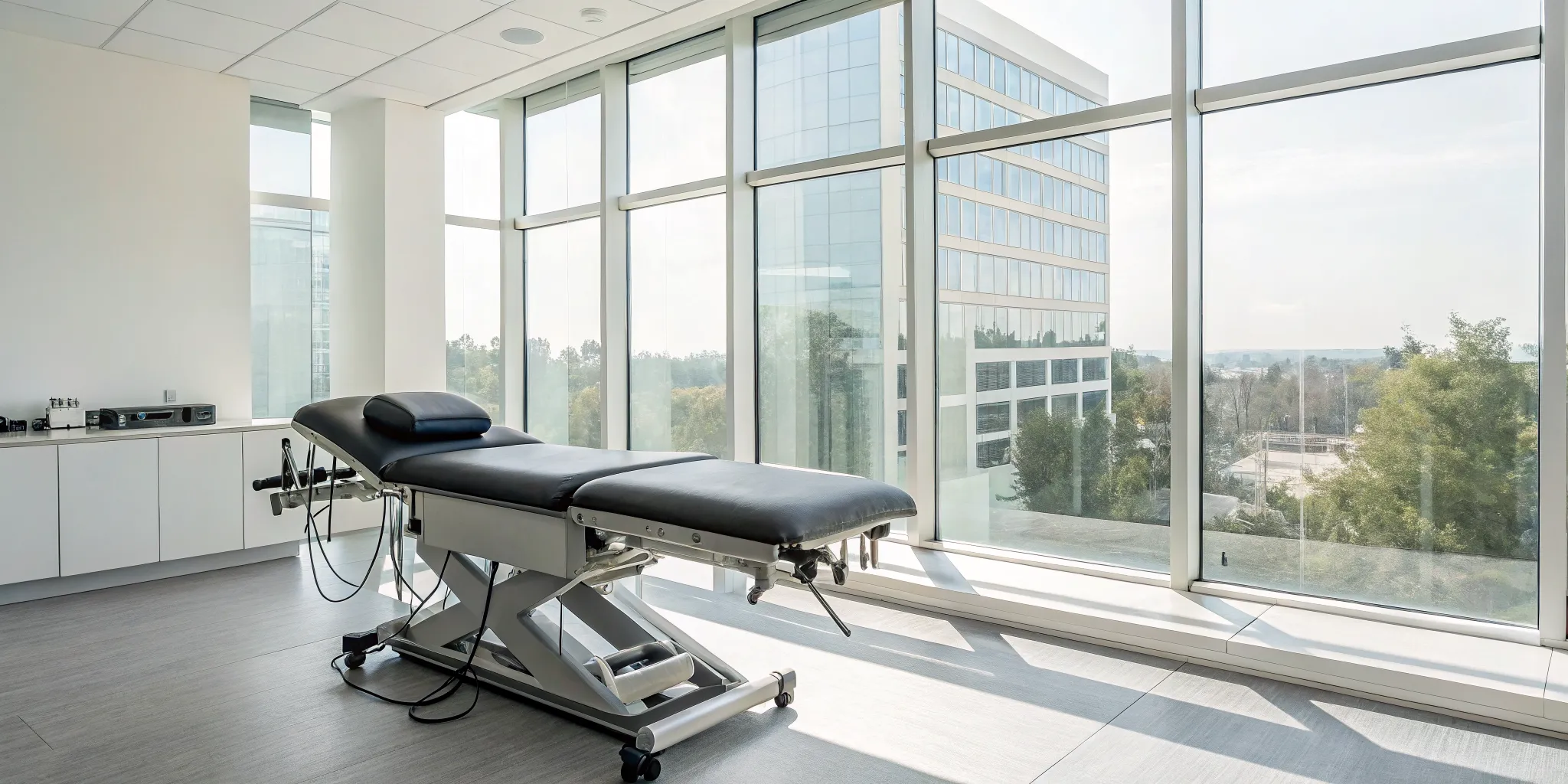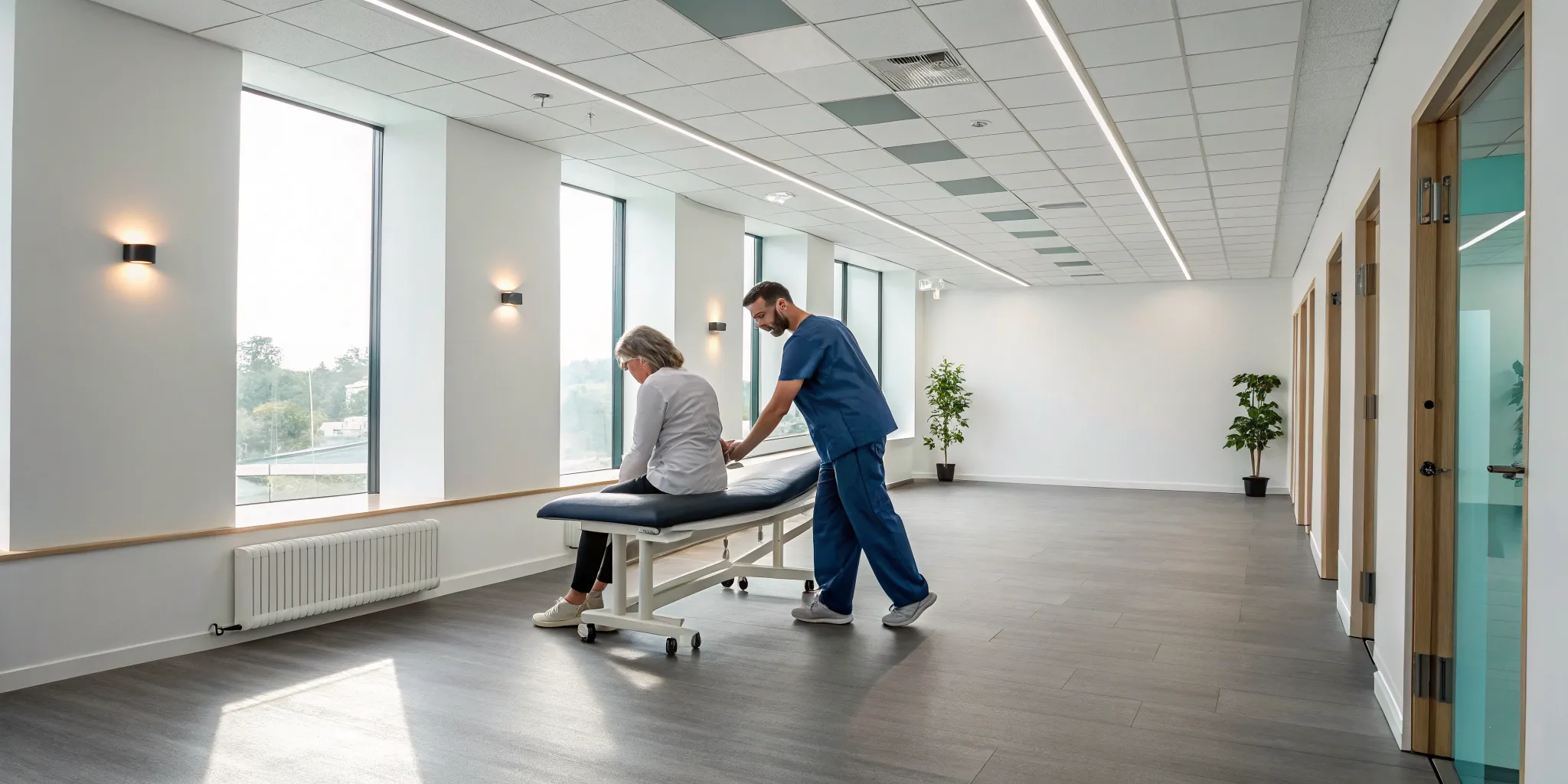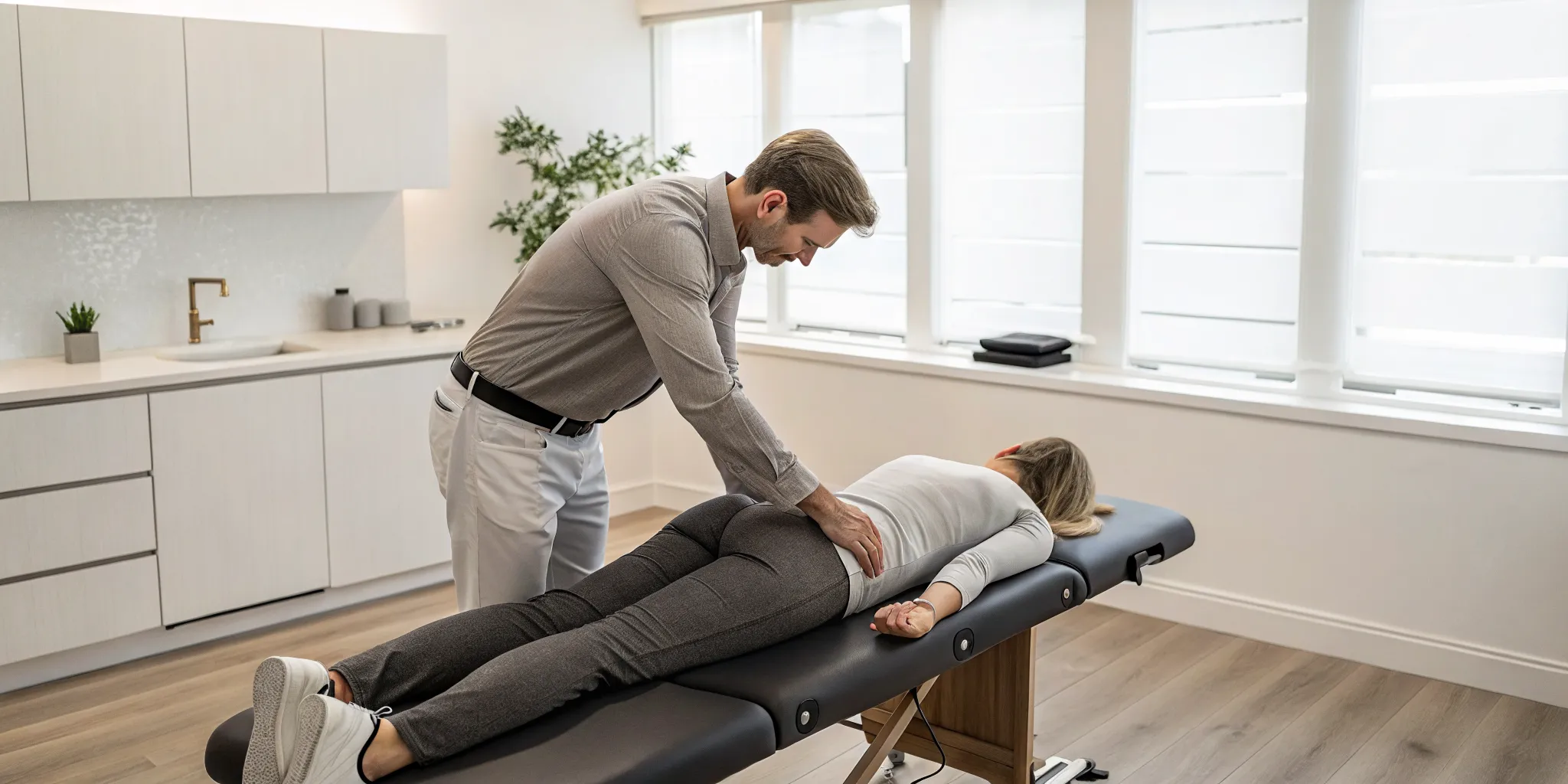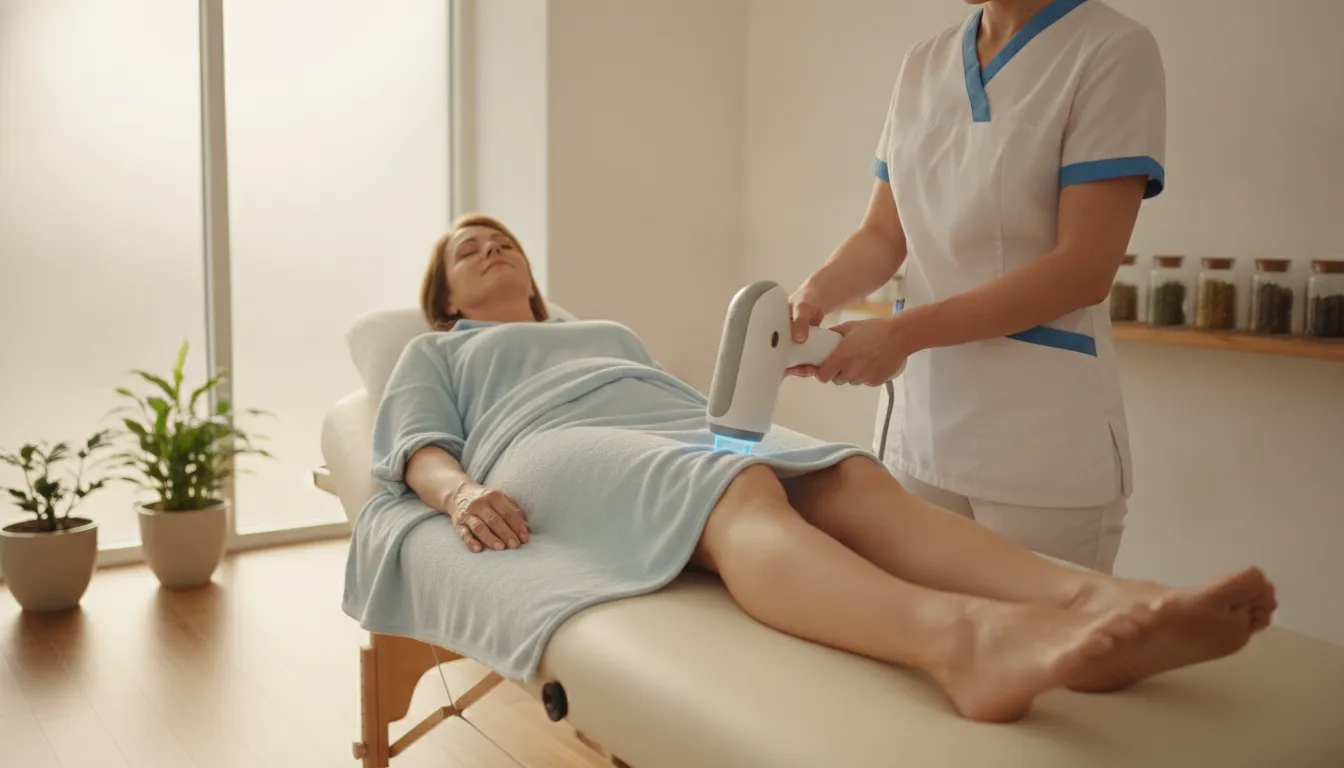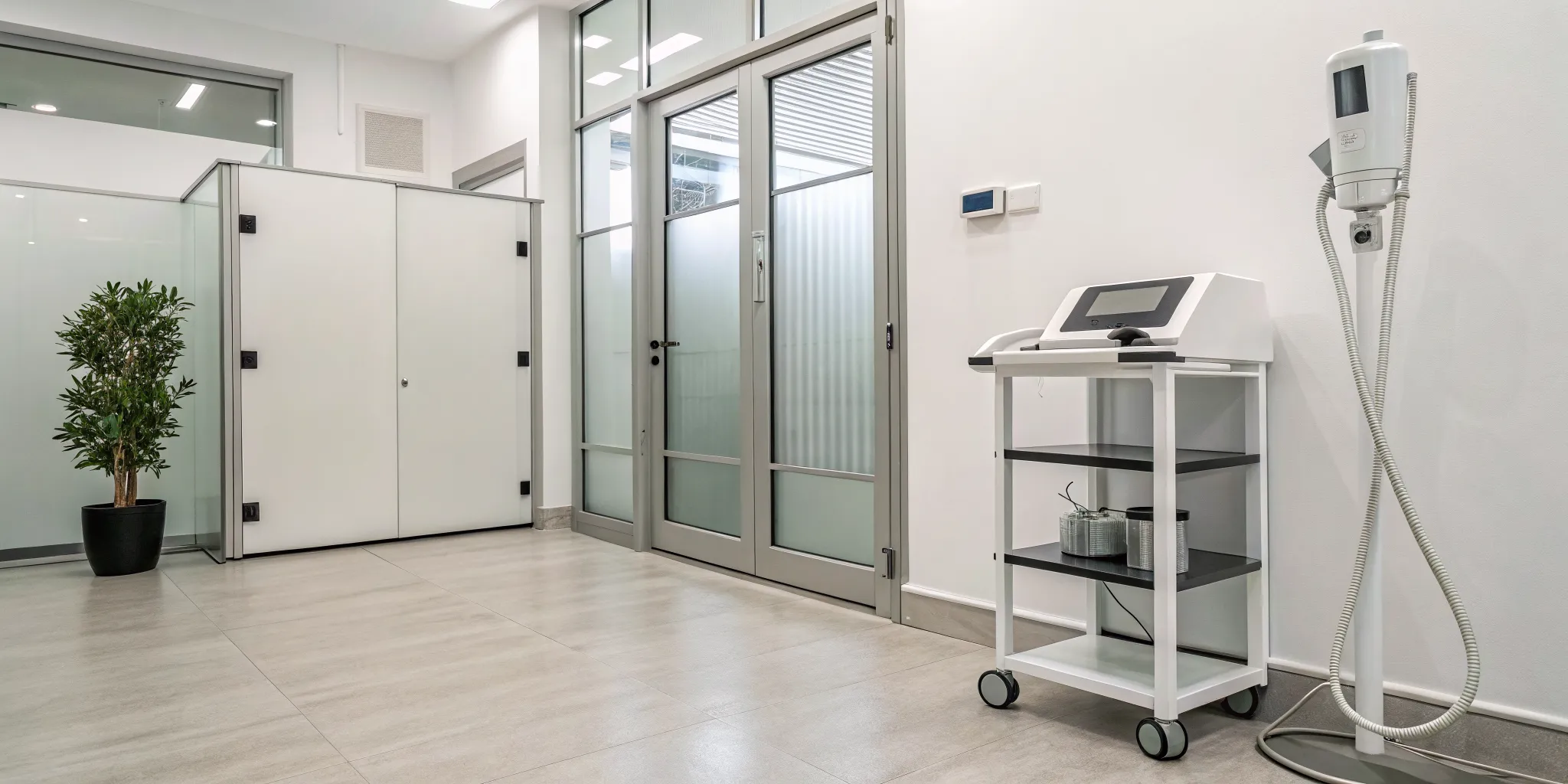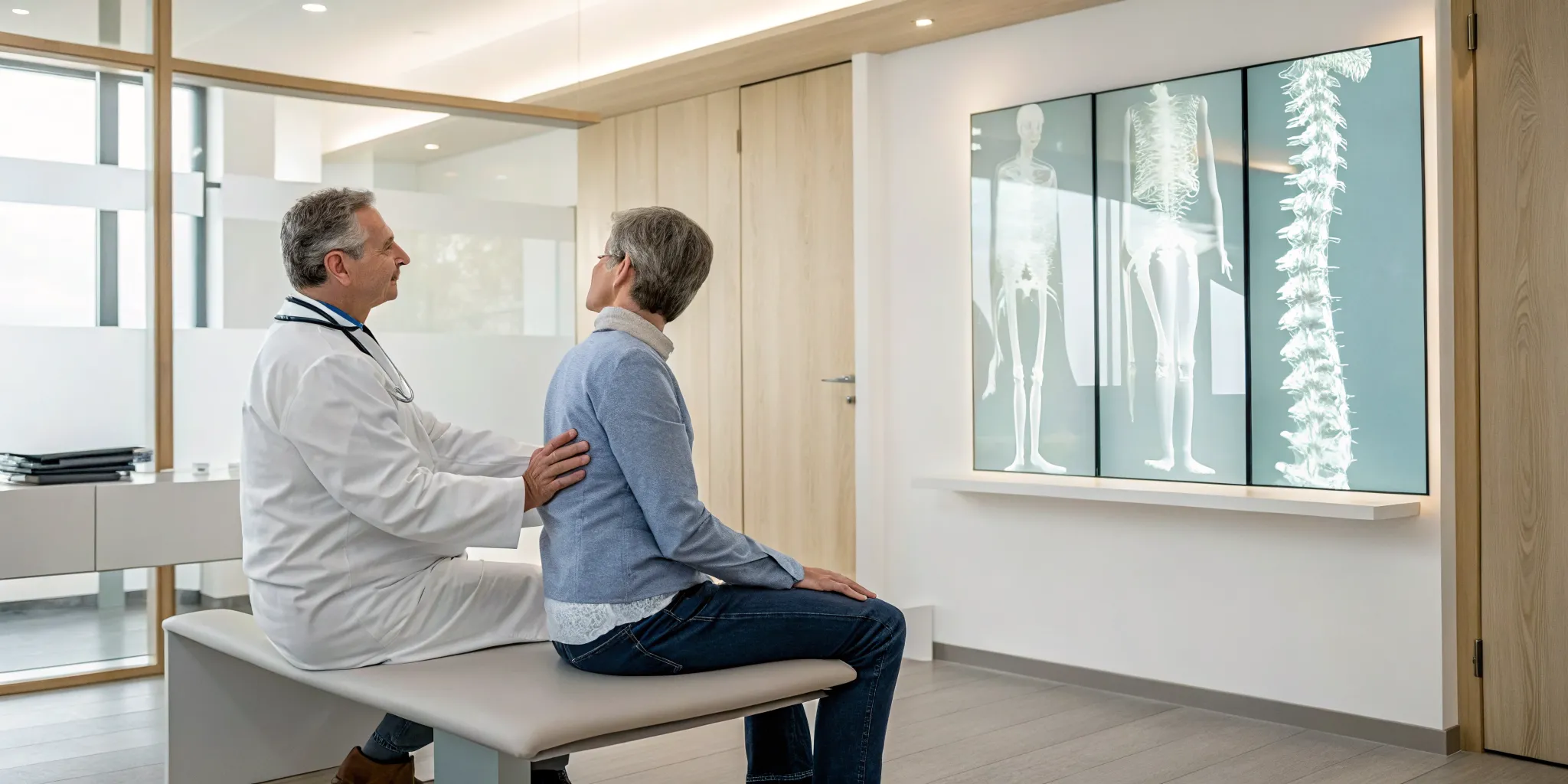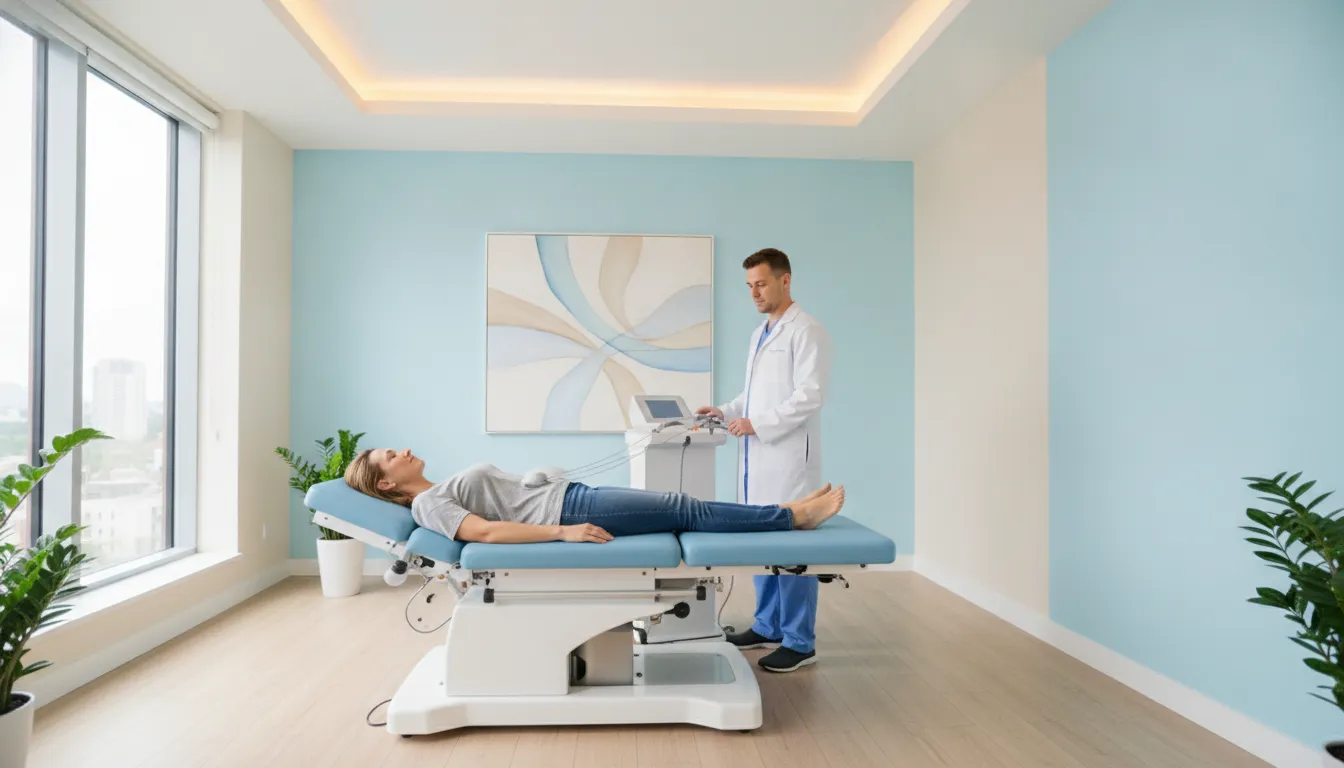
Preparing specific questions before spinal decompression therapy helps you identify the root cause of your pain and verify your candidacy for care. Ask your provider about their specific protocols, the type of technology they use, and how many sessions your condition may require. Discuss any health history that might affect your safety during treatment. Research published by PubMed confirms that this non-surgical method uses a computerized system to gently decompress nerve roots through segmental distraction. By asking about expected timelines and success rates, you can set realistic goals for your recovery. At Ascend Functional Health in Tampa, Dr. Alfred Alessi designs personalized spinal decompression protocols that integrate physical medicine, functional medicine, and corrective chiropractic care for comprehensive outcomes.
Questions Before Spinal Decompression Therapy: What Is Spinal Decompression Therapy and How Does It Work?
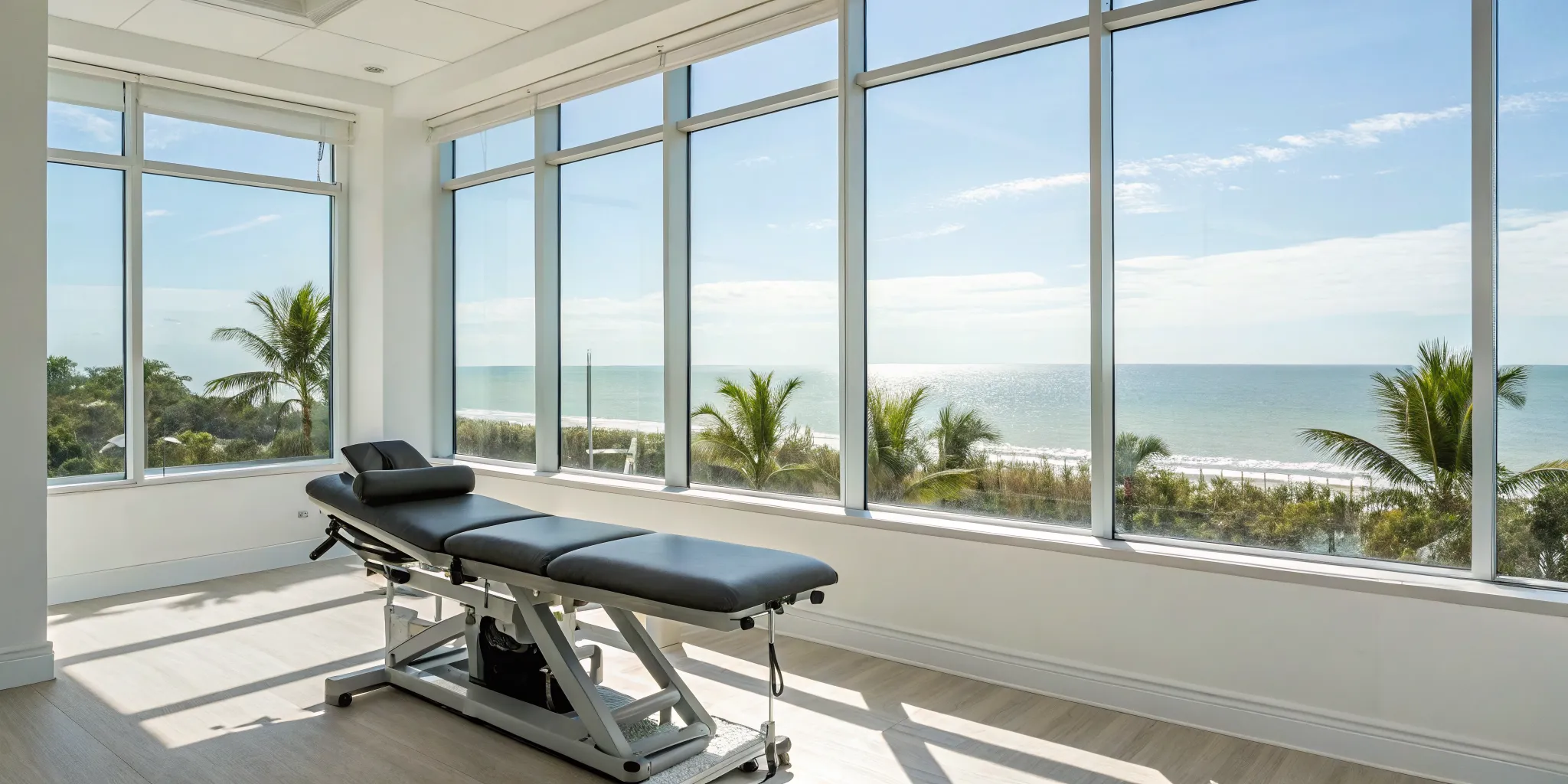
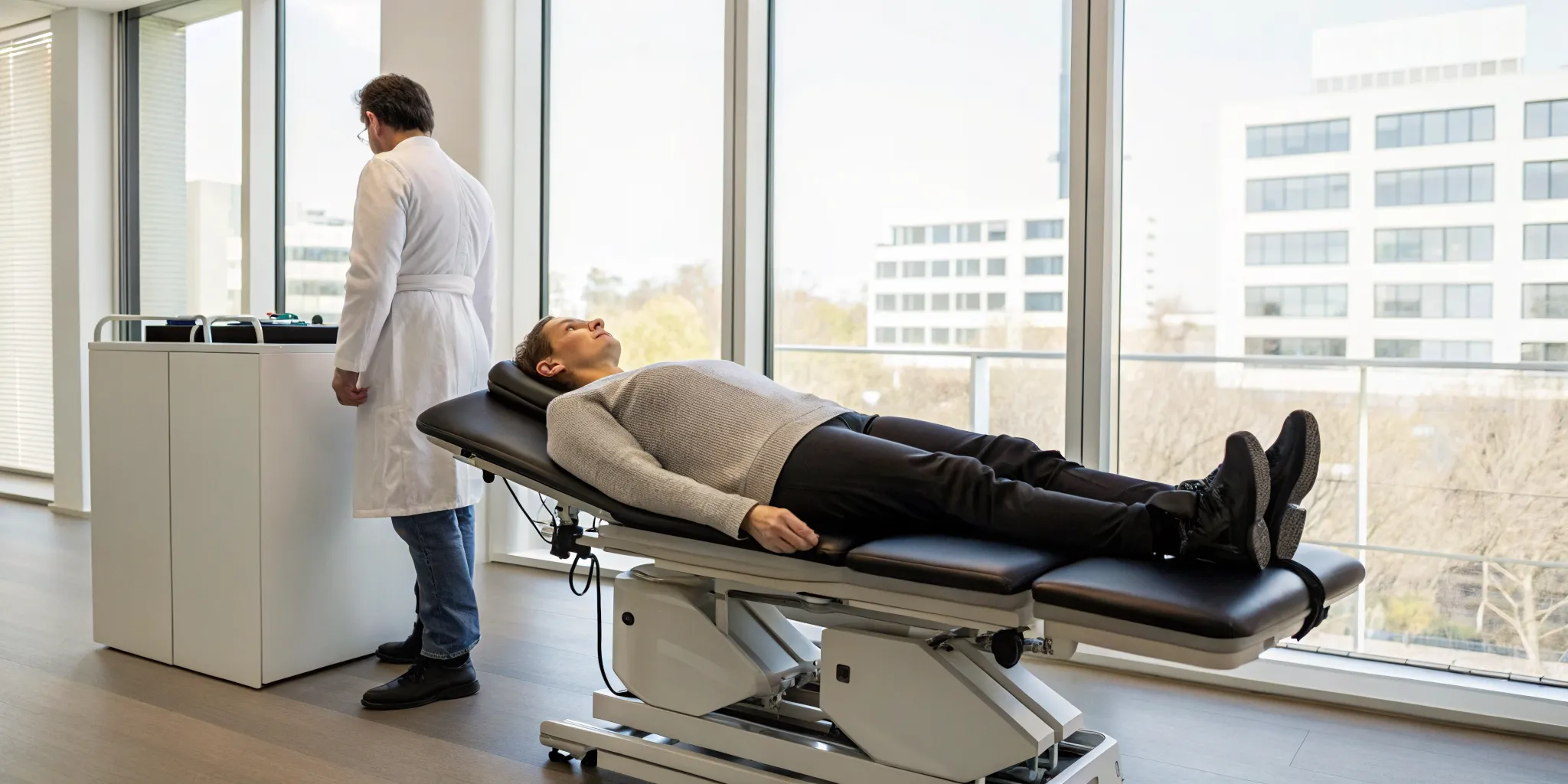
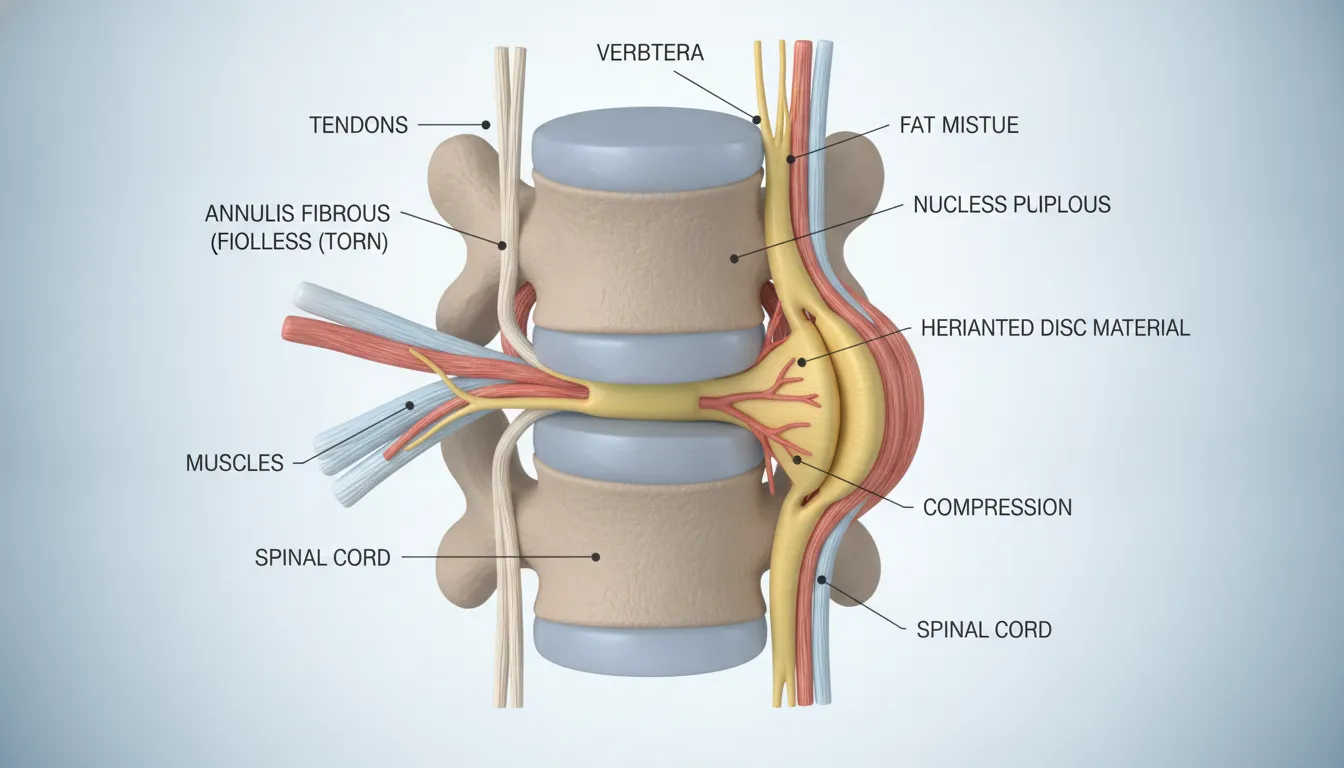
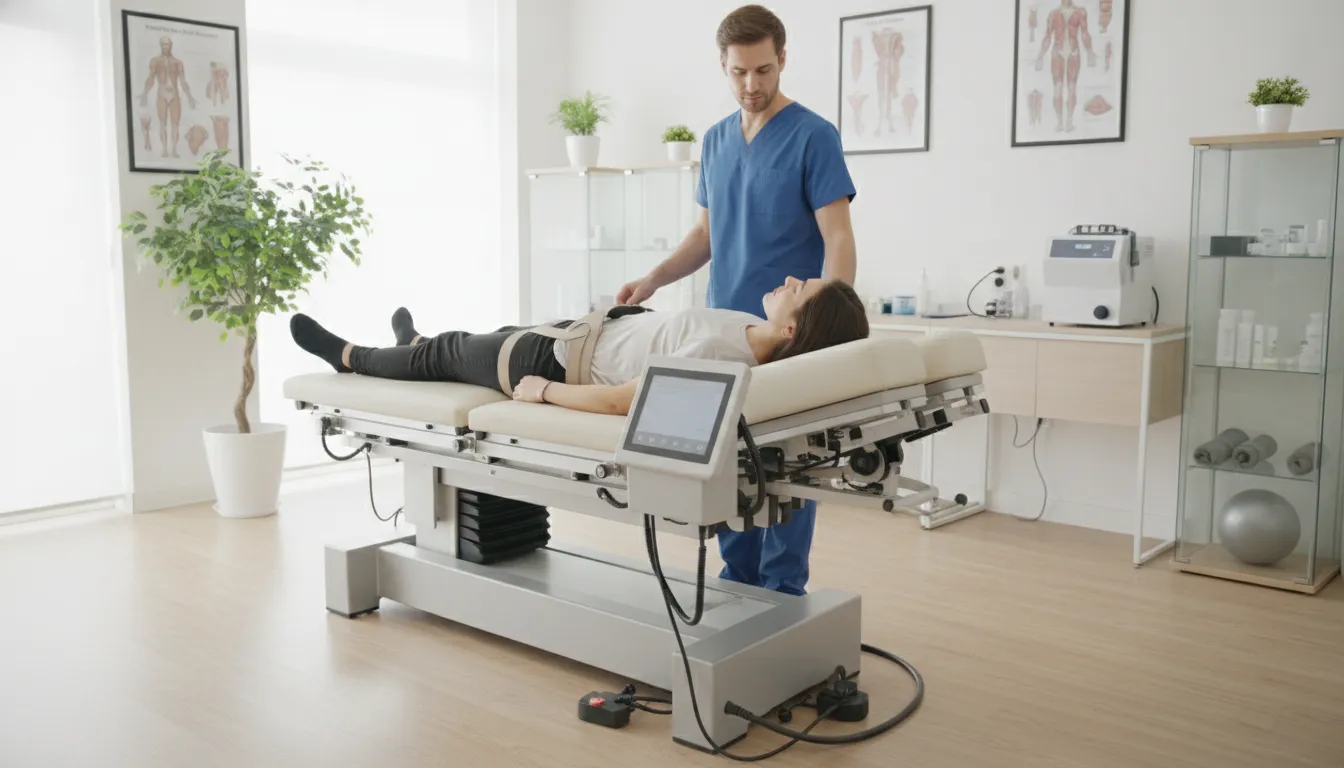
Spinal decompression therapy is a non-surgical treatment that uses a motorized table to gently stretch the spine, creating space between the vertebrae. This action takes pressure off compressed discs and irritated nerve roots. When a disc bulges, herniates, or degenerates, it can press on nearby nerves and cause pain, numbness, or tingling that radiates into the arms or legs. By targeting the root cause of the pain rather than masking symptoms, spinal decompression supports the body's natural healing mechanisms.
The vacuum effect and disc healing
The core mechanism behind this therapy is negative intradiscal pressure, often described as a vacuum effect. When the decompression table gently stretches the spine, it pulls bulging or herniated disc material back toward the center of the disc. This repositioning relieves pressure on nerve roots and creates a gradient that draws water, oxygen, and essential nutrients into the disc space. These nutrients are critical for disc repair and regeneration. A healthy, well-hydrated disc maintains its height and cushioning properties, which protects the surrounding spinal structures.
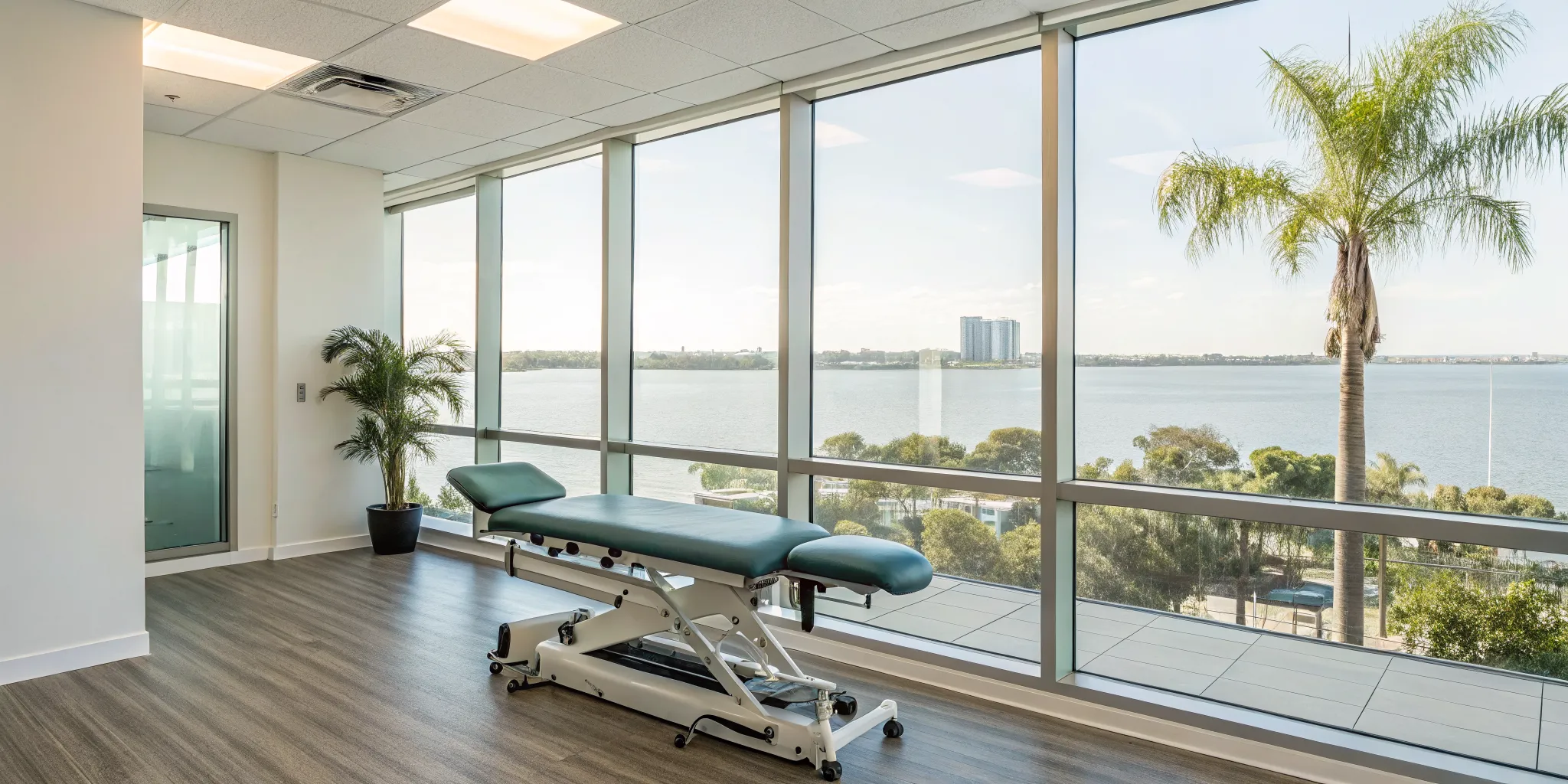
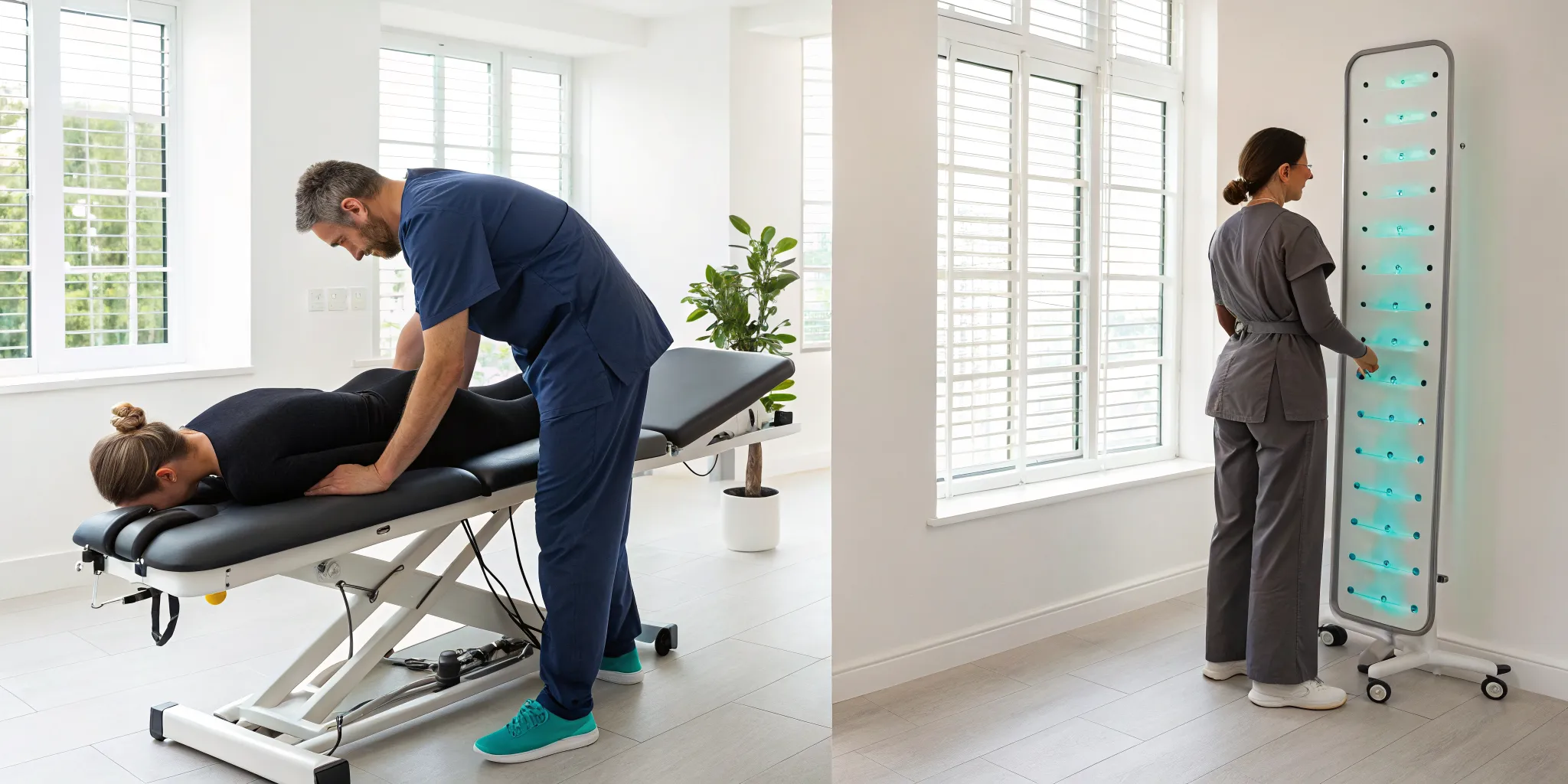
Segmental distraction allows the doctor to target a specific spinal level rather than stretching the entire spine at once. This precision ensures the therapy focuses on the exact disc or nerve root causing your symptoms. At Ascend Functional Health, Dr. Alessi uses advanced computerized decompression tables that deliver controlled, reproducible force at each session.
How computerized feedback keeps you safe
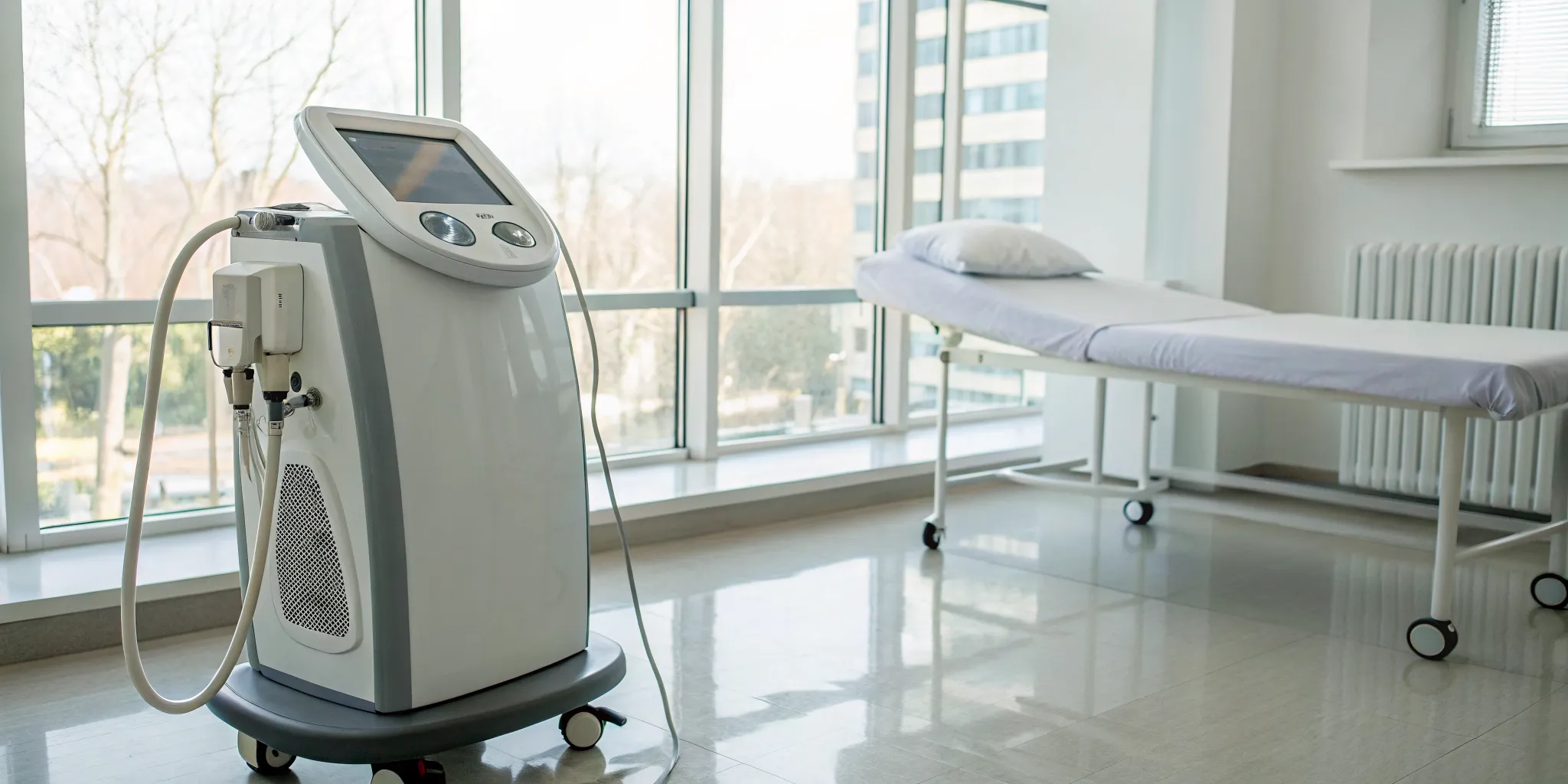
A distinguishing safety feature of modern spinal decompression is the computerized feedback system. The motorized table continuously monitors muscle tension and adjusts the pulling force in real time. If your muscles begin to resist the stretch, the table automatically reduces tension to maintain comfort and prevent spasm. This closed-loop control system makes the treatment safer than traditional traction methods, which apply a fixed force regardless of how the body responds.
The clinician programs the table based on your weight, condition, and treatment goals. The computer logs every session, tracking force curves, duration, and patient response so the protocol can be refined over time. This level of precision is one reason spinal decompression has become a leading non-surgical option for disc-related back and neck pain.
Cervical and lumbar decompression differences
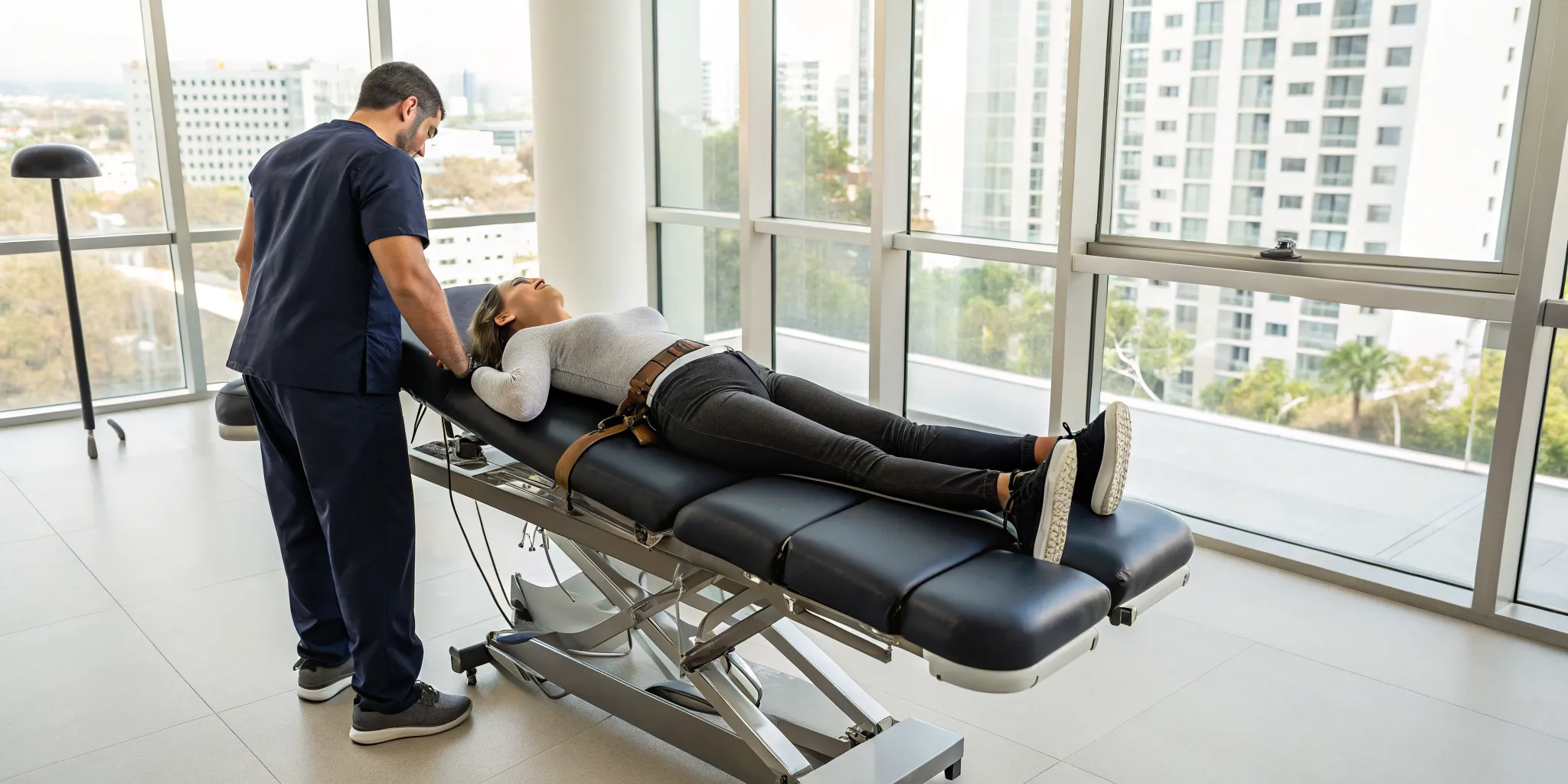
Lumbar decompression targets the lower back and is commonly used for disc bulges, herniations, and sciatica. Cervical decompression focuses on the neck and helps with arm pain, headaches, and cervical disc issues. Both approaches use the same physiological principles but differ in the equipment setup. A head cradle supports the neck for cervical treatment, while a pelvic belt or harness secures the lower body for lumbar work. You can read more in this cervical spinal decompression guide for a detailed breakdown of the neck-focused protocol.
Am I a Good Candidate for Spinal Decompression?
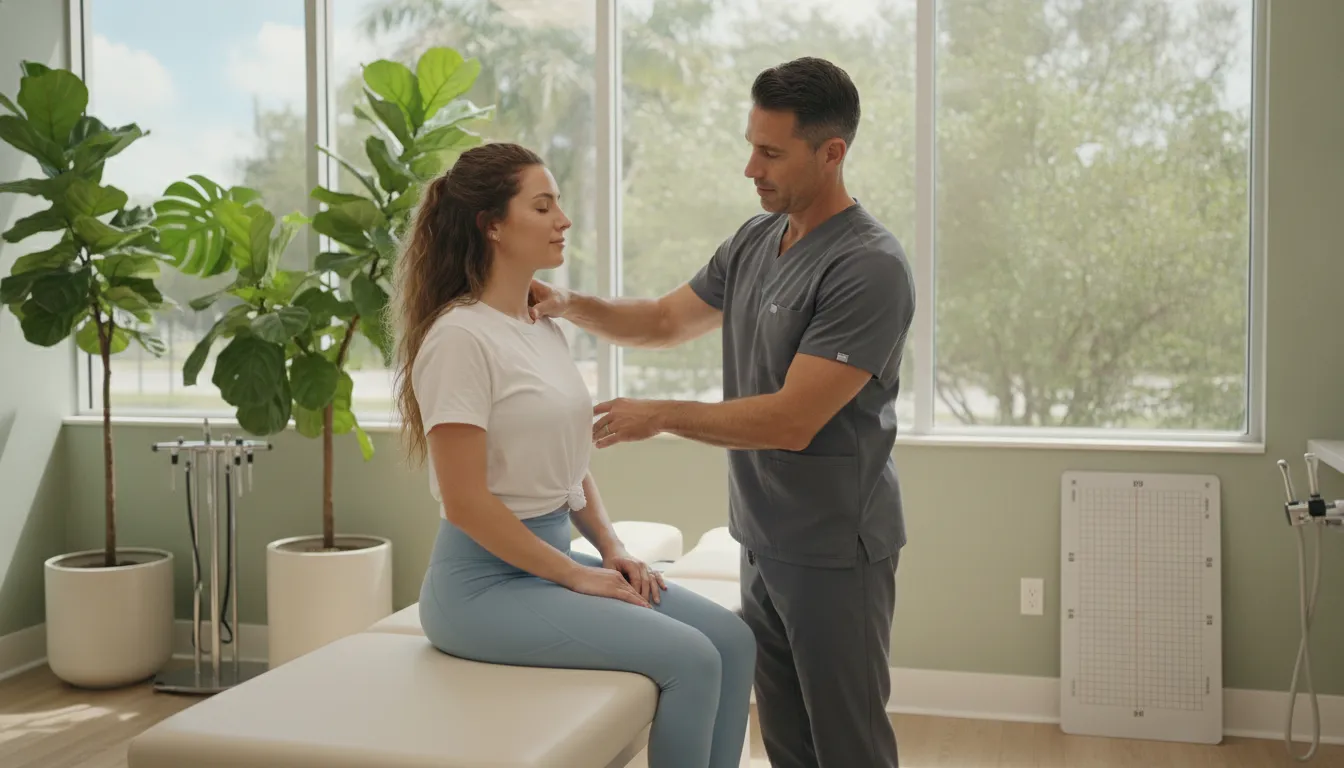
Candidacy for spinal decompression depends on the specific cause and duration of your pain. An in-person evaluation with a qualified clinician is the only way to determine whether this therapy is appropriate for your condition. At Ascend Functional Health in Tampa, Dr. Alessi conducts a thorough examination that includes medical history review, physical assessment, and diagnostic imaging before recommending a treatment plan.
Who qualifies for treatment
Good candidates typically present with disc-related conditions such as bulging or herniated discs, degenerative disc disease, sciatica, or facet joint syndrome. Patients who have not found adequate relief from rest, physical therapy, or medication often explore spinal decompression as a next step. The therapy is also appropriate for individuals who want to avoid surgery and prefer a conservative, evidence-informed approach to spinal care.
Factors that prevent care
Certain conditions may exclude a patient from spinal decompression. These include severe spinal instability, fractures, tumors, infections, advanced osteoporosis, or prior spinal fusion surgery with hardware that makes segmental distraction unsafe. Patients with these conditions require alternative treatment approaches. A thorough screening during your initial consultation identifies any contraindications before care begins.
What to expect from the initial protocol
Typical spinal decompression protocols at Ascend Functional Health begin with a report of findings visit where Dr. Alessi explains your imaging results and proposed treatment plan. If therapy is appropriate, the protocol usually involves 12 to 24 sessions scheduled three to five times per week, depending on the severity of the condition. Each session lasts approximately 15 to 30 minutes of active decompression time.
What Conditions Does Spinal Decompression Treat?
Spinal decompression is primarily indicated for disc-related spinal conditions. The therapy addresses the structural problem at the source rather than simply managing the symptoms. Understanding which conditions respond well helps you set accurate expectations before committing to a treatment plan.
Pain from discs and nerve pressure
The most common conditions treated include herniated discs, bulging discs, and degenerative disc disease. When disc material protrudes and contacts a spinal nerve root, it produces pain, numbness, tingling, or weakness along the nerve's pathway. Spinal decompression reduces intradiscal pressure, allowing the displaced material to retract and relieving nerve compression.
Chronic spine issues and radiating pain
Sciatica, lumbar radiculopathy, and cervical radiculopathy frequently respond well to decompression therapy. Patients with chronic back pain that has not resolved with conservative care may also benefit. The therapy is most effective when combined with complementary approaches such as chiropractic adjustments and corrective exercises that address underlying biomechanical imbalances.
When decompression is not the right fit
Conditions involving spinal infection, malignancy, acute fracture, or cauda equina syndrome require immediate medical intervention and are not appropriate for decompression therapy. The initial screening examination is designed to rule out these serious conditions before any treatment begins.
How Long Does Spinal Decompression Take and When Will Results Appear?
Setting realistic time expectations helps you commit to the full protocol and avoid the common mistake of stopping treatment too early. Results depend on the severity of your disc condition, how long the problem has been present, and your body's individual healing response.
Weekly visit schedule
Most patients attend three to five sessions per week during the initial phase of care. Each appointment includes setup time, the active decompression period, and a brief post-treatment check. The active decompression portion typically lasts between 15 and 30 minutes depending on the spinal levels being treated and your specific protocol.
When to expect results
Some patients report noticeable improvement within the first two weeks, particularly in reduced radiating pain and improved mobility. However, structural disc healing takes time. The full benefit is usually apparent after 12 to 20 sessions. Long-term outcomes improve when patients complete the prescribed course of care and follow any recommended rehabilitative exercises or lifestyle modifications.
Is Spinal Decompression Therapy Safe?
Spinal decompression is widely regarded as safe when performed by a qualified clinician following a comprehensive evaluation. The computerized feedback systems used on modern decompression tables add multiple layers of safety that make the therapy suitable for most patients with disc-related conditions.
Built-in safety controls
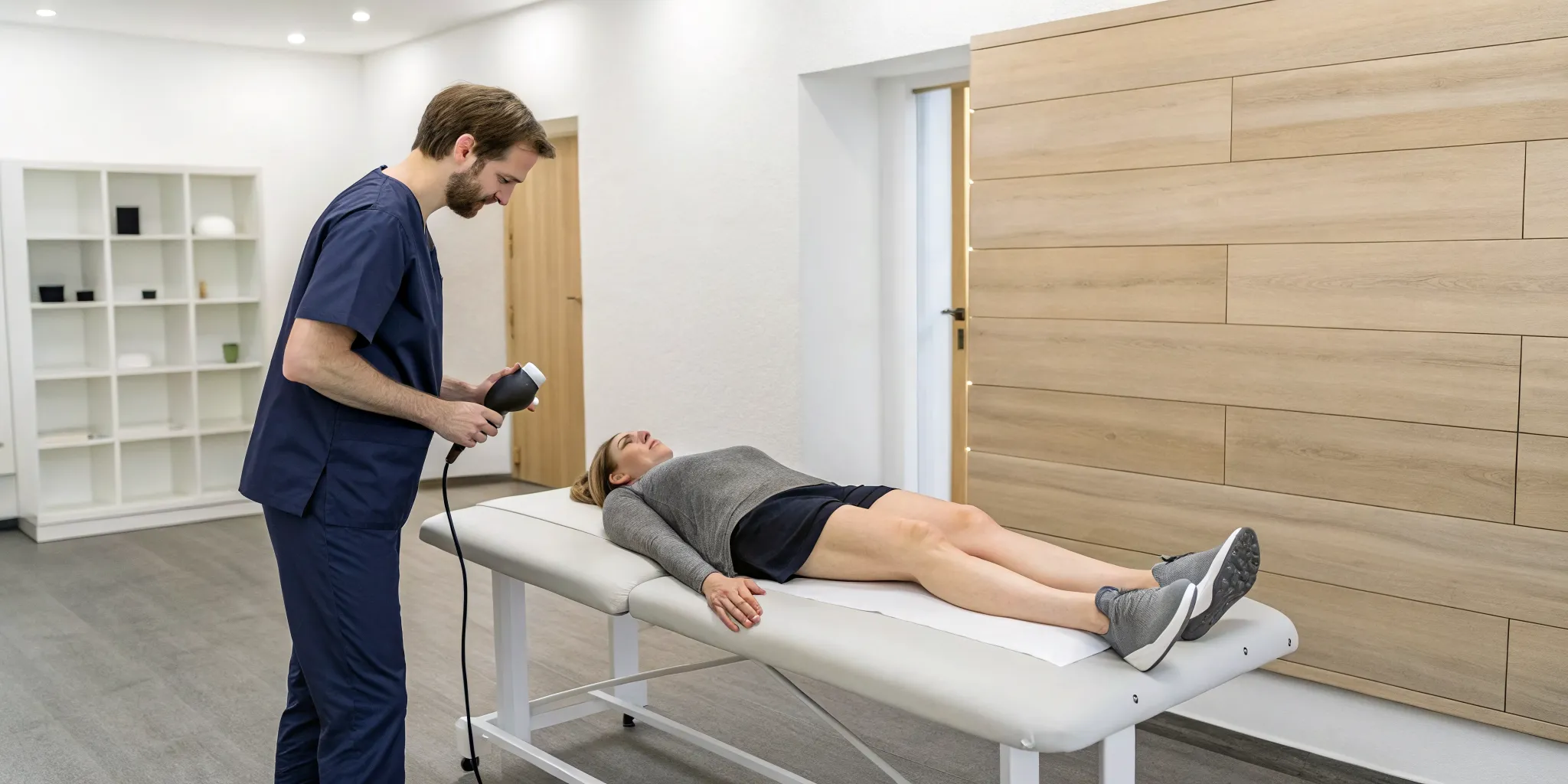
The motorized decompression table includes multiple safety mechanisms. The computer monitors muscle tension and automatically adjusts force if resistance is detected. Patients can stop the treatment at any moment using an accessible release mechanism. The clinician is present throughout each session and monitors patient response continuously. These built-in controls make the therapy significantly safer than older manual traction methods that could not adapt to patient feedback in real time.
What to expect during and after care
During the session, patients typically feel a gentle stretching sensation in the targeted area. The experience is not painful, though some mild discomfort may occur as the spine is mobilized. After treatment, patients are encouraged to hydrate well and avoid heavy lifting or strenuous activity for several hours. Mild soreness similar to post-exercise muscle fatigue is normal and usually subsides within 24 hours.
When to talk to your doctor
Any new or worsening pain, numbness, or changes in bowel or bladder function should be reported to your clinician immediately. These are rare occurrences, but prompt communication ensures your safety. Dr. Alessi reviews patient feedback at every visit and adjusts the protocol as needed.
| Feature | Spinal Decompression | Traditional Traction | Surgery |
|---|---|---|---|
| Force control | Computerized, real-time adjustment | Static or fixed intermittent pull | N/A (direct structural alteration) |
| Targeting | Segmental (single spinal level) | Full-spine, non-specific | Focal at surgical site |
| Recovery time | Minimal, return to daily activities | Minimal | Weeks to months |
| Invasive | No | No | Yes |
| Patient feedback loop | Continuous via computer sensors | None | Post-operative only |
Key Questions To Ask Before Starting Spinal Decompression Therapy
Arriving at your consultation with a prepared list of questions helps you make an informed decision about your care. Use these questions during your initial visit with Dr. Alessi at Ascend Functional Health in Tampa.
Questions about the process
- What type of decompression table do you use, and does it have computerized feedback?
- How many sessions do you typically recommend for my specific condition?
- Will I need additional treatments such as chiropractic adjustments or corrective exercises alongside decompression?
- How do you measure progress during the protocol?
Questions about candidacy and safety
- Is my specific disc condition appropriate for spinal decompression?
- Do any of my existing health conditions or medications affect my candidacy?
- What imaging or diagnostic tests will you use before starting treatment?
- What is the success rate for patients with a condition similar to mine?
Questions about scheduling
- How long is each session, and what is the weekly schedule?
- What is the total duration of the recommended treatment plan?
- What care plan options are available for this treatment?
Frequently Asked Questions
Does spinal decompression hurt?
Spinal decompression is generally not painful. Most patients describe a gentle stretching or pulling sensation in the targeted area. The computerized feedback system automatically adjusts tension if your muscles begin to resist the stretch, keeping the session comfortable. Some mild soreness after treatment is normal and typically resolves within 24 hours.
How many sessions will I need before I feel better?
Many patients notice early relief within the first two weeks of treatment, particularly in reduced radiating pain. However, structural disc healing requires time. Most protocols involve 12 to 24 sessions. The full therapeutic benefit is typically experienced after completing the prescribed course of care.
Can I combine spinal decompression with chiropractic care?
Yes. Many clinicians recommend combining spinal decompression with chiropractic adjustments, corrective exercises, and soft tissue therapy for comprehensive outcomes. This integrated approach addresses both the structural disc issue and the surrounding biomechanical factors that contributed to the condition. Dr. Alessi's dual training in chiropractic and functional medicine allows him to coordinate all aspects of your spinal care under one treatment plan at Ascend Functional Health in Tampa.
What is the difference between spinal decompression and traditional traction?
Traditional traction applies a static or intermittent pulling force across the entire spine. Spinal decompression uses computerized segmental distraction to target a specific spinal level with precise, controlled force. This targeted approach achieves negative intradiscal pressure at the affected disc, which traditional traction cannot reliably produce. The computerized feedback system also makes modern decompression safer by adjusting force based on real-time muscle response.
How do I get started with spinal decompression in Tampa?
Getting started begins with a consultation at Ascend Functional Health. Dr. Alfred Alessi evaluates your medical history, performs a physical examination, and reviews any relevant imaging. If spinal decompression is appropriate for your condition, he designs a personalized treatment protocol that fits your schedule and health goals. Contact the practice to schedule your initial visit and discuss your next steps toward relief.
Are you ready to find the root cause of your chronic back pain?
Knowing the right questions to ask before spinal decompression therapy empowers you to make confident decisions about your spinal health. At Ascend Functional Health in Tampa, Dr. Alfred Alessi combines advanced computerized decompression technology with over a decade of clinical experience in chiropractic and functional medicine. Each treatment plan begins with a thorough evaluation to identify the root cause of your pain and determine whether decompression therapy is the right approach for your specific condition.
Schedule your consultation at Ascend Functional Health in Tampa to discuss your symptoms, review your imaging, and learn how a personalized spinal decompression protocol can help you return to the activities you love.