If you're tired of the cycle of pain and temporary fixes, it’s time to look at the bigger picture. Sciatica is often treated as just a mechanical problem in your lower back, but your body is an interconnected system. Chronic inflammation, your daily diet, and even stress can make nerve pain worse and hinder your body's ability to heal. Lasting sciatica relief requires an approach that addresses both the structural issue in your spine and the systemic factors contributing to it. We’ll cover how targeted physical treatments combined with a whole-body functional medicine approach can help you finally get to the root of the problem and achieve lasting wellness.
Key Takeaways
- Soothe immediate pain with simple at-home care: For initial relief, use ice to calm inflammation and heat to relax tight muscles. Gentle stretches and avoiding prolonged sitting can also ease pressure on the sciatic nerve and reduce discomfort.
- Prevent future flare-ups with consistent habits: Long-term relief comes from supporting your spine every day. Focus on maintaining good posture, strengthening your core muscles, and incorporating regular, gentle movement like walking into your routine.
- Recognize when to seek professional treatment: If your pain is severe, doesn't improve after a few weeks, or comes with numbness or weakness, it's time to see a professional. Treatments like chiropractic care can address the underlying structural cause of the pain for a lasting solution.
What Is Sciatica and What Causes It?
If you’ve ever felt a sharp, shooting pain that travels from your lower back down your leg, you might have experienced sciatica. It’s a common issue, but it’s also widely misunderstood. Sciatica isn't a diagnosis on its own; instead, it's a symptom of an underlying problem that’s putting pressure on your sciatic nerve. The pain can feel different for everyone, ranging from a dull, constant ache to a sharp, burning sensation that makes it hard to sit or stand. Understanding what’s happening in your body is the first step toward finding relief. It all starts with the sciatic nerve and the issues that can irritate it.
What Is the Sciatic Nerve?
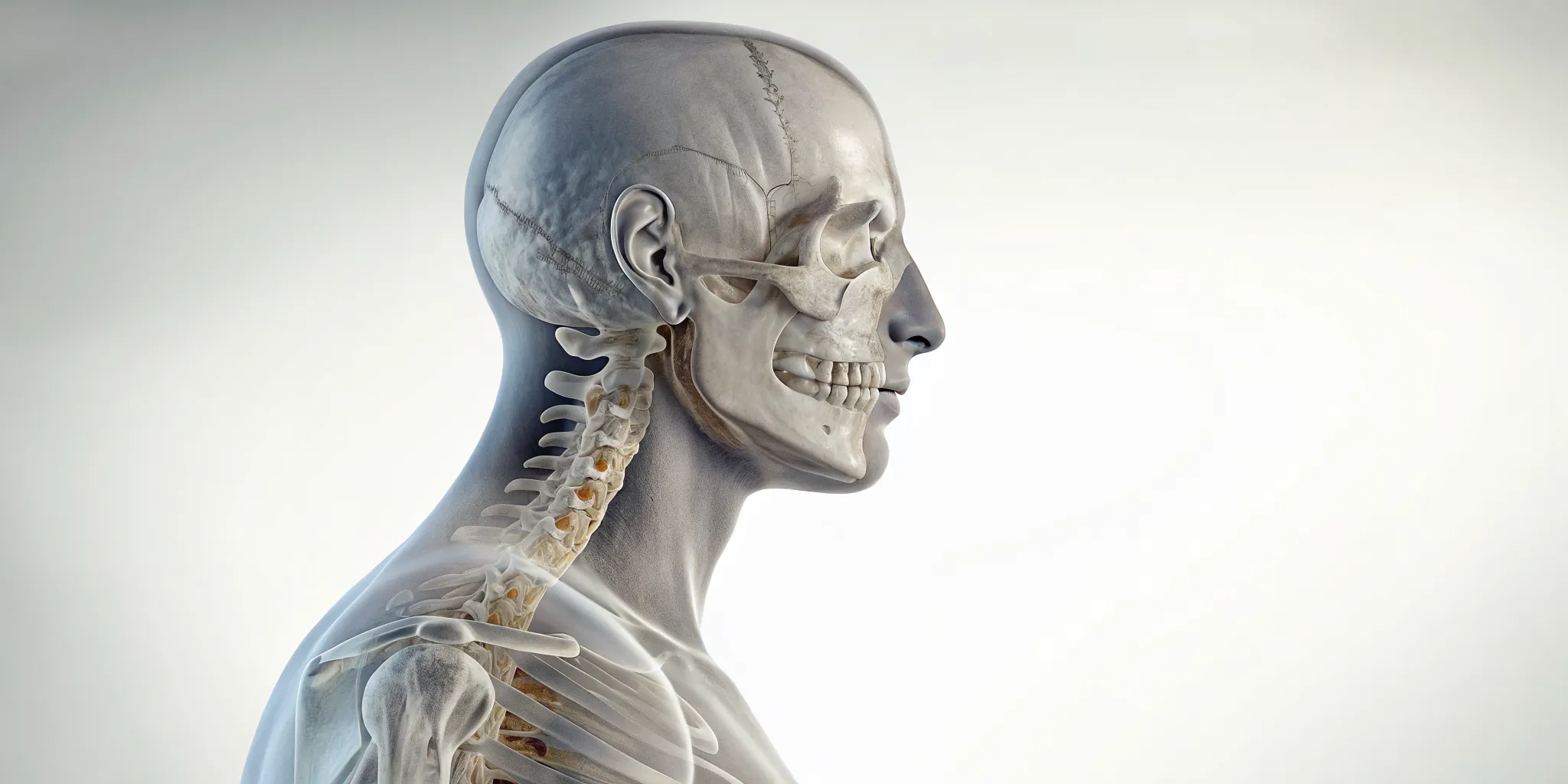
Think of the sciatic nerve as a major highway for nerve signals in your lower body. It’s the longest and thickest nerve you have, starting in your lower back and branching out to run through your hips, buttocks, and down each leg, all the way to your feet. This nerve is responsible for controlling the muscles in the back of your knee and lower leg, and it provides sensation to the back of your thigh, part of your lower leg, and the sole of your foot. When something compresses or irritates this important nerve, it sends out pain signals along its entire path, which is why sciatica symptoms can be so widespread and disruptive.
Common Causes of Sciatica Pain
Sciatica pain flares up when something is pressing on or rubbing against the sciatic nerve. The most frequent culprit is a herniated disc, sometimes called a slipped disc. This happens when one of the soft, cushion-like discs between your spinal bones pushes out of place and pinches the nerve. Other common structural issues can also be to blame, such as spinal stenosis, which is a narrowing of the spinal canal that leaves less room for the nerves. Degenerative disc disease and osteoarthritis can also lead to changes in the spine that irritate the sciatic nerve. Finding the root cause is key, as many of these issues can be addressed with targeted physical medicine treatments.
What Does Sciatica Feel Like?
If you’ve ever felt a sudden, shooting pain travel from your lower back down your leg, you know it’s more than just a simple backache. Sciatica has a unique and frustrating way of making its presence known. The pain comes from the sciatic nerve, the longest nerve in your body, which runs from your lower back all the way down to your feet. When this nerve gets pinched or irritated, it sends out pain signals that can stop you in your tracks.
While the experience can vary from person to person, the symptoms of sciatica are pretty distinct. Understanding what you’re feeling is the first step toward finding the right kind of relief. It’s not just about the intensity of the pain, but also about where you feel it and what it feels like. Recognizing these specific signs helps you communicate more clearly with a healthcare professional and start on a path toward feeling better.
Key Symptoms to Look For
Sciatica pain typically starts in your lower back or buttock and radiates down the back of one leg, sometimes reaching your foot and toes. It’s rare for it to affect both legs at the same time. The sensation is often described as a sharp, burning, or electric shock-like pain that shoots down the leg.
Beyond the sharp pain, you might also experience other strange sensations. Many people report a "pins and needles" tingling, numbness, or even muscle weakness in the affected leg or foot. These sciatica symptoms can make it difficult to stand up, walk, or even just sit comfortably. The pain can be constant, or it might come and go, but it’s usually a clear signal that something is irritating your sciatic nerve.
What Makes the Pain Worse?
Certain movements can instantly aggravate sciatica because they increase pressure on the sciatic nerve. You might notice a sudden jolt of pain when you cough, sneeze, or laugh. Simple actions like bending forward, lifting your legs while lying down, or sitting for a long time can also trigger a flare-up.
This happens because these movements can cause the spinal discs to press more firmly against the nerve root. For many, the pain feels worse after standing or sitting still for extended periods and may feel a bit better when walking or lying down. If you’re dealing with this kind of radiating leg and back pain, it’s a sign that your body needs attention. At Ascend, we see many patients with these exact conditions we treat and can help identify the root cause.
How to Get Relief at Home
When sciatica pain strikes, your first thought is probably how to get comfortable. The good news is you can take several steps at home to manage the immediate discomfort. These strategies can help reduce inflammation and soothe tense muscles. While these tips are excellent for initial relief, remember they primarily address symptoms. Finding a long-term solution often means getting to the bottom of what’s causing the nerve irritation. Think of this as your first-aid kit for sciatica pain.
Use Ice and Heat Therapy
One of the simplest tools is temperature therapy. For the first two to three days, focus on ice. Applying an ice pack to the painful area for 15 to 20 minutes a few times a day can help reduce swelling and numb the sharp pain. After that, you can switch to heat. A heating pad or a warm bath helps relax tight muscles and improves blood flow, which can speed up healing. This combination of cold and heat can make a significant difference in your comfort levels as you begin to address the underlying issues.
Consider Over-the-Counter Options
Over-the-counter (OTC) pain relievers can also offer temporary relief. Nonsteroidal anti-inflammatory drugs (NSAIDs) like ibuprofen can be helpful because they target both pain and inflammation. While effective for short-term use, they aren't a long-term fix and don't address the root cause of the sciatica. It's always a good idea to check with your doctor before starting any new medication to ensure it's safe for you. For a more sustainable approach to reducing inflammation, our Functional Medicine services can help identify and address root causes through diet and lifestyle.
Adjust Your Posture and Daily Activities
It might feel like you should stay in bed, but gentle movement is one of the best things for sciatica. Try to continue your daily activities as much as you can without pushing through severe pain. Extended rest can make muscles stiff and slow down recovery. Pay close attention to your posture, especially if you sit for long periods. Use a lumbar support cushion to maintain your spine's natural curve and get up to walk around every 30 minutes. These small adjustments can make a big impact on many of the conditions we treat, including sciatica.
Stretches and Exercises for Sciatica Relief
When sciatica pain strikes, your first instinct might be to lie perfectly still. While rest is important, gentle movement is actually one of the best things you can do to find relief. The right stretches and exercises can ease pressure on the sciatic nerve, reduce inflammation, and strengthen the muscles that support your lower back. This helps not only with immediate discomfort but also with preventing future flare-ups.
Think of this as a proactive approach to managing your pain. By incorporating specific movements into your day, you’re giving your body the tools it needs to heal. The key is to start slowly, listen to your body, and focus on movements that feel supportive, not strenuous. Over time, building strength and flexibility in your core, back, and hips can make a significant difference in your overall spinal health and help you get back to the activities you love without fear of that familiar nerve pain.
Stretches to Soothe Nerve Pain
Gentle stretching is your best friend when it comes to calming an irritated sciatic nerve. The goal is to release tension in the muscles of the lower back, hips, and hamstrings, which can compress the nerve. A great place to start is with a simple knee-to-chest stretch. Lie on your back with your knees bent and feet flat on the floor. Gently pull one knee toward your chest, holding for 20 to 30 seconds before switching sides. Another effective option is the seated piriformis stretch. These gentle movements can provide significant relief by creating space around the nerve and easing muscle tightness. Always move slowly and avoid any motion that causes sharp pain.
Exercises to Strengthen Your Back and Core
Once the most intense pain begins to fade, you can start focusing on building strength for long-term support. A strong core and back are essential for maintaining good posture and taking pressure off your spine. Simple exercises like pelvic tilts, where you lie on your back and gently press your lower back into the floor, can help activate your deep core muscles. As you feel stronger, a physical therapist or chiropractor can help you create a personalized exercise plan to improve your posture and prevent future issues. Our team at Ascend specializes in physical medicine to guide you through safe and effective corrective care.
How to Move Safely
It might sound counterintuitive, but staying active is crucial for sciatica recovery. Lying down for long periods can actually make your muscles stiffer and prolong the pain. Try to continue with your normal daily activities as much as you can tolerate. Even short, gentle walks or light household chores can help reduce inflammation and prevent your back from getting too stiff. The key is to avoid prolonged sitting or staying in one position for too long. Listen to your body’s signals, but don’t let the fear of pain keep you sedentary. Consistent, gentle movement is a powerful part of the healing process.
How to Prevent Sciatica Flare-Ups
Once you’ve found some relief, the next step is keeping the pain from coming back. Preventing sciatica flare-ups isn’t about making drastic changes overnight. Instead, it’s about incorporating small, mindful habits into your daily routine that support your spine and reduce inflammation. By focusing on how you sleep, sit, and move, you can build a strong foundation for long-term back health and keep that sharp, shooting pain from returning. These proactive steps are essential for managing your symptoms and feeling your best.
Improve Your Sleep and Work Setups
We spend a huge portion of our lives sleeping and sitting, so optimizing these environments is a great place to start. A medium-firm mattress often provides the right amount of support to keep your spine in a neutral position. If you’re a side sleeper, try placing a pillow between your knees to maintain proper alignment. For those long hours at a desk, an ergonomic chair with a back support cushion can make a world of difference. These simple adjustments help reduce the daily strain on your lower back and sciatic nerve, which is a key part of our physical medicine approach to care.
Embrace Daily Movement and an Anti-Inflammatory Diet
It might seem counterintuitive, but gentle movement is one of the best things you can do to prevent sciatica. Staying active with short walks, stretching, and core-strengthening exercises keeps your muscles flexible and your spine supported. You don’t need an intense workout; just aim to avoid sitting for too long. Pairing movement with an anti-inflammatory diet can also help manage pain from the inside out. Focus on whole foods like leafy greens, berries, and fatty fish, while limiting processed sugars and fried foods. This holistic strategy is central to a functional medicine approach to healing.
When Is It Time to See a Doctor?
While at-home care can be incredibly effective for managing sciatica, it's just as important to recognize when you need professional support. Listening to your body is key. Certain symptoms are clear signals that it's time to put down the ice pack and pick up the phone. If your pain isn't getting better or you notice some more serious signs, seeking a proper diagnosis is the best next step to get to the root of the problem and find lasting relief.
Red Flag Symptoms You Shouldn't Ignore
Some symptoms are more than just uncomfortable; they're your body's way of saying something more serious might be happening. If you experience any of the following, it's time to seek medical attention right away:
- Pain that affects both of your legs, not just one side.
- Significant or worsening weakness or numbness in your legs.
- Numbness around your groin or buttocks area.
- New or unusual trouble with bladder control, like difficulty urinating or leaking.
- A sudden loss of bowel control.
These are considered red flags, and it's best to get them checked out immediately to rule out more serious conditions. Don't hesitate to contact a professional if you notice any of these signs.
Signs Your At-Home Care Isn't Enough
Sometimes, the sign to see a doctor is less of a red flag and more of a persistent whisper. If you've been diligent with your stretches and self-care but aren't seeing results, it might be time for a new approach. Consider scheduling an appointment if:
- Your pain hasn't improved after a few weeks of consistent at-home care.
- The pain is actually getting worse.
- Your daily life is being disrupted, and you can't do the things you normally would.
- The pain is so severe that it stops you in your tracks.
These are all signs that your body needs more support than at-home remedies can provide. A professional can offer personalized treatments to address the underlying cause of your pain.
How Professional Treatment Addresses the Root Cause
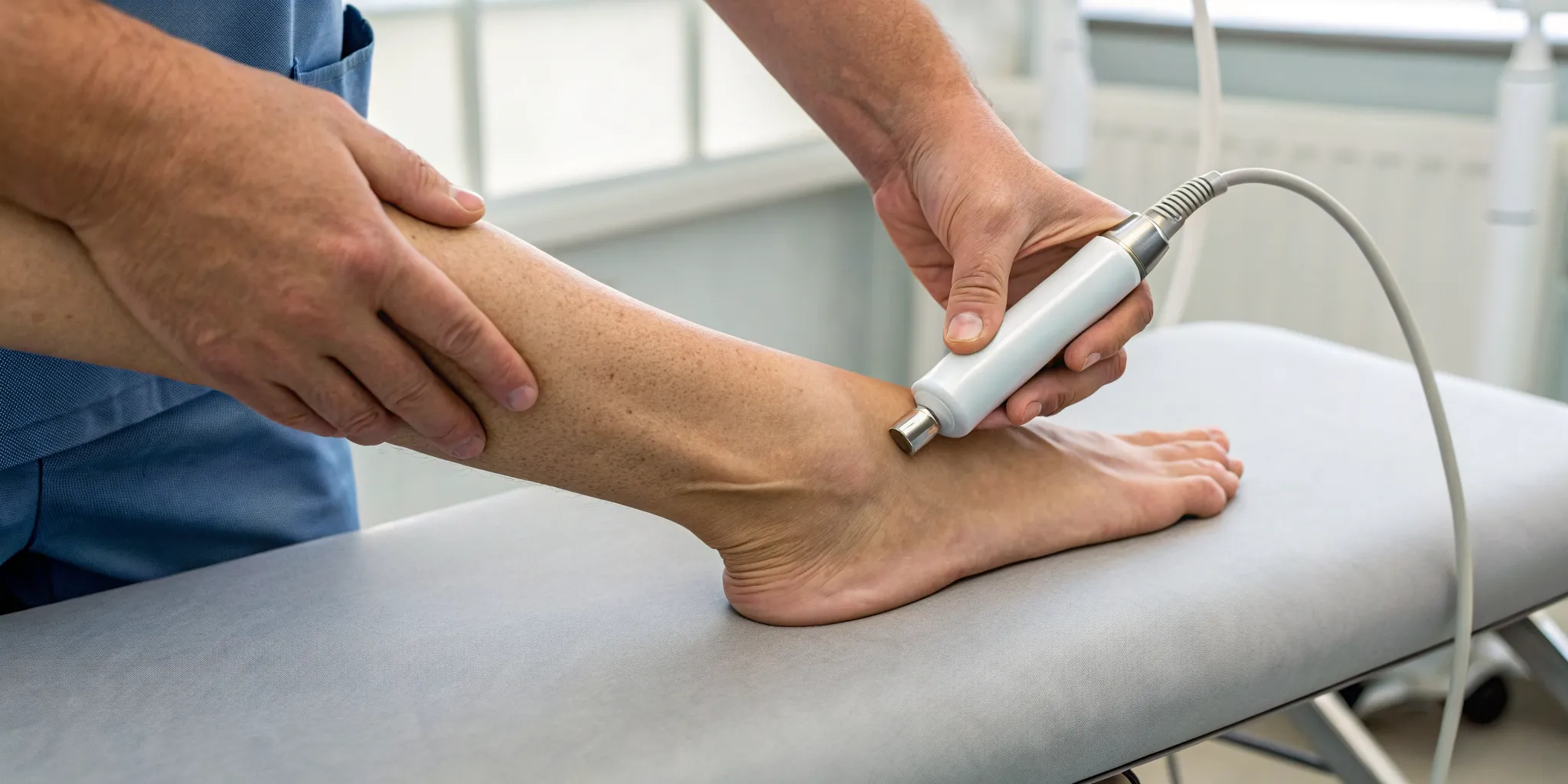
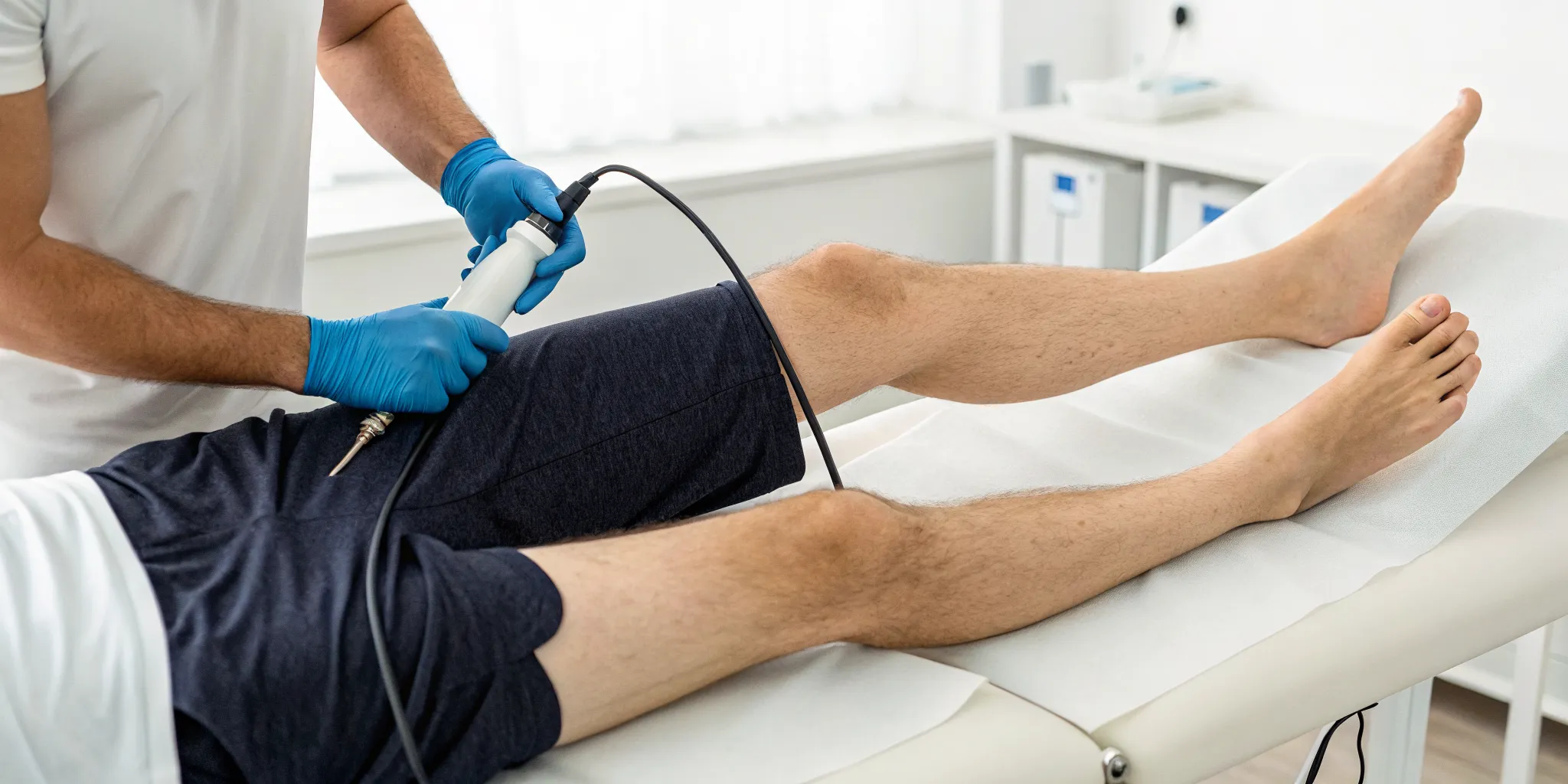
While at-home strategies are fantastic for managing sciatica pain, they often provide temporary relief. If you want to address the problem for good, you need to get to the source. Professional treatment focuses on identifying and correcting the underlying mechanical and biological issues causing your nerve pain. This is where you can find a path to lasting relief instead of just masking the symptoms. By combining targeted physical treatments with a whole-body approach, you can help your body heal correctly and prevent future flare-ups. It’s about understanding the full picture of your health to create a solution that sticks.
Chiropractic Care and Spinal Decompression
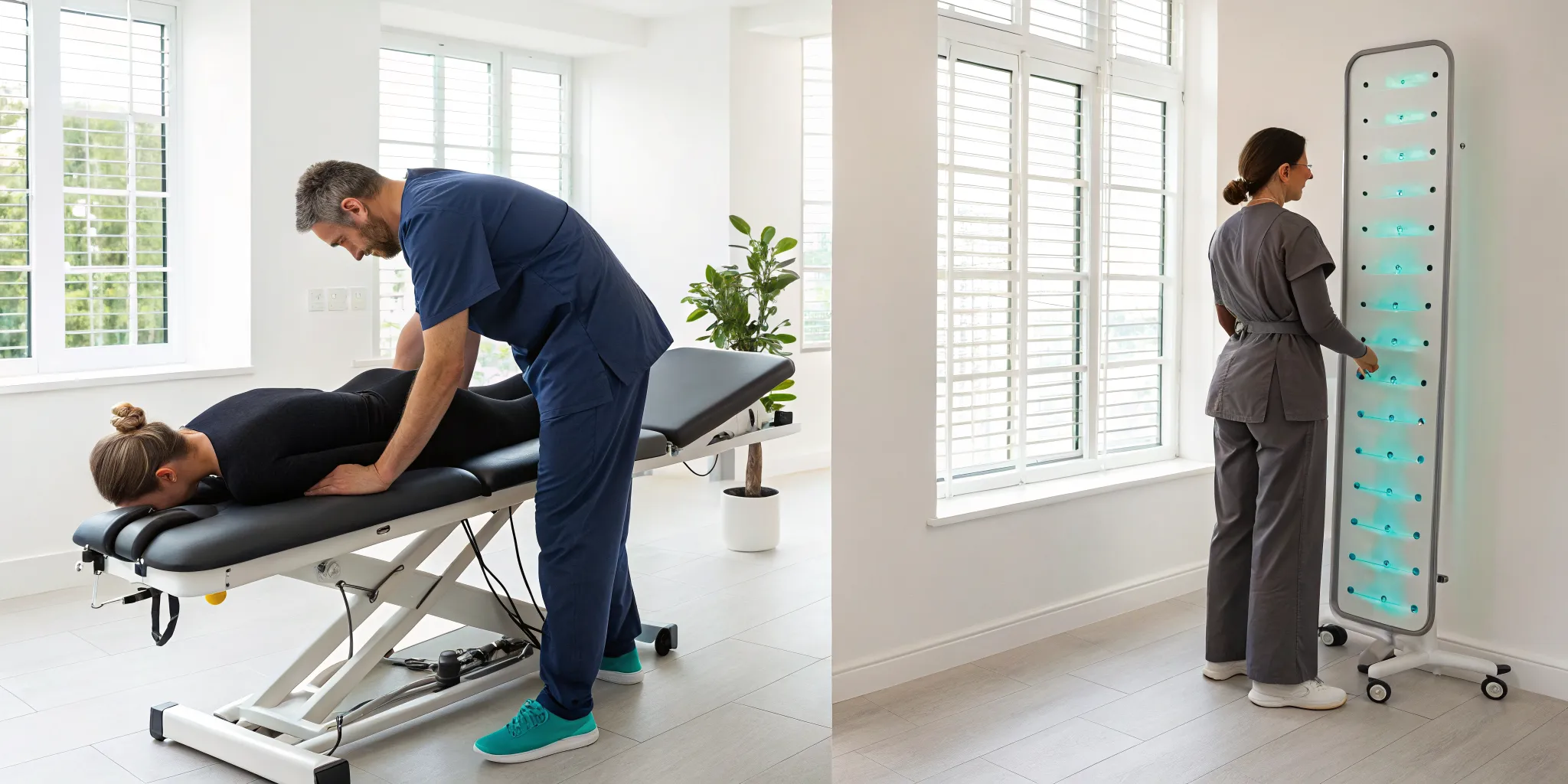
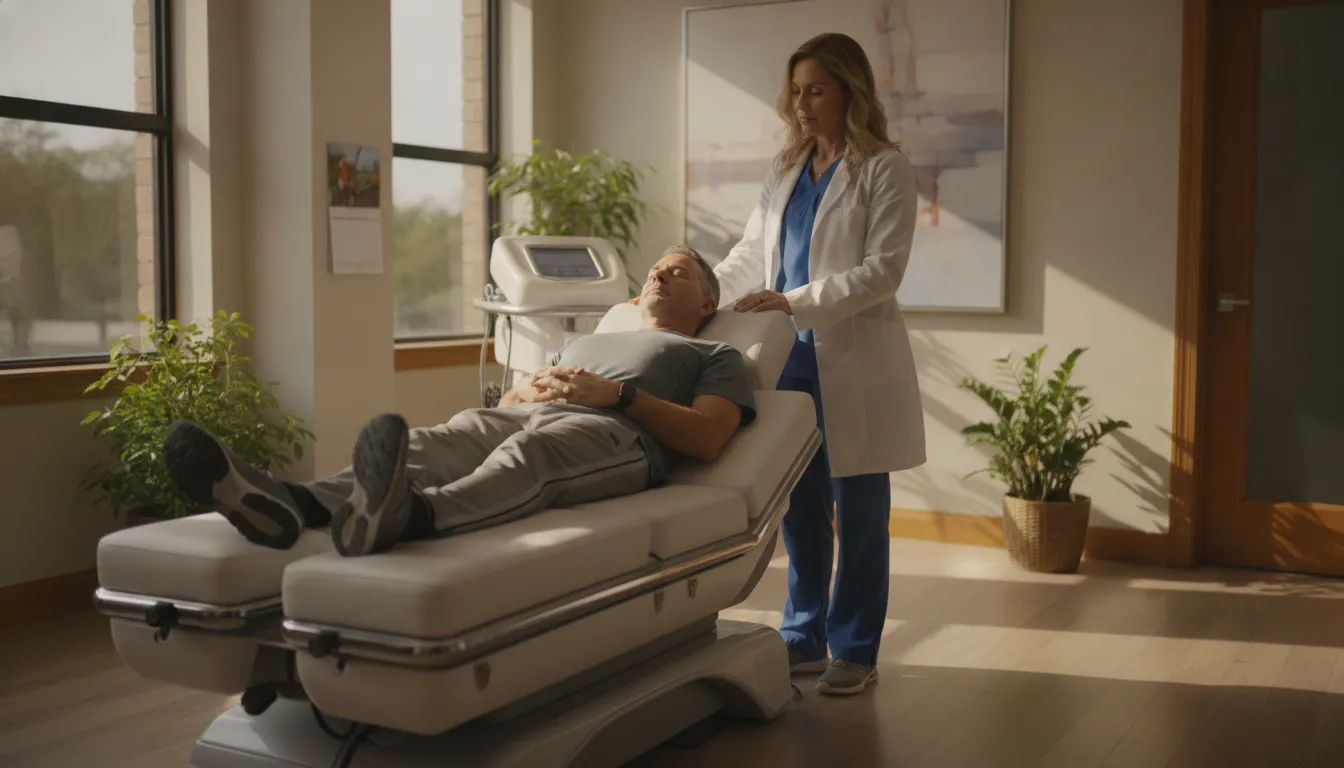
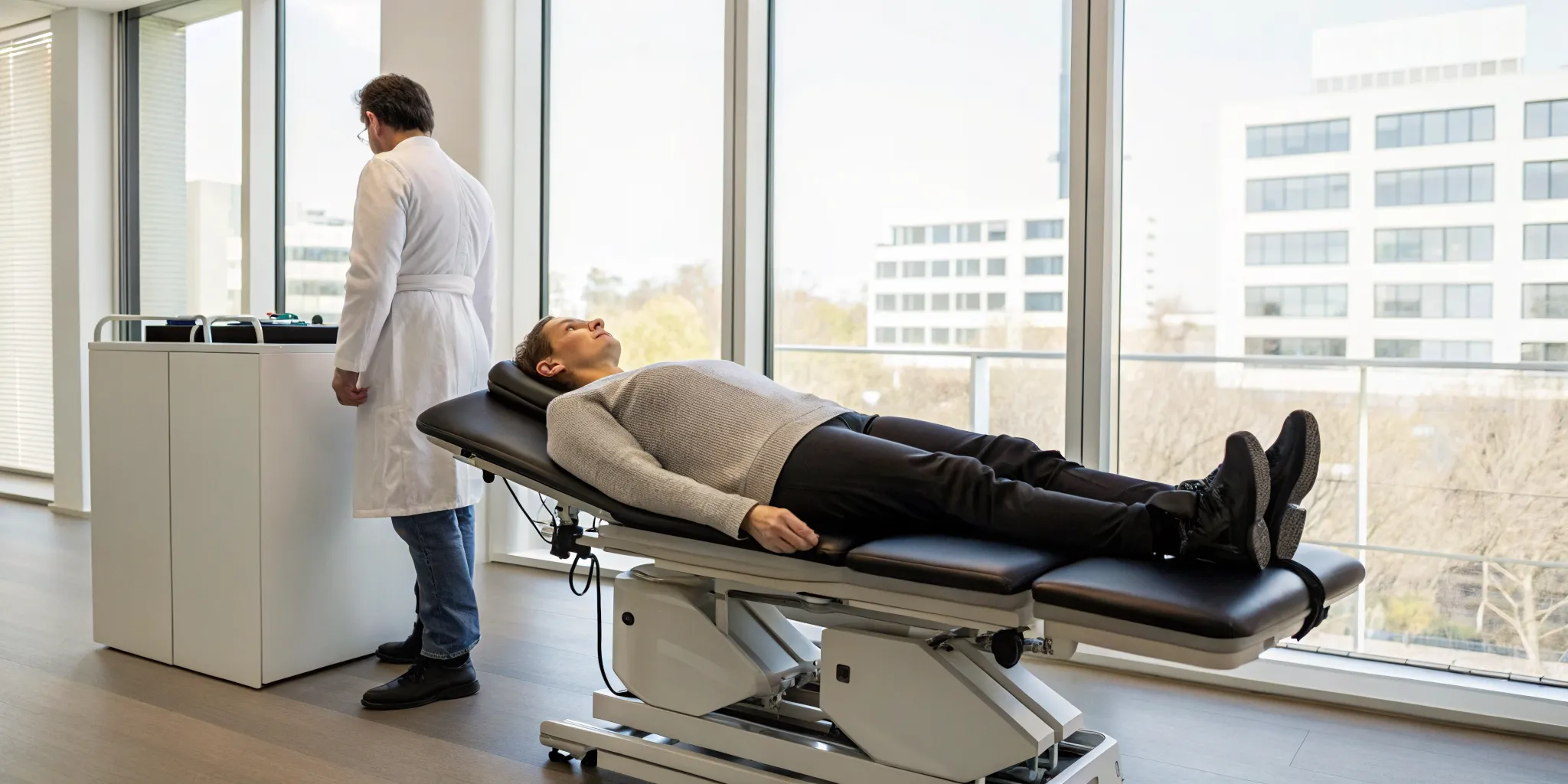
When you’re dealing with sciatica, the root cause is often a structural issue in your spine, like a herniated disc or a misaligned vertebra pressing on the sciatic nerve. Our physical medicine services target these exact problems. Chiropractic adjustments can gently realign your spine to take pressure off the nerve, providing immediate relief and restoring proper function. For issues like bulging or herniated discs, spinal decompression is a game-changer. This therapy gently stretches the spine, creating negative pressure that allows the disc material to retract and gives the nerve room to breathe. It’s a non-invasive way to correct the mechanical problem causing your pain.
A Functional Medicine Approach to Healing
Sometimes, the pain you feel isn't just about your spine’s structure. Chronic inflammation, nutritional deficiencies, and even gut health can make nerve pain worse and slow down your body's ability to heal. This is where a functional medicine approach comes in. We look at your entire system to see what else might be contributing to your sciatica. Through targeted testing, we can identify underlying issues like inflammation and create a personalized plan that includes dietary changes, supplements, and lifestyle adjustments. By reducing systemic inflammation and supporting your body from the inside out, we help create an environment where true healing can happen.
Create Your Plan for Lasting Relief
Finding lasting relief from sciatica isn't just about what you do during a flare-up; it's about creating a sustainable plan that supports your body every day. A smart approach combines immediate at-home care with professional guidance to address the root cause of the pain. This dual strategy helps you manage symptoms now while building a stronger, more resilient back for the future. By being proactive, you can take control of your health and significantly reduce the chances of sciatica returning.
Combine At-Home Care with Professional Treatment
For mild symptoms, at-home care is a great starting point. Using ice packs for the first few days can help reduce inflammation, followed by heat to soothe tight muscles. Gentle movements and stretches can also provide relief. However, if your pain is severe or lasts longer than a month, it's time to see a professional. A doctor can provide an accurate diagnosis and may suggest treatments like physiotherapy to guide you through specific exercises and massage. At Ascend, our team can create a personalized plan that integrates these strategies to get you back on your feet.
Build a Long-Term Prevention Strategy
Once the acute pain subsides, the focus shifts to prevention. The goal is to stop sciatica from coming back. Staying active with regular, gentle exercise is one of the best ways to prevent future issues. Simple daily activities and consistent movement help more than you might think. It's also crucial to maintain good posture when sitting and standing and to use safe techniques when lifting heavy objects. A physical therapist or chiropractor can teach you specific exercises, like pelvic tilts and core-strengthening moves, to build a strong foundation and protect your lower back. Our Physical Medicine services are designed to help you build exactly this kind of long-term strategy.
Related Articles
- Spinal Stenosis of Lumbar Region: Symptoms & Treatment
- Which Back Pain Doctor Should You See? A Guide
- Spinal Decompression Hurts Lower Back: Normal or Not?
Frequently Asked Questions
What’s the difference between sciatica and general lower back pain? Think of it this way: general back pain usually stays in your back. Sciatica is different because it involves nerve pain that travels. The pain starts in your lower back but then shoots down your buttock and into your leg, sometimes all the way to your foot. This happens because the sciatic nerve is being pinched or irritated, so you feel the pain along the entire path of that nerve, not just at the source of the problem.
Should I rest completely or try to stay active during a flare-up? It’s tempting to stay in bed when the pain is bad, but complete rest can actually make things worse by causing your muscles to become stiff. The best approach is gentle movement. Try to continue with your light daily activities as much as you can tolerate, and incorporate short, slow walks. The key is to listen to your body and avoid any movements that cause sharp, intense pain, but staying gently active helps reduce inflammation and speeds up recovery.
How long does it take for sciatica to go away? The timeline for sciatica relief really depends on the underlying cause. For many people with acute sciatica, the pain can improve significantly within a few weeks with consistent at-home care and gentle movement. However, if the issue is caused by a more significant structural problem like a herniated disc or spinal stenosis, it may last longer or become a recurring issue without professional treatment to address the root cause.
Can sciatica come back after it gets better? Yes, sciatica can definitely return, especially if the original cause isn't fully addressed. For example, if poor posture or a weak core contributed to the problem, the pain might flare up again later. This is why prevention is so important. Focusing on long-term strategies like core-strengthening exercises, maintaining good posture, and getting professional care to correct spinal issues is the best way to keep the pain from coming back.
What kind of professional help is best for sciatica? A comprehensive approach is often the most effective. A professional can diagnose the specific cause of your sciatica, which is the most important first step. Treatments like chiropractic adjustments and spinal decompression can correct the structural problems in your spine that are pressing on the nerve. Combining this with a functional medicine approach helps address other factors, like chronic inflammation, to support your body's healing process from the inside out.