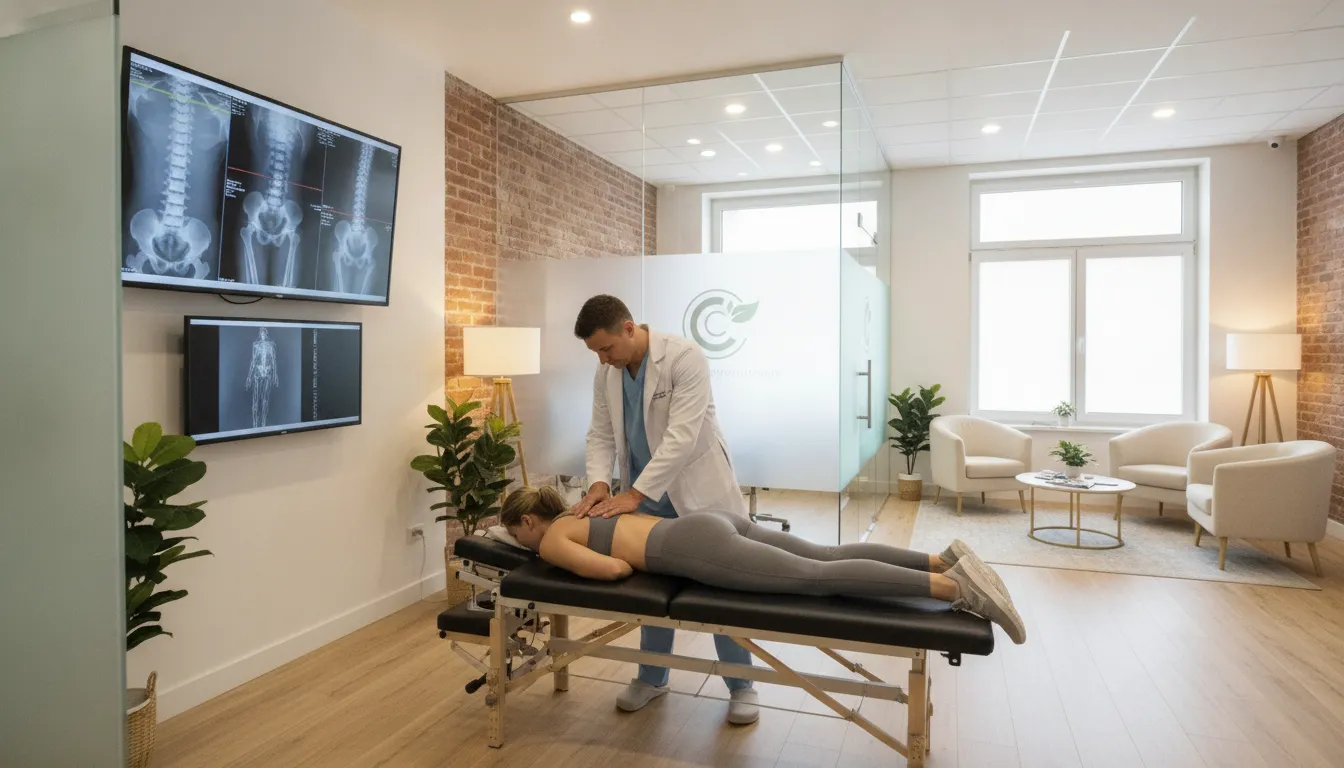
Think of your health like a complex puzzle where every piece is connected. Sometimes, conventional medicine focuses on just one piece, like a headache or digestive issue, without looking at how it fits into the larger picture. An integrative health practitioner acts like a health detective, stepping back to see how all the pieces connect. They use a combination of modern science and time-tested natural health strategies to investigate the underlying imbalances in your body. Instead of just covering up clues (your symptoms), they work to solve the entire mystery, creating a personalized roadmap that guides you toward lasting wellness and vitality.
Key Takeaways
- Uncover the root cause of your health issues: An Integrative Health Practitioner uses functional lab testing and a whole-person approach to identify the underlying reasons for your symptoms, moving beyond temporary solutions.
- Receive a personalized wellness plan: Your practitioner creates a detailed roadmap based on your unique biology and lifestyle, providing actionable steps for nutrition, stress management, and other key areas.
- Embrace a collaborative approach to health: An IHP works alongside your conventional doctor to provide comprehensive care, focusing on preventative strategies and empowering you with tools for long-term well-being.
What Is an Integrative Health Practitioner?
If you've ever felt like your doctor was only treating your symptoms instead of figuring out why you have them, you're not alone. This is where an Integrative Health Practitioner (IHP) comes in. Think of them as a health detective who looks at the complete picture of your well-being. They are wellness professionals who blend modern science with time-tested natural health strategies to get to the bottom of your health concerns.
An IHP won’t just write a prescription and send you on your way. Instead, they partner with you to create a personalized roadmap to better health. This approach considers every part of your life, from what you eat to how you manage stress. By focusing on the whole person, not just a set of symptoms, they help you build a foundation for lasting wellness. It’s a collaborative and empowering way to take control of your health journey.
Their Core Philosophy
The central idea behind integrative health is getting to the root cause of a health issue. Instead of just masking symptoms, an IHP wants to understand why they’re happening in the first place. They operate on the belief that your body has an incredible capacity to heal itself when given the right support. This holistic approach looks at how different systems in your body are connected.
To do this, they create personalized plans that focus on key areas like diet, exercise, stress reduction, sleep, and toxin removal. They see you as a unique individual, which means your path to wellness won't look like anyone else's. It’s all about finding the right combination of lifestyle changes and natural therapies to help your body rebalance and thrive.
Their Role in Modern Healthcare
It’s important to know that integrative health is designed to work alongside, not replace, conventional care. An IHP acts as a guide, complementing the care you receive from your primary doctor. They bring a wide range of knowledge to the table, with training in disciplines like Functional Medicine, Ayurveda, Traditional Naturopathy, and herbal medicine. This diverse background allows them to see your health from multiple perspectives.
Their role is to fill in the gaps that conventional medicine sometimes misses, focusing on prevention and lifestyle-based solutions. By offering personalized protocols that address everything from nutrition to stress management, they empower you with the tools you need for long-term health. As more people seek out whole-person care, integrative health is becoming an essential part of the healthcare landscape.
What Services Do They Provide?
An Integrative Health Practitioner (IHP) uses a wide range of tools to help you feel your best. Think of it less like a single treatment and more like a complete, personalized wellness strategy. They don’t just look at your symptoms; they investigate your entire system, from your diet and stress levels to your sleep patterns and environment. This comprehensive approach allows them to create a plan that supports your body’s natural ability to heal.
The goal is to combine the best of different wellness disciplines to offer a truly holistic path forward. At Ascend, our health solutions are built on this principle, blending different methods to address your specific needs. An IHP’s services are designed to uncover the root cause of your health issues and give you actionable steps to regain your vitality. It’s a partnership focused on creating lasting health, not just temporary fixes.
Functional Medicine & Lab Testing
One of the most powerful tools an IHP uses is functional medicine lab testing. Instead of just looking for disease, these tests provide a detailed picture of how your body is functioning. Certified IHPs can interpret a variety of at-home, functional medicine lab tests that check for things like hormone imbalances, food sensitivities, gut health issues, and mineral deficiencies. This data helps connect the dots between your symptoms and what’s actually happening inside your body. It’s a science-backed way to move beyond guesswork and get to the heart of your health concerns, forming the foundation of your personalized plan.
Personalized Nutrition & Lifestyle Plans
There is no one-size-fits-all solution for health. An IHP understands this and creates highly individualized plans tailored to your unique biology and lifestyle. Based on your lab results and health history, they develop personalized protocols that address key areas like diet, exercise, sleep, stress reduction, and even toxin removal. This isn't about following a rigid, generic diet. It's about making sustainable changes that work for you. Your practitioner will guide you on which foods fuel your body best, how to move in a way that supports your goals, and how to build healthy habits that last a lifetime.
Mind-Body Therapies for Stress
Your mental and emotional state has a profound impact on your physical health. Chronic stress can contribute to everything from digestive issues to hormonal imbalances. IHPs recognize this connection and incorporate mind-body therapies to help you manage stress and support your nervous system. This approach is a core part of holistic healing, as it addresses the underlying emotional and mental factors that can stand in the way of your physical recovery. Techniques may include mindfulness practices, breathing exercises, or other strategies designed to calm your mind and restore balance to your body.
Natural Remedies & Herbal Medicine
IHPs have extensive training in a variety of natural health disciplines. They draw from ancient wisdom and modern science to recommend effective, natural solutions. An IHP’s education often covers seven distinct areas, including Ayurvedic Medicine, Traditional Chinese Medicine, Herbalism, and Traditional Naturopathy. This broad knowledge allows them to suggest specific supplements, vitamins, or herbal remedies that can support your body’s healing process. These recommendations are always personalized, based on your lab results and health goals, ensuring you receive the most targeted and gentle support possible.
Why See an Integrative Health Practitioner?
If you feel like you’ve been bouncing between specialists without getting real answers, you’re not alone. Many people turn to integrative health when they’re tired of simply managing symptoms. An integrative health practitioner offers a different path, one built around understanding you as a whole person. Instead of just putting a bandage on the problem, the goal is to figure out what’s causing it in the first place and build a sustainable plan for a healthier future.
Get Personalized, Whole-Person Care
An integrative health practitioner sees you as more than a collection of symptoms. They recognize that your physical, mental, and emotional health are all connected. Instead of a one-size-fits-all prescription, an IHP works with you to create a health plan that fits your unique body, lifestyle, and goals. They take the time to listen to your story and understand all the factors contributing to your well-being. This holistic approach ensures your treatment plan is tailored specifically to you, addressing your individual needs for a more effective and personal healing process.
Find and Treat the Root Cause
Conventional medicine often focuses on treating the symptom, like giving you a pill for a headache. Integrative medicine asks why you have the headache. Is it stress, a food sensitivity, or a hormonal imbalance? An IHP acts like a health detective, using in-depth assessments and functional medicine testing to get to the root cause of your health issues. This process is a partnership where you and your practitioner work together to uncover underlying imbalances and create a plan that addresses the source of the problem, not just the symptom.
Focus on Prevention, Not Just Symptoms
While addressing your current health concerns is a priority, integrative health also has a strong focus on prevention. The goal is to give you the knowledge and habits you need to maintain your health for the long run. This proactive approach helps you build a strong foundation of wellness to prevent future issues from developing. By focusing on nutrition, stress management, and lifestyle adjustments, you can move from a reactive cycle of sickness to a proactive state of vitality. It’s about creating a strategy for long-term health so you can feel your best for years to come.
How Are They Different From Conventional Doctors?
If you’ve ever felt like your doctor’s appointments are too short or only focus on masking your symptoms, you’re not alone. While conventional medicine is incredible for acute issues like infections or broken bones, its approach to chronic health problems can sometimes feel incomplete. This is where an integrative health practitioner comes in. They aren't a replacement for your primary care doctor; instead, they offer a different perspective and a complementary set of tools to help you feel your best. The main differences come down to their treatment philosophy, their role on your healthcare team, and the time they dedicate to understanding you.
A Different Treatment Philosophy
A conventional doctor often works to identify a symptom and match it with a specific diagnosis and treatment, usually a prescription. An integrative health practitioner, on the other hand, asks why that symptom is happening in the first place. They operate like health detectives, looking at your entire system to find the root cause of your concerns. This holistic approach considers everything from your diet and stress levels to your environment and genetics. Instead of just quieting a symptom, the goal is to restore balance to your body so it can heal itself, creating a more sustainable path to wellness.
A Collaborative Approach to Your Health
Seeing an integrative health practitioner doesn’t mean you have to break up with your conventional doctor. In fact, the best outcomes often happen when they work together. An IHP acts as a partner on your health team, complementing the care you already receive. They can help you make sense of different treatments and create a comprehensive plan that incorporates lifestyle changes, nutrition, and natural therapies alongside any necessary conventional medical care. This collaborative model ensures all aspects of your health are addressed, giving you a well-rounded and supportive path forward.
More Time Spent with You
One of the most significant differences you'll notice is the amount of time an integrative practitioner spends with you. Initial appointments are often much longer than a typical check-up because the goal is to get a complete picture of your health history and lifestyle. This isn't a "one-size-fits-all" approach. That dedicated time allows for a deep dive into your unique needs and concerns, fostering a strong patient-practitioner relationship built on trust and understanding. This personalized care is essential for creating a treatment plan that truly works for you and that you can stick with for the long haul.
What Conditions Do They Commonly Treat?
Integrative Health Practitioners are uniquely equipped to handle complex, chronic health issues that often leave people feeling stuck. If you've been bouncing from specialist to specialist without getting clear answers, an IHP might be the partner you need. They excel at connecting the dots between seemingly unrelated symptoms to uncover the real source of the problem. Instead of just managing symptoms, their goal is to understand the "why" behind your health concerns, whether it's persistent fatigue, stubborn digestive issues, or hormonal fluctuations that throw your life off balance.
This approach is especially effective for the many conditions we treat that are influenced by a combination of genetics, lifestyle, and environment. An IHP takes the time to look at the whole picture of your health, considering everything from your stress levels and sleep patterns to your diet and daily environment. By doing this, they can identify the underlying imbalances that contribute to chronic illness. They work with you to address these root causes, helping your body restore its natural ability to heal. This comprehensive view is what allows them to support people with a wide range of conditions that conventional medicine may only treat on a surface level. They are essentially health detectives, piecing together clues from your entire life to create a clear path toward wellness.
Chronic Conditions & Autoimmune Disorders
Many people seek out an IHP for help with long-term health challenges. Practitioners often focus on managing chronic issues like persistent fatigue, widespread pain, fibromyalgia, and diabetes. For these conditions, a holistic approach is key. An IHP looks at how physical, emotional, and environmental factors all play a role in your health. Instead of just prescribing medication to mask pain or fatigue, they investigate potential triggers like hidden inflammation, food sensitivities, or chronic stress. By addressing these root causes, they help you build a foundation for lasting wellness and find relief from conditions that may have affected you for years.
Digestive Problems & Gut Health
If you struggle with bloating, gas, or other digestive discomforts, you know how much it can impact your quality of life. An IHP can be a fantastic resource for getting your gut health back on track. A key part of their work involves using and interpreting functional medicine lab tests that can check for things like food sensitivities, gut imbalances, and mineral deficiencies. With this detailed information, they can create a tailored health plan just for you. This personalized strategy moves beyond generic advice, helping you understand exactly what your body needs to repair your gut, improve digestion, and support your overall health from the inside out.
Hormonal & Metabolic Imbalances
Hormonal and metabolic issues can show up in many ways, from thyroid problems and adrenal fatigue to weight gain and sleep disturbances. An IHP addresses these imbalances by looking at your entire lifestyle. They create personalized protocols that focus on foundational pillars of health like sleep, diet, exercise, and stress reduction. For example, they might develop a nutrition plan to stabilize your blood sugar or recommend specific stress-management techniques to support your adrenal glands. This comprehensive approach helps you achieve better health outcomes because it targets the root causes of the imbalance, rather than just the symptoms.
What to Expect at Your First Visit
Stepping into a new practitioner’s office can feel a bit uncertain, but your first visit is really about starting a conversation. It’s a dedicated time for the practitioner to listen and learn about your unique health story. Unlike a quick, conventional check-up, this appointment is designed to be thorough, collaborative, and focused entirely on you. The goal is to move beyond just managing symptoms and start building a clear path toward lasting wellness. Here’s a breakdown of what you can expect during your initial appointment.
The Initial Consultation
Think of your initial consultation as a deep-dive conversation about your health. Your practitioner will want to hear everything, from your current health challenges and medical history to your daily habits, stress levels, and what you hope to achieve. This discussion is fundamental because it helps connect the dots between your lifestyle and how you feel. It’s a partnership from the start, where you can share your story openly. The focus is always on finding the real reasons behind your health problems, so you can finally get the answers you’ve been looking for and start your journey to better health.
Your Comprehensive Health Assessment
After your initial talk, your practitioner will recommend a comprehensive health assessment to get a complete picture of what’s happening inside your body. This goes far beyond standard blood work. Depending on your specific needs, this may involve advanced functional medicine lab tests that look at things like hormone levels, gut health, food sensitivities, or nutrient deficiencies. This data provides objective, scientific insights that guide your treatment. It removes the guesswork and allows your practitioner to identify the specific imbalances that are contributing to your symptoms, forming the foundation for your personalized plan.
Developing Your Personalized Treatment Plan
Once all the information from your consultation and lab tests has been gathered, your practitioner will create a personalized treatment plan just for you. This isn’t a one-size-fits-all protocol. Instead, it’s a detailed roadmap that addresses your specific needs. Your plan will likely include tailored recommendations for nutrition, exercise, stress reduction, and sleep. It may also incorporate targeted supplements or other natural therapies. Your practitioner will walk you through every step, explaining the "why" behind each recommendation and ensuring the plan feels manageable and aligns with your lifestyle and goals.
How to Choose the Right Practitioner
Finding the right integrative health practitioner is a crucial step in your wellness journey. This person will be your partner in health, so it’s important to find someone you trust and connect with. Think of it like choosing any other important professional in your life; you want someone with the right skills, a compatible approach, and a personality that makes you feel comfortable and understood. The goal is to build a collaborative relationship where you feel empowered to take an active role in your own healing, rather than just passively receiving treatment. This partnership is foundational to getting to the root cause of your health concerns.
When you start your search, it can feel a little overwhelming. There are many qualified professionals out there, but not every one will be the right fit for your specific needs and goals. To make the process easier, focus on a few key areas that will tell you a lot about a potential practitioner. You’ll want to look into their professional background, understand their unique philosophy on health, and get a feel for their communication style. Taking the time to research these aspects beforehand can save you time and energy later on, ensuring you find a practitioner who can truly guide you toward better health. At Ascend Functional Health, our team is built on these principles, ensuring every patient feels heard, understood, and cared for from their very first visit.
Check Their Credentials & Training
First things first, you want to make sure your practitioner has the right qualifications. The field of integrative health is broad, so it’s important to look for professionals who have completed rigorous training from reputable institutions. Don’t be shy about looking into their background. A great practitioner will be transparent about their education, certifications, and any ongoing training they pursue. You can usually find this information on their website’s “about” page. For example, our team at Ascend is proud to share our extensive training in both chiropractic and functional medicine. Look for certifications from well-known organizations, as this shows a commitment to high standards and a deep understanding of integrative principles.
Find an Approach That Fits You
Every integrative health practitioner has a unique approach and philosophy. Some may focus heavily on nutrition and gut health, while others might specialize in physical medicine or mind-body therapies. There’s no single “best” approach; the right one is the one that aligns with your personal health goals and values. Before committing to a practitioner, take some time to understand their core methods. Do they emphasize lab testing, lifestyle changes, or specific therapies? Our practice is built on three pillars of healing: Physical Medicine, Functional Medicine, and Longevity Medicine. This clarity helps patients know exactly what to expect. Finding a practitioner whose approach resonates with you is key to a successful partnership.
Look for a Good Communicator
A strong patient-practitioner relationship is built on clear, open communication. You should feel like you’re on the same team, working together toward your health goals. A good practitioner will listen carefully to your concerns, answer your questions thoroughly, and explain complex health information in a way that’s easy to understand. They should make you feel heard and respected, never rushed or dismissed. One of the best ways to get a sense of a practitioner’s communication style is by reading patient testimonials. Hearing from others can give you valuable insight into what it’s like to work with them. Ultimately, you want to find someone you feel comfortable talking to, as this trust is essential for your healing journey.
Common Myths About Integrative Health
When you first hear about integrative health, it’s easy to get tangled in a web of misinformation. There are plenty of myths floating around that can make it hard to understand what this approach is really about. The truth is, integrative health isn't some fringe concept; it's a thoughtful, comprehensive way of looking at your well-being that combines the best of conventional medicine with other proven therapies. It’s about creating a partnership with a practitioner who sees you as a whole person, not just a collection of symptoms.
Let's clear the air and tackle some of the most common misconceptions head-on. Understanding the facts can help you feel more confident in exploring a path that addresses the root causes of your health issues. By separating fact from fiction, you can make an informed decision about whether this personalized, whole-body approach is the right fit for you and your health goals.
Myth: It's the Same as Alternative Medicine
One of the biggest misunderstandings is that integrative health and alternative medicine are the same thing. The term "alternative" implies a choice to use a specific therapy instead of conventional medicine. Integrative health, on the other hand, doesn't ask you to choose. It brings conventional and complementary approaches together in a coordinated way. Think of it as "both/and" rather than "either/or." An integrative practitioner uses evidence-based methods from various fields to create a treatment plan that’s tailored specifically to you, enhancing your care, not replacing it.
Myth: They Aren't Properly Trained
It's a common concern: are these practitioners actually qualified? The answer is a resounding yes. Reputable integrative health practitioners have extensive education and credentials. Many, like our team at Ascend, are licensed doctors, chiropractors, or other medical professionals who have pursued additional, rigorous training and certifications in functional medicine, nutrition, and other specialized fields. This dual expertise allows them to understand the full spectrum of health, from modern diagnostics to holistic therapies. You can learn more about our team's extensive qualifications and commitment to ongoing education.
Myth: Their Methods Aren't Backed by Science
Some people worry that integrative health relies on unproven treatments, but that couldn't be further from the truth. This field is deeply rooted in science. Practitioners use advanced diagnostic testing to uncover the root cause of your health issues and then apply therapies that are validated by research. The goal is to use a holistic and scientifically sound approach. From personalized nutrition plans based on your unique biochemistry to specific mind-body techniques, every part of your care plan is chosen because evidence shows it can work. It’s a thoughtful process grounded in data, not guesswork.
How to Become an Integrative Health Practitioner
Thinking about a career in integrative health? It’s a rewarding path that combines a deep passion for wellness with the science of healing. This field is growing because more people are looking for healthcare that addresses them as a whole person, not just a collection of symptoms. As a practitioner, you become a partner in your client's health journey, helping them uncover the root causes of their issues and empowering them with the tools to create lasting well-being. It’s a career built on connection and a genuine desire to help others thrive.
The journey to becoming a practitioner involves a mix of formal education, specialized training, and developing a profound sense of empathy. It's not just about learning protocols from a textbook; it's about learning how to listen, connect, and guide individuals through their unique health challenges. You'll learn to use tools like functional lab testing, personalized nutrition, and mind-body therapies to create comprehensive wellness plans. If you're drawn to a career where you can make a tangible difference in people's lives by focusing on nutrition, lifestyle, and mind-body balance, this could be the perfect fit. Here’s a look at what it takes to become a practitioner.
Education & Training Paths
There isn't just one single road to becoming an integrative health practitioner, which is great because it offers a lot of flexibility. You can pursue a certification in integrative health on its own, or you can add it to another health degree you already have, like nursing, chiropractic, or nutrition. Most programs will require a solid foundation in the sciences. Expect to take courses like anatomy, physiology, biology, and biochemistry. You’ll also likely need classes in psychology and human development, as understanding the mind-body connection is central to this work. These foundational courses give you the essential knowledge needed to understand how the body works as a whole, integrated system, preparing you for more specialized studies.
Finding the Right Certification Program
Once you have the prerequisites, the next step is finding a certification program that fits your goals. It’s important to choose a program from a recognized and respected institution, as this adds to your credibility. Look for certifications from well-known bodies like the Integrative Health Practitioner Institute or the Andrew Weil Center for Integrative Medicine. A quality program won’t just teach you about diagnostics and protocols; it will equip you with the skills to become a confident health coach who can effectively guide clients. Do your research, look at the curriculum, and find a program that resonates with your personal philosophy on health and wellness. This choice will shape your practice for years to come.
Key Skills for Success
Technical knowledge is only part of the equation. To be a successful integrative health practitioner, you need strong interpersonal skills. This field is built on a client-centered approach, where you act as a guide to help people achieve their own health goals. This requires excellent communication, empathy, and the ability to listen deeply to what your client is experiencing, both said and unsaid. Just like a good marketing plan is tailored to a specific audience, your health plans must be tailored to the unique needs of each individual. Success comes from building trust and creating a collaborative partnership with your clients on their journey to better health.
The Future of Integrative Health
Integrative health is steadily moving from a niche interest to a core component of modern wellness. As more people look for healthcare that addresses them as a whole person, not just a collection of symptoms, the demand for this personalized approach is growing. This shift is reshaping how we think about long-term health, prevention, and the patient-doctor relationship. The future isn't about choosing between conventional and integrative medicine; it's about blending the best of both worlds to create a more complete and effective path to healing.
This evolution is driven by a desire for a true partnership in health, where practitioners and patients work together to uncover the root causes of illness. We're seeing exciting developments that are making this type of care more accessible and recognized. From its integration into mainstream medical practices to shifts in insurance and an expanding professional field, integrative health is becoming a foundational part of our healthcare landscape. This progress promises a future where personalized, root-cause medicine is the standard, not the exception.
Joining Mainstream Healthcare
Integrative medicine is no longer on the sidelines; it's becoming a key player in mainstream healthcare. The core idea is a partnership between you and your practitioner, working together through the healing process. This collaborative model looks at the full picture of your health, including physical, emotional, and social factors. Instead of replacing conventional doctors, integrative practitioners often work alongside them to provide comprehensive care. This teamwork ensures all aspects of your well-being are addressed, creating a more effective and supportive health plan tailored just for you.
Changes in Insurance Coverage
As integrative health grows in popularity, the conversation around insurance is also evolving. Currently, coverage can be a hurdle, as reimbursement models haven't fully caught up with the demand for services like functional medicine and nutritional counseling. While challenges like inconsistent coverage remain, the increasing number of patients seeking these treatments is putting pressure on the industry to adapt. This growing demand is a powerful force for change, pushing for new policies that will make integrative care more affordable and accessible for everyone who needs it.
A Growing Career Field
The expansion of integrative health has created a vibrant and growing career field. More professionals are pursuing training in areas like functional medicine, nutrition, and health coaching to meet patient demand. This growth means more access to qualified experts who can provide specialized guidance. For example, health coaches can work with you on everything from healthy eating habits to stress management techniques, becoming a vital part of your wellness team. This expanding network of practitioners ensures you can find the right support for your unique health journey.
Related Articles
- What is Functional Medicine? A Simple Guide
- What is Functional Medicine? A Guide to Root Cause Healthcare
- Spinal Health Chiropractic: A Complete Guide
Frequently Asked Questions
Do I have to stop seeing my regular doctor if I work with an integrative health practitioner? Not at all. In fact, an integrative health practitioner is meant to be a partner on your existing healthcare team. They complement the care you receive from your primary doctor by focusing on lifestyle, nutrition, and root-cause analysis, which can fill in gaps that conventional care might miss. The goal is a collaborative approach that gives you the most comprehensive support possible.
How are the lab tests an IHP uses different from the ones my doctor runs? While your doctor's lab tests are excellent for diagnosing diseases, the functional lab tests an IHP uses are designed to show you how your body is functioning. Instead of just looking for markers that are far outside the normal range, these tests provide a more detailed picture of subtle imbalances in your hormones, gut health, or nutrient levels. This information helps connect your symptoms to their underlying cause.
I don't have a major illness, but I just don't feel my best. Is an IHP right for me? Yes, absolutely. You don't need a specific diagnosis to benefit from this approach. Many people see an integrative health practitioner to address persistent issues like low energy, brain fog, or digestive discomfort. The focus on prevention and optimizing your health makes it a great fit for anyone who wants to move from just feeling "okay" to feeling truly vibrant and well.
Is this type of care covered by insurance? This is a common question, and the answer can be complex. While some services or lab tests may be covered depending on your specific plan, many aspects of integrative and functional medicine are not yet consistently covered by insurance. It's always best to check directly with your insurance provider and the practitioner's office to understand the costs involved.
How long does it take to see results? Because the goal is to address the root cause of your health issues rather than just masking symptoms, this is not a quick fix. The timeline for seeing results is unique to each person and depends on your specific health concerns and how long they've been present. Your practitioner will partner with you to create a sustainable plan, and you'll likely notice gradual improvements as your body begins to rebalance and heal.