Managing symptoms is one thing; addressing the root cause of a health issue is another entirely. If you’re dealing with poor circulation, you might find temporary relief from a tool like a vibration plate. This naturally brings up the question: Is vibration therapy effective for improving circulation? While it can help move stagnant fluid and make your legs feel lighter for a few hours, these effects are often short-lived. True, lasting wellness requires us to ask why your circulation is compromised in the first place. This guide will explain the mechanics of vibration therapy, but more importantly, it will help you understand its limitations and when it’s time to seek a more comprehensive approach that gets to the heart of the problem.
Key Takeaways
- A Tool for Symptom Management: Vibration therapy offers temporary relief by improving blood flow and reducing swelling, but it doesn't repair the underlying structural issues causing poor circulation. Use it to feel better day-to-day while you investigate the root cause.
- A Supplement, Not a Substitute, for Exercise: While it stimulates muscles, vibration therapy is not a replacement for the cardiovascular benefits of an active lifestyle. Integrate it into your routine for recovery or to warm up, but don't skip your walk or swim.
- Integrate It Into a Broader Health Plan: The best results come from using vibration therapy as part of a larger strategy. For lasting change, it should be combined with a plan that addresses the fundamental reasons for your circulatory issues, not just the symptoms.
How Does Vibration Therapy Affect Your Body?
When you hear "vibration therapy," you might picture a simple vibrating plate. But what’s actually happening inside your body when you use one? It’s more than just a gentle shake. This therapy uses specific frequencies to create a chain reaction that starts with your muscles and extends to your circulatory and lymphatic systems. Think of it as a way to gently nudge your body’s natural processes into a more efficient rhythm. At its core, vibration therapy is a tool that can complement other physical medicine approaches by stimulating your body in a unique way, encouraging better function from the inside out.
How Vibration Stimulates Your Muscles
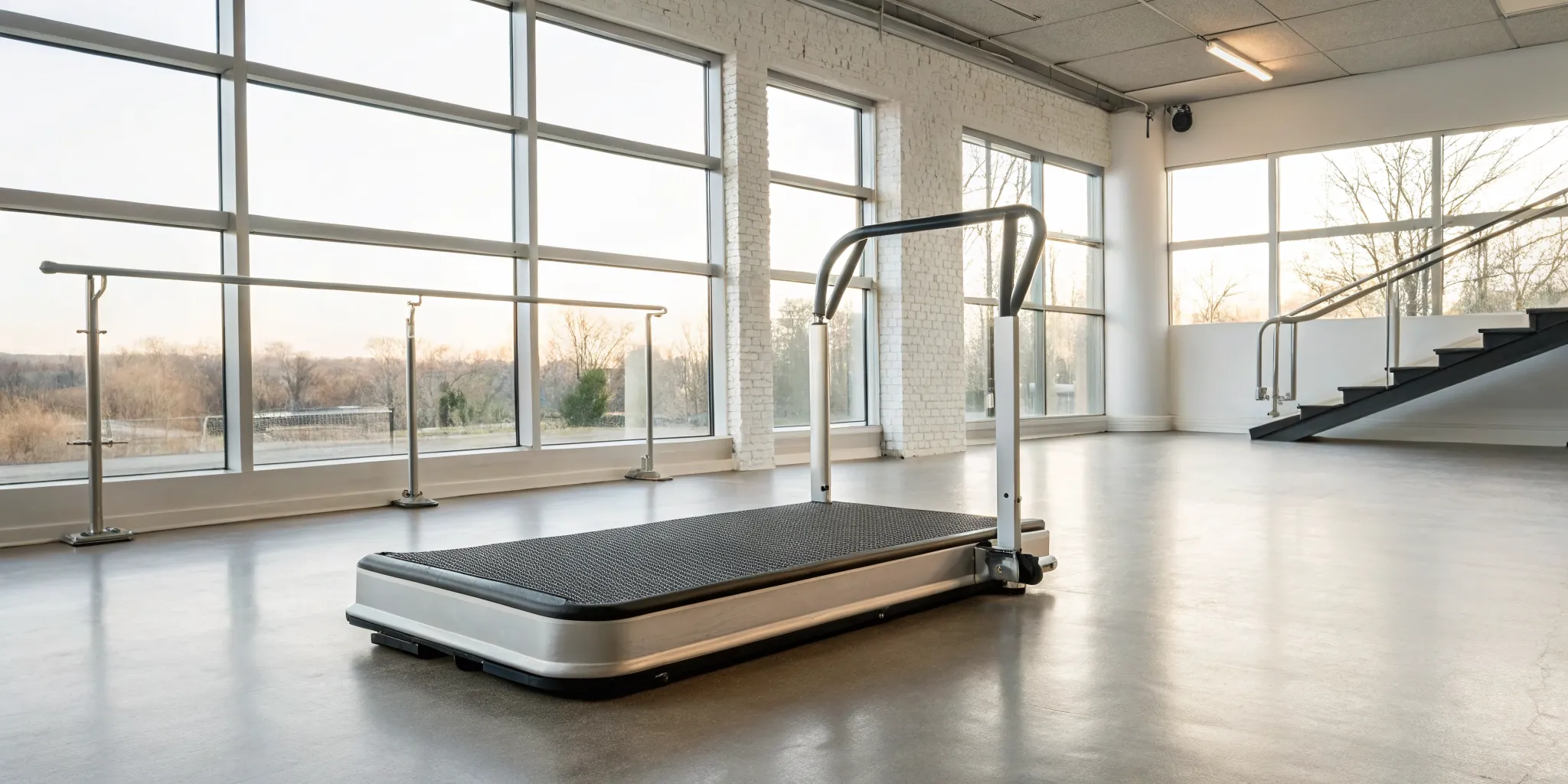
Imagine standing on a vibration plate. The platform moves up and down or side to side, sending tiny vibrations through your body. In response, your muscles instinctively contract and relax dozens of times each second. It’s like a mini, high-speed workout without the conscious effort. This rapid muscle activity is the key. It’s what generates warmth and gets your blood moving. While it’s not a replacement for a walk or a swim, this stimulation can be a powerful way to wake up dormant muscles and support the foundational systems that keep you healthy. It's one of the many physical medicine tools we use to help your body perform at its best.
Improving Blood Flow and Lymphatic Drainage
All that muscle activity does more than just tone your legs. Those rapid contractions act like a pump, helping to push blood through your veins and arteries. This can temporarily improve circulation, especially in the lower limbs where blood can sometimes pool. At the same time, it supports your lymphatic system, which is your body’s waste-removal network. Unlike your circulatory system, the lymphatic system doesn’t have a central pump like the heart. It relies on muscle movement to function. By stimulating those muscles, vibration therapy helps move lymphatic fluid along, which can reduce swelling and fluid retention. This is particularly helpful for addressing common circulatory concerns and supporting overall recovery.
Can Vibration Therapy Really Improve Circulation?
You’ve probably seen vibration plates and wondered if they live up to the hype, especially when it comes to circulation. The idea is simple: you stand on a platform that vibrates at a specific frequency, causing your muscles to contract and relax dozens of times per second. This rapid muscle activity can create a ripple effect throughout your body, influencing blood flow and lymphatic drainage. While it’s not a magic bullet, it can be a valuable tool within a comprehensive health plan.
When used correctly, vibration therapy can offer targeted support for your circulatory system. It’s one of the many modalities we use in Physical Medicine to help the body function more efficiently. Think of it as a passive way to stimulate muscles and encourage fluid movement. The key is understanding what it can realistically achieve. Let’s look at three specific ways vibration therapy can support better circulation.
Less Swelling and Fluid Retention
If you’ve ever dealt with heavy, tired, or swollen legs and ankles, you know how uncomfortable it can be. This sensation is often a sign of fluid pooling in your lower extremities. Vibration therapy can offer some temporary relief by stimulating the muscles in your legs, which act as a pump for both your circulatory and lymphatic systems. The gentle, rapid contractions encourage the movement of blood and lymph fluid, helping to reduce swelling and that feeling of heaviness. While it doesn't resolve the root cause of fluid retention, it can be an effective way to manage daily discomfort and support better fluid dynamics in your body.
Quicker Muscle Recovery
Whether you’re an athlete or just sore from a weekend of yard work, getting fresh blood to your muscles is key for recovery. Vibration therapy helps increase blood flow, delivering more oxygen and nutrients to tired muscle tissues. At the same time, it improves lymphatic drainage, which helps clear out metabolic byproducts that contribute to soreness. Some research has shown that this process can reduce swelling and make legs feel less heavy and tired after exertion. By supporting your body’s natural repair cycle, vibration can help you bounce back a little faster and with less discomfort, allowing you to stay active and engaged in your life.
Better Vascular Function
Healthy blood vessels are flexible, allowing them to expand and contract easily as your heart pumps blood. Over time, arteries can become stiff, which can affect blood pressure and overall cardiovascular health. Some small studies suggest that whole-body vibration may help improve vascular function by reducing arterial stiffness. While the research is still developing, these findings are promising. Supporting the health of your blood vessels is a critical part of long-term wellness. When integrated into a holistic plan that addresses the underlying factors of any conditions we treat, vibration therapy can be a helpful component in maintaining a healthy circulatory system.
What Does the Research Say?
It’s easy to get excited about new health technologies, but it’s always wise to see what the science says. When it comes to vibration therapy, the research paints a picture of a helpful tool with some important caveats. Studies have explored how these vibrations affect the body, showing some promising results for circulation and muscle recovery.
However, the research also highlights its limitations. Understanding both the strengths and the weaknesses of vibration therapy will help you see where it might fit into your wellness routine. Let’s look at what the studies show, where the evidence is solid, and why it’s not a standalone solution.
The Link Between Vibration and Blood Flow
The core idea behind vibration therapy for circulation is that the rapid, gentle vibrations cause your muscles to contract and relax many times per second. This creates a pumping action that can encourage better blood and lymph flow throughout the body. Think of it as giving your circulatory system a little nudge to get things moving more efficiently. Research suggests this process can temporarily improve circulation and help reduce swelling, especially in the lower legs, by helping to clear out stagnant fluid. This stimulation is what provides that feeling of lightness and relief after a session.
Where the Evidence Is Strong—and Where It Falls Short
So, what can you realistically expect? The science is most supportive of a few key benefits. Studies show that vibration therapy can indeed help with muscle recovery after activity and temporarily lessen swelling by improving lymphatic drainage. This is great news if you’re an active person or someone who deals with fluid retention. However, it’s crucial to manage expectations. The current body of research makes it clear that vibration therapy does not provide the same wide range of health benefits as regular exercise like walking, biking, or swimming. It’s a passive therapy, not a replacement for an active lifestyle.
Why the Effects Are Often Temporary
While the circulatory improvements from a vibration session are real, they are also temporary. The therapy stimulates your system for a short period, but it doesn't permanently change the structure of your blood vessels or cure underlying conditions like venous disease. Your body will eventually return to its baseline. This is why we view vibration therapy as a supportive tool, not a cure-all. It can be a fantastic part of a comprehensive physical medicine plan, offering symptom relief and support. For lasting change, however, it must be combined with a lifestyle and a health strategy that addresses the root cause of your circulatory concerns.
Common Myths About Vibration Therapy
When a health tool gains popularity, myths and misunderstandings often follow. Vibration therapy is no exception. While it offers benefits for circulation and muscle stimulation, it's not a magic wand. Having a clear picture of what it can and can't do helps you make informed decisions for your health. Let's separate the facts from the fiction.
Myth: It Cures Vein Disease
A major misconception is that vibration plates can resolve venous conditions. While the muscle contractions can help move fluid and temporarily reduce swelling, this doesn't fix the core issue. Many venous problems stem from structural issues, like damaged valves that can't stop blood from flowing backward, and a vibration plate can't repair them. True improvement requires a comprehensive approach that gets to the source. We help people identify the underlying factors contributing to their health concerns to create a targeted plan.
Myth: It Replaces Exercise
It’s tempting to see a vibration plate as a workout shortcut, but it’s not a substitute for regular physical activity. Think of it as a supplement to your routine, not the entire thing. While it causes your muscles to contract, it doesn't provide the cardiovascular challenge of activities like brisk walking or swimming. These are essential for heart health and endurance. Vibration therapy can be a great addition for warm-ups or recovery, but it works best when integrated into a broader physical medicine plan that includes active movement.
Myth: Results Are Instant and Permanent
Many hope for a quick fix, but the effects of vibration therapy are temporary. The feeling of lightness or reduced swelling is due to an immediate increase in blood flow. However, once you step off the plate, your body gradually returns to its baseline. To maintain any benefits, consistent use is necessary. This highlights a crucial point: for lasting change, you have to address the root cause of your circulatory issues. A functional medicine approach can help uncover why your circulation is sluggish in the first place.
Who Is a Good Candidate for Vibration Therapy?
While vibration therapy isn’t a magic bullet, it can be a fantastic tool for specific health goals. If you're dealing with certain challenges related to mobility, circulation, or fluid retention, you might find it particularly beneficial. It’s not about replacing other foundational health practices, but rather about adding a supportive therapy that can make a real difference for the right person. Let's look at who stands to gain the most from incorporating this therapy into their wellness plan, especially when it’s part of a comprehensive approach to health like the one we use at Ascend Functional Health.
Older Adults Seeking Better Mobility
As we age, maintaining strength and balance becomes a top priority for staying active and independent. For older adults, whole-body vibration can be a gentle yet effective way to stimulate muscles without the high impact of other forms of exercise. The platform’s vibrations cause your muscles to contract and relax dozens of times per second, which can help improve muscle strength and stability over time. This can be an excellent supportive therapy for anyone looking to enhance their mobility, feel more confident on their feet, and reduce the risk of falls. It’s a low-stress way to keep the body’s support systems engaged and responsive.
People with Early Signs of Venous Insufficiency
If you experience that heavy, achy feeling in your legs after a long day or notice mild swelling around your ankles, you might be seeing the early signs of venous insufficiency. This happens when the veins in your legs struggle to send blood back up to your heart efficiently. While vibration therapy won't cure the underlying issue, it can offer significant temporary relief. Research shows that vibration therapy can improve blood flow and lessen swelling in people with long-term vein problems. The muscle contractions stimulated by the vibration plate help pump blood and fluid out of the lower legs, easing discomfort and promoting better circulation.
Anyone Managing Lymphedema or Fluid Retention
Beyond just vein-related issues, vibration therapy can also offer support for anyone managing lymphedema or general fluid retention. Your lymphatic system is like your body's drainage network, and sometimes it needs a little encouragement to work efficiently. The gentle, oscillating movements of a vibration plate can help stimulate this system. By encouraging better flow of lymph fluid, the therapy can be a helpful tool for reducing swelling and easing the feelings of tightness and heaviness that often come with fluid buildup. It’s a passive way to support one of your body’s most important circulatory pathways and find some much-needed relief.
What Are the Limits of Vibration Therapy?
While vibration therapy offers some exciting benefits for circulation, it’s important to have a realistic perspective. Like any health tool, it has its limitations and isn’t a magic bullet for every circulatory issue. Understanding what it can and can’t do is key to integrating it into your wellness plan effectively. It’s a supportive therapy, not a standalone cure, and knowing its boundaries helps you make informed decisions about your health journey.
It Won't Fix Damaged Blood Vessels
Vibration therapy can make your legs feel lighter and less swollen by temporarily improving blood flow, but it cannot repair the underlying structural problems that cause vein disease. Conditions like varicose veins are often the result of damaged valves inside the veins that can no longer prevent blood from flowing backward. Vibration therapy doesn't fix these valves. While it can help manage symptoms by encouraging blood to move, it won’t correct the root mechanical issue. True, long-term solutions require a deeper look at what’s causing the problem, which is a core principle of functional medicine.
Why Your Results May Vary
Many people report feeling relief from leg heaviness, muscle tension, and swelling after using a vibration plate, but these effects are often temporary. The feeling of improved circulation might last for a few hours, but without consistent use, the symptoms will likely return. Your individual results will also depend on several factors, including your overall health, the specific settings of the vibration machine (frequency and amplitude), and how consistently you use it. Think of it less as a permanent fix and more as a helpful tool for managing daily symptoms and supporting your body’s circulatory system.
Gaps in the Current Research
It’s also worth noting that the science behind whole-body vibration is still developing. While many studies show promise, they are often small, and researchers agree that more extensive research is needed to fully understand the long-term benefits and potential risks. We don't have a complete picture of its effects over many years of use. This uncertainty is why it’s so important to work with practitioners who stay current on the science and can help you weigh the potential benefits against the unknowns. Having an experienced team to guide you ensures you’re using therapies like this safely and effectively.
Is Vibration Therapy Safe for Everyone?
While vibration therapy can be a fantastic tool for many people, it’s not suitable for every person or every situation. Like any therapeutic approach, understanding who it’s for, and who should hold off, is key to using it safely and effectively. Your health history is unique, so what works for someone else might not be the right fit for you. Before you step onto a vibration plate, it’s important to consider a few safety guidelines and check in with a healthcare provider who knows your specific needs. At Ascend Functional Health, we always prioritize a personalized approach, ensuring any therapy aligns with your body’s requirements and overall wellness goals.
Who Should Avoid It
Let's start with who should generally skip vibration therapy. If you are pregnant, it's best to avoid it. The effects on a developing baby aren't known, so it's safer to wait. This therapy is also not recommended for children, as their bodies are still growing and developing. Additionally, if you've had a recent injury or are recovering from a procedure, you should hold off. The vibrations could interfere with the healing process or aggravate the issue. Giving your body the proper time to heal on its own is crucial before introducing new therapies. The main goal is to support your body, not add more stress to it during a vulnerable time.
When to Be Cautious
Even if you don't fall into one of the groups above, it's always smart to be cautious. If you have any ongoing health problems, it’s essential to get a green light from a professional first. Conditions related to your heart, blood vessels, or musculoskeletal system require careful consideration. This is where a personalized consultation becomes so important. A provider can help you understand if vibration therapy is a good choice for your specific situation or if another approach might be better. Before you begin, it’s always a good idea to consult with a professional who can review your health history and help you make an informed decision.
Potential Side Effects to Know
It's also important to recognize that not all vibration devices are created equal. Some machines can produce vibrations that are too intense, and the long-term risks of using them aren't fully understood. This is why professional guidance is so valuable. More importantly, remember that vibration therapy is not a replacement for a healthy lifestyle. It should be viewed as a supplement to, not a substitute for, regular exercise and a nutritious diet. True circulatory health comes from a holistic strategy. Seeing vibration therapy as one part of a larger, comprehensive health plan is the best way to achieve lasting results and support your overall well-being.
How to Use Vibration Therapy Safely
If you're thinking about adding vibration therapy to your wellness routine, it’s important to approach it with a smart strategy. Like any therapeutic tool, how you use it matters. The goal is to get all the benefits for your circulation and muscle recovery without overdoing it. Following a few simple guidelines can help you use vibration therapy effectively and safely, ensuring it complements your health goals instead of causing setbacks. Think of it as a partnership with your body; you provide the gentle stimulation, and your body responds. Getting the frequency, intensity, and hydration right is key to making that partnership a successful one.
Finding the Right Frequency, Duration, and Intensity
When you first start with vibration therapy, the best approach is to begin slowly. Your body needs time to adapt to the new stimulation. A good starting point is to use a low vibration setting for about 10 to 15 minutes per session. Aim for three to five sessions a week rather than trying to do it every day. This gives your muscles and circulatory system time to respond and recover. As your body gets used to the therapy, you can gradually consider increasing the intensity or duration, but always pay attention to how you feel. A personalized plan from a health professional can help you find the perfect settings for your unique needs and goals.
Whole-Body vs. Localized Vibration
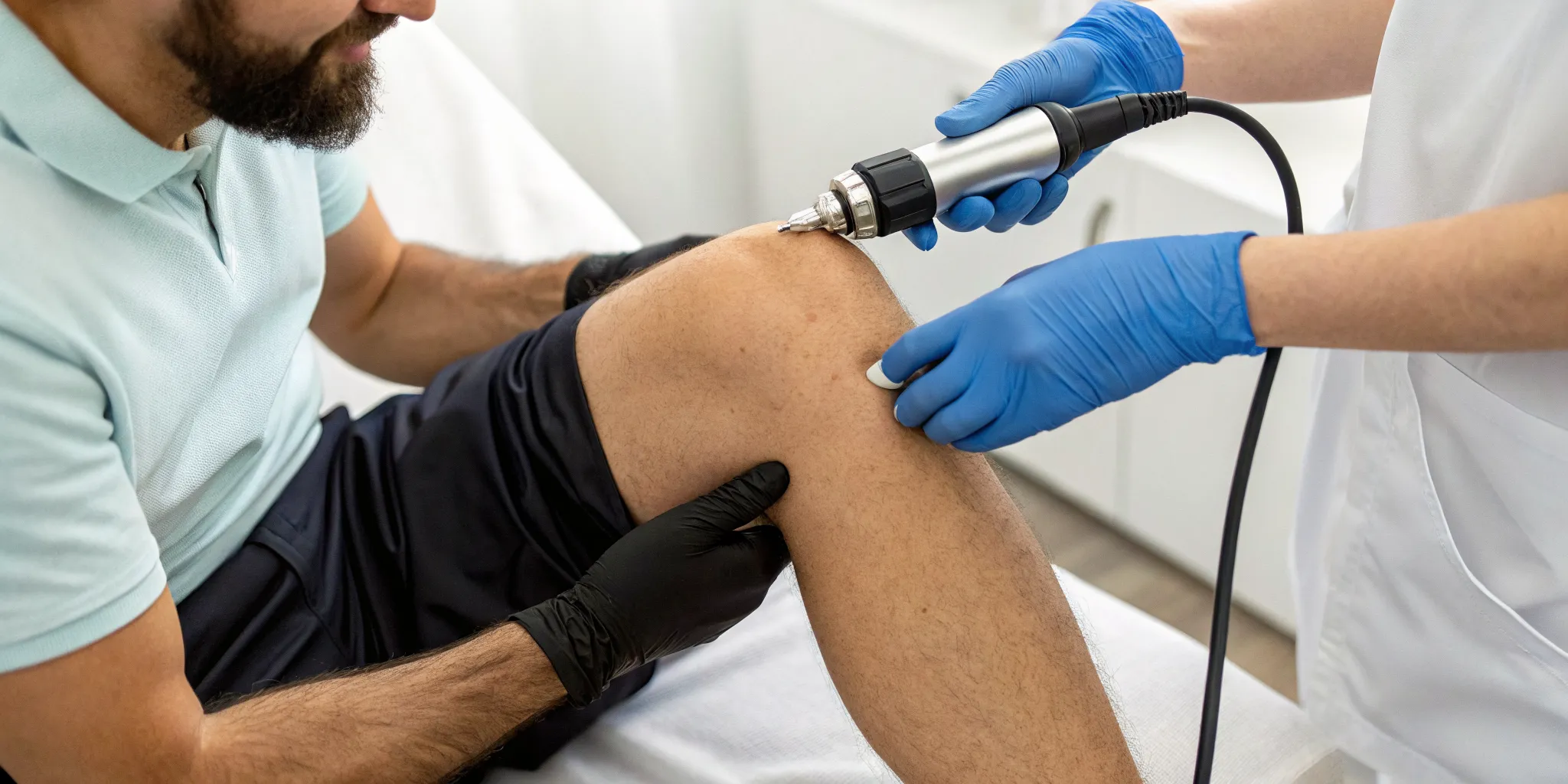
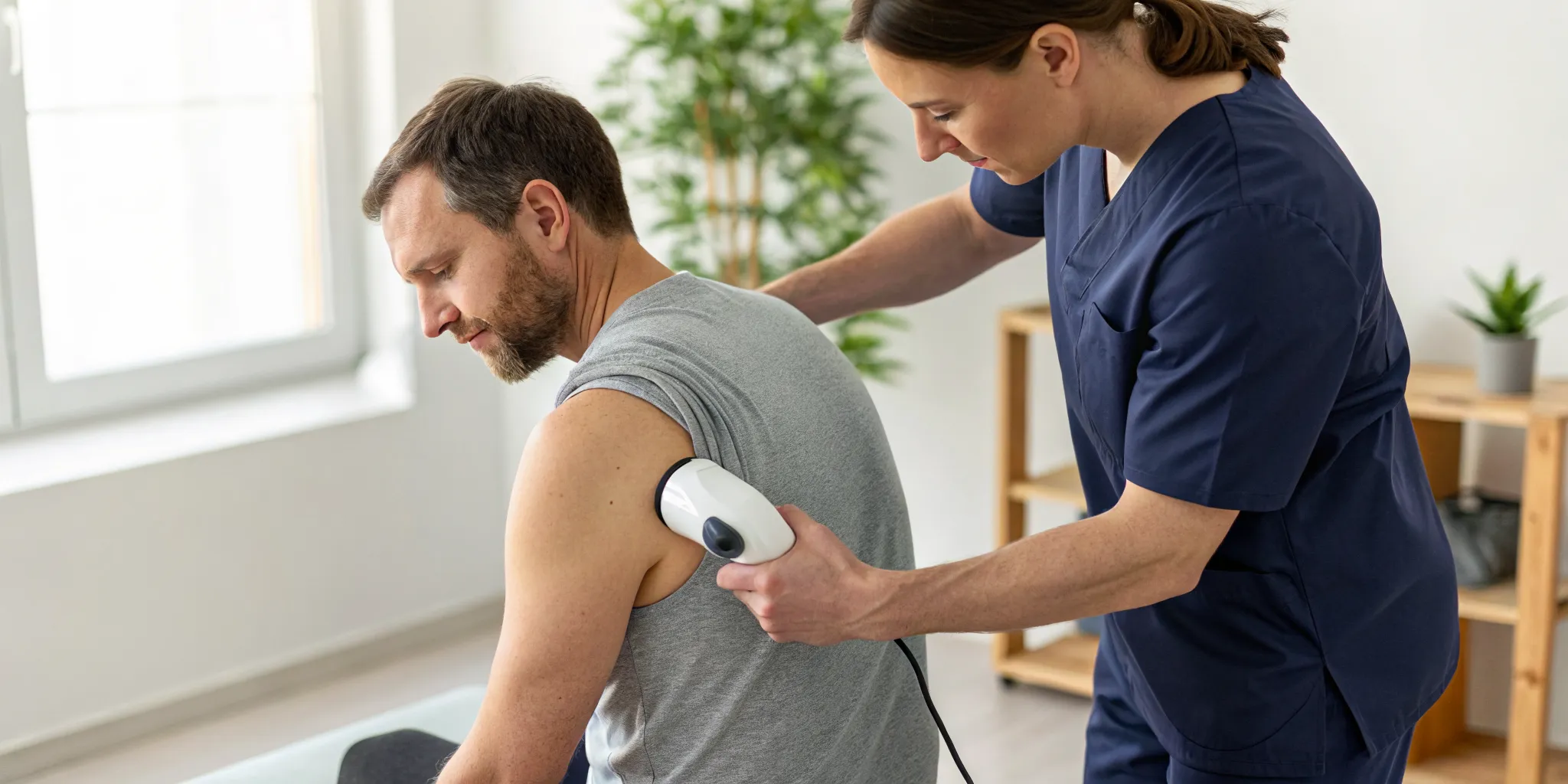
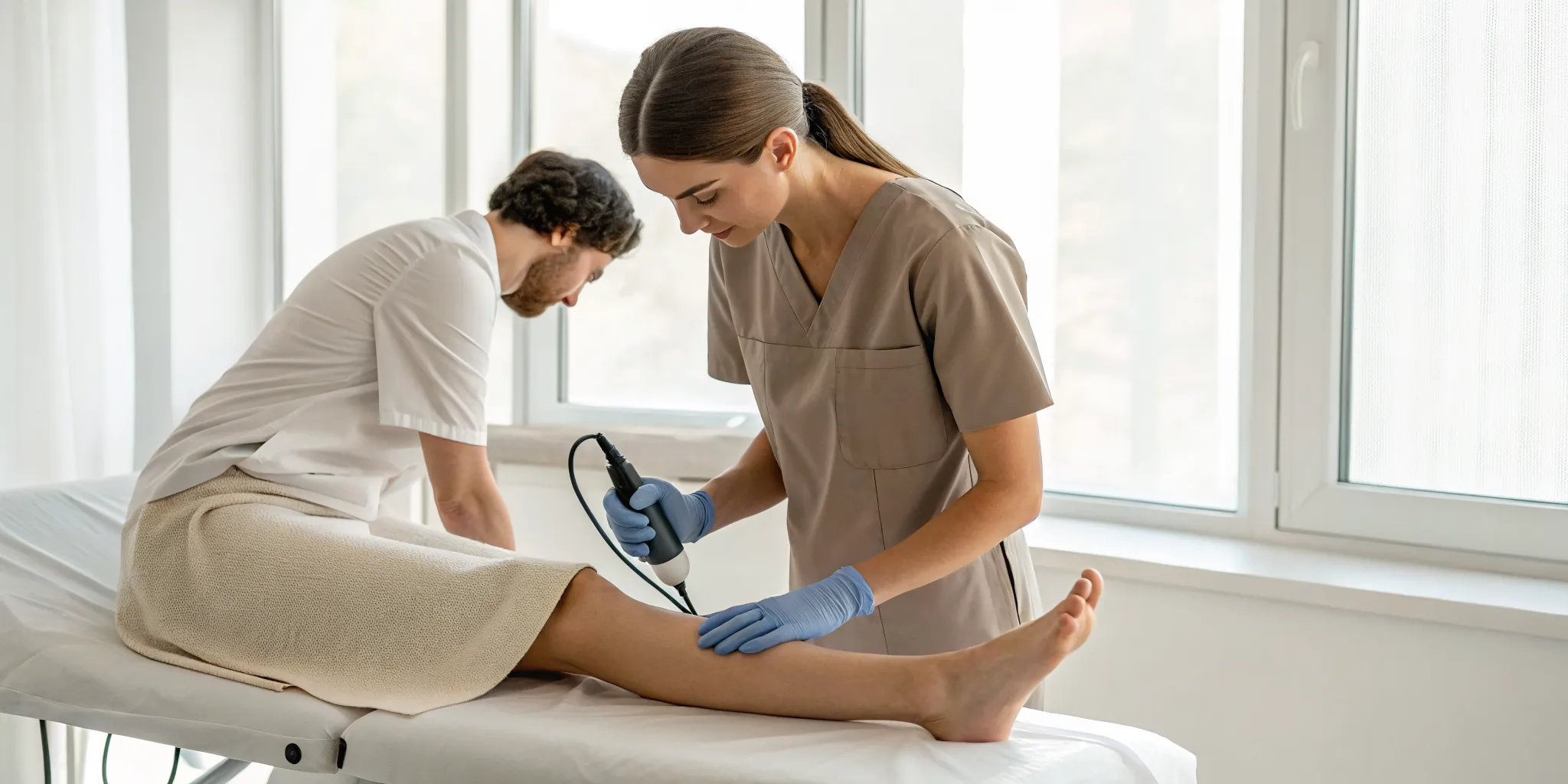
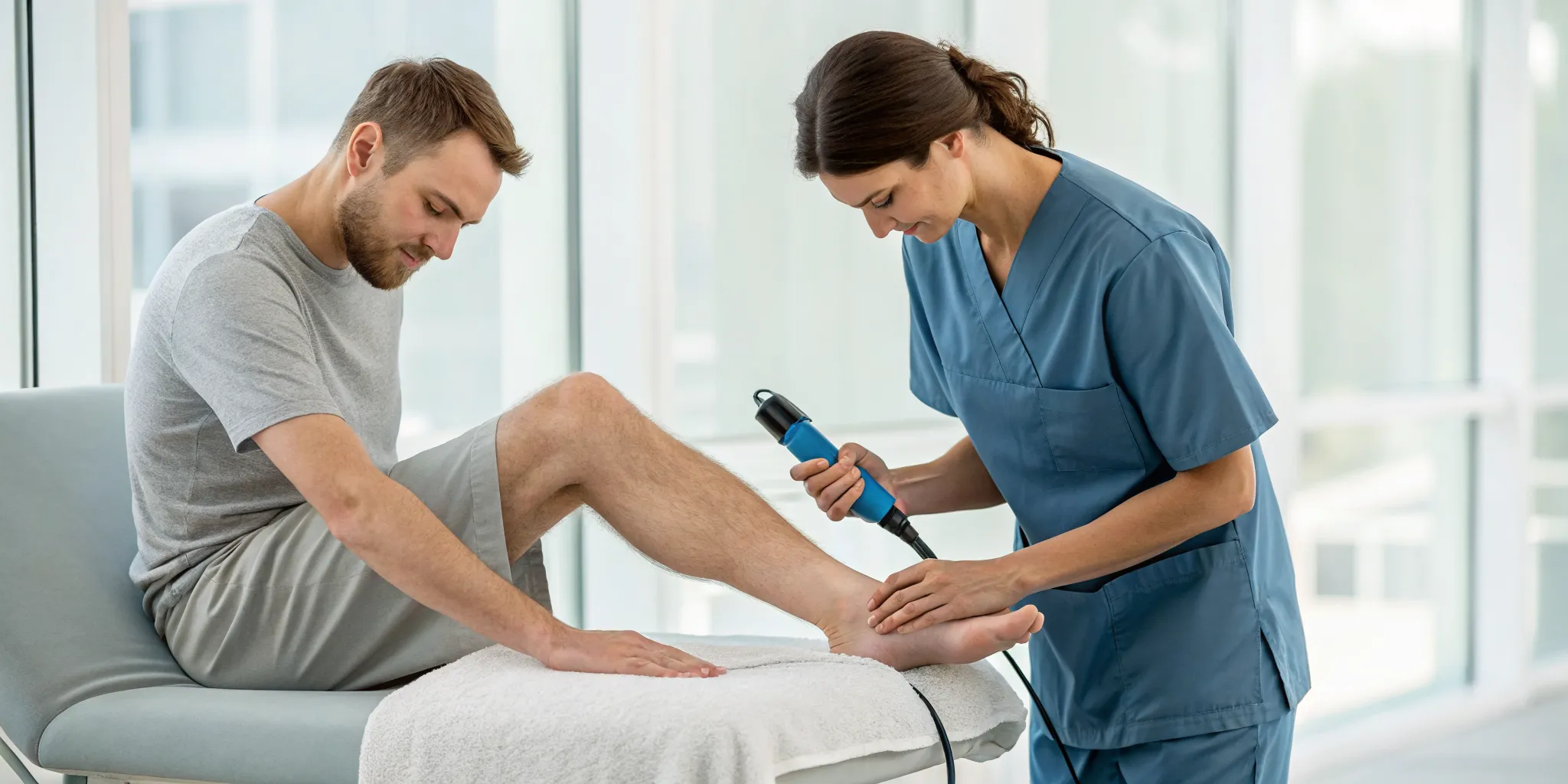
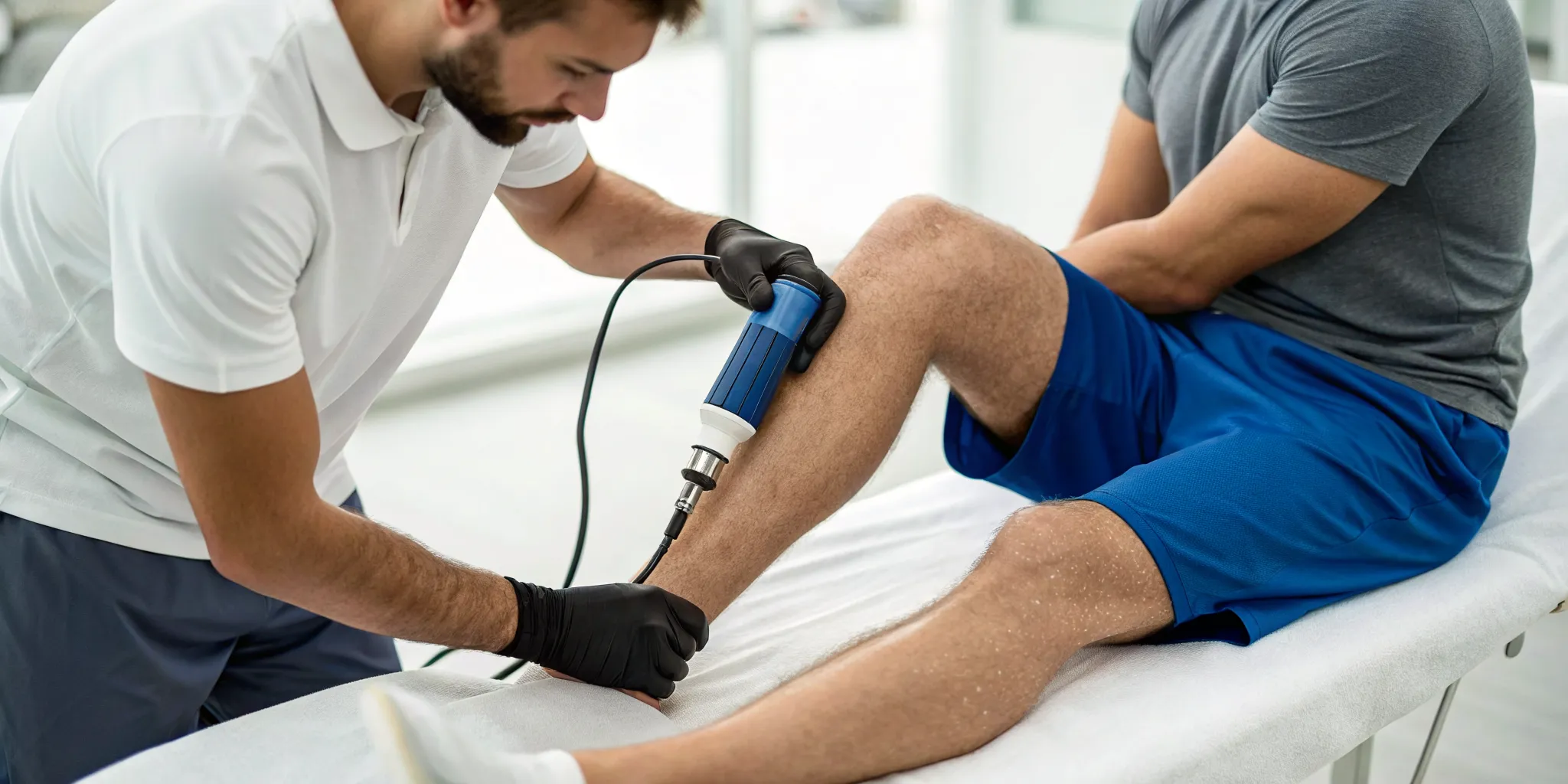
Vibration therapy comes in two main forms: whole-body and localized. Whole-body vibration (WBV) typically involves standing, sitting, or doing exercises on a vibrating platform. These machines send vibrations through your entire body, causing your muscles to contract and relax many times per second. This is great for improving overall circulation and muscle activation. Localized vibration, on the other hand, uses a smaller, often handheld device to target a specific area. This approach is ideal for addressing a sore muscle group or a stiff joint. The type of physical medicine that's right for you will depend on whether you're seeking general wellness or targeted relief.
Why You Should Stay Hydrated and Listen to Your Body
Two of the most important rules for any health practice apply here: stay hydrated and listen to your body. Drinking plenty of water is especially important when using vibration therapy. The stimulation can help get your lymphatic system moving, and proper hydration is essential for flushing out metabolic byproducts. Just as crucial is paying attention to your body’s signals. If you feel any pain, dizziness, or unusual discomfort, it’s time to stop. This is particularly important if you are managing any existing health concerns. Before starting, it's always a good idea to talk with your healthcare provider to make sure vibration therapy is a safe choice for you.
Where Does Vibration Therapy Fit in Your Health Plan?
Think of vibration therapy as a helpful tool in your health toolkit, not the entire toolbox. On its own, it offers temporary benefits, but its real power is unlocked when it’s part of a bigger, more comprehensive strategy. If you’re dealing with symptoms of poor circulation, like swollen ankles or tired legs, using a vibration plate can feel good and provide some relief. But it doesn’t answer the most important question: Why is your circulation struggling in the first place?
A truly effective health plan doesn’t just manage symptoms; it investigates the root cause. This is where a holistic approach becomes so important, moving beyond quick fixes to find lasting solutions. Vibration therapy can be a fantastic supportive measure when combined with other treatments designed to correct underlying issues. By integrating it with both physical and functional medicine, you can work toward not just temporary relief, but lasting wellness. It’s about using every tool available to support your body’s healing process while you and your practitioner do the detective work to figure out what’s really going on with your health. This combined approach ensures you're not just chasing symptoms but are actively building a stronger, more resilient foundation for your body.
Combining Vibration Therapy with Physical Medicine
Vibration therapy is best used as a supportive player, not the star of the show. When integrated into a physical medicine plan, it can help enhance your results. For instance, it can temporarily improve circulation, reduce swelling, and get lymphatic fluid moving, which is especially helpful if you have mild vein symptoms or spend a lot of time sitting. However, it’s not a replacement for corrective care or traditional exercise. Think of it as an accessory to your treatment, something that complements the foundational work you’re doing to restore your body’s function and mobility.
Using Functional Medicine to Find the Root Cause
While vibration therapy can help with the effects of poor circulation, it doesn’t fix the cause. That’s where a functional medicine approach comes in. Instead of just treating the symptom (poor circulation), we ask why it’s happening. Is it related to your diet, a sedentary lifestyle, inflammation, or another underlying health condition? By looking at the whole picture, we can identify the root cause of your circulatory issues. Vibration therapy can be a great way to manage symptoms and improve your comfort while we work together to address the core problem and create a sustainable path to better health.
When Is It Time to Look Beyond Vibration Therapy?
Vibration therapy can be a fantastic tool for short-term relief and support, but it’s important to know its limits. If you’re using a vibration plate and your symptoms aren’t improving, or if they keep coming back, it might be a signal from your body that there’s a deeper issue at play. Think of it this way: vibration therapy can help manage the smoke, but it can’t always put out the fire. Lasting wellness comes from finding the source of the flame. Recognizing when to seek a more thorough evaluation is a crucial step in taking control of your health and finding a real, sustainable solution.
Signs You Need a Deeper Look at Your Health
Listening to your body is key. If you’re experiencing persistent symptoms, it’s time to pay attention. For instance, ongoing leg pain, swelling, or the appearance of varicose veins are clear signs that you need a more comprehensive evaluation. While a vibration plate might feel good temporarily, it’s not a cure for underlying vein diseases and can't fix issues like broken valves. It’s also worth remembering that the benefits of whole-body vibration don't fully replace those of regular, active exercise. If your progress has stalled or your symptoms are chronic, it’s a strong indicator that you need to investigate the root cause of your health concerns instead of just managing the symptoms.
How Ascend Functional Health Approaches Circulatory Health in Tampa
At Ascend Functional Health, we see the body as an interconnected system. While a tool like vibration therapy can offer support, our focus is on uncovering and addressing the fundamental reasons for your health issues. We use a holistic approach that starts with thorough assessments to understand your unique physiology. Instead of just looking at your circulation, we examine how your physical structure, internal functions, and hormonal balance all contribute to your overall well-being. By integrating our three pillars of healing, we create personalized plans that go beyond temporary fixes to help your body heal and build lasting health from the inside out.
Related Articles
- Is Deep Tissue Massage Good for You? An Expert Explains
- Physical Medicine in Tampa | Chiropractic & Rehab Care | Ascend Functional Health
- Massage Therapy | Alessi Functional Health
- Physical Medicine | Alessi Functional Health Tampa, FL
- What Is Soft Tissue Therapy? A Complete Guide
Frequently Asked Questions
If the circulatory benefits are temporary, what's the real value of using vibration therapy? Think of vibration therapy as a tool for managing your daily comfort while you investigate the bigger picture. The temporary relief from swelling and leg heaviness is valuable because it can improve your quality of life right now. This makes it easier to stay active and engaged while you and a practitioner work on uncovering the root cause of your circulatory issues. It’s a supportive measure that helps you feel better on the journey to a long-term solution.
How is using a vibration plate different from just going for a walk or a run? Vibration therapy and traditional exercise work in very different ways. A walk or run actively challenges your cardiovascular system and builds endurance, offering a wide range of health benefits that vibration can't replicate. Vibration therapy, on the other hand, provides passive muscle stimulation. It causes your muscles to contract and relax without the impact or effort of a workout, which is great for promoting local circulation and lymphatic drainage. It’s best seen as a supplement to an active lifestyle, not a substitute for it.
Can I use vibration therapy to get rid of my varicose veins? No, vibration therapy cannot cure or remove varicose veins. These veins are often the result of a structural problem, such as damaged valves that can no longer function properly. While the therapy can help manage symptoms like swelling and achiness by temporarily improving blood flow, it does not repair the underlying mechanical issue within the vein itself. Addressing varicose veins effectively requires a plan that targets the source of the problem.
I'm not an athlete. Could vibration therapy still be helpful for me? Absolutely. You don’t need to be a high-performance athlete to benefit from this therapy. It can be particularly helpful if you deal with fluid retention from sitting at a desk all day or if you experience tired, heavy legs. For older adults, it offers a gentle way to stimulate muscles and support mobility without the stress of high-impact activities. It’s a versatile tool for anyone looking to support their circulation and muscle function.
How do I know if vibration therapy is a safe option for my specific health situation? The best way to know for sure is to consult with a healthcare professional who understands your complete health history. While vibration therapy is safe for many, it’s not recommended for everyone, especially if you are pregnant or have certain medical conditions. A provider can help you weigh the potential benefits against any risks and determine if it’s the right fit for your wellness plan, ensuring you can use it effectively and without worry.