Moving beyond temporary fixes for chronic pain means investing in your long-term health. Shockwave therapy is a proactive treatment that supports your body’s natural ability to repair itself from the inside out. By using targeted sound waves to stimulate blood flow and tissue regeneration, it helps resolve the underlying cause of stubborn conditions like Achilles tendonitis or hip pain. This non-invasive approach allows you to get back to an active lifestyle without the lengthy recovery of more aggressive procedures. If you're looking for a “shockwave therapy clinic near me” that focuses on sustainable results, this guide will explain the process, benefits, and what makes this treatment a valuable investment in your well-being.
Key Takeaways
- It prompts your body’s own repair process: Shockwave therapy is a non-invasive treatment using acoustic waves to target the source of chronic pain. It’s particularly effective for stubborn tendon and soft tissue issues because it helps your body regenerate healthy tissue, addressing the underlying problem rather than just the symptoms.
- Treatment is straightforward with minimal downtime: A full course of therapy typically involves a few short sessions scheduled over several weeks. Since there is no required recovery period, you can return to your daily activities immediately, making it easy to fit into your life.
- The right clinic offers more than just one therapy: Your results depend heavily on the provider's expertise. Look for a clinic that performs a thorough evaluation and integrates shockwave therapy into a comprehensive, personalized health plan to support your long-term recovery.
What Is Shockwave Therapy?
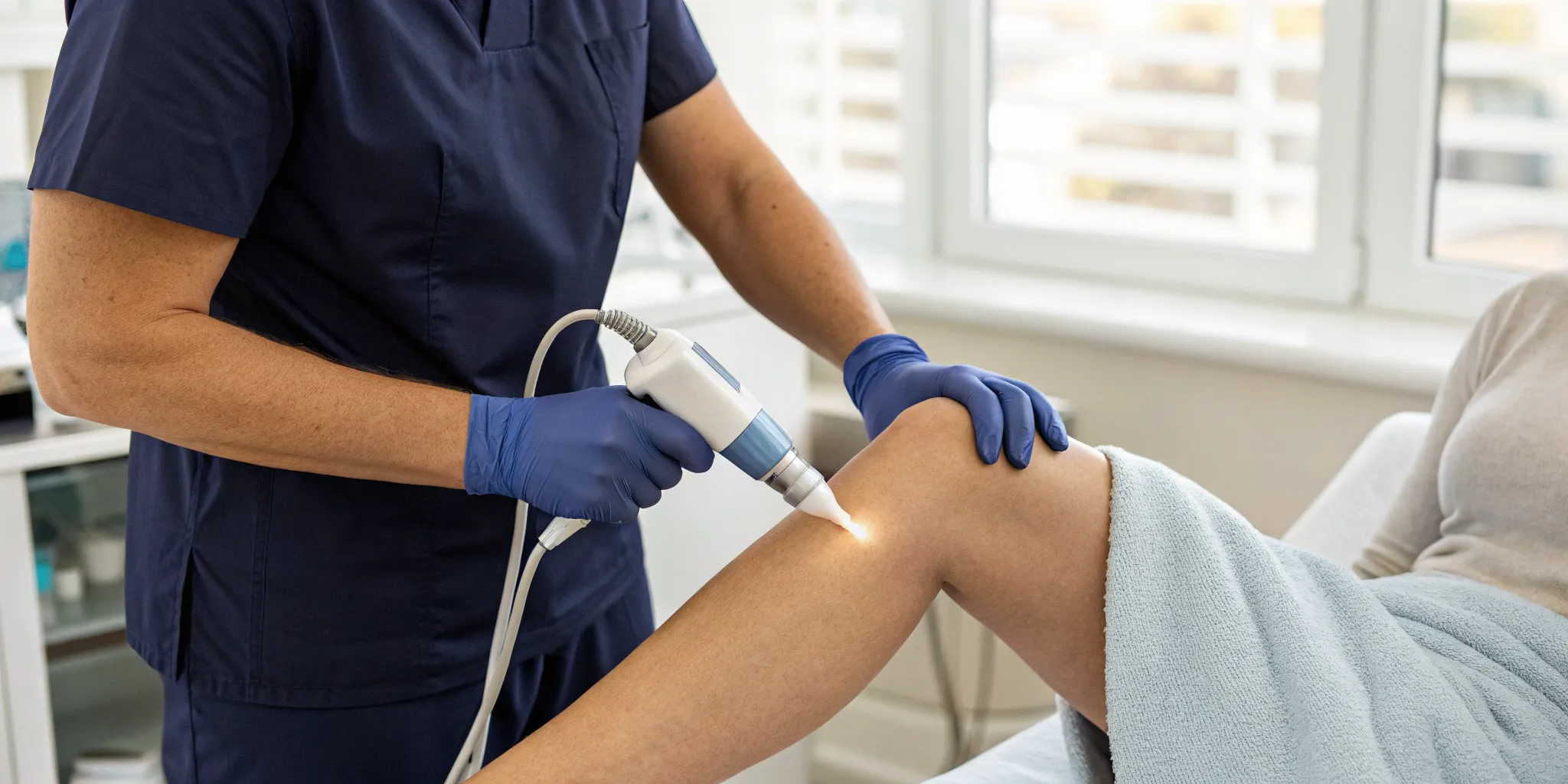
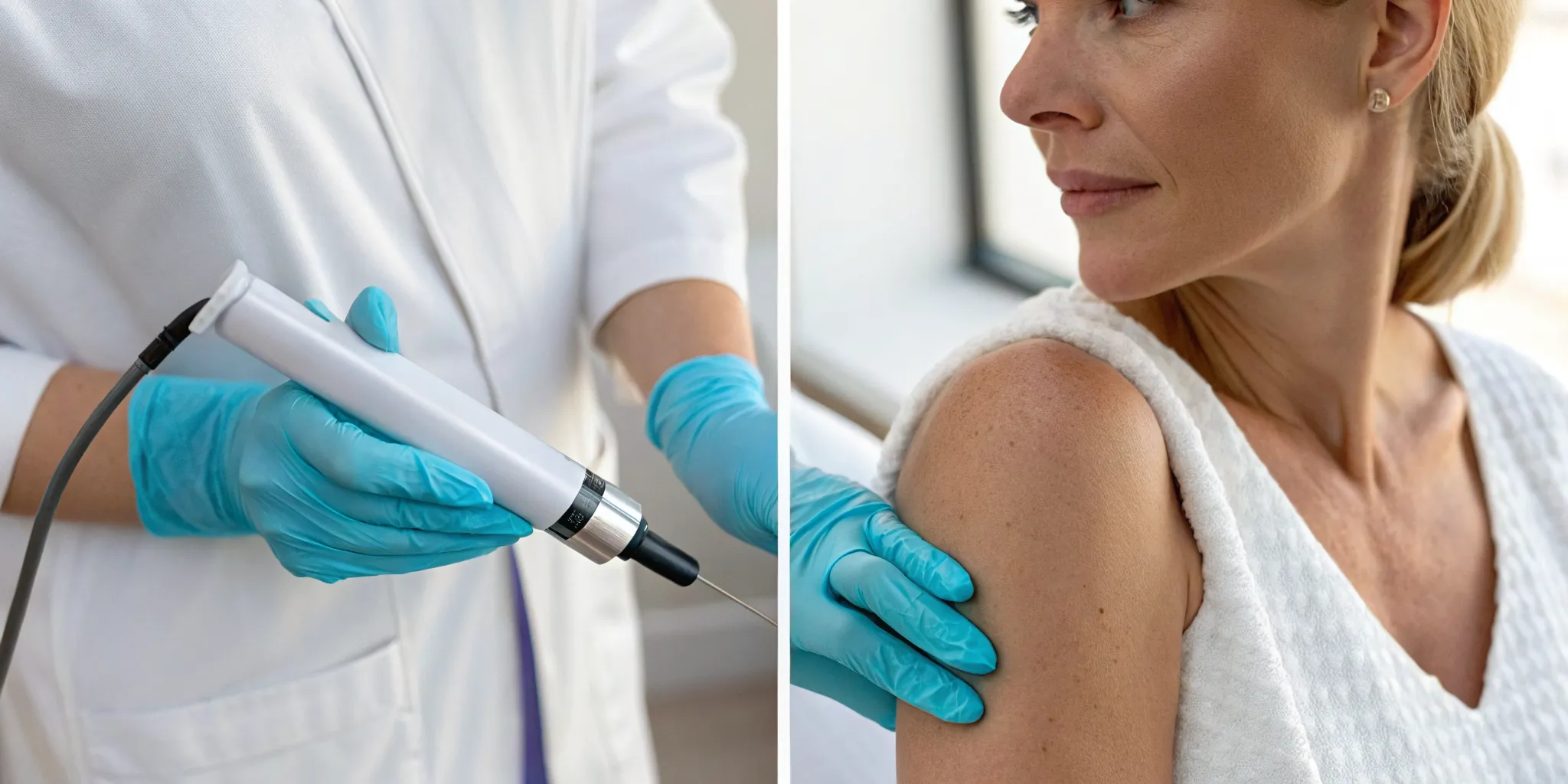
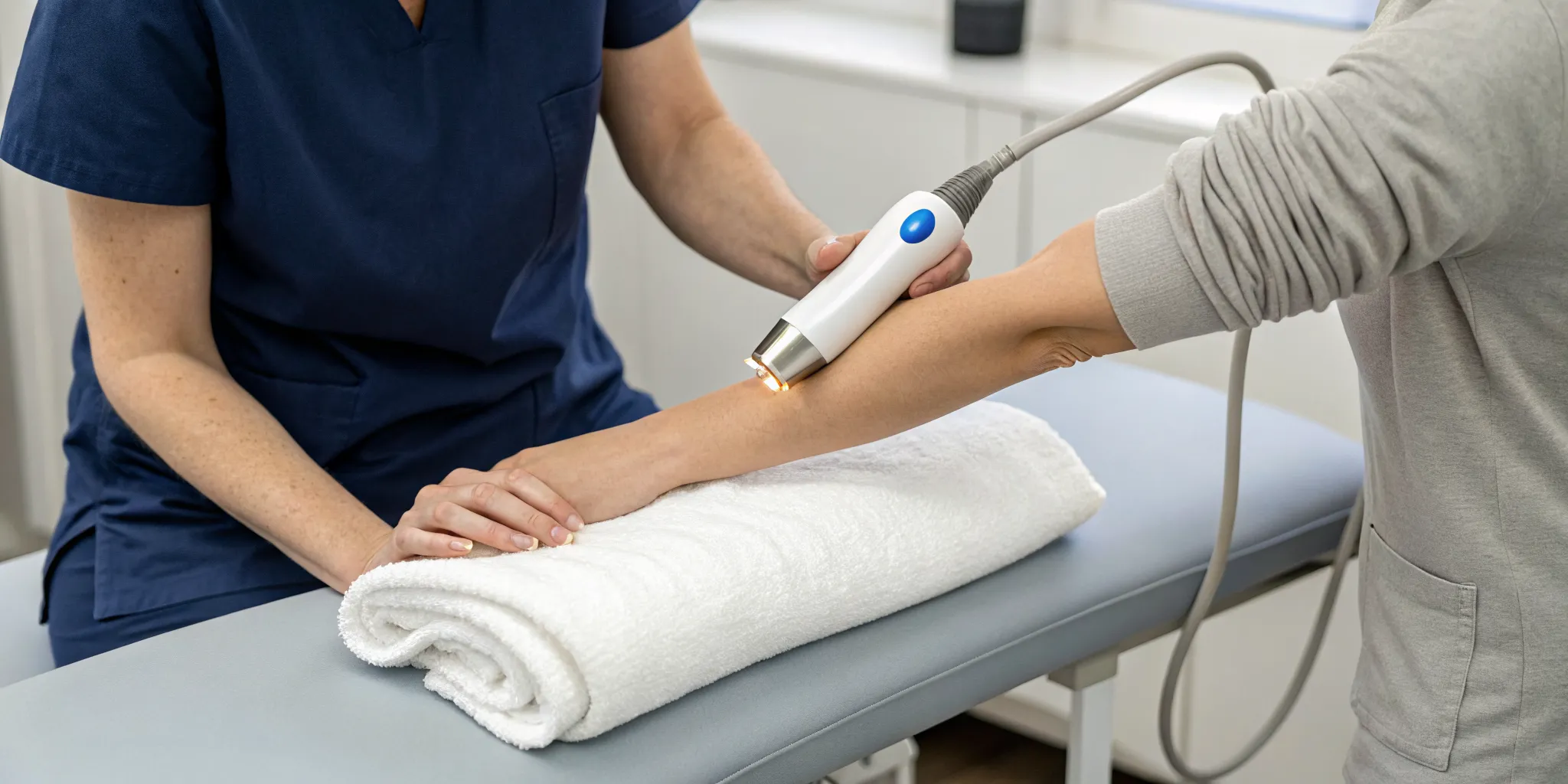
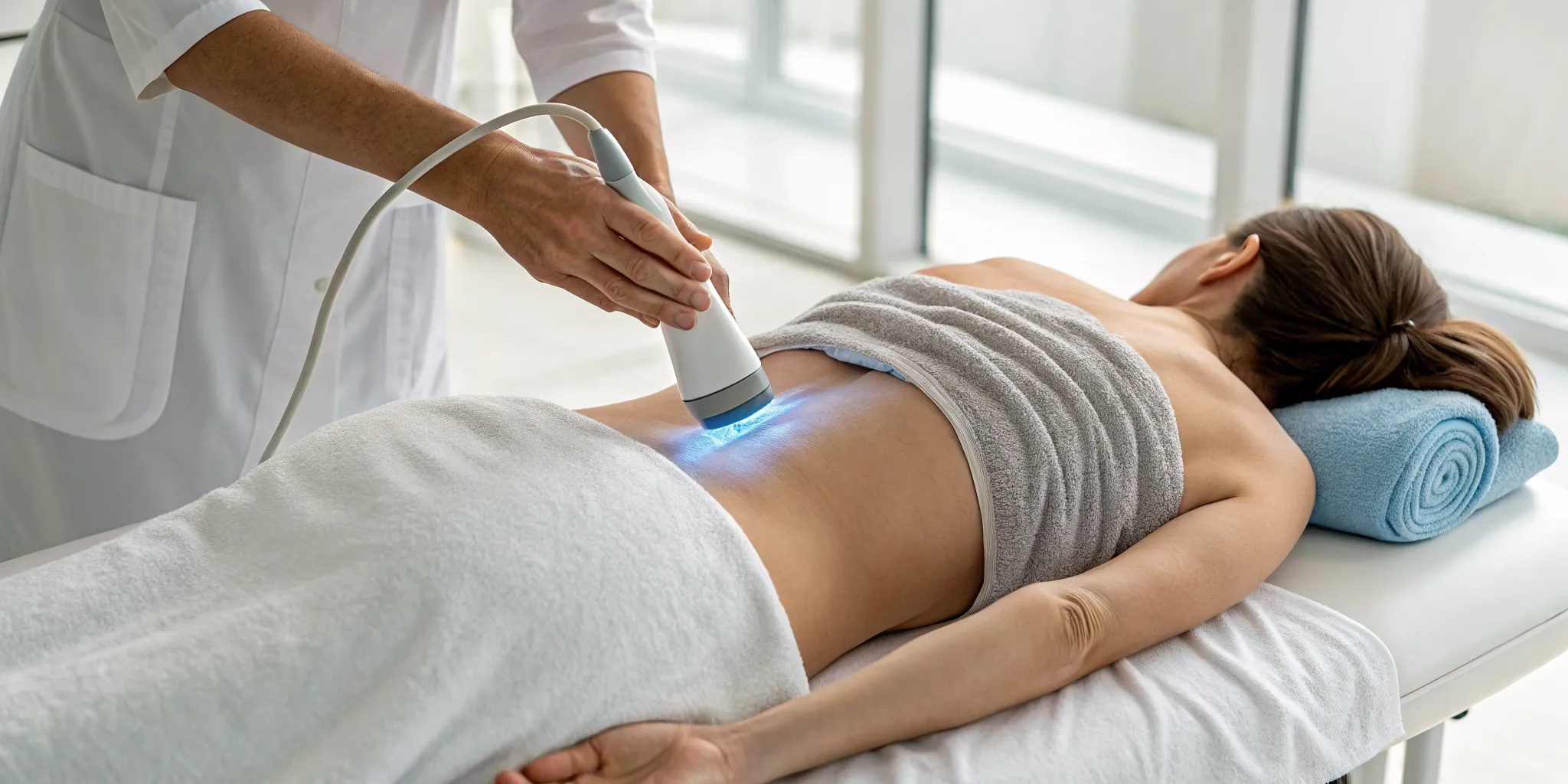
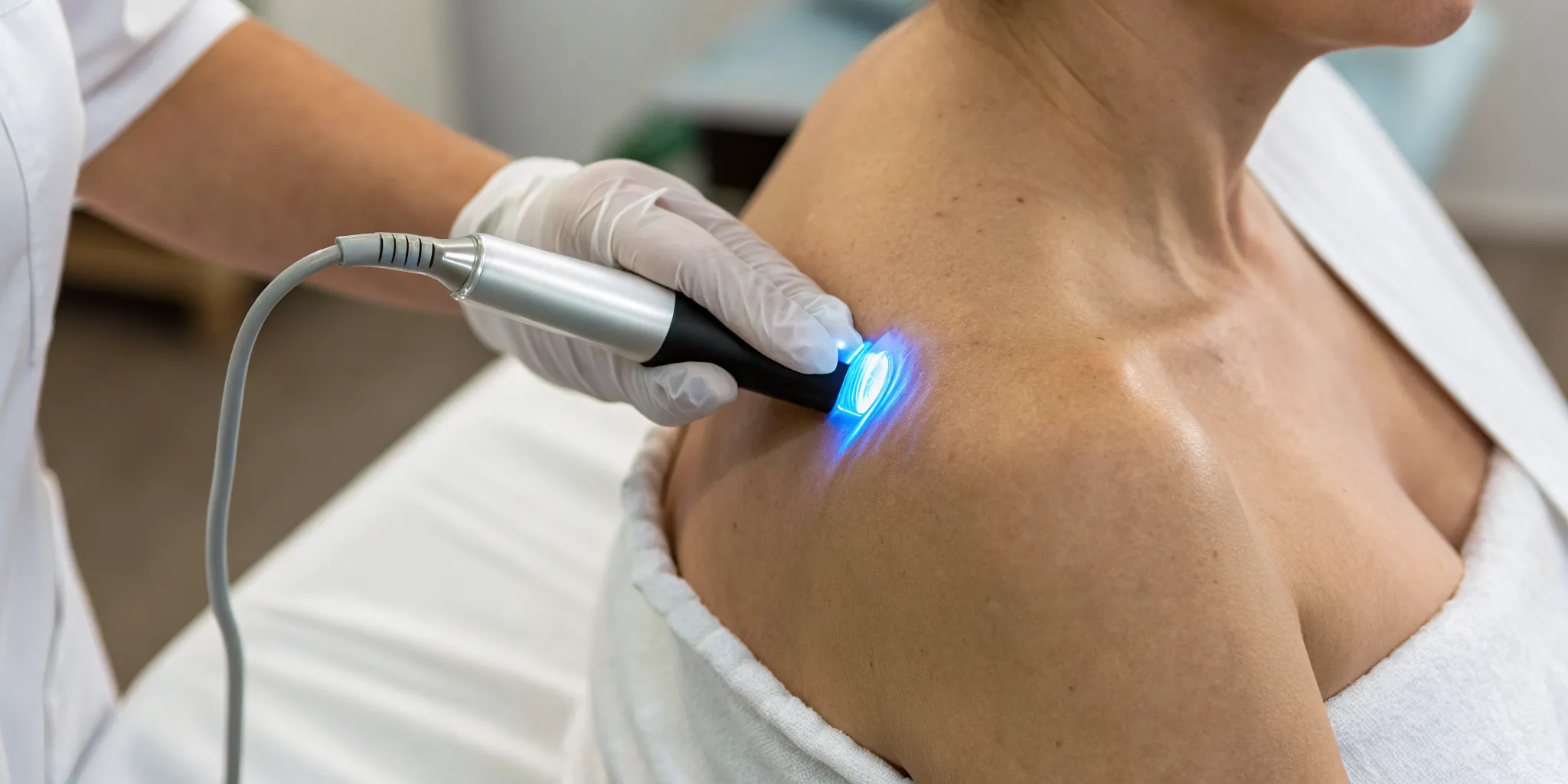
If you're dealing with persistent pain from an old injury or a chronic condition, you’ve likely tried several different therapies to find relief. One treatment that is gaining well-deserved attention for its effectiveness is shockwave therapy. So, what is it? Think of it as a way to kickstart your body's own healing powers without needing any invasive procedures. Officially known as Extracorporeal Shockwave Therapy (ESWT), it’s a non-invasive treatment, which means it doesn't require any incisions or instruments entering the body. Instead, a special device is used on the outside of your skin to send targeted energy waves to the source of your pain.
This approach is a cornerstone of modern physical medicine, helping people find relief from chronic conditions that haven't responded to other treatments. It’s about working with your body, not against it, to encourage repair and regeneration right at the cellular level. By stimulating your body’s natural healing mechanisms, shockwave therapy helps address the root cause of your discomfort, leading to lasting results rather than just masking the symptoms. It’s a powerful tool for anyone looking to get back to living a full, active life without being held back by pain and discomfort.
How Does It Work?
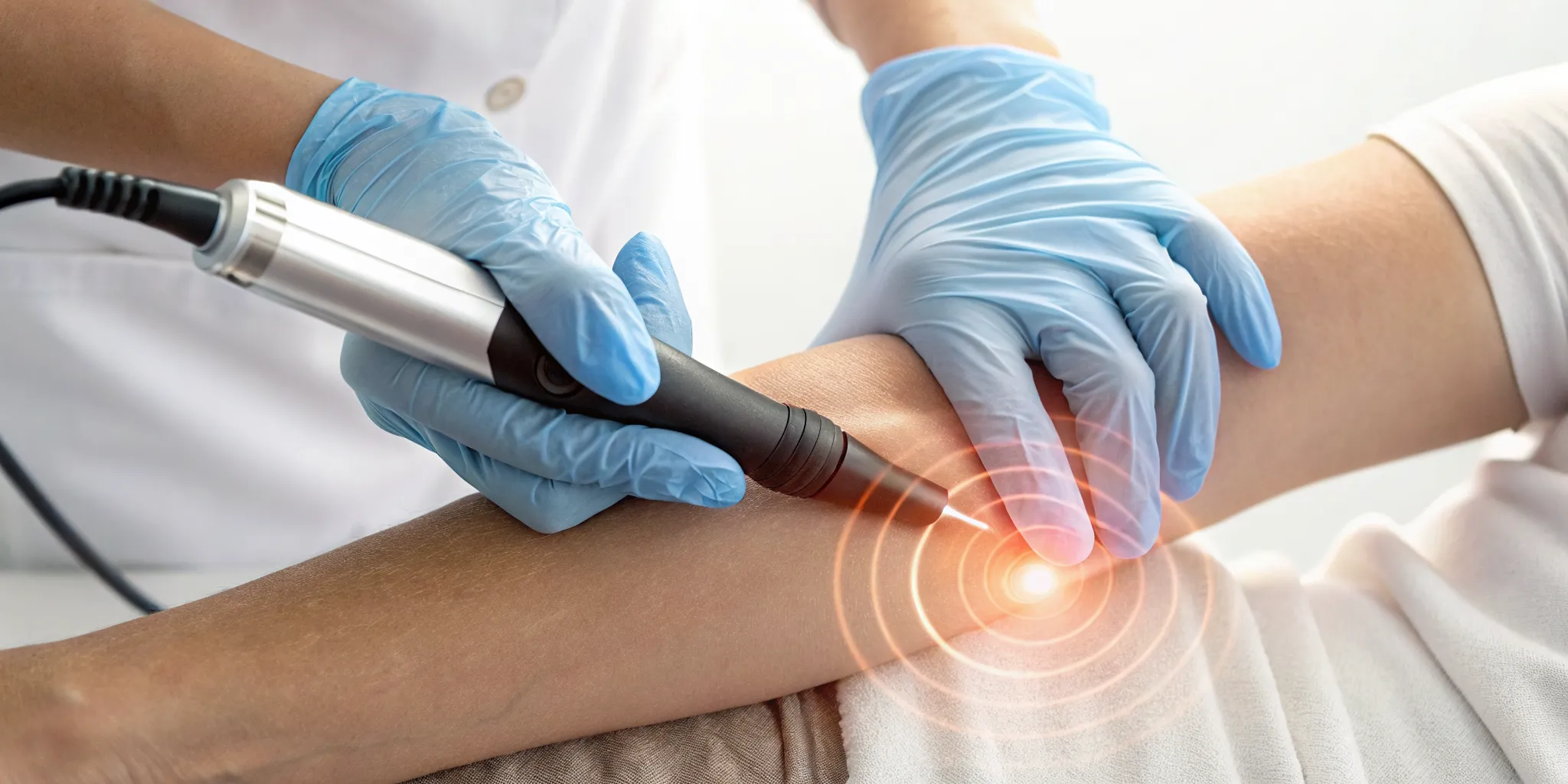
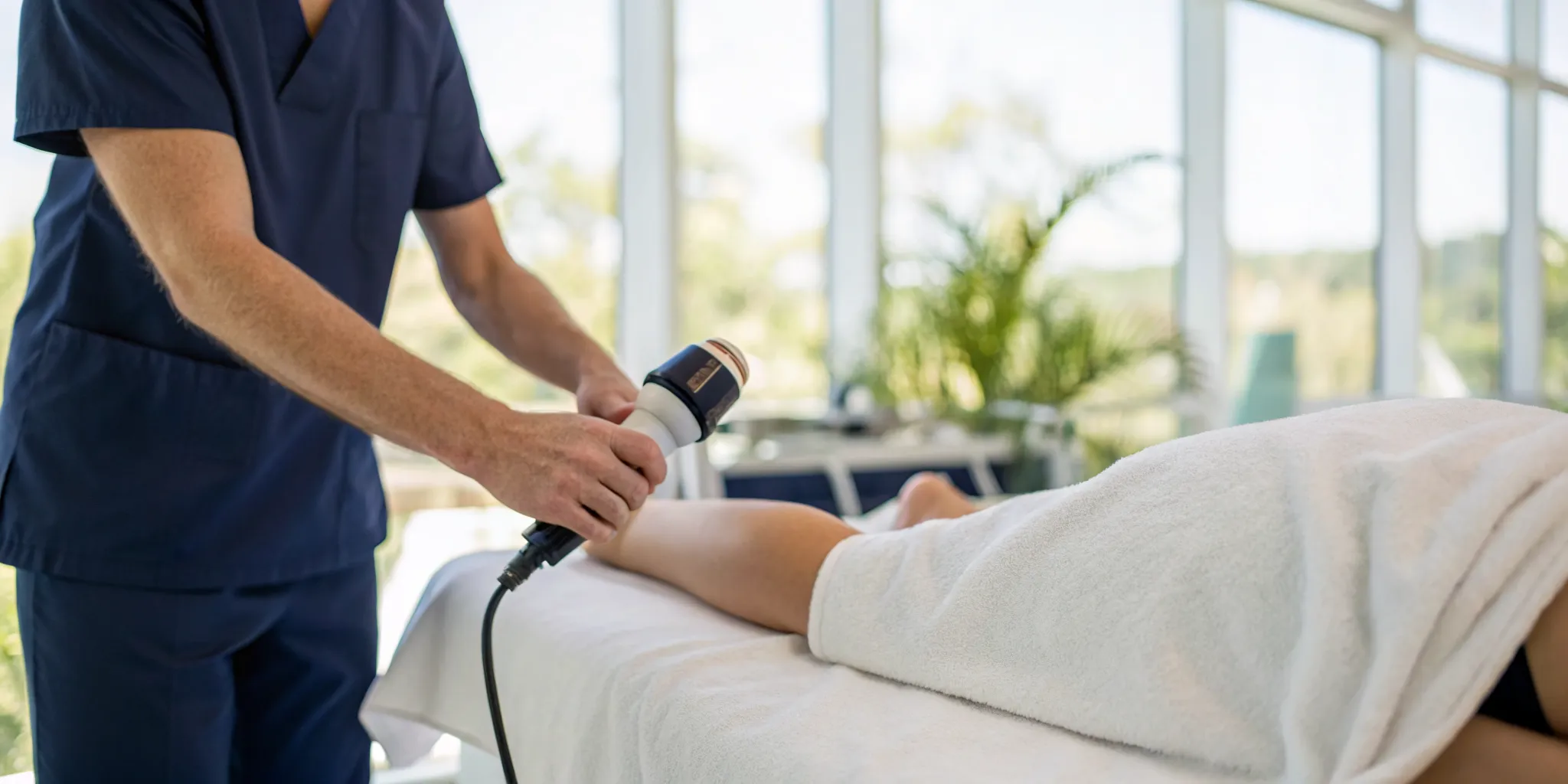
The science behind shockwave therapy is pretty fascinating. The treatment uses a device to send high-energy acoustic waves, which are essentially sound waves, through your skin to the injured tissue. These waves are mechanical pulses of sound that create a controlled, therapeutic effect. This process stimulates your body’s natural healing response and promotes tissue regeneration. It’s like waking up your internal repair crew and telling them exactly where they need to go to get the job done.
These sound waves create tiny, microscopic breaks in the small blood vessels within your tendons and bones. While this might sound a bit intense, it’s a key part of the healing process. This action signals your body to send more healing cells to the area, which improves blood flow and brings more oxygen to the tissue. This targeted response helps speed up your body's natural repair cycle, reducing pain and restoring mobility over time.
Focused vs. Radial: What's the Difference?
When you hear about shockwave therapy, it’s helpful to know there are two main types: focused and radial. While both use sound waves to promote healing, they work in slightly different ways. Radial Shockwave Therapy (RSWT) is often used for conditions closer to the skin's surface. It generates bursts of energy that radiate outward into a wider treatment area, like the ripples from a stone dropped in water. This makes it great for larger muscle groups or more superficial tendon issues.
Focused Shockwave Therapy, on the other hand, delivers a higher intensity of energy with much more precision. It allows your practitioner to target a specific, deeper point within the tissue. Think of it as the difference between a wide-spray nozzle and a powerful, single jet stream. Because it can penetrate deeper, focused shockwave is often the choice for treating issues in joints or deeper tendons. Your practitioner will determine which type is best for your specific condition.
Shockwave vs. Other Modalities
With so many treatment options available, you might wonder how shockwave therapy compares to others like ultrasound or heat therapy. While they may all fall under the umbrella of physical therapy, shockwave is distinct. It’s a safe, non-invasive treatment backed by a growing body of research, and it’s designed to create lasting results over a series of sessions. It’s not just for elite athletes; it’s for anyone struggling with chronic pain who wants a solution that addresses the underlying problem.
Some studies even show that ESWT is a top-tier treatment for healing, proving more effective than other well-known regenerative options for certain conditions. It’s a powerful alternative for those who want to avoid more invasive procedures. By stimulating the body’s own repair mechanisms, it offers a path to recovery that is both effective and aligned with your body’s natural ability to heal. You can explore our blog to learn more about different healing approaches.
What Conditions Can Shockwave Therapy Help With?
If you’re dealing with persistent pain that just won’t quit, shockwave therapy might be the breakthrough you’ve been looking for. This treatment is especially effective for chronic conditions, particularly those involving tendons and soft tissues that haven’t responded well to traditional approaches. We consider a condition chronic when it has lasted for more than six weeks, becoming a persistent source of frustration that can limit your daily activities. Unlike methods that only manage symptoms, shockwave therapy works by stimulating your body’s own healing mechanisms to repair tissue, reduce pain, and restore mobility.
The therapy uses acoustic waves to target injured areas, which increases blood flow and metabolic activity. This process helps break down stubborn scar tissue and encourages your cells to regenerate, effectively kick-starting a stalled healing process. It’s a foundational part of our approach to physical medicine, as it directly addresses the underlying cause of pain rather than just covering it up. From nagging heel pain to stubborn shoulder aches, shockwave therapy addresses a wide variety of musculoskeletal issues by getting to the source of the problem. It’s a powerful, non-invasive tool that helps your body do what it does best: heal itself.
Plantar Fasciitis and Heel Pain
Waking up to that sharp, stabbing pain in your heel is a frustrating way to start the day. If you’ve been dealing with plantar fasciitis for more than six weeks, you know how it can sideline you from the activities you love. Shockwave therapy is an excellent option for chronic cases, especially when stretching, icing, and new shoes haven’t provided lasting relief. The acoustic waves penetrate deep into the plantar fascia, the thick band of tissue on the bottom of your foot. This process stimulates blood flow and cell regeneration, helping to heal the tissue and address related issues like heel spurs. It’s a powerful way to support your body’s recovery and get you back on your feet, pain-free.
Achilles Tendonitis and Tennis Elbow
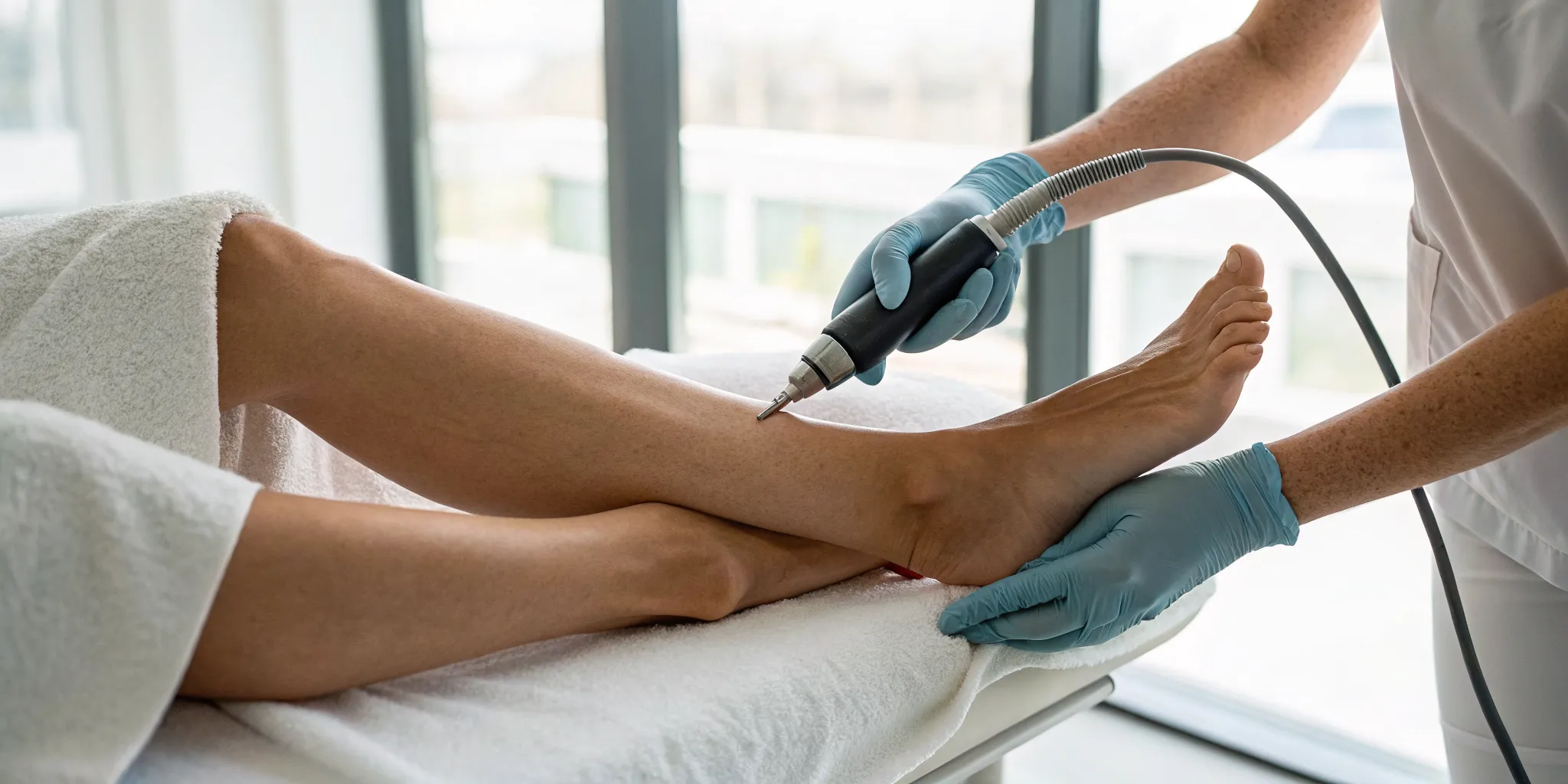
Achilles tendonitis and tennis elbow are classic examples of overuse injuries. Whether you’re an athlete or your pain comes from repetitive daily tasks, the result is the same: nagging inflammation that limits your movement. Shockwave therapy directly targets these stubborn tendinopathies. For Achilles tendonitis, it focuses on the tendon connecting your calf to your heel; for tennis elbow, it addresses the tendons on the outside of your elbow. The treatment helps break down scar tissue and encourages the formation of new blood vessels, which accelerates healing. By addressing the underlying tissue damage, we can create a lasting solution instead of just masking the pain. This approach aligns with our philosophy of identifying and treating the root causes of your health concerns.
Rotator Cuff, Knee, and Hip Pain
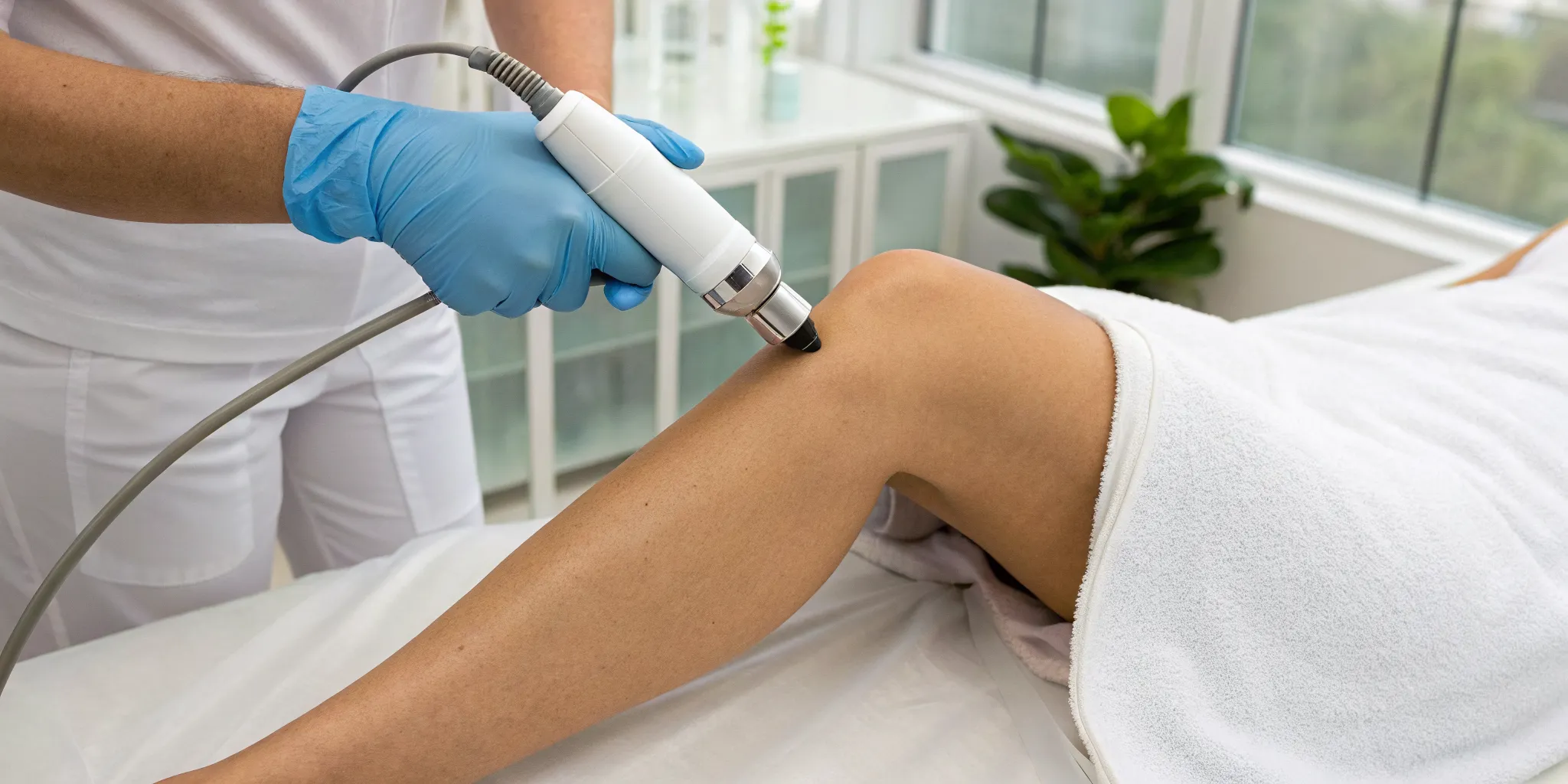
Pain in major joints like the shoulder, knee, or hip can be complex and difficult to resolve. Conditions like rotator cuff tendinosis, IT band syndrome, and chronic muscular pain in the lower back often involve deep tissues that are hard to reach. Shockwave therapy is uniquely suited to handle these challenges. It can effectively treat calcific tendinosis in the shoulder, where calcium deposits cause pain and stiffness, by helping to break down those deposits. For knee and hip pain related to tendons and ligaments, it promotes healing in the exact area of injury. It’s a non-invasive path toward recovery and improved function for many of the common conditions we treat.
Chronic Soft Tissue and Muscle Injuries
Sometimes, an old injury never seems to heal completely, leaving you with chronic pain and stiffness. Shockwave therapy is designed to restart the healing process in these exact situations. It works by creating micro-trauma in the affected area, which triggers your body’s natural healing response. This increases blood circulation and metabolic activity, helping to break down restrictive scar tissue and regenerate healthy, functional tissue. Whether it’s a nagging hamstring injury or persistent muscular pain, this therapy can accelerate the recovery of chronic soft tissue problems. It’s a way to finally move past old injuries and restore your body’s strength and resilience.
Is Shockwave Therapy Right for You?
Deciding on a new treatment can feel like a big step, especially when you’ve been dealing with persistent pain. Shockwave therapy is a powerful tool in our physical medicine toolkit, but it’s not a one-size-fits-all solution. The right therapy is one that aligns with your specific condition, health history, and wellness goals. Understanding if you’re a good fit is the first step toward finding lasting relief. A comprehensive evaluation is key to determining if this approach can help you get back to living your life without discomfort.
Who Makes a Good Candidate?
If you feel like you’ve tried everything for a nagging injury with little to no success, you might be an excellent candidate for shockwave therapy. This treatment is particularly effective for individuals with chronic tendinopathies, which are painful conditions lasting more than six weeks. These often result from sports injuries, repetitive strain at work, or general overuse. Think of issues like tennis elbow, plantar fasciitis, or rotator cuff pain that just won’t go away. Shockwave therapy is designed to target these stubborn soft tissue problems, making it a great option for anyone seeking to address the root cause of their chronic conditions we treat.
When to Approach with Caution
Your safety and well-being are always the top priority. While shockwave therapy is very safe, there are certain situations where it isn’t recommended. We would not perform this therapy on anyone who is pregnant or on areas with active infections or open wounds. It’s also not used over sites with bone tumors or for individuals with specific nerve or circulation disorders. This is why a thorough health history and initial consultation are so important. During your visit, we’ll discuss your background in detail to ensure shockwave therapy is the right and safest choice for you before creating a personalized health plan.
Debunking Common Misconceptions
Let's clear up a few things you might have heard about shockwave therapy. First, many people worry that it’s invasive or painful. The truth is, it’s a completely non-invasive procedure, meaning no incisions are involved. While you might feel some discomfort during the session, most people tolerate it very well. Another common myth is that it's a new or experimental treatment. Although it has become more popular for muscle and tendon issues recently, the technology has been around for decades and is supported by a solid body of research. Our approach at Ascend is always grounded in proven, effective protocols to give you confidence in your care.
What to Expect During a Shockwave Therapy Session
Deciding to try a new therapy can feel a little intimidating, but the process for shockwave therapy is surprisingly straightforward. Unlike more invasive procedures, it doesn't require extensive preparation or a long recovery period. The goal is to work with your body's natural healing processes, and the sessions are designed to be as comfortable and efficient as possible. From your initial consultation to your post-treatment care, each step is clearly laid out. Knowing what will happen can help you feel more confident and prepared as you begin your journey toward feeling better. Here’s a simple breakdown of what a typical shockwave therapy experience looks like.
Your First Visit: A Step-by-Step Guide
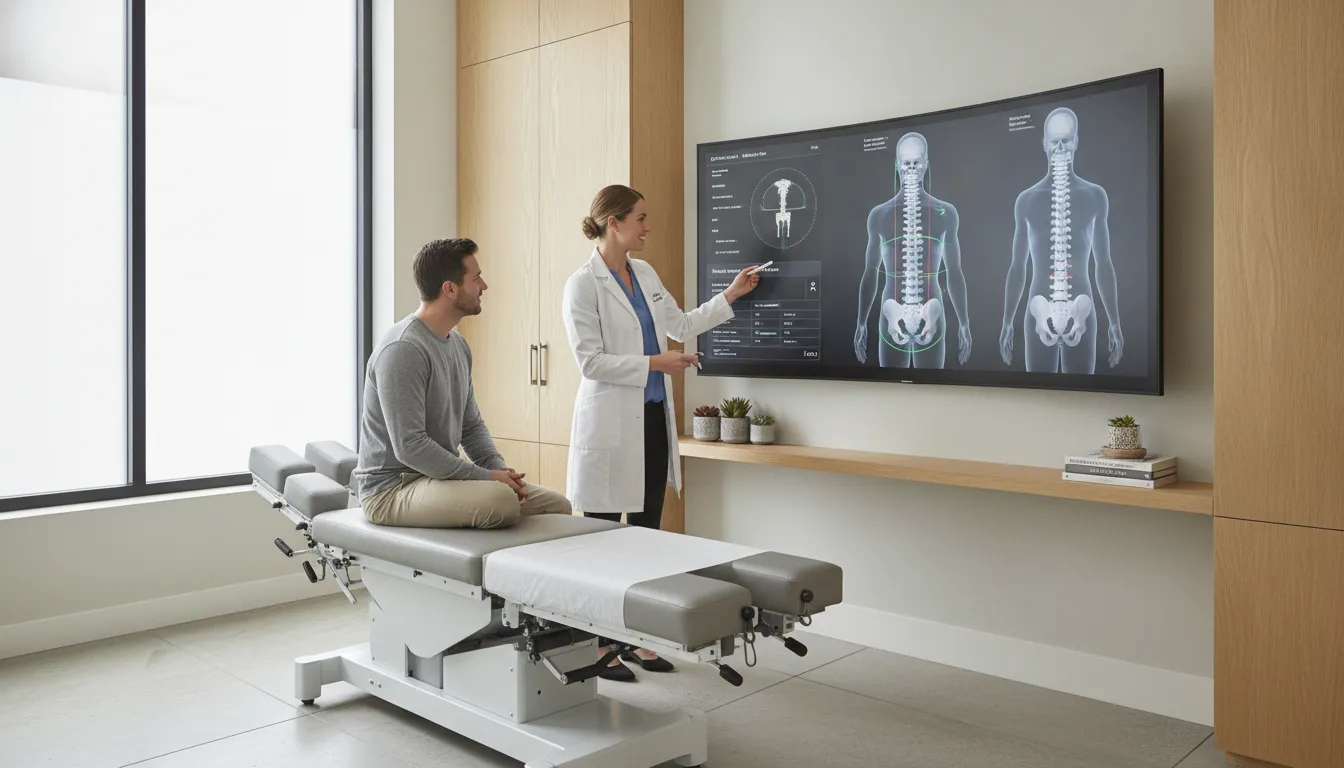
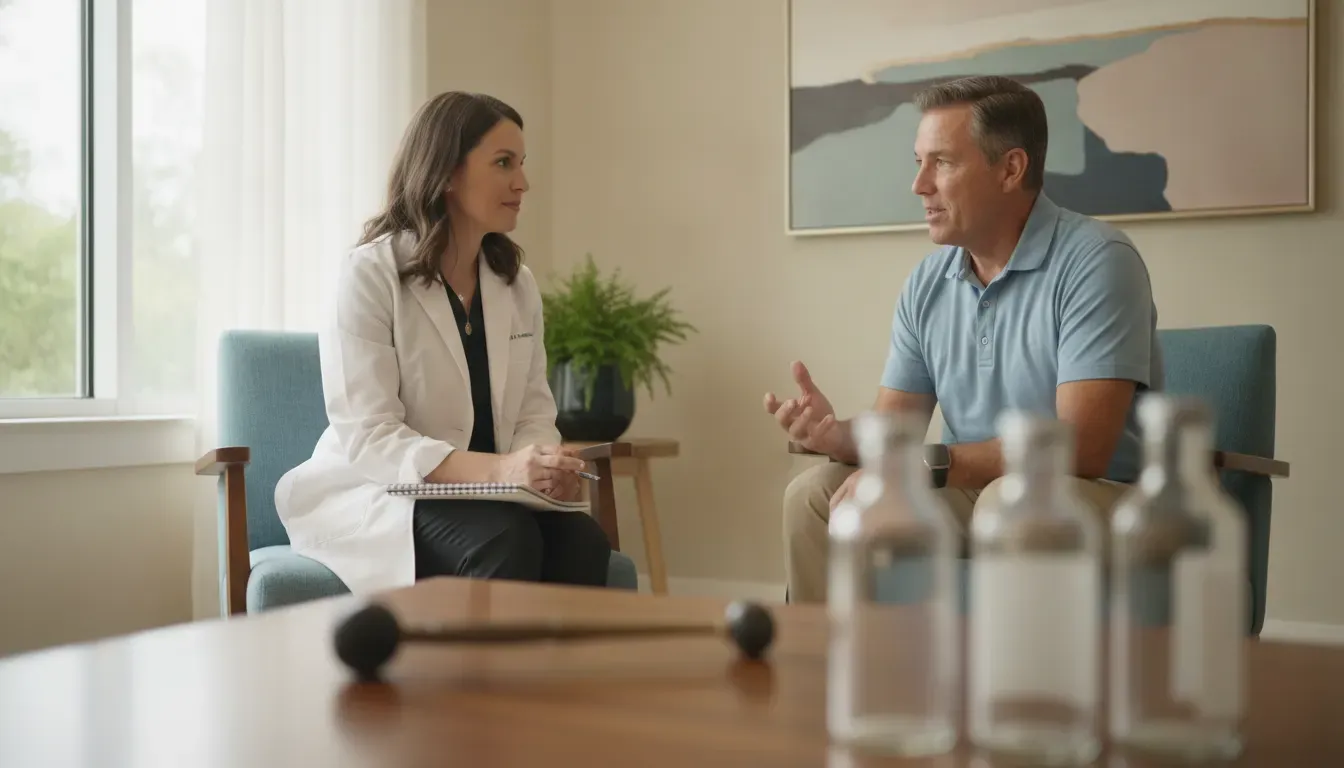
Your first appointment is all about discovery. It begins with a thorough assessment with one of our practitioners to discuss your health history, your symptoms, and your goals. This conversation helps us determine if you are a good candidate for shockwave therapy. If it’s the right fit for you, we’ll design a personalized treatment program tailored to your specific condition. This plan will outline the recommended number and frequency of sessions, which typically ranges from three to six weeks. Our approach to physical medicine is always customized because we know that your path to wellness is unique.
Sensations During and After Treatment
Many people wonder if shockwave therapy hurts. During the treatment, you’ll feel a tapping or pulsing sensation against your skin. Some patients describe it as a strong vibration or a feeling of pressure at the treatment site. While you might experience some mild discomfort, the intensity is adjusted to your tolerance level, and most people handle it very well. The session itself is quite short, usually lasting only a few minutes. Afterward, there’s no required downtime. You can get right off the table, walk out of the office, and go on about your day, making it easy to fit into a busy schedule.
Post-Treatment Care and Activity
One of the best parts of shockwave therapy is the minimal impact on your daily life. You can return to most of your usual activities and work immediately after your session. However, we do advise you to avoid any strenuous or high-impact exercise for about 48 hours to give the treated area time to begin its healing response. It’s also helpful to remember that shockwave therapy is different from other modalities like ultrasound or heat therapy; its purpose is to stimulate a healing cascade within the tissue. Following these simple post-treatment guidelines helps you get the most out of your services and supports your body’s recovery process.
How Many Sessions Will You Need?
One of the first questions we often hear is, "How long will this take?" It's a great question, and while the answer is unique to you, we can share some general guidelines. Your body's healing journey is a process, not a one-off event. The goal of shockwave therapy is to stimulate your body's natural repair mechanisms, and that takes a little time and consistency. Your specific treatment plan will be tailored to your condition, your health history, and your goals, ensuring you get the focused care you need to get back to feeling your best. At Ascend Functional Health, we design our physical medicine protocols around your individual needs to support lasting results.
Understanding Your Treatment Timeline
So, how many appointments should you plan for? Most people find success with a series of 3 to 6 treatment sessions, typically scheduled about a week apart. This consistency is important because each session builds on the last, encouraging blood flow and tissue regeneration. The exact number of visits you'll need depends on factors like the type of injury, how long you've been experiencing pain, and your body's unique response to the treatment. During your initial consultation, we will assess your situation and create a clear roadmap for your care, so you know exactly what to expect along the way.
When Can You Expect to Feel Better?
It's common to feel some relief almost immediately after your first session, but this initial improvement is often temporary. The real healing starts in the following days and weeks as your body gets to work. Many people report a noticeable and lasting improvement within just two weeks. True, complete healing can take a few weeks or even months, but pain relief often arrives much sooner. With reported success rates for pain reduction and improved function falling between 65% and 95%, it's a highly effective path toward recovery for many of the chronic conditions we treat.
How to Choose the Right Shockwave Therapy Clinic
Finding the right clinic for shockwave therapy is just as important as the treatment itself. When you’re dealing with chronic pain, you want to feel confident that you’re in capable hands. The quality of care, the expertise of the practitioner, and the clinic's overall approach can significantly influence your results. A great clinic won’t just offer a single service; they will see you as a whole person and work to understand the root cause of your discomfort.
To make an informed decision, you need to know what to look for. This means asking the right questions about practitioner credentials, the technology they use, and their philosophy on patient care. It also means being aware of potential red flags that might suggest a clinic isn't the right fit for you. Taking the time to research your options ensures you partner with a team that is truly invested in your long-term health and well-being. At Ascend Functional Health, we believe in a comprehensive strategy for all our services to help you get back to feeling your best.
Verify Practitioner Credentials
When you’re considering shockwave therapy, one of the first things you should do is confirm the credentials of the person who will be performing the treatment. Don’t hesitate to ask about their training, certifications, and experience with shockwave therapy specifically. A reputable provider will be happy to share this information with you. Ensure the clinic employs certified and experienced practitioners who are properly trained in administering this specific modality. This is crucial because the effectiveness and safety of the treatment depend on the skill of the operator. You want someone who understands the nuances of your condition and knows how to apply the therapy correctly to facilitate healing. Our team at Ascend Functional Health is committed to the highest standards of care and ongoing education.
Inquire About Their Technology
Not all shockwave devices are created equal, and the type of technology a clinic uses matters. There are two main types of shockwave therapy: focused and radial. Each has different applications, and a knowledgeable provider will use the appropriate one based on your specific diagnosis. A clinic should be transparent about the equipment they use and why it’s suited for your condition. According to the International Society for Medical Shockwave Treatment, only qualified providers should use focused shockwave therapy to treat pathologies identified through diagnostic testing. This highlights the importance of a thorough initial assessment. A clinic that invests in high-quality, proven technology demonstrates a commitment to providing effective physical medicine solutions.
Look for a Whole-Body Approach
Shockwave therapy is a powerful tool, but it often delivers the best results when it’s part of a larger, integrated treatment plan. Look for a clinic that takes a whole-body approach to your health rather than just focusing on a single symptom. The most successful outcomes often happen when shockwave therapy is combined with other supportive therapies, like corrective exercises or chiropractic adjustments. This comprehensive strategy helps address the underlying cause of your pain and strengthens your body to prevent future injuries. A clinic that wants to understand your complete health picture is one that is truly dedicated to helping you achieve lasting wellness. We focus on the full spectrum of conditions we treat to build a personalized path to recovery.
Red Flags to Watch For
As you search for a provider, it’s helpful to know what warning signs to look out for. Be cautious of any clinic that promises a "one-size-fits-all" solution or seems to push a standardized treatment package without a thorough evaluation of your specific needs. A major red flag is a lack of transparency; if a clinic is vague about its practitioners' credentials, the technology they use, or the costs involved, it’s best to look elsewhere. A trustworthy clinic will encourage questions and make you feel comfortable. They should make it easy for you to contact them to discuss your concerns and learn more about their services before you commit. Ultimately, trust your intuition. You should feel respected, heard, and confident in the care you are about to receive.
Finding a Local Shockwave Therapy Provider
Once you’ve decided to explore shockwave therapy, the next step is finding the right clinic. It’s about more than just finding a location; it’s about finding a partner in your health journey who is qualified, experienced, and aligned with your wellness goals. The quality of care can vary, so it’s worth taking the time to research your options.
A great provider will not only be skilled in using the technology but will also take a comprehensive look at your health to understand the root cause of your pain. They should be transparent about their process and make you feel comfortable from the very first conversation. Think of this as building your personal health team. You want to choose practitioners you trust to guide you toward lasting relief and better function.
Tips for Searching Online
When you start your search, be specific with your keywords. Using terms like “shockwave therapy in Tampa” or “certified shockwave provider” will give you more relevant results than a general search. As you browse clinic websites, look for an “About Us” or “Our Team” page. This is where a reputable clinic will highlight its practitioners' qualifications, certifications, and experience. You want to see that the team has specific training in administering shockwave therapy.
Pay attention to the clinic’s overall philosophy. Do they focus on temporary fixes, or do they emphasize a holistic approach to healing? A provider who aims to understand your entire health picture is more likely to create an effective, long-term solution. For example, learning about a clinic's team and their approach can give you confidence that you’re in capable hands. Look for providers who clearly explain their methods and are dedicated to personalized care.
How to Read Patient Reviews
Patient reviews offer a window into what you can expect from a clinic. While star ratings are a quick reference, the real value is in the stories people share. Look for testimonials that describe the specific condition the person was dealing with and the results they experienced. Did their range of motion improve? Did they find relief from chronic pain? Details like these can help you gauge a clinic’s success rate with issues similar to yours.
Many patients report feeling a noticeable difference within a few weeks of starting treatment. One person might share that they could finally return to an activity they love, while another might talk about the quality of care they received. Reading through a clinic’s patient testimonials can reveal a lot about the patient experience. Look for themes of feeling heard, respected, and genuinely cared for by the clinical team.
Questions to Ask Before You Book
Before you commit to an appointment, it’s smart to have a list of questions ready. This is your opportunity to interview the clinic and ensure they’re the right fit for you. Don’t hesitate to call or send a message to get the answers you need. A quality provider will be happy to discuss their process and address your concerns.
Here are a few key questions to ask:
- What are your practitioners’ qualifications and experience with shockwave therapy?
- What is your experience treating conditions like mine?
- How do you integrate shockwave therapy into a broader treatment plan?
- What can I expect during and after a session?
Your comfort and confidence are important. The provider should be open to discussing the therapy’s benefits and what the sensations might feel like. If you’re ready to start the conversation, you can always reach out to a clinic to get your questions answered directly.
Understanding the Cost of Shockwave Therapy
Thinking about a new treatment often comes with practical questions, and cost is certainly one of them. When you’re dealing with persistent pain, you want to find a solution that not only works but also makes sense for you financially. It’s helpful to think of shockwave therapy not just as a cost, but as a proactive investment in your long-term health and mobility. This treatment is designed to address the root cause of your pain, helping your body heal so you can get back to living your life fully. Understanding the potential expenses upfront can help you plan your path to recovery with confidence.
A Breakdown of Session and Package Pricing
The cost of shockwave therapy can vary depending on the clinic, the technology used, and your specific condition. Generally, your journey begins with an initial evaluation. This first appointment is comprehensive and may include diagnostics like an ultrasound to pinpoint the exact source of your issue. From there, you’ll move on to the treatment sessions themselves.
While pricing is specific to each provider, many clinics offer packages for a series of sessions. Since most conditions require multiple treatments to achieve lasting results, purchasing a package can be a practical way to commit to your healing process. For the most accurate and personalized information, it’s always best to contact a clinic directly to discuss their pricing structure and what your unique treatment plan might involve.
Why It's an Investment in Your Well-being
Choosing shockwave therapy is a significant step toward reclaiming your health. Many people begin to feel a difference within the first few sessions, with a typical treatment plan consisting of four to six sessions. The goal is to get you back on your feet and enjoying your favorite activities without the burden of chronic pain. This approach is a key part of our physical medicine services, focusing on your body's natural healing capabilities.
Perhaps the most important value lies in what you can avoid. Shockwave therapy is a non-surgical treatment, meaning you can sidestep the potential complications, lengthy recovery times, and higher expenses associated with an operation. By investing in a therapy that helps your body repair itself, you are choosing a path that supports sustainable, long-term well-being and a return to an active, pain-free lifestyle.
Shockwave Therapy at Ascend Functional Health in Tampa
At Ascend Functional Health, we see you as a whole person, not just a collection of symptoms. Our goal is to uncover the root cause of your discomfort and create a clear path toward lasting wellness. We believe in using advanced, non-invasive technologies to support your body’s incredible ability to heal itself, and that’s why we’re proud to offer shockwave therapy here in Tampa. This treatment is a cornerstone of our physical medicine pillar, helping our patients find relief from chronic issues and get back to the activities they love without invasive procedures.
This innovative therapy isn't about masking pain; it's about stimulating repair at the cellular level. By addressing the underlying issue, like a stubborn tendon injury or persistent muscle pain, we can help you achieve genuine, long-term relief. We don’t just apply a single treatment in isolation. Instead, we integrate shockwave therapy into a broader, personalized strategy, ensuring it works in harmony with other modalities to support your unique health journey. Our team is dedicated to providing you with the most effective and comprehensive care possible, guiding you every step of the way toward a more active and comfortable life.
Our Approach to Physical Medicine
We view shockwave therapy as a powerful tool in our physical medicine toolkit, but it’s the way we use it that truly makes a difference. This non-invasive treatment directs acoustic waves to a specific area, creating pressure that stimulates metabolic activity and circulation. Think of it as a way to jump-start the healing process in stubborn areas, particularly with chronic tendon issues that haven't responded to other treatments.
Instead of just chasing symptoms, our approach focuses on resolving the underlying dysfunction. Shockwave therapy helps break down scar tissue and encourages the regeneration of healthy tissue. It’s one of the many ways we facilitate your body’s innate healing capabilities, helping you build a stronger, more resilient foundation for your health.
Integrating Shockwave into Your Personalized Health Plan
Shockwave therapy is never a one-size-fits-all solution at our clinic. Your journey begins with a comprehensive assessment with one of our doctors to determine if you’re a good candidate for the treatment. If it’s the right fit for you, we’ll design a personalized plan that maps out your path to recovery. This typically involves a series of sessions over several weeks, tailored to the specific conditions we treat.
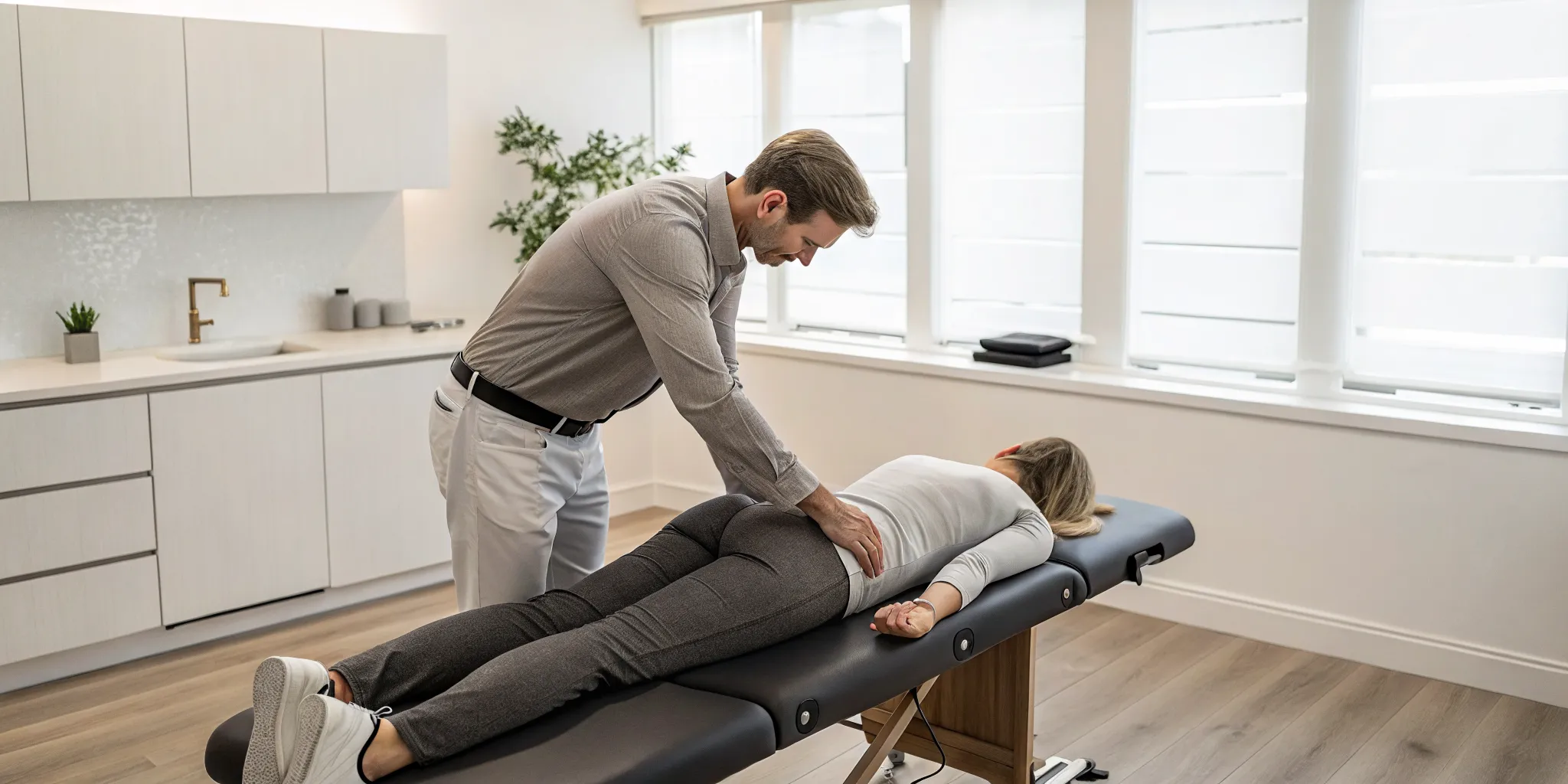
For the best results, we integrate shockwave therapy with other supportive treatments, such as chiropractic adjustments and corrective exercises. This comprehensive strategy ensures we’re not only relieving your pain but also correcting the imbalances that caused it in the first place. Our goal is to create a synergistic effect that accelerates your healing and provides lasting results.
Related Articles
- SoftWave Tissue Regeneration Therapy in Tampa | Alessi Functional Health
- SoftWave TRT Therapy in Tampa, FL - Alessi Functional Health
- Regenerative Medicine for Pain Recovery | Ascend Functional Health
- Root Cause Treatment for Chronic Pain | Ascend Functional Health
- What Is Soft Tissue Therapy? A Complete Guide
Frequently Asked Questions
Does the treatment hurt? Most people describe the sensation as a strong tapping or pulsing against the skin. While you might feel some discomfort, especially over a particularly sensitive area, the intensity is always adjusted to your personal tolerance. The good news is that each session is very quick, usually lasting only a few minutes, and the feeling stops as soon as the treatment is over.
How soon will I feel better? Many patients report feeling some initial relief right after their first session, but the true, lasting results build over time. The therapy works by stimulating your body’s own repair cycle, which is a process that takes a few weeks. You can generally expect to notice significant and lasting improvement after two or three sessions as your tissues begin to regenerate and heal.
What are the side effects, and is there any downtime? Shockwave therapy is a very safe, non-invasive treatment with minimal side effects. Some people might experience temporary redness, soreness, or mild swelling in the treated area, but this usually fades within a day or two. There is no required downtime, so you can return to your daily routine and work immediately. We just recommend avoiding any high-impact or strenuous activities for about 48 hours after each session to allow the healing process to begin effectively.
I've had this pain for years. Can shockwave therapy still help me? Yes, absolutely. In fact, shockwave therapy is specifically designed for chronic conditions where the body’s natural healing process has stalled. If you've been dealing with pain for months or even years, this treatment can act as a catalyst to restart that healing cascade. By increasing blood flow and stimulating cell activity, it helps your body finally repair tissue that has been stuck in a non-healing state.
Why is it important to combine shockwave with other therapies? Think of it this way: shockwave therapy is excellent for repairing the damaged tissue, but it doesn't always correct the underlying reason the injury happened in the first place. By integrating it with other treatments like corrective exercises or chiropractic care, we can address the complete picture. This comprehensive approach not only helps the injured area heal but also improves your body's overall function and movement patterns to prevent the problem from coming back.