Finding a regenerative medicine doctor tampa adults can trust starts with a careful evaluation, a clear discussion of goals, and realistic expectations—not a promise of a particular procedure. Before choosing a plan, learn how the clinician will consider your history, explain possible options, and review progress over time.
Explore Ascend’s integrated care approach
What Should You Expect From a Regenerative Medicine Doctor in Tampa?
A useful first conversation connects your concerns and goals with an individualized evaluation. It should explain why a care option may be discussed, what remains uncertain, and how you and the clinician can decide on a reasonable next step.
Ascend Functional Health is a Tampa Bay integrative healthcare practice that organizes care around three connected pillars: Physical Medicine, Functional Medicine, and Regenerative Medicine. The aim is to consider root causes through personalized, research-informed protocols that support the body’s healing abilities. The name of a modality alone does not show whether it fits your situation.
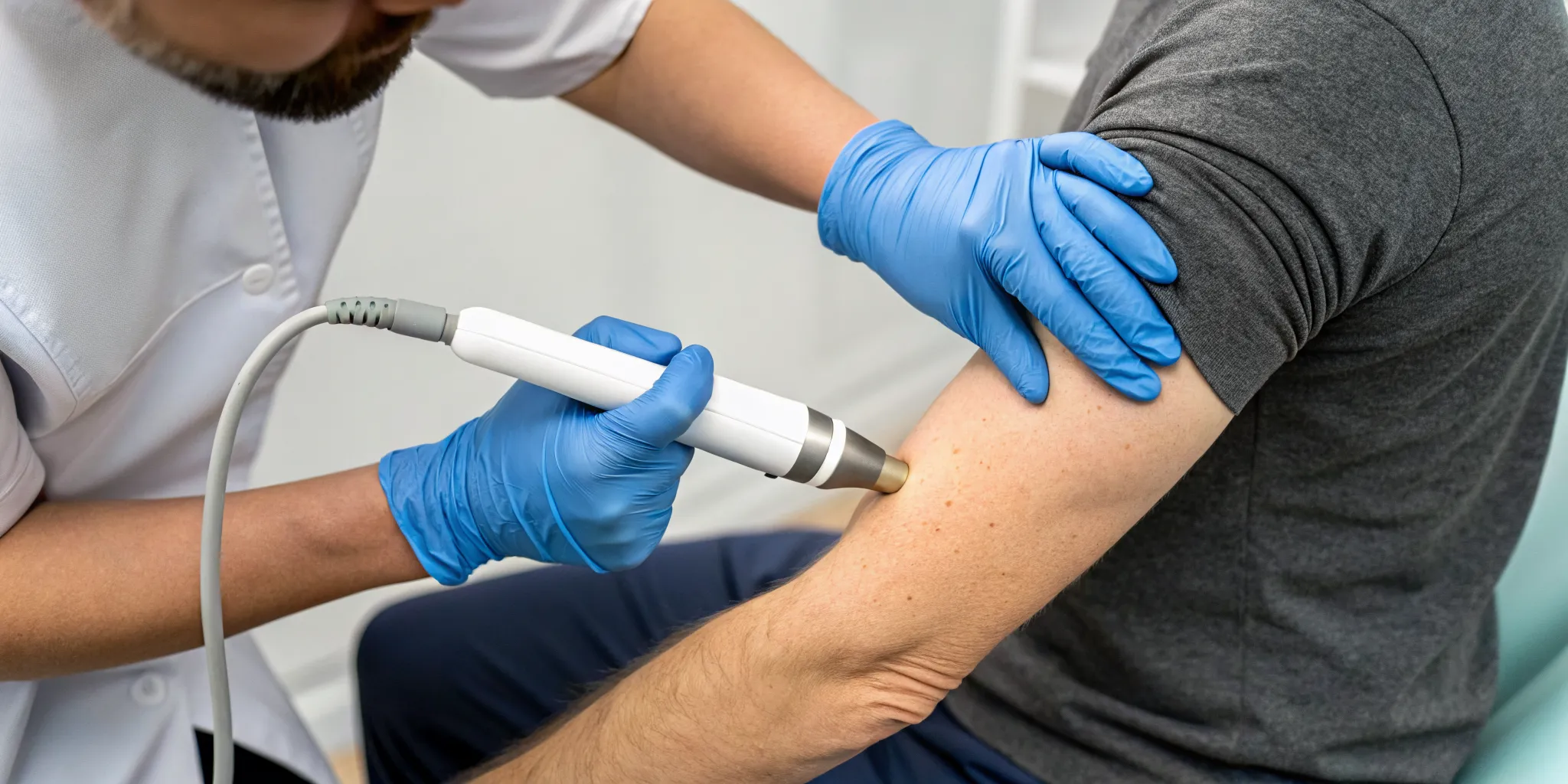
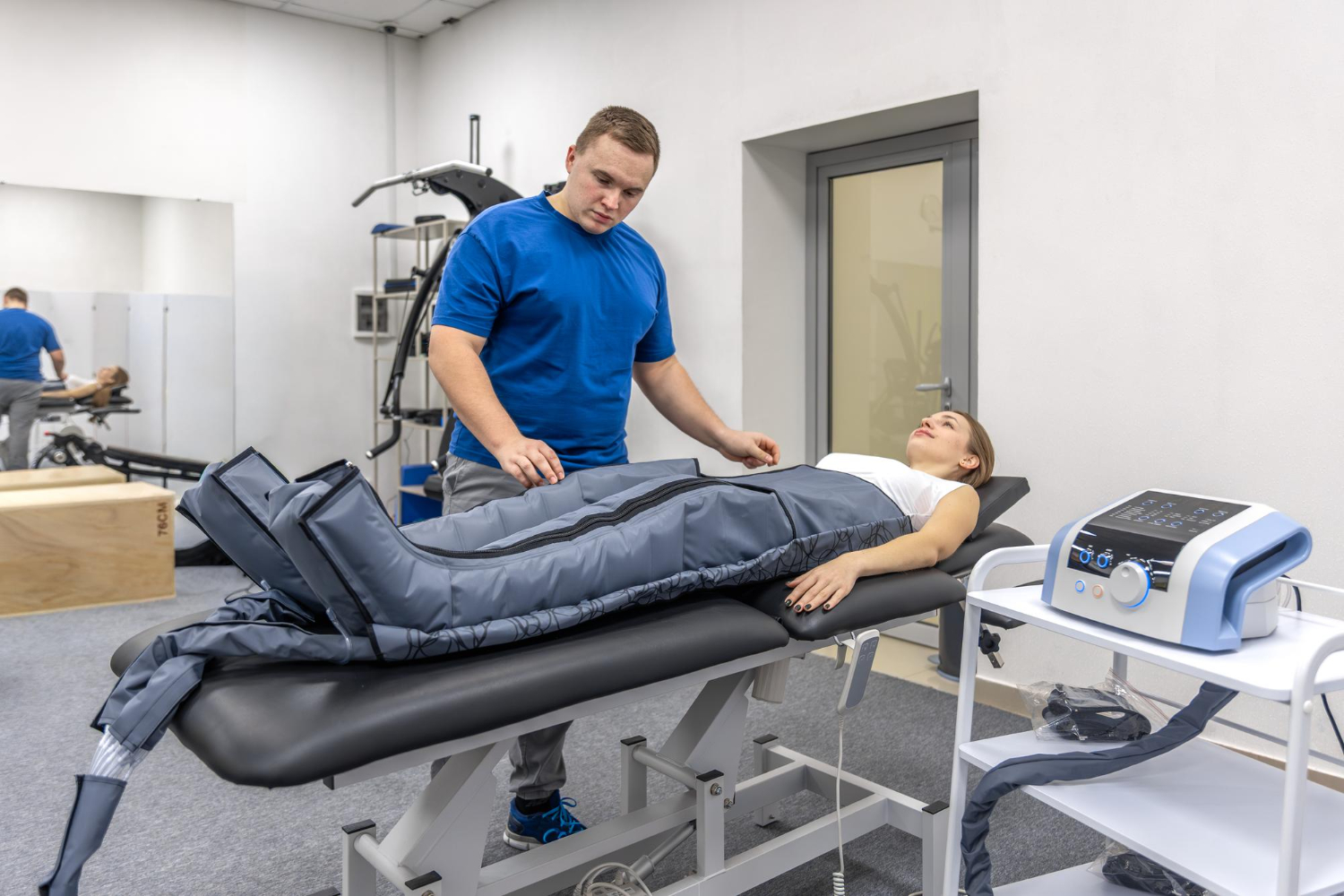
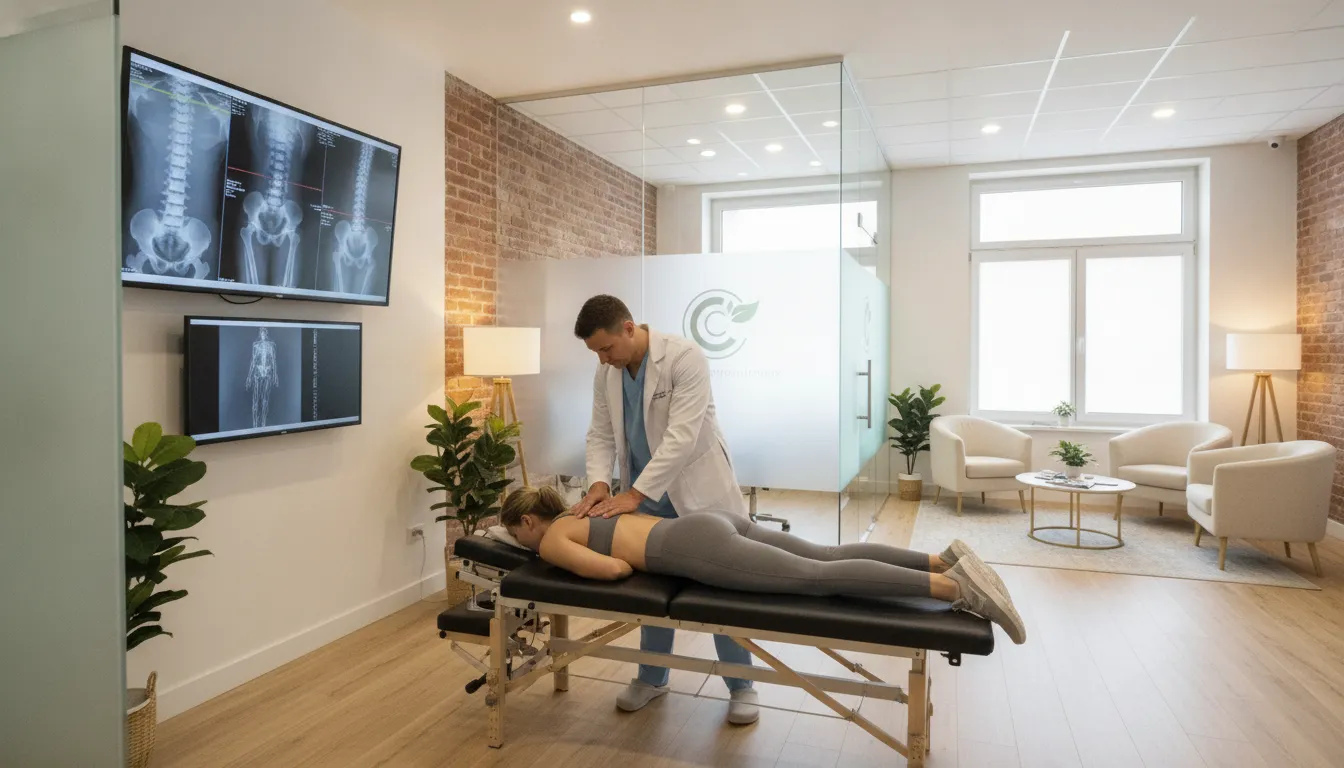
Physical Medicine may involve chiropractic care, decompression, lumbar care, corrective care, and soft-tissue approaches such as myofascial work. Functional Medicine may consider concerns such as gut health, bloating, fatigue, bloodwork, or stool testing. Regenerative Medicine may include PRP, peptide therapy, red light therapy, and hormone health evaluation involving testosterone, estrogen, or thyroid health. These are different approaches, and not every person needs every service.
Ask the clinician to connect each recommendation to your history, goals, and relevant findings. A good visit leaves you with a clear understanding of the proposed next step, even if that means gathering records, discussing another approach, or taking time before making a decision. You should be able to explain the plan in your own words.
To understand the practice’s broader service model, review its overview of personalized care services and its page about Functional Medicine. Use those pages as background for questions, not as a substitute for a discussion about your own circumstances.
How Can You Tell Whether a Recommendation Is Personalized?
A personalized recommendation has a clear link to your reported concern, relevant history, examination, and priorities. The clinician should explain the reasoning in everyday language and identify information that could change the plan.
At an initial discussion, you may be asked when your concern began, how it affects daily activities, what makes it better or worse, and which approaches you have already tried. The clinician may review your health history, current prescriptions, prior reports, and examination findings. Bring available records and note patterns you have noticed so the conversation can start with useful context.
Listen for a process that welcomes questions and considers more than a popular procedure name. Ask how the proposed option relates to the concern, what potential benefits and limitations deserve attention, and which alternatives could be reasonable. A careful conversation should also cover follow-up and how you will review progress together.
Be wary of a guaranteed result, a fixed timeline presented as certain, or a claim that one approach suits everyone. Responses to care differ, and uncertainty should be discussed plainly. Ask which parts of a recommendation are based on your evaluation and which points still need clarification.
For example, if your main goal is returning to a valued daily activity, explain the activity and the difficulty you encounter. The clinician can then discuss how that goal might be reflected in an evaluation and how progress could be reviewed. This is more useful than selecting a modality before the clinical conversation establishes its relevance.
Which Evaluation Steps Might Be Discussed?
The evaluation depends on your concern, history, and available records. A clinician may combine a conversation, physical examination, review of previous findings, and selected testing when each step can inform a decision.
For a movement or musculoskeletal concern, discussion may cover function, activity demands, and relevant physical findings. For broader health concerns, the clinician may consider bloodwork or other diagnostic information. Testing should have a defined purpose, so ask which question a proposed test is intended to answer and how its result could affect the next step.
Before agreeing to additional testing, consider asking:
- What concern or decision will this test help clarify?
- Could my existing records answer the same question?
- How will the result be reviewed with me?
- Which possible results might lead to a different recommendation?
- When should I expect a discussion of the findings?
A useful example is a person who has prior diagnostic reports and a changing symptom pattern. Rather than repeating steps by default, the clinician can review the records, identify any remaining question, and explain whether more information could influence care. If the purpose is not clear, ask for a plain-language explanation before proceeding.
You can make the evaluation easier to follow by separating it into three parts. First, describe the main concern and the activity or health goal that matters most. Second, review the relevant history and findings with the clinician, asking which details shape the discussion. Third, confirm the next decision point: whether to review existing information, gather another result, consider a care option, or pause. This sequence keeps the conversation focused without presuming an outcome.
Keep a brief note of the questions that remain after the visit. For example, you might write down the goal of a suggested test, when results will be reviewed, and which alternatives were discussed. At the next conversation, compare the new information with the original goal rather than judging progress by a vague impression. You and the clinician can then talk through whether the plan remains suitable, needs adjustment, or should be reconsidered.
Ascend’s three-pillar model brings Physical Medicine, Functional Medicine, and Regenerative Medicine into one care conversation. This does not mean all three are needed. The appropriate combination depends on an individualized evaluation and shared decision-making. A discussion might begin with a functional goal, review relevant background, and then consider whether a regenerative option belongs among the choices at all.
For general civic information about Tampa, the City of Tampa’s official website provides municipal resources; it is not clinical guidance. For information on Ascend’s hands-on care approaches, see its Physical Medicine page and ask the clinician how a service relates to your needs.
How Do Common Regenerative Options Differ?
Regenerative options vary in purpose and clinical context, so the consultation should explain why an approach is under consideration. Use this comparison to prepare questions, not to select a treatment without individualized guidance.
PRP: Discuss which concern and evaluation findings support it. Clarify the intended goal, limitations, alternatives, and follow-up.
Peptide therapy: Discuss the clinical reasoning and evaluation. Clarify monitoring, potential risks, and how progress would be reviewed.
Red light therapy: Discuss why it may be considered for your concern. Ask about its role and other approaches that could be considered.
Hormone health evaluation: Discuss which symptoms and findings inform the conversation, along with individualized interpretation, monitoring, potential benefits, and risks.
A recommendation should connect to an evaluation and a health-related goal, not appearance or a one-size-fits-all promise. Ask how the clinician will review outcomes and what would lead to continuing, adjusting, or stopping a plan. Ascend’s information about peptide therapy describes one part of its offering; a consultation can address whether it relates to your circumstances.
For a fair comparison, use the same questions for each option: Which concern is it intended to address? Which findings support considering it? What are its limitations and alternatives? How will progress be reviewed? This makes it easier to compare a procedure with other care approaches or with waiting while you gather more information.
How Can You Prepare for a Useful Consultation?
A short timeline and a focused list of questions can make a first conversation more productive. Bring information that helps the clinician understand your goals, past evaluation, and day-to-day concerns.
Before the visit, write down when the concern began, how it has changed, which activities are affected, and what you have tried so far. Include relevant prior reports and a current list of prescriptions or other care. You do not need a perfect account; a concise outline is enough to help organize the discussion.
For instance, you might note: “This began several months ago; extended sitting makes it more noticeable; my main goal is returning to comfortable daily activity.” Such a description gives the clinician a practical starting point without assuming any particular approach is right.
Bring questions such as these, choosing those that matter most to you:
- Which possibilities are you considering based on my history and examination?
- Which findings support the next step you recommend?
- Would further testing change the decision, and what would it clarify?
- Which benefits, limits, and risks are relevant to my situation?
- What alternatives could be considered, including another approach or waiting?
- How will we measure progress, and when will we review it?
- Which costs and visit commitments should I understand before deciding?
- Who should I contact if my symptoms change or I have a concern?
If an explanation feels unclear, ask the clinician to restate the goal, sequence, and decision points. You can take time to weigh your options rather than deciding during the first conversation. A thoughtful discussion should allow room for questions and a clear account of the next step.
How Can You Compare Tampa-Area Care Options?
Compare the quality of evaluation, communication, and follow-up—not only the name of a modality. A helpful clinician explains how recommendations relate to your circumstances and makes space for informed questions.
Consider whether the practice reviews relevant history and diagnostic information, explains why an approach is under discussion, and has a plan to review progress. Ask how care is coordinated if several approaches are proposed. Clarify payment expectations, planned services, and follow-up before choosing a plan.
Ascend Functional Health is a Tampa Bay integrative practice founded and operated by Dr. Alfred Alessi. Its care model includes Physical Medicine, Functional Medicine, and Regenerative Medicine. Learn more about the practice and its approach, review its frequently asked questions, or explore its Tampa service area. The practice operates on a cash-pay basis; contact the team directly for current fees and payment details relevant to your care.
A simple comparison after each consultation can help make the decision clearer. Note whether your questions received direct answers, whether the reasoning reflected your history, whether alternatives were discussed, and whether the follow-up plan was understandable. If you cannot describe the proposed next step in your own words, ask for clarification before deciding.
You may also want to compare the expected time commitment, the information you will receive, and how progress will be assessed. A plan should explain the purpose of each part rather than presenting a list of services without context. If a clinician recommends several steps, ask which one comes first and what decision will follow from it.
There is no need to choose a procedure before you understand the evaluation. A clear conversation can help you decide whether the clinician’s communication, reasoning, and follow-up approach suit your needs.
Ask Ascend about consultation fit and next steps
Frequently Asked Questions
These brief answers can help you prepare for an initial discussion. A clinician can explain how each point relates to your history and priorities.
Does everyone need regenerative care?
No. A clinician should evaluate the concern and discuss whether a regenerative option fits, along with alternatives and the limits of current knowledge.
Should I expect testing at the first visit?
Not necessarily. Testing depends on your concern, available records, and whether a result could inform decisions. Ask the clinician to explain the purpose of any proposed test.
Can regenerative care be discussed alongside other approaches?
Yes, a clinician may discuss different approaches when they seem relevant to your needs. The plan should explain the purpose of each part and how progress will be reviewed.
How can I prepare for an appointment?
Bring a concise timeline, relevant prior reports, a current list of prescriptions, and questions about goals, risks, alternatives, costs, and follow-up.
How can I take a next step in Tampa?
Contact the practice to discuss your concern and ask about an initial consultation. The Functional Medicine page also provides context on the broader care model.
Discuss a personalized care conversation

Health information in this article is educational and is not medical advice; consult your clinician before acting on it. A careful consultation can help you understand the evaluation, discuss reasonable options, and choose a next step with a qualified clinician.