A nagging injury can put a major halt on the active life you love. Whether it’s plantar fasciitis keeping you from your morning run or tennis elbow sidelining you from the court, chronic tendon and joint pain can be incredibly stubborn. If this frustration has you searching for “extracorporeal shockwave therapy near me,” you’re likely looking for a treatment that gets you back in motion. ESWT is designed to do just that. By targeting the damaged tissue with acoustic waves, it accelerates your body’s natural healing process. With quick sessions and no downtime, it’s a therapy that fits into your busy schedule and helps you return to your favorite activities, stronger and pain-free.
Key Takeaways
- It Activates Your Body's Natural Healing: Shockwave therapy is a non-invasive treatment using targeted sound waves to kickstart your body's repair process. It works by promoting increased blood flow and tissue regeneration to address the root cause of pain, not just mask the symptoms.
- Find Relief from Stubborn, Chronic Pain: This therapy is an excellent choice for persistent issues like plantar fasciitis and tendonitis that have not improved with other methods. It provides a path to recovery without drugs or surgery and requires minimal downtime from your daily life.
- A Personalized Plan Is Crucial for Success: The effectiveness of your treatment hinges on finding a qualified provider who performs a thorough assessment. A great practitioner will create a customized plan that ensures the therapy is tailored specifically to your condition and health goals.
What Is Extracorporeal Shockwave Therapy?
If you're dealing with persistent pain, you may have heard about Extracorporeal Shockwave Therapy, or ESWT. It’s a non-invasive treatment that uses targeted sound waves to stimulate your body’s own healing abilities. Instead of just masking symptoms, this approach works to address the source of your discomfort, helping to repair injured tissue and provide lasting relief. It’s a modern technique used for a variety of musculoskeletal issues, from stubborn tendon pain to chronic discomfort in your joints.
At Ascend Functional Health, we see this as a key part of our physical medicine services, aligning perfectly with our goal to help your body heal itself from the inside out. By activating your natural repair mechanisms, we can help you get back to feeling your best without resorting to more aggressive interventions.
How Does Shockwave Therapy Work?
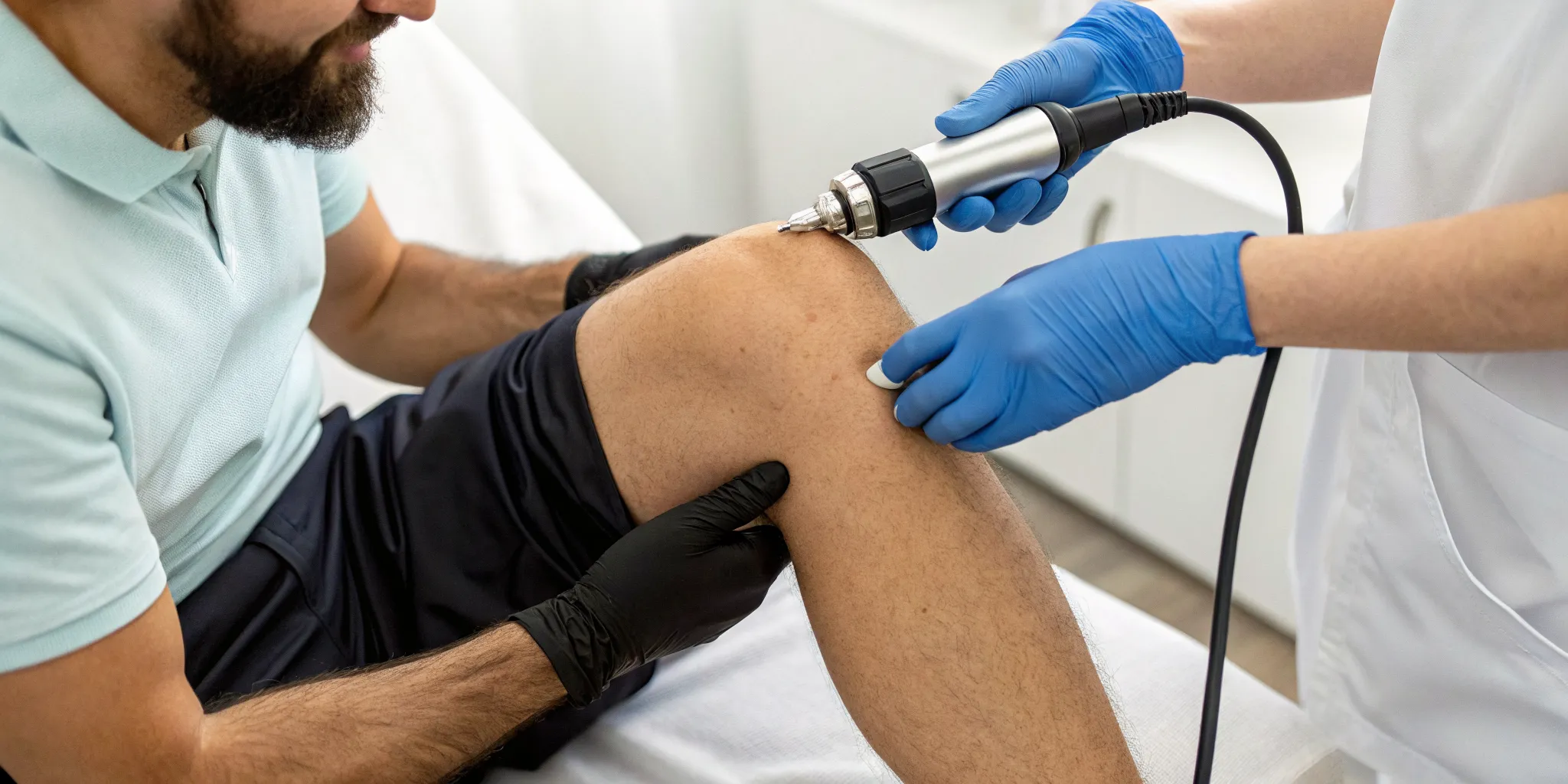
Think of shockwave therapy as a way to jumpstart your body's repair crew. The treatment uses a special device to send high-energy acoustic waves into the affected tissue. These waves create tiny, controlled microtraumas in the area, which sounds a bit intense, but it’s actually a good thing. This process signals your body to kick its natural healing process into high gear.
In response, your body increases blood flow to the site, delivering more oxygen and essential nutrients needed for recovery. This encourages the regeneration of healthy tissue, reduces inflammation, and helps break down scar tissue or calcification that might be causing pain and stiffness. It’s a way of telling your body exactly where to focus its healing energy.
Focused vs. Radial Shockwave Therapy
Not all shockwave therapy is the same; the treatment can be tailored to your specific needs using either focused or radial waves. Focused shockwave therapy sends high-energy sound waves deep into the body to target a precise location. This method is excellent for treating issues in deeper tissues, bones, and tendons, as it concentrates healing energy right where it’s needed most. It’s a powerful tool for accelerating your body’s internal repair systems.
Radial shockwave therapy, on the other hand, uses lower-energy waves that spread out over a wider, more superficial area. This makes it ideal for treating conditions closer to the skin’s surface, like muscle tension or larger areas of soft tissue pain. The right approach depends entirely on the specific conditions we treat and what will be most effective for your unique situation.
What Conditions Can Shockwave Therapy Help?
Shockwave therapy is a versatile tool that can address pain and dysfunction in many areas of the body. It’s particularly effective for chronic conditions involving connective tissues like tendons and ligaments that haven’t responded to traditional approaches. By targeting the source of the pain and stimulating your body’s own healing abilities, it can provide lasting relief for a variety of stubborn issues. Let's look at some of the most common conditions we see improve with this therapy.
Foot and Heel Pain
If you’ve ever had that sharp, stabbing pain in your heel with your first steps in the morning, you know how frustrating plantar fasciitis can be. This stubborn condition can make walking, running, or even just standing a painful ordeal. Shockwave therapy offers a powerful approach for this kind of persistent foot pain. As a form of physical medicine, it uses targeted acoustic waves to stimulate circulation and cell activity right at the source of the inflammation. This process helps break down painful scar tissue and encourages your body to rebuild healthy tissue in the plantar fascia, helping you get back on your feet without that constant ache.
Tendon and Joint Pain
Tendon injuries, or tendinopathies, are notoriously slow to heal. Whether it’s Achilles tendonitis from running, tennis elbow from your weekend matches, or jumper’s knee from your workouts, these overuse injuries can put a major halt on your active lifestyle. Often, rest alone isn’t enough to resolve the underlying tissue damage. Shockwave therapy directly addresses the problem area, sending energy into the damaged tendon to kickstart the repair process. It’s an excellent option for many of the conditions we treat that involve chronic tendon and joint discomfort, helping you move past the injury and back to the activities you love.
Shoulder, Elbow, and Knee Pain
Shoulder, elbow, and knee pain can stem from a variety of issues, from rotator cuff tendinopathy to calcific deposits that create friction and inflammation. When you feel like you’ve tried everything without success, shockwave therapy can be a game-changer. It works by promoting the formation of new blood vessels in the area, which delivers more oxygen and nutrients essential for healing. For issues like calcific tendinitis, the acoustic waves can even help break down those painful calcium deposits. This makes it a fantastic option for active people who are dealing with nagging pain that just won’t quit, allowing them to regain function and strength.
Chronic Back and Neck Pain
While often associated with extremity joints, shockwave therapy can also be highly effective for chronic back and neck pain rooted in soft tissue dysfunction. If you’re dealing with persistent knots, trigger points, and tight bands of muscle that contribute to daily aches, this therapy can provide significant relief. The acoustic waves penetrate deep into the affected muscles and fascia, increasing blood flow and releasing the tension that other treatments can’t reach. Our holistic approach focuses on finding the root cause of your pain, and for many, addressing these chronic soft tissue problems is a key step toward lasting comfort and improved mobility.
Exploring the Benefits of Shockwave Therapy
If you're dealing with persistent pain, you might feel like your only options are invasive procedures or long-term reliance on pills. Shockwave therapy offers a different path. It’s a modern, evidence-based treatment that works with your body to heal injuries and relieve pain, helping you get back to your life without significant interruption. Let's look at some of the key benefits that make this therapy a compelling choice for so many people seeking lasting relief.
A Non-Invasive Approach with Minimal Downtime
One of the biggest advantages of shockwave therapy is that it's a non-invasive procedure. This means it doesn't require any incisions, injections, or anesthesia. The treatment is applied to the surface of your skin, so you can avoid the risks and recovery time associated with surgical options. For most people, this means you can walk out of your appointment and get right back to your day. This approach is a cornerstone of our physical medicine services, focusing on effective healing without disrupting your life. It’s an ideal solution for anyone who wants to address their pain without putting their busy schedule on hold.
Activates Your Body's Natural Healing Process
Shockwave therapy doesn’t just mask your symptoms; it encourages your body to heal itself from the inside out. The device delivers high-energy acoustic waves to the injured area, which stimulates blood flow and awakens your body’s natural repair mechanisms. Think of it as a catalyst that jump-starts tissue regeneration and cell growth right where you need it most. This process aligns perfectly with our core belief in supporting the body's innate ability to heal. By creating this healing response, we can address the root cause of your pain and promote long-term recovery, not just temporary relief.
Find Relief Without Drugs or Surgery
For many, the idea of finding pain relief without relying on pharmaceuticals or undergoing an operation is incredibly appealing. Shockwave therapy provides exactly that. By improving blood circulation and breaking down scar tissue, the treatment helps reduce pain and restore mobility naturally. It’s a powerful tool for managing many of the chronic issues we see, from plantar fasciitis to tendonitis. If you're looking for a way to manage one of the conditions we treat and improve your quality of life without unwanted side effects, shockwave therapy can be an excellent part of your personalized health plan.
Quick Sessions for Your Busy Schedule
We understand that your time is valuable. It can be challenging to fit appointments into an already packed schedule, which is why the efficiency of shockwave therapy is such a great benefit. A typical session is surprisingly fast, often lasting only five to fifteen minutes. This makes it easy to incorporate treatment into your routine, whether it's during a lunch break or on your way home from work. You don't have to set aside a huge chunk of your day to get the care you need. You can get in, get treated, and get on with your life.
Complements Your Existing Health Plan
Shockwave therapy isn't a standalone "cure-all." Instead, it works beautifully as part of a comprehensive and holistic treatment strategy. It can be combined with other therapies, such as chiropractic adjustments, corrective exercises, and other forms of soft tissue work to enhance your results. At Ascend Functional Health, we often integrate it into a patient's care plan to accelerate healing and improve outcomes. By layering different services, we can create a synergistic effect that addresses your health from multiple angles, leading to more complete and lasting results.
Is Shockwave Therapy Right for You?
Deciding on a new treatment can feel like a big step, but it doesn't have to be a confusing one. If you're curious whether Extracorporeal Shockwave Therapy (ESWT) is the right move for your healing journey, it helps to understand who makes a great candidate and when it might be better to explore other avenues. The goal is always to find the most effective path for your specific situation, and a little information goes a long way in making a confident choice.
Are You a Good Candidate for ESWT?
If you're dealing with persistent pain from a chronic condition and looking for a solution that doesn't involve incisions or a long recovery, you might be a perfect candidate for shockwave therapy. This treatment is completely non-invasive, meaning it works from outside the body to stimulate healing within your tissues. Many of the conditions we treat at our Tampa clinic, from plantar fasciitis to tendonitis, respond incredibly well to this approach.
During a session, most people feel a tapping or pulsing sensation. While it can cause mild discomfort, it’s generally very tolerable. The therapy is considered quite safe, with the most common side effects being temporary soreness or minor bruising at the treatment site. For many, it’s a powerful option for managing pain and restoring function without interrupting their lives.
When to Consider Other Options
While shockwave therapy is a fantastic tool, it isn’t the right fit for every person or every injury. For example, it’s generally not recommended for areas with an active infection or for individuals with certain health histories, like a previous tendon rupture at the site of pain. It’s also crucial that the therapy is performed by a well-trained professional who understands how to apply it correctly for the best results.
The most important thing you can do is have an open and honest conversation with your provider. A thorough consultation allows us to review your health history and determine if ESWT is the safest and most effective option for you. If you're ready to discuss your specific needs, we encourage you to get in touch with our team to see how we can help.
What to Expect During Your Session
Deciding to try a new therapy is a big step, and it’s completely normal to have questions about what the experience will be like. We believe in making your health journey as clear and comfortable as possible. Knowing what’s ahead can help you feel confident and prepared for your first appointment. Our team is here to guide you through every part of the process, ensuring your treatment plan is tailored specifically to you. If you have any questions about your specific condition, we encourage you to contact our team for a consultation. Let’s walk through what a typical shockwave therapy session looks like from start to finish.
What Does the Treatment Feel Like?
Most people describe the sensation of shockwave therapy as a tapping or pulsing feeling on the skin. As the acoustic waves work on the targeted tissue, you might feel some mild discomfort or pressure, but the treatment is generally well-tolerated. Think of it as a deep, focused massage. Your practitioner will communicate with you throughout the session and can adjust the intensity to ensure you remain comfortable. The goal is to stimulate healing, not to cause pain, so we always work within your personal comfort level. Open communication is key, and we’ll make sure you feel at ease during the entire process.
How Long Does Each Session Take?
One of the best parts of shockwave therapy is how quickly it fits into your day. Each session is surprisingly fast, typically lasting between five and 15 minutes. The exact duration depends on the area being treated and the specific condition we’re addressing. This efficiency makes it a practical option for even the busiest schedules. You can easily schedule an appointment during a lunch break or on your way home from work without having to block off a huge chunk of your time. It’s a powerful, effective treatment that respects your time and helps you get back to your life.
How Many Sessions Will You Need?
Shockwave therapy is a process designed to create lasting change, not just a temporary fix. While many patients report feeling better after just one or two sessions, a full course of treatment is usually needed to achieve optimal results. Most treatment plans involve six to eight sessions, scheduled about a week apart. This spacing gives your body the time it needs to respond to the treatment and kickstart its natural healing mechanisms. Your specific plan will be customized to your needs, as our approach to physical medicine always focuses on your unique health goals and condition.
After Your Session: Care and Recovery
After your session, you can get right back to your daily routine. There is virtually no downtime required. Some people experience mild soreness or tenderness in the treated area for a day or two, similar to how you might feel after a focused workout. This is a normal response and a sign that your body is beginning the healing process. We generally recommend avoiding high-impact activities for a day or so, but you can typically resume all your normal activities right away. We’ll provide you with simple aftercare instructions to help you get the most out of every treatment.
Does Shockwave Therapy Really Work?
When you're dealing with chronic pain, you want to know that a treatment will actually deliver results. It's completely normal to be skeptical, especially with a therapy that sounds as intense as "shockwave." So, let's get straight to the point and talk about whether this treatment lives up to its promises. We'll look at what the science says and clear up some common misunderstandings along the way.
Clearing Up Common Misconceptions
Let's start by clearing up a few things. The name "shockwave therapy" can sound a bit intimidating, leading some to believe it's a painful or invasive procedure. The truth is, Extracorporeal Shockwave Therapy (ESWT) is completely non-invasive. It doesn't involve any incisions or instruments entering the body. Instead, most people describe the sensation as a tapping or pulsing feeling. While you might feel some mild discomfort, the treatment is generally well tolerated. It's also important to know that not all shockwave therapy is the same. The type of device and protocol used matters, which is why we tailor our physical medicine approach to your specific needs. We encourage you to ask questions so you feel confident in your care plan.
A Look at the Supporting Evidence
Beyond anecdotal success, a strong body of evidence shows that ESWT is an effective and safe option for many tendon and musculoskeletal issues. Research consistently demonstrates positive outcomes. For example, one long-term study found that 76% of patients treated with ESWT for tendon issues had good or fair results, a significantly higher success rate than the group that underwent more invasive procedures. Another study focusing on plantar fasciitis reported that over 90% of patients experienced excellent, good, or satisfactory results. This evidence confirms that shockwave therapy is a reliable treatment for many of the conditions we treat, helping patients find lasting relief by addressing the root cause of their pain.
Choosing the Right Shockwave Therapy Provider
Finding the right provider for shockwave therapy is just as important as the treatment itself. You’re not just looking for a clinic with the right equipment; you’re looking for a partner in your health journey. The best providers take the time to understand your specific condition, your health history, and your goals. They see you as a whole person, not just a symptom to be treated. This comprehensive approach ensures that shockwave therapy is the right fit for you and is integrated into a broader plan to address the root cause of your pain.
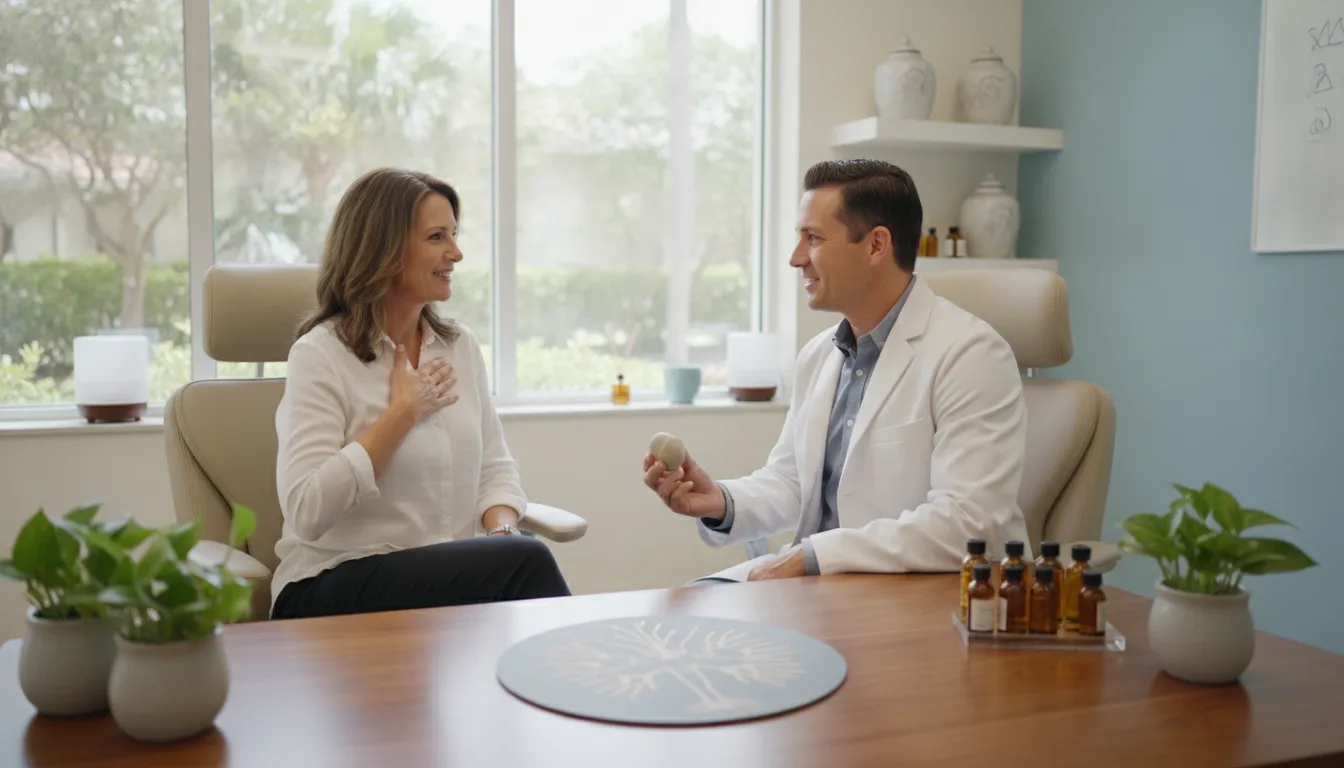
A great provider will conduct a thorough assessment before ever recommending a course of action. They should be experts in musculoskeletal health and be able to explain exactly how this therapy can help your body’s natural healing processes. Your role in this is to be an active participant. Feel empowered to ask questions and make sure you feel comfortable and confident in the care you’re receiving. This partnership is key to achieving lasting results and getting you back to the life you love.
What to Look for in a Provider
When you’re searching for a provider, look for a team that prioritizes a comprehensive evaluation. They should be interested in more than just your immediate pain; they should explore your overall health to create a personalized plan. A qualified provider will also give you clear instructions for preparing for your sessions, such as advising you to avoid anti-inflammatory medications for a period before treatment. This shows they are knowledgeable about the protocol and dedicated to your success.
You want a clinic that offers a range of services, demonstrating a deep understanding of musculoskeletal and functional health. This ensures they are recommending shockwave therapy because it’s truly the best option for you, not because it’s the only one they have. At Ascend Functional Health, our team of experts is committed to this kind of personalized, root-cause approach.
Important Questions for Your Consultation
Your initial consultation is the perfect time to gather information and see if a provider is the right fit. Don’t hesitate to ask direct questions about their approach and your specific condition.
Consider asking the following:
- Is a non-invasive option like shockwave therapy a good choice for my condition?
- What are the expected benefits for me, and how does this compare to other treatments?
- What are the potential risks or side effects I should be aware of?
- What type of shockwave device do you use (focused or radial), and why is it the best for my situation?
- What does a full treatment plan look like, including the number of sessions and any complementary therapies?
A trustworthy provider will welcome your questions and provide clear, honest answers, ensuring you fully understand the services they offer and the proposed plan.
Potential Red Flags to Avoid
Be cautious of any provider who presents shockwave therapy as a one-size-fits-all solution. It’s a common misconception that all shockwave treatments are the same, but the technology and its application can vary significantly. A major red flag is a provider who can’t explain why they use a specific type of shockwave therapy (focused versus radial) or how it’s tailored to your condition.
Another warning sign is a lack of a thorough initial assessment. If a clinic is ready to start treatment without a detailed health history or physical evaluation, they may be overlooking crucial information. You should also be wary of providers who promise instant or guaranteed results. Healing is a process, and an honest practitioner will set realistic expectations about the timeline and outcome of your treatment plan.
Experience Shockwave Therapy at Ascend Functional Health in Tampa
If you're dealing with persistent musculoskeletal pain and looking for a solution that works with your body, you've come to the right place. At Ascend Functional Health, we offer Extracorporeal Shockwave Therapy (ESWT), an innovative and non-invasive treatment right here in Tampa. We use this therapy to help people find lasting relief from chronic conditions by stimulating the body’s own powerful healing mechanisms. Our approach to physical medicine is centered on addressing the source of your discomfort, not just masking the symptoms.
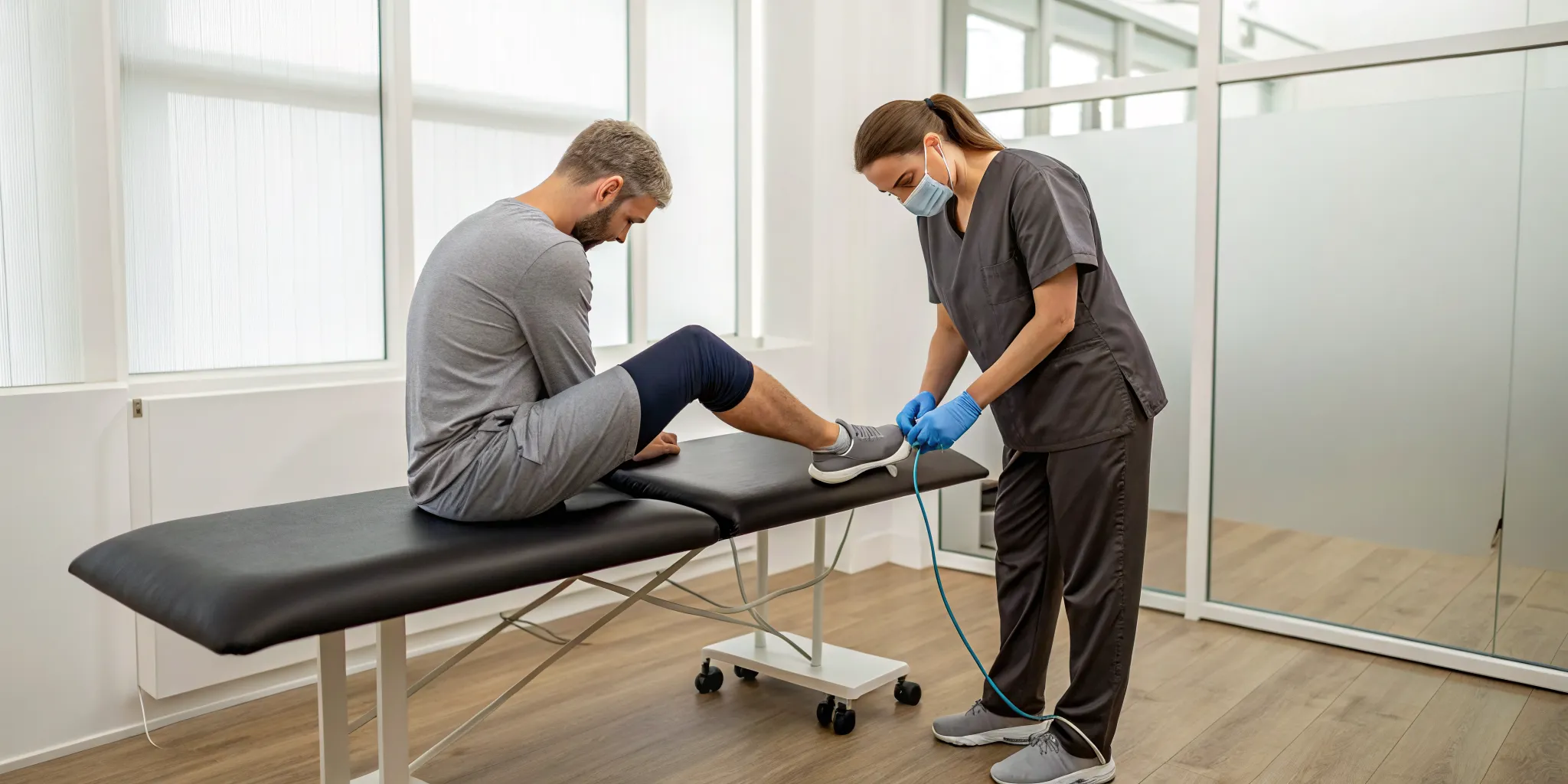
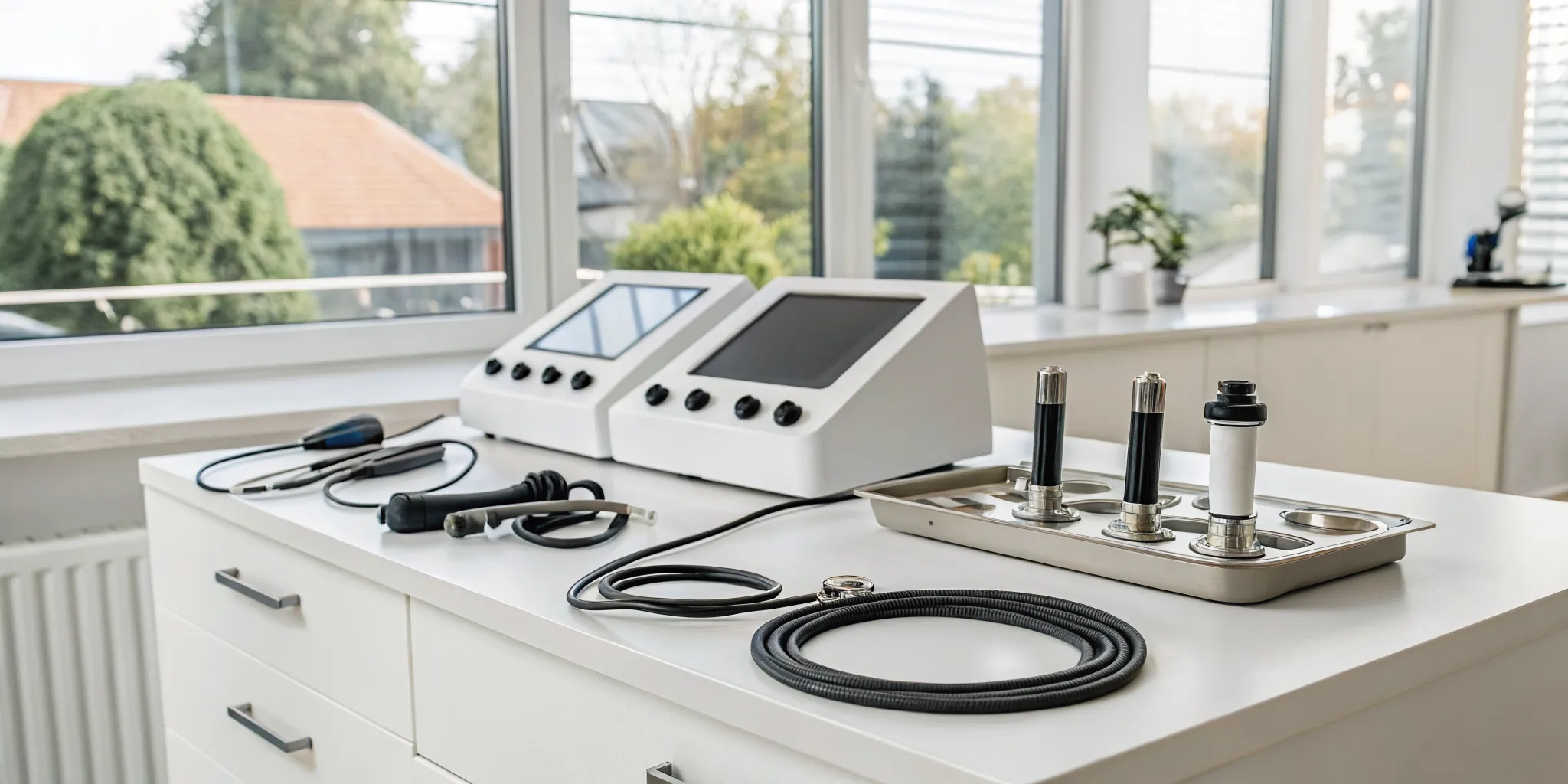
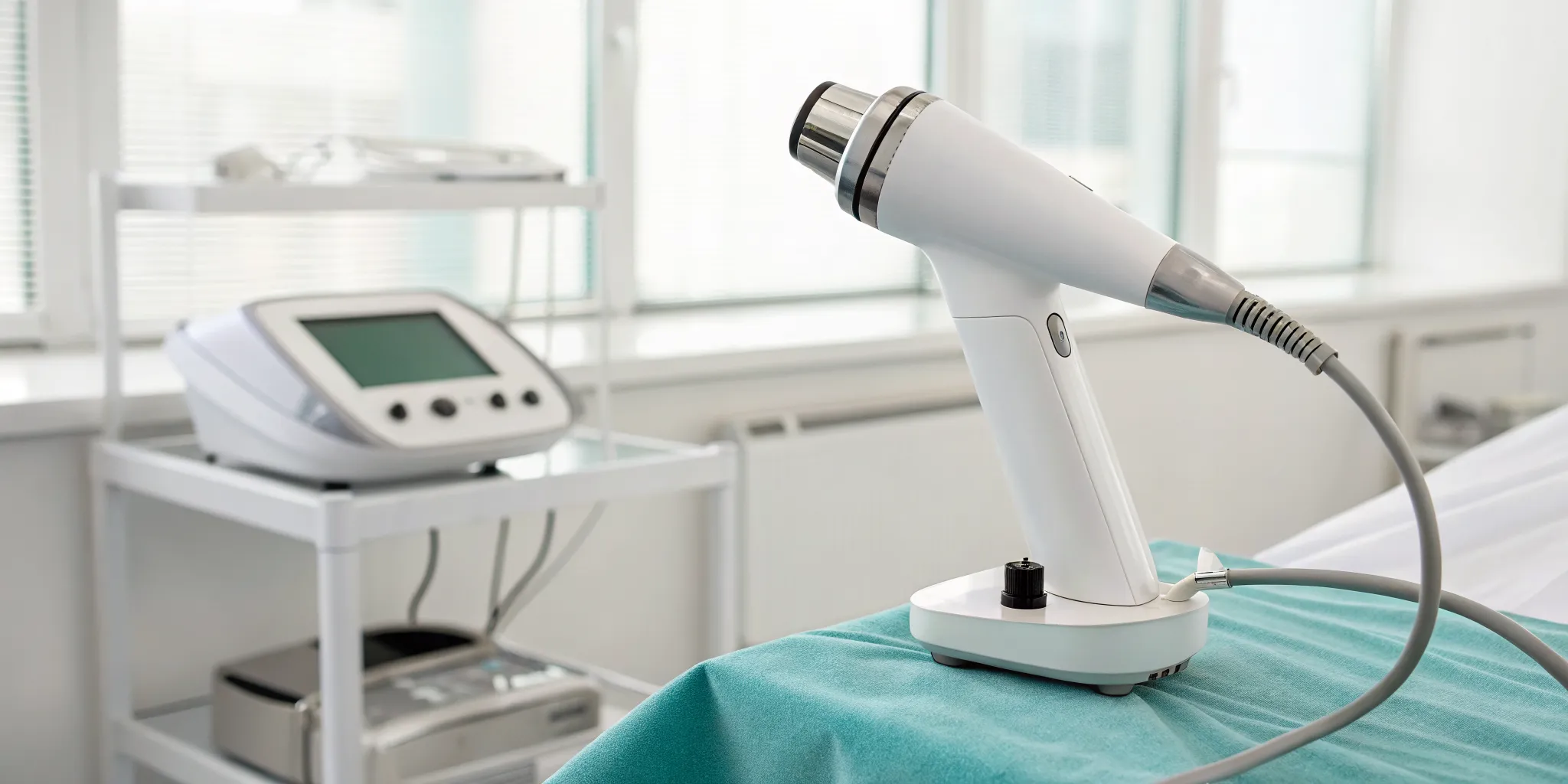
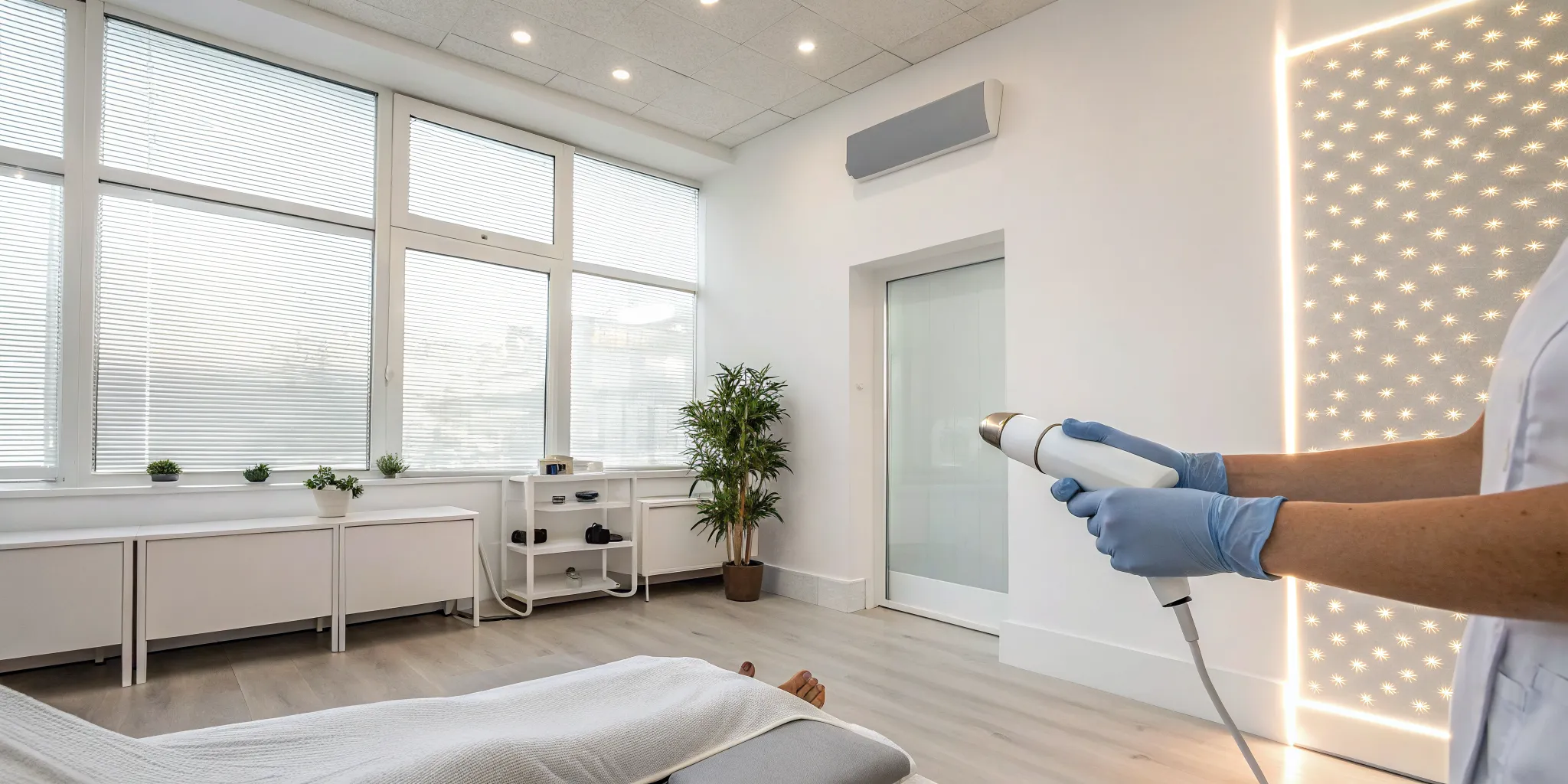
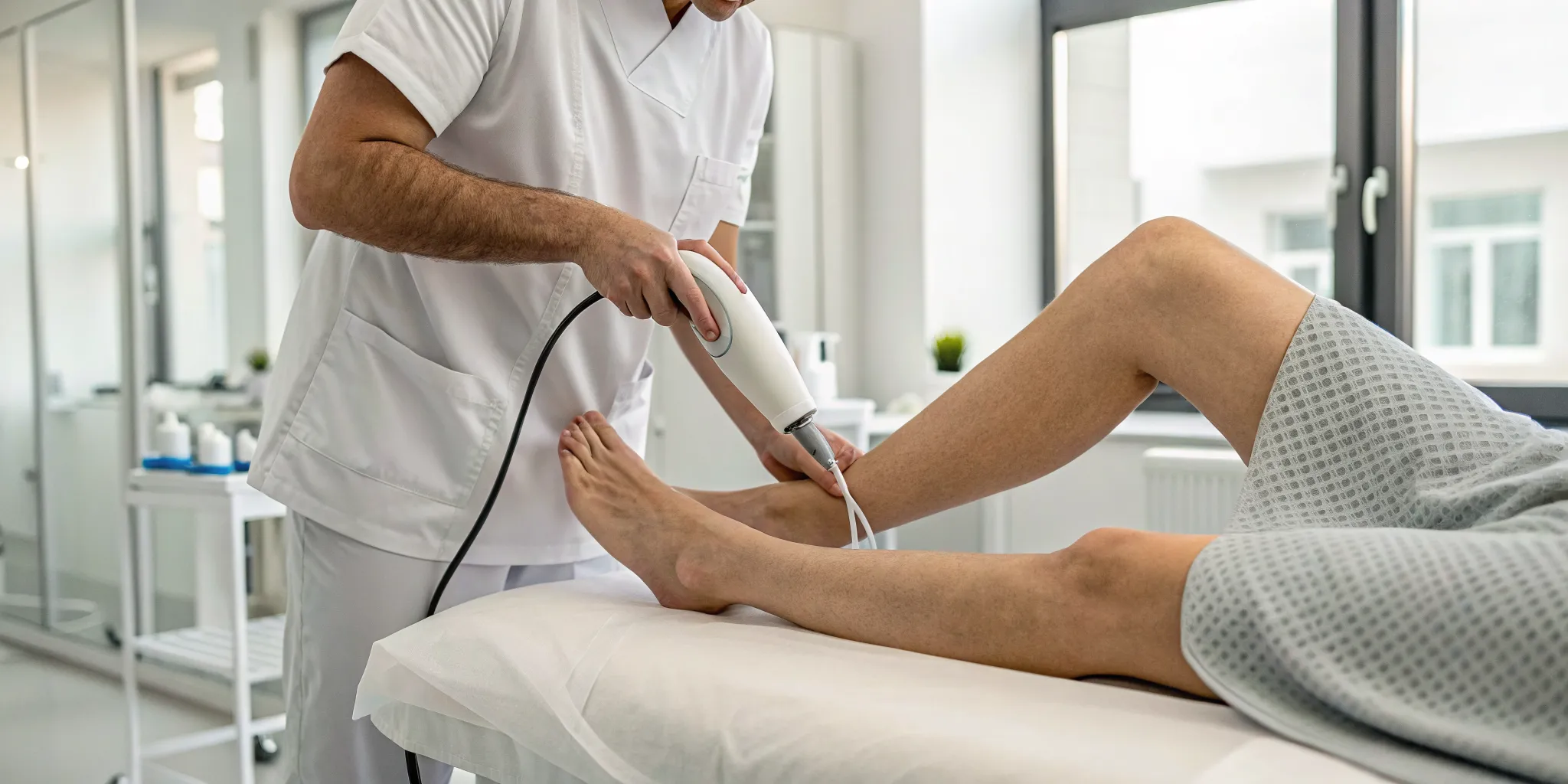
When you come in for your session, we'll make you comfortable and apply a special gel to the affected area. Then, using a handheld device, we'll deliver low-energy sound waves to the targeted tissue. This process creates tiny “microtraumas” that signal your body to kickstart its repair sequence. It increases blood flow, encourages the growth of new tissue, and helps regenerate healthy cells, which all work together to reduce pain and restore your mobility.
Most of our patients see the best results with a series of three to six sessions, typically scheduled once or twice a week. One of the biggest advantages of ESWT is that it’s a quick and straightforward procedure with no need for anesthesia or significant downtime, allowing you to return to your daily activities. Clinical evidence supports its effectiveness, with studies showing a high percentage of patients reporting positive outcomes long after their treatment has finished. Our dedicated team is here to see if shockwave therapy is the right step for you and to help you regain your quality of life.
Related Articles
- Regenerative Medicine for Pain Recovery | Ascend Functional Health
- Physical Medicine in Tampa | Chiropractic & Rehab Care | Ascend Functional Health
- Root Cause Treatment for Chronic Pain | Ascend Functional Health
- SoftWave Tissue Regeneration Therapy in Tampa | Alessi Functional Health
- Longevity Medicine in Tampa | Joint & Recovery Care | Ascend
Frequently Asked Questions
Is shockwave therapy a painful treatment? This is a very common question, and it’s completely understandable to be concerned. Most people describe the sensation as a strong tapping or pulsing feeling rather than sharp pain. While you might feel some mild discomfort over a particularly sensitive area, the treatment is generally very tolerable. We communicate with you throughout the entire session and can adjust the intensity to a level that works for you. The goal is to stimulate your tissue, not to cause unnecessary pain.
How quickly will I feel relief from my pain? While some people notice an improvement after just one or two sessions, it’s important to view this as a process. The therapy works by stimulating your body’s own repair mechanisms, which takes a little time. The most significant and lasting results typically build over a full course of treatment, which usually involves a series of weekly sessions. The goal is to create long-term healing, so patience with your body’s recovery process is key.
What should I do after a session? Is there downtime? One of the best parts of shockwave therapy is that there is virtually no downtime. You can return to your normal daily activities right after your appointment. Some people experience a bit of soreness in the treated area for a day or two, similar to how you might feel after a deep tissue massage. We usually suggest avoiding strenuous, high-impact exercise for about 24 to 48 hours to give the area a chance to begin its healing response.
Why is this therapy recommended for injuries that haven't healed with rest? For many chronic conditions, like tendonitis or plantar fasciitis, the body's natural healing process has stalled. Rest alone may not be enough to resolve the underlying tissue dysfunction or break down stubborn scar tissue. Shockwave therapy acts as a catalyst, creating a new healing response in the tissue. It essentially reminds your body that the area needs attention, increasing blood flow and stimulating the cells responsible for repair.
How do I know if this is the right treatment for my specific pain? The best way to find out is through a thorough consultation. Shockwave therapy is highly effective for many musculoskeletal conditions, but it isn't a one-size-fits-all solution. A proper diagnosis is essential. During your initial visit, we will discuss your health history, evaluate your condition, and determine the root cause of your pain. This allows us to confirm if you are a good candidate and create a personalized plan that truly addresses your needs.