Changes in strength can be frustrating, especially if sport or active pursuits once felt familiar. If you are searching for mens health muscle loss Tampa guidance, start with better questions rather than assuming age alone explains what you notice. Muscle, energy, recovery, sleep, nutrition, hormones, and movement all offer useful context.
Schedule a conversation about your health goals

What Should Mens Health Muscle Loss Tampa Guidance Cover?
Changes that persist or affect everyday function are worth discussing with a qualified clinician. A careful review can help distinguish a change in performance from a broader health concern without jumping to conclusions.
Muscle can change gradually with age, but one difficult season or slower recovery does not establish a cause. Notice the pattern: when it began, whether it is progressing, and which tasks feel different. You might find it harder to carry groceries, climb stairs, rise from a low seat, or keep pace during an activity you used to enjoy.
Consider the full picture instead of judging by appearance or one measurement. Strength, balance, endurance, coordination, energy, and recovery can each tell a different part of the story. A clinician can help decide which changes are meaningful for your history and whether evaluation is appropriate.
Seek timely clinical guidance for new, unexplained, or worsening changes, particularly when they interfere with routine activities. Share all relevant symptoms and health history. This article cannot determine the cause of an individual person's muscle changes.
Which questions help organize a men's health conversation?
A useful first conversation connects your concern to daily function, timing, and personal goals. Clear details make it easier for a clinician to decide what deserves attention next.
- When did you first notice the change? Give an approximate start and describe whether it began gradually or around a particular life event.
- What feels different? Separate strength, stamina, balance, mobility, and recovery instead of calling every change “muscle loss.”
- Which tasks have changed? Explain how work, recreation, family activities, or routine movement are affected.
- Has your activity pattern shifted? Mention changes in regular movement, time away from sport, or a different daily schedule.
- How have sleep and energy been? Describe persistent changes in rest, daytime energy, and ability to recover.
- What else has changed in your health? Bring up relevant diagnoses, recent illness, pain, appetite, or other concerns.
- What would useful progress look like? Name a practical goal, such as carrying equipment more comfortably or returning to a favored activity.
Write down a few observations before the visit. A short, specific account is often more useful than trying to recall every detail on the spot. Avoid self-diagnosing from a single symptom or online checklist; overlapping causes may need professional assessment.
How might a clinician assess muscle-related concerns?
An assessment should begin with your story and goals, then use relevant examination or tests when appropriate. No single lab result or measurement explains every person's strength or recovery.
A clinician may ask about the timeline, daily demands, movement history, sleep, nutrition, prior injuries, and broader health. Depending on the concern, the conversation could include a movement or physical assessment and discussion of bloodwork. Testing should have a clear purpose: to answer a question that could inform the next step.
Hormone questions may be part of a broader assessment for some men, but symptoms alone cannot establish a hormone problem. If a clinician considers testosterone, results need to be interpreted in context, alongside health history and the reason for testing. A treatment decision should follow an individualized discussion of potential benefits, limitations, risks, and monitoring, not a promise of renewed performance.
At Ascend Functional Health, the three care pillars include Physical Medicine, Functional Medicine, and Regenerative Medicine. Those categories describe different approaches, not a preset plan for every person. For example, a movement concern may prompt discussion of chiropractic or other physical approaches, while a broader health question may call for a different evaluation.
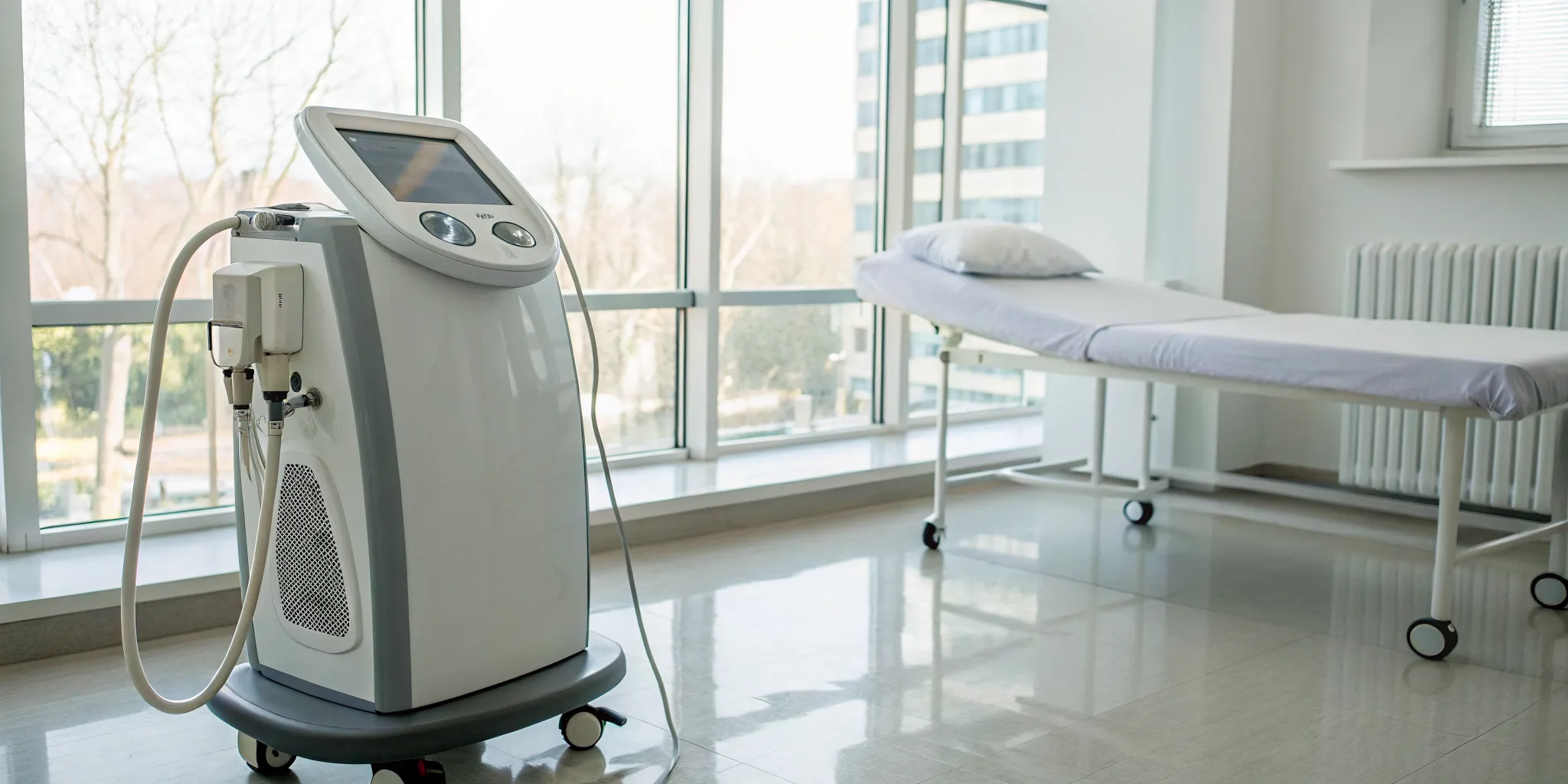
When bloodwork is considered, ask what each test is intended to clarify and how the result could affect a decision. Ascend describes its comprehensive bloodwork panels as part of its functional health services. A test should be selected to fit the clinical question, not simply because a large panel is available.
How can you make sense of changes in daily movement?
Daily movement gives practical context to a concern about strength, but it does not identify a cause on its own. A clinician can help connect what you notice with your history and decide whether a physical assessment may be useful.
Think through a few ordinary situations rather than testing yourself against a demanding challenge. Do stairs feel different? Is it harder to lift or carry objects you usually manage? Do you feel less steady when changing direction, or does a familiar recreational activity take more effort? Include both what remains comfortable and what has changed. This balanced account avoids defining your health by a single difficult task.
Describe the circumstances around a change. For example, mention whether it appears after a long workday, following a period with less activity, or across a range of settings. If discomfort limits a movement, say so; do not force the movement to prove a point. A clinician can use the information to determine whether the next conversation should focus on movement, broader health, or another question.
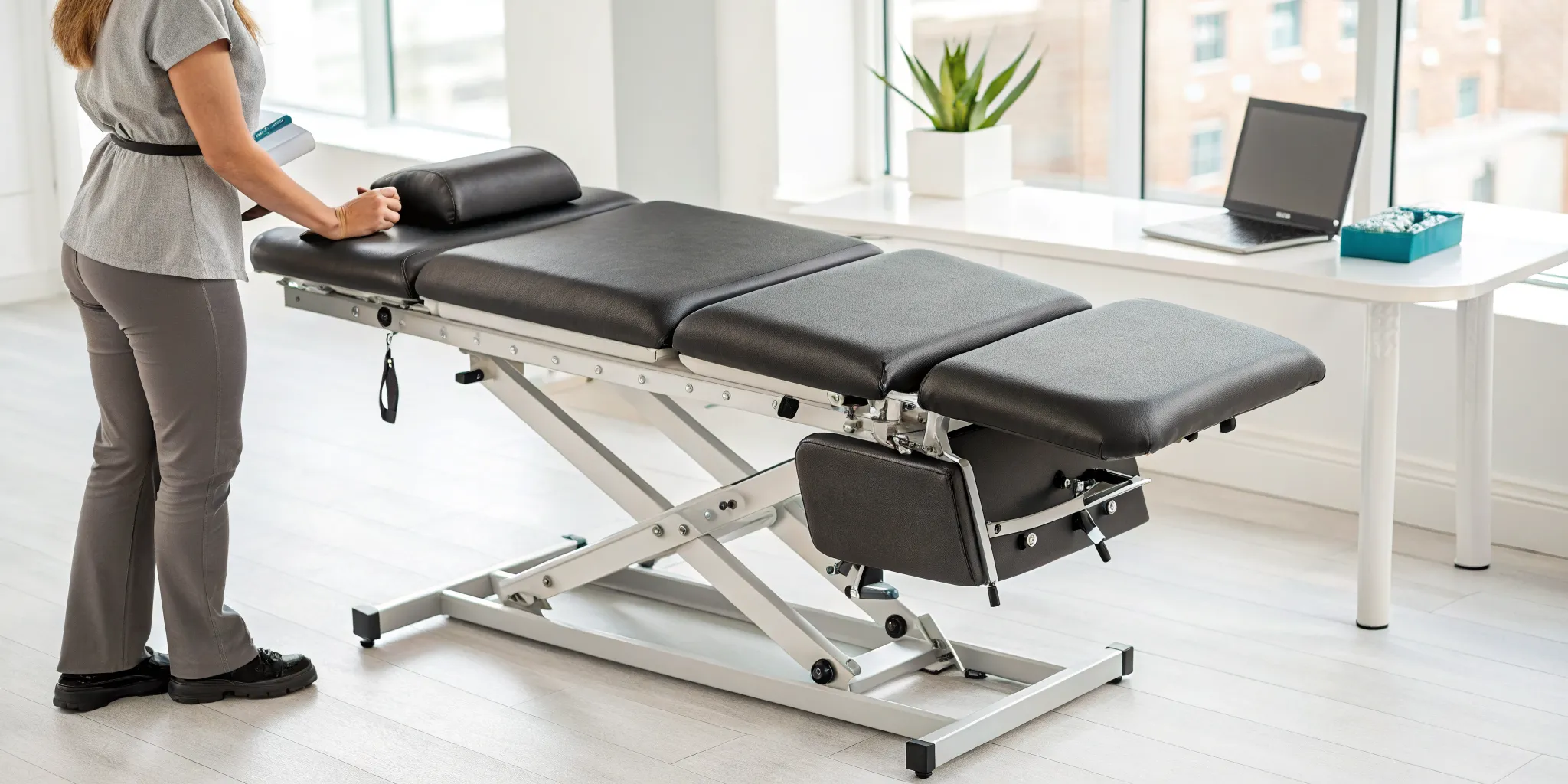
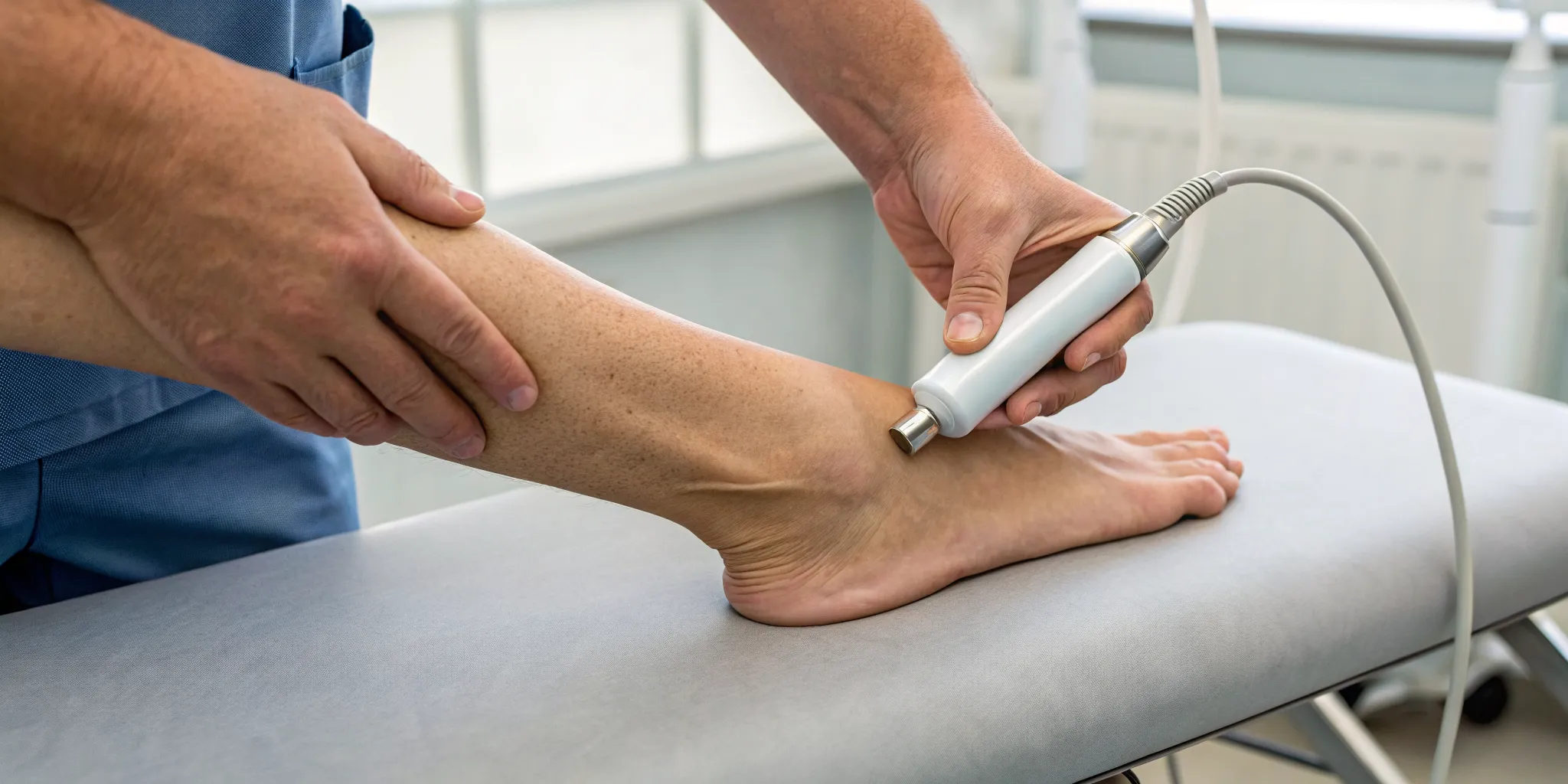
Ascend's Physical Medicine services include chiropractic and related approaches. A service overview can help you understand the practice's scope, but a consultation is where you can discuss whether a particular evaluation fits your concern. Ask how the clinician would relate any recommendation to the functional goal you identified.
How do common explanations compare?
Several factors can contribute to changes in muscle or physical performance, and more than one may be relevant. This comparison is a prompt for discussion, not a way to identify a diagnosis on your own.
| Area to discuss | Details to share | Questions to ask |
|---|---|---|
| Age and activity history | Changes in sport, movement, daily demands, or time away from activity | Could my current activity pattern help explain the change? |
| Sleep and recovery | Rest quality, fatigue, schedule shifts, and how long recovery takes | Could sleep or recovery be affecting how I feel and function? |
| Nutrition and appetite | Recent eating pattern changes, appetite, and ability to maintain regular meals | Would a nutrition review be relevant to my goals? |
| Hormone or other health concerns | Symptoms, relevant history, and any existing lab results | Would targeted testing answer a specific question? |
| Movement or discomfort | Tasks that feel limited, areas of discomfort, and changes in mobility | Would a physical assessment help clarify the next step? |
These categories can overlap. For example, a change in routine may affect activity and sleep at the same time. The goal is not to choose the explanation that sounds most familiar, but to share enough context for an informed clinical conversation.
How should progress with a health goal be reviewed?
Progress review works best when it uses a small number of measures connected to your own goals. A review should help you and the clinician decide whether the approach remains suitable, rather than judge you against a universal target.
Choose an everyday marker you can describe consistently, such as how comfortable a routine task feels, whether you can take part in a favored activity, or how recovery affects your schedule. A clinician may also use an examination or other suitable measure. Ask how often to review the marker and what kind of change would be useful to track in your situation. A single good or difficult day may not show a lasting pattern.
Keep notes brief and factual. Record the activity, the relevant circumstance, and what felt different; avoid changing several things at once just to see what happens. If symptoms shift, new concerns appear, or a plan feels difficult to follow, bring that information to the clinician. It may lead to a different question or a revised next step.
Ask how progress will be discussed if the first approach does not help as hoped. A thoughtful plan includes room to reassess, clarify the original concern, and consider alternatives. Results are individual, and no one can responsibly promise that a specific method will restore a past level of performance.
What should you ask before considering a care plan?
A good plan should connect each proposed step to your concern and include a way to review how things are going. You should understand the purpose, alternatives, and follow-up before deciding whether to proceed.
- What concern are we addressing? Ask the clinician to state the working concern in plain language and explain what remains uncertain.
- What information supports this recommendation? Ask how your history, examination, or any proposed test informed the suggestion.
- What are the options? Discuss reasonable alternatives, including whether observation or another evaluation makes sense.
- How will progress be reviewed? Agree on a useful measure tied to function, symptoms, or your stated goal, and ask when it should be reassessed.
- What are the limitations and risks? Request a clear explanation of what an approach may not do, possible downsides, and when to check back.
- Who coordinates the next steps? Clarify who will review results and how other clinicians involved in your care can be kept informed.
Be cautious of claims that promise a specific result or suggest one intervention fits everyone. In men's health, a measured plan is more useful than a dramatic promise. Progress may be gradual, and a clinician may revise a plan as new information becomes available.
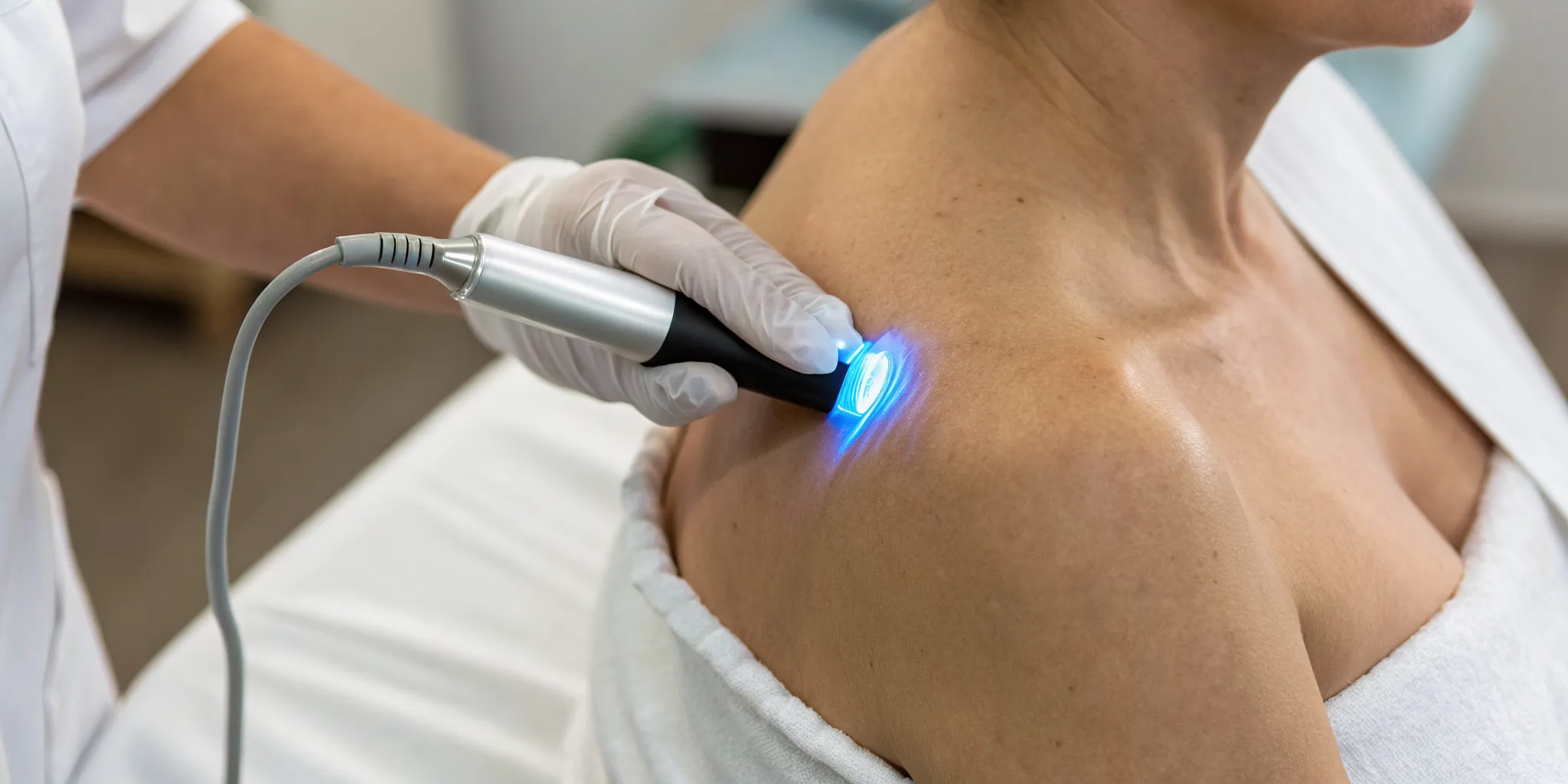
Ascend presents regenerative options such as peptide therapy in the context of clinical evaluation and individualized care. If any modality is raised, ask how it relates to your particular concern, what evidence informs the recommendation, and how outcomes and safety will be monitored. A service listing is not a recommendation for every patient.
How can former athletes describe a change in performance?
Describe what has changed from your own baseline, without treating a past level of performance as a medical target. Specific examples can help a clinician understand what you want to regain or preserve.
Instead of saying only “I feel weaker,” explain that a familiar activity now takes longer, that recovery between active days has changed, or that carrying a usual load feels different. Note whether the concern appears consistently or only under certain conditions. You can also explain what matters most now: staying active with family, returning to recreational sport, or feeling steady during daily tasks.
Former athletes may compare their current capacity with a younger version of themselves. That comparison can express a real concern, but it does not identify its cause or determine which goals are realistic now. A present-day goal should account for current health, schedule, movement experience, and the clinician's assessment.
Use a simple record to prepare for a conversation: the activity, what felt different, when you noticed it, and what helped or worsened it. Do not turn the notes into a scorecard or push through symptoms to collect more data. Share the observations and let a qualified professional help decide whether further assessment is warranted.
How can Tampa Bay patients prepare for a consultation?
Bring a concise timeline, your main questions, and a practical goal. Preparation helps keep the discussion focused on your experience and on a next step that fits your needs.
- Write down when the change began and how it has evolved.
- List the activities or daily tasks that feel different.
- Bring relevant health history and any recent test results you already have.
- Note changes in sleep, energy, appetite, movement, or recovery that seem connected.
- Choose one or two outcomes that matter to you, rather than a vague goal to “feel younger.”
- Ask how recommendations will be evaluated and what follow-up may involve.
Ascend Functional Health serves the Tampa Bay area and describes its approach as personalized care across physical, functional, and regenerative medicine. You can learn about Dr. Alfred Alessi and his clinical background or review the practice's services before deciding whether to start a conversation. These pages provide background; they cannot determine whether a service fits your situation.
For additional context about age-related muscle changes, TechLink's overview of a therapeutic approach to age-related muscle loss discusses the topic. It is one perspective and does not replace an individual assessment.
Talk with Ascend about your next step
Frequently Asked Questions
These brief answers can help you prepare, but a clinician must interpret personal symptoms and test results in context.
Does getting older explain every change in strength?
No. Age can be one factor, but activity, sleep, nutrition, hormones, other health concerns, and movement history may also matter. Persistent or disruptive changes deserve an individualized discussion.
Should every man with muscle changes request hormone testing?
No. Whether to test depends on the person's symptoms, history, and a clear clinical question. Ask what a proposed test could clarify and how its result would guide a decision.
Can one blood test explain reduced strength?
Often, no single result tells the whole story. A clinician may interpret relevant results alongside your history, examination, and goals, and may decide that other information is needed.
What should former athletes bring up first?
Describe what activity has changed, when you noticed it, how recovery feels, and what you hope to do comfortably now. Concrete examples help make the conversation specific.
How do I discuss next steps with Ascend?
Use the contact page to ask about a consultation and explain your main concern. The practice can discuss whether its approach may fit your needs.
Explore Physical Medicine options
Content on this page is educational and is not medical advice; consult your clinician before acting on health information or making care decisions.