When persistent pain, fatigue, stress, or digestive concerns follow employees into the workday, the effects can reach well beyond individual discomfort. Absenteeism, reduced focus, and lower morale can make employee health an important part of a Tampa Bay business strategy.
Corporate wellness programs Tampa businesses can use effectively are not limited to generic health challenges or incentives. They can be personalized integrative health partnerships that address physical and emotional concerns through practical, evidence-informed support, helping employees function at their best while supporting broader workplace goals.
Research has linked workplace wellness programs with efforts to improve employee health and productivity, while integrative approaches have shown promise in reducing physical and emotional pain among workers. The most useful programs begin by understanding the people and demands behind the business. That shift helps explain why more Tampa employers are looking beyond reactive solutions and considering a more comprehensive approach to workplace well-being.
Why Tampa Businesses Are Turning to Corporate Wellness Programs
Corporate wellness programs Tampa employers choose can connect employee health with sustainable performance through personalized, integrative support. For businesses across the Tampa Bay area, that means looking beyond isolated symptoms and considering the physical, emotional, and workplace factors that influence how people function each day.
Across the United States, workplace wellness has moved from an optional perk to a strategic consideration for employers. A review published in the Journal of Occupational and Environmental Medicine reported that, in 2018, 82% of large firms and 53% of small employers offered a wellness program. The same review described employer goals that remain highly relevant today: lowering healthcare costs while improving employee health and productivity. Read the research review.
Tampa employers face practical workforce health challenges
Tampa Bay businesses operate across diverse industries, from professional services and healthcare to hospitality, construction, and growing technology companies. Each workplace has different demands, but many employees share concerns that can affect focus, attendance, and energy, including recurring joint or back discomfort, fatigue, stress, and digestive problems.
A wellness strategy that treats every employee identically may miss those differences. A more useful approach starts by understanding the needs of the organization and creating accessible opportunities for employees to improve daily function. This can include education, movement support, ergonomic guidance, and individualized care that respects privacy and personal health goals.
Why integrative care is part of the conversation
Integrative medicine gives corporate wellness a broader framework. Rather than focusing only on short-term symptom relief, it considers how physical discomfort and emotional strain may affect an employee's ability to work and recover. In a study of private-sector workers, integrative medicine practices were associated with reductions in physical and emotional pain, suggesting potential value for workplace health initiatives. Review the workplace integrative medicine study.
For Tampa business leaders, the goal is not to promise identical outcomes for every participant. It is to build a thoughtful partnership around measurable priorities, such as healthier movement, improved comfort, stronger engagement, and a workplace culture that supports long-term well-being. Ascend Functional Health brings together Physical Medicine, Functional Medicine, and Regenerative Medicine to help organizations develop that root-cause perspective.
How Integrative Health Addresses Root Causes of Employee Health Issues
Integrative health looks beyond an employee's immediate symptoms to identify the physical, emotional, and lifestyle factors contributing to recurring health concerns. This personalized approach can help Tampa employers support more sustainable employee function instead of relying only on short-term symptom management.
A symptom-focused response may address discomfort for the moment without clarifying why it keeps returning. For example, recurring back pain may be connected to movement patterns, workstation ergonomics, or unresolved musculoskeletal strain. Digestive complaints or fatigue may also affect concentration and daily performance, particularly when employees do not have an opportunity to understand the factors influencing their health.
Root-cause care begins with a broader view of the individual. Integrative health approaches consider both physical and emotional complaints, then use that information to guide care that fits the employee's needs. Research on workplace integrative medicine found that these practices reduced employee complaints and supported physical and emotional well-being in a private-company setting. The findings support a personalized model rather than a one-size-fits-all wellness benefit.
Addressing physical and emotional factors together
Workplace health concerns rarely fit into a single category. Persistent pain can increase stress, while poor sleep, fatigue, or emotional strain can make physical discomfort harder to manage. In the cited study, emotional symptoms decreased from 5.18 to 1.90 on a visual numeric scale after integrative care. This result does not establish the same outcome for every employee or program. But it illustrates why a comprehensive assessment can be more useful than separating physical and emotional health into unrelated silos.
Connecting care to the employee's needs
Ascend Functional Health organizes its approach around three pillars: Physical Medicine, Functional Medicine, and Regenerative Medicine. Physical Medicine may address movement, spinal, and musculoskeletal concerns. Functional Medicine explores factors related to digestion, fatigue, bloodwork, and overall function. Regenerative Medicine provides options such as PRP, peptide therapy, red light therapy, and hormone optimization when clinically appropriate. Together, these pillars give employers a framework for offering support without assuming every employee needs the same service.
For teams dealing with recurring musculoskeletal discomfort, Ascend can also provide education around drug-free pain relief in Tampa. The goal is not to promise an instant result. It is to help employees understand their health concerns, make informed choices, and build habits that support consistent participation at work and at home.
Key Components of a Successful Corporate Wellness Program
A successful corporate wellness program combines accessible services, practical education, and individualized support. For Tampa Bay employers, the strongest design addresses how people work each day while supporting physical health, stress resilience, and sustainable habits.
On-site care that fits the workday
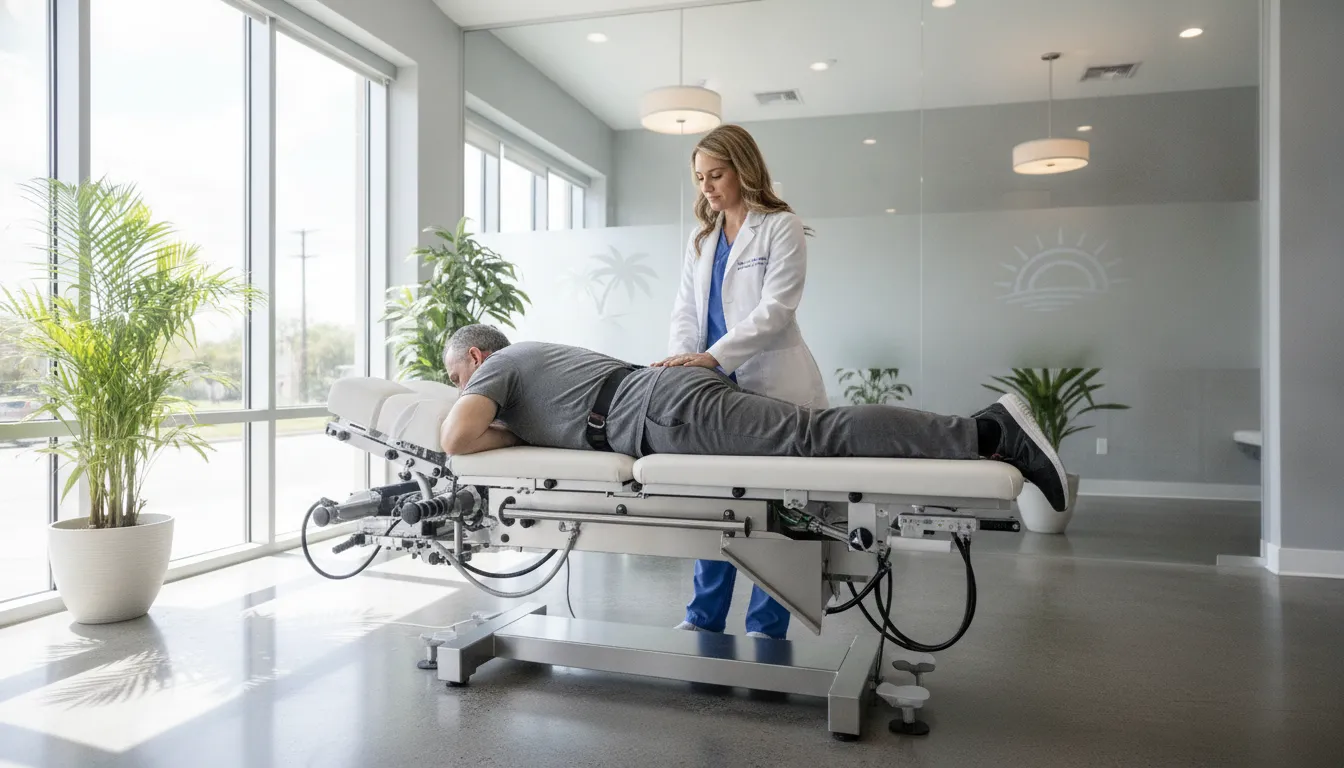
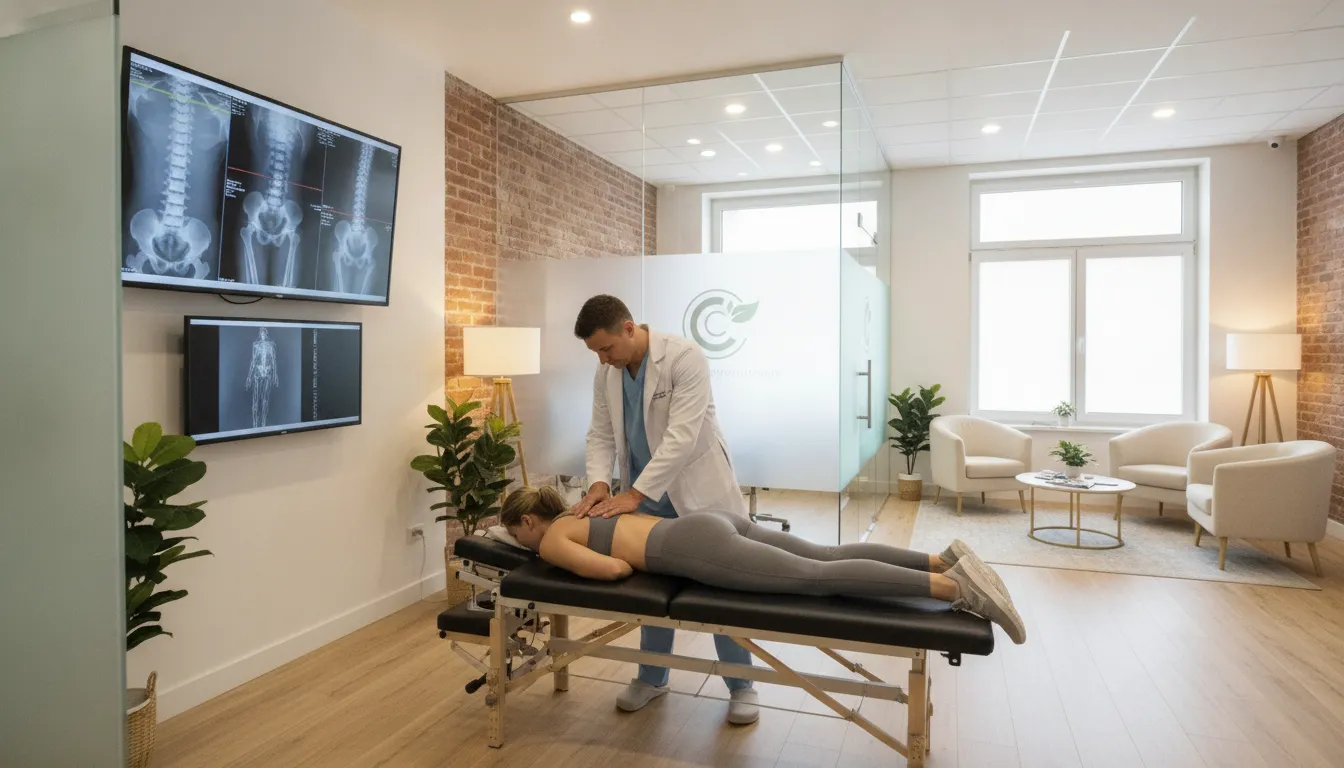
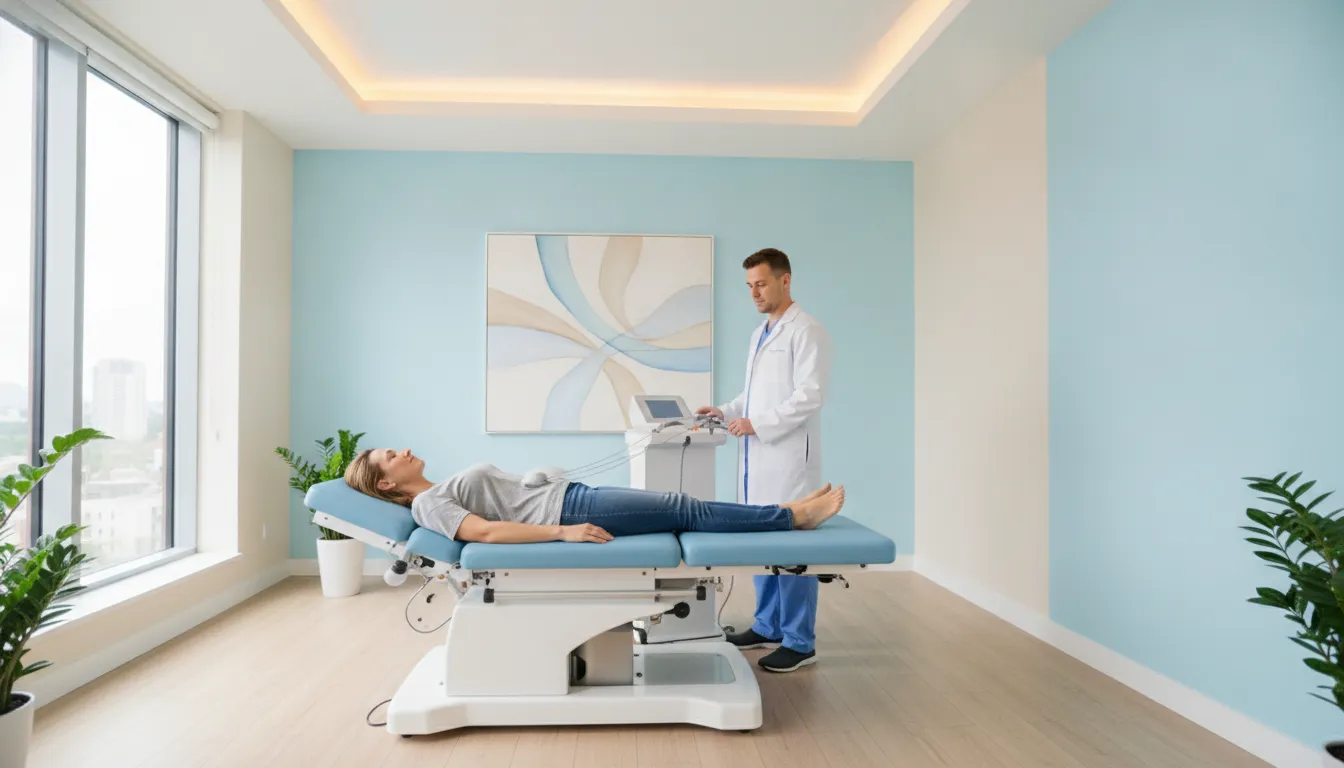
Convenience affects participation. On-site chiropractic care can give employees an accessible way to address musculoskeletal concerns before discomfort begins to interfere with concentration, movement, or attendance. Ergonomic assessments add another practical layer by identifying workstation, posture, and movement patterns that may contribute to recurring strain. Together, these services connect employee wellness with the physical realities of the workplace.
Programs do not need to rely on a single intervention. Research on workplace integrative medicine indicates that therapies can be tailored to office environments, and flexible, non-invasive options can be incorporated into employee wellness initiatives. The right mix depends on the organization, the work environment, and the needs employees identify during the planning process. HSA and FSA benefits for holistic care may also be useful educational content for employees reviewing ways to plan eligible healthcare expenses.
Education and stress-management support
Health education helps employees understand the relationship between daily habits, physical function, recovery, and long-term well-being. Sessions may address movement, sleep, nutrition, ergonomics, or other topics selected for the workforce. Stress-management resources can complement this education by giving employees practical strategies for responding to pressure without treating stress as an isolated problem.
This whole-person approach is consistent with Ascend Functional Health's focus on identifying contributing factors rather than simply masking symptoms. Its three pillars, Physical Medicine, Functional Medicine, and Regenerative Medicine, provide a framework for connecting musculoskeletal care with broader health considerations. A program might pair chiropractic services and ergonomic guidance with education around fatigue, digestive health, or other concerns that can affect work performance.
Measurement and a trusted implementation partner
Participation and outcomes should be reviewed over time. One study found that employees in a wellness program reported an 8.3-percentage-point higher rate of regular exercise and a 13.6-percentage-point higher rate of active weight management than comparison employees. These findings support tracking meaningful behaviors alongside participation, employee feedback, and workplace goals rather than relying on attendance alone. The workplace wellness study provides additional context for these findings.
Ascend also partners with NuVita to support comprehensive workplace programs. That partnership can help organizations coordinate services and build a structure that is practical for both leadership and employees. The goal is not a generic package, but a measured, adaptable program that respects the workplace and supports the body's innate capacity for health.
The ROI of Corporate Wellness: Productivity, Retention, and Health Outcomes
Corporate wellness ROI is best measured across multiple horizons: lower avoidable health costs, stronger productivity, better engagement, and healthier workforce habits. For Tampa Bay employers, an integrative program can create value when outcomes are tracked over time rather than judged by immediate financial returns.
| Metric | Traditional wellness approach | Integrative health approach |
|---|---|---|
| Primary focus | Participation, screenings, or short-term incentives | Participation plus physical, emotional, and quality-of-life outcomes |
| Productivity signal | Attendance and self-reported activity | Engagement, function, pain patterns, and sustained ability to work well |
| Health behavior | General education and broad goals | Personalized support for exercise, weight management, and individual barriers |
| Investment horizon | Short-term participation or cost targets | Long-term trends in health, retention, productivity, and workforce resilience |
Productivity and engagement
Workplace wellness programs are designed in part to lower healthcare costs while improving employee health and productivity, according to a review published in the Journal of Occupational and Environmental Medicine.1 Integrative care adds an important operational lens: reducing physical and emotional pain may help employees participate more fully in their work. The available evidence supports a positive effect on worker health, but employers should describe this as a potential pathway to better engagement, not a guaranteed productivity outcome.2
Health behaviors that support retention
In one workplace wellness study, employees in the intervention group reported regular exercise at a rate of 69.8%, compared with 61.9% in the comparison group. Active weight management was reported by 69.2% and 54.7%, respectively.1 These figures do not prove that one program will produce the same results for every company. They do show why measurable behavior changes belong in a broader ROI dashboard alongside absenteeism, employee feedback, and retention.
Why the timeline matters
Wellness is a long-term investment. Research on workplace programs cautions that short-term financial returns may be limited, so leadership should set realistic expectations and review trends over an appropriate period.1 A practical measurement plan can establish a baseline, track participation and health-related outcomes, and revisit results at regular intervals. This gives Tampa businesses a clearer view of whether their program is improving the employee experience while supporting sustainable organizational performance.
Building a Customized Corporate Wellness Program for Your Tampa Team
A strong workplace wellness plan should fit your team, work environment, and business priorities. Ascend Functional Health builds personalized partnerships that support worker quality of life while making integrative care practical for diverse organizational settings.
Start with a consultation
Begin with a conversation among Ascend, business leaders, and the people responsible for employee well-being. Discuss workforce goals, common health concerns, scheduling realities, workplace culture, and the outcomes your organization wants to track. This first step keeps the program aligned with your team rather than relying on a one-size-fits-all template.
Assess your team and workplace needs
Next, identify the physical and emotional factors that may affect participation, comfort, and performance. Depending on the organization, that may include musculoskeletal strain, fatigue, stress, movement limitations, or lifestyle challenges. Assessments should respect privacy and give employees appropriate ways to share concerns. Research on integrative workplace care supports programs that address the broader quality of life of workers, not only isolated symptoms. Review the research on quality-of-life programs and integrative medicine.
Design the right combination of services
Ascend can shape a program around its three pillars: Physical Medicine, Functional Medicine, and Regenerative Medicine. Depending on the assessment, the plan may include ergonomic guidance, chiropractic and mobility support, health education, stress-management resources, or individualized conversations about functional health. Ascend also partners with NuVita to support more comprehensive workplace programs when a broader range of services is appropriate.
Implement the program in a practical format
A customized plan may use on-site sessions, educational events, scheduled consultations, or a phased rollout. The format should work within your Tampa team's schedule and organizational structure. Evidence indicates that integrative workplace programs can be implemented successfully across diverse organizational environments. So the delivery model can be adapted without losing the central focus on employee well-being.
Measure progress and refine the partnership
Agree on meaningful measures before launch, such as participation, employee feedback, reported quality of life, and workplace-specific wellness goals. Review those measures at planned intervals, protect individual privacy, and adjust the program as your organization learns what employees value. To discuss a corporate wellness partnership with Ascend Functional Health, schedule a consultation through the contact page.
Frequently Asked Questions
What are the benefits of corporate wellness programs in Tampa?
A well-designed program can support employee health, reduce preventable barriers to participation, and strengthen productivity and engagement. The most useful programs connect practical workplace support with individualized care rather than offering disconnected activities.
How much do corporate wellness programs in Tampa typically cost?
Program cost varies according to team size, services, delivery format, frequency, and whether support is provided on-site or virtually. A consultation can help define a realistic scope and prioritize services that fit your workforce, goals, and operating schedule.
What services can a workplace wellness program include?
Services may include ergonomic assessments, on-site chiropractic care, stress-management education, health education, and individualized support for concerns such as persistent pain, fatigue, or digestive problems. The mix should reflect employee needs and the demands of the workplace.
How can integrative health improve employee performance?
Integrative health looks beyond isolated symptoms and considers factors that can interfere with focus, comfort, energy, and participation. Personalized support may help employees address relevant health concerns while giving employers a practical framework for improving day-to-day workplace well-being.
What should Tampa businesses look for in a corporate wellness partner?
Look for a partner that listens to your organization, provides customized recommendations, can support your preferred delivery format, and communicates clearly about implementation and measurement. Experience across physical, functional, and regenerative health can also help a program address varied employee needs.
A thoughtful corporate wellness program can help your organization support employee health through a more personalized, integrative approach. Ascend Functional Health can discuss your team goals, workplace needs, and potential program options. To explore a partnership designed for your Tampa business, schedule a consultation with Ascend Functional Health.