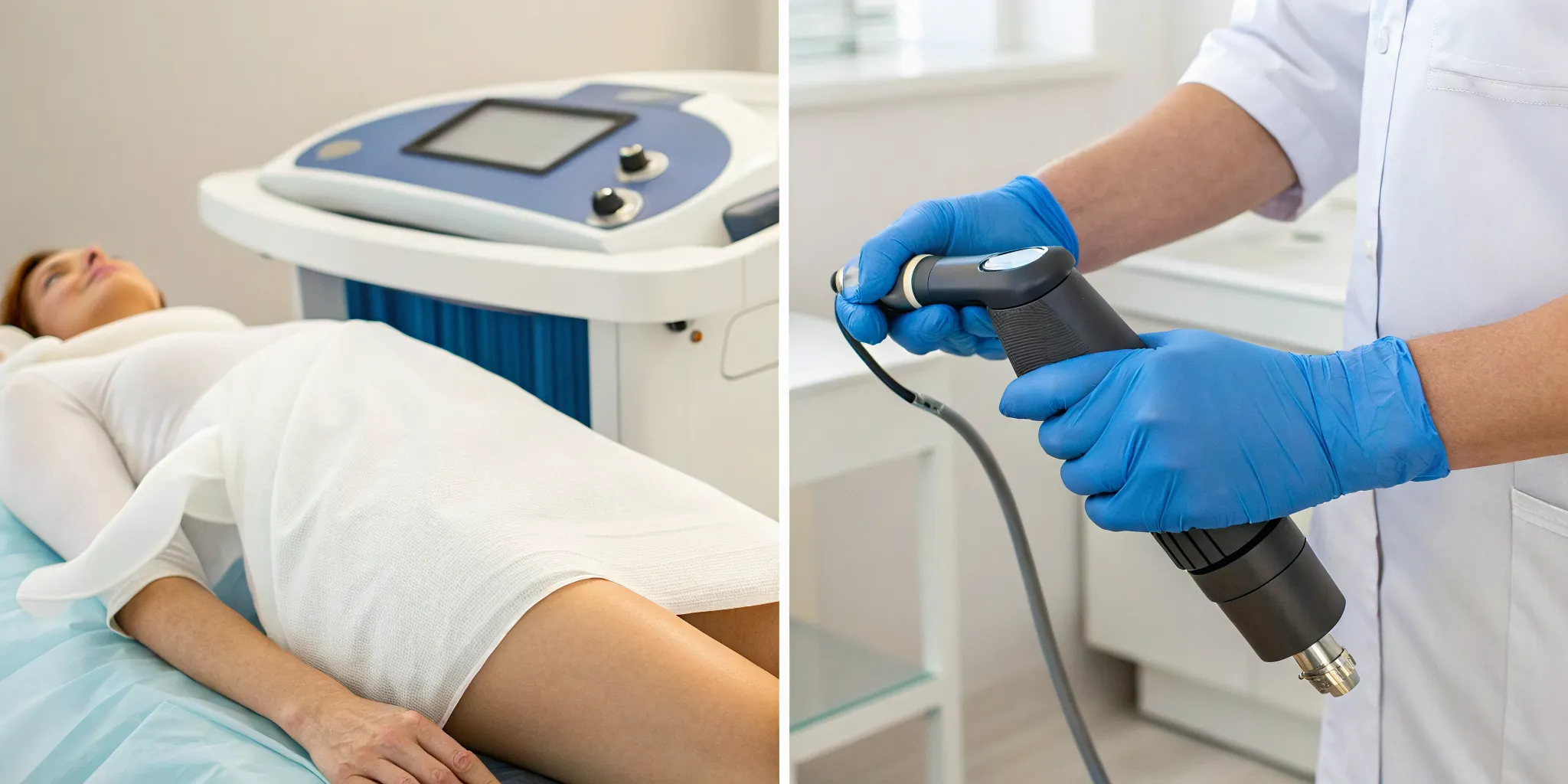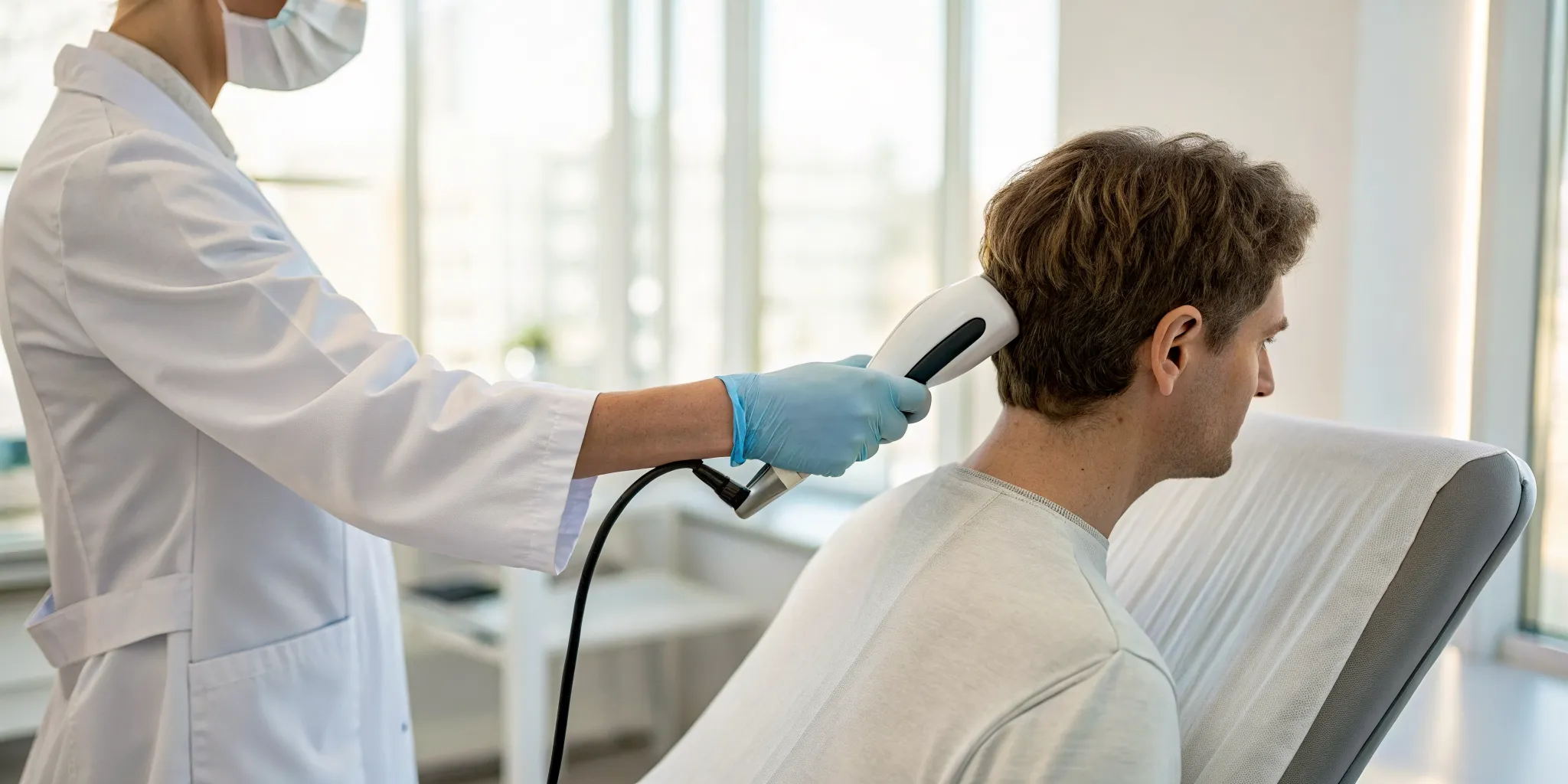
Not all equipment is created equal. The market for regenerative therapies is growing, and with it comes a wide range of options, from reputable, clinically-backed systems to questionable machines with bold claims and little proof. Choosing the wrong medical shockwave therapy device is more than a financial misstep; it’s a risk to your patients and your practice’s credibility. This guide is your checklist for due diligence. We’ll show you how to spot the red flags, what to ask about regulatory clearance and warranties, and how to evaluate a manufacturer’s reputation to ensure you partner with a company that values safety and efficacy as much as you do.
Key Takeaways
- Choose the right tool for the job: Your treatment's success hinges on selecting the correct technology; use radial shockwave for broad, surface-level conditions and focused shockwave for precise, deep-tissue problems.
- Look beyond the price tag: A smart investment includes more than just the device cost, so thoroughly vet the manufacturer's reputation, training programs, and ongoing support to find a true partner for your practice.
- Verify before you buy: Always confirm a device has FDA 510(k) clearance and is supported by clinical research, as this non-negotiable step protects your patients and ensures you are investing in a tool that delivers proven results.
Choosing Your Tech: Radial vs. Focused Shockwave
When you hear "shockwave therapy," you might picture a single type of treatment. However, the technology has evolved, and not all shockwave devices are created equal. The two primary types are Radial and Focused shockwave, and the difference between them is crucial for getting the right results. Understanding how they work helps you see why a skilled practitioner needs both in their toolkit to effectively address the root cause of your pain. One is designed for broad, superficial issues, while the other acts like a precision tool for problems hidden deep within your tissues.
Choosing the right technology isn't just a technical detail; it's the key to a successful outcome. The effectiveness of your treatment plan depends on matching the right wave type to your specific condition, its location, and its depth. At Ascend Functional Health, we use state-of-the-art technology because we know that a personalized approach requires having the best tools for the job. This commitment ensures we can create a plan that targets your unique health concerns, rather than applying a generic solution. Let’s look at how each one works and what that means for your healing.
How It Works: Radial Shockwave
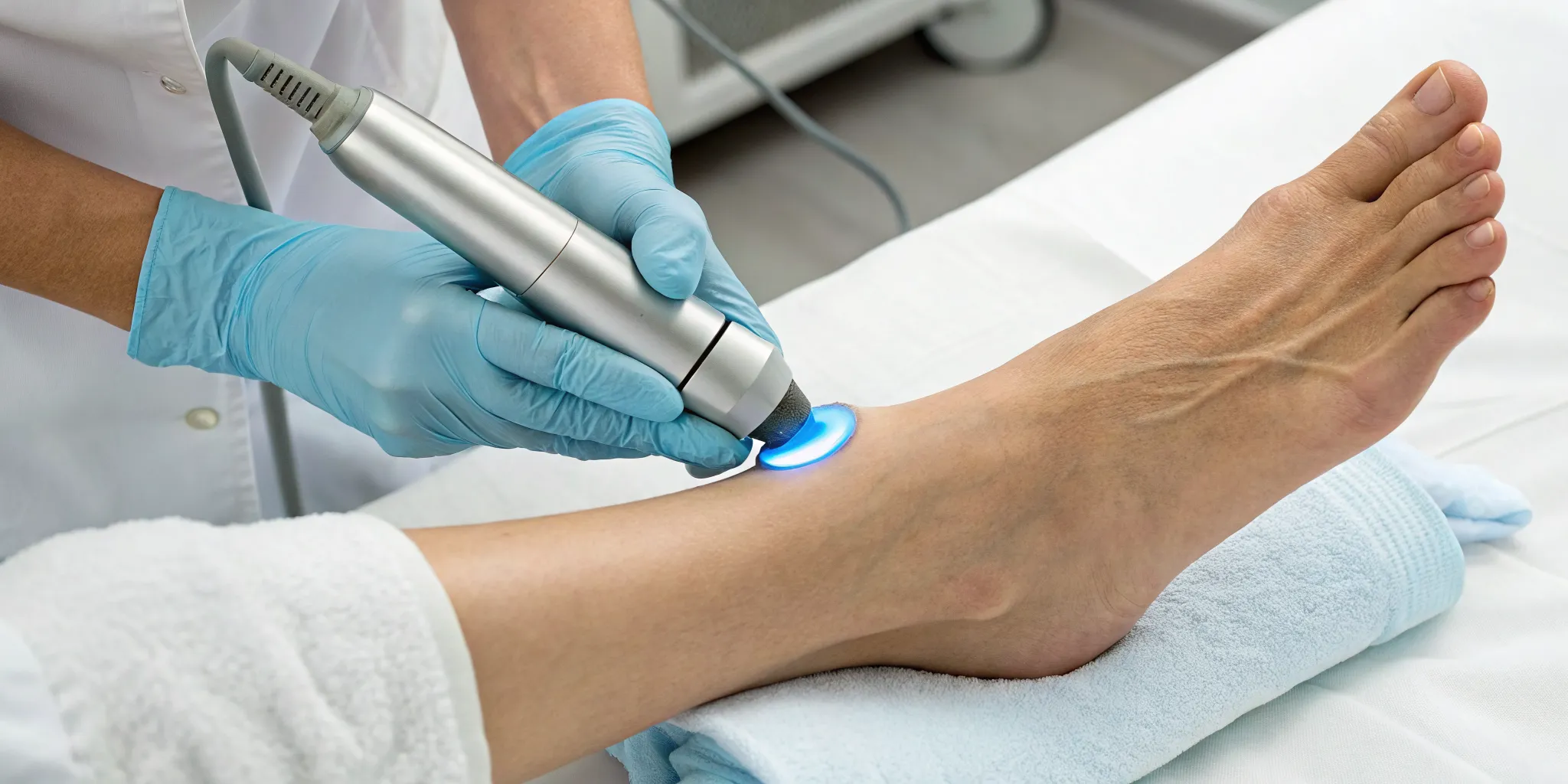
Think of radial shockwave therapy like a flashlight. When you turn it on, the beam spreads out, covering a wide but shallow area. Radial waves, also known as acoustic pressure waves, work similarly. They are generated and then spread outward as they enter the body. This makes them highly effective for treating conditions that are closer to the skin's surface.
Because the energy disperses, this method is ideal for larger areas of soft tissue. It’s a fantastic tool for addressing issues like chronic muscle tension, Achilles tendinitis, and plantar fasciitis, where the problem isn't buried deep in a joint. This approach is a cornerstone of our physical medicine services, helping to stimulate metabolic activity and healing in superficial tissues.
How It Works: Focused Shockwave
If radial shockwave is a flashlight, focused shockwave is a laser pointer. Instead of spreading out, its energy is concentrated on a single, precise point. These waves can be adjusted to target a specific depth in the body, passing through the skin and superficial tissues without affecting them. This precision allows a practitioner to direct the healing energy exactly where it’s needed most.
This makes focused shockwave the go-to technology for deep-seated conditions. It’s particularly effective for issues like joint problems, chronic inflammation deep within a muscle, or calcifications that have built up over time. By targeting the root of the problem with pinpoint accuracy, we can address many of the complex conditions we treat and encourage the body’s natural healing processes in areas that are otherwise hard to reach.
Deciding Between Depth and Precision
So, what does this mean for you? The choice between radial and focused shockwave therapy comes down to the nature of your condition. If you're dealing with widespread muscle tightness across your shoulders or pain along the bottom of your foot, the broad relief from radial shockwave might be the perfect solution. It covers a larger treatment area to soothe irritated soft tissues.
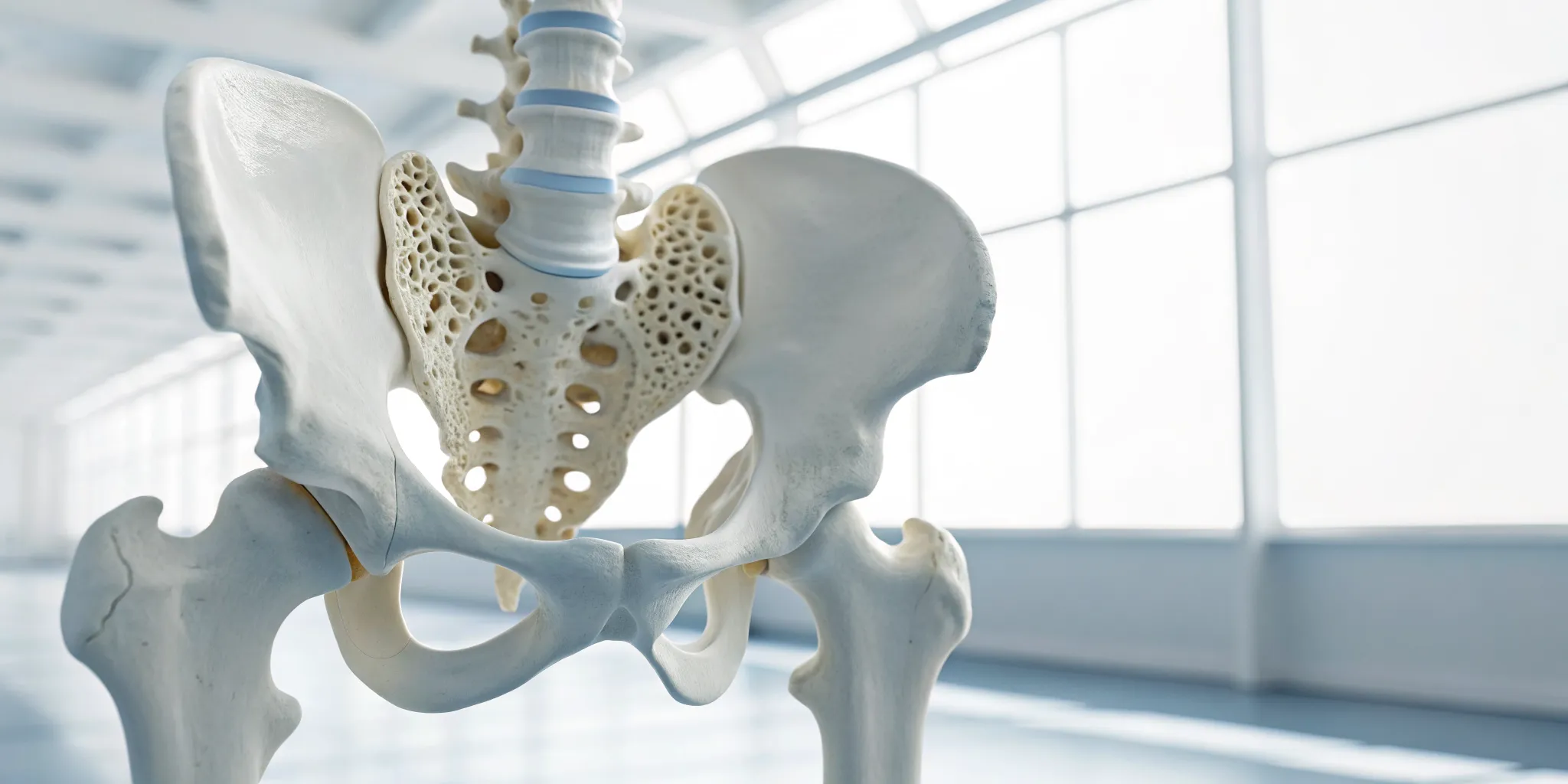
However, if your pain is stemming from a specific point deep within your hip joint or a stubborn calcification in your shoulder, precision is key. In that case, focused shockwave is the superior tool, allowing your provider to concentrate the therapeutic energy directly on the problem area without disturbing the surrounding tissue. A comprehensive treatment plan often involves knowing exactly which of our services will provide the most effective and lasting relief.
Matching the Technology to Your Patients
A practitioner's ability to help you heal is only as good as the tools they use. That’s why it’s so important to find a provider who has invested in high-quality, clinically-backed technology. Devices with FDA clearance demonstrate a commitment to safety and efficacy. More importantly, a clinic equipped with both radial and focused shockwave devices can create a truly personalized treatment plan.
A one-size-fits-all approach rarely works for complex health issues. Having access to different technologies means your provider can select the right tool for your specific anatomy and condition, rather than trying to make one device fit every problem. Our team’s expertise, which you can learn more about us, is rooted in this philosophy: matching the right technology to the right patient for the best possible outcome.
Patient Applications for Shockwave Therapy
Shockwave therapy is a versatile tool that can be a game-changer for a wide range of musculoskeletal issues. Instead of just masking symptoms, this approach uses acoustic waves to stimulate your body’s own healing response, getting to the root of the problem. It’s a powerful component of a comprehensive healing plan, helping people find lasting relief and get back to the activities they love without invasive procedures. From chronic tendon pain to stubborn heel discomfort, the applications are both specific and effective.
Treating Tendinopathies and Soft Tissue Injuries
If you’ve ever dealt with nagging pain from tennis elbow, jumper’s knee, or Achilles tendinopathy, you know how frustrating it can be. These conditions often involve chronic inflammation and degeneration of tendon tissue. Shockwave therapy offers a unique solution by using acoustic waves to kickstart the body's natural repair cycle. The treatment increases blood flow to the area and stimulates cellular activity, which helps regenerate damaged tissue. It’s an innovative approach that supports your body’s ability to heal itself, offering a path to recovery that doesn’t rely on extensive medications. This method is a cornerstone of modern physical medicine for soft tissue injuries.
Addressing Plantar Fasciitis and Heel Pain
Plantar fasciitis is one of the most common causes of heel pain, and it can be notoriously difficult to resolve. Shockwave therapy is particularly effective for this condition because it can precisely target the inflamed plantar fascia ligament. By focusing acoustic energy on the affected tissue, the treatment helps break down scar tissue and reduce inflammation. Many people experience a significant reduction in pain and an improvement in mobility after a course of treatment. This allows them to walk, run, and stand without the sharp, stabbing pain that so often holds them back. It’s a preferred choice for many who are looking for a solution to chronic heel pain among other conditions we treat.
Managing Calcifications and Deep Tissue Conditions
Sometimes, chronic inflammation can lead to calcium deposits forming within tendons, a condition known as calcific tendinitis. This is common in the shoulder and can be extremely painful. Shockwave therapy is an advanced treatment that uses acoustic shockwaves to break up these soft tissue calcifications. The energy waves help dissolve the deposits, which the body can then absorb and clear away. Beyond that, the therapy enhances collagen synthesis and releases growth factors, which are essential for repairing deep tissues and restoring function. This makes it an excellent option for complex and deep-seated musculoskeletal issues that haven't responded to other services.
Supporting Accelerated, Non-Invasive Healing
One of the biggest advantages of shockwave therapy is its ability to promote healing without incisions or long recovery periods. The entire process is designed to work with your body, not against it. By stimulating your own natural healing mechanisms, the therapy helps accelerate recovery from both acute and chronic injuries. This non-invasive approach means you can get back to your life faster, with less downtime and discomfort. It aligns perfectly with a holistic health philosophy that focuses on facilitating the body’s innate ability to repair itself. Learning about our approach shows how we integrate these kinds of therapies to support your long-term wellness.
Your Checklist for a Shockwave Therapy Device
Choosing a medical shockwave therapy device is a significant investment for your practice. It’s more than just buying a piece of equipment; it’s about expanding your ability to provide effective, non-invasive care for your patients. With a growing number of devices on the market, it’s easy to get lost in technical specifications and sales pitches. This checklist is designed to help you cut through the noise and focus on what truly matters for your clinical outcomes and your practice’s long-term success.
A thoughtful evaluation ensures you select a device that aligns with your treatment philosophy, integrates smoothly into your daily workflow, and delivers a strong return through excellent patient results. At Ascend Functional Health, our entire approach is built on using personalized, research-backed protocols to address the root cause of health issues. We believe the same rigor should apply when choosing your clinical tools. Before you compare models, use these four key areas to build a framework for your decision. This will help you evaluate your options objectively and choose a true partner in patient care, not just a piece of hardware.
Look for FDA Clearance and Clinical Backing
This is the most critical checkpoint on your list. FDA clearance is your assurance that a device has been reviewed for safety and effectiveness for its intended use. Operating without this clearance can introduce unnecessary risks for both your patients and your practice. Beyond regulatory approval, look for a device supported by a solid body of clinical research. Reputable manufacturers will be transparent with their data and can provide studies that validate their technology’s effectiveness for specific conditions. This clinical backing gives you confidence that you’re investing in a tool that delivers predictable, evidence-based results, which is the cornerstone of quality functional medicine.
Evaluate Power, Frequency, and Applicators
Once you’ve confirmed a device is safe and validated, it’s time to match its technical capabilities to your patient’s needs. Shockwave devices are not one-size-fits-all. You’ll need to understand the differences in power, frequency, and the types of applicators available. For instance, radial shockwave therapy is generally best for more superficial conditions like tennis elbow or plantar fasciitis. Focused shockwave therapy can penetrate deeper, making it suitable for treating conditions within deeper tissues. Consider the primary conditions you treat in your practice and ensure the device you choose has the right technology and applicators to address them effectively.
Consider Portability, Quality, and Ease of Use
The practical, day-to-day experience of using a device is just as important as its clinical efficacy. Think about your clinic’s workflow and physical space. Is the device easy to move between treatment rooms? A bulky, cumbersome machine can create logistical headaches and slow down your schedule. The build quality is also a major factor, as it speaks to the device’s durability and longevity. Finally, consider the user interface. An intuitive, easy-to-use system allows you and your team to deliver treatments efficiently and confidently, minimizing the learning curve and maximizing your time with patients. These practical considerations are key to successfully integrating new services into your practice.
Prioritize Training and Ongoing Support
Your relationship with a manufacturer shouldn’t end once the device is delivered. A company that invests in your success will provide comprehensive training and reliable ongoing support. Proper training is essential to ensure your team can operate the device safely and effectively, maximizing its therapeutic potential. Ask about the initial training process, the availability of advanced education, and what happens if you need technical or clinical support down the road. Choosing a manufacturer that acts as a true partner gives you the resources and confidence needed to get the most out of your investment for years to come. If you have questions, don't hesitate to contact a team that understands this collaborative approach.
How to Evaluate Shockwave Device Brands
Choosing the right shockwave device means looking beyond the machine itself and carefully considering the company that makes it. The manufacturer’s reputation, technology, and support system are all critical factors that will influence your success with the therapy. A great device from a questionable company can become a liability, while a solid partnership with a reputable brand ensures you have the backing you need to provide excellent patient care. Think of it as choosing a long-term partner for your practice, not just buying a piece of equipment.
Researching Manufacturer Reputation
Before you look at device specs, investigate the company behind it. A manufacturer with a strong reputation is more likely to produce a reliable, effective device and stand by its product. Look for companies that specialize in regenerative medicine technology and have a long history in the field. Do they have a clear mission and values that align with your own practice? Choosing a device is about more than just a transaction; it’s about finding a partner committed to quality and clinical excellence. A reputable company is transparent about its practices and dedicated to advancing patient care, much like our own approach at Ascend.
Comparing Technology and Innovation
Not all shockwave technology is the same. Some brands focus on radial shockwaves, which are great for superficial conditions like tennis elbow, while others specialize in focused waves for deeper tissue work. A quality manufacturer will be transparent about its technology and provide clear evidence for its effectiveness. Look for companies that invest in research and development, continually improving their devices based on clinical feedback and new science. This commitment to innovation ensures you’re investing in a tool that will remain relevant and effective for years to come. The right technology should align with the physical medicine services you already offer and the conditions you treat most.
Assessing Clinical Support and Education
A shockwave device is only as effective as the practitioner using it. That’s why ongoing support and training are non-negotiable. The best manufacturers provide comprehensive initial training to get your team comfortable and confident with the new equipment. They should also offer continuing education and responsive clinical support to help you handle complex cases and optimize treatment protocols. This educational partnership ensures you can use the device safely and achieve the best possible outcomes for your patients. A brand that prioritizes education, like we do with our Ascend Functional Health Podcast, demonstrates a true commitment to clinical excellence.
Reading Peer Reviews and Testimonials
Finally, find out what other clinicians are saying. Peer reviews and testimonials offer unfiltered insights into a device's real-world performance, reliability, and ease of use. Look for feedback from practitioners in your specific field to see how the device has worked for them. Pay attention to comments about the manufacturer's customer service and support, as this can be just as important as the device’s technical specs. Positive feedback from trusted colleagues can validate a device's safety and efficacy, giving you confidence in your investment. Reading what others have experienced, similar to our own patient testimonials, provides an invaluable layer of assurance.
Breaking Down the Cost of a Shockwave Device
Understanding the financial investment is a critical step when deciding to add a new modality to your practice. The cost of a shockwave therapy device can vary significantly, so it’s helpful to know what to expect. The price range is broad, reflecting differences in technology, power, features, and brand reputation. Think of it less as a simple purchase and more as an investment in your clinic’s ability to provide advanced, non-invasive care. These devices can open up new treatment avenues for chronic pain and stubborn injuries, making them a powerful addition to your clinical toolkit.
Your budget will largely determine the type of device you can acquire, from basic radial systems to highly advanced focused machines. By breaking down the costs into different tiers, you can better align your clinical needs with your financial planning. This approach helps you make an informed decision that supports both your patients and your practice’s growth. At Ascend, we believe in using the right tools for the job, and that starts with understanding all your options for physical medicine. Choosing the right device is about finding the sweet spot between capability and cost-effectiveness for your specific clinical setting.
Entry-Level Models
For practices just beginning to explore shockwave therapy, entry-level models offer a practical starting point. These devices are typically portable radial machines, making them a great fit for clinics with limited space or practitioners who need to move equipment between treatment rooms. You can generally expect basic portable radial machines to run from about $3,000 to $5,000. While they may not have the advanced features of premium systems, they are effective for treating a variety of common musculoskeletal conditions, allowing you to introduce this valuable service to your patients without a massive initial outlay.
Mid-Range Models
If your practice is ready for a more robust solution, mid-range models offer a balance of advanced features and affordability. These machines typically range from $7,000 to $12,000. In this tier, you’ll find more powerful radial devices and some introductory focused systems. They often come with a wider range of applicators, more sophisticated user interfaces, and pre-set treatment protocols for various conditions. This makes them a versatile choice for a growing practice that sees a diverse patient population and wants to expand its treatment capabilities beyond the basics.
Premium Models
At the top end of the market are premium shockwave therapy systems. These devices represent the most advanced technology available, and their cost reflects that. Premium focused systems can easily exceed $30,000. These machines are designed for clinics that specialize in treating complex and chronic conditions, offering unparalleled precision, depth, and power. They often include the latest technological innovations, extensive clinical libraries, and superior build quality. An investment at this level is for practices committed to being leaders in regenerative and restorative care.
What Influences the Price?
Several key factors contribute to the final cost of a shockwave therapy device. The most significant is the type of technology; the cost of ownership varies significantly based on whether the device is radial or focused, with focused devices generally being more expensive. Beyond the core technology, other factors affecting the price include the brand’s reputation, the specific features included, and additional costs such as accessories and ongoing maintenance. When evaluating your options, be sure to consider the total investment, which includes not just the initial purchase but also the long-term operational expenses.
Is a Shockwave Device a Smart Investment for Your Practice?
Adding a new modality to your practice is a significant decision that goes beyond the initial price tag. A shockwave therapy device can be a powerful tool for expanding your treatment capabilities and delivering better results for your patients. But is it the right move for your clinic? Thinking through the financial and clinical implications will help you determine if this investment aligns with your practice’s goals. It’s about more than just new technology; it’s a strategic step toward enhancing patient care and growing your reputation as a results-driven provider. Let's break down the key factors to consider.
Assess Patient Demand and Revenue Potential
Before anything else, look at your current patient base. Are you frequently treating individuals with chronic tendinopathies, plantar fasciitis, or other soft tissue injuries that haven’t responded to conventional methods? If so, you already have built-in demand. Introducing shockwave therapy can directly serve these patients, offering them a new, non-invasive path to healing. This not only helps you improve patient outcomes but also strengthens retention. Satisfied patients who get results are more likely to return and refer others, creating a sustainable source of revenue and solidifying your clinic’s reputation for effective care.
Calculate Long-Term ROI and Versatility
Think beyond the initial purchase and consider the long-term return on investment (ROI). Shockwave therapy is incredibly versatile, capable of addressing a wide range of musculoskeletal conditions. This flexibility allows you to attract a broader demographic of patients, including those who have exhausted other treatment options without success. Many people specifically seek out shockwave therapy after hearing about its ability to reduce pain and improve mobility and function where other methods have failed. By becoming a provider of this solution, you position your practice as a destination for advanced, effective care, which pays dividends in both your clinical results and your bottom line.
Factor in Maintenance and Longevity
The upfront cost is only one piece of the financial puzzle. The longevity and maintenance needs of a device are critical for its long-term value. A high-quality machine from a reputable manufacturer may require a larger initial investment, but it will likely save you money over time with fewer repairs and less downtime. Durability ensures the device remains a reliable workhorse in your practice for years to come. Most importantly, prioritize equipment with verified regulatory 510(k) clearance. This isn't just about compliance; it’s a non-negotiable aspect of patient safety that builds trust and protects the integrity of your practice.
Questions to Ask Before You Buy
You’ve done your research, compared the specs, and narrowed down your list of potential shockwave therapy devices. Now it’s time for the final step: asking the right questions to ensure you’re making a sound investment for your practice and your patients. Think of this as the due diligence phase, where you look beyond the marketing materials and into the core of what a company offers. A great device on paper is only as good as the company, support, and safety credentials behind it.
Getting clear answers on the following points will help you separate the high-quality, reliable equipment from the risky alternatives. This isn’t just about protecting your financial investment; it’s about ensuring you can deliver safe and effective care that aligns with your practice's standards. A transparent manufacturer will have no problem providing detailed information on their regulatory status, service options, and the clinical evidence supporting their technology. Taking the time to verify these details will give you confidence in your final decision and help you build a practice founded on trust and results.
Confirm Regulatory Status and Approvals
Before you go any further, the first question should always be about regulatory clearance. In the United States, this typically means looking for FDA 510(k) clearance. This designation confirms that the device has been reviewed for safety and effectiveness, showing it is substantially equivalent to another legally marketed device. This isn't just a bureaucratic step; it's a critical benchmark for patient safety. A device without this clearance hasn't been properly vetted. Ask for documentation and be wary of any company that is vague about its regulatory status. This ensures the technology you use is built to address the root causes of your patients' conditions safely.
Ask About Warranty and Service Options
A shockwave device is a significant piece of equipment, and like any advanced technology, it will require maintenance and may eventually need service. It’s essential to understand the warranty and service options before you purchase. How long is the warranty period, and what does it cover? If the device needs a repair, what is the process? Do they provide a loaner unit to avoid downtime in your practice? A strong warranty and a clear, responsive service plan are indicators of a reputable manufacturer that stands behind its product. You want to partner with a team you can trust for long-term support, not just a one-time sale.
Spotting Red Flags When Evaluating Devices
As you evaluate your options, keep an eye out for red flags. The most significant warning sign is a lack of proper regulatory approval or clinical studies to back up marketing claims. If a manufacturer can't provide evidence for their device's effectiveness, proceed with caution. Another red flag is a mismatch between the technology and its purported applications. For example, be skeptical if a company markets a radial device for deep tissue conditions without sufficient proof. Radial waves are excellent for superficial issues, but their "wide and shallow" energy distribution is different from the focused waves needed for deeper targets. Your practice is built on evidence-based protocols, and your equipment should be too.
Related Articles
- What Is Graston Technique Therapy? A Beginner's Guide
- What Is Soft Tissue Therapy? A Complete Guide
- The Ultimate Guide to Myofascial Release Therapy
- SoftWave Tissue Regeneration Therapy in Tampa | Alessi Functional Health
- SoftWave TRT Therapy in Tampa, FL - Alessi Functional Health
Frequently Asked Questions
How do I decide if my practice needs a radial or a focused shockwave device? The best way to decide is by looking at the primary conditions you treat. If your patient base consists mainly of people with superficial issues like plantar fasciitis, Achilles tendinopathy, or tennis elbow, a radial device is an excellent and effective tool. However, if you frequently manage more complex, deep-seated problems such as joint-related pain or chronic calcifications, you will need the precision of a focused shockwave device. For a practice that sees a wide variety of conditions, a unit that offers both technologies provides the greatest versatility.
What's the most important factor to consider beyond the price of the device? Without a doubt, the most critical factor is the manufacturer's commitment to training and ongoing support. A device is only as good as the clinician operating it, so a company that provides comprehensive initial training is essential for getting your team confident and effective. Look for a brand that also offers responsive clinical support for when you encounter complex cases. This partnership ensures you can get the best possible results for your patients and maximize the value of your investment over the long term.
Is a more expensive, premium shockwave device always a better choice? Not necessarily. The "best" device is the one that aligns with your clinical needs and patient population. An entry-level radial machine can be a fantastic investment for a practice that primarily treats common soft tissue injuries, delivering great results and a strong return. A premium, focused system becomes the better choice for a specialty clinic that needs to address deep, complex, and chronic conditions with pinpoint accuracy. The goal is to choose the right tool for the specific job you need to do, rather than assuming a higher price tag automatically means better value for your practice.
What is the single biggest red flag to watch for when evaluating different brands? The most significant red flag is a lack of transparency regarding regulatory status. If a company is vague about its FDA 510(k) clearance or cannot provide documentation to prove it, you should be very cautious. This clearance is a fundamental indicator of a device's safety and effectiveness. Choosing a device without it puts your patients and your practice at unnecessary risk. A reputable manufacturer will be upfront about their credentials and the clinical evidence that supports their technology.
How can I explain the benefits of shockwave therapy to my patients without getting too technical? A simple analogy often works best. You can explain that the therapy uses special sound waves to stimulate the body's own natural healing process in an area that has been "stuck." For chronic pain, you can describe it as a way to restart the repair cycle, bringing more blood flow and resources to the injured tissue. This helps patients understand that the treatment is designed to fix the root cause of their pain, not just mask the symptoms, empowering them to feel more involved in their recovery.