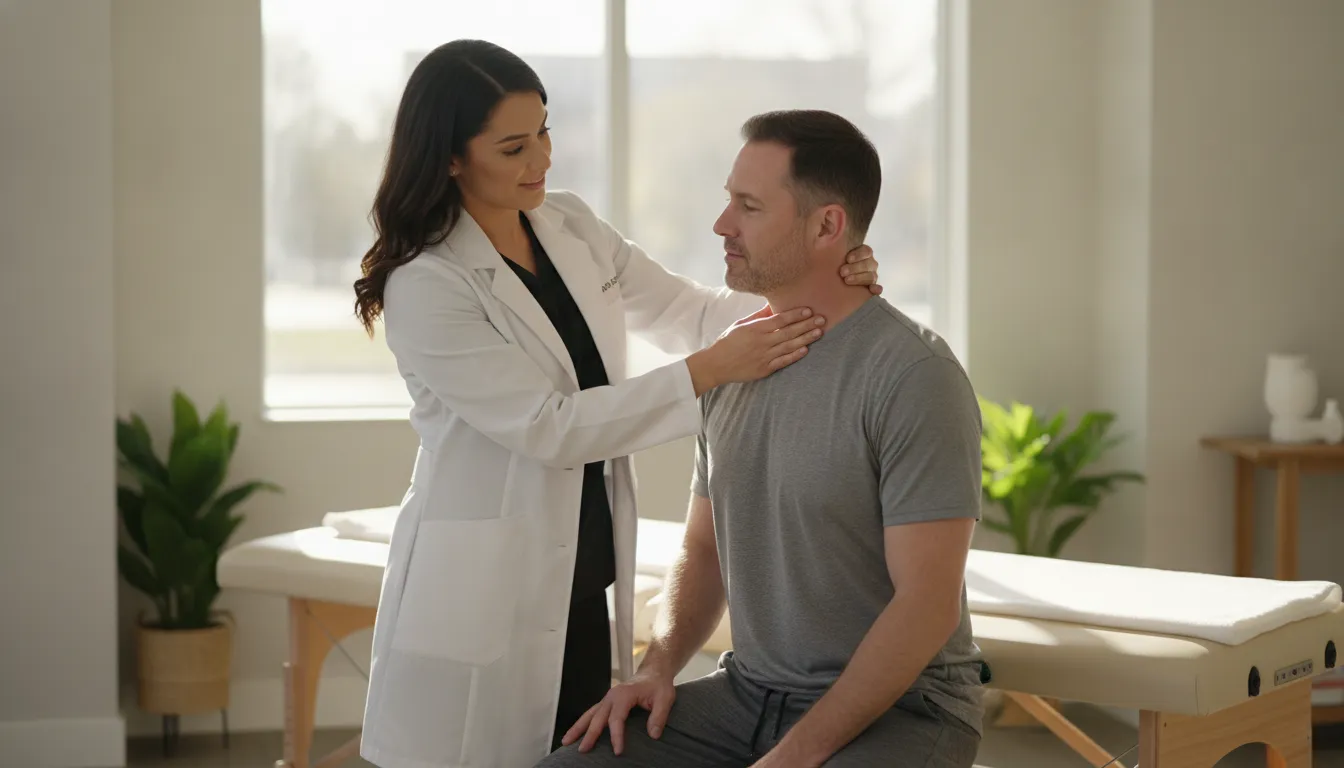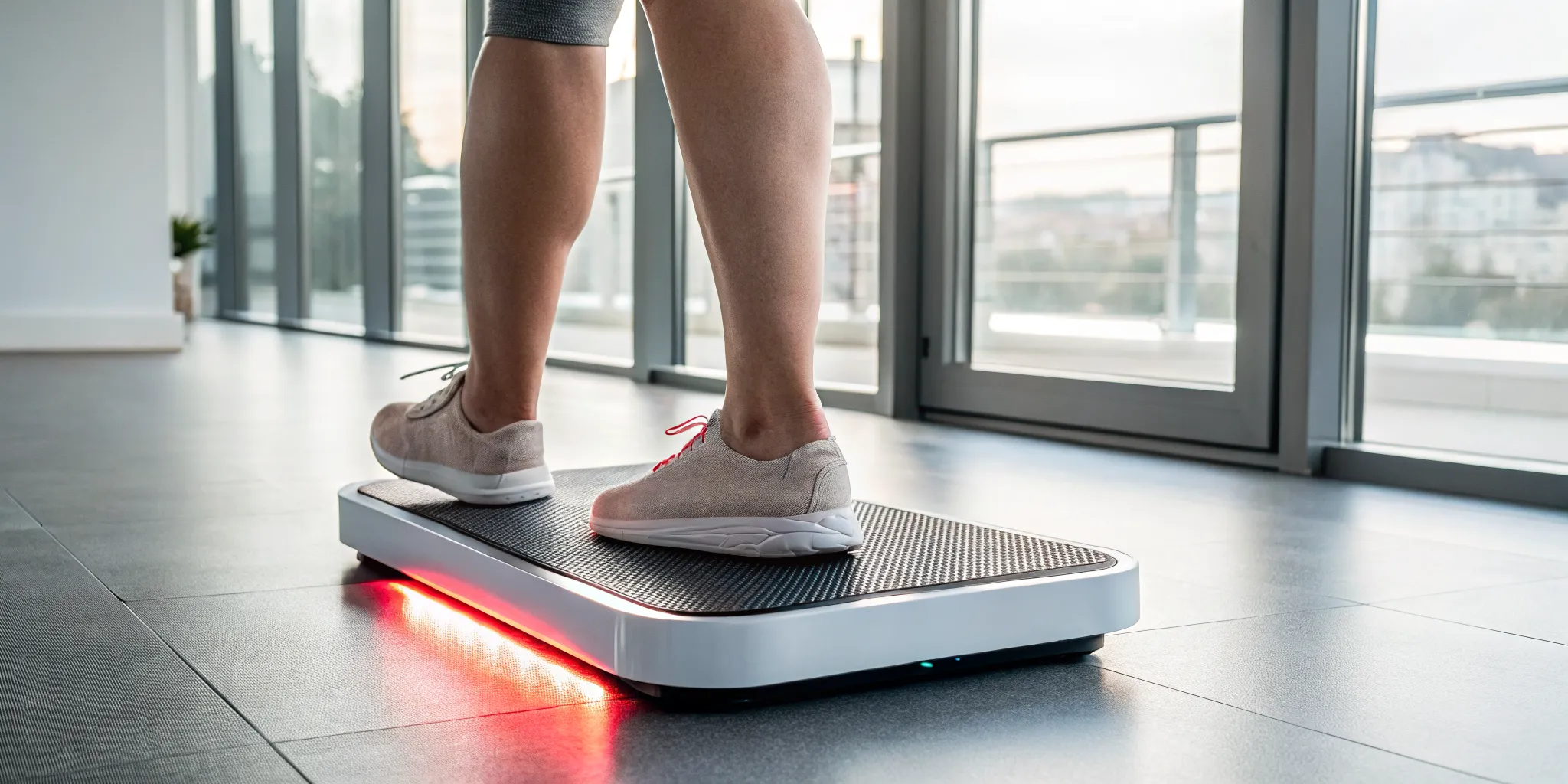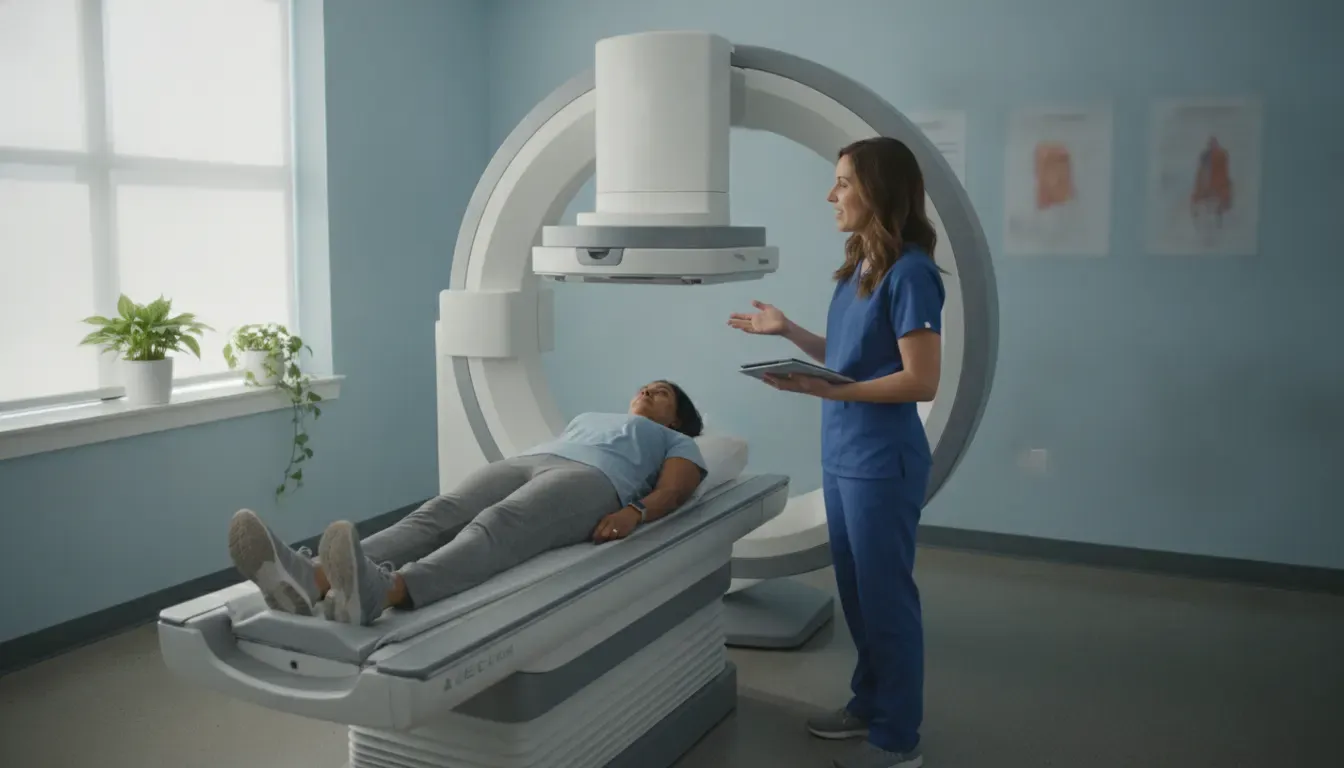
Persistent foot pain does more than just hurt; it changes how you live your life. It can stop you from enjoying a simple walk, keeping up with your family, or even getting through a workday without discomfort. Finding a solution means reclaiming those activities and your freedom of movement. For many people who feel like they’ve tried everything, shockwave therapy for foot pain offers a new sense of hope. This non-invasive treatment is designed to promote deep tissue repair, helping you build a stronger foundation so you can get back to doing what you love without being held back by chronic pain.
Key Takeaways
- Address the Root Cause of Pain: Shockwave therapy goes beyond temporary fixes by using acoustic waves to stimulate your body's natural repair processes, encouraging the regeneration of healthy tissue from within.
- Find Relief for Stubborn Injuries: This treatment is a powerful option for chronic foot conditions like plantar fasciitis and Achilles tendinopathy, particularly when other conservative methods have not been successful.
- Fit Treatment into Your Life: Sessions are quick, typically lasting 15 to 20 minutes, and require no downtime, allowing you to continue with your daily routine immediately after your appointment.
What Is Shockwave Therapy for Foot Pain?
If you’ve been dealing with persistent foot pain that just won’t quit, you’ve likely tried a lot of different things to find relief. Shockwave therapy is a modern, non-invasive treatment that we use to help people get back on their feet, especially when other methods haven’t provided the lasting results they need. It’s not about masking the pain; it’s about getting to the source of the problem and encouraging your body to heal itself from the inside out.
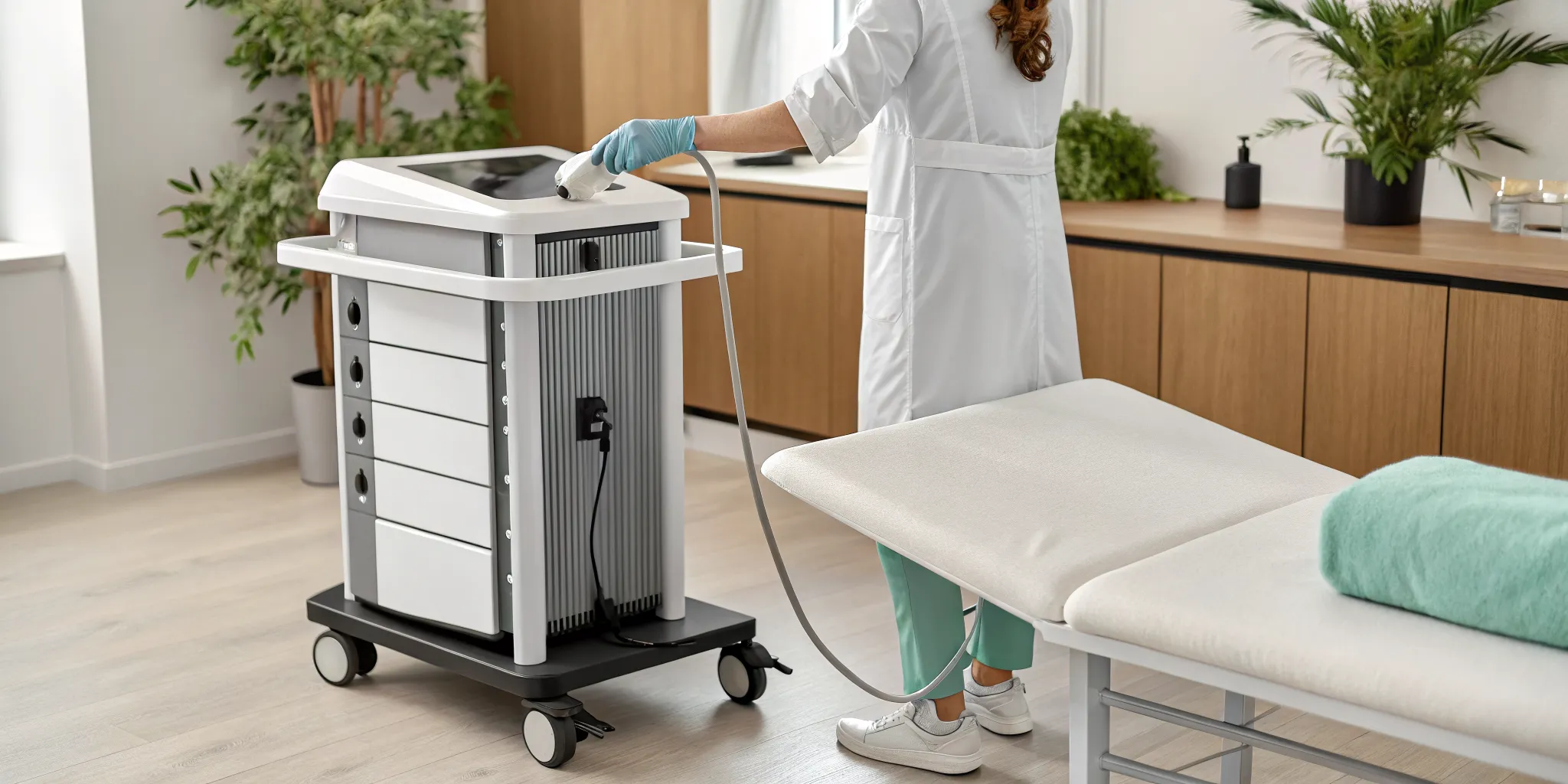
This approach uses a special device to send acoustic waves into the painful area of your foot. Think of it as a highly targeted soundwave that kickstarts your body’s natural repair mechanisms. By stimulating blood flow and promoting tissue regeneration, we can address chronic conditions that have been holding you back. It’s one of the ways we apply our physical medicine principles to facilitate healing without invasive procedures.
How It Works: Using Acoustic Waves to Heal
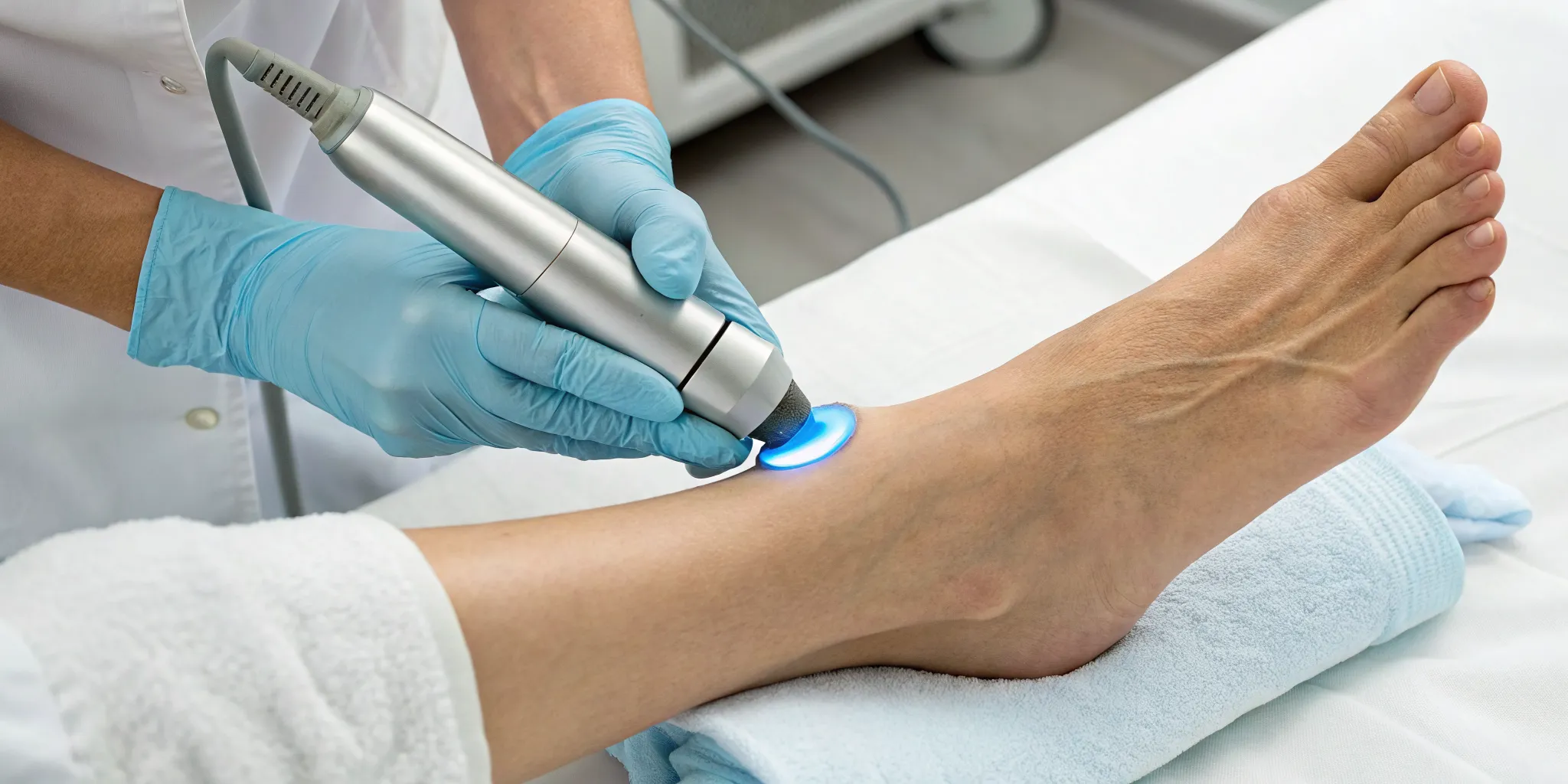
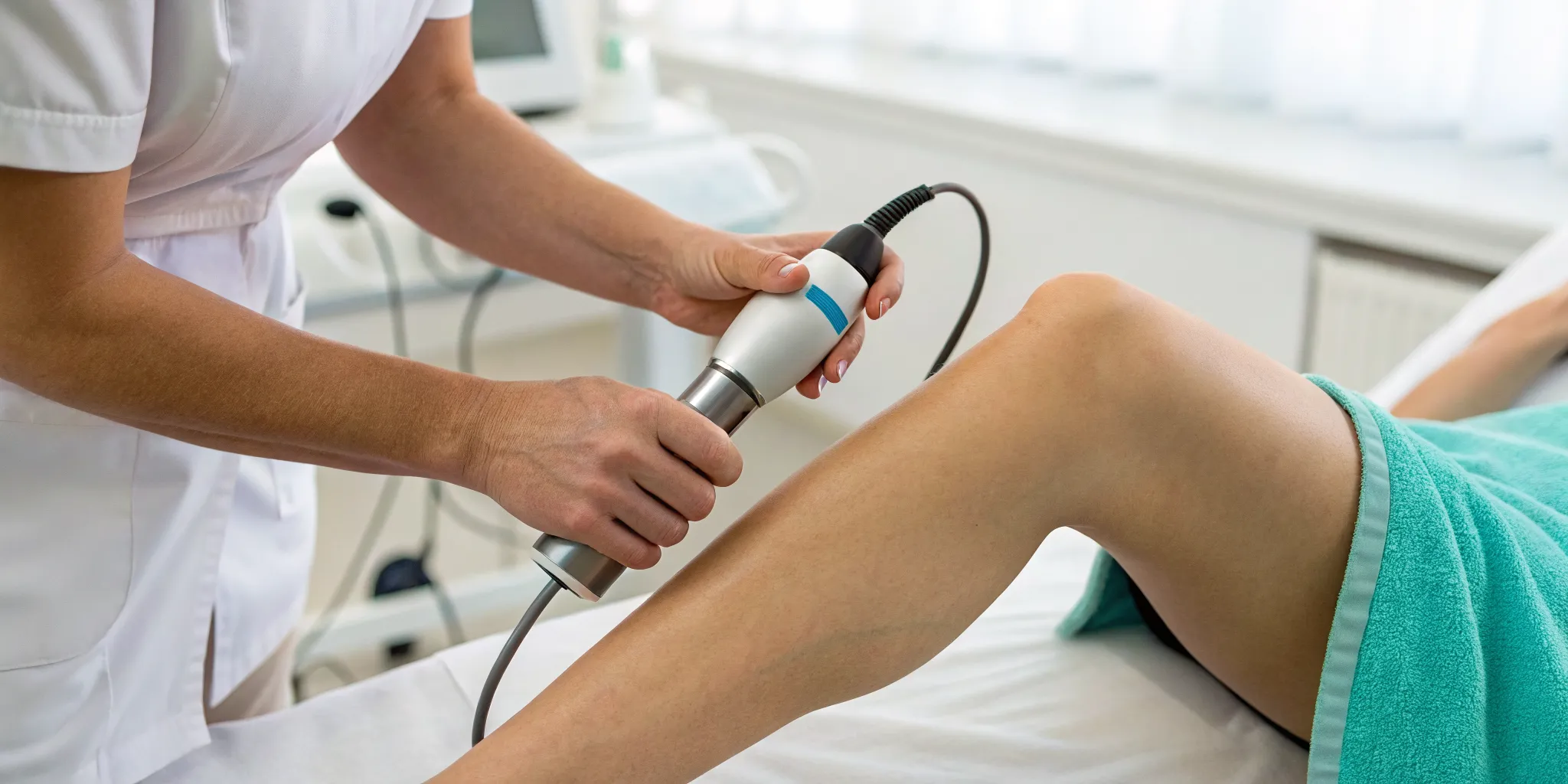
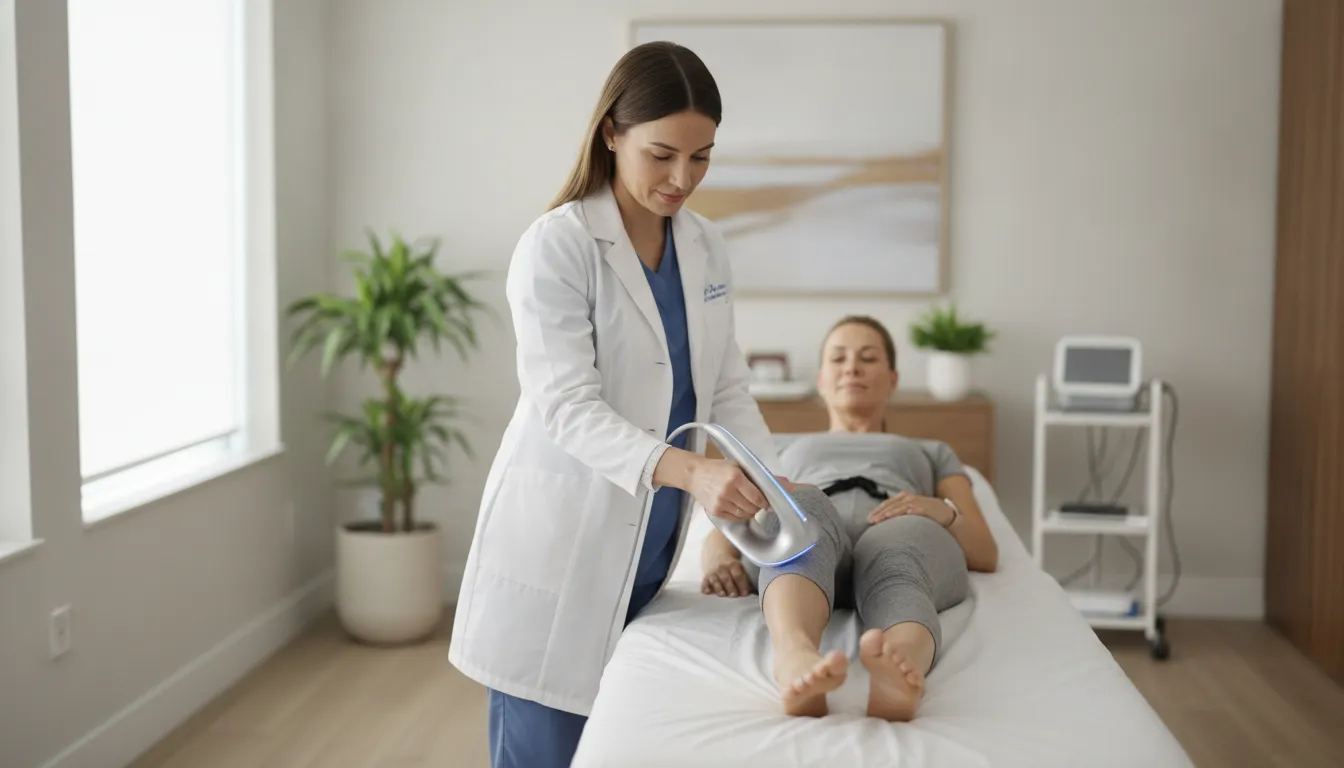
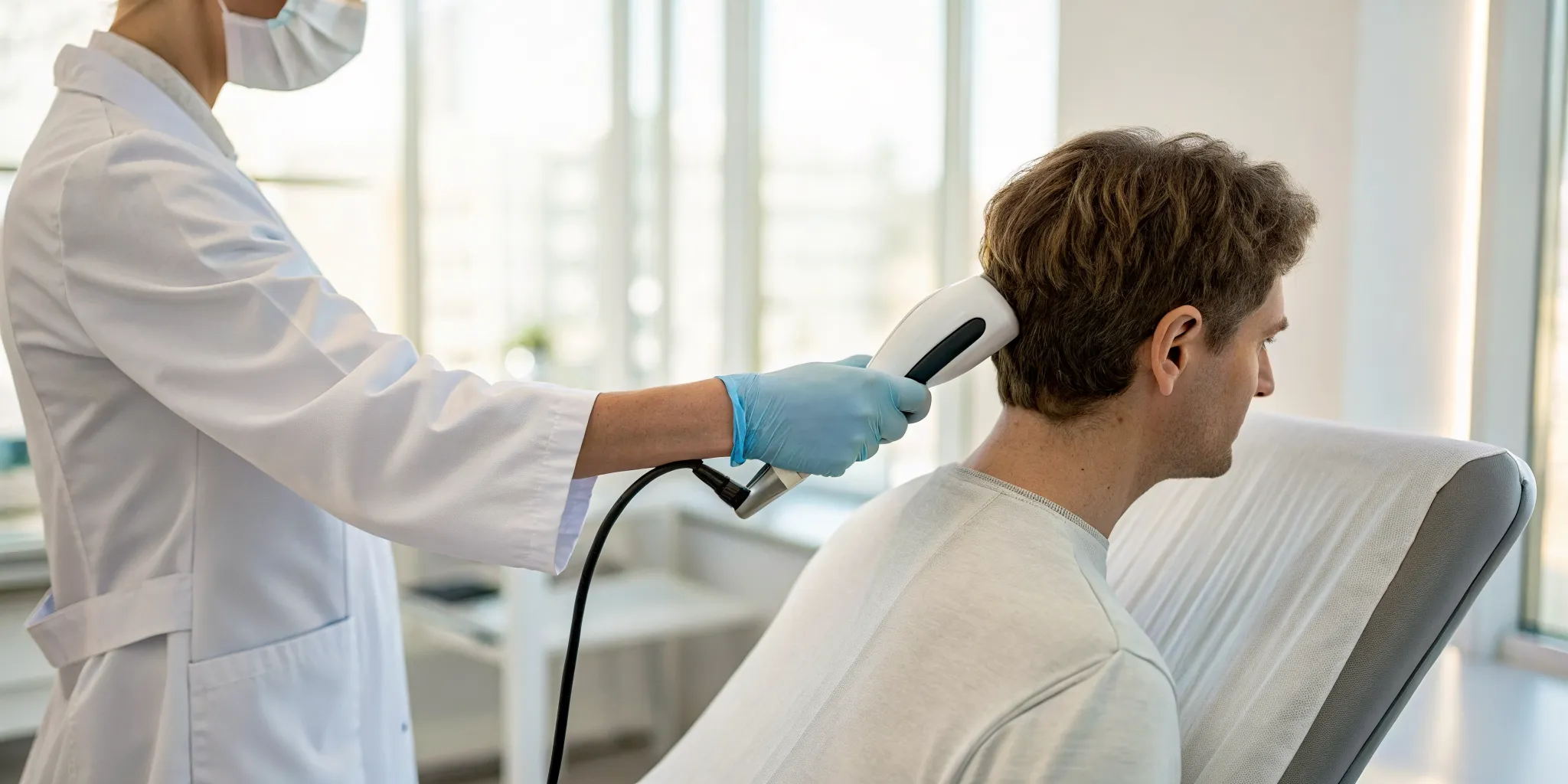
So, how can sound waves actually heal your foot? The process is pretty fascinating. During a session, a handheld device delivers high-energy acoustic waves to the injured tendons or ligaments. These waves create a controlled, microscopic response in the tissue, which essentially tells your body, “Hey, this area needs attention!”
This signal prompts your body to increase circulation and metabolic activity around the painful spot. It’s like waking up your internal repair crew. This process helps break down scar tissue and calcifications while stimulating the formation of new blood vessels and healthy tissue. It’s a powerful way to support your body’s innate healing abilities and finally resolve the underlying cause of the pain, rather than just temporarily soothing the symptoms.
Radial vs. Focused: What's the Difference?
When we talk about shockwave therapy, it’s helpful to know there are two main types: radial and focused. The one we choose depends entirely on your specific situation. Radial shockwave therapy uses lower-energy waves that spread out over a wider area. This makes it ideal for treating larger surface-level issues or when the pain is more diffuse.
Focused shockwave therapy, on the other hand, delivers higher-energy waves that are concentrated on a single, precise point deep within the tissue. This allows us to target a very specific problem area, like a stubborn heel spur or a deep tendon injury. Determining the right approach is a key part of creating a personalized plan for the conditions we treat, ensuring the therapy is as effective as possible for you.
Shockwave Therapy vs. Other Therapies
You might be wondering where shockwave therapy fits in with other common treatments like physical therapy or injections. We see it as a powerful tool that bridges the gap between conservative care and more invasive options. For many people, it’s an effective step to take when stretching, orthotics, and rest haven’t been enough to solve the problem.
Unlike treatments that only manage symptoms, shockwave therapy is designed to promote true healing at the cellular level. It’s a non-invasive option that can help you move forward without the downtime associated with more aggressive procedures. As part of a comprehensive treatment plan, it’s one of the many services we use to help you achieve long-term relief and get back to doing what you love.
What Foot Conditions Can Shockwave Therapy Address?
If you're dealing with foot pain that just won’t quit, shockwave therapy might be the solution you’ve been looking for. This treatment is particularly effective for chronic conditions, especially those that haven't improved with more conventional approaches like rest, ice, or stretching. It works by using powerful acoustic waves to stimulate your body's natural healing processes right at the source of the pain, essentially kick-starting a stalled recovery.
Instead of just masking symptoms with temporary fixes, shockwave therapy helps regenerate damaged tissue, increase blood flow to the area, and reduce the inflammation that causes so much discomfort. It’s a cornerstone of our physical medicine services because it aligns perfectly with our goal of addressing the root cause of your health concerns. By promoting true healing from within, it offers a path to long-term relief. This approach is used to treat a variety of stubborn issues in the feet, from the heel to the toes, helping you get back to your life without persistent discomfort. Let's look at some of the specific conditions it can help.
Plantar Fasciitis
Plantar fasciitis is one of the most common causes of heel pain. It happens when the thick band of tissue that runs across the bottom of your foot, the plantar fascia, becomes inflamed and irritated. If you feel a stabbing pain with your first steps in the morning, you know this condition all too well. Shockwave therapy targets this area directly, using energy waves to break down damaged tissue and reduce the inflammation that causes pain. This process encourages new, healthy tissue to form, providing lasting relief where other treatments may have fallen short.
Achilles Tendinopathy
The Achilles tendon connects your calf muscles to your heel bone and is essential for walking, running, and jumping. When this tendon is overused, it can lead to a painful condition called Achilles tendinopathy, characterized by pain and stiffness at the back of the heel. Shockwave therapy is an excellent option for this issue because it stimulates blood flow to the tendon. This improved circulation delivers vital nutrients and oxygen to the injured area, which accelerates the healing of the tendon tissue and helps restore its strength and flexibility.
Heel Spurs
Heel spurs are small, bony growths that can form on the heel bone. While they don't always cause symptoms, they are often associated with the chronic inflammation of plantar fasciitis and can contribute to significant heel pain. For those experiencing discomfort from heel spurs, shockwave therapy can be very effective. The acoustic waves help break down the inflamed and damaged tissue surrounding the spur, which in turn reduces pain and pressure in the area. By addressing the inflammation, the therapy helps manage the symptoms linked to the spur.
Morton's Neuroma
If you experience a sharp, burning pain in the ball of your foot or a feeling of numbness or stinging between your toes, you might have Morton's neuroma. This condition involves a thickening of the tissue around one of the nerves leading to your toes. It can feel like you're standing on a pebble in your shoe. Shockwave therapy can help alleviate these sensations by treating the thickened nerve tissue. The energy waves help reduce the inflammation and pressure on the nerve, providing relief from the persistent discomfort.
Stubborn, Chronic Foot Pain
Sometimes, foot pain doesn't fit neatly into one category. You might have persistent pain from an old injury or a condition that hasn't responded to anything else you've tried. Shockwave therapy is a powerful, non-invasive treatment for many types of stubborn, chronic foot pain. By stimulating your body’s own healing mechanisms, it can restart a stalled recovery process. This makes it a valuable tool for a wide range of conditions we treat at our clinic, offering hope when you feel like you've run out of options.
Why Choose Shockwave Therapy for Your Feet?
When you're dealing with persistent foot pain, finding a treatment that fits into your life is just as important as finding one that works. You need a solution that addresses the root of the problem without requiring a long, painful recovery. This is where shockwave therapy stands out. It’s a modern approach that aligns with your body's own healing capabilities, offering a path forward when other methods have fallen short. For many people struggling with chronic conditions like plantar fasciitis or Achilles tendinopathy, it represents a turning point in their health journey.
This therapy is built on the idea of stimulating your body to repair itself, which is a core part of our philosophy at Ascend Functional Health. Instead of just managing symptoms, we aim to resolve the underlying issue. Let’s look at three key reasons why shockwave therapy is such a compelling option for anyone seeking lasting relief from foot pain. It’s a powerful tool in our physical medicine toolkit, designed to get you back on your feet and moving comfortably again.
It's Non-Invasive with Minimal Downtime
One of the biggest advantages of shockwave therapy is that it's a non-invasive procedure. This means there are no incisions, no needles, and no surgery involved. The entire treatment is performed from outside the body, using a special device to deliver acoustic waves to the injured tissue. Because it doesn't break the skin, you can avoid the risks and lengthy recovery associated with surgical procedures.
This also means you can expect minimal downtime. Most people can walk out of the office right after their session and continue with their day. You won’t need to arrange for someone to drive you home or take significant time off work. For busy individuals, this is a game-changer. You can get the care you need without putting your life on hold.
It Activates Your Body's Natural Healing
Shockwave therapy does more than just temporarily soothe pain; it works by prompting your body’s own regenerative processes. The high-energy acoustic waves create micro-trauma in the targeted tissue, which signals your body to kickstart a healing response. This process increases blood flow to the area, stimulates the formation of new blood vessels, and helps break down scar tissue that may be contributing to your pain and stiffness.
Essentially, the therapy gives your body a focused nudge to do what it does best: heal itself. This approach gets to the root cause of your pain by promoting true tissue repair. By working with your body's innate abilities, we can achieve lasting results that go beyond simple symptom management, a principle that guides everything we do to help our patients.
It's Effective When Other Treatments Fail
If you feel like you’ve tried everything for your foot pain without success, shockwave therapy could be the answer. It is particularly effective for chronic conditions that have not responded to more conventional treatments like stretching, icing, orthotics, or even injections. Many people turn to shockwave therapy after months or years of struggling with stubborn pain from conditions like plantar fasciitis or Achilles tendinopathy.
For these persistent issues, the body’s healing process can stall. Shockwave therapy helps restart that process, making it a valuable option when you’ve hit a wall in your recovery. It’s a research-backed method for addressing the conditions we treat and can provide significant relief for pain that has become a constant part of your life.
What to Expect During a Shockwave Therapy Session
Knowing what happens during a treatment can make the entire process feel more comfortable and straightforward. From the moment you walk in for your appointment to the final session, our goal is to make sure you feel informed and at ease. Shockwave therapy is a collaborative process, and your comfort is a top priority. Here’s a simple breakdown of what your shockwave therapy journey will look like at our clinic.
Preparing for Your Appointment
There isn’t much you need to do to prepare for your shockwave therapy appointment, which makes it an easy fit for a busy schedule. We recommend wearing comfortable, loose-fitting clothing that allows easy access to your foot and ankle. One of the most helpful things you can do for long-term success is to support your body’s overall wellness. For example, maintaining a healthy weight through good nutrition can make a significant difference, as it reduces the daily strain on your feet and supports your general musculoskeletal health. Before we begin, we’ll have a quick chat to answer any last-minute questions and make sure you’re ready to go.
The Treatment Process, Step by Step
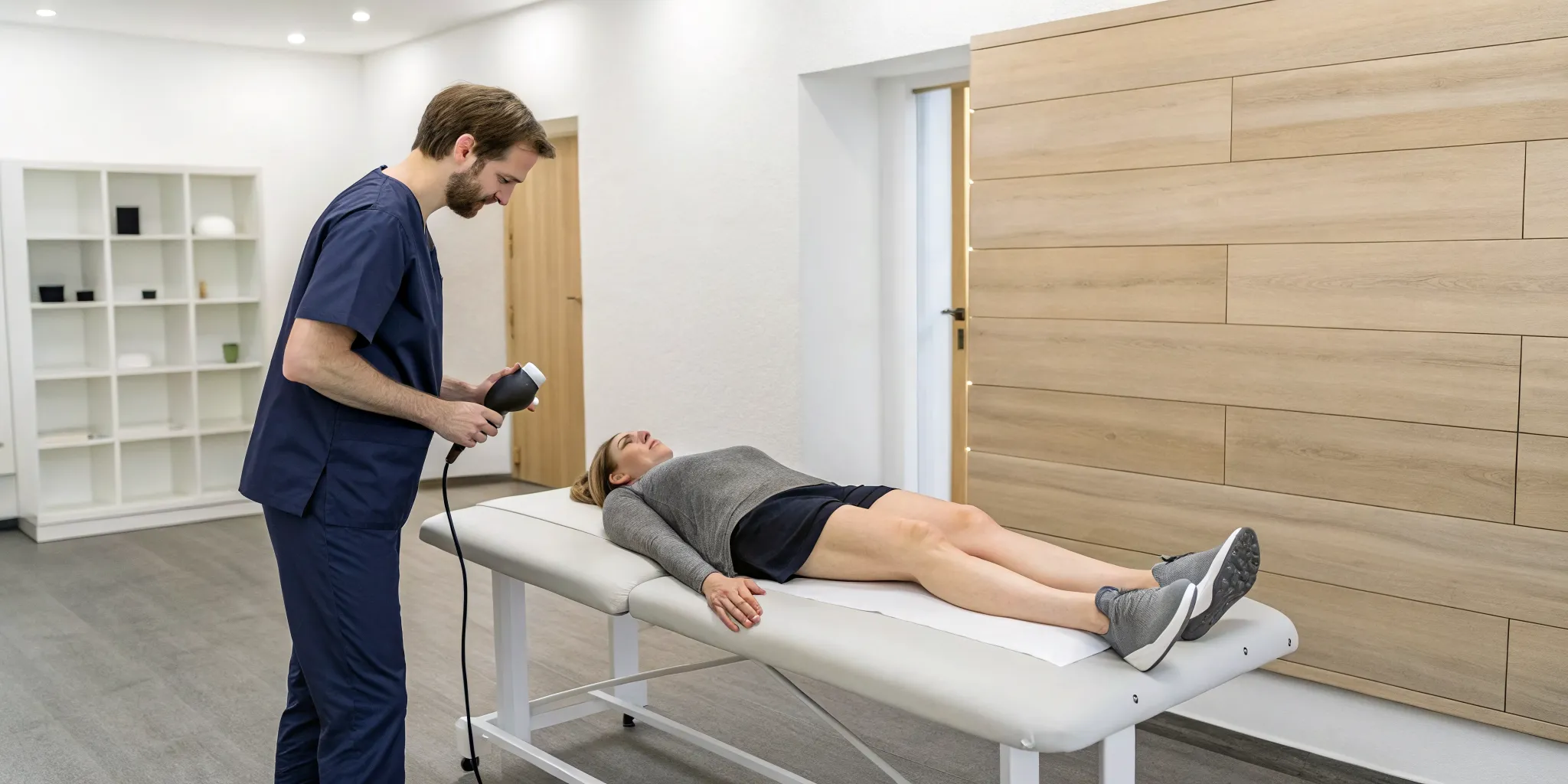
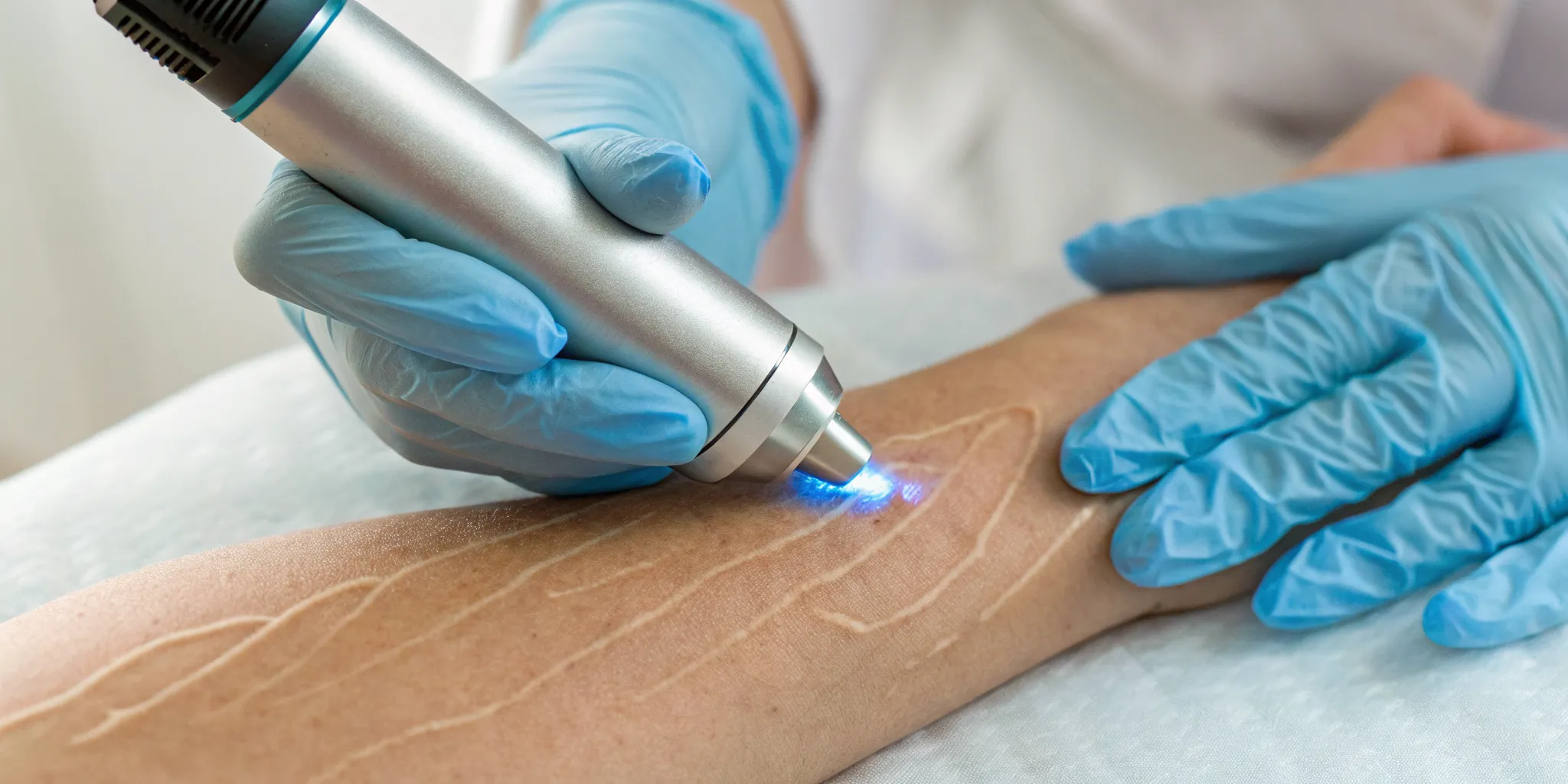
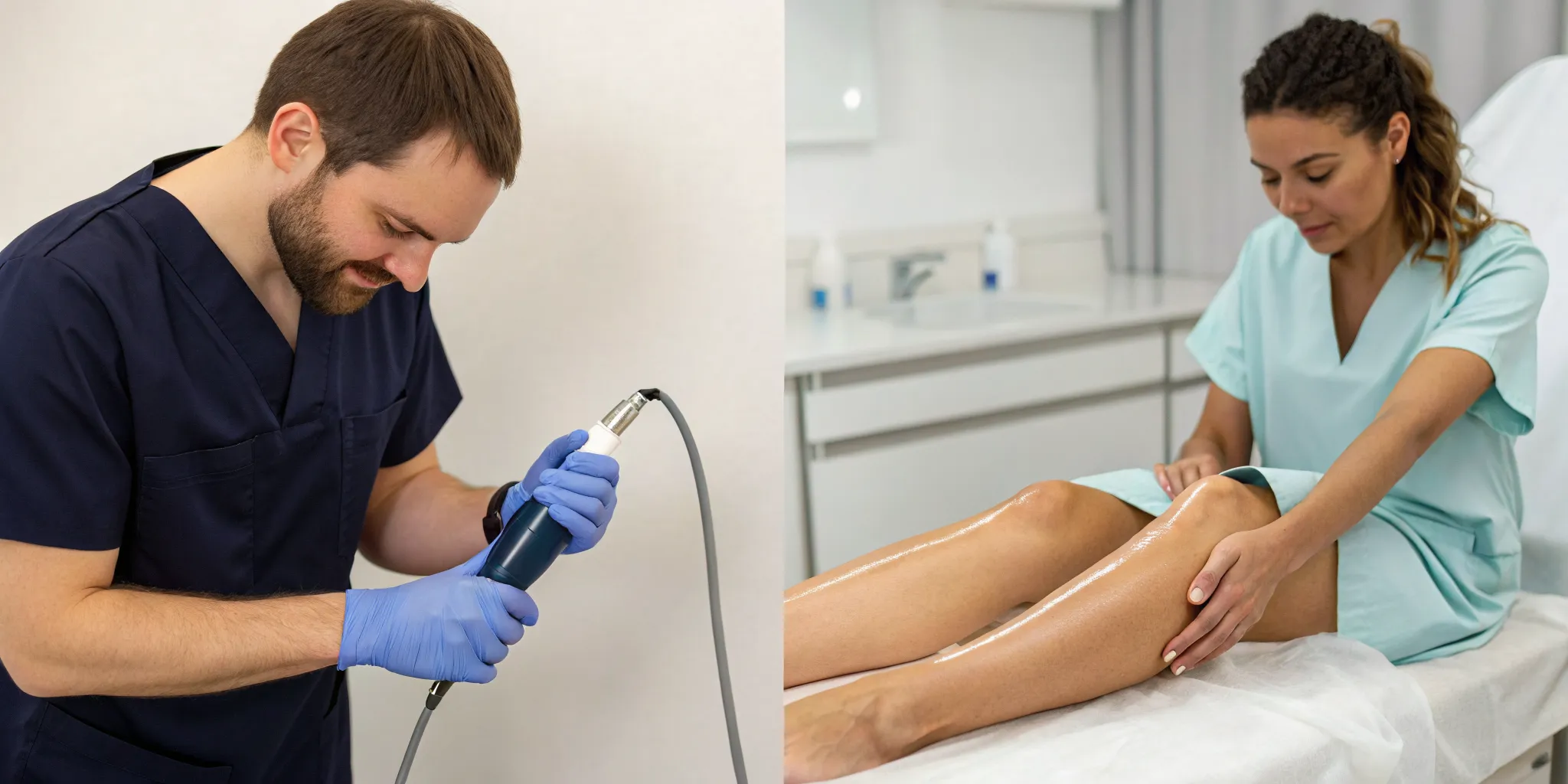
Once you’re settled, the process is simple. First, your practitioner will apply a layer of gel to the skin over the painful area of your foot. This gel helps ensure the acoustic waves are transmitted effectively into the tissue. Next, they will place a handheld probe on the gel and begin the treatment. You will feel a tapping or pulsing sensation as the device sends energy waves into the targeted area. It’s very helpful if you communicate with your practitioner during the session to pinpoint the exact source of your pain. This feedback allows us to deliver the therapy with precision, ensuring the treatment is focused right where you need it most as part of your physical medicine plan.
Session Length and Frequency
A single shockwave therapy session is surprisingly quick, typically lasting only about 15 to 20 minutes from start to finish. While some people feel relief after just one appointment, shockwave therapy works best as a cumulative treatment. The acoustic waves stimulate a healing response that builds over time. For the best outcome, most people need between three and six sessions, usually scheduled about a week apart. The exact number of treatments will depend on your unique condition, how long you’ve been experiencing pain, and how your body responds. We’ll create a personalized plan designed to give you lasting relief.
Does Shockwave Therapy Hurt?
It’s completely normal to wonder about pain when you’re considering a new treatment. The short answer is that while you’ll definitely feel something, most people don’t describe shockwave therapy as painful. Instead, they find it manageable and well worth the results. The sensation is temporary, and your comfort is a top priority throughout the entire process.
Think of it less like a sharp, scary pain and more like a productive discomfort, similar to a deep tissue massage. The goal is to stimulate healing, not to cause distress. Our team is with you every step of the way to make sure the intensity is just right for you, ensuring the treatment is both effective and tolerable.
What You'll Feel During Treatment
During a shockwave therapy session, you can expect to feel a tapping or pulsing sensation against your skin. Some people describe it as a strong vibration or a feeling of pressure right at the treatment area. While there might be moments of mild discomfort, especially over a particularly sensitive spot, it’s generally well tolerated. The intensity of the waves can be adjusted in real-time to match your comfort level.
The feeling is a sign that the acoustic waves are breaking up scar tissue and stimulating blood flow to the area. This process is a key part of our physical medicine approach, designed to kickstart your body’s own repair mechanisms. Most patients leave the session feeling immediate relief, even if the treatment itself felt a little strange.
Staying Comfortable Throughout the Session
Your comfort is our priority. Open communication with your practitioner is the most important part of ensuring a positive experience. We encourage you to provide feedback throughout the session. If a sensation ever feels like it’s too much, just let us know. We can immediately adjust the intensity or reposition the applicator to make you more comfortable.
Our team values a patient-centered approach, and we want you to feel safe and in control of your treatment. We’re partners in your health journey, and that means listening to you. You should never feel like you have to just "tough it out." By working together, we can find the perfect level of intensity that promotes healing without causing unnecessary discomfort. You can learn more about our philosophy and our team on our website.
When to Consider Other Options
While shockwave therapy is a fantastic tool for many types of chronic foot pain, it isn’t the right fit for everyone. A thorough assessment is always the first step to determine if you’re a good candidate. For example, this therapy is generally not recommended for individuals who are pregnant, have certain nerve or circulation disorders, or have open wounds in the treatment area.
If shockwave therapy isn't the best path for you, it doesn’t mean you’re out of options. Our goal is to find the root cause of your pain and create a personalized plan to address it. We have a wide range of tools to help with the conditions we treat, from corrective chiropractic care to functional medicine protocols. Finding the right solution starts with a conversation about your unique health history and goals.
Shockwave Therapy vs. Other Common Treatments
When you're dealing with persistent foot pain, you've likely explored several treatment avenues. It’s helpful to understand where shockwave therapy fits in with more conventional approaches. Rather than being an isolated solution, it can serve as a powerful alternative or a complementary therapy that enhances your body’s ability to heal. Let's look at how it compares to physical therapy, injections, and surgical options.
Compared to Physical Therapy
Think of shockwave therapy and physical therapy as a team working together for your recovery. While they can be used independently, their effects are often amplified when combined. Physical therapy focuses on improving your strength, flexibility, and movement patterns to correct the mechanical issues contributing to your foot pain. It’s a crucial part of long-term health and preventing reinjury.
Shockwave therapy, on the other hand, works at a cellular level to speed up tissue repair. It acts as a catalyst for the healing that your physical medicine plan aims to support. By stimulating blood flow and encouraging the regeneration of healthy tissue, shockwave can accelerate your progress in physical therapy, helping you find relief and restore function more quickly.
Compared to Injections
Many people turn to injections for quick pain relief, but this approach often acts as a temporary fix. Injections can mask the pain without addressing the root cause of the tissue damage. Over time, their effectiveness can diminish, and they may come with unwanted side effects. Shockwave therapy offers a non-invasive alternative that works with your body, not just on it.
Instead of silencing pain signals, shockwave therapy stimulates your body’s own healing processes to repair the injured tissue from the inside out. This approach is designed to create lasting change and sustainable relief. For many of the chronic conditions we treat, promoting natural healing is a much more effective long-term strategy than relying on temporary solutions.
Compared to Surgical Procedures
The idea of foot surgery can be daunting, involving significant risks, a long recovery period, and no guarantee of success. For chronic conditions like plantar fasciitis or Achilles tendinopathy, shockwave therapy presents a compelling non-invasive option that may help you avoid an operation altogether. It’s a way to address stubborn pain without the cuts, anesthesia, or extended downtime.
Many people experience substantial pain reduction and a return to their favorite activities after completing a shockwave treatment plan. By activating your body’s healing response, it helps you rebuild tissue and regain function naturally. Exploring our full range of services can give you a clearer picture of the non-surgical paths available for restoring your foot health and getting you back on your feet.
How Soon Will I See Results?
It’s completely normal to wonder when you’ll start feeling better. After all, you’re seeking treatment to get back to your life without foot pain. While everyone’s healing journey is unique, we can give you a general idea of what to expect. The key is to think about your recovery in two parts: the immediate relief you might feel and the deeper, long-term healing that happens over weeks.
Your body is doing incredible work behind the scenes, and shockwave therapy is the catalyst that gets that process started. Patience is a big part of the process, but so is tracking your progress. Let’s walk through the typical timeline and the factors that can shape your personal outcome.
Short-Term Relief and Long-Term Healing
Many people walk out of their first session feeling a noticeable reduction in pain, which is a fantastic start. This initial relief happens because the acoustic waves can have an immediate effect on nerve endings, calming them down. However, this isn't the end of the story. The real magic of shockwave therapy is its ability to stimulate your body’s own healing mechanisms.
True, lasting recovery involves repairing and rebuilding damaged tissue. This is a gradual process that doesn't happen overnight. Most of the significant, structural healing takes place over 4 to 12 weeks as your body generates new blood vessels and repairs the tissue. This is one of the core principles of our physical medicine approach: we work with your body to create lasting change, not just a temporary fix.
Understanding the Healing Timeline
It’s helpful to see healing as a steady progression rather than an instant switch. You might have good days and some not-so-good days, and that’s perfectly normal. Studies on shockwave therapy show that patients report a significant, steady decrease in pain over a 12-week period. Think of it as a downward trend on a chart; even if there are small bumps, the overall direction is toward less pain and better function.
We encourage you to keep a simple log of your symptoms. This can help you see the progress you’re making over time, which can be incredibly motivating. Whether you're dealing with plantar fasciitis or another chronic issue, understanding the typical healing arc for the conditions we treat helps you set realistic expectations and stay committed to your recovery plan.
What Influences Your Outcome
Your results depend on a few key factors, and you play an active role in your own success. One of the most important things you can do is communicate with your practitioner during the treatment. Pointing out exactly where you feel the pain helps us target the area with precision, making each session more effective. Your feedback is invaluable.
Other factors, like the severity of your condition, how long you’ve had it, and your overall health, also influence your outcome. It’s also important to follow any at-home care advice we provide, such as specific stretches or activity modifications. If you ever feel like your progress has stalled, the best thing to do is talk to us. We can adjust your treatment plan to ensure you get the best possible results. Your healing is a partnership, and we’re here to support you every step of the way.
Are There Any Risks or Side Effects?
It’s smart to ask about the potential side effects of any new treatment. The good news is that shockwave therapy is a non-invasive procedure with a strong safety record. Most people experience only minor issues that resolve quickly on their own. Because your health and safety are our top priorities, it’s also important to know when this therapy might not be the best choice.
Our team at Ascend Functional Health always conducts a thorough evaluation to ensure any treatment we recommend is the right fit for your specific health profile and goals. We believe in open communication, so let’s walk through what you can expect.
Common, Temporary Side Effects
After a shockwave session, it’s common to feel some minor discomfort in the treated area. Think of it as a sign that your body’s healing response has been activated. You might notice some temporary pain, extra sensitivity, redness, or even light bruising where the applicator was used. Some people also report a feeling of numbness or swelling, but these effects are generally mild.
These side effects are a normal part of the process and typically fade within a day or two. They are simply indicators that the therapy has stimulated blood flow and metabolic activity, kicking off the tissue repair you’re looking for. Our approach to physical medicine focuses on supporting your body’s innate ability to heal, and these temporary responses are a step in that direction.
Who Should Not Get Shockwave Therapy
While shockwave therapy is safe for most people, it’s not suitable for everyone. Certain health conditions or circumstances can make it a poor fit. For your safety, you should not receive shockwave therapy if you are pregnant, have a pacemaker, or have an active infection or open sore in the area being treated. It’s also not recommended for individuals with a history of cancer in the target area or those with certain nerve conditions like neuropathy.
We also need to know if you’ve had a steroid injection in the same spot recently. A thorough health history helps us determine the best path forward for you. By understanding all the conditions we treat, we can identify the most effective and safest therapies for your unique situation, ensuring you get the personalized care you deserve.
Investing in Your Foot Health
Deciding to move forward with any treatment is a big step, and it’s smart to understand the full picture. When you’re dealing with persistent foot pain, you want to know what the journey back to comfort looks like. Thinking about shockwave therapy as an investment in your long-term mobility and quality of life can help you plan. Let’s walk through the key factors that shape your treatment path, from the number of sessions to the financial commitment involved.
Factors That Shape Your Treatment Plan
Shockwave therapy is a powerful tool, but it’s typically reserved for specific situations. It’s most often recommended for stubborn, chronic foot conditions that haven’t improved with initial approaches. If you’ve already tried things like rest, stretching, or even custom orthotics without getting the relief you need, shockwave therapy might be the next logical step.
Your provider will create a plan tailored to your unique history and symptoms. They’ll consider how long you’ve had the pain and which other treatments you’ve attempted. This is why a thorough initial assessment is so important. It ensures that shockwave therapy is the right choice for you and that the treatment plan is designed to address the root cause of your discomfort, fitting into a broader strategy of physical medicine and corrective care.
Why the Number of Sessions Is Important
Patience is a key part of the healing process with shockwave therapy. While it would be great to have a one-and-done solution, your body needs time to respond. Most treatment plans involve three to five sessions, usually scheduled about a week apart. This consistent schedule helps stimulate the tissue and keep the healing momentum going.
While some people report feeling better right away, the full benefits often appear over time. The acoustic waves trigger your body’s natural repair mechanisms, but tissue regeneration isn’t an overnight process. It generally takes between four and 12 weeks after your final session to experience the complete results as your foot continues to heal and strengthen. Understanding this timeline from the start helps you set realistic expectations for your recovery.
A Note on Payment
Understanding the financial side of your treatment is essential for planning. The investment for shockwave therapy can vary quite a bit from one provider to another. Generally, you can expect each session to fall within a certain range, and it’s important to discuss this with your chosen specialist. They can give you a clear picture of the expected number of sessions and the total investment for your complete care plan.
When you have your consultation, don’t hesitate to ask for a full breakdown of the anticipated expenses. A transparent conversation ensures there are no surprises along the way. You can contact our office to schedule a consultation where we can discuss your specific condition and determine if shockwave therapy is the right path for you.
Is Shockwave Therapy the Right Step for You?
Deciding on the right treatment for persistent foot pain can feel overwhelming, but understanding your options is the first step toward relief. Shockwave therapy is an excellent choice for many people, especially if you're dealing with a chronic issue that just won't go away. If you've tried rest, stretching, and even custom orthotics for conditions like plantar fasciitis or Achilles tendinopathy without seeing the results you hoped for, this therapy might be the breakthrough you need.
It’s particularly effective for stubborn pain that has lingered for months. The treatment works by using acoustic waves to stimulate your body’s natural healing processes, promoting the repair of damaged connective tissues. Think of it as a way to restart the healing cycle in an area that has been "stuck." Because it's non-invasive, it's often considered a great alternative before looking at more intensive procedures. Many of our patients at Ascend Functional Health appreciate that they can get back to their daily activities right after a session.
Most people see significant improvement after a series of three to five weekly sessions. While it's not a guaranteed solution for everyone, it has a strong track record for helping people finally find lasting relief from chronic foot pain. If you're tired of being held back by discomfort and want to explore a treatment that supports your body's ability to heal itself, it’s worth discussing with a professional. We can help you determine if it aligns with your specific health goals and our overall approach to physical medicine.
Related Articles
- SoftWave Tissue Regeneration Therapy in Tampa | Alessi Functional Health
- SoftWave TRT Therapy in Tampa, FL - Alessi Functional Health
- Pain Free Future | Alessi Functional Health
- Regenerative Medicine for Pain Recovery | Ascend Functional Health
- What Is Graston Technique Therapy? A Beginner's Guide
Frequently Asked Questions
Does the treatment actually hurt? This is the most common question we get, and it's a great one. Most people describe the sensation as a strong, deep tapping or pulsing rather than a sharp pain. You will definitely feel it working, and there can be some discomfort over a particularly sensitive spot, but it should never feel unbearable. We can adjust the intensity at any moment to match your comfort level, so open communication during your session is key to making it a productive and positive experience.
How many sessions will I need to feel better? While some people feel a degree of relief right away, the therapy's true benefits are cumulative. The treatment works by prompting a healing process that builds over time. Most people need a series of three to six weekly sessions to achieve the best results. The most significant, lasting improvement typically occurs in the weeks following your final appointment as your body continues to repair the tissue.
What should I do after my appointment? Are there any restrictions? One of the best parts of shockwave therapy is that you can get right back to your day. You can walk out of the office and resume your normal daily activities immediately. However, we do recommend avoiding any strenuous, high-impact exercise, like running or jumping, for about 48 hours after your session. This gives the treated area a chance to settle and allows the healing response to begin without added stress.
I've tried everything for my plantar fasciitis. Why would this work when nothing else has? It can be incredibly frustrating when you feel like you've exhausted all your options. Shockwave therapy is often effective in these exact situations because it works differently. With chronic conditions, the body's natural healing process can stall. Shockwave helps restart that process at a cellular level by stimulating new blood flow and breaking down stubborn scar tissue, which is something that stretching or orthotics alone can't do. It addresses the root of the problem instead of just managing the symptoms.
Who is the ideal candidate for shockwave therapy? This therapy is an excellent option for individuals dealing with chronic connective tissue pain, especially in the foot, that has lasted for several months without responding to initial treatments. If you've been diligent with stretching, icing, and other conservative methods for conditions like Achilles tendinopathy or heel spurs and still feel stuck, you are likely a great candidate. A full consultation is the best way to confirm it's the right path for you.