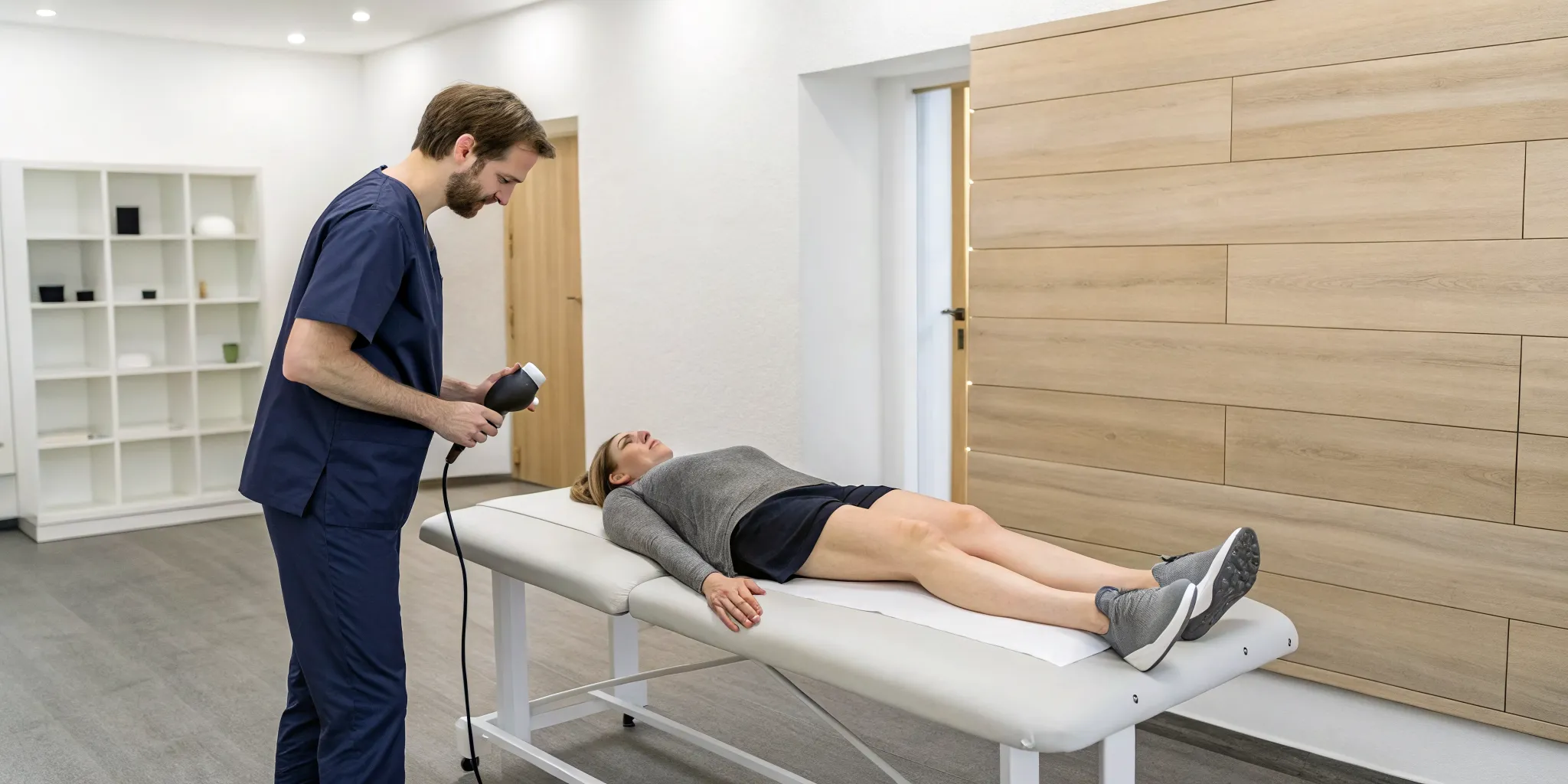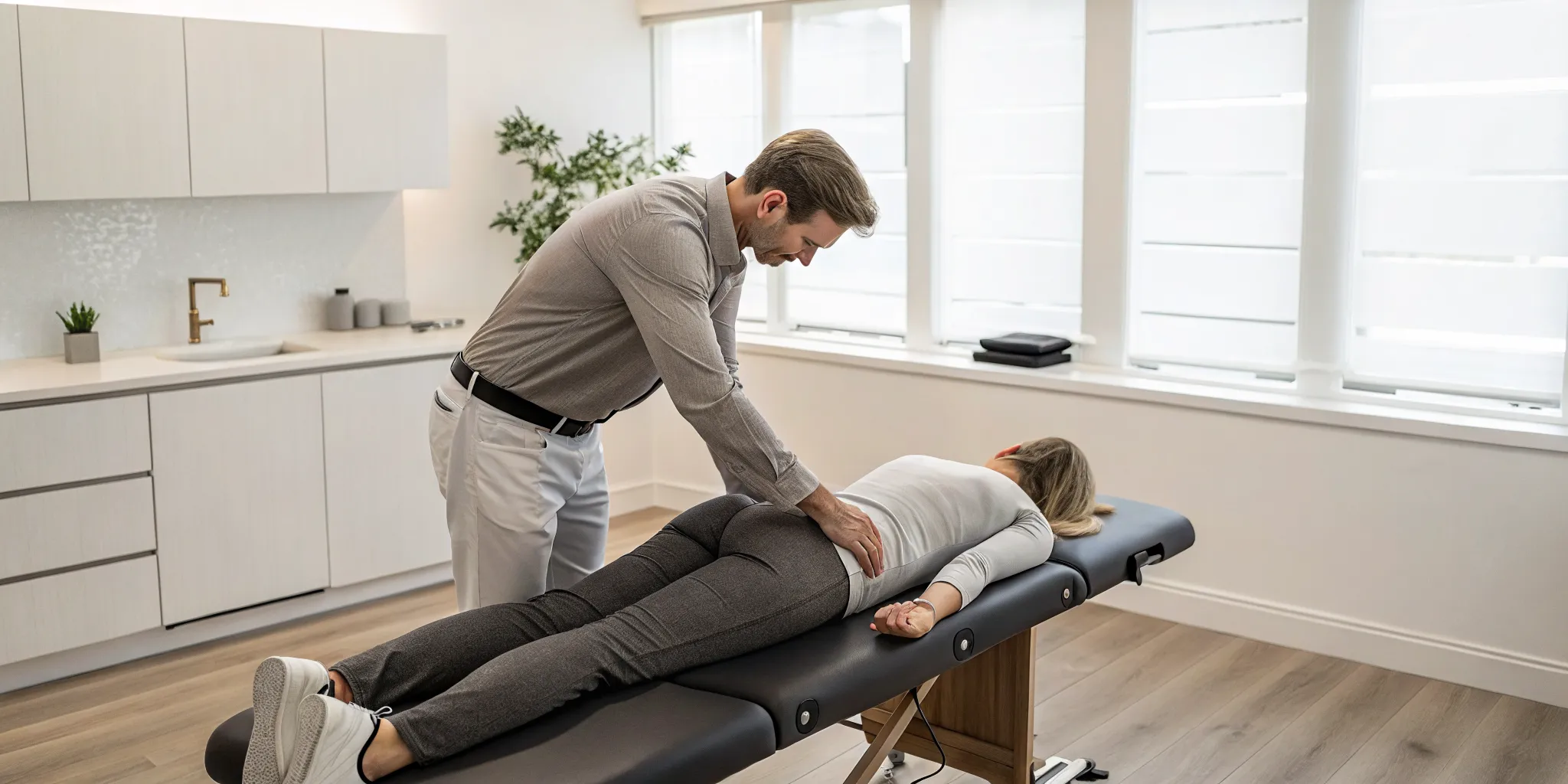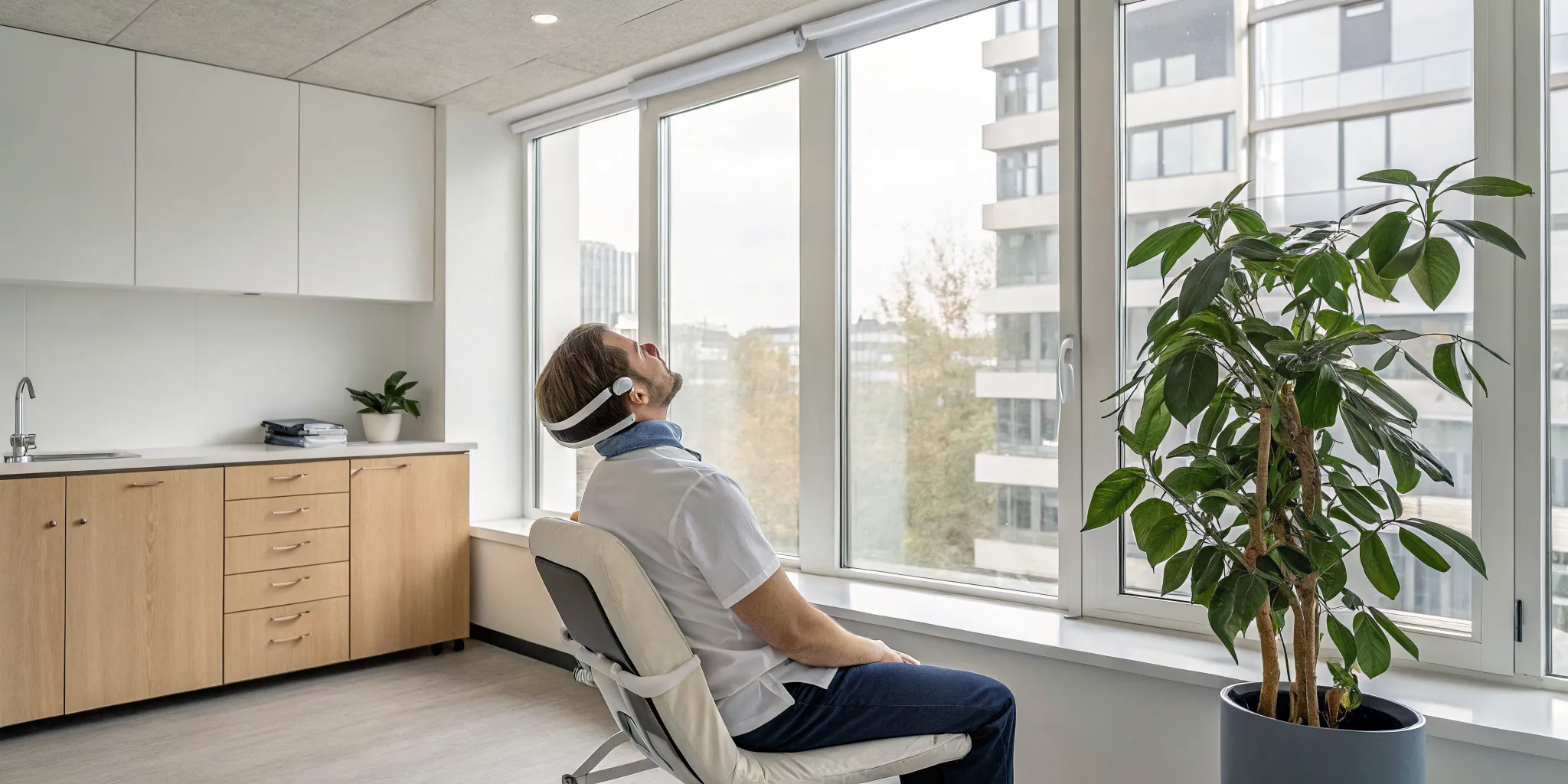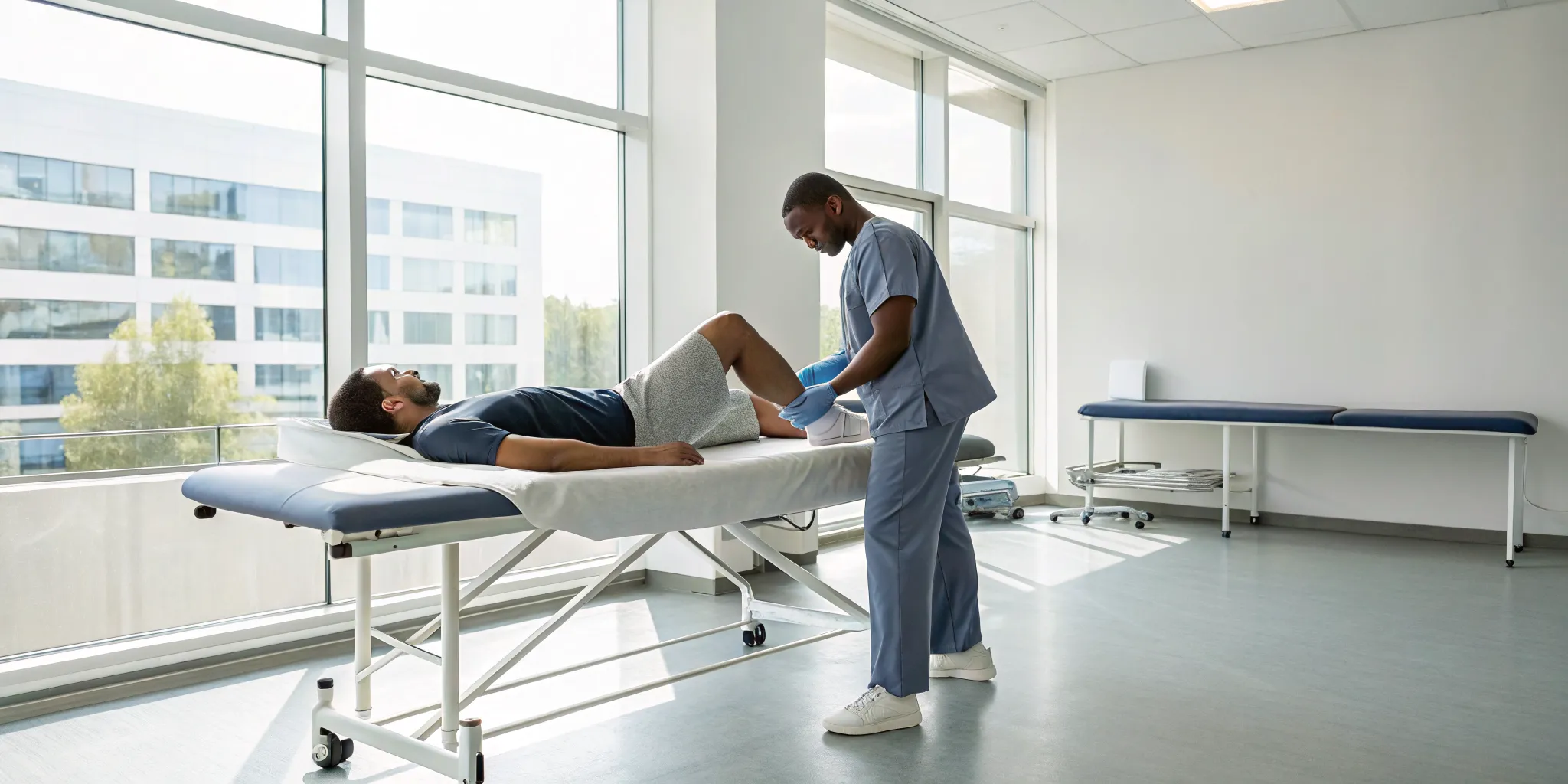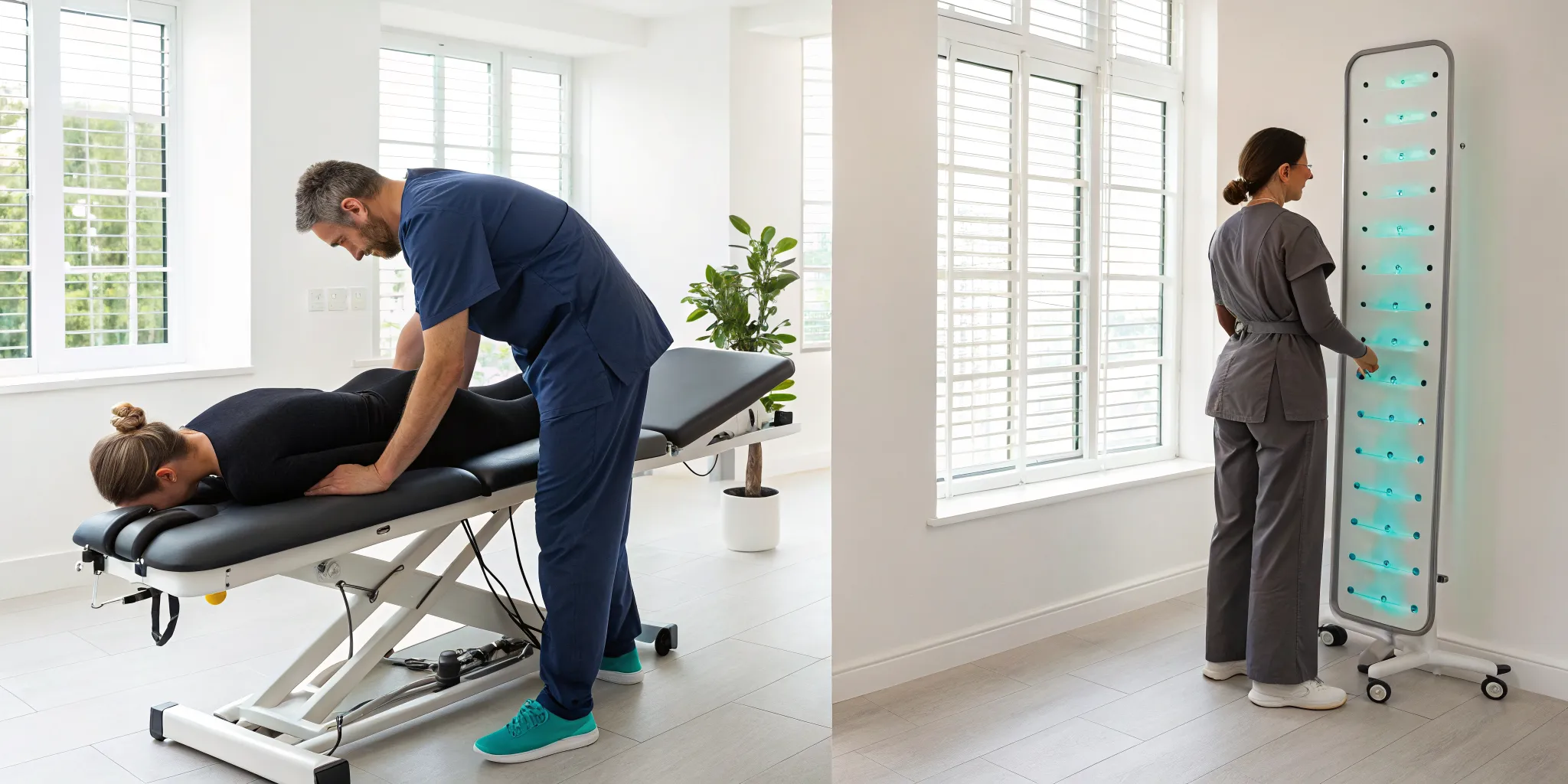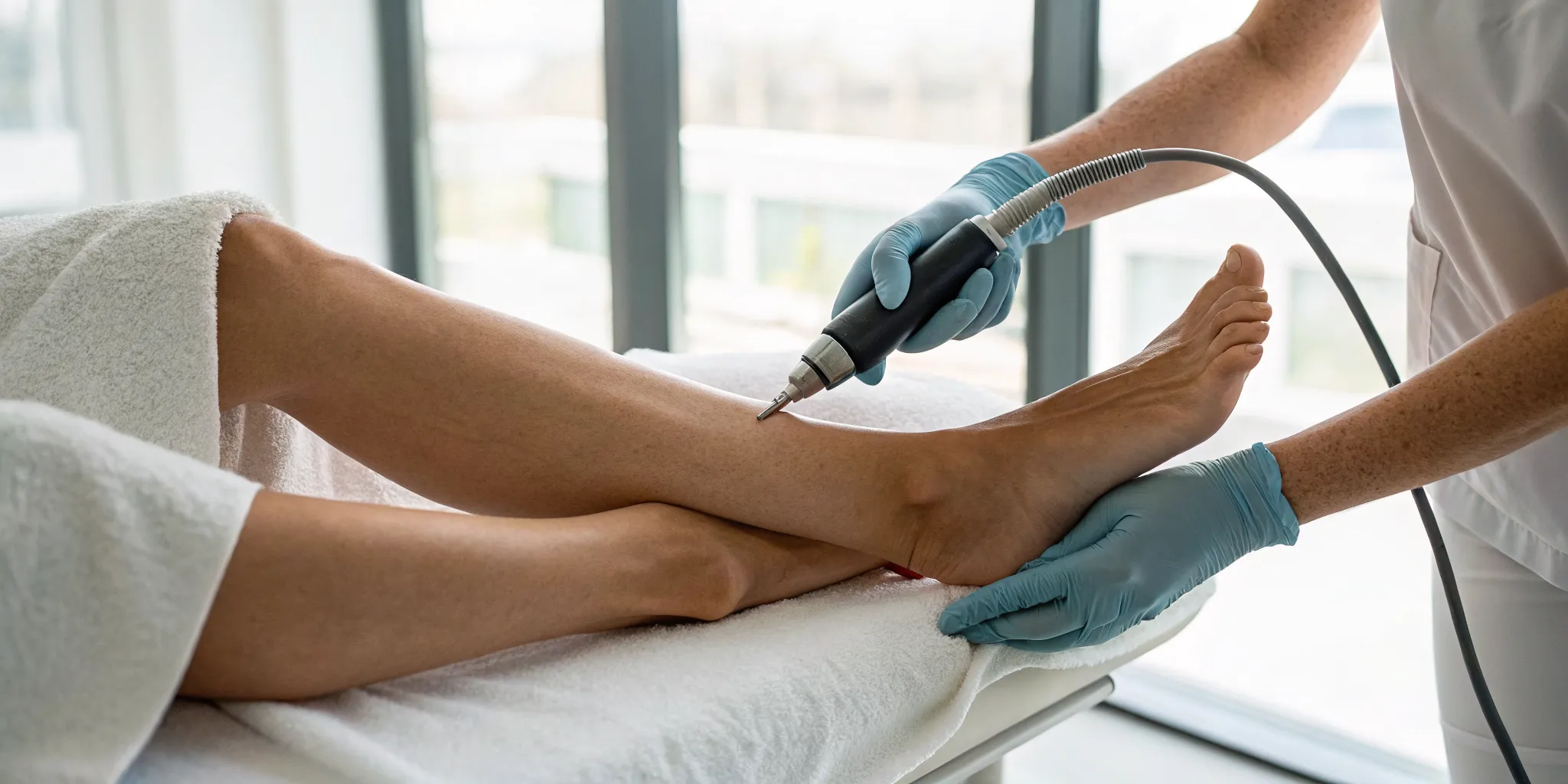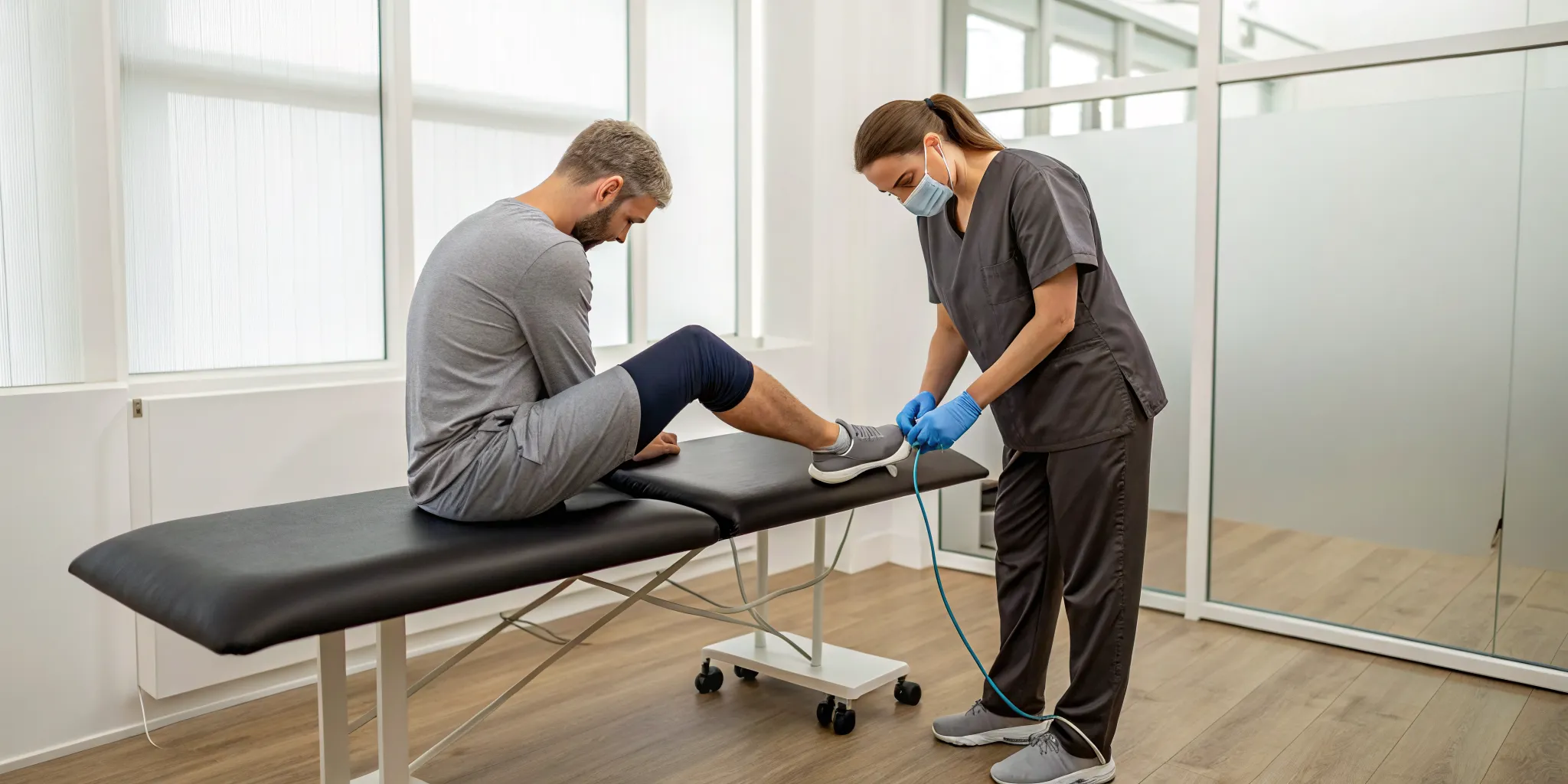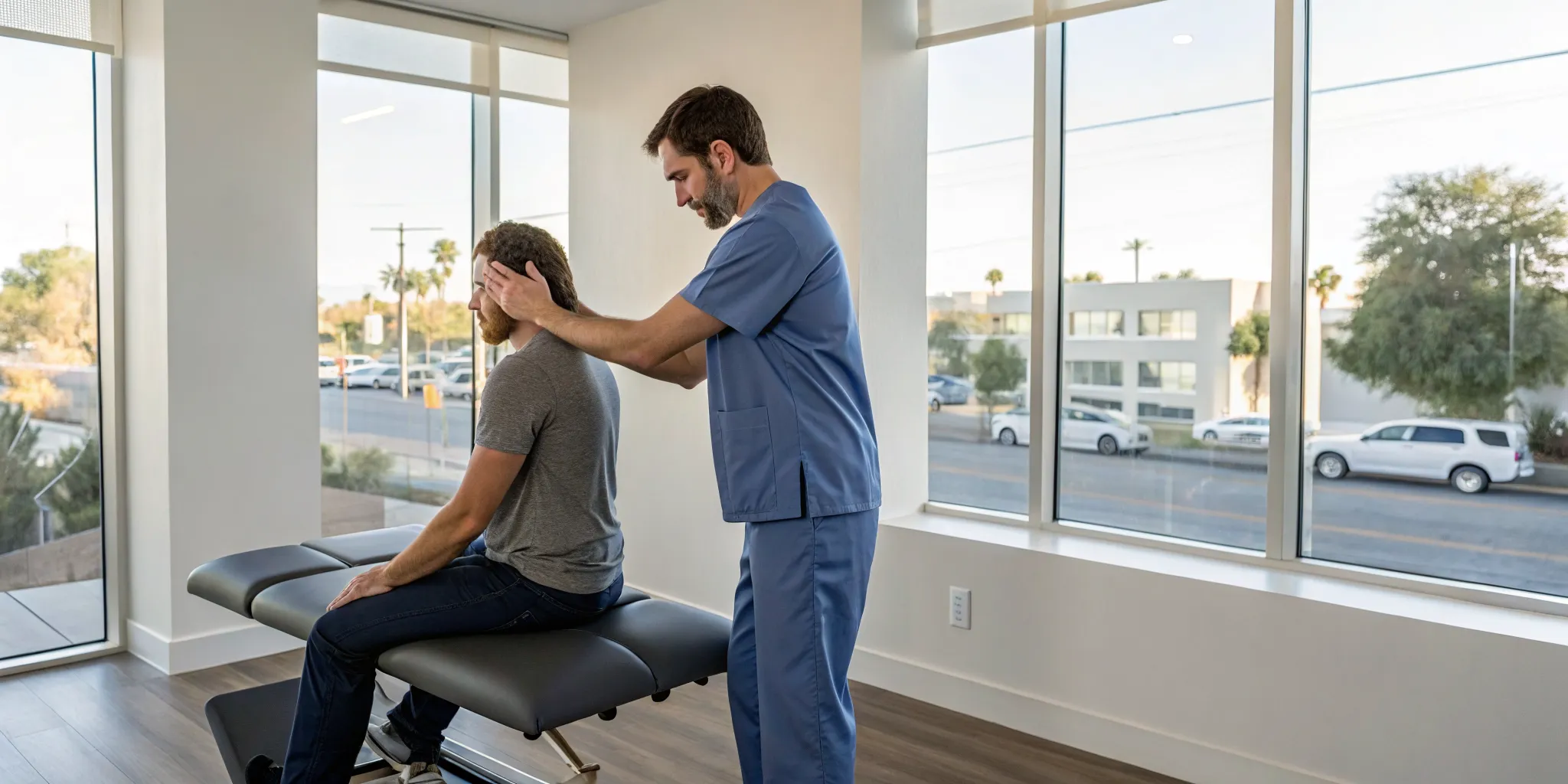
Finding lasting relief from a herniated disc isn’t about a single treatment; it’s about a comprehensive strategy. While spinal decompression is a powerful tool, its true potential is realized when it’s part of a personalized care plan. This therapy works by gently creating space in the spine, allowing discs to heal and reducing nerve pressure. To ensure these results are sustainable, we integrate it with corrective exercises and other supportive therapies. This holistic approach is central to how we provide spinal decompression for a herniated disc in Tampa, FL, focusing on strengthening your body to prevent future issues and promote long-term wellness.
Key Takeaways
- Decompression Aids Natural Healing: This therapy gently stretches your spine to create negative pressure, which helps pull herniated disc material back into place and improves the flow of healing nutrients to the injured area.
- A Holistic Approach Delivers Lasting Results: Decompression is most effective when it's part of a complete care plan. Combining it with supportive therapies, like corrective exercises, helps address the root cause of pain and supports long-term spinal health.
- The Treatment is Gentle and Controlled: Spinal decompression is a comfortable, non-surgical therapy, not a forceful adjustment. The process is highly controlled and relaxing, with a very low risk of side effects, making it a safe alternative for pain relief.
How Spinal Decompression Heals Herniated Discs
If you’re dealing with the persistent pain of a herniated disc, you know how much it can disrupt your life. It’s the kind of discomfort that makes you feel like you’ve tried everything without finding lasting relief. Spinal decompression is a gentle, non-surgical approach that works with your body’s own healing mechanisms to address the root cause of the pain. It’s not about masking symptoms; it’s about creating the right environment for your spine to heal itself. Let’s walk through how this therapy can help you get back to living without constant pain.
What Happens When You Have a Herniated Disc
Think of the discs in your spine as little jelly-filled donuts that sit between your vertebrae, acting as cushions. A herniated disc happens when the soft, gel-like center pushes out through a tear in the tough outer layer. This bulge can press on the surrounding nerves, leading to sharp pain, numbness, tingling, or weakness in your back, legs, or arms. It’s a common source of sciatica and other radiating pain that can make simple activities feel impossible. Our approach to physical medicine focuses on understanding these mechanical issues to provide targeted, effective care that helps your body recover properly.
How Does Spinal Decompression Work?
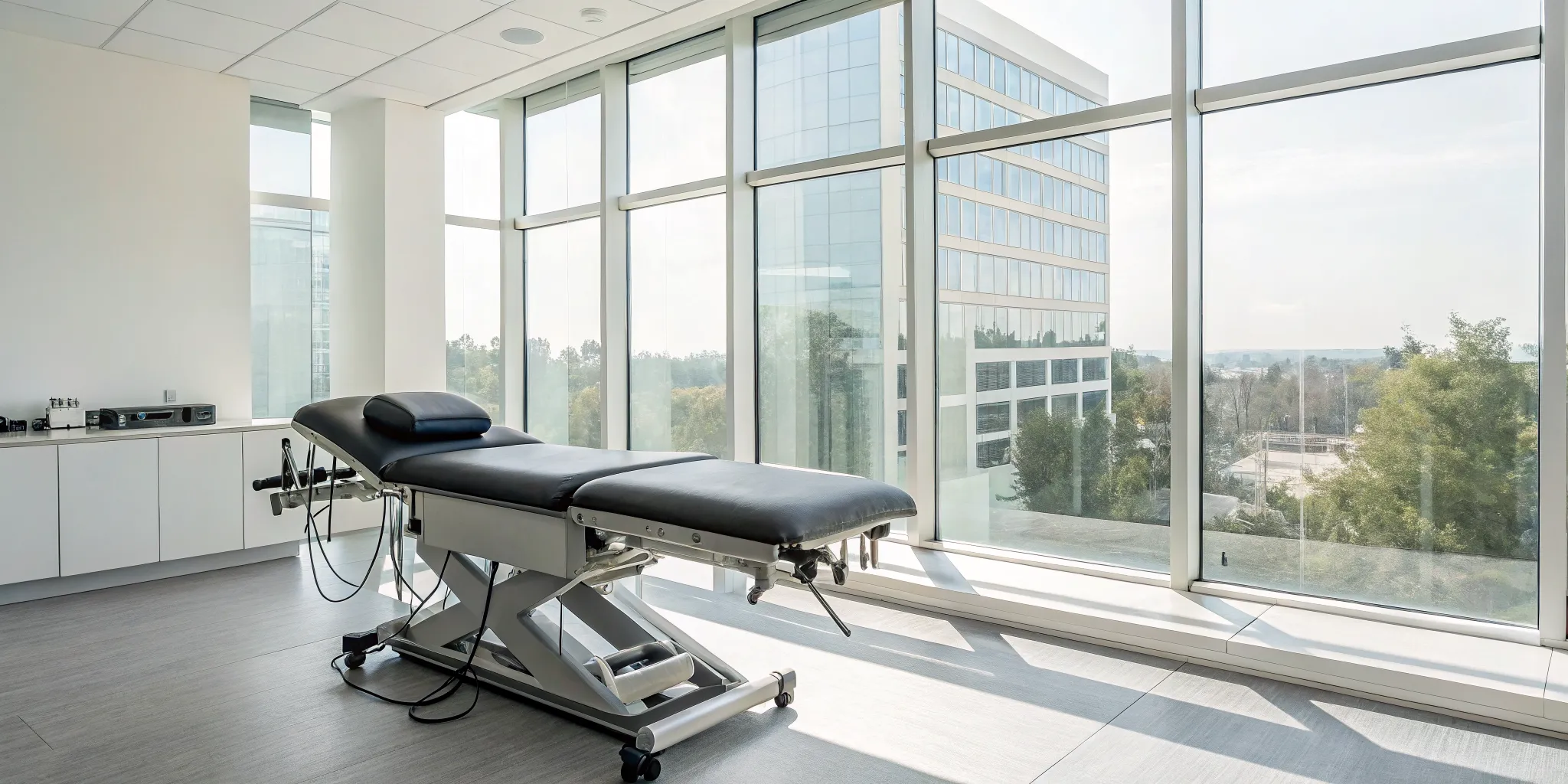
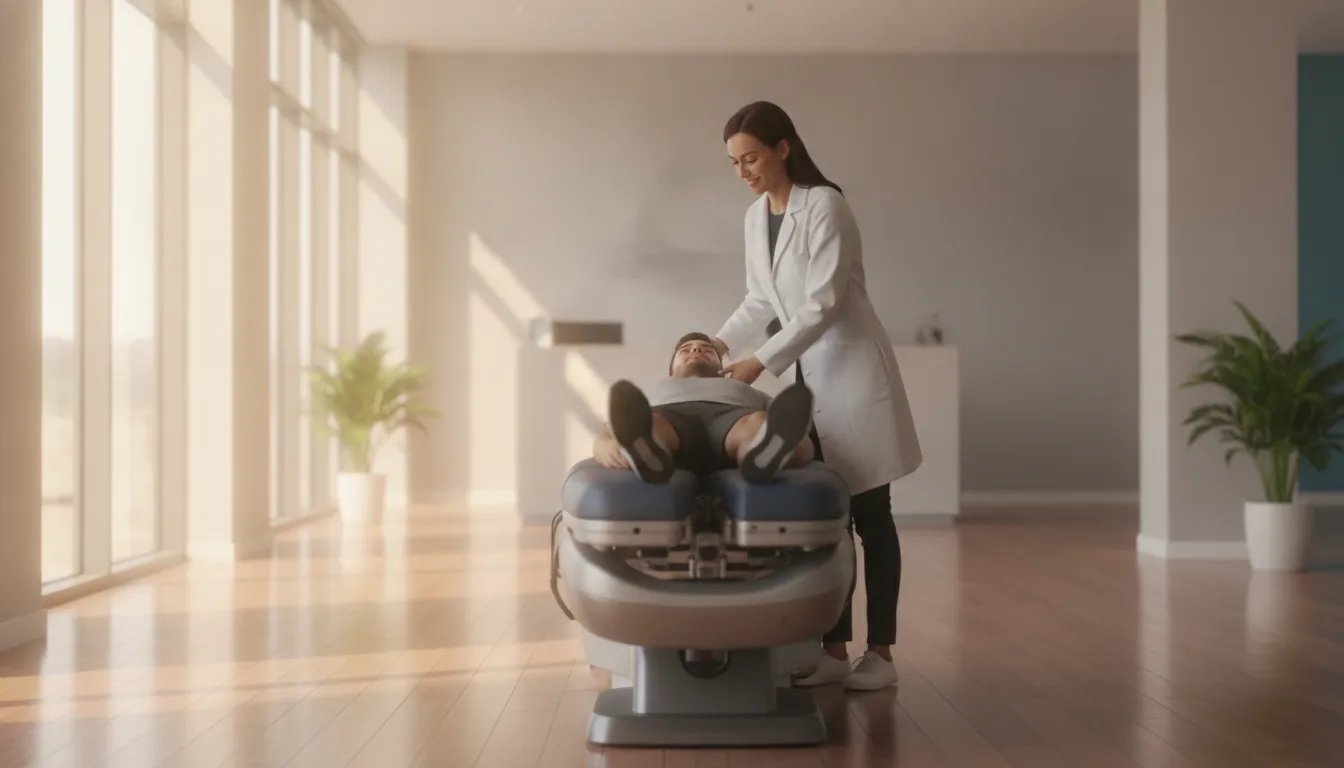
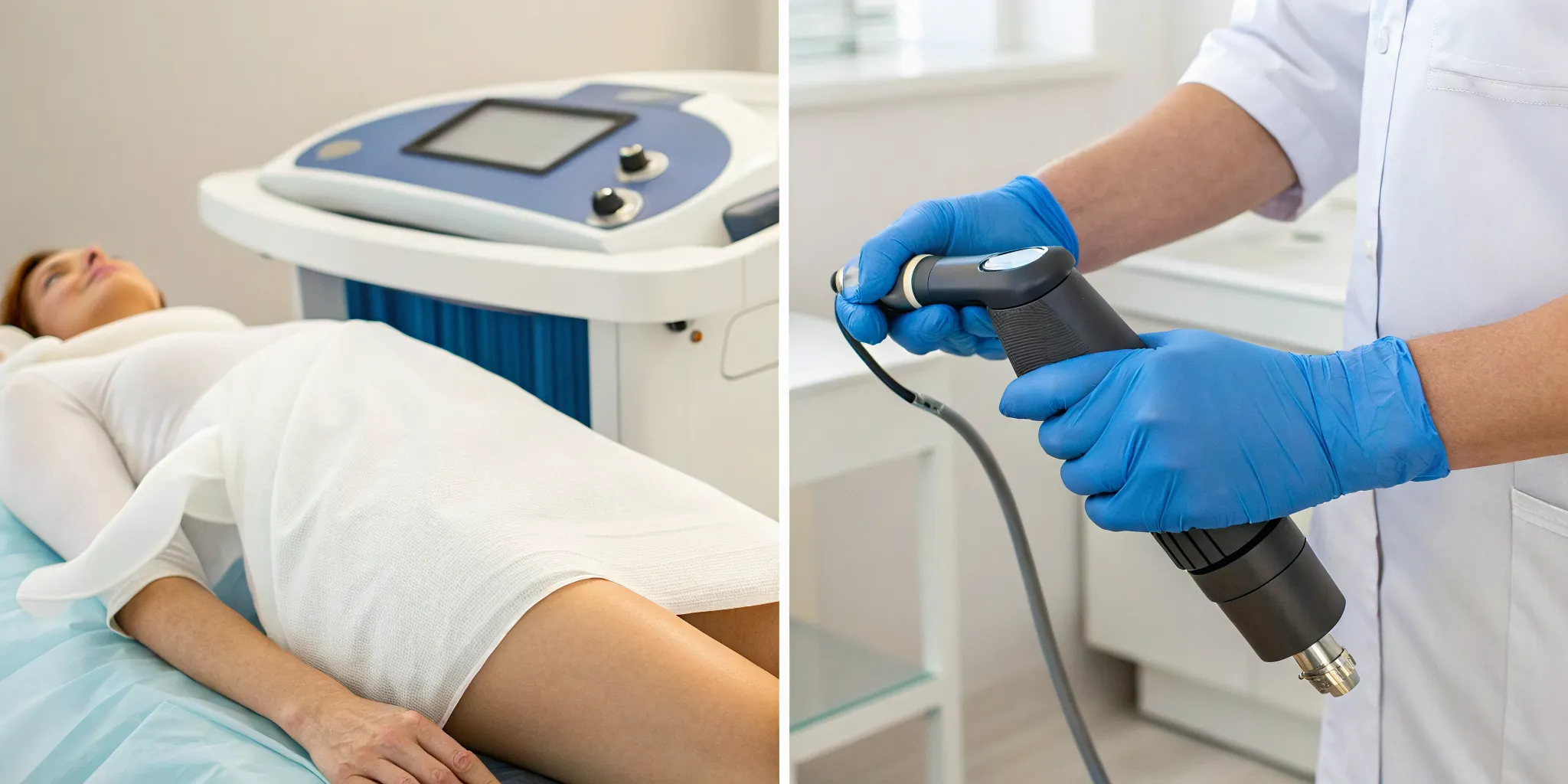
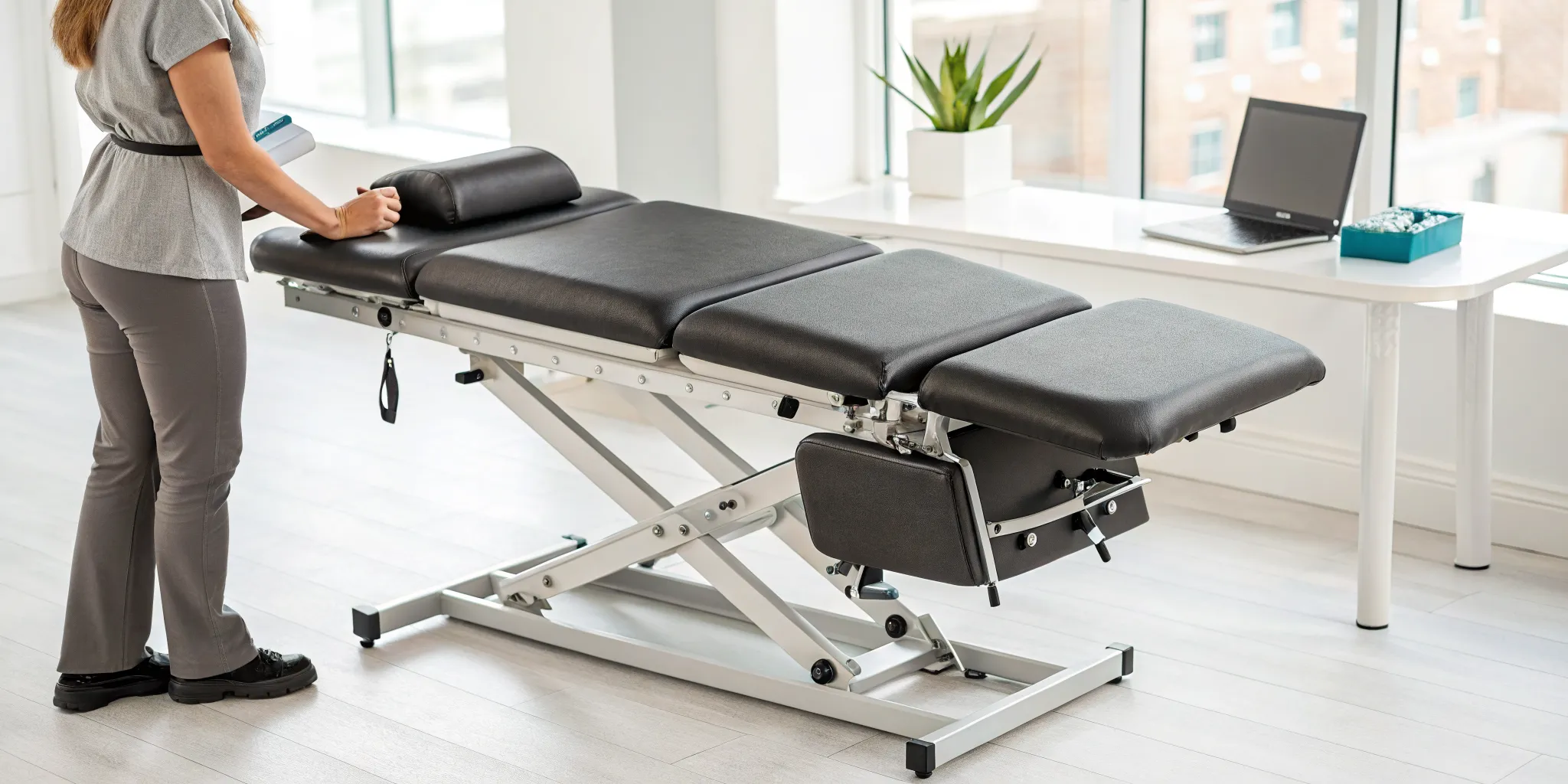
Spinal decompression therapy sounds complex, but the concept is quite simple and elegant. During a session, you lie on a specialized, computer-controlled table that gently and precisely stretches your spine. This slow, controlled movement creates a negative pressure inside the affected disc, almost like a vacuum effect. This negative pressure is the key, as it helps gently pull the bulging or herniated material back into the disc and away from the nerve it’s pressing on. It’s a highly controlled process designed to relieve pressure and give the disc space to begin healing, offering a path to relief without invasive procedures.
Why Better Blood Flow Is Key to Healing
One of the biggest challenges in healing a damaged disc is its limited blood supply. Without good blood flow, it’s difficult for oxygen, water, and essential nutrients to reach the injured area. This is where spinal decompression truly shines. The negative pressure created during the treatment doesn't just retract the disc material; it also encourages nutrient-rich fluids and blood to flow back into the disc. This process rehydrates the disc and stimulates your body’s natural healing response. By improving circulation to the specific area that needs it, we help your body do what it’s designed to do: repair itself from the inside out, which is a core part of our holistic health philosophy.
What Else Can Spinal Decompression Help With?
While it’s an incredible tool for herniated discs, the benefits of spinal decompression extend to a range of other spinal issues. This therapy is highly effective for anyone struggling with chronic lower back pain, persistent neck pain, or sciatica that shoots down the leg. It can also help with degenerative disc disease and facet syndrome, where the spinal joints become worn and painful. By decompressing the spine, we can reduce pain, improve your mobility, and help you get back to your daily activities with greater ease. Many of the conditions we treat respond well to this therapy as part of a comprehensive care plan.
Spinal Decompression vs. Surgery for Herniated Discs
When you're dealing with the intense pain of a herniated disc, you want a solution that works. Many people think surgery is their only option, but there are powerful, non-invasive treatments available. Spinal decompression is one of the most effective alternatives, offering relief without the risks and long recovery associated with surgery. Understanding the differences can help you make an informed choice about your health and find the path back to feeling your best.
Why Choose a Non-Surgical Approach?
If the idea of an operation makes you nervous, you're not alone. Spinal decompression offers a gentle alternative. This treatment carefully stretches your spine, creating negative pressure within the disc. This process helps retract the bulging or herniated material, taking pressure off pinched nerves. It also improves blood flow, which is essential for healing. Unlike an operation, this is a non-surgical approach that works with your body's natural ability to heal. It's a core part of our physical medicine services, designed to provide relief without the downtime.
Comparing Recovery: Decompression vs. Surgery
Recovery time is a major factor when considering treatment for back pain. Surgical procedures often require a long and sometimes difficult recovery period. Spinal decompression, on the other hand, has a much smoother path to relief. Studies show impressive results, with a high percentage of patients reporting significant pain reduction. Many people can continue with their daily activities throughout the treatment process. Instead of a lengthy layoff, you can focus on healing and getting back to your life sooner. You can read about the experiences of others who have found relief on our patient testimonials page.
Are You a Good Candidate for Spinal Decompression?
You might be wondering if spinal decompression is right for you. This therapy can be incredibly effective for a range of issues beyond just herniated discs. If you experience sciatica, degenerative disc disease, or persistent neck and back pain that hasn't responded to other treatments, you could be an excellent candidate. It's a common misconception that this treatment is only for severe cases. In reality, it can help people with various levels of discomfort find lasting relief. Exploring the conditions we treat can give you a better idea of how we can help your specific situation.
Who Should Not Get This Treatment?
While spinal decompression is a safe and effective option for many, it isn't suitable for everyone. Your safety is our top priority, and a thorough evaluation is always the first step. This treatment is generally not recommended for individuals with certain conditions, such as severe osteoporosis, spinal tumors, or infections. It's also not advised for those who have had recent spinal operations or have surgical hardware in their spine. A detailed health history and examination will help us determine the best and safest course of action for you. If you have questions about your specific circumstances, please contact us to discuss them.
What to Expect During Your Spinal Decompression Session
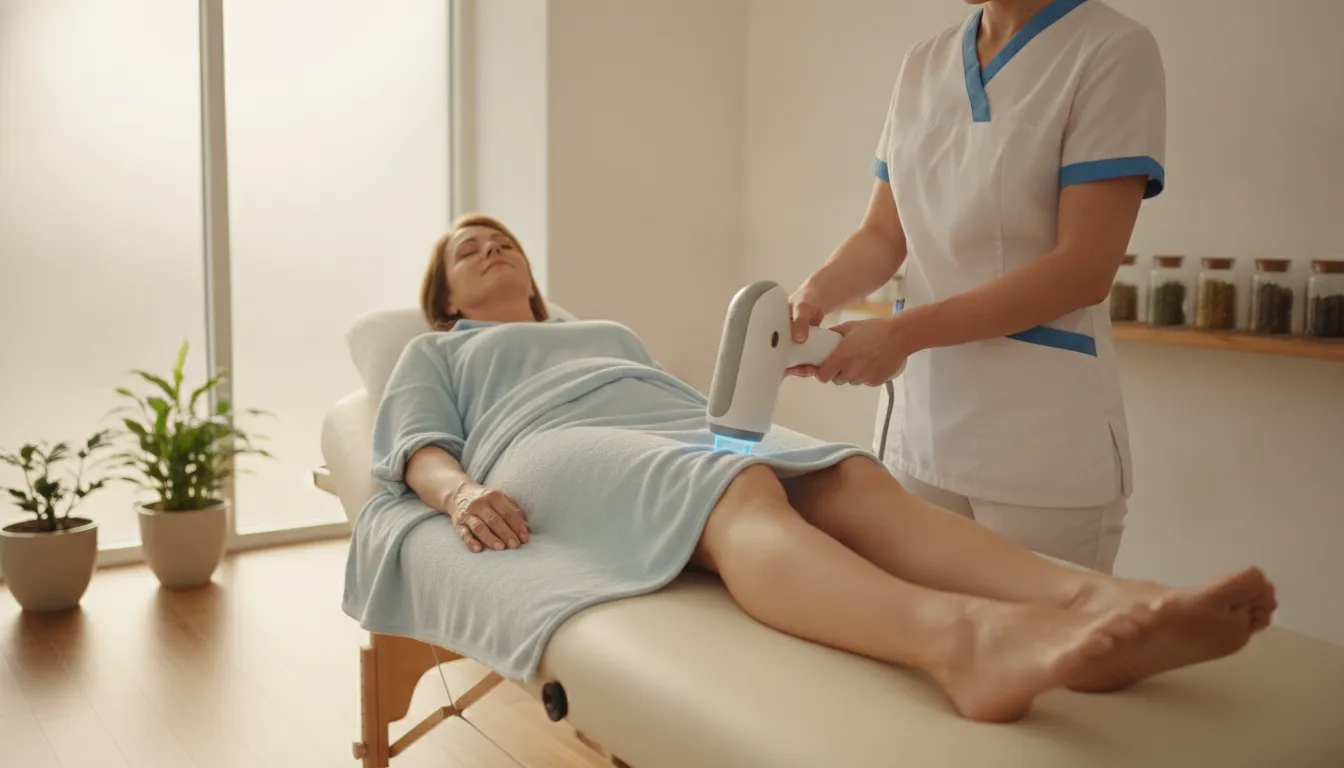
Walking into a new type of treatment can feel a little uncertain, especially when you’ve been dealing with persistent back or neck pain. You might be picturing something intense or uncomfortable, but I want to set your mind at ease about what a spinal decompression session is actually like. The entire process is designed to be gentle, comfortable, and precisely controlled. Forget any ideas about sudden movements or forceful adjustments. This is a calm, passive therapy where you simply lie back and let sophisticated technology do the work of creating space in your spine.
This gentle stretching gives your discs the room they need to heal naturally. Think of it as creating a small vacuum effect that helps pull the disc material back into place and encourages the flow of oxygen and nutrient-rich fluids to the area. It’s this targeted approach that makes it so effective for issues like herniated discs and sciatica. At Ascend Functional Health, we believe in working with your body's innate ability to heal. Our goal is to make your path to relief as clear and stress-free as possible, starting with your very first session. You are in complete control, and we can adjust the treatment at any time to ensure you remain comfortable.
Your Treatment, Step-by-Step
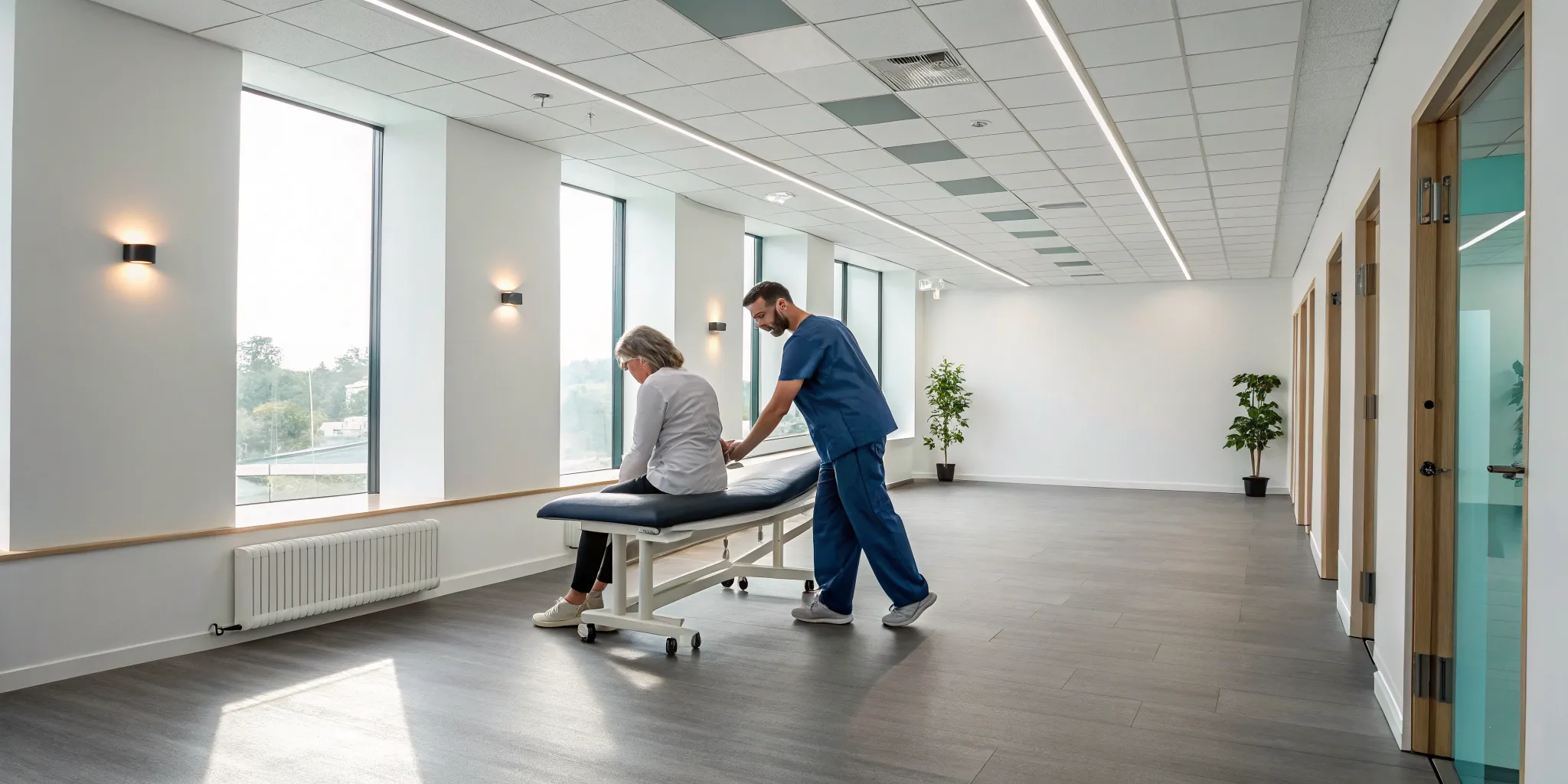
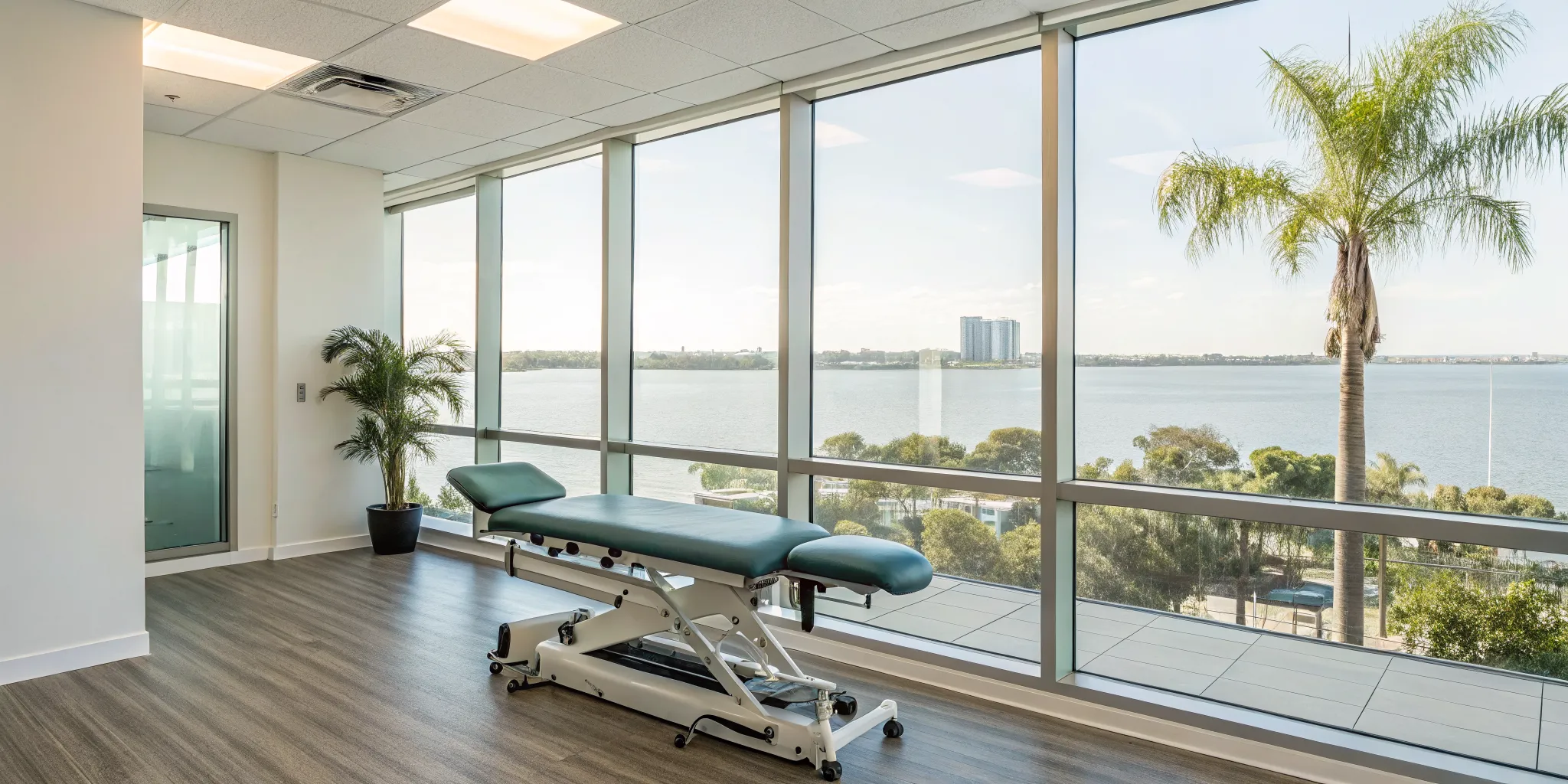
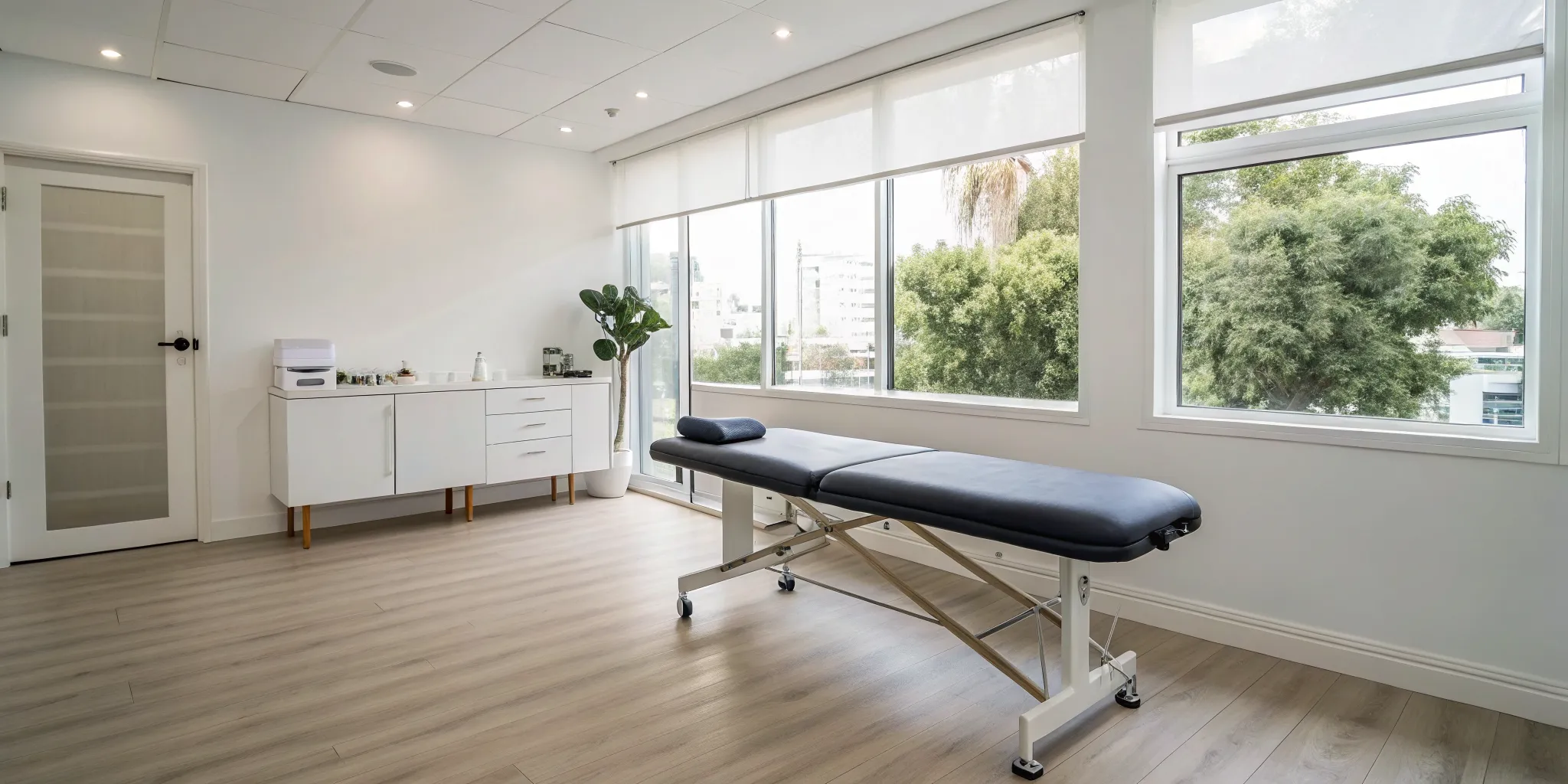
During your session, you’ll lie down on a specialized, computer-controlled table. You’ll be fitted with a harness around your pelvis and another around your trunk. The table then moves to create a gentle, slow stretch along your spine. This process is very precise and works by creating negative pressure within your spinal discs, which helps retract the bulging or herniated material and pulls in oxygen and nutrients. Many people find the treatment so relaxing that they fall asleep. Each session is part of our broader approach to physical medicine, focusing on restoring function without invasive procedures.
How Many Sessions Will You Need?
Healing is a process, not a single event, and consistency is key for lasting results. While your specific treatment plan will be tailored to you, most people attend sessions a few times a week. Many individuals report feeling a noticeable improvement after just a handful of treatments. A full course of therapy is typically completed over several weeks. This structured approach allows your spinal discs and surrounding tissues to heal gradually and effectively, ensuring the changes hold over time. You can see what our patients have experienced on their own healing journeys.
Therapies to Support Your Healing
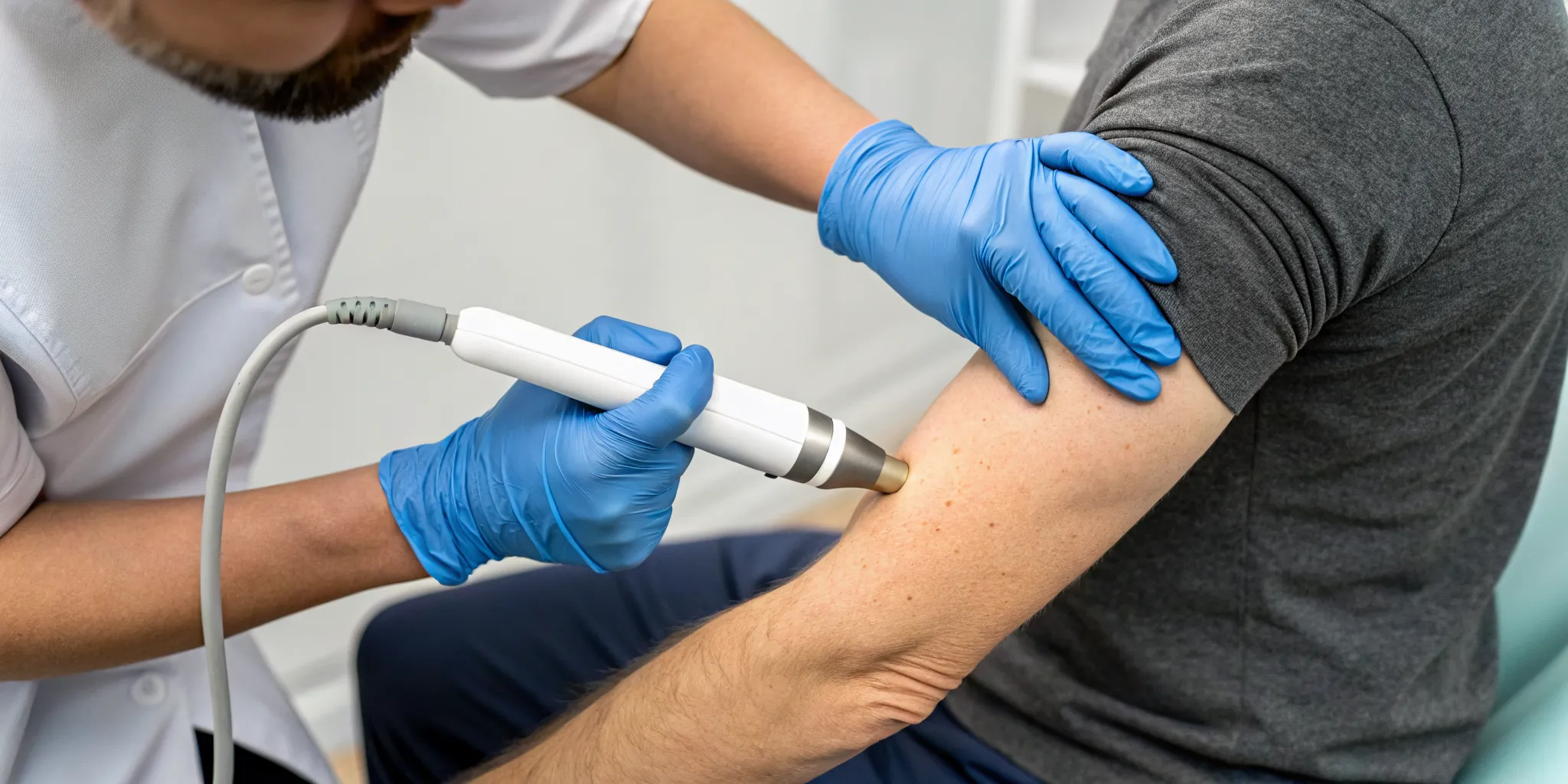
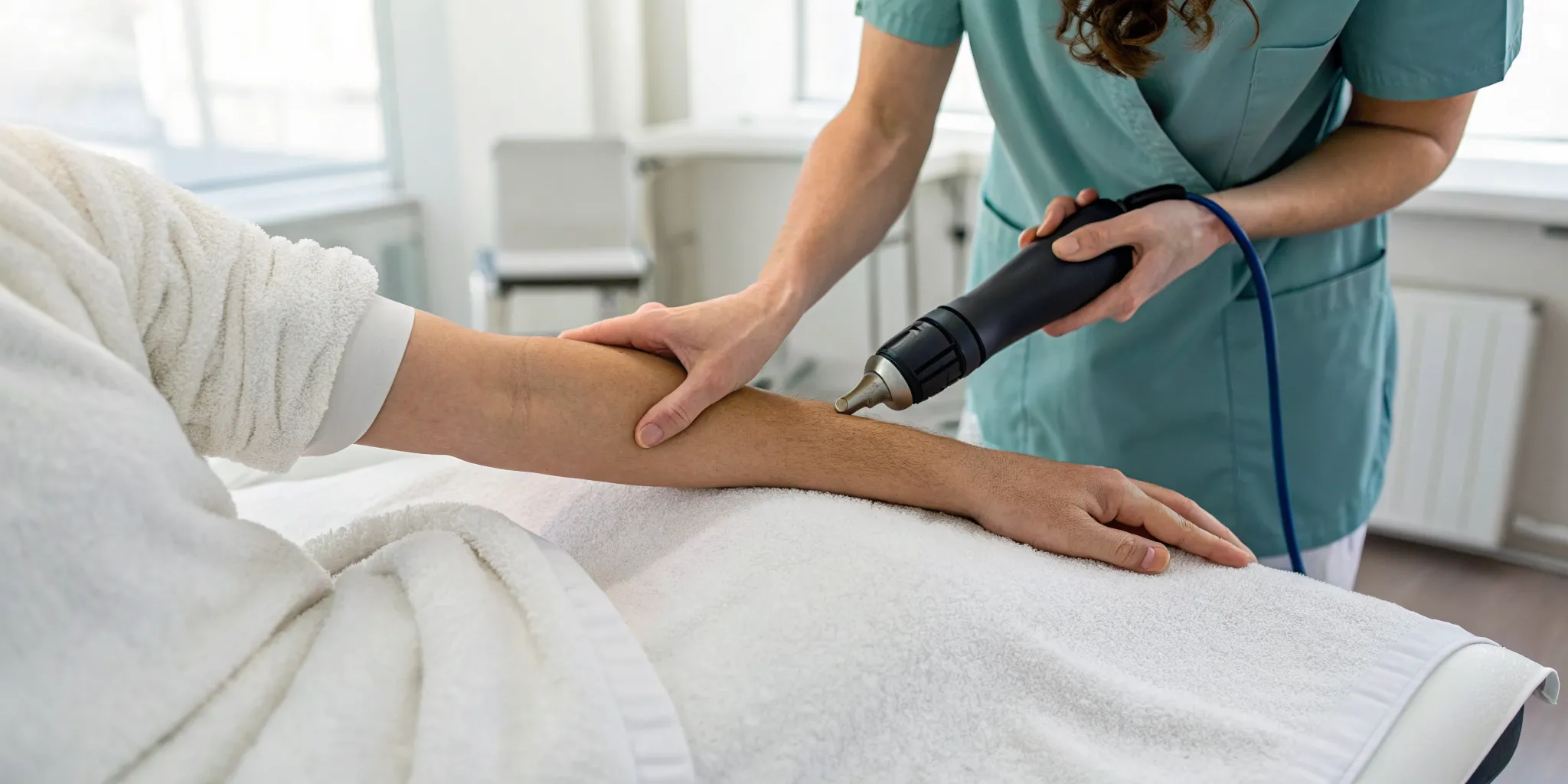
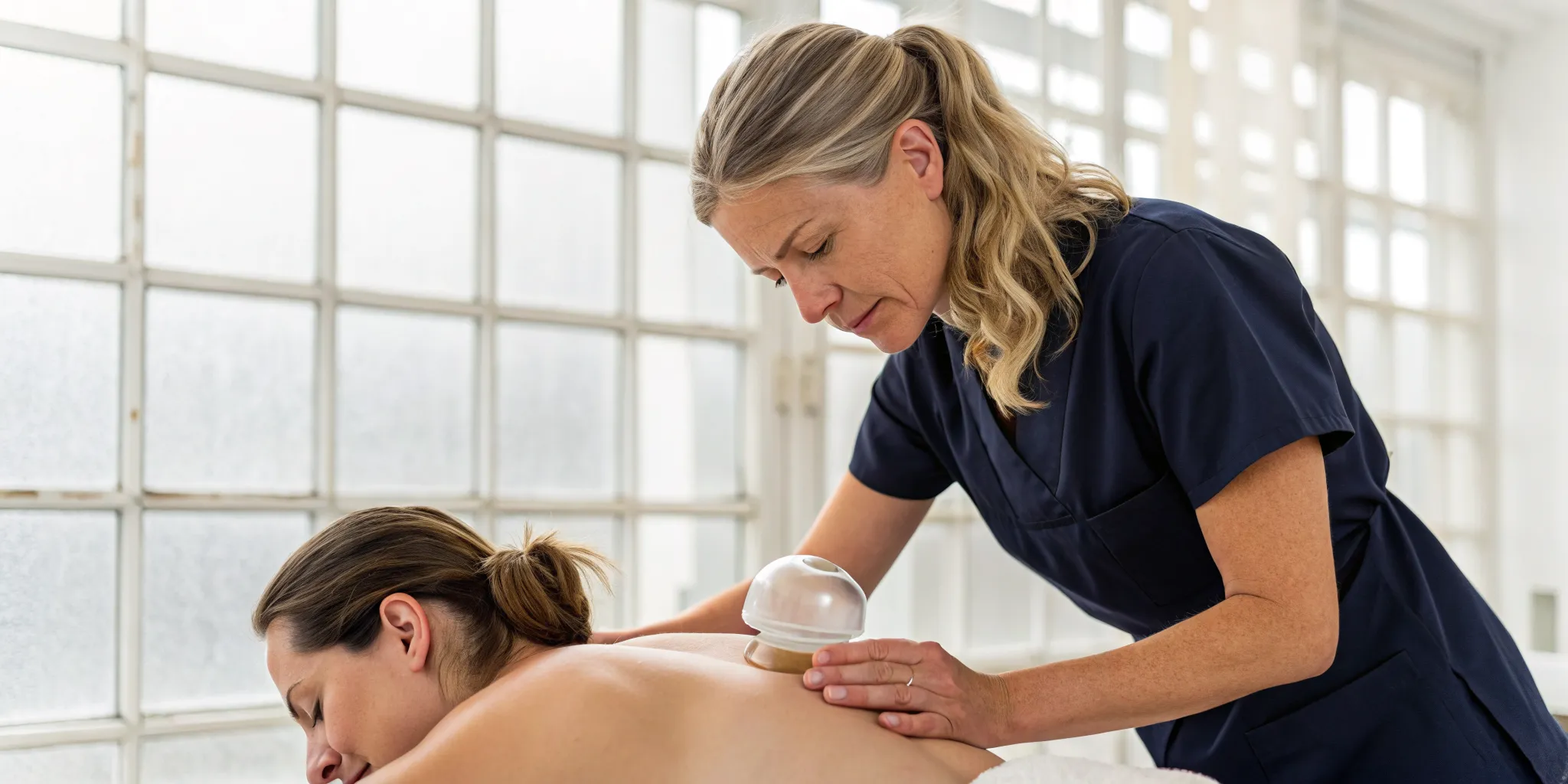
Spinal decompression is powerful, but it works best as part of a comprehensive care plan. We don’t just want to address the immediate discomfort; we want to strengthen your body to prevent the problem from returning. To support the healing initiated by decompression, we often incorporate other therapies. These might include corrective exercises to improve posture and strengthen core muscles, heat or cold therapy to soothe tissues, or muscle stimulation to reduce tension. Combining these supportive services helps ensure your spine is not only relieved of pressure but is also better supported for long-term health.
Understanding the Risks and Side Effects
It's completely normal to have questions about the safety of any new treatment. When you're dealing with persistent back pain, the last thing you want is a procedure that adds more discomfort or comes with a long list of potential complications. The great thing about non-surgical spinal decompression is that it’s a gentle, non-invasive therapy. Unlike more aggressive options, it works with your body’s natural healing processes. The goal is to carefully and precisely relieve pressure on your spinal discs and nerves, not to force anything into place. This approach is central to our philosophy at Ascend Functional Health, where we focus on physical medicine techniques that support your body's innate ability to repair itself.
Because the treatment is so controlled and gentle, the risks are very low. Most people find the sessions to be quite comfortable and even relaxing. We'll talk more about what to expect during the actual session, but it’s important to know from the start that this isn't a painful or scary process. The technology allows for precise adjustments, ensuring the stretch is therapeutic without being strenuous. This is a key reason why many people choose decompression as a first step before considering more intensive procedures. Instead of worrying about significant side effects, you can focus on the potential for real, lasting relief. Let's look at what you can realistically expect and how this therapy sets you up for a healthier, more comfortable future.
Common Side Effects and How to Manage Them
One of the most common questions we hear is, "What are the side effects?" You’ll be happy to know that for the vast majority of people, there are none. Spinal decompression is designed to be a comfortable experience. In fact, many patients describe the feeling as a gentle stretch that is so relaxing and soothing, they end up falling asleep during the session. On the rare occasion that a side effect does occur, it's typically very mild. Some people might experience a brief, temporary muscle spasm as their body adjusts to the decompression. This is easily managed and usually subsides quickly on its own. Our team is always there to ensure you're comfortable throughout the entire process.
Your Path to Long-Term Relief
Spinal decompression isn't about providing a temporary patch for your pain. The entire process is designed to create lasting change by addressing the root cause of your discomfort. By gently separating the vertebrae, the therapy creates negative pressure within the disc, which helps retract the herniated material and allows an influx of healing nutrients. This process aims to promote structural changes in the spine that lead to sustained improvements. Clinical evidence shows that this therapy can reduce pain and improve mobility for many people. The goal is to help you get back to your life with less discomfort, and you can see how it has helped others by reading our patient testimonials.
Finding Spinal Decompression in Tampa
Finding the right provider for spinal decompression is a big step toward reclaiming your comfort and mobility. In a city like Tampa, you have options, so it’s important to know what to look for. The goal isn’t just to find a clinic with a decompression table; it’s to find a partner in your health journey who sees the complete picture. A great provider will integrate spinal decompression into a holistic treatment plan tailored to you. This means they won’t just focus on the treatment itself but will also incorporate other supportive therapies to address the root cause of your pain. They should be committed to helping you achieve lasting results, not just temporary relief. As you begin your search, focus on clinics that prioritize comprehensive, personalized care and have a clear philosophy for helping their patients heal from the inside out.
How to Choose a Tampa Spinal Decompression Clinic
When you’re looking for a spinal decompression clinic, it’s easy to get bogged down by myths. Some people think the therapy is painful or only for the most extreme cases, but that’s not true. Effective spinal decompression is a gentle, controlled process. The best clinics understand that it works most effectively as part of a broader, more comprehensive treatment plan.
Look for a provider who doesn’t just put you on a machine and walk away. Instead, seek out a team that combines decompression with other corrective care techniques. Your treatment should be part of a strategy designed to restore your spine’s natural alignment and function, ensuring the relief you feel is sustainable. A clinic that offers a multi-faceted approach is one that is truly invested in your long-term well-being.
Why Qualifications and Patient Stories Matter
The practitioner’s expertise is just as important as the technology they use. Look for a doctor with advanced training in spinal correction and a deep understanding of biomechanics. Their qualifications are a good indicator of their ability to create a safe and effective treatment plan for your specific needs. Clinical evidence shows that when done correctly, decompression therapy can significantly reduce pain and improve mobility.
Don’t underestimate the value of hearing from other patients. Reading patient stories can give you a real sense of a clinic’s atmosphere and the results they help people achieve. Testimonials provide insight into the patient experience, from the initial consultation to the final outcome. Seeing how others have found relief can give you the confidence that you’re making the right choice for your health.
Questions to Ask Your Practitioner
A good consultation is a two-way conversation. You should feel comfortable asking questions, and your provider should be thorough in their assessment of you. Come prepared to ask about their experience with cases like yours, what a typical treatment plan looks like, and how they measure progress.
Pay attention to the questions they ask you, too. A dedicated practitioner will want to know everything about your condition. They should ask about the location and type of your pain, any numbness or weakness you’re experiencing, past injuries, and the demands of your work and lifestyle. This detailed intake is a sign that they are committed to understanding the full scope of your health and addressing all the conditions we treat.
Spinal Decompression with Ascend Functional Health
At Ascend Functional Health, we see spinal decompression as a key part of a larger healing strategy. Our approach is built on a foundation of holistic, evidence-based care. We use the therapy to gently stretch your spine, creating negative pressure that helps draw bulging or herniated discs back into place and encourages the flow of healing nutrients. This process is precise, controlled, and tailored to your body’s needs.
We often integrate this therapy with Chiropractic BioPhysics (CBP) techniques for structural correction of the spine. This ensures we’re not just alleviating symptoms but addressing the underlying structural issues causing your pain. If you’re ready to explore a non-surgical path to relief, we invite you to schedule a consultation with our team. We’re here to listen to your story and build a personalized plan to help you get back to living your life.
Related Articles
- Questions Before Spinal Decompression Therapy: What to Ask
- 4 Powerful Benefits of Spinal Decompression
- How Chiropractic Care Helps Herniated Disc Pain
- The 6 Best Candidates for Spinal Decompression
- Avoid Back Surgery with Spinal Decompression
Frequently Asked Questions
Is spinal decompression painful? Not at all. This is one of the most common questions we get, and it’s completely understandable to be worried about anything that might cause more pain. The entire process is designed to be gentle and comfortable. You simply lie on a specialized table as it creates a slow, controlled stretch. Many people find the sensation so relaxing that they actually fall asleep during their sessions.
How is this different from using an inversion table at home? While both involve stretching the spine, spinal decompression therapy is far more precise and targeted. An inversion table creates a general, static stretch on the entire spine. In contrast, our computer-controlled system applies a specific, gentle force to the exact spinal segment that needs it. This precision creates a negative pressure within the disc that an inversion table can't achieve, which is key for retracting the herniated material and promoting healing.
How quickly can I expect to feel relief? Healing is a gradual process, and everyone’s body responds differently. However, many people report feeling a noticeable reduction in their pain after just a handful of sessions. A complete treatment plan typically spans several weeks to ensure the disc and surrounding tissues heal properly for lasting results. We will create a plan tailored specifically to your condition and monitor your progress every step of the way.
Are the results of spinal decompression permanent? The goal of this therapy is to create long-term change, not just provide a temporary fix. By decompressing the spine, we help the disc retract and improve the flow of oxygen and nutrients to the area, which allows your body to heal the injury itself. When combined with supportive therapies like corrective exercises, this approach helps restore proper structure and function to your spine, making the results sustainable.
I've already tried other treatments without success. Can this still help me? Yes, it absolutely can. Many of our patients come to us after trying other treatments that didn't provide lasting relief. Spinal decompression is a highly specific therapy that directly addresses the mechanical pressure on your discs, which is often the root cause of pain from herniated discs or sciatica. It works differently than general physical therapy or other manual adjustments, offering a focused solution that can succeed where other approaches have fallen short.