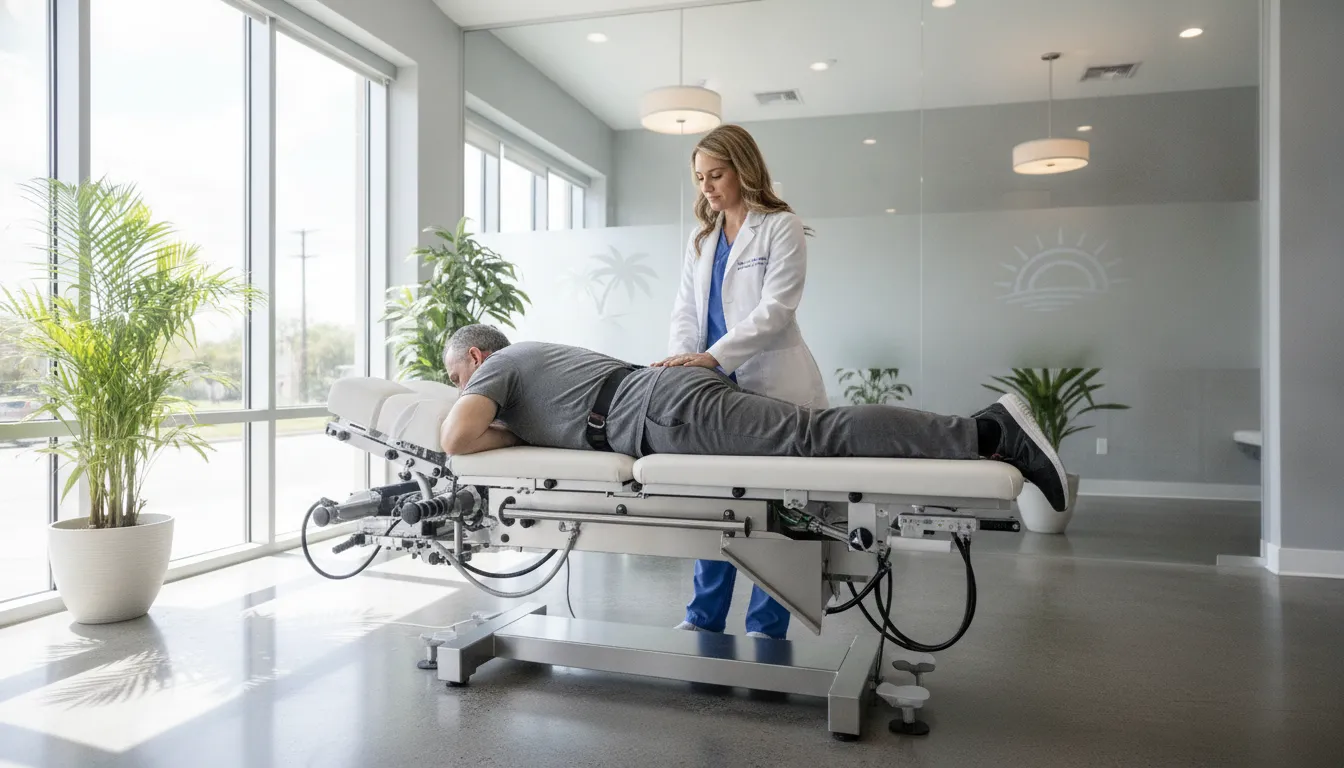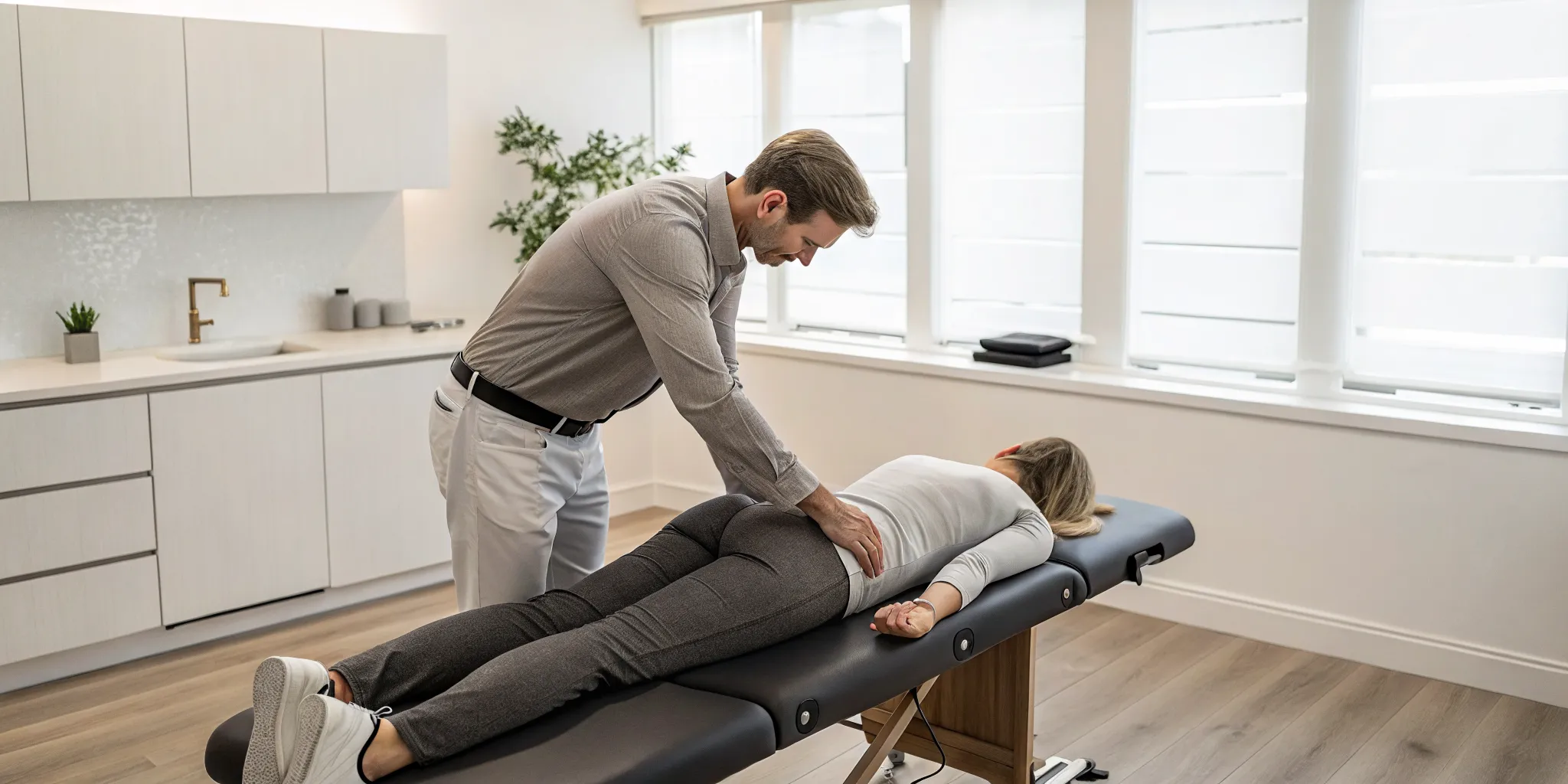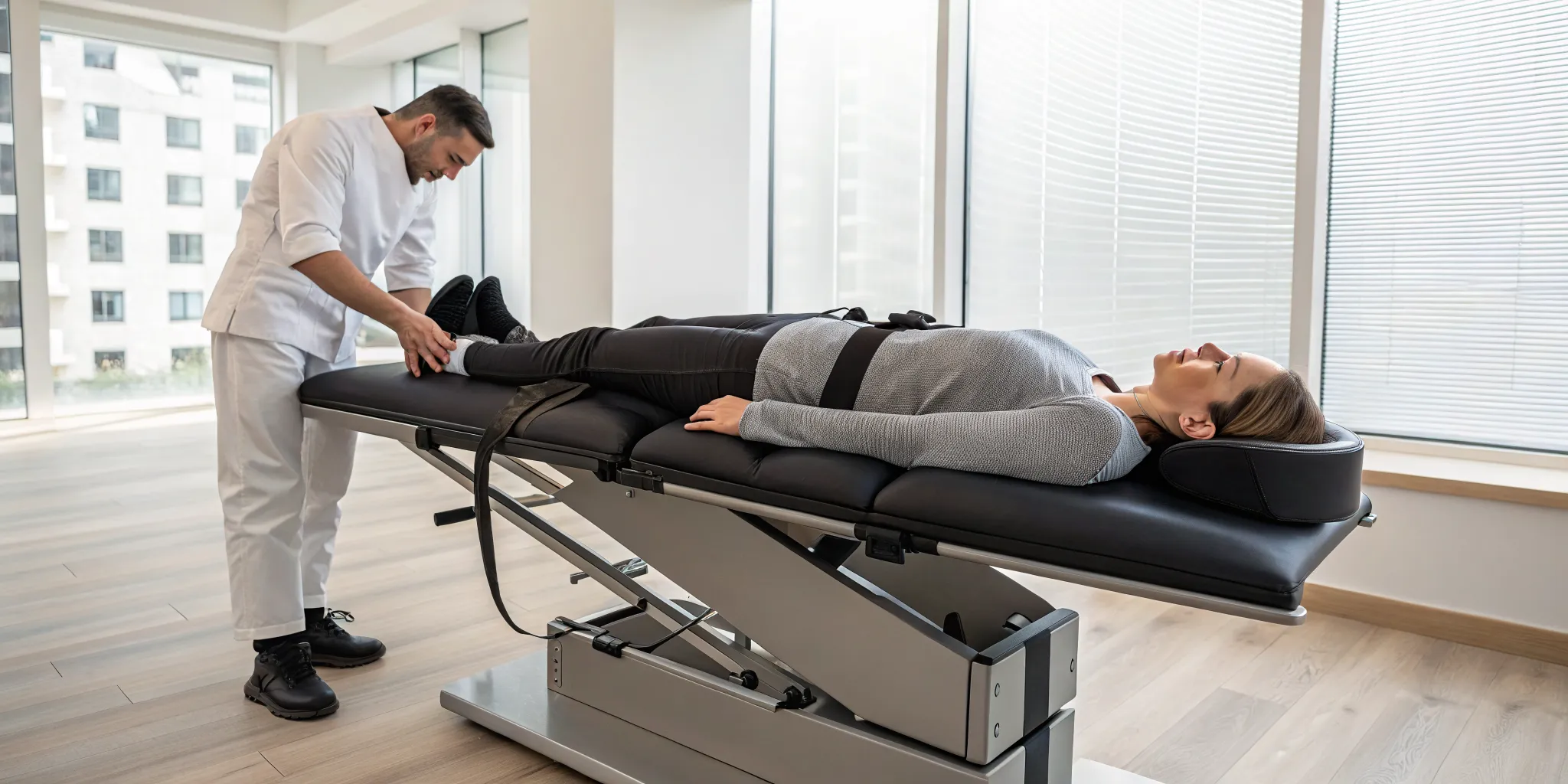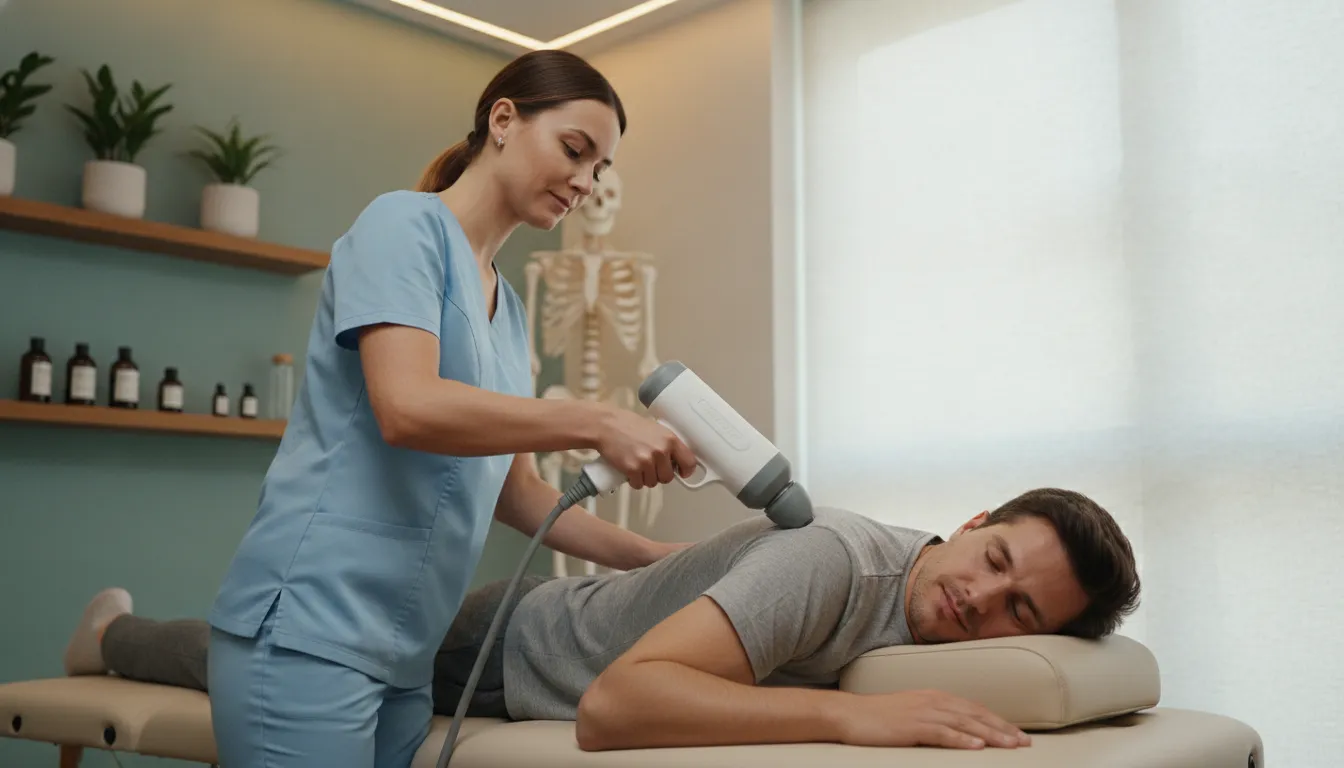
When pain or limited movement starts changing how you work, exercise, or enjoy daily life, manual therapy in Tampa may sound like a simple answer. A thoughtful evaluation does more than choose a technique: it connects your goals, health history, movement, and comfort with a care plan that can be reassessed over time.
Explore Ascend's Physical Medicine approach
Manual therapy is skilled, hands-on care that may support movement, comfort, and function by considering the relationship between joints, muscles, connective tissue, and the way you move. At Ascend Functional Health, the approach is selected after an individualized evaluation, with clear communication about options and progress.
For Tampa Bay patients, that process can make hands-on care feel more purposeful and collaborative. The techniques themselves are only part of the conversation; understanding their intended role helps you make informed choices about your next steps.
What Does Manual Therapy Involve?
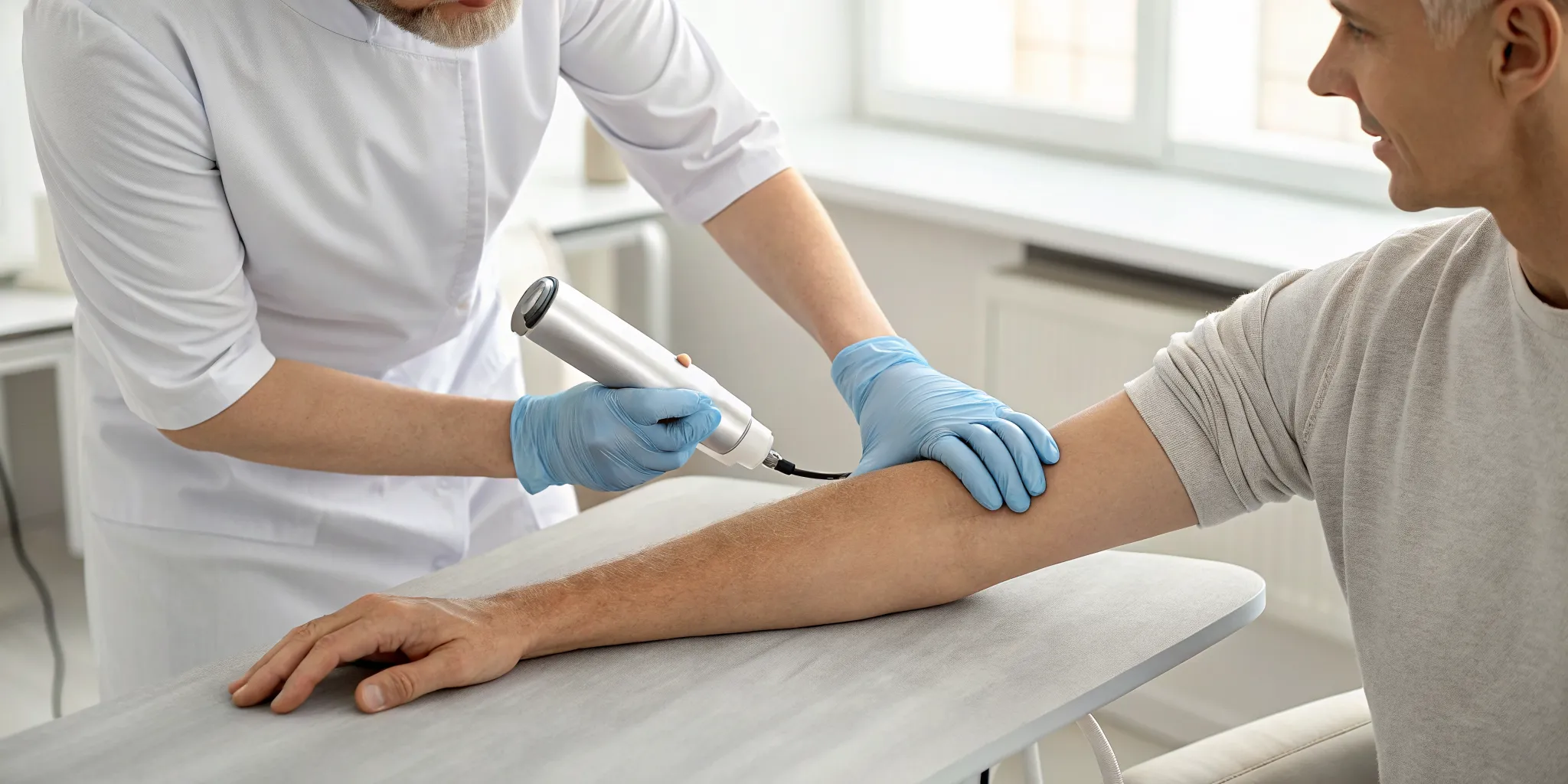
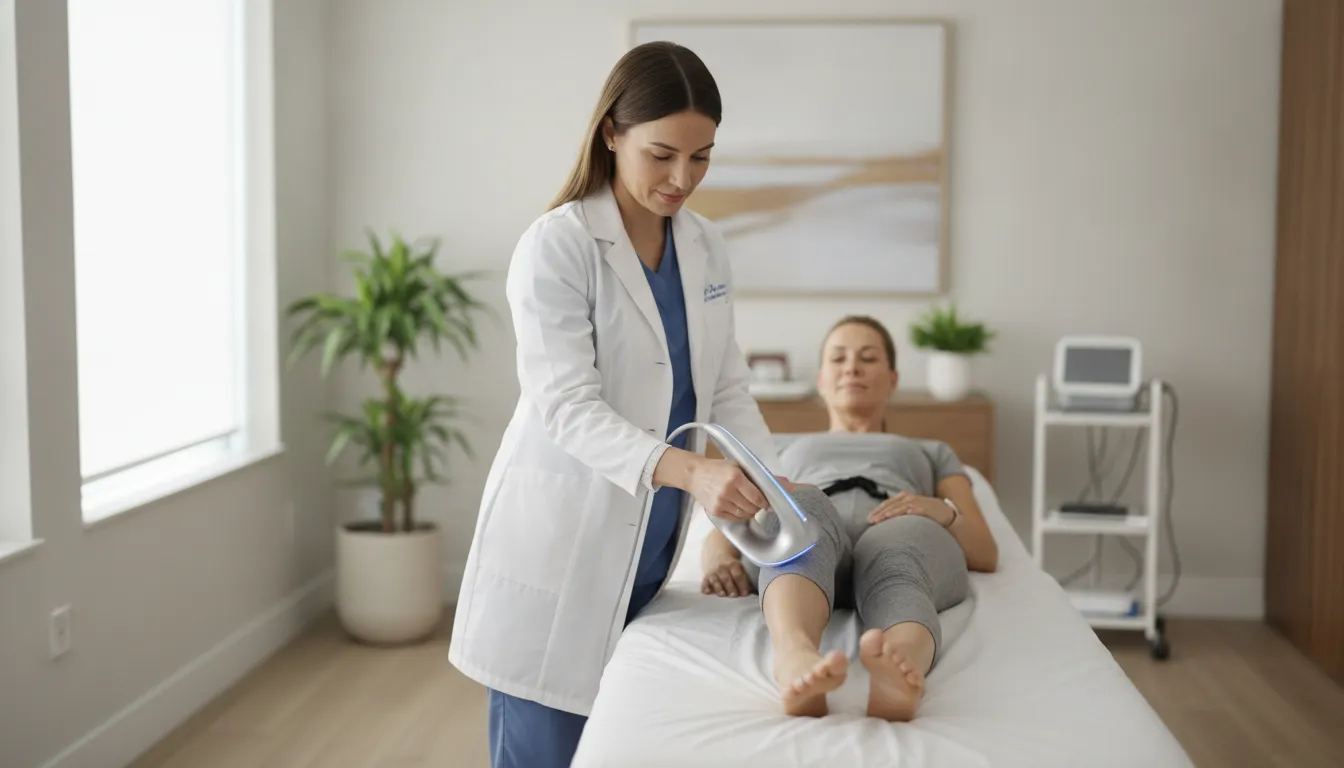
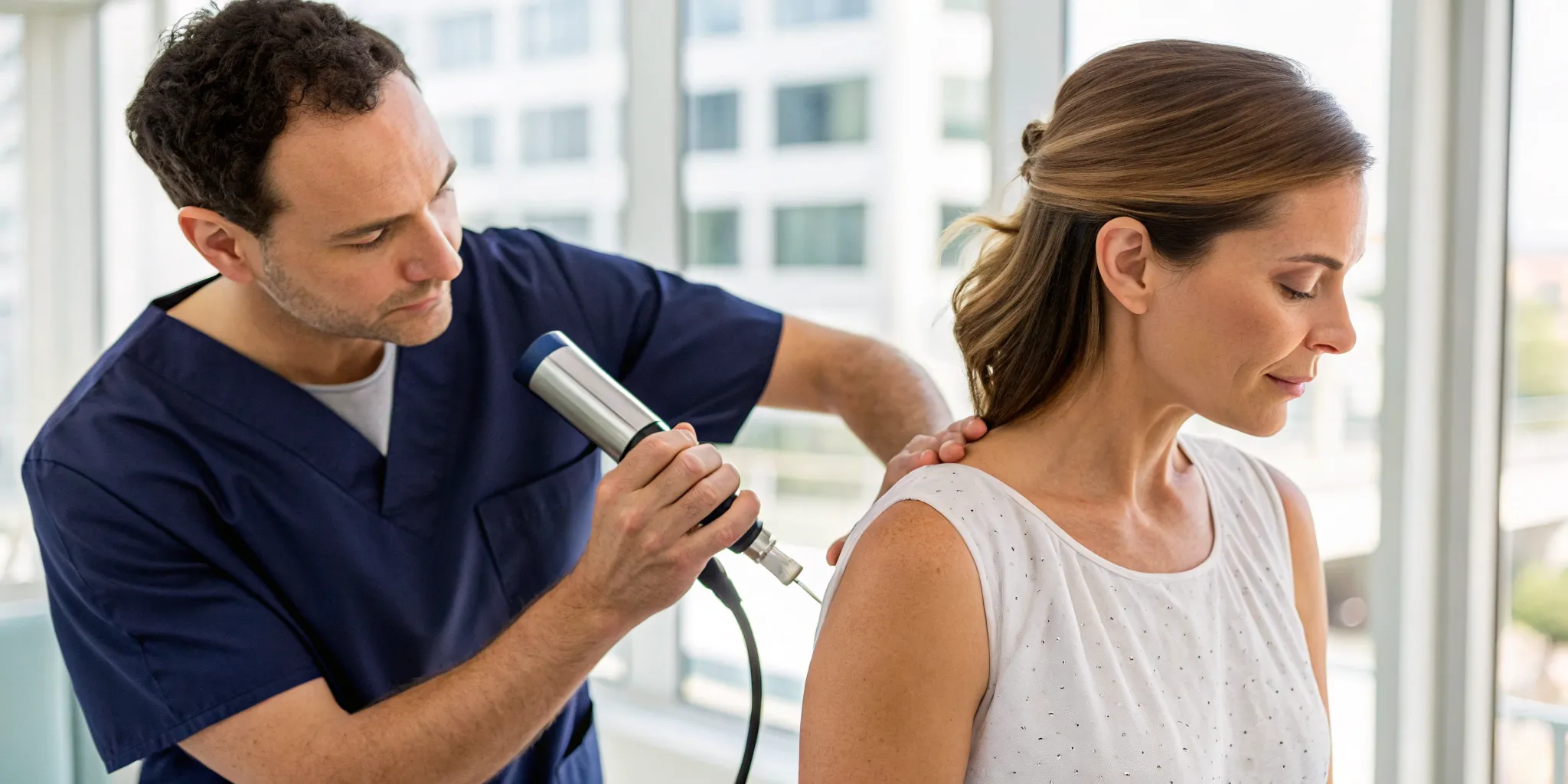
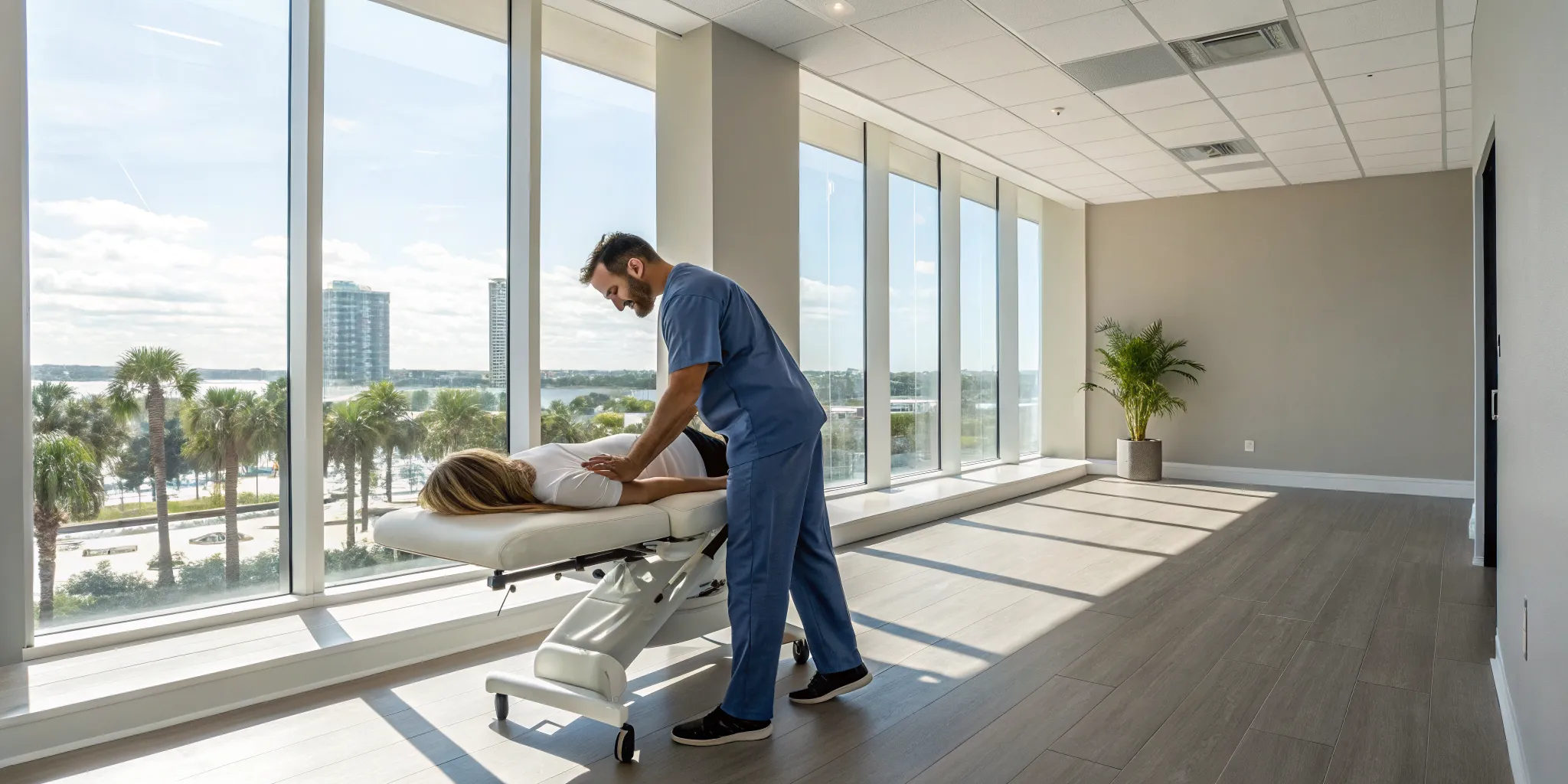
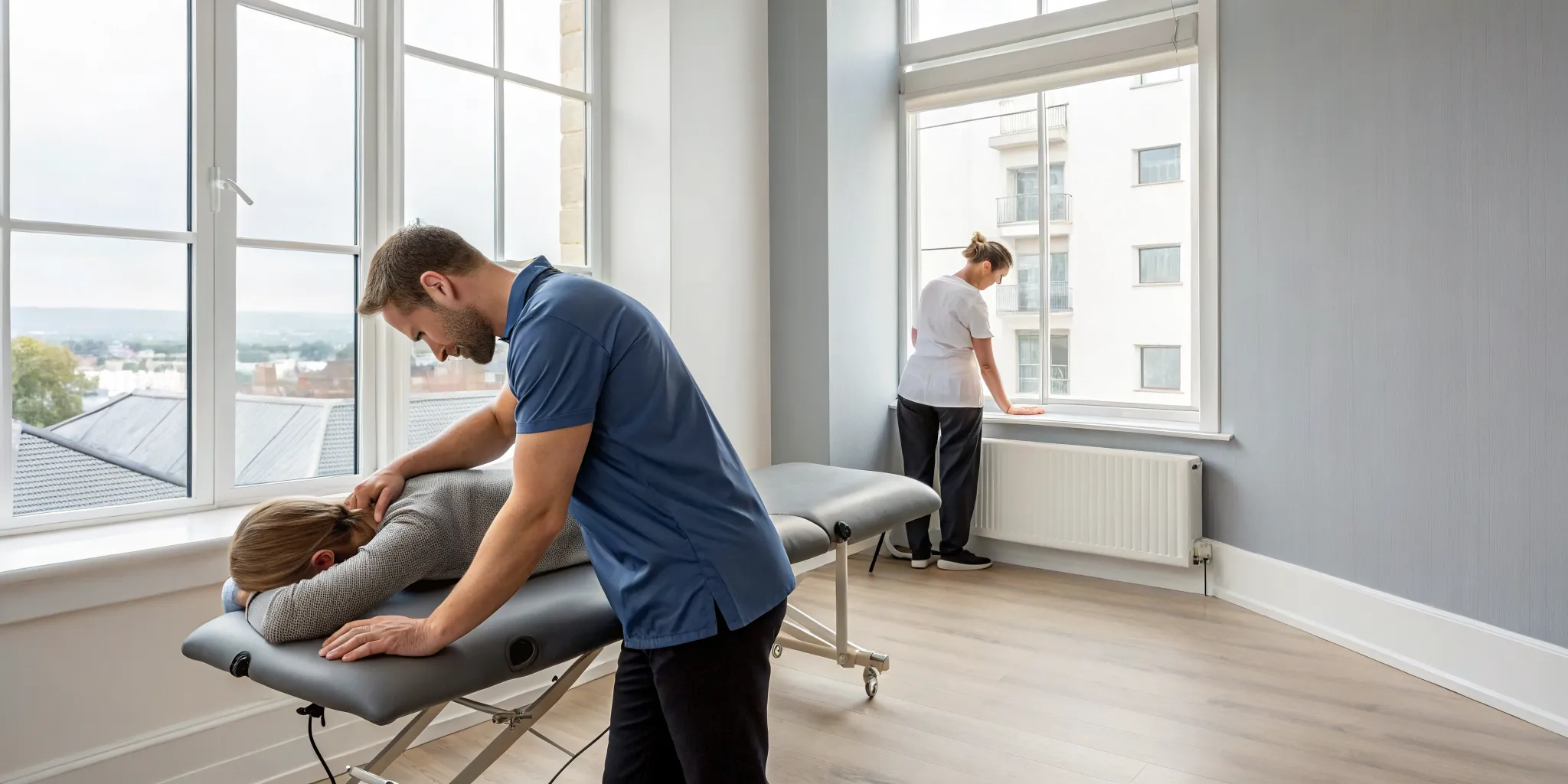
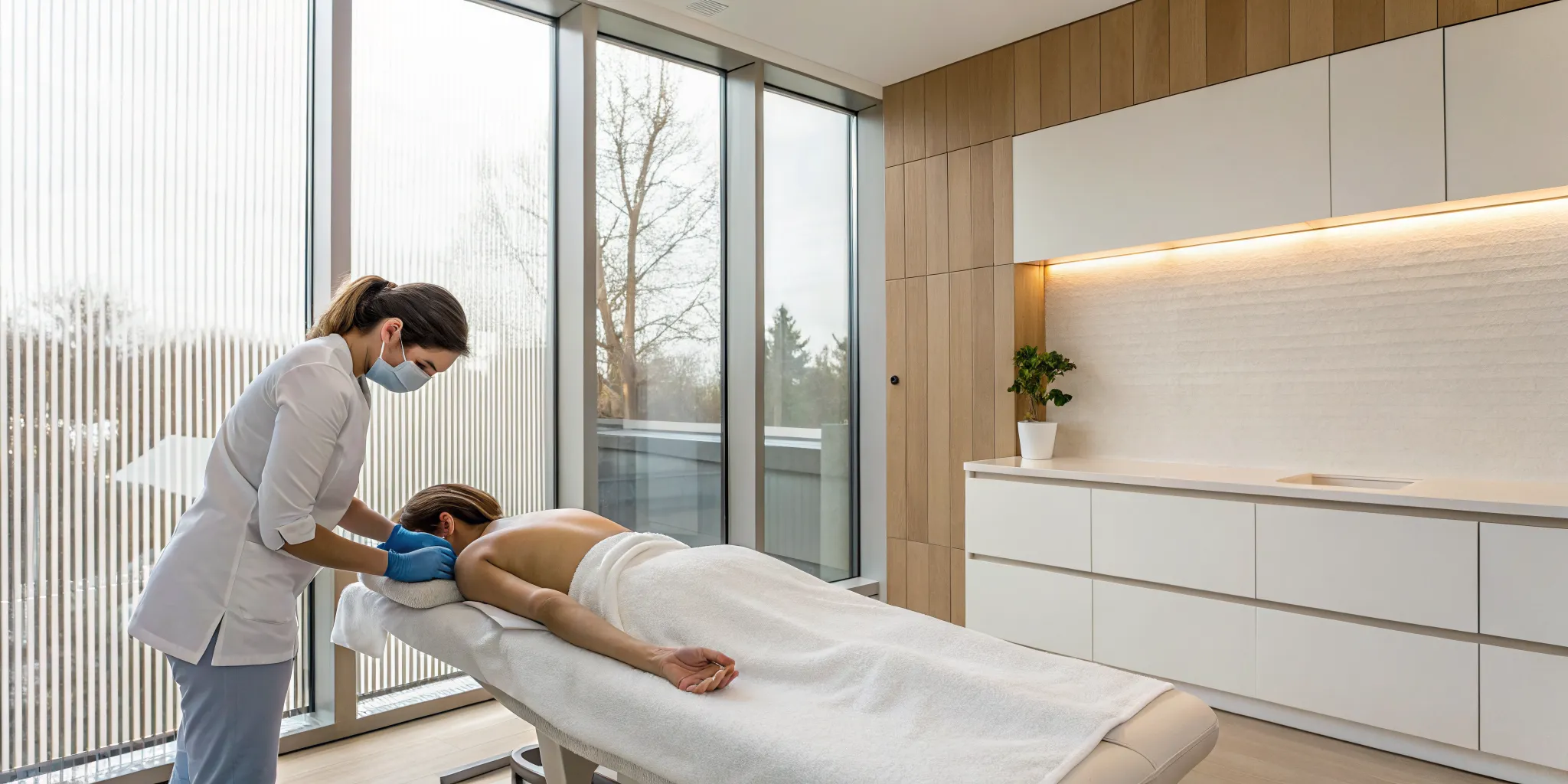
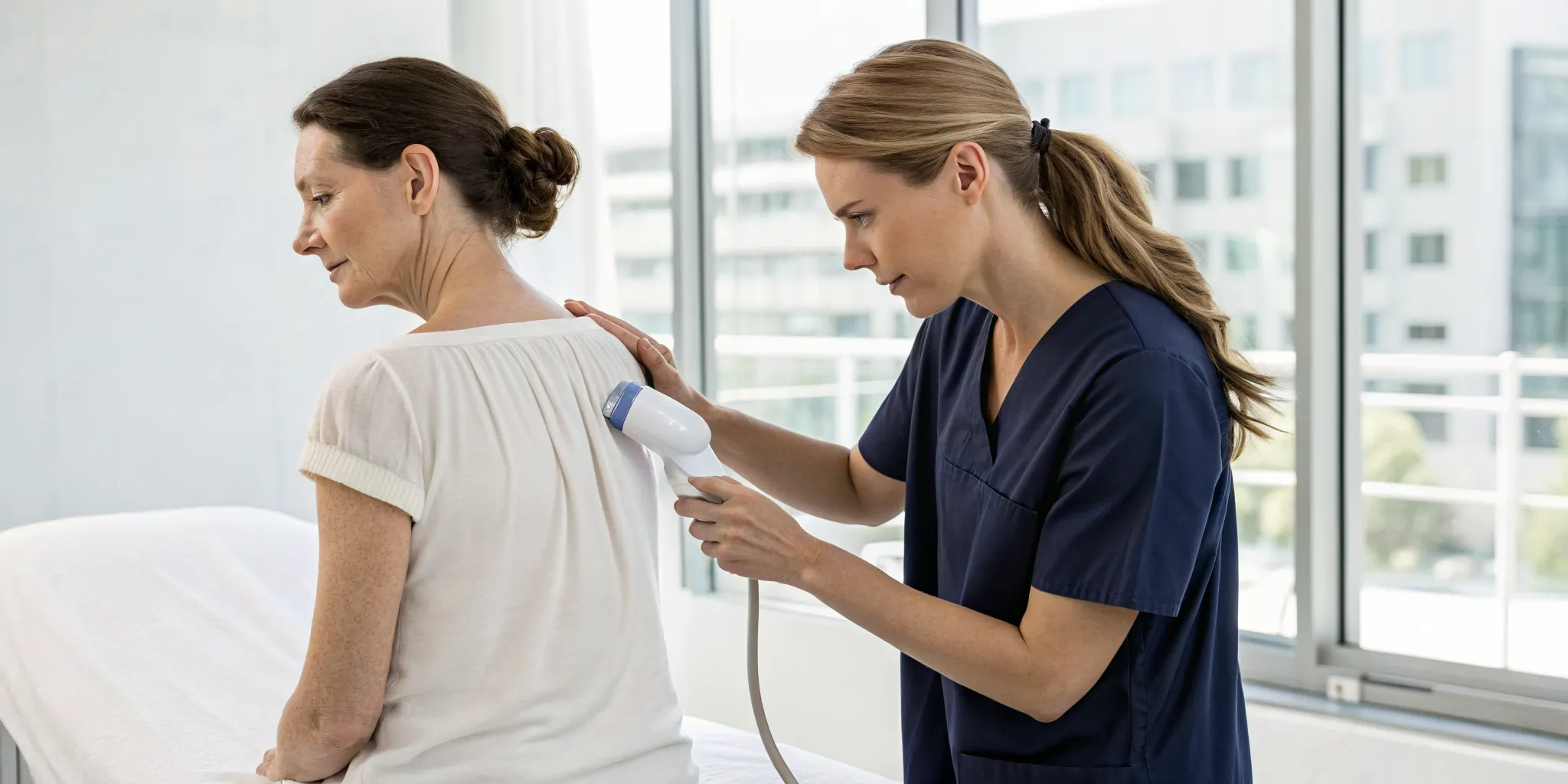
Manual therapy is skilled, hands-on movement performed by a clinician to influence how the body moves and how a person experiences pain. It is an individualized clinical approach, not a routine spa massage or a fixed sequence applied to everyone.
Skilled care guided by an assessment
A clinician may use their hands to assess movement and apply carefully selected techniques to particular tissues or joints. The purpose is to connect hands-on care with the person's goals, relevant findings, and broader plan. A peer-reviewed review describes manual therapy as passive, skilled movement. It explains that clinicians direct it at anatomical structures or systems to influence the patient's pain experience. Read the peer-reviewed review for additional context.
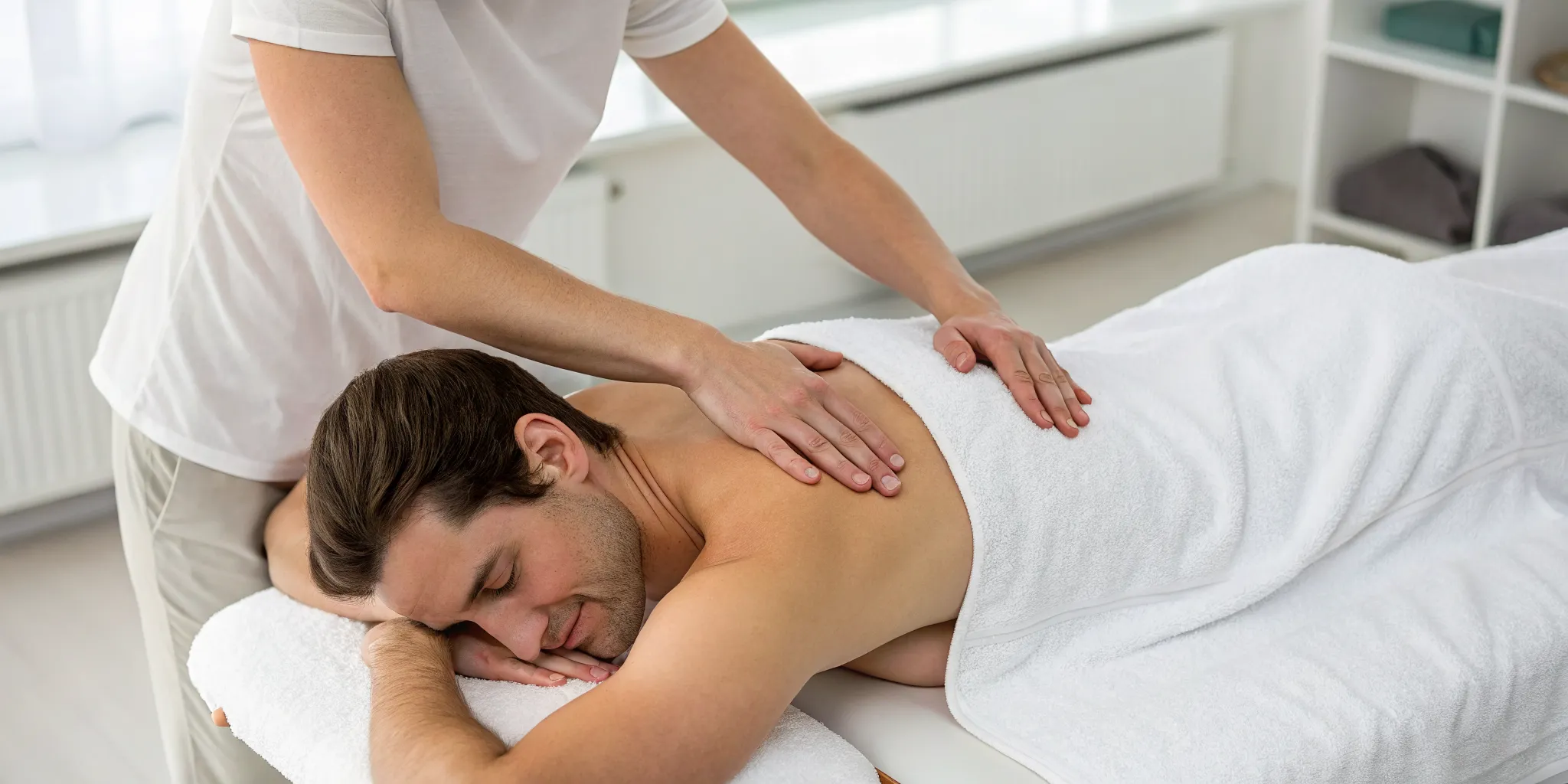
That clinical purpose helps distinguish manual therapy from massage chosen primarily for relaxation. Massage or bodywork can be part of a broader care plan. Manual therapy adds clinical reasoning about where hands-on input may fit and how the person responds. The clinician can also decide whether other forms of care should be included. The approach should remain collaborative: patients can ask questions, share feedback, and discuss whether a technique feels appropriate.
Three common areas of focus
Manual therapy techniques are commonly grouped by their primary tissue focus. These groupings help explain why a clinician may choose one approach over another:
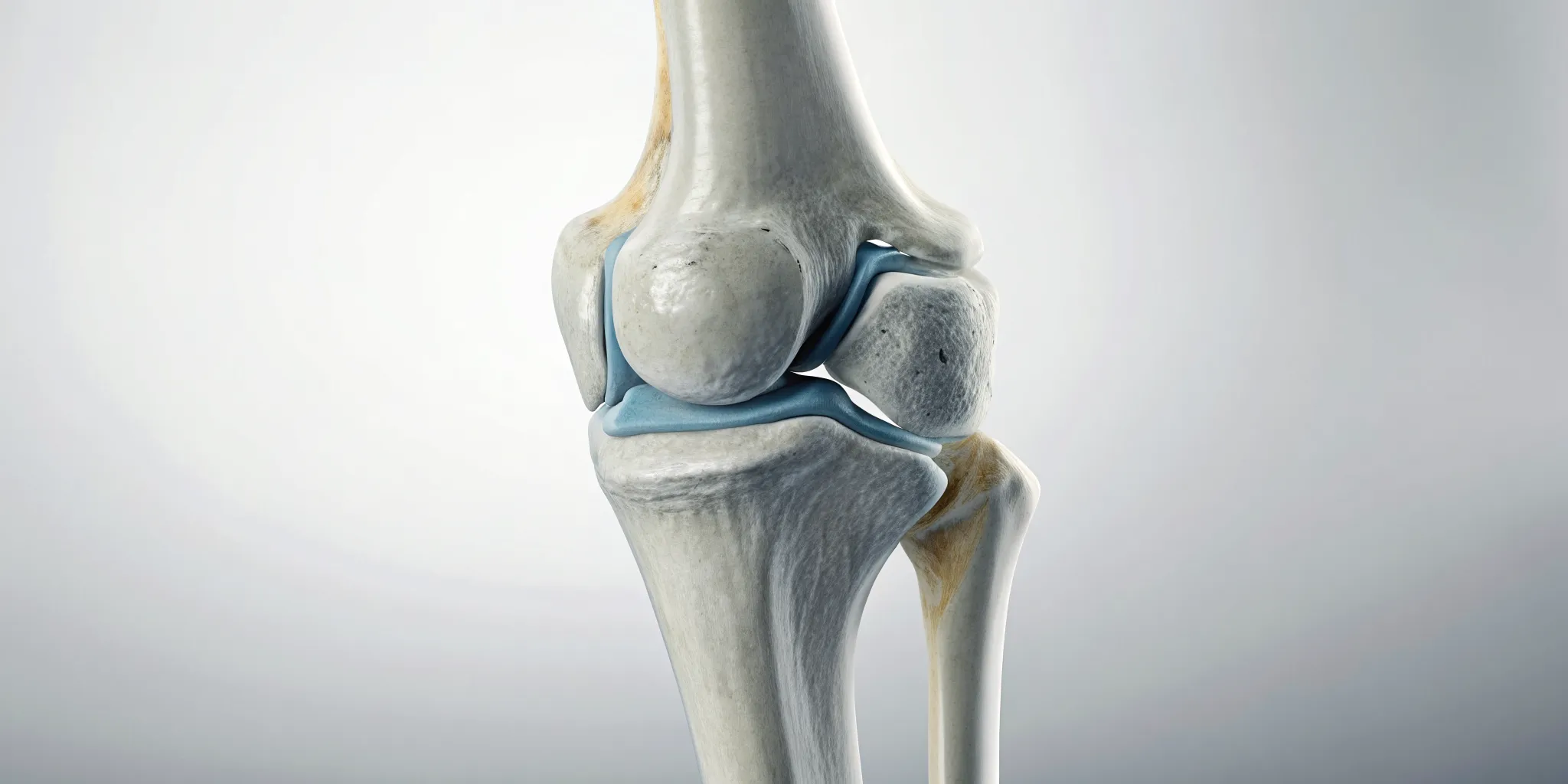
- Joints: Hands-on movement may be directed toward a joint when mobility or related symptoms are part of the clinical picture.
- Muscles and connective tissue: Soft-tissue work may address muscles and the connective tissues around them, depending on the findings.
- Movement and function: The larger goal may be to support more comfortable movement, participation in daily activities, or progress toward an individual's functional goals.
These categories describe possible areas of attention, not a promise that every technique will be appropriate. In Tampa Bay, an individualized Physical Medicine evaluation can help determine whether hands-on care belongs in a person's plan and how it may be combined with education, movement, or other supportive approaches.
How Is Manual Therapy Different From Massage and Chiropractic Care?
Manual therapy, massage, and chiropractic care can overlap, but they are not interchangeable. The main differences involve the purpose of care, the evaluation that guides it, and the broader scope of the practitioner's work.
| Approach | Primary focus | How fit is considered |
|---|---|---|
| Manual therapy | Skilled movement, pressure, or mobilization directed toward joints, muscles, connective tissue, or related structures. | Selected after considering symptoms, movement, relevant history, and the person's goals. Techniques may be adjusted as responses are reviewed. |
| Massage | Hands-on work applied to soft tissue, often with an emphasis on relaxation, body awareness, muscle comfort, or general wellness. | Considered in relation to the person's preferences, comfort, areas of concern, and any relevant health considerations. |
| Chiropractic care | A broader clinical approach that may assess movement and musculoskeletal function and may include spinal or joint techniques, rehabilitation, and education. | Considered through an individualized evaluation, discussion of goals, screening, and review of whether chiropractic care is an appropriate fit. |
A massage session may be centered on soft-tissue comfort, while manual therapy is commonly framed around a clinical goal such as supporting movement or examining how a joint or tissue responds. A chiropractor may use manual techniques as one part of a larger plan that can include movement guidance, rehabilitation, or postural work. These distinctions describe typical emphasis, not rigid boundaries.
Research descriptions classify manual therapy techniques by their primary tissue focus, including joints and muscle or connective tissue. A peer-reviewed review of manual therapy also emphasizes that the field includes varied techniques and anatomical targets. The right approach depends on the evaluation, your preferences, and the clinician's scope of practice.
If you are comparing options, reading about what to expect at your first visit can help you prepare for a conversation about goals, screening, and next steps.
What Happens During a Manual Therapy Evaluation in Tampa?
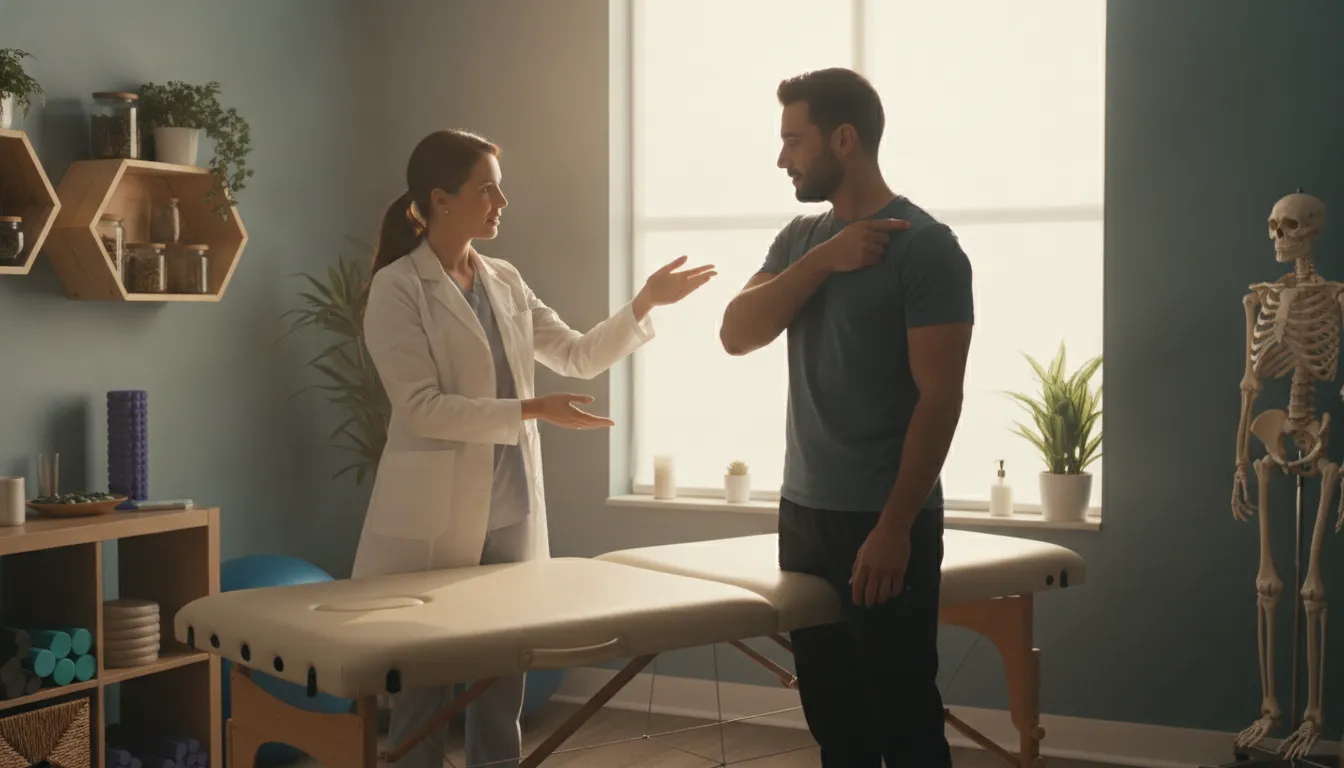
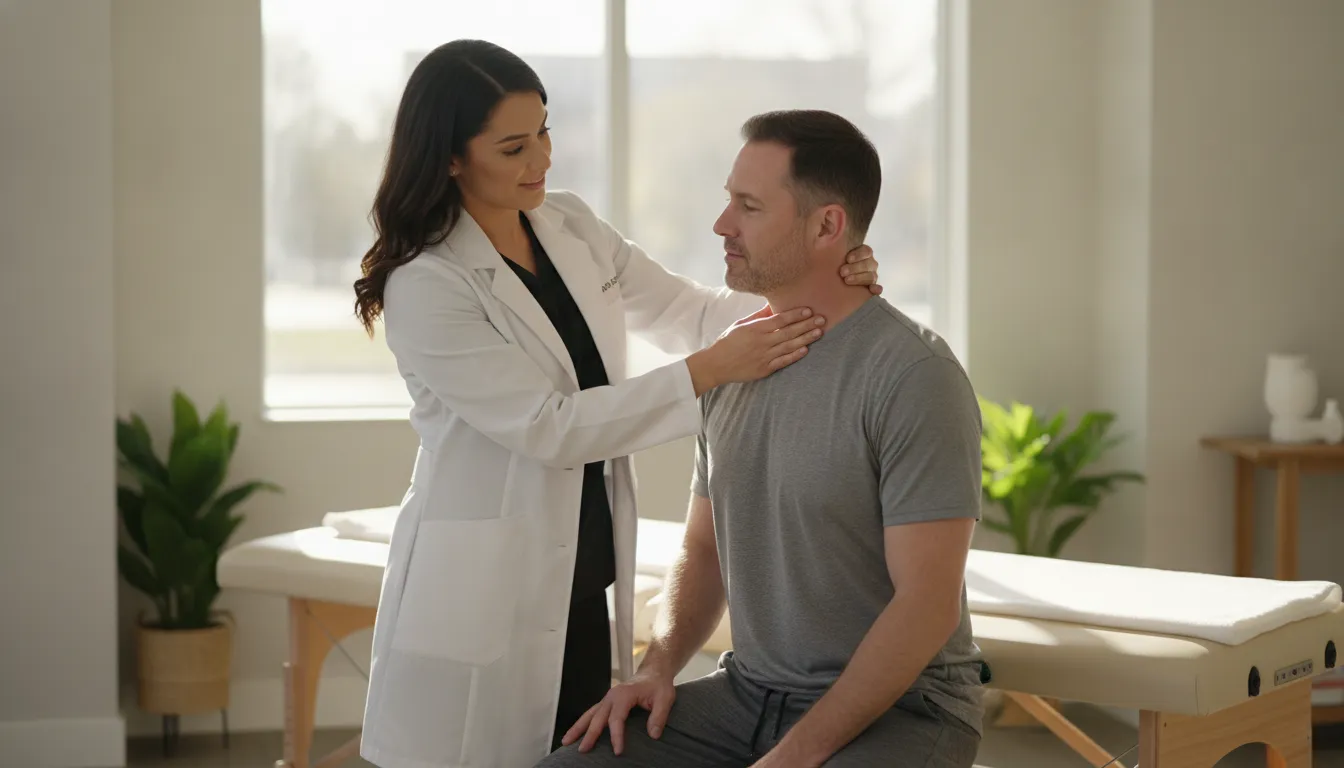
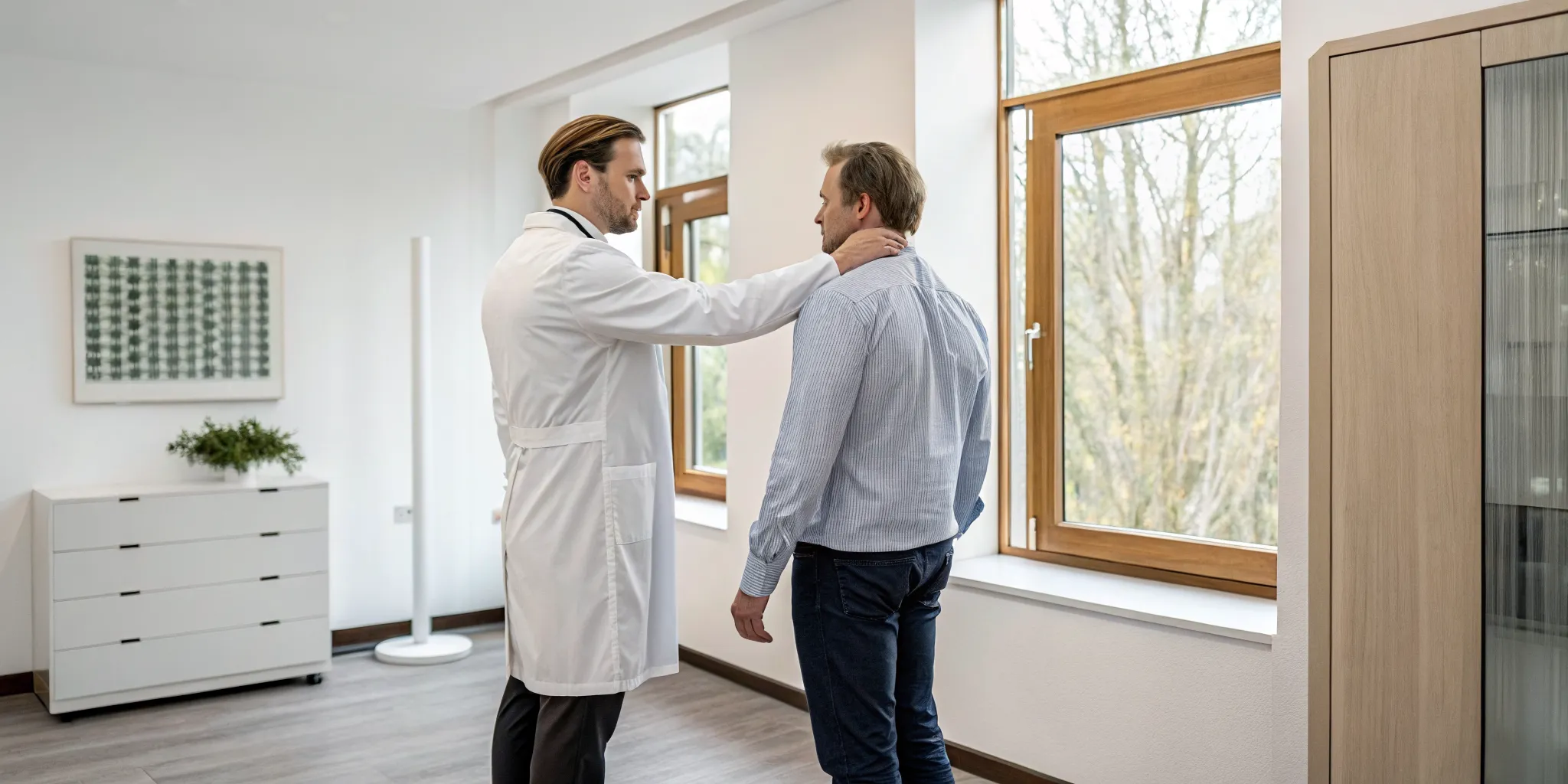
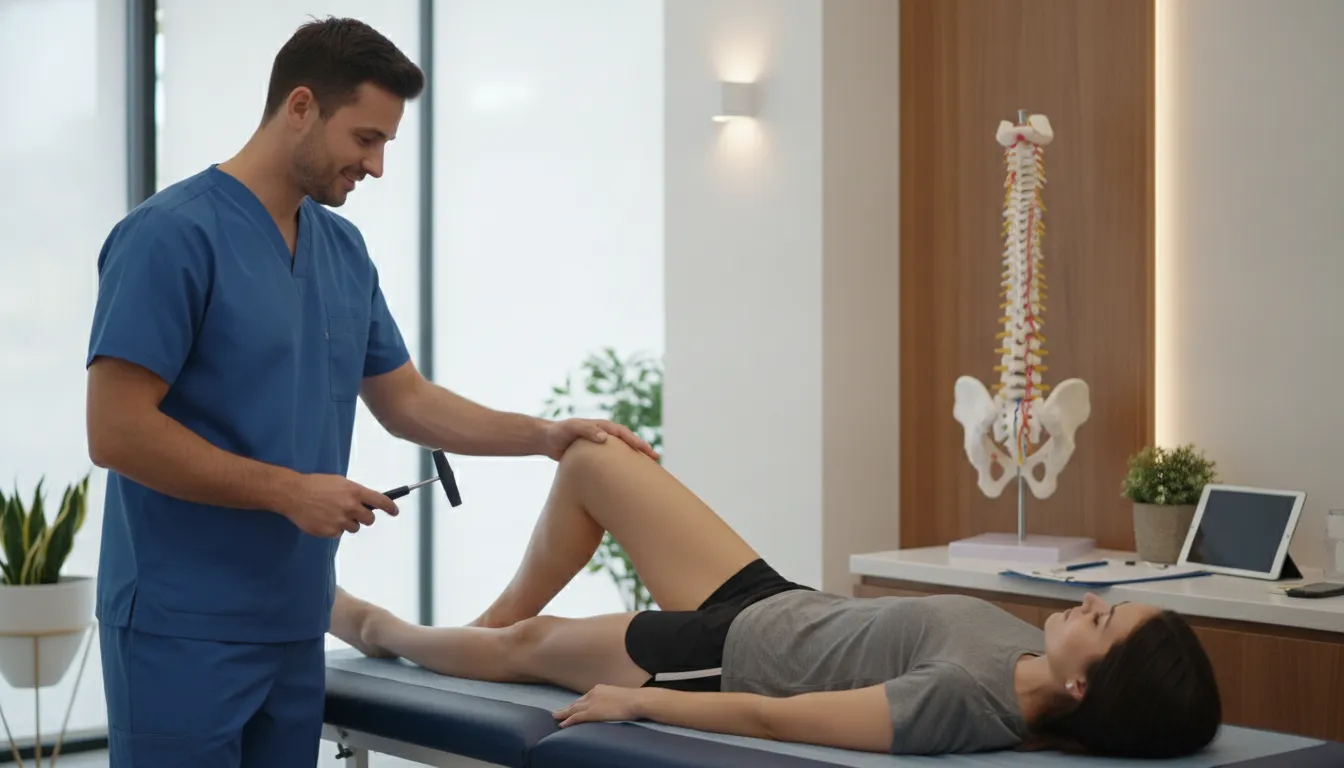
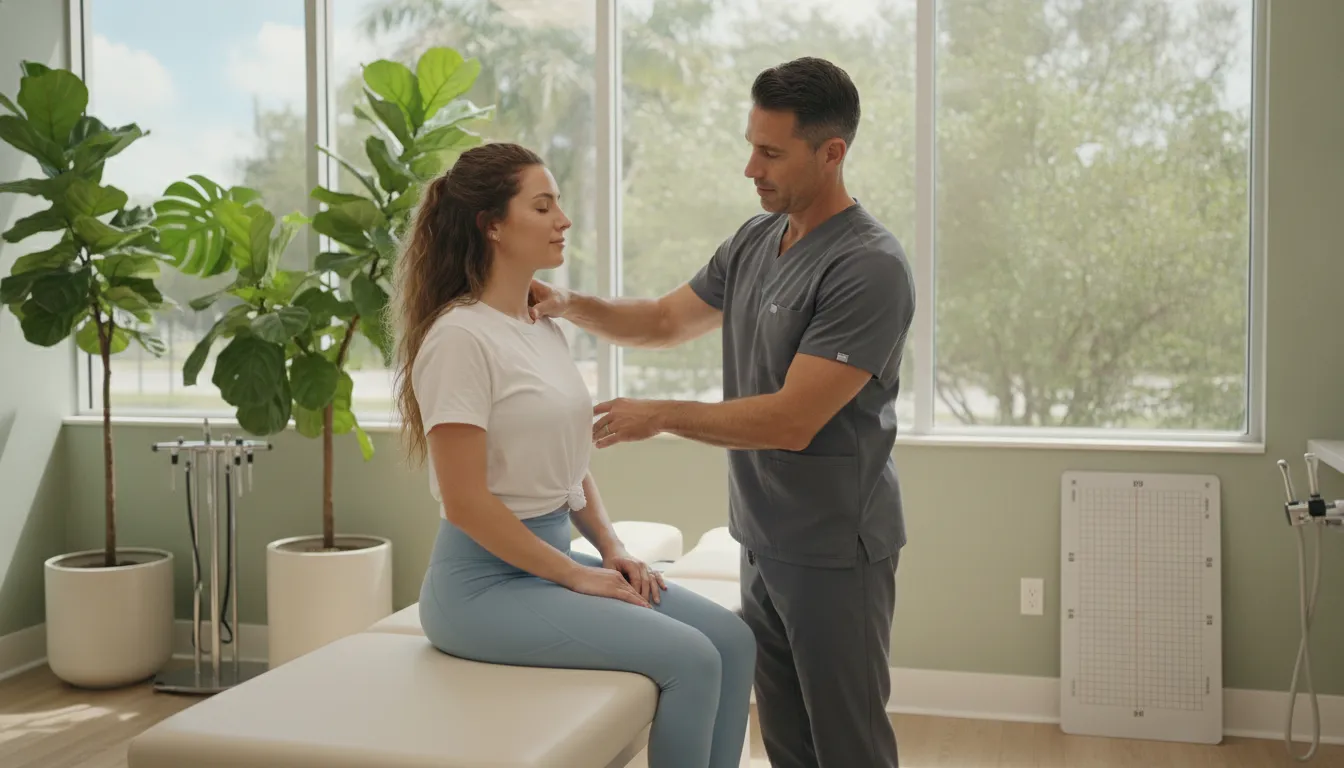
A manual therapy evaluation is a conversation and movement-focused assessment that helps a clinician understand your goals, relevant history, and current function before discussing hands-on care. The sequence varies by person, so this general outline is not a promise of Ascend's exact protocol.
Conversation About Your History and Goals
The visit commonly begins with questions about the concern that brought you in, when it started, what affects it, and how it influences daily activities or exercise. Sharing relevant health history, prior care, prescriptions, and your goals gives the clinician context for deciding which parts of the evaluation are appropriate. This is also a useful time to ask questions and describe what you are comfortable with.
Movement Review and Relevant Screening
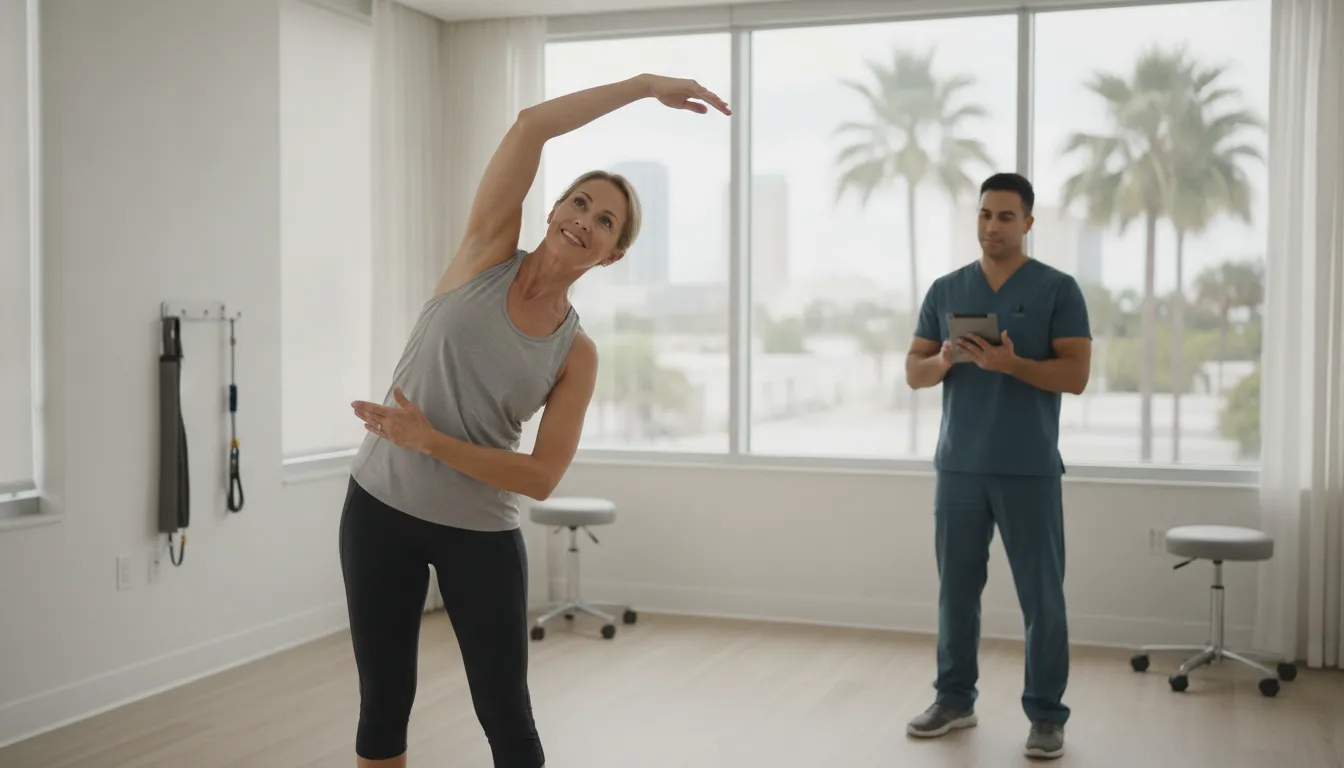
A clinician may observe posture, walking, range of motion, coordination, or task-specific movement. A functional movement screening can help organize observations, but it is only one part of a broader clinical picture. Depending on your symptoms and history, the clinician may also perform relevant screening before considering hands-on techniques.
Safety screening matters. A careful clinician considers relevant risk factors and health history before deciding whether hands-on care is appropriate, especially when the area being assessed requires additional caution. That is one reason a responsible evaluation should not treat every patient as though the same approach fits everyone.
Plan Discussion, Consent, and Reassessment
Before any hands-on intervention, the clinician should explain the proposed approach, expected purpose, alternatives, and relevant considerations so you can make an informed choice. You can ask questions or decline a technique. When manual therapy is considered, guidance for low back pain places it alongside active care rather than treating it as the entire plan. Patient education and progress monitoring are also emphasized. Review the clinical practice guideline.
Reassessment may include revisiting your symptoms, movement, or functional concern after an intervention or over subsequent visits. That feedback helps determine whether the plan remains appropriate, needs adjustment, or should include a different type of evaluation or care.
Which Hands-On Techniques May Be Included?
Manual therapy can include several hands-on approaches, but the specific techniques depend on your symptoms, movement findings, goals, and response during care. An individualized plan may address joints, muscles, connective tissue, or related movement restrictions rather than follow a fixed lumbar technique checklist.
Soft-Tissue Work and Bodywork
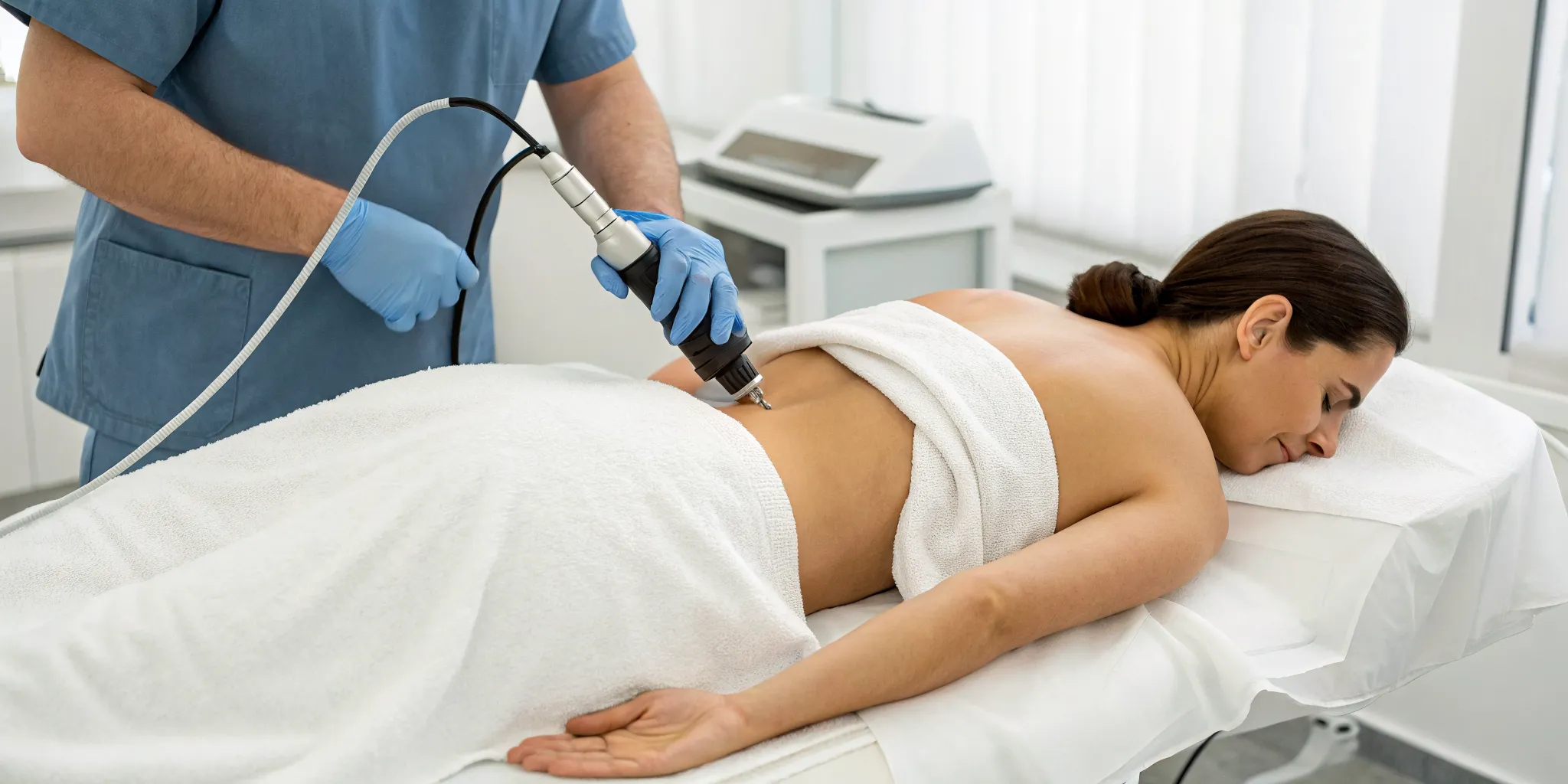
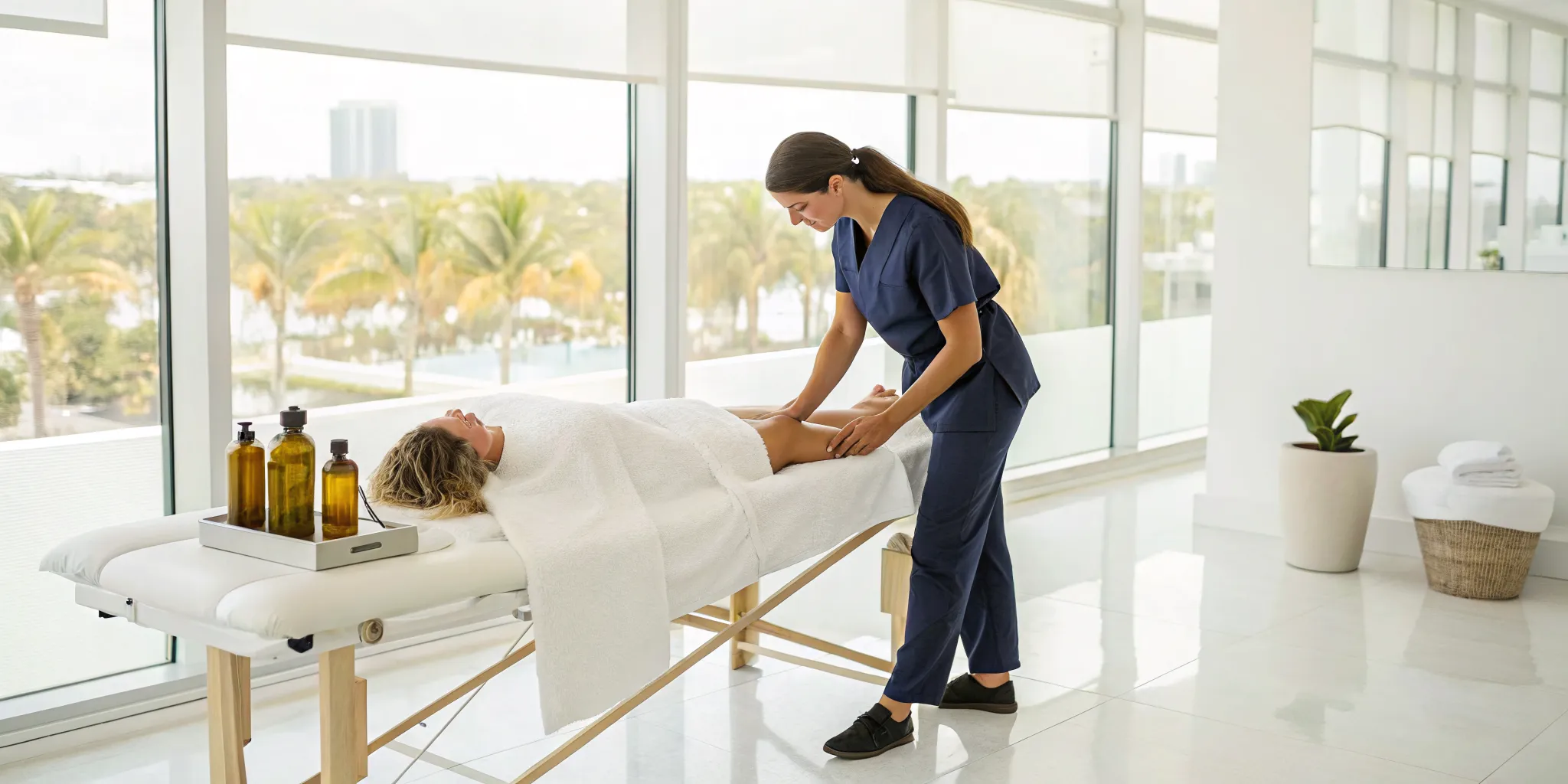
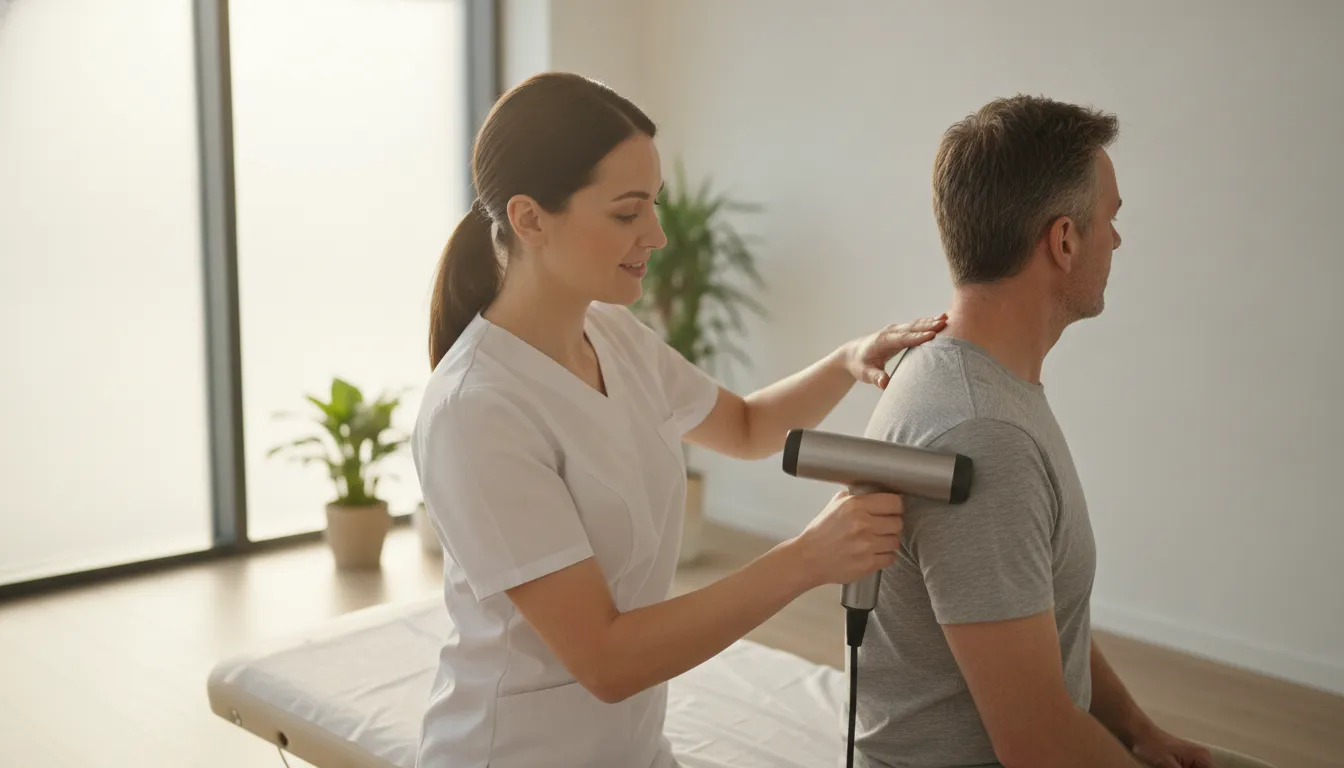
Soft-tissue work focuses on muscles and connective tissue. It may include pressure, movement, or massage-based methods intended to address areas that feel restricted, sensitive, or overworked. A soft-tissue therapy approach may be considered alongside other care, especially when the goal is to support comfort and movement. Clinical guidance notes that soft-tissue mobilization or massage may be combined with other treatments for short-term benefit in some chronic low-back-pain cases, so it should not be presented as a guaranteed stand-alone solution.
Bodywork can also be adapted to the person's tolerance and the findings from the evaluation. Communication matters: pressure, positioning, and technique can be adjusted if an approach feels uncomfortable or does not appear to support the intended goal.
Joint Mobilization and Related Options
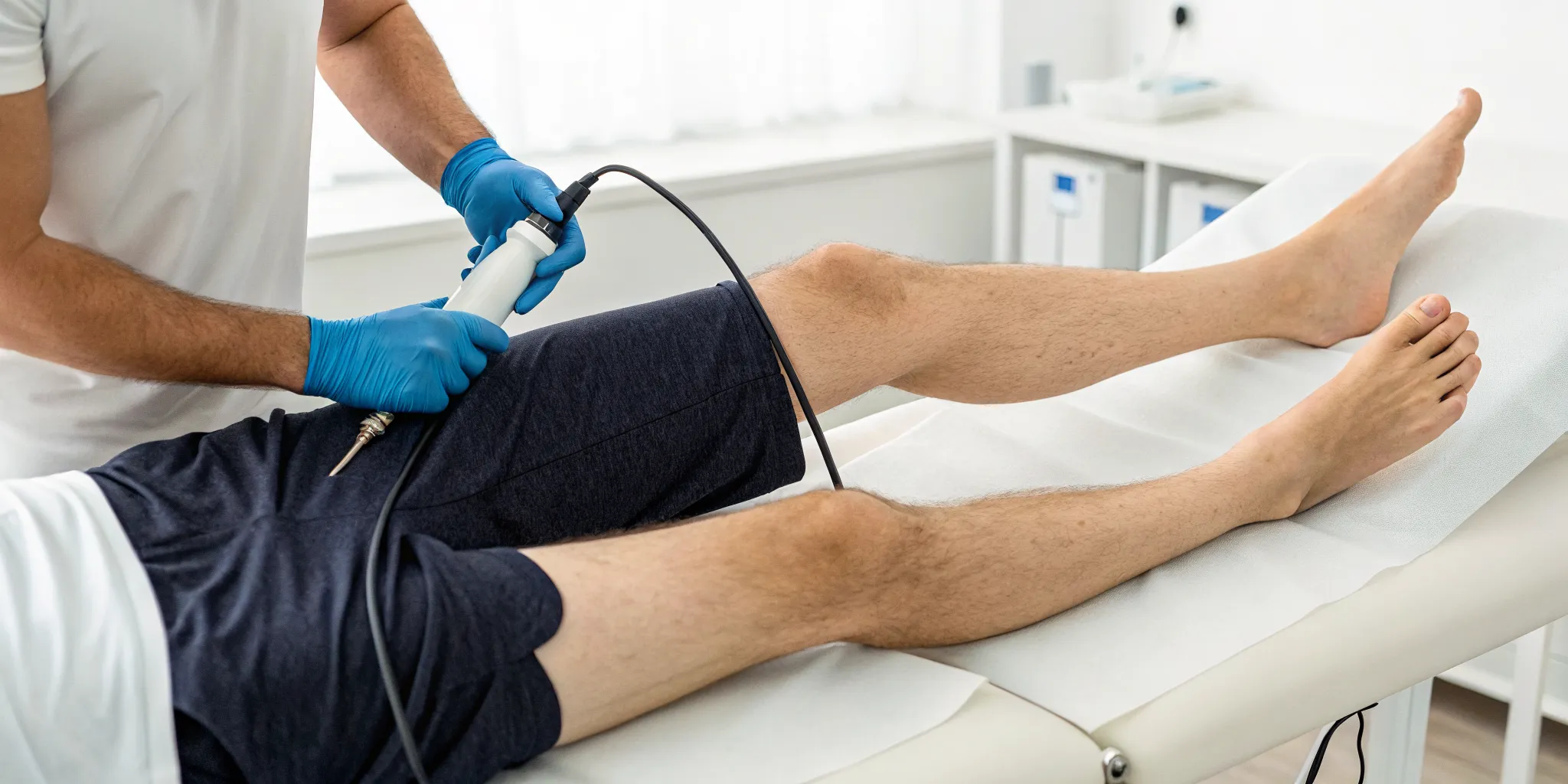
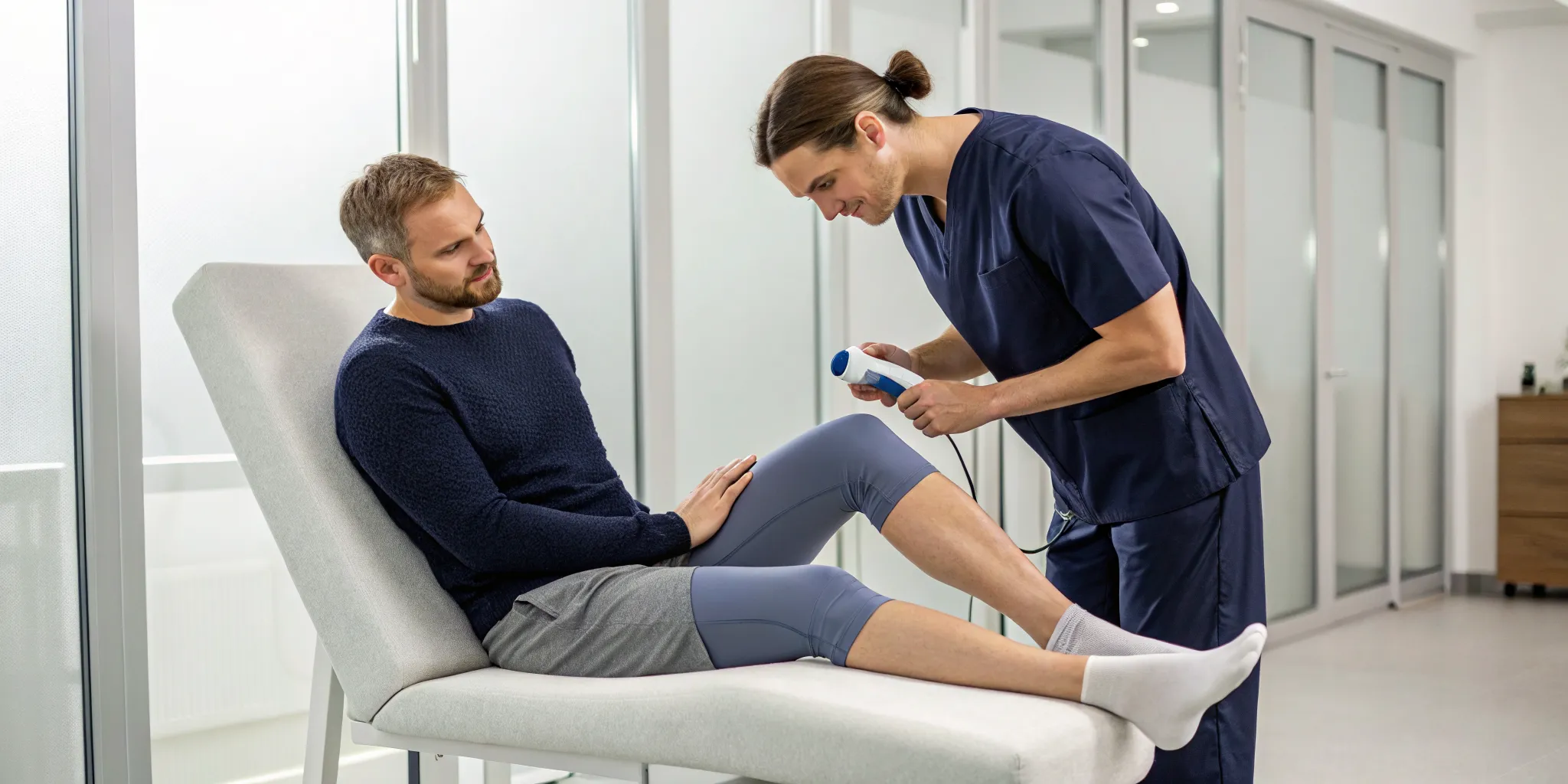
Joint mobilization uses controlled movement at a joint. Depending on the clinical context, it may be used to support mobility or address pain and disability. Research-informed guidelines describe mobilization as one possible option for some low-back-related concerns, including approaches intended to support spine or hip mobility. The technique, direction, and intensity should be selected by a qualified clinician after appropriate screening, not copied from a checklist.
Learn more about gentle joint mobilization and how it may fit within a broader plan. Other related options may include movement-based techniques or carefully selected manipulation, when appropriate. The choice should reflect the evaluation, relevant health history, and your feedback during and after the technique.
Across these categories, the purpose is not to perform every available technique. It is to select the least complicated approach that fits the current findings, explain its purpose, and reassess whether it is helping you move or function more comfortably.
Can Manual Therapy Support Movement and Function?
Manual therapy may support movement and function by helping modulate pain, increase range of motion, and make movement feel more manageable. It is best viewed as one component of an individualized plan, not a guaranteed stand-alone fix.
Potential goals and realistic expectations
Hands-on care can be selected with practical goals in mind. Goals may include reducing pain during a specific activity or improving joint or soft-tissue mobility. They may also include helping a person participate more comfortably in active rehabilitation. These goals describe a care direction, not a promised result. Response can vary with the condition, the tissues involved, overall health, and how the body responds over time.
A peer-reviewed review of manual therapy research examined varied conditions and techniques, including a large body of systematic reviews and randomized trials. It found that much of the evidence was low to moderate quality, inconsistent, or inconclusive, with limited high-quality evidence overall. That uncertainty is important: a technique that helps one person may not be appropriate or useful for another.
For low-back-related care, clinical guidance recommends using manual therapy as an adjunct to other active treatments. That approach may include physical activity or exercise, education, and regular progress monitoring. Hands-on work can sometimes make an active movement easier to explore, while movement practice and education help connect short-term changes with everyday function. The plan should be adjusted when progress, symptoms, or goals change.
Discussing fit before treatment also matters. A clinician can explain the intended goal, what you may feel, what alternatives exist, and how progress will be reviewed. You should be able to share feedback during care rather than assume discomfort or a particular response is necessary.
Contact Ascend Functional Health to discuss whether manual therapy may fit your goals.
Health information is educational and is not medical advice. Consult a qualified clinician before acting on health information or beginning care.
How Does Ascend Place Manual Therapy Within Physical Medicine?
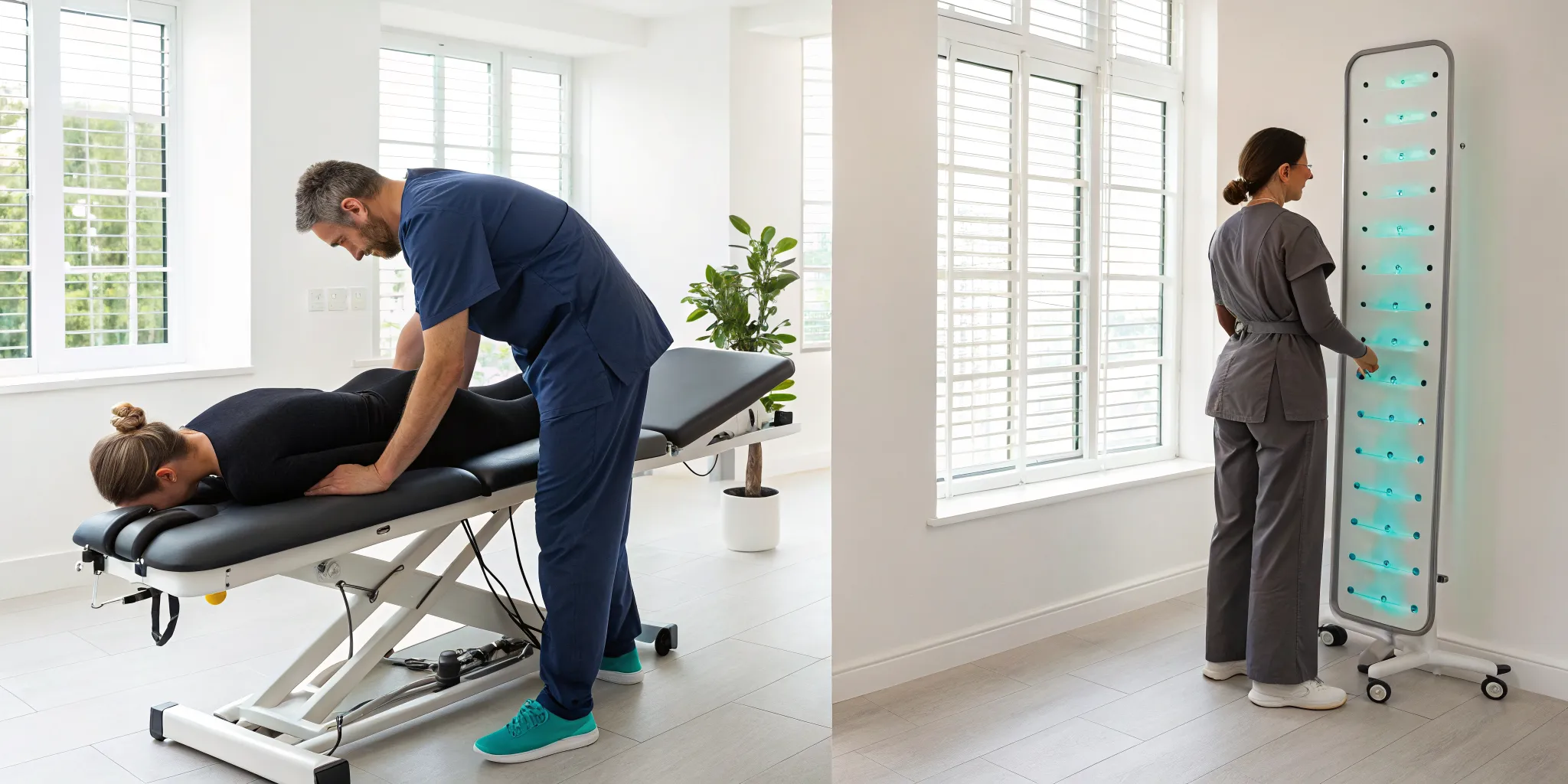
At Ascend, manual therapy is considered one part of a broader Physical Medicine approach. Hands-on care may be coordinated with chiropractic care, therapeutic massage or bodywork, rehabilitation, postural restoration, and other individualized support based on the person's goals and clinical findings.
Connecting Hands-On Care With a Broader Plan
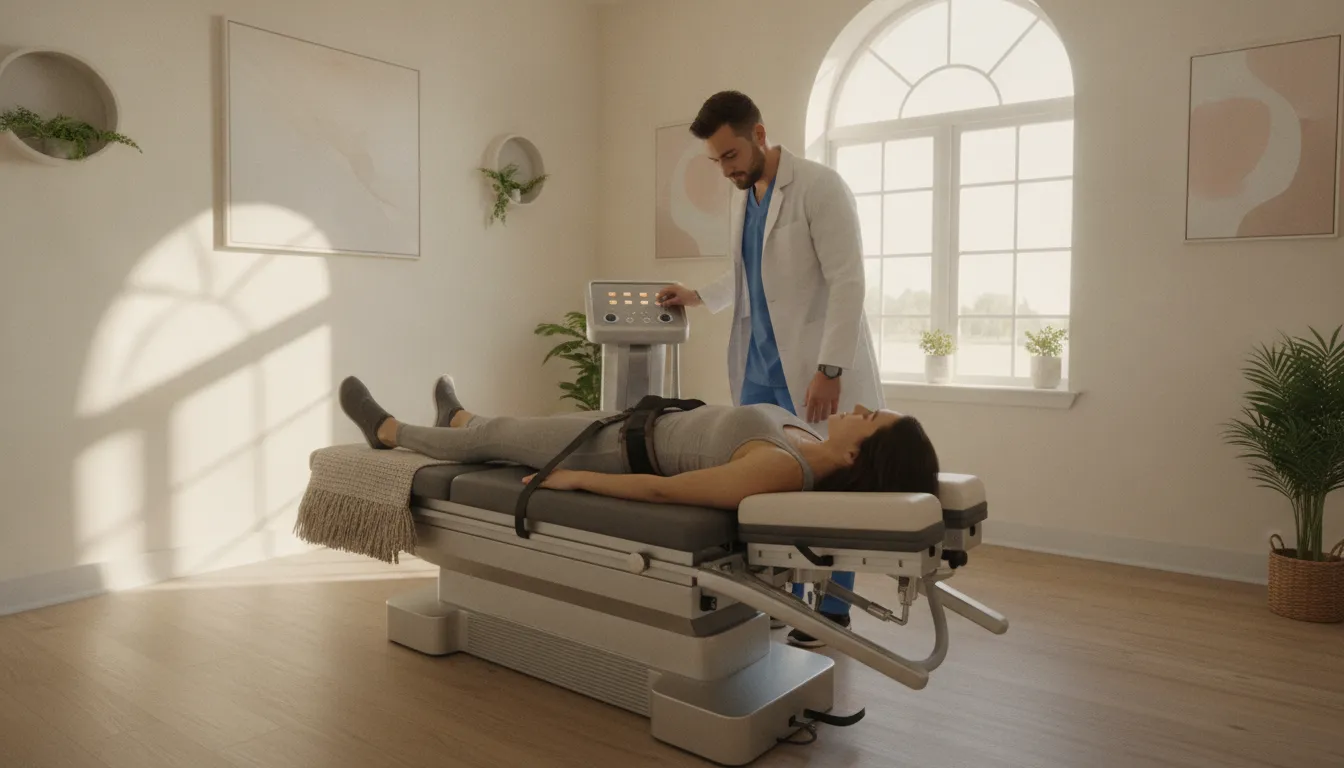
Physical Medicine is not limited to a single technique. Ascend's supported offerings include Chiropractic BioPhysics, spinal decompression and rehabilitation, therapeutic massage/bodywork, and postural restoration. These services provide different ways to address movement, comfort, posture, and functional concerns while keeping the care plan responsive to the individual.
For example, therapeutic massage may be integrated with chiropractic care rather than treated as an isolated service. Manual techniques can also serve as one component of a rehabilitation-oriented plan, where the larger goal is to support useful movement and participation in daily activities. The appropriate role of hands-on work depends on the person's history, current concerns, tolerance, and response over time.
This individualized structure matters because a hands-on session should not be presented as a guaranteed solution or a substitute for thoughtful evaluation. A clinician can explain the purpose of a recommended approach, invite feedback during care, and adjust the plan when the response does not match the intended goal.
Readers in Tampa Bay can explore Ascend's Physical Medicine services to see how chiropractic, bodywork, rehabilitation, and postural restoration fit within the practice's model. For more context on the practice's approach, review this guide to personalized physical medicine care.
How Can You Prepare for a Manual Therapy Consultation?
The most useful preparation is a clear picture of your symptoms, goals, health history, and questions. Bring enough information to support a thoughtful conversation, then remain willing to share feedback so the plan can be adjusted as your response becomes clearer.
Bring information that supports an individualized discussion
- Describe your symptoms and goals. Note where you feel discomfort or restricted movement, when it began, what activities affect it, and what you would like to do more comfortably. A goal such as returning to a favorite activity can be more useful than focusing only on a symptom location.
- Gather relevant health history. Mention prior injuries, prior procedures, diagnoses, recent changes, prescriptions, and other care you are receiving. Include symptoms that seem unrelated if they may affect screening or decision-making. Thorough screening matters because some hands-on approaches are not appropriate for every person or situation.
- Prepare practical questions. Ask how the findings will guide care, which options may be considered, what alternatives exist, and how progress will be reviewed. You can also ask how hands-on care may fit with education, physical activity, rehabilitation, or other Physical Medicine services.
- Give specific feedback during care. Tell the clinician if pressure, positioning, or movement feels uncomfortable, unclear, or different from what you expected. Informed care depends on communication and consent, not on tolerating a technique silently.
- Discuss reassessment. Ask which changes will be monitored, such as movement, daily function, or symptom behavior, and when those observations will inform the next decision. Clinical guidance emphasizes patient education and monitoring progress rather than treating manual therapy as a fixed protocol. A peer-reviewed review of the evidence is available through clinical practice guidance.
Talk with Ascend about your manual therapy questions
Frequently Asked Questions
Manual therapy FAQs usually focus on what an evaluation includes, how hands-on care differs from massage, and how progress is reviewed. The answers below explain those common questions without promising that one technique or visit pattern fits everyone.
What should I expect during a manual therapy evaluation?
Expect a conversation about your concerns, goals, health history, and daily activities, followed by movement observation and relevant screening. The clinician should explain what they notice, discuss reasonable options, and invite your questions before hands-on care begins. The plan may be adjusted as your response and progress become clearer.
Does manual therapy hurt?
It should not be approached as a test of how much discomfort you can tolerate. Some techniques may create pressure, stretching, or temporary tenderness, but the experience should be communicated and adapted to your comfort, symptoms, and clinical findings. Tell the clinician if a technique feels sharp, excessive, or otherwise concerning.
How is manual therapy different from massage?
Massage commonly emphasizes soft-tissue work and relaxation or tissue comfort. Manual therapy is a broader clinical category that can include soft-tissue techniques, joint mobilization, and other hands-on methods selected after an evaluation. The appropriate approach depends on your goals, movement findings, health history, and overall care plan.
Will manual therapy be the only part of my care plan?
Not necessarily. For some musculoskeletal concerns, hands-on care is best used alongside education, movement, exercise, or other active strategies rather than as a stand-alone approach. A clinical practice guideline recommends using manual therapy only as an adjunct to other active treatments and emphasizes monitoring progress: peer-reviewed clinical practice guideline.
How many manual therapy visits will I need?
There is no responsible universal visit count. The answer depends on your presentation, goals, response to care, and progress over time. Your clinician can review whether the plan remains appropriate and explain when a different evaluation or care direction may be needed.
Ready to Discuss Your Manual Therapy Goals?
A personalized conversation can help clarify whether an evaluation fits your goals and what next steps may look like. If you are seeking individualized support in Tampa Bay, contact Ascend Functional Health to discuss your questions and explore an appropriate path forward.
This article is for educational purposes only and is not medical advice. Consult a qualified clinician before making healthcare decisions.