One of the biggest myths about chiropractic care is that once you start, you have to go forever. We want to set the record straight: our goal is to get you feeling better and empower you to maintain your health independently. Your treatment plan is a journey with a beginning, a middle, and a maintenance phase, not a life sentence of appointments. Understanding this structure helps answer the question, "How often should you receive chiropractic and decompression treatments?" The frequency is highest at the beginning when we're focused on relief, then it tapers off as we correct the root problem, and finally settles into periodic wellness visits that are entirely your choice.
Key Takeaways
- Healing happens in stages: Your care plan is designed to guide you through three distinct phases, starting with pain relief, then correcting the underlying problem, and finally maintaining your results for long-term wellness.
- Your care schedule is unique to you: The frequency of your appointments is not a one-size-fits-all number; it is carefully determined by your specific condition, how your body responds to treatment, and your daily lifestyle.
- Adjustments and decompression work together: Combining chiropractic adjustments with spinal decompression creates better results. Adjustments restore alignment, while decompression creates space, helping your spine hold its correct position for more lasting relief.
How Chiropractic and Decompression Therapies Work Together
Think of chiropractic adjustments and spinal decompression as a powerful team working together to help your body heal. While each therapy is effective on its own, combining them creates a synergy that addresses both the structure and spacing of your spine. This integrated approach helps you find relief faster and supports more lasting results. Instead of just chasing symptoms, this combination targets the underlying issues of misalignment and compression, giving your body the ideal environment to repair itself from the inside out.
Restoring Alignment with Chiropractic Adjustments
The first step in this partnership is often a chiropractic adjustment. The main goal is to restore proper motion and alignment to the joints in your spine. When vertebrae are out of place, they can irritate surrounding nerves and tissues, leading to pain and stiffness. A specific, gentle adjustment helps guide these joints back into their correct position. This is a key part of our physical medicine approach. During the initial phase of care, these adjustments work to quickly reduce pain and swelling, providing that first wave of relief while setting the stage for deeper healing.
Creating Space with Spinal Decompression
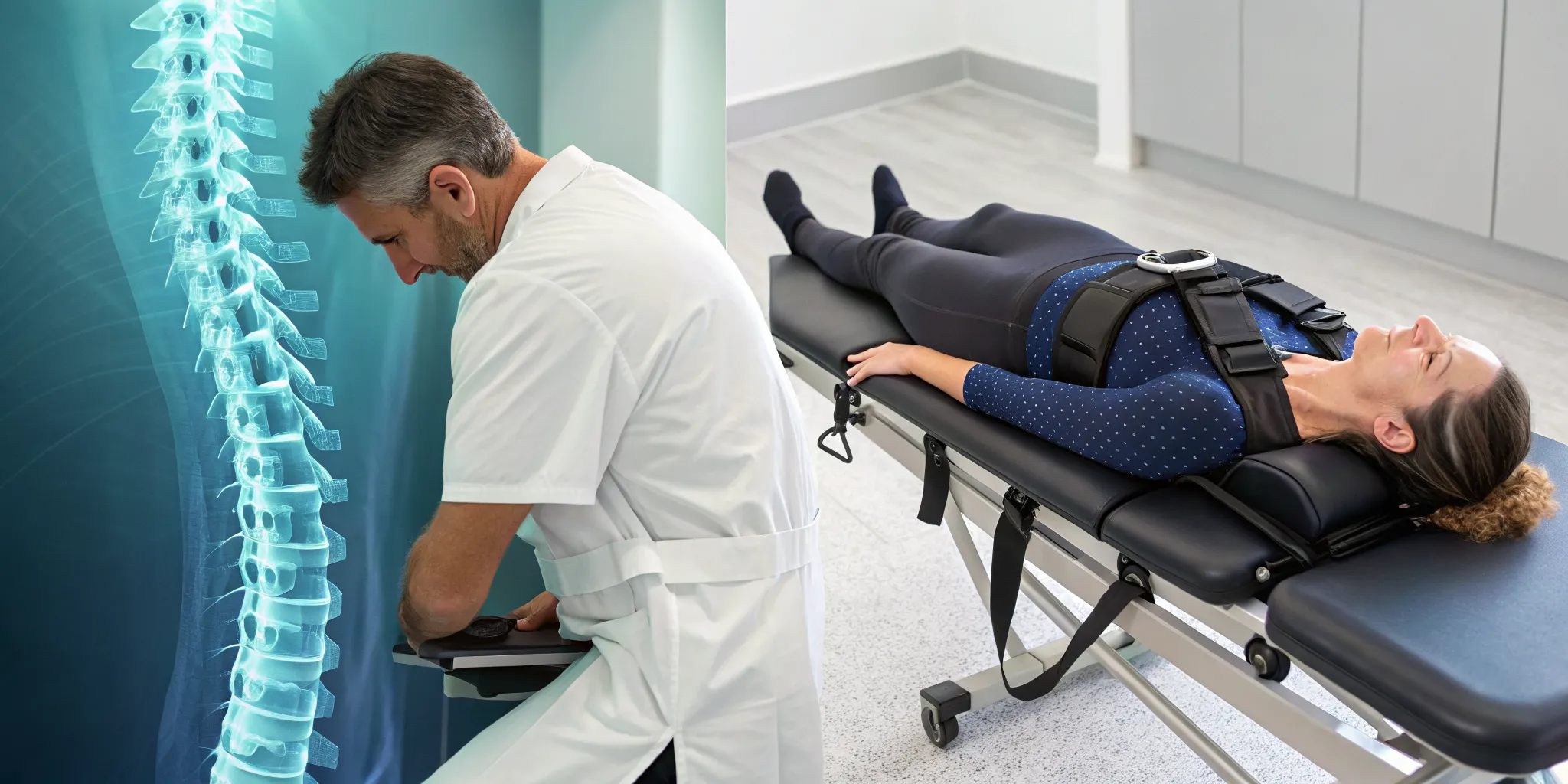
Once we begin to restore alignment, the next step is creating space. That’s where spinal decompression comes in. This therapy uses a specialized table to apply a gentle, controlled stretching force to your spine, which carefully separates the vertebrae and reduces pressure inside your spinal discs. Think of it as giving your discs room to breathe. This negative pressure can help draw bulging or herniated disc material back into place and away from pinched nerves. It’s an incredibly effective way to address the root cause of many common conditions like sciatica, allowing for improved circulation to the damaged areas.
Why These Treatments Are Better Together
Here’s where the magic really happens. A chiropractic adjustment realigns the vertebrae, but if the discs are still compressed, the spine can easily shift back out of place. By following an adjustment with spinal decompression, we create the necessary space for the spine to hold its new, healthier alignment. Decompression makes the spine more receptive to adjustments, and adjustments ensure the spine is in the best position to benefit from decompression. This combination addresses both bone alignment and disc pressure, making it a cornerstone of our comprehensive services. Together, they create a healing environment that is far more powerful than either treatment could achieve alone.
Mapping Your Recovery: The Three Phases of Care
Think of your healing journey like building a house. You can’t put up the walls before laying a solid foundation. At Ascend Functional Health, we see your recovery as a structured process with clear stages. Our goal is to guide you through each one, ensuring we don’t just patch up symptoms but build lasting health from the ground up. This collaborative approach to wellness is designed to give your body the support it needs to heal correctly and stay well. Your path to recovery will generally follow three distinct phases.
Phase 1: Finding Initial Relief
When you’re in pain, the only thing that matters is feeling better. That’s why our first phase of care is all about providing relief. During this initial stage, we focus on reducing pain, calming inflammation, and addressing the immediate issues causing your discomfort. For a new problem, this might involve more frequent visits, perhaps two to three times a week for a few weeks. Our physical medicine therapies, like chiropractic adjustments and decompression, work to gently restore alignment and create space, giving your body the break it needs to start healing. The goal is simple: get you comfortable and moving again.
Phase 2: Correcting the Root Problem
Once your symptoms have calmed down, we shift our focus to the second phase: correcting the underlying issue. This is where real, long-term healing happens. Stopping care when the pain is gone is like stopping antibiotics halfway through; the problem is likely to return. In this phase, we work to stabilize your spine, strengthen supporting muscles, and improve your body’s function. Your visits will become less frequent, maybe once or twice a week. We’ll address the root causes of the conditions we treat to build resilience and prevent the problem from coming back.
Phase 3: Maintaining Your Progress
After you’ve put in the work to correct the problem, the final phase is about protecting your investment. Think of this as proactive wellness care. You wouldn’t wait for your car to break down for an oil change, and the same principle applies to your body. During the maintenance phase, you’ll come in for periodic adjustments, typically once or twice a month. These visits help maintain your alignment and catch minor issues before they become major problems. This approach is a cornerstone of longevity medicine, empowering you to maintain your health and enjoy an active life.
How Often Should You Plan for Treatments?
One of the most common questions we hear is, "How often will I need to come in?" The answer is always: it depends on you. Your treatment plan is tailored specifically to your body, your condition, and your health goals. We don't believe in one-size-fits-all solutions. Instead, we view your healing journey in three distinct phases, with the frequency of your visits adjusting as your body recovers and gets stronger.
Think of it like this: in the beginning, we're focused on putting out the fire and getting you relief. As you start to feel better, we shift our focus to rebuilding and correcting the underlying problem. Finally, once you're stable, we move into a proactive phase to keep you feeling great and prevent future issues. This phased approach ensures you get the right amount of care at the right time, guiding your body back to optimal function without unnecessary appointments. Your progress dictates the schedule, putting you in control of your path to wellness.
The Acute Phase: More Frequent Visits for Immediate Relief
When you're dealing with a new injury or a sudden flare-up of a chronic issue, your body is in a state of distress. Our first goal is to calm things down and provide immediate relief. During this acute phase, which might last a few weeks, you can expect more frequent visits. Typically, this means coming in two to three times per week. For very intense situations, we might even see you three or four times during the first week. This frequency helps us get ahead of the pain and inflammation cycle, giving your body the consistent support it needs to start healing properly.
The Corrective Phase: Scaling Back as You Heal
Once the initial pain and inflammation have subsided, we move into the corrective phase. Here, our focus shifts from immediate relief to addressing the root cause of the problem. Your visits will become less frequent, usually scaling back to once or twice a week. This is the rebuilding stage where we work on rehabilitating the area, improving function, and strengthening the surrounding tissues to prevent a relapse. The goal of our physical medicine approach is to create lasting stability so your body can maintain its alignment and health long after the initial symptoms are gone. This phase is crucial for true, sustainable healing.
The Maintenance Phase: Staying Ahead of Future Issues
After you’ve moved through the acute and corrective phases, you’ll enter the maintenance or wellness phase. By now, you're feeling much better, and the original problem has been resolved. The goal here is to be proactive and keep it that way. For most people, a visit every four to six weeks is perfect for maintaining spinal health and overall well-being. Think of these appointments as a regular tune-up for your body. They help catch minor issues before they become major problems, keeping you active, pain-free, and living your life to the fullest.
Which Conditions May Need More Frequent Care?
While every person’s path to healing is unique, some conditions benefit from a more intensive treatment schedule, especially in the beginning. Think of it like this: if a problem has been developing for a while, it can take a concentrated effort to turn things around. More frequent visits in the initial phase help us gain momentum against pain and inflammation, setting the stage for lasting correction and stability.
The goal is never to keep you coming in frequently forever. Instead, we use this initial phase to get you significant relief and address the root cause. As your body heals and stabilizes, we’ll gradually reduce the frequency of your visits. Here are a few common conditions that often respond best to a more hands-on schedule at the start of care.
Herniated or Bulging Discs
When one of the soft, cushiony discs between your vertebrae slips or bulges out of place, it can press on surrounding nerves, causing significant pain. To address this, we often recommend more frequent spinal decompression sessions initially. This therapy works by gently stretching the spine, creating a vacuum effect that helps draw the bulging disc material back into place and away from the nerve. Consistent, repeated sessions are key to relieving that pressure, reducing inflammation, and giving the disc the space and time it needs to heal properly. Our approach to physical medicine is designed to provide this targeted relief.
Sciatica and Nerve-Related Pain
Sciatica is a distinct type of radiating pain that travels from your lower back down your leg, and it’s a classic sign of nerve compression. This pressure is often caused by a herniated disc or a misaligned vertebra in the lower back. An initial series of frequent chiropractic adjustments and spinal decompression treatments can be incredibly effective. The adjustments work to restore proper alignment and motion to the spine, while decompression specifically targets the pressure on the sciatic nerve. This combined approach helps calm the irritated nerve and breaks the cycle of pain and inflammation, which is why a more concentrated schedule at the start can bring faster, more effective relief for many of the conditions we treat.
Degenerative Disc Disease and Spinal Stenosis
Degenerative disc disease and spinal stenosis are chronic conditions that tend to develop over time. The first involves the gradual wear and tear of your spinal discs, while the second is a narrowing of the spaces within your spine, which can pinch the nerves running through it. For both, an initial phase of more frequent spinal decompression can make a world of difference in managing discomfort and improving your mobility. Regular sessions help to gently counteract the compressive forces of gravity, hydrate the worn-down discs, and create more space within the spinal canal. This helps relieve pressure on the nerves and can slow the progression of symptoms.
Chronic Back and Neck Pain
If you’ve been living with back or neck pain for months or even years, your body has likely created layers of compensation. Muscles tighten, posture changes, and inflammation becomes a constant companion. To unwind these deep-seated patterns, a more frequent treatment schedule is often necessary at the beginning. Consistent chiropractic adjustments help restore movement to stiff spinal joints, while decompression can ease pressure built up over years. This initial, intensive phase helps break the chronic pain cycle, reduce inflammation, and retrain your body to hold a healthier alignment. As you start to feel better and your body stabilizes, we can then transition to less frequent maintenance care. If this sounds like you, we'd love to talk with you about your specific situation.
What Else Influences Your Treatment Schedule?
While the three phases of care provide a great roadmap for recovery, your journey is uniquely yours. Think of it less like a strict schedule and more like a personalized game plan. Several key factors will shape how often you need chiropractic adjustments or spinal decompression, ensuring your treatment is perfectly tailored to you.
The Severity and Type of Your Condition
It makes sense that a recent, minor tweak in your neck will require a different approach than a disc issue you’ve been dealing with for years. The intensity and nature of your condition are major factors in your treatment frequency. For instance, someone with a serious disc problem or long-term spinal pressure might start with more frequent visits, maybe a few times a week, to gain momentum and start the healing process. This initial, intensive phase helps reduce inflammation and pain effectively. On the other hand, if you’re coming in for a less severe issue, your schedule might be less frequent from the start. We’ll assess your specific situation to create a plan that makes the most sense for your body.
How Your Body Responds to Treatment
Have you ever noticed how you and a friend can have completely different responses to the same workout or diet? Our bodies are incredibly unique, and the same is true for how we heal. Your individual response to chiropractic care and decompression is one of the most important guides for your treatment plan. Some people hold their adjustments longer, while others might need more consistent support initially. This is why we work closely with you, paying attention to your progress and feedback at every visit. Your personalized path to healing is a collaborative effort, and we’ll adjust your schedule as your body begins to stabilize and strengthen.
Your Lifestyle, Posture, and Overall Health
Your life outside our office plays a huge role in your healing. What you do every day, from sitting at a desk for eight hours to lifting heavy equipment on a job site, impacts your spine. Poor posture, repetitive motions, and even high stress levels can work against your progress. That’s why we look at the whole picture. We’ll talk about your daily habits and find ways to support your care at home and at work. Your overall health is also a key piece of the puzzle. Our holistic approach considers everything, because we know that true, lasting wellness comes from addressing all the factors that contribute to your condition.
How to Know When You're Ready for the Next Phase
Your recovery is a journey with distinct stages. Knowing the signs that you’re ready for the next phase is empowering, as it helps you and your practitioner adjust your care plan for the best results. Recognizing your progress is a key part of the healing process. Here’s how to tell when you’re ready to move from one phase to the next, ensuring you’re always on the most effective path toward lasting wellness.
Moving from Relief to Correction: What to Look For
The first phase of care is all about getting you out of pain. If you’re dealing with a new injury or a flare-up of a chronic issue, your initial focus is simply on feeling better. During this time, you might have more frequent appointments, perhaps two to three times a week for a few weeks. The main sign that you’re ready to move into the corrective phase is a significant reduction in your pain and discomfort. You’ll notice that your symptoms are no longer the first thing you think about in the morning. While you might not be 100% yet, this shift from constant pain to manageable discomfort is the green light that your body is healing and ready to work on the underlying problem through physical medicine.
Transitioning to Maintenance: Are You Ready?
The move from corrective care to maintenance is a major milestone. This transition happens when your original symptoms are gone, your body is stable, and you’re moving well. You’ll notice that your appointments have become less frequent because your body is holding its adjustments and maintaining its progress for longer periods. You’re ready for maintenance when you feel great and want to stay that way. This phase isn’t about fixing an active problem; it’s a proactive approach to your health. Think of it as protecting your investment. Occasional visits, maybe once or twice a month, help keep your body in alignment and prevent the return of the conditions we treat, allowing you to enjoy your life without interruption.
Myths vs. Facts: Chiropractic and Decompression Care
When it comes to your health, it’s easy to get tangled in a web of myths and misinformation, especially with treatments like chiropractic and spinal decompression. You might have heard things from friends or seen conflicting information online that makes you hesitant. Let's clear the air and separate fact from fiction. Understanding the truth about these therapies can help you feel confident and empowered as you take the next step toward feeling better.
Myth: More Visits Always Mean Faster Results
You might think that packing your schedule with appointments will speed up your recovery, but that’s not quite how the body works. Healing is a process, not a race. Your body needs time to respond to each adjustment and integrate the changes. While more frequent visits are common in the initial phase of care, a long-term plan of multiple visits per week isn't always more effective. We create a personalized physical medicine plan that respects your body's natural healing rhythm, ensuring each session builds on the last without overwhelming your system.
Myth: Spinal Decompression Is Painful or Risky
The idea of a machine stretching your spine can sound intimidating, but the reality is quite the opposite. Most people find spinal decompression to be a gentle and relaxing experience; some even doze off during the session. The technology is designed to be incredibly precise, applying a controlled, gentle force that creates negative pressure within the discs. This process is not painful. Instead, it feels like a slow, steady release of tension, providing relief without the discomfort you might be worried about.
Myth: Once You Start, You Have to Go Forever
This is one of the most common concerns we hear, and it's completely understandable. Our goal is to get you to a place where you don't need us constantly. We guide you through distinct phases of healing, from initial relief to correcting the underlying issue. Once your pain is managed and your body is stable, we may suggest periodic maintenance visits. Think of these as check-ins to keep you feeling great and prevent problems from returning. It's always your choice, designed to support your long-term health and wellness.
Myth: Chiropractic Care Is Only for Back Pain
While chiropractic care is famous for relieving back pain, that’s just scratching the surface of what it can do. Since your spine houses your nervous system, its alignment affects your entire body. Proper adjustments can lead to a wide range of benefits, including fewer headaches and migraines, improved posture, and better overall function. By addressing the spine, we can influence many different aspects of your health. We treat a variety of health concerns that go far beyond just an aching back, helping you feel better from head to toe.
Your First Visit at Ascend Functional Health: A Step-by-Step Guide
Walking into a new doctor's office can feel a little intimidating, especially when you've been dealing with persistent pain or health issues for a while. We get it. That's why we've designed our process to be as clear, comfortable, and collaborative as possible from the moment you walk through our doors. Your journey to better health with us isn't about a quick fix; it's about building a partnership focused on finding and addressing the root cause of your concerns. We combine expertise in physical medicine, functional medicine, and longevity medicine to create a truly holistic plan that looks at your entire well-being.
At Ascend Functional Health, we believe that true healing starts with understanding your unique story. Your first visit is all about us getting to know you, your health history, and what you hope to achieve. We don't follow a one-size-fits-all script. Instead, we listen carefully to create a personalized roadmap to recovery just for you. This process is a team effort, and we're here to guide you every step of the way. We want you to feel heard, understood, and confident in the care you receive. Here’s a simple, step-by-step guide to what you can expect when you schedule your first appointment with our team in Tampa.
We'll Start by Listening to Your Story
Your first appointment is dedicated to one thing: you. We set aside this time to listen to your story, understand your symptoms, and learn about your health goals. This initial consultation is where our partnership begins. We want to know what you've been experiencing, what you've tried in the past, and what a healthier future looks like for you. Your treatment plan will be made just for you, based on your health history and condition. This conversation is the foundation upon which we build a strategy to address the specific conditions we treat, from chronic back pain to digestive issues.
Creating Your Personalized Path to Healing
After we have a clear picture of your health, we'll develop a personalized plan. This isn't a generic handout; it's a detailed strategy tailored to your body and your goals. We'll explain our findings and recommend a course of action, which might include chiropractic adjustments, spinal decompression, or functional medicine testing. The exact number of sessions and how often you go will depend on your specific condition and what your chiropractor recommends. Our goal is to provide you with a clear path forward, outlining the services that will best support your body's ability to heal itself and get you back to feeling your best.
Partnering with You on Your Health Journey
Your healing journey is a dynamic process, and your treatment plan is designed to adapt with you. We see our role as your partner in health, and that means communication is key. As you begin treatment, we'll check in with you regularly to see how you're responding. Your feedback is essential. Always tell your chiropractor if your pain changes so they can adjust your plan. This collaborative approach ensures your care is always aligned with your progress and needs. We're committed to supporting you every step of the way, and our patient testimonials reflect this commitment to working together for lasting results.
Find Lasting Relief with Chiropractic Care in Tampa
If you're looking for a path to recovery that goes beyond temporary fixes, it helps to understand that healing is a process, not a single event. At Ascend Functional Health, our approach to physical medicine is built around a structured journey with three distinct phases. This method ensures we address your immediate discomfort while also correcting the underlying issues for long-term results. Think of it as building a strong foundation before putting up the walls and roof.
Your care plan is always tailored to you, but most healing journeys follow this trusted framework:
Relief Care: When you're in pain, the first and most important step is getting you comfortable. This initial phase focuses on calming inflammation, reducing pain, and stabilizing your condition. During this time, your visits may be more frequent as we work to gain momentum and provide that initial, much-needed relief so your body can begin the deeper work of healing.
Corrective Care: With the initial storm calmed, we can shift our focus to addressing the root cause of the problem. This phase is dedicated to correcting spinal alignment, strengthening supporting muscles, and improving your body’s overall function. Your visit schedule will likely become less frequent as your body heals and grows stronger. This is where true, lasting change happens.
Wellness Care: After you’ve worked hard to reclaim your health, the final phase is about maintaining that progress. These periodic check-ins are proactive, helping to keep your body in alignment and catch minor issues before they become major problems. This empowers you to maintain your results and feel your best for years to come, which is key for managing many of the conditions we treat.
Related Articles
- Revitalize Your Spine with Spinal Decompression Therapy in Tampa, FL
- Is Lumbar Decompression Chiropractic for You?
- Spinal Decompression Therapy in Tampa, FL - Alessi Functional Health
Frequently Asked Questions
How long will it take before I start feeling better? While many people experience some relief within the first few visits, the initial goal is to calm the pain and inflammation cycle. True, lasting healing is a process. The first phase of care is designed to get you comfortable, but the real magic happens in the corrective phase that follows. Your body needs time to adapt and heal, so patience is a key part of the journey to long-term results.
Why is it important to continue care after my pain is gone? Feeling better is a fantastic milestone, but it doesn't mean the underlying problem is fully corrected. Stopping care as soon as the pain disappears is like fixing a leaky pipe with tape; the issue will likely return. The corrective phase is crucial for stabilizing your spine and strengthening the surrounding tissues. This ensures we address the root cause, giving you a much better chance of staying pain-free for good.
Are chiropractic adjustments and spinal decompression safe? Yes, when performed by a trained professional, both therapies are very safe. Chiropractic adjustments are specific, controlled movements designed to restore proper motion to your joints. Spinal decompression is a gentle, computerized therapy that feels like a slow, relaxing stretch. Most people find the treatments to be comfortable and relieving, not painful or intimidating.
Can I just get adjustments without decompression, or vice versa? While each therapy can be effective on its own, they work best as a team. Think of it this way: an adjustment realigns the vertebrae, but if the discs between them are still compressed, the spine can easily shift back out of place. Decompression creates the space needed for your spine to hold its new, healthier alignment. Using them together provides a more comprehensive and lasting solution.
What can I do at home to support my treatment and speed up my recovery? Your daily habits play a huge role in your healing. We will work together to identify simple things you can do outside of the office to support your progress. This often includes specific stretches, tips for improving your posture at work or at home, and advice on movement. Our goal is to empower you with the tools you need to stay healthy between visits and maintain your results long after your treatment plan is complete.