If you are looking for a neck strain doctor in Tampa Bay, prepare a clear account of how the discomfort began, what affects it, and how it changes your daily routine. An evaluation can connect your history and movement findings with a thoughtful discussion of next steps.
Explore Physical Medicine care

What Should You Expect From a Neck Strain Doctor?
A clinician typically begins with your account of symptoms and relevant health history, then considers examination findings. The purpose is to understand your particular situation, not assume every stiff or sore neck has the same cause.
Expect questions about when the discomfort started, whether it followed an activity, and what has changed since. Explain whether it is constant or intermittent, whether it feels different at certain times of day, and which positions or tasks affect it. Mention effects on sleep, driving, desk work, lifting, or other ordinary activities.
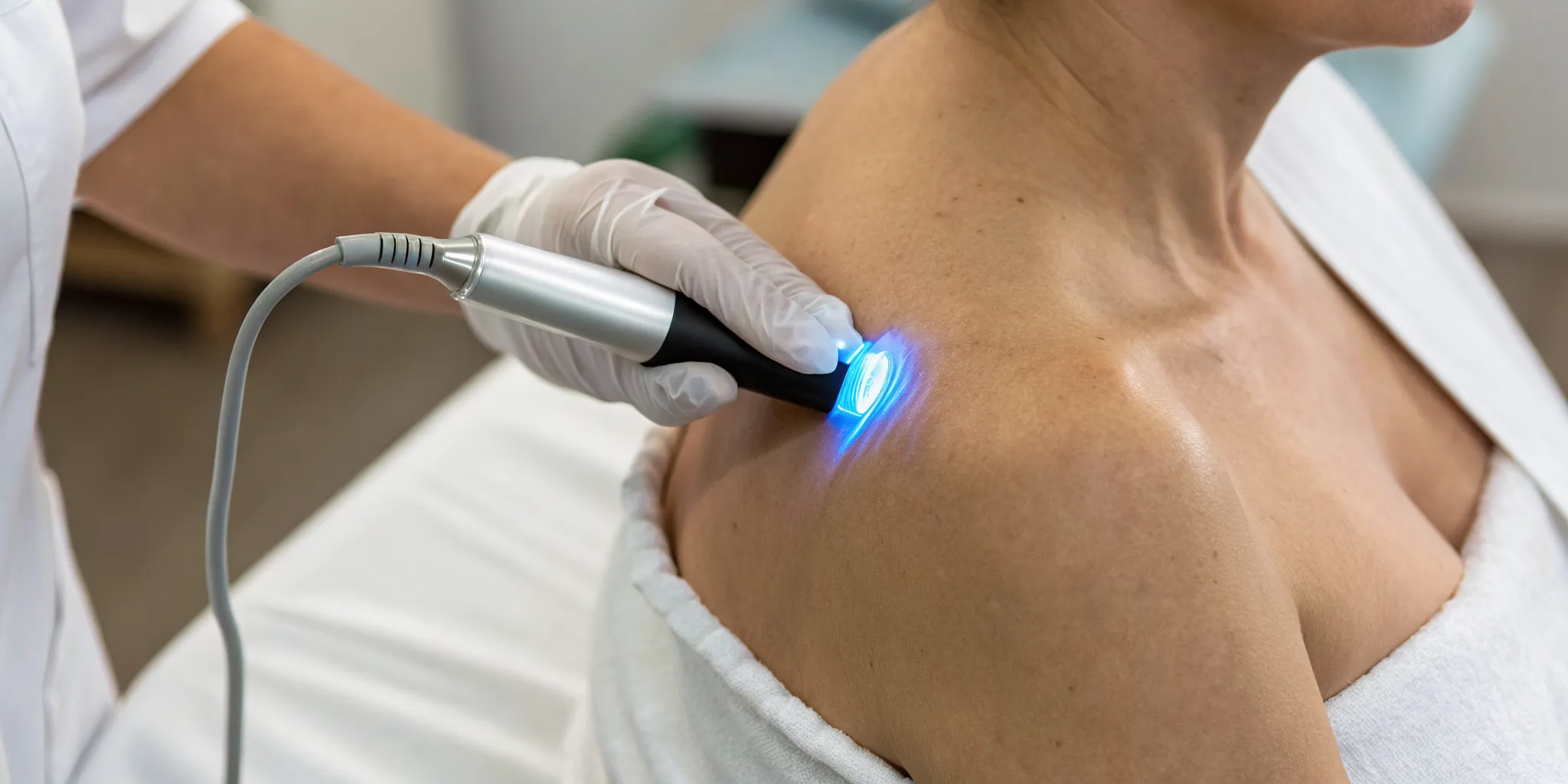
The clinician may review earlier neck or shoulder concerns, current care, relevant health conditions, and reports you bring. A physical examination may include observing posture and comfortable movement and checking related areas. The details depend on the reason for the visit. Imaging or other testing is not automatic; it should relate to a specific clinical question.
Stanford Health Care describes neck assessment as including questions about symptoms and a physical examination, with relevant injury and illness history considered. Read Stanford Health Care's overview of neck pain diagnosis.
Which Symptoms and History Details May Be Relevant?
A useful account includes timing, location, triggers, and the effect on function. These details give a clinician context to interpret what you are feeling and decide what merits discussion.
Before the visit, jot down a short timeline rather than trying to remember every detail on the spot. Include the first day you noticed symptoms, any event or routine change around that time, and whether the pattern improved, worsened, or stayed similar. Describe where you feel discomfort and whether it extends toward a shoulder or arm. If a movement changes the sensation, describe the movement rather than labeling the cause.
- Record whether symptoms began gradually or after a particular event.
- Note activities and positions that seem to increase or ease discomfort.
- Describe changes in turning your head, sitting, sleeping, or completing work tasks.
- List prior episodes, evaluations, and approaches you have already tried.
- Bring relevant reports and note other health details you think may matter.
A practical example: “My neck feels tight” gives less context than “I noticed stiffness after a long drive last week, and turning left to check traffic is harder than usual.” The second description is not a diagnosis; it is a concrete account of timing and function. If symptoms change before the appointment, update your notes. If uncertain whether a detail matters, mention it and let the clinician decide how it fits.
It can also help to distinguish a one-time trigger from an ongoing pattern. A single awkward movement, a long day at a computer, or repeated travel may be worth mentioning, but none proves a cause by itself. Explain whether the same activity reliably changes the sensation, whether the effect lasts after the activity ends, and what you have stopped doing as a result. This gives the clinician a fuller picture than a list of isolated moments.
What Might a Clinician Review During an Evaluation?
An evaluation brings together what you report, relevant history, and examination findings. Further testing is considered when it may help answer an individual question, rather than as a routine step for every neck concern.
The conversation may cover work posture, repeated tasks, sleep position, activity, and recent changes in routine. A clinician may observe posture and assess comfortable movement. Depending on findings, the clinician can discuss whether additional assessment or coordination with another provider makes sense. Ask what each suggested step is intended to clarify and how its result could affect the plan.
It can help to distinguish a finding from its significance. A report may contain technical language, but key questions are what it means in light of your symptoms, whether it changes the next decision, and whether further context is needed. Bring a complete report if available, not only a remembered phrase from it.
During the visit, speak up if a movement is uncomfortable or if you do not understand an instruction. Do not force a movement to prove a point. A careful account of what you can and cannot do is more useful than trying to reproduce a symptom at any cost.
For example, if looking over one shoulder is limited, describe how far you can comfortably turn and which task makes the limitation noticeable. If sitting through a meeting changes the sensation, mention how long you sit and whether a break changes it. These observations are useful context, not a home test or a way to diagnose yourself. The clinician can decide what, if anything, should be examined further.
How Do Common Parts of the Visit Compare?
Each part of an evaluation can answer a different question. Use this comparison to prepare, while recognizing that the clinician can explain which steps fit your situation.
| Visit component | What it may clarify | Useful preparation |
|---|---|---|
| Symptom discussion | Onset, pattern, triggers, everyday impact | A brief timeline and concrete examples |
| Health history | Relevant prior concerns, care, and context | Previous episodes, current care, reports |
| Movement examination | Comfortable range of motion and observed findings | Explain which movements affect symptoms; do not force them |
| Additional assessment, if appropriate | A specific question remaining after initial review | Ask what it can show and how it may guide a decision |
| Care discussion | Options, goals, and a way to review progress | Share priorities, questions, practical constraints |
Use the table as a conversation aid, not a checklist every appointment must follow. If a step is proposed, ask how it connects with your concern. If no further test is recommended, you can still ask what findings support the next step and what would lead to reassessment.
To keep the discussion organized, you might write one question beside each visit component. For the history, ask which details are most relevant. For movement, ask what an observed limitation may mean in context. For proposed testing, ask what decision depends on the result. For a care discussion, ask how the goal and progress review will be defined. This approach helps you leave with an understandable explanation instead of a collection of unfamiliar terms.
How Can You Discuss a Personalized Care Plan?
A useful plan links recommendations to your history, findings, and goals, and identifies how progress will be reviewed. Ask what the clinician thinks may be contributing and why a particular option is being considered.
For example, a person whose main difficulty is turning the head while driving may want to discuss comfortable movement and function. Someone whose symptoms follow prolonged desk work may explain work demands and ask how those details inform the discussion. These examples illustrate how to describe priorities; they do not establish a cause or prescribe treatment.
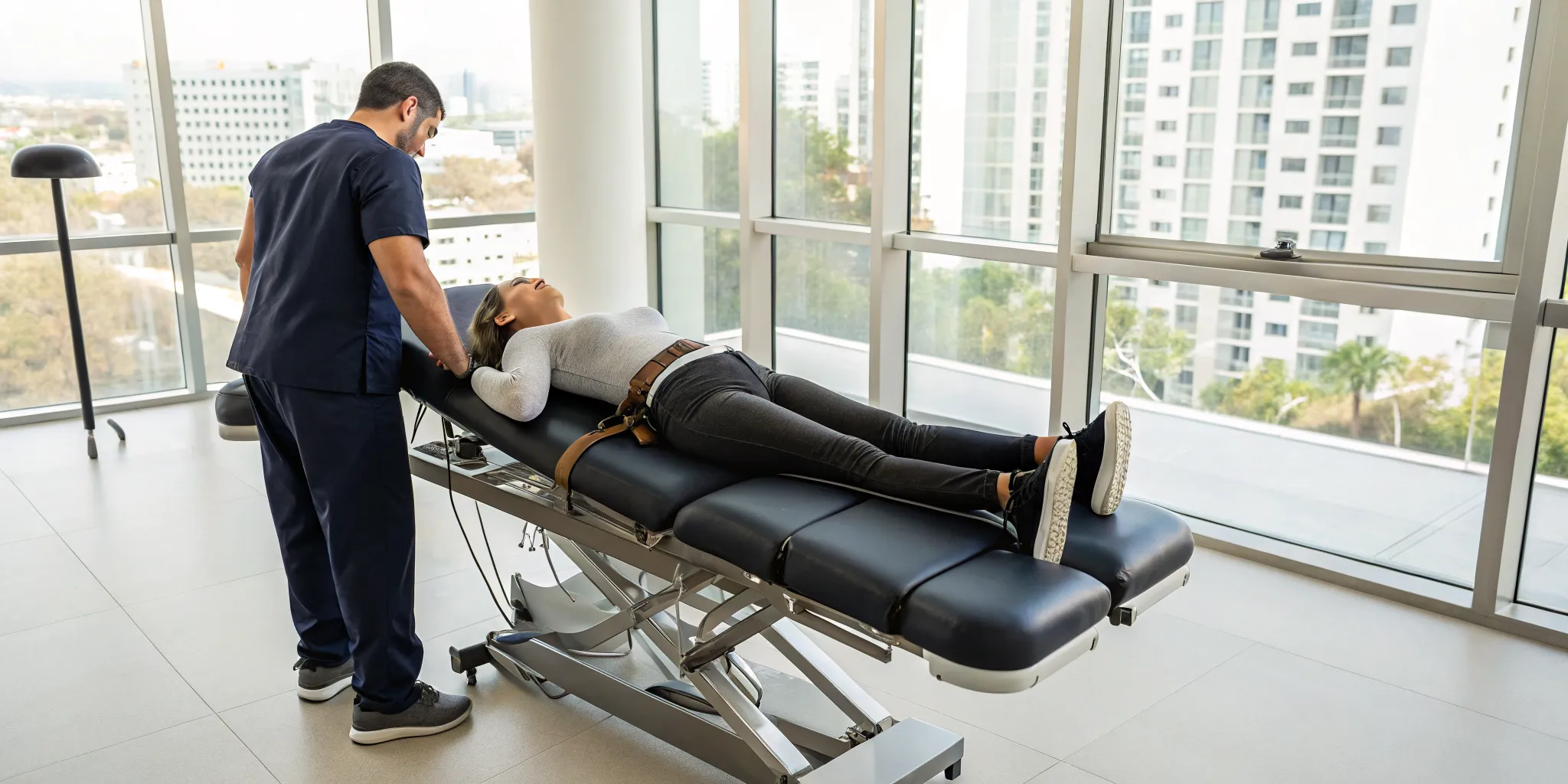
Ascend Functional Health organizes care around Physical Medicine, Functional Medicine, and Regenerative Medicine. A neck-related conversation may focus first on relevant Physical Medicine approaches, such as chiropractic care, decompression, corrective care, or soft-tissue work when appropriate. The fit of any approach depends on an individual evaluation and shared discussion; no single approach suits everyone.
- Which findings matter most in my situation?
- What goals would this recommended approach address?
- How will we review whether it is helping?
- What changes should I report, and when should we check in?
- Would another assessment or clinician be appropriate?
Ascend describes its approach as personalized and evidence-informed, with attention to root causes and measurable outcomes. Review its Physical Medicine information and overview of care services to understand the scope of its approach.
It is reasonable to ask how the plan will adapt if your priorities or symptoms change. Clarify which signs of progress the clinician will track, when you should discuss a lack of progress, and whether the next step would involve reassessment. A plan should be understandable enough that you can explain its purpose in your own words. If you cannot, ask for a clearer explanation before deciding whether to proceed.
How Can You Make the Next Conversation More Useful?
A little preparation can make a consultation more focused. Bring a concise timeline, relevant reports or a list of prior care, and the questions you most want answered.
Consider organizing notes under four headings: when it began, what affects it, what it limits, and what you want to understand. This can be a few lines, not a detailed diary. If the pattern varies, mention a representative example and any meaningful change. If a previous approach was uncomfortable or unhelpful, say so plainly; that information can guide a more informed discussion.
Describe function in concrete terms. Instead of only saying your neck feels stiff, explain whether checking traffic, sitting through a meeting, or looking over your shoulder has become difficult. Share your primary priority, such as understanding the evaluation or discussing options. A clear goal helps keep the conversation relevant without assuming a particular treatment is needed.
For a simple preparation routine, set aside a few minutes to gather your notes, reports, and current list of care approaches. Put your most important question first in case time is limited. If you bring imaging, include the report and its date; if you do not have it, ask whether it is needed rather than delaying a conversation. Write down any explanation you want to revisit and ask the clinician to clarify it before the visit ends.
If you want to understand the practice's broader approach, read about Ascend's background, browse its frequently asked questions, or learn how Functional Medicine fits into its care model. These pages can help you prepare, but they do not replace an individual assessment.
Ascend Functional Health is a cash-pay practice. Before beginning care, ask the practice directly about recommendations, expected charges, and the payment process. Its financing information may help you understand available payment arrangements. You can also use the contact page to ask about fit and next steps.
For readers comparing local options, focus on the process rather than labels. Ask whether the clinician listens to your history, explains the role of examination findings, and gives you room to ask questions. Consider whether the stated plan connects to goals you recognize, and whether you understand what follow-up would involve. Those points make a comparison more practical than choosing by a title alone.
What Questions Can Help You Compare Care Options?
Compare options by how clearly they connect an evaluation to a recommendation, not by promises or assumptions. A straightforward conversation should let you understand the proposed steps and make an informed choice.
When considering a neck strain doctor in Tampa Bay, ask how the initial discussion and examination will be structured, which information to bring, and how the clinician will explain findings. Ask whether a recommendation is based on your particular history and what goals it is intended to address. You should be able to ask questions without feeling pressured to select an approach before you understand it.
It is also reasonable to ask about practical details before proceeding: how follow-up is handled, what the expected charges are for recommendations, and what happens if your needs appear outside the practice's scope. Clear answers help you decide whether the process fits your priorities. These questions do not require you to know in advance which intervention is appropriate.
For a useful comparison, write down each option discussed and note its purpose, expected next step, and how progress would be reviewed. If two recommendations sound similar, ask what distinguishes them in your case. If you need time to consider, say so. A measured decision is more useful than choosing based on a label alone.
Ascend's Tampa service information offers local context, while its Physical Medicine page describes that pillar of care. If you want to learn more about the practice before reaching out, you can also review its patient testimonials. Use any information you find as a starting point for questions about your own needs, not as a substitute for an individualized discussion.
A short comparison worksheet can make those questions easier to use. For each practice or option you are considering, note what the first visit includes, how recommendations are explained, what follow-up looks like, and what charges you should understand in advance. Record any unanswered question instead of filling in a blank with an assumption. Then decide which discussion feels clear, relevant, and respectful of your priorities.
Contact Ascend to discuss your next steps
Frequently Asked Questions
Should I bring imaging or test reports to a neck evaluation?
If you have relevant reports or images, bring them or ask how to share them securely. The clinician can explain whether they apply to your current concern and what they do or do not clarify.
Will every neck strain evaluation require imaging?
No. Whether imaging or another test is appropriate depends on your symptoms, history, and examination. Ask what question a proposed test is intended to answer and how the result could affect decisions.
What should I track before speaking with a clinician?
Note when symptoms started, where you feel them, which activities affect them, and how they influence daily function. Include prior episodes or care and other health details that may be relevant.
How do I know whether a care plan is personalized?
A personalized discussion should connect recommendations to your history, evaluation findings, goals, and a way to review progress. Ask why an option is being considered and what would lead the clinician to adjust the plan.
What if symptoms change before my appointment?
Update your notes and tell the clinician what changed, when it happened, and how it affects your routine. If you are concerned about a new or worsening symptom, seek guidance from an appropriate clinician rather than relying on an article to assess it.
Schedule a conversation with Ascend Functional Health
Health content is educational and is not medical advice; consult your clinician before acting on health information.