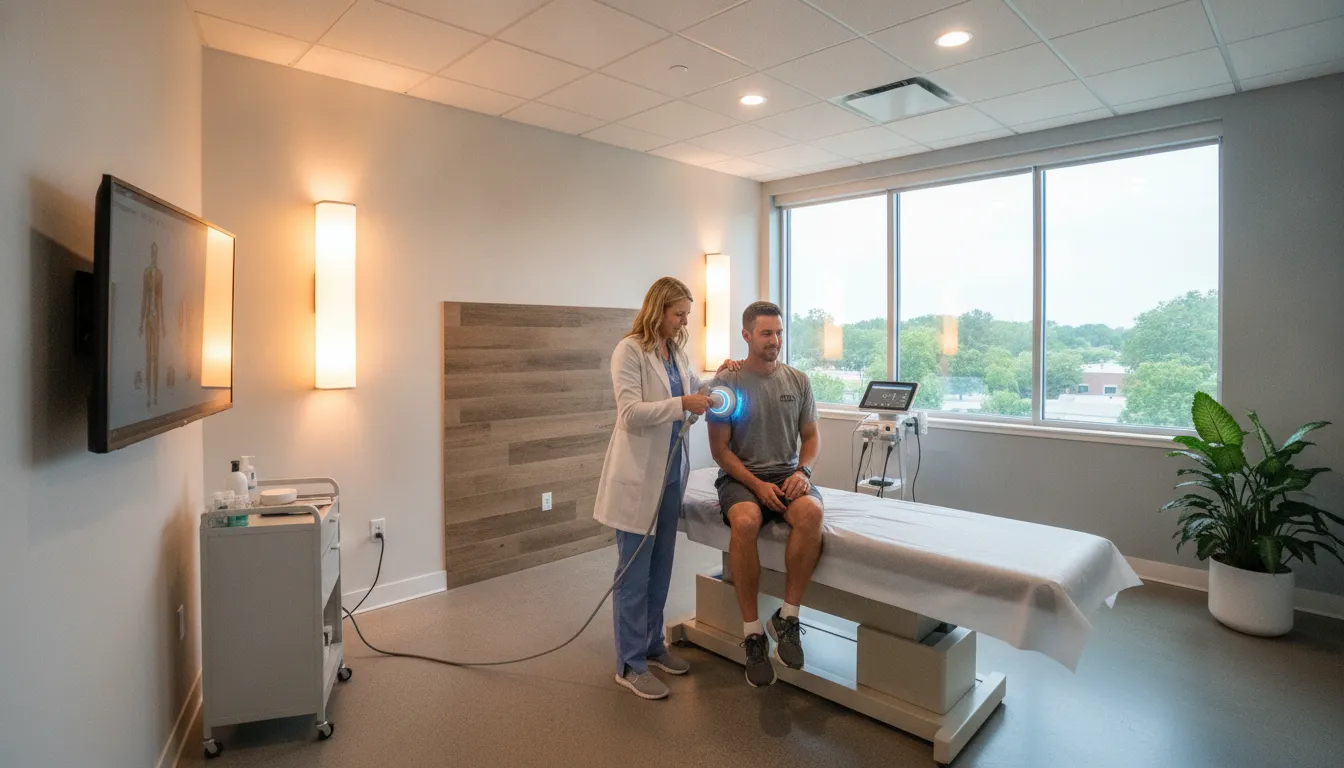
Feeling uncertain before your first chiropractic appointment is understandable, especially if you have never experienced an adjustment. Many people seek chiropractic care for common concerns such as low back pain, neck pain. Or headaches, yet still want to know what will happen before they sit on the table.
For your first chiropractic adjustment what to expect Tampa visit, plan on more than an adjustment alone: your care team will review your health history, evaluate your spine and movement, and explain the next steps. A chiropractic adjustment uses controlled force applied by a trained specialist to a spinal joint, and the process should be guided by your specific findings.
At Ascend Functional Health, the first visit is designed to build understanding and trust rather than rush you through a routine procedure. You can learn more about chiropractic care in Tampa, then follow the two-day process from discovery and assessment to a clear discussion of recommendations.
What Happens During Your First Chiropractic Visit in Tampa: The Two-Day Process
Answer: Your first chiropractic visit at Ascend Functional Health is designed as a two-day process: Day 1 focuses on discovery and assessment. While Day 2 explains the findings and outlines personalized recommendations. This approach gives your doctor time to understand how your posture, movement, history, and goals fit together before recommending care.
Day 1: Discovery, consultation, and assessment
You'll begin with new patient forms and a sit-down consultation. The doctor reviews your health history, current concerns, previous injuries or care, and what you want to improve. This conversation matters because the same symptom can have different contributing factors from one person to the next.
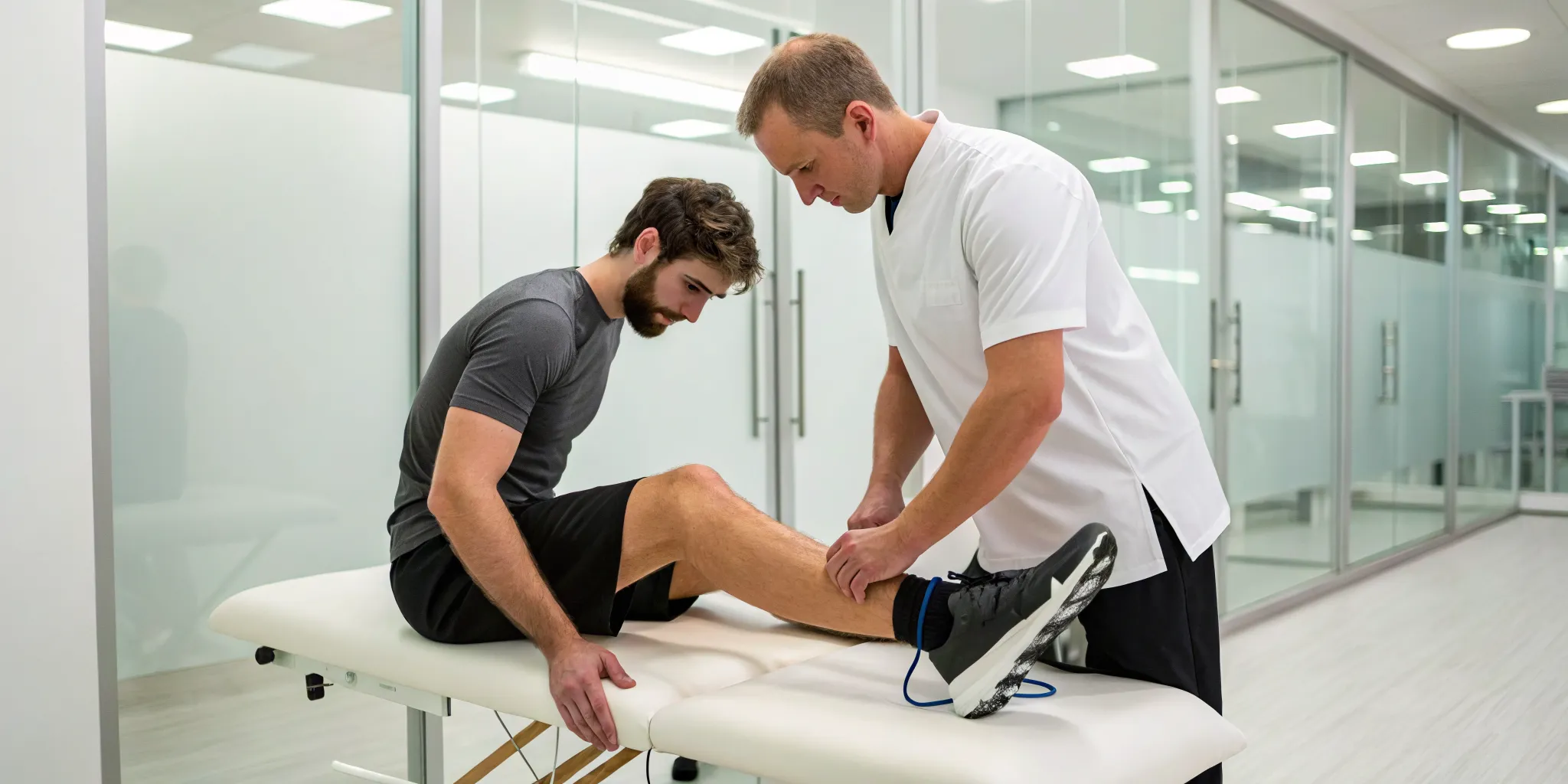
Next, the team completes a physical examination with attention to your spine and movement. This may include a postural assessment, range-of-motion testing, and other measurements that help establish a clinical baseline. A first visit commonly includes a health history review and physical exam, with X-rays or other testing considered when appropriate.1
At Ascend, the assessment may also use Chiropractic BioPhysics (CBP) principles and objective posture and spinal measurements. Depending on the findings, the doctor may evaluate areas such as cervical or lumbar lordosis to understand whether structural correction should be part of your plan. X-rays are taken when the doctor determines they are clinically appropriate, not as an automatic step for every patient.
Initial treatment may happen on Day 1 if the doctor believes it is appropriate after the discovery process and examination. If treatment is not recommended immediately, you'll still leave with a clearer understanding of what the next step involves. You can learn more about chiropractic care in Tampa before your appointment.
Day 2: Report of findings and your care strategy
Your separate Day 2 visit is the report of findings and strategy session. The doctor reviews what the examination and any diagnostic imaging showed, explains how those findings may relate to your goals, and answers your questions in plain language.
You'll then receive the doctor's personalized recommendations. These may address the appropriate focus of care, such as improving movement or supporting structural correction, along with what participation and follow-up could look like. The objective is a shared plan grounded in your findings rather than a one-size-fits-all routine.
Taking two visits for this process allows space for thoughtful evaluation and informed decision-making. Healing is a process, not an event, and the first step is understanding your starting point well enough to choose the next one with confidence.
What to Expect During Your First Chiropractic Adjustment in Tampa
Your first chiropractic adjustment is typically a brief, controlled procedure performed while you lie on a specialized table. Your chiropractor explains each step, applies carefully directed force to selected spinal joints, and checks how you feel throughout the process. Knowing what will happen can make the experience feel much more manageable, especially if you are nervous about the sounds or sensations.
How you will be positioned
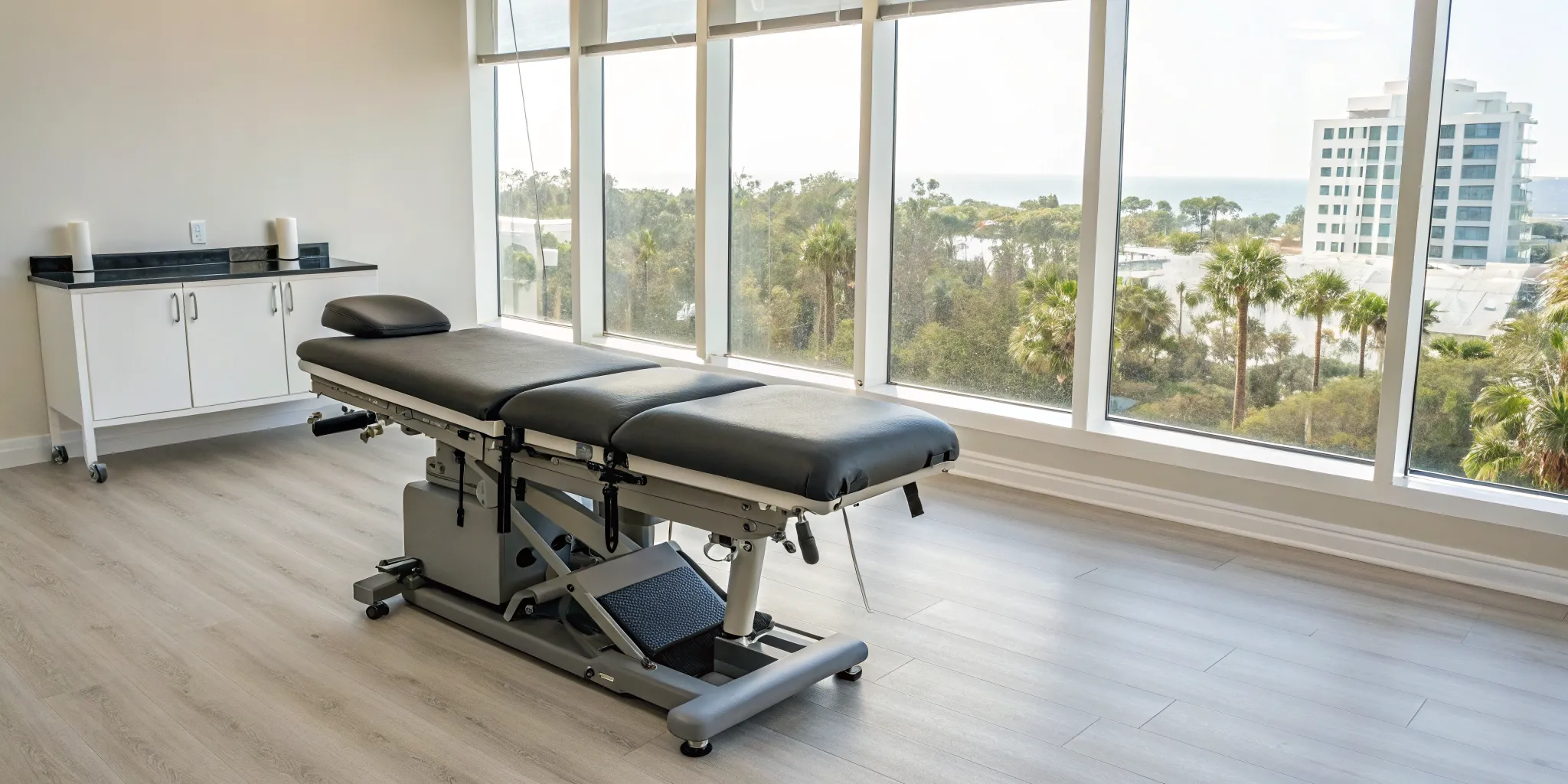
Depending on the area being assessed, you may lie face down, on your back, or on your side on a chiropractic table. The table is designed to support your body while allowing the chiropractor to position the spine precisely. You may be asked to turn your head, bend a knee, or place your arms in a particular position so the adjustment can be performed comfortably.
A chiropractic adjustment is not a forceful, unpredictable movement. It is a clinical procedure in which a trained chiropractor uses their hands or a specialized instrument to apply controlled force to a spinal joint. The goal is to help improve motion and function in the area being treated. Your provider should explain what they are doing and invite you to speak up if you feel uncomfortable.
What the adjustment may feel and sound like
The adjustment itself commonly takes about five to 15 minutes, although the total appointment may be longer because your care plan and response need to be considered. You may feel a quick pressure, stretch, or gentle movement in the treated area. Some patients notice an immediate sense of looseness or easier movement, while others simply feel that the area has been worked.
You may also hear a popping or cracking sound. This is normal during many adjustments and is commonly associated with gas releasing from a joint as it moves. The sound does not mean that a bone is breaking or that anything is being damaged. It is also not necessary for an adjustment to be effective, so do not worry if you do not hear a pop.
It is normal to feel anxious before your first adjustment. Tell your chiropractor that you are new to care or concerned about the procedure. A thoughtful provider can slow down, explain the position and pressure in advance, and adjust the technique to your comfort level. You remain an active participant, and your questions and feedback help shape the visit.
Afterward, take a moment to notice how your body feels before leaving. Your chiropractor can explain what sensations are expected and what the next step may be based on your evaluation.
How to Prepare for Your First Chiropractic Adjustment in Tampa
Answer: Prepare by wearing comfortable clothing, bringing relevant health information, and setting aside about 60 to 90 minutes for Day 1. Arriving with your questions and symptom history helps your chiropractor understand your goals and build an appropriately personalized plan.
Wear loose, comfortable clothing
Choose clothing that allows you to move easily, such as athletic pants, comfortable shorts, or a flexible top. Your chiropractor may assess posture, range of motion, and how your spine moves, so restrictive clothing can make that process less comfortable. You do not need to dress formally or prepare in a special way. Simply arrive clean, comfortable, and ready to move through a practical evaluation.
Bring information that supports your evaluation
Bring a photo ID and any relevant medical records or imaging you have available, especially reports related to previous injuries, spinal concerns, or ongoing symptoms. It also helps to bring a current list of medications and a concise description of what you have been experiencing. Note when symptoms began, what makes them better or worse, and how they affect sleep, work, exercise, or daily activities. This context gives your provider more than a single snapshot of where you feel discomfort.
Prepare questions for your chiropractor
Write down questions before your appointment so you do not have to rely on memory in the room. You might ask: What could be contributing to my symptoms? What will you evaluate during this visit? Are X-rays or other measurements appropriate for me? What will the recommended care plan involve? What should I do between visits? A collaborative conversation is an important part of understanding your options and deciding whether the approach fits your needs.
Plan for the full first-day time commitment
At Ascend, Day 1 is designed around discovery. Expect a sit-down consultation, health history, examination, and X-rays when clinically appropriate. Treatment may also occur if the doctor determines it is appropriate. Set aside roughly 60 to 90 minutes rather than scheduling an appointment immediately before another obligation. If you want to understand the costs of your first adjustment, review that guide before your visit. For additional preparing for your adjustment guidance, explore the related article.
What to Expect After Your First Chiropractic Adjustment
After your first chiropractic adjustment, you may feel more mobile right away, or you may notice gradual changes over your next few visits. Mild, temporary soreness, fatigue, or a headache can occur, but increasing or severe pain is a reason to contact your care team.
Your body may need a little time to respond to a new movement pattern. Mild soreness in the treated area can feel similar to the muscle tenderness some people experience after exercise. You might also feel tired or develop a mild headache. These effects are generally temporary. Mayo Clinic notes that minor side effects can occur after an adjustment, including headaches, soreness, and fatigue. Review Mayo Clinic's overview of chiropractic adjustments for additional general information.
How long do post-adjustment symptoms last?
For many patients, mild soreness, fatigue, or a headache settles within 24 to 48 hours. Drink water throughout the day, follow the specific after-care guidance your chiropractor provides, and avoid treating temporary tenderness as a sign that you should push through strenuous activity. Keep track of what you notice, especially if this is your first adjustment, so you can discuss it at your next visit.
Call the office if discomfort is sharp, intense, worsening, or interfering with normal activities. You should also reach out if symptoms do not begin settling within the expected timeframe or if something feels distinctly different from the mild soreness discussed during your visit. Seek urgent medical attention for severe or rapidly worsening symptoms, rather than waiting for a routine follow-up.
When will you feel an improvement?
Some people notice easier movement or a change in symptoms immediately. Others need several sessions before they can recognize a meaningful difference. Your response depends on your history, movement patterns, goals, and the findings from your evaluation. One visit does not always show the full direction of care, so a gradual response does not necessarily mean the treatment is ineffective.
Your follow-up schedule should be based on your assessment and recommendations, not a one-size-fits-all timetable. At follow-up visits, your chiropractor can review your response, reassess movement, and adjust the plan when appropriate. Bring questions about soreness, fatigue, sleep, or changes in mobility so your care remains personalized and informed.
How Ascend Functional Health's Chiropractic Care Stands Apart in Tampa
Ascend's approach combines objective structural assessment with root-cause evaluation, so your care plan is built around your health history, measurements, and goals rather than a routine adjustment schedule. That distinction matters when you're researching what to expect from your first chiropractic adjustment in Tampa. It means you want more than temporary symptom management.
Structural correction guided by measurable findings
Ascend uses Chiropractic BioPhysics (CBP) within its Physical Medicine approach. CBP uses posture and spine measurements to help clinicians evaluate structural patterns and guide a personalized plan. Rather than applying the same technique to every patient, the assessment may examine areas such as cervical lordosis, thoracic kyphosis, or lumbar lordosis. A clinical case report describing CBP also documented measured postural and spinal structural abnormalities alongside patient-reported outcomes, illustrating why objective findings can add context to a physical examination.
This is part of Ascend's broader physical medicine approach, which connects chiropractic and postural care to the individual in front of you. The goal is a thoughtful clinical strategy, not a generic series of adjustments or a promise of instant relief.
| Factor | Standard Chiropractic | Ascend Functional Health (CBP) |
|---|---|---|
| Assessment method | Manual palpation and symptom history | Objective posture and spinal measurements |
| Treatment target | Symptom relief and general mobility | Structural correction of cervical, thoracic, or lumbar alignment |
| Integration | Chiropractic only | Physical Medicine + Functional Medicine + Regenerative Medicine |
| Patient process | Single visit adjustment | Two-day consultative discovery with report of findings |
| Outcome focus | Temporary symptom management | Measurable structural and functional improvement |
Three pillars working together
Ascend also integrates Physical Medicine with Functional Medicine and Regenerative Medicine. Functional Medicine may use root-cause diagnostics, laboratory work, or stool testing when those tools are appropriate for understanding concerns that may influence how you feel and function. Regenerative Medicine may include clinically evaluated options such as peptide therapy or FDA-approved SoftWave Therapy. These services are framed through medical assessment and measurable health goals, not cosmetic positioning.
A consultative process before recommendations
New patients move through a two-day process designed to create clarity. Day 1 includes discovery, a sit-down consultation, X-rays, and possibly treatment if the doctor considers it appropriate. Day 2 centers on a report of findings, strategy session, and the doctor's recommendations. This gives you an opportunity to understand what the evaluation found and discuss whether the proposed plan fits your needs before moving forward.
If you want to discuss your concerns and the right starting point, schedule a consultation with Ascend Functional Health in Tampa.
Frequently Asked Questions
Will my first chiropractic adjustment in Tampa be painful?
An adjustment is designed to use a controlled force to improve joint motion, and many patients find the procedure comfortable. You may notice pressure, movement, or a popping sound as a joint moves, which is a normal sensation during treatment. Tell your chiropractor if anything feels uncomfortable so the technique can be adapted. Mayo Clinic explains the adjustment process.
Do I need X-rays before my first adjustment?
Possibly. Your first visit includes a health history and physical examination, and X-rays or other testing may be recommended when clinically appropriate. At Ascend, the initial discovery process helps the doctor understand your structure and determine whether treatment is appropriate that day.
How long does a first chiropractic visit take?
Your first visit generally requires more time than a routine adjustment because it may include a sit-down consultation, examination, and imaging. Ascend's process may continue with a second-day report of findings and strategy session, so plan for enough time to discuss your history and recommendations without feeling rushed.
What should I wear to my first chiropractic adjustment?
Choose comfortable, loose-fitting clothing that allows you to move easily during the examination and treatment. Bring any relevant health records and a written list of symptoms, previous diagnoses, or questions so your consultation is as complete as possible.
How soon will I feel relief after my first adjustment?
Some people notice changes in mobility or symptoms soon after an adjustment, while others need a personalized care plan and follow-up visits. Your response depends on your condition, history, and the findings from your evaluation. Healing is a process, not an event, so your chiropractor should explain realistic next steps rather than promise an instant result.
Ready to Schedule Your Chiropractic Consultation?
A consultation gives you space to discuss your goals, review your health history, and understand whether Ascend Functional Health's approach fits your needs. When you're ready to take the next step, schedule a consultation with the Tampa team. You can bring your questions and start the conversation at a pace that feels comfortable for you.