Rest and recovery for men over 40 can involve more than taking a day off after activity. Changes in energy, sleep, movement, or how long it takes to feel ready again may be worth discussing in the context of your health history and goals.
Explore physical medicine care options

How Can Rest and Recovery Change After 40?
Recovery can feel different from one person to another, and age alone does not explain every change. Look at patterns across daily life rather than judging by one difficult day.
Men who were active athletes earlier in life may compare current energy or movement with an earlier baseline. That comparison can help describe a concern, but it does not identify its cause. Work demands, sleep schedules, stress, nutrition, prior injuries, and health conditions all form part of the context a clinician may consider.
For example, one person might notice that a familiar weekend hike leaves them unusually tired through Monday. Another may feel generally well after activity but report recurring stiffness during a desk-heavy workweek. Those are different patterns, and the details matter more than a broad label such as “slowing down.”
Try to distinguish an isolated tough day from a sustained shift. Consider whether you are repeatedly more tired, sleeping differently, avoiding activities you previously enjoyed, or experiencing persistent stiffness or discomfort. Note how these changes affect work, family responsibilities, and ordinary movement.
Which Patterns Should You Track Before a Visit?
A brief, consistent record makes it easier to describe a pattern accurately. Track observations and context without trying to diagnose yourself.
A calendar or notes app is enough. For each entry, capture the date, the activity or demand, what you noticed, and how long it affected you. Keep the record manageable: a few lines are more useful than a detailed diary that is hard to maintain.
- Activity: What were you doing, and was the effort familiar or unusually demanding?
- Sleep: Roughly how long did you sleep, and did you wake feeling rested?
- Energy: When did fatigue begin, and did it pass or continue into other parts of the day?
- Movement: Did stiffness or discomfort change how you walked, lifted, sat, or worked?
- Context: Were there changes in workload, travel, stress, meals, or routine?
- Trend: Is the pattern improving, stable, or becoming more limiting?
Use specific language. “My legs felt heavy after the usual route and I skipped my evening walk” gives a clinician more to work with than “I have no endurance.” If a symptom occurs only after a certain activity, say so. If it also appears on quiet days, include that detail.
Keep notes brief and factual. Avoid changing several routines at once just to test a theory; multiple changes can make it harder to identify which factors coincide with the pattern. If a change is needed for comfort or safety, prioritize that and record when it happened.
How Can Sleep and Rest Fit Into Recovery?
Sleep and rest are important parts of recovery, but they are only pieces of a broader picture. A clinician can consider them alongside activity, symptoms, and health history.
Sleep quality may matter as much as the number of hours someone sets aside. Record recurring difficulty falling asleep, frequent waking, or waking unrefreshed. Note schedule changes, late work, travel, or other disruptions that may help explain a difficult stretch. These details make a conversation more specific than simply saying, “I need more rest.”
Rest does not have to mean complete inactivity, and there is no single schedule that fits everyone. The balance depends on the person, the activity, and the concern being evaluated. If an activity repeatedly aggravates symptoms, do not push through just to prove toughness. Ask a qualified clinician what level of activity is appropriate in your circumstances.
Queensland Health discusses rest, recovery, and sleep, noting that recovery needs can vary with activity. Read its overview of rest, recovery, and sleep. This broad resource offers general context, not an explanation for one person’s symptoms.
A practical way to prepare is to describe the rhythm of your week. Include demanding workdays, travel, recreational activity, and nights when sleep is disrupted. A clinician can then ask whether the timing appears relevant and whether further assessment is appropriate.
What Might a Clinician-Guided Evaluation Consider?
An evaluation can organize possible contributors and clarify reasonable next steps. It should reflect your history, examination, and appropriate testing rather than assumptions about age or athletic background.
A discussion may cover when the change began, what makes it better or worse, prior injuries, day-to-day movement, sleep, stress, and relevant health history. Depending on the concern, a clinician may assess mobility, posture, or movement patterns. If broader health factors are relevant, the discussion may include whether lab testing or another evaluation makes sense.
Think of the visit as a sequence of questions rather than a single test that explains everything. First, identify the main concern and its effect on daily life. Next, review relevant history and examination findings. Then discuss which options are reasonable, what uncertainties remain, and how progress would be reviewed. Testing should have a clear purpose and should inform a decision.
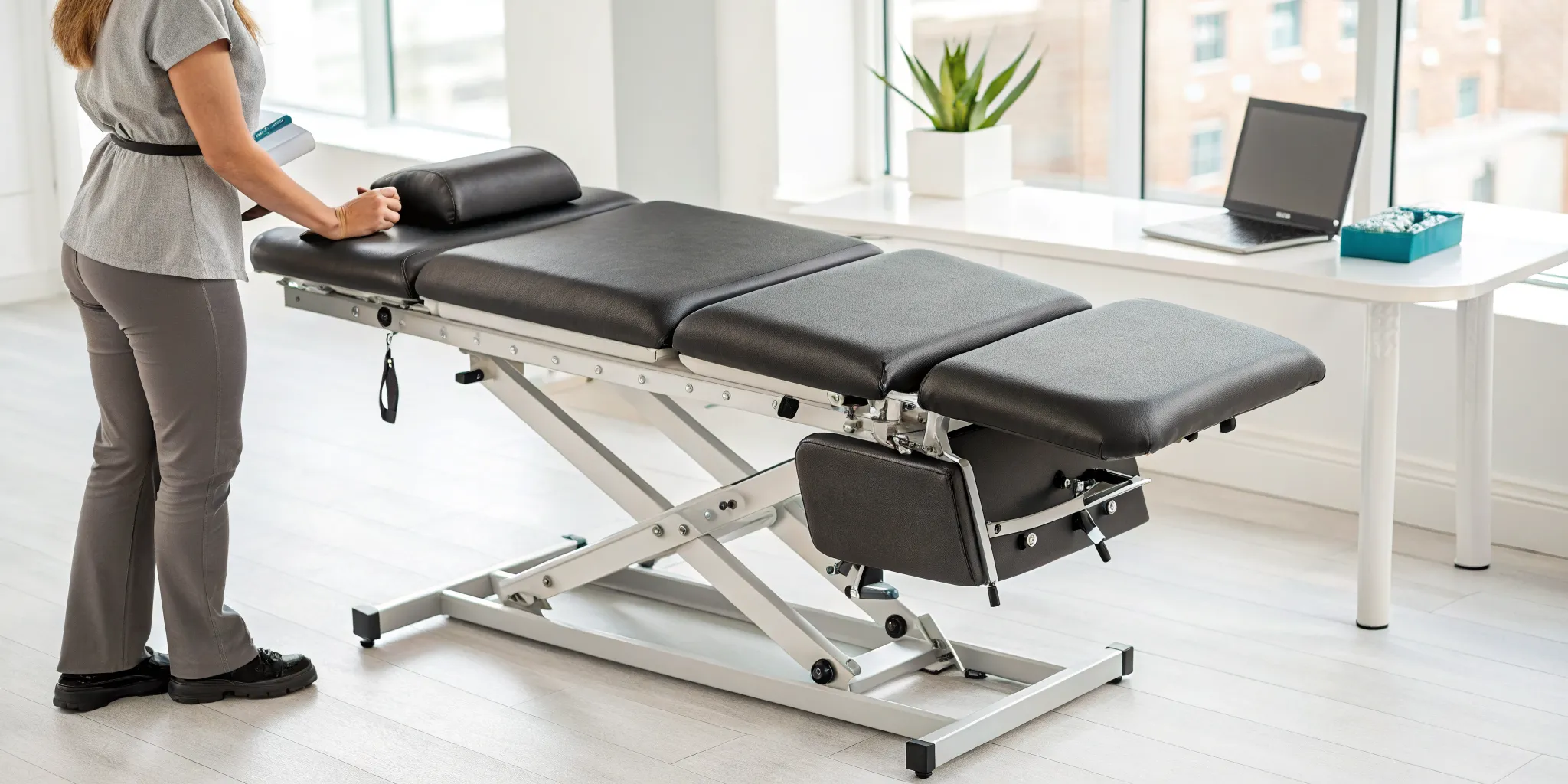
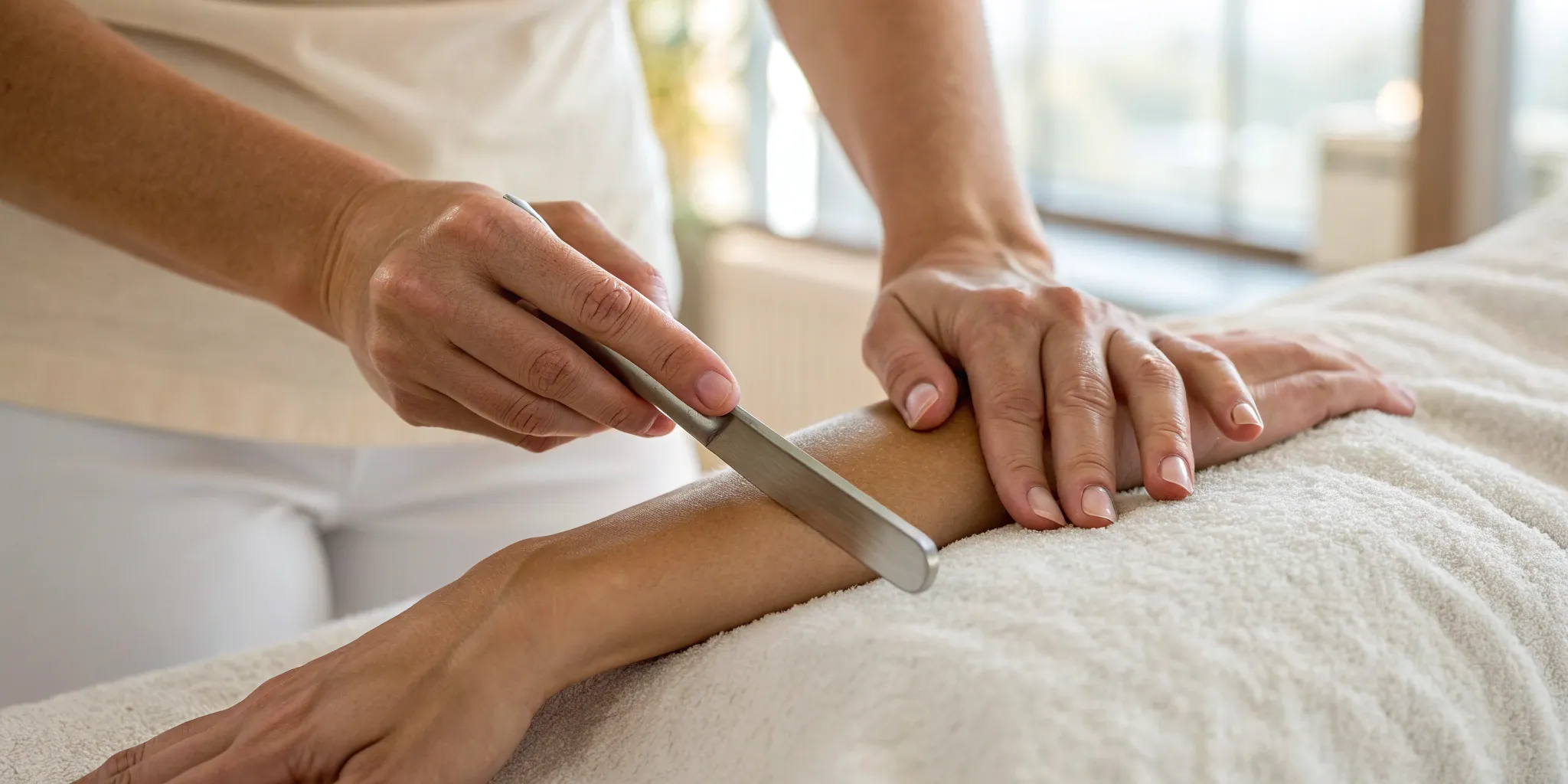
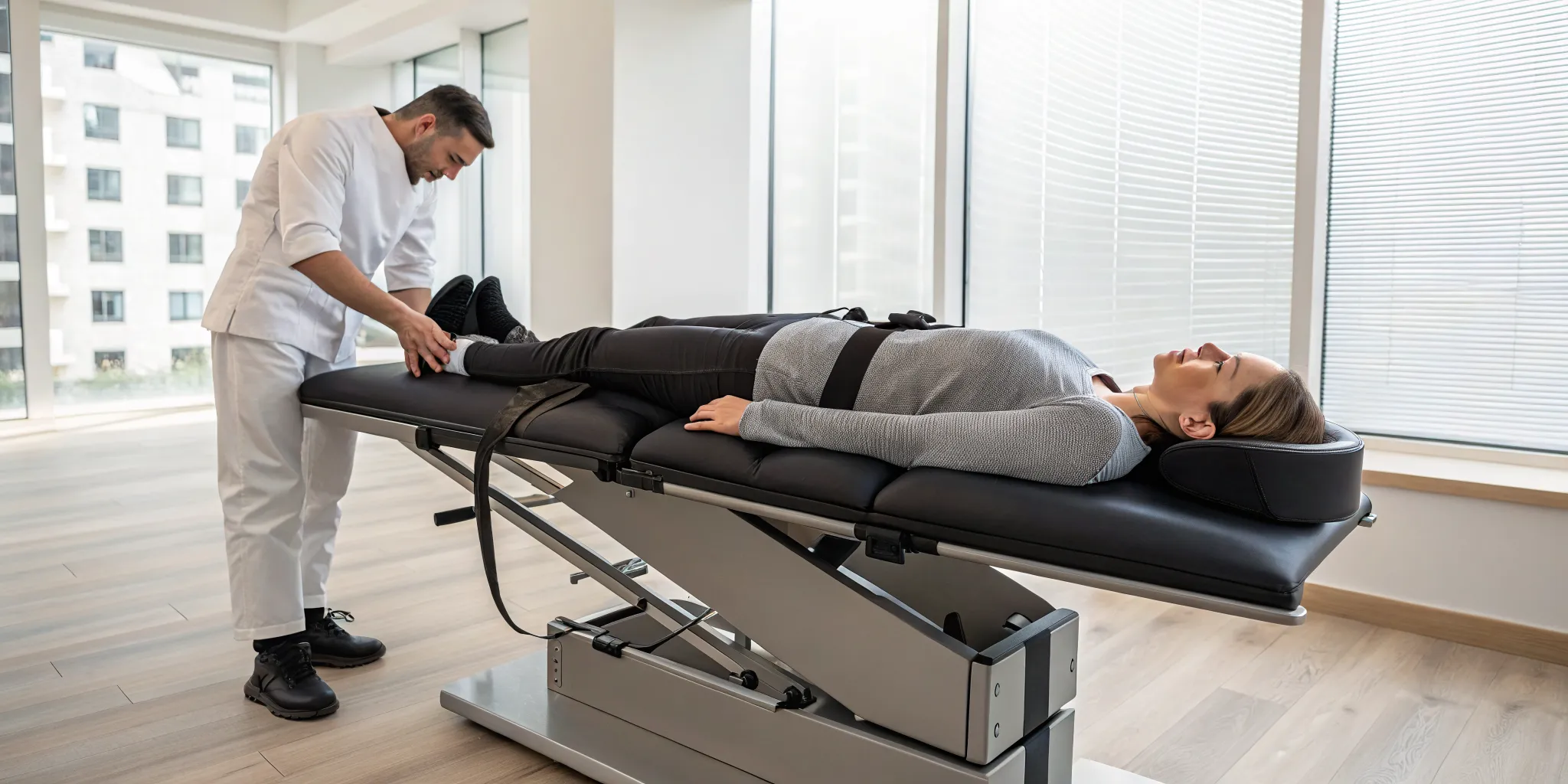
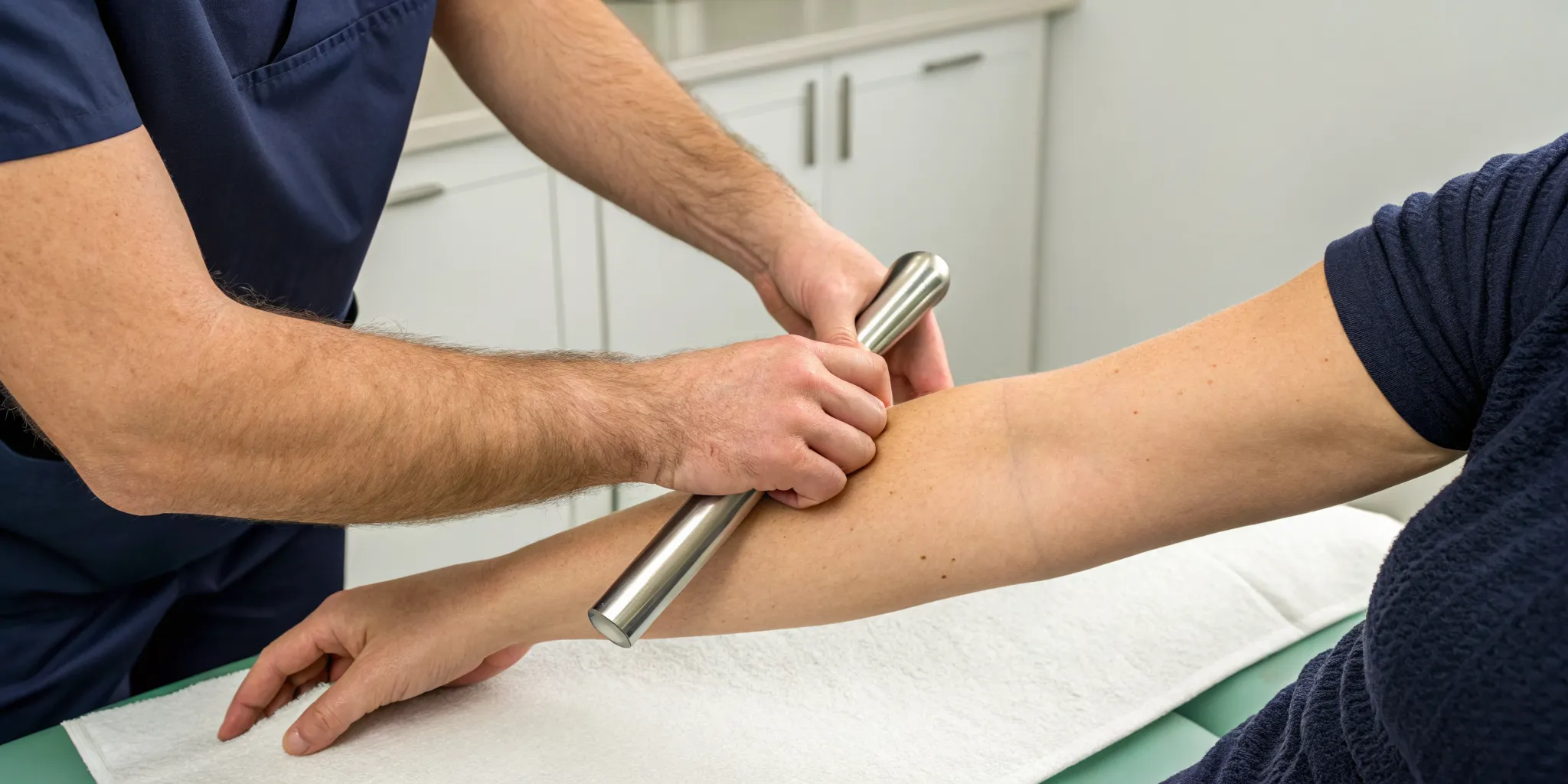
Ascend Functional Health describes its approach through three connected pillars. Physical Medicine may include chiropractic care, decompression, corrective care, and soft-tissue approaches. Functional Medicine considers broader health context and may involve appropriate testing. The services overview explains the practice’s care areas. Which, if any, fit depends on an individual evaluation.
Some people may ask whether hormone health, including testosterone, could be relevant to energy or physical capacity. Symptoms alone cannot establish a hormone concern. A clinician can determine whether a focused history, testing, or another course of action makes sense. No care plan should be presented as a guarantee of returning to a former performance level.
Useful questions include: What findings are guiding this recommendation? What other explanations remain possible? Is testing needed, and how would the result change the plan? When should we review progress? Clear answers help you understand the reasoning without assuming a particular outcome.
How Can You Compare Recovery Support Options?
Different concerns call for different questions, so compare options by their purpose and the evaluation behind them. A service name alone does not establish whether it fits your situation.
Use the table as a conversation guide, not a menu of treatments. The clinician should explain why an option is being considered, what it is intended to address, and what would prompt a different approach.
| Option to discuss | Potential focus | Questions to ask |
|---|---|---|
| Movement-focused assessment | Mobility, posture, or movement concerns | Which findings support this approach, and how will progress be reviewed? |
| Broader health review | Symptoms involving sleep, energy, or other health context | Which history or testing is appropriate, and how would results guide decisions? |
| Rest and activity adjustments | How daily demands relate to symptoms | What level of activity is reasonable, and what changes should prompt follow-up? |
| Coordination or referral | Concerns that may need another type of expertise | When should another clinician be involved, and how will care be coordinated? |
Before agreeing to a plan, ask what the first step involves and how you will know whether it remains appropriate. Understand any recommended testing, follow-up timing, and alternatives. It is reasonable to ask what happens if the initial approach does not address the concern or if symptoms change.
Progress review should use measures that matter to you. These may include being able to complete a familiar walk, getting through a workday with less disruption, or returning gradually to a valued activity. A useful measure is specific, repeatable, and realistic; it need not be a performance target.
If symptoms are new, worsening, or substantially affecting daily function, contact a qualified clinician promptly for guidance. Do not use a general article or a comparison table as a substitute for an individual assessment.
How Can Former Athletes Prepare for a Tampa Bay Consultation?
A concise account of the change you want help understanding can make a visit more focused. A few notes on your history and current goals are usually more helpful than trying to arrive with a diagnosis.
Former athletes may carry a strong sense of what their body used to do. That history can be helpful, but expectations should reflect the current concern, health context, and a clinician’s evaluation. Rather than asking for a promise to regain an earlier level, identify a present-day goal you can describe clearly.
- Describe what you used to do and what feels different now, without assuming the reason.
- Bring a short timeline of symptoms, activity, sleep, and meaningful routine changes.
- List relevant prior injuries, evaluations, and current health concerns.
- Identify one or two practical goals, such as moving comfortably through a workday or returning to a familiar activity at an appropriate pace.
- Ask how the clinician will measure change, when the plan will be reviewed, and what might lead to a change in direction.
You can also prepare a simple example. For instance: “For the past month, I have felt unusually tired the day after my regular bike ride. I sleep about the same, but I have also had several longer workdays. I want to understand what to review before changing my activity.” This separates observations from guesses and invites a useful discussion.
Ascend serves people in the Tampa Bay area and encourages prospective patients to discuss fit and next steps. Learn about the practice and its approach, review frequently asked questions, or read patient testimonials for general practice context. Individual experiences do not predict another person’s outcome.
What Can General Health Literature Add to the Conversation?
General health resources can help frame questions about recovery, but they cannot assess an individual. Use them to support a conversation, not to decide alone why your energy or movement has changed.
Johns Hopkins University’s overview of workout recovery discusses sleep, nutrition, movement, and planning as connected considerations. Its article can be read at Workout Recovery: Sleep, Nutrition, Movement, Planning. The broad takeaway is that recovery is not simply a matter of inactivity; different parts of routine may be worth discussing together.
That does not mean every reader needs to adjust every part of a routine, or that a general article can prescribe a personal plan. Your symptoms, medical history, demands, and goals determine which questions are relevant. If you bring an outside resource to a visit, point to the specific idea you want to discuss and ask how it applies to your case.
For a former athlete, one practical question might be whether the weekly pattern leaves enough room for rest between demanding days. For someone with a physically demanding job, the discussion might center on work tasks and sleep timing rather than recreational training. The useful detail is the person’s actual routine, not a universal timetable.
How Can You Keep the Next Step Practical?
A manageable next step is to summarize the pattern, identify what you want to understand, and ask for an evaluation suited to that concern. The aim is a clear conversation about options, not a predetermined treatment.
Before reaching out, write down three things: the change you have noticed, how long it has been present, and one way it affects your day. Add relevant history and questions about evaluation, testing, and follow-up. If you have kept a brief log, select a few representative entries rather than bringing pages of notes.
Ascend’s Physical Medicine page describes movement-focused care areas, while the services page provides broader context. A prospective patient can use these pages to prepare questions and then discuss whether the practice’s approach fits their concern.
Contact Ascend to discuss fit and next steps
Frequently Asked Questions
Does recovery always take longer after age 40?
Not necessarily. Recovery varies between people and activities. A persistent change is more useful to assess in context than to attribute to age alone.
Should I stop being active if I feel slower to recover?
Do not assume that complete rest or pushing through is right for you. Discuss the pattern with a qualified clinician, especially if symptoms are worsening or limiting daily activities.
Can testosterone explain lower energy or reduced performance?
Those concerns can have multiple possible contributors, and symptoms by themselves cannot confirm a hormone issue. A clinician can review your history and determine whether appropriate testing is warranted.
What should I bring to a recovery consultation?
Bring a timeline of symptoms and activity, notes on sleep and routine, relevant health history, and a few questions about evaluation and follow-up.
How long should I track changes before asking for guidance?
There is no single tracking period for everyone. If a change is concerning, worsening, or interfering with daily life, seek guidance rather than waiting to complete a log. Notes can help, but they are not a requirement for an initial conversation.
Content is for educational purposes only and is not medical advice. Consult your clinician before acting on health information or changing your care.