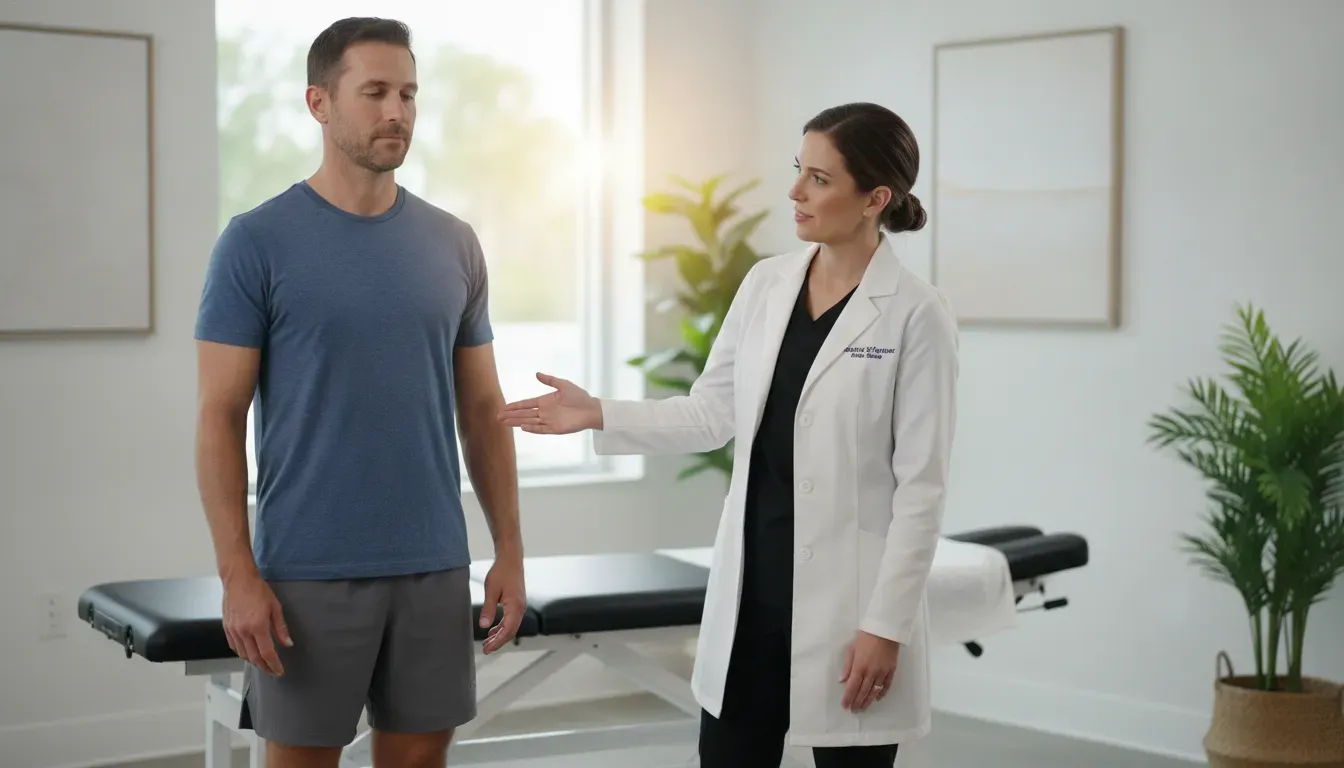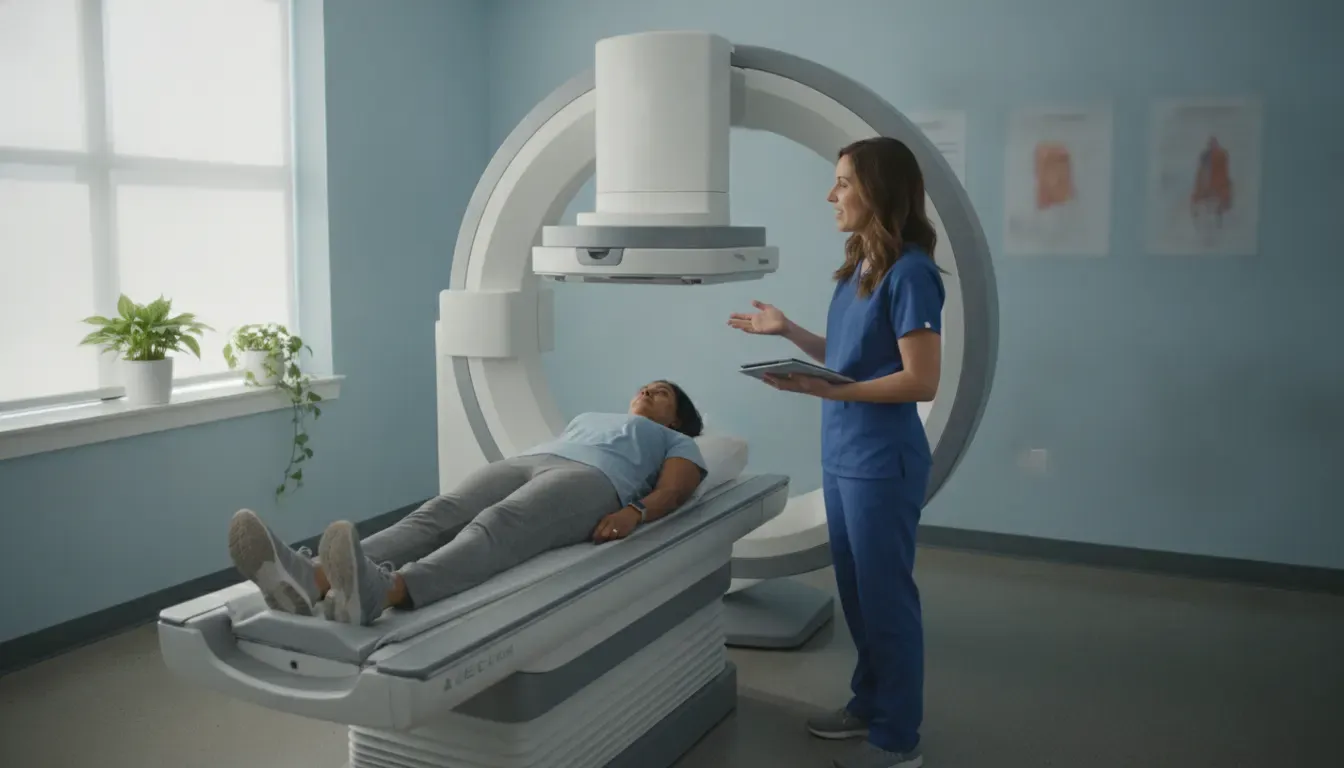
Choosing a south tampa chiropractor is not only a matter of finding the closest office. A useful first visit should help you connect your concerns with an evaluation. Understand which Physical Medicine options may fit, and identify practical goals that can be reviewed over time. That process is especially important when your priorities include persistent discomfort, reduced mobility, posture concerns, disc-related symptoms, or returning to activities you value.
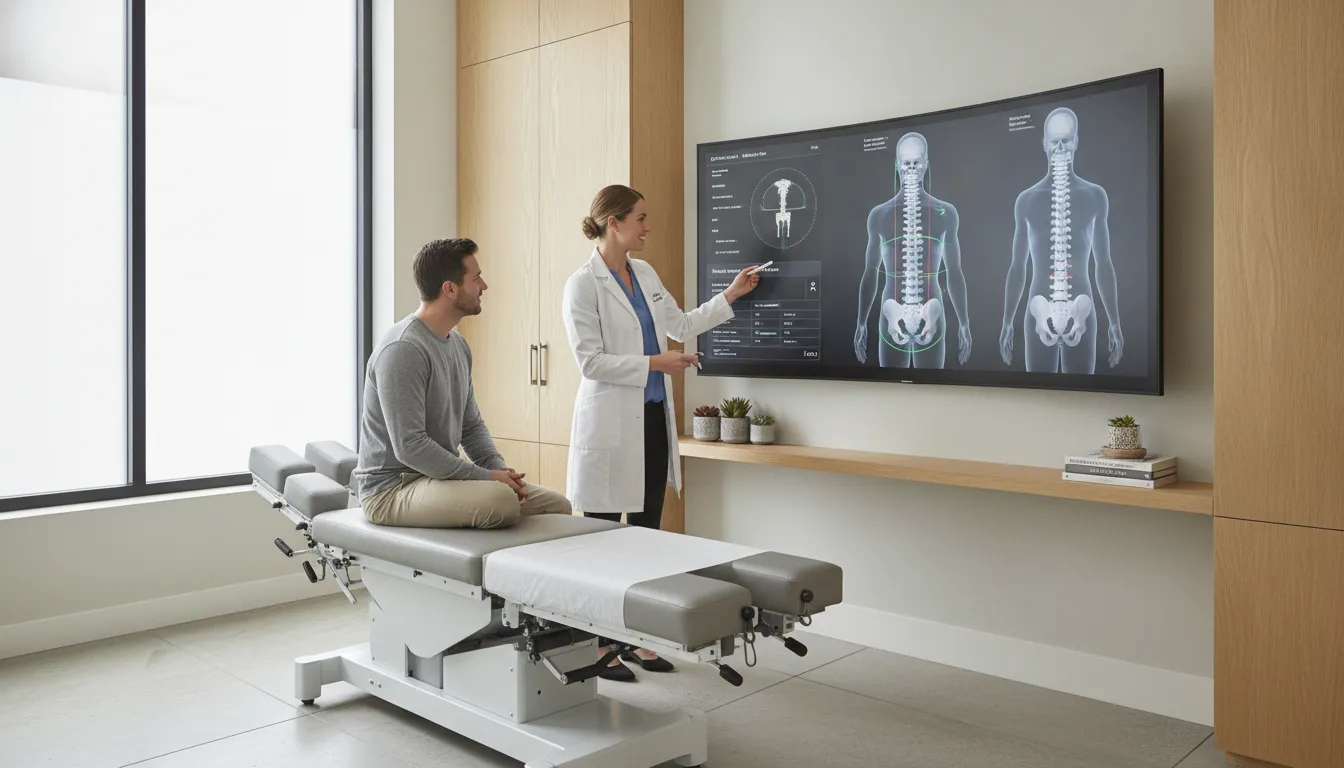
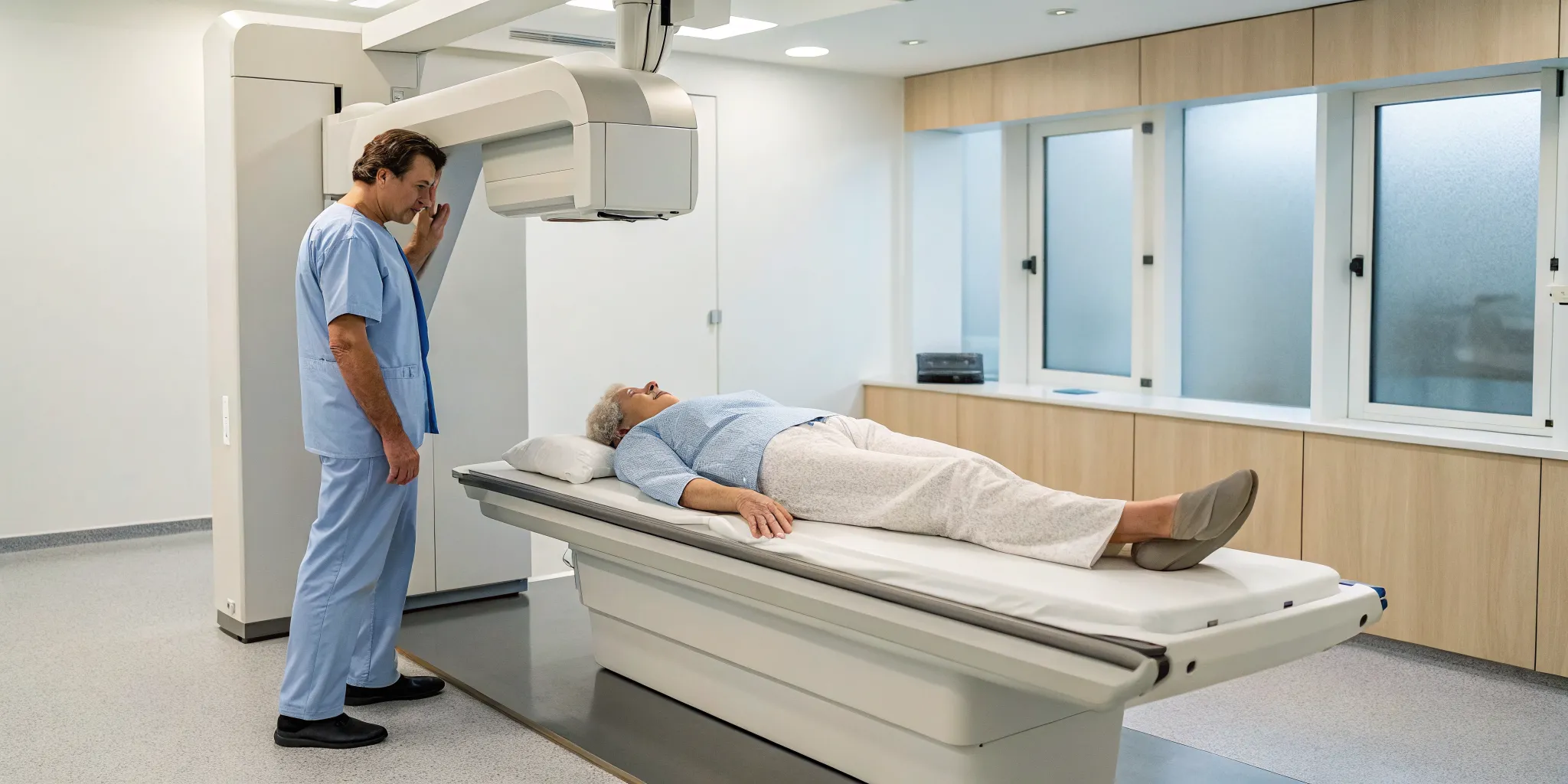
A strong South Tampa chiropractor evaluation starts with your history, movement, posture, structural considerations, and daily goals before a technique or care plan is recommended. The findings can guide a conversation about chiropractic care, corrective care, spinal decompression, soft-tissue work, rehabilitation, or another appropriate next step.
This guide focuses on the decisions that matter before you commit to a care approach. Instead of comparing offices by slogans or visit frequency, look for a provider who can explain the evaluation. The provider should connect care to your life in South Tampa and nearby Tampa Bay communities. They should also reassess the plan when your response calls for a change.
Review Ascend chiropractic care in Tampa

How Can a South Tampa Chiropractor Build a Measurable Plan?
A measurable plan begins with a clear baseline. Before recommending a technique, the provider should learn how your concern affects movement, work, sleep, exercise, and everyday tasks. That information gives the care team a better basis for discussing fit and progress.
Start with your history, not a preset technique
During an initial conversation, describe when the concern began, what changes it, and which activities have become harder. Mention previous care, relevant health history, and any patterns you have noticed. A provider may also ask whether symptoms affect sitting, standing, walking, lifting, bending, turning, sleeping, or working.
The goal is not to force every concern into one explanation. A history can identify questions that deserve closer evaluation and can help the clinician decide which physical assessments are appropriate. It also gives you an opportunity to explain what you want to improve. "Move better" is a reasonable starting point. But "stand through a work meeting with fewer position changes" or "walk through the grocery store with greater tolerance" gives the plan a more useful reference point.
Connect movement and structure with daily function
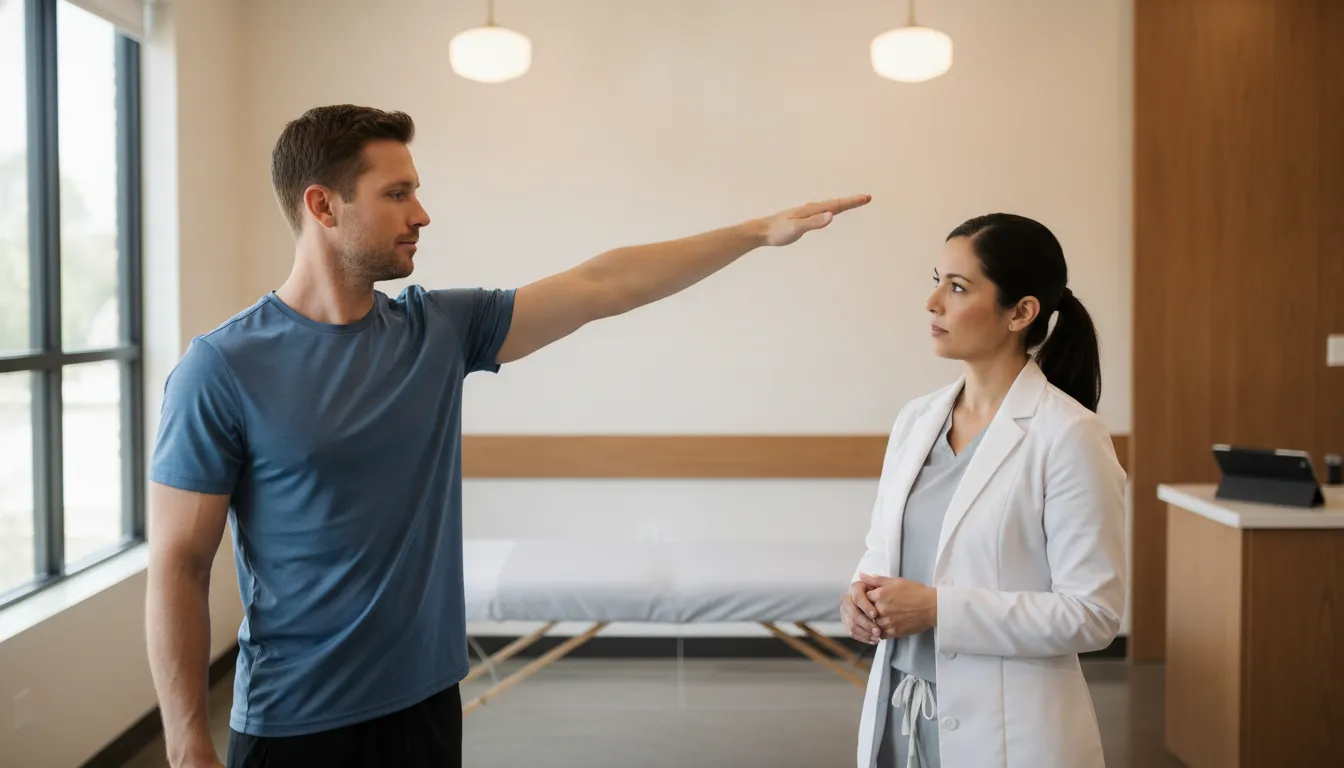
A thoughtful assessment may consider how you stand, walk, bend, rotate, and tolerate specific movements. Posture and structural observations can be reviewed alongside mobility, muscular patterns, and the activities that matter to you. Ask the provider to explain what they are assessing and how those observations influence the next recommendation.
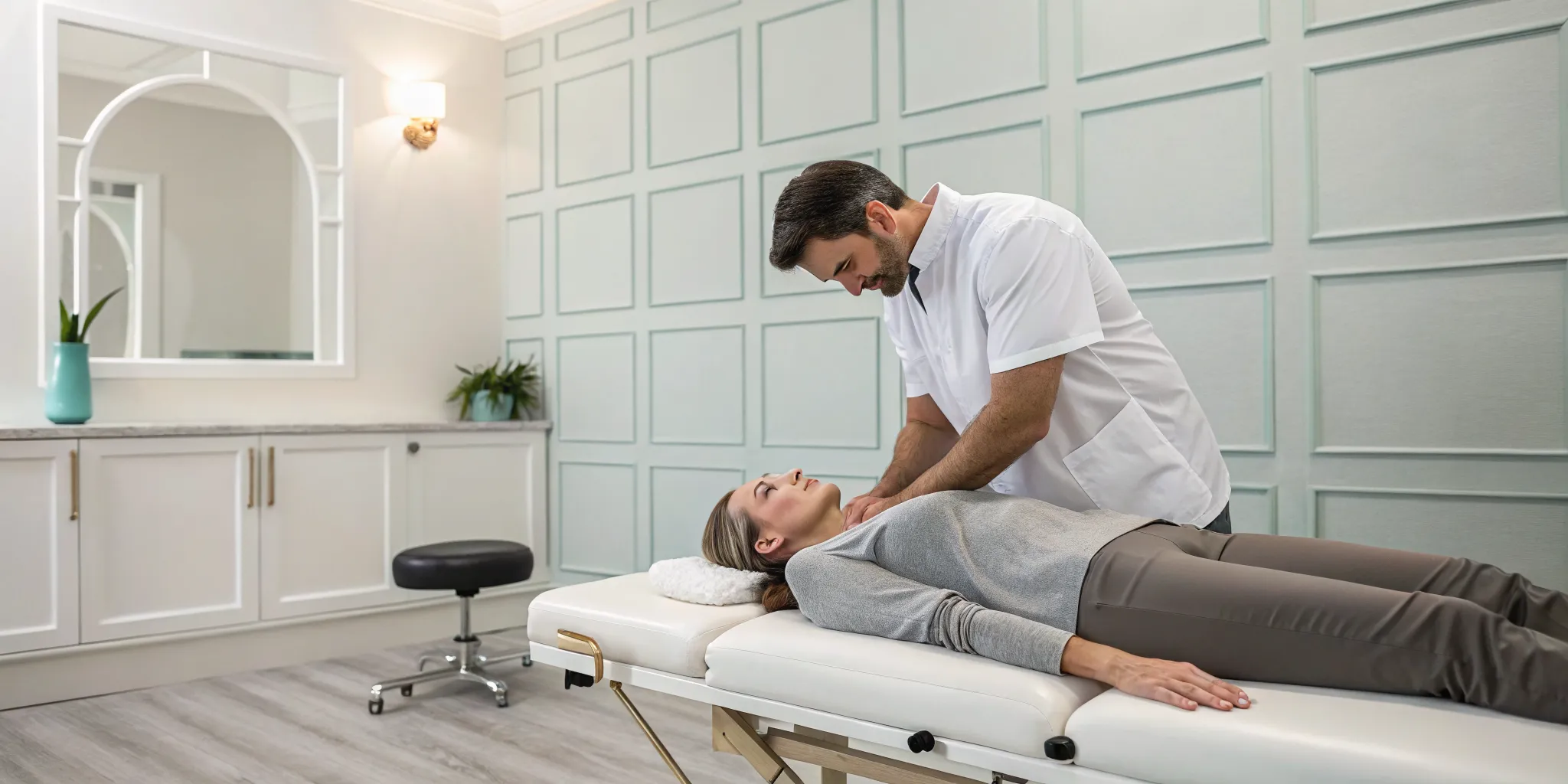
Technique selection should follow that discussion. The National Center for Complementary and Integrative Health explains that spinal manipulation uses a controlled thrust, while mobilization works within a joint's natural range of motion without a thrust. Neither description establishes a universal best option. It shows why your evaluation and preferences should be part of the decision.
Set review points from the beginning
Ask when the plan will be reviewed and which observations will guide that review. A useful conversation may include walking tolerance, standing time, sleep disruption, household tasks, work demands, exercise, or movement control. The measures should reflect your life, not only a routine used for every patient.
At Ascend Functional Health, Physical Medicine may include chiropractic care, corrective care, rehabilitation, decompression, and therapeutic bodywork when those options fit the clinical picture. The point is not to use every modality. It is to understand why a particular option is being considered and how the team will decide whether it remains appropriate.
Which Features Matter When Comparing Chiropractic Care?
Compare the quality of the decision-making process, not just the number of services listed on a website. A care plan should explain the working findings, the purpose of each recommended option, the alternatives that were considered, and how progress will be discussed.
| Decision point | A limited comparison | A more useful question |
|---|---|---|
| Evaluation | Does the office offer a familiar technique? | What history, movement, posture, and structural factors will be reviewed first? |
| Care fit | How many services appear on the menu? | Why might this option fit my findings and goals? |
| Progress | How often am I scheduled to return? | Which activities or observations will we reassess? |
| Communication | Does the visit follow the same pattern each time? | How can I report changes, concerns, or new limitations? |
| Adaptation | Is the original plan treated as fixed? | What findings would lead you to adjust or reconsider the approach? |
This comparison is useful because a long service list does not tell you whether an option belongs in your plan. You should be able to ask why chiropractic care, corrective care, decompression, soft-tissue work, or rehabilitation is being discussed and receive an answer that connects the recommendation to your assessment.
Also consider practical fit. South Tampa includes neighborhoods and corridors with different commute patterns, and many patients travel from Westshore, Downtown Tampa, Town & Country, or other Tampa Bay communities. A plan is easier to follow when appointment expectations, communication, and review points are clear enough to work with your schedule. Convenience matters, but it should support thoughtful care rather than replace it.
When Might Corrective Care Be Considered?
Corrective care may be considered when an evaluation identifies posture, alignment, movement, or rehabilitation goals that call for a structured approach. It is not a preset sequence for every patient. The provider should determine whether the approach matches your findings, tolerance, and priorities.
Look for an explanation of the working goal
When a practice discusses corrective care, ask how it defines the concern and what it plans to observe. For example, the conversation may include posture, spinal alignment, movement patterns, or the way a structural concern affects daily tasks. Those observations should be explained in understandable language.
Ascend describes its Physical Medicine approach as including Chiropractic BioPhysics, rehabilitation, postural restoration, spinal decompression, and therapeutic bodywork. Its chiropractic care uses CBP spinal curve correction protocols. That does not mean every person needs structural correction or every available service. It means a prospective patient can ask how the provider is connecting the proposed approach to the evaluation.
Understand how the plan can change
A structured plan should still allow clinical judgment. Ask how often progress is reviewed, which findings would support a change, and how the provider responds if your experience does not match the expected direction. A responsible discussion includes limits and alternatives rather than presenting one method as a universal answer.
Ascend's approach, created by Dr. Alfred Alessi, blends chiropractic and rehabilitation tools. When comparing a South Tampa chiropractor, focus on the reasoning behind those tools. The useful standard is whether each component has a stated role and whether the plan stays connected to observable goals.
Before a first visit, consider asking:
- What will you evaluate before recommending corrective care? The answer should include relevant history and physical findings, not only a treatment name.
- Which goal will we use to review progress? Choose an activity or function that matters in your daily life.
- What alternatives should I understand? A clear provider can explain when another option may be more appropriate.
- When will the plan be reassessed? You should know how new information or limited progress will be handled.
That type of conversation helps distinguish an evaluation-led plan from a routine applied without review.
Could Spinal Decompression Fit Your Evaluation?
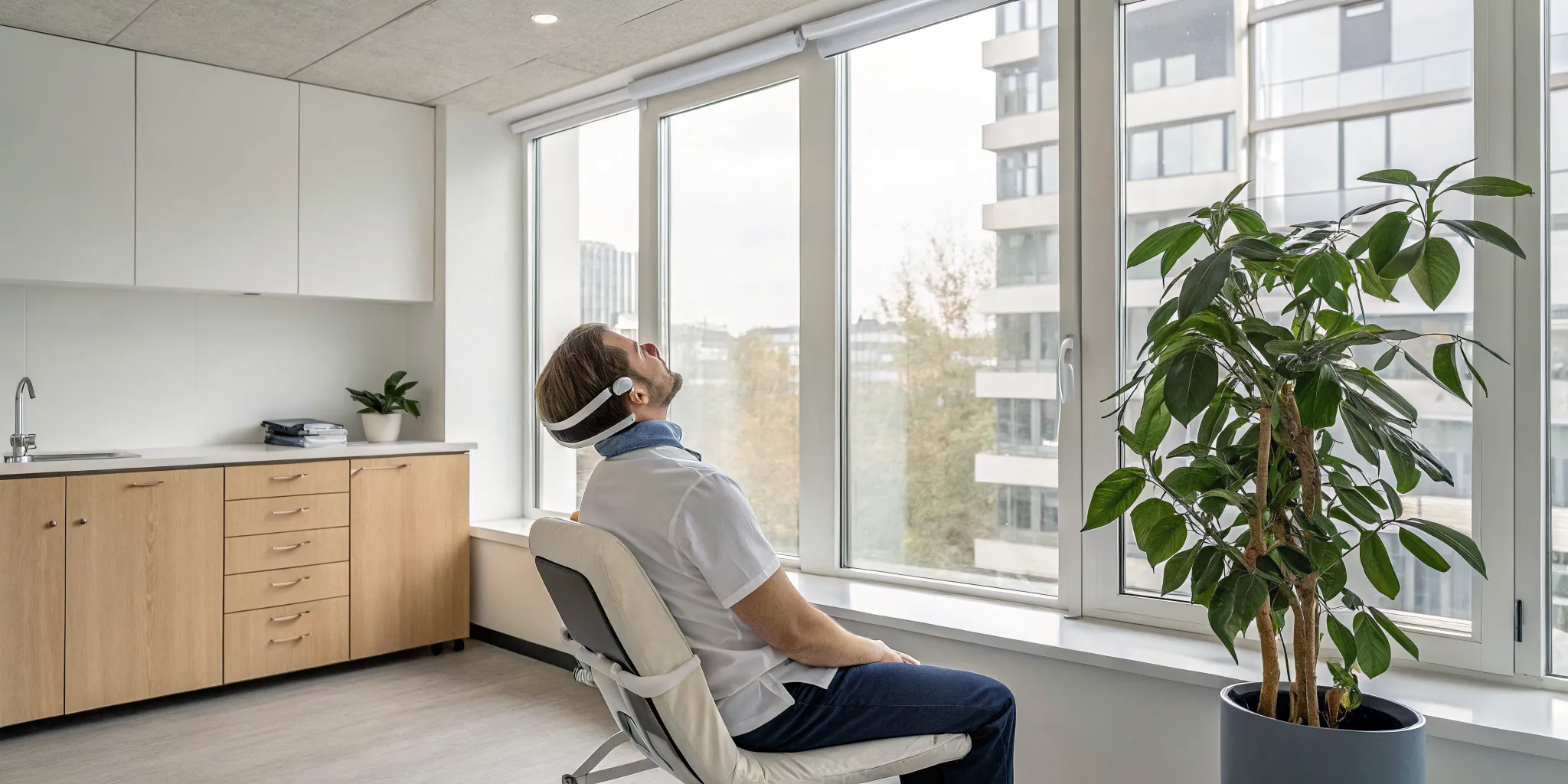
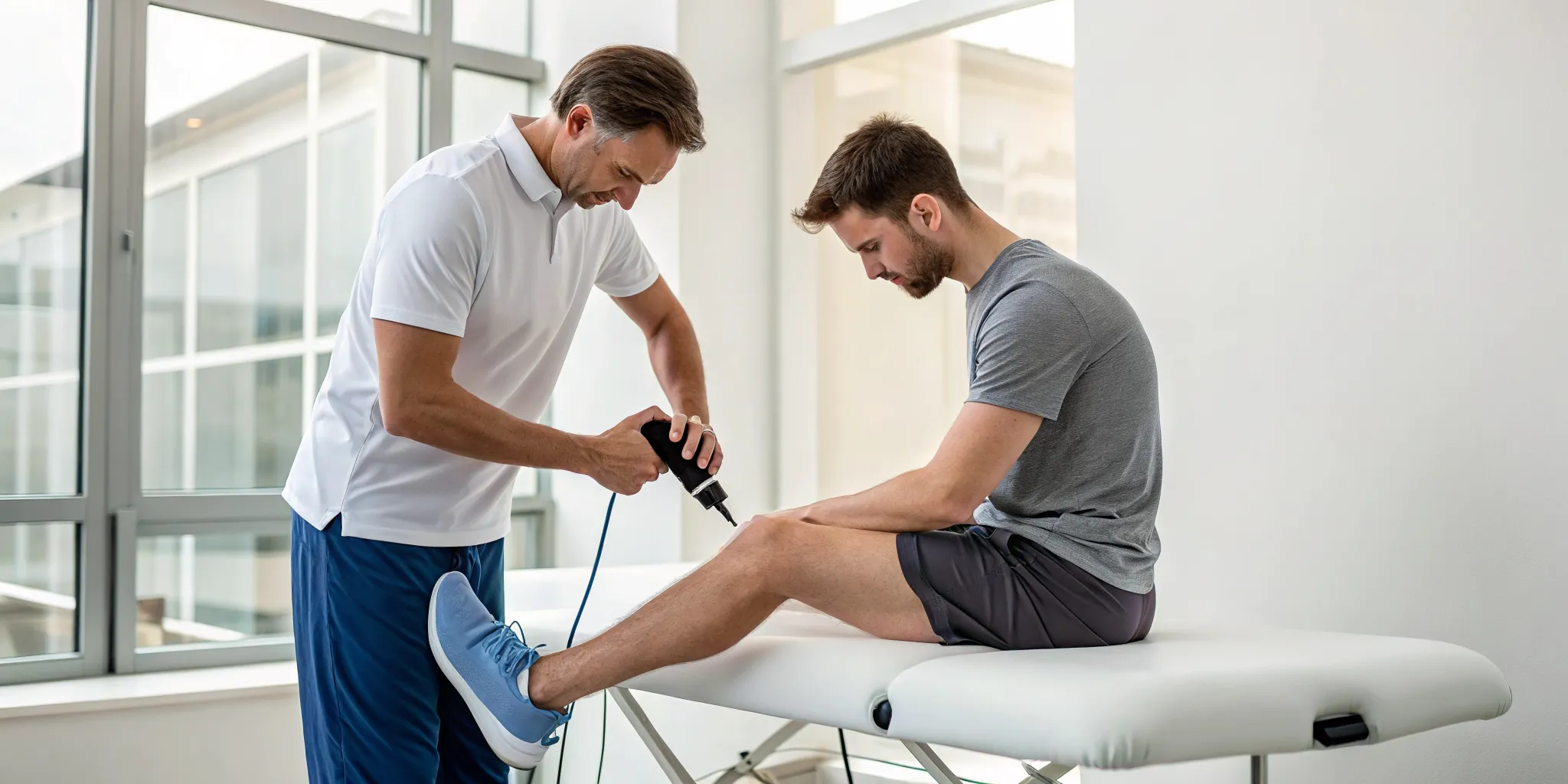
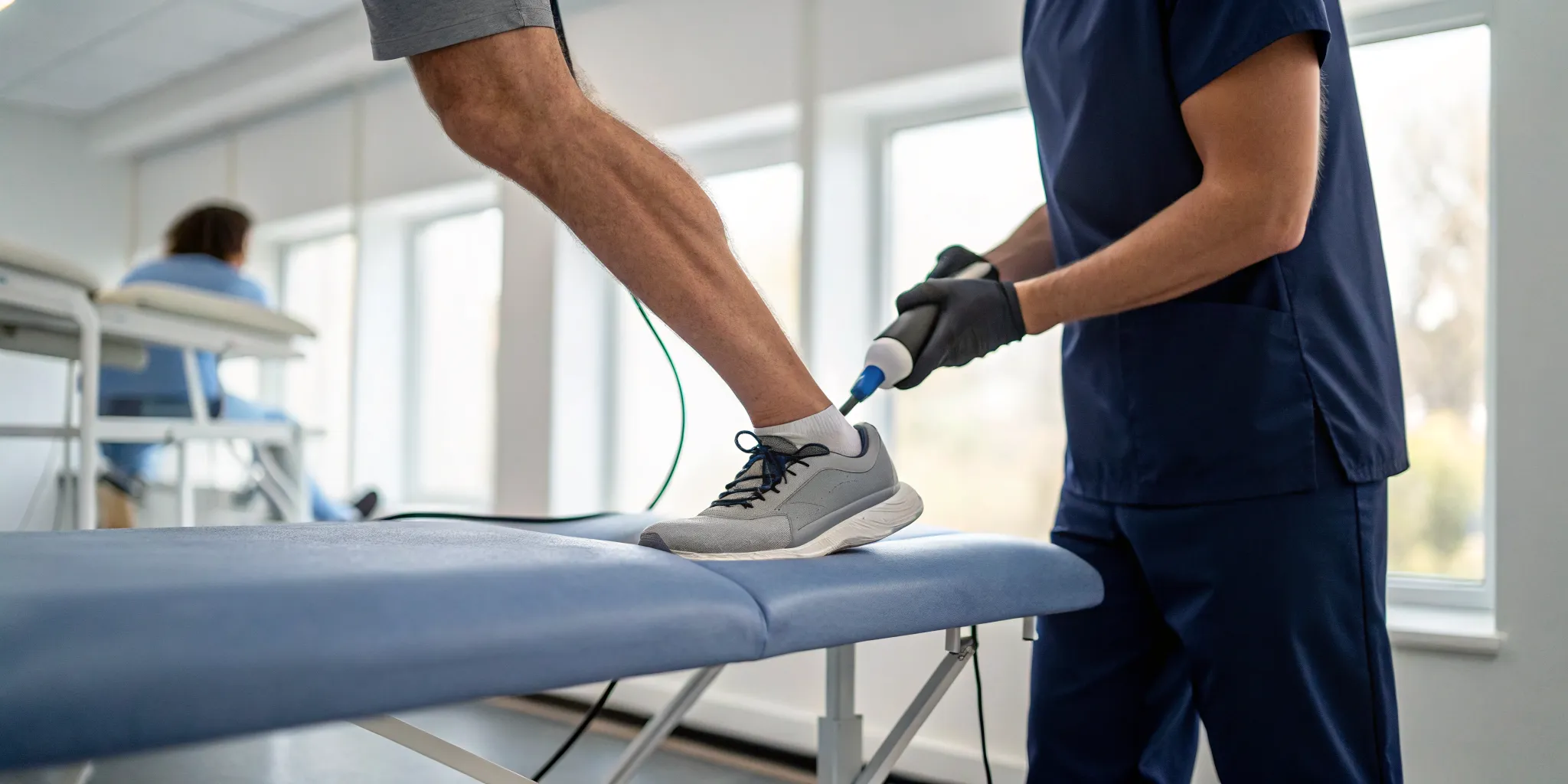
Spinal decompression may be worth discussing for some disc-related concerns, but it is not a universal fit. A clinical evaluation should come first so the provider can consider your symptoms, history, examination findings, goals, and other reasonable options.
Ascend describes spinal decompression as a nonsurgical approach that may be considered for disc-related pain, herniated or bulging discs, and spinal stenosis. A diagnosis or symptom label alone does not determine candidacy. The relevant question is whether the approach fits the person, the findings, and the practical goal being addressed.
Ask how candidacy is determined
If decompression is proposed, ask which findings support the recommendation and which findings would make another approach more suitable. Ask how the provider will account for your history and how your tolerance will be observed. You can also ask how decompression relates to chiropractic care, rehabilitation, or soft-tissue work if more than one option is being considered.
These approaches should not be treated as interchangeable. Each should have a stated purpose and a review point. For one person, the discussion may focus on sitting or walking tolerance. For another, sleep, bending, or returning to a preferred activity may be more useful. Your goal helps give the treatment discussion context.
Use evidence without turning it into a promise
NCCIH describes spinal manipulation as one nondrug option studied for acute and chronic low-back pain. Its summary reports small or modest improvements in pain and function in some settings, while noting that findings and evidence quality are not completely consistent. A 2019 review summarized by NCCIH found short-term relief from manipulation or mobilization was similar to other recommended therapies for chronic low-back pain.
Those findings support an informed conversation. They do not establish that a particular approach will produce the same result for every patient. A careful South Tampa chiropractor should be willing to discuss expected review points, reasonable alternatives, and the conditions that would lead to a change in direction.
You can learn more about Ascend's Physical Medicine approach through the Tampa Physical Medicine service page, then bring your specific questions to a consultation.
How Can Soft-Tissue Work Support a Broader Plan?
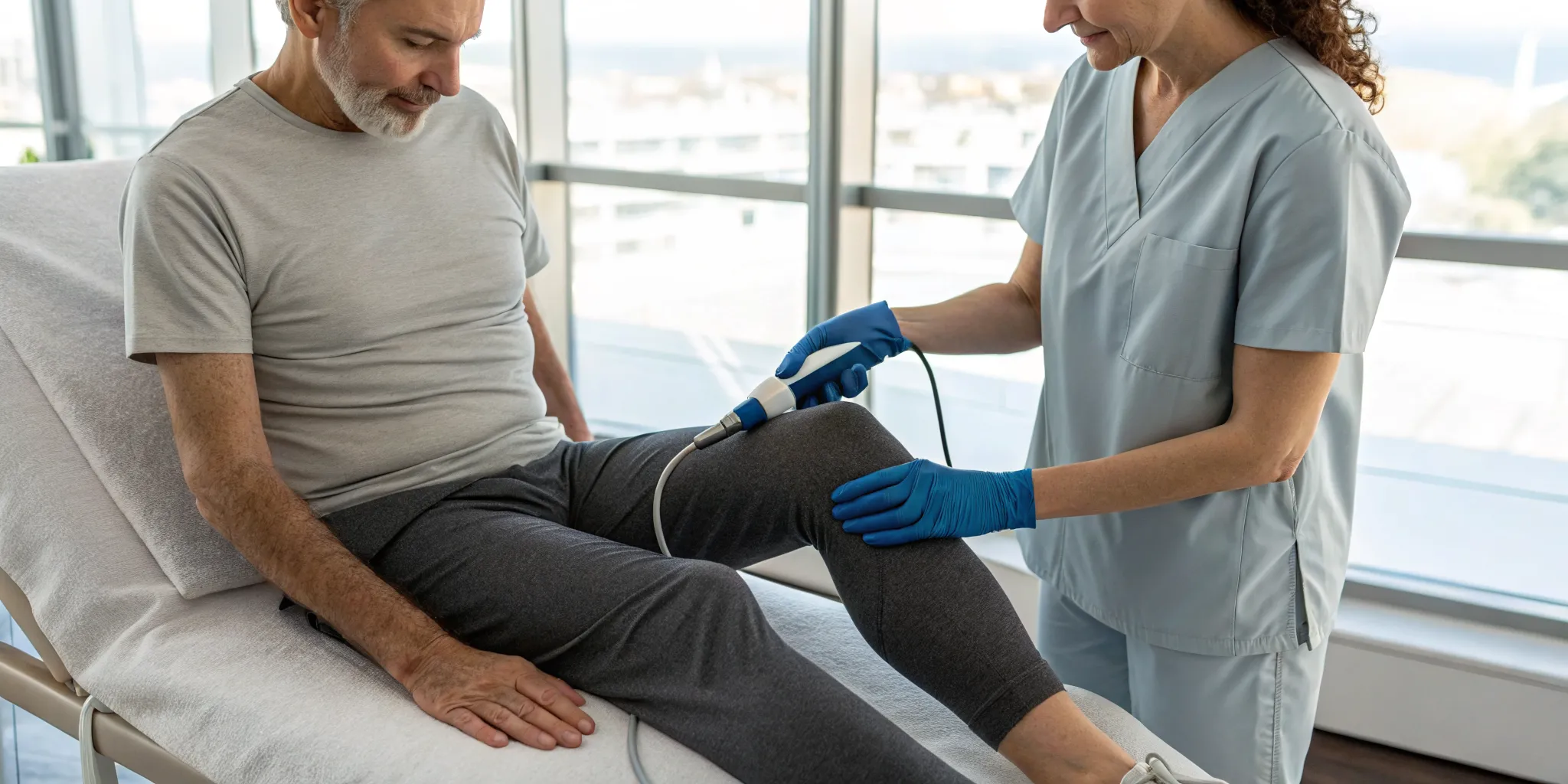
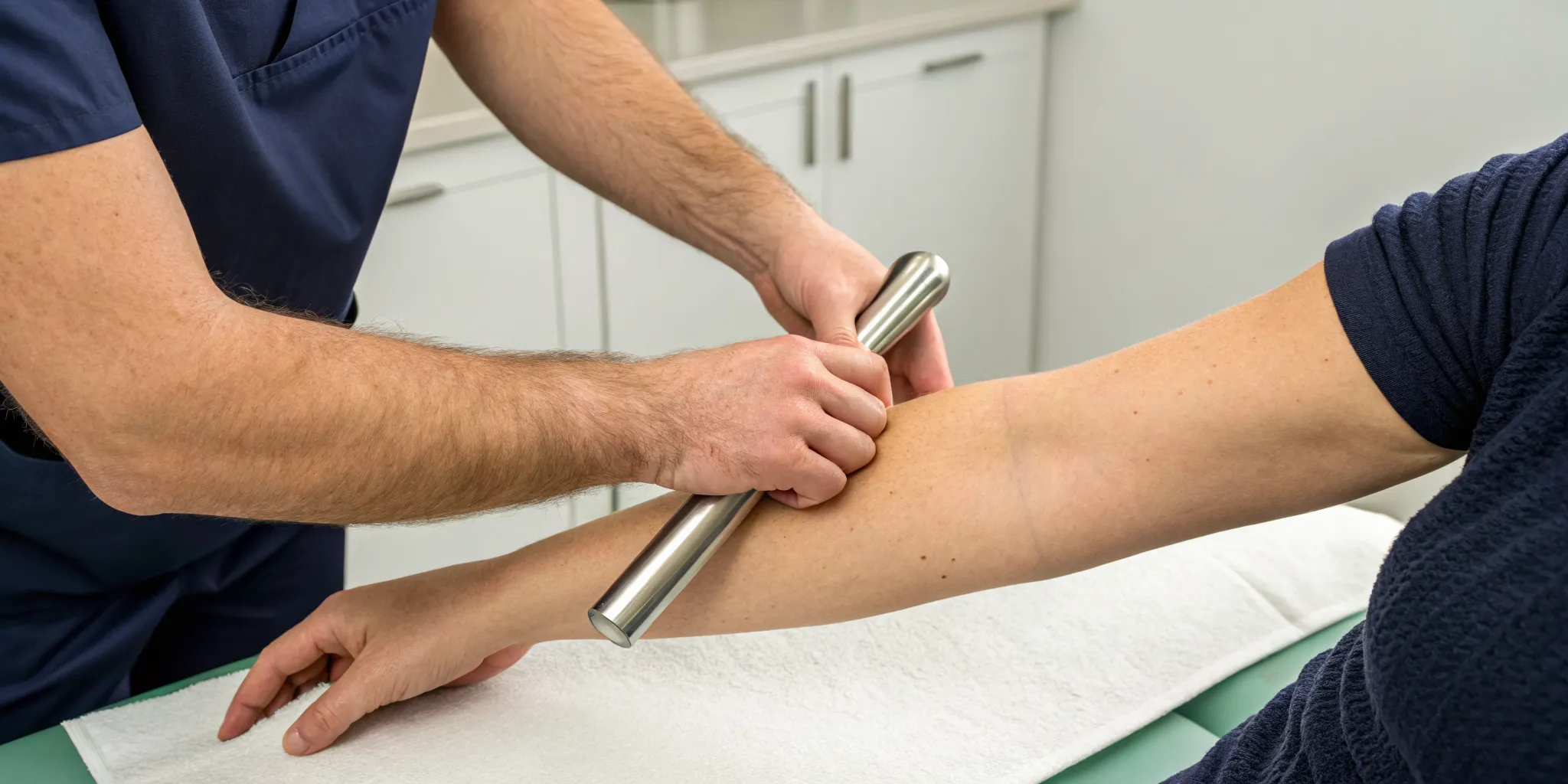
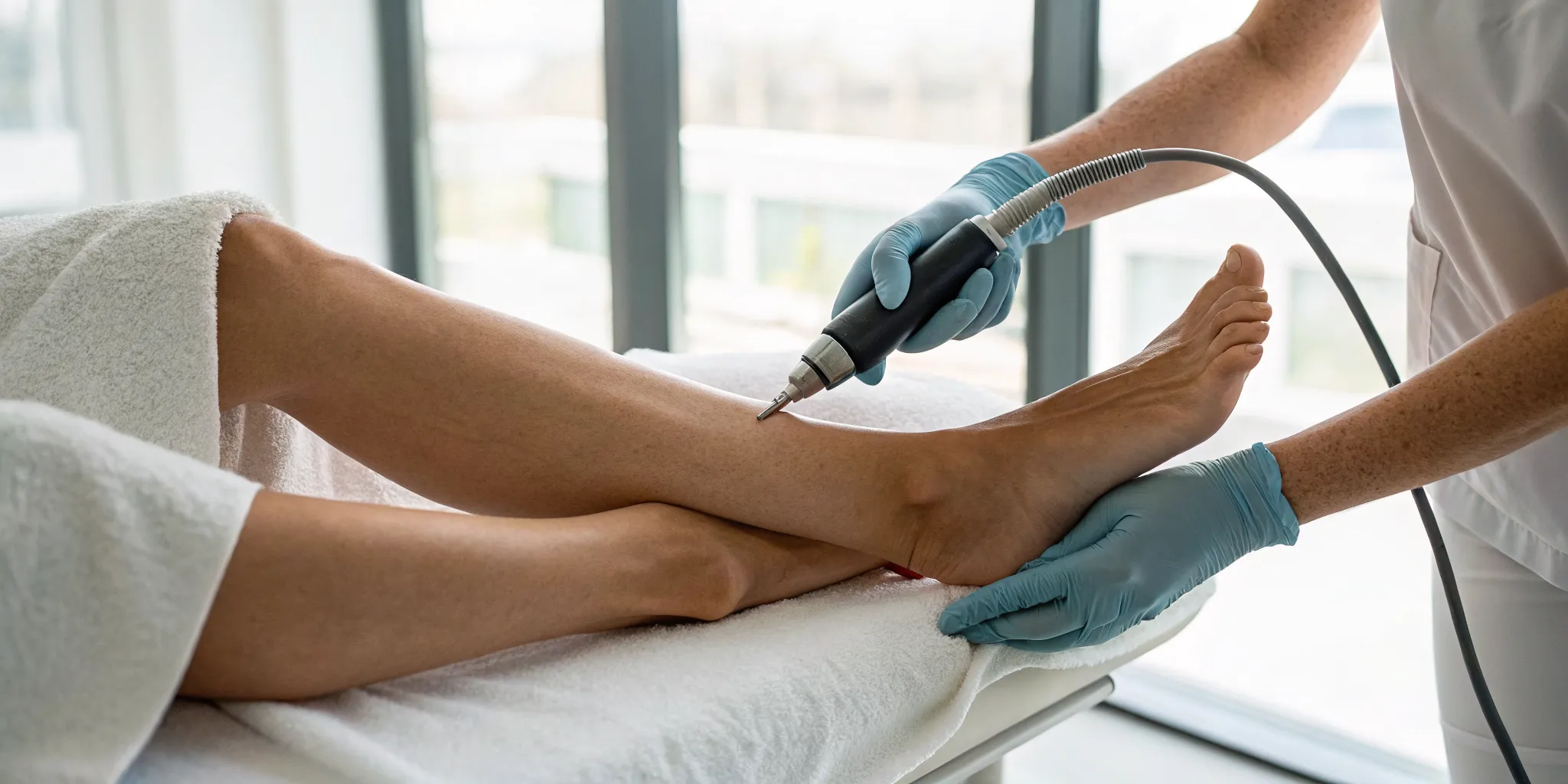
Soft-tissue work may complement a movement-focused plan by addressing how muscle and connective-tissue restrictions relate to comfort and mobility. The technique should be selected after evaluation, with its role and limits explained clearly.
Consider the connection to movement
Myofascial tissues wrap, connect, and support muscles. The Mayo Clinic overview of myofascial release notes that discomfort may involve trigger points and that the area where pain is felt may not be close to the involved tissue. This is one reason an assessment matters before selecting a bodywork approach.
A trained practitioner may use pressure, positioning, massage, or stretching techniques to explore areas that feel restricted. Some people may experience more comfortable movement after this type of work. That possibility is different from claiming that soft-tissue care fixes every condition.
Ask about training and coordination
For someone comparing a South Tampa chiropractor, the useful question is how bodywork fits into the rest of the plan. The practitioner should be able to explain how soft-tissue findings relate to posture, range of motion, movement tolerance, rehabilitation, or structural considerations.
At Ascend, therapeutic massage and bodywork sit within the Physical Medicine pillar alongside chiropractic care, rehabilitation, and postural restoration. The appropriate combination depends on your history, examination, goals, and response over time. Mayo Clinic also notes that research specifically testing myofascial release is limited in part because techniques vary between practitioners. Evidence should therefore be described carefully, without promising one result for every patient.
Ask what the provider will observe after the approach, how it will be coordinated with other care, and what would prompt a reassessment. A plan might track walking, standing, work tasks, or exercise rather than relying only on how you feel immediately after a session.
Which Goals Should You Track During Care?
Track function as well as symptoms. A clear baseline gives you and the provider a shared reference point, while repeated measures make it easier to discuss what changed, what did not, and what remains limited.
Choose activities that reflect your life
Before care begins, describe your current abilities in specific terms. You might consider:
- How far can you walk before you need to change pace or stop?
- How long can you stand while cooking, working, or waiting in line?
- Does discomfort interrupt sleep or limit a preferred position?
- Which household tasks, such as lifting, reaching, cleaning, or carrying, are difficult?
- How does your body respond to sitting, bending, turning, exercise, or another important movement?
Posture and movement tolerance can be useful observations when they relate to your goals. You might note whether you can sit through a work meeting with fewer position changes. Complete a familiar walk with greater tolerance, or perform a movement with better control. These observations are not promises of a clinical outcome. They are practical reference points for a better conversation.
Reassess instead of assuming
At review visits, compare current function with your baseline and discuss the next decision. If the measures are not moving in the intended direction, ask whether the working assessment or care approach should change. A thoughtful provider should be able to explain what the findings mean and which alternatives may be appropriate.
Measurable goals also protect against a routine becoming the goal itself. The purpose of an appointment is to support your health priorities, not simply to repeat a visit pattern. A South Tampa chiropractor who welcomes questions about progress, limits, and next steps is better positioned to keep the plan individualized.
What Should You Ask Before a First Chiropractic Visit?
A first conversation should leave you with a clear understanding of the evaluation, the proposed care, and the way progress will be reviewed. These questions can help you compare providers without reducing the decision to a single technique or marketing claim.
Evaluation and qualifications
- Which parts of my history and movement will you evaluate? Ask how the provider will connect the findings to your daily limitations and goals.
- What training and qualifications apply to my concerns? Dr. Alfred Alessi is a Florida-licensed Doctor of Chiropractic with advanced Chiropractic BioPhysics and Integrative Health Practitioner training.
- Will the plan account for my preferences and tolerance? You should have room to ask questions and discuss reasonable options.
Care fit and communication
- Why are you recommending this approach for me? Look for an explanation tied to your evaluation.
- What alternatives should I understand? A provider should explain when chiropractic care, corrective care, decompression, bodywork, or rehabilitation may not be the best fit.
- How will we measure progress? Agree on one or more practical activities that can be revisited.
- When will we review the plan? Ask what information would lead to an adjustment or a different recommendation.
The answers can help you decide whether the practice's process matches your expectations. They also give you a clearer way to discuss your concerns during an evaluation at Ascend Functional Health.
Discuss your goals with Ascend Functional Health
Frequently Asked Questions
How should I compare a South Tampa chiropractor?
Compare the evaluation process, explanation of care, attention to your goals, and plan for reassessment. A provider should be able to explain how history, movement, posture, structural considerations, and daily function shape the recommendation. Practical fit, communication, and a willingness to discuss alternatives also matter.
Does every patient need the same chiropractic technique?
No. Technique selection should follow an evaluation and a discussion of your health history, findings, goals, preferences, and tolerance. Chiropractic care, corrective care, spinal decompression, soft-tissue work, rehabilitation, or another option may be considered when appropriate. No single approach is right for every person.
Can spinal decompression fit every patient?
No. Spinal decompression may be discussed for some disc-related concerns. Candidacy depends on the individual evaluation. Ask which findings support the recommendation, which alternatives may fit, and how response will be reviewed. A symptom label alone does not determine whether decompression belongs in your plan.
Which goals should I track during care?
Track activities that matter to your daily life, such as walking, standing, sleeping, working, lifting, household tasks, exercise, or movement tolerance. Record a simple baseline and revisit the same measure during review visits. This creates a clearer conversation about progress than relying only on a short-term sensation after an appointment.
Educational information is not medical advice. Consult your clinician before acting on health information or changing care.
Take the Next Step With a Thoughtful Care Plan
If you are comparing chiropractic options in South Tampa, bring your questions, history, and practical goals to the first conversation. Ascend Functional Health can help you discuss whether its Physical Medicine approach fits your needs and which next step deserves consideration.