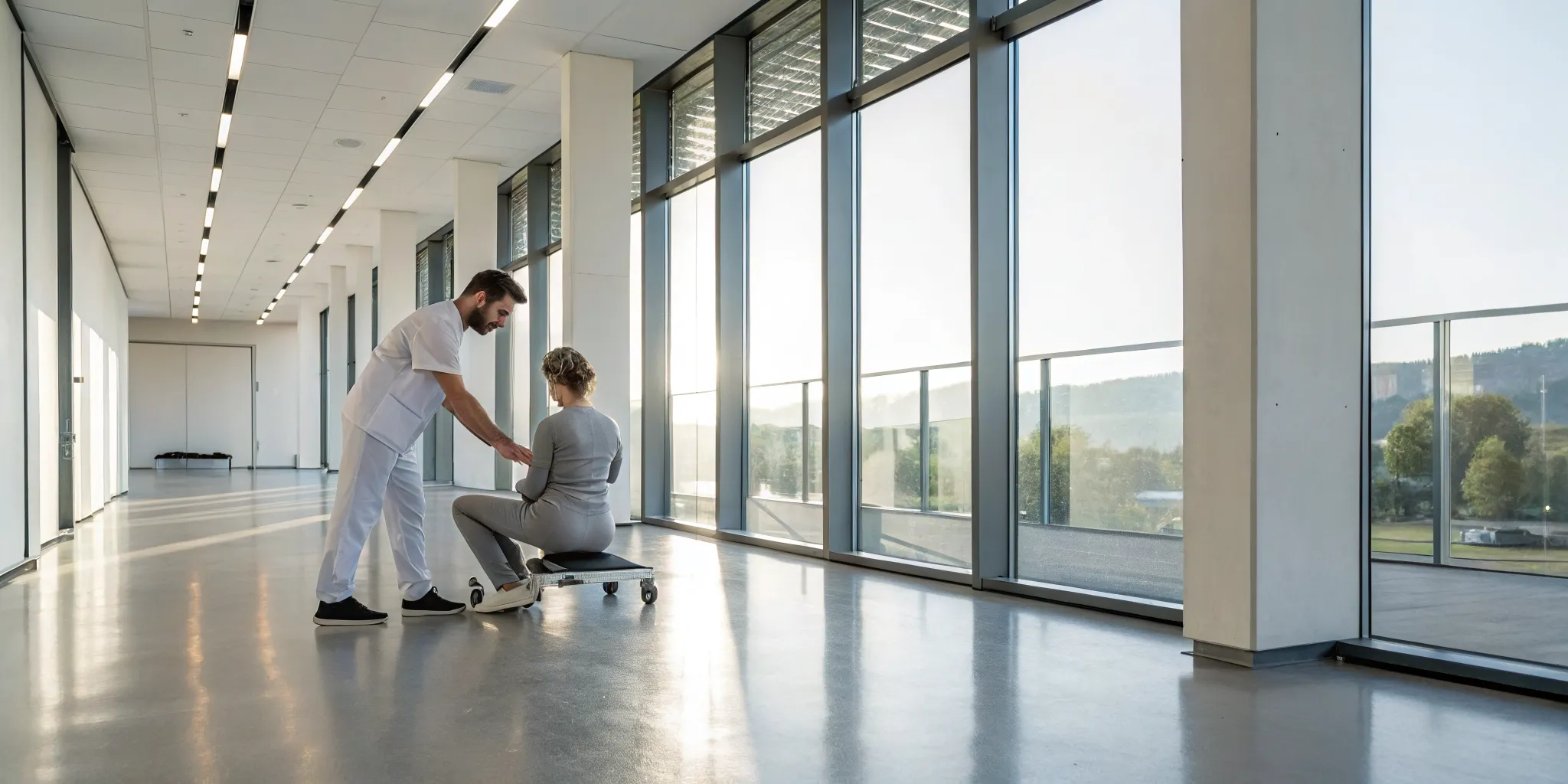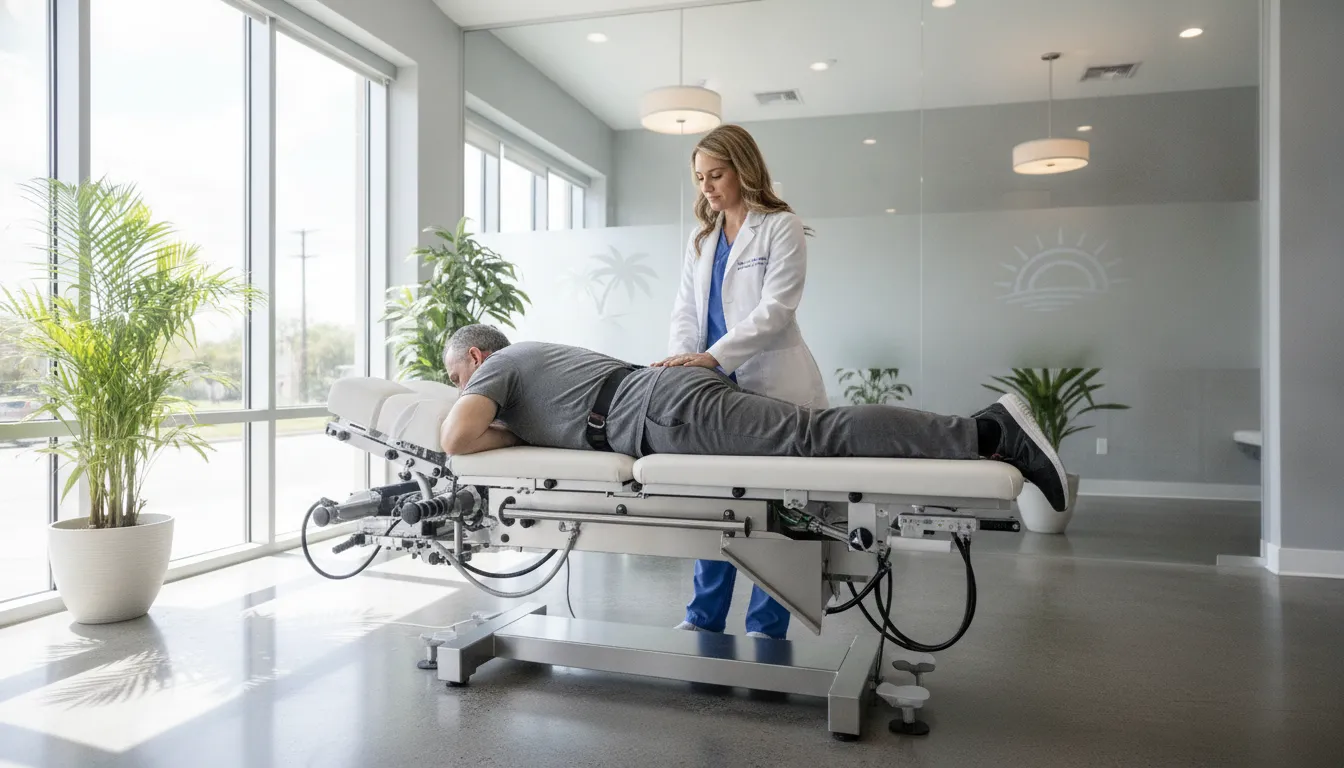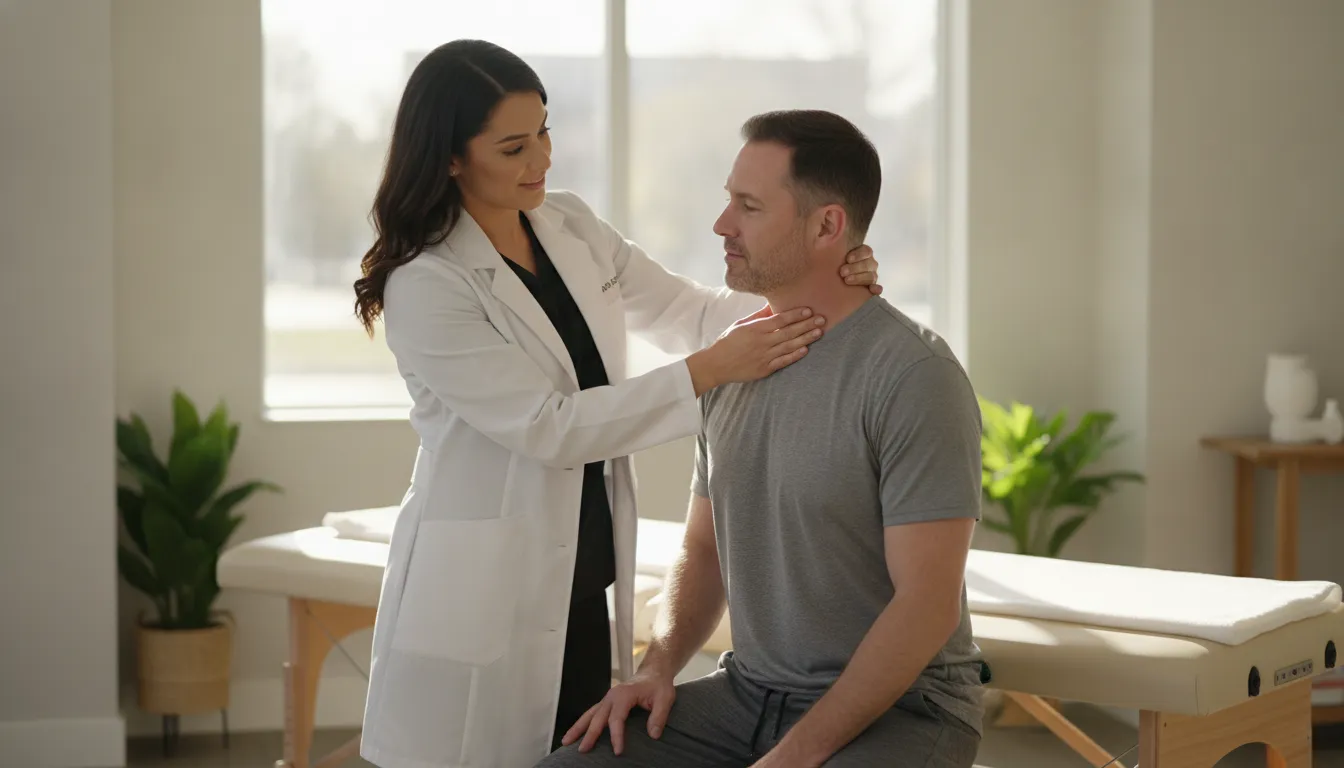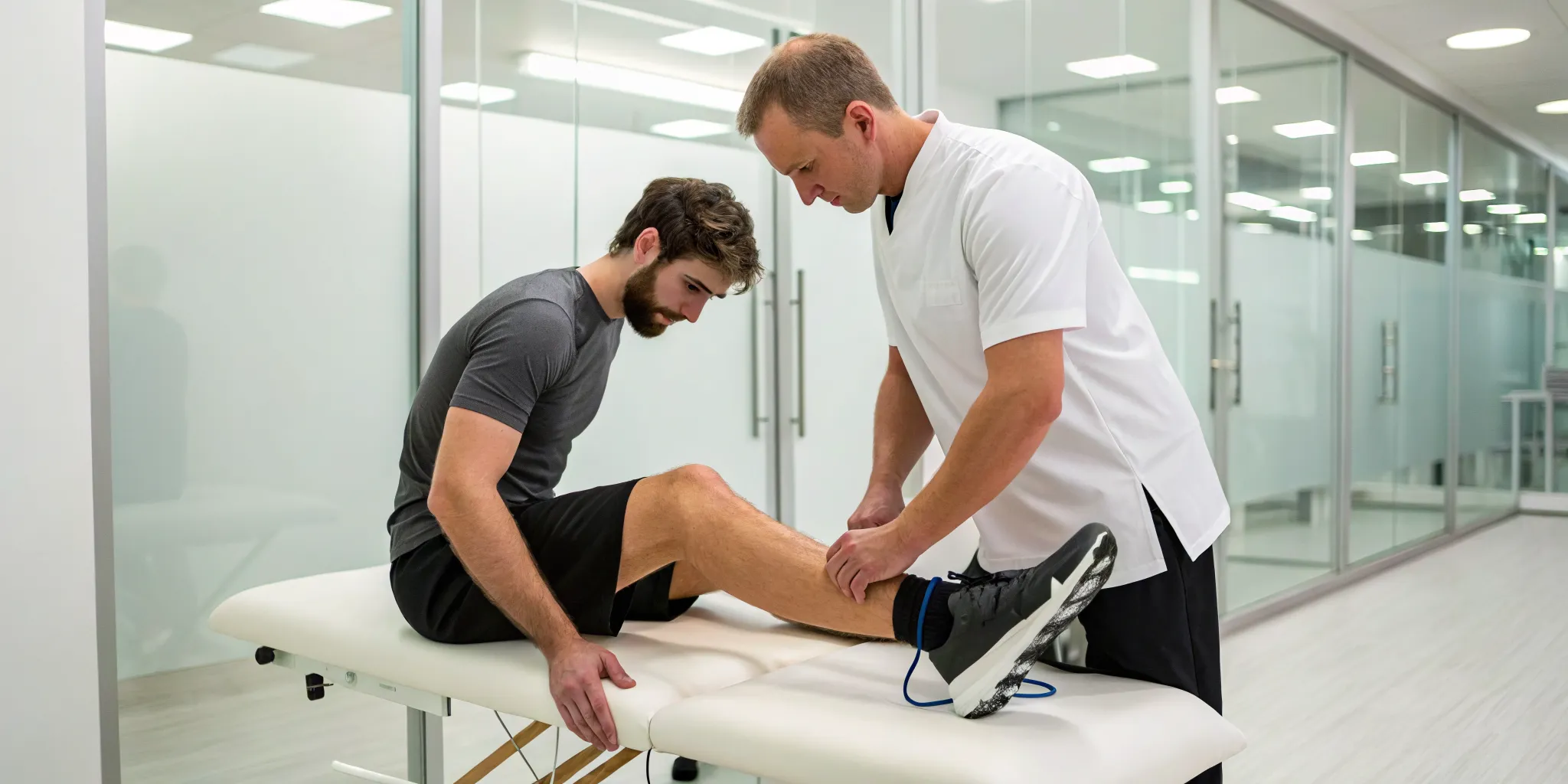
The kinetic chain describes how body segments work together to create and control movement. If you are active in Tampa Bay and notice discomfort or a change in how you move, understanding this idea can help you ask more useful questions, but it cannot identify the cause of a symptom on its own.
Explore physical medicine care
What Does the Kinetic Chain Mean?
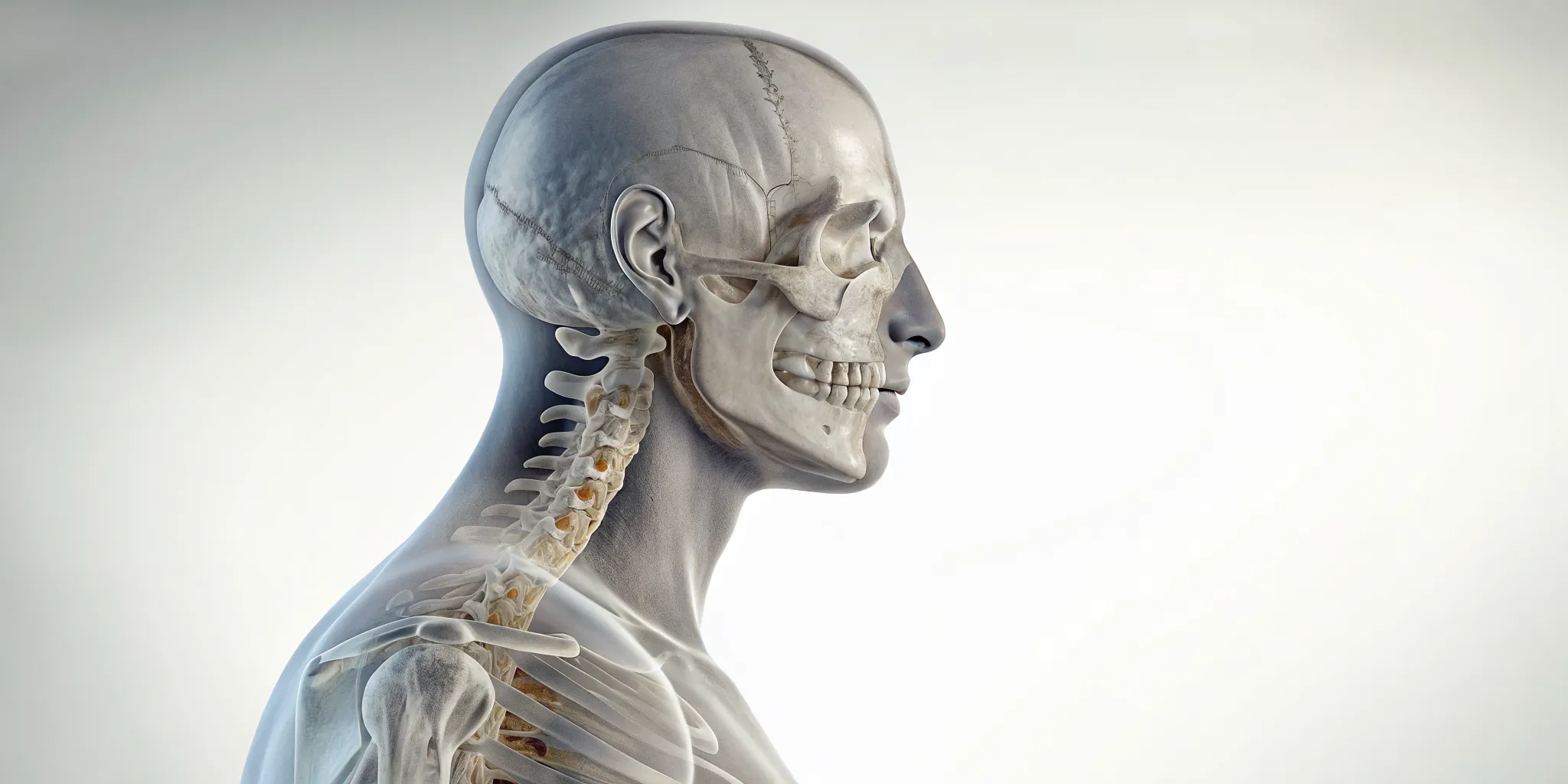
In simple terms, the kinetic chain is the connected system of body segments that coordinate during movement. Muscles, joints, and other tissues contribute at different points; the role of each part depends on the activity.
Think about reaching overhead to place an object on a shelf. Your arm moves, but the action also involves the shoulder blade, trunk, and position of your feet. Walking likewise involves coordinated movement through the legs and pelvis, with the trunk helping you stay oriented. In a throw, several body regions contribute to a fast, timed action.
The phrase is a way to describe coordination, not a claim that one joint always causes a problem somewhere else. It does not mean that every ache begins in the feet, hips, or spine, or that one adjustment can resolve a complex concern. Pain and changes in movement can have many possible contributors. An individual assessment is needed to understand the context.
Researchers have described the kinetic chain as linked body segments that transfer forces and motion during activity. That framework is useful for discussing movement, but it is not a stand-alone diagnosis or a promise about what treatment will do.
How Do Body Segments Coordinate During Everyday Movement?
Movement usually involves several regions working in sequence or at the same time, rather than one joint acting alone. The pattern changes with the task, the person's abilities, and the demands placed on the body.
When you step up, for instance, the legs and hips contribute to moving your body upward, while the trunk helps maintain balance. When you carry a bag, your hand and arm hold the load while your shoulder, trunk, and legs help you stay steady and continue walking. The chain is not a rigid set of links: timing, available motion, strength, balance, and the task itself all matter.
It can help to separate a movement into three broad questions:
- Which task is involved? Walking, lifting, reaching, and throwing make different demands.
- Which regions are involved? More than one joint or body segment may contribute.
- What changes when symptoms appear? The timing, position, load, or duration may matter, but observation alone does not establish a cause.
That last distinction is important. A person may notice that a movement looks different or feels uncomfortable, but appearance by itself does not reveal what tissue is responsible. A clinician considers the history and examination together, and may recommend further evaluation when appropriate.
For example, two people may perform the same task with different movement strategies and both feel well. Another person may move comfortably in one setting but notice a limitation during a longer or more demanding task. The chain concept helps describe coordination, but it does not set one ideal posture or movement style for every body.
Activity also changes the question being asked. A clinician considering an overhead throw may be interested in timing and coordination that are less relevant to an ordinary reach. A walking concern may call for attention to a different sequence and different symptoms. Describing the real activity that matters to you is more useful than asking whether your movement is simply "good" or "bad."
Why Might a Clinician Consider the Whole Movement Pattern?
A whole-movement view can add context to a concern by showing how a person performs a relevant activity, not just how one joint moves in isolation. It is one part of an evaluation, not a shortcut to a certain diagnosis.
If a runner reports discomfort while walking or jogging, a clinician may ask when it begins, what activities affect it, and whether there has been a change in routine. If an active adult has difficulty reaching overhead, the discussion may include the specific task and the involved areas, alongside the person's health history. The purpose is to understand the concern and determine what further assessment, if any, makes sense.
A movement observation is only a snapshot. It may be influenced by fatigue, unfamiliarity with the task, apprehension, footwear, the surface, or the instructions given. Different people also move in different ways without necessarily having a problem. A clinician should interpret the observed movement alongside symptoms, examination findings, and the person's goals, rather than label a normal variation as an injury.
Research on kinetic-chain exercises examines how movement choices can involve different muscle activity and exercise patterns. For example, a study compared isolated shoulder external rotation with an exercise incorporating the kinetic chain; another review examined open, closed, and combined kinetic-chain exercise approaches. These studies address particular exercises and research questions. They do not establish that one style is best for every person or every condition. (Study of isolated and kinetic-chain shoulder exercise; Review of three kinetic-chain exercise modes.)
What Can a Kinetic-Chain Assessment Include?
An assessment may combine your health history, symptom details, and observations or tests selected for your concern. There is no single movement test that can explain every symptom or determine a treatment plan by itself.
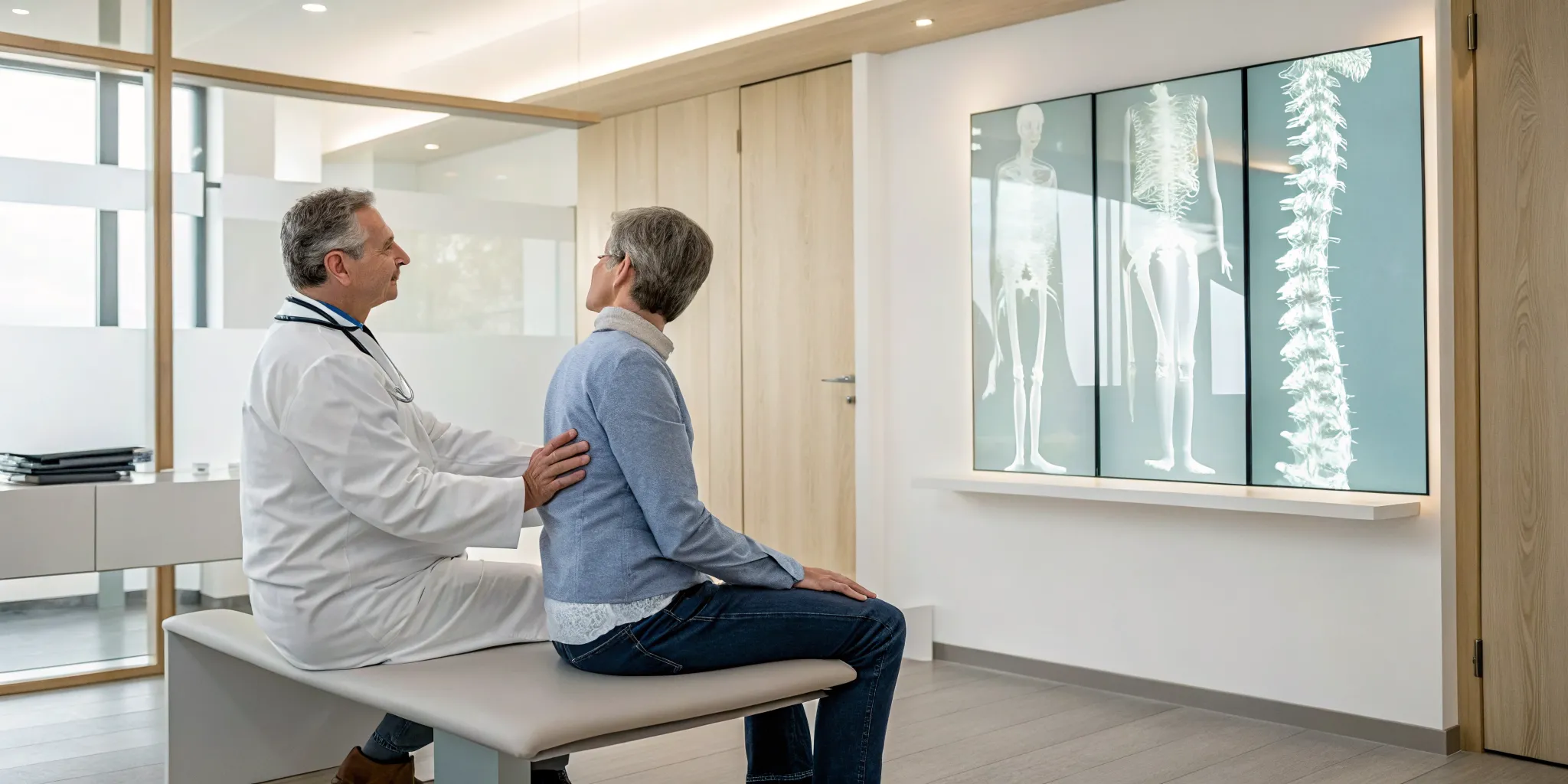
A useful conversation often starts with the story behind the concern. You may be asked when you first noticed a change, which activities bring it on, how long it lasts, and whether it affects work, exercise, or daily tasks. Mention any prior injuries, relevant health conditions, recent changes in activity, and care you have already tried. You do not need to arrive with a theory about which body part is responsible.
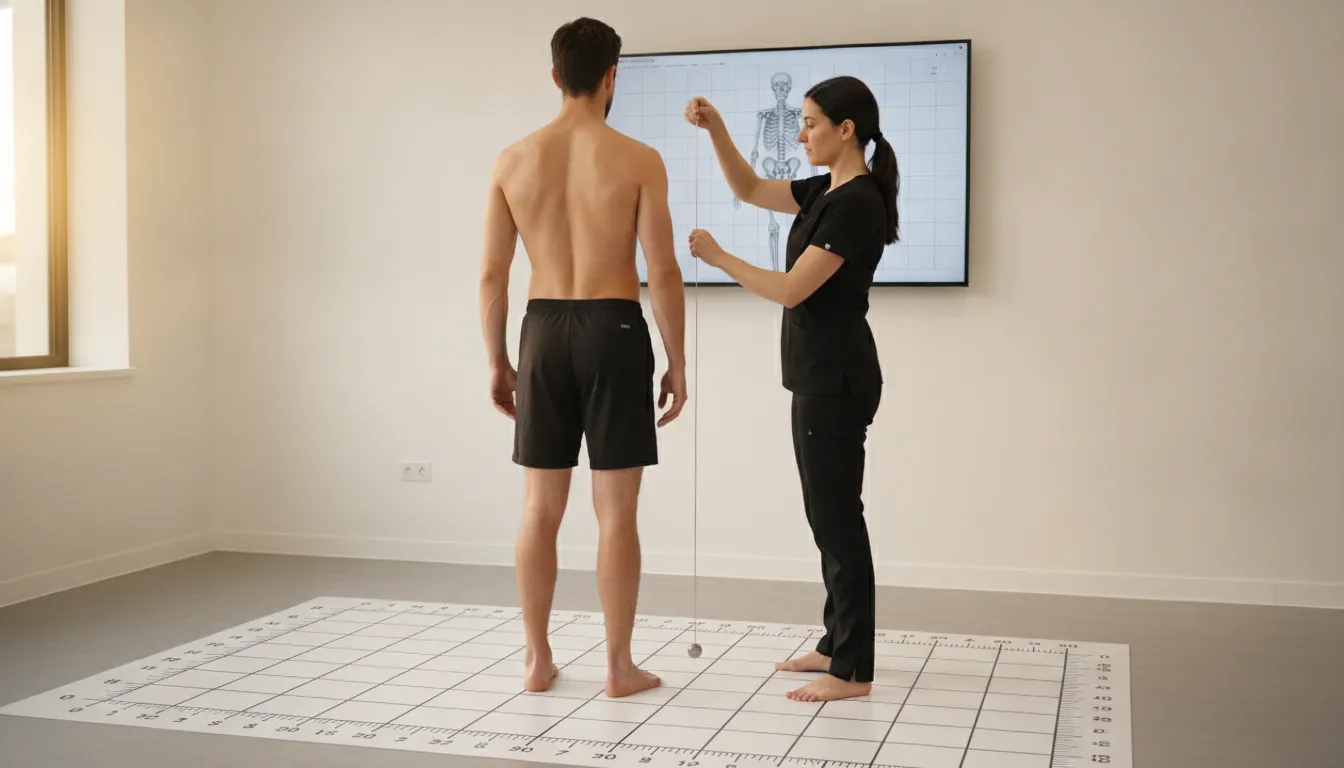
Depending on the reason for the visit, a clinician may observe posture or a relevant movement, assess available motion, or examine specific areas. The choice should fit the concern and the person's circumstances. An evaluation may also lead to a recommendation for another type of assessment if the available information is not enough.
For a Tampa Bay patient considering care at Ascend, Functional Medicine and Physical Medicine are distinct parts of the practice's broader integrative approach. A movement-related question generally calls for an appropriate physical evaluation; other health concerns may call for a different conversation. The right starting point depends on what you are experiencing, and no online explanation can determine that for you.
When considering a care discussion, useful questions include:
- What did you observe, and what does that finding mean in my situation?
- Which parts of the assessment support that interpretation?
- What other explanations should be considered?
- What are the goals and limits of the proposed next steps?
- How will we review progress, and when should the plan be reconsidered?
These questions help keep the conversation specific. They also make room to discuss uncertainty, alternatives, and personal preferences before deciding whether to proceed.
You can also ask what would count as meaningful progress for your own goal. That might be being able to complete a particular daily task, participate in an activity, or understand what factors affect a symptom. A useful outcome should be discussed in terms that matter to you, rather than assumed from a posture or movement score alone.
If a finding does not make sense to you, ask the clinician to explain it in plain language. You are entitled to understand what was assessed, what the limits of the assessment are, and why a proposed next step is being considered. A careful conversation should leave room for questions rather than imply that a single test explains everything.
How Do Open- and Closed-Chain Exercises Differ?
Open- and closed-chain describe different ways an exercise is organized, especially whether the hand or foot can move without support or is supported against a surface. These labels describe exercise setups; they do not rank an exercise as universally safer or more effective.
In a typical open-chain example, the hand or foot can move without support, as when the lower leg straightens while seated. In a typical closed-chain example, the hand or foot is in contact with a stable surface, as during a supported squat or a wall push. Real movement can be more complex than the labels suggest, and a given exercise can be modified in many ways.
Research has compared open-chain, closed-chain, and combined approaches in particular rehabilitation settings. A study's findings apply to its participants, exercises, and outcomes; they should not be treated as a universal prescription. The goal of an individual plan is to select an approach that fits the person's evaluation, tolerance, and objectives, rather than follow a label because it sounds more comprehensive. (Overview of kinetic-chain exercise in knee rehabilitation.)
| Exercise pattern | General setup | What the label tells you | What it does not tell you |
|---|---|---|---|
| Open-chain example | A hand or foot can move without support, such as a seated leg extension. | The end of the limb is not fixed against a supporting surface during the movement. | It does not show whether the exercise fits a particular person's needs. |
| Closed-chain example | A hand or foot stays in contact with a surface, such as a wall push or supported squat. | The limb is working with contact against a surface. | It does not prove the exercise is automatically better, safer, or more functional. |
| Combined approach | A plan includes more than one exercise pattern or task type. | Different setups may be included in a program. | It does not establish that a combined plan is needed for everyone. |
Exercise selection should be discussed with a qualified clinician when symptoms, a health condition, or uncertainty about safe activity is part of the picture. This article is educational, not a set of exercise instructions.
The table is a general comparison, not a recommendation to start or avoid any movement. A clinician might adapt a task by changing its position, support, range, or load, but which changes make sense depends on the person's situation and the reason for the assessment. Even exercises that share the same label can feel and function differently in practice.
How Can the Kinetic Chain Relate to Physical Medicine?
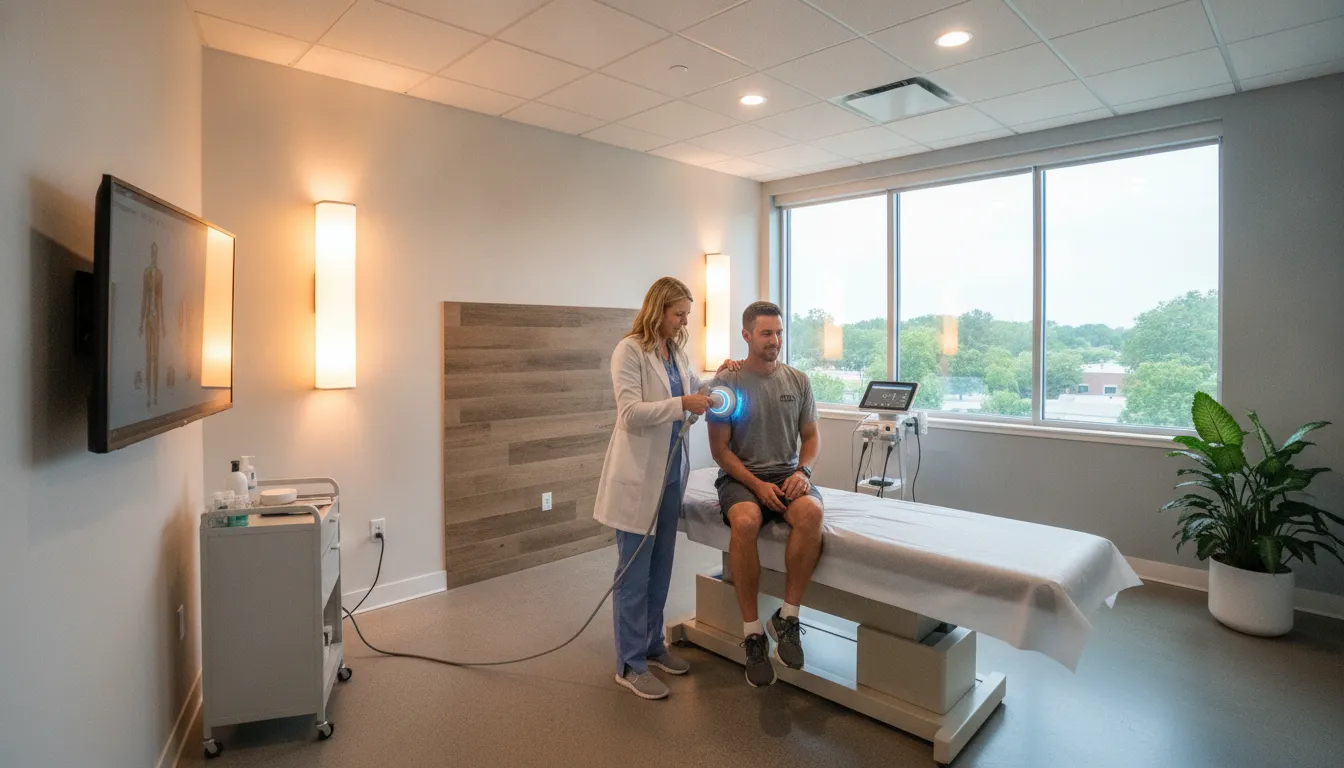
Physical Medicine may consider how a movement concern fits with a person's symptoms, examination, and goals. The kinetic-chain concept can inform that discussion, but it does not promise a particular result or replace individualized care.
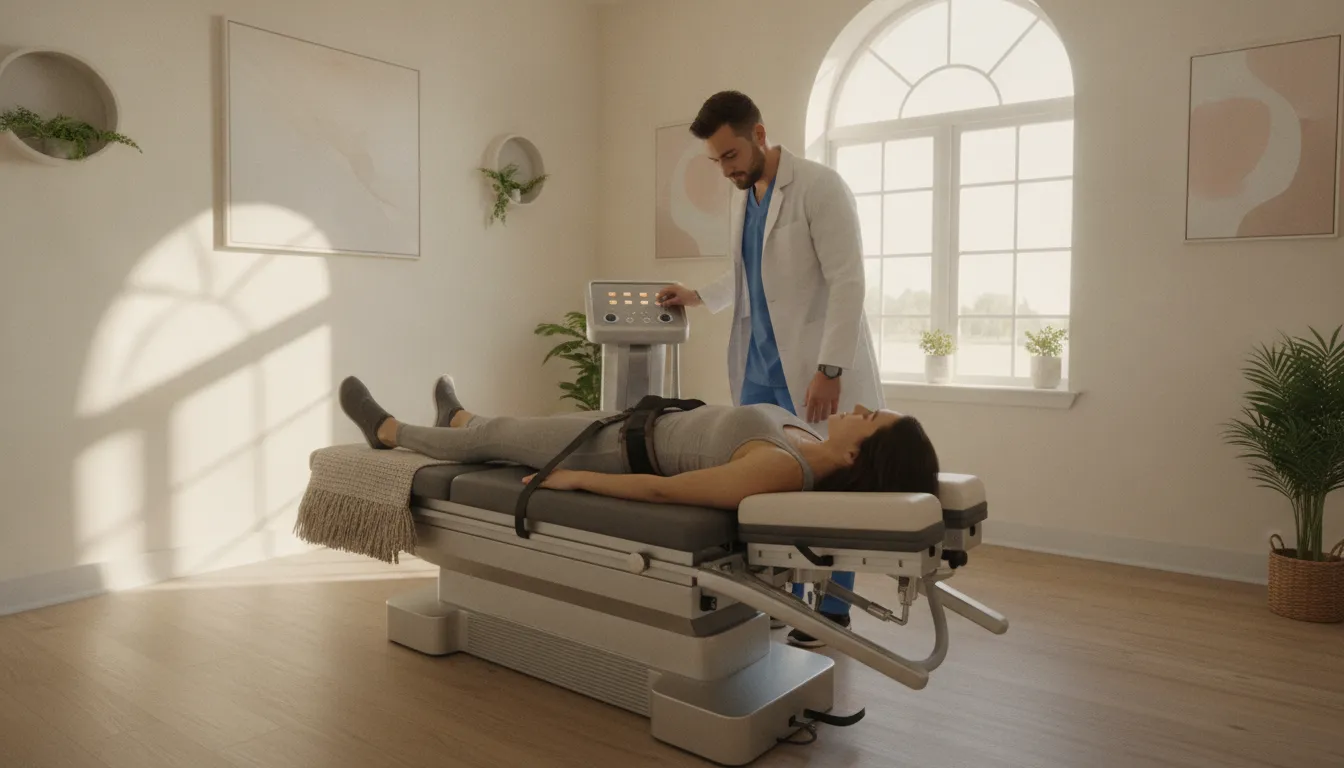
Ascend Functional Health describes its care through three pillars: Physical Medicine, Functional Medicine, and Regenerative Medicine. Physical Medicine includes approaches such as chiropractic care, decompression, corrective care, and soft-tissue work. Which services, if any, are appropriate depends on the person's evaluation and discussion with a clinician.
For movement concerns, an evaluation may help establish the focus of the assessment and what the next reasonable step could be. That step might involve continued observation, a discussion of care options, or referral for additional assessment. The aim should be a plan based on the individual's circumstances, not a guarantee that treating one point in a chain will fix another.
You can learn more about Physical Medicine in Tampa or read about spinal decompression as one of the physical-care approaches offered. These pages describe service areas; they do not determine whether a particular service is suitable for you. If your concern relates to radiating leg discomfort, the information on sciatica care may help you prepare questions for a clinician, but symptoms require individual assessment.
Published work on throwing also describes coordinated joint movements as a way to transfer energy through a kinetic chain during overhead activity. This is a useful example of why activity matters: the demands of throwing differ from walking or lifting, and findings about one sport or exercise cannot automatically be applied to another. (Kinetic-chain concepts in throwing.)
What Details Can You Track Before a Care Conversation?
A short, factual record of when a concern occurs can help make a care conversation more specific. Focus on the activity and its effect rather than trying to diagnose the cause yourself.
Consider noting the movement or task involved, when you first noticed the change, and whether it affects a particular part of the activity or happens afterward. Record whether the issue is occasional or recurring and whether it interferes with a routine that matters to you. If an activity has changed recently, such as its duration or frequency, mention that as context.
Keep the record practical. There is no need to test a movement repeatedly or push through symptoms to collect information. Bring questions about what you can safely continue doing to a clinician who knows your history. If symptoms are severe, changing quickly, or concerning to you, seek appropriate medical guidance rather than relying on a blog post.
Patients from across the region can also review Ascend's Tampa service-area information and practice background before deciding whether to contact the office. A clear next step is a conversation about your concern, your goals, and whether the practice may be an appropriate fit.
Contact Ascend to discuss your questions
Frequently Asked Questions
These answers clarify what the kinetic-chain concept can and cannot tell you. For an individual concern, discuss your symptoms and options with a qualified clinician.
Does the kinetic chain mean pain in one area comes from another area?
No. The term describes connected movement, but it does not establish why a person has pain. Symptoms can have many possible contributors, so the context and appropriate clinical evaluation matter.
Is a closed-chain exercise always better than an open-chain exercise?
No. The labels describe different exercise setups, not a universal ranking. Research examines particular exercise approaches in specific settings, and a clinician should consider the individual's needs and goals when discussing options.
Can watching someone move diagnose an injury?
Not by itself. Observing a movement may add information, but it is only one part of an assessment. A clinician interprets it alongside the person's history, symptoms, and other relevant findings.
What should I ask about a movement assessment?
Ask what was observed, how it relates to your concern, what uncertainties remain, and what alternatives or next steps are available. You can also ask how progress would be reviewed and when the plan might change.
When should I contact a clinician about a movement concern?
Consider a care conversation when a change in movement or discomfort persists, recurs, or interferes with activities that matter to you. A clinician can help discuss whether an evaluation or another next step is appropriate for your situation.
Explore physical medicine care
Content on this page is for educational purposes only and is not medical advice; consult your clinician before acting on health information.