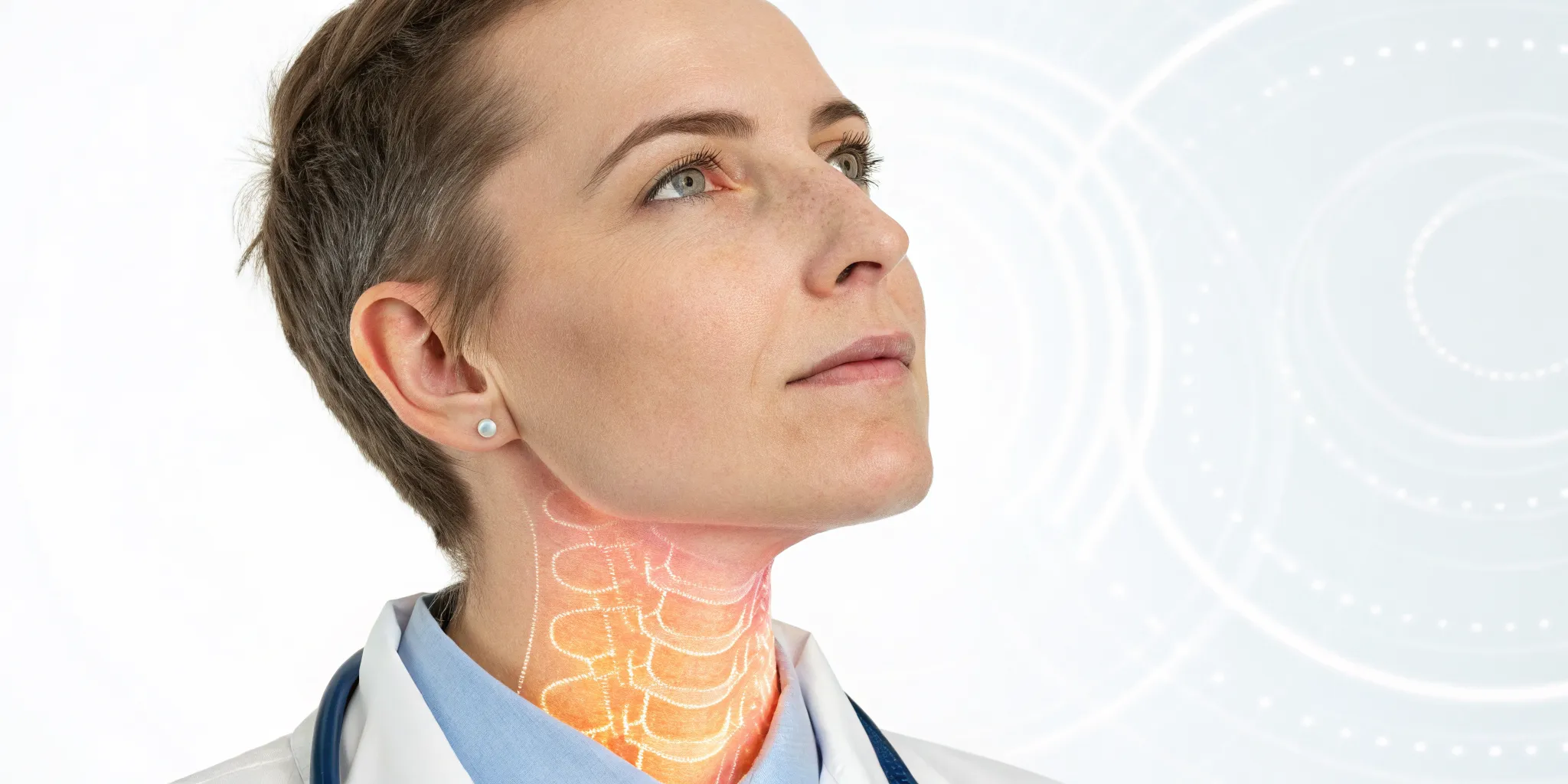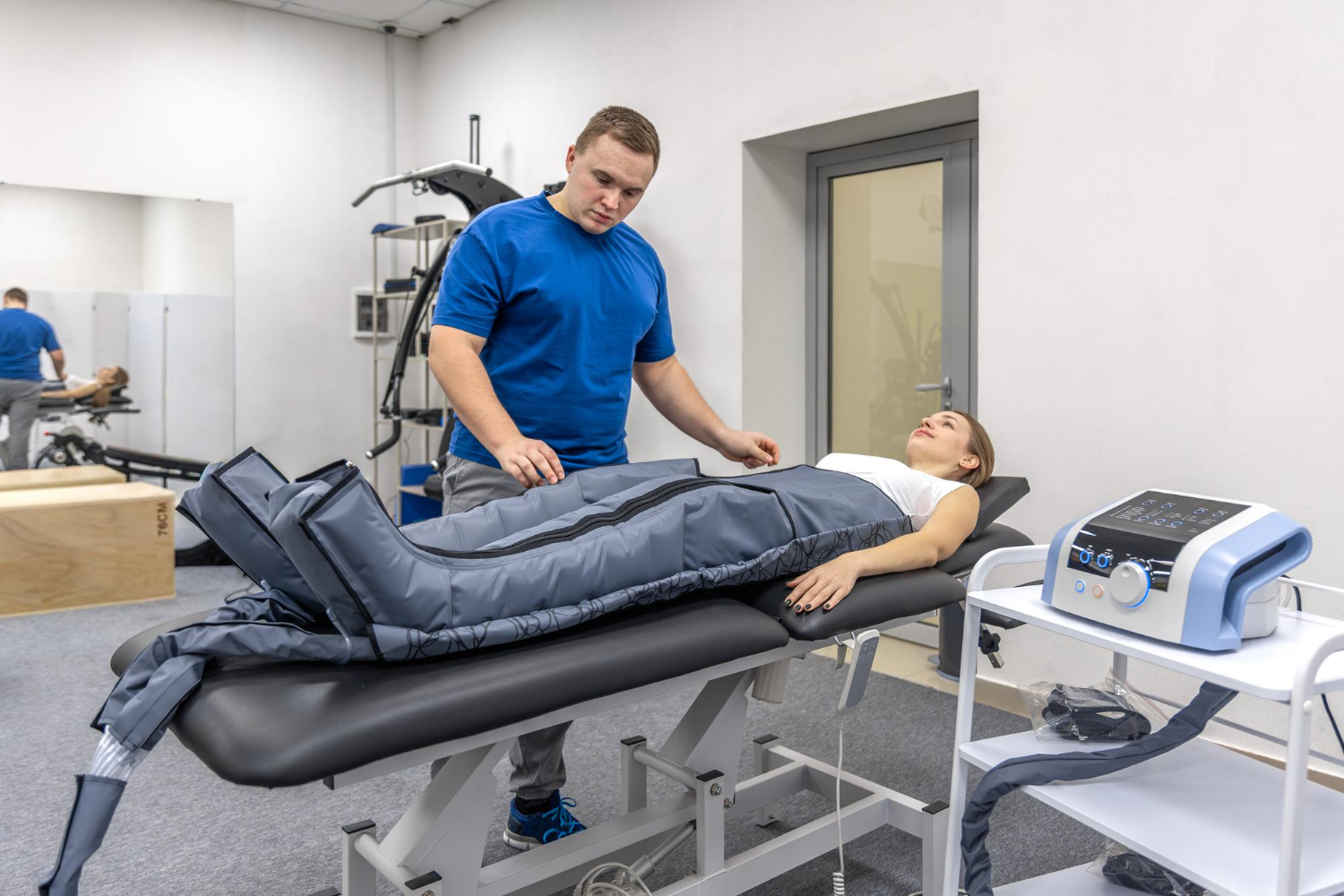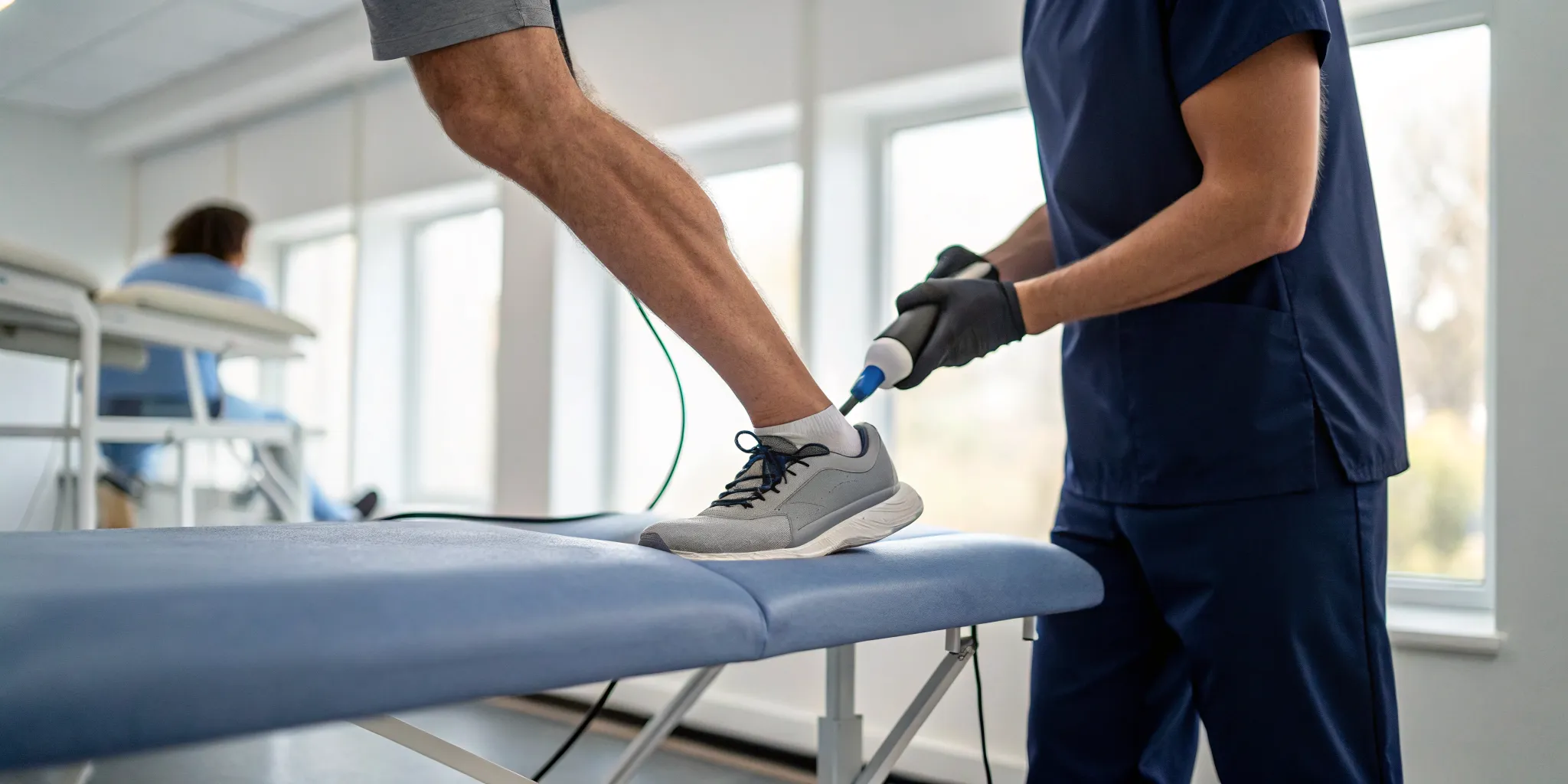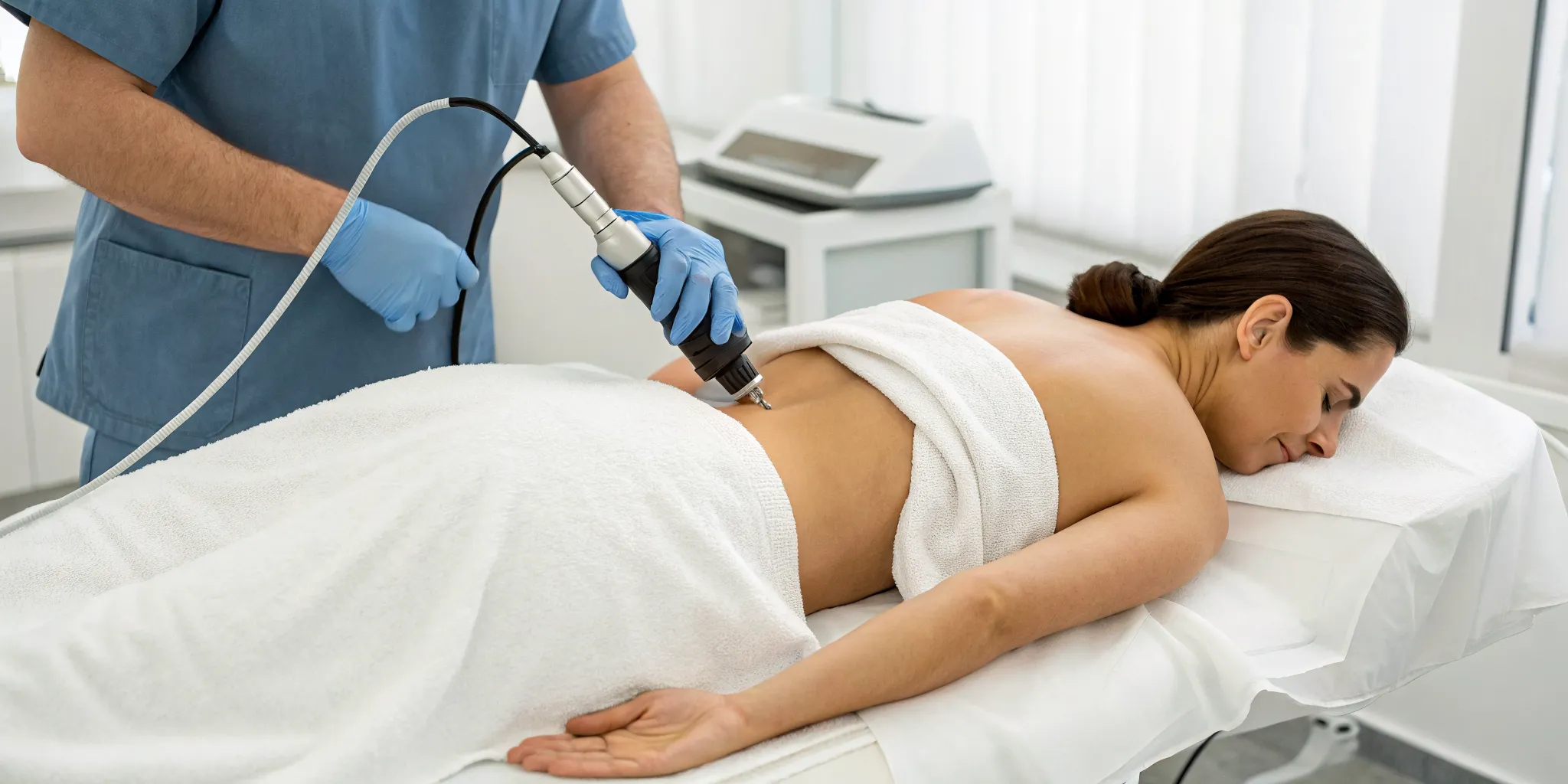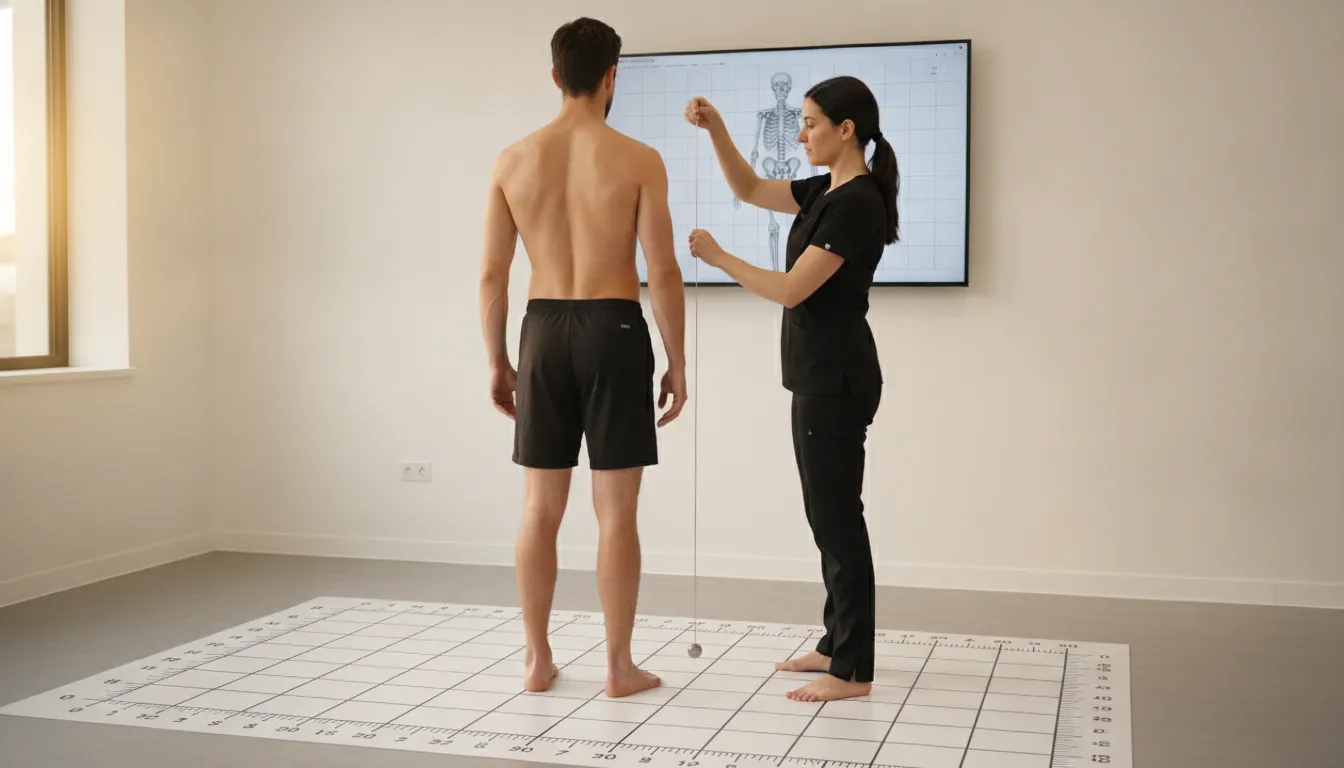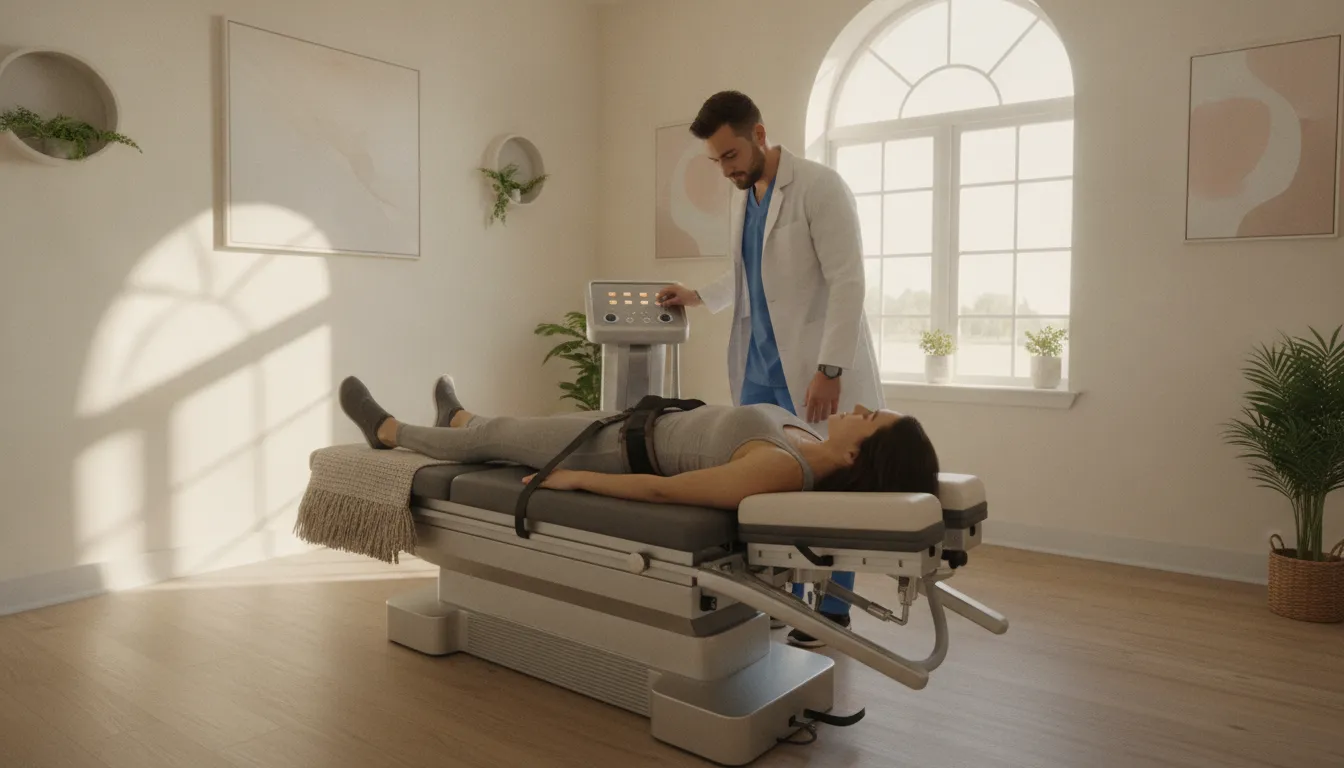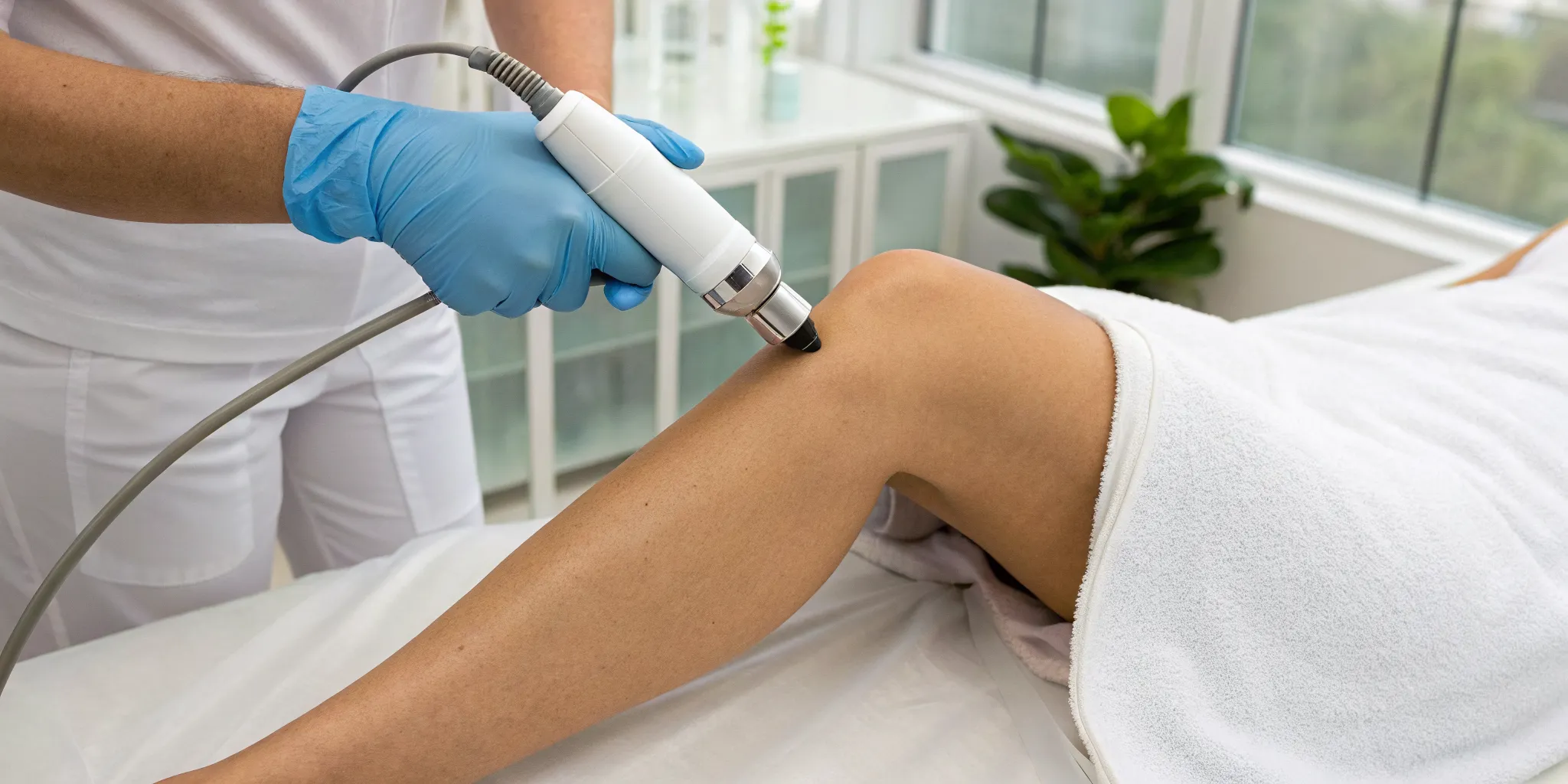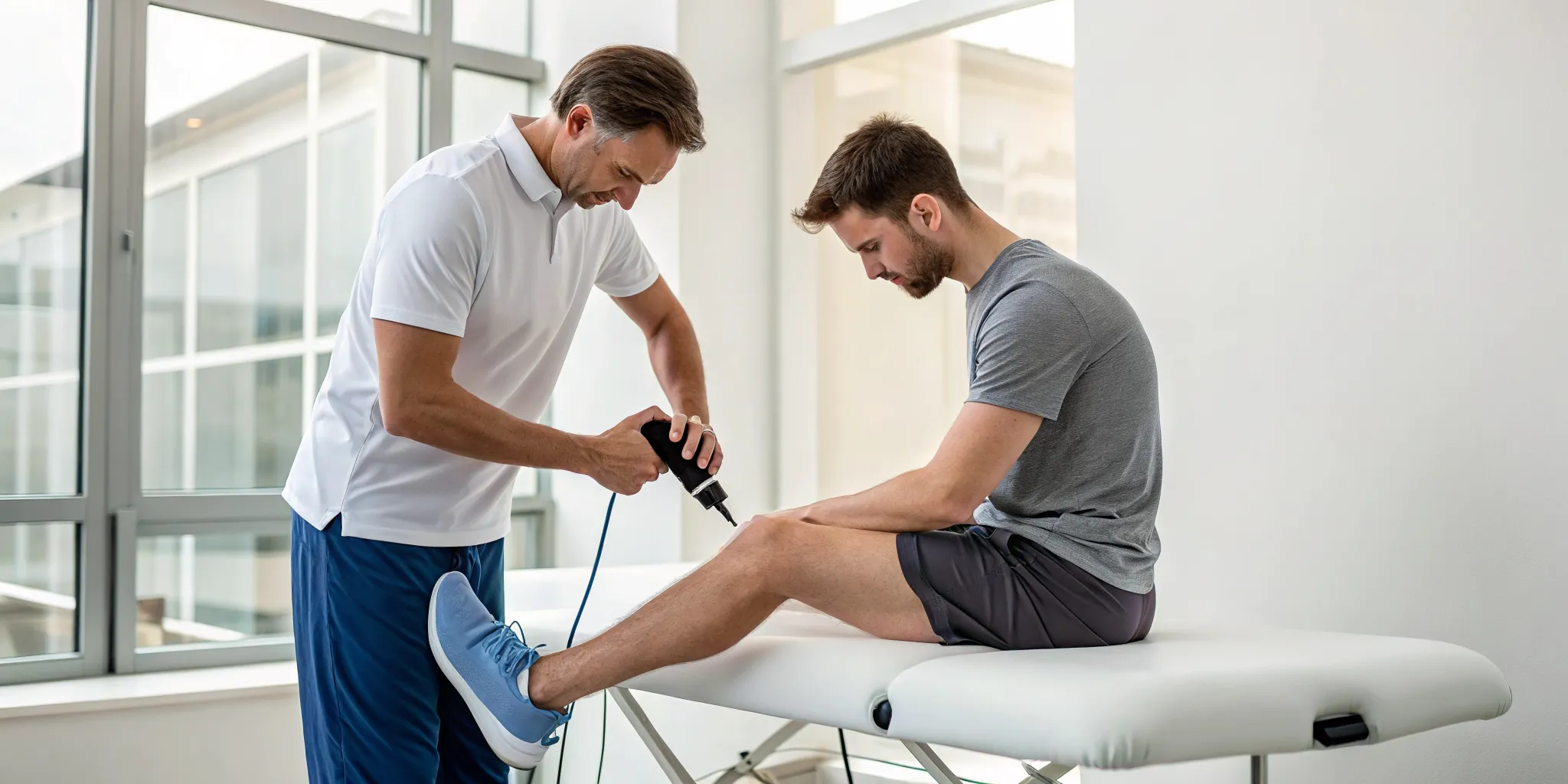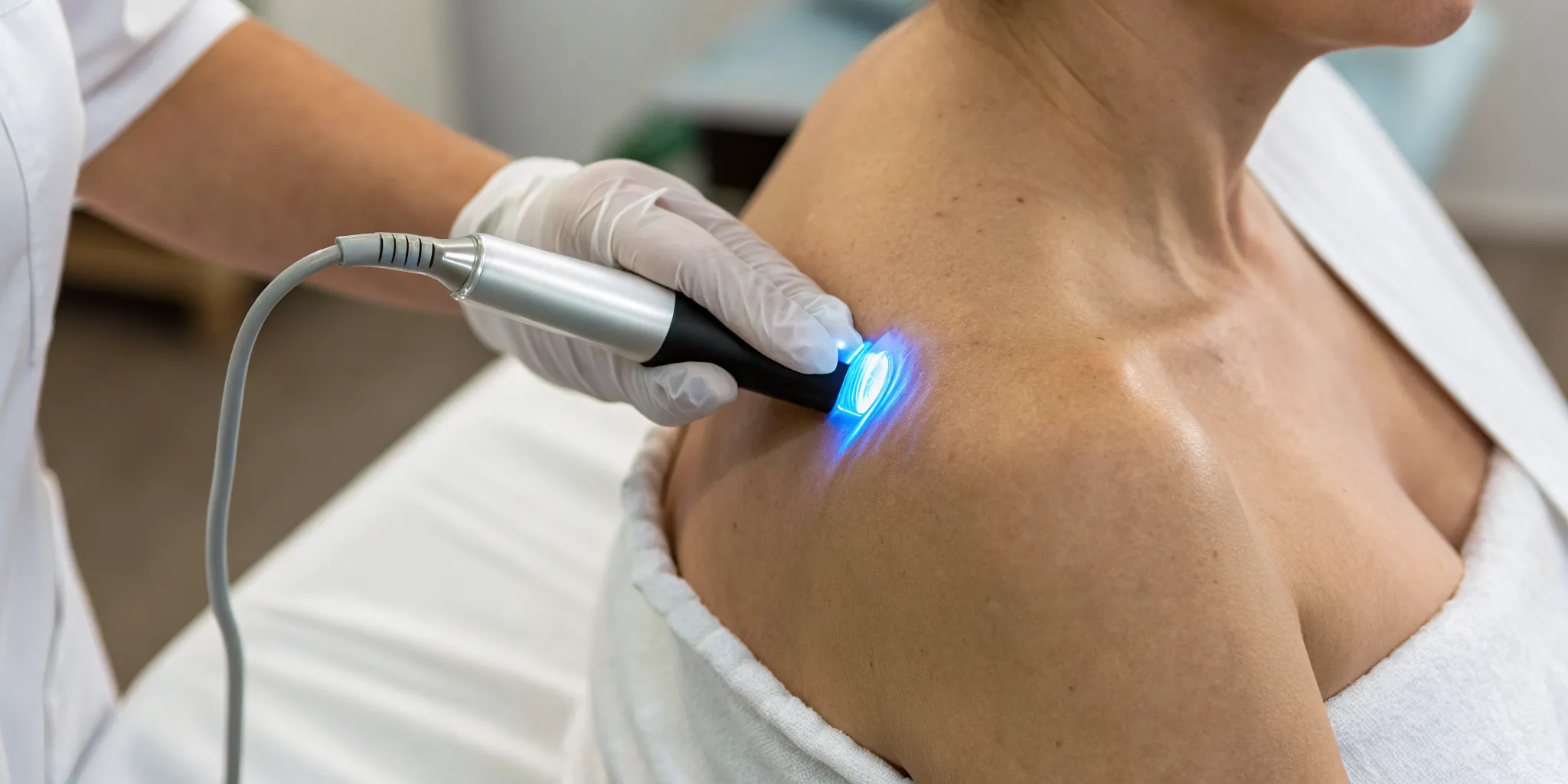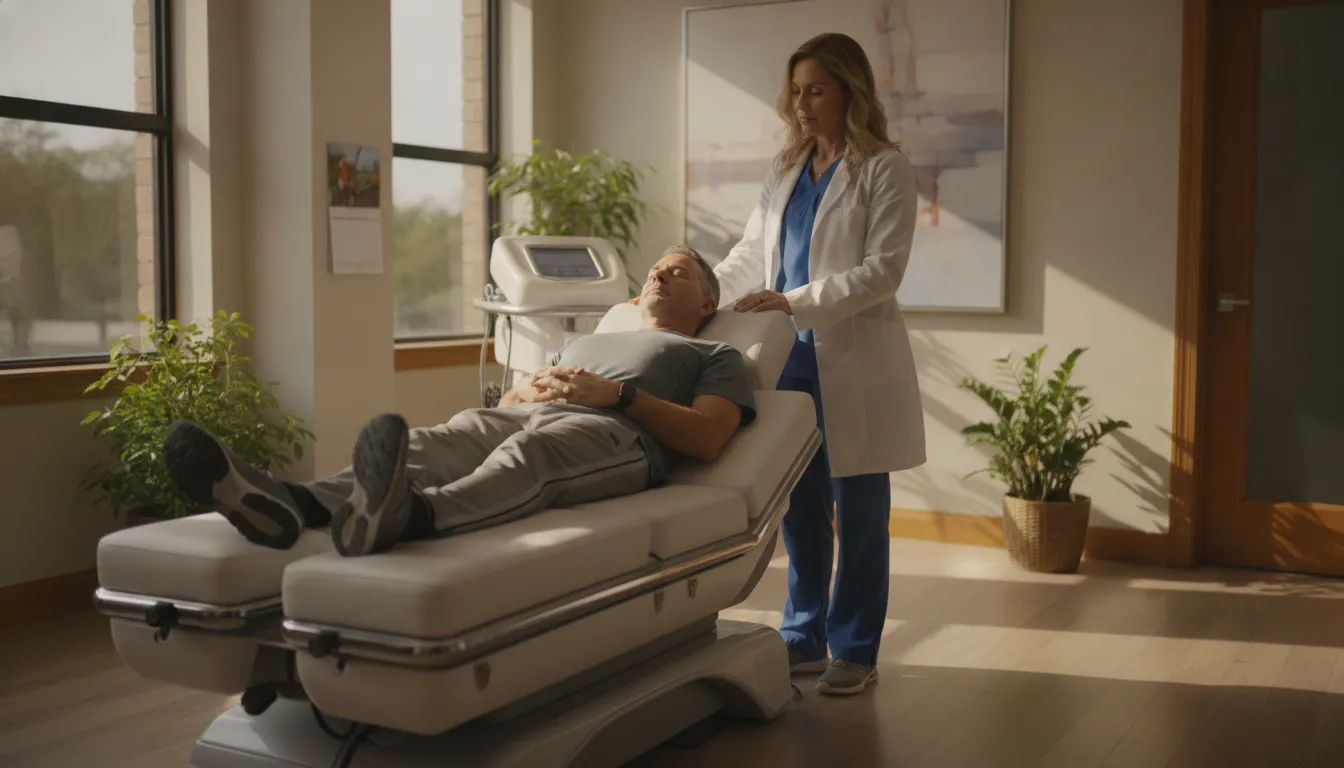
The term "shockwave" might sound intense, but the treatment is much gentler than its name suggests. This therapy doesn't use any electrical currents. Instead, it uses focused acoustic (sound) waves to create a powerful biological response deep within your tissues. Think of it as a way to wake up your body’s internal healing team and direct them right to the site of your bursitis. This is the core principle behind using shockwave therapy for bursitis. It partners with your body, stimulating the natural processes that reduce inflammation and repair damaged tissue, which is fundamental to a functional approach to lasting wellness.
Key Takeaways
- It kickstarts your body's own healing process: Shockwave therapy isn't a temporary patch; it uses acoustic waves to stimulate blood flow and cell activity, helping your body repair the inflamed bursa from the inside out for lasting relief.
- Pairing it with exercise is the key to success: Think of shockwave therapy as the catalyst for healing and corrective exercise as the follow-through. This combination addresses both the immediate pain and the underlying movement patterns that caused the bursitis in the first place.
- The treatment process is simple and requires no downtime: A typical plan involves a few short sessions scheduled about a week apart. You can return to your daily activities right after each appointment, with the most significant results appearing as your body heals over the following weeks.
What Is Bursitis?
If you’ve ever had a joint that feels achy, stiff, and tender to the touch, you might have been dealing with bursitis. Think of bursae as tiny, slippery cushions filled with fluid. Your body has them all over, strategically placed between bones and soft tissues like muscles, tendons, and skin. Their job is to reduce friction and allow everything to glide smoothly as you move. Bursitis is simply what happens when one of these bursae becomes inflamed and irritated. It’s a very common cause of musculoskeletal pain that can develop gradually over time or show up suddenly after an injury.
This inflammation can make everyday movements painful and limit your range of motion. While it can sometimes be mistaken for arthritis, bursitis is a distinct condition affecting the cushions around the joints, not the joint itself. The good news is that with the right approach, you can find lasting relief. Our approach to physical medicine focuses on identifying the source of the inflammation and creating a plan to help your body heal correctly. Understanding what’s happening inside your body is the first step toward getting back to your daily activities without pain.
What’s Happening Inside an Inflamed Bursa?
Normally, your bursae are thin and work quietly in the background, acting as slick little pillows for your joints. But when a bursa is aggravated, usually from repetitive movements or a sudden injury, it goes into defense mode. The thin lining of the bursa becomes inflamed and starts producing extra fluid. This causes the bursa to swell, creating pressure on the surrounding tissues. That pressure and inflammation are what you feel as pain, tenderness, and stiffness, making even simple movements uncomfortable. It’s your body’s way of signaling that something is wrong and that the area needs a break to heal.
Where Does Bursitis Typically Occur?
While bursitis can pop up near any joint, it has a few favorite spots. It most often occurs in the shoulder, elbow, hip, and knee. These are major joints that we rely on for a huge range of motion, so it makes sense that they see a lot of action and potential irritation. You might hear about trochanteric bursitis in the hip, which can make it painful to lie on your side, or olecranon bursitis at the tip of the elbow. No matter where it shows up, the underlying issue is the same: an inflamed bursa crying out for help. We see these and other joint-related issues frequently among the conditions we treat.
How Bursitis Can Affect Your Daily Life
Bursitis isn't just a minor annoyance; it can seriously get in the way of your life. When your shoulder hurts, simple things like brushing your hair or reaching for something on a high shelf can become a painful ordeal. Hip bursitis can make walking, climbing stairs, or even sleeping on your side feel impossible. This constant pain can limit your ability to work, exercise, or enjoy your hobbies. If left unaddressed, the pain can become chronic and lead to muscle weakness from lack of use. We’ve seen how much this can affect a person’s well-being, which is why we focus on solutions that provide long-term healing, as our patient testimonials show.
How Shockwave Therapy Helps Bursitis
If you’re dealing with the persistent, nagging pain of bursitis, you know how frustrating it can be when rest and ice just don’t cut it. Shockwave therapy is a modern, non-invasive treatment that can make a real difference by addressing the problem at its source. Instead of just managing symptoms, this approach uses sound waves to stimulate your body’s own healing mechanisms. It’s a way to partner with your body to resolve inflammation and repair damaged tissue, helping you get back to moving comfortably. At Ascend, we use this therapy as part of a comprehensive plan for many of the conditions we treat, including stubborn bursitis.
The Science of How Acoustic Waves Promote Healing
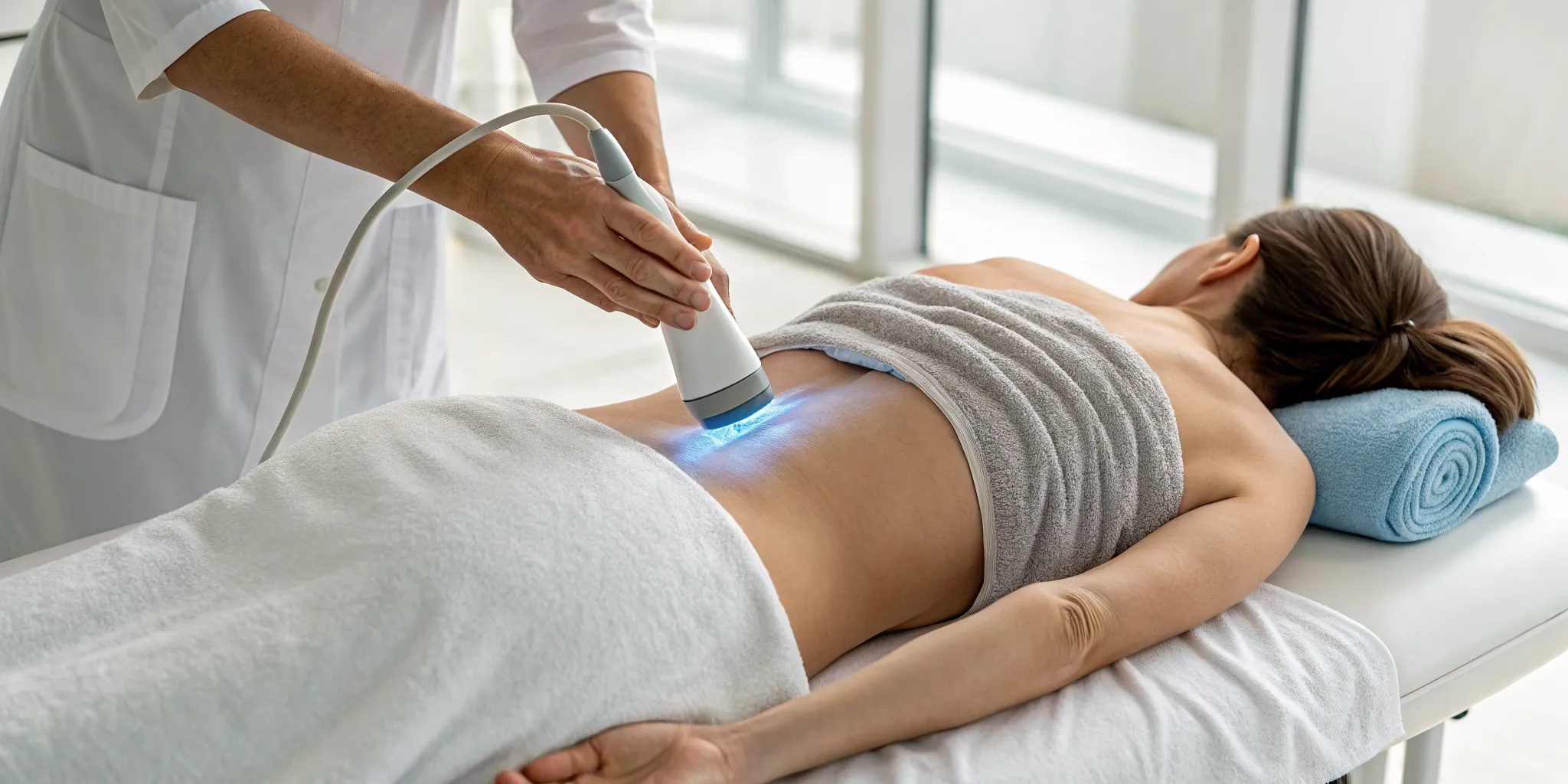
Let's clear one thing up first: shockwave therapy doesn't involve any electrical shocks. Instead, it uses acoustic (or sound) waves. A special device delivers these high-energy sound waves through your skin directly to the inflamed bursa. Think of it like a targeted, deep-tissue massage, but on a cellular level. These waves create micro-trauma in the tissue, which sounds counterintuitive, but it’s actually a good thing. This process signals your body to wake up and start a powerful healing response right where you need it most. It’s one of the key tools in our physical medicine toolkit for this very reason.
Focused vs. Radial Shockwave: What’s Used for Bursitis?
Not all shockwave therapies are the same. The two main types are radial and focused shockwave therapy. Radial waves spread out over a larger, more superficial area, while focused waves can penetrate deeper to a specific, targeted point. For bursitis, which often affects deeper tissues around joints like the hip, shoulder, or knee, focused shockwave therapy is typically the more effective choice. It allows us to precisely target the inflamed bursa without affecting the surrounding healthy tissue. The type of therapy we recommend will always depend on your unique situation, including the location and severity of your bursitis, ensuring a truly personalized approach to your care.
Stimulating Blood Flow and Repairing Tissue
So, what happens after the sound waves reach the target area? They trigger a cascade of helpful biological responses. Most importantly, they dramatically increase blood flow to the inflamed bursa. This fresh blood circulation delivers more oxygen and nutrients, which are essential for healing. At the same time, it helps flush out the inflammatory byproducts that cause pain and swelling. This process doesn't just reduce inflammation; it also stimulates the production of collagen and encourages the regeneration of new, healthy tissue. It’s a core principle of functional medicine: helping the body repair itself for lasting relief, not just temporary comfort.
How Effective Is Shockwave Therapy for Bursitis?
When you’re dealing with the persistent pain of bursitis, you want a solution that doesn’t just quiet the symptoms but encourages genuine healing. Shockwave therapy is a highly effective, non-invasive treatment that does just that by stimulating your body’s natural repair mechanisms. Its effectiveness is especially clear when compared to other common treatments and when it’s integrated into a comprehensive healing plan.
Understanding how shockwave therapy measures up can help you make an informed decision about your care. It’s not about finding a single magic bullet, but about creating a strategy that addresses the pain and its underlying cause. Let’s look at how this approach compares to other options and why a combined strategy is often the key to long-term success.
Compared to Corticosteroid Injections
Many people with bursitis are first offered corticosteroid injections to manage pain and inflammation. While injections can provide relief, they don’t always address the root of the problem. Shockwave therapy presents an excellent alternative because it’s a non-invasive method designed to promote long-term tissue repair. Instead of just masking inflammation, it triggers a healing response from within.
This approach helps your body rebuild and strengthen the affected area, reducing the likelihood of the pain returning. For those looking to avoid the potential side effects of injections or seeking a more restorative solution, shockwave therapy offers a path toward sustainable healing without needles or downtime.
Compared to Physical Therapy Alone
Therapeutic exercise is a cornerstone of treating bursitis, and for good reason. It helps strengthen supporting muscles and correct movement patterns that may have contributed to the irritation in the first place. Research shows that both shockwave therapy and therapeutic exercise are effective options for bursitis-related pain. However, some people find that exercise alone isn’t enough to break the cycle of pain, especially if scar tissue is involved.
This is where combining treatments can make a significant difference. If you haven’t found complete relief through physical medicine alone, adding shockwave therapy can accelerate your progress. The acoustic waves help break down adhesions and reduce pain, making it easier and more comfortable to perform your corrective exercises effectively.
Why Pair Shockwave Therapy with Corrective Exercise?
Think of shockwave therapy as the catalyst that starts the healing engine and corrective exercise as the fuel that keeps it running. Shockwave therapy is most effective when it’s part of a personalized care plan. The therapy initiates blood flow and cell regeneration, creating the ideal environment for healing. Corrective exercises then build on that foundation.
A targeted exercise and strengthening program helps improve your biomechanics, stabilize the joint, and stretch tight muscles. This combination doesn’t just relieve your current pain; it addresses the functional issues that led to the bursitis in the first place. By pairing these two approaches, we can create a robust plan that supports your recovery and helps prevent the problem from coming back, which is central to treating all kinds of chronic conditions.
What to Expect from Your Treatment Plan
If you and your practitioner decide that shockwave therapy is a good fit for your bursitis, you’re probably curious about what the process actually involves. Knowing what’s coming can help you feel more prepared and confident as you begin your healing journey. A treatment plan is more than just appointments on a calendar; it’s a structured approach designed to give your body the consistent support it needs to repair itself. This partnership between you and your care team is central to making real, lasting progress against chronic discomfort. It provides a clear roadmap, so you always know where you are in the process and what the next step is.
At Ascend Functional Health, we tailor our physical medicine protocols to your specific situation, but the structure of a shockwave therapy plan follows a predictable and effective path. We believe in empowering you with knowledge, which is why we’ll walk you through every step, from the number of sessions you’ll need to what you’ll feel during the treatment and how your recovery will unfold in the weeks that follow. This clarity helps you focus on what matters most: getting back to moving with ease and without discomfort. Understanding the plan helps you become an active participant in your own recovery, which is a cornerstone of the functional health philosophy.
Your Treatment Schedule: Sessions and Frequency
Consistency is key when it comes to helping your body heal. A typical shockwave therapy plan for bursitis involves a series of short sessions. Most people find that three to five treatments are needed to achieve the best results. These appointments are usually scheduled about a week apart.
This specific timing isn’t random; it’s designed to work with your body’s natural healing cycle. The acoustic waves from the therapy stimulate a repair response in your tissues, and the week-long interval gives your body the time it needs to process those signals and begin rebuilding. Think of it as giving your cells a new set of instructions and then allowing them the space to carry out the work before the next session reinforces that message.
What a Session Feels Like
It’s completely normal to wonder what the treatment itself will feel like. During a shockwave therapy session, you’ll feel a tapping or pulsing sensation against your skin at the treatment site. Some people describe it as a mild, dull ache or a slight discomfort, but not sharp pain. The sound waves are working to wake up old, injured cells and encourage them to start the healing process again.
Your comfort is a top priority, and the intensity of the device can be adjusted throughout the session to match your tolerance. Your practitioner will communicate with you the entire time to ensure the treatment is both effective and manageable for you. Each session is relatively quick, so you’ll be in and out of the office before you know it.
Your Recovery in the Following Weeks
One of the great things about shockwave therapy is that there’s typically no downtime. You can usually return to your normal daily activities right after your appointment. While some people feel a bit of relief right away, the most significant changes happen over time as your body’s tissues continue to repair.
Many individuals report noticeable improvements in mobility and a reduction in discomfort within a few months of their final session. The most substantial and lasting results are often felt about 12 weeks after the last treatment is complete. This timeline highlights that shockwave therapy isn’t a temporary fix; it’s a method for creating genuine, long-term healing for many of the conditions we treat, including persistent bursitis.
Short-Term Relief vs. Long-Term Healing
When you're dealing with persistent pain from bursitis, you want relief that lasts. That’s the core difference between a temporary fix and true healing. Shockwave therapy is designed to do both. It provides noticeable relief from discomfort while also kickstarting your body's natural repair processes for long-term results. Think of it as addressing the root of the problem, not just covering up the symptoms. This therapy not only alleviates immediate discomfort but also promotes long-term healing by addressing the underlying issues contributing to bursitis. This approach is especially effective for conditions like Greater Trochanteric Pain Syndrome (GTPS), a common cause of hip pain.
The acoustic waves don't just soothe the inflamed area; they stimulate blood flow and cell activity, encouraging the damaged tissue to rebuild itself stronger. This focus on resolving the underlying issues is key to preventing the pain from coming back. It’s about getting you back to your life without being held back by chronic discomfort, which is a central part of our philosophy for treating painful conditions. By promoting genuine tissue repair, shockwave therapy helps you build a foundation for lasting mobility and strength. Instead of just managing symptoms, you're actively rebuilding the area, moving you beyond the cycle of recurring pain and toward a more resilient state of health.
Your Recovery Timeline for Relief and Mobility
It’s helpful to know what to expect when you start a new treatment. A typical shockwave therapy plan involves 3 to 5 sessions, usually scheduled about a week apart to give your body time to respond. Each appointment is quick, lasting only about 10 to 20 minutes. While some people feel a bit of relief sooner, the most significant improvements in pain and mobility often appear around 6 to 8 weeks after your final session is complete. This timeline gives the tissues the chance to go through a full healing and regeneration cycle. It’s a process that requires a little patience, but the goal is lasting change, not a fleeting fix.
How to Support Your Healing Between Sessions
Shockwave therapy is a powerful tool, but it works best as part of a comprehensive plan. To get the most out of your treatments, we’ll guide you on how to support your body’s healing process between sessions. This often includes targeted corrective exercises, specific stretches, and strategies for managing the load on the affected joint. Combining these approaches helps reinforce the healing stimulated by the shockwave device and addresses the movement patterns that may have contributed to the bursitis in the first place. This holistic strategy, which is a cornerstone of physical medicine, not only aids your recovery but also helps prevent the issue from returning down the road.
Are There Risks or Side Effects?
It’s completely normal to wonder about the safety of any new treatment. The good news is that shockwave therapy is a non-invasive approach with a strong safety record, especially when performed by a trained professional. Unlike more aggressive procedures, it works with your body’s natural healing abilities, encouraging repair at the cellular level without incisions or lengthy downtime. Most people find the process very manageable, and the side effects are typically minor and short-lived. This makes it an appealing option for those seeking relief from bursitis without interrupting their lives.
Of course, transparency is key to feeling confident in your care. It’s important to understand both the common, mild side effects and the specific situations where this therapy might not be the best fit. Our team at Ascend Functional Health always conducts a thorough health history review to ensure any treatment we recommend is safe and appropriate for you. We believe that an informed patient is an empowered one, and we’re here to answer every question you have along the way. We'll walk you through what to expect, how the technology works, and how it fits into your broader health goals, ensuring you feel comfortable and in control of your healing journey.
Potential Side Effects to Know
Most people who undergo shockwave therapy describe the side effects as minimal and temporary. You might feel some mild soreness in the treated area, similar to how a muscle feels after a new workout. This discomfort usually fades within a day or two. It’s also common to see some slight redness or bruising on the skin right after a session.
Think of these signs as feedback from your body. They indicate that the therapy has successfully stimulated a healing response, increased blood flow, and kickstarted the tissue repair process. There are no known long-term negative side effects from the treatment itself, making it a safe part of a comprehensive physical medicine plan for bursitis.
Who Might Not Be a Candidate for Shockwave Therapy?
While shockwave therapy is safe for most people, it’s not the right choice for everyone. Your safety is our top priority, so we always screen for specific conditions before beginning treatment. For example, this therapy should not be performed if you are pregnant, currently undergoing cancer treatment, or have an active infection or open wound near the bursa. We also need to know if you’ve had a steroid shot in the same area within the last six weeks.
It's also crucial to tell your practitioner if you take blood-thinning medication, have nerve or circulation problems, or have any metal plates or pins in the treatment area. By having an open conversation about your health history, we can determine if shockwave therapy is the best path forward for you. If you have questions about your specific situation, the best first step is to schedule a consultation with our team.
Is Shockwave Therapy Right for You?
Deciding on a treatment path for bursitis can feel overwhelming, but understanding your options is the first step toward relief. Shockwave therapy is a powerful tool, but it’s especially effective for certain people and situations. If you find yourself nodding along to any of the descriptions below, it might be the right approach to help you move past the pain and get back to living your life fully. It’s a technology designed to work with your body to create lasting change, not just temporary relief.
This treatment isn't a one-size-fits-all solution, and that's a good thing. Its effectiveness comes from being applied in the right circumstances for the right reasons. It’s for the person who wants to address the root cause of their pain, not just quiet the symptoms for a little while. It’s for those who believe in their body's ability to heal when given the right support. Whether you’re an athlete tired of being sidelined, someone frustrated by treatments that haven’t worked, or you’re simply looking for a solution that avoids invasive procedures, shockwave therapy offers a promising path forward. Let’s look at who stands to benefit the most from this innovative treatment.
For Athletes and Active People
If you’re a runner, soccer player, or just someone who loves to stay active, developing bursitis can be incredibly frustrating. The repetitive movements in many sports often lead to chronic inflammation in places like the hip, shoulder, or knee. This is especially true for conditions like greater trochanteric bursitis, which frequently affects athletes. When rest and stretching aren’t enough to resolve the pain, shockwave therapy can be a game-changer. It targets the inflamed bursa and surrounding tissues, stimulating blood flow and metabolic activity to restart the healing process. This approach helps you recover more effectively so you can return to the activities you love without being held back by persistent pain. Our approach to physical medicine focuses on exactly this type of recovery.
When Other Treatments Haven't Helped
Have you already tried the standard protocols for bursitis with little to no success? Maybe you’ve rested for weeks, iced the area consistently, or even tried injections, only for the pain to return. This is a common story, and it’s where shockwave therapy truly shines. It’s an excellent alternative for chronic bursitis that hasn’t responded to other methods. Instead of just masking the pain or temporarily reducing inflammation, shockwave therapy works on a cellular level to promote actual tissue regeneration and repair. By creating a new healing response in tissue that has been "stuck" in a chronic state, it offers a path to long-term resolution for many of the conditions we treat that have been resistant to other therapies.
If You Want a Non-Invasive Approach
The idea of injections or surgery can be daunting for many people. If you’re looking for a powerful treatment that doesn’t involve needles or incisions, shockwave therapy is an ideal choice. As a non-surgical treatment, it provides a way to address bursitis pain without the risks and downtime associated with more invasive procedures. The sessions are performed entirely outside the body, using a handheld device to deliver acoustic waves to the affected area. This aligns perfectly with a functional medicine philosophy, which prioritizes using the least invasive methods possible to help the body heal itself. You can get the benefits of an advanced medical technology while supporting your body’s natural healing capabilities.
Common Misconceptions About Shockwave Therapy
When you're exploring new treatments, it's easy to come across conflicting information. Shockwave therapy is no exception. Let's clear the air and address some of the most common myths floating around. Understanding what the process is really like can help you feel more confident and prepared as you take steps toward healing your bursitis. We'll walk through what's true and what's not, so you have a clear picture of what to expect from this innovative therapy.
Myth: "It works after just one session."
We all want relief, and we want it yesterday. It’s completely understandable to hope for a one-and-done solution. However, shockwave therapy is a process that supports your body’s healing journey over time, not a magic wand. While some people might feel a bit better after their first appointment, true, lasting change comes from a series of treatments. Research shows that most people need three to five sessions, usually spaced a week apart, to get the best results. Think of it as building a foundation for healing; each session adds another layer of support, helping your body repair itself more effectively.
Myth: "It’s too painful."
The word "shockwave" can sound intense, so it's natural to worry about discomfort. The good news is that the treatment is designed to be manageable. Your practitioner has complete control over the intensity of the acoustic waves and can adjust it based on your comfort level at any moment. Most people describe the feeling as a strong tapping or a dull ache, not sharp pain. We will communicate with you throughout the entire session to ensure you’re comfortable. Our goal is to make your physical medicine experience a positive one that facilitates healing, not causes more stress.
Myth: "It only masks the pain."
This is a big one. Many treatments offer temporary relief without ever getting to the source of the problem. Shockwave therapy is different. Instead of just covering up your symptoms, it works to resolve the underlying issue. The acoustic waves create a biological response that helps break down restrictive scar tissue and stimulates your body’s own natural healing mechanisms. This process increases blood flow and cell activity in the treated area, which helps to resolve inflammation and repair damaged tissue from the inside out. It’s not about masking pain; it’s about addressing the root cause for long-term resolution, a core principle of functional medicine.
Why a Functional Approach to Bursitis Matters
Getting relief from the persistent ache of bursitis is the immediate goal, but what about keeping it from coming back? If your treatment only focuses on calming the inflamed bursa, you might find yourself in a cycle of recurring pain. A functional approach is different. It goes beyond the symptom (the inflamed bursa) to investigate the root cause of the problem. Why did that bursa become irritated in the first place?
This method looks at your body as an interconnected system. By understanding the underlying biomechanical issues, we can create a plan that not only resolves your current pain but also helps prevent it from returning. It’s about finding a lasting solution, not just a temporary fix.
Getting to the Root Cause of Your Pain
Think of bursitis as a warning light on your car's dashboard. The light is the problem you notice, but the real issue might be in the engine. Similarly, bursitis is often a sign of a deeper mechanical issue. For example, what is often called hip bursitis is sometimes part of a larger issue involving the surrounding muscles and tendons. Your pain could be stemming from muscle imbalances, poor movement patterns, or structural misalignments that place excessive stress on the bursa.
A thorough evaluation helps us understand these contributing factors. Our approach to physical medicine is designed to identify these root causes, whether it's weakness in your gluteal muscles or improper foot mechanics. Only by addressing the source can we effectively resolve the pain for good.
How to Prevent Bursitis from Returning
Once we identify the underlying cause, we can create a strategy for long-term healing. Preventing bursitis from coming back involves more than just treating the inflammation. It requires correcting the mechanical problems that led to it. This is why combining a treatment like shockwave therapy with corrective exercises and stretches is so effective. Shockwave therapy helps accelerate tissue repair and reduce pain, creating a window of opportunity to retrain your body.
This comprehensive strategy is central to functional medicine. By strengthening weak muscles, improving flexibility, and correcting your movement patterns, you build a more resilient system. This active approach empowers you to take control of your health and significantly reduces the likelihood of a future flare-up.
Take the Next Step in Your Bursitis Recovery
If you’ve been struggling with bursitis pain and feel like you’ve exhausted your options with rest and traditional physical therapy, it might be time to consider a different approach. Shockwave therapy is a non-invasive treatment that uses targeted acoustic waves to encourage healing and reduce inflammation right at the source. Research shows this method can be especially effective for chronic bursitis, including stubborn cases in the hip that haven't responded to other treatments. It’s a way to work with your body’s natural healing processes, not against them.
The goal of shockwave therapy is to create real, lasting change within the tissue. Clinical findings show that people undergoing this therapy often report significant pain relief and better mobility. The acoustic waves help stimulate blood flow and healing activity in the affected bursa, which can help break down injured tissue and calcifications that contribute to pain. For many, this leads to not just feeling better, but actually functioning better in their daily lives.
A typical treatment plan involves a series of short sessions, usually three to four, spaced about a week apart to give your body time to respond. At Ascend Functional Health, we view shockwave therapy as a key part of a comprehensive recovery plan. We combine it with corrective care to address the underlying biomechanical issues that may have caused the bursitis in the first place. This ensures we’re not just quieting the symptoms but building a foundation for long-term joint health. If you’re ready to explore a solution that gets to the root of the problem, we invite you to schedule a consultation with our team in Tampa.
Related Articles
- SoftWave Tissue Regeneration Therapy in Tampa | Alessi Functional Health
- SoftWave TRT Therapy in Tampa, FL - Alessi Functional Health
- Regenerative Medicine for Pain Recovery | Ascend Functional Health
- What Is Soft Tissue Therapy? A Complete Guide
- What Is Joint Mobilization & How Does It Work?
Frequently Asked Questions
Is the shockwave treatment itself painful? It’s natural to worry about discomfort, but most people find the sessions very manageable. You will feel a tapping or pulsing sensation on your skin. Some describe it as a dull ache, but it shouldn't be a sharp pain. Your practitioner can adjust the intensity at any time to match your comfort level, and they will communicate with you throughout the short session to make sure you’re doing okay.
How is shockwave therapy different from getting a cortisone shot? While both treatments aim to reduce pain, they work in very different ways. A cortisone shot is primarily designed to decrease inflammation, which can provide temporary relief. Shockwave therapy, on the other hand, is focused on long-term healing. It uses acoustic waves to stimulate your body’s own repair processes, encouraging new blood flow and tissue regeneration to fix the underlying problem, not just quiet the symptoms.
How soon can I expect to feel relief from my bursitis? Healing is a gradual process, so patience is important. While some people notice a small improvement early on, the most significant and lasting results typically appear in the weeks following your final session. The therapy initiates a repair cycle in your body, and it takes time for those tissues to fully regenerate. Many people report their best results about 12 weeks after their treatment plan is complete.
Will I have to take time off work or stop my activities during the treatment plan? One of the best parts of shockwave therapy is that there is no required downtime. The sessions are quick, and you can typically return to your normal daily routine immediately afterward. You might experience some mild soreness in the treated area for a day or two, similar to how a muscle feels after a good workout, but it shouldn't prevent you from living your life.
If shockwave therapy heals the tissue, why do I also need to do corrective exercises? This is a great question that gets to the heart of creating a lasting solution. Think of shockwave therapy as the tool that calms the inflammation and starts the tissue repair process. Corrective exercises are what address the reason the bursa became irritated in the first place. By strengthening supporting muscles and improving your movement patterns, you fix the root mechanical issue, which is the key to preventing the pain from coming back.