Are you tired of bouncing from one specialist to another, only to end up with more prescriptions but no real answers? This cycle can be frustrating, but there is another way. Integrative health offers a path to break free by focusing on the "why" behind your symptoms. A practitioner in this field uses a comprehensive toolkit, including advanced diagnostics and lifestyle-based strategies, to create a personalized roadmap to wellness. Given this different methodology, you might be wondering about their credentials. Is an integrative health practitioner a doctor? It’s a critical question, and the answer depends on their specific training. This guide will walk you through what to look for, how their training differs from a traditional MD, and how to find the right partner for your health journey.
Key Takeaways
- Look for the root cause, not just the symptom: Integrative health is about understanding the big picture. Practitioners investigate how your physical, mental, and emotional health are connected to find and address the underlying source of your health concerns.
- Verify your practitioner's qualifications: The field includes many types of professionals, from medical doctors to chiropractors. Always confirm they are a licensed professional with specialized training in integrative or functional medicine to ensure you receive safe, expert care.
- Partner with your entire healthcare team: An integrative practitioner works with your primary care doctor, not against them. For the best results, keep all your providers informed about your treatments to create a safe, coordinated, and comprehensive health plan.
What Is an Integrative Health Practitioner?
If you're tired of appointments that only focus on a single symptom, you might find what you're looking for with an integrative health practitioner. Think of them as a health detective who looks at the big picture of your well-being. Instead of just isolating a specific issue, they consider how your mind, body, and spirit are all interconnected. This approach combines the best of conventional medicine with other proven, natural therapies to support your body's own healing abilities.
The core idea is that your physical health doesn't exist in a vacuum. Your stress levels, emotional state, and daily habits all play a huge role in how you feel. An integrative health practitioner partners with you to understand all these moving parts. They use this complete view to create a personalized plan that addresses the root cause of your health concerns, rather than just managing the symptoms. It’s a collaborative approach that puts you and your unique needs at the center of your care. At Ascend Functional Health, our team of practitioners is dedicated to this comprehensive model of wellness.
A Holistic Approach to Your Health
When we say "holistic," we mean we're looking at you as a whole person. Integrative medicine operates on the principle that your physical, emotional, mental, and even spiritual needs are all part of the same system. It uses an evidence-based approach to combine different therapies that are best suited for your specific situation. This might include conventional treatments alongside nutrition, lifestyle changes, and other complementary practices. The goal is to use all appropriate therapies to help you achieve optimal health. It’s not about choosing one method over another; it’s about integrating them for the best possible outcome.
The Guiding Principles of Integrative Medicine
Integrative medicine is guided by a clear set of values that prioritize your well-being. A central principle is the importance of the relationship between you and your practitioner. It’s a partnership built on trust and open communication. This practice is also firmly grounded in science, using evidence to guide treatment decisions. It brings together a wide range of therapeutic modalities and healthcare professionals to create a truly comprehensive care plan. By focusing on the whole person, this approach helps you not only heal but also build a foundation for long-term health and vitality.
Are Integrative Health Practitioners Medical Doctors?
This is one of the most common questions we hear, and the answer is: it depends. The term "integrative health practitioner" is broad and can include a wide range of professionals with different backgrounds and credentials. Some are medical doctors (MDs) who have completed conventional medical training and then pursued further education in integrative approaches. Others are highly skilled licensed professionals like chiropractors, naturopathic doctors, or acupuncturists who bring a different, yet equally valuable, expertise to the table.
The most important thing isn't the specific title after their name, but their qualifications, licensing, and commitment to a patient-centered, holistic approach. Let's break down what these different credentials mean for you and your health journey.
When Your Practitioner Is Also an MD
Many practitioners who specialize in integrative medicine are, in fact, medical doctors (MDs) or doctors of osteopathic medicine (DOs). These professionals have gone through the rigors of medical school, residency, and board certification just like any other physician. What sets them apart is their additional, specialized training in integrative health. They've chosen to expand their toolkit beyond conventional medicine to include evidence-based complementary therapies.
An integrative physician doesn't replace your primary care doctor. Instead, they work collaboratively with your entire healthcare team to provide a more complete picture of your health. The American Board of Physician Specialties offers a specific board certification in integrative medicine, ensuring these doctors meet high standards of knowledge and practice.
Understanding Non-MD Practitioners
You'll also find many exceptional integrative practitioners who are not medical doctors. This group includes licensed professionals like chiropractors, naturopathic doctors (NDs), acupuncturists, and clinical nutritionists. These experts have deep knowledge in their specific fields and view health through a holistic lens, focusing on how the mind, body, and spirit are interconnected.
For example, a chiropractor on our Physical Medicine team focuses on the musculoskeletal system's role in overall wellness, while a functional nutritionist might address how your diet impacts chronic symptoms. These practitioners provide essential therapies that address the root cause of health issues, often working as part of a larger, integrated team to support your healing.
Licensed Healthcare Professionals
Whether your practitioner is an MD or another type of specialist, the key is that they are a licensed healthcare professional. Licensing ensures that the individual has met strict educational requirements, passed rigorous board exams, and adheres to a professional code of ethics for their specific field. This is a critical standard of quality and safety.
For instance, Doctors of Chiropractic (DCs) complete a demanding doctoral program and must be licensed by the state to practice. The same is true for other specialties. When you choose a provider, you should feel confident checking their credentials. At Ascend, our team of experts proudly displays their qualifications, so you know you are in the hands of dedicated, licensed professionals committed to your well-being.
What Qualifications Should You Look For?
Finding the right integrative health practitioner can feel like a big task, but knowing what to look for makes it much easier. Since the field includes professionals with diverse backgrounds, from medical doctors to chiropractors and nutritionists, their qualifications can vary. A little research goes a long way in ensuring you find a credible, skilled, and safe practitioner who can truly help you on your health journey. To make sure you're in good hands, focus on a few key areas: their foundational medical training, their official licenses and credentials, and any specialized training they’ve pursued in integrative or functional medicine.
Medical Degrees and Board Certifications
Many of the most effective integrative practitioners begin their careers in conventional medicine. It’s common to find professionals who hold a Doctor of Medicine (MD) or Doctor of Osteopathy (DO) degree. This means they have the same rigorous education and training as any other physician. Having this foundation is a strong indicator that they understand the full spectrum of healthcare. When a practitioner has these credentials, like our team at Ascend Functional Health, it shows they can blend the best of conventional diagnostics with a holistic, whole-person approach. Board certifications in specific specialties further demonstrate a high level of expertise and commitment to their field.
Professional Licensing and Credentials
Regardless of their specific degree, any practitioner you consider should be licensed to practice in your state. Licensing requirements vary widely between states and different health disciplines, so it’s an important detail to confirm. A license shows that a practitioner has met the minimum standards for competency and safety set by a state board. You can usually find this information on their website or by checking with the state’s professional licensing board. Taking the time to verify credentials is a simple but crucial step in choosing a qualified professional who is accountable for the care they provide.
Specialized Fellowship Training
A conventional medical degree is a great start, but a true integrative practitioner goes further. Look for professionals who have completed specialized fellowship training or certification programs in integrative or functional medicine. For example, certification from the American Board of Integrative Medicine (ABOIM) shows a doctor has demonstrated deep knowledge and experience in this specific field. This advanced training is what equips them with the tools to look beyond symptoms and address the root causes of health issues. It’s this dedication to functional medicine that allows them to create truly personalized and effective wellness plans for their patients.
How Their Training Differs from a Traditional MD
While both integrative practitioners and traditional MDs build their expertise on a strong foundation of medical science, their educational paths diverge in focus and philosophy. A traditional medical doctor’s training is often centered on diagnosing specific diseases and treating them with targeted interventions like pharmaceuticals or surgery. This approach is incredibly effective for acute illnesses and emergencies.
An integrative practitioner’s training, however, expands on this foundation. They learn to view the body as an interconnected system and are taught to investigate the web of factors, including lifestyle, environment, and genetics, that contribute to your health. Their education emphasizes finding and addressing the root cause of symptoms rather than just managing them. This leads to a different kind of patient care, one that is highly personalized and proactive.
Advanced Certifications and Specializations
Many integrative health practitioners, including those who are already MDs, pursue additional training to formalize their expertise. They often earn advanced certifications that demonstrate a deep understanding of holistic health principles. For example, organizations like the American Board of Physician Specialties offer a special certification in integrative medicine for doctors who meet rigorous standards. This isn't a weekend course; it's a comprehensive process that shows a practitioner's commitment to blending the best of conventional and complementary medicine while adhering to a strict code of ethics. These credentials signal a higher level of dedication to whole-person health.
A Focus on Lifestyle and Preventive Care
One of the biggest differences in training is the heavy emphasis on lifestyle and preventive care. An integrative practitioner’s education dives deep into how nutrition, stress, sleep, and movement affect your health. They are trained to see these elements not as afterthoughts but as primary tools for healing and preventing chronic disease. Instead of just asking about your symptoms, they’ll ask about your daily habits, your diet, and your mental well-being. This approach empowers you to take an active role in your health, using lifestyle changes as a cornerstone of your treatment plan.
Training in Complementary Therapies
Integrative health training also includes education in a wide range of evidence-based complementary therapies. Practitioners learn how to blend conventional treatments with other modalities to support the body’s natural healing abilities. Depending on their background, this could include training in botanical medicine, nutritional supplements, mind-body techniques, or manual therapies like chiropractic care. This expanded toolkit allows them to create a truly holistic care plan that is tailored to your unique needs, addressing your health from multiple angles for a more comprehensive and lasting result.
Clearing Up Common Misconceptions
When you hear about integrative health, it’s easy to get tangled up in misinformation. Let's clear the air on a few common myths so you can feel confident about this approach to your well-being. Integrative medicine is a legitimate, evidence-based field focused on treating the whole person, and the practitioners are highly trained professionals dedicated to helping you find the root cause of your health concerns.
Myth: They Aren't "Real" Doctors
This is one of the biggest misunderstandings out there. Many integrative health practitioners are, in fact, medical doctors (MDs) or doctors of osteopathic medicine (DOs) who have pursued additional, specialized training. Their goal isn't to replace your primary care physician but to work alongside them. Think of an integrative practitioner as a specialist who focuses on preventing and managing chronic disease through a holistic lens. They are an expert addition to your healthcare team, helping to connect the dots between your symptoms and your overall health. You can see the extensive credentials of our team at Ascend to understand the level of expertise involved.
Myth: Their Methods Aren't Backed by Science
Quite the opposite. True integrative medicine is firmly rooted in science. It combines the best of conventional medicine with other evidence-based therapies that have been carefully researched and proven effective. A qualified practitioner uses a science-backed approach to understand your body’s unique needs, often using advanced diagnostic testing to get a clear picture of your health. The goal is to create a personalized treatment plan that draws from a wide range of effective, well-researched options. This approach is all about using what works, whether it’s a traditional treatment or a complementary therapy supported by solid scientific research.
Myth: There's No Regulation or Oversight
This is simply not true. To become a board-certified integrative medicine doctor, a person must first complete all the education and training required for a conventional medical field, like earning an MD or DO degree. After that, they go through rigorous, specialized fellowship training and certification processes. These practitioners are licensed healthcare professionals held to high standards, just like any other doctor. They operate within a structured and regulated framework to ensure you receive safe and effective care. The path to becoming an integrative doctor is long and demanding, ensuring that practitioners are deeply knowledgeable and qualified to guide your health journey.
How Integrative Practitioners and MDs Work Together
One of the biggest myths about integrative health is that it’s an “either/or” situation. People often think they have to choose between their primary care doctor and an integrative practitioner. The reality is that the best care happens when they work together. This partnership ensures you receive a well-rounded, safe, and effective treatment plan that addresses your health from every angle. It’s not about replacing your MD but enhancing the care you already receive.
A Collaborative Approach to Your Care
The core of integrative medicine is teamwork. The goal is to foster "good communication and teamwork among all your doctors and specialists." This means your integrative practitioner, primary care physician, and any other specialists are all on the same team, with you as the most valuable player. This forward-thinking approach combines the best of different medical practices to give you truly comprehensive care. By looking at you as a whole person, this collaborative model strengthens the patient-doctor relationship and ensures everyone is working toward the same goal: your long-term health and well-being.
Keeping Your Primary Doctor in the Loop
Open communication is key to your safety and success. It’s essential to "tell all your healthcare providers... about all the therapies you are receiving." This includes your primary doctor, any specialists you see, and your integrative practitioner. Sharing this information helps your entire care team coordinate your treatment and avoid potential conflicts, like negative interactions between supplements and prescription medications. Think of yourself as the bridge connecting your providers. Keeping everyone informed ensures your care is seamless and, most importantly, safe. This transparency is a cornerstone of effective integrative medicine.
Creating a Coordinated Treatment Plan
When all your providers are communicating, they can build a truly coordinated treatment plan just for you. An integrative practitioner considers the entire person, including your "biology, daily habits, environment, and even emotional health." This holistic view allows them to work with your MD to create a plan that goes beyond just managing symptoms. At Ascend, our functional medicine services focus on identifying the root cause of your health issues. By combining this approach with traditional medical care, you get a powerful, personalized strategy designed to help your body heal and thrive for years to come.
What Are the Benefits of an Integrative Approach?
When you feel unwell, your goal is simple: you want to feel better. But the path to wellness isn't always a straight line. An integrative approach to health offers a different perspective, one that looks beyond immediate symptoms to find lasting solutions. Instead of just patching up problems as they appear, this method focuses on creating a foundation of true, whole-body health. It’s a partnership between you and your practitioner, working together to build a resilient, healthier you. This collaborative process is designed to address your unique needs, leading to more effective and sustainable well-being.
Personalized Care Plans
One of the most significant advantages of integrative health is the deeply personalized care you receive. This is the opposite of a one-size-fits-all solution. Your practitioner creates a health plan specifically for you, based on your unique health history, lifestyle, and personal goals. They take the time to understand your story, from your daily habits to your genetic predispositions. This detailed understanding allows them to craft a strategy that fits seamlessly into your life, making it easier to follow and maintain. At Ascend, our approach to your health is built on this principle of individualized care.
Getting to the Root Cause of Your Symptoms
Have you ever felt like you’re just treating symptoms without ever solving the underlying problem? Integrative medicine aims to break that cycle. Instead of just asking "what" your symptom is, a practitioner will ask "why" it's happening. They look at your whole self, understanding that your mind, body, and spirit are all connected. For example, persistent headaches might not just be a head issue; they could be linked to your diet, stress levels, or even spinal alignment. By identifying and addressing the root cause of your health concerns, you can find real, long-term relief.
A Comprehensive, Whole-Body Assessment
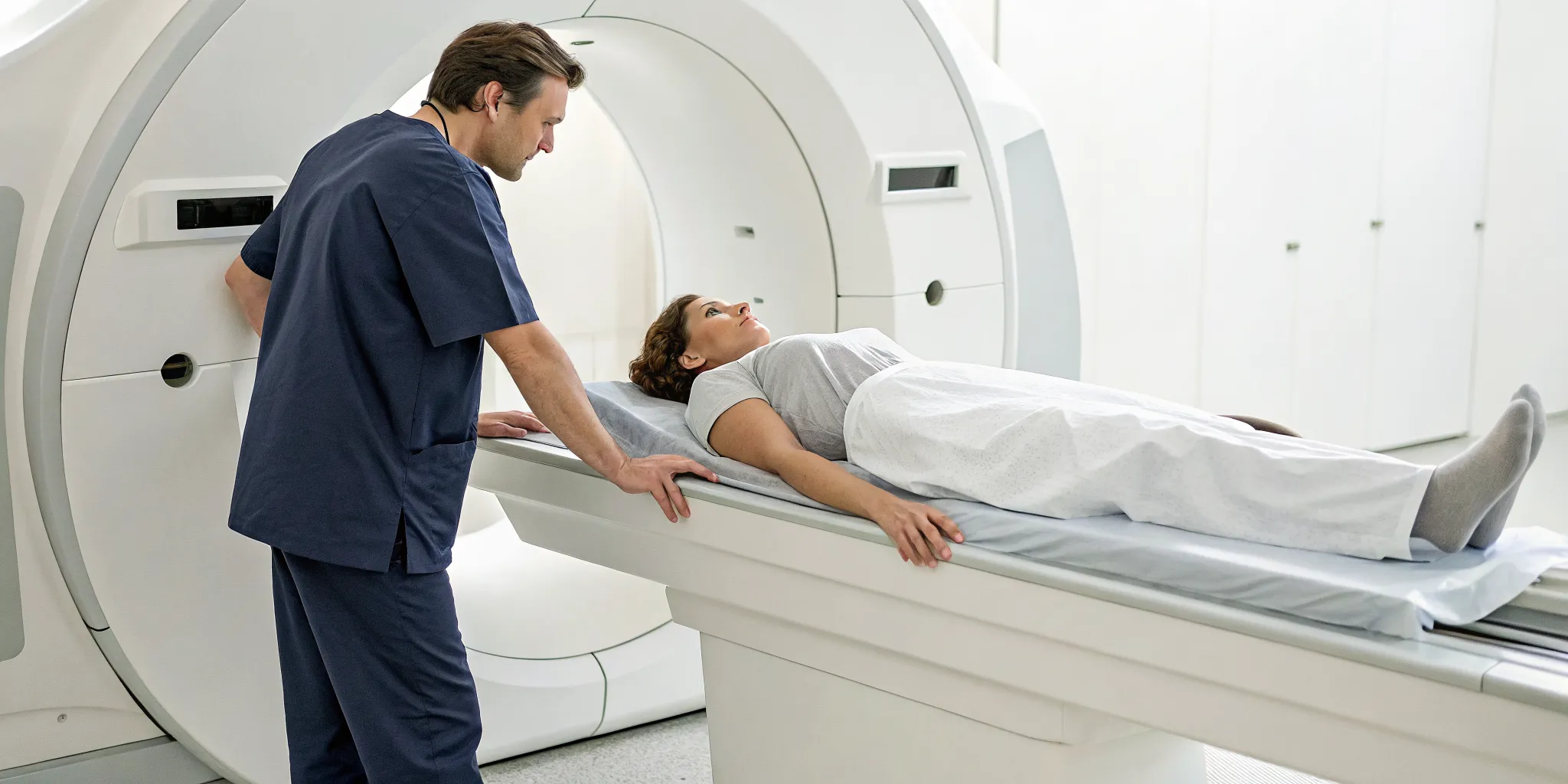
Integrative medicine uses an evidence-based approach to treat the whole person. This means your physical, emotional, and mental needs are all considered part of the same interconnected system. A practitioner won't just focus on the part of your body that hurts. Instead, they conduct a comprehensive assessment to see how different systems are interacting. This holistic view helps uncover hidden connections that might be contributing to your health issues. Our Functional Medicine services, for instance, use advanced diagnostic testing to get a complete picture of your health, allowing for a truly comprehensive treatment plan.
What to Expect at Your First Appointment
Walking into a new practitioner’s office can feel a little intimidating, but knowing what’s ahead can make all the difference. An integrative health appointment is a collaborative experience designed to give you a clear path forward. Unlike a quick, conventional check-up that might focus on a single symptom, this first visit is a comprehensive look at your entire well-being. It’s a conversation, a partnership, and the first step toward addressing the root causes of your health concerns.
Your practitioner’s goal is to understand you as a whole person. They will connect the dots between your physical symptoms, lifestyle, and emotional health to see the complete picture. From there, you’ll work together to build a plan that feels right for you and your body.
The Initial Consultation
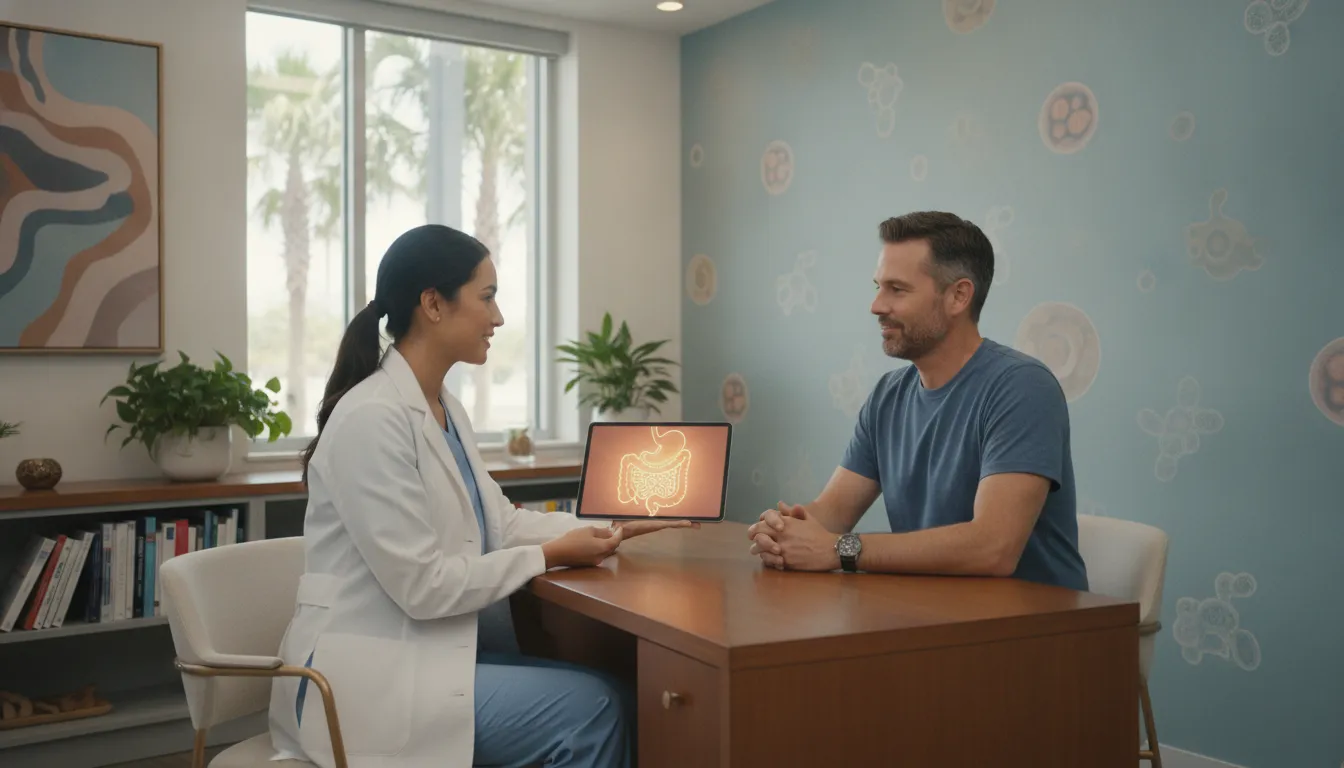
Your first appointment is dedicated to sharing your story. Expect to spend a good amount of time talking with your practitioner about your health history, daily habits, stress levels, diet, and what you hope to achieve. This isn't just about listing symptoms; it's about understanding how all the pieces of your life fit together. An integrative practitioner operates on the principle that your mind, body, and spirit are interconnected. By listening to your experiences, they can start to identify the underlying patterns that contribute to the health conditions you're facing. This detailed conversation is the foundation for everything that comes next, ensuring your care is built around your unique needs.
Developing Your Treatment Plan
After your initial consultation, your practitioner will create a personalized treatment plan just for you. This is not a one-size-fits-all approach. Instead, your plan is a carefully crafted roadmap based on your specific health history, lifestyle, and personal goals. It’s designed to address the root cause of your symptoms, not just put a temporary patch on them. This strategy is a core part of functional medicine, which focuses on restoring the body's natural ability to heal. Your plan might include specific dietary recommendations, targeted nutritional supplements, stress management techniques, or other lifestyle adjustments. You are an active partner in this process, and your practitioner will walk you through each step so you feel confident and empowered.
Using Evidence-Based and Alternative Therapies
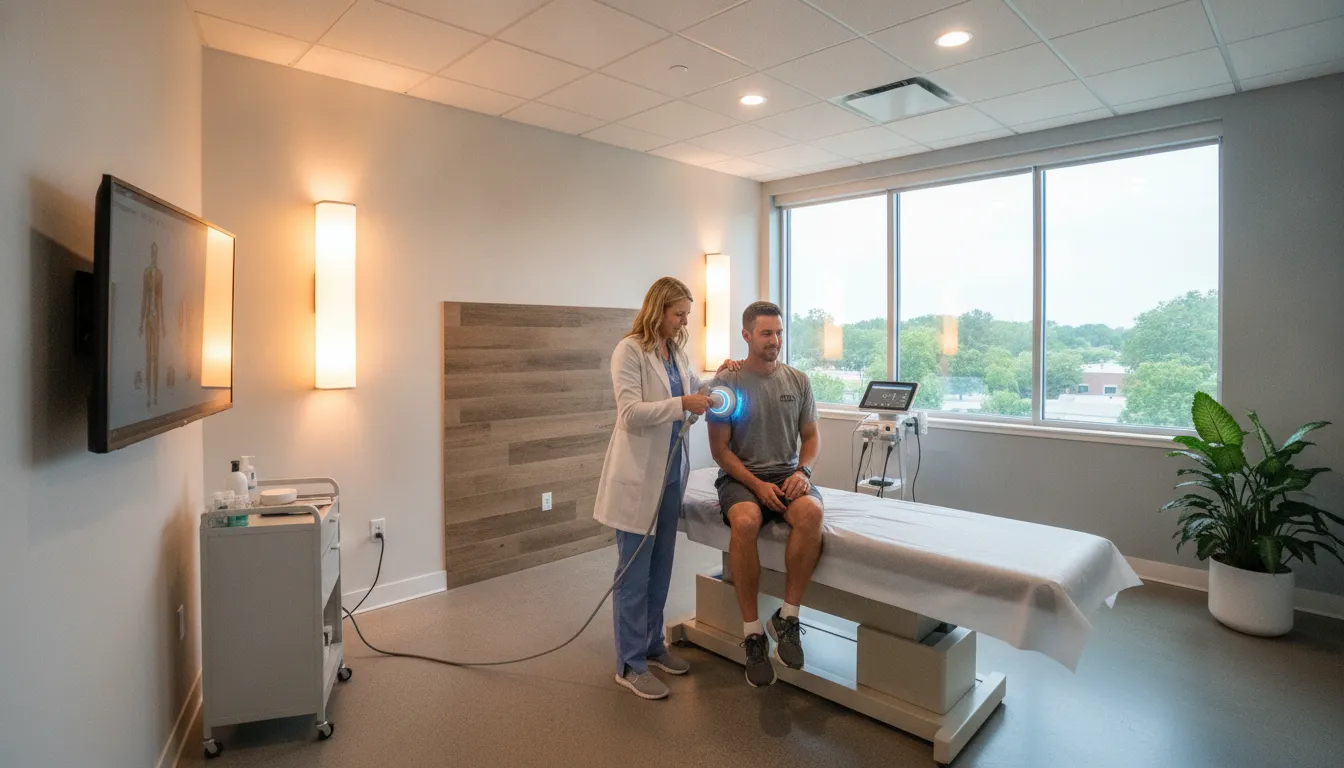
Integrative medicine brings together the best of both worlds: conventional medical knowledge and effective complementary therapies. Your treatment plan will use an evidence-based approach to care for you as a whole person, combining modern science with trusted healing traditions. This means your practitioner might recommend a mix of therapies to support your healing. For example, your plan could include services like physical medicine to address structural issues, alongside nutritional guidance to reduce inflammation from the inside out. The goal is to use a combination of safe, effective treatments that work together to help you achieve the best possible health and feel your best.
How to Find the Right Integrative Health Practitioner
Finding the right practitioner is one of the most important steps you can take for your health. This person will be your partner and guide, so it’s worth taking the time to find a great fit. Think of it like building your personal health team; you want to choose your players wisely. A good practitioner will not only have the right credentials but will also listen to you, respect your goals, and work with you to create a plan that feels right. The search process can feel a bit overwhelming, but with a clear strategy, you can confidently find a professional who can help you get to the root of your health concerns.
How to Research and Vet Practitioners
When you’re looking for an integrative health practitioner, it’s important to do your homework, just as you would for any medical professional. Start by looking into their background. A practitioner’s website is a great place to begin; check their “About” page for details on their education, training, and any special certifications. The credentials required for complementary health practitioners can vary, so it’s good to understand what they mean. Look for degrees like MD (Medical Doctor), DO (Doctor of Osteopathic Medicine), DC (Doctor of Chiropractic), or ND (Naturopathic Doctor). You can also check state licensing boards to verify their credentials are current and in good standing. This initial research helps ensure you’re choosing a qualified professional.
Key Questions to Ask on Your First Visit
Your first appointment is more than just a consultation; it’s an interview. You’re deciding if this person is the right fit for your health team. Come prepared with questions to understand their approach and philosophy. You might ask:
- What is your experience with my specific health concerns?
- How do you collaborate with other healthcare providers, like my primary care doctor?
- What does a typical treatment plan involve?
- Can you explain your educational background and training?
A great practitioner will welcome your questions and provide clear, transparent answers. The goal is to find someone you can build a trusting relationship with. Remember to tell all your health care providers about the different approaches you’re using to ensure your care is safe and coordinated.
Red Flags to Watch Out For
While most practitioners are dedicated professionals, it’s wise to be aware of potential red flags. Be cautious of anyone who promises a "miracle cure" or guarantees results, especially for complex chronic conditions. High-pressure sales tactics for expensive, long-term programs or proprietary supplements are also a warning sign. A major red flag is a practitioner who discourages you from working with your conventional doctors. A truly integrative approach involves collaboration, not isolation. Trust your intuition. If something feels off, it probably is. A credible practitioner will have verifiable education and credentials and will always prioritize your well-being and safety.
Related Articles
Frequently Asked Questions
What’s the biggest difference between an integrative practitioner and my family doctor? Think of it as a difference in focus. Your family doctor is an expert in diagnosing and treating specific diseases, which is essential for acute health problems. An integrative practitioner expands on that by looking for the connections between all your body's systems. They spend more time investigating how factors like your diet, stress, and daily habits contribute to your symptoms to find the root cause of your health issues.
Do I have to choose between my regular doctor and an integrative practitioner? Not at all. The best results come from a team approach. An integrative practitioner works in partnership with your primary care doctor and any other specialists you see. Their role is to add another layer of expertise, focusing on the holistic and lifestyle factors that influence your health. Open communication between all your providers is key to creating a safe and comprehensive care plan.
Is integrative medicine based on science? Yes, absolutely. A core principle of integrative medicine is using an evidence-based approach. This means combining the best of modern, conventional medicine with complementary therapies that have been proven safe and effective through scientific research. Practitioners often use advanced diagnostic testing to get a clear picture of your health and create a treatment plan rooted in solid data.
What kind of health issues is this approach best for? This approach is particularly helpful for chronic or complex health conditions that don't always respond to a single treatment. If you're dealing with persistent issues like digestive problems, joint pain, headaches, or fatigue, an integrative practitioner can help uncover the underlying imbalances that are causing them. It's designed to find long-term solutions rather than just managing symptoms.
How can I be sure a practitioner is qualified? A qualified practitioner will be transparent about their education and credentials. Look for professionals who are licensed in their field, whether they are a medical doctor (MD), chiropractor (DC), or another type of specialist. Many also pursue advanced, formal certifications in integrative or functional medicine. A trustworthy practitioner will welcome your questions about their training and will always encourage collaboration with your other doctors.