That stubborn knot in your shoulder that never seems to go away, or the persistent tightness in your lower back—these are more than just simple muscle aches. They’re often signs of restriction in your fascia, the web of connective tissue that supports your entire body. Myofascial release is a specific, hands-on therapy designed to address these restrictions at their source. It’s a gentle approach that can provide profound relief where other methods have fallen short. But the success of this treatment depends entirely on the practitioner’s skill. Finding the best physical therapist for myofascial release requires knowing what to look for. This guide will walk you through what this therapy is, who it helps, and how to find an expert to partner with on your healing journey.
Key Takeaways
- Focus on Fascia, Not Just Muscle: Myofascial release is a specialized technique that applies gentle, sustained pressure to your body's connective tissue (fascia). This approach targets the root cause of stiffness and pain, offering a different and often more lasting solution than traditional massage.
- More Than Just for Athletes: This therapy is for anyone dealing with persistent pain, stiffness, or limited movement. It can help with common issues like chronic headaches and back pain, postural problems, and can even support recovery after a medical procedure.
- Your Therapist's Skill Matters: The success of myofascial release depends heavily on the practitioner. When choosing a therapist, prioritize someone with specialized certifications, extensive experience with your specific concerns, and a collaborative communication style.
What is Myofascial Release Therapy?
If you’re dealing with persistent muscle pain, spasms, or tenderness, you might be experiencing issues with your myofascial tissue. Myofascial release is a hands-on physical therapy technique designed specifically to address this kind of discomfort. It’s a gentle yet effective way to treat what’s known as myofascial pain syndrome, which occurs when the tissues surrounding your muscles become tight and restricted.
This therapy is a cornerstone of our physical medicine services because it targets the root cause of many pain-related issues. Instead of just addressing the symptoms, myofascial release works to release the tension in the underlying connective tissues, helping to restore movement and provide lasting relief. It’s a focused approach that can make a significant difference for those struggling with chronic tightness and pain.
First, What is Fascia?
Before we get into the therapy itself, let's talk about fascia. Imagine a strong, continuous web of tissue that wraps around every single part of your body, from your muscles and bones to your nerves and organs. That’s fascia. This intricate network provides structural support and is crucial for allowing your body to move with flexibility. When your fascia is healthy, it’s pliable and relaxed. However, things like physical trauma, inflammation, or even poor posture can cause the fascia to become tight and restricted, leading to pain and a limited range of motion. This is why addressing fascial health is so important for overall well-being.
How Myofascial Release Works
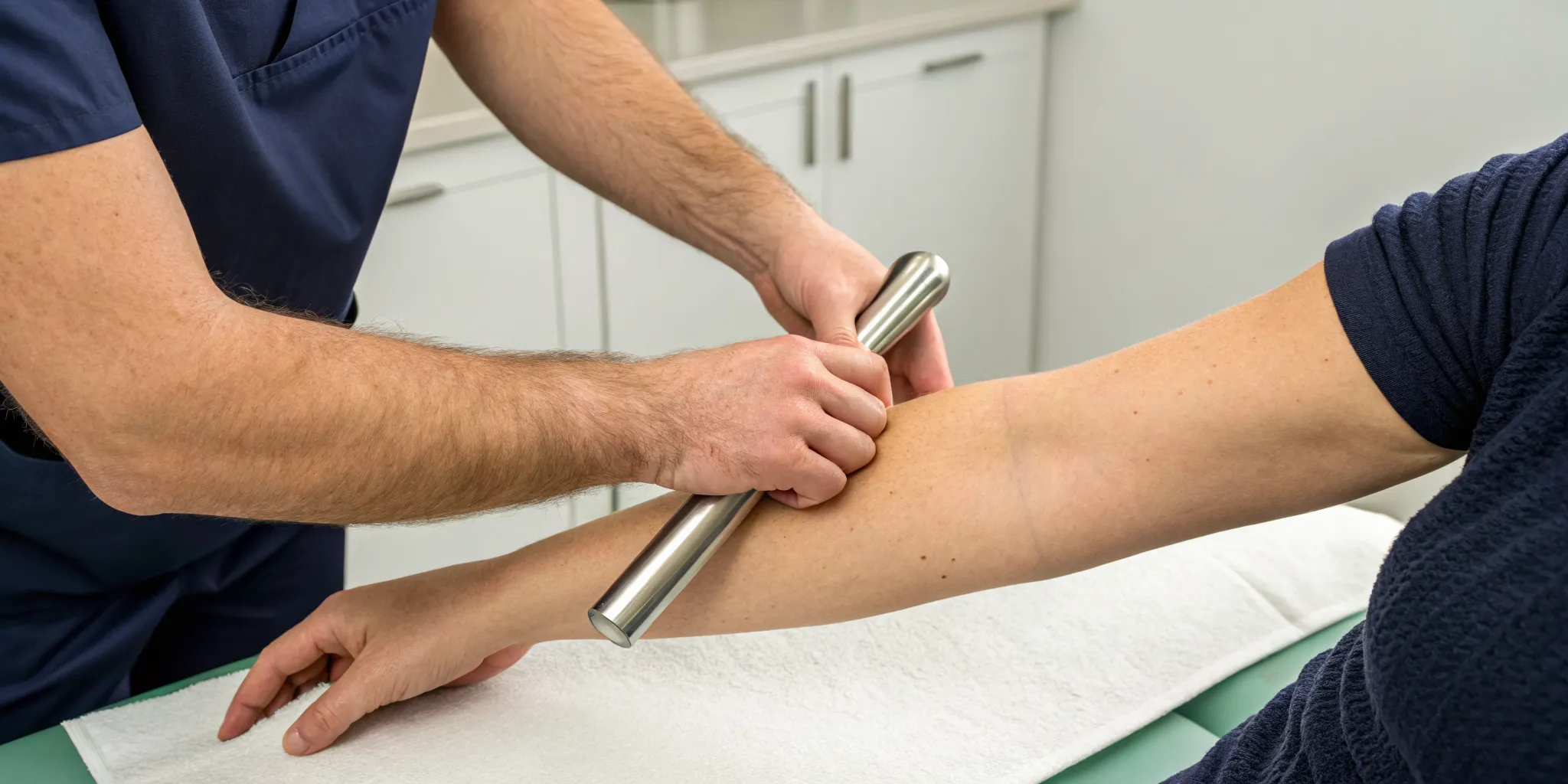
Myofascial release is a hands-on therapy where a trained practitioner applies gentle, sustained pressure to these tight areas of myofascial tissue. Unlike a quick massage movement, this pressure is held for several minutes at a time, allowing the fascia to slowly unwind and release. The goal is to smooth out these restrictions, often called trigger points, to ease pain and help you move more freely. By addressing these specific points of tension, we can help alleviate many of the chronic conditions that stem from fascial restriction. It’s a patient and precise process that encourages the body’s natural healing abilities.
Is It Different From a Traditional Massage?
Yes, and it’s an important distinction to make. While both myofascial release and massage involve hands-on work, their techniques and goals are different. A traditional deep tissue massage uses more forceful, deep pressure to target the muscle layers themselves. Myofascial release, on the other hand, uses gentle but sustained pressure that is specifically focused on the fascial system. It’s less about kneading muscles and more about slowly stretching and releasing the connective tissue web that surrounds them. This makes it a unique and highly targeted therapy for addressing the source of fascial pain and stiffness.
Who Can Myofascial Release Help?
Myofascial release is a versatile therapy that can help a surprisingly wide range of people. Because it addresses the body’s interconnected web of fascia, its benefits aren't limited to a single area or issue. If you've been dealing with persistent tightness, unexplained aches, or a feeling that your body is "stuck" in a certain pattern, this therapy could be a key part of your solution. It’s a hands-on approach that helps restore movement and ease discomfort for many different kinds of health concerns.
From office workers with chronic neck pain to individuals recovering from physical trauma, myofascial release offers a way to address the root cause of restriction. It’s particularly effective for those who feel they’ve tried everything for their pain without finding lasting relief. By focusing on the fascial system, we can often find the source of problems that other methods might miss, helping you move with more freedom and less pain.
Relief for Chronic Pain and Musculoskeletal Issues
If you live with ongoing pain, you know how much it can affect your quality of life. Myofascial release is an effective approach for many chronic pain and musculoskeletal conditions we treat. This includes common complaints like persistent low back pain, nagging headaches, plantar fasciitis, and TMJ dysfunction. It can also provide relief for more complex conditions such as fibromyalgia. By applying gentle, sustained pressure to fascial restrictions, a therapist can help release the tension that contributes to these painful patterns. This allows muscles to relax and frees up the tissue, which can significantly reduce discomfort and improve your ability to move.
Help for Nerve-Related and Postural Problems
Do you feel like your posture is pulling you down, or do you experience tingling or numbness in your limbs? These issues can often be traced back to tight fascia. When fascia becomes restricted, it can pull your body out of its natural alignment, leading to poor posture and strained muscles. In some cases, this tight tissue can even compress nerves, causing symptoms like sciatica or thoracic outlet syndrome. Myofascial release works to unwind these restrictions, giving your body the chance to return to a more balanced and efficient posture. This is a core part of our physical medicine approach, as it helps restore proper function from the ground up.
Support for Post-Surgical Recovery
After a medical procedure, your body’s primary goal is to heal. Part of this process involves forming scar tissue, which is a type of dense, fibrous fascia. While necessary for healing, scar tissue can sometimes become restrictive, limiting your range of motion and causing pain or tightness around the surgical site. Myofascial release is a gentle and effective way to support your recovery. The therapy can help improve the flexibility and mobility of scar tissue, increase blood flow to the area, and reduce discomfort. By carefully working with the surrounding tissues, it helps your body heal in a more organized way, allowing you to regain function and confidence in your movement.
Are You a Good Candidate for Myofascial Release?
If you're dealing with stiffness, chronic aches, or a feeling that your movement is limited, you could be a great candidate for myofascial release. Think about your own body. Do you have a "knot" in your shoulder that never seems to go away? Does your lower back feel constantly tight, no matter how much you stretch? Have you noticed your posture changing over time? These are all signs that your fascia might be restricted. The best way to know for sure is to have a thorough assessment with a trained professional who can identify the source of your discomfort. We invite you to contact our team to discuss your symptoms and see if this approach is right for you.
What to Expect During Your Myofascial Release Session
If you’re new to myofascial release, it’s natural to wonder what a session actually looks like. Knowing what to expect can help you feel more comfortable and get the most out of your treatment. The process is gentle, personalized, and focused on providing you with lasting relief. From the initial chat to the hands-on techniques, every step is designed to help your body heal.
Your Initial Consultation and Assessment
Your first myofascial release session begins with a thorough conversation. Your therapist will want to understand your health history, specific areas of pain, and your goals. This is also your time to get to know your practitioner. Feel free to ask about their training and approach, as finding the right fit is key. This initial assessment is the foundation of your personalized care plan. Our team is dedicated to understanding your unique situation to address the root cause of your discomfort.
A Look at Common Treatment Techniques
After your assessment, your therapist will use various hands-on techniques. Myofascial release is not a one-size-fits-all therapy. Your practitioner will use their hands to feel for restrictions in your fascia and apply specific methods to release them. Here are a few common techniques.
Gentle, Sustained Pressure
This technique involves your therapist applying gentle, consistent pressure to a restricted area. This pressure is held for several minutes, allowing the hardened fascia to slowly elongate and become more flexible. This helps restore motion and reduce tightness.
Trigger Point Release
You may have "knots" in your muscles, which are often trigger points. Your therapist will apply direct pressure to these specific, irritable spots within the fascia. This helps release built-up tension in the muscle and surrounding connective tissue, which can refer pain to other areas.
Myofascial Mobilization and Stretching
Your therapist will use their hands to gently massage and stretch broad areas of your myofascia, feeling for areas that are stiff instead of pliable. Once found, they will use slow, gentle stretching to mobilize these tight tissues, encouraging them to release.
Session Length, Frequency, and Aftercare
The length and frequency of your sessions depend on your body's needs. While some people feel a difference quickly, most chronic issues require a series of treatments for lasting results. The success of your therapy relies on the practitioner's skill. After your session, your therapist may suggest simple aftercare, like drinking water or gentle stretches. This is part of a comprehensive plan designed to support your healing process for many of the conditions we treat.
Common Myofascial Release Myths, Debunked
Myofascial release can be a game-changer for chronic pain, but a lot of misinformation can make it hard to know if it’s right for you. Let's clear up some of the most common myths so you can feel confident about this effective therapy. Understanding what to expect is the first step toward finding relief and getting back to feeling your best.
Myth: "It's just a deep tissue massage."
While both are hands-on therapies, they work in very different ways. A deep tissue massage uses forceful pressure to target deep layers of muscle. Myofascial release, on the other hand, focuses on your fascia, the web of connective tissue that surrounds your muscles, bones, and organs. Your therapist will use gentle, sustained pressure to slowly stretch and release tightness in this fascial network. This approach is a key part of our physical medicine services, designed to address the root of your discomfort, not just the symptoms.
Myth: "It's only for athletes."
It’s true that athletes use myofascial release to improve performance and recover from injuries, but you don’t need to be a pro athlete to benefit. This therapy is for anyone experiencing chronic pain and stiffness. It can be incredibly effective for a wide range of issues, including fibromyalgia, carpal tunnel syndrome, persistent headaches, and even TMJ disorders. If you're dealing with any of these conditions we treat, myofascial release could be a valuable part of your healing plan.
Myth: "One session is all you need."
Chronic pain and fascial restrictions often develop over months or even years, so it’s unrealistic to expect a single session to resolve everything. Effective healing takes time and consistency. Your therapist will create a personalized plan tailored to your specific needs and goals. The frequency and number of sessions will depend on your body's response and the complexity of your condition. Our approach at Ascend is always centered on creating a comprehensive plan that supports your body's long-term healing process.
Myth: "It has to hurt to work."
The old saying "no pain, no gain" does not apply here. While you might feel some sensitivity as your therapist works on tight trigger points, the goal of myofascial release is to ease pain, not cause it. The pressure is gentle and intended to help your fascia release. Sometimes, your therapist may work on an area that doesn't seem related to where you feel pain. This is because the fascial system is interconnected, and tightness in one spot can cause symptoms elsewhere. If you have questions about the process, we encourage you to contact us to discuss your concerns.
What to Look for in a Myofascial Release Therapist
Finding the right therapist is a crucial step in your healing process, especially when it comes to a hands-on treatment like myofascial release. The effectiveness of this therapy depends heavily on the skill, knowledge, and approach of the practitioner. You want someone who not only has the right technical skills but also understands your unique health story and goals. Think of it as finding a partner for your health journey, someone you can trust to guide you toward feeling your best. A skilled therapist can identify the precise areas of fascial restriction that are causing your pain, even if those spots are far from where you actually feel the discomfort. This isn't just about applying pressure; it's about listening to the body's tissues and responding with a knowledgeable touch. To make sure you’re in the best possible hands, it’s helpful to know what to look for. A great therapist will have a combination of specialized training, hands-on experience, a collaborative communication style, and an unwavering commitment to your safety. Taking the time to find the right person can make all the difference in your results and overall experience, turning your sessions into a truly transformative part of your wellness plan.
Specialized Training and Certifications
Not all manual therapy is created equal. Myofascial release is a specific skill that requires dedicated training beyond a standard physical therapy or massage curriculum. When you're searching for a provider, look for someone who has pursued advanced certifications in myofascial release techniques. For instance, therapists who are members of organizations like the National Association of Myofascial Trigger Point Therapists (NAMTPT) have completed specialized training to address trigger points and fascial restrictions. This kind of credential shows a deep commitment to the craft and ensures your therapist has the focused knowledge needed to help your body heal effectively.
Clinical Experience and Treatment Approach
While training provides the foundation, clinical experience is what builds true expertise. An experienced therapist develops a more intuitive sense of touch and a better understanding of how to adapt techniques for different bodies and conditions. When looking for a practitioner, ask about their experience treating issues similar to yours. Their treatment approach should be thoughtful and personalized. The physical medicine experts at our clinic, for example, focus on identifying the root cause of your discomfort rather than just chasing symptoms. A great therapist will create a clear plan but will also be flexible enough to adjust it based on how your body responds during and between sessions.
Communication and Attention to Detail
A successful therapeutic relationship is built on clear and open communication. From your very first appointment, your therapist should be asking detailed questions about your medical history, your symptoms, and your lifestyle. They should make you feel comfortable, heard, and respected. Don't hesitate to ask them questions about their training, experience, and what you can expect from treatment. During the session, they should check in with you about pressure and sensation, ensuring you're always comfortable. This collaborative approach makes you an active participant in your own healing and ensures the treatment is always tailored specifically to your needs.
Red Flags to Watch Out For
Knowing what to look for is important, but so is knowing what to avoid. A major red flag is any therapist who doesn't ask for a thorough medical history before beginning treatment. Your safety should always be their top priority. Be cautious if a practitioner dismisses your concerns or suggests treatment even after you’ve mentioned contraindications like being on blood-thinning medication, having deep vein thrombosis (DVT), or having fragile bones. A qualified professional will always conduct a comprehensive assessment to ensure myofascial release is a safe and appropriate choice for you. Trust your gut; if something feels off, it probably is.
How to Find the Right Physical Therapist
Finding the right person to guide you on your healing journey is just as important as the therapy itself. The connection you have with your therapist and their specific expertise can make all the difference in your results. When you're ready to find a professional for myofascial release, you want someone who not only has the right skills but also understands your unique health picture. Let's walk through how to find a great partner for your health.
Where to Start Your Search
Knowing where to look is the first step. While a quick internet search can give you a long list of names, it’s better to start with more focused resources. Professional directories are a great place to begin. For example, the National Association of Myofascial Trigger Point Therapists (NAMTPT) has a tool to find therapists who are members and specialize in treating muscle pain. You can also ask other healthcare providers you trust for a referral. Your chiropractor or functional medicine doctor may have a list of practitioners they recommend for their skill and patient care.
Questions to Ask Before Your First Session
Once you have a few potential therapists in mind, it’s time to ask some questions. Don't be shy about this; you are assembling your healthcare team, and it's crucial to find the right fit. Before booking, ask about their training, certifications, and experience, especially with your specific type of pain or condition. A good therapist will be happy to discuss their approach. Consider asking questions like: "What is your experience with chronic headaches?" or "How do you tailor your treatment to individual patient needs?" This conversation helps ensure their expertise aligns with the conditions we treat and your personal health goals.
Myofascial Release in Tampa at Ascend Functional Health
Here at Ascend Functional Health, our approach to physical medicine is centered on understanding and treating the root cause of your discomfort. Myofascial release is a key part of that. It's a gentle, hands-on treatment where our therapists apply sustained pressure and stretching to tight areas in your fascia, helping the tissue become more flexible and function better. We integrate MFR into a comprehensive, personalized plan that addresses your body’s unique needs. Our goal isn't just temporary relief; it's lasting wellness. If you're in the Tampa area and ready to see how this approach can help you, we invite you to learn more about our services and schedule a consultation.
Related Articles
- The Ultimate Guide to Myofascial Release Therapy
- Is Myofascial Release Legitimate? What Science Says
- What Is Soft Tissue Therapy? A Complete Guide
Frequently Asked Questions
What does myofascial release feel like? Is it supposed to hurt? Myofascial release should not be a painful experience. Your therapist will use gentle, sustained pressure that allows the fascia to release slowly. You might feel a stretching sensation or some sensitivity when the therapist works on a particularly tight spot, often called a trigger point, but it shouldn't be sharply painful. The goal is to work with your body, not against it. Always communicate with your practitioner during the session; they can adjust the pressure to ensure you remain comfortable.
How will I feel immediately after a session? Many people report feeling lighter and more open, with an improved range of motion right after their session. You might notice that a chronically tight area finally feels relaxed. It's also possible to feel a little tired or even slightly sore, similar to how you might feel after a good workout. This is a normal response as your body adjusts to the changes in the tissue. Drinking plenty of water after your appointment can help support this process.
How long will it take to see results from myofascial release? This really depends on your body and how long you've been dealing with the issue. Some people experience a noticeable improvement in pain and movement after just one session. However, for chronic restrictions that have developed over years, it often takes a series of treatments to achieve lasting change. Think of it as retraining your body's tissues. Your therapist will work with you to create a realistic plan based on your specific condition and goals.
Can I use a foam roller or massage ball to get the same results? While tools like foam rollers can be great for general muscle maintenance, they can't replicate the work of a skilled therapist. A trained practitioner uses their hands to feel for the exact location and direction of a fascial restriction, something a roller cannot do. They can then apply precise, sustained pressure in a way that encourages the tissue to release. Professional therapy is a targeted and diagnostic process, whereas self-tool use is more for general mobility.
How do I know if my pain is caused by fascial restrictions? Common signs include a feeling of constant tightness that stretching doesn't seem to help, persistent aches that are hard to pinpoint, or pain that shows up in an area far from an old injury. If you feel like your posture is being pulled out of alignment or your movement feels stiff and limited, your fascia could be the source. The most reliable way to know for sure is to get an evaluation from a professional who is trained to assess the fascial system.