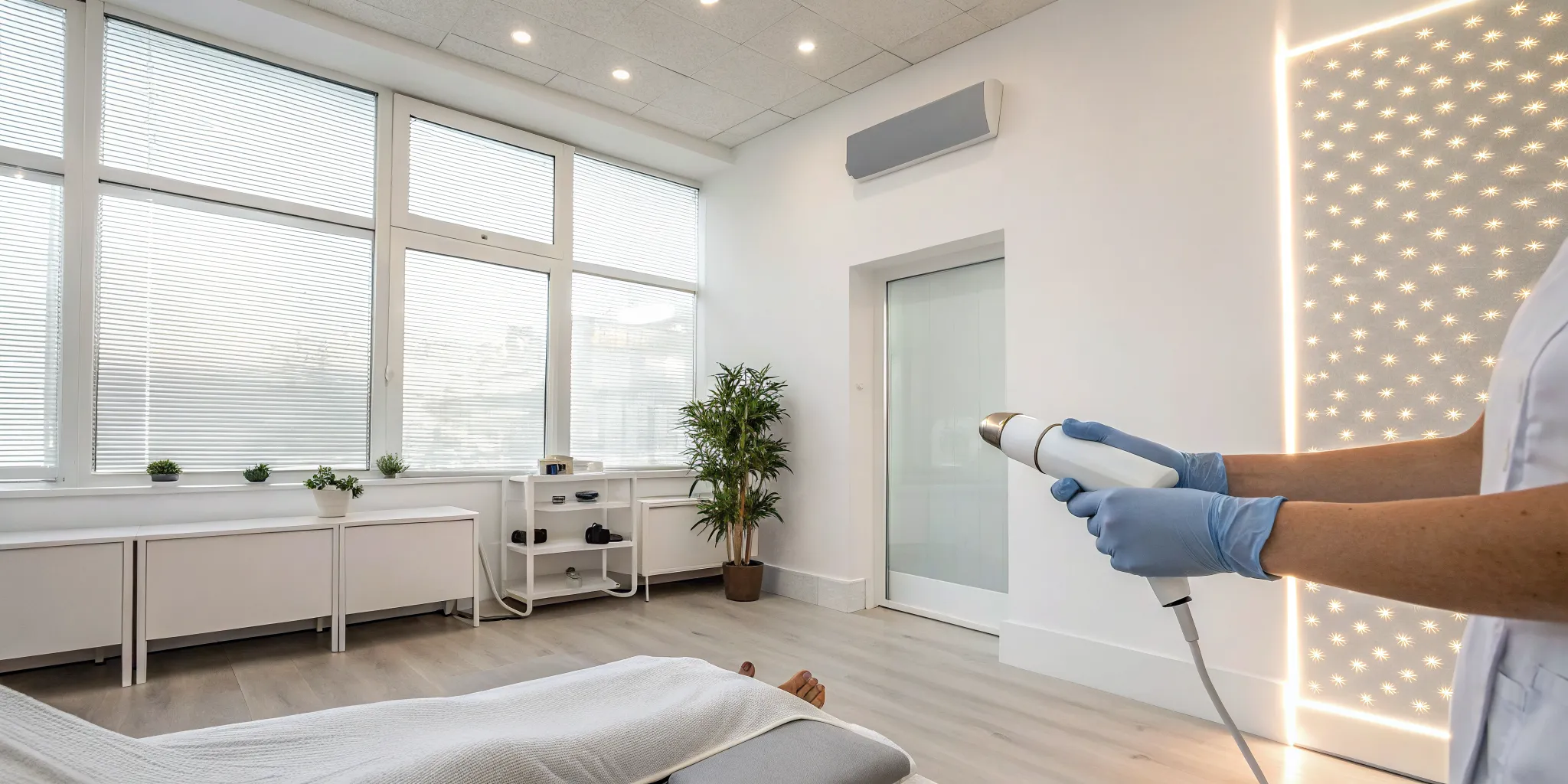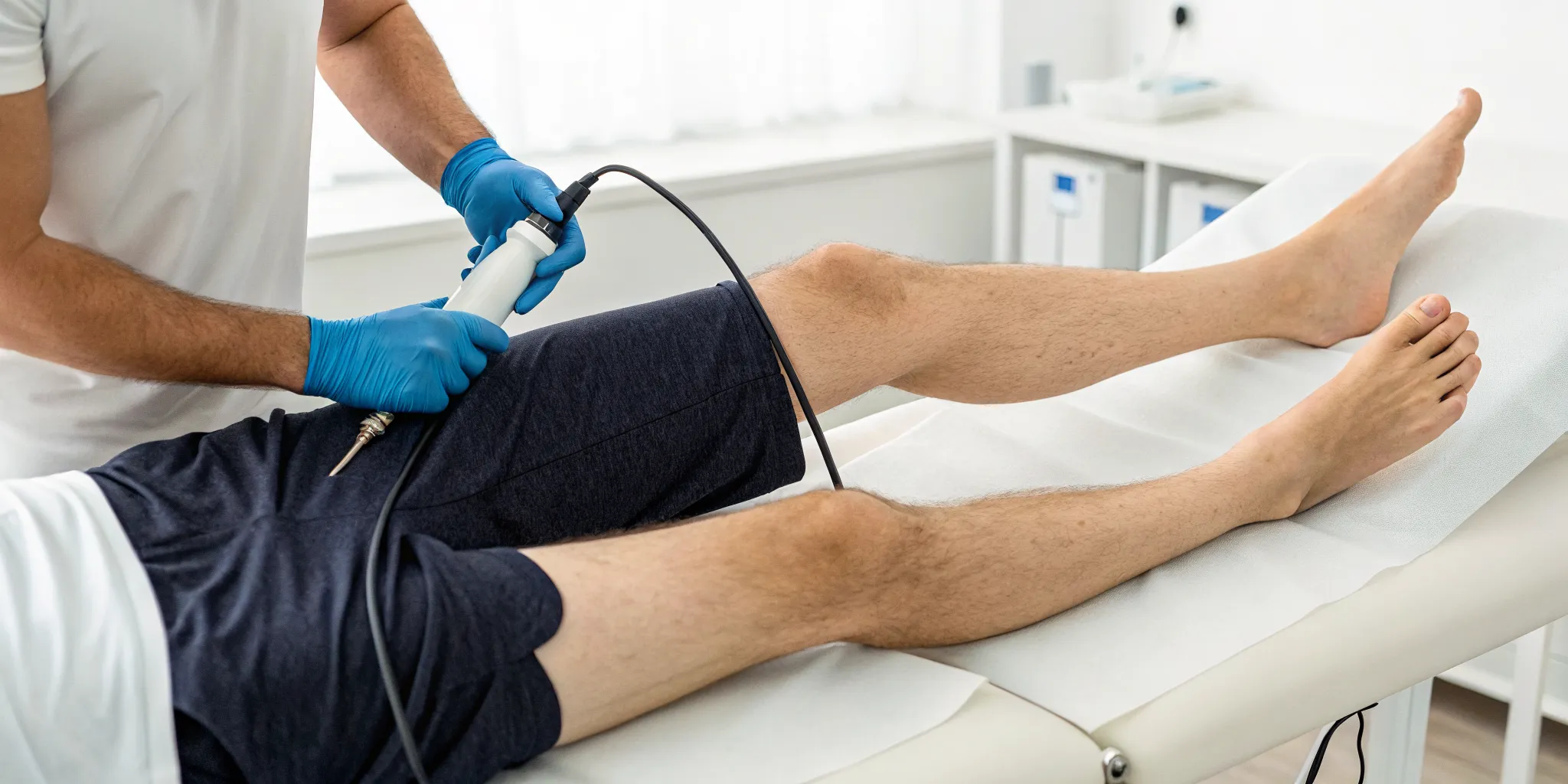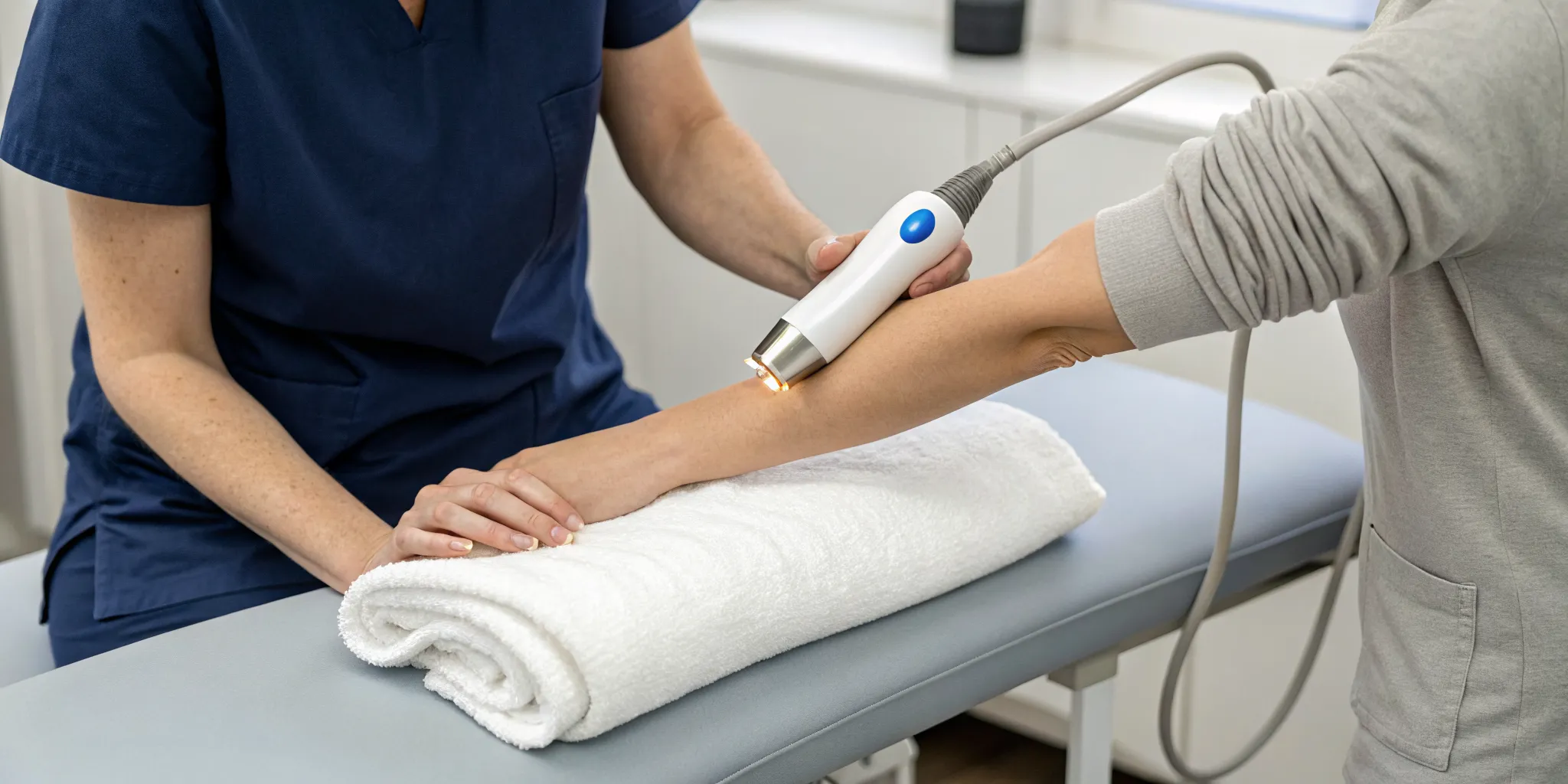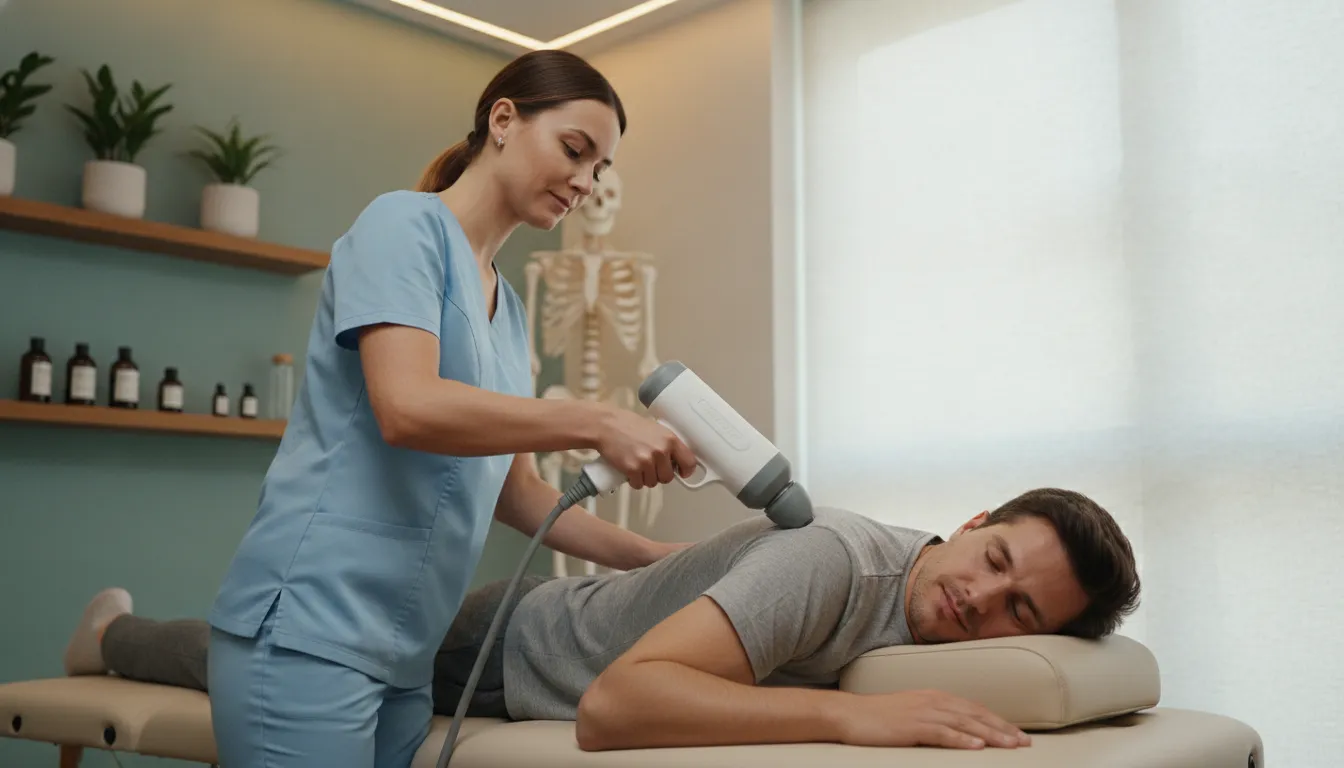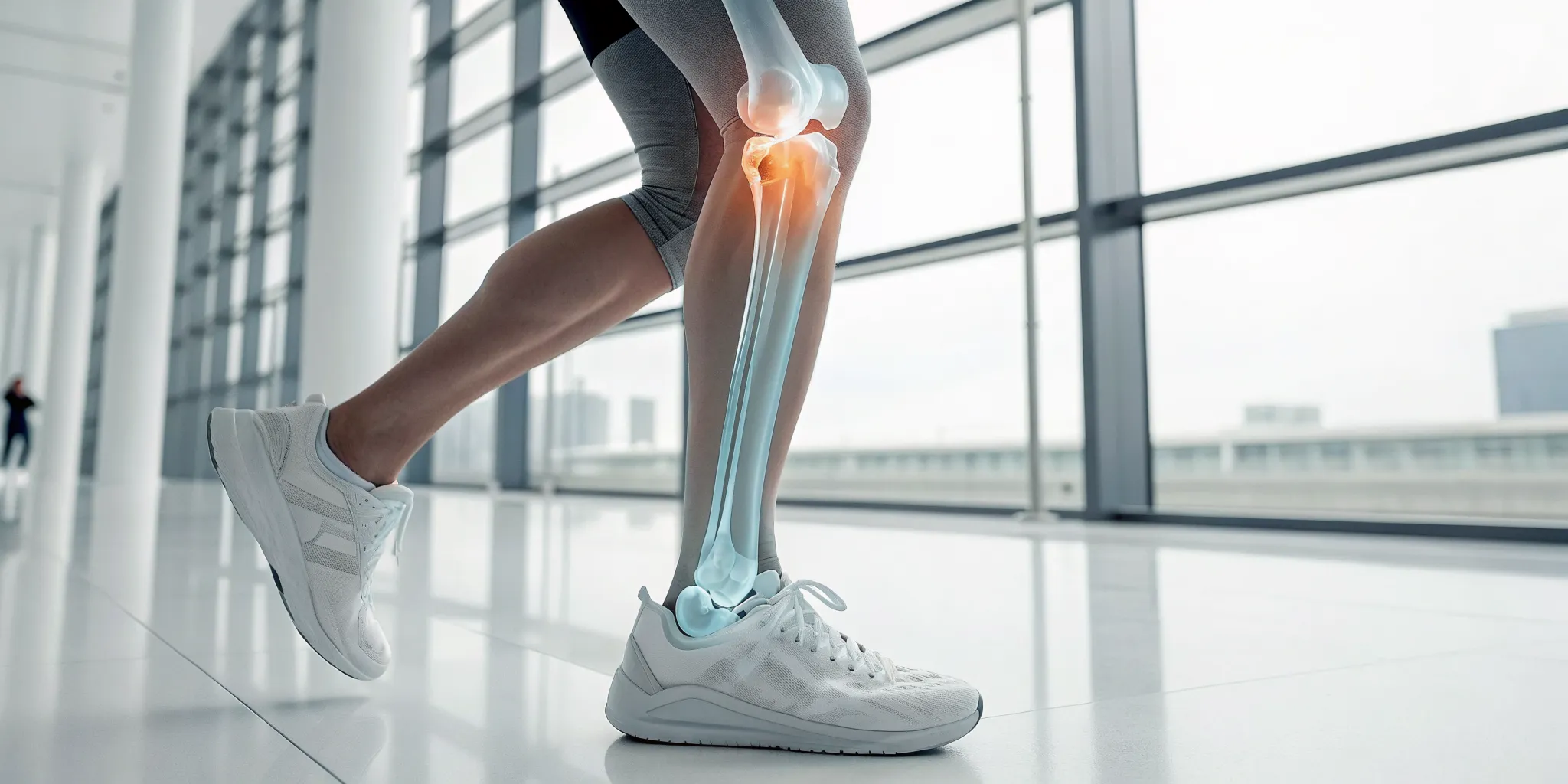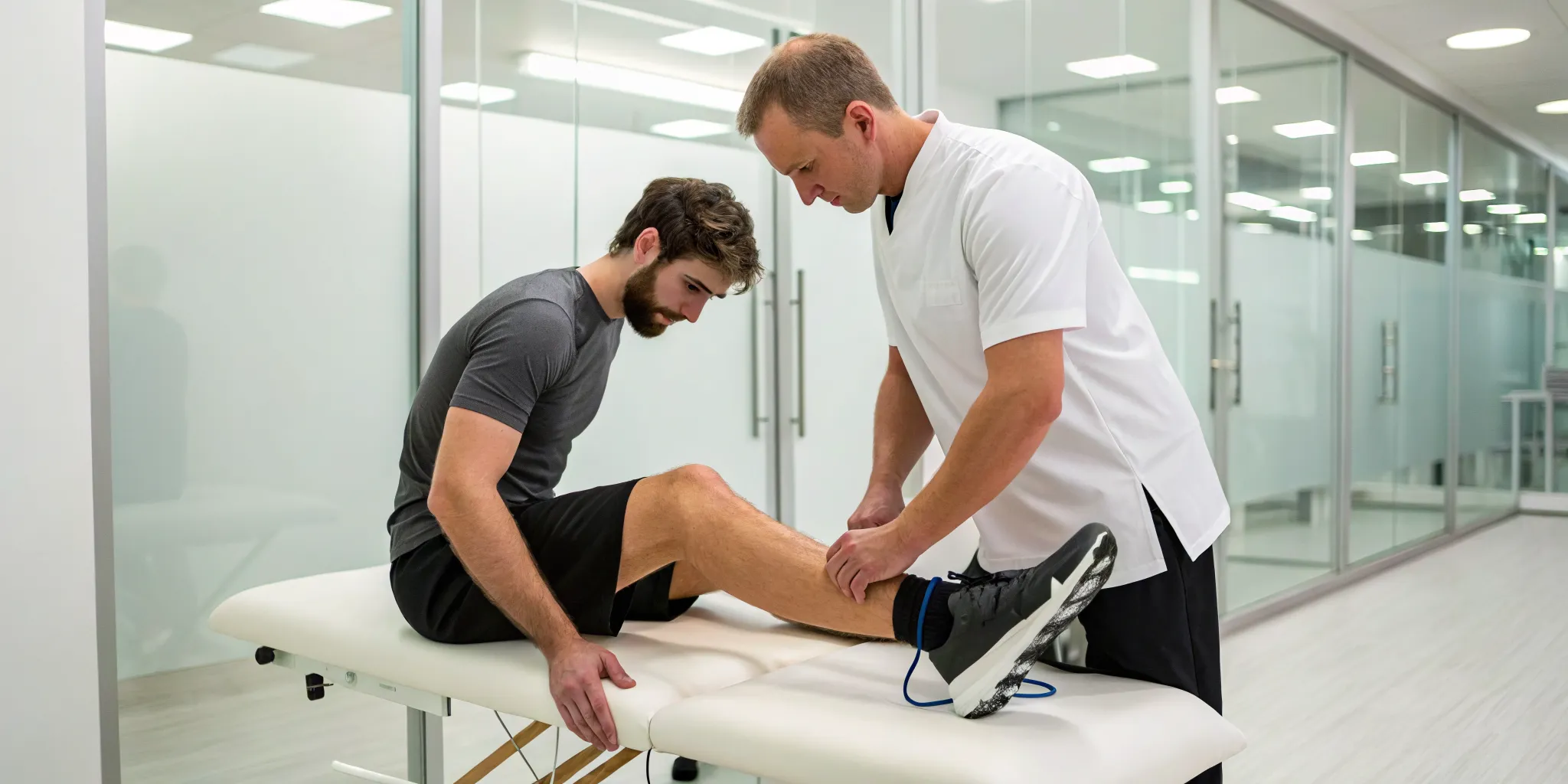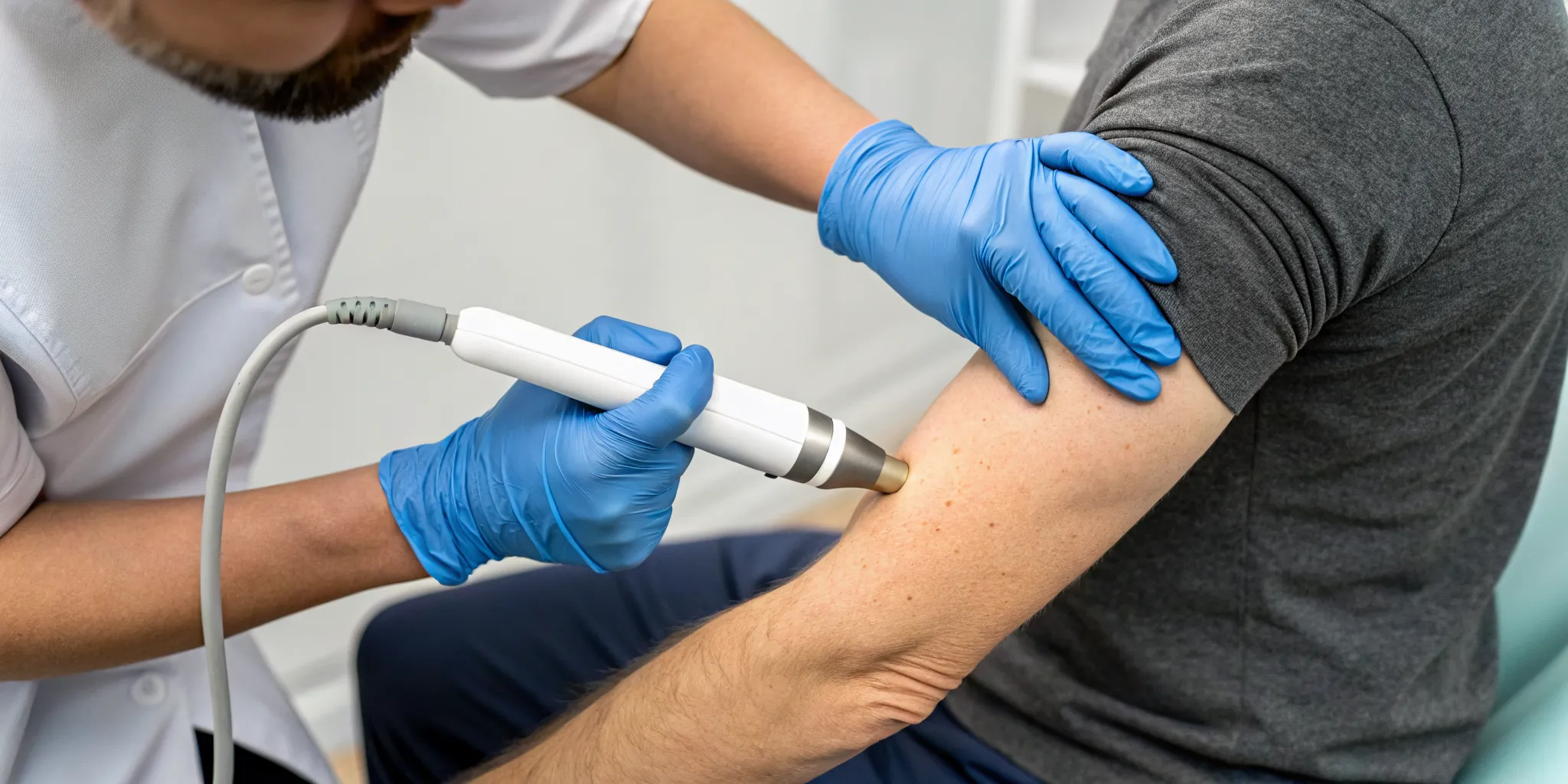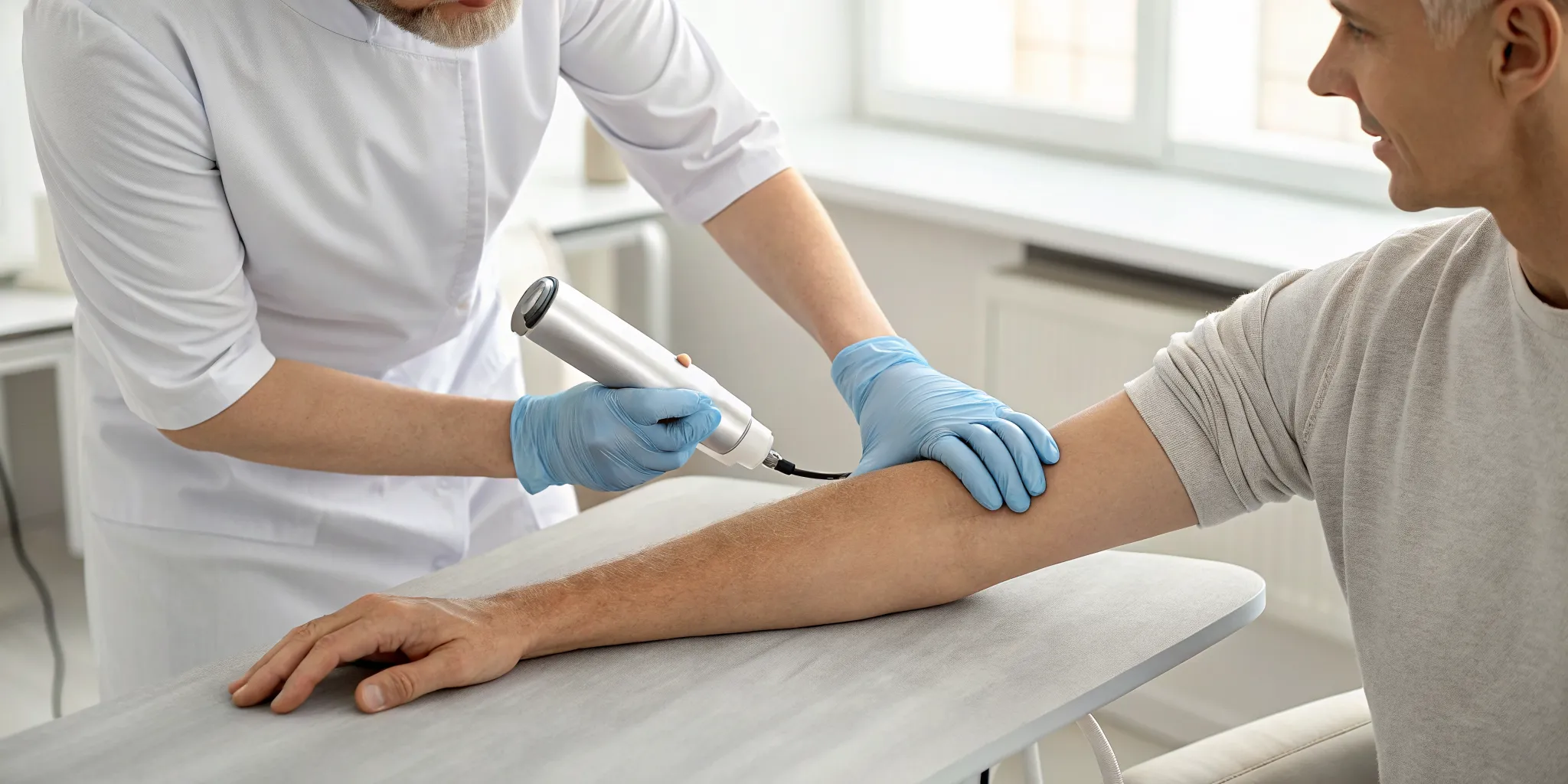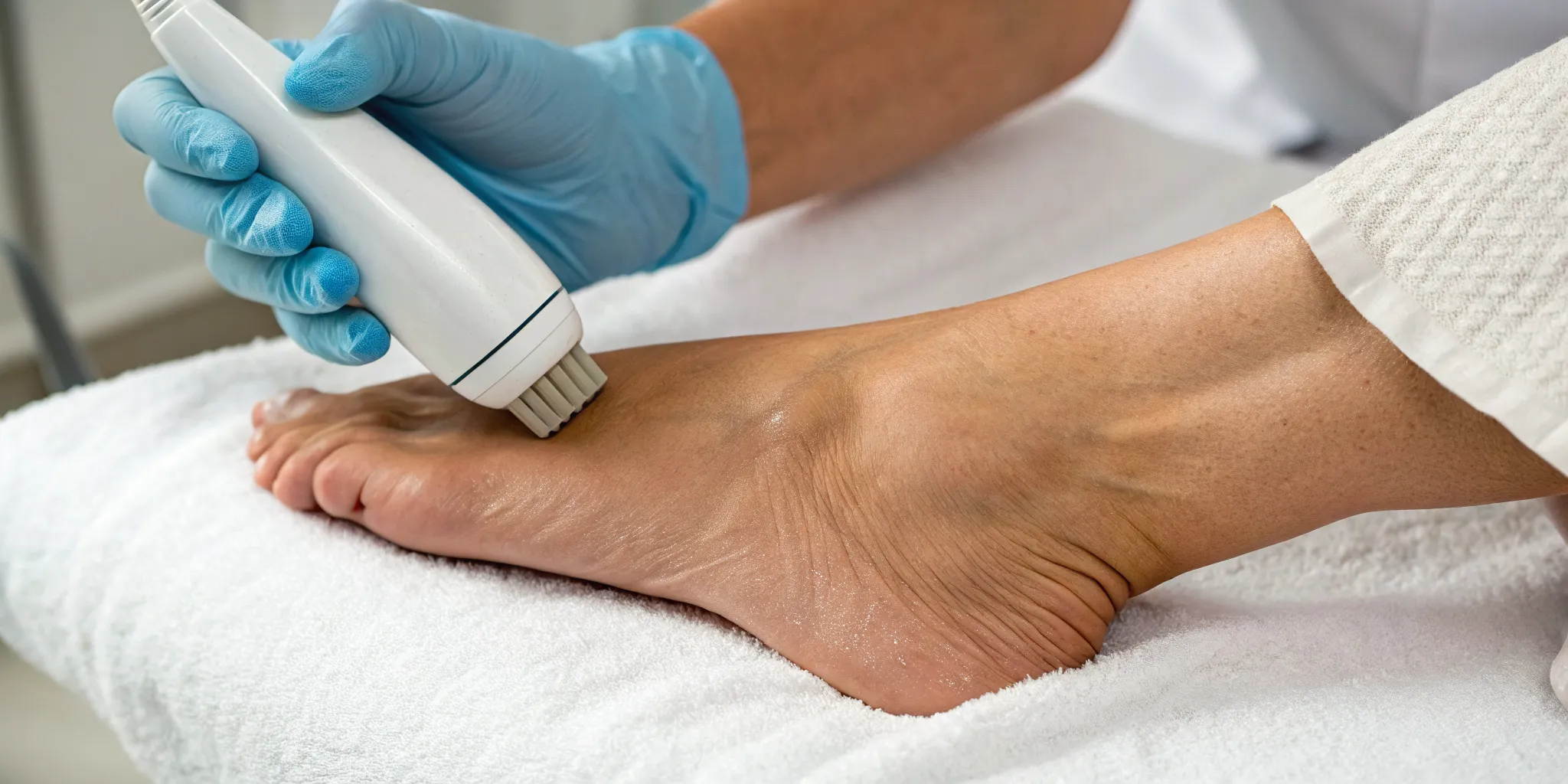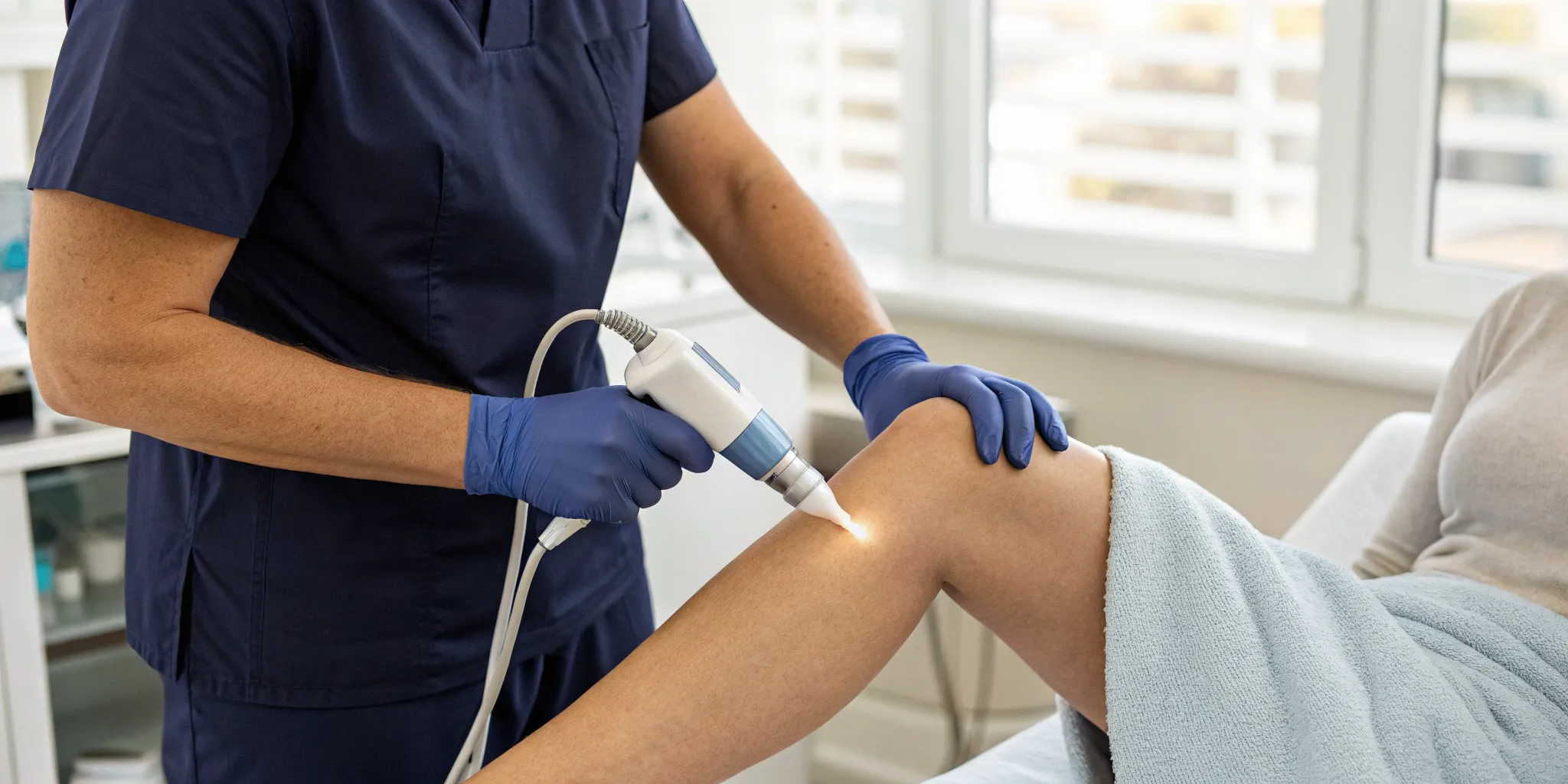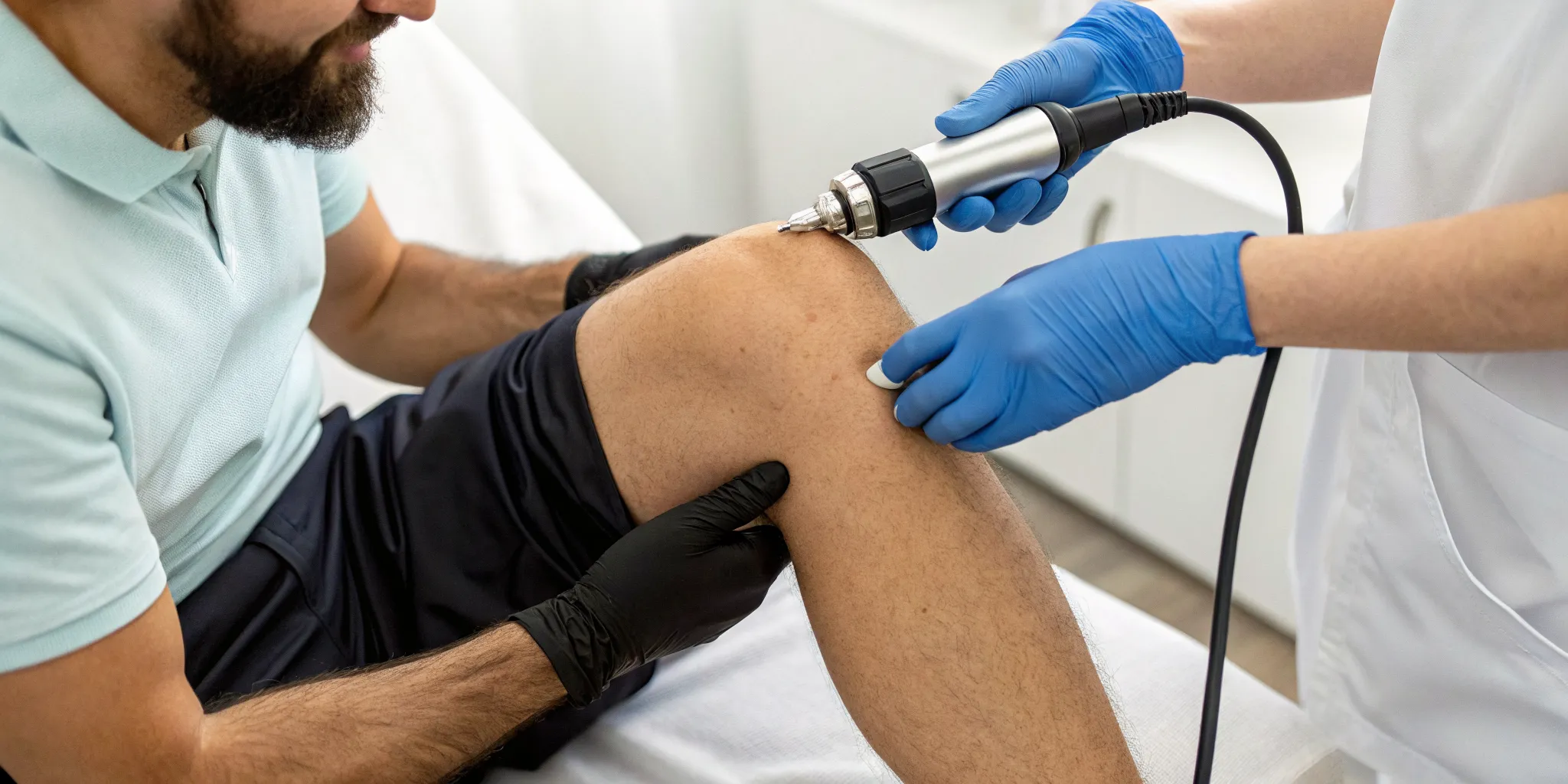
The idea of using "shockwaves" for healing might sound intense, but the reality is a sophisticated and gentle process. This non-invasive treatment requires no incisions or lengthy recovery times. Instead, we use a handheld device to send targeted acoustic waves through your skin to the precise location of your injury. This energy kickstarts a healing response deep within your muscles and tendons. For those seeking an effective alternative to more invasive procedures, shockwave therapy for muscle pain offers a compelling solution. It’s a modern, science-backed method for addressing chronic conditions like plantar fasciitis and rotator cuff injuries, helping you heal with minimal disruption to your life.
Key Takeaways
- Address pain at the source: Shockwave therapy uses targeted acoustic waves to trigger your body's natural repair process, helping to heal injured tissue from the inside out instead of just masking symptoms.
- Find relief for stubborn injuries: This treatment is especially effective for chronic conditions like plantar fasciitis, tennis elbow, and rotator cuff tendinopathy that have not improved with other methods.
- Commit to the full healing process: Lasting results typically require a series of sessions as part of a comprehensive plan, so it is important to follow post-treatment advice, like avoiding anti-inflammatory medication.
How Shockwave Therapy Relieves Muscle Pain
If you're dealing with persistent muscle or tendon pain, you know how frustrating it can be when nothing seems to work. Shockwave therapy is a modern approach that gets to the heart of the problem by using your body’s own healing abilities. Instead of just masking symptoms, it stimulates repair at the cellular level. Think of it as a way to restart the healing process in areas where it has stalled. This therapy uses targeted energy waves to reduce pain, improve blood flow, and help your tissues rebuild, offering a path toward lasting recovery.
The Science Behind the Sound Waves
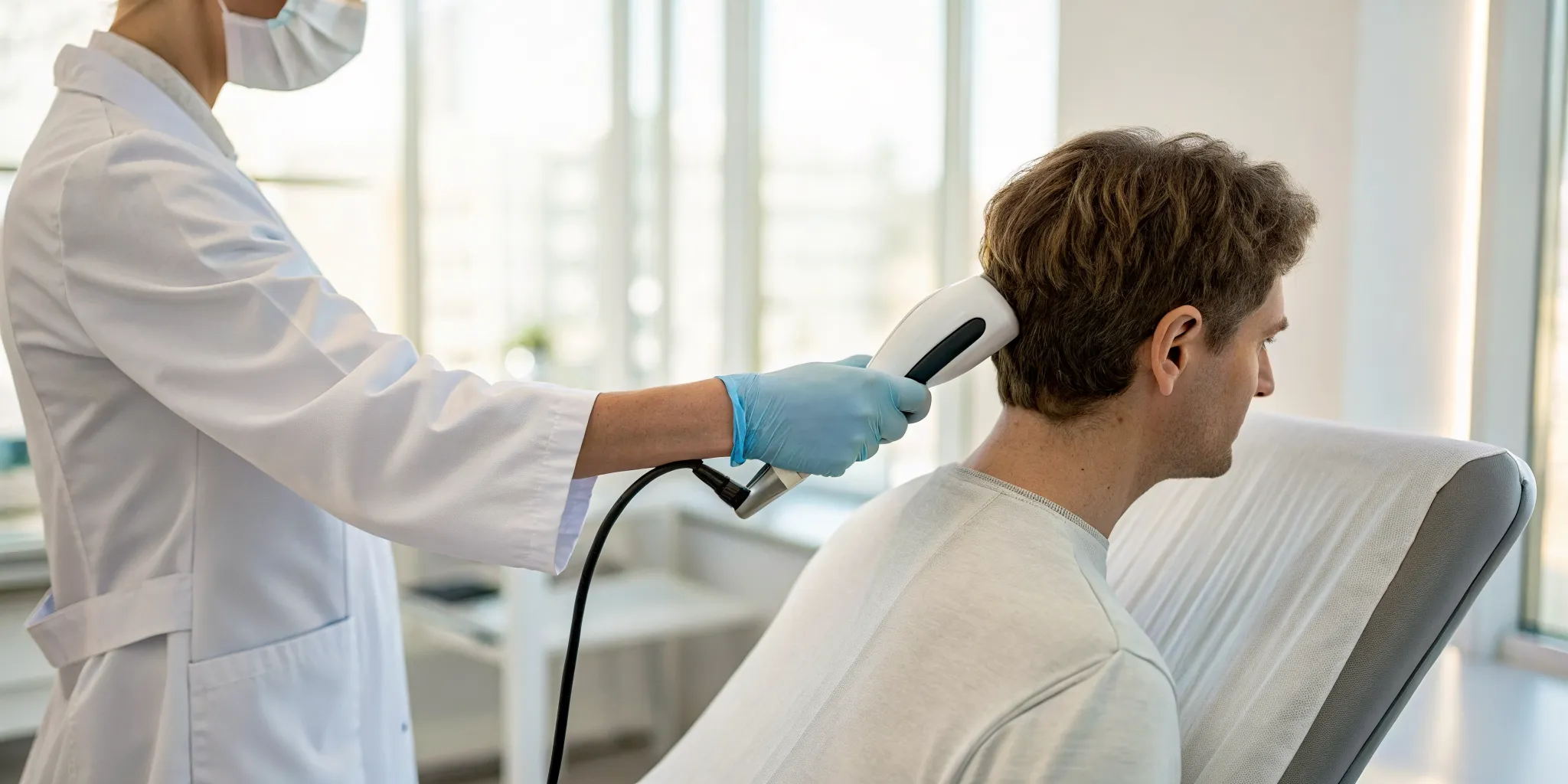
At its core, shockwave therapy uses powerful acoustic sound waves to create a therapeutic effect deep within your tissues. A practitioner uses a handheld device to send these waves to the injured area. This process creates a controlled, microscopic response in the tissue, which signals your body to kickstart its natural repair cycle. It increases blood circulation and stimulates the formation of new blood vessels. This enhanced blood flow is crucial because it delivers more oxygen and nutrients to the site of pain, which are the essential building blocks your body needs to heal damaged muscles and tendons.
Focused vs. Radial: What's the Difference?
Not all shockwave treatments are the same. The two primary types are focused and radial, and the right one for you depends on your specific condition. Focused shockwaves are high-energy waves that penetrate deeply to target a precise point, like a deep tendon injury. Think of it as a spotlight hitting a very specific spot. Radial shockwaves, on the other hand, are lower-energy and spread out over a larger, more superficial area, like a flashlight beam. This makes them well-suited for treating broader muscle tightness or conditions closer to the skin. Your clinician will determine the appropriate type of therapy based on a thorough assessment of your injury.
How It Activates Your Body's Healing Process
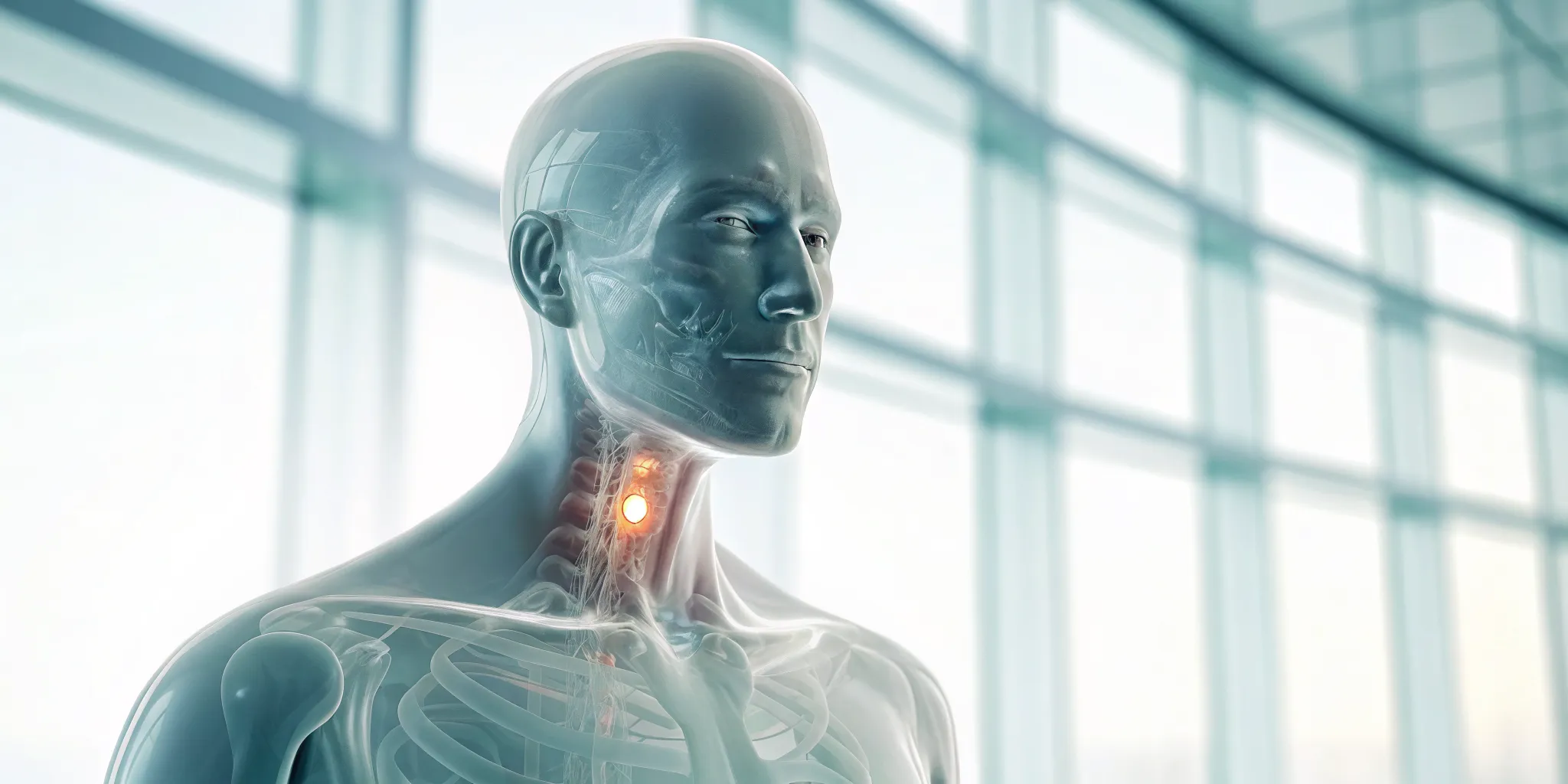
The real magic of shockwave therapy is how it prompts your body to heal itself, especially with chronic issues where the natural healing process has slowed down. The acoustic waves stimulate the release of beneficial growth factors and activate cells responsible for tissue repair. This process is key to helping muscle tissue grow back and repair itself. The therapy also helps reduce pain by affecting the nerve endings in the treated area, providing immediate comfort while the deeper healing gets underway. By creating this cascade of biological responses, shockwave therapy doesn't just put a temporary patch on the problem; it encourages genuine, long-term tissue regeneration.
What Conditions Can Shockwave Therapy Treat?
Shockwave therapy is a versatile tool we use to address persistent pain in tendons and soft tissues. It’s particularly effective for chronic conditions that haven't responded well to more conventional approaches like rest or stretching. Think of those nagging injuries that just won't go away. By targeting the specific area of discomfort, this therapy can stimulate your body’s natural repair mechanisms. It’s a go-to for a variety of musculoskeletal issues, from your feet all the way up to your shoulders. Let's look at some of the most common conditions we see improve with this treatment.
Plantar fasciitis and Achilles tendinopathy
If you've ever felt a sharp, stabbing pain in your heel with your first steps in the morning, you know what plantar fasciitis is like. Similarly, Achilles tendinopathy causes persistent pain and stiffness along the back of your ankle. Both are overuse injuries that can become chronic and frustrating. Shockwave therapy is an excellent option for these conditions because it targets the inflamed, damaged tissue directly. The sound waves help break up scar tissue and stimulate blood flow, which can effectively treat these chronic conditions by promoting healing and providing significant pain relief. It’s a way to get to the root of the problem instead of just managing the symptoms.
Rotator cuff and shoulder injuries
Your shoulder is an incredibly mobile joint, but that mobility can come at a cost. Rotator cuff injuries and conditions like frozen shoulder can cause deep, aching pain and severely limit your range of motion, making simple tasks like reaching overhead or getting dressed difficult. Shockwave therapy is beneficial for these types of shoulder problems because it helps reduce pain and improve function. By applying targeted energy waves to the injured tendons and muscles, the treatment encourages tissue regeneration and can help restore mobility. It’s a key part of our physical medicine approach to helping you get back to your daily activities without that constant shoulder ache.
Tennis elbow and lateral epicondylitis
You don't have to be a tennis player to get tennis elbow, also known as lateral epicondylitis. This condition involves inflammation of the tendons on the outside of your elbow, often caused by repetitive wrist and arm motions. It can lead to a weak grip and persistent pain that makes it hard to lift things or even shake someone's hand. Research shows that shockwave therapy has been effective in treating tennis elbow, offering a way to find pain relief and support recovery. By stimulating the body's healing response right at the source of the injury, it helps repair the damaged tendon tissue so you can regain strength and function in your arm.
Hamstring strains and chronic soft tissue injuries
Hamstring strains are common, especially for active individuals, and they have a frustrating tendency to become chronic. A nagging hamstring injury can keep you from running, working out, or just moving comfortably. Shockwave therapy is an effective tool for these types of muscle strains and other chronic soft tissue injuries. It works by promoting tissue repair and reducing the underlying inflammation that contributes to ongoing pain. According to a narrative review of studies, this therapy can aid in the recovery process by kickstarting your body’s own healing abilities. This helps you move past the injury for good, rather than just resting and hoping it goes away.
Key Benefits of Shockwave Therapy
When you’re dealing with persistent muscle pain, finding a solution that works with your body instead of just masking the symptoms can feel like a game-changer. Shockwave therapy is gaining attention for exactly that reason. It’s a technology that supports your body’s own healing mechanisms to address the source of your discomfort. The benefits go beyond simple pain relief, helping you get back to your life with renewed strength and mobility. Let’s look at some of the key advantages of this innovative treatment.
Pain Reduction Without Medication
One of the most significant benefits of shockwave therapy is its ability to reduce pain by addressing the root cause of your injury. The treatment uses targeted acoustic waves to stimulate blood flow and metabolic activity in the affected area, which encourages tissue regeneration and repair. This process helps your body heal from the inside out. For many people, this means finding lasting relief without relying on pain relievers, which often only provide a temporary fix. By promoting your body’s innate healing abilities, shockwave therapy offers a path toward resolving chronic pain for good, helping you manage various conditions we treat at our Tampa clinic.
Support for Faster Recovery
If an injury is keeping you from your favorite activities, you’re probably eager to get back on your feet as quickly as possible. Shockwave therapy can help accelerate the recovery process. Studies have shown that for certain muscle injuries, this treatment can significantly shorten healing time, sometimes by 50% or more. By increasing circulation and breaking down scar tissue, it helps your body repair damaged tissues more efficiently. This is especially beneficial for athletes or anyone with an active lifestyle who wants to return to their sport or routine safely and swiftly. Our patient testimonials often highlight how this approach helped them get back to doing what they love sooner than they expected.
Improved Mobility and Function
Chronic pain doesn’t just hurt; it can severely limit your range of motion and ability to perform everyday tasks. Shockwave therapy helps restore mobility by targeting the stiff, damaged tissues that restrict your movement. As the treatment promotes healing and reduces inflammation, you’ll likely notice an improvement in your flexibility and overall function. For some, this could mean walking without assistance after an injury or simply being able to reach for something on a high shelf without a twinge of pain. It’s about more than just feeling better; it’s about regaining the freedom to move through your day with confidence and ease, which is central to our philosophy at Ascend.
A Non-Invasive Option with Minimal Downtime
The thought of invasive procedures can be daunting, but shockwave therapy offers a powerful alternative that doesn’t require any incisions or lengthy recovery periods. The treatment is performed externally, with a device that sends acoustic waves through your skin to the injured tissue. Each session is relatively short, and since there’s no anesthesia involved, you can get back to your daily routine right after your appointment. This makes it a convenient and practical option for busy individuals who can’t afford to put their lives on hold. If you have questions about what to expect, feel free to contact our team for more information.
An Alternative to Injections
If you’re looking for a long-term solution for chronic pain, you may be hesitant to rely on repeated injections that can sometimes weaken tissues over time. Shockwave therapy presents a compelling alternative by stimulating your body’s own repair mechanisms instead of just suppressing inflammation. It encourages the growth of new blood vessels and the regeneration of healthy tissue, creating a stronger, more resilient foundation for healing. This approach aligns with a functional medicine perspective, which focuses on resolving the underlying issue rather than just managing symptoms. By choosing a therapy that supports your body’s natural processes, you’re taking a proactive step toward lasting wellness, which is a core part of the services we offer.
What to Expect During Your Shockwave Therapy Session
If you’re considering shockwave therapy, it’s natural to wonder what the experience is actually like. Knowing what happens during a session can help you feel more prepared and confident in your treatment plan. The good news is that the process is straightforward, and our team at Ascend Functional Health is here to guide you every step of the way. From the moment you walk in, we’ll make sure you’re comfortable and informed.
The Step-by-Step Process
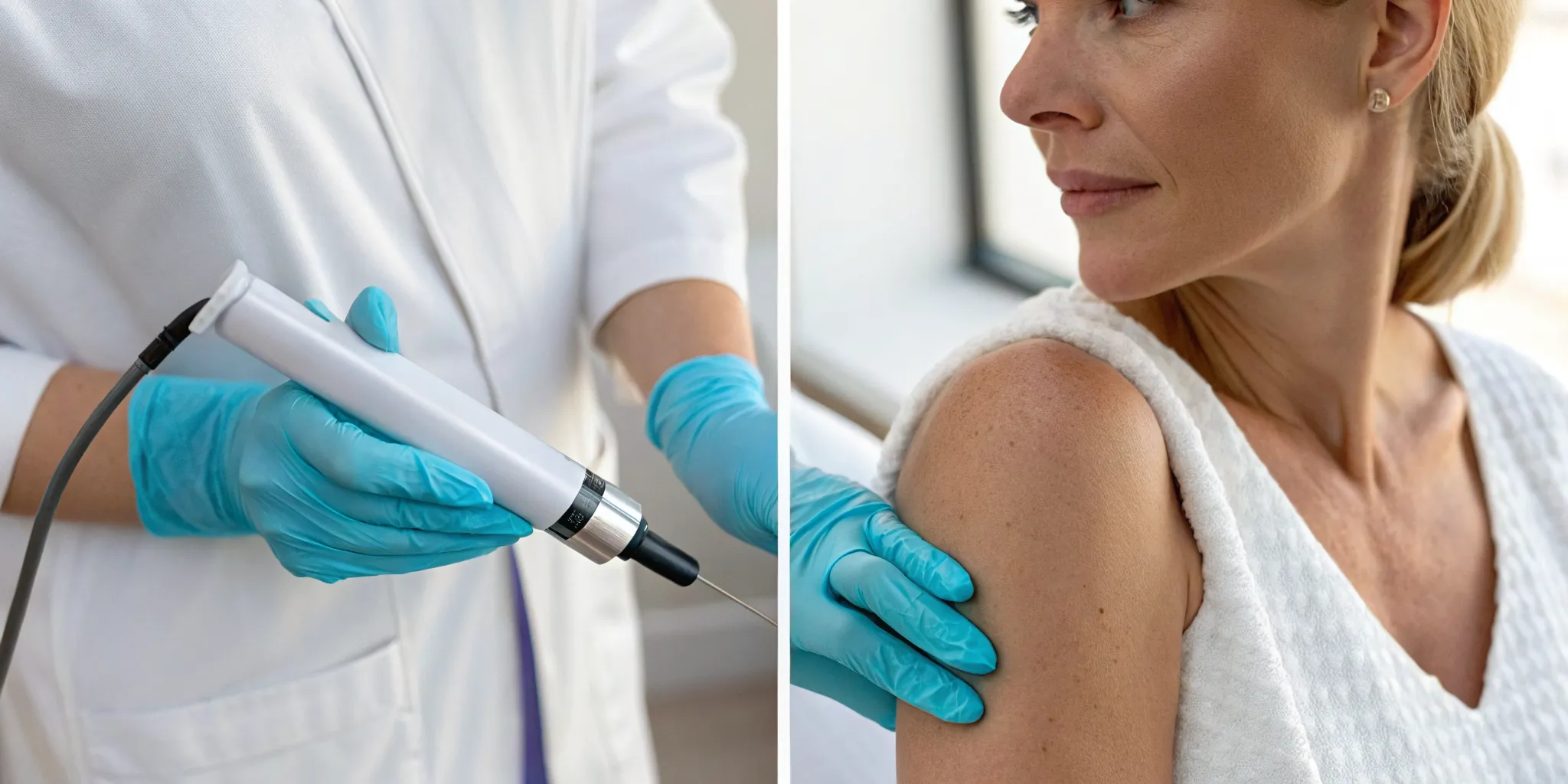
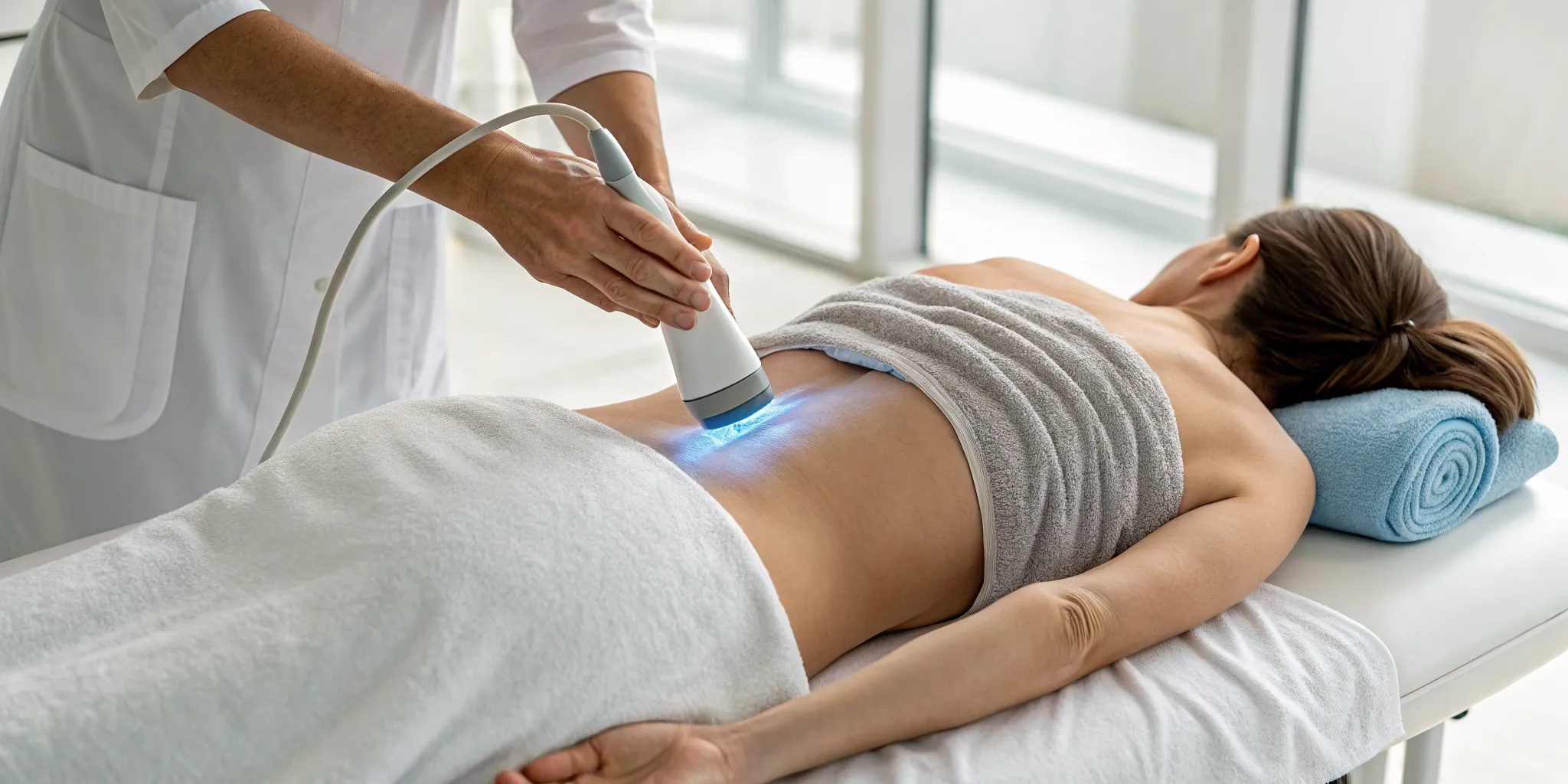
Your shockwave therapy session is a quick and simple procedure. First, your practitioner will talk with you to locate the exact area of your pain or injury. Once the target area is identified, we’ll apply a layer of gel to your skin. This gel helps ensure the acoustic waves are transmitted efficiently from the device to your tissue.
Next, your practitioner will use a handheld applicator, moving it gently over the affected area. The device will deliver a series of low-energy acoustic waves, or "shocks," into the muscle and connective tissue. A typical session lasts only about five to ten minutes, making it an easy treatment to fit into your schedule. It’s a key part of our physical medicine approach to healing.
What the Treatment Feels Like
Most people describe the sensation of shockwave therapy as a rhythmic, deep tapping on the skin. Some compare it to a very intense deep tissue massage. While you will definitely feel the pulses, the treatment is generally well-tolerated. You might experience some discomfort, especially if the applicator passes over a particularly tender spot, but it shouldn't be painful.
Your comfort is our priority. We can adjust the intensity of the waves throughout the session to a level that is effective yet manageable for you. It’s important to maintain open communication with your practitioner during the treatment so they can make any necessary adjustments to keep you comfortable while still achieving the therapeutic benefits.
How Many Sessions You Might Need
Shockwave therapy isn't a one-time fix. It works by stimulating your body's natural healing mechanisms over a period of time. For most conditions, we typically recommend a series of three to five sessions, scheduled about a week apart. This spacing gives your body the time it needs to respond to the treatment and begin the repair process.
The exact number of sessions you’ll need depends on your specific situation. Factors like the type and severity of your injury, how long you’ve been experiencing symptoms, and your body’s individual response rate all play a role. We create a personalized plan for you, whether you're dealing with chronic tendon pain or other soft tissue conditions we treat.
Post-Treatment Care: What to Avoid
After your session, it’s crucial to follow a few simple guidelines to support the healing process. The most important one is to avoid taking any anti-inflammatory medications (like ibuprofen or naproxen) for at least 48 hours. Shockwave therapy works by creating a controlled inflammatory response, which is your body’s signal to start repairing tissue. Anti-inflammatories can interfere with this essential process.
You may feel some mild soreness or tenderness in the treated area, which is completely normal. We also recommend avoiding any high-impact or strenuous activities for a day or two after your treatment to give the area time to rest and recover. Your practitioner will provide you with specific post-treatment instructions tailored to your needs.
Is Shockwave Therapy a Safe Option?
When you're dealing with chronic pain, the last thing you want is a treatment that causes more problems. It’s completely normal to ask about the safety of any new procedure, and I’m happy to walk you through it. The great news is that shockwave therapy is a non-invasive treatment with a strong safety record. Unlike procedures that require incisions, this therapy works from outside the body. It has been used for decades in various medical fields, and its application for musculoskeletal pain is supported by a growing body of evidence.
The key to a safe and successful outcome is having the treatment performed by a trained professional who understands your specific health profile. At Ascend Functional Health, your well-being is our top priority, and we ensure that every step of the process is tailored to you. We take a comprehensive approach, starting with a detailed evaluation to confirm that shockwave therapy is the best path forward for your healing journey. However, like any effective treatment, it’s important to understand the potential side effects and know if it’s the right fit for your body.
Understanding and Managing Side Effects
Many people hear "shockwave" and imagine a painful, intense experience, but that’s a common misconception. Shockwave therapy is a non-invasive procedure, meaning it doesn't require any incisions or instruments entering the body. Most people describe the sensation as a series of strong pulses. After a session, it’s normal to experience some mild soreness, redness, or swelling in the treated area. Think of this as a positive sign; it shows that the therapy has successfully triggered your body’s natural healing response. These effects usually fade within a day or two. Our team at Ascend Functional Health will give you specific guidance on how to manage any discomfort as part of your personalized physical medicine plan.
Who Should Not Consider Shockwave Therapy?
While shockwave therapy is safe for most people, it isn't the right choice for everyone. Certain conditions can make the treatment unsuitable. For example, it should not be used on individuals who are pregnant, as its effects on a developing fetus are unknown. It's also not recommended for people with active tumors in the treatment area, as the increased blood flow could potentially affect growth. Other contraindications include having a blood clotting disorder, an infection near the treatment site, or a recently ruptured tendon. During your initial consultation, we’ll conduct a thorough health assessment to ensure shockwave therapy is a safe and effective option for the conditions we treat.
Why You Should Skip Anti-Inflammatories After Treatment
This might sound counterintuitive, but it’s important to avoid taking anti-inflammatory medications like ibuprofen after your session. Shockwave therapy works by creating a small, controlled amount of inflammation in the targeted tissue. This inflammatory response is what signals your body to send in growth factors and kickstart the repair process. Taking an anti-inflammatory can suppress this crucial first step, essentially working against the treatment and limiting your results. If you feel sore, it’s best to let the natural healing process unfold. We’ll provide you with post-treatment instructions to keep you comfortable while your body gets to work. For more health tips, you can always explore our blog.
Common Myths About Shockwave Therapy
When you’re exploring new ways to address pain, it’s easy to come across conflicting information. Shockwave therapy is a powerful tool for healing, but it’s also surrounded by a few common misconceptions. Understanding the reality of the treatment process helps you set clear expectations and get the most out of your care. Let’s clear up some of the most common myths so you can feel confident in your decision.
"It works instantly"
While it would be wonderful to have a single session solve a chronic problem, healing is a process. Many people do report feeling better right after their first treatment, which is incredibly encouraging. Research suggests that if shockwave therapy is going to be effective for you, you will likely notice improvements early on. However, this isn't a universal experience. For some, relief is more gradual and builds over a series of sessions. The goal is lasting recovery, and your body needs time to repair damaged tissue and reduce inflammation. It’s best to view each session as one step in your body’s healing journey.
"It's a standalone treatment"
Shockwave therapy can be highly effective, but it rarely works in a vacuum. Think of it as a key player on a team, not a solo star. The most successful outcomes often happen when shockwave is part of a comprehensive treatment plan tailored to your specific needs. A systematic review of its role in muscle injuries highlights the need for more high-quality studies to confirm its effectiveness on its own. At Ascend Functional Health, we integrate it with other physical medicine techniques, corrective exercises, and lifestyle adjustments to address the root cause of your pain and support your body’s complete healing process.
"It works the same for everyone"
Your body is unique, and so is your path to healing. The idea that any treatment works identically for everyone is a significant myth. The effectiveness of shockwave therapy depends on many factors, including the type and severity of your injury, your overall health, and the specific treatment protocol used. Researchers note that clearer guidelines are needed for different kinds of injuries. This is why a personalized approach is so important. We take the time to understand your condition and create a plan that specifies the right type of shockwave, frequency, and number of sessions you need for the best possible results.
How Much Does Shockwave Therapy Cost?
Thinking about the cost of any health treatment is a practical and important step. When it comes to shockwave therapy, it’s helpful to see it as an investment in your long-term mobility and comfort. The total cost isn't a one-size-fits-all number because your treatment plan will be designed specifically for you, your body, and your goals. At Ascend Functional Health, we believe in complete transparency, so you’ll understand every aspect of your care plan before you begin.
The final cost depends on several factors, including the nature of your injury and the number of sessions needed to achieve lasting results. We’ll explore the typical pricing structure and what influences the cost, so you can feel confident in your decision. For a plan tailored to your specific needs, the best first step is to schedule a consultation with our team. We can assess your condition and provide a clear and detailed breakdown of the recommended treatment protocol.
A Look at Session Pricing
When you’re budgeting for shockwave therapy, it helps to know the general price range. A single session typically costs between $100 and $300. This range can vary based on the clinic's location and the specific technology being used. It’s important to know that because shockwave therapy is a specialized and innovative treatment, it is often an out-of-pocket expense.
Many health plans may not include this specific therapy in their standard benefits, so patients usually pay for the treatment directly. Think of it as a direct investment in resolving the root cause of your pain and improving your body's function without relying on temporary fixes. Our team can provide you with all the details on session pricing during your initial visit.
Factors That Influence the Total Cost
The price per session is just one piece of the puzzle. The total investment in your recovery is determined by your unique treatment plan. For example, some clinics price treatments at around $250 per area. The final cost depends on a few key factors, including the complexity of the conditions we treat and your body's response.
The primary factors that shape your plan are the number of body parts requiring treatment and the total number of sessions needed for effective healing. A chronic issue like plantar fasciitis in one foot will likely require a different protocol than treating shoulder pain in both shoulders. During your consultation, we will outline a recommended number of sessions to help you reach your health goals, ensuring you have a clear picture of the entire process from the start.
Using Your HSA or FSA
A great way to manage out-of-pocket health expenses is by using a Health Savings Account (HSA) or Flexible Spending Account (FSA). These tax-advantaged accounts are designed to help you pay for qualified medical expenses, and shockwave therapy is often an eligible service. This means you can use your pre-tax dollars to invest in your recovery.
If you have an HSA or FSA, you can typically use your account’s debit card to pay for your sessions directly. Alternatively, you can pay upfront and submit your receipts for reimbursement from your account. We recommend checking the specific guidelines of your individual plan to confirm the details. You can also use these accounts for other wellness products, like the professional-grade supplements available in our online store.
Begin Your Healing at Ascend Functional Health in Tampa
If you're dealing with persistent muscle or tendon pain, it’s easy to feel stuck. At Ascend Functional Health, we understand that frustration, and we’re here to help you find a path forward. We focus on innovative treatments that address the root cause of your discomfort, and one of the most effective therapies we offer is Extracorporeal Shockwave Therapy (ESWT). This non-invasive treatment uses acoustic sound waves to target injured tissue, kickstarting your body’s natural repair mechanisms.
This therapy is particularly effective for stubborn conditions that haven't responded to other approaches. Research from medical experts shows that shockwave therapy works by promoting blood flow, reducing inflammation, and stimulating tissue repair. It’s a powerful option for chronic issues like Achilles tendinopathy, plantar fasciitis, and even frozen shoulder. What’s really encouraging is that many people feel a difference relatively quickly, often seeing positive results soon after starting treatment.
Our approach at Ascend is always tailored to you. We combine our expertise in physical medicine with advanced therapies like ESWT to support your body's innate ability to heal. You don't have to accept chronic pain as your new normal. If you're in the Tampa area and ready to explore a different approach to healing, we invite you to connect with our team. Let's work together to get you back to feeling your best.
Related Articles
- SoftWave Tissue Regeneration Therapy in Tampa | Alessi Functional Health
- SoftWave TRT Therapy in Tampa, FL - Alessi Functional Health
- Regenerative Medicine for Pain Recovery | Ascend Functional Health
- What Is Soft Tissue Therapy? A Complete Guide
- Is Deep Tissue Massage Good for You? An Expert Explains
Frequently Asked Questions
Does shockwave therapy hurt? Most people describe the sensation as a series of strong, deep pulses rather than sharp pain. While you might feel some discomfort, especially over a very tender area, the treatment is generally well-tolerated. Your practitioner can adjust the intensity throughout the session to a level that is both effective and comfortable for you, so it’s important to communicate how you’re feeling.
How quickly can I expect to feel better? While some people report feeling some relief right after their first session, the real benefits of shockwave therapy build over time. The treatment works by stimulating your body’s long-term repair processes, which don't happen overnight. Lasting improvement is a gradual process that unfolds over the course of your entire treatment plan as your tissues regenerate and heal.
Why do I need more than one session? Genuine healing is a process, not a single event. Shockwave therapy works by creating a cumulative effect. Each session builds on the last, progressively stimulating blood flow, activating repair cells, and encouraging tissue regeneration. A series of treatments gives your body the consistent signal it needs to fully repair the damaged area, leading to more durable and lasting results.
What should I do after my treatment session? After your session, it’s best to avoid any strenuous, high-impact activities for a day or two to give the treated area time to rest. Most importantly, you should not take any anti-inflammatory medications (like ibuprofen). The therapy initiates a natural inflammatory response, which is the first step in the healing cascade, and these medications can interfere with that vital process.
How do I know if shockwave therapy is the right choice for my injury? Shockwave therapy is a fantastic option for many chronic tendon and soft tissue injuries, like plantar fasciitis or tennis elbow. However, it isn't suitable for everyone. The best way to know for sure is to have a thorough evaluation. A trained practitioner can assess your specific condition, review your health history, and determine if this therapy is the most effective path for your recovery.