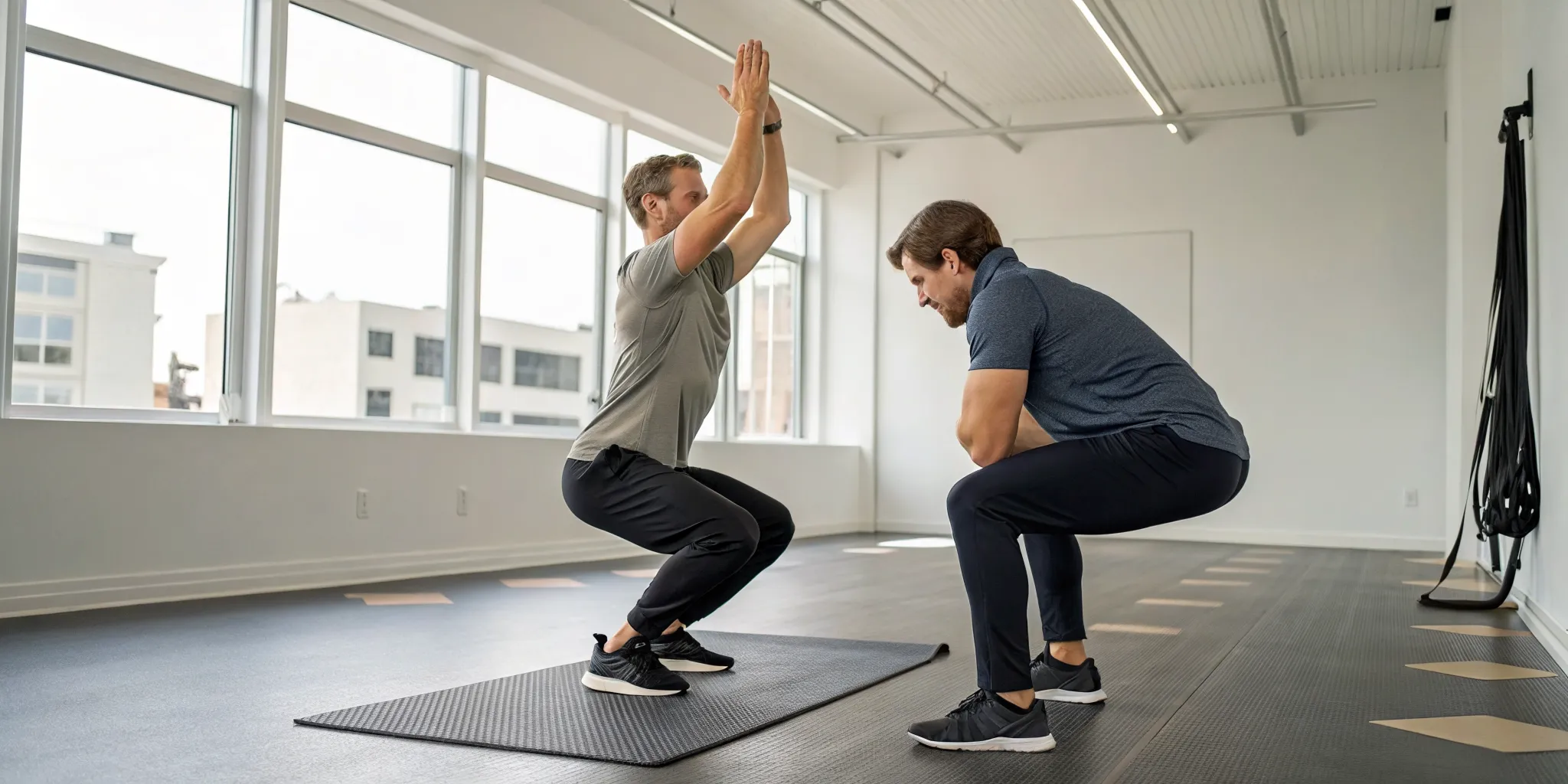
The goal for anyone with a rotator cuff injury is simple: you want the pain to stop, and you want it to stay gone. While some treatments provide a welcome but brief period of relief, they often fail to address the underlying damage to the tendon, which is why the pain keeps coming back. A truly effective strategy focuses on rebuilding the tissue for lasting strength and function. This is the core principle behind shockwave therapy for rotator cuff injuries. By stimulating your body’s own repair mechanisms, this treatment helps to break down scar tissue and promote the regeneration of healthy tendon fibers. This article explains how this approach moves beyond temporary symptom management to create a foundation for genuine, long-term healing.
Key Takeaways
- Activate your body's repair crew: Shockwave therapy uses targeted acoustic waves to improve blood flow and stimulate tissue regeneration, helping your body heal the injury from the inside out.
- Find relief when healing has stalled: This non-invasive therapy is highly effective for chronic shoulder issues, like tendinopathy or calcific tendinitis, that have not responded to other treatments.
- Combine therapies for lasting results: For the best outcome, shockwave therapy should be part of a complete recovery plan that includes chiropractic care and corrective exercises to address both the injury and its underlying mechanical causes.
What Is a Rotator Cuff Injury?
If you’ve ever felt a deep, nagging ache in your shoulder that just won’t quit, you’re not alone. A rotator cuff injury is one of the most common sources of shoulder pain and can seriously get in the way of your daily life, making simple tasks like reaching for something on a high shelf or even getting dressed feel like a major challenge. The pain and restricted movement can significantly impact your overall quality of life, turning activities you once enjoyed into a source of frustration.
Understanding what’s happening inside your shoulder is the first step toward finding a solution that works for you. This type of injury involves the muscles and tendons that stabilize your shoulder joint. When they become damaged or inflamed, it can lead to persistent pain and weakness. At Ascend Functional Health, we see many patients dealing with these exact issues. Our goal is to help you understand the root cause of your discomfort so we can create a plan to get you back to feeling your best. We believe in addressing the underlying problem, not just masking the symptoms with temporary fixes. By looking at the whole picture, we can develop a strategy that supports your body's ability to heal for lasting relief.
A Quick Look at Your Shoulder's Anatomy
To understand a rotator cuff injury, it helps to have a basic picture of your shoulder's structure. Think of your rotator cuff as a team of four muscles and their tendons that wrap around the top of your upper arm bone (the humerus). Their main job is to keep the head of your arm bone securely centered within your shallow shoulder socket. This setup is what gives your shoulder its incredible range of motion, allowing you to throw a ball, lift groceries, and wave to a friend. When this group of tissues is working correctly, your shoulder moves smoothly and without pain.
Common Causes and Telltale Symptoms
Rotator cuff injuries can happen in a couple of ways. Sometimes, it’s the result of a single event, like falling on an outstretched arm or lifting something too heavy. More often, though, the damage happens gradually over time. Repetitive overhead motions, common in sports like tennis or swimming and in professions like painting or carpentry, can wear down the tendons. The natural aging process also plays a role, as tendons can degenerate over the years. Symptoms often start as a dull ache deep in the shoulder. You might also feel pain that travels down your arm toward your elbow, notice weakness when lifting your arm, or find it difficult to sleep on the affected side. Our physical medicine approaches are designed to address these specific issues.
Why Does Rotator Cuff Pain Linger?
One of the most frustrating things about a rotator cuff injury is how long the pain can stick around. This isn't because you're not trying hard enough to heal; it's because the rotator cuff tendons have a relatively poor blood supply. Blood flow is essential for delivering the oxygen and nutrients your body needs to repair damaged tissue. With limited circulation, the healing process is naturally slow. This is why many people find themselves in a cycle of chronic pain that disrupts sleep and makes daily activities a constant struggle. It’s also why many individuals seek out holistic treatment plans that can support the body’s natural healing mechanisms without requiring invasive procedures.
How Shockwave Therapy Promotes Healing
If you're dealing with persistent shoulder pain, you might feel like you've tried everything. Shockwave therapy offers a different approach. Instead of just masking the pain, it works with your body to address the injury at its source. This non-invasive treatment uses acoustic energy to stimulate your body’s natural repair mechanisms, encouraging healing from the inside out. It’s a key part of our physical medicine services, designed to get you back to feeling your best without lengthy downtime. Let's look at exactly how it works.
Using Acoustic Waves to Kickstart Recovery
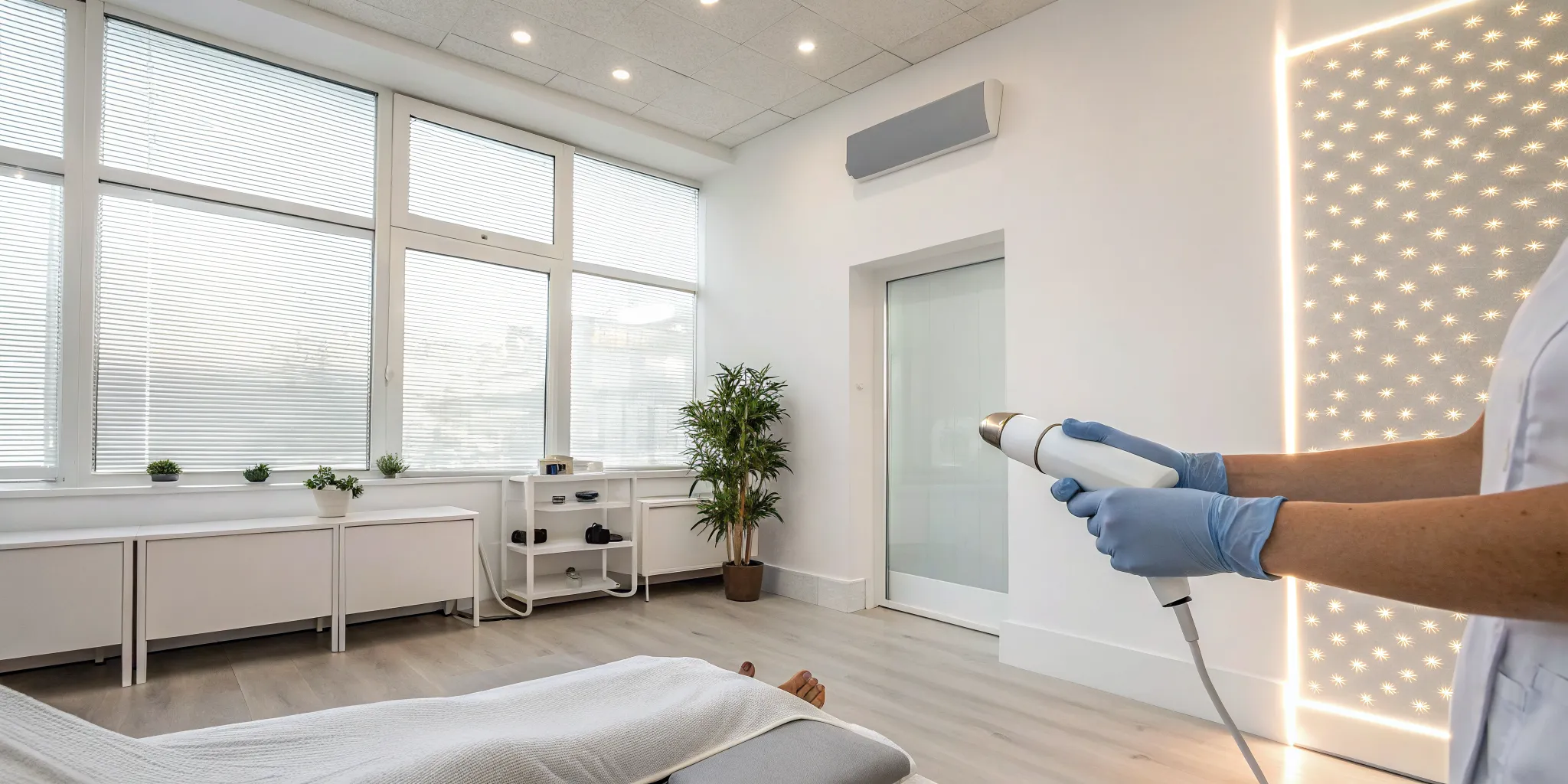
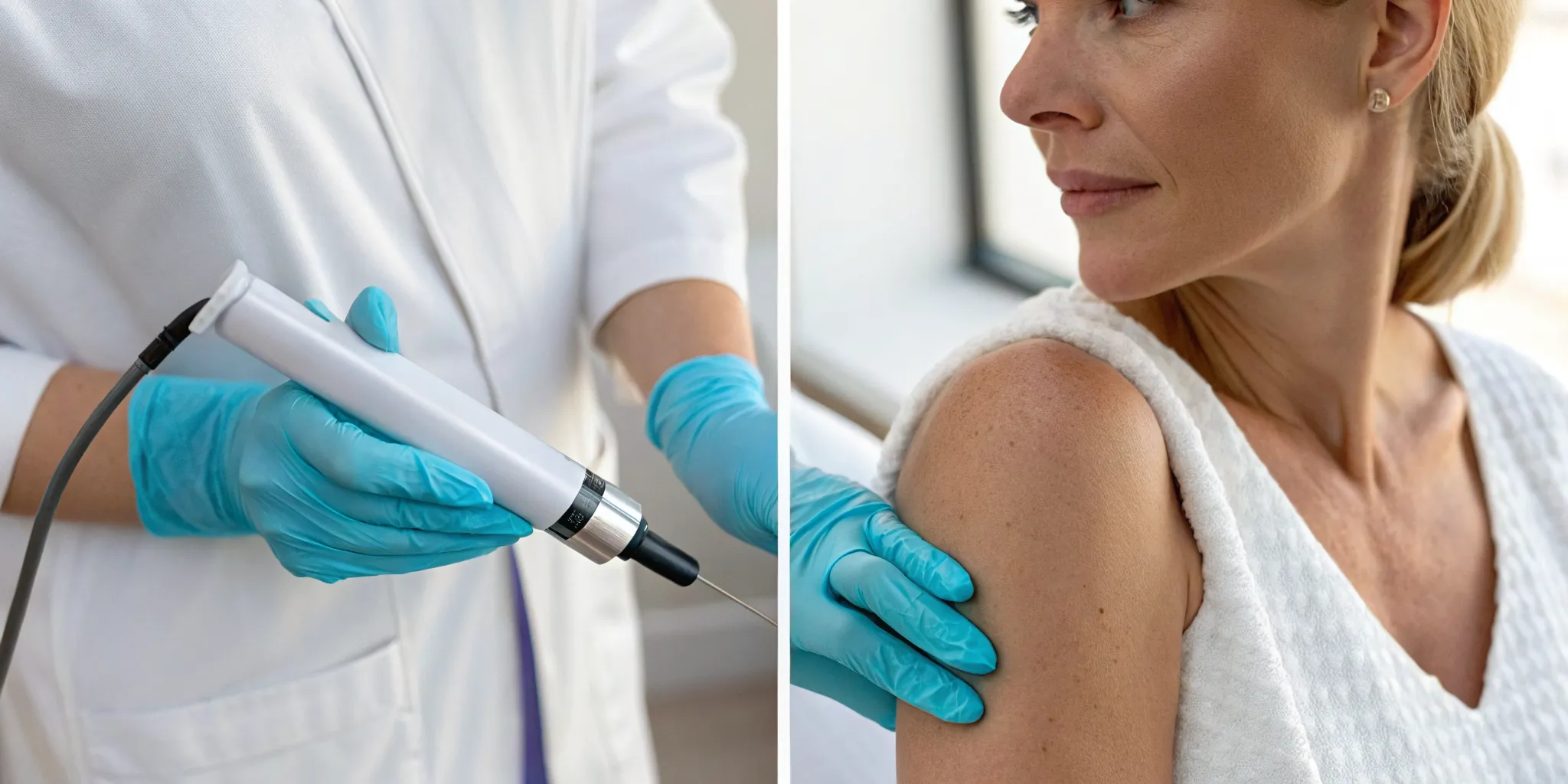
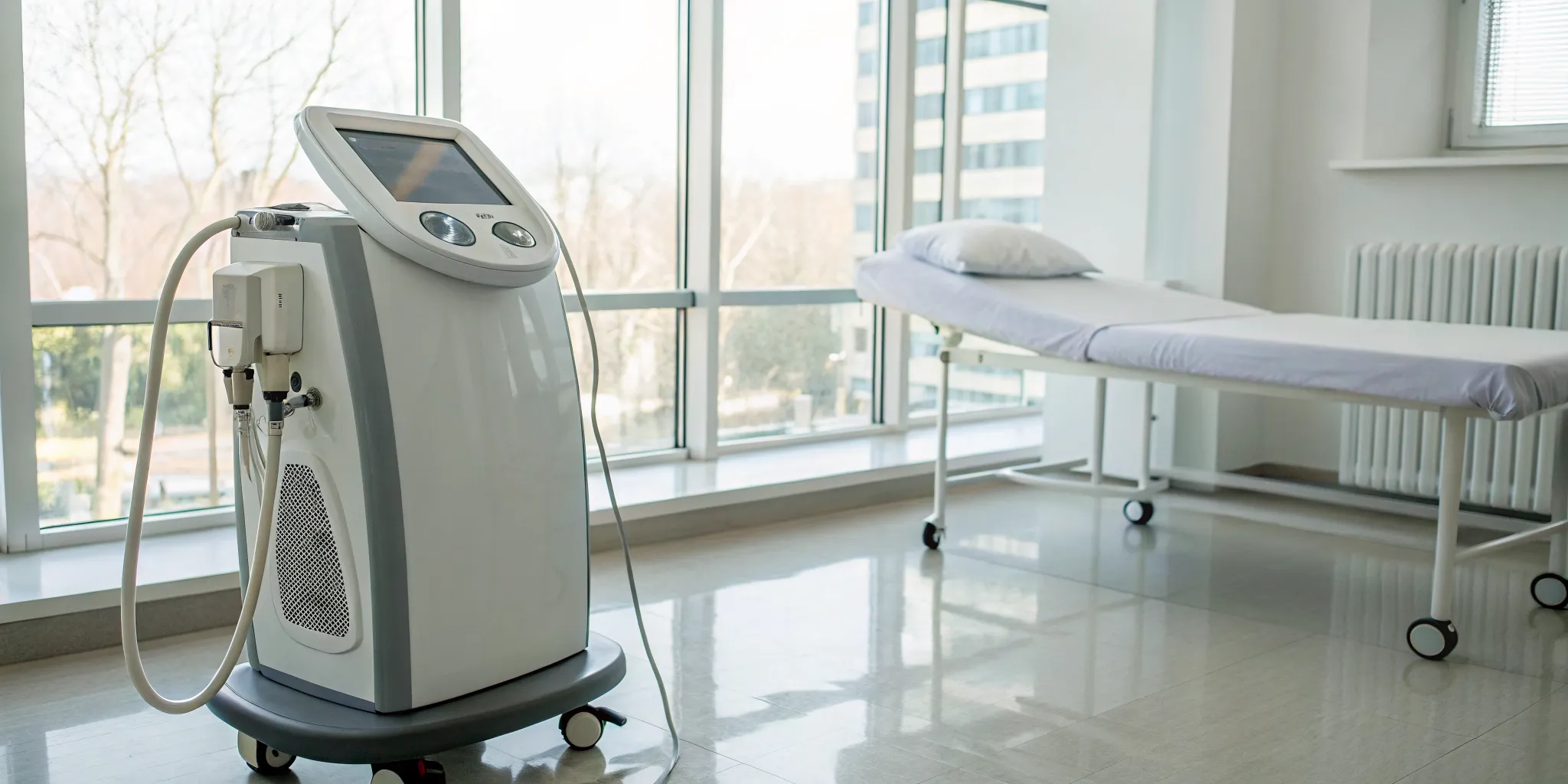
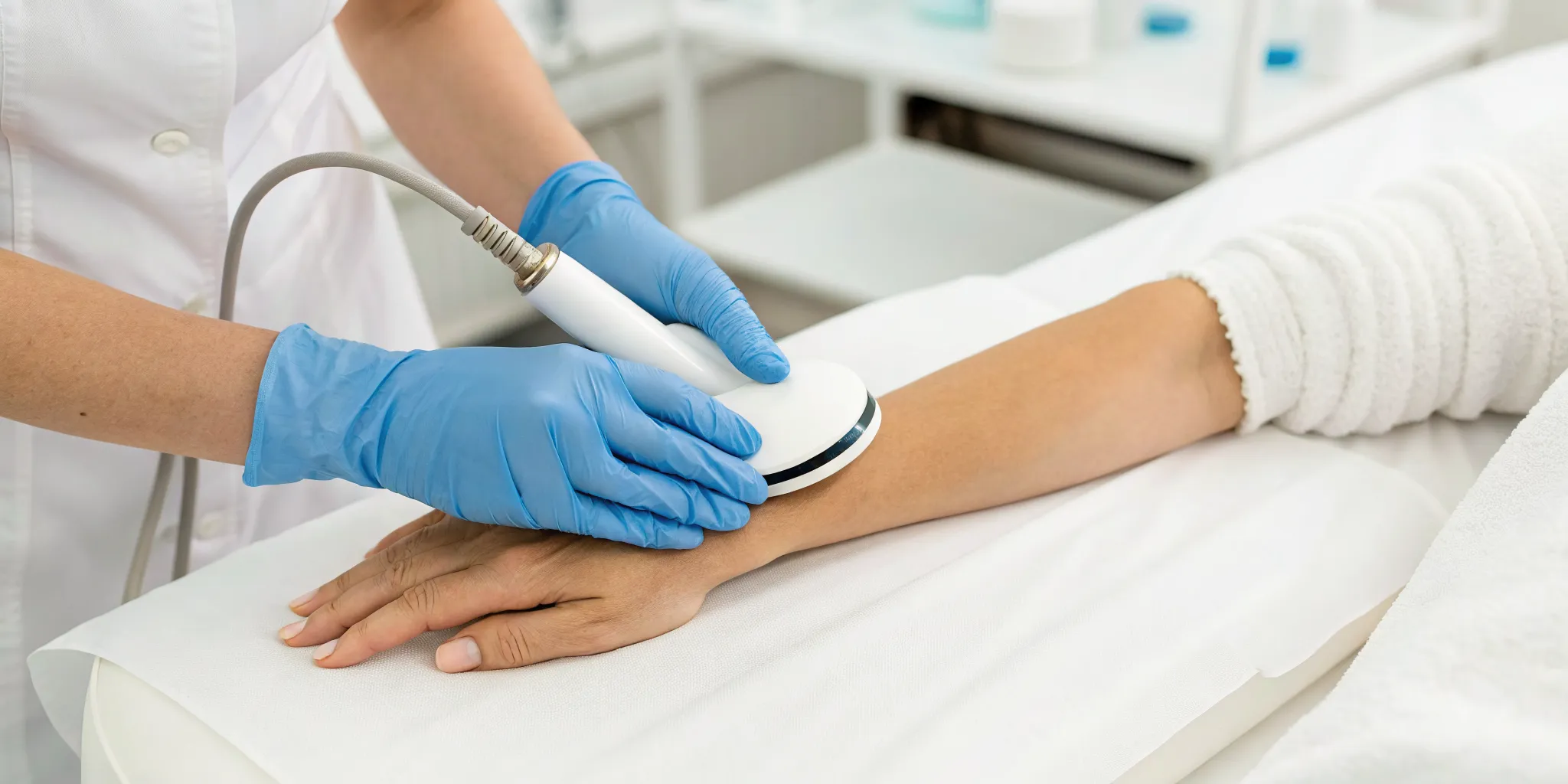
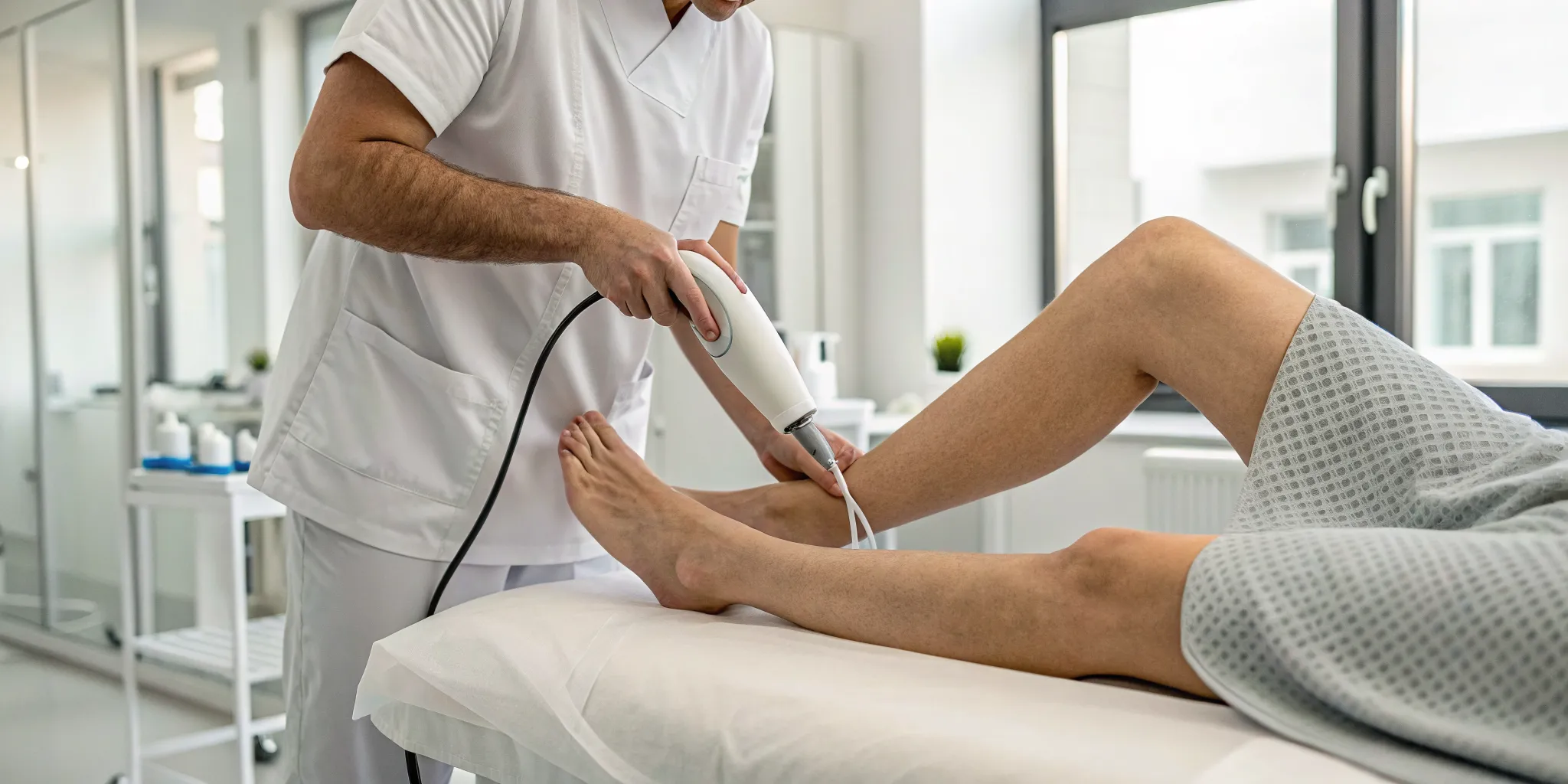
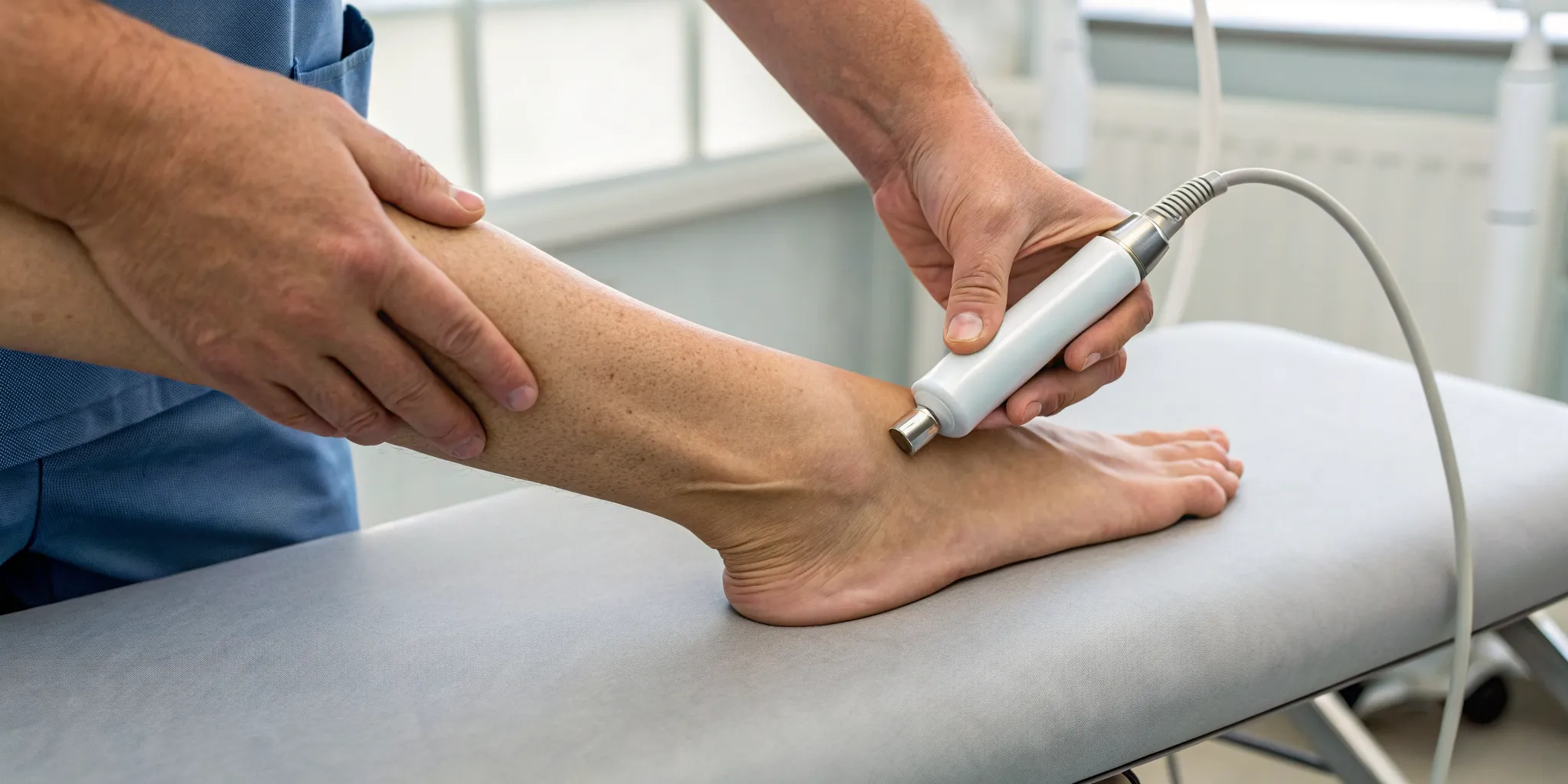
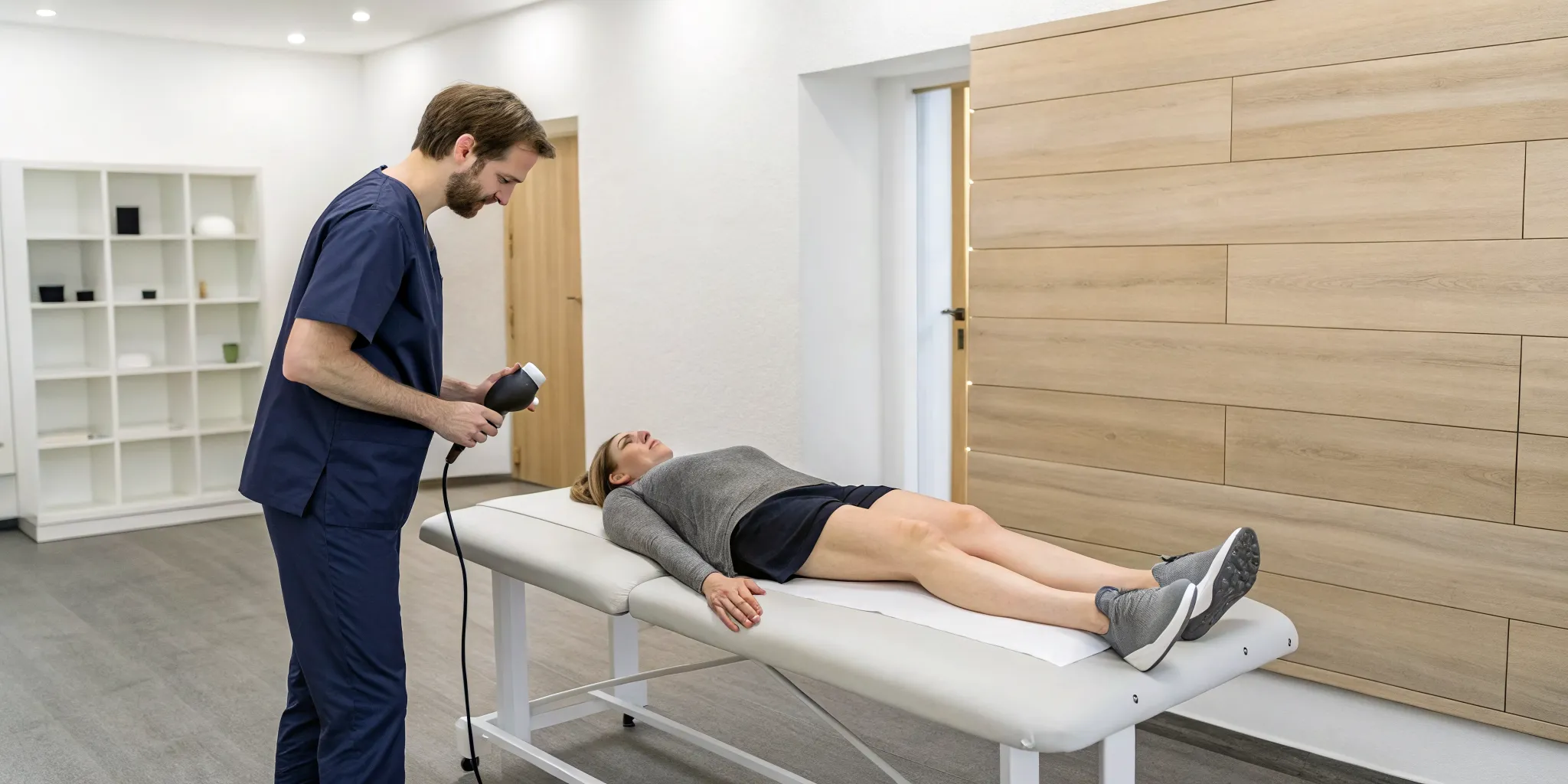
Think of shockwave therapy as a way to gently wake up your body's internal repair crew. The treatment uses a special device to send targeted acoustic waves deep into the injured rotator cuff tendon. These waves create a cascade of positive effects. They signal your body to start the healing process, which includes forming new, strong tendon fibers and breaking down old, weakened tissue that might be contributing to your pain. This process also helps improve blood flow to the area, delivering a fresh supply of oxygen and nutrients that are essential for effective tissue repair and recovery.
Target Damaged Tissue at the Source
The acoustic pulses from shockwave therapy create what are known as controlled micro-traumas in the targeted tissue. While that might sound intense, it’s actually a very precise and beneficial process. This controlled stimulation is the signal your body needs to ramp up its healing efforts. It triggers an increase in blood circulation and prompts the generation of new, healthy tendon fibers to replace the damaged ones. This makes it an excellent treatment for many of the conditions we treat, especially chronic tendon issues. It’s also highly effective at breaking down and dissolving stubborn calcium deposits that can form within the tendons, a condition known as calcific tendinitis.
Focused vs. Radial: What's the Difference?
When you hear about shockwave therapy, you'll likely encounter two types: focused and radial. At our clinic, we often use radial shockwave therapy. This method sends pressure waves out in a spreading pattern, which is great for treating larger areas and stimulating a widespread healing response in the tissue. It’s important to know that this isn't a quick, one-time fix. Lasting results come from a series of treatments tailored to your specific needs. Our team is dedicated to creating a personalized plan that aligns with your body's healing timeline, reflecting our core philosophy of care. Each session builds on the last, helping you achieve sustainable relief and improved function.
Is Shockwave Therapy Right for Your Condition?
Shockwave therapy is a versatile tool, but it shines brightest when used for specific types of rotator cuff injuries. Because it targets tissue on a cellular level, it’s particularly effective for chronic conditions that have been slow to respond to other treatments. If you're dealing with persistent shoulder pain, understanding your specific diagnosis is the first step. Let's look at a few common rotator cuff issues where shockwave therapy can make a real difference in your recovery.
Tendinopathy and Tendonitis
If you're struggling with the nagging, persistent pain of tendinopathy or tendonitis, you know how frustrating the slow healing process can be. These conditions involve irritation and degeneration of the rotator cuff tendons, which have a limited blood supply to begin with. This is where shockwave therapy comes in as an effective, non-invasive option. The acoustic waves stimulate blood flow and metabolic activity in the affected tendon, kickstarting your body’s own repair crew. It’s a way to encourage healing in tissues that often struggle to mend on their own, helping you find relief from chronic shoulder conditions we treat at our Tampa clinic.
Calcific Tendinitis
Calcific tendinitis occurs when small calcium deposits form within the rotator cuff tendons, leading to stiffness and significant pain. It can feel like you have a small rock grinding away in your shoulder. Shockwave therapy directly addresses this problem by using targeted sound waves to break down these stubborn calcium buildups. Think of the waves as creating micro-disruptions in the deposits, making them small enough for your body to naturally clear away and absorb. This process not only helps to alleviate pain but also works to restore your shoulder's range of motion, getting to the root of the mechanical issue. Our approach to physical medicine often incorporates this technology for just this reason.
Partial Rotator Cuff Tears
For a partial tear in the rotator cuff, shockwave therapy is rarely a standalone solution. Instead, it’s a powerful addition to a comprehensive recovery plan. When combined with other treatments like corrective exercises and chiropractic care, it can significantly speed up the healing process. The therapy stimulates the production of collagen, which is essential for repairing torn tendon fibers, and enhances blood circulation to bring vital nutrients to the injury site. In fact, research shows that patients who include shockwave therapy in their treatment plan are much more likely to experience a successful recovery. It’s a key part of the integrated services we use to build a complete healing strategy.
Key Benefits of Shockwave Therapy for Shoulder Pain
When you're dealing with persistent shoulder pain, your main goals are simple: you want relief, and you want to get back to your life. Shockwave therapy is a powerful tool because it works toward both of these goals simultaneously. It’s not just about masking the pain; it’s about creating real, physiological changes in the tissue to promote healing from the inside out. This approach helps you find lasting relief and regain strength and mobility in your shoulder.
By addressing the root cause of the injury, whether it's inflammation, poor blood flow, or scar tissue, shockwave therapy helps your body rebuild and repair. Many people find that this treatment helps them return to activities they love, from playing tennis to simply lifting their arm without a second thought. It’s a non-invasive option that supports your body’s own incredible healing capabilities, which is a cornerstone of our holistic health solutions at Ascend Functional Health.
Find Relief and Regain Mobility
One of the most significant benefits of shockwave therapy is its proven effect on pain and function. If you feel like you’ve been stuck with a stiff, painful shoulder for months, this can be a game-changer. Studies show that patients who undergo shockwave therapy for rotator cuff issues experience a considerable drop in pain. More importantly, they see real improvements in how well the shoulder moves and works. In fact, research indicates that people treated with shockwave therapy are significantly more likely to have a successful recovery compared to those who don't receive the treatment. This means you’re not just feeling better, you’re actually getting better.
Activate Your Body's Natural Healing Process
Shockwave therapy works by sending targeted acoustic waves into the injured tendon, essentially waking up your body’s internal repair crew. These waves stimulate a healing response, encouraging the formation of new, healthy tissue fibers while helping to clear out old, damaged ones. This process also improves circulation in the tendon by helping to open up blocked blood vessels. Better blood flow is crucial for healing, as it delivers the oxygen and nutrients your tissues need to repair themselves. This method aligns perfectly with a functional medicine approach, which focuses on helping the body heal itself.
Break Down Scar Tissue and Calcifications
Sometimes, the source of chronic shoulder pain is stubborn scar tissue or tiny calcium deposits that have formed in the tendons, a condition known as calcific tendinitis. These deposits can cause inflammation and severely limit your range of motion. Shockwave therapy is particularly effective at breaking down these calcifications. The acoustic waves create micro-disruptions in the hardened tissue, which your body can then clear away naturally. This process helps reduce pain and restore movement. It’s important to remember that shockwave therapy is often most effective as part of a comprehensive treatment plan tailored to your specific needs.
Your Shockwave Therapy Session: What to Expect
If you and your provider decide that shockwave therapy is a good fit for your rotator cuff injury, you’re probably wondering what the process actually involves. Knowing what to expect can help you feel more comfortable and confident as you begin treatment. From the sensation during the session to your personalized recovery plan, here’s a straightforward look at what a typical shockwave therapy journey looks like at our clinic.
What Does the Treatment Feel Like?
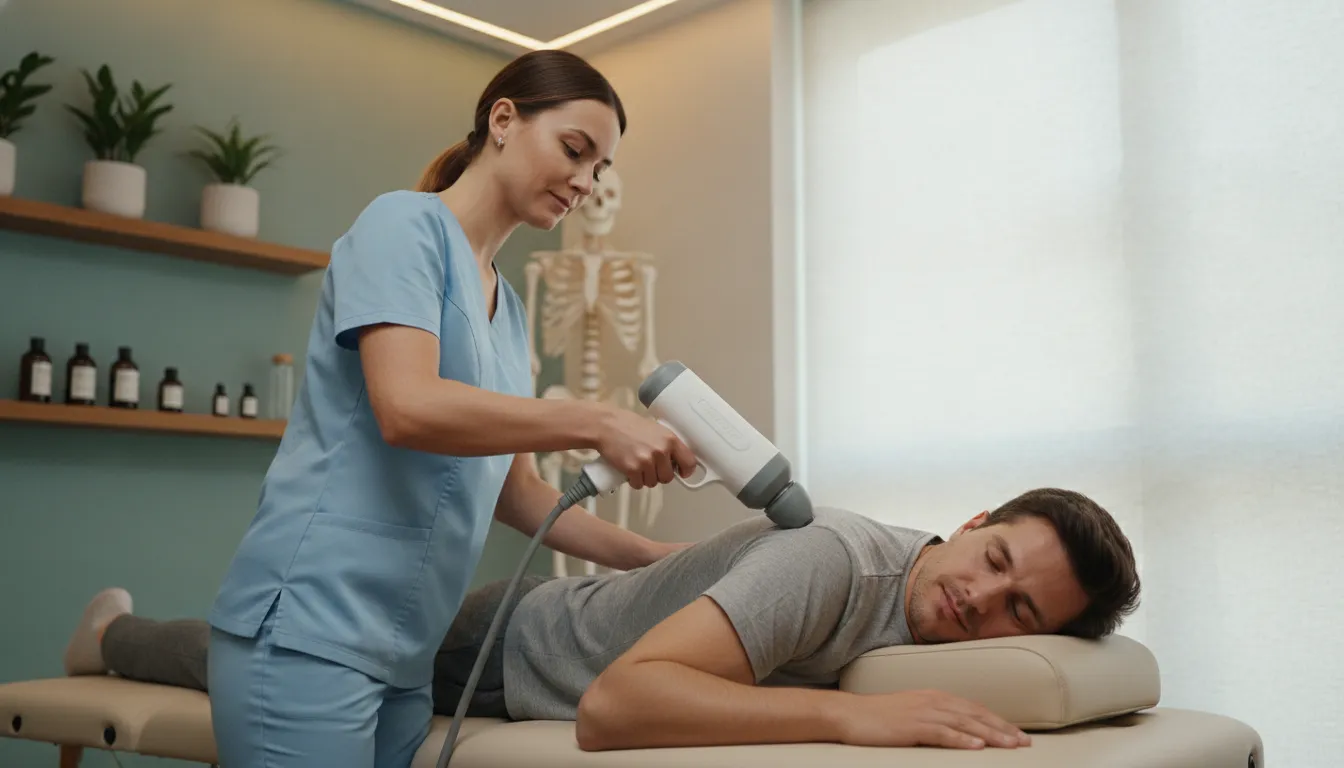
It’s completely normal to be curious about how shockwave therapy feels. Most people describe the sensation as a tapping or pulsing feeling directly on the treatment area. You might also notice a bit of tingling or pressure as the acoustic waves go to work on the injured tissue. While it can cause some mild discomfort, the treatment is generally very well tolerated. Our team will communicate with you throughout the entire session to ensure you’re comfortable. The goal is to stimulate your body’s healing response, not to cause significant pain. This treatment is just one part of our comprehensive physical medicine approach, designed to help you recover effectively.
Your Treatment Plan: Length, Frequency, and Number of Sessions
Consistency is key when it comes to healing, and shockwave therapy is no exception. A typical treatment plan involves one session per week for about three to five weeks. However, this is just a general guideline. The exact number and frequency of your sessions will depend on the specifics of your injury, how long you’ve had it, and how your body responds to the therapy. It’s also important to remember that shockwave therapy is rarely a standalone treatment. For the best results, we integrate it into a broader, personalized plan that addresses the root cause of your shoulder pain, which is central to how we approach all the conditions we treat.
What to Expect Between Sessions
After a session, the targeted area might feel a little sore for a day or two. This is a normal reaction and a positive sign that your body has begun its natural healing and inflammatory response. Think of it as similar to the soreness you feel after a good workout; it means change is happening. Your progress between sessions is just as important as the treatment itself. We find that shockwave therapy is most effective when paired with other supportive therapies, like chiropractic adjustments and specific corrective exercises. This combined approach is fundamental to our philosophy of creating lasting health, which you can learn more about on our about page.
Find Out if You're a Candidate for Shockwave Therapy
So, how do you know if shockwave therapy is the right move for your shoulder pain? It's a great question. While this treatment is effective for many, it's not a one-size-fits-all solution. Your specific situation, health history, and what you've already tried all play a part in determining if you're a good candidate. A comprehensive evaluation is key to understanding if this approach aligns with your health goals. Let's walk through some of the main factors we consider.
When Other Shoulder Treatments Haven't Worked
If you feel like you've tried everything for your shoulder pain without lasting success, you're not alone. For many people with persistent rotator cuff issues, shockwave therapy is a valuable option to explore before considering more invasive procedures. It’s often recommended when other conservative treatments, like rest or certain exercises, haven't provided the relief you need. Think of it as a powerful, non-invasive tool that can get things moving in the right direction when your healing has stalled. Our approach to physical medicine is to find the right combination of therapies that work for you.
Important Considerations and Contraindications
While shockwave therapy is a promising option for chronic shoulder pain, it’s crucial to have a thorough evaluation first. The specifics of your injury, like its type and severity, matter. Certain health conditions can also influence your body's healing response, so it's important to discuss your full health history with your provider. This conversation ensures that shockwave therapy is not only appropriate but also safe for you. Our goal is always to find the most effective path forward for the unique conditions we treat and for your personal circumstances.
How Your Overall Health Plays a Role
Your shoulder doesn't exist in a vacuum. Your body's overall state of health has a huge impact on its ability to heal from an injury. Conditions that affect bone density or your body's inflammatory response can influence how well you recover. This is why we look at the big picture. By understanding your complete health profile through functional medicine, we can better determine if shockwave therapy will be effective for you. Addressing underlying health factors is a core part of creating a successful and lasting recovery plan.
Know the Potential Side Effects
One of the main draws of shockwave therapy is that it’s a non-invasive treatment with a strong safety profile. Most people find the sessions very manageable and experience few, if any, side effects. Understanding what you might feel during and after your appointment can help you feel prepared and confident in your recovery plan. The goal is always to support your body’s healing process, and being informed is a key part of that journey.
Common, Temporary Reactions After Treatment
During your shockwave therapy session, it’s common to feel a tapping or pulsing sensation at the treatment site. Some people describe it as a mild pressure or tingling, but it’s generally well-tolerated. After your appointment, you might notice some mild soreness in your shoulder, similar to how you’d feel after a focused workout. This is a normal response and typically fades within a day or two. These temporary reactions are often a sign that the therapy is initiating a healing response in the tissue. We find that these effects are usually quite mild and don't interfere with daily activities.
When to Talk to Your Provider
Open communication is a cornerstone of your care plan. We encourage you to ask questions about your treatment at any time. While significant side effects from shockwave therapy are rare, it’s important to listen to your body. If you experience any reactions that seem unusual, severe, or last longer than a couple of days, you should contact our team. Your provider is your partner in health, and keeping them informed ensures you receive the best possible support throughout your recovery. We are always here to address your concerns and make adjustments to your care as needed.
Shockwave Therapy vs. Other Common Treatments
When you’re dealing with persistent shoulder pain, it can feel like you’re facing a confusing menu of treatment options. From physical therapy to injections and even surgery, it’s tough to know which path is right for you. Understanding where shockwave therapy fits in can help you make a more informed decision about your care. It’s not about finding a single magic bullet, but about creating a smart, effective strategy for healing.
Shockwave therapy is a non-invasive treatment that uses acoustic waves to stimulate your body’s natural repair processes. It’s a unique approach that can stand on its own, but it often delivers the best results when integrated with other supportive therapies. Think of it as a powerful tool in a comprehensive toolkit designed to address your pain from multiple angles. By comparing it to other common treatments, you can see how it might fill a crucial gap in your recovery plan, especially when other methods haven't provided the lasting relief you need. Our goal is to find the right combination of services to get you back to feeling your best.
Physical Therapy and Corrective Exercises
It’s a common misconception that you have to choose between shockwave therapy and physical therapy. In reality, they are fantastic partners in the healing process. Shockwave therapy works on a cellular level to break down scar tissue and stimulate new blood flow to the injured tendon. This creates an ideal environment for healing.
Corrective exercises and other physical medicine techniques then come in to strengthen the surrounding muscles, improve your range of motion, and correct the movement patterns that may have contributed to the injury in the first place. Combining these treatments provides a one-two punch: shockwave kickstarts the repair, and targeted exercises ensure your shoulder becomes strong and resilient for the long haul.
Corticosteroid Injections
Corticosteroid injections are often used to reduce inflammation and provide temporary pain relief. While they can be effective for calming a painful flare-up, they don’t typically address the underlying cause of the tendon damage. The relief can be short-lived, and repeated injections may even weaken the tendon over time.
Shockwave therapy offers a different approach. Instead of just masking inflammation, it actively promotes tissue regeneration and healing from within. For this reason, many providers recommend trying shockwave therapy before resorting to injections, especially for chronic tendon issues. It’s a strategy focused on rebuilding and restoring function for more sustainable, long-term results rather than just temporary relief.
Surgical Options
The thought of shoulder surgery can be daunting, with its associated risks and lengthy recovery period. For many people with chronic rotator cuff pain, avoiding an operation is a top priority. Shockwave therapy can be an excellent alternative for those with tendinopathies, calcific tendinitis, and partial tears. By promoting natural healing, it can often resolve the issue without the need for invasive procedures.
However, it’s important to have realistic expectations. For severe injuries, such as a full-thickness or complete rotator cuff tear, a surgical repair might still be the most appropriate course of action. We treat a wide range of conditions, and a thorough evaluation will determine if you are a good candidate for shockwave therapy as a non-surgical solution.
Create a Comprehensive Shoulder Recovery Plan
Achieving lasting relief from shoulder pain isn't about finding a single magic bullet. It’s about creating a smart, holistic strategy that addresses your pain from all angles. While shockwave therapy is a powerful tool for stimulating tissue repair, it shines brightest when it’s part of a bigger picture. A truly effective recovery plan looks beyond the immediate symptoms to correct the underlying issues that led to the injury in the first place. This comprehensive approach ensures you not only heal but also build resilience against future problems, so you can get back to your life without fear of re-injury.
Think of it like tending to a garden. You can’t just water a struggling plant and expect it to thrive; you also need to check the soil, ensure it gets enough sunlight, and remove any weeds. Similarly, your shoulder needs more than just one type of care. By combining targeted treatments that promote healing with therapies that restore proper function and alignment, you give your body the best possible environment to recover fully. At Ascend Functional Health, our entire philosophy is built on this integrated approach. We create a plan that supports your body’s innate ability to heal for long-term results, rather than just chasing symptoms.
Pair Shockwave Therapy with Chiropractic Care
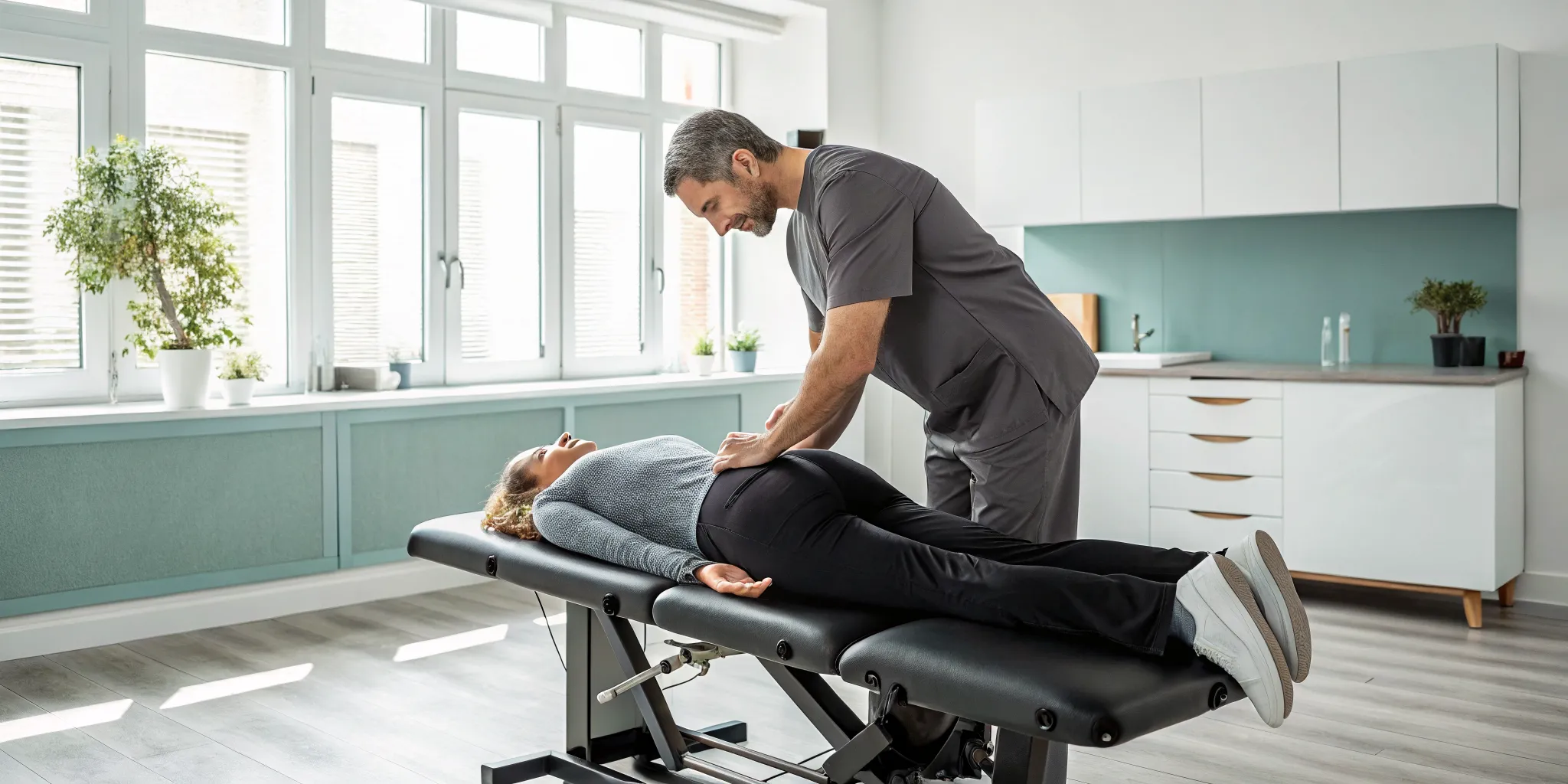
To get the most out of your treatment, it’s essential to understand that shockwave therapy is not a standalone solution. It works best when integrated with other supportive therapies. Combining shockwave sessions with chiropractic adjustments and a targeted corrective exercise program creates a powerful synergy. While shockwave therapy focuses on healing the damaged soft tissue, chiropractic care addresses the biomechanical and structural imbalances in your shoulder and spine that may be contributing to the strain. This dual approach helps ensure that once the tissue is healed, it isn’t immediately re-injured by poor movement patterns or alignment.
Support Long-Term Shoulder Health
The goal of any good treatment plan is to move beyond temporary relief and create lasting wellness. Shockwave therapy contributes to this by kickstarting deep, sustainable healing processes within the body. The acoustic waves help clear blocked or damaged blood vessels, allowing a fresh supply of oxygen-rich blood to reach the injured tendon and fuel its repair. For those with calcific tendinitis, it also has the unique ability to help break down stubborn calcium deposits that cause pain and restrict movement. By activating these natural repair mechanisms, you’re not just masking the pain; you’re fundamentally improving the health and integrity of your shoulder tissue for the long haul.
Your Personalized Plan at Ascend Functional Health
Every shoulder injury is unique, and your recovery plan should be too. While a typical shockwave therapy protocol might involve one session per week for three to five weeks, your journey at Ascend Functional Health is tailored specifically to you. We design a personalized plan that considers the specifics of your condition, your health history, and your personal goals. By integrating shockwave therapy into a complete treatment strategy, we can help you recover more efficiently and with greater confidence. Our team is here to guide you through each step, ensuring your plan is perfectly suited to get you back to feeling and moving your best.
Related Articles
- Get Your Shoulder Moving Again: Alleviating Pain and Dysfunction | Alessi Functional Health
- SoftWave Tissue Regeneration Therapy in Tampa | Alessi Functional Health
- SoftWave TRT Therapy in Tampa, FL - Alessi Functional Health
- Regenerative Medicine for Pain Recovery | Ascend Functional Health
- What Is Graston Technique Therapy? A Beginner's Guide
Frequently Asked Questions
What does shockwave therapy actually feel like? Is it painful? Most people describe the sensation as a strong tapping or pulsing right on the injured area. While it can create some mild discomfort, it is generally very tolerable and the session itself is quite short. We will communicate with you the entire time to make sure the intensity is at a level that is both effective and comfortable for you. Any soreness you feel afterward is usually mild and fades within a day or two.
How soon can I expect to feel better after starting treatment? Healing is a gradual process, and everyone’s body responds differently. Some people notice a decrease in pain after just one or two sessions, but the most significant and lasting results come from completing the full treatment plan. The therapy works by stimulating your body’s own repair mechanisms, which takes time. The goal is to build healthier, stronger tissue, so patience and consistency are key to achieving long-term relief.
Why is shockwave therapy combined with other treatments like chiropractic care? Think of it this way: shockwave therapy is excellent for healing the injured tendon, but it doesn't correct the underlying reasons the tendon became injured in the first place. We pair it with chiropractic care and corrective exercises to address poor movement patterns or structural imbalances in your shoulder and spine. This comprehensive approach ensures we are not only repairing the damage but also preventing the problem from coming back.
Will I need to stop my usual activities during the treatment period? For the most part, you can continue with your daily life. You might feel some soreness after a session, similar to how you feel after a workout, so we generally advise against strenuous or high-impact activities involving your shoulder for a day or two after each treatment. Your provider will give you specific recommendations based on your injury and lifestyle to help you support the healing process without putting your life on hold.
Is this a permanent solution for my shoulder pain? Our goal is always to create a lasting solution, not just a temporary fix. Because shockwave therapy promotes true tissue regeneration and helps your body heal from the inside out, it can provide long-term resolution. When combined with a plan that corrects the root cause of the injury, it helps restore the health and integrity of your shoulder. This approach gives you the tools to build a stronger, more resilient shoulder for the future.