Many Tampa Bay adults think about health planning only after a symptom interrupts work, exercise, or daily life. A more useful approach starts earlier, with a clear look at personal risks, patterns, and goals while there is still time to make informed choices.
Preventive medicine is an individualized approach to supporting health through appropriate evaluation, evidence-informed prevention, and ongoing planning, rather than waiting for a problem to become harder to understand. The right plan depends on your history, examination, testing, and clinician judgment.
At Ascend Functional Health. This perspective can be relevant whether you feel well and want to establish a thoughtful baseline or you are managing persistent concerns without a clear direction. Care is organized around complementary Physical Medicine, Functional Medicine, and Regenerative Medicine, not a universal checklist of services.
Discuss your next steps with Ascend Functional Health
To understand this approach locally, begin with the scope of preventive care. Then consider how it may fit adults across Tampa Bay.
What Does Preventive Medicine Mean for Tampa Bay Adults?
Preventive medicine is a proactive approach to health that supports well-being by identifying relevant risks, recommended care, and opportunities for earlier action. It is broader than checking off the same annual list for every person.
The American College of Preventive Medicine describes preventive medicine as promoting preventive health care to improve patient well-being. It also emphasizes the health of individuals and communities. Healthy People 2030 includes objectives focused on recommended, evidence-based preventive care for adults and people of all ages. These frameworks point to a practical idea. Health planning should be guided by appropriate evidence and the individual, not by a universal schedule alone.
More than an annual checklist
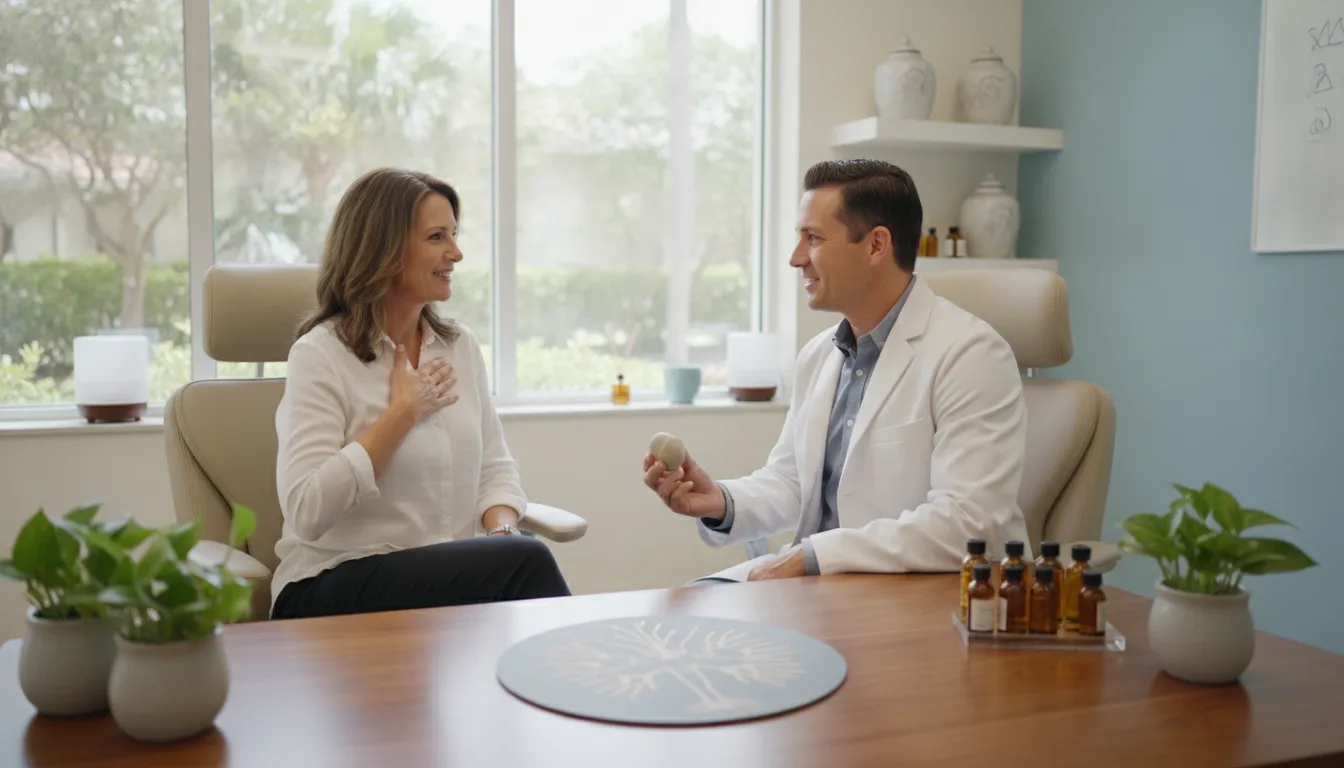
A routine appointment can be one part of a preventive plan. A thoughtful plan may also include screening discussions, a review of relevant risk factors, and an evaluation of patterns that deserve attention. For one Tampa Bay adult, that may mean discussing family history or changes in energy. For another, it may involve reviewing movement, digestive concerns, sleep, or goals related to long-term function. The next step depends on the person's history, examination, testing, and clinician judgment.
Preventive planning can also be useful for someone who feels well. Establishing an appropriate baseline may give a clinician a clearer reference for later conversations, although not every test or measurement is suitable for every person. The goal is not to order every available evaluation. It is to identify the questions that matter and match them with reasonable, individualized steps.
How proactive planning differs from reactive care
Reactive care commonly begins after symptoms or a diagnosis appears. Preventive planning looks earlier at patterns, risks, and contributing factors before problems worsen. That does not replace primary care, prescribed treatment, emergency care, or a person's existing clinician. It adds a structured opportunity to discuss health priorities before a concern becomes more disruptive.
For adults in South Tampa, Westshore, Wesley Chapel, New Tampa, North Tampa, or Town &. Country, this approach may involve coordinating a conversation around current concerns and longer-term goals. A clinician may recommend no additional testing, or may suggest an evaluation based on the information available. The most useful plan is the one grounded in the person's needs, supported by appropriate evidence, and revised as new information emerges.
Learn more about preventive medicine from the American College of Preventive Medicine.
How Is Proactive Health Planning Different From Reactive Care?
Proactive health planning looks for patterns, risks, and contributing factors before a concern worsens, while reactive care usually begins after symptoms or a diagnosis appears. The two approaches can work alongside primary care and other appropriate services.
Reactive care has an important role. When a new symptom appears, an injury occurs, or a condition requires treatment, timely clinical attention matters. Proactive planning asks a different set of questions. What has changed over time? Are several concerns connected? Which habits, physical patterns, or measurable findings deserve a closer conversation? The goal is better context for decisions, not criticism of conventional care or delay of needed treatment.
Pattern recognition may be especially useful for adults who feel generally well but want to be more intentional about health, longevity, biomarkers, or measurable progress. It can also help people managing persistent concerns who want a clearer framework for discussing next steps with a clinician. Looking at the broader picture does not establish a diagnosis by itself. It helps identify topics that may warrant appropriate evaluation.
Risk awareness also requires restraint. A potential risk is not the same as a certain outcome, and an isolated finding may not explain how someone feels. Preventive planning should therefore avoid universal checklists of tests or therapies. The appropriate starting point depends on personal history, examination, relevant testing, and clinician judgment. Recommendations should be individualized rather than based on what seems popular or what another person received.
Prevention has limits. No plan can guarantee that illness, injury, or other health changes will not occur. Proactive care does not replace emergency care, primary care, a prescribed treatment plan, or the clinician who knows your medical history. Instead, it can provide a structured way to review concerns and clarify goals. It can also help decide whether further evaluation is appropriate. For some people, monitoring may be the most useful next step. For others, a coordinated plan may address an existing issue. Either way, the emphasis remains informed choices and realistic expectations.
Which Parts of Health Can Preventive Medicine Address?
Preventive medicine may consider connected areas such as movement, structural health, digestion, metabolism, hormones, energy, and long-term function. The focus should be shaped around the individual rather than a standard checklist.
Movement and Structural Health
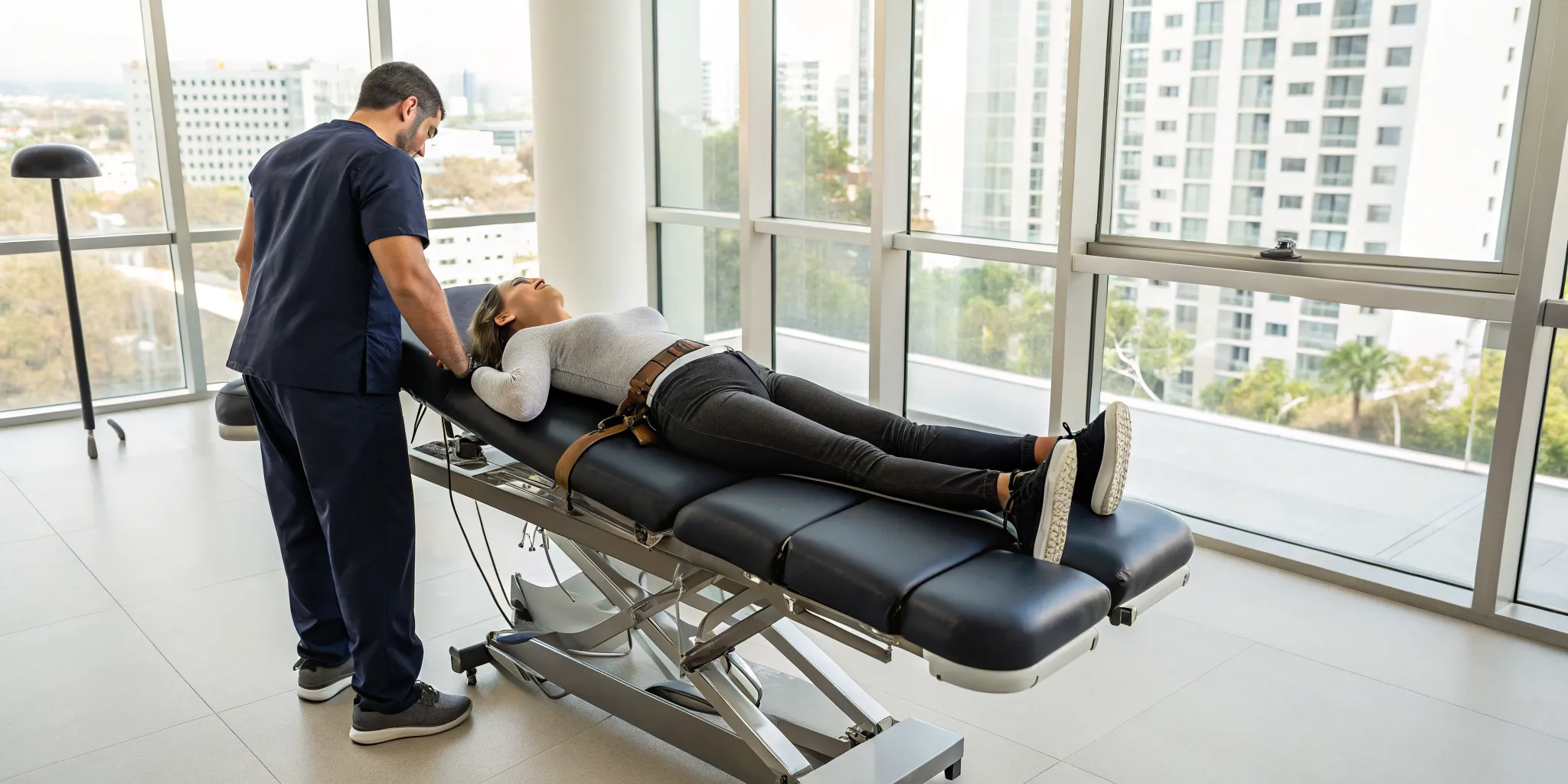
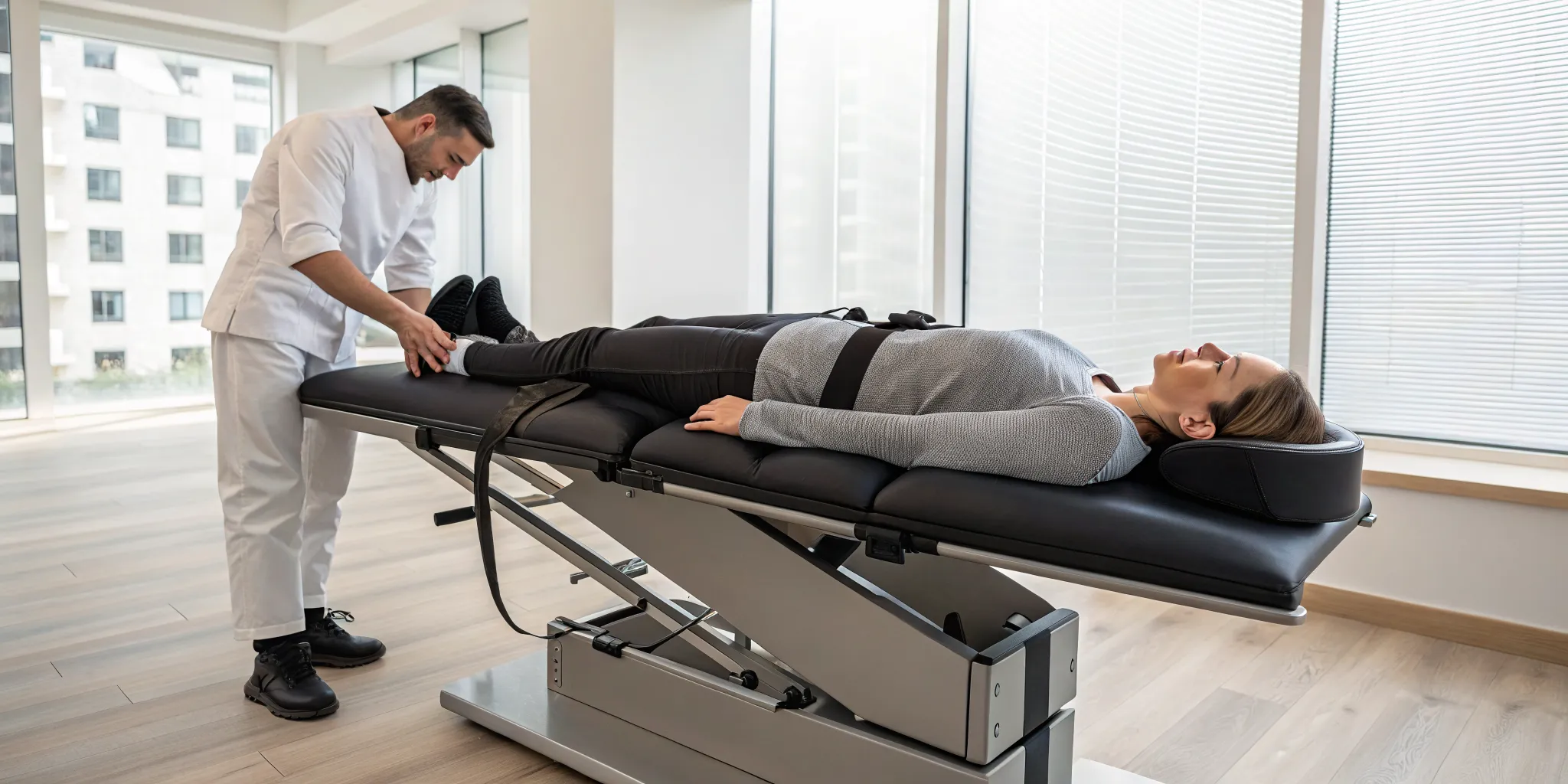
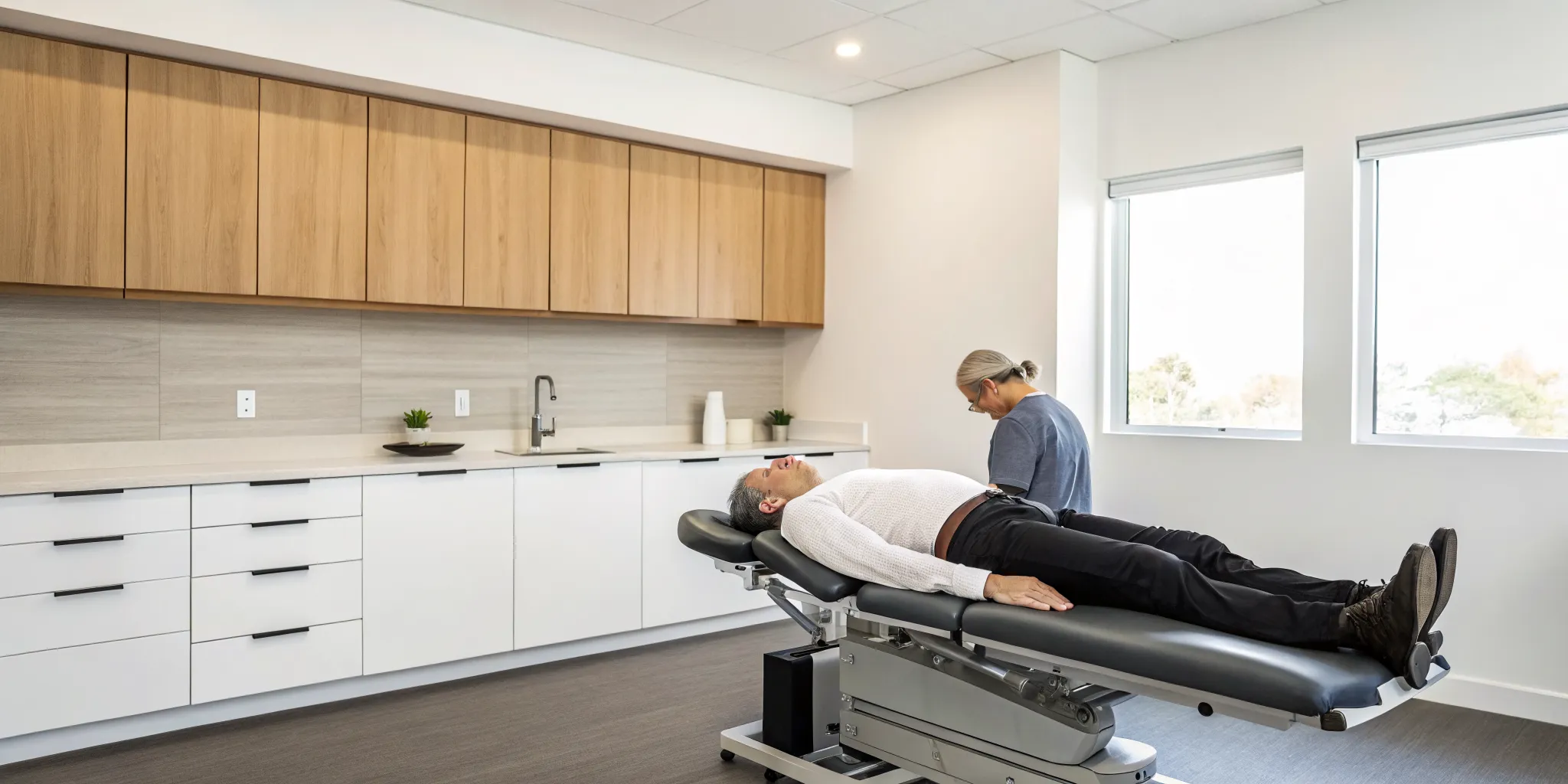
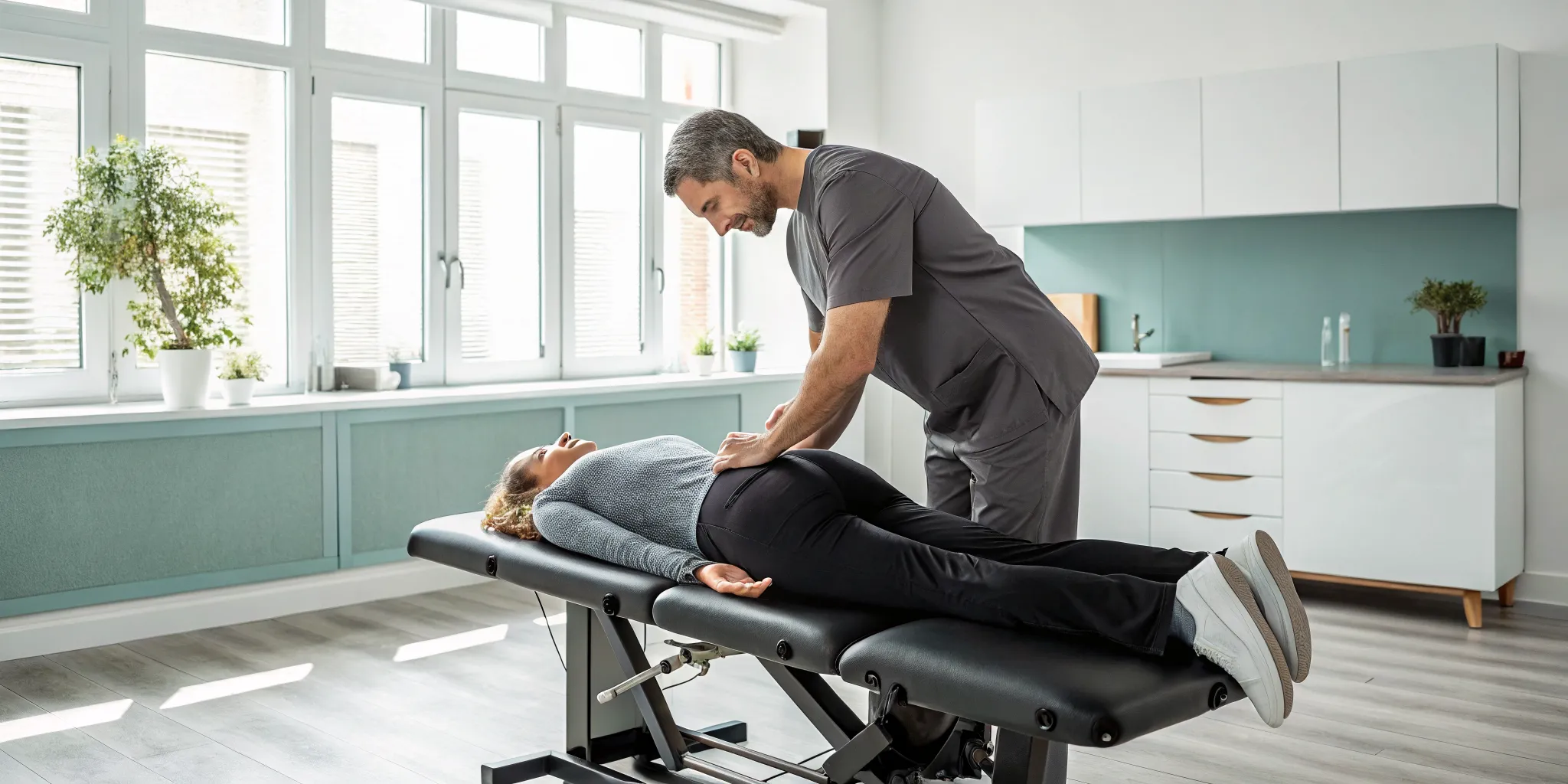
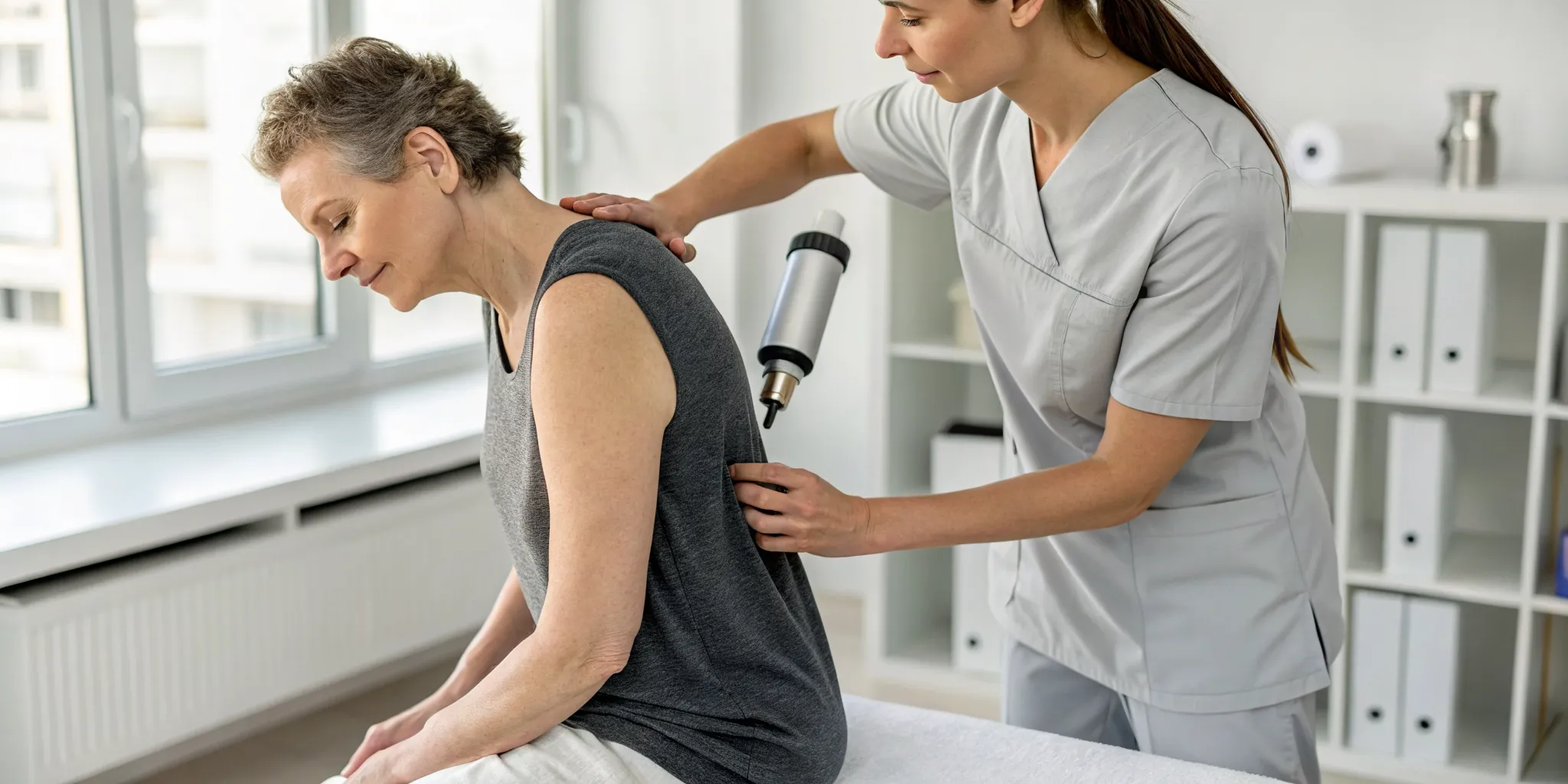
Movement is one practical starting point because posture, mobility, strength, and recurring physical strain can influence how a person functions day to day. At Ascend, Physical Medicine emphasizes structural correction, chiropractic care, spinal decompression and rehabilitation, therapeutic bodywork, and postural restoration. These approaches are not automatically appropriate for everyone, and a clinician should determine whether they fit the person's situation. Physical Medicine may be part of a broader preventive conversation when movement quality or structural health is relevant.
Digestion, Metabolism, and Hormonal Health
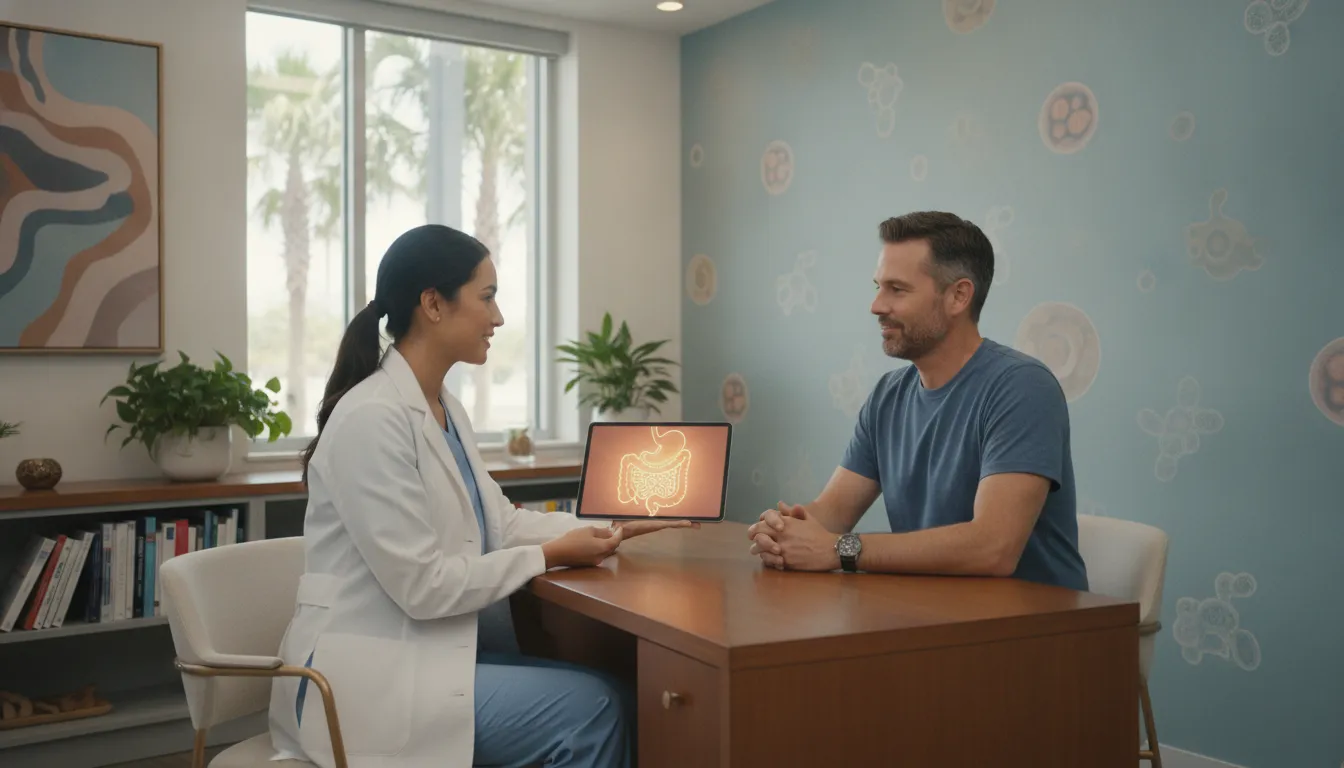
Preventive planning may also explore how digestion, nutrition, metabolic markers, and hormonal health relate to a person's energy and overall function. Ascend's Functional Medicine model uses comprehensive laboratory testing, personalized nutrition protocols, hormonal evaluation or optimization, and gut-health support. That does not mean every person needs extensive testing or a specific nutrition plan. The appropriate questions depend on the person's history, current concerns, and the clinical reasoning behind the evaluation. Functional Medicine can provide one framework for examining these areas in context rather than treating an isolated measurement as the whole picture.
Energy and Long-Term Function
Energy is often discussed alongside sleep, daily demands, physical capacity, and other factors that affect how well someone can participate in work, family life, and meaningful activities. Adults who want to be proactive about health, longevity, biomarkers, and measurable outcomes may use preventive planning to clarify what they want to understand and track over time. The aim is not to promise a particular result, but to create a more informed basis for future decisions.
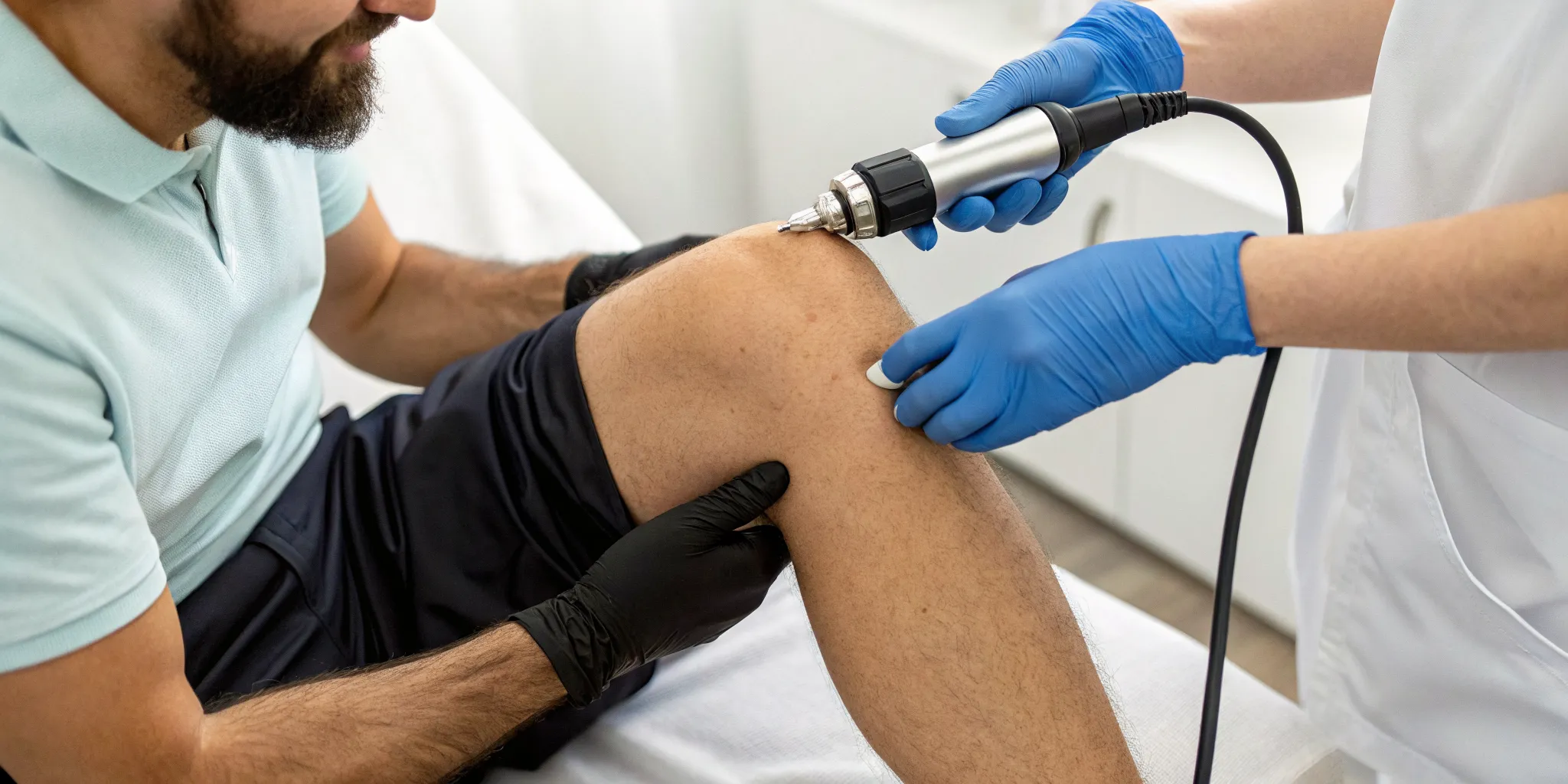
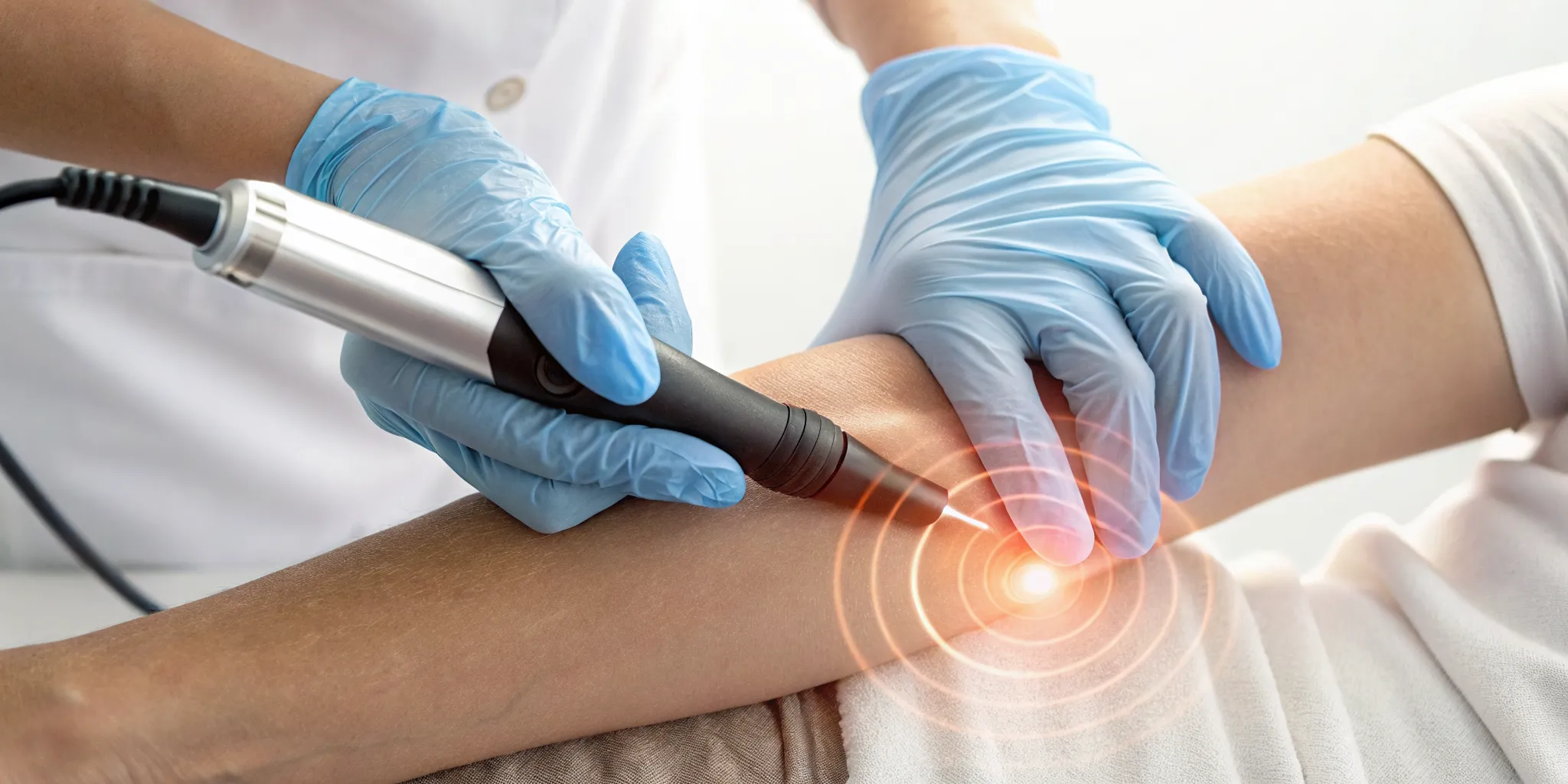
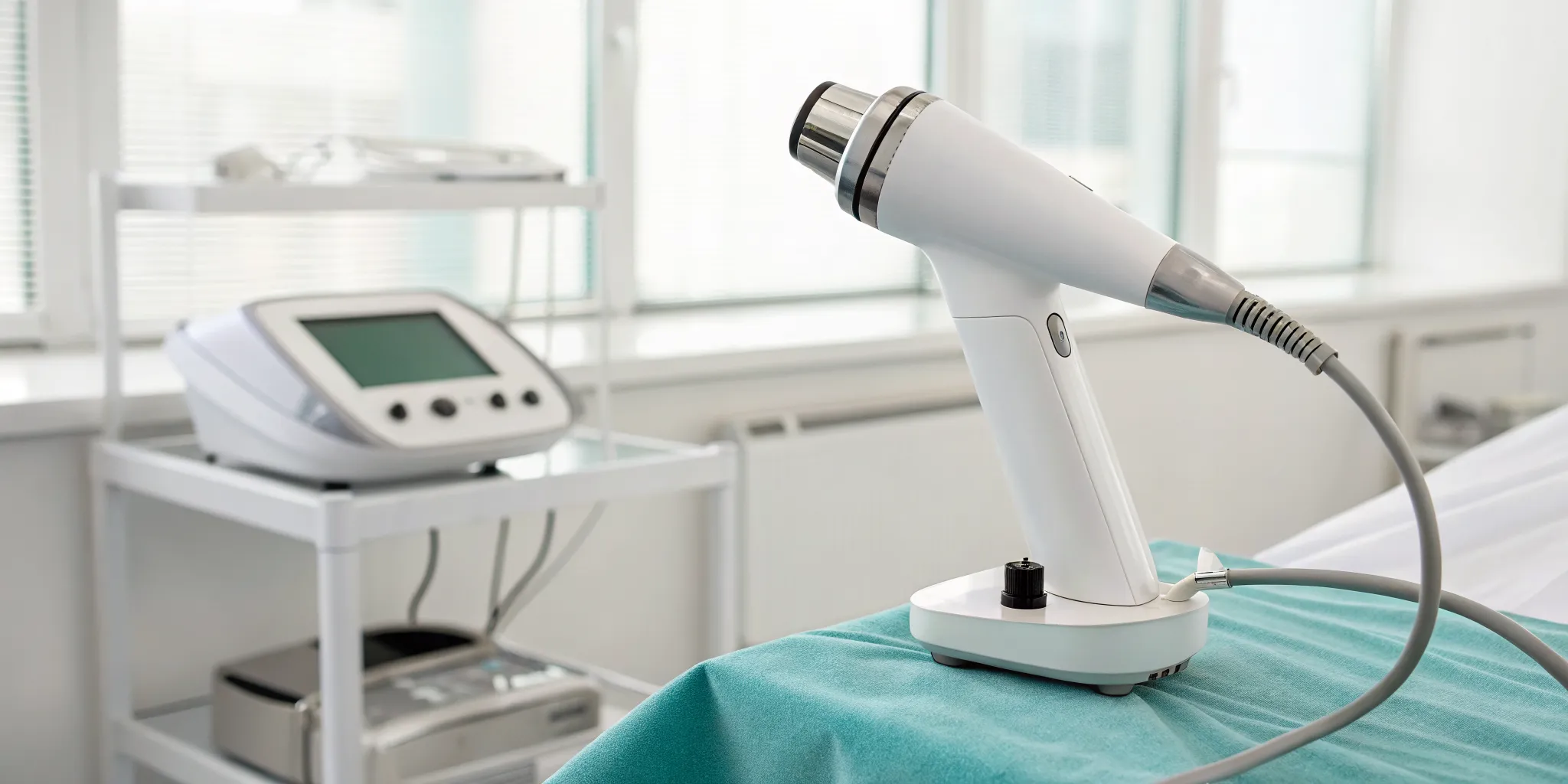
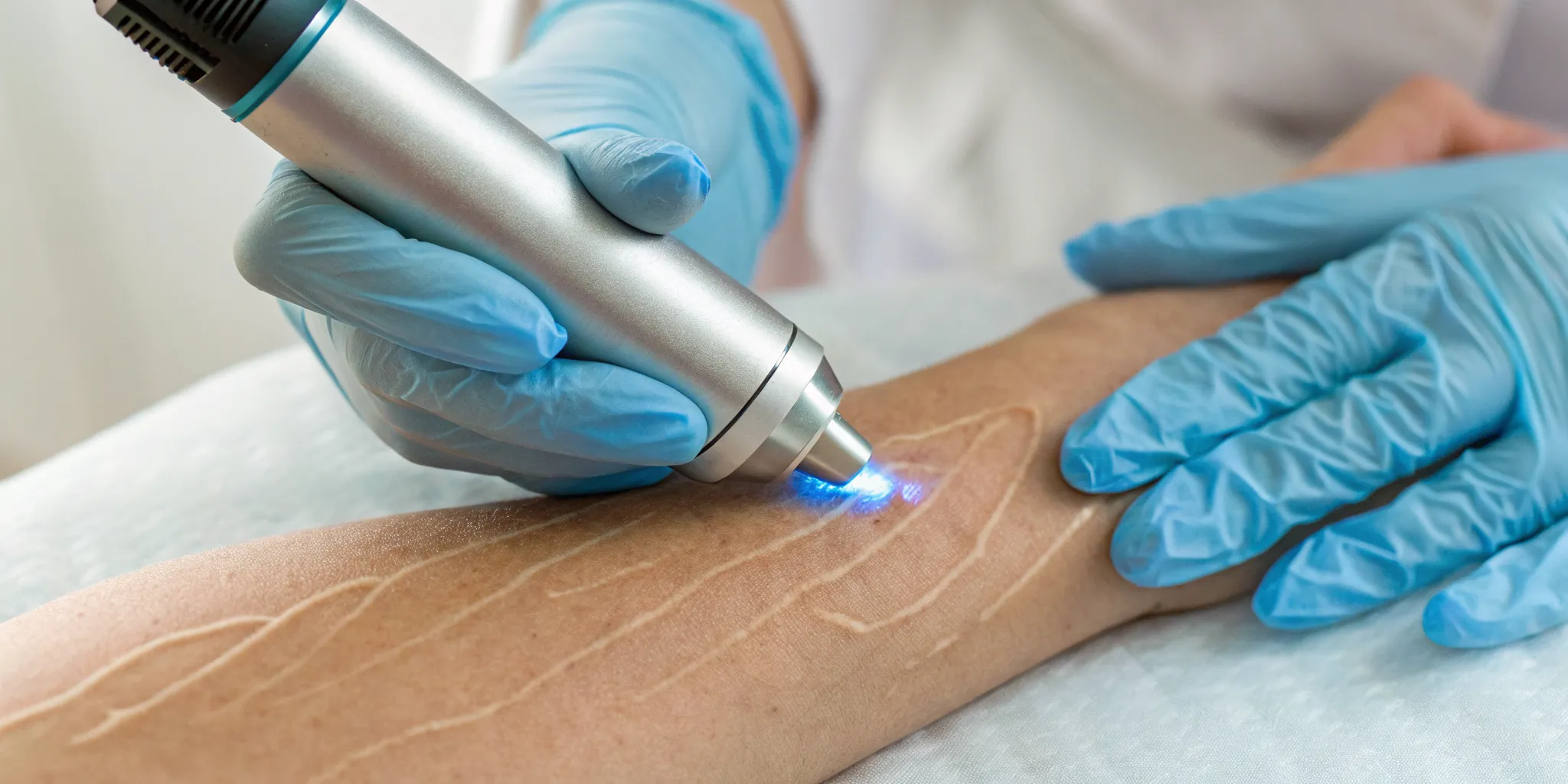
Depending on the assessment, Ascend's care model may also include Regenerative Medicine. The practice describes this area as including SoftWave tissue regeneration therapy, peptide protocols, bio-regulator treatments, and other advanced healing modalities. Those options should be discussed only when a clinician determines they are relevant. Preventive medicine is individualized health planning, not a universal list of therapies, tests, or protocols. Ascend combines Physical Medicine, Functional Medicine, and Regenerative Medicine as complementary parts of a root-cause evaluation and personalized care model, rather than assuming every person needs all three.
What Might a Preventive Evaluation Include?
A preventive evaluation may combine a detailed health history, a physical examination, movement and neurological screening, and carefully selected testing. Its purpose is to gather relevant information, not to order every available test.
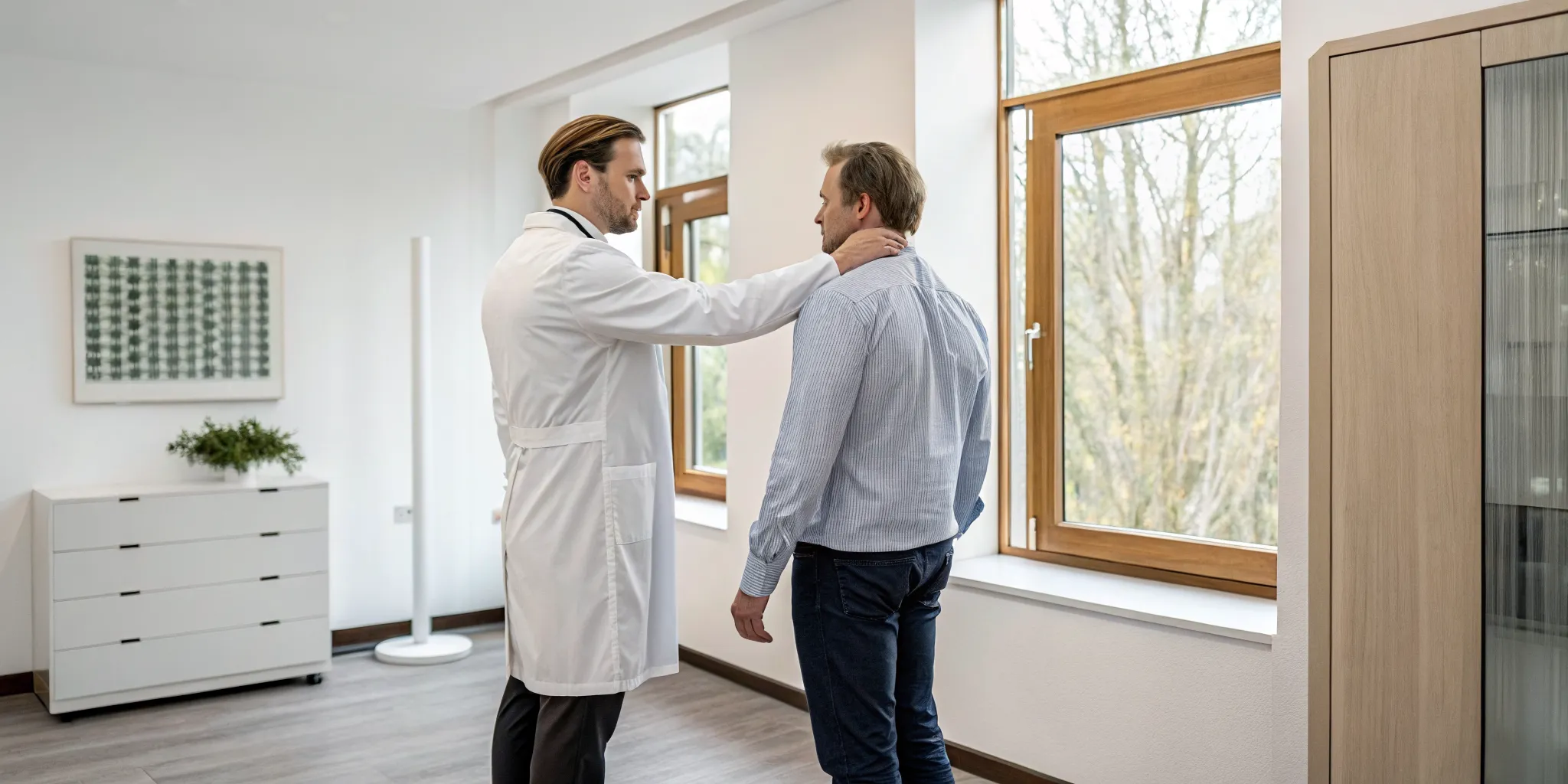
The process generally begins with your history and examination. A clinician may ask about current concerns, previous diagnoses, injuries, medications, daily habits, family history, and the changes you want to make. The examination adds direct observations that can guide the next step. Recommendations depend on your individual history, examination, testing, and clinician judgment, rather than on a fixed checklist. Movement screening and orthopedic and neurological evaluation may help assess how the body is functioning in context.
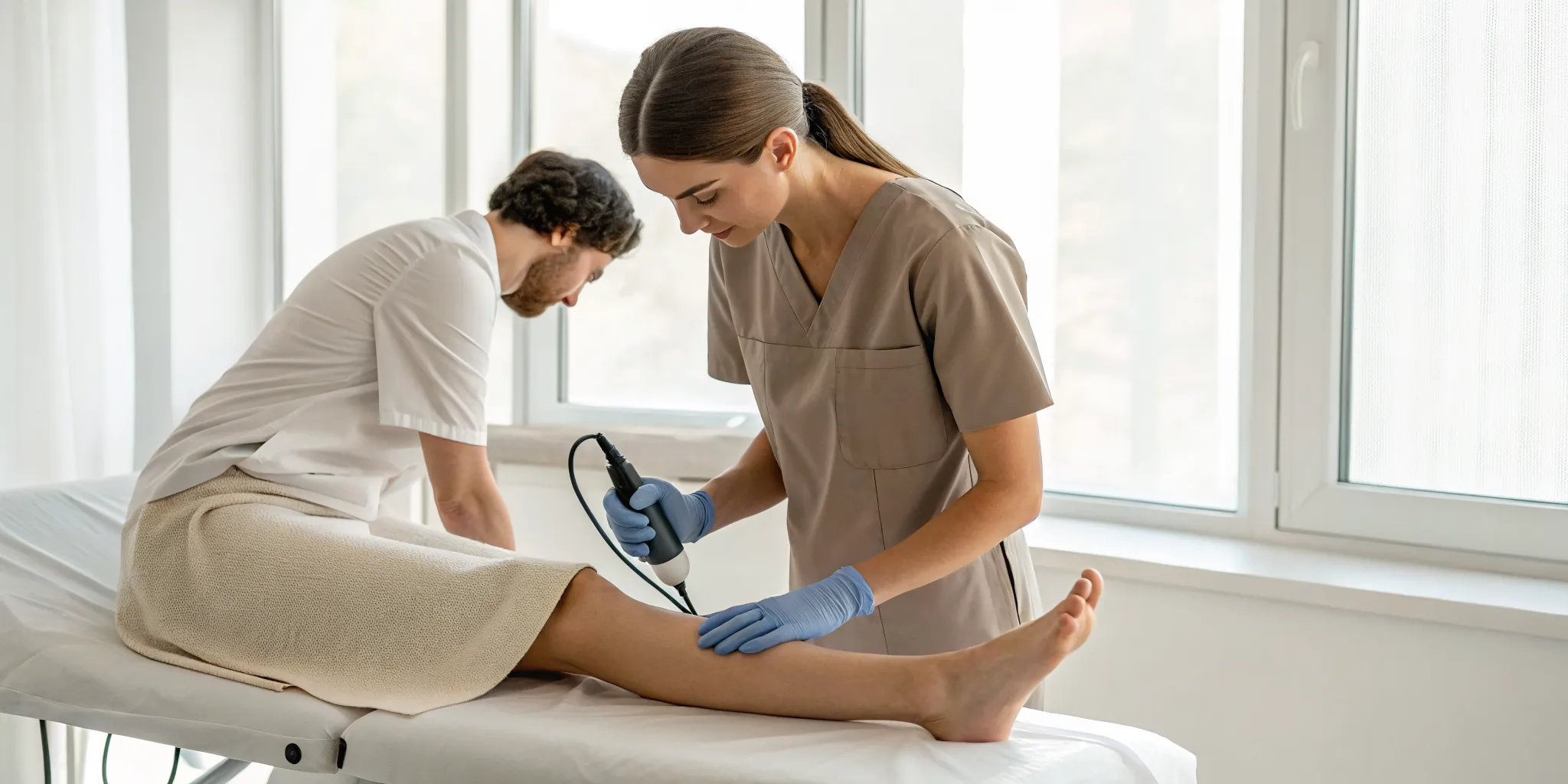
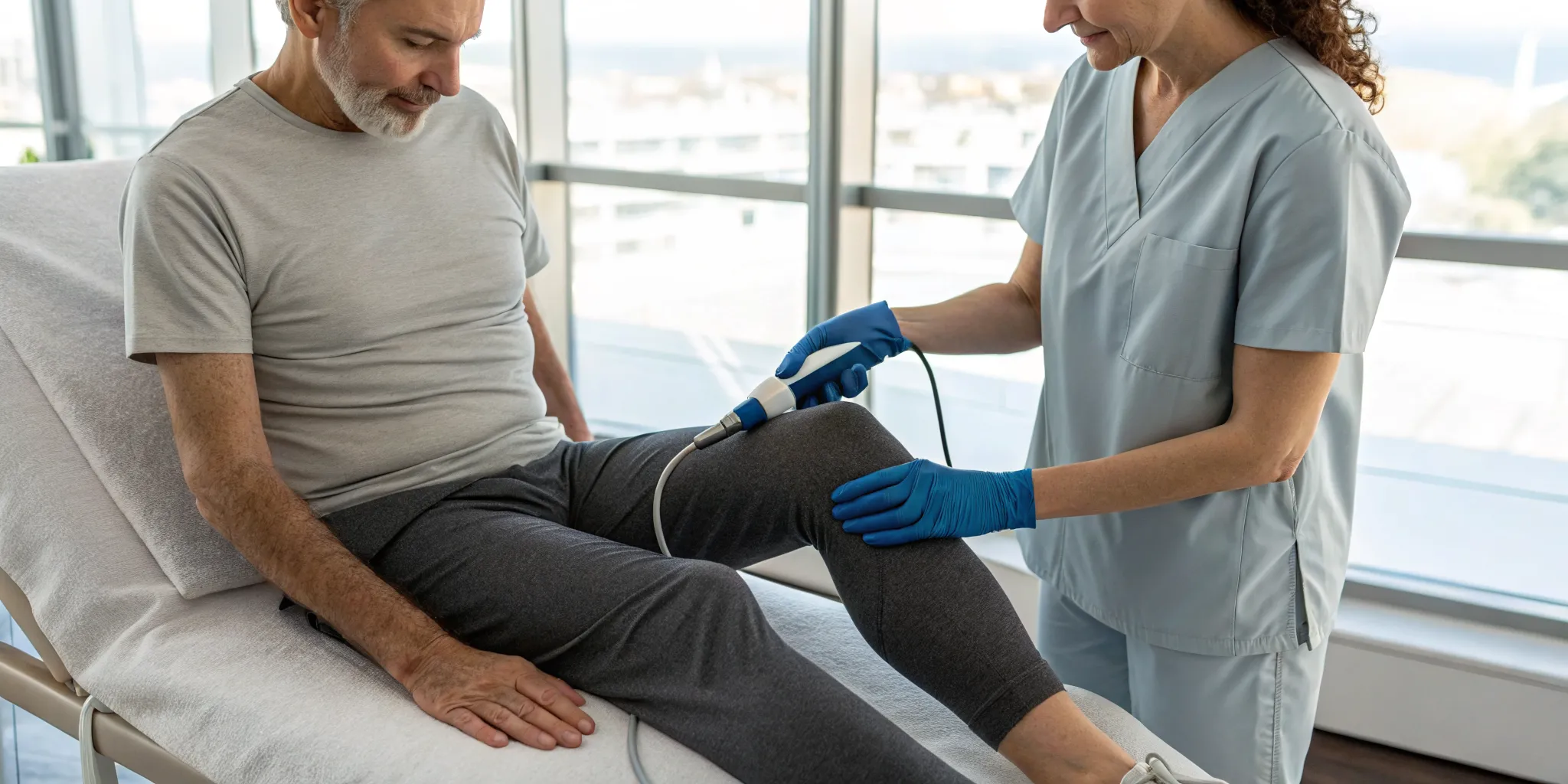
When appropriate, the evaluation may also include a movement assessment. This can help a clinician examine posture, mobility, coordination, strength, or movement patterns related to your goals and concerns. The findings may support a more focused conversation about physical function instead of relying only on how you feel on a particular day.
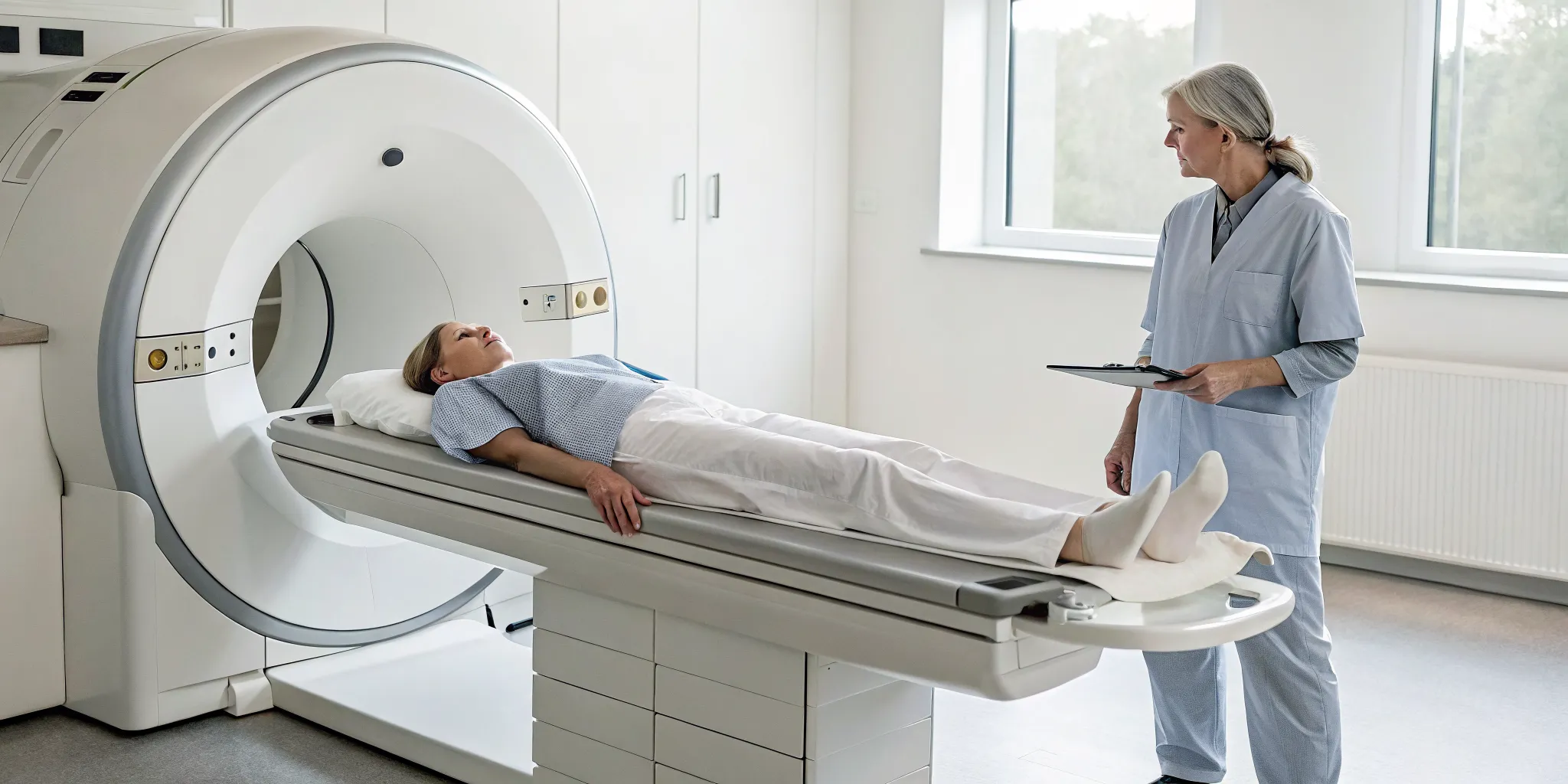
Imaging can provide another type of information when a clinician believes it is relevant. Ascend's assessment resources include digital X-ray analysis. Imaging is not automatically necessary for every person, and it should be interpreted alongside the history and examination rather than treated as a standalone answer.
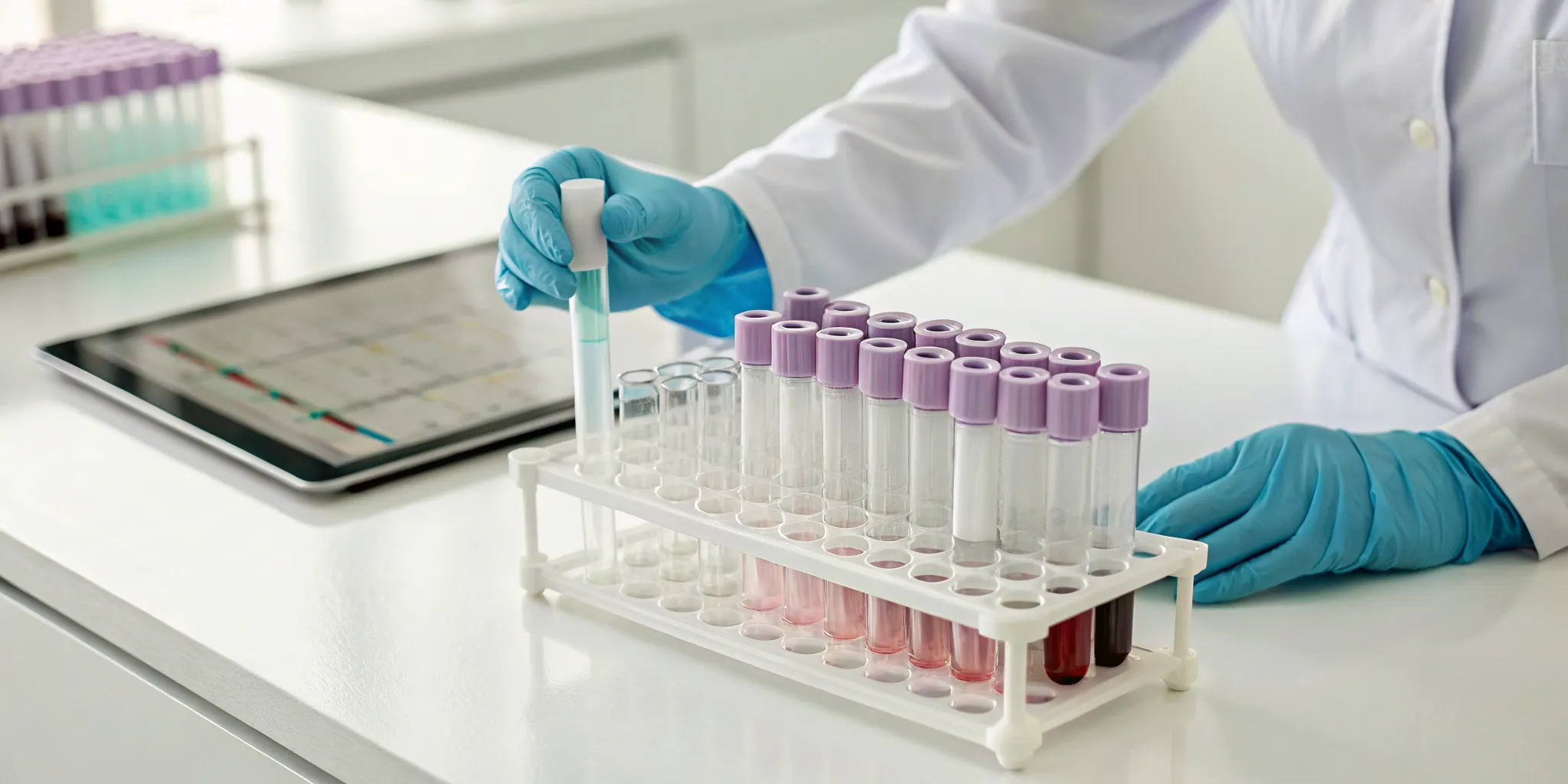
Laboratory panels and specialty testing may be considered when the clinical picture calls for more information. The practice's assessment resources include laboratory panels, specialty testing, bioimpedance analysis, and tissue-response monitoring. These tools may help establish a baseline or add context to a health discussion, but the appropriate selection depends on the person being evaluated.
A useful preventive plan therefore may include several forms of information, but it should remain individualized. One person may need a movement-focused assessment, while another may benefit from laboratory review or a different type of clinician-directed testing. A baseline can guide later conversations about change, yet no single test, measurement, or therapy fits every person. The goal is a thoughtful evaluation that connects relevant findings to practical next steps without assuming that more testing is always better.
How Can Ascend's Three Pillars Support Individualized Planning?
Ascend's three-pillar model organizes preventive planning around movement, internal health patterns, and clinically evaluated regenerative options. The goal is to use relevant information to guide a personalized plan, not to place every person into the same protocol.
Physical Medicine focuses on the relationship between structure, movement, and day-to-day function. At Ascend, this pillar may include chiropractic care, structural correction, spinal decompression, rehabilitation, therapeutic bodywork, and postural restoration. These approaches can be relevant when a person's history and examination point to movement limitations, recurring strain, or other structural contributors that deserve attention. Planning may therefore include practical goals related to mobility, physical function, and how the body responds to activity.
Physical Medicine is not a universal maintenance checklist. The appropriate assessment and care strategy depend on the individual's presentation. A clinician may consider the person's history, examination findings, and goals before determining whether movement-focused care belongs in a broader preventive plan.
Functional Medicine connects planning with laboratory-informed questions
Functional Medicine adds a systems-oriented perspective. Ascend describes this work as involving comprehensive laboratory testing, personalized nutrition protocols, hormonal evaluation or optimization, and gut-health support. In a preventive setting, those tools may help a clinician investigate patterns that are not fully explained by a single symptom or isolated measurement.
Laboratory information is most useful when interpreted alongside the person's history, goals, and other clinical findings. It should not be treated as a standalone answer or as a reason for everyone to pursue the same panel. Instead, testing and follow-up recommendations can be selected to address relevant questions and support measurable progress over time.
Regenerative Medicine may address tissue response and longer-term function
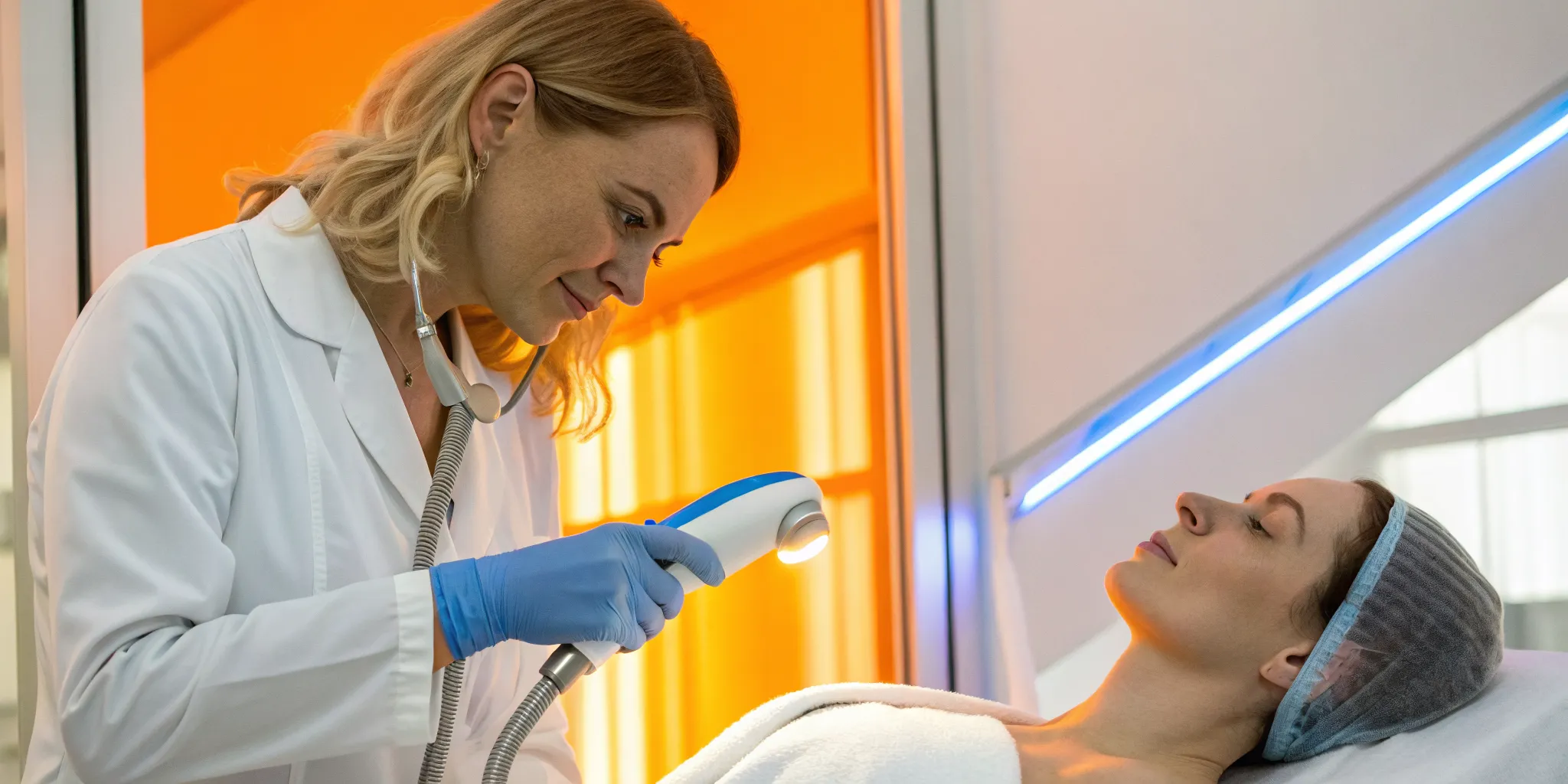
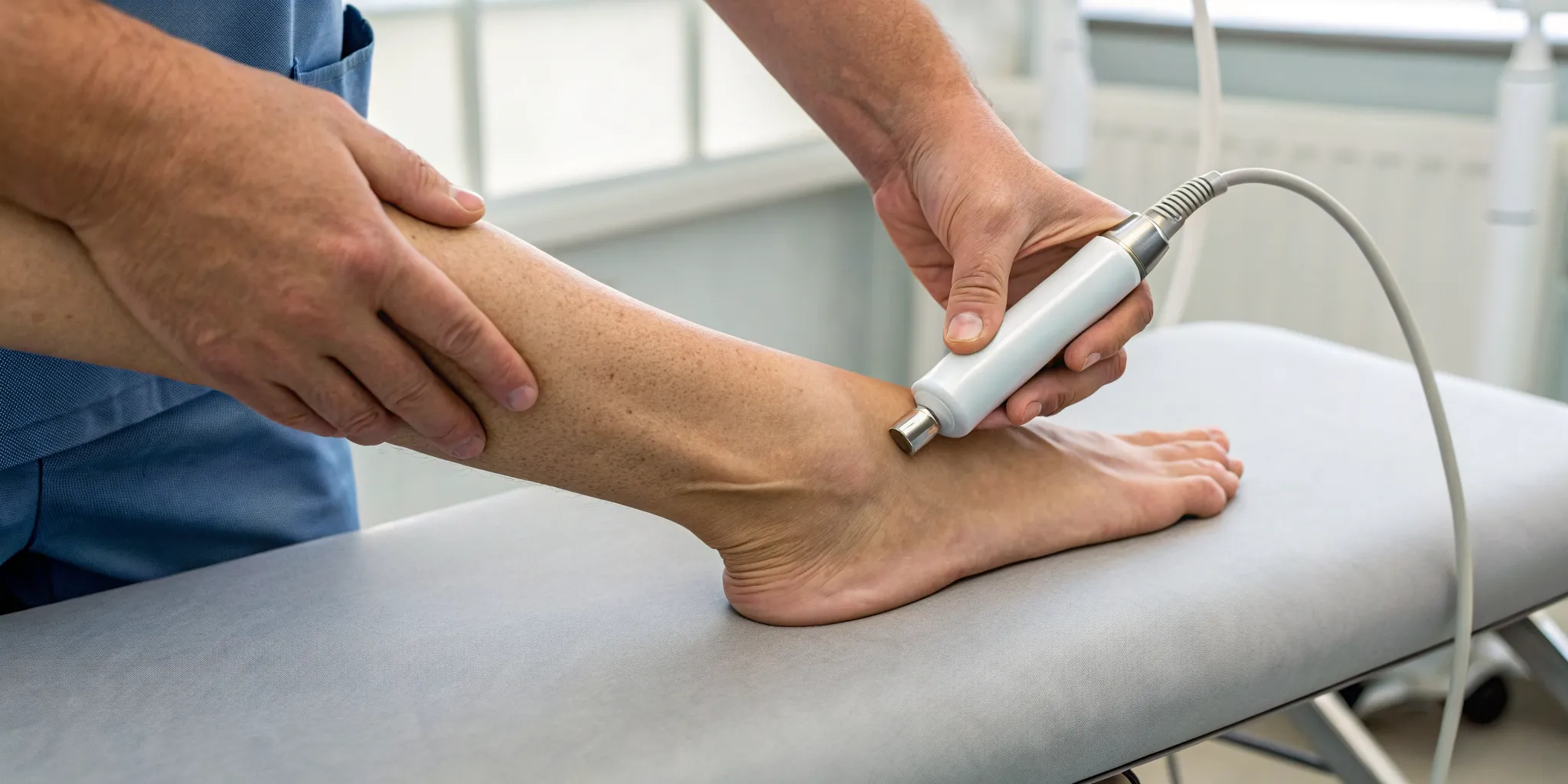
The third pillar, Regenerative Medicine, includes clinically evaluated modalities such as SoftWave tissue regeneration therapy, peptide protocols, bio-regulator treatments, and other advanced healing approaches. These options may be considered when a person's history, examination, and clinical goals suggest that they could have a role in supporting tissue response or function. They are not automatically appropriate for every person, and they should be discussed within a broader evaluation rather than presented as a quick or guaranteed solution.
Together, the three pillars give clinicians several ways to frame an individualized plan: movement and structure, laboratory-informed root-cause evaluation, and carefully considered regenerative options. Recommendations depend on the person's individual history, examination, testing, and clinician judgment. That process helps keep preventive planning specific to the person instead of turning it into a one-size-fits-all list of services.
How Can Tampa Bay Patients Start a Preventive Health Plan?
Start with a focused conversation about your goals, history, and current concerns. This helps identify which questions and evaluations may be relevant instead of following a universal checklist.
1. Clarify what you want to understand
Before an appointment, consider what prompted you to seek a more proactive approach. You may want to support long-term health, better understand biomarkers, maintain physical function, or make sense of a persistent concern. You do not need to arrive with a diagnosis or a complete plan. A short list of priorities can help keep the conversation focused and make it easier to explain what you hope to accomplish.
2. Bring the information that can add context
Gather relevant medical history, current medications and supplements, prior test results, and a record of symptoms or changes you have noticed. Questions about energy, digestion, movement, sleep, or performance may also be useful to write down in advance. This background helps a clinician consider the full picture rather than viewing one measurement or symptom in isolation.
3. Expect recommendations to be individualized
A preventive plan should not assume that every person needs the same test, therapy, or protocol. Recommendations depend on individual history, examination, testing, and clinician judgment. Depending on the discussion, the next step may be education, additional evaluation, a baseline for future comparison, or a referral to another clinician. The goal is a practical plan that fits the person, not a predetermined menu of services.
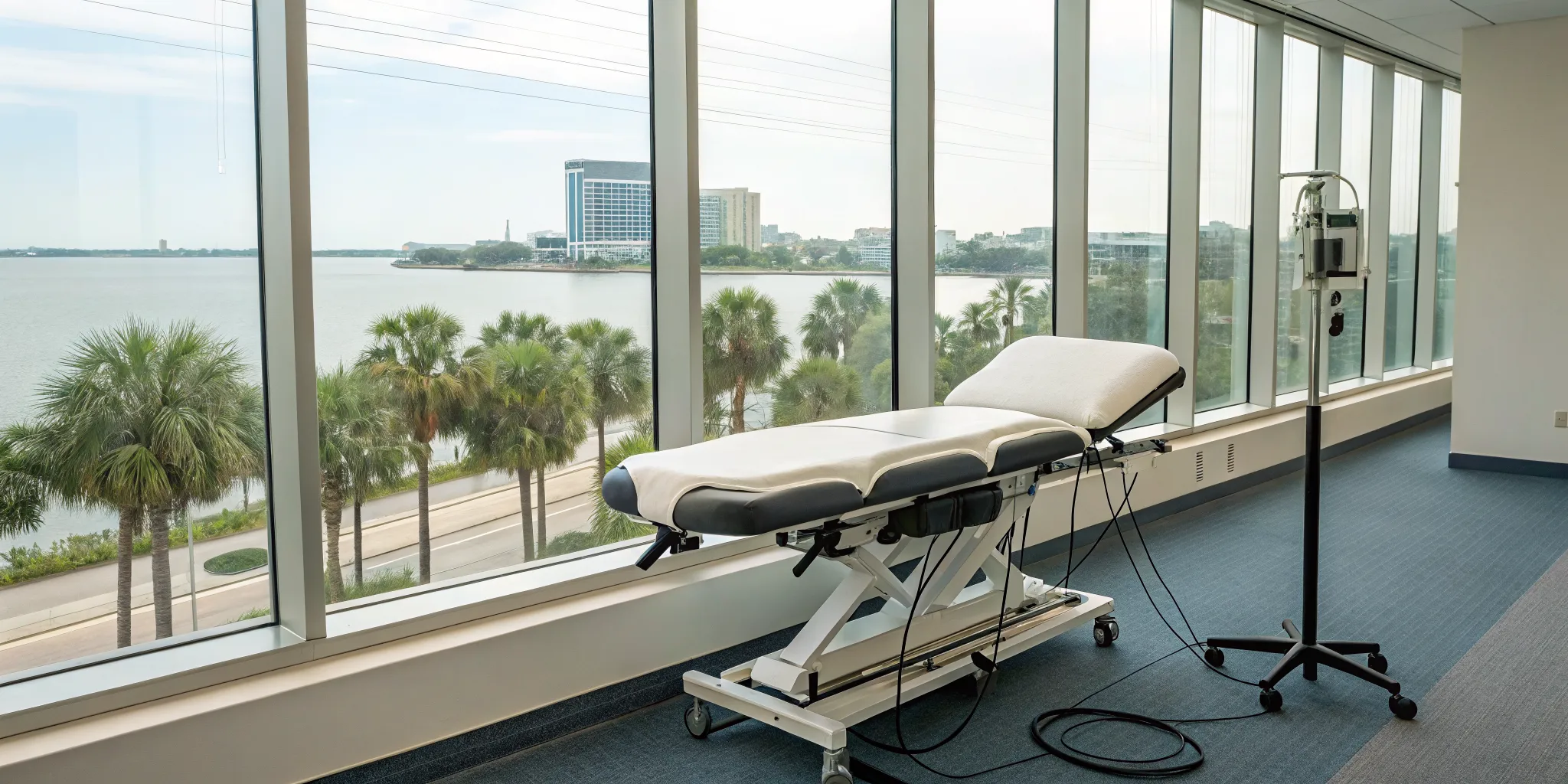
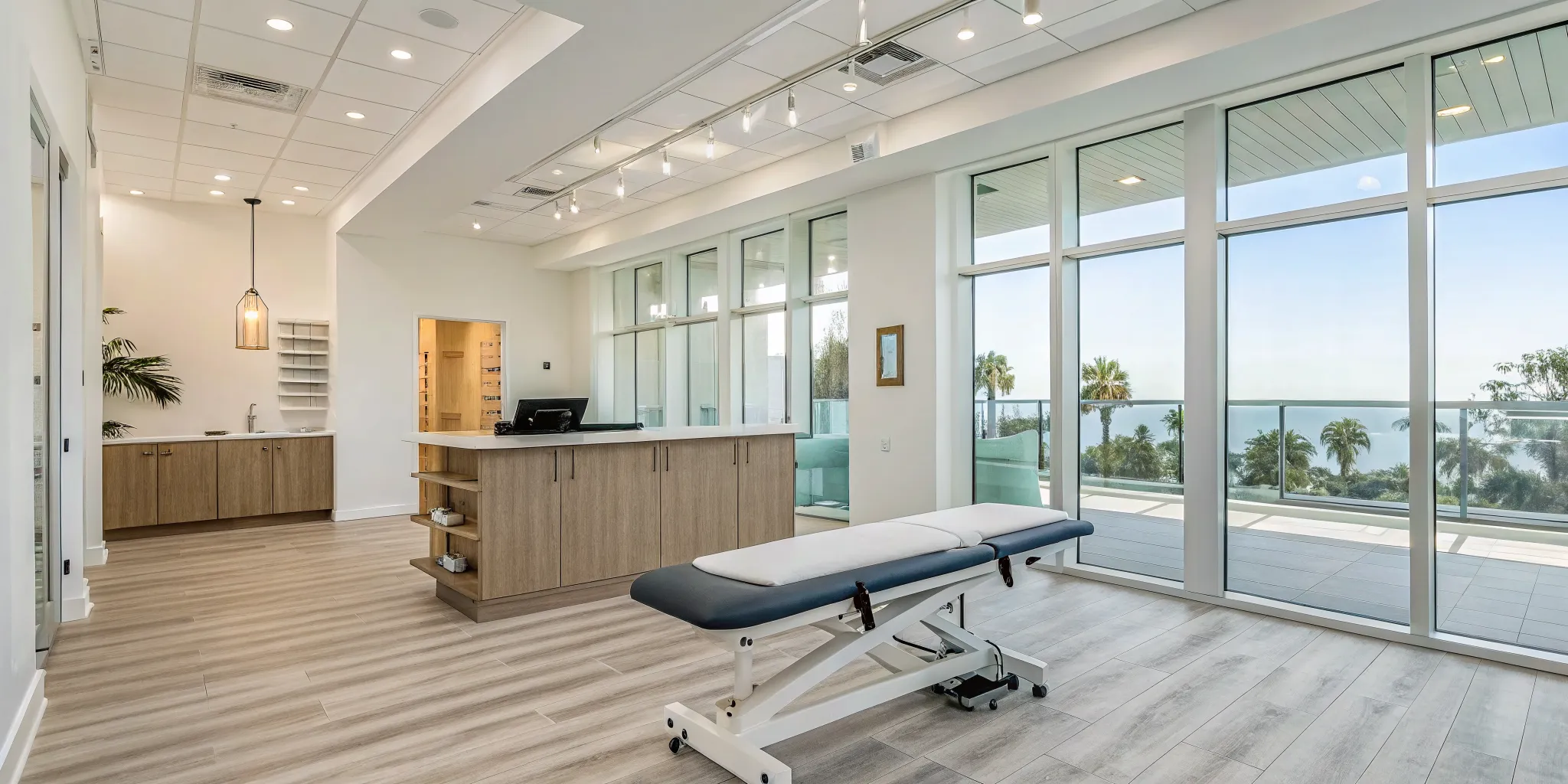
Ascend Functional Health serves the greater Tampa Bay area, including South Tampa, North Tampa, New Tampa, Wesley Chapel, and Town & Country. Its primary service area extends approximately 20 to 25 miles from central Tampa, making a preventive health conversation accessible to many nearby patients. Adults who want to be proactive about health, longevity, biomarkers, and measurable outcomes can discuss their next steps and determine whether the practice is an appropriate fit.
Preventive medicine is most useful when it supports informed decisions over time. Begin with your questions, share relevant context, and let the evaluation guide what comes next.
Talk with Ascend about a personalized plan
Frequently Asked Questions
Who can benefit from preventive medicine planning?
Preventive medicine planning can help adults who feel well and want a clearer approach to long-term health, as well as people managing ongoing concerns. The appropriate starting point depends on personal goals, history, examination findings, and clinician judgment.
What might a preventive health evaluation include?
An evaluation may include a health history, physical or movement assessment, and clinician-directed testing. Depending on the individual, that may involve imaging, laboratory panels, or specialty testing. No single checklist applies to everyone.
How is proactive planning different from waiting for symptoms?
Proactive planning looks for relevant patterns, risks, and contributing factors before a concern worsens. It does not replace primary care, prescribed treatment, or emergency services, and it cannot guarantee a particular outcome.
Which services might be considered in an individualized plan?
Ascend's care model brings together Physical Medicine, Functional Medicine, and Regenerative Medicine. A clinician may consider one or more pillars based on the person's needs, rather than assuming every service is appropriate for every patient.
Can preventive planning support people in different Tampa Bay communities?
Ascend serves the greater Tampa Bay area, including South Tampa, North Tampa, New Tampa, Wesley Chapel, and Town & Country. Prospective patients can discuss fit and next steps with the practice before deciding whether an evaluation is appropriate.
Ready to Discuss Your Preventive Health Plan?
A conversation can help you decide whether a personalized preventive health approach fits your goals and clarify a thoughtful next step based on your history and priorities.
This article is for educational purposes only and is not medical advice. Talk with a qualified clinician before making decisions about your health.