Finding a lasting solution for pain means looking beyond temporary fixes and addressing the underlying cause. When exploring regenerative options, you’ll encounter different types of "shockwave" treatments, but they are not all the same. The distinction in the SoftWave vs radial shockwave therapy comparison is fundamental to your results. One approach is designed to reach deep into muscles and joints to activate your body’s own repair cells, while the other works closer to the surface. Understanding this difference is the first step in choosing a therapy that aligns with a true healing strategy, rather than just masking symptoms for a little while.
Key Takeaways
- Not all "shockwave" is the same: The main difference is the type of wave used. SoftWave uses true, broad-focused shockwaves to comfortably treat large and deep areas, while radial therapy uses less intense pressure waves that work closer to the skin's surface.
- Consider the healing mechanism: The two therapies prompt healing differently. SoftWave gently stimulates your body’s own repair processes, like activating stem cells, while radial therapy works by creating tiny, controlled injuries to signal a healing response.
- Match the therapy to your condition: Your specific pain determines the best approach. SoftWave is ideal for deep, chronic, or widespread issues due to its depth and coverage, whereas radial therapy is more suited for superficial, localized problems.
What Is SoftWave Therapy?
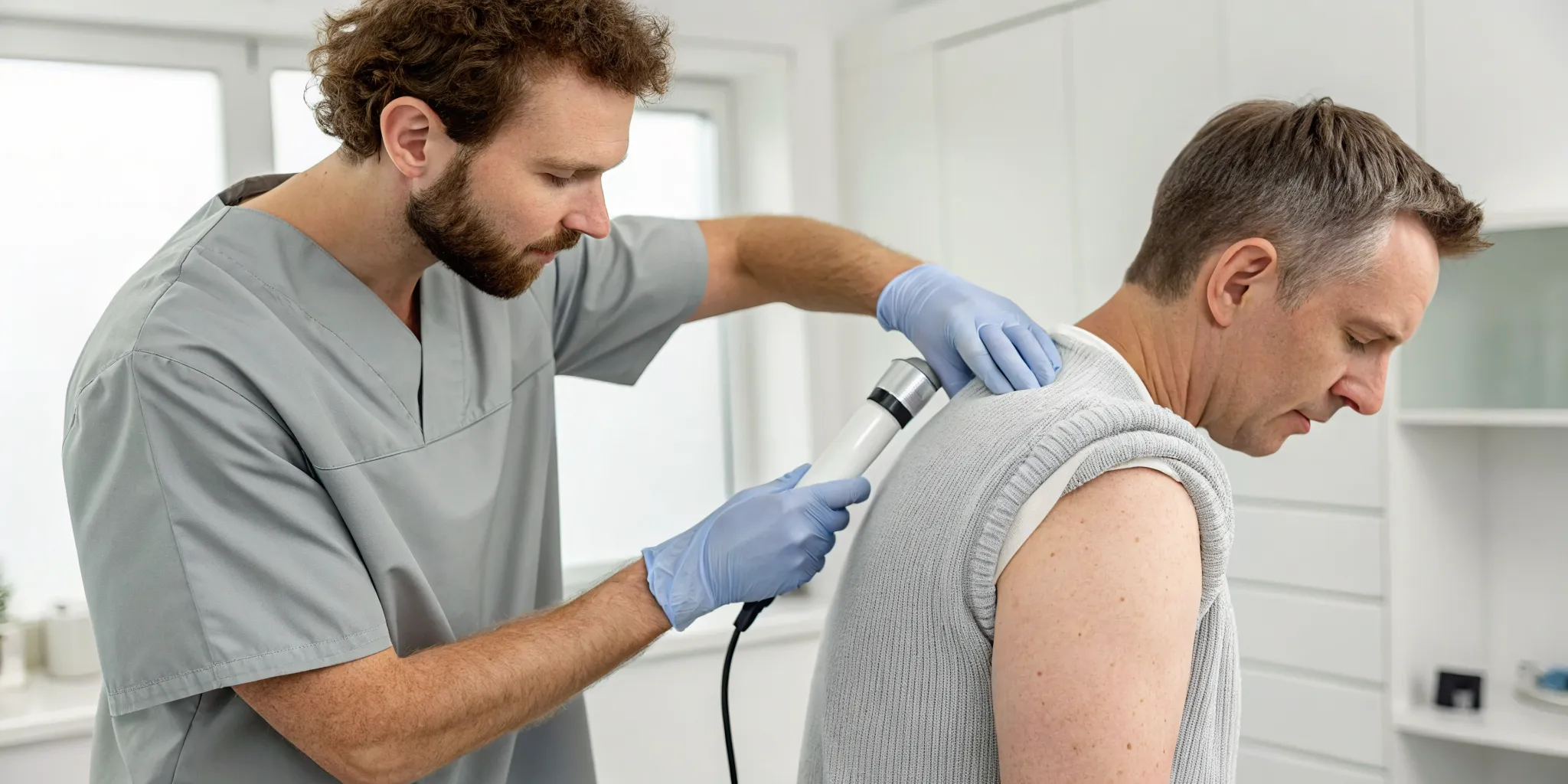
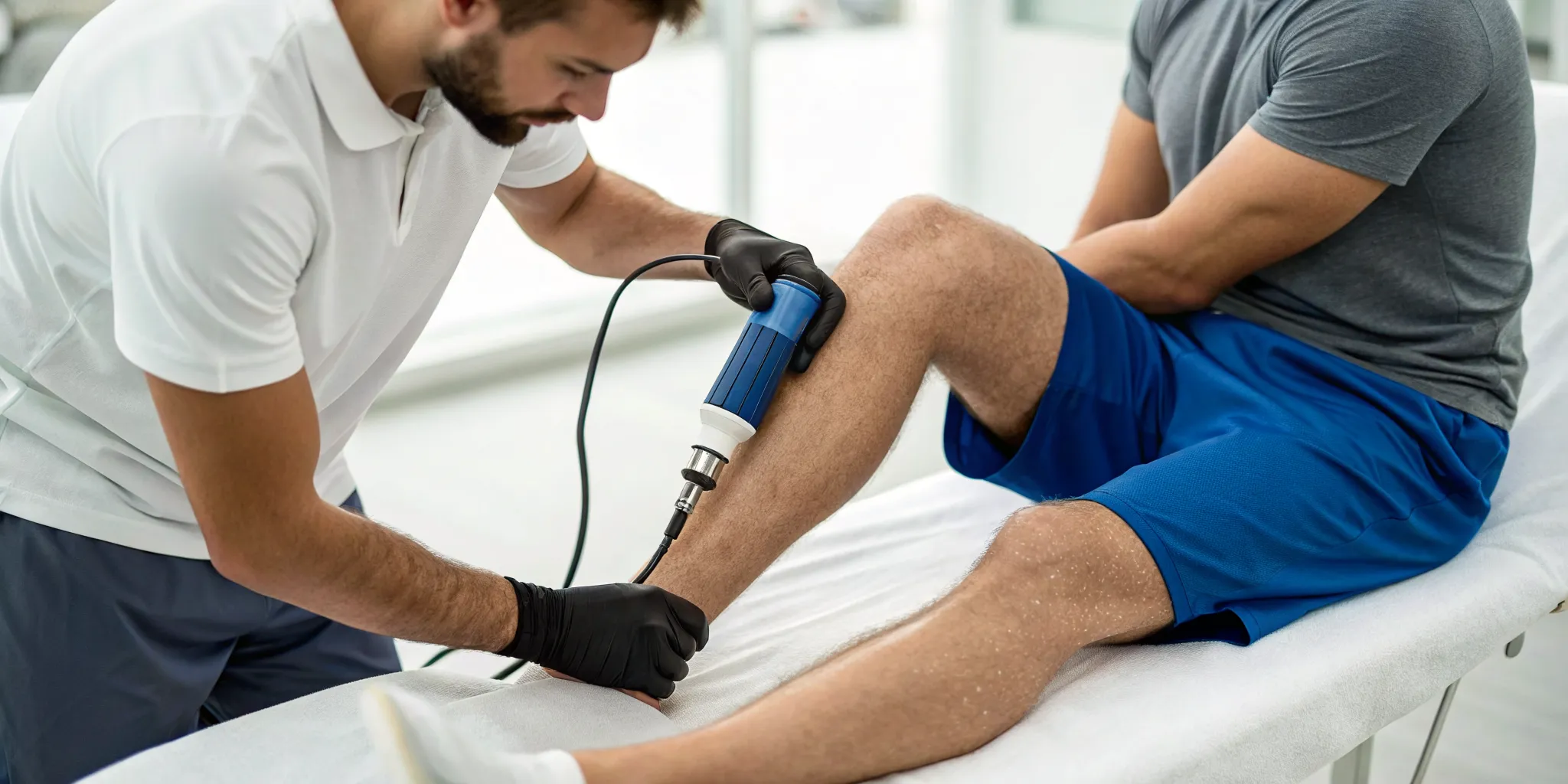
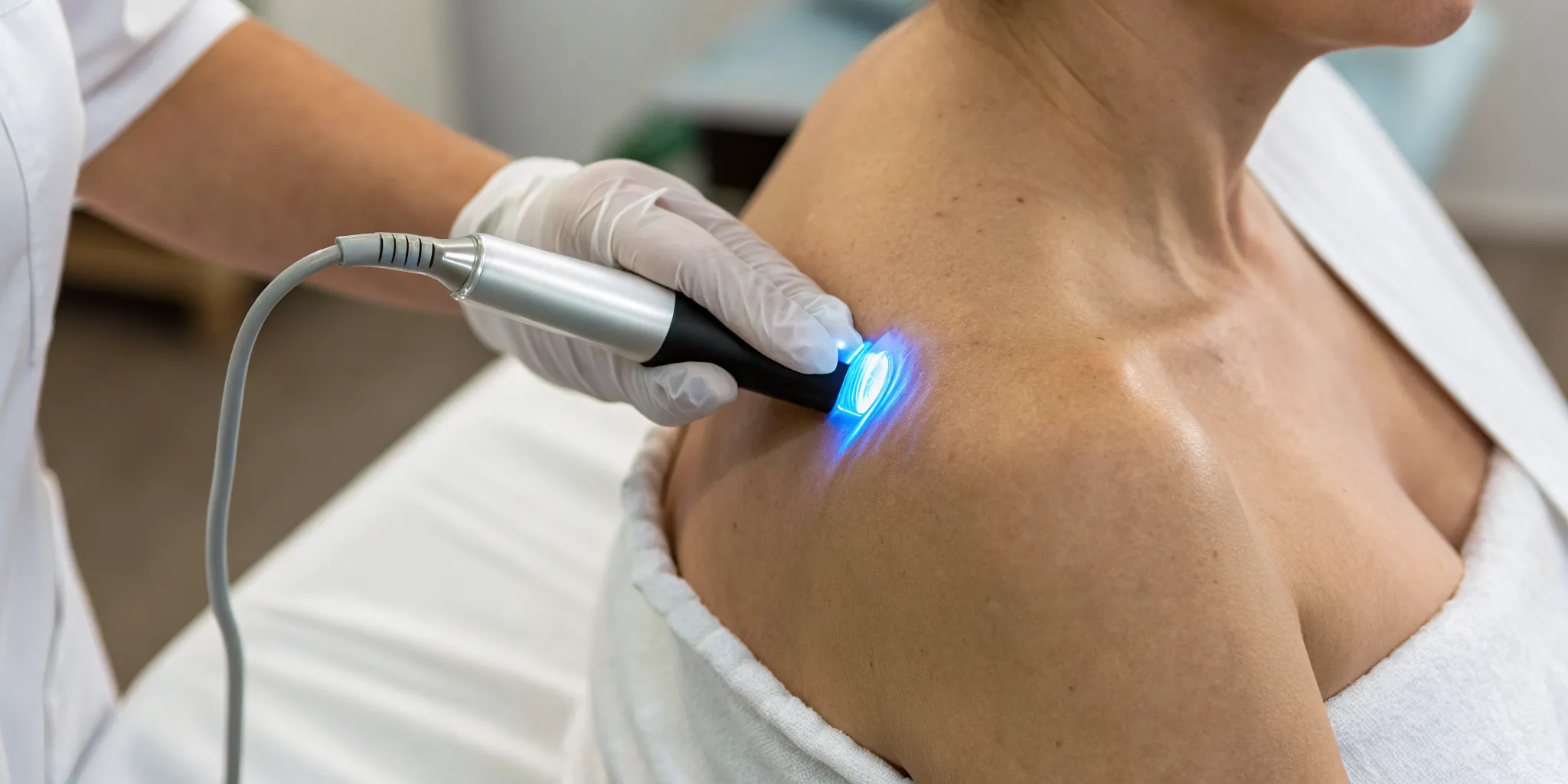
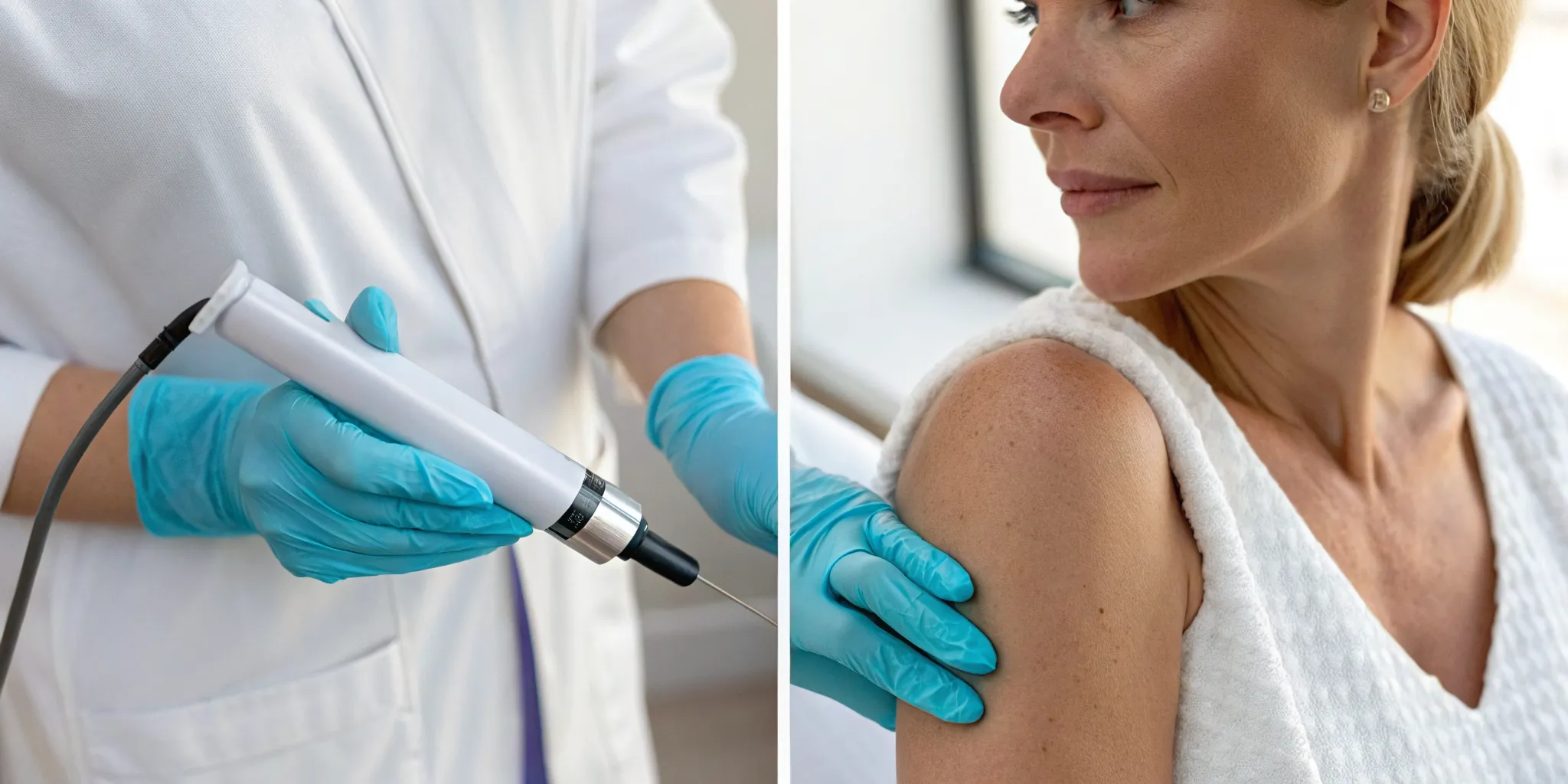
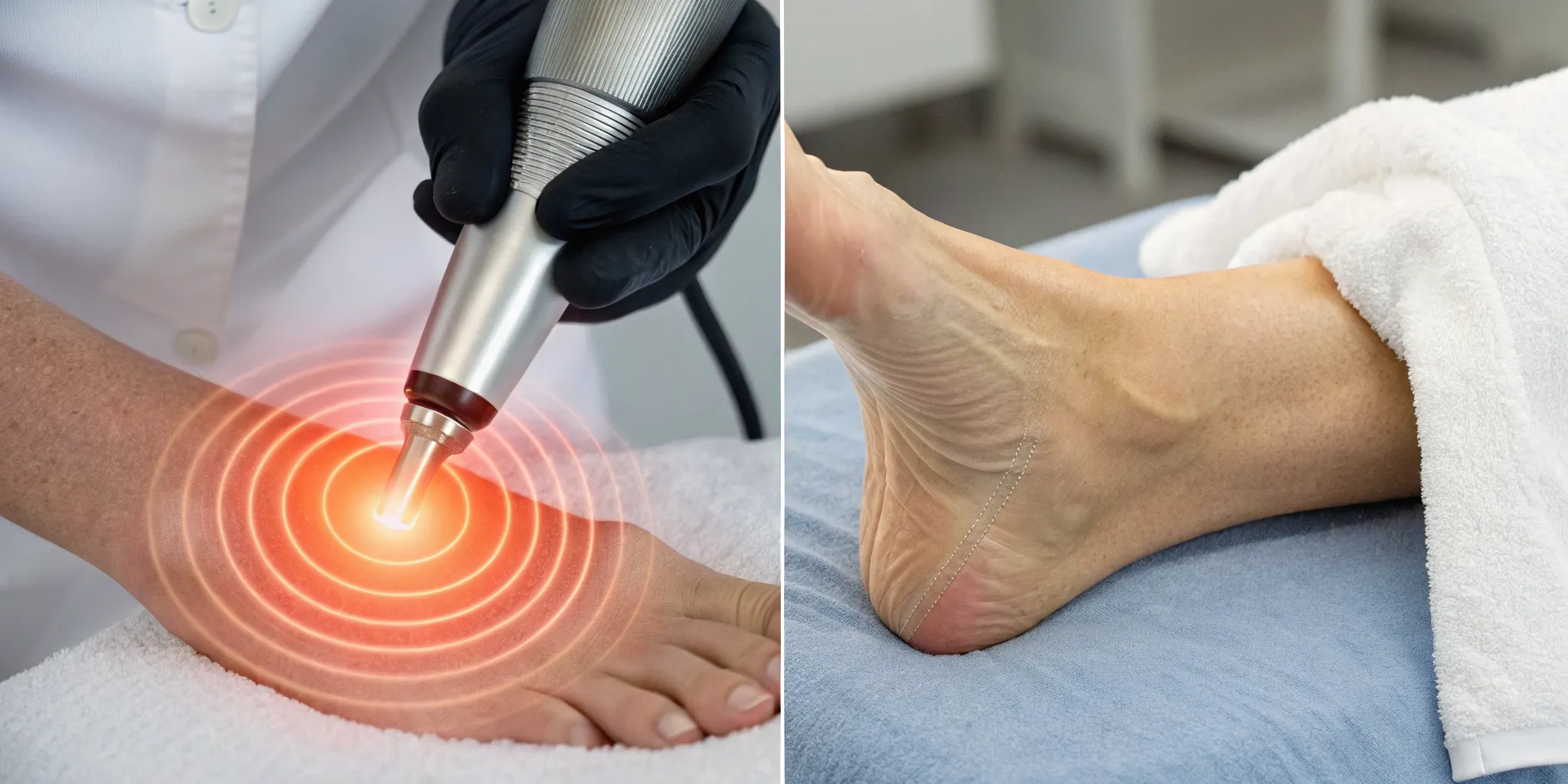
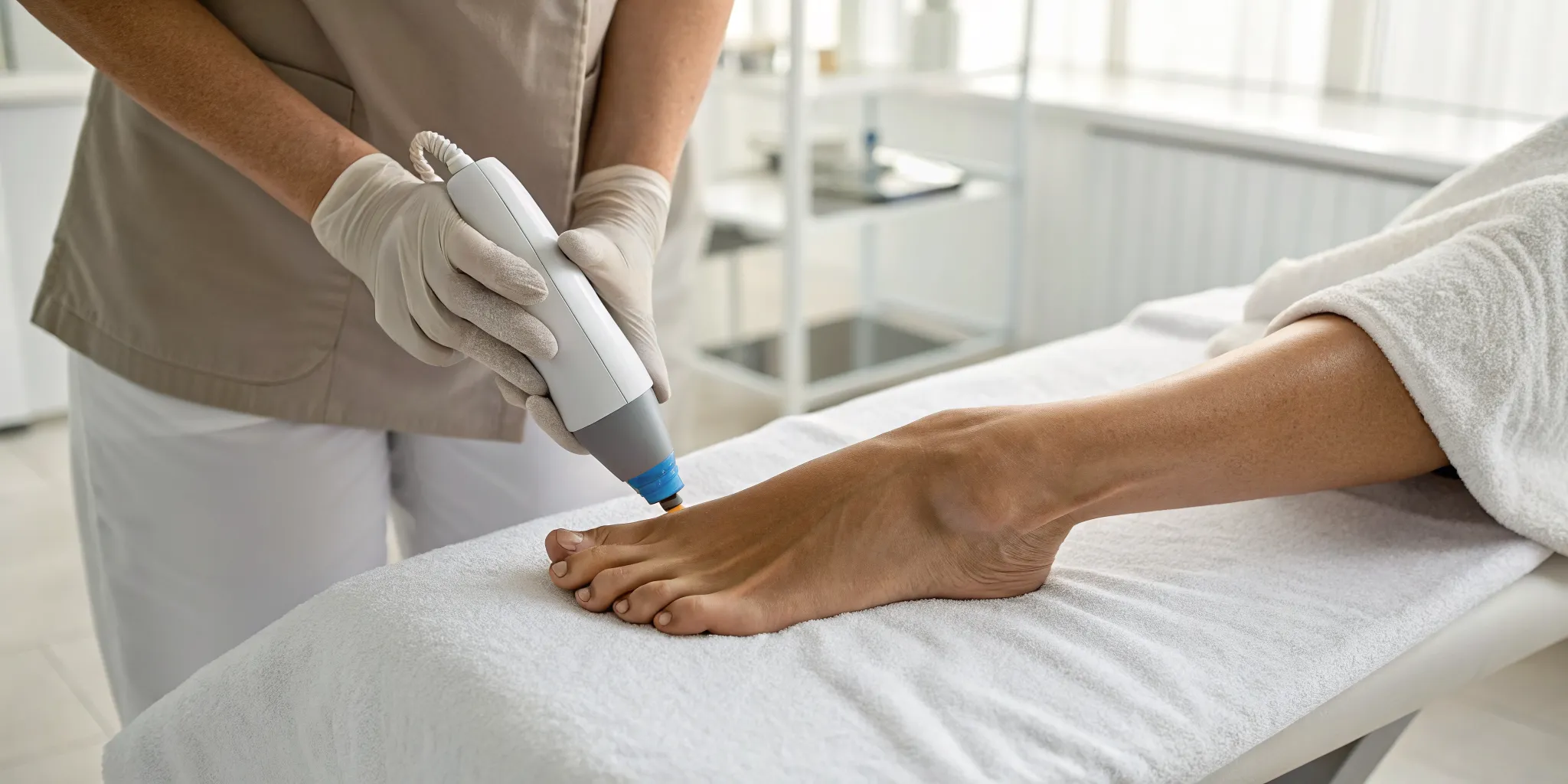
If you're dealing with persistent pain or an old injury that just won’t heal, you’ve probably looked into a lot of different treatments. SoftWave Therapy is a non-invasive option that’s getting a lot of attention, and for good reason. It’s an advanced type of shockwave therapy that uses a unique applicator to send out waves of energy. Unlike other devices that deliver a sharp, focused beam, SoftWave disperses these waves in a wider, parallel pattern. This design is what makes it so different, allowing us to treat a larger area more comfortably and effectively in one go.
Think of it as a way to restart your body’s natural healing process without needles or downtime. By sending acoustic waves deep into your tissues, we can stimulate a powerful biological response that gets to the root of your discomfort. It’s one of the key tools we use in our physical medicine approach because it helps your body heal itself from the inside out. Instead of just masking symptoms, this technology encourages true regeneration. This is why we find it so valuable for our patients who are tired of temporary fixes and want to find a lasting solution to their pain, whether it's from an old sports injury, chronic joint issues, or nagging muscle tightness.
How SoftWave Technology Works
So, how does a simple sound wave create such a profound healing response? The technology behind SoftWave is designed to support your body’s repair mechanisms in several ways. First, it helps your body form new blood vessels, which brings more oxygen and nutrients to the injured area. It also helps calm chronic inflammation, a common culprit behind persistent pain. The waves wake up and call in your body’s own stem cells, the master cells that are essential for rebuilding and repairing tissue. This combination of improved blood flow and cellular activation is what makes it such a powerful tool for tissue regeneration and lasting relief.
How Deep Does SoftWave Reach?
One of the biggest advantages of SoftWave is its impressive depth and coverage. The waves can reach about 12 centimeters (or nearly 5 inches) deep into your body while covering an area about 7 centimeters wide. This is a significant benefit because many chronic issues, like deep muscle adhesions, joint problems, or tendon injuries, are located far below the surface. This broad and deep treatment area means we can thoroughly address the entire affected region in a single session, ensuring no part of the injury is left untreated and promoting more comprehensive healing.
What FDA Clearance Means for You
When you're considering any health treatment, you want to know it's both safe and effective. SoftWave Therapy has received clearance from the FDA for several uses, including activating connective tissue, treating chronic diabetic foot ulcers, and addressing acute second-degree burns. This isn't something every therapeutic device can claim. This regulatory milestone sets it apart and offers you confidence in the treatment. It means the technology has been reviewed for safety and performance, giving you peace of mind as you take the next step in addressing the conditions we treat and getting back to feeling your best.
What Is Radial Shockwave Therapy?
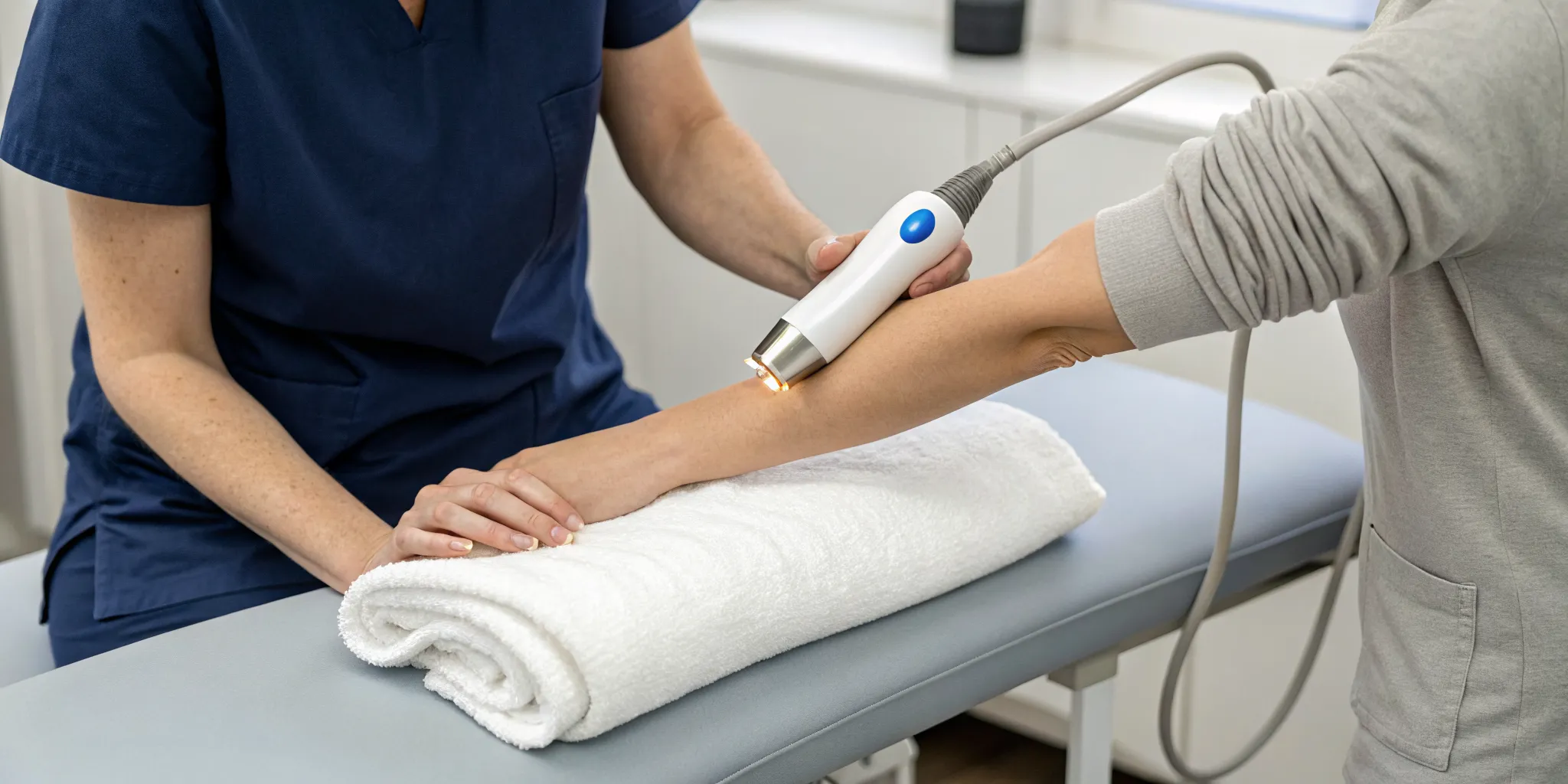
You may have also heard about Radial Shockwave Therapy, or RSWT, as another option for addressing pain. It’s important to understand that this technology works differently from SoftWave. Instead of sending true shockwaves, RSWT uses broader, less intense pressure waves that spread out from the applicator. Think of it like the ripples created when you drop a pebble into a pond; they are strongest at the center and get weaker as they move outward.
This method is often used to address pain and soft tissue problems, particularly those closer to the skin's surface. It can be effective for helping the body regenerate tissue for conditions like tendonitis or plantar fasciitis. The goal is similar to other regenerative therapies: to stimulate the body’s own repair mechanisms. While it has its place, the nature of these radial waves means the energy is less focused and doesn't travel as deep into the body. This is a key distinction when comparing it to other types of wave therapies and is a crucial factor when creating a physical medicine plan tailored to your specific needs.
How Radial Pressure Waves Work
The defining feature of radial pressure waves is how they travel. The energy spreads out across a wider, more general area rather than being concentrated on a single point. Because the energy is dispersed, the intensity is lower compared to more focused technologies. This makes radial therapy a common choice for larger treatment zones or issues that are not located deep within muscle or connective tissue.
This approach is generally considered less invasive. The sensation is often described as a strong, pulsing vibration on the skin. Due to the lower energy levels, the treatment is typically well-tolerated. It’s a straightforward process designed to cover a broader, more superficial area to initiate a healing response without needing to pinpoint a deep, specific target.
The "Micro-Injury" Healing Process
So, how do these pressure waves actually encourage healing? The science behind it is fascinating. The radial waves create what you can think of as controlled "micro-injuries" in the targeted soft tissue. This process isn't causing damage; instead, it's sending a powerful signal to your body that an area needs attention. This signal effectively wakes up your internal repair crew.
In response, your body triggers its natural healing cascade, increasing blood flow and metabolic activity in the area. This stimulation encourages the repair and regeneration of tissue. It’s a way of working with your body’s own systems, which aligns with our core belief in facilitating the body's innate healing abilities. By creating this controlled inflammatory response, we are prompting your body to do what it does best: heal itself from the inside out.
Where Radial Shockwave Can Fall Short
While radial therapy is useful for certain conditions, its primary limitation is its depth. Because the pressure waves are unfocused and lose energy as they spread, they can't effectively reach tissues located deep beneath the skin. For issues like deep trigger points, joint problems, or chronic conditions rooted in deeper layers of tissue, radial waves may not provide the necessary stimulus for healing.
This is where the distinction between different wave technologies becomes critical. Other methods are designed to concentrate energy at a specific, adjustable depth to target precise areas. If your discomfort stems from a deeper source, a more superficial treatment may not address the root cause of the problem. Understanding the wide range of conditions we treat can help you see why choosing the right tool for the job is so important for lasting results.
Where Does Focused Shockwave Therapy Fit In?
So far, we’ve talked about SoftWave and radial pressure waves, but there’s a third player you might hear about: focused shockwave therapy (FSWT). Understanding where it fits in the picture helps clarify why we choose certain technologies for specific health concerns. All shockwave therapies are not created equal; they can differ based on how the waves are generated, their target area, and the type of wave used. Some are "focused," targeting a small, specific area, while others are "broad-focused," spreading out over a larger area.
Focused shockwave therapy does exactly what its name implies. It aims a high-energy acoustic wave at a very specific, small spot deep within the body. Think of it like using a magnifying glass to focus sunlight on a single point. This intensity allows it to reach deep tissues, but it also means the treatment can be quite strong, sometimes requiring a local numbing agent to keep you comfortable.
While this precision can be useful for certain issues, it’s different from the approaches of SoftWave and radial therapies. It’s another tool in the toolbox of physical medicine, but its pinpoint accuracy and high intensity make it suitable for a different set of circumstances than the broader, more regenerative focus of SoftWave. This is why a thorough evaluation is so important, as it allows us to match the right technology to your body's specific needs and the root cause of your discomfort.
Focused vs. Radial vs. SoftWave: A Quick Breakdown
To make it simple, let's break down the key differences between these three technologies. Each one has a unique way of working with your body to promote healing.
- Focused Shockwave Therapy (FSWT): This method "aims energy at a very specific, small spot." Because it uses higher energy to reach deeper tissues, it can be intense.
- Radial Shockwave Therapy (RSWT): In contrast, "radial shockwave therapy spreads waves over a wider area." It uses lower energy and is better for larger, more surface-level problems.
- SoftWave Therapy: This is where our approach stands out. SoftWave is the only FDA-cleared technology that uses broad-focused, high-energy, true shockwaves. It’s unique because it is the only true broad-focused treatment that can effectively target larger and deeper areas of tissue, making it a versatile tool for many of the conditions we treat.
SoftWave vs. Radial Shockwave: What's the Real Difference?
When you hear "shockwave therapy," it’s easy to assume all treatments are the same. However, the technology behind these therapies varies quite a bit, and those differences can have a big impact on your experience and results. Two of the most common types are SoftWave and radial shockwave. While both aim to stimulate healing, they work in fundamentally different ways. Let's break down what sets them apart so you can understand which approach might be right for you.
Depth and Coverage Area
The biggest distinction lies in how the waves travel through your body. SoftWave uses advanced technology to create true shockwaves that spread out in a wide, parallel pattern. Think of it like a broad, gentle column of energy. This allows the treatment to cover a large area, about 7 centimeters wide and reaching up to 12 centimeters deep into tissue. This extensive reach is ideal for addressing issues that are deep-seated or spread across a larger part of the body.
Radial devices, on the other hand, produce pressure waves that spread out across the surface of the skin. They are less intense and treat a wider but much shallower area. This makes them suitable for superficial issues, but they can’t penetrate to the deeper layers of muscle, tendon, or bone where many chronic problems originate.
How Each Wave Affects Your Tissue
The way each therapy prompts healing at a cellular level is also quite different. SoftWave works by waking up your body's own repair mechanisms. The gentle waves stimulate dormant cells, help your body form new blood vessels, and calm chronic inflammation. It’s a truly regenerative process that encourages your tissue to heal from the inside out, which is a core principle of our physical medicine approach.
Radial shockwave therapy operates on a different principle. Its pressure waves create tiny, controlled micro-injuries in the targeted tissue. This process is designed to trigger your body’s natural healing response, essentially telling it to send repair resources to the area. While this can be effective, it relies on creating a small amount of trauma to get the job done.
Comfort and Sensation During Treatment
Your comfort during a session is a major factor, and this is where the two therapies feel worlds apart. SoftWave was specifically designed to be a much more comfortable experience. Most people describe the sensation as a series of gentle taps on the skin. There’s no need for numbing agents, and the treatment is generally very well tolerated.
In contrast, radial shockwave therapy can be more intense. Because it works by creating pressure and micro-trauma, the sensation is often described as stronger, more forceful tapping. For some people, this can be uncomfortable, especially when treating sensitive areas. Our patient-centered approach prioritizes your comfort, which is a key reason we utilize SoftWave technology.
Required Sessions and Recovery
The efficiency of the treatment often translates to the number of sessions you’ll need. Because SoftWave covers a larger and deeper area with each application, it can address the root of the problem more effectively. This often means that patients see results with fewer sessions compared to radial therapy. With minimal to no downtime, you can get back to your daily activities right after your appointment.
With radial shockwave, patients may need more treatment sessions to achieve their desired outcome, as the therapy is less focused and doesn't penetrate as deeply. While recovery is also straightforward, the need for additional appointments can extend your overall treatment timeline. We can help you understand what a personalized plan would look like when you schedule a consultation.
Which Conditions Does Each Therapy Treat Best?
Deciding between SoftWave and radial shockwave isn't about which one is universally "better," but which one is right for your specific situation. The most important difference is how deep the waves penetrate and the type of issue they are designed to address. The depth, intensity, and focus of the waves determine which conditions respond best to treatment. Understanding this distinction is the first step toward finding the right path for your healing. Let's look at the scenarios where each of these therapies truly shines.
When to Choose SoftWave: Deeper Issues and Chronic Conditions
SoftWave is our go-to for issues that are deeper in the body or have become chronic and stubborn. Because its technology creates broad-focused waves, it can reach tissues up to 12 centimeters deep, covering a much larger area than other therapies. This depth is crucial for stimulating the body's natural healing processes, like creating new blood vessels and calming long-standing inflammation. It effectively wakes up your body's own repair cells to encourage genuine tissue regeneration. This makes it an excellent choice for persistent joint pain, old injuries, and complex musculoskeletal conditions that haven't improved with more superficial treatments.
When to Choose Radial Shockwave: Superficial and Localized Pain
Radial shockwave therapy works best for problems that are more superficial, or closer to the skin. The pressure waves from this therapy spread out over a wider, shallower area and are less intense. Think of conditions like tennis elbow, plantar fasciitis, or Achilles tendinopathy, where the affected tissue isn't buried deep beneath layers of muscle. Because it's less focused and doesn't penetrate as deeply, it's a suitable option for localized pain points near the surface. Our approach to physical medicine always involves matching the therapy to the specific location and nature of your discomfort to get the best results.
So, Is SoftWave More Effective Than Radial Shockwave?
When you’re dealing with chronic pain, you want the most effective solution available. Both SoftWave and radial shockwave therapies are designed to stimulate your body’s healing processes, but they work in fundamentally different ways. The right choice depends on the nature of your condition, including how deep the issue lies and how widespread the pain is. Understanding these differences is the first step toward finding the relief you’re looking for.
At Ascend Functional Health, we prioritize treatments that address the root cause of your pain. That’s why we utilize SoftWave as a key part of our physical medicine services. Let’s break down why this advanced technology often has an edge and where other therapies might fit in.
The SoftWave Advantage
SoftWave is an advanced form of shockwave therapy that uses a special parabolic reflector design to create "true" shockwaves. These waves travel in a wide, parallel pattern, allowing them to treat a large and deep area of tissue at the same time, roughly 7 cm wide and 12 cm deep. This makes it incredibly effective for pain that is spread out or involves multiple tissue types. Unlike other therapies that create micro-injuries to trigger healing, SoftWave is non-invasive and typically involves little to no discomfort. Instead of causing trauma, it stimulates your body’s natural healing mechanisms. This process helps your body grow new tissue, improve blood flow, and activate cellular repair, addressing inflammation and tissue quality over a broad region.
When Radial Shockwave Might Still Be an Option
While SoftWave offers deep, widespread treatment, radial shockwave therapy works differently. Instead of true shockwaves, it generates pressure waves that spread out primarily across the surface of the skin. These waves are less intense and treat a wider but much shallower area. Because the energy is less focused and doesn't penetrate as deeply, it’s generally better suited for larger, more superficial problems. Since it’s less invasive and uses lower energy, it can be an option for certain surface-level conditions. However, because the waves are not as powerful, patients often find they need more treatment sessions to achieve their desired results compared to the more advanced and targeted approach of SoftWave.
Common Myths About Shockwave Therapy
When you hear about a new therapy, it’s easy to get tangled in a web of misinformation. Shockwave therapy is no exception. Because it’s a powerful tool for healing, a lot of questions and myths have popped up around it. Let's clear the air and separate fact from fiction so you can understand how this technology actually works and what makes the SoftWave therapy we use at Ascend so different. We'll tackle some of the most common misconceptions I hear from patients.
Myth: All Shockwave Therapies Are the Same
This is probably the biggest misconception out there. The term "shockwave" is actually an umbrella that covers several different technologies, and they are not created equal. Devices can vary in how they generate waves, how deep those waves penetrate, and the size of the area they treat. For example, some machines use radial pressure waves, while others use focused or broad-focused waves, like SoftWave. These differences are critical because they determine the therapy's effectiveness and comfort. Thinking all shockwave is the same is like saying all cars are the same; the technology under the hood makes all the difference in performance and experience. Our approach to physical medicine involves choosing the most advanced and appropriate tools for your healing.
Myth: Shockwave Therapy Is Always Painful
I hear this one a lot, and it often comes from people who have heard about older, more aggressive forms of shockwave. The truth is, your comfort level really depends on the specific technology being used. High-energy focused or radial shockwave therapies can be uncomfortable because they work by creating small amounts of controlled damage (micro-injuries) to trigger a healing response. However, SoftWave therapy is different. It uses broad-focused soundwaves that stimulate your body’s natural healing mechanisms without causing that initial damage. Most of our patients describe the sensation as a light tapping, and it’s generally a very comfortable experience. Our patient-first philosophy is a core part of who we are, which you can learn more about on our about page.
Myth: Deeper Treatment Is Always Better
It’s easy to assume that for a deep injury, you need the deepest possible treatment, but that’s not the whole story. What’s more important is getting the right kind of energy to the right area. Some therapies, like focused shockwave, can penetrate deeply but only treat a very small, precise point. Radial waves are much more superficial and don't reach deep tissues effectively. SoftWave offers the best of both worlds: it can reach significant depths while also treating a wide area. This broad coverage is key for activating a larger population of resident stem cells and promoting widespread healing, which is why it's effective for so many of the conditions we treat. It’s not just about depth; it’s about comprehensive healing.
What to Expect From Your Treatment
Deciding to try a new therapy can feel like a big step, and it’s completely normal to have questions about what the process involves. Knowing what to expect can help you feel more prepared and confident in your decision to address the root cause of your pain. At Ascend Functional Health, we believe in transparency and partnership, so we want to walk you through what a typical treatment plan looks like, from your first session to your final results.
Our goal is to make your healing journey as smooth and comfortable as possible. We’ll create a personalized plan tailored to your specific needs, whether you're dealing with chronic joint pain, a lingering sports injury, or another condition. Let’s break down what you can anticipate regarding comfort, recovery, and the number of sessions you might need.
Your Comfort During and After Treatment
One of the first questions people ask is, "Will it be painful?" We're happy to report that SoftWave therapy is designed to be a gentle experience. Unlike older radial shockwave technologies that can be uncomfortable, most people describe the sensation of SoftWave as a series of "gentle taps" on the skin. Our team is trained to ensure you remain comfortable throughout the entire session.
The applicator sends waves deep into your tissue to promote healing without causing unnecessary discomfort. While you might feel a slight increase in sensation over areas with more inflammation, the treatment is very tolerable. Our physical medicine approach prioritizes effective healing while making sure your experience is a positive one from start to finish.
Recovery and Your Timeline for Results
Because SoftWave is completely non-invasive, there is very little to no downtime required. Sessions are quick, typically lasting only 10 to 15 minutes, which means you can easily fit them into your busy schedule. After your appointment, you can return to your normal daily activities right away without any restrictions. You might notice some immediate improvement in your pain levels or range of motion, but the real magic happens over time.
The therapy stimulates your body's natural healing mechanisms, a process that continues for weeks after your sessions. Many of the conditions we treat are chronic, so lasting results build cumulatively. Patience is key as your body works to repair and regenerate damaged tissue.
How Many Sessions Will You Need?
The number of sessions required varies from person to person. Your specific treatment plan will depend on the nature of your condition, how severe it is, and how long you've been experiencing symptoms. Generally, a course of treatment involves several sessions, often scheduled about one week apart to give your body time to respond and begin the healing process.
During your initial consultation, we will assess your situation and recommend a protocol designed for optimal results. For some, a few sessions are enough to see significant changes, while others with more complex or long-standing issues may need a more extended plan. We'll work with you every step of the way, adjusting as needed to help you achieve your health goals.
Our Approach to SoftWave Therapy in Tampa
At Ascend Functional Health, we see you as a whole person, not just a collection of symptoms. Our goal is always to find and address the root cause of your discomfort, which is why we don’t rely on single, isolated treatments. Instead, we build a personalized plan that supports your body’s ability to heal itself. SoftWave therapy is a powerful tool in our toolkit, but its true strength is revealed when it’s integrated into a comprehensive strategy. We use it as a key component of our Physical Medicine pillar to prepare your body for healing and amplify the results of your other treatments.
We believe in a multi-faceted approach because chronic pain and dysfunction rarely have just one cause. By combining SoftWave’s regenerative capabilities with chiropractic adjustments and functional medicine insights, we can address your health from multiple angles. This allows us to tackle not only the structural issues causing pain but also the underlying inflammation and metabolic problems that might be preventing you from getting better. Our process is designed to create lasting change, helping you move better, feel better, and get back to living your life to the fullest.
Integrating SoftWave into Your Physical Medicine Plan
When we incorporate SoftWave into your care plan, we’re using it to create the ideal environment for healing. Because SoftWave uses true unfocused shockwaves, it can treat larger and deeper areas of tissue more comfortably than other technologies. This is perfect for addressing the stubborn soft tissue injuries, scar tissue, and chronic inflammation that often accompany joint and muscle pain.
We find that using SoftWave helps prepare your body for other treatments, like chiropractic adjustments, by relaxing tight muscles and improving blood flow. The sessions are quick, the recovery is minimal, and the results are designed to be long-lasting. By targeting the soft tissue component of your pain, we can address many of the conditions we treat more effectively and help you achieve better outcomes.
A Holistic Approach: Combining SoftWave, Chiropractic, and Functional Medicine
SoftWave therapy does more than just manage symptoms; it stimulates your body’s own repair mechanisms on a cellular level. The acoustic waves help calm inflammation, activate dormant stem cells, and promote the growth of new blood vessels. This regenerative process is where our holistic model truly shines. While SoftWave is working to repair tissues physically, our Functional Medicine protocols are working to resolve the systemic issues, like gut imbalances or nutrient deficiencies, that contribute to inflammation in the first place.
This combination creates a powerful synergy. Chiropractic care aligns your body’s structure, SoftWave regenerates damaged tissues, and functional medicine optimizes your internal health. By weaving these therapies together, we create a comprehensive plan that supports healing from the inside out, leading to more complete and sustainable results.
Related Articles
- SoftWave Tissue Regeneration Therapy in Tampa | Alessi Functional Health
- SoftWave TRT Therapy in Tampa, FL - Alessi Functional Health
- What Is Soft Tissue Therapy? A Complete Guide
- The Ultimate Guide to Myofascial Release Therapy
- What Is Graston Technique Therapy? A Beginner's Guide
Frequently Asked Questions
What does a SoftWave treatment actually feel like? This is one of the first things people want to know, and I’m happy to say it’s a very manageable experience. Most of our patients describe the sensation as a series of gentle, deep taps on the skin. Because SoftWave is designed for comfort, there’s no need for any numbing agents. You might feel a slightly stronger sensation in areas where there is more inflammation or tissue damage, but it’s not painful. The sessions are quick, and you can get right back to your day afterward.
With so many types of wave therapies, why do you focus on SoftWave? We chose to use SoftWave technology because it aligns perfectly with our goal of addressing the root cause of your pain. Unlike radial therapies that are more superficial or focused therapies that target a tiny point, SoftWave treats a large and deep area of tissue all at once. It works by stimulating your body’s own repair crews (your stem cells) to regenerate tissue, which is a much different and gentler process than creating micro-injuries to force a healing response. This comprehensive approach often leads to better, more lasting results with a more comfortable experience for you.
How soon will I feel better and how many sessions will it take? Your healing timeline is unique to you. Some people feel a noticeable improvement in pain and movement right after their first session, but the most significant changes happen over time. The therapy stimulates a regenerative process that continues for weeks after your treatments end. The total number of sessions depends on your specific condition, how long you've had it, and its severity. During your consultation, we will outline a personalized plan so you know exactly what to expect.
I've had this nagging injury for years. Can SoftWave still help? Yes, absolutely. SoftWave is particularly effective for chronic conditions and old injuries that have stopped healing properly. These long-standing issues often involve poor blood flow, stubborn inflammation, and scar tissue. The acoustic waves can penetrate deep into these areas to restart your body’s natural healing cascade, improve circulation, and help break down old adhesions. It’s an excellent option for waking up the healing process in tissues that have been “stuck” for a long time.
Is SoftWave a standalone treatment, or is it part of a bigger plan? At our practice, SoftWave is a key player in a comprehensive healing strategy. We rarely use it as a single treatment because we find it’s most powerful when integrated with our other physical and functional medicine services. For example, using SoftWave to calm inflammation and relax tight muscles can make your chiropractic adjustments more effective. By combining therapies, we can address your body’s structure, tissue health, and internal biochemistry all at once, which leads to more complete and sustainable healing.