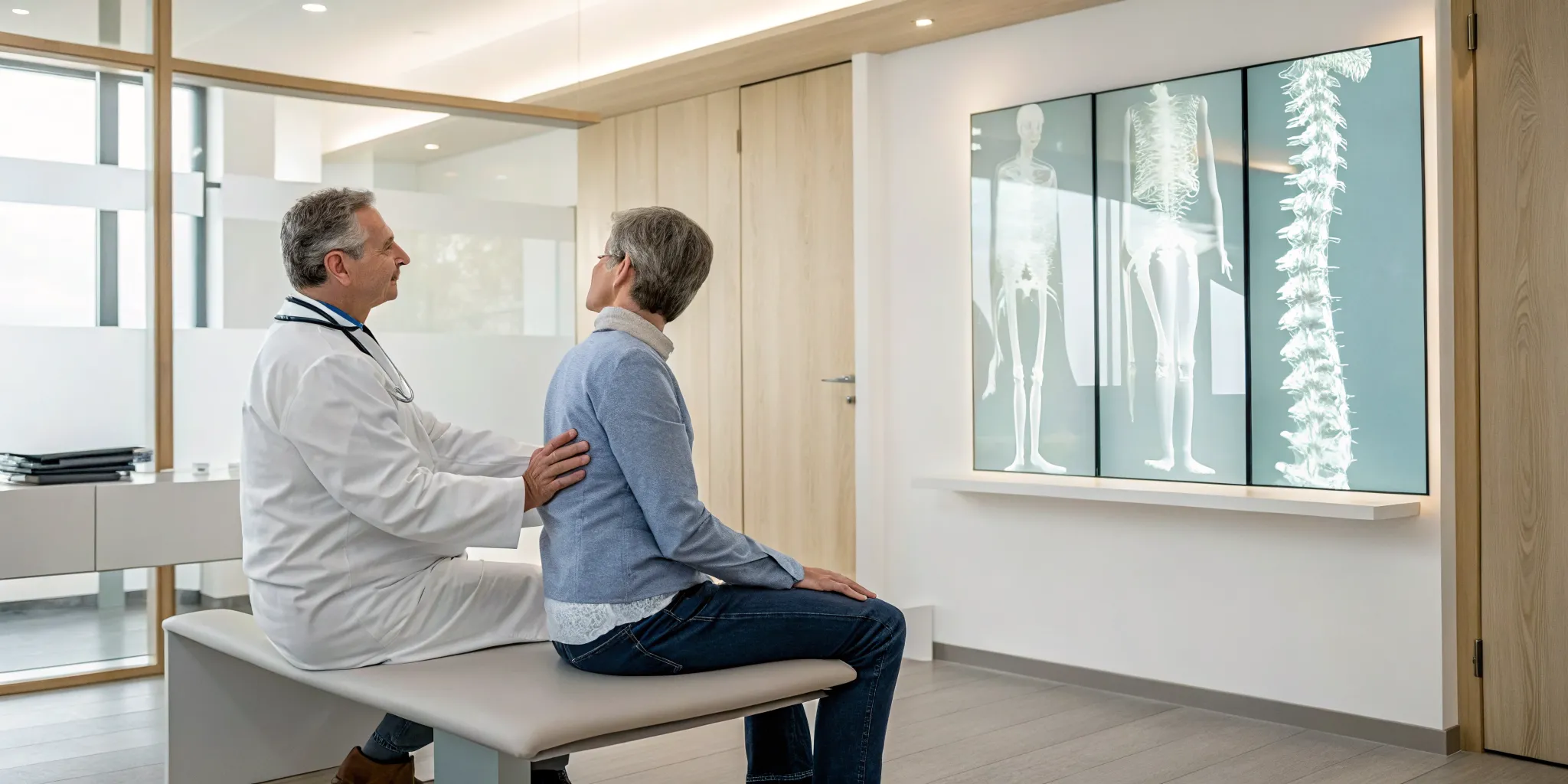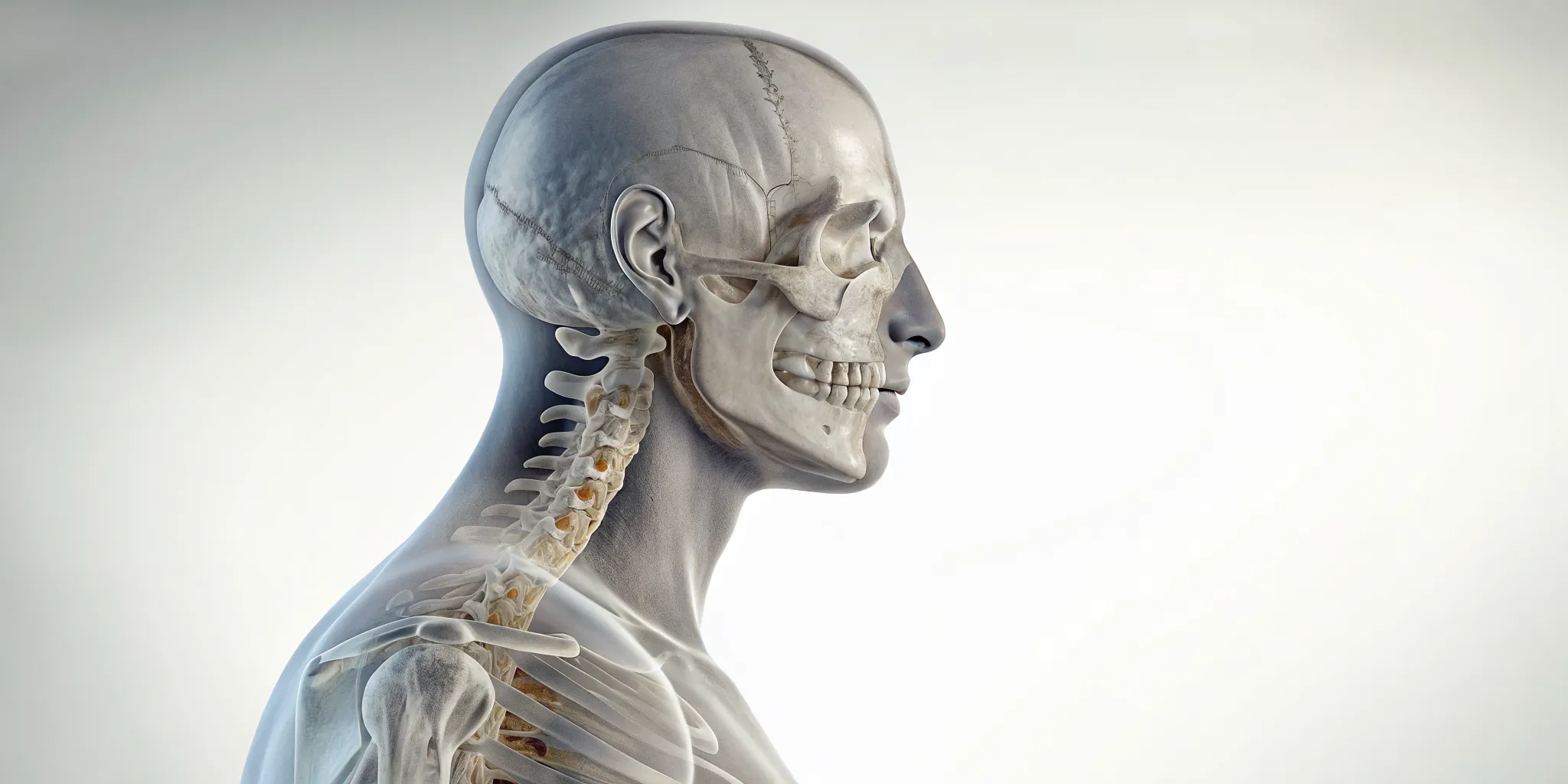
If you’ve been told your scans look "normal" but you’re still in pain every day, you are not alone. It’s one of the most frustrating parts of dealing with chronic back pain. The truth is, the source of your discomfort often goes deeper than what a standard image can show. It can be linked to hidden inflammation, imbalances in your body, and even the stress of daily life. This guide is for anyone who feels like they’ve hit a wall. We’ll look beyond the obvious symptoms to explore the root causes of your pain and outline a path to relief that addresses your whole body.
Key Takeaways
- Understand the real source of your pain: Chronic back pain is more than a long-lasting injury; it's a complex condition where your nervous system stays on high alert. The cause is often a combination of structural issues, daily habits, and internal factors like chronic inflammation.
- Combine strategies for lasting relief: A single fix rarely works for chronic pain. An effective plan addresses the problem from all sides by combining non-invasive treatments like chiropractic adjustments, corrective exercises for strength, and a functional medicine approach to reduce inflammation.
- Take an active role in your recovery: Extended rest can make chronic pain worse, so gentle movement is key to healing. You can take control by making simple lifestyle changes, managing stress, and recognizing when it's time to seek a specialist for a more comprehensive plan.
Acute vs. Chronic Back Pain: What's the Difference?
If you’ve ever tweaked your back lifting a heavy box, you know what acute pain feels like. It’s sharp, sudden, and serves as your body’s alarm system, telling you something is wrong. Usually, with a little rest and care, it goes away within a few days or weeks. But what happens when that alarm keeps ringing long after the initial problem has passed? That’s when you cross the line from acute pain to chronic pain, a frustrating and often misunderstood condition.
Understanding this distinction is the most important first step toward finding relief. Acute pain is a symptom of an injury, but chronic pain is a condition in itself. It requires a different approach, one that looks beyond the initial trigger and addresses the complex factors that keep the pain signals firing. While acute pain is your body’s helpful warning sign, chronic pain is like a faulty alarm that won’t shut off. Recognizing which type of pain you’re dealing with helps you ask the right questions and seek the kind of care that can offer a lasting solution, not just a temporary fix.
What Qualifies as Chronic Back Pain?
So, what’s the official cutoff? Generally, back pain is considered chronic if it persists for 12 weeks or longer, even after the original injury has been treated. Think of it this way: acute pain is the direct result of tissue damage, like a pulled muscle. Your body heals, and the pain subsides. Chronic pain, however, lingers. The pain signals continue to fire from your nervous system for weeks, months, or even years. It’s not just a long-lasting injury; it’s a persistent pain state that has become the problem itself.
Why Chronic Pain Feels Different
If you feel like your chronic pain is more intense or widespread than the original injury should warrant, you’re not imagining things. Chronic pain is fundamentally different because it can cause changes in how the brain processes pain signals. Your nervous system can become hypersensitive, essentially turning the volume up on pain. This is why a light touch or a simple movement might feel incredibly painful. This constant state of alert also takes a huge toll on your mental and emotional health, creating a cycle of stress, poor sleep, and frustration that can make the pain feel even worse.
What Causes Chronic Back Pain?
If your back pain has lingered for three months or more, you’ve crossed the line from acute pain into chronic territory. Unlike the immediate pain of a new injury, chronic pain is more complex. It’s often the result of several factors working together, and understanding these root causes is the first step toward finding lasting relief. It’s rarely just one thing, but a combination of your body’s structure, your daily routines, and even your stress levels. By looking at the whole picture, we can start to connect the dots and see how different parts of your life might be contributing to the pain you feel.
Spinal and Structural Issues
Sometimes, the source of chronic back pain is directly related to the spine itself. Over time, the structures that support you can change. Conditions like herniated discs, where the soft cushion between your vertebrae pushes out, or spinal stenosis, a narrowing of the spinal canal, can put pressure on nerves and cause persistent pain. Degenerative disc disease is another common cause, where the discs lose hydration and shrink with age. Even a past injury or a simple muscle strain that didn't heal properly can lead to long-term discomfort. Our approach to physical medicine focuses on identifying and addressing these specific structural problems to restore proper function and relieve pressure.
Your Posture and Daily Habits
Think about how many hours you spend sitting each day: at a desk, in the car, or on the couch. Poor posture, like slouching over a computer, puts continuous strain on your spine. This can weaken your core and back muscles while tightening your hip flexors, creating an imbalance that pulls on your lower back. The way you lift, bend, and even stand contributes to the cumulative stress on your body. It’s also common to start avoiding movement because you’re afraid of the pain, but this can actually make your muscles weaker and your back stiffer over time. Recognizing these patterns is key to correcting the daily habits that feed into the cycle of chronic pain.
The Role of Age and Stress
As we get older, our bodies naturally change. We tend to lose some muscle mass, and the discs in our spine can become thinner and less flexible, offering less cushion. While we can’t stop the aging process, we can support our bodies through it. What’s often overlooked is the powerful connection between your mind and your back pain. High levels of stress cause your muscles to tense up, especially in your neck and back. This constant tension can lead to soreness and stiffness. Stress also disrupts sleep and can make you more sensitive to pain. A functional medicine approach helps us see how factors like stress and hormonal changes are intertwined with your physical symptoms.
How Chronic Back Pain Affects Your Life
Living with chronic back pain isn't just about managing a physical ache. Over time, that persistent discomfort can start to influence your mood, your relationships, and how you move through your day. Understanding the full scope of its impact is the first step toward finding a solution that addresses you as a whole person, not just a collection of symptoms. It affects everything from your ability to enjoy simple activities to your overall sense of well-being.
Physical Symptoms to Watch For
So, what exactly are the signs of chronic back pain? It’s generally defined as pain that sticks around for 12 weeks or longer. This isn't the temporary soreness you feel after a tough workout; it's a persistent issue. The sensation can vary widely from person to person. You might experience a constant, dull ache, or it could be a sharp, stabbing feeling that comes and goes. This pain can be localized to one spot or radiate outward, sometimes traveling down into your hips and legs. Many people also report feeling stiffness and soreness, especially after sitting or standing for long periods.
The Impact on Your Mental and Emotional Health
The effects of chronic pain rarely stop at the physical level. Constantly being in pain is exhausting, and it can take a significant toll on your mental and emotional well-being. It’s common to feel frustrated, irritable, or anxious when you can't do the things you once enjoyed. Research shows a strong link between chronic pain and conditions like depression and anxiety. This emotional strain can make you feel isolated, especially if you start turning down social invitations or find it hard to keep up at work. Recognizing that your emotional health is connected to your physical pain is a crucial part of the healing process.
How to Find Relief Without Surgery
Living with chronic back pain can feel like a constant battle, and the thought of surgery can be daunting. The good news is that for many people, it’s not the only option. There are powerful, non-invasive ways to manage pain and get your life back by addressing the root causes of your discomfort, not just masking the symptoms. This approach looks at your body as an interconnected system, where things like spinal alignment, muscle strength, inflammation, and even stress levels all play a part in how you feel.
By exploring these avenues, you can build a comprehensive toolkit for relief that empowers you to take an active role in your own healing. From specialized physical treatments to simple shifts in your daily routine, finding lasting comfort is often a matter of combining the right strategies for your unique situation. We’ll walk through some of the most effective non-surgical methods, including chiropractic care, functional medicine, and mindful lifestyle adjustments, to help you find a path toward a more comfortable, active life.
Chiropractic Care and Spinal Decompression
If your back pain is linked to spinal issues, chiropractic care can offer significant relief without invasive procedures. A chiropractor focuses on the relationship between your spine and nervous system, using precise adjustments to correct misalignments. This process can help reduce nerve irritation, improve mobility, and ease pain.
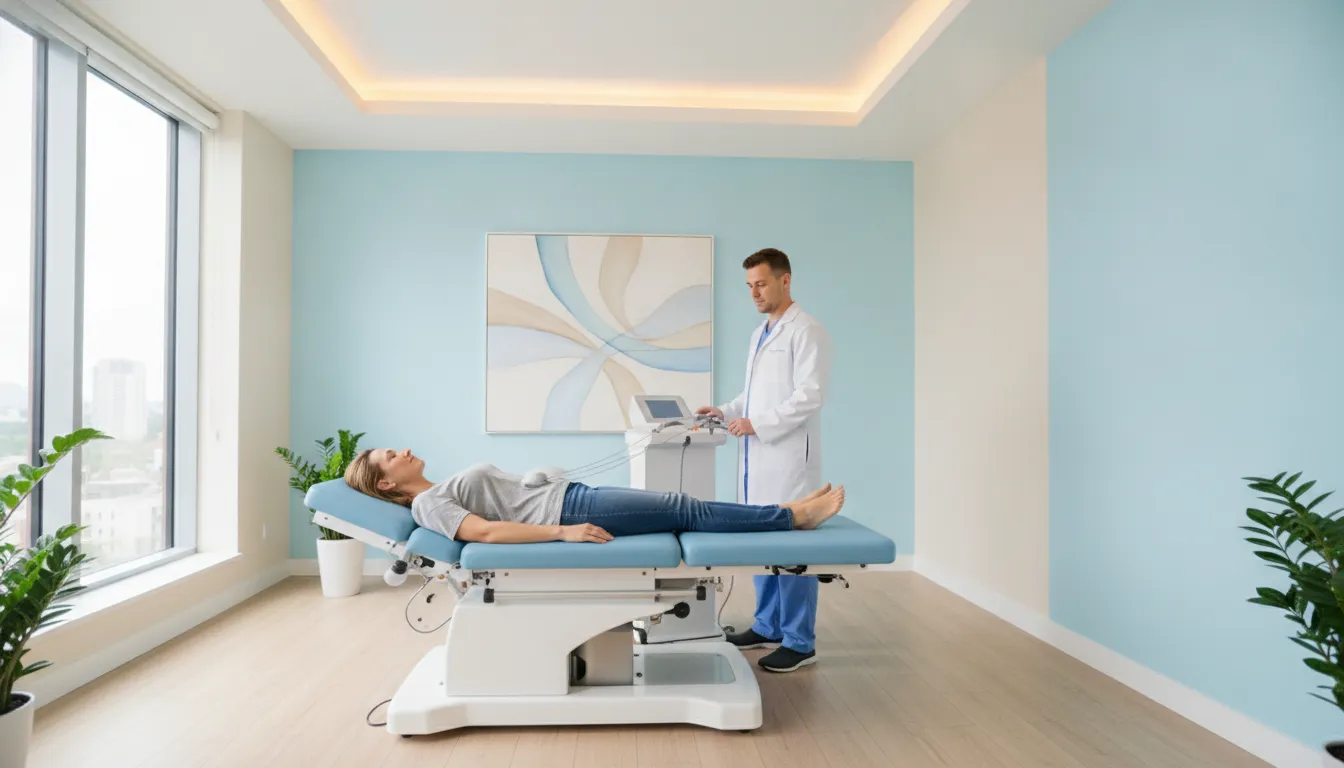
For issues like herniated or bulging discs, non-surgical spinal decompression is another gentle yet effective option. This therapy uses a specialized table to carefully stretch the spine, creating negative pressure within the discs. This can help retract bulging material and take pressure off pinched nerves, allowing your body’s natural healing processes to work more efficiently. Our physical medicine services incorporate these techniques to provide targeted relief.
Physical Therapy and Corrective Care
Think of physical therapy as a way to rebuild your body’s foundation. It’s often one of the first and most effective treatments for chronic back pain because it focuses on correcting the underlying mechanical issues. A tailored program of exercises and stretches can strengthen the core and back muscles that support your spine, improve your flexibility, and promote better posture.
This isn't just about doing random exercises; it's about corrective care. The goal is to retrain your body to move in a healthier, more efficient way, reducing strain on your back during everyday activities. Over time, building this strength and stability can dramatically decrease pain and help prevent it from returning, giving you long-term control over your condition.
A Functional Medicine Perspective
Sometimes, the source of back pain isn't just in your back. A functional medicine approach digs deeper to find the root cause of your symptoms, which can often be linked to issues elsewhere in the body. Chronic inflammation is a major driver of pain, and it can be triggered by things like a poor diet, food sensitivities, or an imbalance in your gut microbiome.
By using targeted testing and taking a close look at your health history and lifestyle, we can identify and address these underlying factors. A personalized plan might include dietary changes to reduce inflammation, nutritional supplements to correct deficiencies, and strategies to support gut health. This holistic view helps your body heal from the inside out.
Movement, Heat, and Ice Therapies
When you’re in pain, your first instinct might be to stay completely still, but gentle movement is often one of the best things you can do. Activities like walking, swimming, or simple stretching can keep your muscles from getting too stiff and can actually help reduce pain over time. The key is to listen to your body and avoid anything that causes sharp pain.
You can also use temperature therapy to manage your symptoms. Applying a heating pad can help relax tight, tense muscles and increase blood flow to the area. On the other hand, an ice pack is great for reducing inflammation and numbing acute pain, especially after an activity that may have aggravated your back.
Stress Reduction and Mindfulness
The connection between your mind and your physical pain is incredibly strong. When you're under constant stress, your body releases hormones that can increase muscle tension and make you more sensitive to pain. This can create a frustrating cycle where pain causes stress, and stress causes more pain.
Incorporating stress-reduction techniques into your daily routine can help break this cycle. Practices like meditation, deep breathing exercises, and mindfulness have been shown to help people manage chronic pain more effectively. By calming your nervous system and improving your emotional well-being, you can change your relationship with pain and reduce its control over your life. You can learn more on our podcast.
Simple Changes to Your Lifestyle and Workspace
Many of the habits we repeat every day contribute to chronic back pain without us even realizing it. The way you sit, stand, and sleep can put unnecessary strain on your spine. Making a few simple adjustments to your daily life and environment can make a huge difference in your pain levels.
Start by looking at your workspace. Is your chair supportive? Is your monitor at eye level? Creating an ergonomic setup can prevent you from slouching for hours. Practicing good posture throughout the day, maintaining a healthy weight to reduce pressure on your joints, and choosing supportive footwear are all practical steps you can take to support your spinal health and prevent future pain.
4 Chronic Back Pain Myths Holding You Back
When you’re dealing with chronic back pain, it’s easy to get tangled up in misinformation. Well-meaning friends, family, and even outdated medical advice can leave you feeling stuck and hopeless. But understanding the truth behind your pain is the first step toward finding real relief. Let’s clear up a few common myths that might be preventing you from moving forward and feeling better.
Myth #1: "Rest Is the Best Medicine"
When your back flares up, your first instinct is probably to head for the couch. While a short period of rest can be helpful for an acute injury, extended bed rest is one of the worst things you can do for chronic back pain. Lying down for days on end can cause your muscles to weaken and stiffen, which often makes the pain worse.
Gentle, intentional movement is actually a much better approach. Activities like walking, stretching, and targeted exercises help increase blood flow, reduce inflammation, and strengthen the muscles that support your spine. A physical medicine approach focuses on these very principles, using corrective care to promote healing and restore function more effectively than prolonged rest ever could.
Myth #2: "Surgery Is My Only Option"
The thought of surgery can be overwhelming, and many people with persistent back pain assume it’s their inevitable next step. The good news is that for the vast majority of people, this simply isn’t true. Surgery is often a last resort and is typically only recommended for specific structural problems.
Many causes of chronic back pain respond incredibly well to non-invasive treatments. A comprehensive plan that includes chiropractic care, spinal decompression, and lifestyle adjustments can provide significant, long-lasting relief without the risks and lengthy recovery time of an operation. Exploring all the available services that address the root cause of your pain is a much more effective starting point.
Myth #3: "It Must Be From a Specific Injury"
It’s incredibly frustrating to be in pain and have imaging tests like an MRI come back "normal." This experience can make you feel like the pain is all in your head, but we’re here to tell you it’s very real. The truth is, many sources of chronic pain don’t show up on a standard scan.
Pain is a complex signal that can be triggered by more than just a slipped disc or a pinched nerve. A functional medicine perspective looks deeper, investigating underlying issues like chronic inflammation, gut health imbalances, or hormonal issues that can all contribute to how your body experiences pain. Your pain is valid, even if its source isn’t immediately obvious on a scan.
Myth #4: "The Pain Means Something Is Seriously Damaged"
When you’re in pain every day, it’s natural to assume that something in your back is severely and permanently damaged. This fear can cause you to avoid activities you once enjoyed, leading to a cycle of inactivity, weakness, and even more pain. While it’s important to be mindful of your body’s signals, chronic pain doesn’t always equal tissue damage.
Often, the nervous system becomes sensitized and continues sending pain signals long after an initial injury has healed. Learning to manage this response and reframe your relationship with pain is key. Our goal is to help you understand your body’s signals without fear, so you can confidently get back to living your life. You can learn more about this holistic approach on our podcast.
When Is It Time to See a Specialist?
It can be tough to know when your back pain crosses the line from a manageable nuisance to something that needs a specialist's attention. You might be used to pushing through the discomfort, but listening to your body is one of the most important things you can do. If you feel stuck or your pain is getting worse, it’s probably time to seek a different kind of help. Understanding a few key signs can give you the confidence to take that next step and find a path toward real, lasting relief.
Warning Signs You Shouldn't Ignore
Sometimes, back pain is more than just back pain. It can be a signal from your body that something more serious is going on. While most chronic pain isn't an immediate crisis, certain symptoms are considered "red flags" that warrant a closer look from a professional. If your back pain is paired with any of the following, it's time to schedule an evaluation.
- Unexplained weight loss
- Fever or chills
- Loss of bowel or bladder control
- Weakness, numbness, or tingling in your legs or feet
- Pain that started after a significant fall or injury
These signs shouldn't be ignored. Getting a proper diagnosis is the first step toward the right kind of physical medicine and a treatment plan that addresses the true source of the problem.
Is Your Current Treatment Plan Working?
Maybe you’ve been doing all the "right" things. You’ve tried stretching, using heat packs, and maybe even some general therapies, but the pain just isn't letting up. If your current plan isn't giving you meaningful relief, that’s a clear sign to explore other options. Feeling stuck in a cycle of pain despite your best efforts is frustrating, but it doesn't mean you're out of choices. It simply means you haven't found the right approach for your unique body yet. A specialist can offer a more comprehensive evaluation, looking beyond the symptoms to find the root cause. This is where a functional medicine perspective can make all the difference in creating a plan that finally works for you.
Ready to Take Control of Your Back Pain?
Feeling empowered to manage your back pain is the first step toward relief, and many effective strategies don't involve invasive procedures. Taking proactive steps can significantly improve your quality of life. If you're looking for ways to find relief, here are some evidence-based approaches you can start exploring.
First, focus on purposeful movement. A structured physical therapy program can work wonders by strengthening your core and improving flexibility, which are both essential for spinal stability. Experts agree that most chronic back pain can be managed without surgery through a combination of strategies, including guided exercise. This is why our physical medicine approach emphasizes corrective care tailored to your body's specific needs.
Next, consider the power of hands-on, non-medicated treatments. The American Academy of Family Physicians actually recommends nonpharmacologic treatment as the first line of management for chronic back pain. This includes therapies like spinal manipulation, which can provide relief by addressing the structural source of the discomfort. It’s about working with your body’s natural mechanics to restore function and reduce pain.
Don't underestimate the mind-body connection. Chronic pain is stressful, and stress itself can worsen pain signals. Incorporating mind-body techniques like mindfulness and simple relaxation exercises can help calm your nervous system and change your relationship with pain. This is a key part of a holistic functional medicine approach, which looks at how all of your body's systems interact.
By combining these strategies, you can build a comprehensive plan for lasting relief. Understanding the root cause of your discomfort is the key to moving forward. If you're ready to explore a personalized plan for the specific conditions we treat, our team is here to guide you.
Related Articles
- Disc Bulge Therapy: A Complete Guide to Healing
- Spinal Stenosis of Lumbar Region: Symptoms & Treatment
- Spinal Narrowing Neck: Symptoms & Treatments
- Chiropractic Care: Everything You Need to Know
- Is Lumbar Decompression Chiropractic for You?
Frequently Asked Questions
My back has hurt for a few months, but it comes and goes. Is it still considered chronic? Yes, it very likely is. Chronic pain isn't always a constant, unrelenting ache. For many people, it shows up as recurring episodes or flare-ups over a long period. If your back pain has been a recurring theme in your life for three months or more, it fits the definition. The key factor is that the underlying issue hasn't resolved, even if you have good days or weeks in between the bad ones.
My MRI came back "normal," but I'm still in pain. What does that mean? This is an incredibly common and frustrating experience, but it doesn't mean your pain isn't real. An MRI is great at showing the structure of your spine, like a disc or a bone, but it can't show things like chronic inflammation, a sensitized nervous system, or muscular imbalances. Your pain can be caused by functional issues, not just structural ones, which is why a different kind of investigation is often needed to find the true source.
I'm scared to exercise because it might make my back pain worse. What should I do? That fear is completely understandable, and it's important to listen to your body. However, avoiding all movement can often make your muscles weaker and stiffer, leading to more pain in the long run. The key is to start with gentle, intentional movement. Activities like walking or simple stretching can be very beneficial. Working with a professional who understands corrective care can help you learn which movements are safe and how to rebuild strength without causing a flare-up.
How can things like stress or my diet really affect my back pain? Your body is one interconnected system, so what happens in your mind or your gut doesn't stay there. When you're stressed, your body releases hormones that cause your muscles to tense up and can make your nervous system more sensitive to pain. Similarly, certain foods can trigger a state of low-grade, body-wide inflammation. If your body is already inflamed, it can make the pain in your back feel much more intense.
I've tried physical therapy before and it didn't work. Why would it be different this time? That's a valid concern, and it's true that not all therapy is created equal. Many standard physical therapy programs can be generic. A corrective care approach is different because it starts with a deep dive into your specific movement patterns to find the exact source of the problem. The goal isn't just to give you exercises; it's to retrain your body to move in a more efficient way, correcting the imbalances that caused the pain in the first place.