When you hear about a treatment using sound waves for joint pain, it might sound futuristic. The principle is simple, though. SoftWave therapy uses gentle acoustic waves to signal your body’s natural repair crews, like stem cells, to get to work on damaged tissue. It’s not about masking symptoms; it’s about promoting real regeneration at the source of the discomfort. This approach is a cornerstone of our physical medicine services. For those wondering, "What clinic in Tampa, FL provides SoftWave therapy for joint pain relief?" the answer lies with a team that understands how to harness this incredible technology for lasting results.
Key Takeaways
- A partnership in healing: SoftWave Therapy uses targeted sound waves to stimulate your body’s own healing mechanisms, prompting stem cells to repair damaged tissue and reduce inflammation at the source.
- Non-invasive with no downtime: Each session is quick, usually 5 to 15 minutes, and feels like a light tapping rather than a painful procedure. You can return to your daily activities right after your appointment.
- Focus on the root cause: The right provider will do more than treat symptoms; they will create a personalized plan that addresses the underlying reason for your pain, helping you achieve lasting relief.
How SoftWave Therapy Eases Joint Pain
If you're dealing with persistent joint pain, you know how frustrating it can be to find a solution that truly gets to the root of the problem. Many approaches simply mask the symptoms, but SoftWave Therapy works differently. It’s an innovative, non-invasive treatment that partners with your body’s own incredible ability to heal. By using targeted sound waves, this technology encourages genuine repair at the cellular level, helping you find lasting relief and get back to the activities you love.
This approach is a cornerstone of our physical medicine services, as it directly addresses the underlying cause of discomfort without requiring lengthy downtime. It’s about stimulating your body’s internal healing mechanisms to repair damaged tissue from the inside out. Instead of just quieting the pain signals, we’re focused on helping your body resolve the issue that’s causing them in the first place. Let's explore exactly how this gentle yet powerful technology works to ease joint pain and improve your quality of life.
Harnessing Sound Waves for Healing
At its core, SoftWave Therapy uses a patented device to send gentle, low-intensity sound waves deep into your injured tissues. Think of it as a highly focused and therapeutic form of sound. These waves travel through the body to the precise area of injury or inflammation. Unlike other treatments that might involve needles or incisions, this process is entirely external and non-invasive. The goal is to create a biological response that kickstarts and accelerates your body's natural healing cascade, all without causing any damage to the surrounding healthy tissue. It’s a smart and sophisticated way to work with your body, not against it.
How It Promotes Natural Tissue Repair
So, what happens when these sound waves reach their target? They act as a powerful signal, essentially waking up your body's internal repair crew: your own stem cells. This stimulation prompts them to migrate to the site of injury and begin the work of repairing and regenerating damaged tissues, such as tendons and ligaments. The therapy also promotes the formation of new blood vessels in a process called angiogenesis. This increased blood flow is vital, as it delivers more oxygen and essential nutrients to the area, further supporting and speeding up the healing process. It’s a comprehensive approach to rebuilding from within.
What Conditions Can SoftWave Therapy Address?
This versatile therapy can be applied to a wide range of musculoskeletal issues, making it an excellent option for many different types of chronic and acute pain. We often see remarkable results for people dealing with persistent joint pain in the knees, hips, shoulders, and elbows. It’s also highly effective for soft tissue injuries and conditions that cause nagging discomfort. Some of the common conditions we treat with SoftWave include plantar fasciitis (heel pain), tendonitis, tennis elbow, muscle strains, and lingering pain or stiffness from old injuries. By targeting inflammation and promoting repair, it helps restore function and mobility across the body.
The Benefits of SoftWave Therapy
When you're dealing with persistent joint pain, finding a solution that offers real relief without major disruptions to your life is a huge win. SoftWave therapy stands out because it focuses on healing from the inside out, not just masking symptoms. It gives your body the tools it needs to repair itself, which aligns with a holistic view of health that addresses the root cause of discomfort. Let's explore the key benefits that make this therapy a compelling option for getting back to the activities you love.
A Non-Invasive Approach with No Downtime
One of the most appealing aspects of SoftWave therapy is that it’s completely non-invasive. This treatment uses patented, unfocused sound waves to stimulate your body’s natural healing processes, so there are no needles or scalpels involved. For many, the idea of a procedure without a long recovery is a game-changer. You can typically have a session and get right back to your day. This makes it a practical part of a comprehensive physical medicine plan, allowing you to support your body’s healing without putting your life on pause.
Less Inflammation, More Mobility
Inflammation is a major culprit behind joint pain and stiffness. When your joints are inflamed, they can feel swollen and difficult to move. SoftWave therapy directly addresses this by helping to reduce inflammation at the source. The acoustic waves penetrate deep into the tissue, promoting better blood flow and calming the inflammatory response. As the swelling subsides, you’ll likely notice a significant reduction in pain and an increase in your range of motion. This means less stiffness and more freedom to move throughout your day.
A Different Approach to Joint Pain
Instead of just silencing pain signals, SoftWave therapy encourages your body to actively repair damaged tissue. It works by triggering your body’s own healing resources, reminding them to get to work on an old injury or area of chronic stress. This is a fundamental shift from simply managing symptoms. The goal is to create genuine, long-term improvement in the health of your joints. This makes it an effective strategy for a wide range of conditions we treat, including nagging shoulder pain, plantar fasciitis, and general joint discomfort. It’s a proactive way to help your body rebuild itself.
What to Expect During Your SoftWave Session
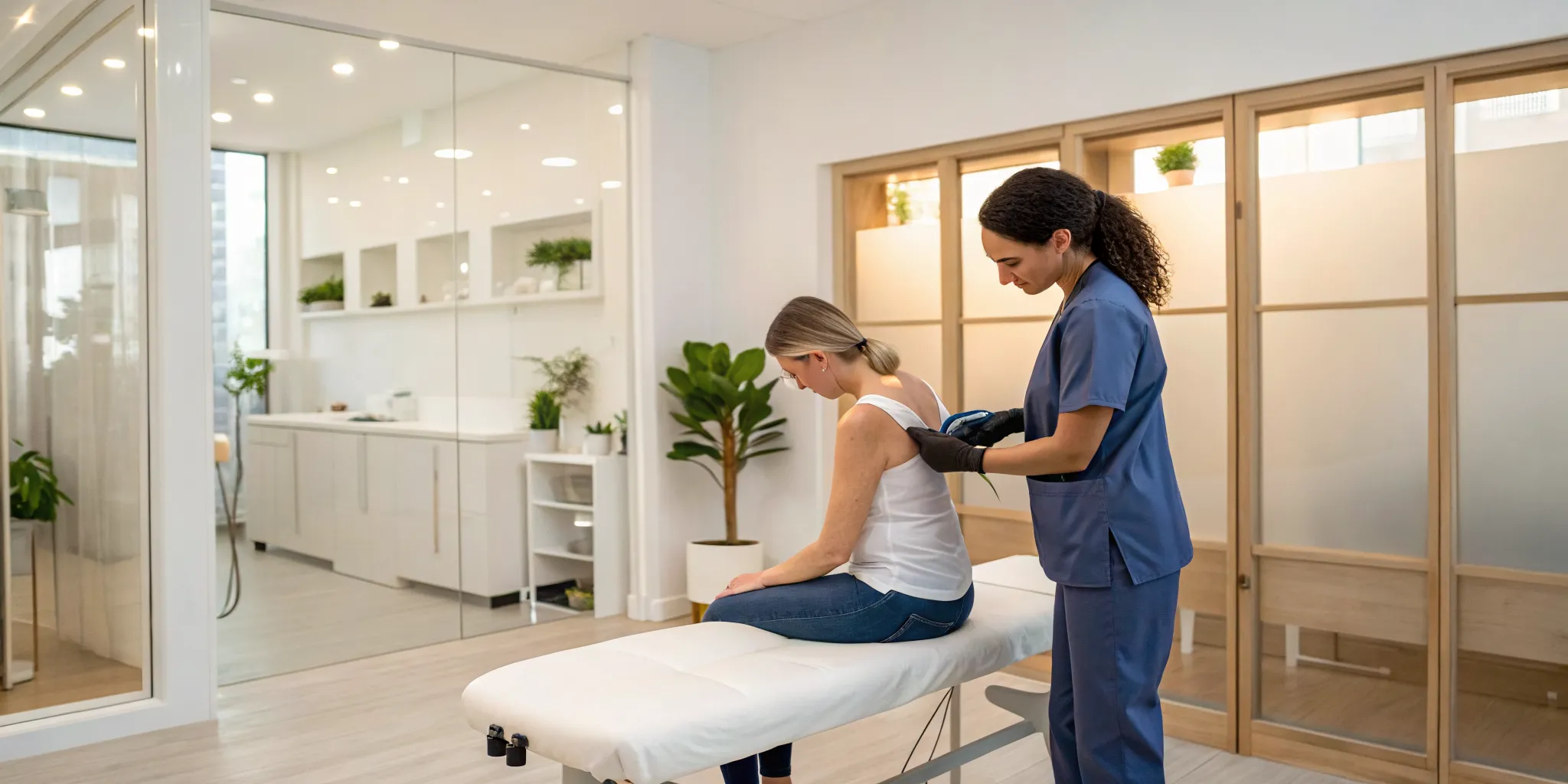
If you're considering SoftWave therapy, you probably have questions about what the experience is actually like. It’s completely normal to want to know what happens during an appointment, from how it feels to how long it takes. The good news is that the process is simple and straightforward. We believe in making sure you feel comfortable and informed every step of the way. Here’s a clear breakdown of what you can expect during your sessions at our Tampa clinic.
The Treatment Process
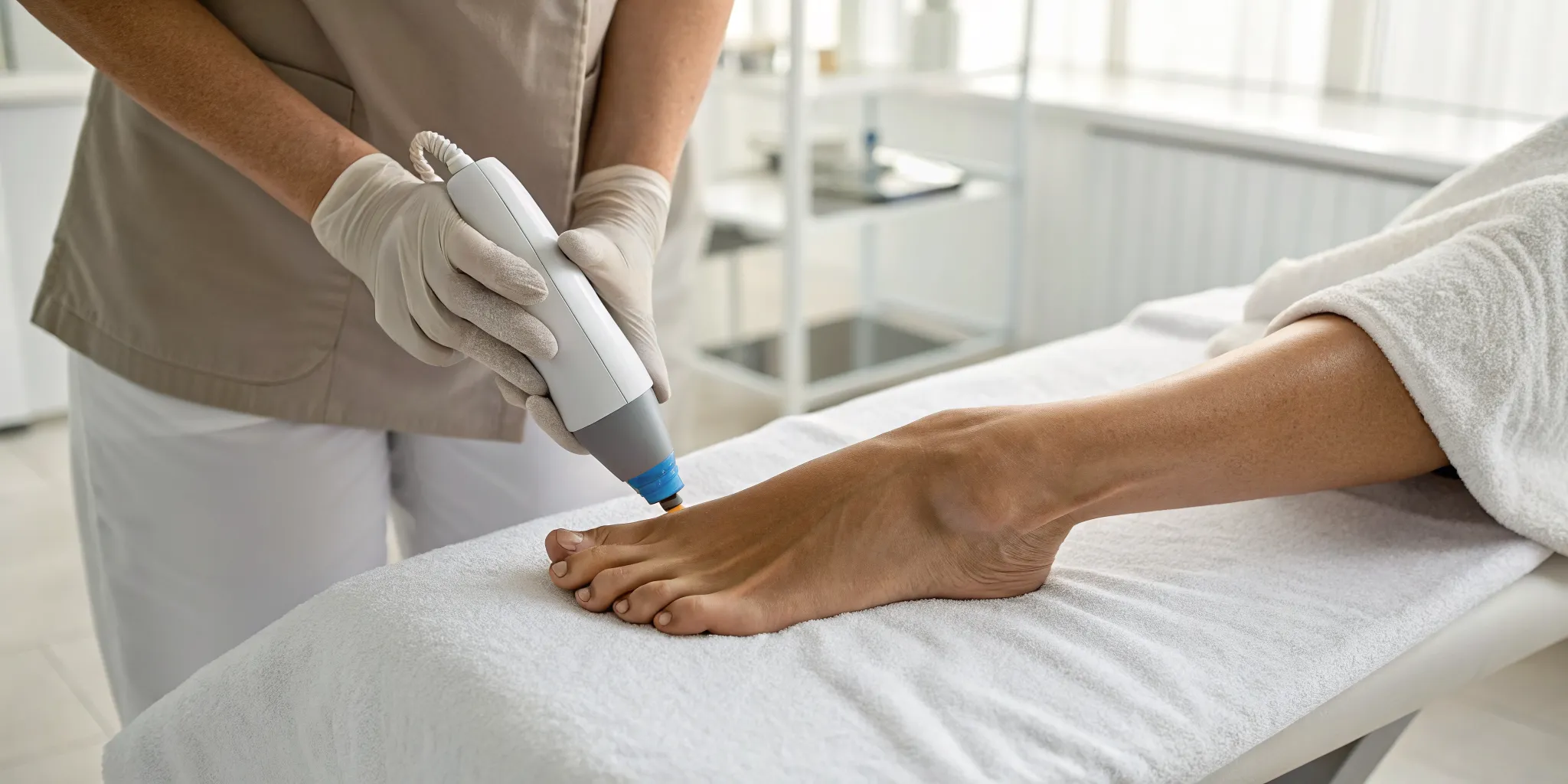
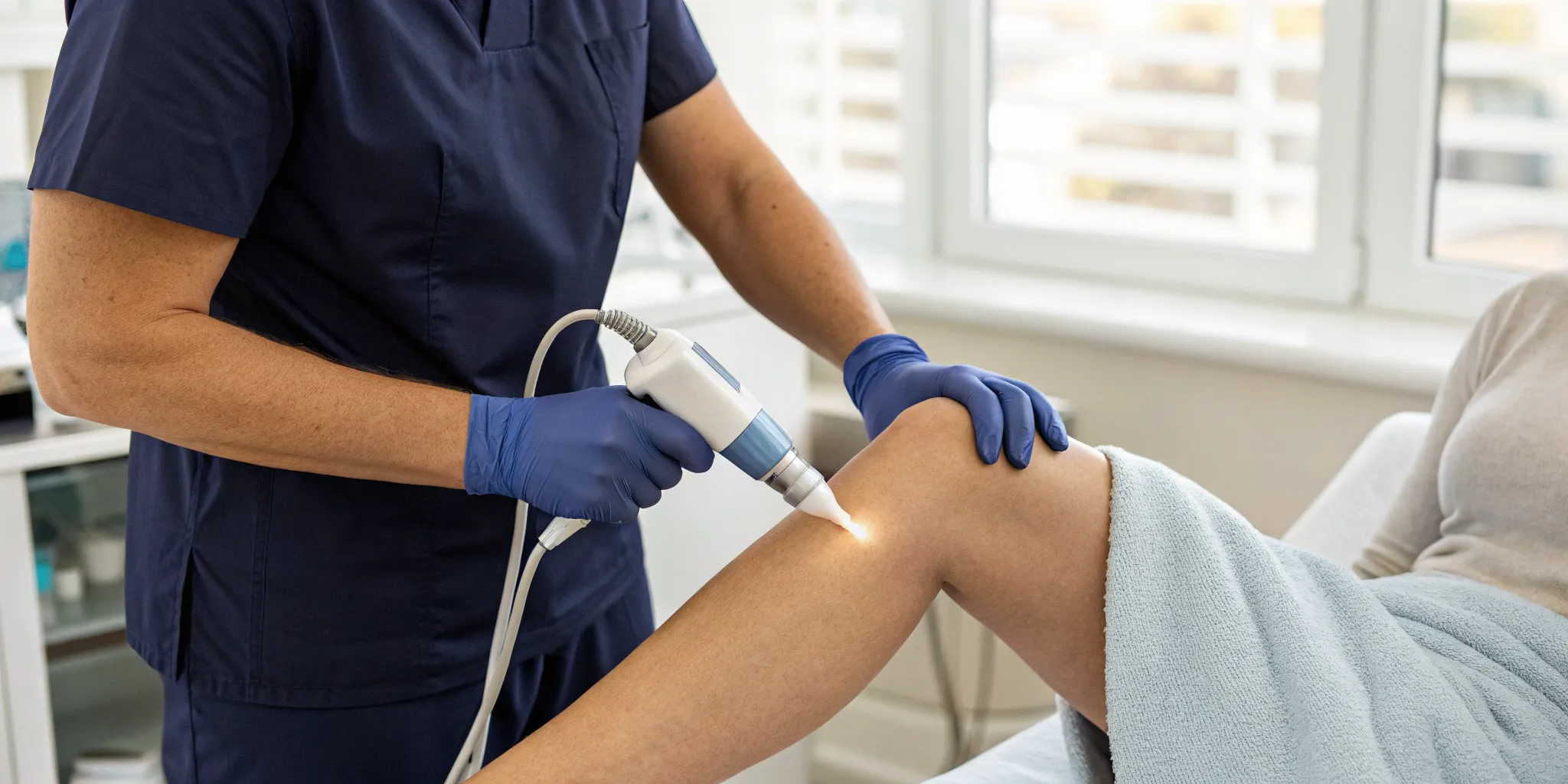
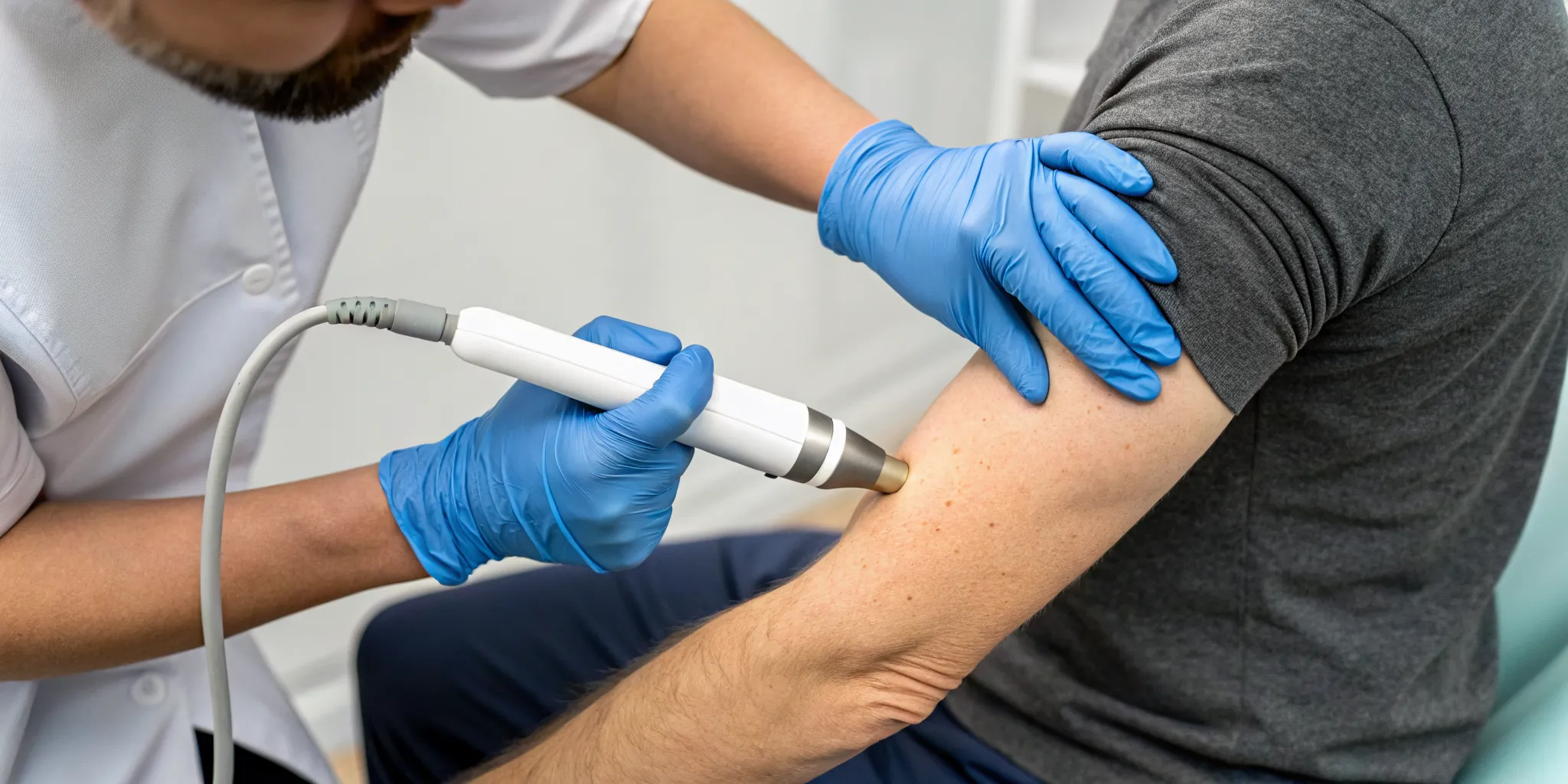
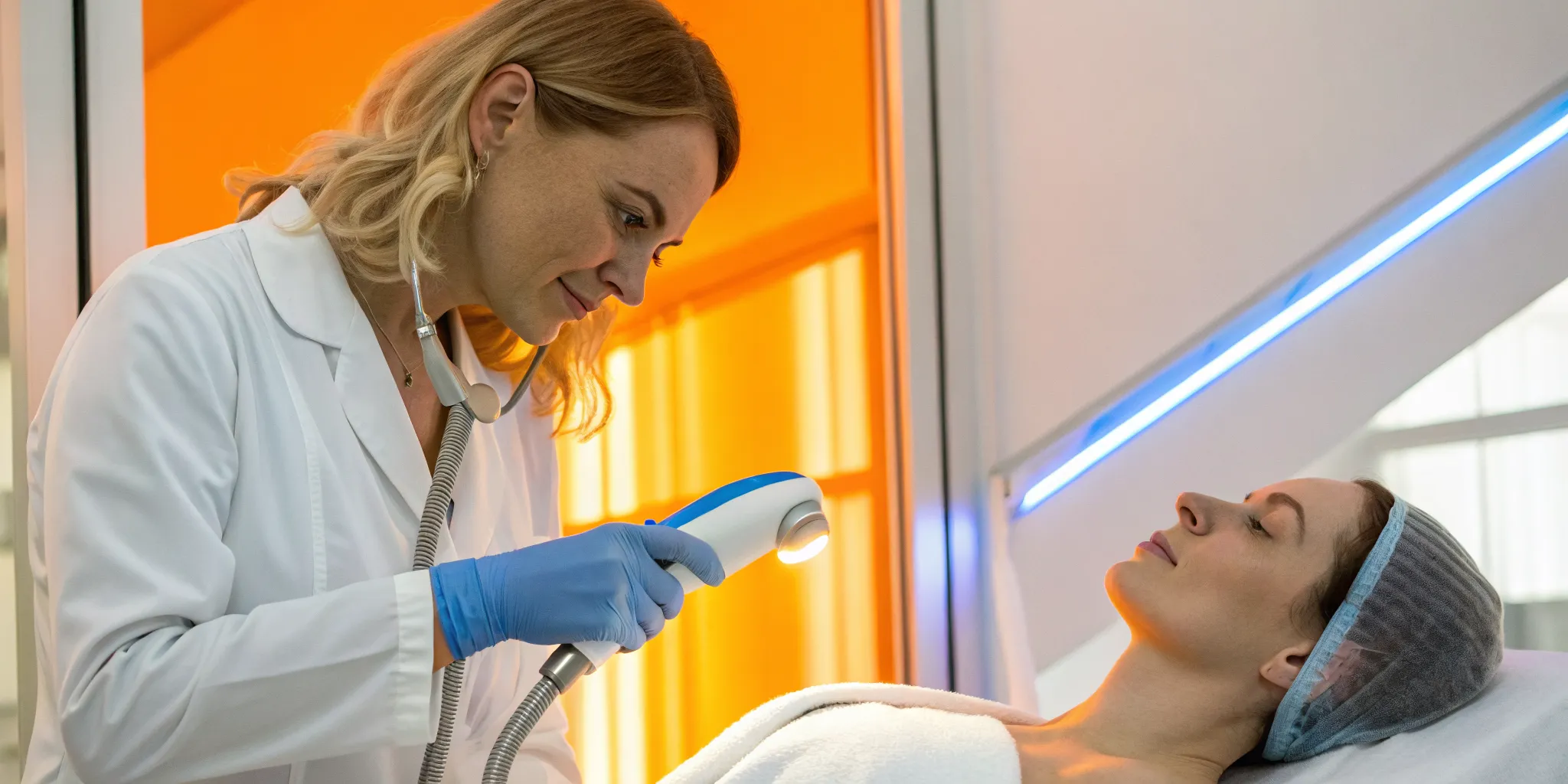
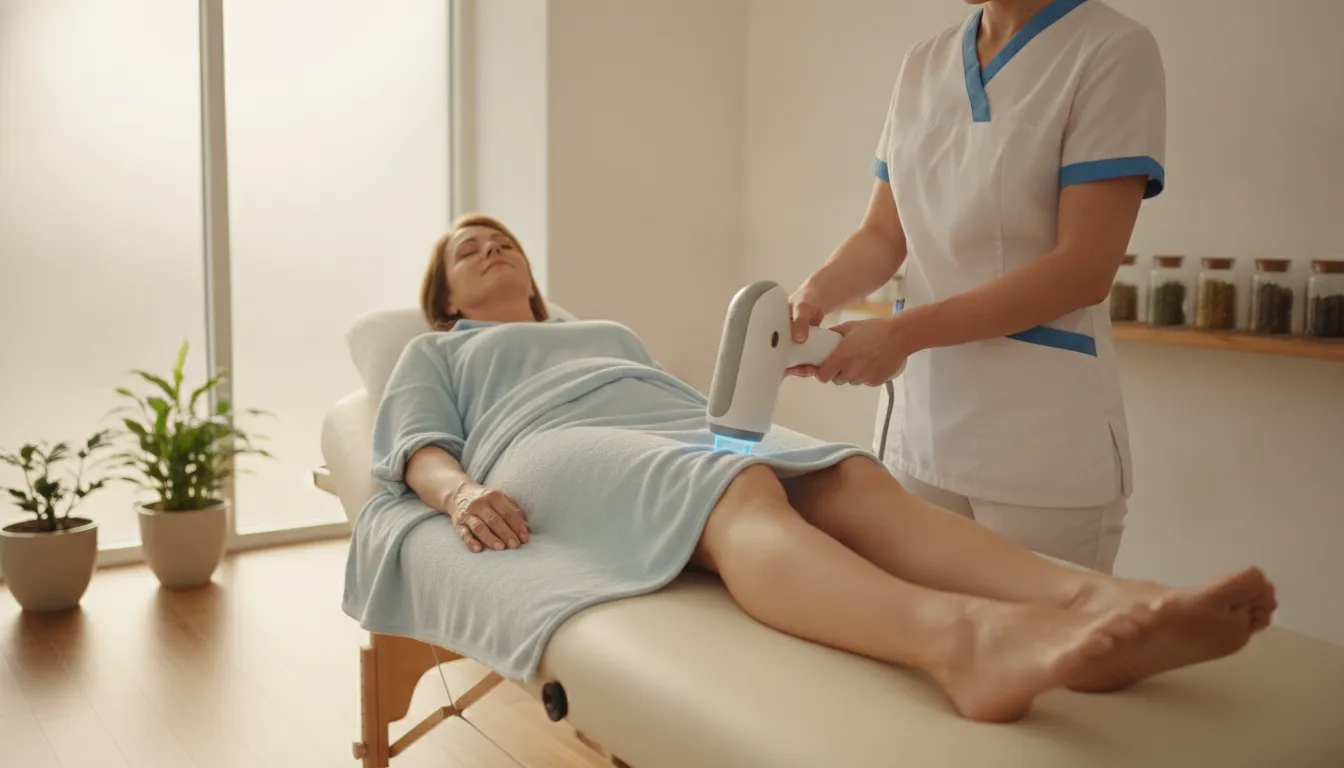
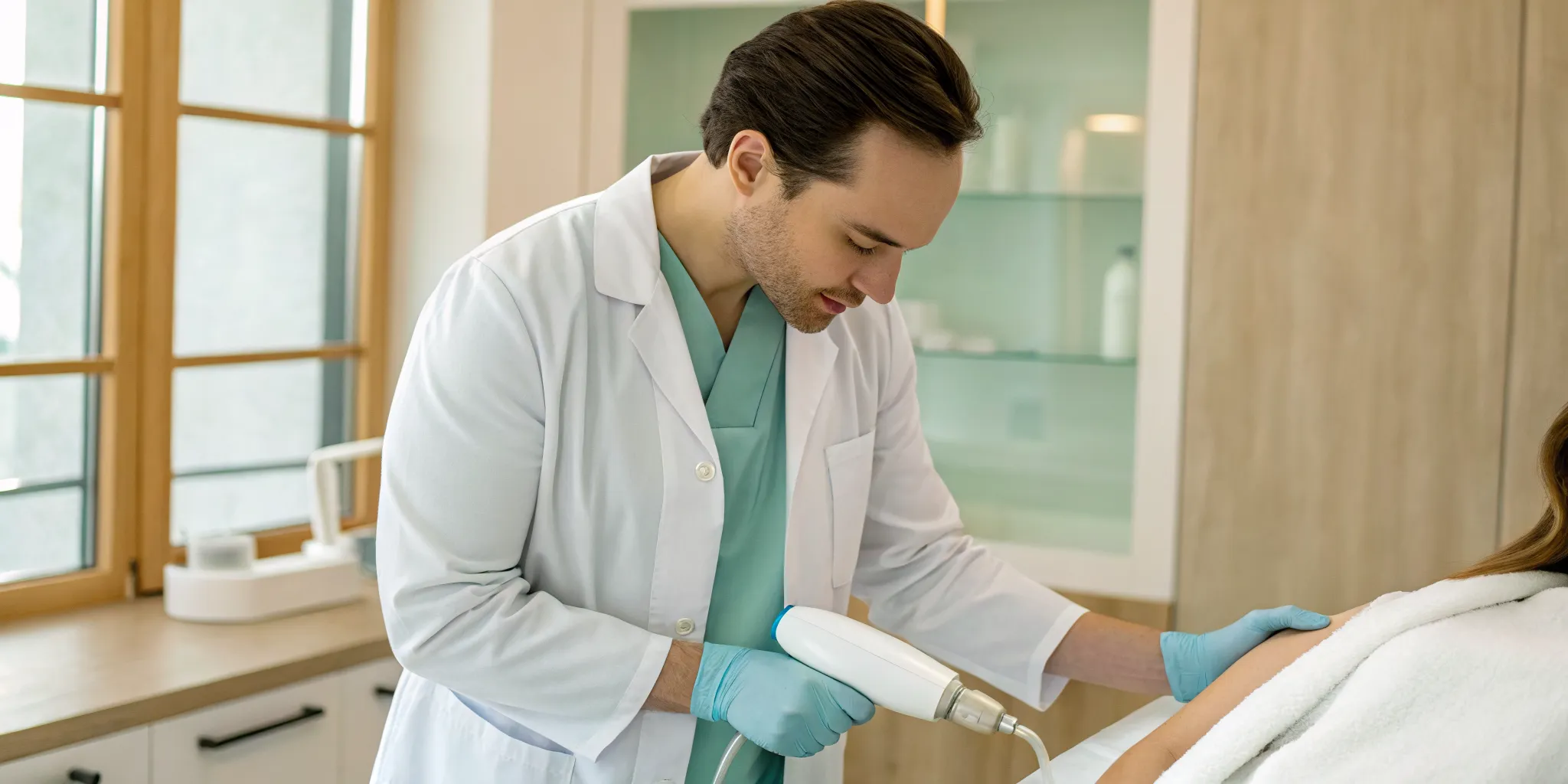
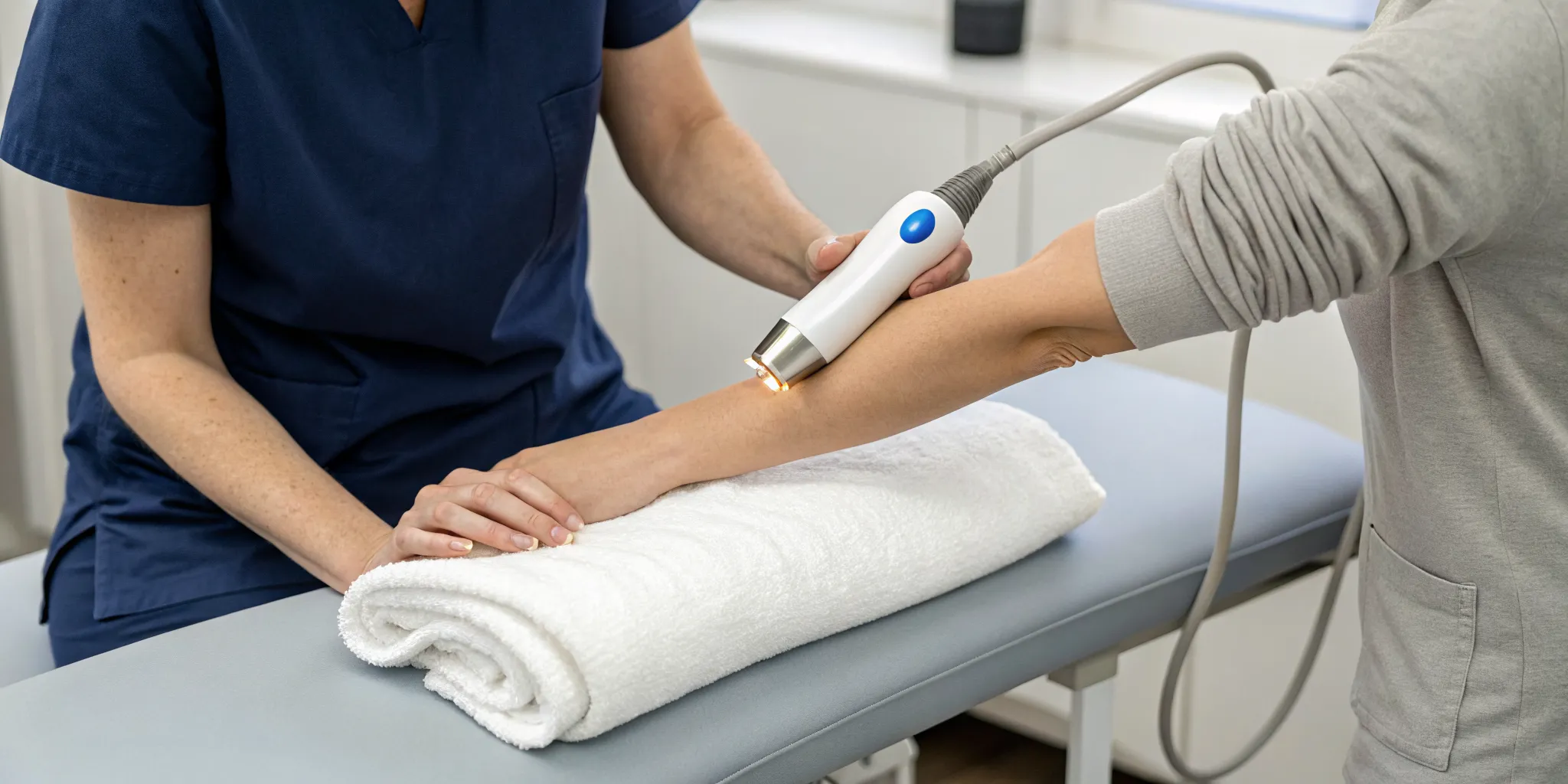
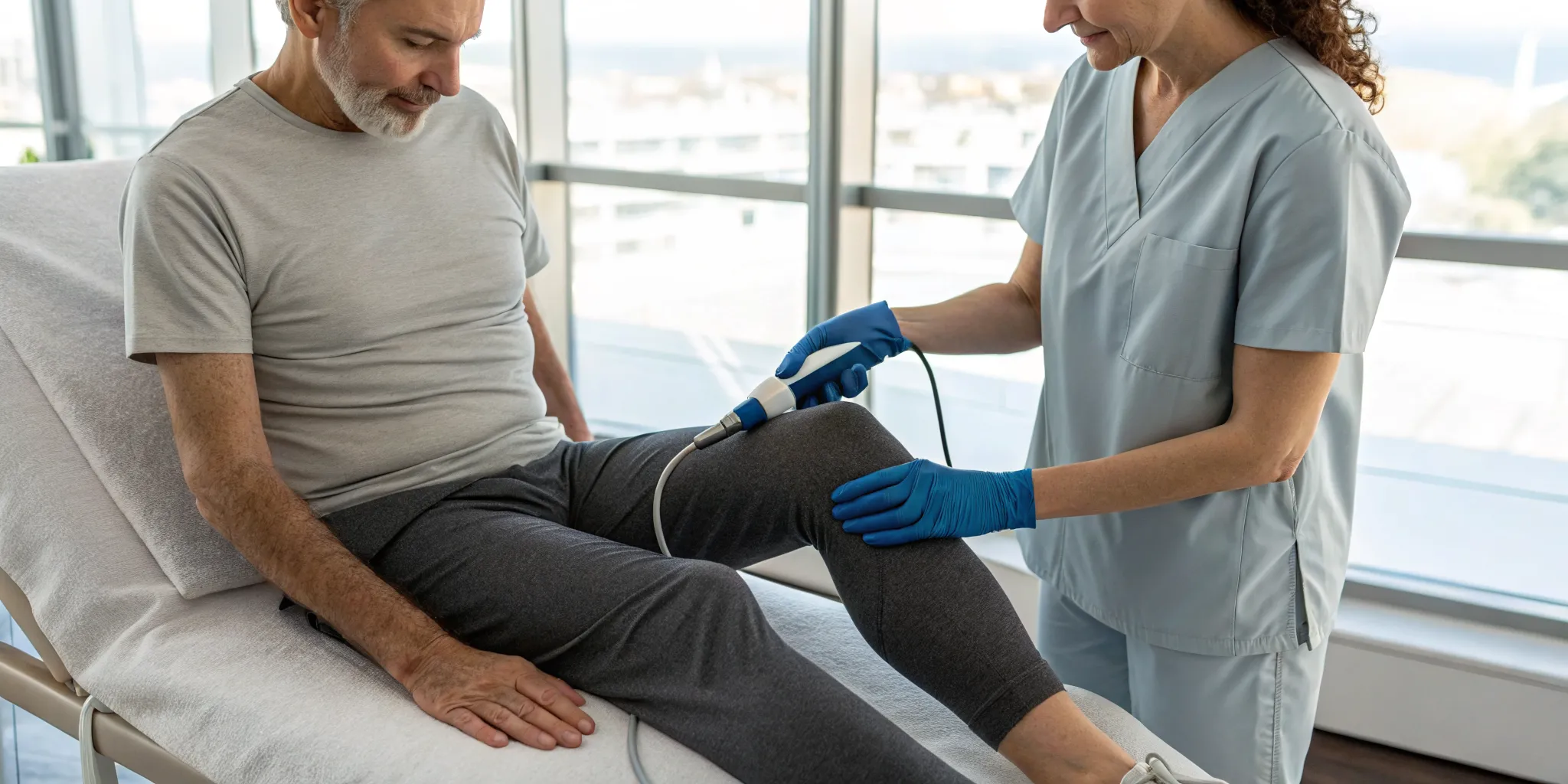
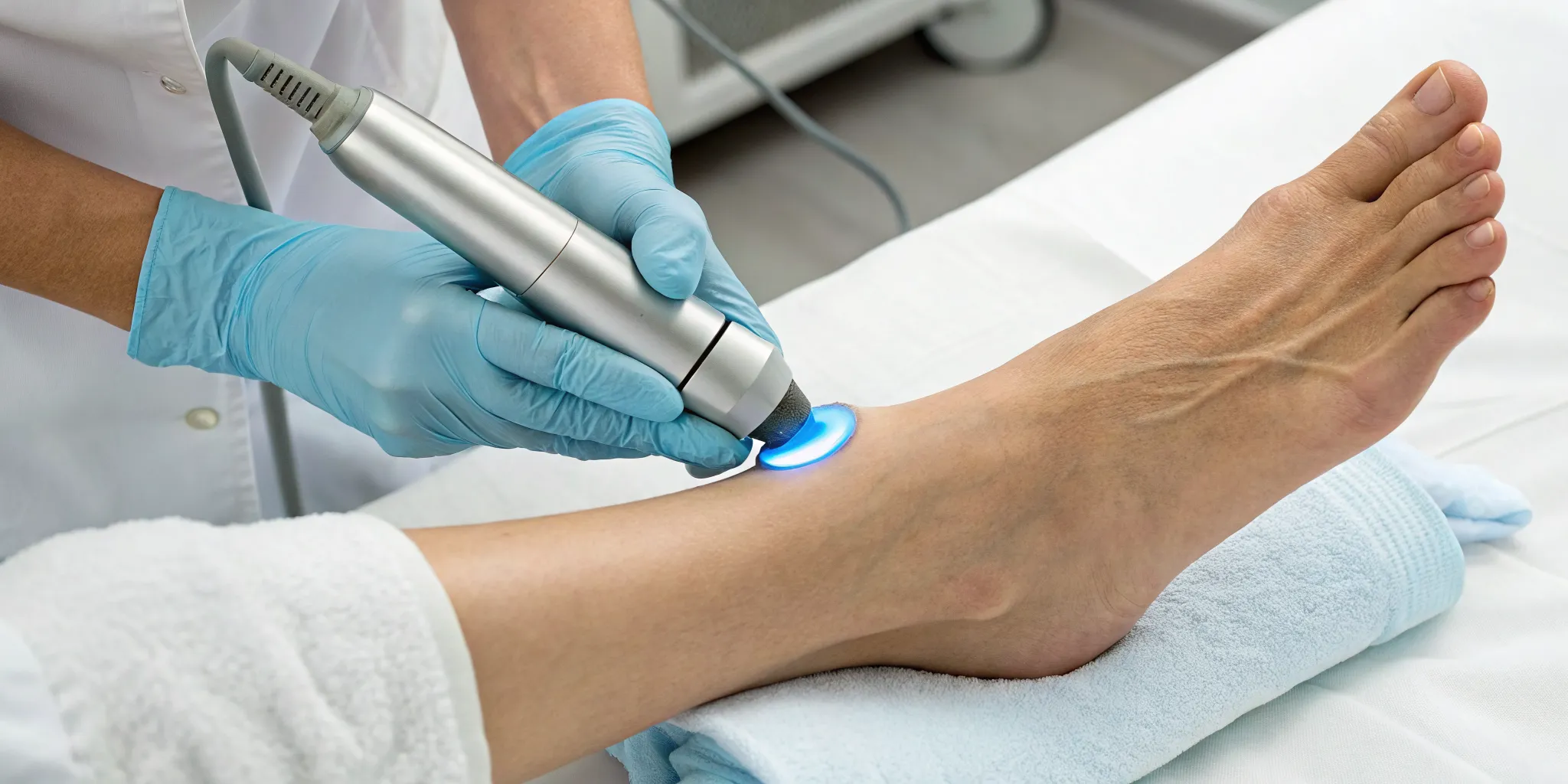
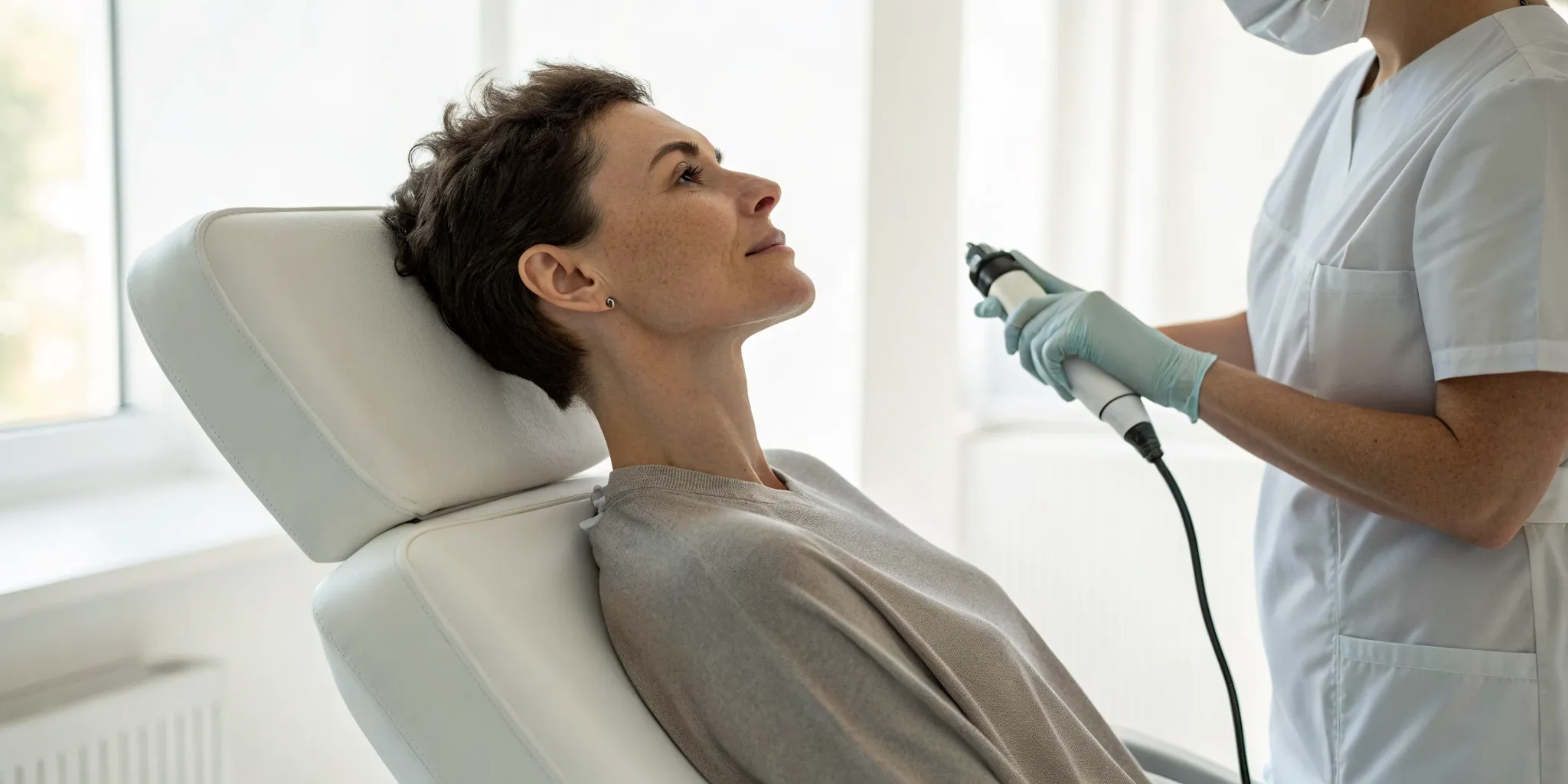
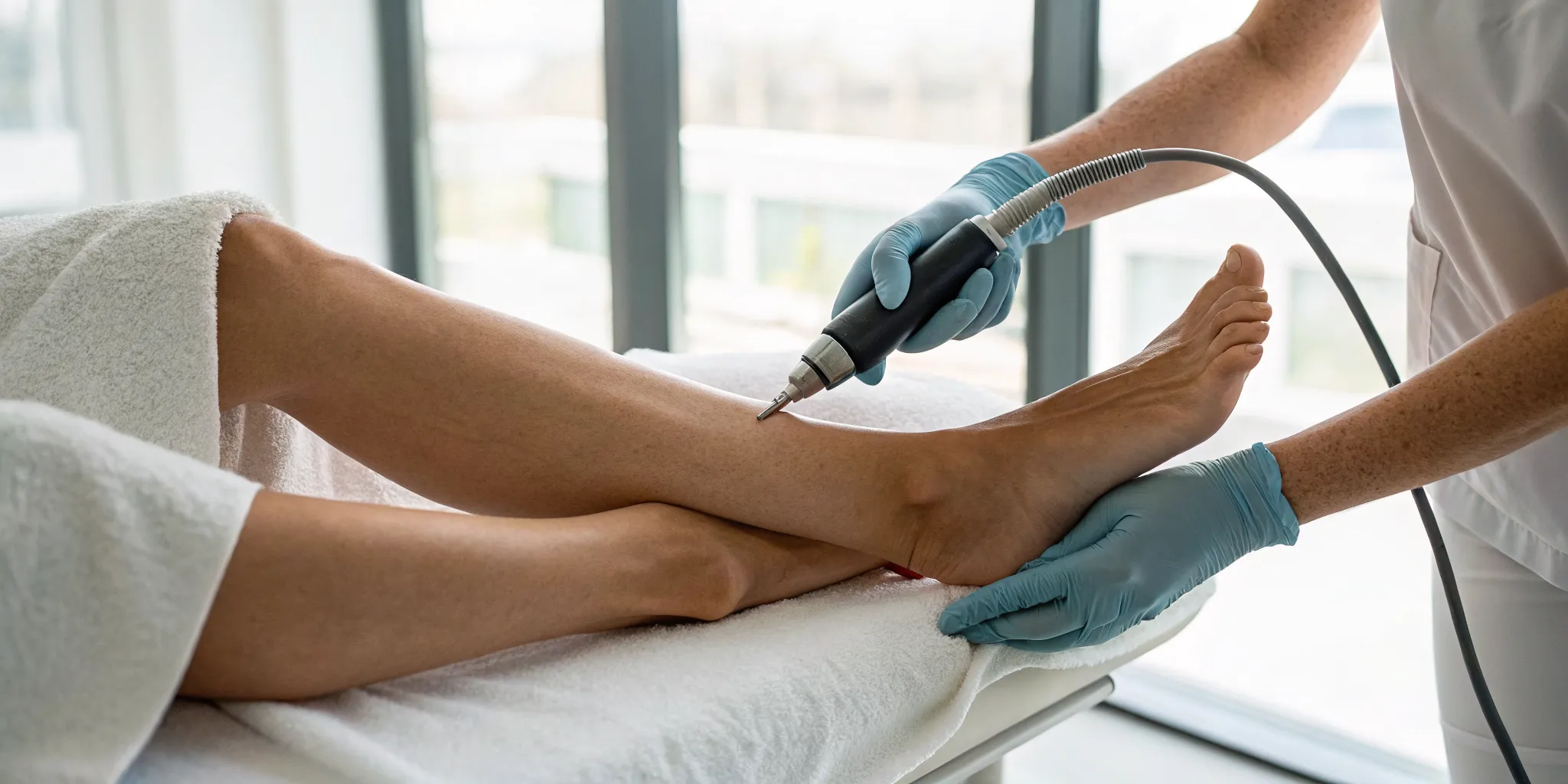
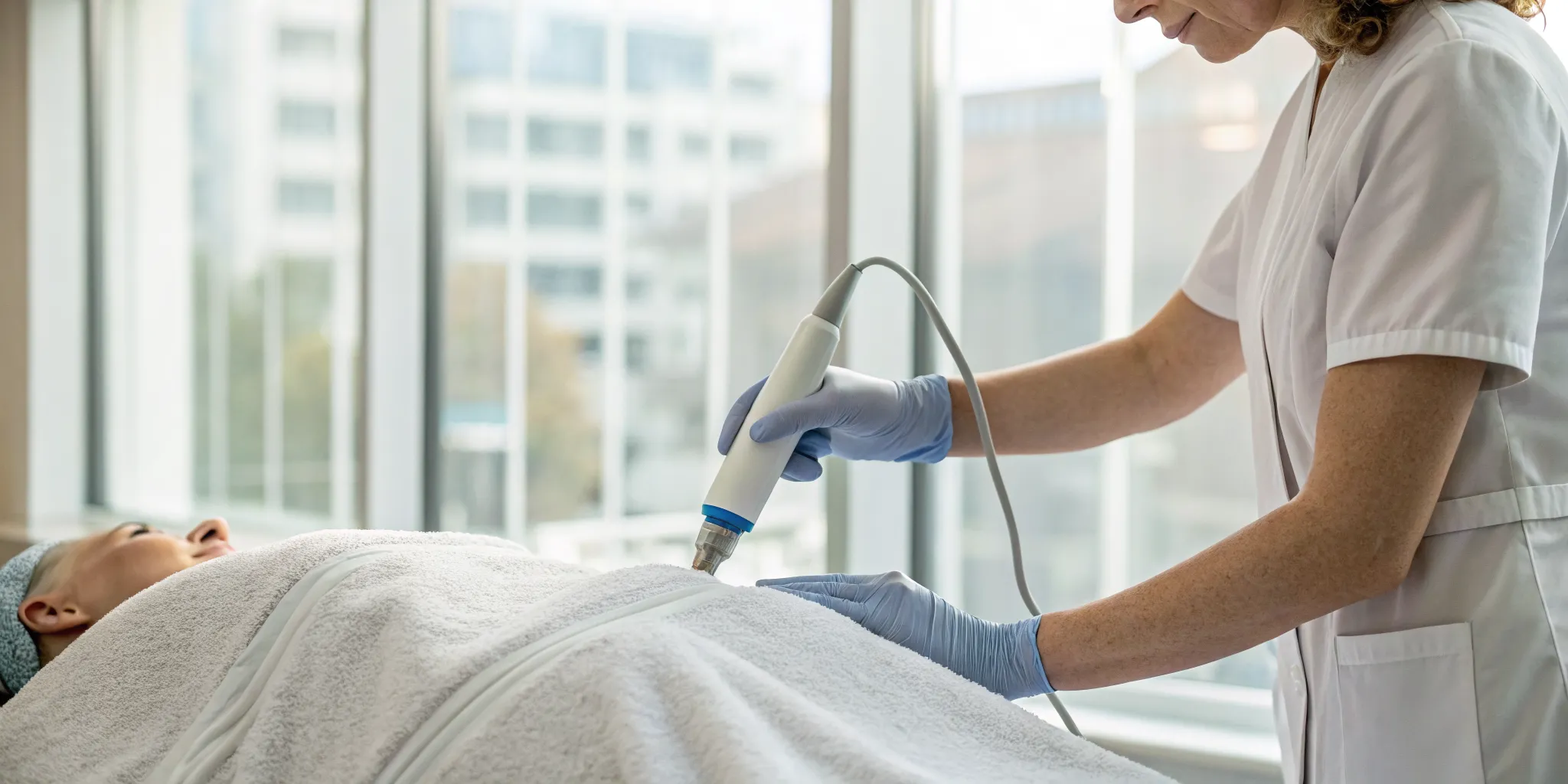
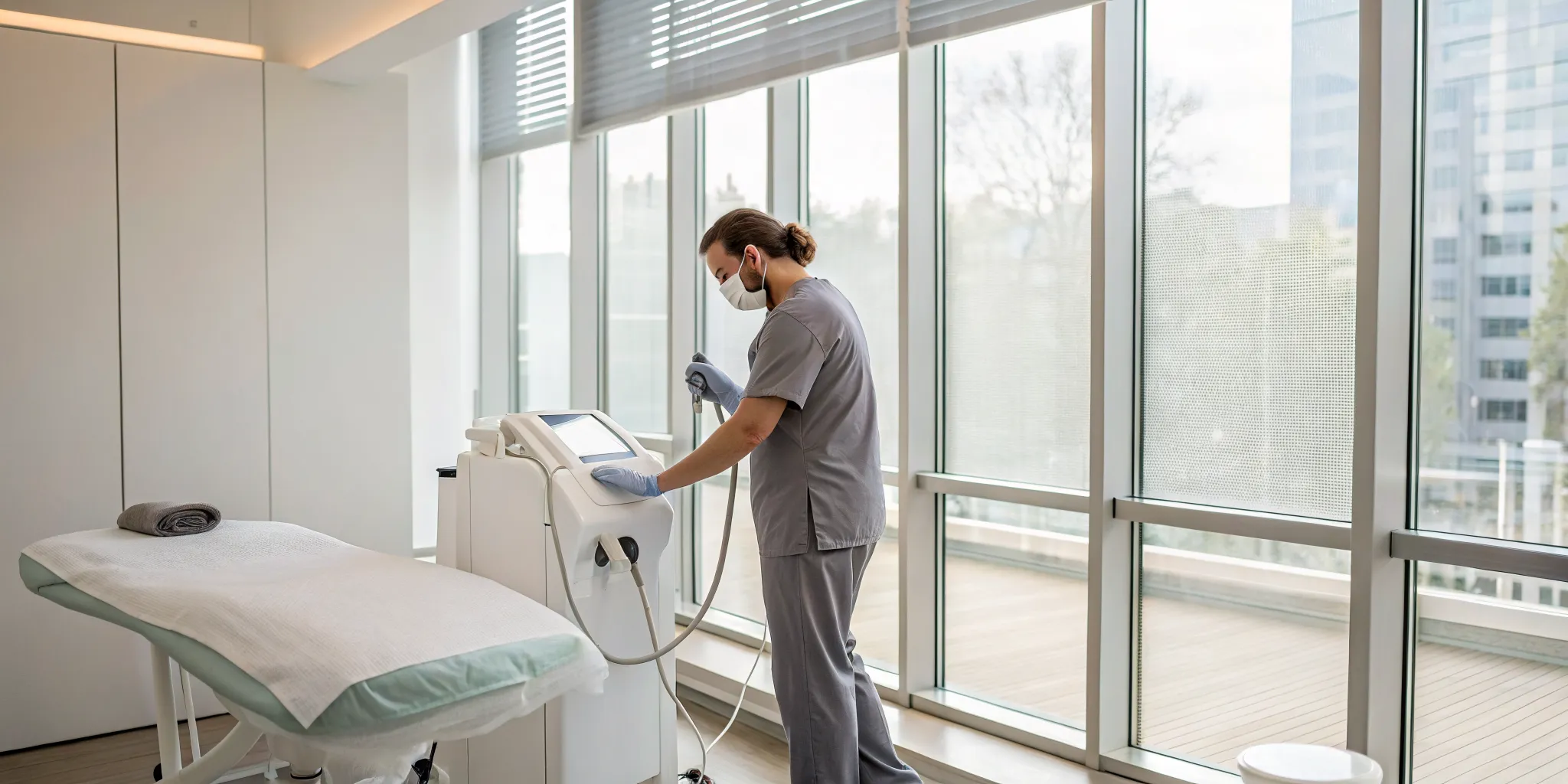
Your SoftWave session is surprisingly quick, typically lasting between five and fifteen minutes. First, a gel will be applied to the skin over the area being treated; this helps the sound waves travel more effectively. Then, your provider will use a handheld applicator to gently move over the area, delivering the soft waves to the targeted tissue. Because the appointment is so short, it’s easy to fit into your schedule. This therapy is a key part of our physical medicine services, designed to support your body's healing without significant disruption to your day.
What Does It Feel Like?
One of the most common questions we get is about how the treatment feels. Most people do not find SoftWave therapy to be painful. Instead, you’ll likely feel a light tapping or pulsing sensation as the applicator moves across your skin. Some people describe it as a mild tingle. The goal is to stimulate your body’s healing response, not to cause discomfort. Your provider will communicate with you throughout the session to ensure you are comfortable, and the intensity can always be adjusted to suit your tolerance. The focus is on a gentle process that encourages recovery.
How Many Sessions Will I Need?
Your treatment plan will be tailored specifically to you. While many people start to feel a difference after just a few appointments, a typical course of treatment involves three to six sessions, usually scheduled about a week apart. The exact number you need will depend on several factors, including the nature of your injury, how long you've been experiencing discomfort, and your body’s unique response to the therapy. We create a personalized plan based on the specific conditions we treat and your individual health goals, ensuring your path to recovery is right for you.
Is SoftWave Therapy Right for You?
Deciding on a new treatment path is a big step, but it’s all about finding what truly works for your body. SoftWave Therapy is a promising option for many people dealing with persistent pain, and it’s helpful to know if you’re a good fit. This therapy works with your body’s natural healing processes, offering a different route for those who have tried other methods without success. Understanding who benefits most and when to explore your options can help you make an informed decision on your health journey. At Ascend Functional Health, our goal is to provide clarity and support as you consider your next steps toward feeling your best.
Who Makes a Great Candidate?
If you're dealing with chronic pain, a nagging sports injury, or other musculoskeletal issues, SoftWave Therapy could be an excellent choice. It’s a non-invasive treatment that is safe and effective for a wide range of people, even those with sensitive conditions. This therapy is particularly well-suited for individuals looking for an alternative to more intensive procedures. Because it addresses so many different conditions we treat, from joint discomfort to soft tissue ailments, it has a broad application. The ideal candidate is someone who is ready to address the source of their pain and is looking for a solution that supports the body’s own ability to repair itself.
When to Consider Other Options
While SoftWave Therapy is incredibly versatile, the most important step is getting a proper diagnosis to see if it's the right tool for your situation. It’s also important to have realistic expectations. While many people feel a difference after just a few sessions, the full benefits of tissue regeneration happen over several months as your body continues its healing process. If you are experiencing any kind of pain, swelling, or injury, the best first step is to schedule a consultation. This allows us to understand your unique health picture and create a personalized plan that truly addresses the root cause of your discomfort.
Your Questions, Answered
It's natural to have questions about any new treatment. Many people wonder what a SoftWave session feels like. Most describe it as a mild pulsing or tingling sensation, and it’s generally not considered painful. Each session is quick, typically lasting between 5 and 15 minutes. While the exact number of treatments varies, most people experience significant relief after 3 to 5 sessions. For those with arthritis or similar joint problems, SoftWave can improve movement by 30-50%. It’s a key part of our physical medicine toolkit because it helps your body heal from the inside out, promoting long-term wellness instead of just masking symptoms.
Finding a Trusted SoftWave Therapy Provider in Tampa
When you decide to try an innovative treatment like SoftWave Therapy, choosing the right provider is just as important as the therapy itself. You want a team that not only understands the technology but also understands you and your health goals. Finding a practitioner in Tampa who you can trust involves looking at their qualifications, their approach to care, and their commitment to finding the real source of your pain.
Look for Proper Credentials and Training
First, make sure your provider is properly trained and certified to perform SoftWave Therapy. Since it's a specialized treatment that uses sound waves to help your body heal itself, expertise is key. A qualified provider will be transparent about their credentials and happy to explain the science behind the technology. Look for a clinic where the team has a strong background in musculoskeletal health and regenerative practices. This ensures they understand the complexities of your body and can apply the therapy effectively. The right team of experts will have the knowledge to guide your healing journey.
Insist on a Personalized Treatment Plan
Your body and your pain are unique, so your treatment plan should be too. Avoid any provider who suggests a one-size-fits-all solution. A thorough practitioner will start with a comprehensive evaluation of your health history and specific concerns to create a personalized roadmap for your sessions. A typical session is quick, usually 15-30 minutes, and a good plan will track your progress over several visits to ensure you're getting results. This tailored approach is key for addressing the specific conditions we treat and helping you feel your best.
Seek a Root-Cause Approach
Symptom relief is great, but true healing happens when you address the underlying problem. The best providers don't just focus on the site of your pain; they investigate why it's there in the first place. SoftWave Therapy is powerful because it works on a deeper level, activating your own stem cells to repair damage and regenerate tissue. This is a fundamental part of a root-cause approach to wellness. A provider committed to this philosophy will use SoftWave as part of a broader strategy to restore your body's natural ability to heal, leading to more sustainable relief.
How to Choose the Right Provider for You
Finding the right partner for your health journey is just as important as choosing the right treatment. When you're exploring SoftWave Therapy, you want a provider who is not only skilled in the technique but also understands your unique health picture. A great provider will listen to your story, answer your questions clearly, and partner with you to create a plan that makes sense for your body and your goals. This is about finding a team that is committed to your long-term well-being, not just a temporary fix.
Key Questions to Ask Before Booking
This is your chance to interview a potential provider, so don't be shy about asking questions before you commit. A confident and knowledgeable provider will welcome them. Start with these basics to gauge their expertise and see if they are a good fit for you. Ask them to explain how SoftWave works in their own words; they should be able to tell you that it uses sound waves to prompt your body's own healing mechanisms. Also, ask what conditions they typically treat with this therapy. This helps you confirm they have experience with your specific health concerns. Finally, get a clear picture of the treatment plan: How long is a typical session, and how many visits do they anticipate you'll need?
The Importance of a Whole-Body Approach
SoftWave Therapy is powerful because it works with your body. The sound waves help stimulate your own stem cells to repair damaged tissue. This isn't about masking pain; it's about healing from the inside out. That's why it's so important to choose a provider who focuses on addressing the root cause of your issue. A provider with a whole-body perspective will see you as more than just a sore knee or a painful shoulder. They will consider how different systems in your body are connected and create a comprehensive plan that supports your overall health, helping you achieve lasting relief and improved mobility.
Related Articles
- SoftWave Tissue Regeneration Therapy in Tampa | Alessi Functional Health
- SoftWave TRT Therapy in Tampa, FL - Alessi Functional Health
- What Is Joint Mobilization & How Does It Work?
- What Is Soft Tissue Therapy? A Complete Guide
Frequently Asked Questions
How is SoftWave therapy different from treatments that just manage pain? Many common treatments for joint pain focus on reducing inflammation or blocking pain signals, which can provide temporary relief. SoftWave therapy works differently by addressing the problem at its source. It uses sound waves to stimulate your body’s own repair crew, your stem cells, encouraging them to migrate to the injured area and rebuild damaged tissue. It’s a shift from simply managing symptoms to promoting genuine, long-term healing from within.
How long does it take to see results, and are they permanent? While some people notice an improvement in pain and mobility after just one or two sessions, the full benefits unfold over time. The therapy kickstarts a regenerative process that continues for weeks or even months after your last appointment. Because the goal is to actually repair the underlying tissue, the results are designed to be long-lasting, not just a temporary fix.
Is the treatment painful, and are there any side effects? Most people do not find the treatment to be painful. You will likely feel a light tapping or pulsing sensation on your skin as the applicator moves over the treatment area. The intensity is always adjusted for your comfort. Since the procedure is completely non-invasive and works by supporting your body's natural functions, side effects are very rare and minor, sometimes including temporary redness or soreness in the treated area.
I've had this pain for years. Can SoftWave still help me? Yes, SoftWave therapy is often very effective for chronic conditions. When an injury is old, the body's natural healing process can stall. SoftWave acts as a signal to "wake up" that process again, reminding your body to send healing resources to an area it may have stopped paying attention to. It’s an excellent way to restart the repair cycle for nagging, long-term issues.
What's the next step if I think SoftWave therapy is right for me? The best first step is to schedule a consultation with our team. During this appointment, we can perform a thorough evaluation to understand the root cause of your discomfort and determine if you are a good candidate for the therapy. This allows us to create a personalized treatment plan that is tailored specifically to your body and your health goals, ensuring you get the most effective care possible.