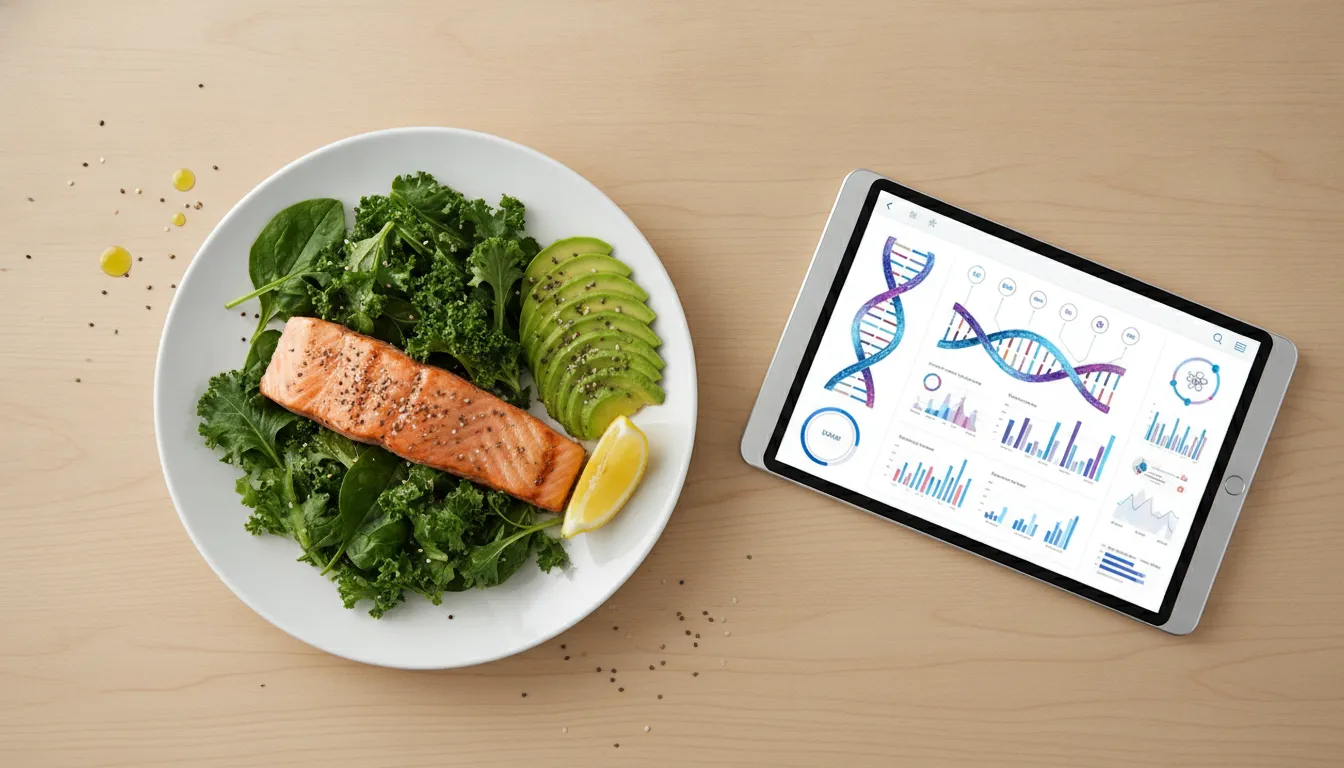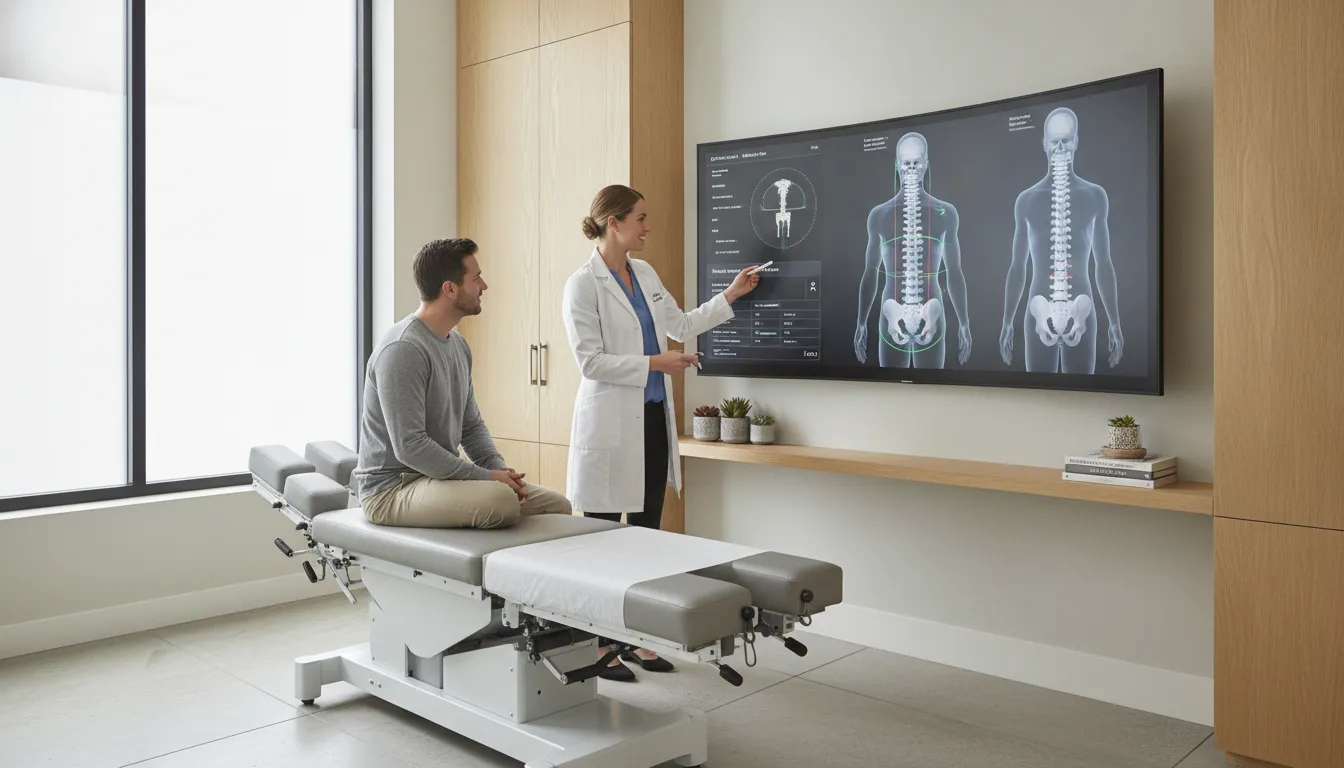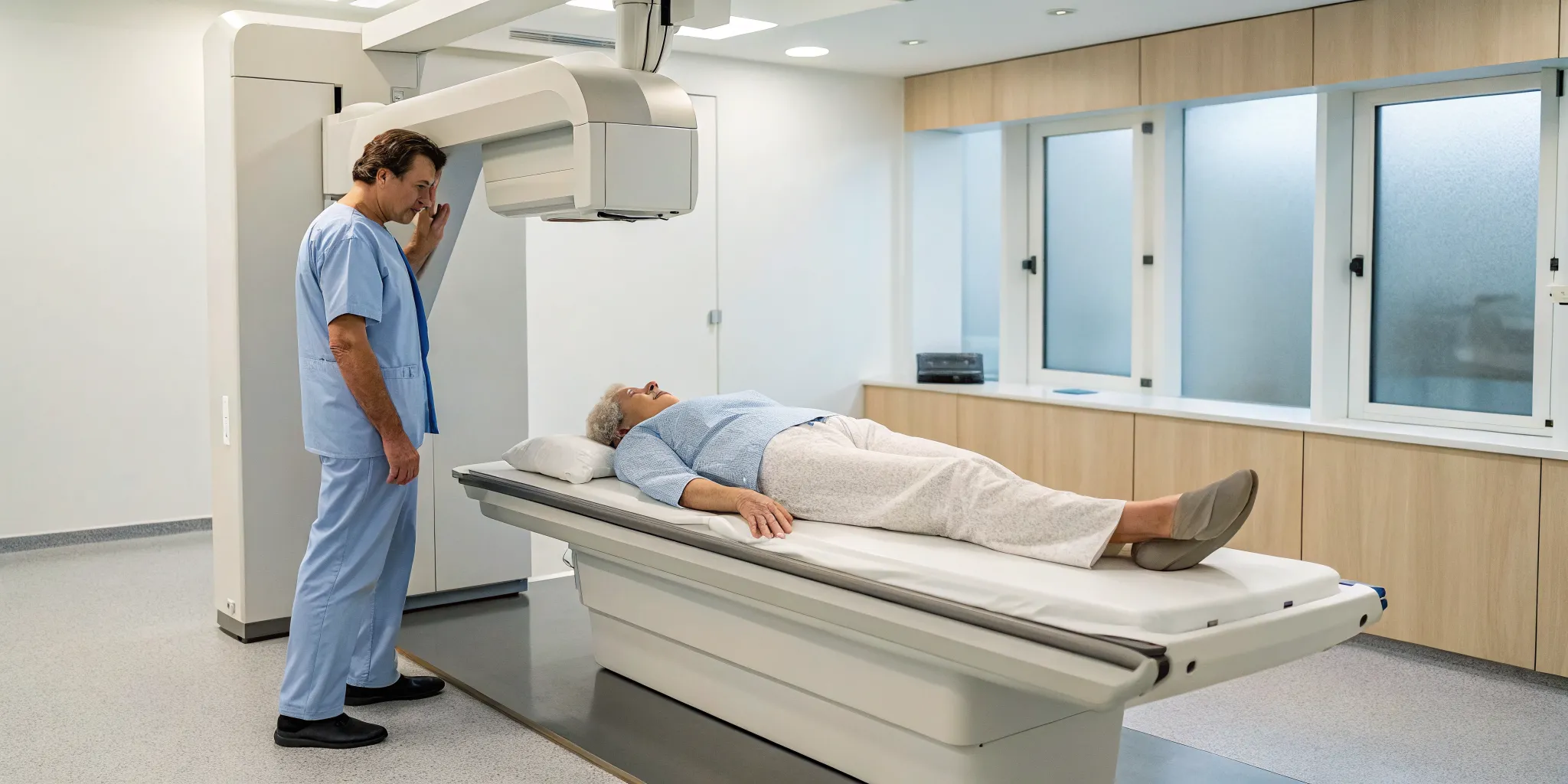
Many of us think about our health in terms of reacting to problems after they appear. But what if you could get ahead of potential issues? Understanding your body’s makeup is a powerful tool for proactive wellness. A body composition test offers critical clues about your long-term health by measuring things like visceral fat (the fat around your organs) and bone density. High levels of visceral fat are linked to chronic conditions, while low bone density can signal a future risk for osteoporosis. By getting a clear view of these metrics now, you can take control of your future well-being.
Key Takeaways
- Look beyond the scale for a true health assessment: Your total weight doesn't differentiate between fat, muscle, and bone. A body composition test provides this crucial breakdown, offering a more accurate way to track progress and understand your overall health.
- Choose a test that aligns with your goals: While accessible options like smart scales can show general trends, precise methods like a DEXA scan offer the detailed data needed for specific goals, such as reducing visceral fat or increasing bone density.
- Use your results to build a personalized plan: Your body composition numbers are a roadmap for your wellness journey. This data helps you and your provider identify potential health risks and create a targeted nutrition and lifestyle strategy that addresses your body's unique needs.
What Is a Body Composition Test?
If you’ve ever felt frustrated by the number on the scale, you’re not alone. Your total weight is just one small piece of your health puzzle, and it doesn’t tell you the whole story. This is where a body composition test comes in. Think of it as a detailed look inside your body, showing you what you're really made of. Instead of just a single number, a body composition analysis measures the specific percentages of fat, muscle, and bone in your body.
This breakdown is incredibly valuable because it offers a much clearer picture of your health than weight or Body Mass Index (BMI) ever could. For example, two people can weigh the exact same amount but have completely different body compositions. One might have a higher percentage of muscle and lower body fat, while the other has the opposite. These differences have significant implications for metabolism, strength, and long-term health risks. Understanding your unique makeup is the first step toward creating a wellness plan that’s truly tailored to you, helping you move beyond generic advice and focus on what your body actually needs.
What Does a Body Composition Test Measure?
A body composition test breaks down your total body weight into its core components. The main things it measures are your body fat mass, muscle mass (often called lean mass), and bone density. Some of the most advanced tests, like a DEXA scan, can even differentiate between the fat stored under your skin (subcutaneous fat) and the fat stored around your organs (visceral fat), which is a key indicator of metabolic health. This detailed report gives you specific data points to track, so you can see if you're losing fat, gaining muscle, or improving bone strength, which are far more meaningful goals than just losing weight.
Body Composition vs. BMI: What's the Difference?
The biggest difference between body composition and BMI is detail. BMI is a simple calculation based on your height and weight. It was designed as a tool to screen large populations, not to assess an individual’s health. Because of this, it can be misleading. BMI can’t tell the difference between muscle and fat, so a muscular athlete could easily be classified as "overweight." A body composition test, on the other hand, tells you exactly what that weight consists of. It helps you understand if your weight is primarily from healthy muscle and bone or from excess body fat, giving you the insights needed for a truly personalized health plan.
Why Your Body Composition Matters
Stepping on the scale only tells you one part of the story: your total weight. It doesn’t distinguish between muscle, fat, bone, and water. That’s why understanding your body composition is so important. It moves beyond a single number to give you a detailed snapshot of what your body is actually made of. This information is far more valuable for assessing your health, tracking real progress, and creating a wellness plan that’s truly designed for you. It allows you to stop guessing and start making informed decisions.
Track Progress Beyond the Scale
The number on the scale can be misleading and frustrating. You might be working hard and building strength, only to see your weight stay the same. This is often because as you gain dense muscle, you might be losing fat, and the scale can’t tell the difference. A body composition test cuts through the confusion by measuring the percentage of fat, bone, and muscle in your body. Knowing your body composition is far more helpful for your health than just knowing your weight, allowing you to celebrate meaningful changes that the scale completely misses.
Identify Potential Health Risks
Your body composition offers critical clues about your long-term health. High levels of body fat, especially the visceral fat around your organs, are linked to an increased risk for chronic conditions like heart disease, diabetes, and hormonal imbalances. Some advanced tests also measure bone density, which can help identify your risk for osteoporosis down the road. By getting a clear view of your body’s makeup, you can proactively address these potential health risks before they become more serious problems, putting you in control of your future well-being.
Create a Personalized Wellness Plan
One of the most powerful aspects of body composition testing is that it provides a clear baseline for a truly personalized wellness plan. Instead of following generic advice, you can use your specific data to set meaningful goals. At Ascend Functional Health, we use this information as a cornerstone of our Functional Medicine approach. Understanding your unique ratio of muscle to fat helps us tailor nutritional and lifestyle recommendations that will be most effective for you. This data-driven strategy ensures your efforts are focused, helping you achieve your health goals more efficiently.
Common Body Composition Tests
Once you decide to look beyond the scale, you’ll find several ways to measure your body composition. Each method has its own process, level of accuracy, and accessibility. Understanding the most common tests can help you choose the one that best fits your health goals, budget, and comfort level. From quick electronic measurements to highly precise scans, there’s an option that can give you the detailed feedback you need to track your progress effectively.
DEXA Scan
A DEXA scan, which stands for Dual-Energy X-ray Absorptiometry, is often considered a gold standard for body composition analysis. This test uses low-dose X-rays to give you a detailed breakdown of your body, measuring your bone mineral density, lean muscle mass, and fat mass with incredible precision. One of the biggest advantages of a DEXA scan is its ability to show you exactly where you are storing fat and building muscle in different parts of your body, like your arms, legs, and torso. This level of detail provides a comprehensive picture of your health that goes far beyond a single number on a scale.
Bioelectrical Impedance Analysis (BIA)
Bioelectrical Impedance Analysis, or BIA, is one of the most accessible methods for estimating body composition. You’ll find this technology in many smart scales and handheld devices. BIA works by sending a safe, low-level electrical current through your body. Since the current travels more quickly through water-rich muscle than it does through fat, the device measures the resistance (or impedance) to estimate your body fat percentage. While BIA is quick and convenient, its accuracy can be influenced by your hydration levels, when you last ate, and if you’ve recently exercised. For the most consistent results, it’s best to test yourself under similar conditions each time.
Bod Pod (Air Displacement)
The Bod Pod offers a highly accurate and non-invasive way to measure body composition. This method uses a technique called air displacement plethysmography. You simply sit inside a comfortable, egg-shaped chamber for a few minutes while it measures your body’s volume by tracking changes in air pressure. This measurement, combined with your weight, is used to calculate your body density and, ultimately, your body fat and lean mass percentages. The Bod Pod is a great option for people who want precise results without being submerged in water or exposed to X-rays.
Hydrostatic Weighing
Also known as underwater weighing, hydrostatic weighing is another gold-standard method for measuring body composition. The process is based on the principle that fat is less dense than muscle and bone. To get a reading, you are first weighed on dry land and then weighed again while fully submerged in a large tank of water. The difference between these two weights allows for a very accurate calculation of your body density and body fat percentage. While it provides reliable results, the process can be inconvenient and may feel uncomfortable for those who dislike being underwater, as it requires you to exhale as much air as possible before being submerged.
Skinfold Measurements
Skinfold testing is a classic and affordable method for estimating body fat. A trained professional uses a tool called a caliper to gently pinch and measure the thickness of a fold of skin and the underlying fat at several specific locations on your body, such as the abdomen, thigh, and arm. These measurements are then used in a formula to calculate your overall body fat percentage. The accuracy of this method heavily depends on the skill and consistency of the person performing the test. When done correctly, it can be a great way to track changes in your body composition over time as part of a comprehensive functional medicine plan.
How to Choose the Right Body Composition Test
Okay, you're ready to get a clearer picture of your health, but which test is the right one for you? With so many options out there, it can be tough to decide. The best choice really comes down to what you're looking for. Think about your personal health goals, your budget, and how precise you need the information to be. Let's walk through these key factors so you can feel confident in your decision.
Balancing Accuracy and Accessibility
When it comes to body composition tests, there’s often a trade-off between how accurate a test is and how easy it is to get one. On one end, you have bioelectrical impedance (BIA) scales, which are super accessible; you can even buy one for your bathroom. They’re great for tracking general trends, but their accuracy can be affected by things like your hydration levels. On the other end is the DEXA scan, considered the gold standard among body composition measurement techniques. It provides a highly detailed breakdown of your fat, muscle, and bone mass with a very low error rate. While you can't do a DEXA scan at home, finding a clinic that offers them is key to getting reliable data.
Comparing Costs
Your budget will definitely play a role in which test you choose. BIA scales are a one-time purchase and the most affordable option for long-term tracking. For more advanced methods, the price can vary. A DEXA scan typically ranges from around $50 to $150 at a specialized wellness center. If you go through a hospital, the cost can be higher, and you might need a doctor’s referral. It’s helpful to think of this as an investment in your health. Getting accurate data upfront can save you time and guesswork, helping you focus on strategies that will actually move the needle on your wellness journey.
Aligning the Test with Your Health Goals
Ultimately, the best test is the one that gives you the information you need to reach your goals. If you're just starting out and want to see the number on the scale move, a simple home scale might be enough motivation. However, if you have specific objectives, like building lean muscle or monitoring bone density, you’ll need a more detailed analysis. A DEXA scan provides the specific data needed to create a truly personalized wellness plan. This information helps us understand exactly what’s happening inside your body, allowing us to tailor a functional medicine plan for your best results.
Common Myths About Body Composition
When it comes to understanding our bodies, it’s easy to get tangled up in myths and outdated advice. Separating fact from fiction is the first step toward truly understanding your health and making progress you can feel good about. Let's clear up a few common misconceptions about body composition so you can focus on what really matters.
Myth: The Scale Tells the Whole Story
We’ve all been there, letting the number on the scale dictate our mood for the day. But here’s the truth: your total weight doesn’t tell you much. It’s a single data point that lumps everything together: muscle, fat, bone, and water. It can’t tell you if you’re losing fat while gaining lean muscle, which is a huge win for your health. This is why relying solely on the scale can be so misleading. You could be making fantastic progress, but the number stays the same. A comprehensive body composition test gives you the full story by showing you the actual breakdown, so you can see the positive changes the scale misses.
Myth: All Testing Methods Are Equally Accurate
From smart scales to clinical equipment, there are many ways to measure body composition, but they are not all created equal. Many commercial methods, like those in home scales, only provide a rough estimate of your body fat. Their results can be skewed by simple things like your hydration level or when you last ate. While these tools can be useful for tracking general trends, they lack the precision needed for a true health assessment. Understanding the difference helps you choose a test that gives you data you can actually trust to make informed decisions about your wellness plan.
Myth: Body Fat Percentage Is the Only Number That Matters
Body fat percentage gets a lot of attention, and while it is an important metric, it’s far from the only one. A healthy body is about balance. Focusing on one number ignores other critical components of your health, like your muscle mass, bone density, and where you store fat. For example, strong muscle mass is vital for a healthy metabolism and long-term mobility. Knowing your visceral fat level, the fat stored around your organs, is a far better indicator of certain health risks than your overall body fat percentage. A functional medicine approach looks at your complete body composition to get a holistic view of your health.
How to Prepare for Your Body Composition Test
Getting a body composition test is a fantastic step toward understanding your health on a deeper level. To make sure the results are as accurate as possible, a little preparation goes a long way. Think of it like this: you want the test to capture a true snapshot of your body, not a version that’s been temporarily altered by a tough workout or a few cups of coffee.
Following a few simple guidelines before your appointment ensures that the data we gather is a reliable baseline. This accuracy is crucial because we use these numbers to create your personalized wellness plan and track your progress over time. By preparing properly, you’re setting yourself up for success from the very beginning.
Tips for an Accurate Reading
For the most precise results, consistency is key. Try to maintain your normal hydration levels leading up to the test. Being dehydrated can actually make your body fat percentage appear higher than it is, so just stick to your usual water intake. There’s no need to overdo it, just avoid being thirsty.
On the day of your test, wear light, comfortable clothing like workout gear. It’s also important to remove any jewelry or items with metal, as they can interfere with certain imaging tests. Following these simple steps helps us get a clear and accurate picture of your body’s unique makeup, which is the foundation of our comprehensive health solutions.
What to Avoid Before Your Test
To prevent temporary fluctuations that could skew your results, it’s best to avoid a few things for at least 24 hours before your appointment. Hold off on any intense exercise, as a hard workout can temporarily affect your body’s fluid levels and muscle composition. It’s also a good idea to skip alcohol and high caffeine consumption during this period.
These substances can impact your hydration and metabolism, which might lead to a less accurate reading. For certain tests, like a DEXA scan, it’s also critical to note that they are not suitable for anyone who may be pregnant. Our team will always go over these precautions with you to ensure your safety and the accuracy of your results.
When Is the Best Time to Get Tested?
The best time for your first test is whenever you’re ready to get a clearer picture of your health. For follow-up tests, the goal is to track your progress effectively. We generally recommend retesting every three to six months. This timeframe is long enough to see meaningful changes in your body composition that reflect the hard work you’re putting into your health.
To make your progress tracking as accurate as possible, try to schedule your follow-up tests under similar conditions each time. For example, testing in the morning before you’ve had a big meal can provide a more consistent measurement. This approach helps us see how your body is responding to your personalized functional medicine plan.
How to Read Your Body Composition Results
So, you’ve got your results back. It might look like a page full of numbers and charts, which can feel a little overwhelming at first. But don't worry, learning to interpret these numbers is the first step toward making meaningful changes to your health. Think of it as a detailed map of your body's internal landscape. It shows you exactly where you are right now, so you can chart a clear path to where you want to be. Unlike the bathroom scale, which only gives you one number, a body composition analysis breaks down your weight into its core components: fat, muscle, and bone. This detailed picture helps you and your healthcare provider understand your unique physiology and create a plan that’s truly personalized to you. Let's walk through the key metrics you'll see on your report.
Understanding Body Fat Percentage Ranges
First up is body fat percentage. This number tells you what portion of your total weight is made up of fat tissue. While it's a useful metric, it's important to remember that your body fat percentage is just one piece of the puzzle. It doesn't tell the whole story about your risk for health problems related to weight. Healthy ranges vary quite a bit based on age and sex, but generally, the goal isn't to get this number as low as possible. Your body needs a certain amount of essential fat to function properly. Instead of fixating on this single number, view it as a starting point for understanding your overall body composition.
What Your Muscle Mass and Bone Density Mean
This is where we get into the good stuff. Your report will show you how much lean muscle mass you have, which is a huge indicator of your metabolic health. More muscle means a higher resting metabolism, better blood sugar control, and greater physical strength. The report also provides a look at your bone density. Using a T-score, it can tell you if your bones are strong and healthy. A DXA body composition analysis can identify if you're at risk for conditions like osteopenia (weaker bones) or osteoporosis. This information is crucial for developing a long-term health strategy that includes the right nutrition and exercise to build and maintain both muscle and bone.
Why Visceral Fat Is Important for Your Health
Pay close attention to this number. Visceral Adipose Tissue, or VAT, is the internal fat that surrounds your vital organs in your abdomen. You can't see or pinch it, which is why it's often called "hidden" fat. This is not the same as the subcutaneous fat under your skin. High levels of visceral fat are strongly linked to an increased risk for heart disease, type 2 diabetes, and other metabolic issues. A DEXA scan can precisely measure your VAT, giving you a clear picture of your internal health. An amount over 100-160 cm² is generally considered a sign of higher risk, making this one of the most important metrics for long-term wellness.
How Often Should You Test Your Body Composition?
Getting your body composition tested is a fantastic first step, but its real power comes from tracking your results over time. A single test gives you a snapshot, but regular testing shows you the full movie of your health journey. It helps you understand what’s working, what isn’t, and how to adjust your approach for the best results. The right frequency for testing really depends on your unique goals, your current health status, and the plan you’re following.
Monitor Your Progress Over Time
Think of regular body composition tests as your personal progress report. They provide concrete data that goes far beyond the scale, showing you changes in muscle gain and fat loss. This feedback is crucial for understanding if your fitness and nutrition strategies are effective. Seeing your muscle mass increase or your visceral fat decrease can be incredibly motivating and confirms your hard work is paying off. This kind of detailed tracking is a core part of a functional medicine approach, as it allows us to see how your body is responding and make precise adjustments to your wellness plan, ensuring you stay on the right path.
When to Retest Based on Your Goals
So, what’s the magic number? For most people looking to track general health and body composition changes, getting a follow-up scan every three to six months is ideal. This timeframe is long enough to allow for noticeable changes in muscle and fat, giving you meaningful data to review. If you're an athlete or have very specific fitness goals, you might test more frequently. For long-term health, an annual scan can be a great way to monitor bone density as you age. Ultimately, consistency is key. Regular check-ins help you and your health provider make informed decisions about your care, especially when addressing specific health concerns.
Get a Clearer Picture of Your Health at Ascend Functional Health
Our Comprehensive Approach to Health Assessments
At Ascend Functional Health, we believe that to truly improve your health, you first have to understand it. That’s where a body composition test comes in. This isn't about the number on the scale; it's a detailed look at what your body is made of: the percentage of fat, bone, and muscle. This gives us a far more accurate picture of your health than traditional metrics like BMI. As health experts at UC Davis note, understanding your body's makeup is fundamental to your overall fitness. This comprehensive assessment is the first step in our functional medicine approach, allowing us to create a strategy that’s tailored specifically to you.
How We Use Your Results in a Functional Medicine Plan
The insights from your body composition test are the foundation of your personalized wellness plan. We use this data to pinpoint specific areas that need attention, whether it's reducing harmful visceral fat or addressing muscle imbalances that could be contributing to pain. This information helps us set meaningful, realistic health goals with you and gives us a clear way to track your progress over time. Think of it as a roadmap for your health. By integrating these precise results, we can create a holistic strategy that goes beyond weight management to truly improve your energy, strength, and long-term vitality. Our goal is to help you feel your best from the inside out.
Related Articles
- The Ultimate Male Hormone Test Panel Guide
- At-Home Hormone Testing for Women: A Full Guide
- The 5 Best At-Home Estrogen Tests Reviewed
Frequently Asked Questions
How long does a typical body composition test take? Most of the advanced, highly accurate tests are surprisingly quick and simple. For example, a DEXA scan, which is considered a gold standard, usually takes less than 15 minutes from start to finish. You just lie comfortably on a scanner while it does its work. The process is completely non-invasive, making it an easy appointment to fit into your day.
Is a body composition test covered by insurance? Generally, insurance plans do not cover body composition tests when they are used for general wellness or fitness tracking. It's often considered an elective procedure. However, it's helpful to view the cost as a direct investment in your health, as it provides critical information that can guide your wellness plan for years to come. You can always check with your specific insurance provider to see what they might cover.
I'm not an athlete. Is this kind of test still useful for me? Absolutely. While athletes use this data for performance, the information is just as valuable, if not more so, for anyone interested in their long-term health. The test provides key insights into your metabolic health, bone density, and risk factors for chronic conditions. It helps you move beyond weight loss and focus on building a stronger, healthier body from the inside out, no matter your fitness level.
How much more accurate is a DEXA scan compared to my smart scale at home? Your home smart scale is a great tool for tracking day-to-day trends, but its technology can be easily influenced by your hydration levels or even when you last ate. A DEXA scan is a clinical-grade diagnostic tool that provides a much more precise and reliable measurement. It gives you a detailed breakdown of bone, muscle, and fat (including the dangerous visceral fat) that you can truly count on to make informed health decisions.
After I get my results, what are the next steps? Your results are the starting point, not the finish line. The most important next step is to review the numbers with a professional who can help you understand what they mean for you personally. At Ascend, we use this data to build a targeted plan, helping you set realistic goals and create a strategy with specific nutrition and lifestyle changes to improve your numbers and your overall health.