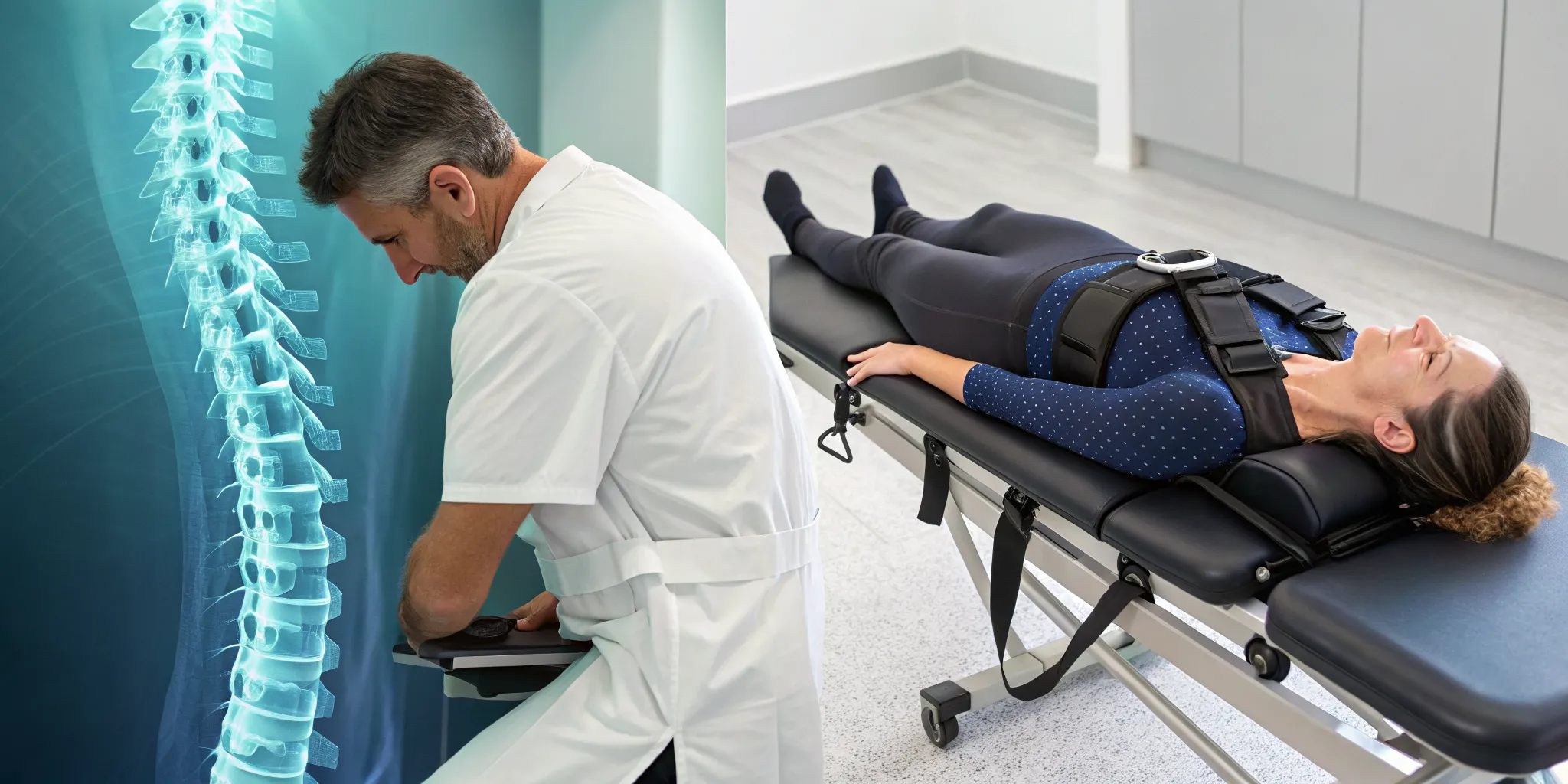
In functional medicine, we know that everything in the body is connected. A seemingly small issue like a misaligned jaw can create a ripple effect, leading to chronic headaches, neck pain, and even poor posture. The bilateral manipulation technique is a perfect example of this holistic view in action. It’s a gentle, diagnostic method that helps us understand the root cause of your discomfort by assessing your jaw's natural alignment. By looking at this critical piece of your body’s structural puzzle, we can move beyond just treating symptoms and create a plan that restores balance to your entire system.
Key Takeaways
- It's about guiding, not forcing: This technique uses a light, supportive touch to help your jaw find its most stable and natural position. This gentle approach allows a practitioner to accurately diagnose the root cause of issues like TMJ and chronic headaches.
- Relaxation is the key to results: The success of the technique depends on your muscles being completely relaxed. Tension prevents the jaw from settling correctly, so creating a calm state is a crucial part of the process for both you and your practitioner.
- Jaw health affects overall wellness: A misaligned jaw can be the source of seemingly unrelated problems, including persistent headaches, neck pain, and facial tension. Addressing your jaw's alignment is a foundational step toward restoring balance throughout your entire body.
What Is the Bilateral Manipulation Technique?
If you’ve ever dealt with jaw pain, clicking, or headaches, you know how frustrating it can be to find the source of the problem. The bilateral manipulation technique is a gentle, hands-on approach that helps practitioners find your jaw's ideal position. The name might sound complicated, but the concept is simple: it’s about guiding, not forcing. Instead of pushing your jaw into place, a trained professional supports it, allowing the muscles to relax and the jaw to settle into its most natural and stable position, known as centric relation.
Think of it as a diagnostic tool that lets us listen to what your body is trying to tell us. By carefully feeling how the jaw moves, we can identify underlying issues that might be causing discomfort. Many practitioners prefer this technique because it’s a reliable way to understand the unique mechanics of your bite. It’s less about manipulation and more about helping your jaw find its way home to a comfortable, efficient, and pain-free position. This understanding is the first step toward creating a personalized plan to address issues like TMJ dysfunction, chronic headaches, and facial pain.
Its Role in Jaw Health
The bilateral manipulation technique plays a vital role in diagnosing and treating jaw-related problems. By applying controlled, gentle pressure, a practitioner can assess the health of your jaw joint. We can check for things like joint mobility, the position of the small disc inside the joint, and any signs of inflammation that could be causing pain. It gives us a clear picture of what’s happening inside, far beyond what a visual check can offer.
The ultimate goal is to help the jaw’s joints, or condyles, seat themselves in their most stable and superior position. This is the key to achieving a stable bite and long-term jaw health. When your jaw is in this optimal alignment, your teeth meet correctly, your muscles can function without strain, and you reduce the risk of wear and tear. This makes it a cornerstone of effective TMD treatment options.
How Jaw Alignment Affects Your Overall Health
Your jaw doesn't operate in isolation. Its alignment can have a ripple effect throughout your entire body. A misaligned jaw can contribute to chronic headaches, neck pain, and even poor posture as your body tries to compensate. The connection between oral health and overall wellness is well-established; when your mouth is healthy, it often indicates that your whole body is in a better state.
Addressing jaw issues can lead to surprising improvements in other areas. For example, resolving chronic jaw pain can reduce stress and improve sleep quality. There's even a known link between oral health and mental well-being. By taking a holistic view, we recognize the benefits of dental integration with total body health. Correcting your jaw alignment isn't just about stopping a click or easing a headache; it's about restoring balance to your entire system.
How Does Bilateral Manipulation Work?
Bilateral manipulation might sound intense, but it’s actually a very gentle and precise technique. It’s not about forcing your jaw into place; it’s about guiding it to its natural, most stable position. Think of it as a physical therapist carefully guiding a limb through its proper range of motion. Our practitioners use this hands-on approach to understand your unique jaw mechanics and address the root cause of discomfort. The entire process is calm, controlled, and centered around your comfort to achieve the best results for your jaw health and overall well-being.
Positioning and Preparation
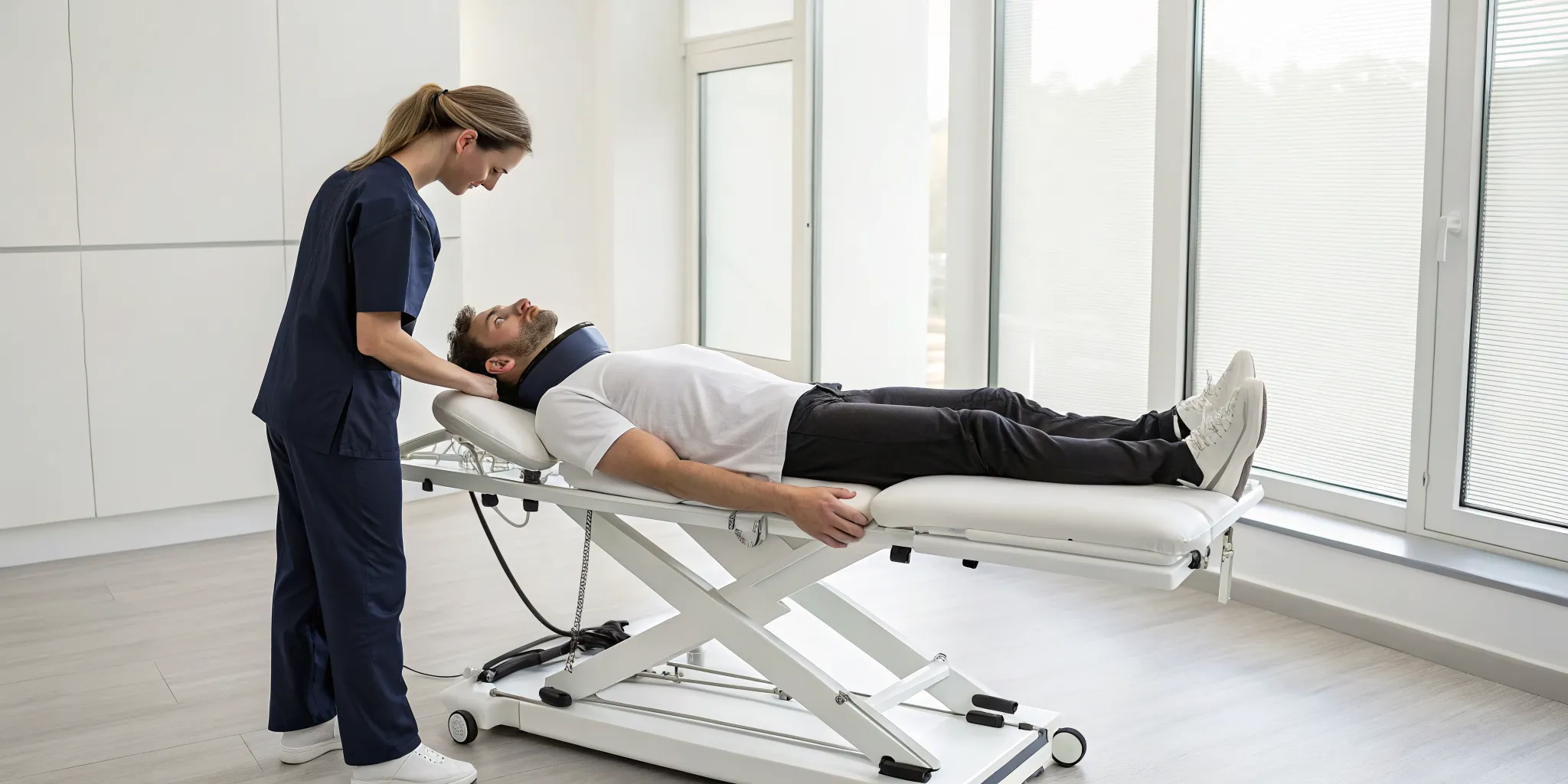
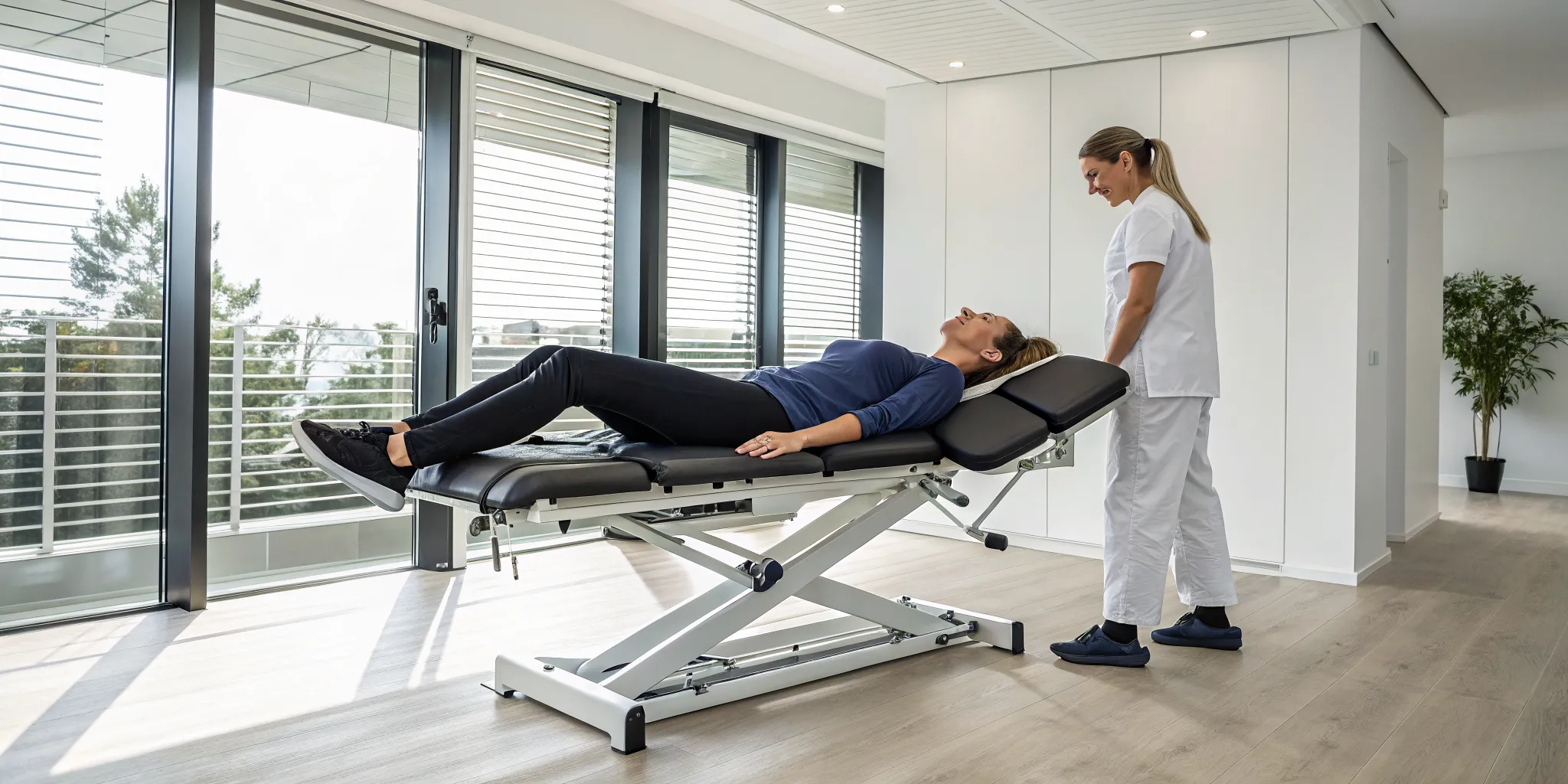
Before we begin, getting you into the right position is key. You’ll typically be reclined with your chin slightly up. The most important part of this step is for you to relax. When your jaw muscles are tense, they can resist movement, making it difficult to find the joint's ideal position. Our goal is to gently guide your jaw, not force it. By ensuring you're comfortable and your muscles are at ease, we can perform the technique smoothly and effectively. This careful preparation is a core part of our physical medicine approach, setting the stage for a successful treatment.
The Step-by-Step Technique
Once you’re relaxed, the practitioner will carefully place their fingertips on the bone of your lower jaw, just in front of the angle. We are very specific about this placement, making sure to stay on the bone and not the soft tissue of your neck to avoid any discomfort. With a light touch, we will gently guide your jaw upward so your teeth come together in their usual bite. Then, we’ll ask you to open your mouth very slowly, just a tiny bit. This slow, deliberate movement allows us to feel how the joint is moving and guide it into its optimal position without any muscle strain.
The Goal: Finding Centric Relation
The ultimate goal of this technique is to find what’s called Centric Relation (CR). Simply put, CR is the most stable and comfortable position for your jaw joint. It’s where the "ball" of the joint is seated perfectly within its socket, regardless of how your teeth fit together. When your jaw is in CR, the surrounding muscles can relax, which can relieve a lot of tension and pain. Finding this position helps us diagnose and treat issues related to your bite and alignment, which are often the source of chronic headaches and TMJ pain.
What Is Centric Relation and Why Does It Matter?
Think of Centric Relation (CR) as your jaw's "true north." It's the specific, natural position where the joint is most stable and properly seated, allowing the surrounding muscles to be completely relaxed. In this position, the 'ball' of your jaw joint (the condyle) rests as high and as far back as possible within its socket. What’s important to understand is that this ideal joint position is determined by your anatomy, not by how your teeth happen to fit together. It's the foundation for healthy, pain-free movement.
For practitioners, Centric Relation is a critical reference point. It’s like having a blueprint for how your jaw is designed to function. When we can identify this position, we can accurately diagnose and treat a wide range of issues, from an uneven bite to chronic headaches and TMJ disorders. Many people live with a bite that forces their jaw out of this natural alignment, causing constant, low-grade stress on the entire system. Achieving proper alignment is a core part of our physical medicine approach, as it allows us to see where things are going wrong and create a plan to restore balance and function. It’s the starting point for understanding the root cause of your discomfort, rather than just chasing symptoms.
What It Means for Your Bite
It’s helpful to know the difference between Centric Relation (your ideal jaw joint position) and Centric Occlusion (how your teeth fit together). Centric Occlusion is simply your bite, the way your top and bottom teeth meet in their most stable contact. In a perfect world, your jaw would be in Centric Relation at the exact moment your teeth come into Centric Occlusion. When this happens, your bite is balanced, and your muscles can function without strain. Unfortunately, for many people, these two positions don't line up, which can lead to a host of problems.
How It Impacts Jaw Function and Alignment
When your bite forces your jaw out of its ideal Centric Relation position, your muscles have to work overtime to compensate. This constant strain can lead to jaw pain, clicking or popping sounds, and even difficulty chewing. Over time, this misalignment can contribute to broader issues that you might not immediately connect to your jaw, such as tension headaches, neck pain, and facial discomfort. By using techniques to find your Centric Relation, we can identify the discrepancy and address the underlying cause of the conditions we treat, rather than just managing the symptoms.
Why Is Relaxation Key During This Technique?
You might think that a technique designed to realign your jaw would involve force or pressure, but bilateral manipulation is quite the opposite. It’s a gentle, precise method that relies on guiding your jaw into its most natural and stable position. For this to happen, the muscles surrounding the joint must be completely relaxed. If you’re clenching or holding tension in your face, neck, or shoulders, your muscles will instinctively fight against the practitioner's guidance, making it impossible to find that ideal alignment.
Think of it like trying to find the neutral gear in a car; you can’t do it while the engine is revving. Your jaw muscles need to be at ease for us to find their true resting point, a position called centric relation. Achieving this state of relaxation is fundamental. It allows your practitioner to accurately assess your jaw’s function and address the root cause of issues like chronic headaches or TMJ pain. The entire process is a partnership that depends on both a skilled practitioner and a relaxed, trusting patient.
How Muscle Tension Can Interfere
When your jaw muscles are tense, they act like a stubborn roadblock, preventing your jaw from settling into its natural, comfortable position. This tension makes it incredibly difficult for a practitioner to feel the subtle movements of the joint and guide it correctly. Your body’s protective instincts cause the muscles to resist, masking the very issues we are trying to address. For the technique to be effective, we need to work with your body, not against it. Releasing this built-up tension is the first and most critical step toward finding the alignment that can bring you lasting relief. It clears the way for us to identify and treat the underlying problems within your jaw joint.
The Importance of a Calm Environment
Because your relaxation is so crucial, we focus on creating a calm and supportive setting for your treatment. We’ll have you lie back comfortably in a position that helps your muscles naturally let go of tension. A practitioner’s calm demeanor is also key, as it helps you feel safe and at ease throughout the process. We will guide you through slow, gentle opening and closing movements, since quick, jerky motions can cause your muscles to tense up again. This is never a rushed procedure. Taking the time to create a peaceful environment ensures we can work together to help your jaw muscles release, paving the way for a successful and comfortable treatment. This patient-centered approach is central to our physical medicine services.
Common Mistakes to Avoid
When it comes to a precise method like bilateral manipulation, the right technique makes all the difference. Its success hinges on a gentle, nuanced approach, not force. Getting it right ensures you feel comfortable and the treatment is effective. On the other hand, a few common errors can get in the way of achieving that ideal jaw alignment, sometimes even creating more tension. Understanding these pitfalls is the first step to avoiding them and ensuring the process is smooth and successful.
At Ascend, we believe in gentle, effective care that works with your body’s natural mechanics. This philosophy is at the heart of all our physical medicine therapies. We want you to feel empowered and informed about your treatment. Let’s walk through some of the frequent missteps in this technique so you know what a proper, effective session should feel like and can be confident you’re addressing the root of the problem.
Using Too Much Pressure
It might seem like more pressure would get the job done faster, but with bilateral manipulation, the opposite is true. One of the biggest mistakes is applying too much force. The goal isn't to push the jaw into place; it's to guide it. The practitioner should use an incredibly light touch, allowing your own muscles to do the work. You should be able to gently hinge your jaw open and closed in a pure rotational movement without your teeth touching. This gentle guidance helps your jaw find its natural, relaxed position without resistance, which is crucial for lasting relief and accurate diagnosis.
Improper Hand Placement
Where the practitioner places their hands is just as important as how much pressure they use. A common error is placing the fingers across the entire lower jaw. This can accidentally push the jaw backward instead of letting it settle into its correct position. The proper technique involves a supportive hand placement that doesn't restrict movement. The fingers should be positioned to support the jaw's natural hinge-like motion, encouraging it to rotate freely. This careful positioning is key to finding the jaw's optimal alignment and can be a game-changer for addressing related issues like the TMJ and facial pain we see so often.
Rushing the Process
Patience is a virtue, especially during this technique. Rushing or trying to force the jaw into place by jiggling it can create tension and lead to an inaccurate result. The process should feel calm and unhurried. The practitioner’s role is to create a stable environment that allows you to slowly and gently open and close your mouth. This deliberate pace gives your muscles time to relax and release any tension they might be holding. By taking the time to let the jaw move at its own pace, we can achieve a much more accurate and comfortable outcome, allowing the body to show us its preferred, strain-free position.
How Does This Technique Compare to Others?
When it comes to addressing jaw alignment, practitioners have a few different methods to choose from. Some common techniques, like chin point guidance, are considered "guided methods" where the jaw is directed from a single point. Bilateral manipulation stands out because it’s a comprehensive, two-handed approach that supports your jaw into its most natural and stable position, known as centric relation. Think of it less as a forceful adjustment and more as a supportive process. While other methods might push or pull the jaw into place, this technique is about gently helping your muscles relax so your jaw can settle where it functions best.
This approach is a cornerstone of the physical medicine we practice because it respects the body’s intricate design. It requires a deep understanding of the joint's anatomy and the relationship between bone, muscle, and cartilage. The focus isn't on making a quick "crack" or adjustment but on finding a true, reproducible position that can serve as a foundation for further treatment. By using both hands to support the jaw, your practitioner can feel for tension and ensure the joint is properly seated, leading to a more accurate and comfortable assessment. It’s a skillful and nuanced method that prioritizes your body’s natural mechanics over aggressive intervention, making it a reliable way to get to the root of jaw-related issues.
What Makes It Different?
What truly sets bilateral manipulation apart is its gentle, non-invasive nature. The technique is more about supporting the jaw and allowing it to find its own way to its optimal position, rather than forcing it into place. Your practitioner uses a light touch to help the jaw muscles release, which in turn allows the joint to seat itself properly. This makes it a preferred method for both patients and practitioners. For you, it means a more comfortable experience. For the practitioner, it provides a reliable and accurate way to find centric relation. This precision is crucial for diagnosing and treating many of the conditions we treat, from TMJ disorders to chronic headaches, because it addresses the root cause of the misalignment.
When to Choose This Approach
This approach is the right choice when the goal is to find the most stable and comfortable jaw position without causing additional stress or pain. If you’re experiencing symptoms like clicking, popping, facial pain, or tension headaches, a forceful adjustment could make things worse. Bilateral manipulation is ideal because it skillfully loads the joints with very little pressure, allowing for a precise diagnosis of your jaw’s alignment. It’s the go-to method for creating a clear picture of your bite and jaw function. Our team of experts chooses this technique to ensure we’re building your treatment plan on a solid foundation, addressing the underlying issue with a gentle touch that works with your body, not against it.
How Do You Know If It's Working?
You might be wondering how you or your practitioner can tell if the bilateral manipulation technique is having the intended effect. Success isn’t just about a final “pop” or click. It’s a combination of subtle physical cues your practitioner observes and the distinct sense of relief you feel. The process is a partnership, and knowing the signs of a successful adjustment can help you feel more confident and relaxed during your treatment.
This feedback loop is crucial. Unlike some treatments where progress is measured in obvious ways, jaw alignment is nuanced. Your practitioner is trained to spot the physical signs of proper alignment, while you are the only one who can report on the changes in sensation, tension, and comfort. This communication ensures the technique is applied correctly and is tailored to your body’s specific needs. Together, these indicators paint a clear picture of whether your jaw is settling into its ideal position, leading to lasting relief.
Physical Signs of Success
A skilled practitioner knows that this technique is about finesse, not force. One of the first physical signs of success is how your muscles respond. If your jaw muscles are relaxed, it allows your practitioner to gently guide your jaw into its proper position without resistance. The goal is to skillfully load the joints using precise, gentle movements, not a significant amount of pressure.
This is where a deep understanding of anatomy comes into play. Your practitioner is visualizing the joint structure and ensuring the jaw can move into centric relation smoothly. Proper physical medicine techniques like this one rely on this detailed knowledge to be effective and safe, ensuring the adjustment is both gentle and accurate.
Feeling the Relief: Emotional and Physical Cues
For you, the most immediate sign of success is a feeling of release. As the technique helps relax your jaw muscles, you should notice a significant decrease in tension. The most telling physical cue is that your jaw will be able to hinge open and closed easily and smoothly, without the clicking, popping, or pain that you may have been used to.
To check this, your practitioner will likely ask you to open and close your mouth very slowly. This gentle movement helps confirm that the joint is in its most stable and comfortable position. This newfound ease of movement is a clear indicator that the technique is working, providing relief from chronic headaches or TMJ discomfort linked to jaw misalignment.
The Link Between Bilateral Manipulation and Functional Medicine
At first glance, a technique focused on the jaw might seem separate from whole-body health. But in functional medicine, we know that every part of the body is connected. Think of it like a ripple effect: a problem in one area can create symptoms in another, seemingly unrelated part of the body. This is where bilateral manipulation fits perfectly with a functional medicine approach. It’s not about chasing symptoms; it’s about finding and addressing the root cause of dysfunction.
The jaw is a complex and powerful joint that influences your entire nervous system and posture. When it’s out of alignment, it can trigger a cascade of issues, from chronic headaches to neck pain and beyond. By addressing the mechanics of the jaw, bilateral manipulation looks at a critical piece of your body’s structural puzzle. This technique helps us understand how your jaw’s health contributes to your overall well-being, allowing us to create a more complete and effective healing plan that honors the body’s interconnected design.
Understanding the Jaw-Body Connection
Your jaw does more than just chew and talk; it’s a central hub of nerves and muscles that connects to your head, neck, and spine. The bilateral manipulation technique is built on a deep appreciation for the anatomy of this joint and its relationship to the rest of your body. When your jaw is misaligned, the surrounding muscles have to work overtime to compensate. This constant strain can lead to tension that radiates outward, affecting your posture and creating pain points far from the original source.
This is the essence of the jaw-body connection. A practitioner skilled in this technique can visualize the joint's structure and identify subtle imbalances that could be contributing to your symptoms. By understanding this link, we can move beyond treating just the headache or the neck pain and instead address a potential structural cause, leading to more lasting relief.
How It Can Help Headaches, TMJ, and More
If you struggle with chronic headaches, jaw clicking, or facial pain, bilateral manipulation can be a game-changer. These are some of the most common conditions we treat that often have roots in jaw dysfunction. By applying gentle, controlled pressure, a practitioner can assess the jaw joint’s mobility, relax tense muscles, and carefully guide the jaw back into its most stable and natural position.
This process is both diagnostic and therapeutic. It helps identify underlying issues like inflammation or disc displacement within the joint while simultaneously providing relief. For conditions like temporomandibular joint (TMJ) disorders, this technique gets to the heart of the problem by restoring proper function. Instead of just managing the pain, you’re addressing the mechanical issue causing it, which is the key to finding a real, sustainable solution.
Is Bilateral Manipulation Right for You?
This technique isn't for everyone, but for those dealing with specific types of pain and dysfunction, it can be a game-changer. If you're wondering whether bilateral manipulation could be the answer you've been looking for, the first step is to recognize the signs that your jaw might be the root cause of your discomfort. From obvious jaw-related symptoms to more mysterious chronic pain, let's look at what to watch for. Understanding your symptoms is key to finding the right path to relief and getting back to feeling your best.
Symptoms of TMJ and Jaw Misalignment
Do you hear a clicking or popping sound when you open your mouth? Does your jaw ever feel stuck or locked? These are classic signs of temporomandibular joint (TMJ) disorder. You might also experience pain while chewing, tenderness around your jaw, or an uncomfortable bite that feels "off." These symptoms indicate that the complex system of muscles and joints isn't working in harmony. During an assessment, a practitioner applies controlled pressure to the jaw to check its mobility and identify any underlying issues. If these common conditions sound familiar, it’s a strong signal that your jaw alignment needs attention.
Recognizing Chronic Headache and Facial Pain
Sometimes, the signs of jaw misalignment are less direct. Do you suffer from frequent headaches, especially in your temples? What about unexplained pain in your face, neck, or even your ears? These can all be symptoms of a TMJ disorder. Stress often makes things worse, leading to teeth grinding (bruxism) and increased muscle tension, which only adds to the problem. At Ascend, we understand the deep connection between different parts of the body. Addressing your jaw health can often lead to significant improvements in your overall well-being, providing relief from pain you might not have realized was connected to your bite. Our approach to functional medicine helps uncover these root causes.
What to Expect During Your Treatment
Walking into a new treatment can feel a little uncertain, but our goal is to make your experience as clear and comfortable as possible. From the moment you arrive, we focus on understanding the root cause of your discomfort. The bilateral manipulation technique is a key part of our diagnostic and treatment process for jaw-related issues, and it’s a gentle, hands-on approach. We’ll guide you through every step, ensuring you feel relaxed and informed. The process begins with a thorough assessment to understand your unique jaw alignment, followed by a personalized plan designed to bring you lasting relief.
Your First Assessment
Your first visit is all about discovery. We’ll start by discussing your symptoms and health history to get a complete picture of what you’re experiencing. Then, we’ll move to the physical assessment, where we use a technique called bimanual manipulation. This method allows us to gently guide your jaw into its most stable and natural position, known as centric relation. It’s a precise way for us to feel how your jaw joints are moving and identify any imbalances or restrictions. This initial step is crucial for diagnosing issues related to TMJ and other conditions that can cause chronic pain.
The Treatment Plan and Other Therapies
After your assessment, we’ll develop a treatment plan tailored specifically to you. The information we gather from the bimanual manipulation technique helps us understand the exact nature of your jaw dysfunction. By applying controlled and skillful pressure, we can assess the joint’s mobility, the position of the disc, and any signs of inflammation. This isn't about force; it's about finesse. This detailed insight allows us to create a comprehensive strategy that may include corrective care, specific exercises, or other therapies. Our holistic services are designed to work together to address the underlying cause of your pain and restore proper function.
Related Articles
- What Is Joint Mobilization & How Does It Work?
- How to Choose the Right Neck Strain Doctor
- How a Chiropractor Helps Neck Pain and Headaches
- Physical Medicine | Alessi Functional Health Tampa, FL
Frequently Asked Questions
Does bilateral manipulation hurt? The name sounds a bit intense. That's a great question, and I understand why the name might sound intimidating. The technique is actually the complete opposite of intense. It is an extremely gentle and precise method that involves no forcing, cracking, or sudden movements. The practitioner uses a very light touch to support your jaw and guide it into its natural, most relaxed position. The entire process is centered on your comfort, and the key to its success is muscle relaxation, not pressure.
What exactly is 'centric relation,' and why can't you just look at my bite? Think of centric relation as your jaw joint's ideal home base, a position determined by your anatomy where the joint is most stable and the muscles are at ease. Your bite, on the other hand, is just how your teeth happen to fit together. For many people, these two positions don't line up, which forces the jaw muscles to work constantly to compensate. By finding your jaw's true home base first, we can identify the root cause of the strain, rather than just looking at the symptoms your bite might be creating.
How is this different from a standard chiropractic jaw adjustment? While both approaches address joint function, bilateral manipulation is primarily a diagnostic tool that is also therapeutic. Its main goal is to find the jaw's most stable position with incredible precision. It’s less about a quick adjustment and more about a slow, guided process that allows the muscles to release completely. This technique gives us a clear blueprint of your jaw's mechanics, which then informs any further treatment needed to create long-term stability and relief.
I clench my jaw from stress. Can this technique still help me? Absolutely. Many people who clench or grind their teeth hold a great deal of tension in their jaw muscles, which can pull the joint out of its proper alignment. This technique is particularly effective for this because it focuses on releasing that exact muscle tension. By gently guiding your jaw, the practitioner helps your overworked muscles let go, allowing the joint to settle back into its natural, strain-free position. It directly addresses the physical results of stress on your jaw.
How quickly can I expect to feel relief after a session? Many people feel an immediate sense of release and openness in their jaw during the session itself. As the muscles relax, you might notice a decrease in tension right away. The goal is to restore proper function, so the lasting relief comes from addressing the underlying mechanical issue. While you may feel better after one session, a consistent treatment plan helps retrain your muscles and solidify the joint's new, healthier position for more permanent results.