You know a fruit bowl in the breakroom isn't enough. So why do so many wellness initiatives fall flat? They often miss what your team actually needs. Building a successful employee wellness program isn't about random perks; it's about a clear, structured strategy. This guide breaks down the entire process into simple, manageable steps. We'll show you how to assess your team's unique needs, launch initiatives people will actually use, and measure your success. It's your practical roadmap to creating a healthier, happier, and more productive work environment for everyone.
Key Takeaways
- Build a Program for Your Team, Not Just Any Team: Use employee surveys and feedback to create a tailored wellness program that addresses your team's specific health needs and interests, ensuring it's relevant and genuinely useful from day one.
- Make Engagement a Core Part of Your Culture: Drive participation by getting leadership actively involved and communicating the program's benefits clearly and consistently. A supportive culture where well-being is a shared priority is more effective than incentives alone.
- Measure Your Impact and Evolve Your Approach: Treat your wellness program as a dynamic strategy by tracking key metrics and gathering ongoing feedback. Use this information to demonstrate value and adapt your offerings to ensure long-term success and engagement.
What Is an Employee Wellness Program?
Think of an employee wellness program as a structured way to support your team's overall health—mentally, emotionally, and physically. It goes far beyond offering a discount on a gym membership. A truly effective program provides a suite of tools, resources, and activities designed to help your employees feel their best, both in and out of the office. These initiatives are built to address the root causes of common health issues, from stress and burnout to chronic pain and poor nutrition.
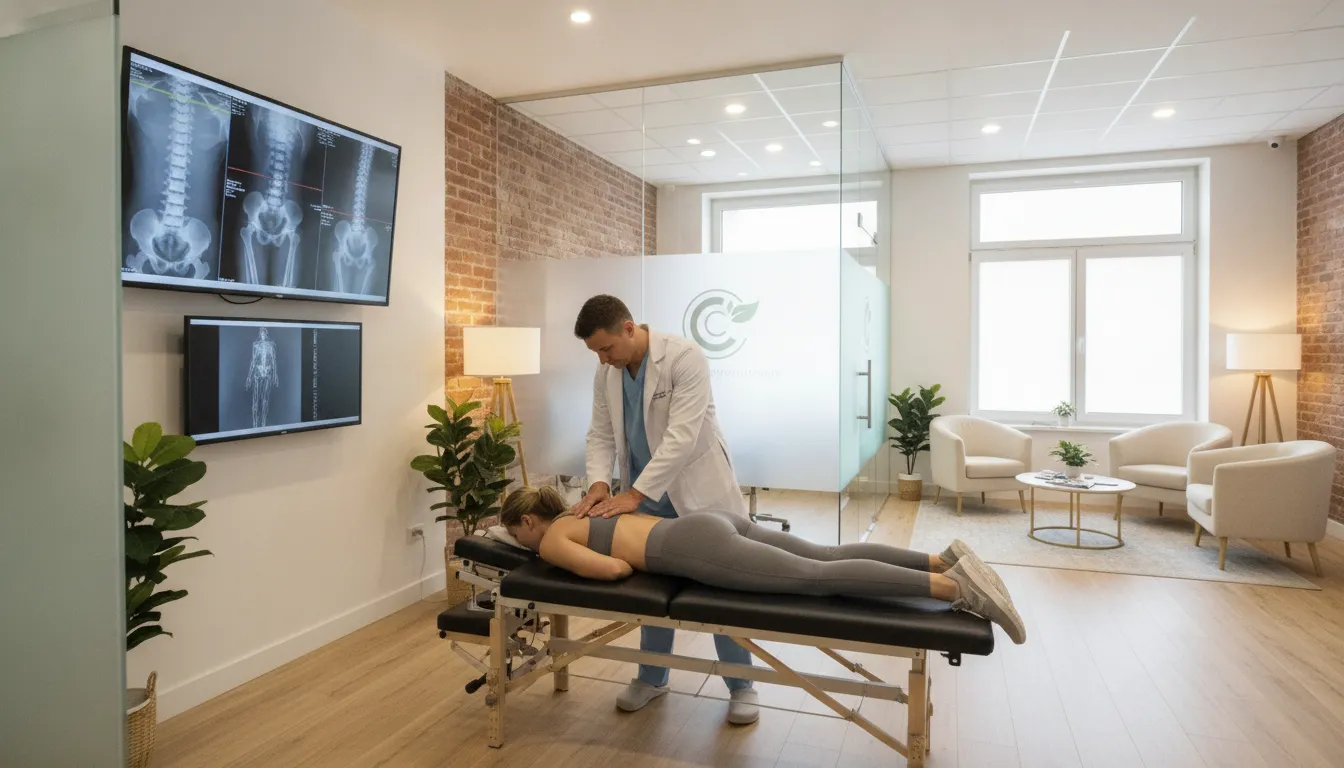
The idea is to create a work environment where well-being is a priority, not an afterthought. By investing in your team's health, you're not just offering a perk; you're building a more resilient, engaged, and successful workforce. A well-designed corporate wellness program can be tailored to fit the specific needs of your employees, whether that means offering on-site chiropractic care, stress management workshops, or nutrition counseling. It’s about giving your team the support they need to thrive.
What Should Your Wellness Program Achieve?
The primary goal of a corporate wellness program is to foster a healthier, happier, and more productive team. It’s a proactive approach to employee health that benefits everyone. For employees, the program provides access to resources that can help them manage stress, prevent illness, and improve their quality of life. This leads to higher morale and greater job satisfaction.
For the business, the advantages are just as significant. When employees are healthy, they are more focused and engaged at work, which naturally leads to better performance. These programs can also play a key role in attracting and retaining top talent, as they show a genuine commitment to employee well-being. Over time, this focus on preventive health can also help reduce absenteeism and lower the company's overall healthcare costs.
Increase Awareness of Wellness Services
A wellness program can’t be effective if your team doesn’t know it exists or how to use it. The first step is to clearly communicate what’s available. Your program should be a well-publicized set of tools and resources designed to help employees stay healthy in every sense—mentally, emotionally, and physically. Think of it as an internal marketing campaign. Use company newsletters, team meetings, and dedicated channels to regularly highlight different aspects of the program. The goal is to make sure everyone understands the benefits and feels empowered to participate in the services you’re offering.
Reduce Mental Health Stigma
One of the most important goals of any modern wellness program is to create a culture where it’s okay to not be okay. A key objective is to reduce the stigma or shame that can prevent people from seeking help for their mental and emotional health. You can achieve this by integrating mental health support directly into your program. This could include confidential counseling services, stress management workshops, or mindfulness resources. When leadership openly supports and participates in these initiatives, it sends a powerful message that mental well-being is a priority for everyone, helping to normalize these crucial conversations.
Ensure Equitable Access for All Employees
For a wellness program to truly succeed, it must be accessible and relevant to every single employee, not just a select few. It’s essential to make sure your services are fair and equitable for everyone, regardless of their job role, physical location, or current health status. This means offering a variety of options that cater to different needs and preferences. Consider a mix of virtual and in-person activities, flexible scheduling, and resources that address a wide spectrum of health concerns. A holistic approach ensures that whether an employee needs support with chronic pain through physical medicine or guidance on nutrition, everyone has an equal opportunity to benefit.
Why Wellness at Work Matters
Prioritizing wellness at work is one of the most impactful investments a business can make. When you create a culture that values and supports employee health, you build a foundation of trust and loyalty. Employees who feel cared for by their employer are more likely to be satisfied with their jobs and committed to the company's mission. This creates a positive feedback loop: a supportive environment improves well-being, and improved well-being strengthens the work environment.
Ultimately, a company is only as healthy as its people. A comprehensive wellness strategy is a win-win, creating a workplace where both the employees and the business can flourish. By integrating a variety of health services, you can build a program that addresses the diverse needs of your team and demonstrates a deep commitment to their long-term health.
What Makes a Wellness Program Effective?
A truly effective wellness program goes beyond simply offering a discount on a gym membership. It’s a comprehensive, thoughtful approach that addresses the whole person—not just their physical fitness. The most successful programs are built on a foundation of genuine care and a desire to see employees thrive both in and out of the office. They are holistic, recognizing that physical health, mental clarity, preventive care, and work-life balance are all deeply interconnected.
When you build a program that touches on these key areas, you create a culture of well-being that becomes part of your company’s DNA. It sends a clear message that you value your team as individuals and are invested in their long-term health and happiness. This kind of support doesn't just help your employees; it creates a more resilient, engaged, and positive workforce. The key is to move from a one-size-fits-all model to a flexible framework that supports the diverse needs of your team. By focusing on these core pillars, you can design a program that delivers real, lasting benefits.
How to Support Physical Well-being
Supporting your team's physical health is a fantastic starting point for any wellness program. This doesn't have to be complicated or expensive. The goal is to make healthy choices easier and more accessible during the workday. You could start a walking club for lunch breaks, bring in a local expert for a nutrition workshop, or offer subsidized memberships to a nearby gym. Initiatives like on-site vaccine clinics or health screenings can also be incredibly valuable. By focusing on physical medicine and movement, you help your team manage common health concerns, reduce stress, and feel more energized throughout the day. It’s about creating opportunities for movement and wellness that fit naturally into their lives.
Prioritize Mental Health and Reduce Stress
In today's work environment, supporting your team's mental health is non-negotiable. Workplace stress is a significant factor in burnout and decreased productivity, so offering resources to manage it can make a huge difference. This could include providing access to counseling services, offering workshops on mindfulness and stress-reduction techniques, or simply fostering a culture where it's okay to talk about mental well-being. When you prioritize mental health, you show your employees that you care about their entire well-being, which builds trust and loyalty while creating a healthier, more supportive workplace for everyone.
Encourage Preventive Care
The best way to handle a health issue is to prevent it from happening in the first place. That’s where preventive care comes in. An effective wellness program encourages employees to be proactive about their health through regular check-ups and screenings. You can facilitate this by offering on-site health risk assessments or providing flexible time off for medical appointments. This approach aligns perfectly with functional medicine, which focuses on identifying and addressing the root causes of health issues before they become chronic problems. Encouraging preventive care helps your team stay ahead of potential concerns, leading to better long-term health outcomes and reduced healthcare costs down the line.
Promote a Healthy Work-Life Balance
A healthy work-life balance is essential for preventing burnout and keeping your team happy and engaged. When employees feel they have the flexibility to manage their personal and professional lives, they are more focused, productive, and loyal. Supporting this balance can take many forms, from offering flexible work schedules and remote work options to encouraging employees to take their paid time off. It’s about trusting your team to get their work done while also respecting their need for a life outside the office. A culture that champions work-life balance is a cornerstone of a modern, effective wellness program that attracts and retains top talent.
Support Financial Wellness
Financial stress is a heavy burden that can easily spill over into the workplace, affecting focus, productivity, and overall health. A truly supportive wellness program acknowledges this by offering resources that help your team feel more secure in their financial lives. This doesn't mean you need to become a financial advisor, but you can provide valuable tools and guidance. Consider hosting workshops on budgeting, debt management, or retirement planning. Offering access to confidential financial counseling services can also be a powerful benefit. By including financial wellness in your program, you show your team that you care about their stability and peace of mind, which is a cornerstone of genuine well-being.
Improve the Physical Work Environment
The space where your team works has a direct impact on their health every single day. An uncomfortable or poorly designed office can contribute to physical strain, fatigue, and stress. You can make a significant difference by focusing on simple improvements to the work environment. Ensure workstations are ergonomically sound with comfortable chairs and adjustable desks to prevent back and neck pain. Maximize natural light whenever possible, as it's been shown to improve mood and energy levels. Creating quiet zones for focused work can also help reduce mental fatigue. These thoughtful adjustments help prevent the kind of chronic discomfort our physical medicine team addresses every day, making the office a healthier place to be.
Offer Holistic Health Options
To create a program that truly stands out, think beyond the basics. While gym memberships are a nice perk, a modern wellness program offers a more comprehensive approach that addresses the whole person. This means providing options that help employees understand and manage their health from a root-cause perspective. Consider bringing in experts for on-site chiropractic adjustments, hosting workshops on gut health and nutrition, or offering consultations that explore the foundations of well-being. By incorporating holistic services, like those found in functional medicine, you give your team the tools to not just treat symptoms but to build lasting health. This demonstrates a deep commitment to their long-term vitality and creates a culture where true wellness can flourish.
What Activities Should Your Program Include?
A successful wellness program is more than just a gym discount. It’s a thoughtful mix of activities and resources that address your employees' physical, mental, and social well-being. The most effective programs offer a variety of options, acknowledging that health is personal and not one-size-fits-all. Think of it as building a toolkit that empowers your team to take charge of their health in a way that feels right for them.
Your program can be as simple or as comprehensive as your resources allow. The key is to focus on initiatives that prevent or help manage common health concerns while also building a positive, supportive workplace culture. By offering a balanced selection of activities, you can create a program that feels genuinely helpful, not like another corporate mandate. Let’s look at some core areas you can build your program around.
Get Your Team Moving
Encouraging regular physical activity is a cornerstone of any wellness program. This doesn't have to mean intense workouts; it's about making movement a natural part of the workday. You can start simple with initiatives like a company walking club or by mapping out safe walking routes near the office. For a more structured approach, consider offering subsidized gym memberships or hosting on-site fitness classes like yoga or Zumba. The goal is to reduce barriers and make it easier for employees to be active. Our approach to Physical Medicine emphasizes how targeted movement can resolve pain and improve function, a principle that applies perfectly to workplace wellness.
Hold "Walking Meetings"
Swap the conference room for the sidewalk by holding walking meetings. This simple change is a powerful way to break up long periods of sitting and integrate movement into the workday without adding anything extra to the schedule. Getting outside for a one-on-one or a small team brainstorm can spark new ideas and improve focus. It’s about making physical activity a natural part of the day, not another task to check off. This approach not only supports cardiovascular health but also helps in improving overall physical function and reducing the strain that comes from being hunched over a desk. Start small by suggesting a walk for your next informal check-in and see how the fresh air and change of scenery can transform a routine conversation.
Start Wellness Challenges
Wellness challenges are a fantastic way to build team spirit while encouraging healthy habits. A successful program offers a variety of options because health isn't one-size-fits-all. You can organize a month-long steps competition, a weekly hydration challenge, or even a "screen-free lunch" challenge to promote mindfulness. The key is to keep it light, fun, and inclusive, focusing on participation rather than intense competition. These activities can touch on different aspects of holistic health, from nutrition and fitness to stress management. By creating shared goals, you foster a sense of community and make wellness a collaborative and enjoyable part of your company culture.
Encourage Healthy Eating Habits
What we eat directly impacts our energy levels, focus, and overall health. You can support your team’s nutritional goals by providing education and access to healthier choices. Consider hosting workshops with a nutritionist, organizing healthy cooking demonstrations, or simply stocking the breakroom with nutritious snacks instead of sugary treats. Providing resources on meal planning or offering discounts on healthy meal delivery services can also be incredibly helpful. By focusing on education and accessibility, you empower your team to make informed choices that support their well-being, which is a core tenet of Functional Medicine.
Send Healthy Meal Kits to Remote Workers
For remote teams, stocking a healthy breakroom isn't an option, but you can still make nutritious eating easy and accessible. Sending healthy meal kits directly to your employees' homes is a fantastic way to support their well-being from a distance. This simple gesture removes the guesswork from meal planning and ensures your team has access to fresh, whole foods, which is crucial for maintaining energy and focus throughout the workday. It’s a practical application of the core principles of Functional Medicine, which emphasizes the power of nutrition in overall health. By providing these kits, you're not just offering a convenient perk; you're giving your team a tangible tool to build healthier habits, one meal at a time.
Provide Accessible Mental Health Resources
Workplace stress and burnout are significant challenges that can impact both employee well-being and company performance. Acknowledging and addressing mental health is crucial for a truly holistic wellness program. You can provide support by offering access to counseling services through an Employee Assistance Program (EAP), subscriptions to mindfulness and meditation apps, or workshops on stress management and resilience. Creating a culture where it’s okay to talk about mental health is just as important as the resources you provide. Our Corporate Wellness programs are designed to help you build this kind of supportive environment.
What is an Employee Assistance Program (EAP)?
An Employee Assistance Program, or EAP, is a confidential benefit that gives your team and their families access to support for a wide range of personal and work-related challenges. Think of it as a dedicated, private resource for navigating life's hurdles. These programs typically connect employees with counselors, legal and financial experts, and other specialists who can help with issues like stress, family problems, or substance use. The key here is confidentiality; employees can seek help without their employer ever knowing the specifics, which encourages them to address issues before they become overwhelming. It’s a powerful way to show you support your team’s total well-being.
The Cost and ROI of EAPs
When you hear "employee benefit," you might immediately think of high costs, but EAPs are surprisingly affordable. Generally, these programs cost between $12 and $40 per employee per year. What’s even more impressive is the return on that small investment. Research shows that for every dollar a company spends on an EAP, it can see a return of $3 to $10. This ROI comes from reduced absenteeism, lower employee turnover, and higher productivity, as your team is better equipped to manage personal challenges. It’s a low-cost, high-impact way to support your employees and strengthen your business at the same time.
Implementing EAPs in Small Businesses
For small businesses, offering an EAP can be a game-changer. It shows a deep commitment to employee well-being that helps you attract and retain great talent, especially when competing with larger companies. When choosing a provider, look at their experience, the variety of services they offer, and how they follow up with employees to ensure they’re getting the help they need. Before you commit, it’s a great idea to gather feedback from your team to understand what kind of support would be most valuable to them. This ensures you’re investing in a program that will actually be used and appreciated.
Build Connection with Team Activities
Strong social connections at work can reduce feelings of isolation and combat burnout. Team-building activities are a fantastic way to foster a sense of community and give employees a chance to de-stress together. These don't have to be elaborate or expensive. You could organize fun events like team lunches, volunteer days for a local cause, or friendly office-wide challenges. The key is to create opportunities for genuine connection that aren't centered around work tasks. These shared experiences help build trust and camaraderie, making the workplace a more positive and engaging environment for everyone.
Foster Social Connections
A strong sense of community at work is a powerful buffer against stress and burnout. When your employees feel genuinely connected to their colleagues, the workplace becomes a more supportive and positive environment. Fostering these social bonds is a critical part of any holistic wellness strategy because it addresses our fundamental need for connection. It’s about creating shared experiences that build trust and camaraderie, moving relationships beyond project deadlines and email chains. These activities give your team a chance to relax and interact on a personal level, which strengthens their ability to collaborate effectively and makes their work more meaningful.
Organize Team Volunteering Events
Getting your team involved in a local cause is a fantastic way to build connections while making a positive impact on your community. When people work together toward a shared goal that isn't tied to their job descriptions, it creates a different kind of bond. It allows team members to see new sides of each other and builds a collective sense of pride and accomplishment. You could partner with a local food bank, participate in a beach cleanup, or support an animal shelter. These shared experiences of giving back can strengthen team dynamics and improve morale far more than a typical office event, fostering a deeper sense of purpose and connection.
Plan Fun Social Outings
Creating opportunities for your team to simply have fun together is just as important as any other wellness initiative. These events should be low-pressure and focused on enjoyment, giving everyone a chance to de-stress and connect outside of their usual work roles. Think about organizing a team lunch at a new restaurant, planning a friendly bowling competition, or having a casual afternoon get-together in the office. The goal is to facilitate genuine interactions that aren't centered on work. These shared moments of laughter and relaxation help build the strong, authentic relationships that make a workplace feel less like an office and more like a community.
How to Assess Your Team's Health Needs
Before you can build a wellness program that truly makes a difference, you need to understand where your team is starting from. A one-size-fits-all approach rarely works because every workplace has a unique mix of people with different needs, challenges, and health goals. The most successful programs are built on a solid foundation of listening and understanding. By taking the time to assess your team's specific needs, you can design a program that feels relevant, personal, and genuinely helpful.
This initial discovery phase is about more than just picking popular perks; it's about identifying the root causes of stress, understanding common health concerns, and learning what would actually motivate your employees to participate. When people feel heard and see their feedback reflected in the program, they're far more likely to engage. Think of it as creating a roadmap. Instead of guessing which direction to go, you’re asking your team for the coordinates to their destination, ensuring you create a corporate wellness program that leads to better health and a more supportive work environment for everyone. This step sets the tone for the entire initiative, showing that the company is invested in its people as individuals, not just as employees. It moves the focus from a generic checklist of wellness activities to a strategic, empathetic approach that addresses real-world challenges your team faces daily, from managing burnout to finding healthier meal options during a busy workday.
Ask Your Team What They Need
The most straightforward way to find out what your employees need is to ask them directly. Anonymous surveys are a fantastic tool for gathering honest feedback on everything from stress levels and work-life balance to specific health interests like nutrition workshops or fitness challenges. This gives you valuable insight into their priorities and allows you to tailor your program effectively. For a more personal touch, consider hosting small focus groups. These conversations can provide deeper context that surveys might miss, fostering a culture of open communication and showing your team that their opinions truly matter in shaping the workplace environment.
Provide Confidential Health Assessments
Sometimes, employees aren't fully aware of their own health risks. Offering confidential health risk assessments (HRAs) can be an incredibly empowering tool. These assessments can help individuals understand their personal health status by identifying potential risks like high blood pressure, cholesterol, or nutrient deficiencies. This knowledge encourages proactive health management and allows employees to take control of their well-being. By providing access to these personalized health insights, you can guide your team toward making meaningful, preventative changes that address the root causes of potential health concerns before they become more serious issues.
Find Insights in Your Current Health Data
Take a look at the bigger picture by analyzing existing, anonymized health data. Information from your health insurance provider or trends in employee absences can reveal common issues within your workforce. Are you seeing a high number of claims related to musculoskeletal problems? Or perhaps a pattern of stress-related sick days? This aggregate data helps you connect everyday habits with business outcomes. By identifying these trends, you can create targeted interventions—like ergonomic assessments or stress management resources—that address your team’s most pressing health issues, helping them become more engaged and productive at work.
How to Encourage Employee Participation
You can design the most thoughtful, comprehensive wellness program, but it won't make a difference if your team doesn't get involved. Driving participation isn't about forcing everyone to join in; it's about creating an environment where people are genuinely excited and motivated to take part. It requires a mix of clear communication, smart incentives, and authentic support from the top down. When employees see that you’re truly invested in their health—not just checking a box—they’re far more likely to engage. The key is to make wellness feel like a core part of your company culture, not just another corporate initiative. By focusing on how you introduce and support the program, you can build momentum that lasts long after the initial launch.
Communicate Your Program Clearly
If employees don't understand the program, they won't participate. Start by creating a simple, clear communication plan. Use a variety of channels to get the word out—think company-wide emails, flyers in the breakroom, and announcements in team meetings. Don't just share what the program is; explain why you're offering it and what the benefits are for them personally. Consistent messaging is key, so keep sharing information regularly. According to the Society for Human Resource Management, clear and regular communication is vital for success. When you share the details, make it easy for people to find information and sign up.
Offer Meaningful Incentives
A little motivation can go a long way, especially when you're trying to build new habits. Offering meaningful incentives can encourage employees to sign up and stay engaged. These don't have to be extravagant, but they should be things your team actually values. Consider rewards like gift cards to local health food stores, a contribution to their health savings account, or even an extra day of paid time off. Some of the most effective incentives involve reducing health insurance costs for participants. The goal is to show appreciation for their effort and reinforce the company's commitment to their well-being.
Get Leadership Involved
Nothing demonstrates a program's importance more than seeing leadership participate. When executives and managers actively join in on wellness activities, it sends a powerful message to the entire team. If a manager joins the weekly yoga class or the CEO participates in a step challenge, it shows that wellness is a priority for everyone, regardless of their role. This kind of leadership buy-in makes the program feel more authentic and less like a top-down mandate. Encourage your leaders to not only participate but also to talk about their own wellness journeys, creating a more open and supportive atmosphere for everyone.
Create a Supportive Culture
Ultimately, activities and incentives are just one piece of the puzzle. The real goal is to build a company culture that genuinely supports well-being every day. This means creating an environment where employees feel comfortable taking a walk during their lunch break, using their mental health days without stigma, and maintaining a healthy work-life balance. You can foster this by regularly asking for feedback through surveys and tailoring programs to fit your team's specific needs. A truly supportive culture is the foundation of a successful wellness initiative. At Ascend, our Corporate Wellness programs are designed to help you build this exact kind of lasting, health-focused environment.
Why Invest in an Employee Wellness Program?
Investing in your team's health is one of the smartest decisions you can make for your business. A well-designed wellness program goes beyond just offering a few perks; it creates a supportive environment where employees can thrive both personally and professionally. When your team feels their best, they perform at their best, leading to a healthier company culture and a stronger bottom line. These initiatives show your employees that you value them as whole people, not just for the work they produce.
At Ascend, our approach to Corporate Wellness is built on the idea that proactive, holistic care is the foundation of a vibrant and resilient workforce. By focusing on everything from physical health to mental well-being, you can build a program that delivers tangible returns for everyone involved. Let’s look at some of the key benefits you can expect.
Happier, Healthier Employees
When you prioritize your team's well-being, you send a clear message: you care. This simple act of support can dramatically improve morale and job satisfaction. Employees who feel valued are more likely to be engaged, loyal, and motivated. A comprehensive wellness program gives them the tools and resources they need to manage stress, adopt healthier habits, and address health concerns before they become serious problems. This creates a positive feedback loop where healthier employees are happier, and happier employees contribute to a more dynamic and collaborative workplace. It’s a true win-win that benefits both your team and your company’s culture.
Higher Productivity and Fewer Sick Days
Healthy employees are present and productive employees. When your team isn't burdened by chronic stress, fatigue, or frequent illness, they have more energy and focus to dedicate to their work. Wellness programs that emphasize preventive care and healthy lifestyle choices can directly reduce absenteeism by keeping your team healthier throughout the year. Fewer sick days mean more consistent workflows and less disruption to your operations. Moreover, employees who are physically and mentally well are better equipped to handle challenges, think creatively, and collaborate effectively, which directly contributes to your business’s overall success and innovation.
Lower Healthcare Costs
While implementing a wellness program requires an initial investment, the long-term financial benefits are significant. By encouraging preventive care and helping employees manage health risks, you can reduce the frequency of costly medical claims. Over time, this can lead to lower health insurance premiums for your company. Think of it as a proactive strategy for managing one of your largest operational expenses. A healthier workforce means fewer instances of chronic conditions that drive up healthcare costs. Investing in your team's well-being today is a practical way to secure a healthier financial future for your business tomorrow.
Improve Employee Satisfaction and Belonging
A wellness program is one of the most powerful ways to show your team that you see them as whole people, not just employees. When you invest in their health, you build a foundation of trust and loyalty that goes far beyond a paycheck. Employees who feel genuinely cared for are not only more satisfied with their jobs but also feel a stronger sense of belonging to the company. This creates a positive feedback loop where a supportive environment improves well-being, and that improved well-being strengthens the entire work culture. It’s about creating a place where people feel seen and supported, which is the cornerstone of a thriving, engaged, and committed team.
How to Overcome Common Wellness Program Challenges
Launching a wellness program is a fantastic step, but like any new initiative, it can come with a few hurdles. Anticipating these common challenges will help you create a program that is resilient, effective, and truly valued by your team. The key is to stay flexible and remember that your program can evolve over time. By planning for potential obstacles, you can build a stronger foundation for a culture of health that lasts.
Thinking through these points ahead of time allows you to be proactive rather than reactive. You can design solutions right into your program, ensuring a smoother rollout and better long-term results for both your employees and your business.
Working with a Limited Budget
You don’t need a massive budget to make a meaningful impact on your team’s well-being. If resources are tight, start with low-cost, high-impact activities. Think about organizing group walking challenges, hosting virtual mindfulness sessions, or bringing in local experts for "lunch and learn" workshops on nutrition or stress management. You can also leverage free community resources or digital tools.
The goal is to build momentum and show value. As your program demonstrates positive results, you can make a stronger case for a larger budget in the future. Partnering with a dedicated provider can also be a cost-effective way to offer comprehensive corporate wellness services without building everything from scratch.
Creating a Program for Everyone
A one-size-fits-all wellness program rarely works because your team is made up of unique individuals with different needs, interests, and health goals. Some employees might be training for a marathon, while others may be more focused on managing stress or improving their sleep. To create an inclusive program, it’s essential to offer a variety of options.
Use the feedback from your employee surveys to guide your choices. You might find a demand for everything from yoga classes and financial wellness seminars to healthy cooking demonstrations. By offering a diverse menu of activities, you empower employees to choose what resonates with them, which is a surefire way to increase participation.
How to Keep Employees Engaged Long-Term
Initial excitement for a new program can sometimes fade. To keep your team engaged for the long haul, you need to make wellness a consistent and enjoyable part of your company culture, not just a one-time event. Keep the momentum going with regular communication, fun team challenges, and fresh activities throughout the year.
Consider offering meaningful incentives, like an extra day of PTO or a contribution to a health savings account, for reaching certain milestones. Recognizing and celebrating employee achievements—both big and small—also goes a long way. When employees feel seen and supported in their wellness journey, they are much more likely to stay involved and motivated over time.
Getting Leadership Buy-In
For a wellness program to truly succeed, it needs visible support from the top. When leaders actively participate and champion the initiatives, it sends a powerful message that employee health is a genuine priority for the company. This commitment helps create a supportive environment where employees feel encouraged to take time for their well-being.
To get your leadership team on board, present a clear business case that outlines the benefits, from improved productivity to lower healthcare costs. Share data and testimonials as your program progresses to demonstrate its value. When leaders understand the return on investment and see the positive impact on the team, they are more likely to become your program’s biggest advocates.
Staying Compliant: The Legal Side of Wellness Programs
Creating a wellness program that genuinely supports your team is a fantastic goal. But before you launch, it's important to understand the legal landscape. Several federal laws are in place to protect employees from discrimination and ensure their health information remains private. Getting these details right from the start protects your business and builds trust with your team. A well-designed, legally sound program feels supportive, not intrusive.
The main regulations to be aware of are the Americans with Disabilities Act (ADA), the Genetic Information Nondiscrimination Act (GINA), the Health Insurance Portability and Accountability Act (HIPAA), and the Affordable Care Act (ACA). These laws ensure your program is voluntary, confidential, and fair to everyone. Think of them not as roadblocks, but as guardrails that help you build a program that is both effective and ethical. By following these guidelines, you can create a corporate wellness program that helps employees improve their health while respecting their rights.
What to Know About ADA and GINA
Your wellness program must be inclusive and non-discriminatory. The Americans with Disabilities Act (ADA) prevents discrimination against individuals with disabilities, while the Genetic Information Nondiscrimination Act (GINA) protects employees from discrimination based on their genetic information. This is important for wellness activities that involve health screenings or risk assessments. For example, a program that penalizes an employee for a weight-related metric could be problematic if that employee’s weight is linked to a medical condition. To stay compliant, ensure your program is voluntary and offers reasonable alternatives for employees who cannot participate in certain activities due to a medical condition. This approach ensures everyone can benefit, regardless of their health status.
Protecting Employee Privacy with HIPAA
Protecting employee privacy is non-negotiable. The Health Insurance Portability and Accountability Act (HIPAA) sets strict standards for the confidentiality of personal health information. Any data you collect through health risk assessments, biometric screenings, or other wellness activities must be kept secure and private. Employees need to trust that their personal health details won't be used to make employment decisions. Many businesses partner with a third-party wellness provider to manage the program and handle sensitive data. This creates a firewall that protects employee confidentiality and ensures you maintain HIPAA compliance, which is fundamental to building a trusted program.
How the ACA Affects Your Wellness Program
The Affordable Care Act (ACA) provides specific rules for wellness programs that offer incentives, especially those tied to health outcomes. The goal is to encourage healthy habits without penalizing employees who may have trouble meeting certain health goals. The ACA sets limits on the value of incentives and requires programs to offer reasonable alternatives for earning rewards. For instance, if you offer a reward for achieving a certain cholesterol level, you must also provide another way for an employee to earn that reward, such as completing an educational program. This ensures your program is a tool for encouragement, not a source of pressure.
Is Your Wellness Program Actually Working?
Once your wellness program is up and running, how do you know if it’s actually working? Measuring success is about more than just counting participants; it’s about seeing a real, positive impact on your team and your business. A great program should lead to tangible improvements in health, happiness, and productivity. By tracking the right things, you can demonstrate the value of your investment and find opportunities to make your program even better over time.
The key is to use a mix of hard data and direct feedback. Numbers can show you trends in health costs and absenteeism, while conversations with your employees reveal how the program affects their daily lives. This balanced approach gives you a complete picture of your program’s effectiveness. Our approach to corporate wellness is built on this principle of creating measurable, meaningful change for your entire team.
What Health Metrics Should You Track?
To see if your wellness initiatives are making a difference, you need to look at the data. Start by identifying a few key health metrics to track over time. Are employees taking fewer sick days? Are your company’s health insurance costs stabilizing or decreasing? You can also look at metrics like productivity rates and the number of workplace injuries.
It’s important to be patient. Meaningful changes in health data don’t happen overnight. It can take three to five years to see the full financial benefits of a comprehensive wellness program. The goal is to watch for positive trends that show your efforts are moving your team in a healthier direction.
Ask for Employee Feedback
While data provides the "what," employee feedback provides the "why." The best way to know if your program resonates with your team is to ask them directly. Regular, anonymous surveys are a great tool for gathering honest opinions. You can ask what activities they enjoy most, what they find challenging, and what they’d like to see added.
For more in-depth insights, consider hosting small focus groups. These conversations can provide valuable context that numbers alone can’t capture. This feedback loop not only helps you tailor your wellness program effectively but also shows your employees that you value their input, which can increase engagement all on its own.
How to Calculate Your Program's ROI
A successful wellness program is an investment in your people that pays dividends for your business. Calculating your return on investment (ROI) helps you connect your wellness efforts to key business outcomes. This goes beyond simply looking at healthcare savings. Think about the broader impact on your company’s performance.
Are you seeing higher employee engagement and satisfaction? Has your employee retention rate improved? When employees feel supported in their well-being, they are often more focused, motivated, and loyal. By tracking metrics related to engagement, productivity, and turnover, you can demonstrate how investing in your team’s health directly contributes to a stronger, more resilient business.
Monitor Employee Retention Rates
A wellness program is more than just a perk; it's a powerful statement about your company culture. When employees feel their company is genuinely invested in their health, they feel valued, respected, and are far more likely to stay for the long term. These programs can also play a key role in attracting and retaining top talent, as they show a genuine commitment to employee well-being. Tracking your employee turnover rate before and after implementing your wellness initiatives provides a clear, measurable indicator of your program's success. A drop in turnover is a powerful sign that your investment is fostering a more loyal, stable, and engaged workforce, which is one of the most valuable returns you can achieve.
Conduct Regular Check-ins
The most effective wellness programs are not static; they evolve with the needs of your team. To ensure your program remains relevant and impactful, it's essential to create a continuous feedback loop. Regular, anonymous surveys are a great tool for gathering honest opinions. You can ask what activities they enjoy most, what they find challenging, and what they’d like to see added. This ongoing dialogue does more than just provide you with data; it shows your employees that their voices matter. Acting on this feedback and adapting your offerings helps maintain engagement and ensures your program continues to deliver real value over time.
Build Your Wellness Program Step by Step
Creating a wellness program that truly resonates with your team doesn't happen overnight. It’s a thoughtful process of listening, planning, and adapting. By breaking it down into manageable phases, you can build a sustainable program that supports your employees' health and your company's goals. Think of it as laying a strong foundation, building the structure, and then maintaining it for the long haul.
Step 1: Assess Needs and Create a Plan
Before you introduce any new initiatives, you need to understand what your team actually wants and needs. The most successful programs are built on a foundation of employee feedback. Start by gathering information directly from your team. Regular feedback surveys and focus groups can provide valuable insights into what your employees are looking for, whether it’s more support for mental health, better nutrition options, or fitness challenges. Once you have this data, you can begin to tailor a program that addresses their specific preferences and contributes to a culture that genuinely values well-being. This initial planning is crucial for creating a program people will actually use.
Step 2: Launch Your Program
With a solid plan in place, it’s time to bring your program to life. You don’t have to launch everything at once. In fact, starting with a smaller initiative can be a smart move. Pilot programs allow you to test your ideas, see what works, and make adjustments before a company-wide rollout. As you launch, focus on clear communication so everyone knows what’s available and how to participate. Consider using incentives like rewards or recognition to encourage initial engagement. The goal is to create a positive and exciting launch that gets people interested and involved from day one.
Step 3: Measure, Adapt, and Improve
A wellness program is a living initiative, not a one-time project. The final phase is all about continuous improvement. Keep a pulse on how things are going by tracking participation and gathering ongoing feedback. You might find that certain challenges, like work-life balance or mental health, require more targeted strategies. Low participation can signal that an initiative isn’t hitting the mark, highlighting the need for ongoing engagement strategies to keep the momentum going. Be prepared to adapt your offerings based on what you learn. This flexibility ensures your program remains relevant and effective for your team over time.
Frequently Asked Questions
We're a small business with a tight budget. Can we still create a meaningful wellness program? Absolutely. A powerful wellness program is more about intention than a big budget. You can start with high-impact, low-cost initiatives like organizing a weekly walking club, inviting a local nutritionist for a lunch-and-learn session, or starting a team-wide hydration challenge. The key is to listen to your team's needs through simple surveys and focus on creating a supportive culture where taking a break and prioritizing health is encouraged.
How do we handle the privacy of our employees' health information? Protecting your team's privacy is essential for building trust. Any health information collected through assessments or screenings must be kept strictly confidential and secure. Many companies choose to partner with a third-party wellness provider to manage this data. This creates a clear separation, ensuring that personal health details are never shared with the employer and are only used to provide aggregate, anonymous insights to guide the program.
Our team has very diverse needs and interests. How can one program work for everyone? The most effective programs aren't one-size-fits-all. Instead of a single mandatory activity, think of your program as a menu of options that caters to different interests and health goals. By offering a variety of choices—from fitness challenges and nutrition workshops to mindfulness resources and financial wellness seminars—you empower employees to engage in ways that feel relevant to them. This flexibility is key to creating an inclusive program where everyone can find something valuable.
What if participation is low after we launch the program? Low participation is often a sign that the program isn't quite hitting the mark with what your team needs or wants. Instead of seeing it as a failure, view it as an opportunity to gather feedback. Send out a quick, anonymous survey to ask why people aren't participating and what they'd like to see instead. Sometimes a simple adjustment, like changing the time of an activity or offering a different kind of incentive, can make all the difference.
How long does it typically take to see a real return on investment? While you might notice immediate improvements in morale and team energy, the financial returns, like lower healthcare costs and reduced absenteeism, take time to materialize. It's best to think of this as a long-term investment in your people and your business. You can typically start to see measurable financial benefits within three to five years as your team builds healthier habits and preventive care starts to pay off.