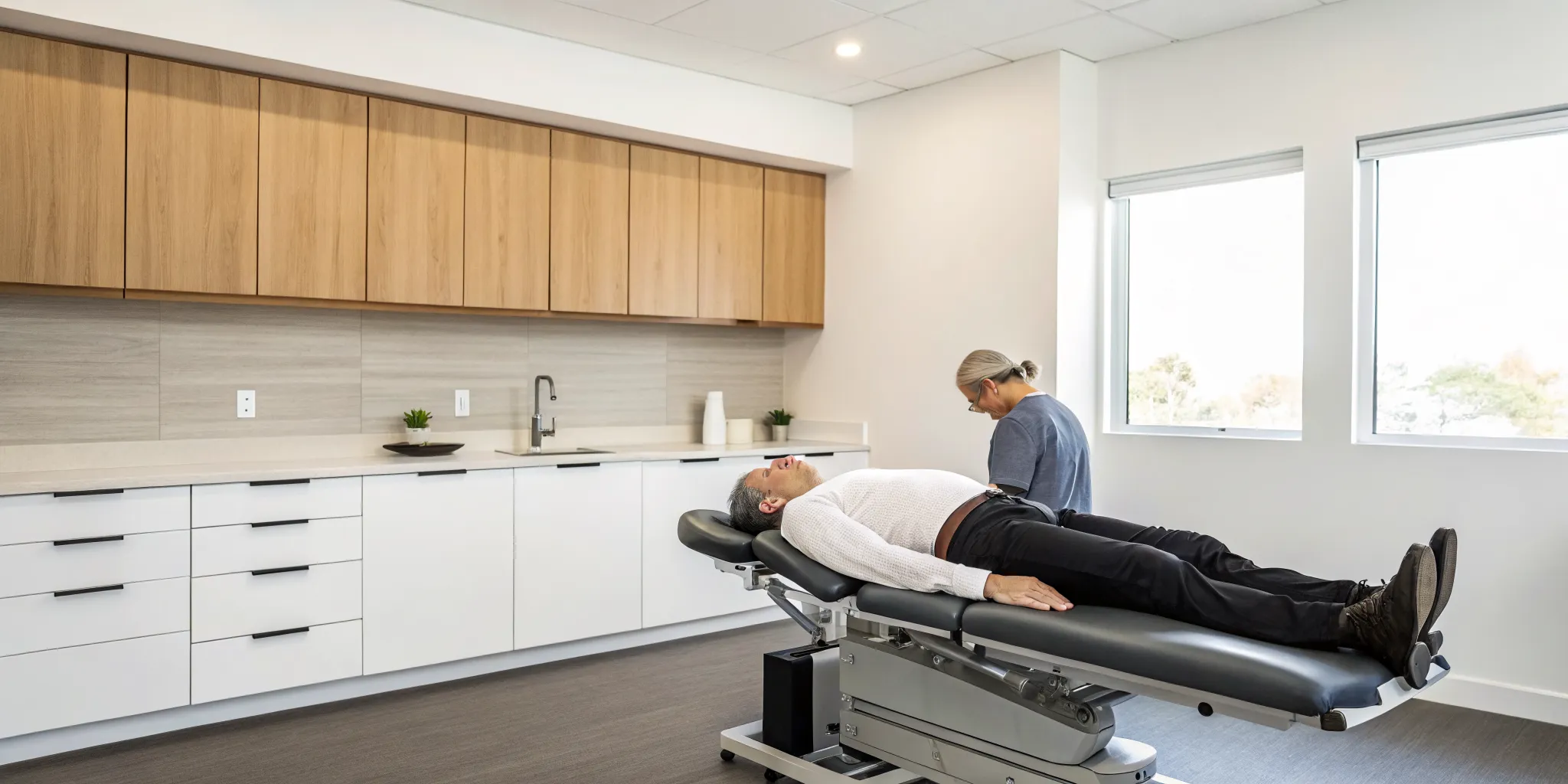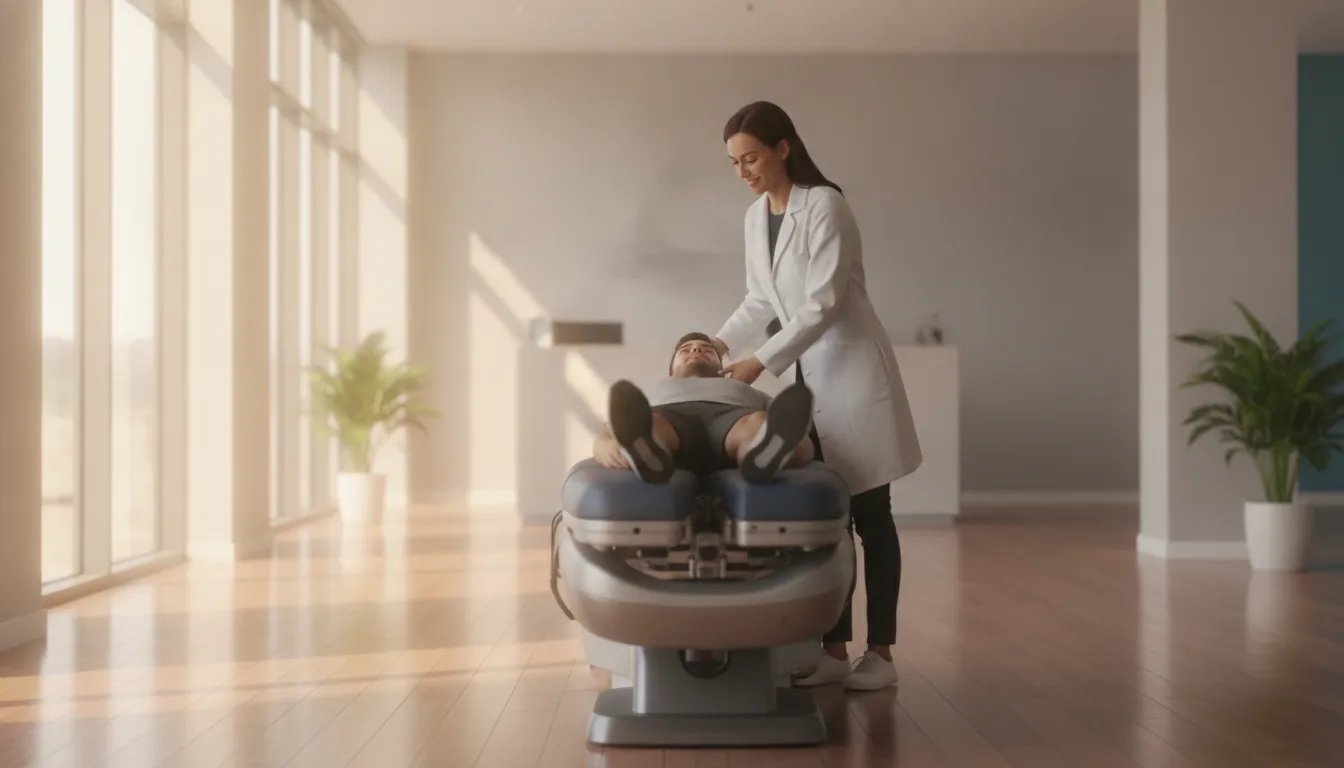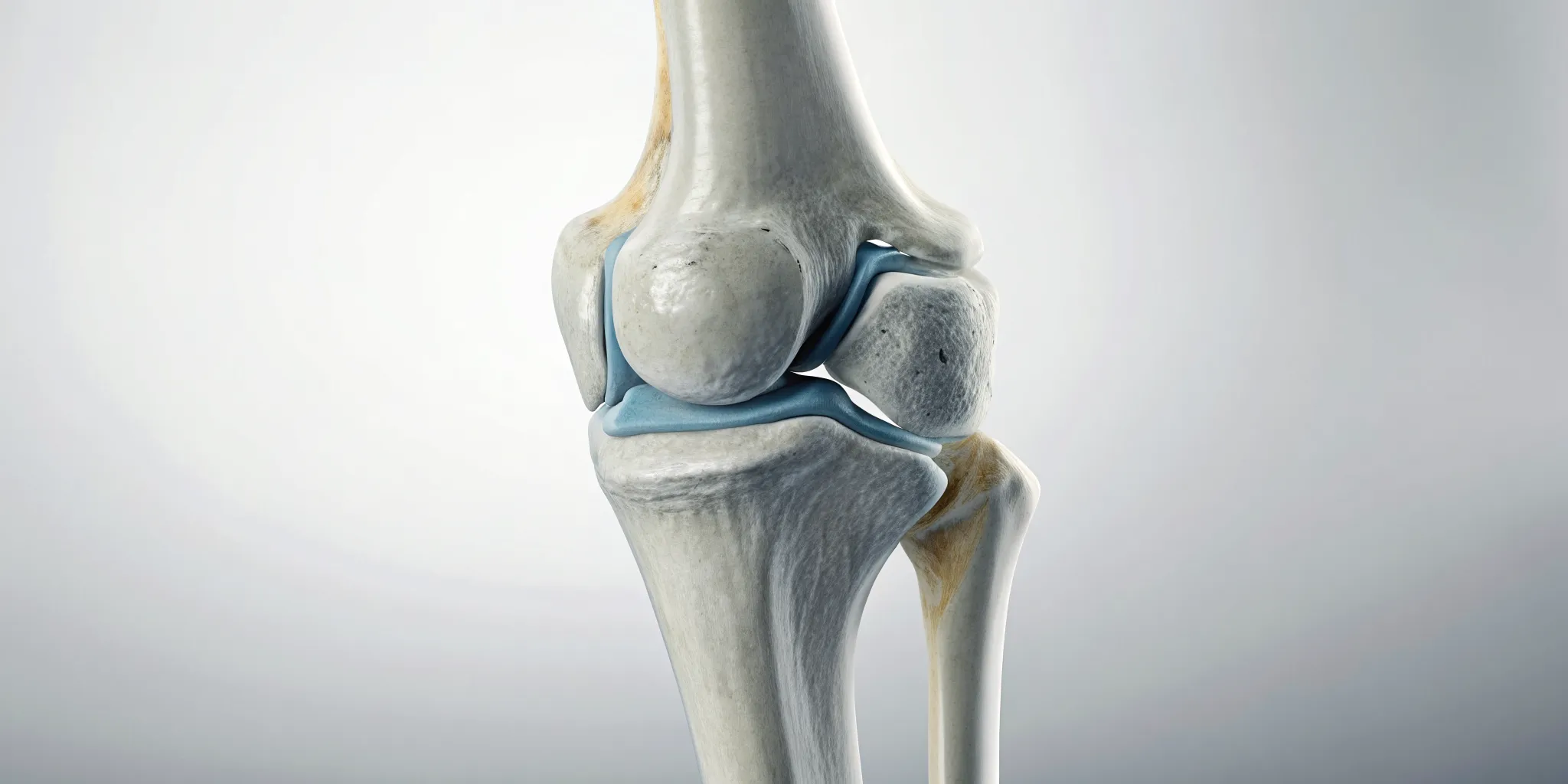
Think of your healthcare as a dedicated team, and you're the general manager. When back pain strikes, your job is to recruit the right specialist for the right position. Your primary care physician is your trusted head coach, great for an initial assessment. But for a specific problem, you need a specialist—like a physiatrist for rehabilitation or an orthopedic surgeon for the spine's structure. Choosing the right back pain doctor is the most important decision you'll make. This guide is your playbook, breaking down each specialist’s role so you can build a winning team for your recovery.
Key Takeaways
- Choose the right specialist for your specific pain: Your primary care doctor is a great starting point, but specialized care is key. A functional medicine practitioner can uncover root causes, while physiatrists focus on non-surgical recovery and surgeons address structural issues.
- Take an active role in your recovery: Get the most out of your appointment by preparing ahead of time. Track your symptoms, research the provider's treatment philosophy, and be ready to discuss your health goals to help build a personalized plan.
- Recognize urgent symptoms and understand your options: Seek immediate care for red flags like numbness, weakness, or pain that shoots down your leg. For most other cases, treatment begins with a thorough diagnosis and often involves non-surgical options like physical therapy or holistic lifestyle changes.
Understanding Back Pain: You're Not Alone
If your back is hurting, you are in very good company. Back pain is one of the most common reasons people visit a doctor, and it can feel incredibly isolating when it disrupts your daily life. Whether it’s a dull, persistent ache or a sharp, sudden twinge, that discomfort is a signal from your body that something isn’t right. The first step toward feeling better is understanding that what you're experiencing is a shared human condition. It’s not a sign of weakness, but rather a complex issue that millions of people face. Recognizing this is crucial because it shifts the focus from frustration to finding a proactive, effective solution that works for your body and your lifestyle.
Just How Common Is Back Pain?
It might feel like you're the only one sidelined by back pain, but the numbers tell a different story. Research shows that about 80% of adults will experience significant back pain at some point, and some experts believe that figure is probably closer to 100%. It’s a universal experience that cuts across all ages, professions, and fitness levels. From young athletes to office workers and retirees, almost everyone will have to manage back discomfort eventually. This widespread prevalence highlights just how important it is to have a solid plan for addressing the pain when it arises, rather than just trying to push through it and hope it goes away on its own.
Common Causes and Risk Factors for Back Pain
Back pain rarely appears out of thin air. It's often the result of a combination of factors, some of which are within our control. The most frequent culprits include injuries from accidents or overexertion, underlying disorders like arthritis, and the simple wear and tear that comes with aging. However, your lifestyle choices play a significant role. According to Summa Health, factors like a sedentary lifestyle, carrying excess weight, and even smoking can increase your risk. Your body is an interconnected system, and what affects one part can easily impact another. At Ascend Functional Health, our physical medicine approach focuses on identifying these interconnected factors to create a treatment plan that addresses not just the symptoms, but the root cause of your discomfort.
Specific Conditions That Trigger Back Pain
While general strain is a common cause, back pain can also be a symptom of a specific medical condition. A thorough diagnosis might reveal issues like muscle strains, sprains, or pinched nerves. Other times, the problem lies within the spinal structure itself, involving conditions such as herniated or degenerative disks, which can cause significant discomfort and limit mobility. The Cleveland Clinic also lists arthritis, osteoporosis, and scoliosis as frequent triggers. In more complex cases, pain may stem from spinal stenosis or fractures. Identifying the precise condition is the key to effective treatment, as it allows your healthcare provider to move beyond temporary fixes and target the actual source of the problem.
Are You at a Higher Risk?
Certain factors can make you more susceptible to developing chronic back problems. The natural aging process, a history of repeated injuries, or even years of poor posture can contribute to persistent pain. Without proper treatment, this discomfort can begin to interfere with your ability to perform daily activities, from working to enjoying your hobbies. According to Weiss Memorial Hospital, pain that is described as a deep ache or a burning sensation, or pain that lasts for a long time, is a clear signal that something more serious is going on. This is your body’s way of telling you to seek professional help. Ignoring these signs can lead to worsening conditions, so it's important to listen to your body and consult a specialist.
Who Is the Right Doctor for Your Back Pain?
When your back hurts, figuring out who to call can feel as overwhelming as the pain itself. Do you start with your family doctor, head straight to a chiropractor, or look for a surgeon? The truth is, there isn't a single right answer that fits everyone. The best doctor for you depends entirely on your specific symptoms, your health history, and the underlying cause of your pain. Think of it like building a dedicated team for your health; you need to find the right player for the right position. Some situations call for a generalist who can provide an initial diagnosis, while others require a highly specialized expert to address a complex issue. To help you make a confident choice, let's walk through the different types of specialists who treat back pain and what each one brings to the table. Understanding their unique roles will empower you to find the care that truly fits your needs and gets you on the path to recovery. This guide will help you identify which professional to see so you can stop guessing and start healing.
Your Primary Care Physician: The First Step
Your primary care physician (PCP) is often the best first stop on your journey to feeling better. Think of them as your health care home base. They have a broad understanding of your overall health and can perform an initial exam to assess your back pain. A PCP can often recommend conservative treatments like rest or over-the-counter medication and can refer you to a specialist if your condition is more complex. Starting here is a great way to rule out any simple issues and get professional guidance on your next steps without immediately jumping to a specialist.
Physiatrists: Specialists in Physical Medicine
You may not have heard of a physiatrist, but they are experts in physical medicine and rehabilitation. Often called the "primary care doctors of the back," physiatrists specialize in diagnosing and treating bone, muscle, and nerve issues without surgery. Their goal is to help you manage pain and improve function through methods like physical therapy, medication, and targeted injections. If you're looking for a non-surgical approach that focuses on restoring your movement and quality of life, a physiatrist is an excellent specialist to consider.
Orthopedic Spine Specialists: For Bone & Joint Issues
If your back pain is related to the structures of your spine, an orthopedic spine specialist might be the right doctor for you. These surgeons focus on the "hardware" of your back: the bones, joints, and ligaments. They treat specific conditions like herniated discs, spinal stenosis, and fractures. While they are surgeons, their first goal is often to find the least invasive solution possible. You would typically see an orthopedic specialist after getting a referral or if your initial diagnosis points to a structural problem that may require surgical intervention.
Neurosurgeons: When Surgery Is an Option
While orthopedic surgeons focus on the spine's structure, neurosurgeons specialize in the nervous system. If your back pain involves nerve compression or damage, a neurosurgeon is the expert you need. They treat complex conditions like sciatica or other issues where the spinal cord or nerves are affected. Patients with severe neurological symptoms, such as weakness, numbness, or loss of bladder control, are often referred to a neurosurgeon for their specialized expertise in protecting and repairing the delicate nerves in and around the spine. They are crucial for cases where surgery is needed to relieve pressure on the nervous system.
Chiropractors & Functional Medicine: A Holistic View
For those seeking a holistic path to healing, chiropractors and functional medicine practitioners offer a powerful combination. Chiropractors focus on the relationship between your spine and nervous system, using adjustments to improve alignment and relieve pain. A functional medicine practitioner takes an even broader view, investigating the root causes of your pain by looking at lifestyle, nutrition, and other factors. This integrated approach doesn't just mask symptoms; it aims to restore your body's natural ability to heal. It’s an ideal choice if you want a personalized plan that addresses your whole-body health.
How to Choose the Right Back Pain Doctor for You
Finding the right doctor is a huge step in your healing journey. You need more than just a qualified professional; you need a partner who listens, understands your goals, and uses an approach that feels right for you. Here’s how to break down the process into simple steps to find a back pain specialist in Tampa who can guide you toward lasting relief.
First, Assess Your Symptoms and Pain Level
First, get clear on your own body. When back pain persists or feels unusual, a specialist can provide care tailored to your symptoms. To prepare, keep a simple journal. Note when the pain occurs, what it feels like (sharp, dull, burning?), and what makes it better or worse. Does it stay in one spot or travel? Having these details ready helps your doctor understand the conditions we treat and what you're experiencing, leading to a more effective conversation.
Find a Doctor Whose Approach Aligns with Yours
Every provider has a different philosophy. Some focus on managing symptoms with medication, while others may suggest surgery. A practitioner focused on functional medicine, however, works to find and address the root cause of your pain. It’s essential to find a doctor whose approach aligns with your health goals. Look for a care philosophy that centers on you as an individual, with the goal of helping you return to your daily activities and improve your quality of life.
Remember, Treatment Is a Journey, Not a Quick Fix
It’s natural to want immediate relief when you’re in pain, but lasting healing is a process, not a single event. The most important step you can take is finding a doctor who acts as your dedicated partner—someone who listens, understands your goals, and creates a plan that feels right for you. This journey requires patience and commitment, but with the right professional guiding you, you can move toward a future with less pain and more freedom. Seeing the success stories of others who have walked a similar path can be a powerful motivator as you begin your own recovery.
The Power of a Collaborative Care Team
You don't have to rely on a single expert to solve your back pain. Often, the most effective approach involves a collaborative care team where different specialists contribute their unique expertise. For instance, a physiatrist might focus on non-surgical rehabilitation to improve your function, while an orthopedic specialist addresses the structural "hardware" of your spine. At Ascend Functional Health, we champion this integrated model. By combining physical medicine with a functional medicine approach, we investigate the underlying root causes tied to your lifestyle and nutrition. This team-based strategy ensures all aspects of your health are considered, creating a comprehensive plan that goes beyond just treating symptoms and aims for long-term wellness.
Always Check Credentials and Experience
Once you have a few potential doctors in mind, look at their qualifications. Check for board certifications, specialized training, and experience treating back pain. Most clinics share this on their websites, often on a team page where you can read about each provider’s background. Experience is key, especially if you have a specific condition. You want to feel confident that your doctor has the expertise to handle your unique case. Getting to know the practitioners at a clinic can give you a sense of the collective knowledge supporting you.
Read Patient Reviews for Real Insights
Credentials tell one part of the story, but patient experiences tell another. Reading reviews and testimonials offers a real-world glimpse into what you can expect. Look for patterns in the feedback. Do patients consistently mention feeling heard and respected? Are they happy with their results? While a single bad review isn’t always a dealbreaker, consistent themes are worth noting. Many clinics also share patient success stories, which can be incredibly encouraging and help you see how they’ve helped others overcome similar challenges.
What to Expect at Your First Appointment
Walking into a new doctor's office can feel a little intimidating, especially when you're dealing with persistent pain. Knowing what to expect can make the process much smoother and help you feel more in control. Your first appointment is all about discovery. It’s a dedicated time for us to listen to your story, understand your unique situation, and gather the information needed to figure out the root cause of your back pain. Think of it as the first step in a partnership, where we work together to create a roadmap for your recovery.
We want you to feel heard, understood, and confident in the path forward. This initial visit sets the foundation for everything that follows, ensuring we have a complete picture before recommending any course of action. It's our chance to get to know you, and your chance to see how our approach is different. We don't just look at the symptom; we look at the whole person. This means considering your lifestyle, your stress levels, your diet, and your unique body mechanics. Our goal is to move beyond temporary fixes and create a sustainable plan for long-term health. This comprehensive first step is crucial because effective treatment starts with an accurate diagnosis.
Be Ready to Discuss Your Health History
The first thing we’ll do is sit down and talk. A thorough review of your health history is one of the most important parts of your visit. We’ll want to know about any past injuries, existing medical conditions, your daily activities, and what you’ve already tried for your back pain. It’s also helpful to bring any recent diagnostic imaging, like X-rays or MRIs, if you have them. This detailed conversation helps us see the full picture of your health, connecting the dots between your lifestyle and your symptoms. Our goal is to understand all the factors that contribute to the conditions we treat.
Next Up: The Physical Exam and Movement Test
After discussing your history, we’ll move on to a physical exam. This is a hands-on assessment where your doctor will gently try to pinpoint the source of your pain. We’ll also guide you through some simple movements and tests to check your flexibility, muscle strength, and range of motion. This isn't about pushing you past your limits; it's about observing how your body moves and identifying any imbalances or restrictions that could be causing your discomfort. This assessment is a key part of our physical medicine approach, giving us crucial clues about the underlying issue.
Will You Need Diagnostic Imaging or Tests?
Depending on what we find during your history review and physical exam, we might recommend further diagnostic tests. These could include imaging studies like X-rays or an MRI to get a more detailed look at your spine and the surrounding tissues. Sometimes, we may also suggest specialized lab work. These tests aren't always necessary, but when they are, they provide objective data that helps us confirm a diagnosis and rule out other potential problems. Our functional medicine philosophy is built on using precise data to guide our treatment decisions and get to the true source of your pain.
Why It's Best to Get Help Sooner Rather Than Later
It’s tempting to ignore back pain and hope it goes away on its own, but waiting too long can make it harder to treat. It's best to see a doctor within the first few weeks or months of ongoing pain. When you wait, your brain can get used to sending pain signals, making the issue more difficult to resolve. While most back pain isn't an emergency, you should seek immediate care for red flags like numbness, weakness, or pain that shoots down your leg. For most other cases, early intervention allows us to start with a thorough diagnosis and explore non-surgical options, like the holistic lifestyle changes we focus on in our services, to get you back on your feet.
A Step-by-Step Approach to Diagnosis
When you come in for your first visit, our primary goal is to understand your unique situation. We start with a detailed conversation about your health history and symptoms. To prepare, it helps to keep a simple journal noting when the pain occurs, what it feels like, and what makes it better or worse. After our discussion, we’ll move on to a physical exam. This is a hands-on assessment where we gently try to pinpoint the source of your pain. Depending on what we find, we might recommend diagnostic tests like an X-ray or MRI to get a clearer picture, ensuring we have all the information needed for an accurate functional medicine diagnosis.
Working Together on Your Treatment Plan
Once we have all the necessary information, we’ll put everything together to create a treatment plan that is tailored specifically to you. We believe that you should be an active participant in your own healing journey. We will take the time to explain our findings in clear, simple terms, answer all of your questions, and discuss your treatment options. Your plan won’t be a one-size-fits-all solution. Instead, it will be a personalized strategy designed to address the root cause of your pain and help you achieve long-lasting relief. You can see the results our patients have achieved through this collaborative approach.
What Are Your Back Pain Treatment Options?
Once you have a diagnosis, your doctor will walk you through the different ways to manage your pain. The right path for you depends entirely on the root cause of your issue, your lifestyle, and your long-term health goals. Treatment isn't one-size-fits-all, and a good care plan will be tailored specifically to you. It often involves a combination of approaches, starting with the least invasive options first. Let's look at the spectrum of treatments available, from conservative care to more advanced interventions.
Non-Surgical Options for Back Pain Relief
For many people, relief can be found without surgery. These conservative treatments focus on reducing inflammation, improving mobility, and strengthening the muscles that support your spine. Your doctor might recommend physical therapy to correct posture and improve your movement patterns. Over-the-counter anti-inflammatory medications can also provide short-term relief. A huge part of non-surgical care involves simple lifestyle adjustments, like targeted exercises and creating a more ergonomic workspace. Our approach to Physical Medicine combines several of these strategies to help your body heal and build resilience against future pain.
At-Home and Therapeutic Treatments
Often, the first line of defense involves simple yet powerful strategies. Your doctor may recommend at-home care, such as using heat to relax tight muscles or ice to reduce inflammation and numb sharp pain. Therapeutic treatments like physical therapy are also fundamental. A therapist can guide you through personalized exercises to strengthen your core, improve flexibility, and correct movement patterns that contribute to your pain. These foundational approaches are designed to support your body’s innate ability to heal and are often combined with other treatments to create a comprehensive recovery plan. The goal is to manage your symptoms effectively while addressing the underlying issues causing them.
Injections and Advanced Procedures
When conservative treatments don’t provide enough relief, your doctor might suggest more targeted interventions. Injections, such as corticosteroid shots, can deliver powerful anti-inflammatory medication directly to the source of your pain, offering significant short-term relief. For pain that stems from specific nerves, procedures like nerve blocks can interrupt pain signals and provide a window for other therapies to be more effective. These advanced options are typically considered when a clear source of pain has been identified and are used as part of a broader strategy to help you get back to your daily activities with less discomfort.
When Minimally Invasive Procedures Can Help
If conservative treatments aren't providing enough relief, the next step might be a minimally invasive procedure. These techniques are designed to target the source of your pain with less impact on your body than traditional surgery. This means smaller incisions, less damage to surrounding muscle and tissue, and a much faster recovery time. Options can range from specialized injections that reduce inflammation to advanced procedures that address specific structural issues. These methods bridge the gap between physical therapy and major surgery, offering a powerful solution for persistent pain without the lengthy downtime.
Is Surgery the Right Option for You?
Surgery is typically considered when other treatments have failed to resolve a clear structural problem, like a herniated disc that is compressing a nerve. A good surgeon’s first job is to provide an accurate diagnosis, not just to operate. They will carefully review your imaging results and health history to determine if surgery is truly the best option. In many cases, they may even recommend non-surgical treatments first. If surgery is necessary, their goal is to correct the underlying issue to provide lasting relief and restore your function.
An Expert's View on Back Surgery
It’s important to remember that surgery isn't always the answer. Many experts emphasize that back surgery is often not needed, and its success depends entirely on what’s causing your pain. A good surgeon’s first job is to provide an accurate diagnosis, not just to operate. They will carefully review your imaging results and health history to determine if surgery is truly the best option for you. This careful, considered approach ensures that surgery is reserved for situations where it can make a real difference, rather than being a first-line defense against pain.
Common Types of Back Surgery
If you and your doctor decide surgery is the right path, it helps to understand the most common procedures. A Lumbar Spinal Fusion joins spinal bones to stop excessive movement, which is helpful for an unstable or misshapen spine. A Laminectomy creates more room for your nerves by removing small parts of the spine, like bone spurs, that are causing pressure. Finally, a Disc Replacement involves swapping a damaged spinal disc with an artificial one to improve movement and stability. Each procedure targets a specific structural problem, and your surgeon will explain which one, if any, is suited to your condition.
Holistic Approaches for Whole-Body Wellness
A holistic approach looks beyond the immediate symptoms to understand why you’re experiencing back pain in the first place. It recognizes that pain is often connected to other systems in the body, including inflammation, gut health, and even stress. Functional Medicine practitioners use comprehensive testing to identify root causes and create a personalized plan that might include nutritional changes, targeted supplements, and stress management techniques. By addressing your health as a whole, this approach not only helps relieve back pain but also improves your overall well-being for the long term.
When Is Back Pain an Emergency?
Most of us have dealt with a sore back at some point. But how do you know when it's a minor annoyance versus a signal that you need professional help? While most back pain resolves on its own, certain symptoms are your body’s way of telling you to pay attention. Knowing the difference can help you get the right care at the right time and prevent a small problem from becoming a major one. Let's look at the clear signs that mean you should see a doctor right away.
Red Flag Symptoms You Shouldn't Ignore
Think of these as your body's warning signals. If your back pain is accompanied by specific symptoms, it's time to seek immediate medical advice. Don't wait it out if your pain lasts for more than a week without improvement. You should also pay close attention if the pain travels, like a sharp, shooting sensation down your leg. This could be a sign of sciatica. Any numbness, tingling, or weakness in your back or legs is another major red flag, as it could point to nerve involvement. If you're experiencing any of these issues, it's best to get in touch with a healthcare professional to understand what's going on.
Is Chronic Pain Affecting Your Life?
Sometimes, back pain isn't a sudden emergency but a slow burn that starts to take over your life. If your pain has become a constant companion that keeps you from enjoying your hobbies, sleeping through the night, or even just getting through a workday, it's a clear sign you need support. You don't have to accept this as your new normal. Persistent pain that lasts for weeks or months, or pain that feels different than a typical muscle ache, deserves a closer look. Addressing chronic pain early with a holistic approach can help identify the root cause and prevent the issue from getting worse over time.
The Link Between Chronic Pain and Mental Health
Chronic pain isn't just a physical burden; it carries a heavy emotional weight, too. When pain becomes a constant part of your daily life, it's natural for it to affect your mood and mental state. Long-term pain can lead to feelings of anxiety, frustration, and even depression, creating a cycle that can be hard to break. This connection works both ways—stress and poor mental health can actually amplify your perception of pain. Understanding how pain affects your brain is a critical part of finding effective treatment. A truly holistic approach recognizes this deep link and addresses both the physical sensations and the mental and emotional toll, ensuring your care plan supports your whole self.
Don't Believe These Back Pain Myths
It's easy to jump to worst-case scenarios when you're in pain, but let's clear up a few common myths. First, back pain doesn't automatically mean something serious is wrong. In fact, most cases are not linked to a severe condition. Another myth is that you always need immediate, emergency intervention. While the red flags we mentioned are serious, most back injuries are strains or sprains that aren't life-threatening. Finally, many people assume their pain is from lifting one heavy object, but the cause is often more complex. Understanding these facts can help you approach your pain with a clearer mind and seek the right kind of care for your specific situation, as many of our patients have discovered.
Get the Most Out of Your Doctor's Visit
Walking into a doctor's office with a clear picture of your health history and goals is one of the best things you can do for yourself. It helps your doctor understand your situation faster and sets the stage for a more productive partnership. A little prep work goes a long way in getting you on the path to relief.
Your Pre-Appointment Checklist
To make the most of your first visit, gather any recent diagnostic imaging and medical records from previous back or spine treatments. It’s also incredibly helpful to document your symptoms. Consider keeping a pain diary for a few days, noting what activities and positions make your pain better or worse. This detailed history gives your doctor valuable clues. If you can, send your medical history to the specialist's office before your appointment. This allows the team to review your case ahead of time, making your consultation that much more focused and efficient.
What Makes a Great Tampa Back Pain Specialist?
Choosing the right healthcare provider can make all the difference. You want a doctor who truly listens, explains your options clearly, and works with you to find lasting relief. Look for a specialist in Tampa who focuses on identifying the root cause of your pain, not just managing the symptoms. A provider who takes a holistic view and integrates different healing methods often provides the most comprehensive care. Reading patient testimonials and learning about a clinic’s treatment philosophy can help you find a team that aligns with your health goals and makes you feel confident in your care.
Figuring Out Your Insurance Coverage
Before you book an appointment, it’s wise to sort out the financial details. Take a moment to check with your insurance provider about your coverage for specialist visits and whether you need a referral. A quick call can help you avoid unexpected costs down the line. Most clinics are happy to answer questions about which insurance plans they accept. If you have concerns about costs, ask if they offer any financing options or payment plans. Getting these details handled upfront lets you focus on what really matters: your health and recovery.
Related Articles
- 3 Essential Facts About Back Pain
- Chiropractic Care Treatment Benefits
- The Power of Spinal Decompression Therapy
- Discover Expert Chiropractic Care in Tampa, FL for Pain Relief
- The Importance of Spinal Health for Overall Wellness
Frequently Asked Questions
When should I see my primary care doctor first, and when should I go directly to a specialist? Starting with your primary care physician is a great step for general back pain, as they can rule out simple issues and provide a referral if needed. However, if you're experiencing specific symptoms like sharp, shooting pain down your leg, numbness, or weakness, seeing a specialist directly can be more efficient. A practitioner who focuses on physical or functional medicine can offer a targeted assessment right away.
I'm worried about surgery. Are there effective non-surgical options for severe back pain? Absolutely. Surgery is rarely the first or only answer for back pain, even when it's severe. A comprehensive, non-surgical plan can provide significant relief by focusing on the root cause of your pain. This often involves a combination of physical therapy, chiropractic adjustments, and specific lifestyle changes that reduce inflammation and support your body's natural ability to heal.
What makes a functional medicine approach to back pain different from conventional treatment? Conventional treatment often focuses on managing the symptom, which is the pain itself, sometimes with medication or injections. A functional medicine practitioner asks why you have pain in the first place. We investigate your entire system, including factors like nutrition, gut health, and stress, to find the underlying cause. This allows us to create a personalized plan that corrects the imbalance for long-term relief, rather than just masking the pain.
How can I tell if my back pain is caused by a muscle issue or a nerve problem? While a professional diagnosis is always best, there are some general clues. Muscle-related pain often feels like a dull, localized ache or soreness that gets worse with certain movements. Nerve pain, on the other hand, tends to feel sharp, shooting, or burning. It can also travel from your back down into your leg and may be accompanied by tingling, numbness, or weakness.
What's the single most important thing I can do to prepare for my first appointment? The most helpful thing you can do is document your symptoms. Before your visit, take a few days to write down when your pain occurs, what it feels like (sharp, dull, burning), and what activities or positions make it better or worse. This detailed information gives your doctor a clear head start in understanding your unique situation, which leads to a more accurate diagnosis and a more effective treatment plan.