The term “cervical traction” might sound a bit clinical, but the process itself is surprisingly gentle and straightforward. It’s a non-invasive therapy that involves creating a light, controlled stretch in your neck. Think of it as giving your spine a chance to breathe by carefully decompressing the vertebrae. This simple action can have a profound effect, taking pressure off the soft, cushion-like discs and pinched nerves that are often the source of chronic pain, stiffness, and even tingling in your arms. For anyone wondering who offers cervical traction treatment for neck pain in Tampa, FL, finding a team that can explain the process clearly and ensure your comfort is the first step toward lasting relief.
Key Takeaways
- Address the source of pain: Cervical traction is a gentle therapy that creates space between your vertebrae. This decompression relieves pressure on spinal discs and nerves, which is often the root cause of persistent neck pain, stiffness, and radiating arm symptoms.
- Find out if it's right for you: Traction is a powerful tool, but it isn't suitable for everyone. A thorough consultation with a qualified provider is the only way to determine if it's the correct approach for your specific condition and to ensure your treatment is both safe and effective.
- Look for a comprehensive plan: For the best results, traction should be part of a broader care strategy. Combining it with other therapies like chiropractic adjustments and corrective exercises helps stabilize your spine and address the root cause of your pain, leading to more durable relief.
How Cervical Traction Can Relieve Neck Pain
If you’re dealing with persistent neck pain, you know how it can seep into every part of your day, making it hard to focus, sleep, or even just turn your head. Cervical traction is a gentle, non-invasive therapy designed to address the structural issues that often cause this discomfort. It’s not about forceful adjustments but rather a controlled, light pulling of the head away from the neck. This simple action can have a profound effect on your spine.
By creating a small amount of space between your vertebrae, traction takes the pressure off the soft, cushion-like discs that sit between the bones. Think of it as giving your spine a chance to breathe. This decompression allows for better circulation, which helps deliver oxygen and nutrients to the area, supporting your body’s natural healing process. It’s a key component of the physical medicine approach we use to help patients find lasting relief.
How Traction Decompresses Your Spine
At its core, cervical traction is a method of spinal decompression. When your neck is compressed from poor posture, an injury, or daily stress, the discs between your vertebrae can bulge or get squeezed, often irritating nearby nerves. Traction works by gently stretching the neck to widen the space between these vertebrae. This reduces the pressure on your discs and nerves, which is often the source of radiating pain, numbness, or weakness in your shoulders and arms.
This process does more than just provide temporary relief. By creating negative pressure within the disc, it can help draw in bulging disc material and encourage it to return to its proper place. It also helps stretch tight muscles and ligaments, improving your neck’s flexibility and range of motion over time.
Common Conditions Traction Can Help
Cervical traction is a versatile therapy that can be effective for a variety of neck-related issues. It’s particularly helpful for conditions where nerve compression is a primary factor. If you're struggling with the effects of a herniated or bulging disc, for example, traction can help alleviate the pressure causing your symptoms. It’s also commonly used for people with degenerative disc disease, where the discs have worn down over time.
Many of our patients find relief from cervical spondylosis (a type of neck arthritis), pinched nerves (cervical radiculopathy), and persistent neck sprains. By addressing the mechanical stress on your spine, traction can be a foundational part of a comprehensive care plan for these and other conditions we treat, helping you get back to living without constant pain.
Why Consider Cervical Traction?
If you're tired of neck pain that just won't quit, you've probably tried a lot of things to feel better. While some methods offer a temporary break from the discomfort, they don't always get to the heart of the problem. Cervical traction is different. It’s a therapeutic approach designed to create lasting change by addressing the structural issues that cause pain in the first place. Instead of just masking symptoms, it aims to restore your neck's natural function and alignment.
This method is about more than just feeling better for a few hours; it's about giving your body the right conditions to heal itself. By gently decompressing the spine, traction can relieve pressure on discs and nerves, improve mobility, and set you on a path toward genuine, long-term well-being. It’s a key part of a comprehensive physical medicine plan that focuses on sustainable results, helping you get back to your life without being held back by persistent neck pain.
Achieving Long-Term Healing, Not Just Short-Term Relief
The goal of cervical traction isn't a quick fix, it's sustainable healing. This technique works by creating a gentle pulling force to stretch the neck and open up space between the vertebrae. This process, known as decompression, takes pressure off the spinal discs and pinched nerves that are often the source of chronic pain, tingling, or numbness. By relieving this compression, we give your discs a chance to rehydrate and heal. Many people feel a significant reduction in pain and notice better movement, sometimes after just a few sessions. This approach targets the underlying cause of your discomfort, making it a powerful tool for achieving lasting results and preventing future flare-ups.
How Traction Compares to Other Approaches
When exploring options for neck pain, it’s helpful to understand how different treatments work. Cervical traction is a non-invasive technique widely used to address neck pain and related nerve issues. It stands out because it physically creates more space in your spinal column, directly addressing the compression that causes so many problems. When performed by a trained professional, it’s a very safe method for addressing the various conditions we treat, from bulging discs to general stiffness. Unlike approaches that only focus on symptoms, traction helps correct the mechanical problem, offering a foundational solution that supports your body’s ability to function correctly and without pain.
Is Cervical Traction Right for You?
Deciding on the right treatment for your neck pain can feel overwhelming, but it really comes down to understanding your specific situation. Cervical traction is a powerful tool, but it’s most effective when used for the right reasons. Let's look at who typically benefits from this therapy and when it might be better to consider other options first.
Signs You're a Good Candidate
If you've been dealing with persistent neck pain that just won't quit, you might be a great candidate for cervical traction. This approach is especially helpful for individuals with long-lasting discomfort or specific conditions like cervical radiculopathy, which can cause pain, tingling, or numbness that travels from your neck down your arm. It's a gentle, non-invasive therapy designed to create space between your vertebrae. By carefully decompressing the spine, traction can relieve pressure on pinched nerves and stressed discs, offering a path to relief without more aggressive interventions. Many people who haven't found success with other methods find that this targeted approach, a core part of our physical medicine services, finally addresses their discomfort.
When Traction Might Not Be the First Step
On the other hand, cervical traction isn't the right fit for everyone. It's important to be cautious if you have certain pre-existing conditions. For example, individuals with bone-weakening disorders, spinal instability, or a history of cervical fusion should explore other avenues. This therapy is also generally avoided during pregnancy. The key is to get a clear picture of what's causing your pain before starting any treatment. A thorough evaluation helps us understand the root cause of the many conditions we treat and ensures we choose the safest, most effective path for your healing. A consultation with a healthcare professional is always the best first step to determine if traction is appropriate for you.
What to Expect During Your Session
If you're considering cervical traction, you might be wondering what the treatment actually feels like. It’s a gentle, controlled process designed to create space in your spine and relieve pressure. The goal is to provide relief, not cause more discomfort. Your experience will be tailored to your specific needs, but it generally involves one of two main approaches to traction, which are guided by a trained provider to ensure your comfort and safety throughout the session.
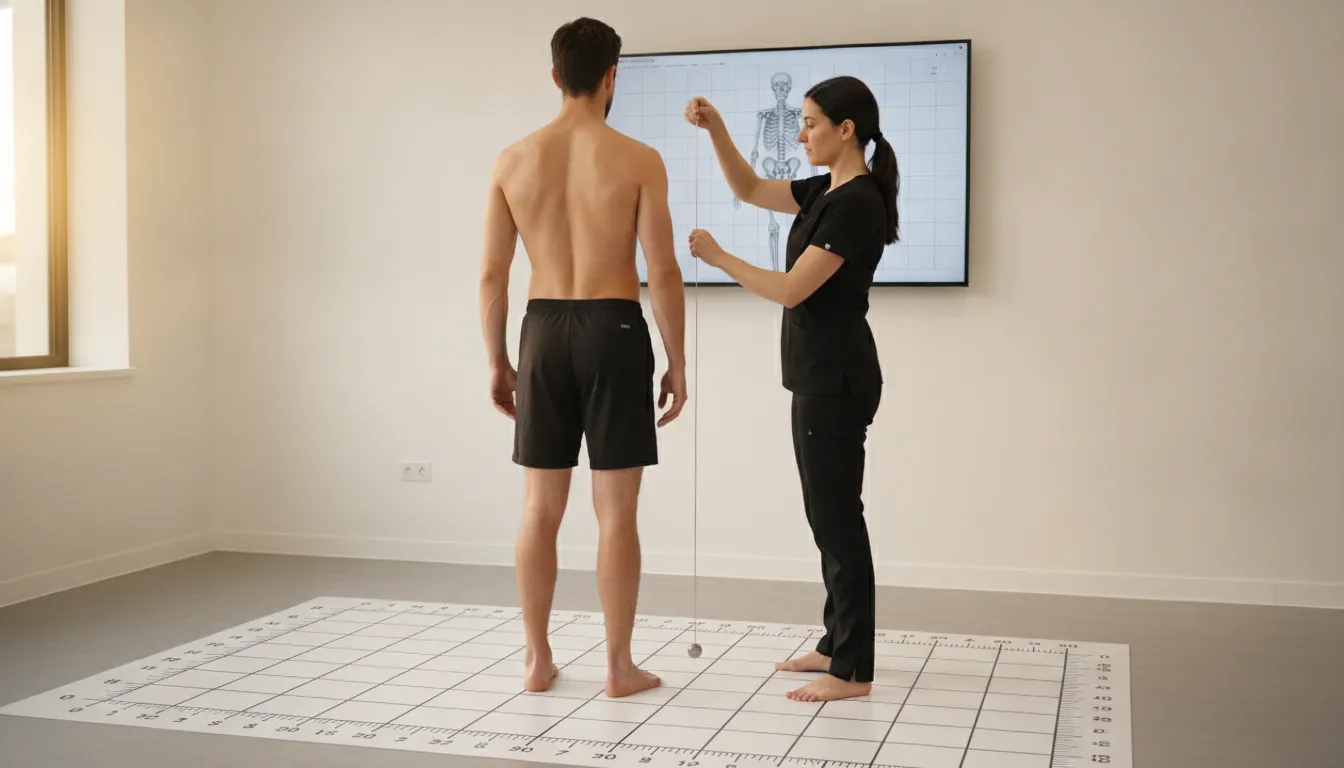
At Ascend, we always begin with a thorough evaluation to understand your unique situation. This allows us to create a personalized plan that addresses the root of your neck pain. Let's walk through what a typical session and treatment plan involve.
Mechanical vs. Manual Traction
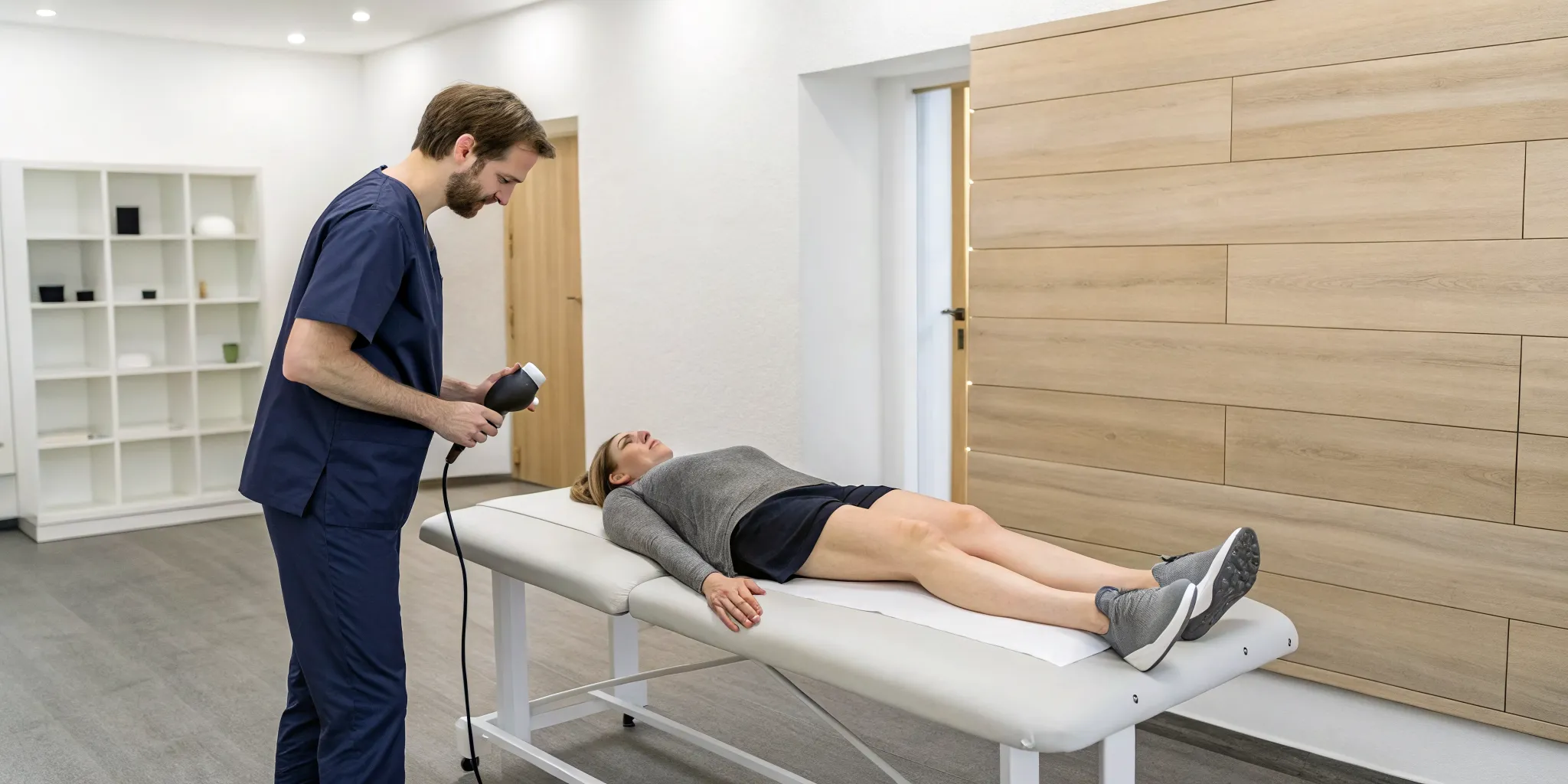
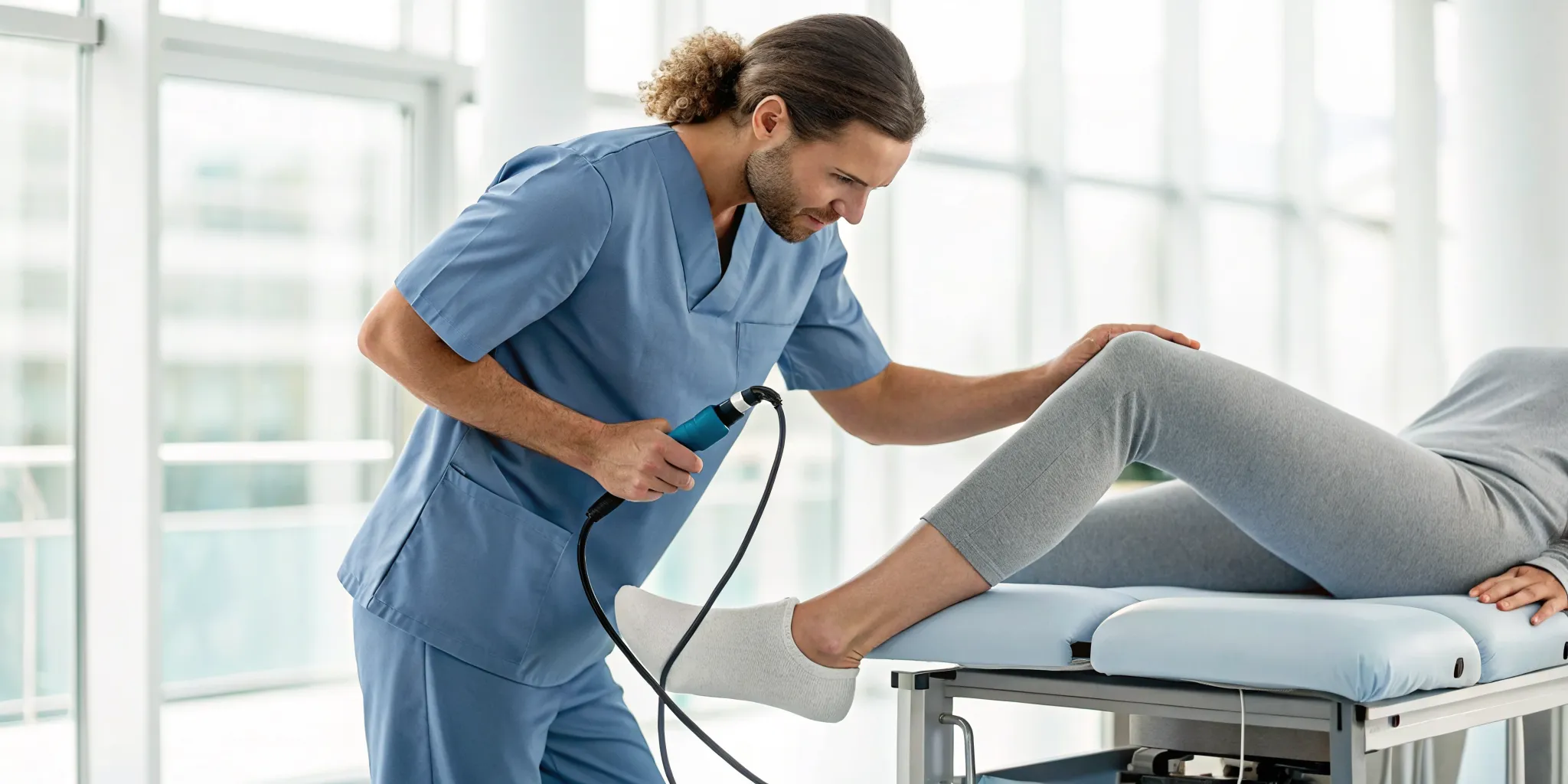
Cervical traction can be applied in two ways: mechanically or manually. With mechanical traction, you’ll lie down comfortably while a specialized device applies a slow, steady pull to your head. This method allows for a consistent and sustained stretch over a set period. Manual traction, on the other hand, is performed directly by your provider. They will use their hands to gently guide your head and neck, applying a careful pulling motion. This hands-on approach allows the provider to make subtle adjustments to the angle and force in real time based on your body’s response. Both are effective physical medicine techniques aimed at decompressing the spine.
What a Typical Treatment Plan Looks Like
Cervical traction is part of a comprehensive strategy, not just a single appointment. Your journey begins with an initial assessment where we determine the best approach for you. A single traction session is often quite short, typically lasting between 10 and 20 minutes. During this time, the treatment usually involves a rhythm of gentle pulling and releasing to encourage the neck muscles to relax and the vertebrae to separate. Depending on your specific condition and goals, these sessions may be recommended several times a week initially. Your personalized plan will be created just for you, often including other supportive therapies and corrective exercises to help you achieve lasting results. If you're ready to learn what a plan for you could look like, you can schedule a consultation with our team.
How to Choose the Right Cervical Traction Provider in Tampa
Finding the right healthcare provider can feel like a big task, but it’s one of the most important steps you can take toward feeling better. When it comes to cervical traction, the person guiding your treatment is just as important as the therapy itself. You want a partner in your health journey, not just a technician. A great provider will take the time to understand your unique situation and create a plan that addresses the root cause of your neck pain, not just the symptoms. This partnership is built on trust and a shared goal of achieving genuine, long-term wellness.
Making an informed choice means knowing what to look for in a clinic, what questions to ask during your first visit, and what warning signs to be aware of. Think of it as interviewing candidates for a very important job: helping you heal. By taking a proactive approach, you can find a provider in Tampa who aligns with your health goals and has the expertise to help you find lasting relief. This is about finding a team that understands the complex conditions we treat and is committed to your well-being from day one. Your comfort and confidence in your care plan are essential for success.
Evaluating a Clinic's Experience and Approach
When you start looking at different clinics, pay close attention to their overall approach. Steer clear of any place that offers a one-size-fits-all solution. Your body and your pain are unique, and your treatment plan should be too. Look for a provider who starts with a comprehensive evaluation to create a personalized plan just for you. This shows they are committed to understanding your specific needs rather than just applying a standard protocol. A clinic that integrates cervical traction into a broader physical medicine strategy, including corrective exercises and other therapies, is often a sign of a more thorough and effective approach to care.
Questions to Ask During Your Consultation
Your initial consultation is the perfect opportunity to gather information and see if a provider is the right fit. Don’t be shy about asking questions. A good provider will welcome them and take the time to answer thoughtfully. Start with the basics: "Based on my situation, is cervical traction a good option for me?" You can also ask about their experience with your specific condition, what a typical treatment plan involves, and how they will track your progress. Inquiring about their overall philosophy of care can also reveal if their approach aligns with your goals for long-term health. Ready to start the conversation? You can schedule a consultation to discuss your options.
Red Flags to Watch For
While you’re on your treatment journey, it’s important to listen to your body. While cervical traction is a safe and gentle therapy, you should always feel comfortable and supported. One of the biggest red flags is if your symptoms get worse during or after a session. If you feel an increase in pain, tell your therapist right away. A good practitioner will listen and immediately adjust the treatment. You should also never feel like the pressure is too intense. You are an active participant in your healing, and your feedback is valuable. Reading about positive patient testimonials can also give you a good idea of what a supportive and successful treatment experience should look like.
Real Patient Outcomes
It’s one thing to understand the science behind a treatment, but it’s another to know what it actually feels like for people going through it. Hearing about real experiences can help you picture what your own healing journey might look like and decide if it’s the right path for you. While every person’s body responds differently, looking at common outcomes can give you a clearer picture of what to expect and the kind of relief that’s possible.
At Ascend, we believe in transparency and education. We want you to feel confident and informed every step of the way. That’s why we think it’s so important to share what success with cervical traction often involves, from the initial sessions to the long-term results. These stories aren’t just data points; they are reflections of people getting back to the lives they love, with less pain and more freedom of movement. Hearing from others who have walked this path can be incredibly reassuring, and our patient testimonials offer a glimpse into that journey.
What Success Looks Like
So, what does a successful outcome with cervical traction typically involve? For many, the process provides a gentle, progressive release of pressure. As the therapy creates more space for the discs and nerves in your neck, you may start to notice a significant reduction in chronic neck pain and stiffness. That nagging ache that’s been with you for months or years can begin to fade. Many people also report that related symptoms, like headaches or the tingling and numbness that can travel down the arms and hands, start to diminish. While it’s not an instant fix, it’s common to feel a noticeable difference within the first few treatments, giving you hope and encouragement to continue with your care plan.
How Patient Stories Can Guide You
When you’re considering a new therapy, it’s natural to have questions about the experience itself. Will it be uncomfortable? How long will it take? Patient stories often shed light on these very questions. Most people describe cervical traction as a gentle and surprisingly comfortable process. While you might feel a light stretching sensation, it’s generally not painful. Many individuals report feeling better after just a few sessions, though achieving the full benefits usually requires several weeks of consistent treatment. This is because true healing takes time. If you're dealing with persistent neck pain, learning about the experiences of others can be a helpful guide as you explore your options for lasting relief.
Integrating Traction into a Complete Care Plan
Cervical traction is an incredibly effective tool, but it rarely works in isolation. Think of it as one important player on a team, not the entire team itself. True, lasting relief from neck pain comes from an integrated approach that combines targeted treatments with a strategy for addressing the underlying cause of your discomfort. When you only treat the symptom, the problem often returns. A complete care plan, however, looks at the bigger picture of your health.
At Ascend Functional Health, we build personalized protocols that layer different therapies to support your body’s healing process. By combining traction with other modalities, we can create a synergistic effect that leads to better, more sustainable outcomes. This means we don’t just want to get you out of pain for a week or two; we want to help you build a foundation for long-term spinal health. Our goal is to understand your unique situation and use the right combination of our services to help you feel and function your best.
Pairing Traction with Chiropractic and Corrective Care
Traction and chiropractic care are natural partners. Cervical traction works by gently pulling your head away from your neck, which helps to decompress the spine. This action can reduce pressure on the discs between your vertebrae and open up more space for nerves, often providing immediate relief. This decompressed state makes your body more receptive to other treatments. It can make chiropractic adjustments smoother and more effective, allowing for better alignment with less resistance.
Once we’ve created space and improved alignment, the next step is to stabilize the area. This is where corrective care comes in. We can guide you through specific exercises designed to strengthen the muscles in your neck and upper back. This helps your body hold the new, healthier alignment, making you more resilient to the daily stresses that may have caused the pain in the first place. This combination is a core part of our Physical Medicine approach.
Addressing the Root Cause for Lasting Results
While traction provides significant relief by easing pressure and promoting disc healing, it’s also important to ask: why did this pressure build up in the first place? Lasting results depend on addressing the root cause of your pain. Issues like herniated discs, degenerative disc disease, and chronic stiffness are often symptoms of a larger imbalance, such as poor posture, systemic inflammation, or old injuries that never fully healed.
A comprehensive plan goes beyond the site of the pain to investigate these contributing factors. We look at your daily habits, your workspace ergonomics, and your overall health to identify what’s truly driving the issue. By understanding the full story, we can create a plan that not only relieves your current symptoms but also helps prevent them from returning. This is how we move from temporary fixes to genuine, long-term wellness, which is central to how we approach the conditions we treat.
Related Articles
- Revitalize Your Spine with Spinal Decompression Therapy in Tampa, FL
- Spinal Decompression Therapy in Tampa, FL - Alessi Functional Health
- Expert Spinal Curve Correction in Tampa Bay - Alessi Functional Health
- Discover Expert Chiropractic Care in Tampa, FL for Pain Relief
- Tampa’s #1 Chiropractic & Functional Medicine Clinic
Frequently Asked Questions
Will cervical traction be painful? This is a very common question, and the answer is that it shouldn't be. The entire process is designed to be gentle and provide relief. You will likely feel a light, steady stretching sensation in your neck, but it should never be painful. A trained provider will apply a controlled force that is specific to your needs and will constantly monitor your comfort, making adjustments as needed to ensure the session is both effective and relaxing.
How long will it take to see results from traction? The timeline for relief is different for everyone, as it depends on your specific condition and how long you've been experiencing pain. Some people report feeling a noticeable improvement after just a few sessions, while for others, it's a more gradual process. The goal is long-term healing, not just a temporary fix, so consistency is key. True, sustainable change happens over time as your body adapts and heals.
Can I just do traction, or do I need other treatments too? While traction is a powerful therapy, it works best as part of a comprehensive care plan. Think of it this way: traction creates the space and relieves the pressure in your neck, which is a crucial first step. Following that with other therapies, like chiropractic adjustments and corrective exercises, helps to stabilize your spine in its new, healthier position and strengthen the supporting muscles. This integrated approach is what leads to lasting results.
What makes professional traction different from a device I can use myself? The main difference is safety and personalization. A professional provider performs a thorough evaluation to understand your specific anatomy and the root cause of your pain. They can then apply the precise angle and amount of force needed to be effective for your condition. This hands-on guidance and ability to make real-time adjustments is something a generic device cannot offer and is essential for ensuring the therapy is both safe and successful.
How do I know if this is the right treatment for my specific neck pain? The only way to know for sure is to have a professional evaluation. Neck pain can stem from many different issues, and what works for one person may not be right for another. A consultation allows a provider to assess your condition, understand your health history, and determine the underlying cause of your discomfort. This step is essential for creating a safe and effective treatment plan tailored just for you.