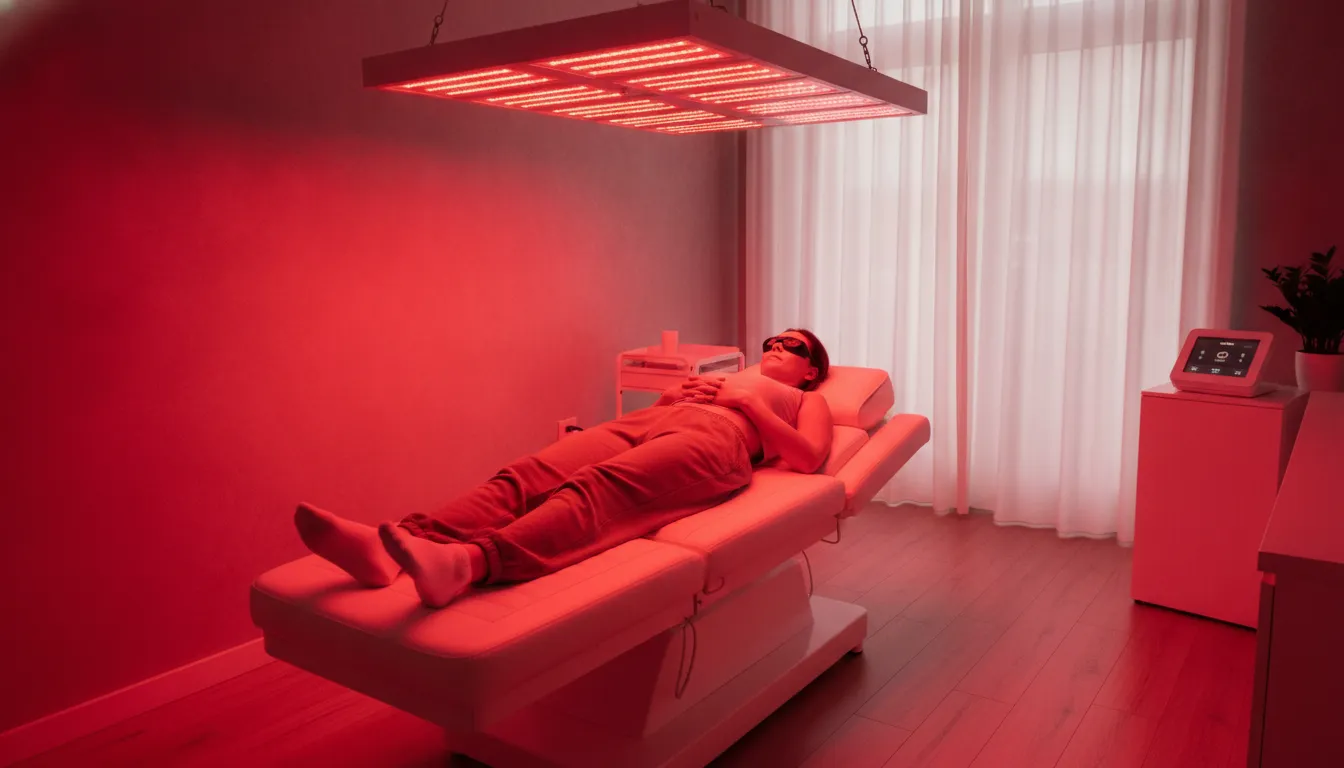
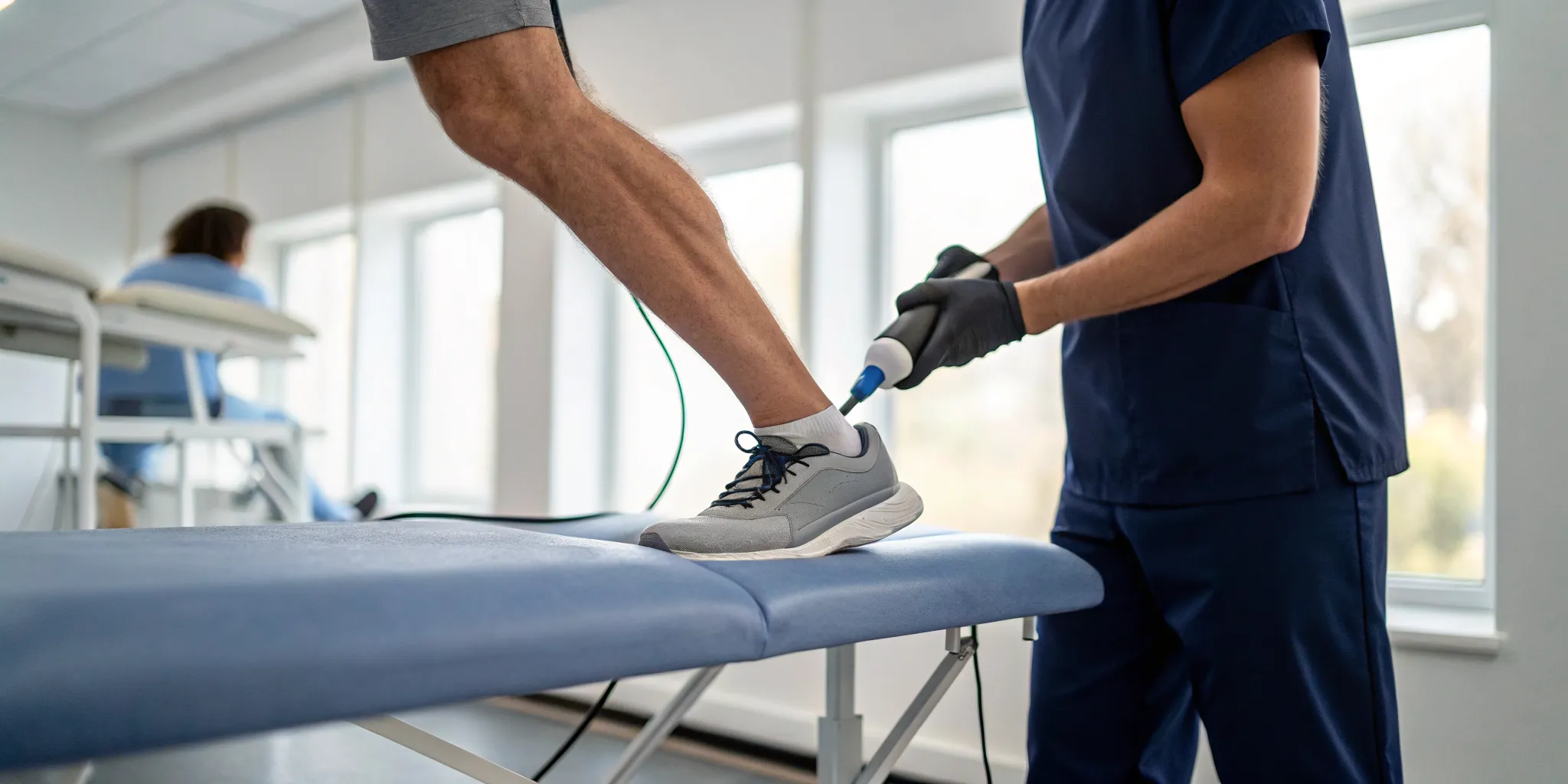
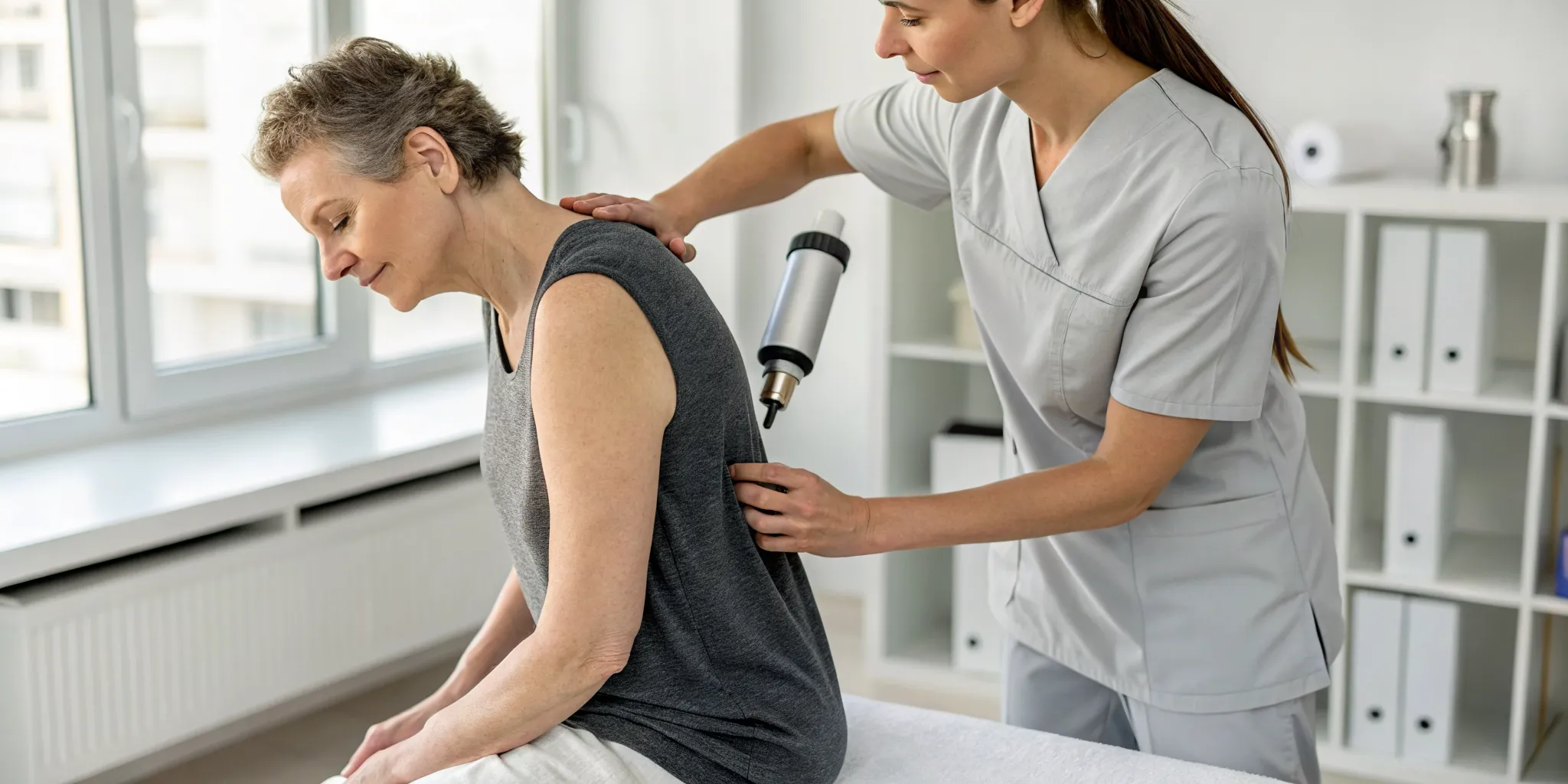
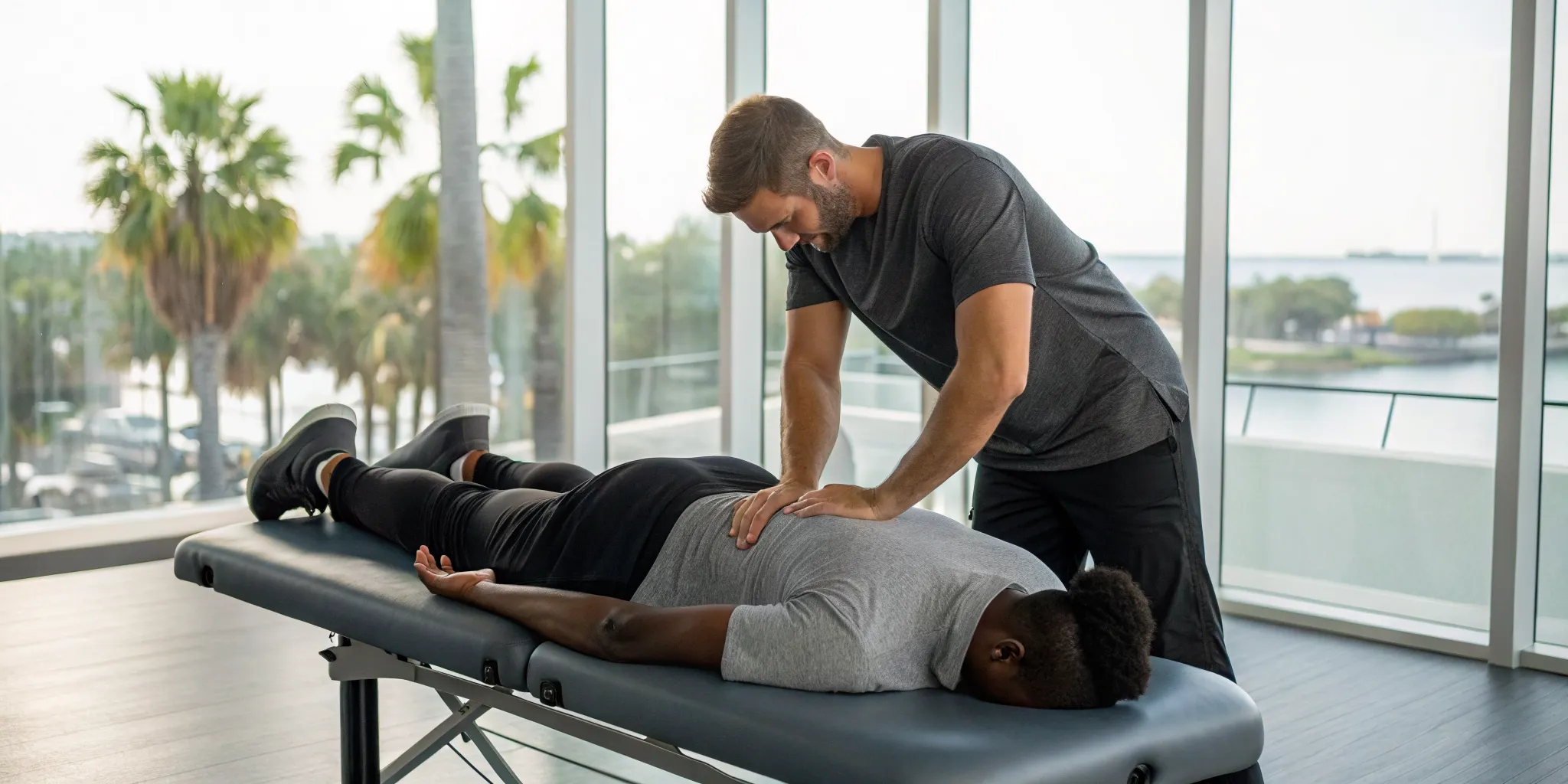
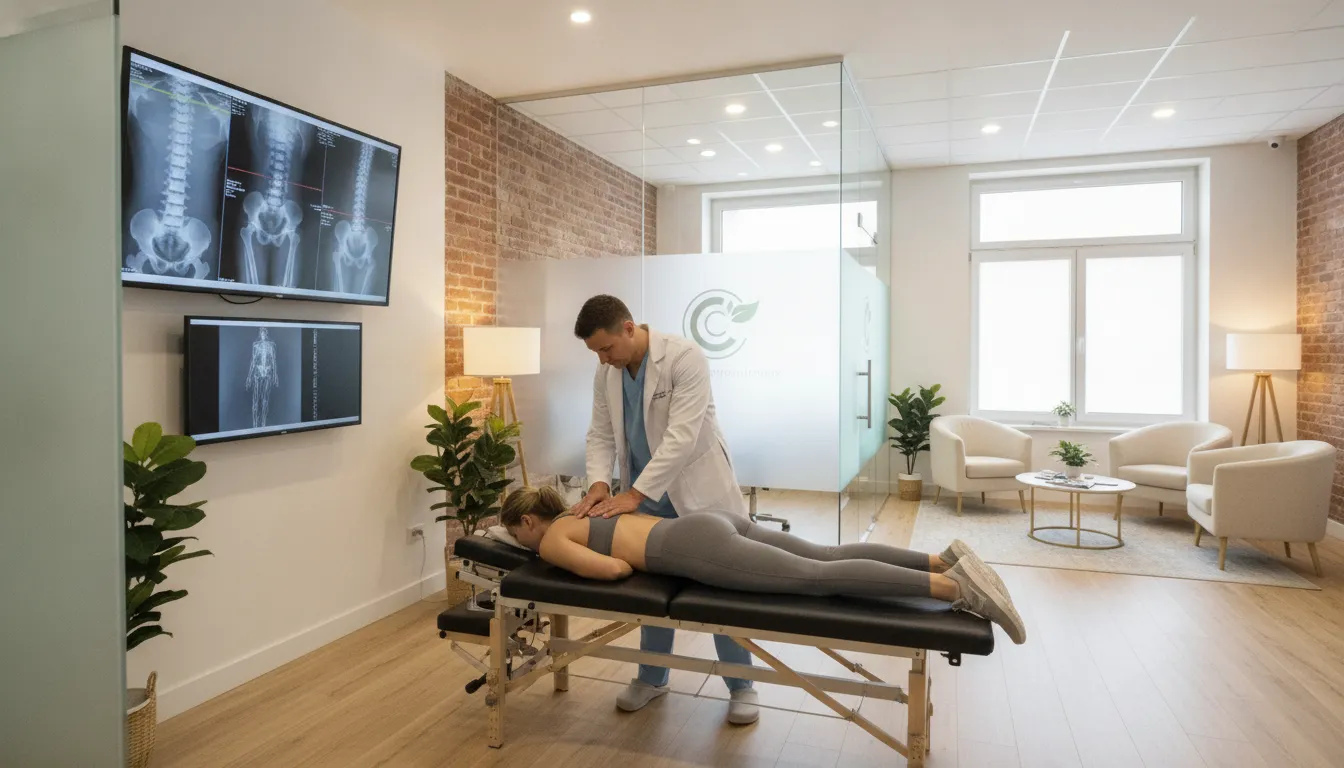
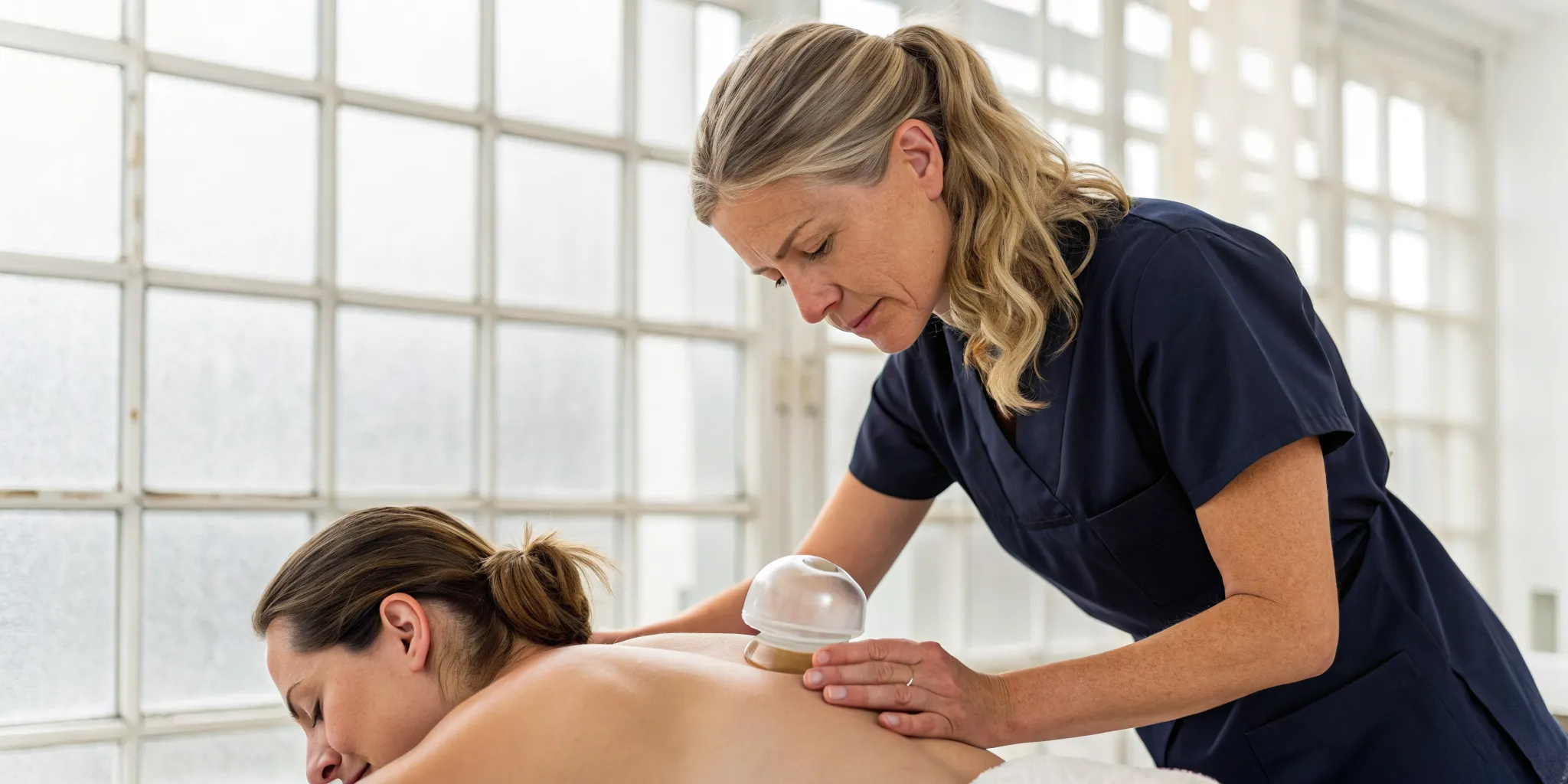
Chiropractic massage combines hands-on soft-tissue work with a chiropractic perspective on movement and spinal function. For Tampa Bay adults considering chiropractic massage, the useful question is whether a clinician can explain how the proposed care fits their symptoms, goals, and evaluation.
Explore Physical Medicine care options
How Does Chiropractic Massage Differ From Standalone Massage?
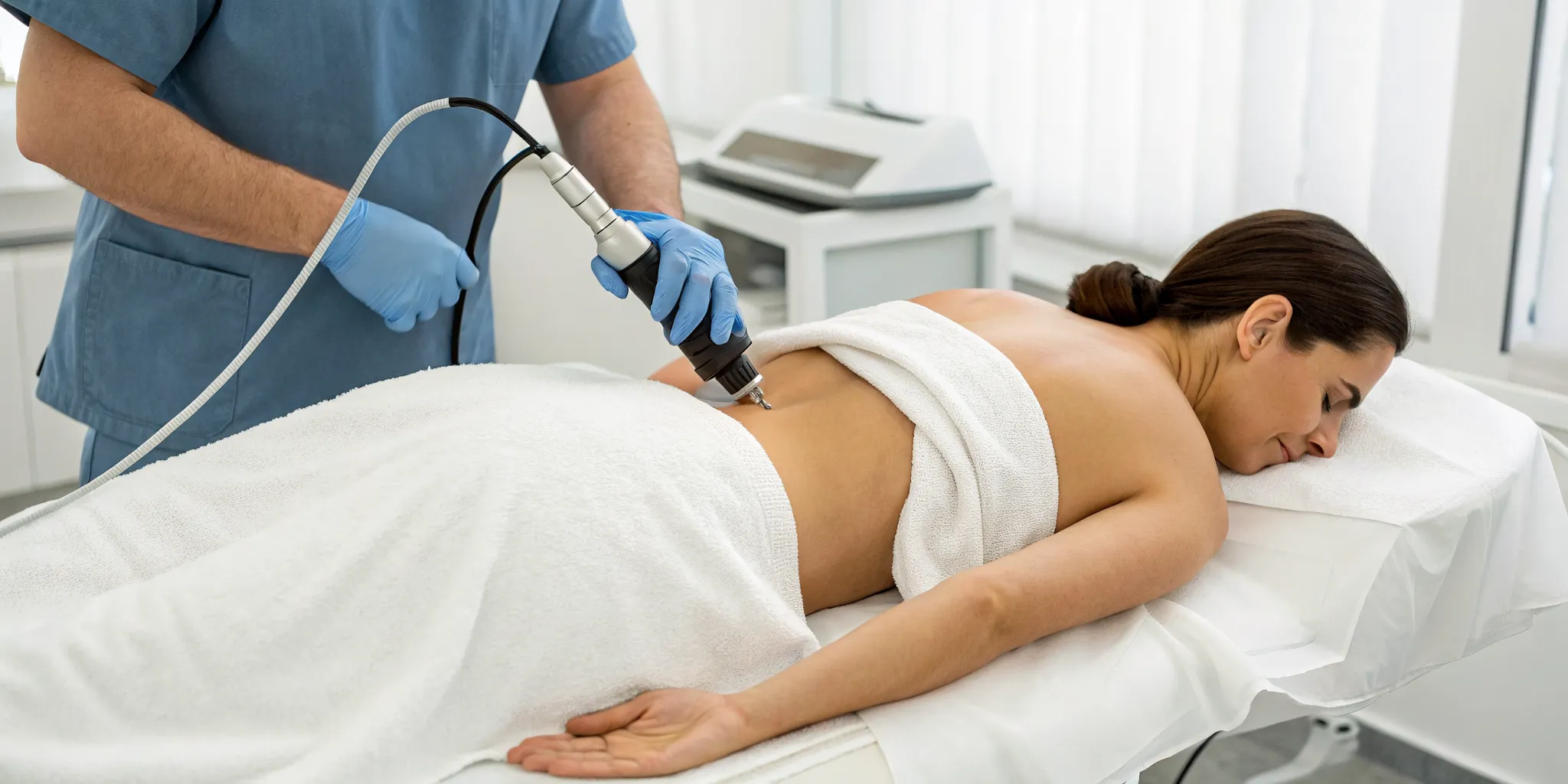
Chiropractic massage may pair soft-tissue techniques with a broader discussion of movement, posture, and spinal care. The exact approach varies, so ask what the session includes and how it relates to your concerns.
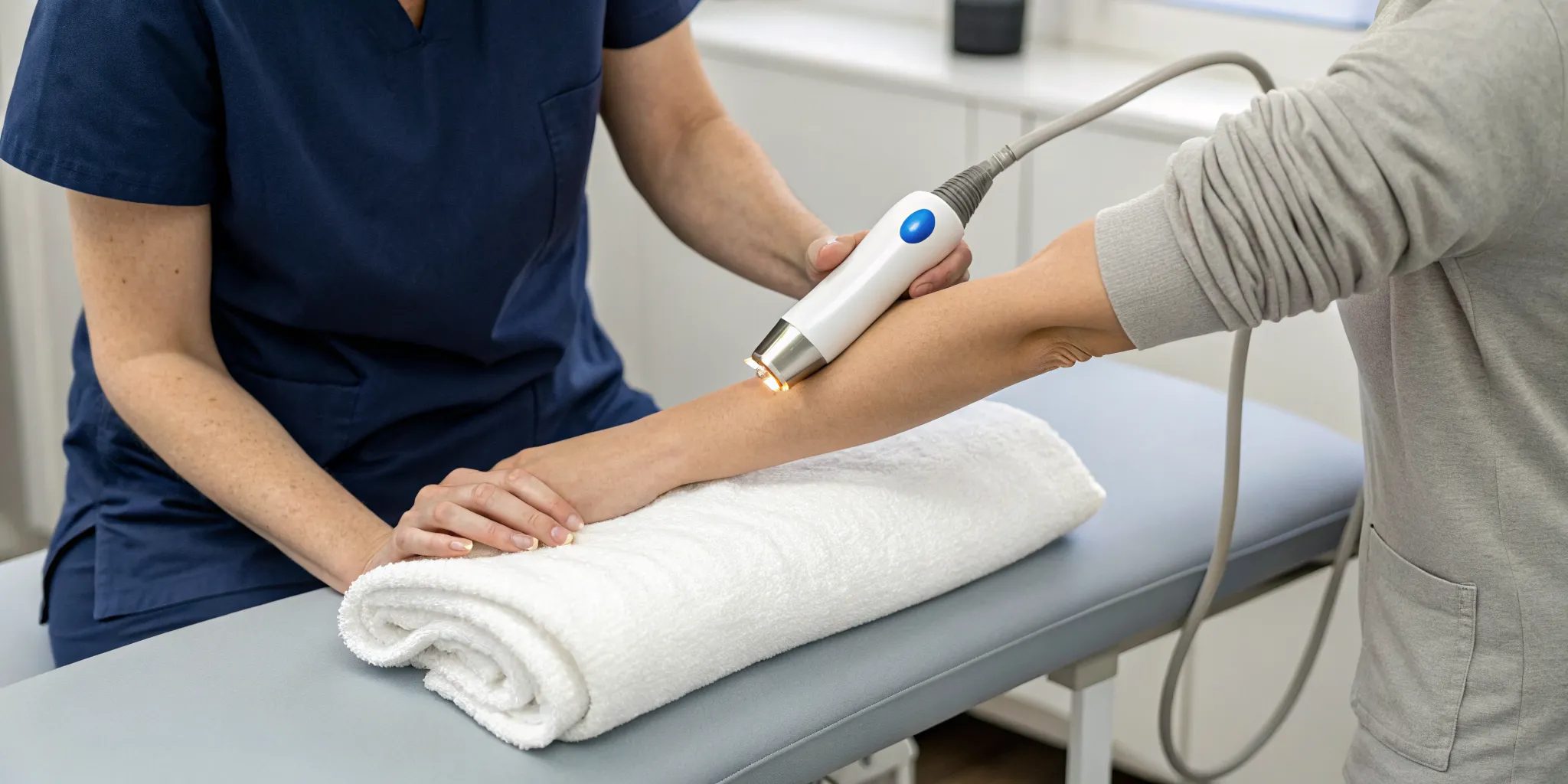
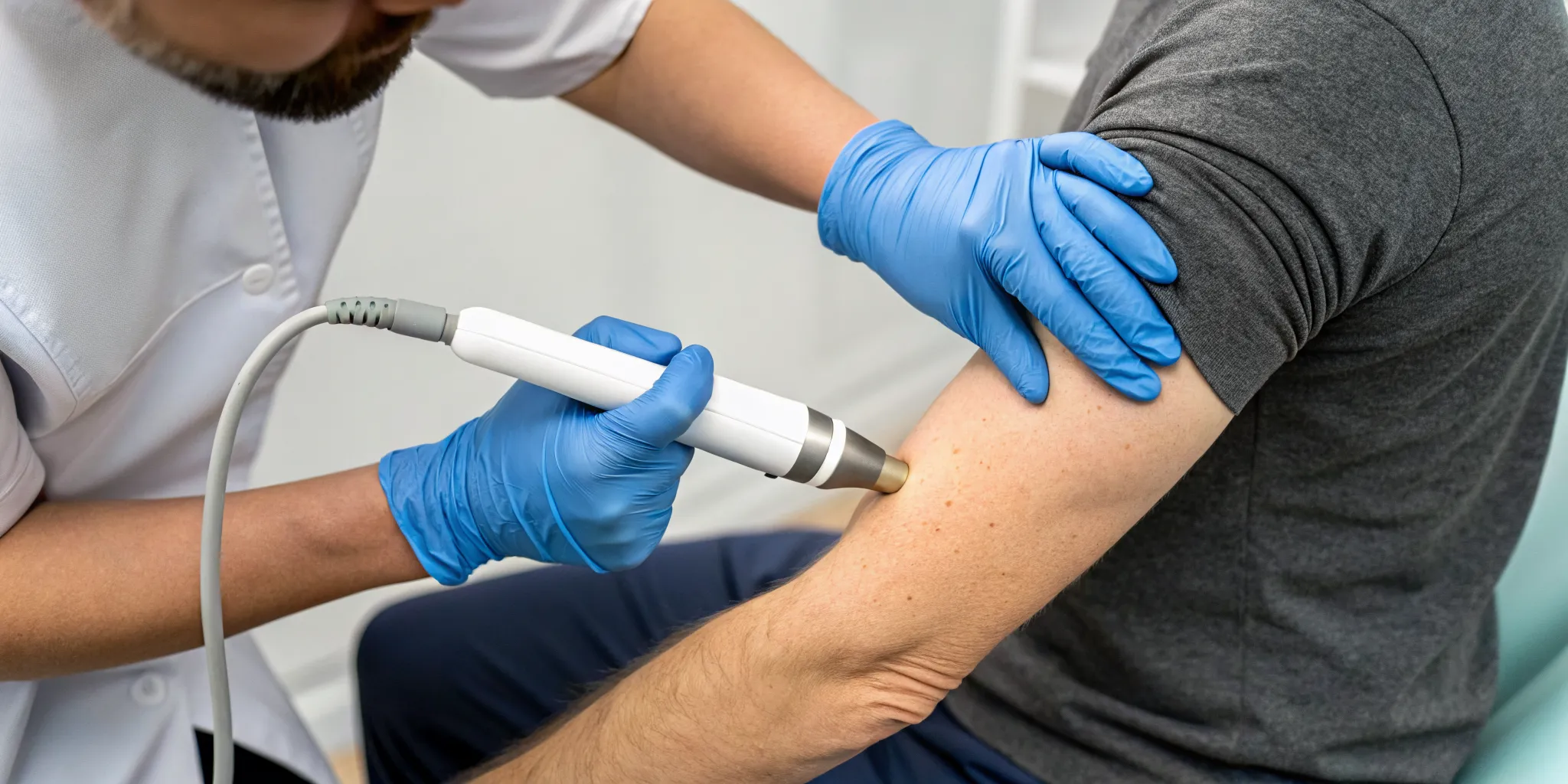
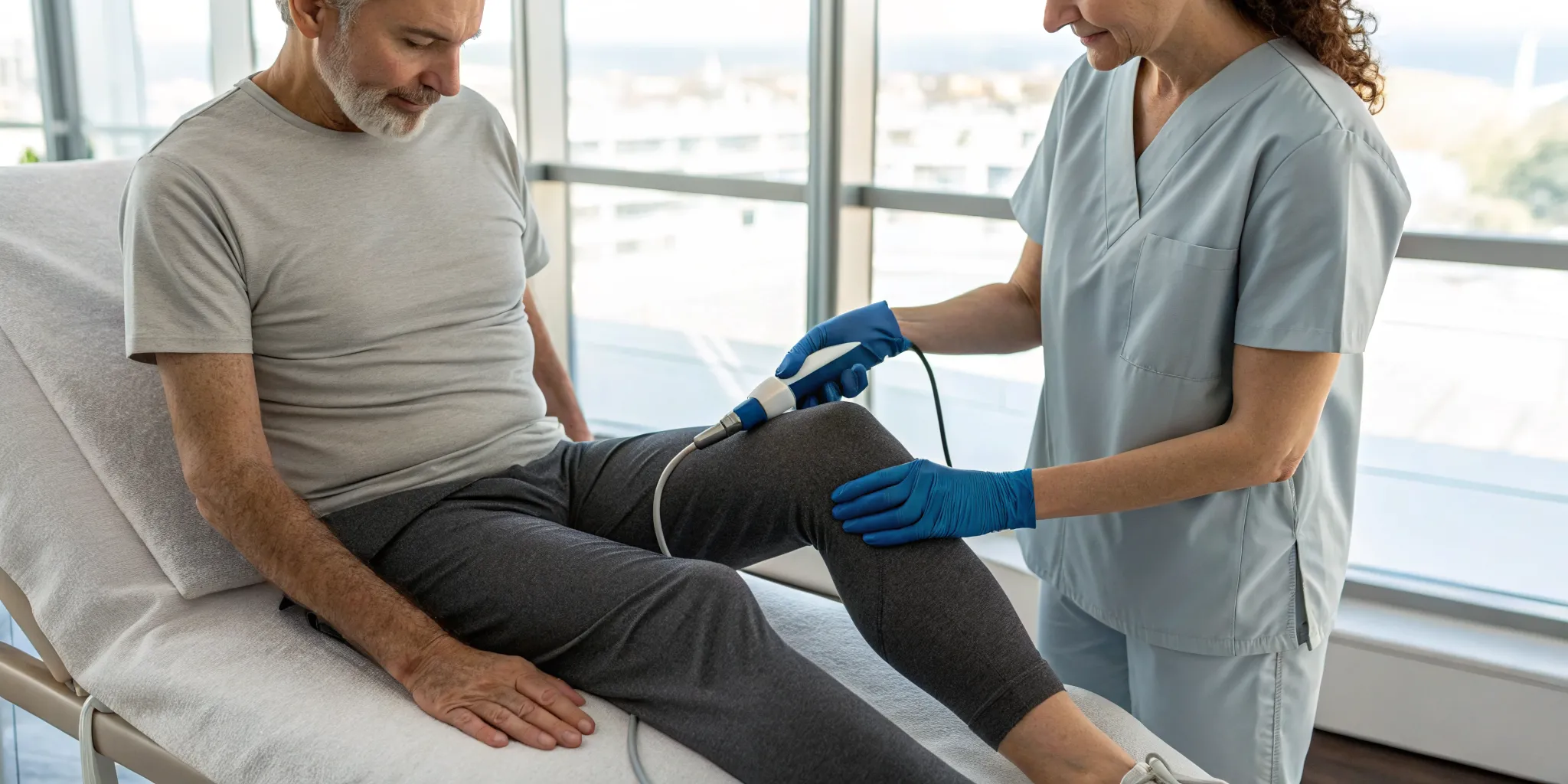
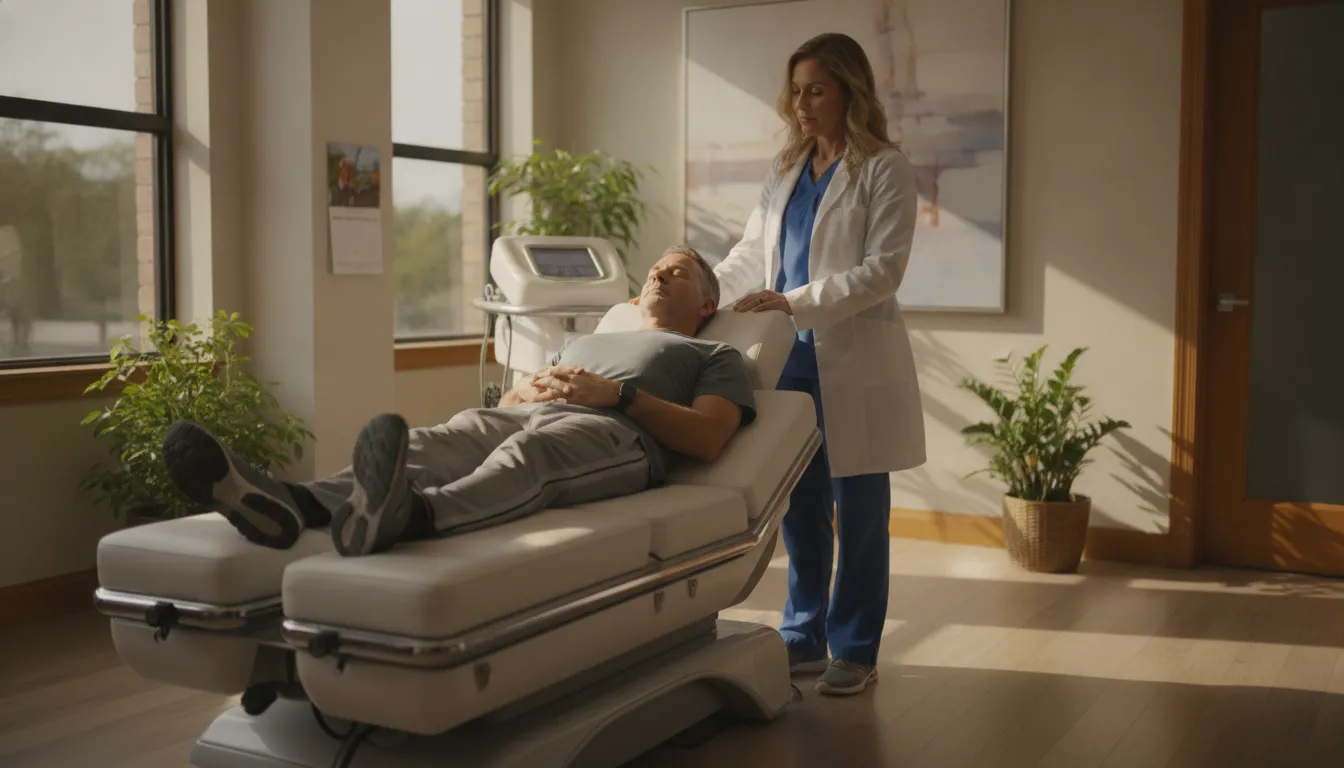
A standalone massage appointment generally centers on hands-on work for relaxation or muscle tension. In a chiropractic setting, hands-on work may be considered alongside an examination and other care options. The phrase can describe different combinations; it does not guarantee that every visit includes the same techniques, a chiropractic adjustment, or a complete assessment.
Ask the provider to distinguish among parts of a proposed visit:
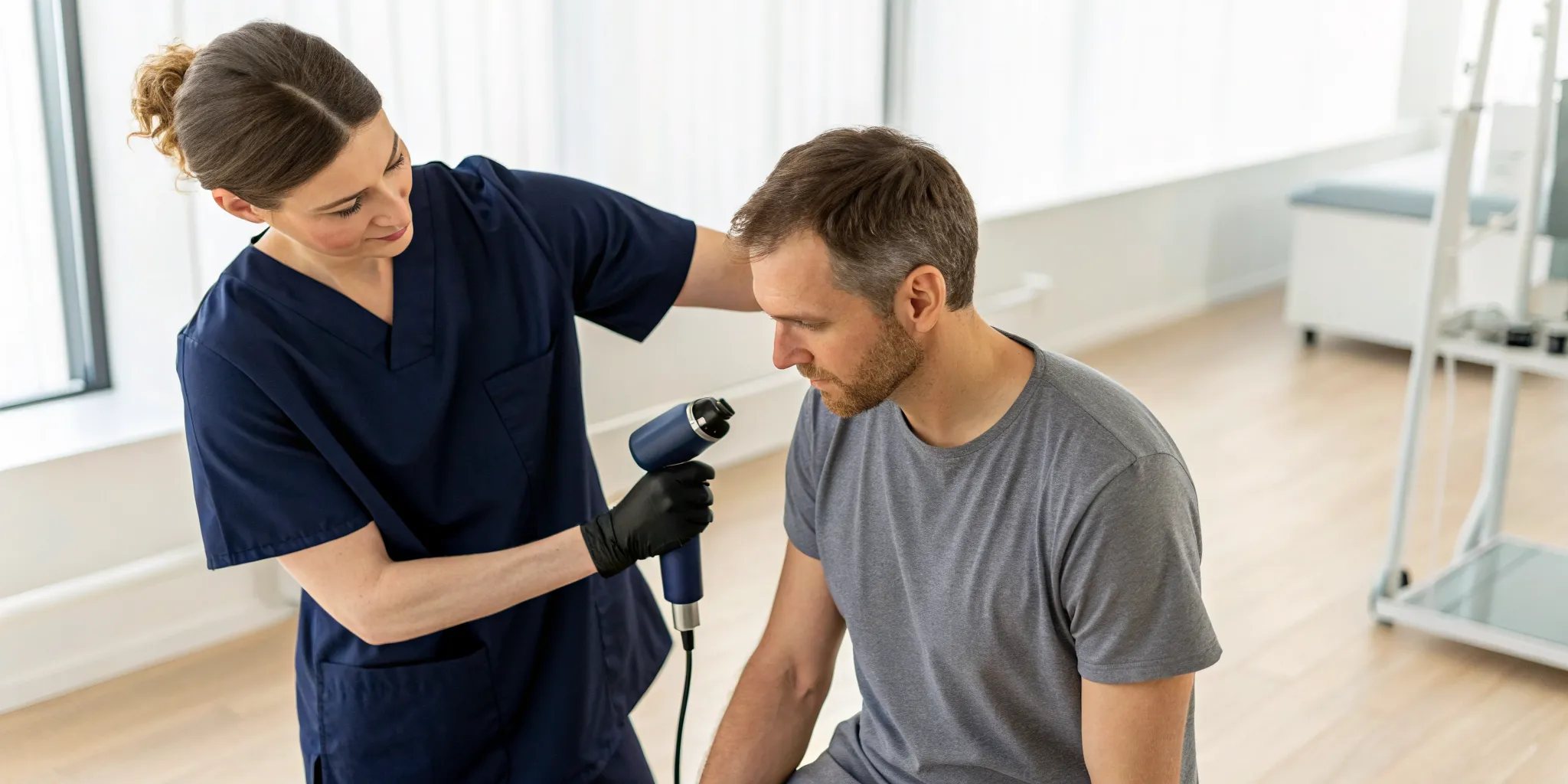
- Soft-tissue work: Hands-on techniques intended to address muscle or connective-tissue tension.
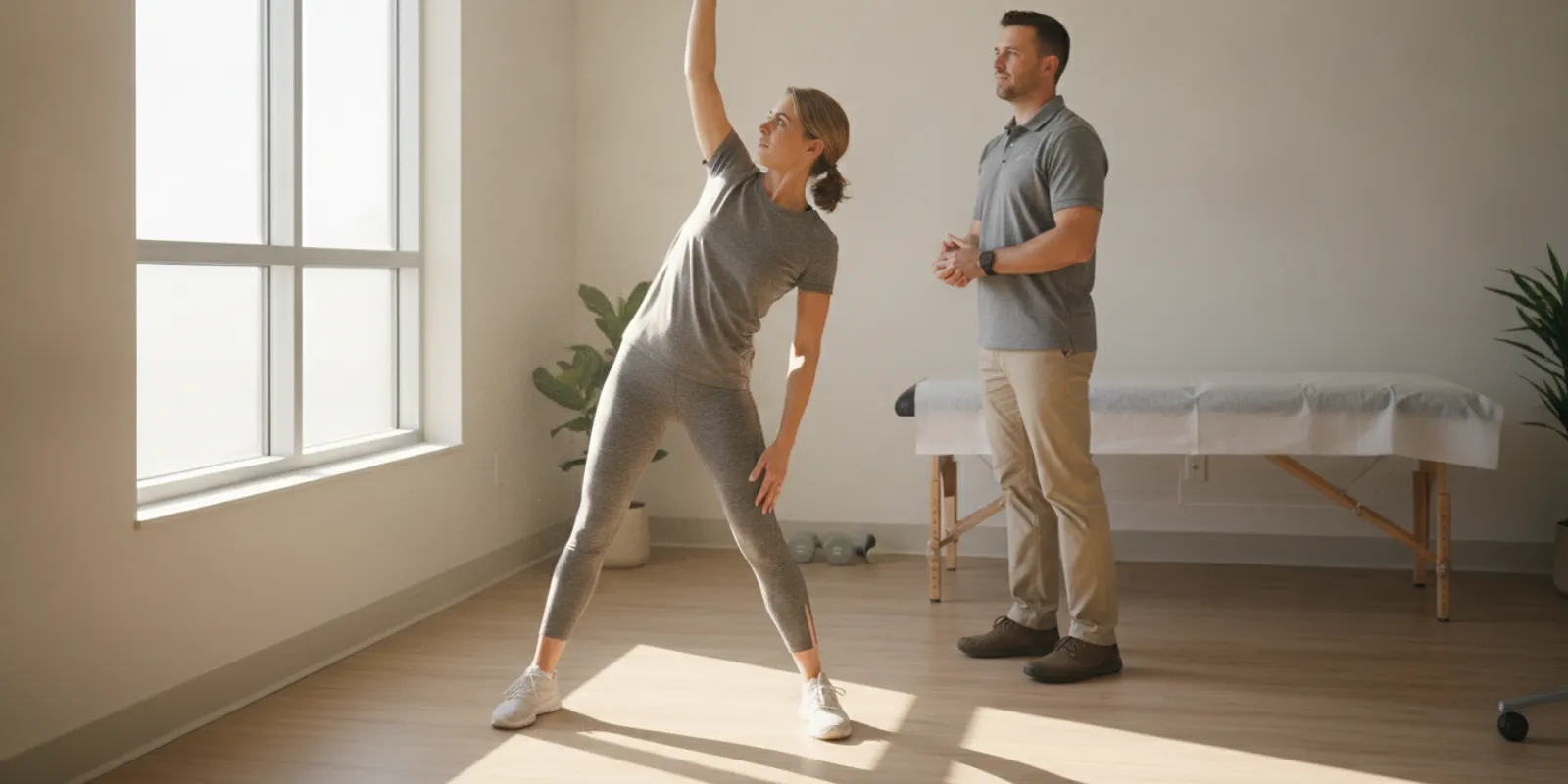
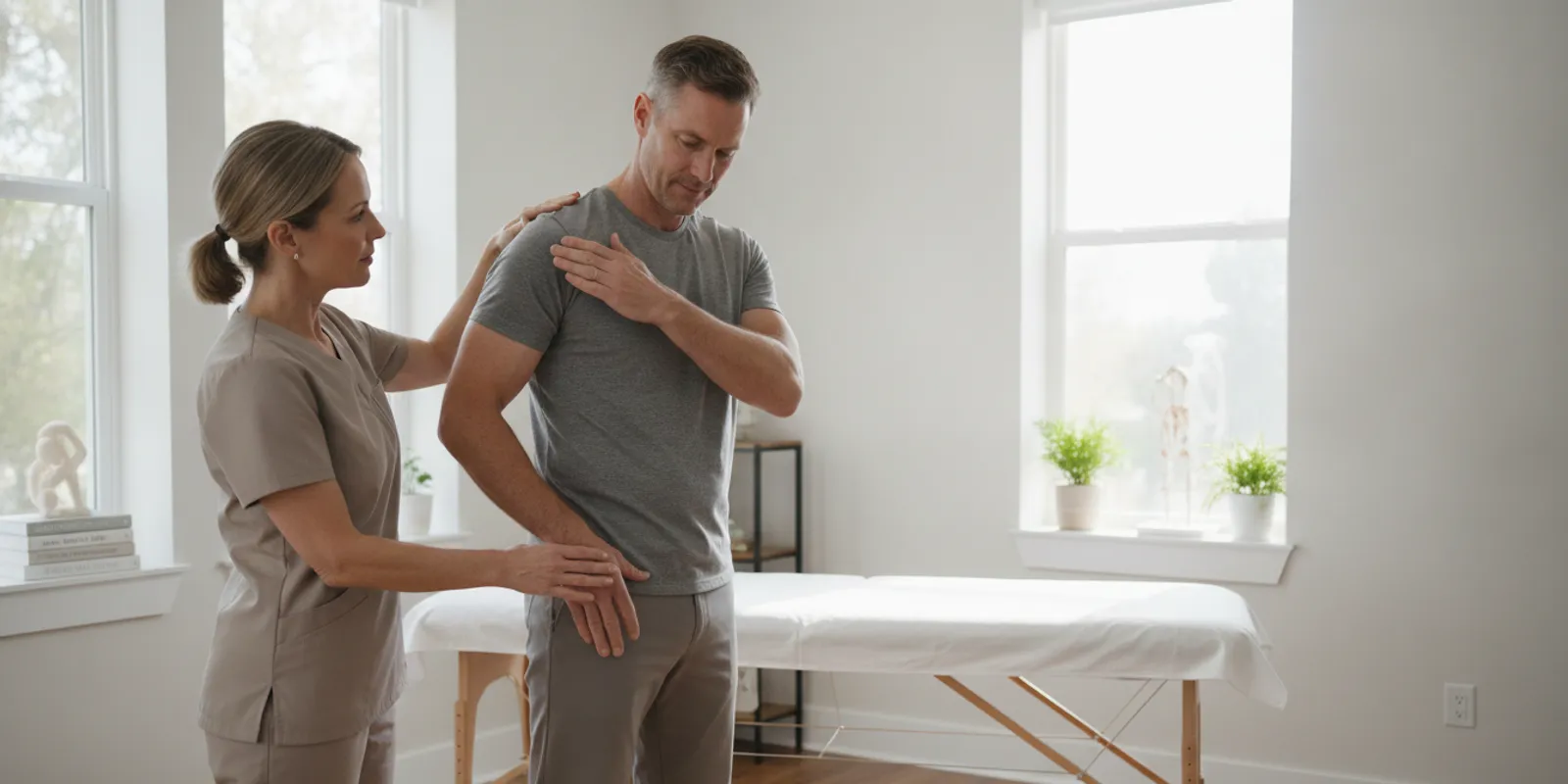
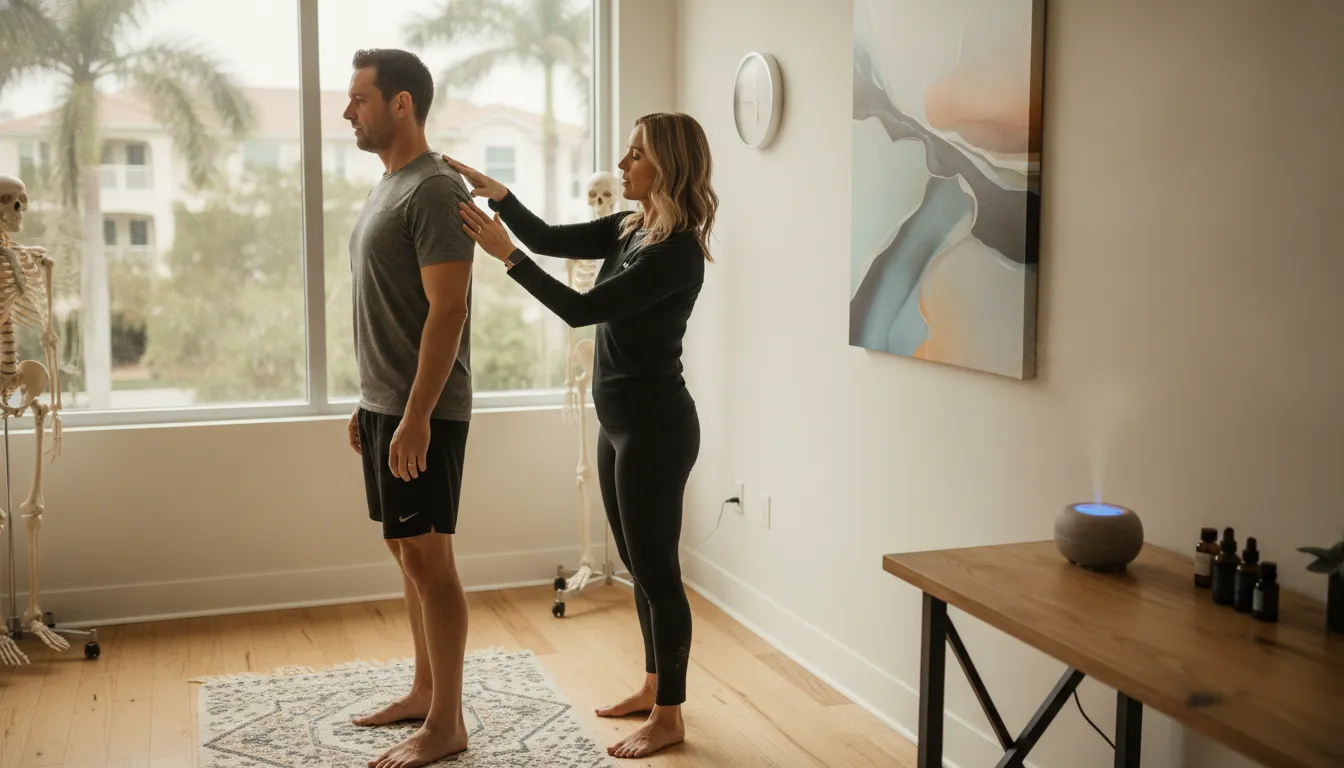
- Movement and posture review: A conversation or examination of how you move and which positions affect your concern.
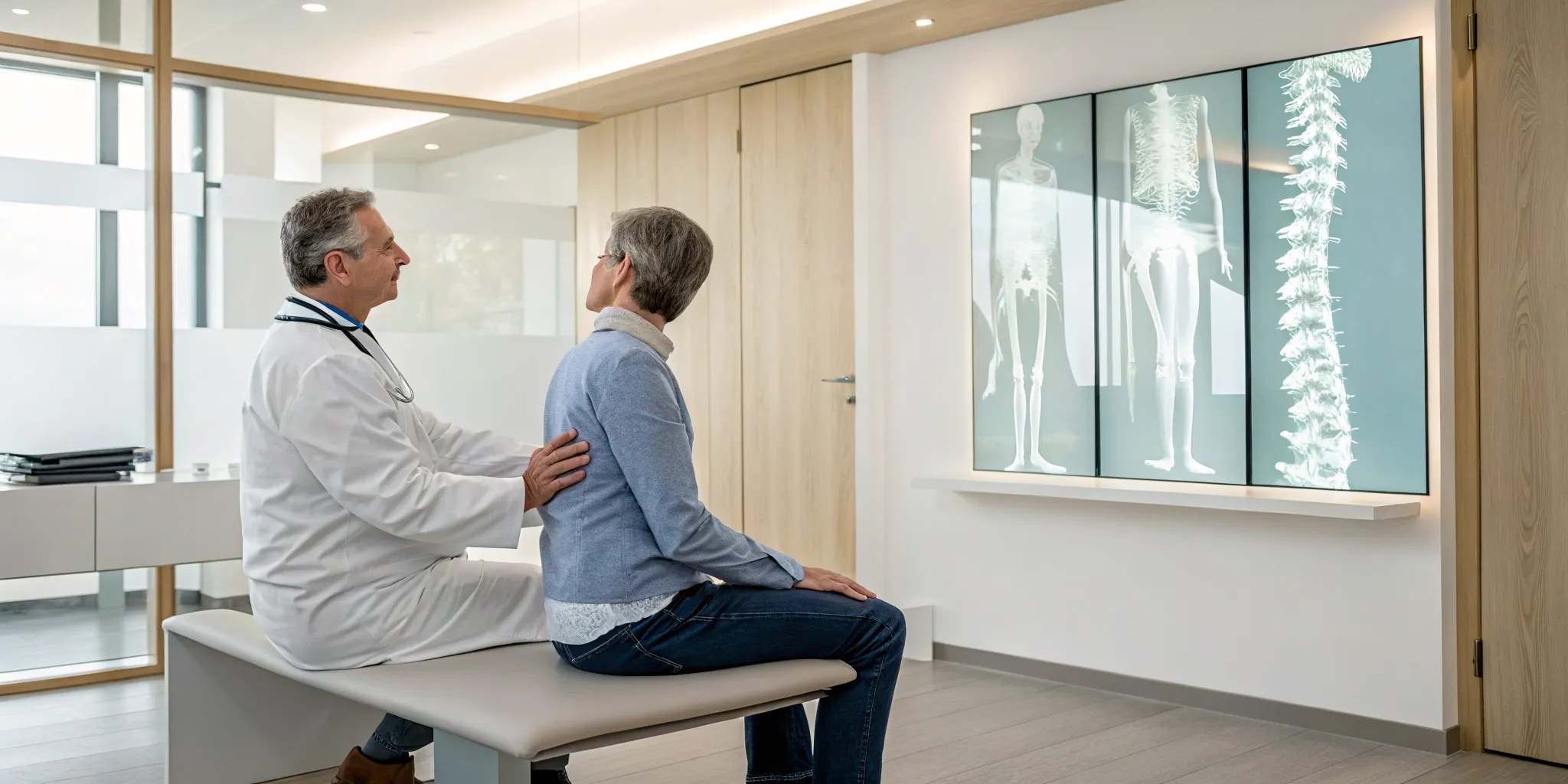
- Chiropractic care: If appropriate, a discussion of spinal or joint care and whether it fits your goals.
- Next-step planning: A review of how progress will be checked and when the plan may change.
These elements are not interchangeable. Ascend's Physical Medicine services include chiropractic and related hands-on care. A service description can help you prepare questions, but the clinician should explain the actual plan being considered.
It is reasonable to ask how a session will be adjusted if an area feels too sensitive or your comfort changes. Clarify consent, pressure, positioning, and your option to pause. A careful discussion should leave room for questions and should not pressure you to accept a plan you do not understand.
When Might Hands-On Care Be Part of a Broader Plan?
Hands-on care may be discussed when a person's goals, history, and examination suggest soft-tissue or movement-focused care could be relevant. The clinician should explain the reasoning and how the plan will be assessed over time.
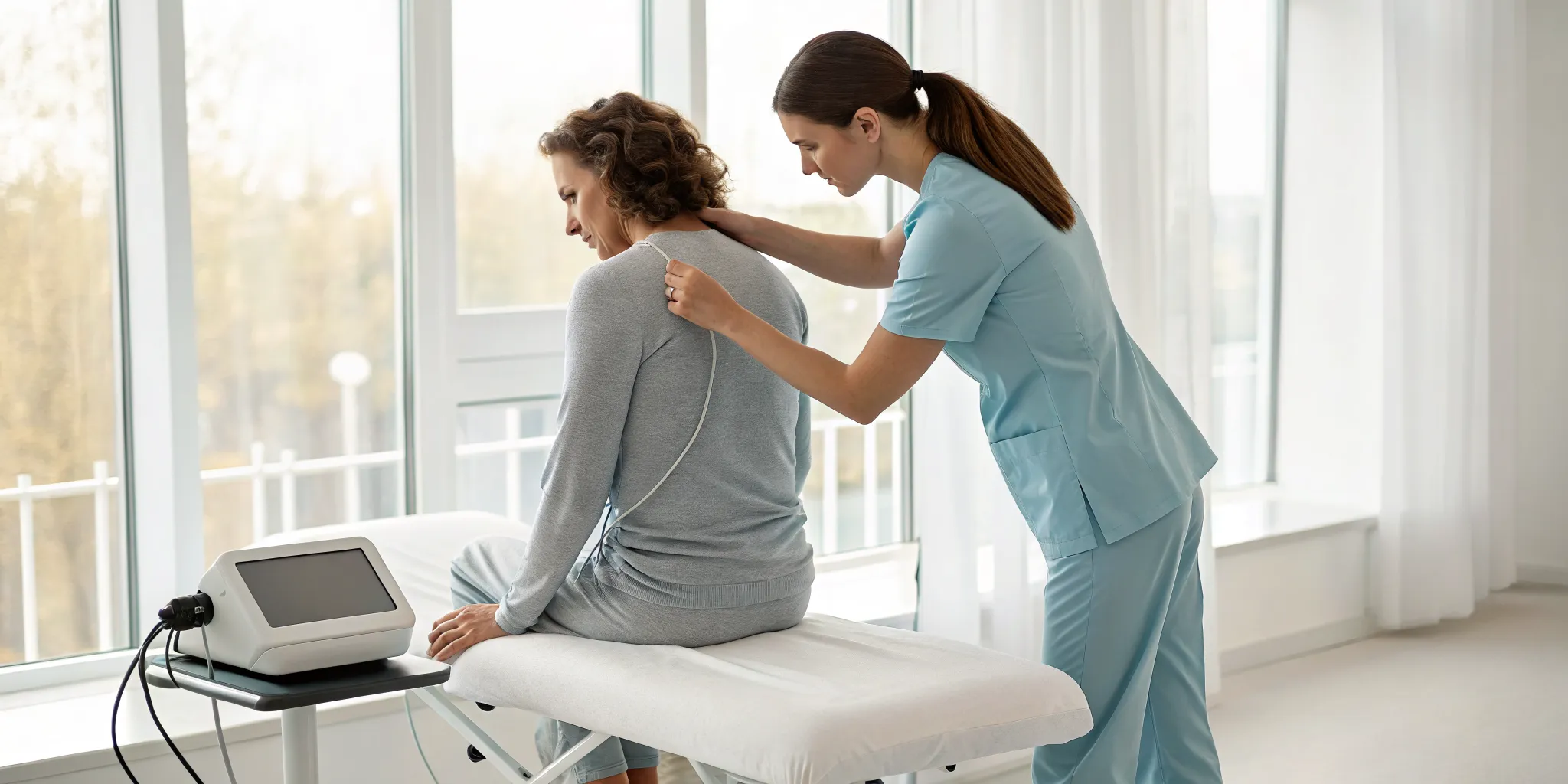
People may seek an evaluation for recurring stiffness, tension with certain movements, or difficulty returning to familiar daily activities. These experiences can have different contributing factors. A session focused on one area may fit one person's goal, while another person may benefit from a wider look at posture, mobility, work demands, or previous care.
Ascend organizes its services around three pillars. Physical Medicine includes chiropractic, decompression, lumbar care, corrective care, and myofascial or other soft-tissue approaches. Functional Medicine considers health concerns through personal history and appropriate evaluation. Regenerative Medicine may be discussed when relevant after clinical evaluation. A consultation should clarify the options relevant to your circumstances.
If the conversation turns to spinal decompression, review Ascend's spinal decompression information and ask how that option differs from hands-on soft-tissue work. For broader health factors, learn about its Functional Medicine approach. These pages are starting points for questions, not individualized guidance.
Which Questions Help You Decide Whether Chiropractic Massage Fits?
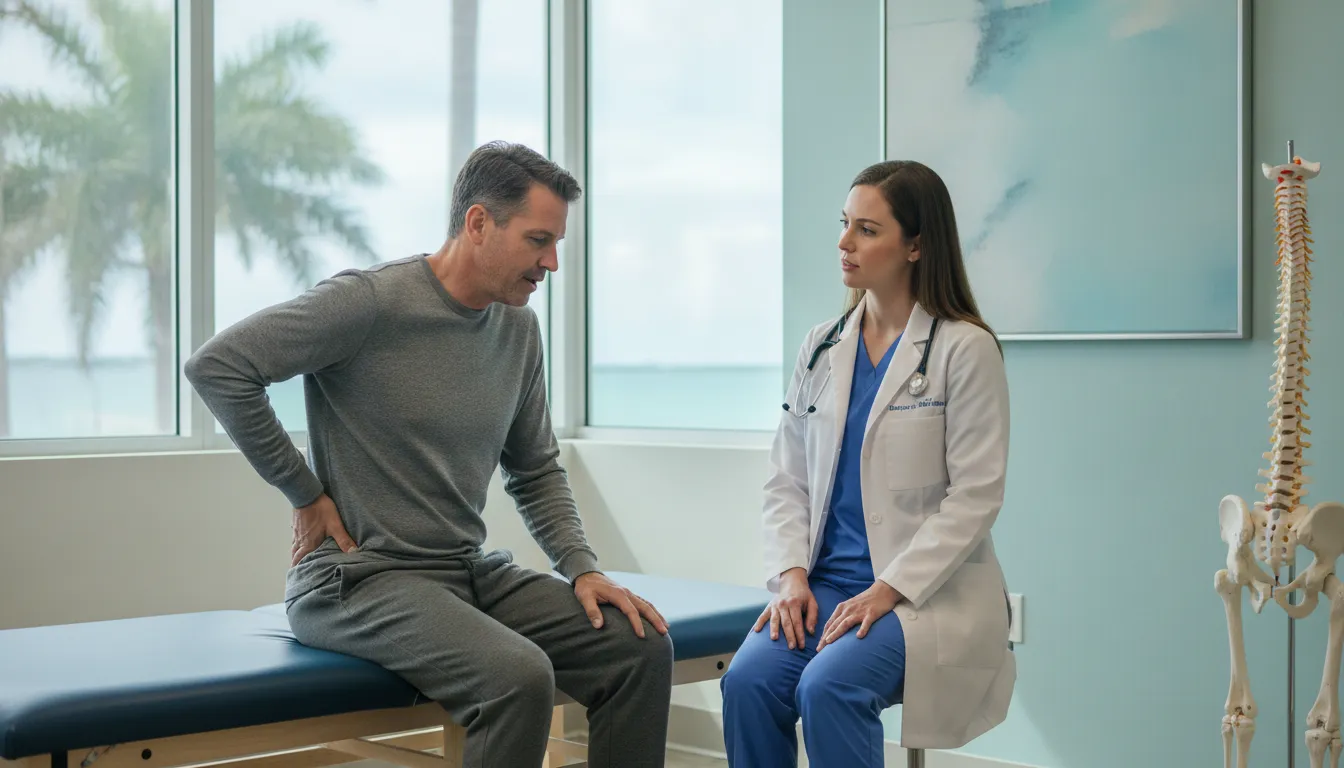
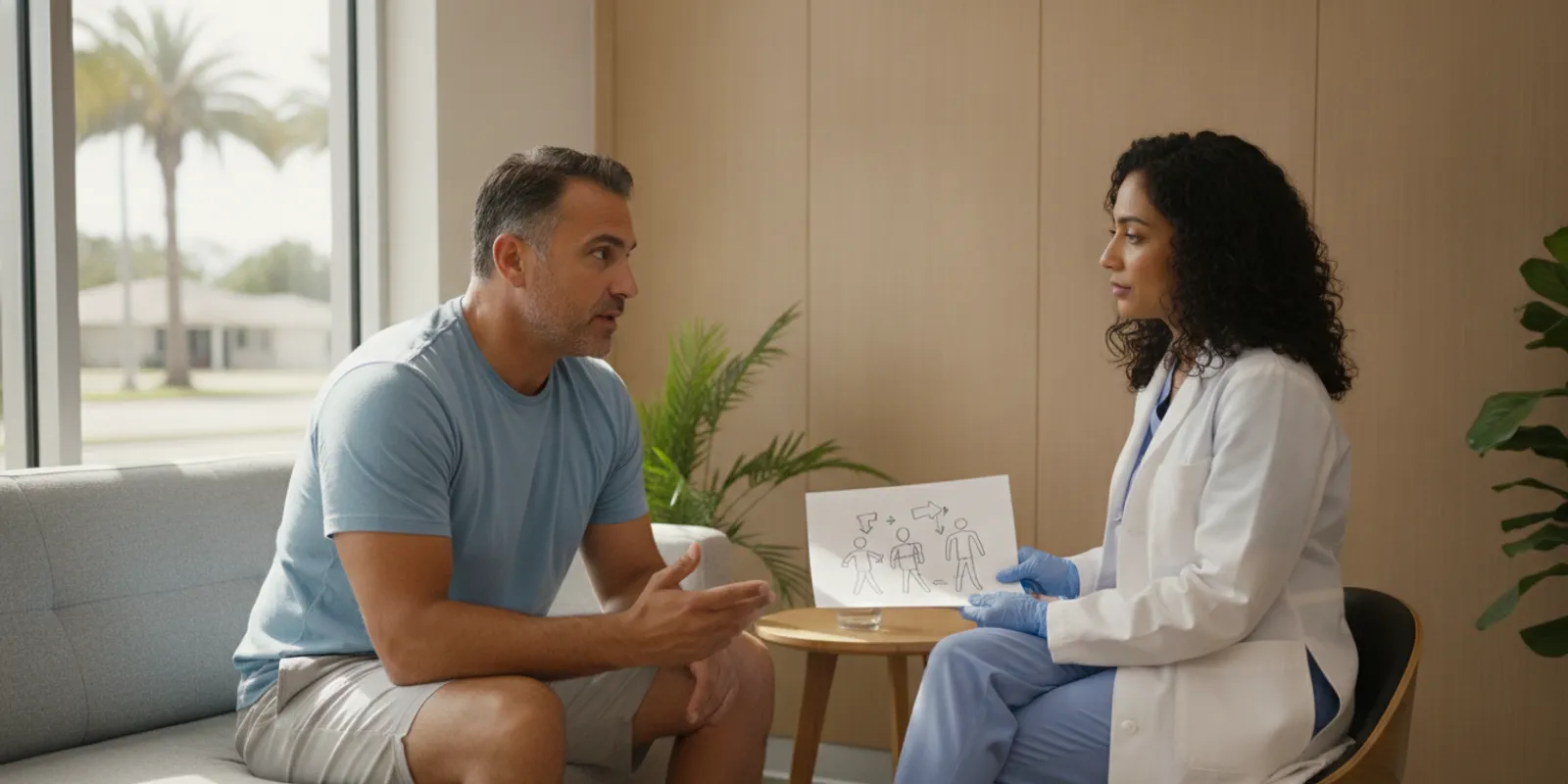
A useful consultation makes the purpose, boundaries, and review process clear. Ask what the clinician observed, what the proposed session aims to address, and how you will decide whether it is helping.
- Which goal should this session address? Ask for a plain-language connection between the proposed technique and your concern.
- Which parts of the visit are included? Clarify whether the plan involves soft-tissue work, chiropractic care, movement assessment, or a combination.
- How will the clinician adapt the approach? Share relevant health history, prior care, sensitivities, and activities that affect comfort.
- How will progress be reviewed? Choose practical markers, such as changes in a movement or daily task that matters to you, and ask when the plan will be revisited.
- What should prompt a pause or another evaluation? A responsible discussion includes limits and circumstances in which the proposed approach may not fit.
For example, someone who notices stiffness after desk work could ask whether the evaluation considers posture and movement, rather than assuming massage alone addresses every factor. An active adult might describe the daily tasks or movements affected and ask how those goals will be tracked. These examples make discussion specific; they do not promise a particular result.
Expectations can be practical and modest. Identify an everyday activity you want to discuss, such as turning comfortably while driving or managing a usual workday. A clinician can say whether that activity is a reasonable marker to revisit and whether other factors merit consideration. If a recommendation is unclear, ask for the reasoning in a different way or take time to consider it.
Share details that may initially seem unrelated, such as a recent change in routine or previous care. The clinician can decide what matters and explain why. Avoid assuming that one symptom points to one cause; a measured approach starts with available history and examination before considering next steps.
Ascend's frequently asked questions can help you prepare, while its services overview provides context about the care model.
How Can You Compare Hands-On Care Options?
Compare options by their purpose, appointment contents, and progress review. This table is a question guide, not a ranking of which approach suits everyone.
| Option to discuss | Main focus | Questions to ask | How to review fit |
|---|---|---|---|
| Standalone massage | Hands-on soft-tissue work | Which techniques are planned, and which concerns fall outside the session's scope? | Discuss comfort and whether the session addresses your stated goal. |
| Chiropractic massage or soft-tissue care | Hands-on work considered in a chiropractic setting | Does the visit include an examination, massage, chiropractic care, or a combination? | Clarify the intended goal and when the approach will be reviewed. |
| Broader Physical Medicine evaluation | Individual assessment and possible care options, which may include chiropractic, corrective care, or decompression | Which findings inform the plan, and which alternatives are relevant? | Agree on practical markers and a time to review whether the plan still fits. |
For additional context, browse Ascend's articles on chiropractic and functional health and ask which materials apply to your discussion. The service description does not establish an individual recommendation.
What Does the Evidence Say About Massage and Chiropractic Care?
Evidence should be considered carefully; a broad review does not prove that every technique or individual plan works the same way. One review of manual therapies noted that effectiveness of chiropractic or massage for pain control had not been demonstrated convincingly through rigorous trials at the time it was published.
That finding is a reason to avoid sweeping promises, not to treat all hands-on approaches as identical. The review addresses manual therapies for pain control broadly; it does not establish an outcome for a particular person or specific technique. Read the review, “Manual therapies for pain control: chiropractic and massage”, and ask how evaluation and progress review inform a recommendation.
Ascend describes its care as personalized and research-informed, with attention to goals, history, examination, and appropriate testing. Ask for a reasoned explanation, discuss limits, and keep expectations realistic. No hands-on session should be presented as a guaranteed cure or a substitute for evaluation when symptoms call for another kind of care.
How Can You Prepare for a Consultation in Tampa Bay?
A short, organized summary of your concern can make a consultation more useful. Bring details that help the clinician understand your experience and priorities instead of trying to identify a diagnosis on your own.
- Note when the concern began and whether anything seems to affect it.
- Describe movements, work tasks, or daily activities that are difficult or important to you.
- List prior evaluations or care and how you responded.
- Share relevant health history and concerns about hands-on techniques.
- Choose one or two practical goals to discuss.
At the visit, ask for an explanation of the evaluation and proposed next steps in plain language. Ask what the visit does not establish, which alternatives could be considered, and how the plan might change if your response differs from expectations. This keeps the conversation collaborative rather than centered on a service name.
Learn about the practice through its team and practice information. If you are comparing a focused hands-on appointment with broader physical care, its Physical Medicine page offers another point of reference.
For a more detailed discussion, organize a brief timeline: when the concern began, which activities seem to affect it, what you have tried, and what has changed. Keep the notes factual rather than deciding what caused the symptoms. A concise account can help the clinician ask useful follow-up questions, while your priorities help keep the conversation focused. If you have several concerns, name the one that matters most today and list the others for later consideration.
During the consultation, listen for a clear explanation of both the proposed approach and its limits. You can ask what findings support the recommendation, what alternatives are reasonable, and whether the plan involves more than hands-on work. If two options are discussed, ask how their goals differ and what information would guide choosing between them. You do not need to make every decision during a single conversation; it is appropriate to take time to consider information and ask follow-up questions.
It can also help to agree on a simple review method before beginning. For instance, if your goal is to manage a particular daily movement more comfortably, note how it feels before care and revisit it later under similar conditions. One observation alone does not establish a medical conclusion, but a consistent marker can make a follow-up discussion more concrete. Ask the clinician when it makes sense to review progress and what would lead to revising the plan.
For a local prospect, logistics matter too: clarify what the first appointment involves, whether an evaluation is part of it, and what information to bring. Ask about the order of any proposed steps and how the practice will explain recommendations. If the appointment is not a fit for your goals, ask what other type of evaluation or care conversation may be appropriate. The purpose is to leave with a clear understanding, not to accept a particular modality by default.
Discuss your questions with Ascend
Frequently Asked Questions
These answers offer general context; the right approach depends on an individual's history and evaluation.
Does chiropractic massage always include a chiropractic adjustment?
No. The phrase can refer to different combinations of care. Ask whether a proposed visit includes massage or other soft-tissue work, chiropractic care, an examination, or only some of these elements.
Can massage and chiropractic care be discussed together?
They may be discussed together when a clinician believes both are relevant to a person's goals and evaluation. Ask why each part is proposed, what it aims to address, and how the plan will be reviewed.
How can I tell whether a care plan is personalized?
The clinician should explain how your history, examination, goals, and preferences inform a recommendation. You should understand how progress will be checked and when the plan may be reconsidered.
Does a hands-on session guarantee lasting improvement?
No. Individual responses vary, and a session cannot guarantee a particular outcome. Discuss reasonable expectations, possible limits, and other evaluation that may be appropriate.
Start a conversation about your next step
This article is for educational purposes only and is not medical advice. Consult your clinician before acting on health information or beginning care.