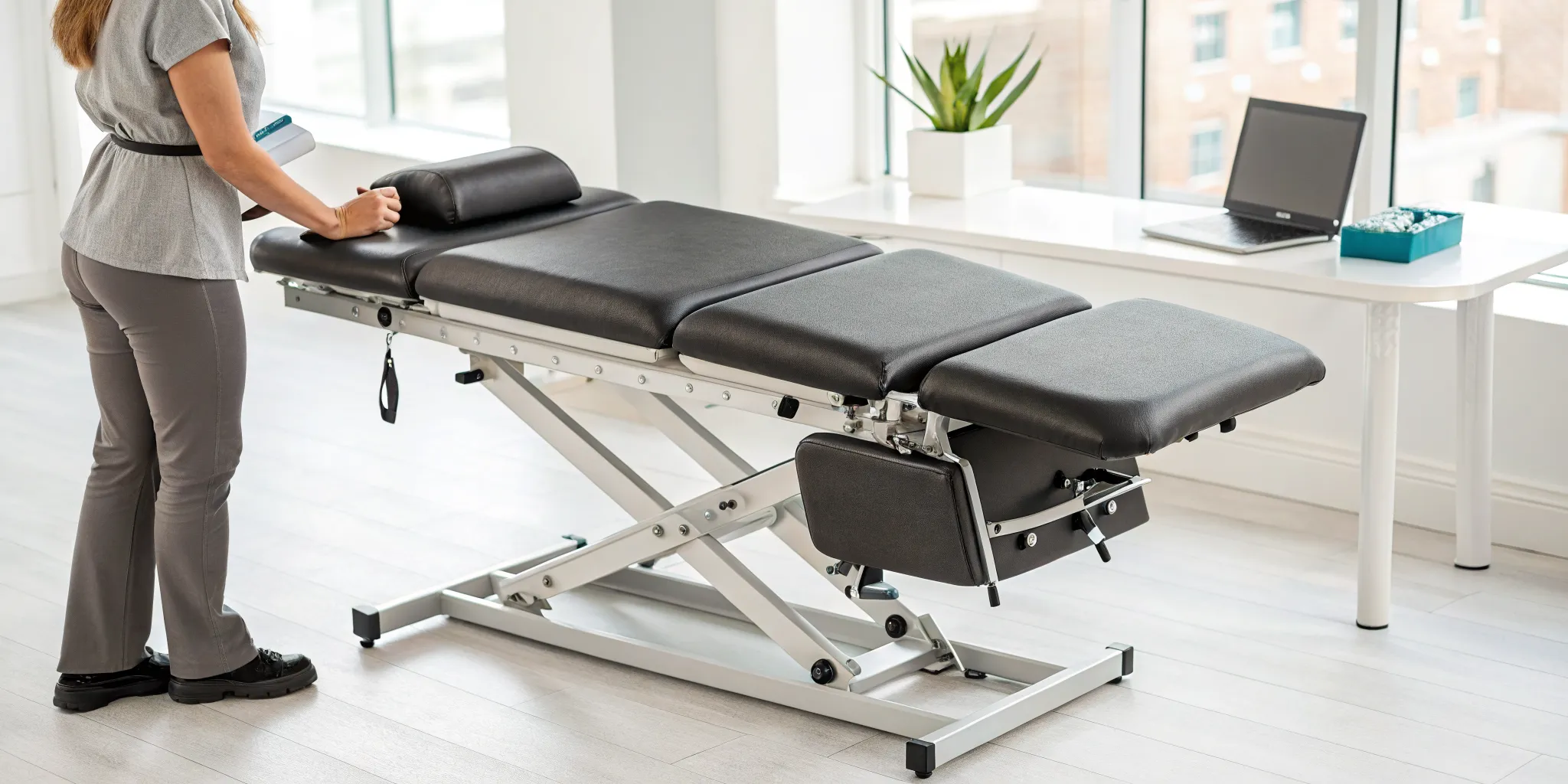
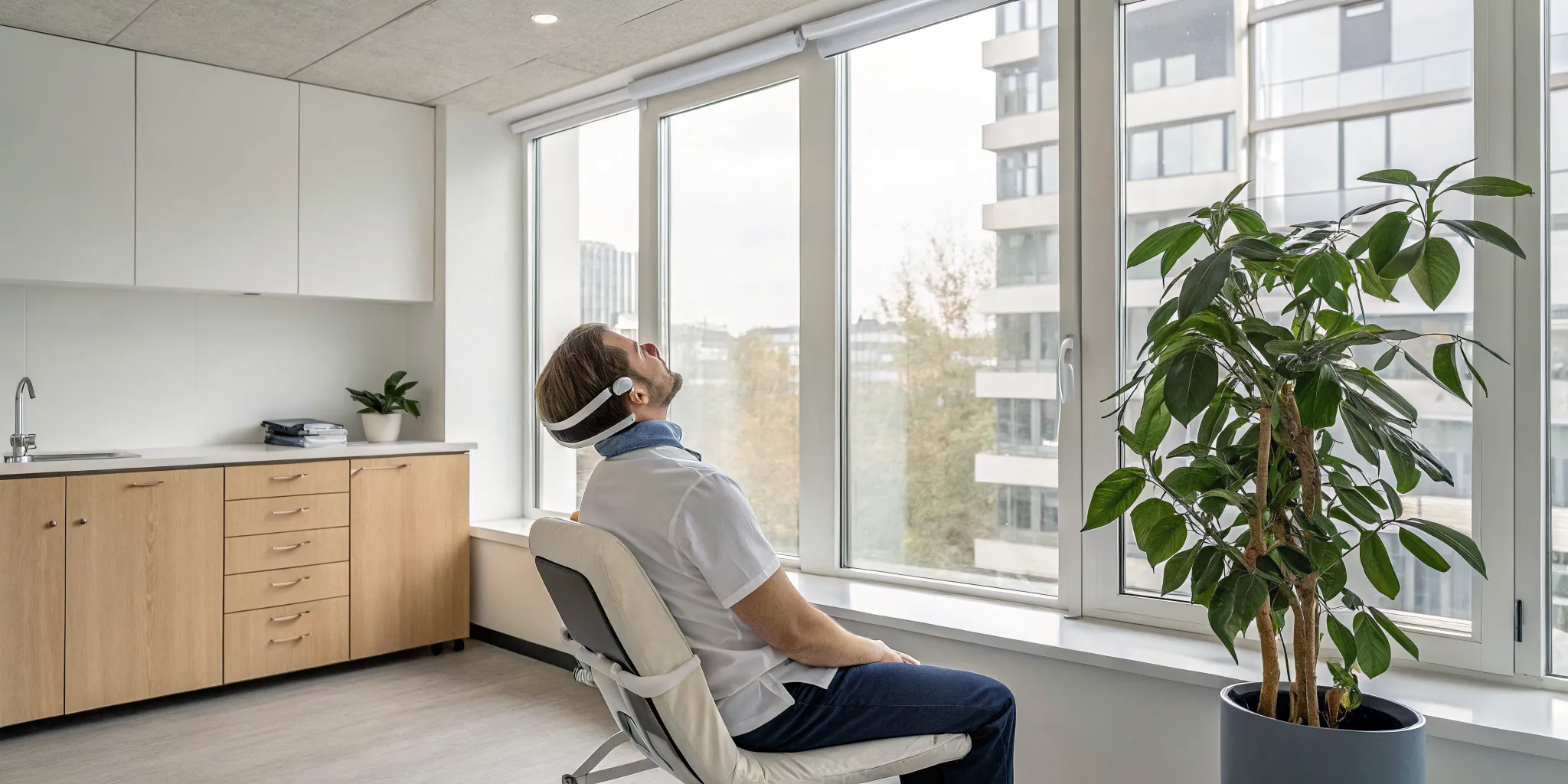
It’s easy to dismiss that nagging ache as just a “crick” in your neck, but those tight, ropey knots are often more complex. These are trigger points, and they can be responsible for everything from tension headaches to pain that travels down your shoulder and arm. Simply treating the sore spot without understanding why it’s there is like fixing a leaky pipe with tape; it’s a temporary fix for a deeper problem. To find a real solution, you need to look at the source. A chiropractor for neck pressure points is an expert in identifying these patterns and their connection to your overall spinal health, providing a path to more permanent relief.
Key Takeaways
- Look Beyond the Knot for Real Relief: A trigger point is your body's signal that something is out of balance, often stemming from spinal alignment or posture. Lasting relief comes from correcting the root cause, not just rubbing the sore spot.
- A Personalized Plan Gets Better Results: Effective care addresses pain from multiple angles. This involves combining gentle spinal adjustments to restore proper function with hands-on therapies to release the specific muscles causing your discomfort.
- Support Your Progress Between Visits: You play a key role in your healing. Simple actions like gentle stretching, improving your desk setup, and using heat on tight muscles help maintain the benefits of your adjustments and prevent future pain.
Beyond the Ache: A Guide to Neck Trigger Points & Chiropractic Care
If you’ve ever had a persistent, nagging ache in your neck, you know how frustrating it can be. That tender, ropey spot that feels like a knot under your skin is more than just a simple muscle cramp. It’s likely a trigger point, and it’s your body’s way of signaling that something is out of balance. While it’s tempting to just rub the sore spot and hope for the best, a more effective solution involves understanding what’s causing the pain in the first place. At Ascend Functional Health, we look beyond the immediate discomfort to address the underlying issues contributing to your neck pain.
What Causes Knots and Trigger Points in Your Neck?
So, what exactly are these knots? Trigger points are small, sensitive spots of tight muscle fibers. They can feel like a pea-sized bump and are often tender to the touch. These tight spots can cause pain right where they are, or they can refer pain to other parts of your body, often leading to tension headaches or shoulder discomfort. They typically form after a muscle injury or from chronic strain. Common causes include repetitive motions (like typing at a desk all day), poor posture from looking down at a phone, or even emotional stress that causes you to unconsciously tense your muscles. Our approach to physical medicine helps release this tension and restore proper function.
Why We Focus on the Source, Not Just the Symptom
Simply massaging a knot might provide temporary relief, but it rarely solves the underlying problem. That’s why our approach goes deeper. We look at how your spine, muscles, and nervous system work together as an integrated system. A trigger point in your neck could be a symptom of a spinal misalignment that’s putting extra stress on the surrounding muscles. By focusing on the source, we aim to correct the structural issue for more lasting results. As we explain on our About page, our goal is to facilitate your body's innate healing abilities. During your visit, we’ll discuss your health history and perform a hands-on assessment to locate these tender spots and understand your unique pain patterns.
Common Neck Trigger Points We Address
That persistent knot in your neck is likely a trigger point, a small, hyper-irritable spot within a tight band of muscle. These points don't just cause discomfort where they are; they can send pain signals to other parts of your body, leading to headaches, shoulder stiffness, and even tingling in your arms. At Ascend Functional Health, our physical medicine approach involves carefully identifying these specific points to understand the true source of your pain. Let's look at some of the most common culprits we see and treat every day.
Suboccipital Muscles (At the Base of Your Skull)
If you suffer from tension headaches that seem to start at the base of your skull and wrap around your head, your suboccipital muscles are likely involved. These four small muscles are responsible for tilting and turning your head. When they develop trigger points, often from poor posture or "tech neck," they can feel like tight, tender knots. This tension can refer pain to your forehead and behind your eyes, mimicking a classic headache. During an assessment, a chiropractor can feel these specific spots. Addressing them is a key part of our strategy for the conditions we treat, helping to ease headache frequency and intensity by targeting the muscular source of the problem.
Upper Trapezius (Your "Shoulder Shrug" Muscles)
When you feel stressed, do you notice your shoulders creeping up toward your ears? That’s your upper trapezius muscles at work. These large muscles span from your neck to your shoulders, and they are notorious for holding tension and developing trigger points. These sensitive spots can cause a deep, aching pain in your shoulder and a burning sensation along the side of your neck. This discomfort can also spread, a phenomenon known as "referred pain," often causing tension headaches that feel like a question mark wrapping around your ear. Repetitive motions, carrying heavy bags, or simply sitting with poor posture can all contribute to tightness in this area, making it a primary focus during our patient evaluations.
Levator Scapulae (The Muscle You Rub When Stressed)
There's a reason you instinctively reach for the top of your shoulder blade and the side of your neck when you're feeling tense. You're trying to soothe the levator scapulae. This muscle connects your neck to your shoulder blade and is a common site for painful trigger points that cause a stiff, "crick in the neck" feeling. The pain is often sharp and makes turning your head difficult. Common causes include sleeping in an awkward position, repetitive overhead arm movements, or cradling a phone between your ear and shoulder. Our team understands how these daily habits contribute to chronic pain, and our holistic approach focuses on both treating the immediate discomfort and providing guidance to prevent it from returning.
Sternocleidomastoid or SCM (Runs Down the Side of Your Neck)
The sternocleidomastoid, or SCM, is a long, rope-like muscle that runs from just behind your ear down to your collarbone. You can easily feel it when you turn your head to one side. Trigger points in the SCM can cause a surprising array of symptoms, including dizziness, jaw pain, sinus congestion, and headaches around the eye and forehead. Because its referred pain patterns are so widespread, issues with the SCM are often misdiagnosed. A thorough health history and hands-on examination are crucial for identifying these trigger points. If you're experiencing these symptoms and haven't found a solution, we encourage you to contact our team for a comprehensive evaluation.
Scalene Muscles (Deep in the Side of Your Neck)
Tucked away deep in the side of your neck are the scalene muscles. While small, they can cause significant issues when they harbor trigger points. The primary complaint associated with scalene trigger points is pain, numbness, or tingling that radiates from the neck down the shoulder and into the arm and hand. This pattern can sometimes be mistaken for other conditions. These trigger points are often activated by poor posture (like hunching over a desk), shallow breathing habits, or carrying heavy objects. Because these muscles are so integral to posture and movement, addressing them is a vital part of our comprehensive list of services designed to restore function and provide lasting relief from neck and arm discomfort.
Our Approach to Locating and Treating Neck Trigger Points
Finding lasting relief from neck pain isn't about a single, one-size-fits-all solution. It’s about having a clear and personalized plan. We focus on understanding exactly what’s happening in your body so we can apply the right techniques to address the source of your discomfort. Our approach combines a detailed assessment with targeted treatments to release tension, restore movement, and help your body heal correctly. We believe in working with you to get to the bottom of the issue, not just temporarily masking the pain.
We combine several methods because we know that every person's pain is unique. What works for one person might not be the complete answer for another. By integrating hands-on assessments, gentle spinal adjustments, and specific soft tissue therapies, we can create a layered approach that addresses the problem from multiple angles. This ensures we're not just chasing symptoms but are actually correcting the underlying imbalances that led to the trigger points in the first place. Our goal is to empower your body's own healing abilities for results that last.
Hands-On Assessment to Pinpoint the Problem
Everything we do starts with a thorough, hands-on evaluation. We’ll talk through your health history and listen to your concerns, but the real detective work begins when we assess the muscles in your neck and shoulders. Our practitioners are trained to feel for the tell-tale signs of trigger points: those small, tight knots that are tender to the touch. When we apply gentle pressure to one of these spots, it often reproduces the exact pattern of pain you’ve been experiencing, whether it’s a headache or a dull ache down your arm. This confirms we’ve found a source of your discomfort and helps us create a precise treatment plan for the specific conditions we treat.
Gentle Adjustments for Spinal Alignment
Your spine is the central support structure for your entire body. When vertebrae in your neck are even slightly out of place, it can put pressure on nerves and cause the surrounding muscles to tighten up, creating trigger points. We use gentle chiropractic adjustments to correct these misalignments and restore proper motion to your neck. This process is not about forceful movements; it’s about carefully guiding your joints back into their natural position. By relieving the stress on your nervous system, we allow your neck muscles to finally relax, which is a crucial step in deactivating painful trigger points and preventing them from returning.
Targeted Myofascial Release Techniques
Sometimes the problem isn't just in the muscle, but in the thin, web-like tissue that surrounds it, called fascia. When your body is under stress from poor posture or injury, this fascia can become tight and restricted, pulling on your muscles and causing pain. Myofascial release is a hands-on technique that involves applying slow, sustained pressure to these tight areas. This gentle pressure allows the fascia and the underlying muscle to slowly unwind and release. It’s an effective way to improve flexibility, reduce that “stuck” feeling, and ease the chronic tension that feeds into trigger point formation.
Instrument-Assisted Soft Tissue Mobilization
For those particularly stubborn knots and areas of chronic tension, we sometimes use instrument-assisted soft tissue mobilization (IASTM). This technique involves using specially designed tools to apply precise pressure to the affected muscles and fascia. These instruments allow us to locate and break down scar tissue and adhesions that can’t be easily reached with hands alone. By working on these deeper restrictions, we can help improve blood flow, reduce inflammation, and stimulate your body’s natural healing process. It’s another one of the effective physical medicine tools we use to address the root cause of your neck pain.
Chiropractic Care vs. Acupressure: What's the Difference?
When you're dealing with persistent neck knots, you'll likely come across different methods for relief, including chiropractic care and acupressure. While both can help ease discomfort, they operate on different principles and have distinct goals. Understanding these differences can help you choose the path that best aligns with your health objectives. One focuses on the body's structural foundation, while the other works with specific points on the skin's surface. Let's look at what sets them apart.
The Goal of Chiropractic Trigger Point Therapy
Chiropractic care for trigger points goes deeper than just the sore muscle. The main goal is to identify and address the root cause of why that muscle is so tight in the first place. We see the body as an interconnected system where the spine and nervous system are the master controls. A trigger point is often a symptom of an underlying issue, like a spinal misalignment that puts pressure on a nerve. Our physical medicine approach aims to correct that structural problem, which in turn allows the nervous system to function properly and tells the tense muscle it can finally relax. It’s about creating lasting change, not just temporary relief.
The Goal of Acupressure
Acupressure is a technique rooted in traditional Chinese medicine. Think of it as acupuncture but without the needles. The goal is to relieve pain and other issues by applying firm pressure or massage to specific points on the body. These points, known as acupoints, are believed to lie along energy pathways. By stimulating them, the aim is to release blocked energy, reduce pain, and restore balance within the body. It’s a method that focuses on manipulating these targeted spots to encourage the body to heal itself and alleviate symptoms like neck tension or headaches.
Key Differences in Technique and Philosophy
The biggest difference lies in the "why" and "how." A chiropractor focuses on the neuro-musculoskeletal system. We use gentle adjustments to correct spinal misalignments that interfere with nerve signals and cause muscle tension. The philosophy is that by restoring proper structure and nerve flow, the body can heal itself and resolve the trigger points naturally. Acupressure, on the other hand, works with the body’s energy meridians. The technique is direct pressure on acupoints to release tension. While both can provide relief for many of the conditions we treat, the chiropractic approach is fundamentally about correcting the structural source of the problem for long-term wellness.
The Benefits of a Chiropractic Approach to Neck Pain
Choosing a chiropractic path for your neck pain isn't just about getting a quick adjustment. It's about creating a foundation for long-term health and movement. By focusing on the intricate relationship between your spine, muscles, and nervous system, we can offer benefits that go far beyond temporary relief. This approach helps you not only feel better now but also builds resilience against future pain and stiffness.
Find Lasting Relief from Tension and Discomfort
A deep tissue massage can feel incredible, but often, that stubborn knot in your neck or shoulder comes right back. Our approach is different. We see those knots, or trigger points, as signals from your body that something is out of balance. Chiropractic care is a natural way to address these issues by looking at how your spine and nervous system function together. Our physical medicine techniques aim to correct underlying problems in your spine, which in turn helps ease chronic muscle tension and provides relief that actually lasts.
Restore Your Neck's Flexibility and Movement
Does turning your head to check your blind spot feel like a major effort? Neck pain doesn't just hurt; it can seriously limit your life. Chiropractic adjustments help reduce pressure on the nerves exiting your spine. When your nervous system can communicate freely without interference, your muscles can finally relax and let go of that constant tension. This process helps improve your range of motion and flexibility, allowing you to get back to the activities you love without that stiff, restricted feeling. We address many conditions we treat that cause this kind of limitation.
Address the Root Cause for Whole-Body Wellness
Your neck pain might be the main complaint, but it's rarely the whole story. That's why we look at your entire body, not just the spot that hurts. During your visit, we perform a full check-up and discuss your health history and daily life to understand why you have trigger points in the first place. Is it your posture at work? An old injury? Or even stress? This holistic view is central to our philosophy. By identifying the root cause, we can create a personalized plan that supports your overall wellness and helps prevent the pain from returning.
Receive Personalized Guidance for Better Posture
Our goal is to help you feel better both in and out of our office. A huge part of that is giving you the tools to maintain your progress long after your appointment ends. We’ll teach you how to sit and stand correctly, whether you’re at your desk or relaxing at home. These simple, consistent changes make a big difference in preventing new trigger points from forming and taking pressure off your neck and spine. This personalized guidance is a core part of your care plan, empowering you to take an active role in your health journey.
How to Support Your Neck Health Between Visits
Your chiropractic adjustments are a powerful step toward resolving neck pain, but the work doesn't stop when you leave our office. Maintaining your progress and supporting your neck health between visits is key to achieving lasting relief. Think of it as teamwork: we help realign your body and release tension, and you can help maintain that balance with simple, consistent habits at home and work.
This approach empowers you to take an active role in your wellness journey. By integrating a few mindful practices into your daily routine, you can help prevent trigger points from returning, manage muscle tightness, and support the work we do together. These strategies are designed to complement your personalized treatment plan and keep you feeling your best.
Incorporate Gentle Stretches and Exercises
Keeping your neck and supporting muscles mobile is a great way to prevent stiffness from setting in. We often recommend specific exercises tailored to your body, but some general movements can be beneficial. Gentle chin tucks, where you slowly draw your head back over your shoulders, can help counteract the forward-head posture from screen time. Slow, deliberate neck tilts from side to side can also release tension. Remember, these shouldn't cause pain. The goal is to move within a comfortable range of motion. Strong core and back muscles are also crucial, as they provide the foundation to support good posture and reduce strain on your neck, which is a core part of our corrective care approach.
Use Heat to Soothe Tight Muscles
When your neck muscles feel tight and achy, applying gentle heat can work wonders. Warmth helps increase blood flow to the area, which can relax tense muscles and ease discomfort. You can use a heating pad on a low setting or a warm compress for about 15 to 20 minutes at a time. Even a warm shower, allowing the water to run over your neck and shoulders, can provide significant relief. This simple practice is an excellent way to manage day-to-day tension. Using heat is one of many gentle ways you can relieve neck pain and soothe the muscles that contribute to trigger points, helping you feel more comfortable between your chiropractic sessions.
Make Simple Ergonomic Adjustments at Work and Home
Your environment plays a huge role in your neck health. Hours spent hunched over a desk or looking down at a phone can create chronic strain and lead to trigger points. We can teach you how to sit and stand correctly, but you can start by making small changes today. Adjust your computer monitor so the top of the screen is at eye level. Use a chair that supports the natural curve of your lower back. When using your phone, try to hold it up in front of you rather than looking down at it in your lap. Taking frequent breaks to stand up and stretch can also make a big difference and help prevent new trigger points from forming.
Know When It's Time to Seek Professional Care
These at-home tips are meant to support your ongoing care and manage minor stiffness, not to self-treat significant pain. If your neck pain continues to return, gets worse, or feels sharp and debilitating, it's time to let us know. It’s especially important to get a professional evaluation if your pain started after an injury or car accident. Trying to manage acute pain on your own can sometimes make the underlying issue worse. Your health is our top priority, and we are here to provide a proper assessment and guide your care. If you are experiencing persistent or concerning symptoms, please contact our Tampa office so we can help you find the right solution.
Related Articles
- How a Chiropractor Helps Neck Pain and Headaches
- Chiropractic Care: Everything You Need to Know
- Chiropractic Treatment for Migraines: What to Know
- Cervical Myofascial Pain 101: A Complete Guide
Frequently Asked Questions
How do I know if my neck pain is from a trigger point or something else? Trigger points often feel like a specific, tender knot in the muscle that, when pressed, reproduces the pain or discomfort you’ve been feeling, sometimes even in a different area like your head or shoulder. However, since neck pain can have many sources, the only way to know for sure is through a professional, hands-on assessment. We can help distinguish between a simple muscle knot and a more complex issue by evaluating your movement and locating the precise source of the pain pattern.
How many sessions will it take for my neck pain to go away? This is a common question, and the honest answer is that it varies for everyone. Your recovery depends on several factors, including how long you've had the pain, your daily activities, and your overall health. Some people experience relief after just a few visits, while others with more chronic conditions may need a more gradual approach. Our focus is on creating a personalized plan that addresses the root cause for lasting correction, not just a temporary fix.
I get frequent tension headaches. Could they be related to knots in my neck? Absolutely. It's very common for trigger points in the neck and shoulder muscles, particularly the upper trapezius and suboccipitals, to refer pain into the head. This can feel like a classic tension headache that wraps around your skull or causes pain behind your eyes. By identifying and releasing these specific trigger points and addressing any related spinal misalignments, we can often reduce both the frequency and intensity of these headaches.
Are chiropractic adjustments for the neck painful or forceful? Many people have this concern, but our approach is centered on gentle and precise techniques. The goal of a chiropractic adjustment is to restore proper motion to the joints in your neck, not to use force. We use careful, controlled movements to guide your vertebrae back into a healthier alignment. This process relieves pressure on the nerves and allows the surrounding muscles to relax, which is a key step in providing lasting relief.
What is the most important thing I can do to prevent neck pain from returning? Beyond your in-office treatments, the most powerful thing you can do is build awareness of your daily posture. Consistently making small ergonomic changes, like adjusting your monitor height and taking regular breaks to stretch, can prevent the chronic strain that creates trigger points in the first place. We provide personalized guidance on these habits because empowering you to maintain your progress is a core part of achieving long-term wellness.