For many runners, the biggest fear isn't the injury itself, but being told to stop running completely. Long periods of inactivity can feel like a major step backward, costing you hard-earned fitness and mental clarity. What if there was a way to heal without putting your training on hold? Shockwave therapy offers a powerful alternative to the traditional "rest and wait" approach. Because it actively stimulates tissue repair at the source of the problem, many athletes can continue a modified training plan while undergoing treatment. This guide explains how shockwave therapy for runners can accelerate your recovery, allowing you to stay active and maintain your fitness while your body builds stronger, more resilient tissue for the long run.
Key Takeaways
- Repair Tissue from the Inside Out: Shockwave therapy uses acoustic waves to trigger your body's natural repair mechanisms. It is a regenerative approach that addresses the source of chronic running injuries like plantar fasciitis and Achilles tendinopathy, rather than just managing symptoms.
- Stay Active During Your Recovery: Unlike treatments that require complete rest, shockwave therapy often allows you to continue modified training. This helps you maintain fitness while accelerating your recovery and building stronger, more resilient tissue to prevent re-injury.
- Combine Treatments for a Full Recovery: Shockwave therapy is most effective when part of a holistic plan. Pairing it with physical medicine to correct movement and functional health strategies to support internal healing creates a comprehensive solution for lasting results.
How Does Shockwave Therapy Work?
If you’re dealing with a nagging running injury that just won’t quit, you’ve probably tried just about everything. Shockwave therapy is a bit different. It’s a non-invasive treatment that works with your body’s own healing abilities to repair tissue from the inside out. Instead of just managing symptoms, it gets to the source of the problem by using targeted acoustic waves to stimulate a powerful healing response right where you need it most. This approach helps you recover more effectively and build stronger, more resilient tissue for the long run.
How Acoustic Waves Heal Tissue
So, what’s happening when those sound waves are applied to your injury? Shockwave therapy uses strong, focused acoustic waves to create a healing response deep within your tissues. Think of it as a way to restart the healing process for a chronic injury that has stalled. These waves enhance blood flow to the area, bringing in more oxygen and nutrients essential for repair. They also help reduce swelling and inflammation, which are often the main sources of pain. For runners with old injuries, one of the biggest benefits is that the waves can break down stubborn scar tissue, restoring flexibility and function to tendons and ligaments that have become stiff and painful.
Igniting Your Body's Natural Healing
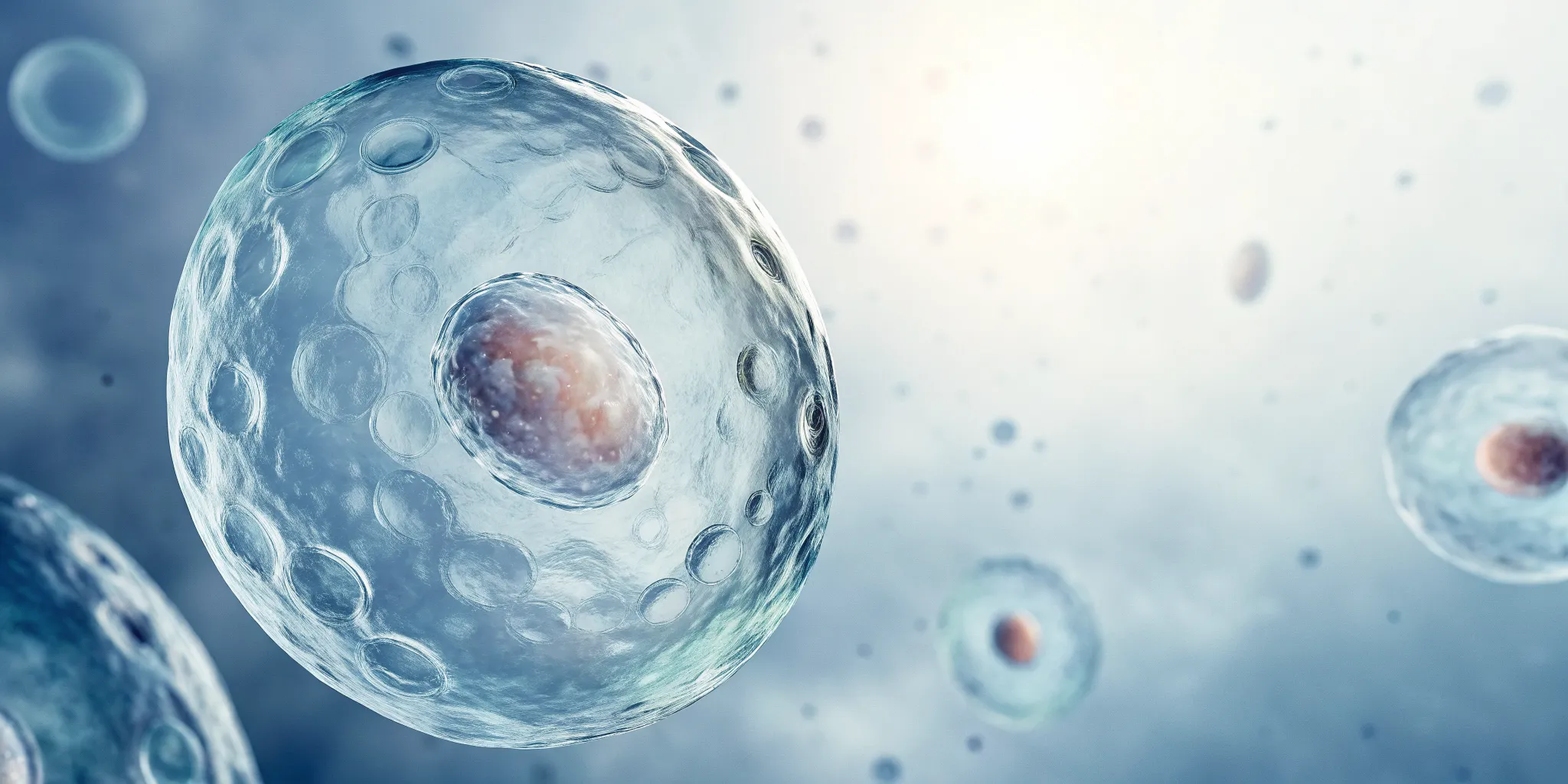
The real magic of shockwave therapy is how it stimulates your body’s natural healing processes. The acoustic waves create what are called "micro-traumas" in the targeted tissue. This controlled stimulation signals your body to jump into action, much like it would for a new injury. It triggers the release of growth factors and stem cells, which are the building blocks of tissue repair. This process encourages the formation of new blood vessels and healthy tissue, helping you recover without invasive procedures. It’s a regenerative approach that aligns perfectly with the principles of functional medicine, empowering your body to heal itself correctly and completely.
What to Expect During a Session
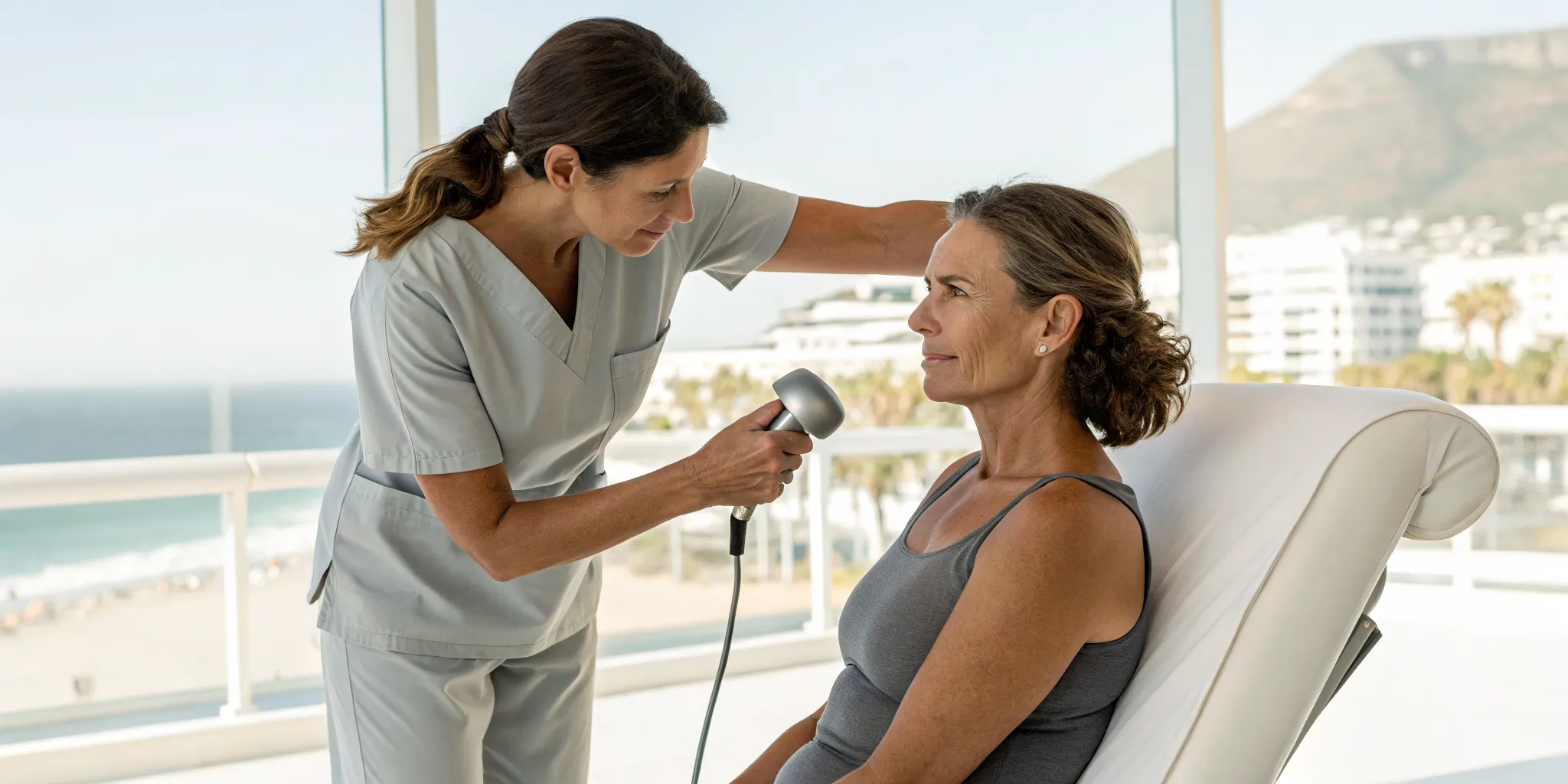
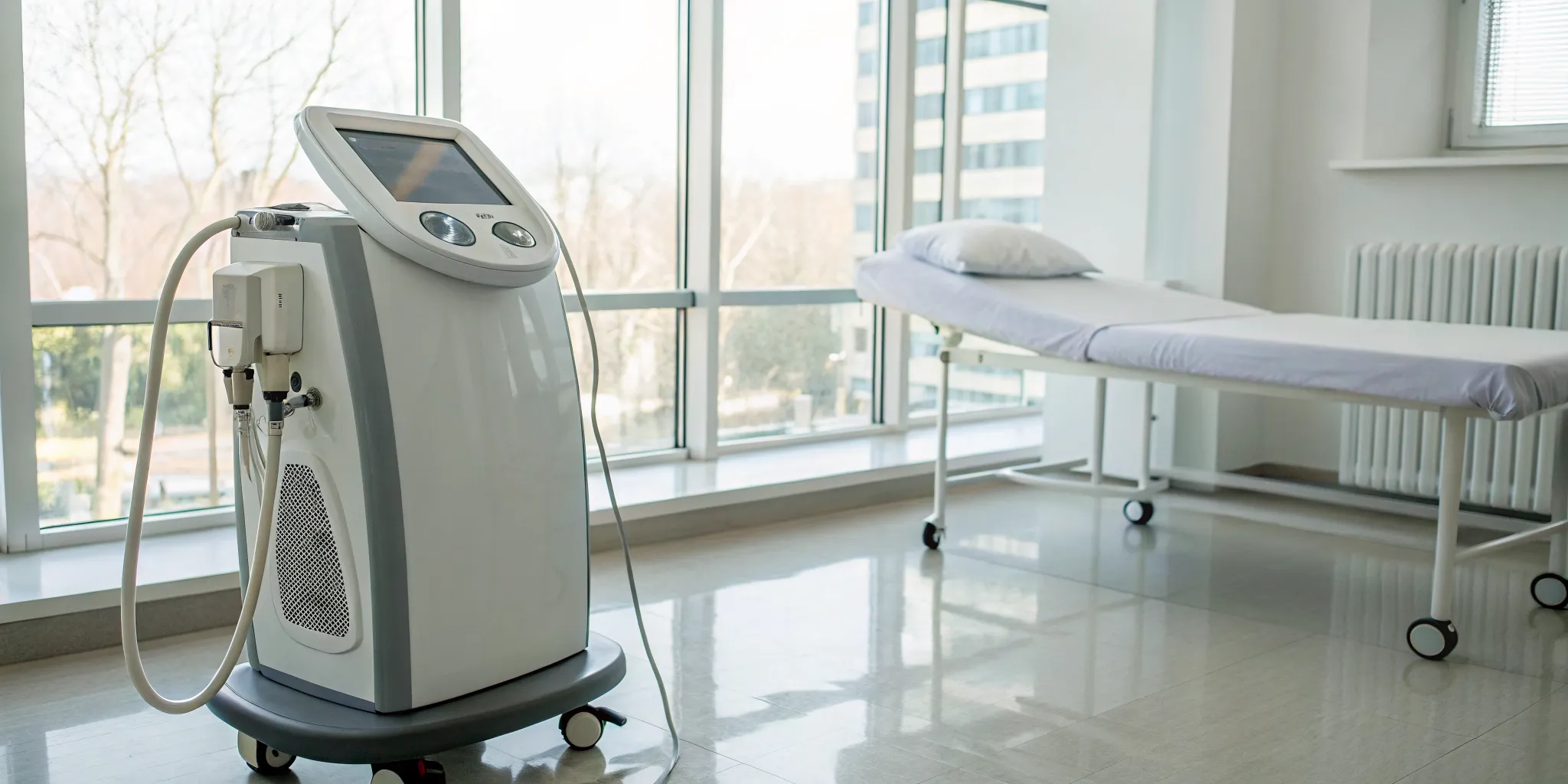
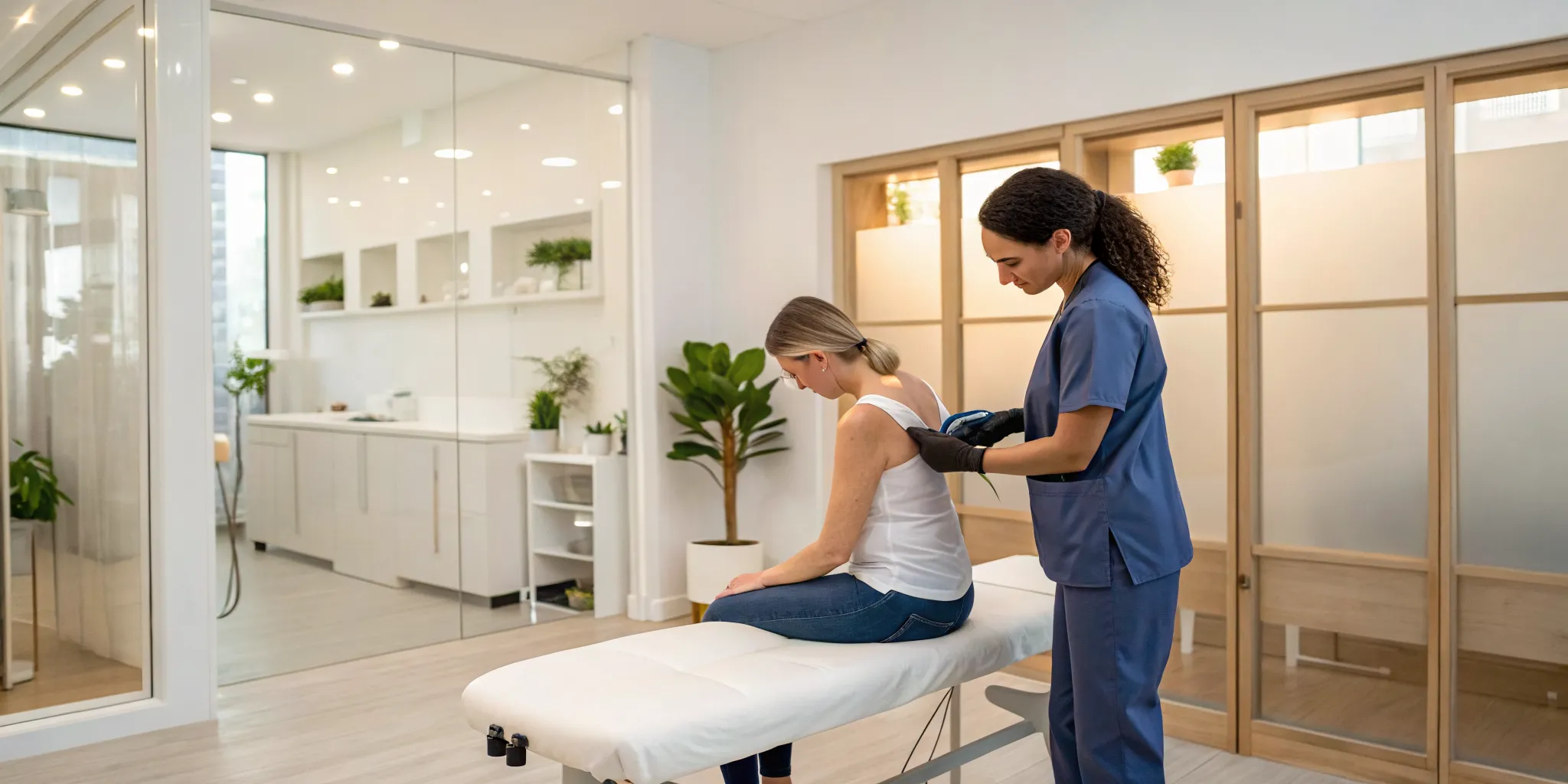
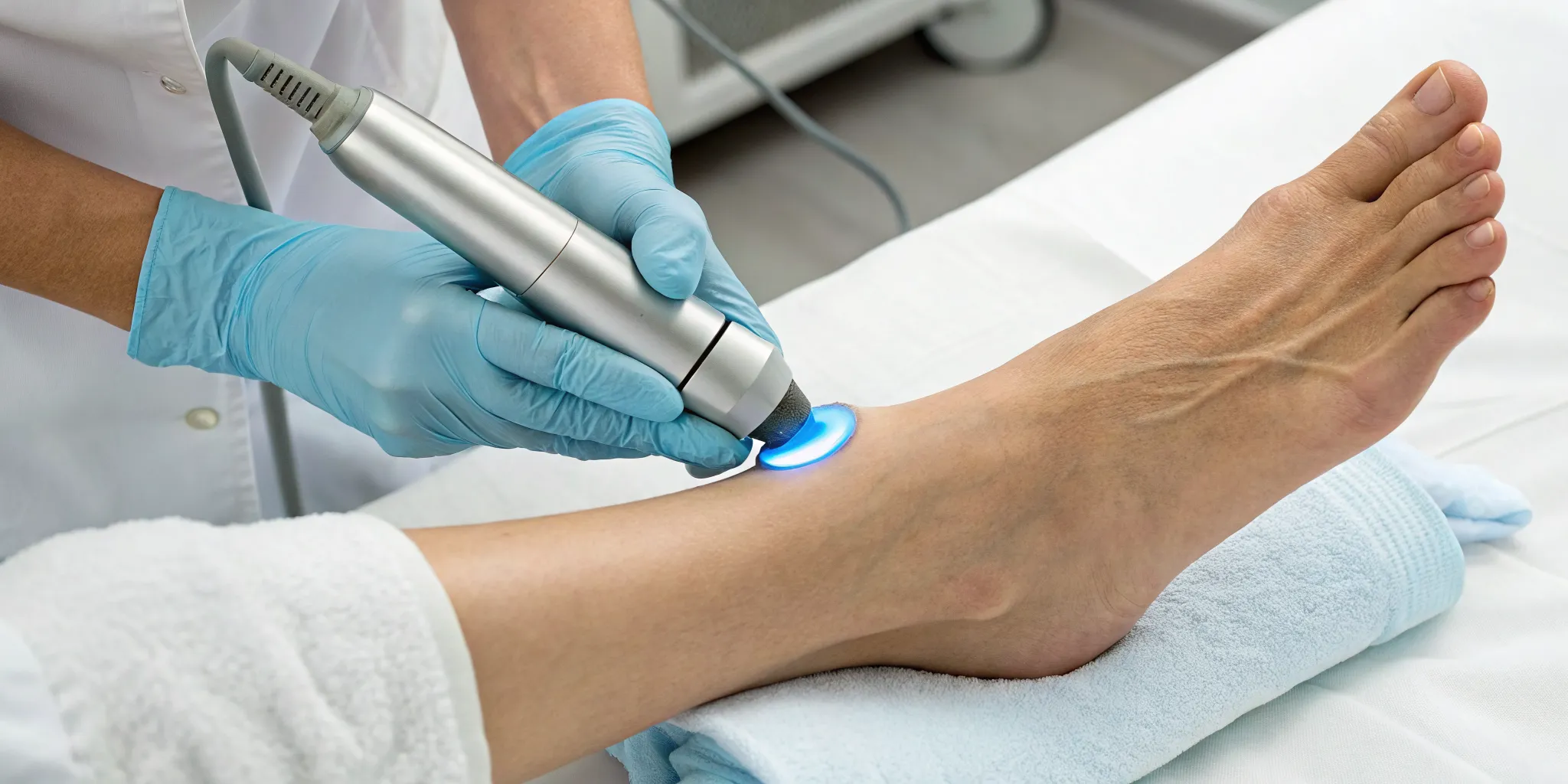
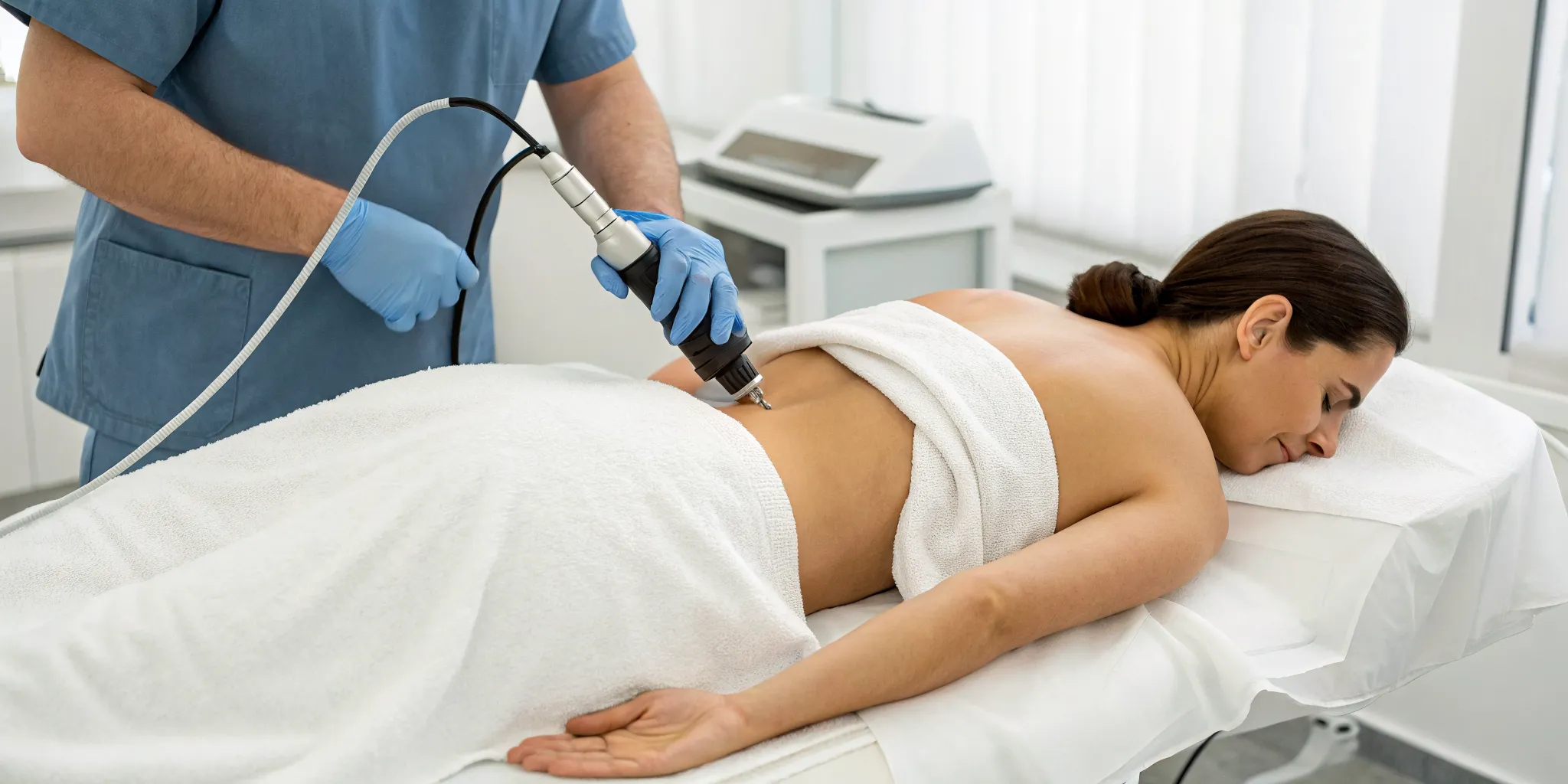
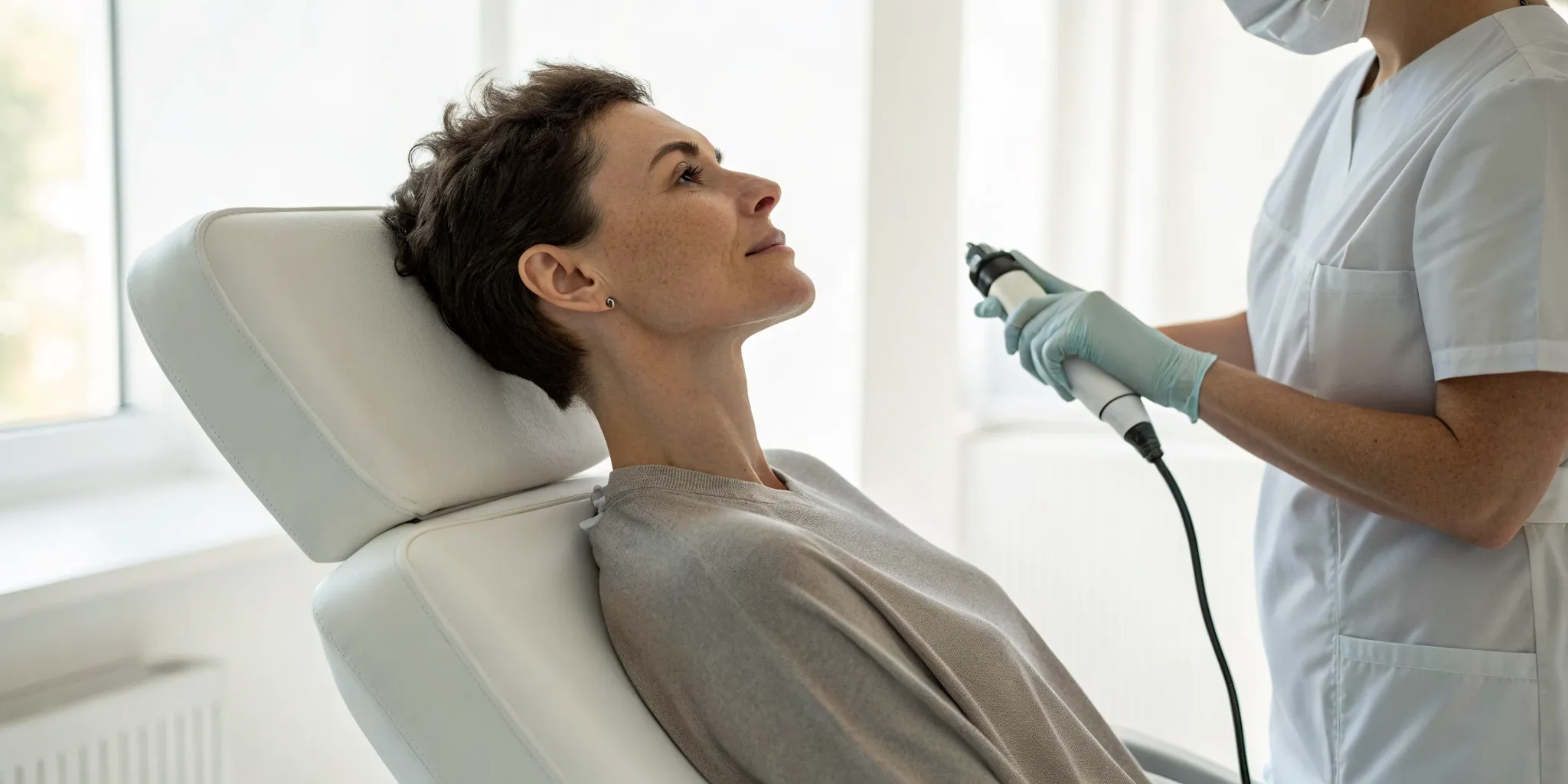
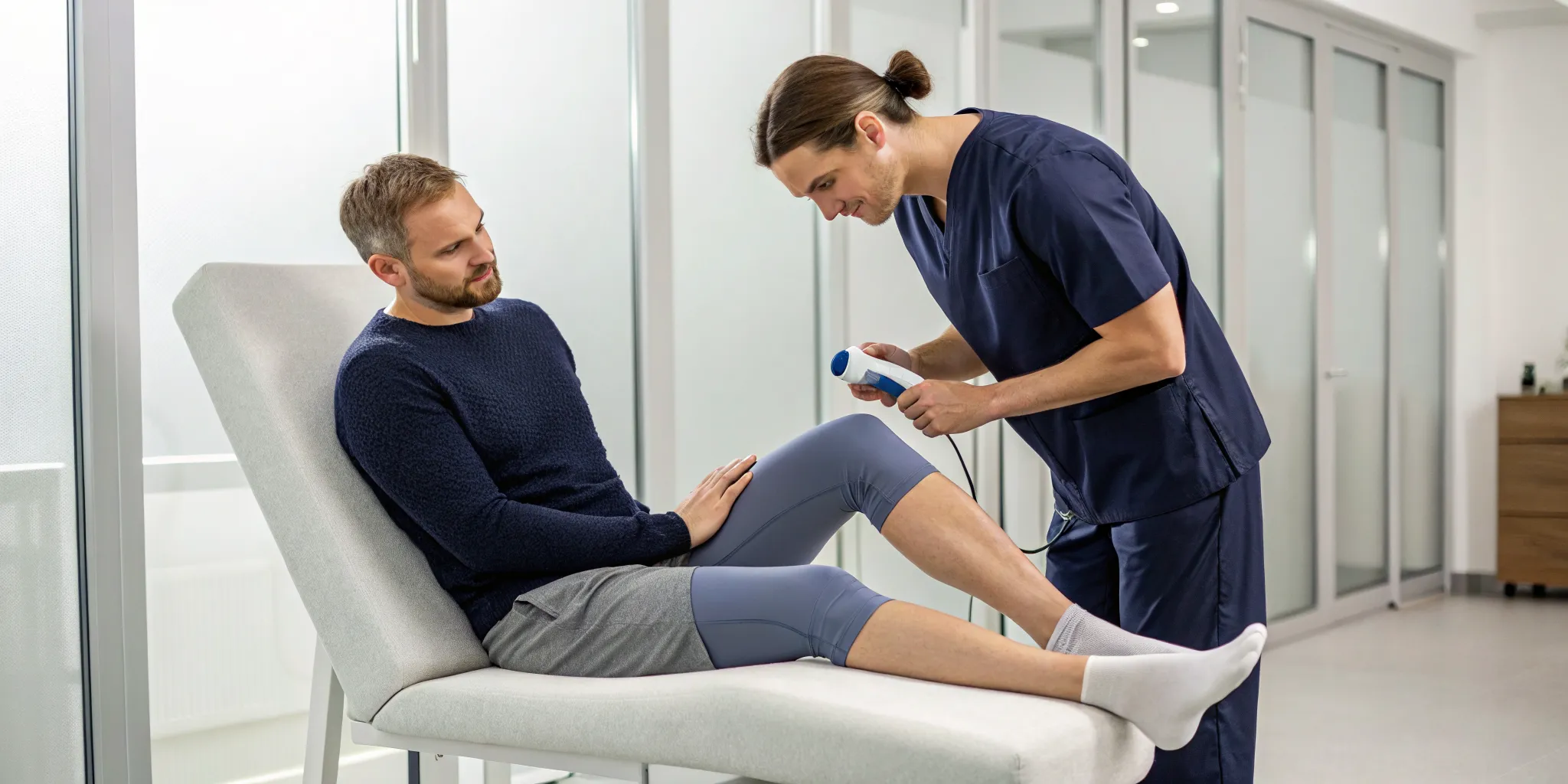
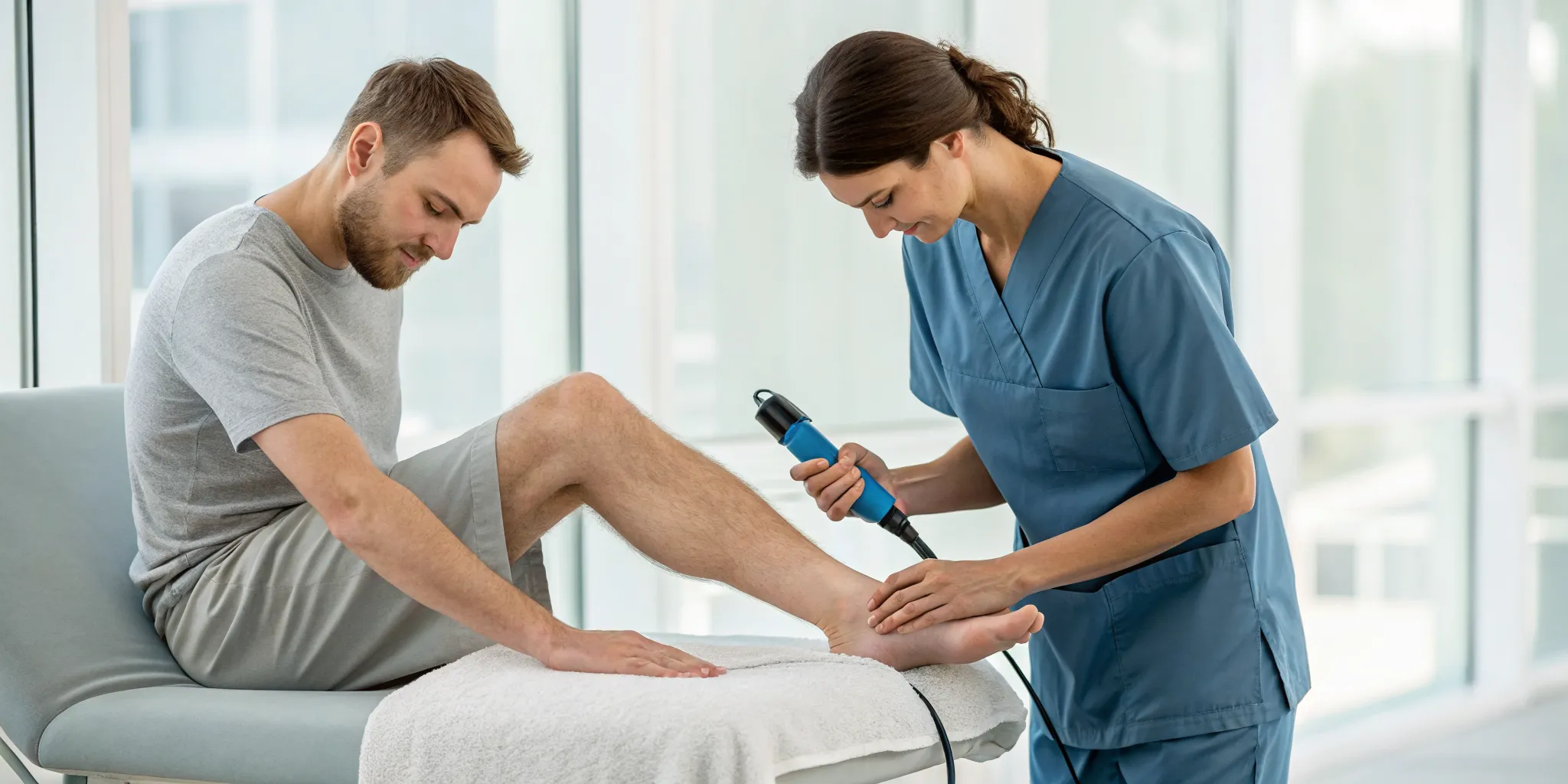
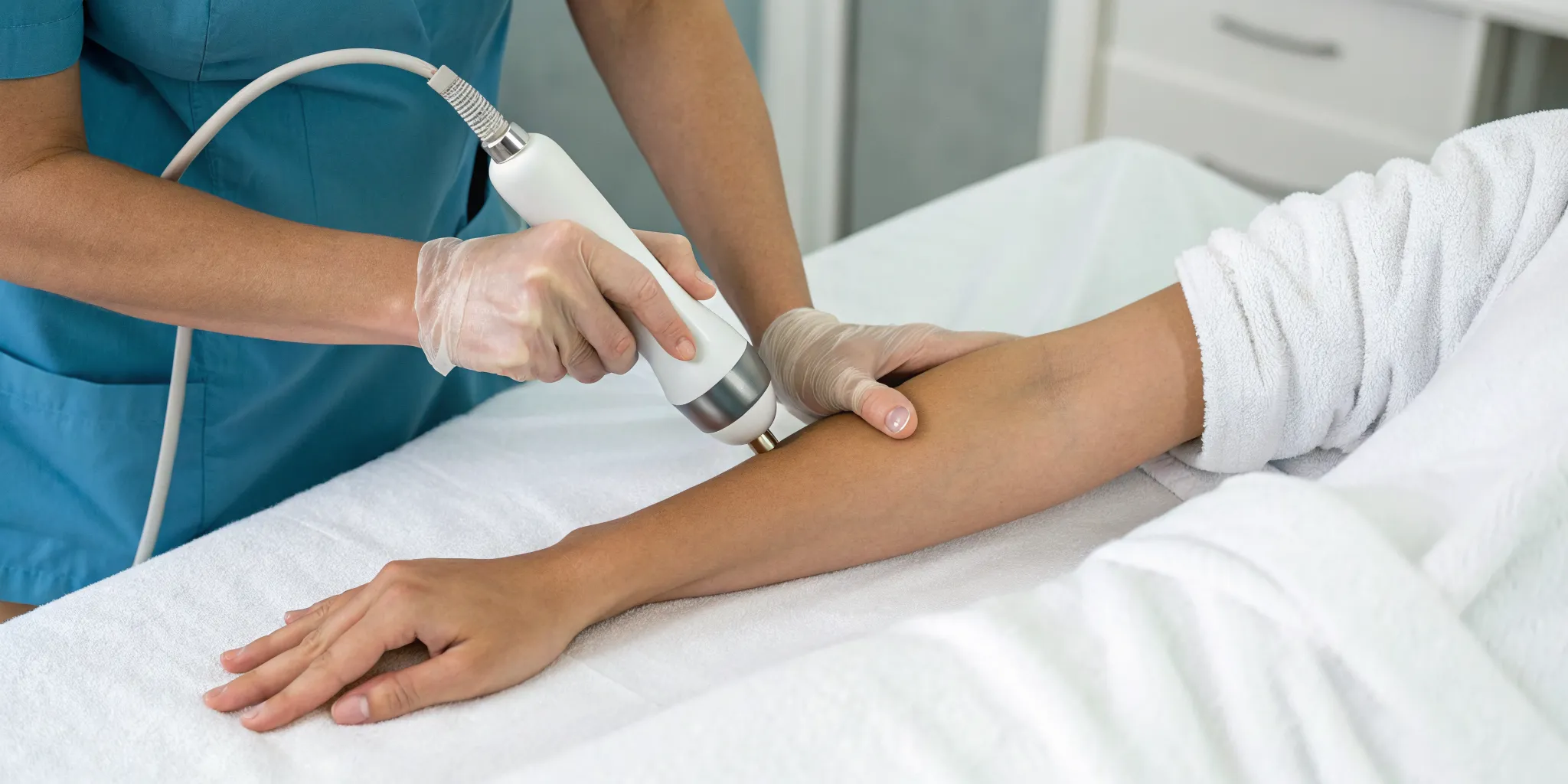
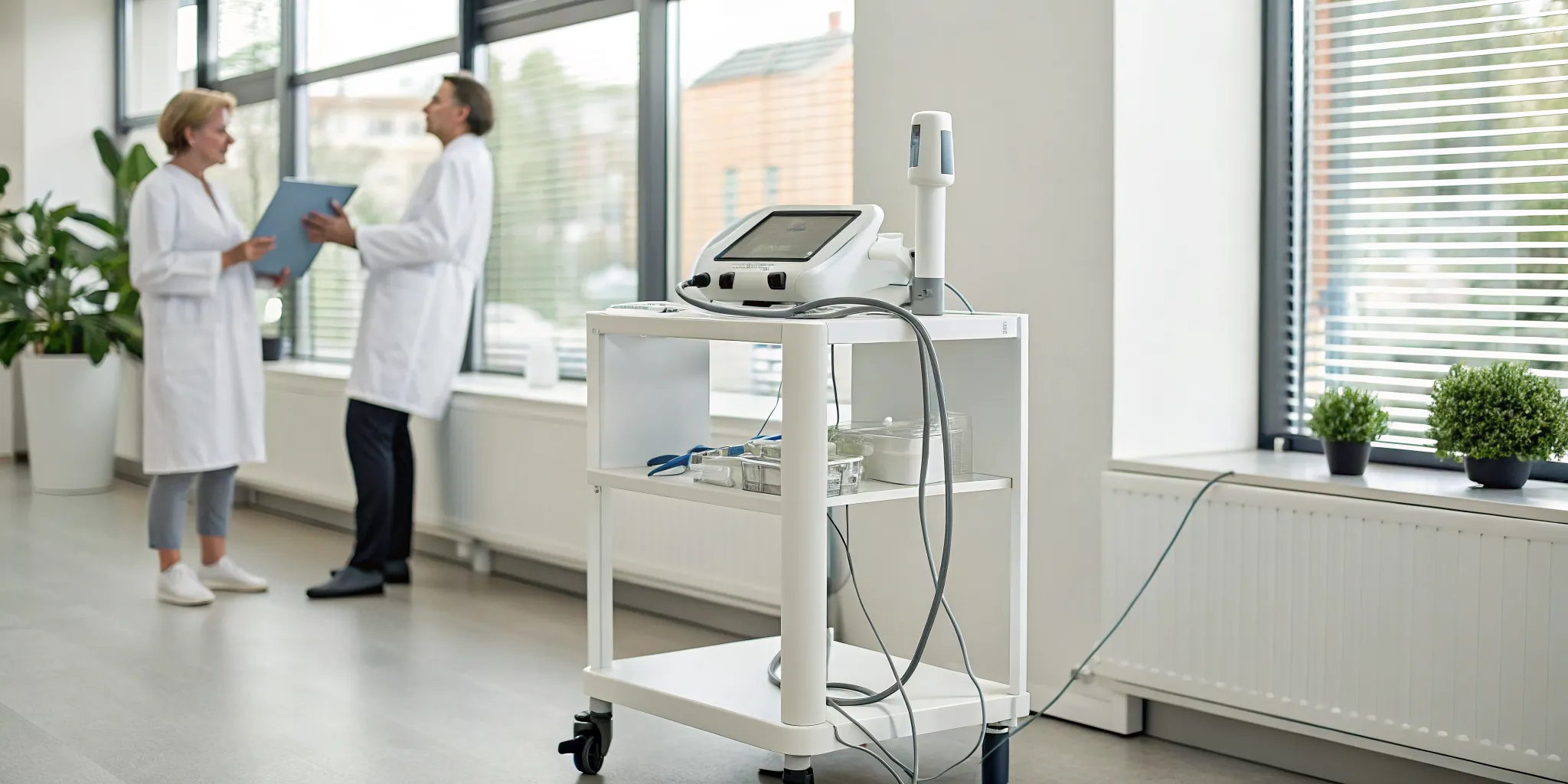
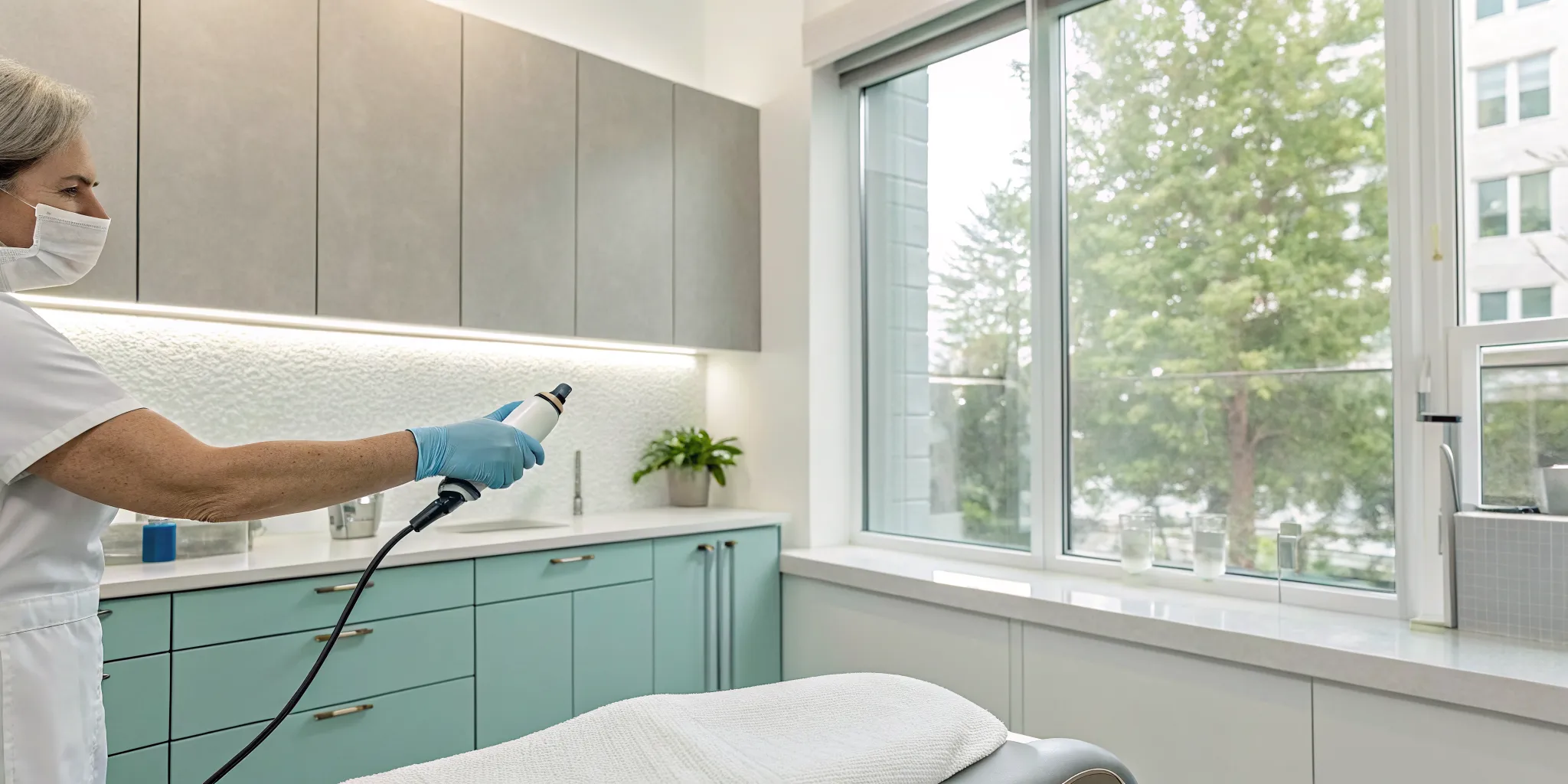
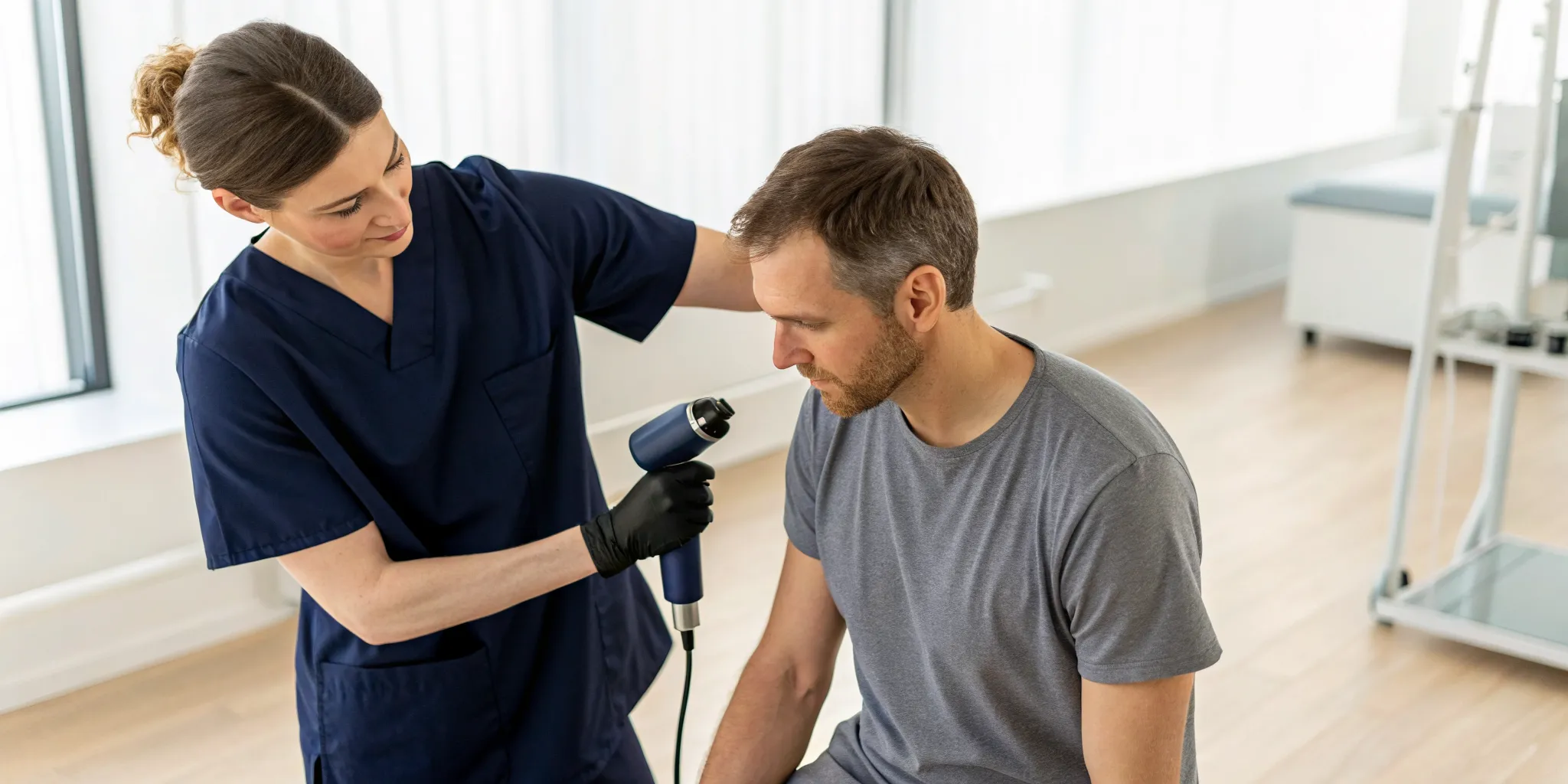
Walking into a treatment session can feel intimidating if you don’t know what’s coming, but a shockwave therapy appointment is straightforward and quick. First, your practitioner will locate the painful area and apply a gel to your skin, which helps the acoustic waves travel more effectively. Then, they’ll use a handheld device, moving it over the injured spot to deliver the sound waves. You might feel a quick tapping or pulsing sensation, but the treatment is generally well-tolerated. Each session is surprisingly fast, typically lasting only a few minutes, making it easy to fit into your schedule. If you have more questions about the process, our team is always here to help you get the answers you need.
Running Injuries That Respond to Shockwave Therapy
If you're a runner, you know that nagging pain can turn a great run into a frustrating ordeal. Many common running injuries are notoriously stubborn, sticking around for months and resisting traditional treatments. The good news is that shockwave therapy is particularly effective for these types of chronic soft tissue problems. It works by stimulating your body’s own repair mechanisms right at the source of the pain.
At Ascend Functional Health, we use shockwave therapy as part of our physical medicine approach to help runners get back on their feet. This non-invasive treatment can be a game-changer for many overuse injuries that just won't seem to heal. Let’s look at some of the specific running-related conditions that respond well to this innovative therapy.
Plantar Fasciitis
If you’ve ever felt a sharp, stabbing pain in your heel with your first steps in the morning, you’re likely familiar with plantar fasciitis. This condition involves inflammation of the thick band of tissue that runs across the bottom of your foot. It’s a persistent injury that can make every step painful. Shockwave therapy targets the inflamed tissue, promoting blood flow and stimulating cellular repair. This process helps to reduce pain and inflammation, allowing the fascia to heal properly so you can run comfortably again. Many runners find this treatment helps them finally overcome this stubborn injury when other methods have fallen short.
Achilles Tendinopathy
The Achilles tendon, that large tendon at the back of your ankle, is a powerhouse for runners, but it's also prone to injury. Achilles tendinopathy causes pain, stiffness, and swelling in this area, often getting worse with activity. It’s an overuse injury that can be difficult to resolve completely. Shockwave therapy is an excellent option for this condition because it directly addresses the degenerated tendon tissue. The acoustic waves create a healing response that helps rebuild and strengthen the tendon fibers. Studies show that this can lead to a quicker recovery, helping you get back to your training schedule with a more resilient Achilles tendon.
IT Band Syndrome
That sharp, debilitating pain on the outside of your knee is the classic sign of IT Band Syndrome. This happens when the iliotibial band, a long strip of connective tissue running down the side of your thigh, becomes tight and inflamed. It’s a frustrating injury that often forces runners to stop in their tracks. Shockwave therapy can be applied to the area of pain and tightness, helping to break down scar tissue and reduce inflammation. By improving blood flow and triggering the body's healing processes, this treatment can alleviate the pain associated with IT Band Syndrome and help restore normal, pain-free movement.
Runner's Knee and Patellar Tendinopathy
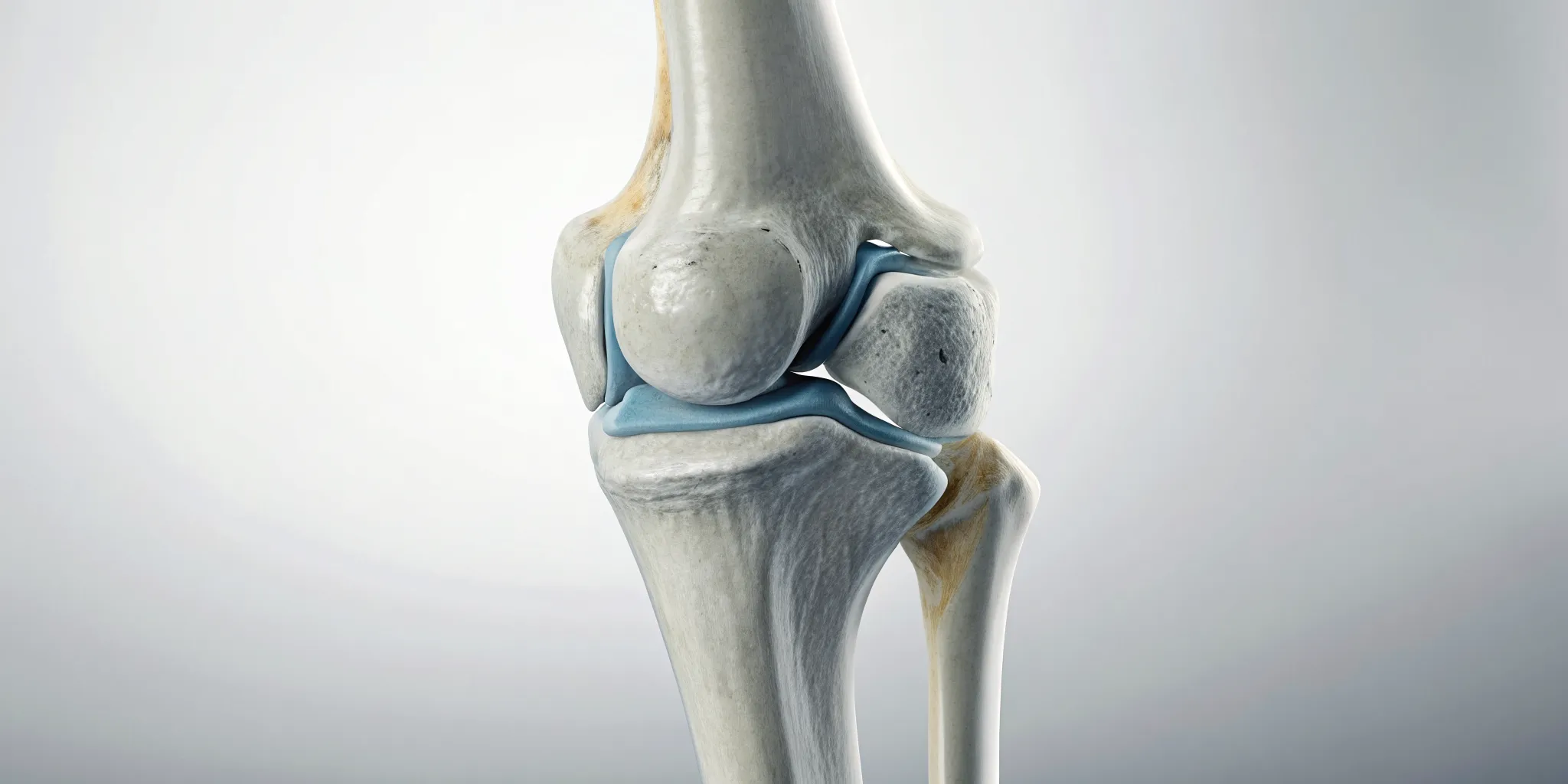
"Runner's knee" is a broad term for pain around the kneecap, but it often involves conditions like patellofemoral pain syndrome or patellar tendinopathy (jumper's knee). This type of knee pain can make running, squatting, or even walking up stairs a painful experience. Shockwave therapy offers a way to heal these knee injuries by targeting the underlying tissue damage. The energy waves stimulate cell activity and increase blood flow around the kneecap, which helps the damaged tendon or cartilage repair itself. It’s a targeted approach that supports the body’s natural healing without invasive procedures.
Shin Splints and Medial Tibial Stress Syndrome
Shin splints, technically known as medial tibial stress syndrome, cause a familiar aching or throbbing pain along the inner edge of the shinbone. This common overuse injury results from repeated stress on the tibia and the surrounding muscles. While rest is important, shockwave therapy can significantly speed up the healing process. Research shows that athletes with shin splints who combined shockwave therapy with a running program recovered faster than those who only followed the running program. By stimulating the bone and soft tissue, shockwave therapy helps reduce pain and inflammation, allowing you to build back your mileage more safely.
The Runner's Advantage: Benefits of Shockwave Therapy
For any runner, an injury can feel like a major setback, not just physically but mentally. The good news is that treatments like shockwave therapy can offer significant advantages over traditional rest-and-wait approaches. It’s not about masking the pain; it’s about actively healing the tissue so you can get back to doing what you love, stronger than before. By stimulating your body’s own repair mechanisms, this therapy helps you recover faster, heal more completely, and build resilience against future problems. It’s a proactive approach that fits perfectly into a runner’s mindset, focusing on progress and performance. Let’s look at some of the key benefits you can expect.
Stay Active While You Heal
One of the biggest frustrations for an injured runner is being told to stop running completely. For many chronic injuries, rest alone isn't enough, and long periods of inactivity can feel like you're losing all your hard-earned progress. A major advantage of shockwave therapy is that it often allows you to remain active. Because the treatment stimulates healing at the source, many athletes find they can continue training at a manageable level throughout their treatment plan. This means you can maintain your cardiovascular fitness and sanity while your body works on repairing the underlying issue, which is a much more empowering way to handle an injury.
Accelerate Your Recovery Time
Some running injuries, like plantar fasciitis or Achilles tendinopathy, can become chronic and linger for months, or even years. When you have a stubborn injury that just won’t respond to ice, stretching, and rest, it’s incredibly disheartening. Shockwave therapy can be a game-changer for these persistent issues. By creating a strong healing response in the tissue, the treatment can significantly shorten your recovery timeline. Instead of waiting endlessly for the pain to subside, you’re actively giving your body the tools it needs to recover faster. This helps you get back on the road or trail sooner and with more confidence.
Promote Lasting Tissue Repair
Shockwave therapy does more than just manage symptoms; it promotes genuine, long-term healing within the tissue. The acoustic waves stimulate your body’s natural repair processes on a cellular level. This process helps to increase blood flow, reduce inflammation, and break down restrictive scar tissue that can limit mobility and cause pain. By encouraging the formation of new, healthy tissue, the treatment helps fix damaged body parts like tendons and ligaments. This focus on true tissue regeneration is what makes it such an effective part of our physical medicine services and helps you build a stronger, more resilient foundation.
Lower Your Risk of Re-Injury
Getting over an injury is one thing, but preventing it from coming back is another. Because shockwave therapy helps heal the tissue more thoroughly, it also makes the affected area stronger and more durable. By improving the health and integrity of tendons and other connective tissues, you can effectively lower your risk of re-injury down the line. Of course, this works best when combined with a comprehensive approach that addresses any underlying biomechanical issues or training errors. When used as part of a holistic recovery plan, shockwave therapy can help you break the cycle of chronic injury and build a body that’s better equipped to handle the demands of running.
How Does Shockwave Therapy Compare to Other Treatments?
When you’re sidelined by a running injury, you want to explore every option that can get you back on your feet. While rest and physical therapy are often the first steps, they don’t always resolve chronic pain. That’s where shockwave therapy comes in, offering a different approach, especially when compared to more invasive procedures. Understanding how it fits with other treatments can help you make an informed decision about your recovery plan.
Comparing Shockwave to Rest and Physical Therapy
Rest is essential, but for a persistent injury, it can feel like a frustrating waiting game. Physical therapy is a cornerstone of recovery, but sometimes, progress stalls. If you have a stubborn injury that isn't responding, shockwave therapy can be a game-changer. It’s a way to get back to running faster by actively stimulating healing in tissues that have been stuck in a chronic state of inflammation. Research shows that this therapy can help athletes heal more quickly, sometimes within a few months. At Ascend, we see it as a powerful tool that works alongside our physical medicine protocols to break through healing plateaus and get you moving again.
How It Differs from Injections or Invasive Procedures
Many runners consider injections to manage pain, but these can come with downsides. Unlike corticosteroid injections, shockwave therapy doesn't typically require you to stop or limit your training for an extended period. It’s a safe, non-invasive treatment that works with your body’s natural healing mechanisms rather than just masking pain. Its excellent safety record is a major plus, with most people only experiencing minor, temporary side effects like redness or bruising at the treatment site. By addressing the root cause of the tissue dysfunction, shockwave therapy helps you build a stronger, more resilient foundation for your return to running, which is central to our approach for all the conditions we treat.
How Quickly Can You See Results?
If you're a runner sidelined by an injury, your biggest question is probably, "When can I run again?" While every person and every injury is unique, shockwave therapy is known for helping people feel better relatively quickly. Many runners report noticeable improvements after just a few treatments.
The goal of this therapy isn't just to mask pain; it's to stimulate your body's own healing mechanisms for lasting repair. Your recovery timeline will depend on several factors, including the type of injury you have, how long you've had it, and your body's individual response to treatment. Let's look at what a typical journey looks like and what you can do to support your recovery.
What's a Typical Treatment Timeline?
While some people feel relief after a single session, a structured treatment plan is key for the best results. Most conditions respond well to a series of about three to five sessions, typically scheduled one week apart. This regular cadence gives your tissues the consistent stimulation needed to repair and regenerate effectively.
For example, some studies have shown runners with chronic tendon pain feeling significant relief and returning to running after just one treatment when combined with physical therapy. Your provider at Ascend Functional Health will create a personalized physical medicine plan tailored to your specific injury, helping you understand the timeline you can expect for your unique situation.
Factors That Influence Your Recovery
Your results from shockwave therapy are directly influenced by your commitment to a holistic recovery plan. The treatment is most effective when paired with a guided exercise and rehabilitation program. Think of shockwave therapy as the catalyst that starts the healing cascade, while corrective exercises and lifestyle adjustments are what help that healing stick.
A major advantage for runners is that you can often continue training in a modified way during your treatment period. Your provider will guide you on how to adjust your activity to support healing without losing your fitness base. Your overall health, nutrition, and how closely you follow your complete functional health plan will also play a significant role in how quickly and effectively you recover.
Understanding Potential Side Effects
It’s smart to ask about the potential side effects of any treatment you’re considering. When it comes to shockwave therapy, the good news is that it has an excellent safety record and side effects are typically minor and short-lived. The process is non-invasive, meaning it works from outside your body without any needles or incisions, which significantly lowers the risk of complications. Most people handle the sessions very well. The goal of the treatment is to stimulate a healing response, and sometimes that process comes with temporary, mild reactions. Think of it as your body waking up and getting to work on repairing the injured tissue. At Ascend Functional Health, we walk you through every step of the process, so you know exactly what to expect during and after your session. Our priority is to make your path to recovery as smooth and comfortable as possible.
Common, Temporary Side Effects
After a shockwave therapy session, it’s common to experience some mild, temporary effects as your body begins its healing process. You might notice a little redness, tenderness, or even some slight bruising in the treated area. This is completely normal. Some people report that the area feels a bit more sensitive for a day or two following the treatment. This initial tenderness is actually a positive sign that the therapy has successfully triggered an inflammatory response, which is the first step in tissue repair. These effects usually fade on their own within a couple of days. We’ll give you simple aftercare instructions to help you feel your best as your body gets to work on healing the root cause of your running injury.
Is Shockwave Therapy Always the Right Choice?
While shockwave therapy is a powerful tool for many running-related injuries, it isn’t the right fit for everyone. A key part of our approach at Ascend is creating a personalized plan, and that starts with determining the best and safest treatment for you. Certain conditions can make shockwave therapy unsuitable. For example, we would not recommend this treatment for individuals who are pregnant or have certain blood-clotting disorders, nerve conditions, or an active infection or open wound in the area that needs treatment. This is why a thorough initial consultation is so important. We take the time to understand your complete health picture before recommending any of our physical medicine services. Your safety and long-term health are our top priorities.
Important Considerations for Your Provider
The success of your shockwave therapy doesn’t just depend on the technology; it heavily relies on the expertise of the provider administering it. An experienced practitioner knows how to precisely calibrate the intensity and frequency of the acoustic waves to match your specific injury, body type, and tolerance. They understand the nuances of treating different tissues, whether it’s a stubborn case of plantar fasciitis or a sensitive Achilles tendon. When choosing a provider, you want a team that is committed to using research-backed protocols and creating a plan tailored specifically for you. At Ascend Functional Health, our practitioners have the advanced training needed to apply this technology effectively, ensuring you get the right treatment for a lasting recovery. We are always here to answer your questions and find the right solution for your health goals.
Integrating Shockwave into Your Holistic Recovery Plan
Shockwave therapy is a fantastic tool for healing stubborn running injuries, but it doesn't work in a vacuum. True, lasting recovery happens when we treat the body as a whole, interconnected system. Think of shockwave as the catalyst that sparks cellular repair. To get the most out of that spark, you need to create the right environment for it to grow into a strong, resilient flame. This is where a holistic approach makes all the difference.
At Ascend, we build your recovery plan on a foundation that addresses both the structural issue and your body's underlying ability to heal. By combining targeted treatments for the injury itself with strategies to support your overall wellness, we can create a powerful synergy. This integrated method helps you not only recover from your current injury but also build a more resilient body that's less prone to future setbacks. It’s about moving beyond just treating symptoms and instead fostering genuine, whole-body health.
Pairing Shockwave with Physical Medicine
Shockwave therapy is incredibly effective at stimulating tissue regeneration, but it’s one piece of a larger puzzle. To ensure a full and stable recovery, we need to address the biomechanical issues that may have contributed to the injury in the first place. This is why we pair shockwave with a comprehensive physical medicine plan. While shockwave targets the damaged tissue at a cellular level, our physical medicine protocols correct alignment, release tension, and restore proper movement patterns.
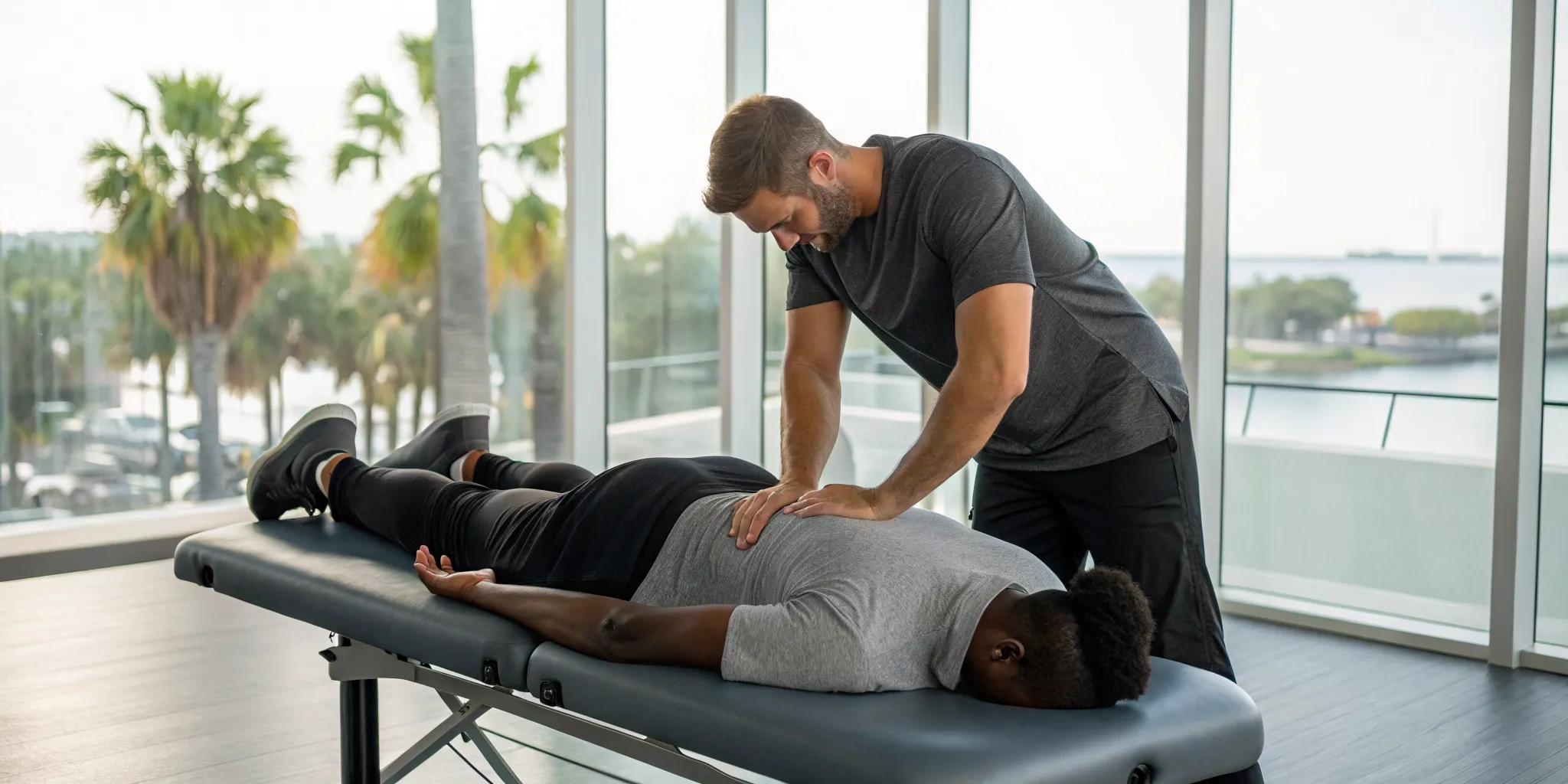
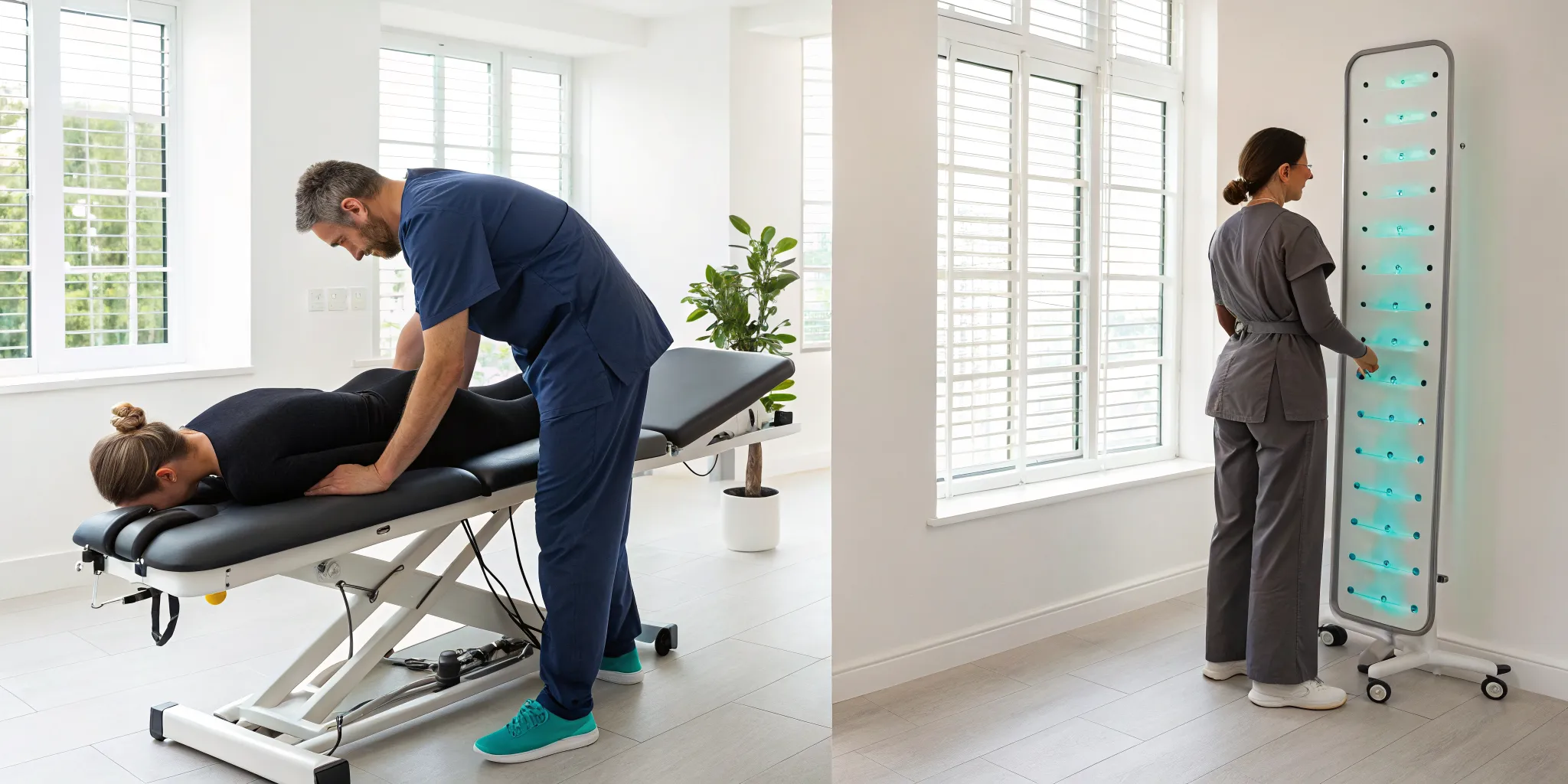
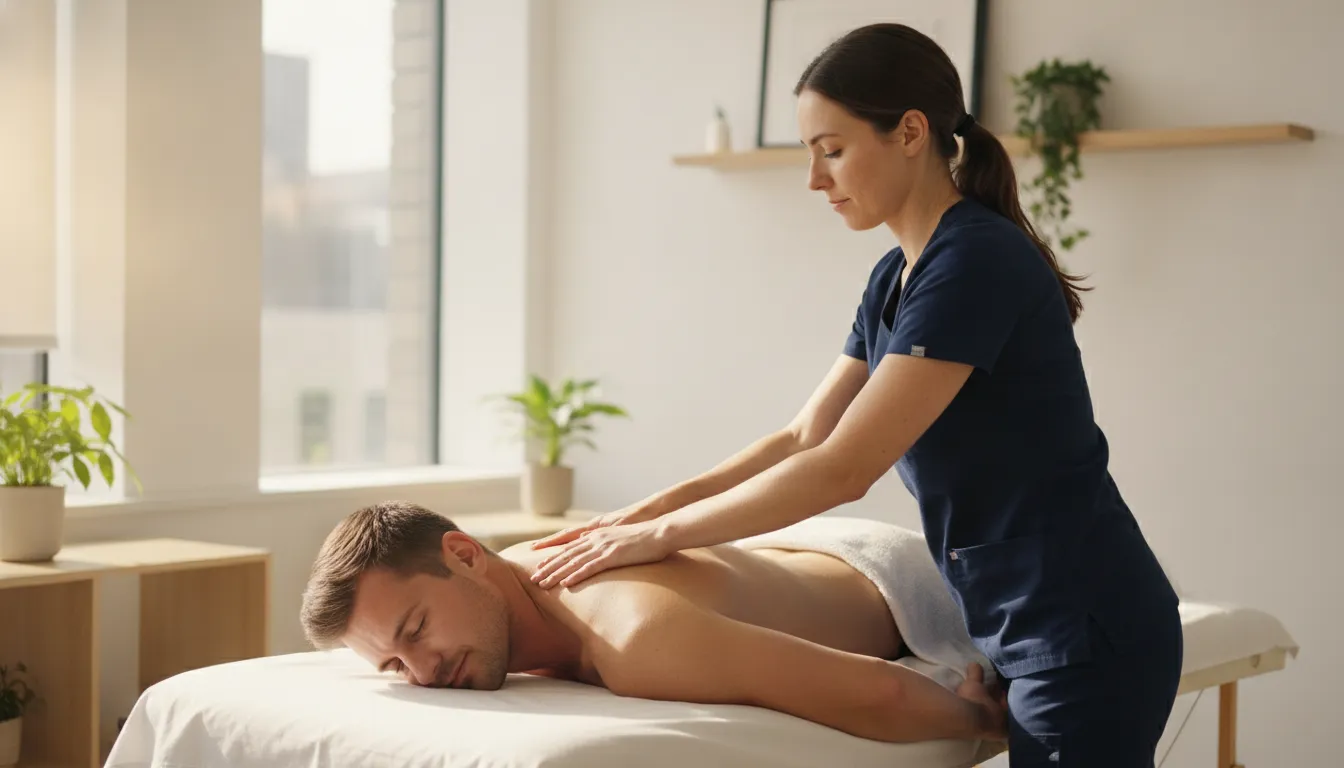
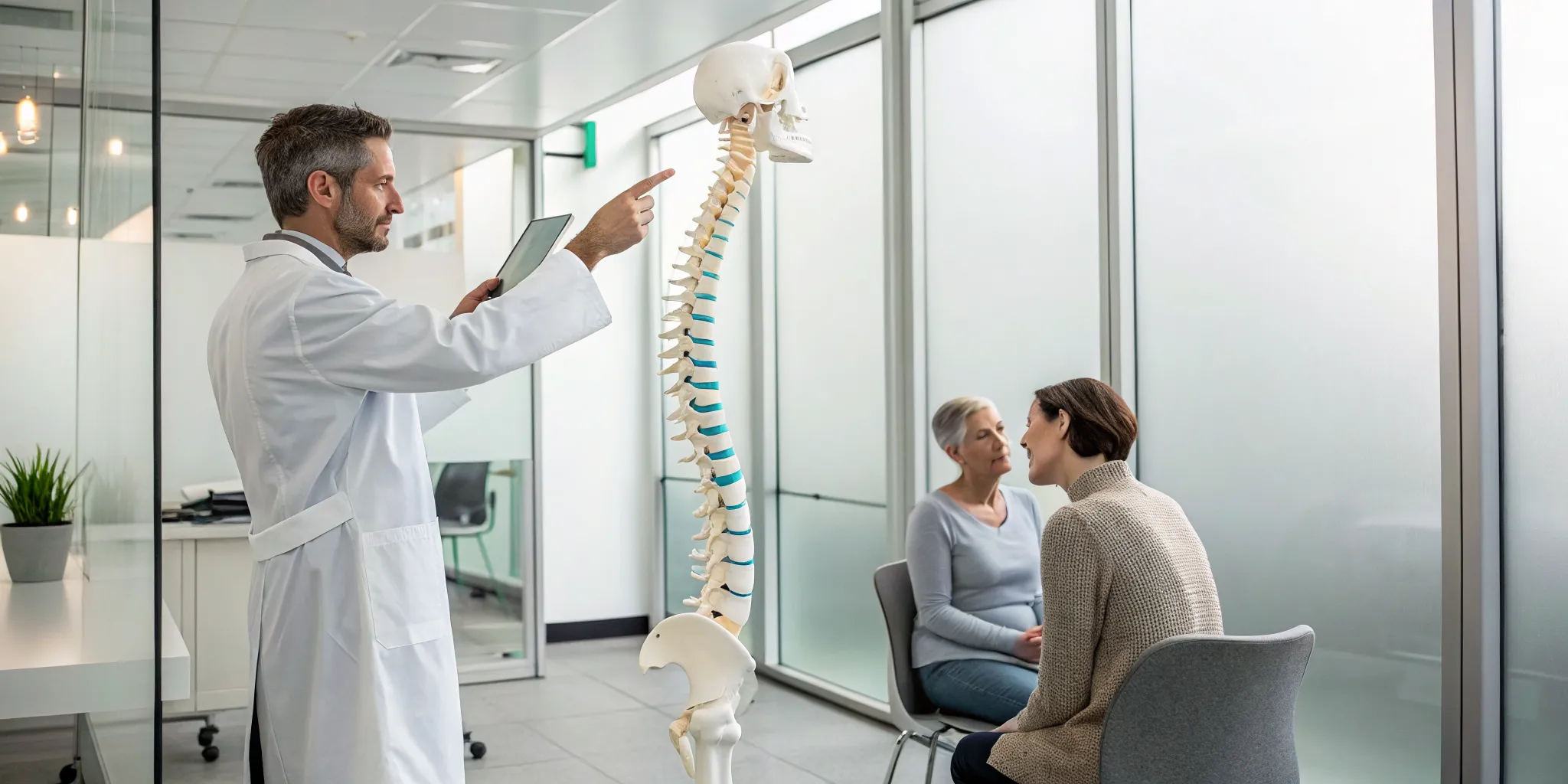
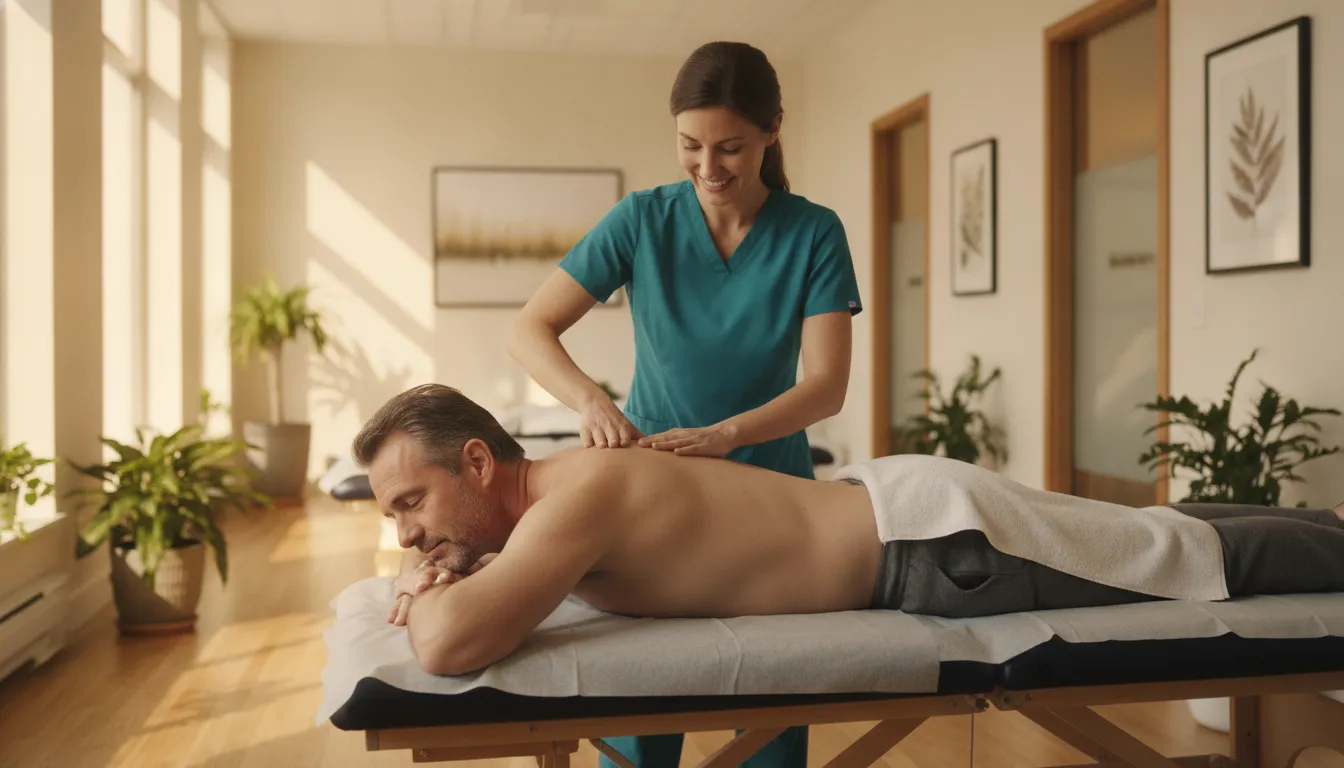
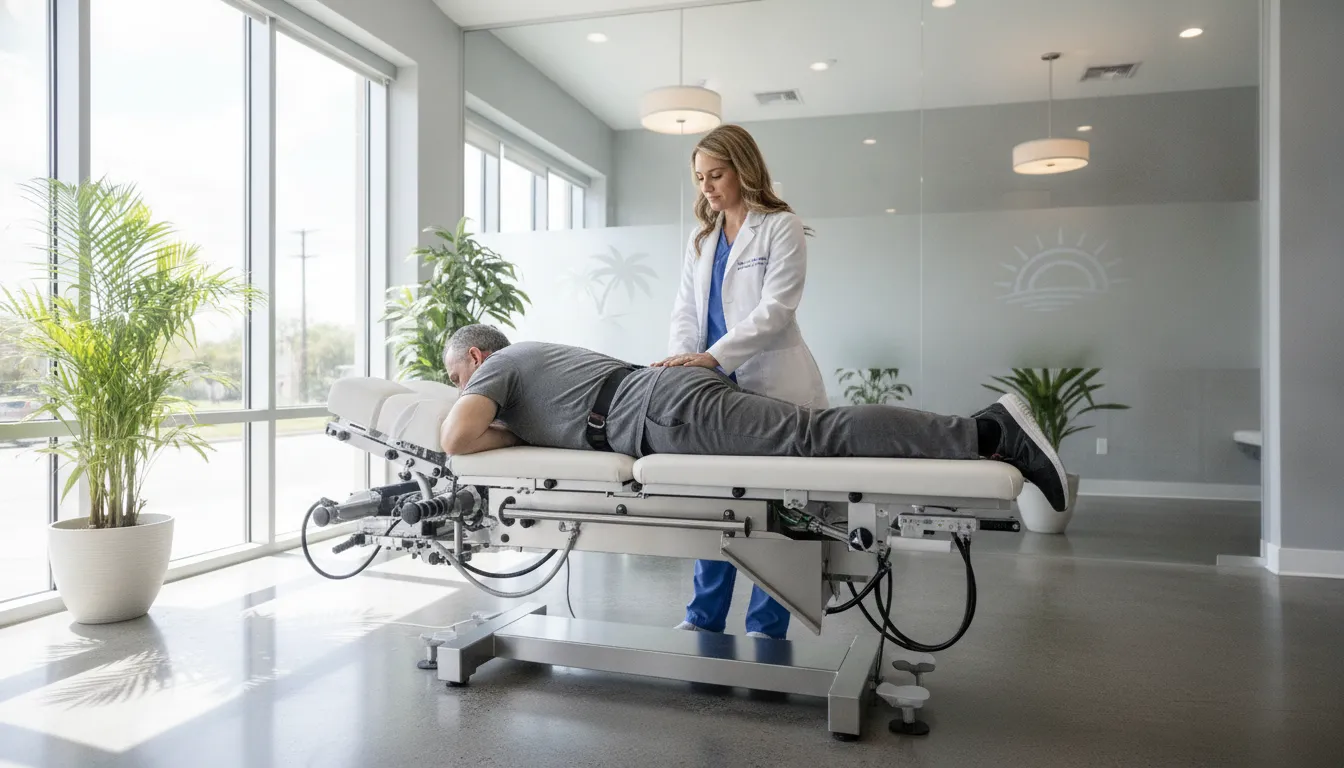
Your personalized plan might include chiropractic adjustments to improve joint function, corrective exercises to strengthen supporting muscles, or spinal decompression to alleviate nerve pressure. Combining these hands-on therapies with shockwave creates a powerful one-two punch, ensuring you heal correctly and reduce the risk of re-injury.
Supporting Your Recovery with Functional Health
Your body's ability to heal from an injury is directly tied to your overall health. If you’re dealing with underlying inflammation, nutrient deficiencies, or hormonal imbalances, your recovery will be slower and less complete. This is where our functional medicine approach comes in. We look beyond the injury to understand what’s happening inside your body that could be hindering its natural repair processes.
By analyzing your unique physiology, we can identify opportunities to support your healing from the inside out. This might involve specific nutritional guidance to provide the building blocks for tissue repair, targeted supplements to manage inflammation, or strategies to optimize your gut health. When your internal systems are functioning optimally, treatments like shockwave therapy become even more effective, helping you get back to running faster and stronger.
Find Out if Shockwave Therapy Is Right for You
Deciding on the right treatment for a running injury can feel overwhelming, especially when you’ve already tried what feels like everything. If you’re dealing with a stubborn injury that just won’t quit, shockwave therapy might be the breakthrough you’ve been looking for. It’s a proven, non-invasive treatment that’s particularly effective when rest, stretching, and even traditional physical therapy haven’t delivered the results you need. For many athletes, it’s a powerful tool to use alongside other treatments in a comprehensive recovery plan.
This therapy is an excellent option for dedicated runners who want to heal without putting their life on hold. One of the biggest advantages is that you can often continue training in some capacity during your treatment course, which isn't always possible with more invasive procedures. By stimulating your body’s own repair mechanisms at the cellular level, shockwave therapy helps create stronger, more resilient tissue. This not only accelerates your current recovery but also helps reduce the risk of that same injury sidelining you again in the future.
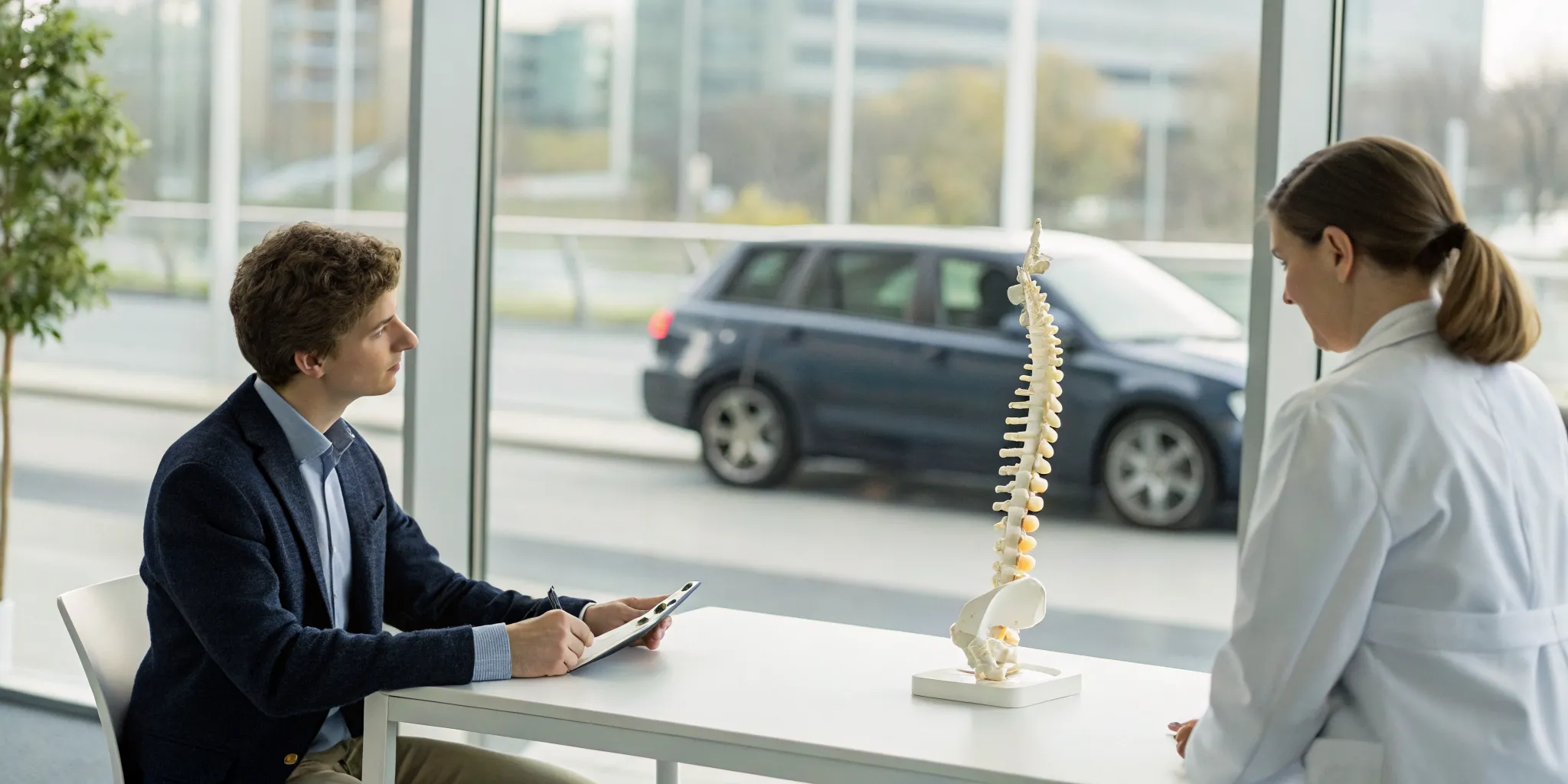
The best way to know for sure if shockwave therapy is the right move for you is to get a professional evaluation. At Ascend, we don’t just look at one symptom; we look at the whole picture. We can determine the root cause of your pain and see how shockwave could fit into a personalized physical medicine plan designed to get you back on the road for good. If you’re tired of being stuck in an injury cycle, let’s talk about your options and create a strategy that works for your body and your goals.
Related Articles
- SoftWave Tissue Regeneration Therapy in Tampa | Alessi Functional Health
- SoftWave TRT Therapy in Tampa, FL - Alessi Functional Health
- Regenerative Medicine for Pain Recovery | Ascend Functional Health
- Knee Cartilage Regeneration Medicine: A 2026 Guide
- What Is Graston Technique Therapy? A Beginner's Guide
Frequently Asked Questions
What does a shockwave therapy session actually feel like? Most people describe the sensation as a strong, repetitive tapping or pulsing right on the injured spot. While it can feel intense, especially over a particularly sore area, the feeling is manageable and the treatment itself is very quick, usually lasting only a few minutes. Your practitioner will communicate with you the entire time and can adjust the intensity to ensure you're comfortable.
How will I know if shockwave therapy is the right choice for my injury? This therapy is most effective for chronic soft tissue injuries, like plantar fasciitis or Achilles tendinopathy, that haven't improved with rest and other initial treatments. The best way to know for sure is to have a thorough evaluation. A trained practitioner can properly diagnose your injury, review your health history, and determine if shockwave therapy fits into a personalized recovery plan that will address the root cause of your pain.
Can I keep running while I'm getting treated? This is one of the biggest advantages for dedicated runners. In many cases, you can continue to run, though your practitioner will likely give you specific guidance on modifying your distance, intensity, or frequency. The goal is to keep you active in a way that supports the healing process without aggravating the injury, allowing you to maintain your fitness while your body repairs itself.
How is this different from something like a deep tissue massage? While a deep tissue massage is great for releasing muscle tension, shockwave therapy works on a different principle. It uses focused acoustic waves to create a healing response at the cellular level, deep within tendons and ligaments. This process helps break down stubborn scar tissue and stimulates the formation of new, healthy tissue, making it uniquely suited for chronic injuries that are stuck in a non-healing state.
Is the goal to just manage pain, or does this actually fix the problem? The goal is to create a lasting fix. Shockwave therapy is a regenerative treatment, meaning it works with your body to repair the damaged tissue from the inside out. By stimulating blood flow and your body's natural growth factors, it helps build stronger, more resilient tissue. This approach not only resolves the pain but also helps lower the risk of the injury coming back, which is a much better outcome than simply masking the symptoms.