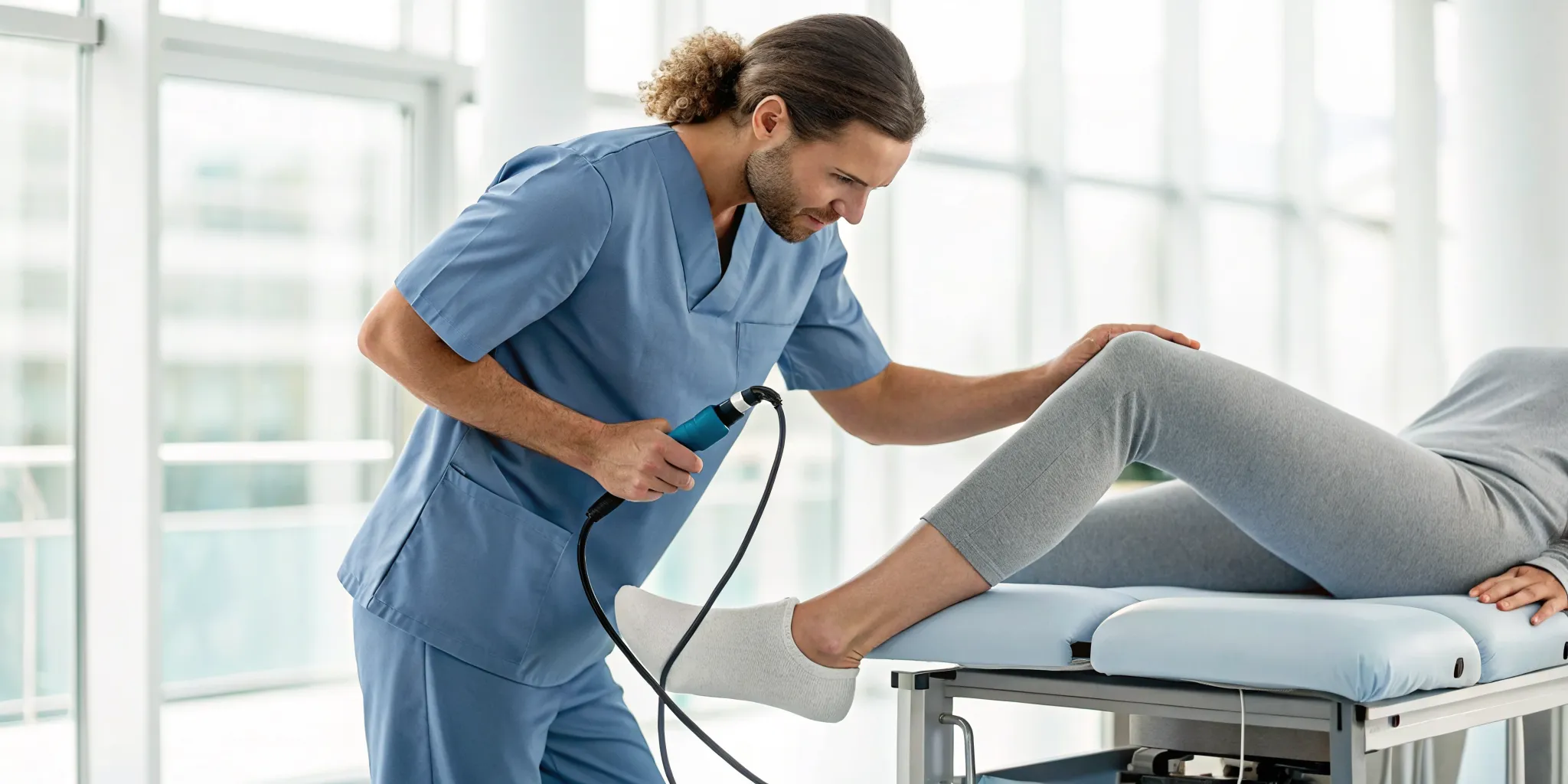
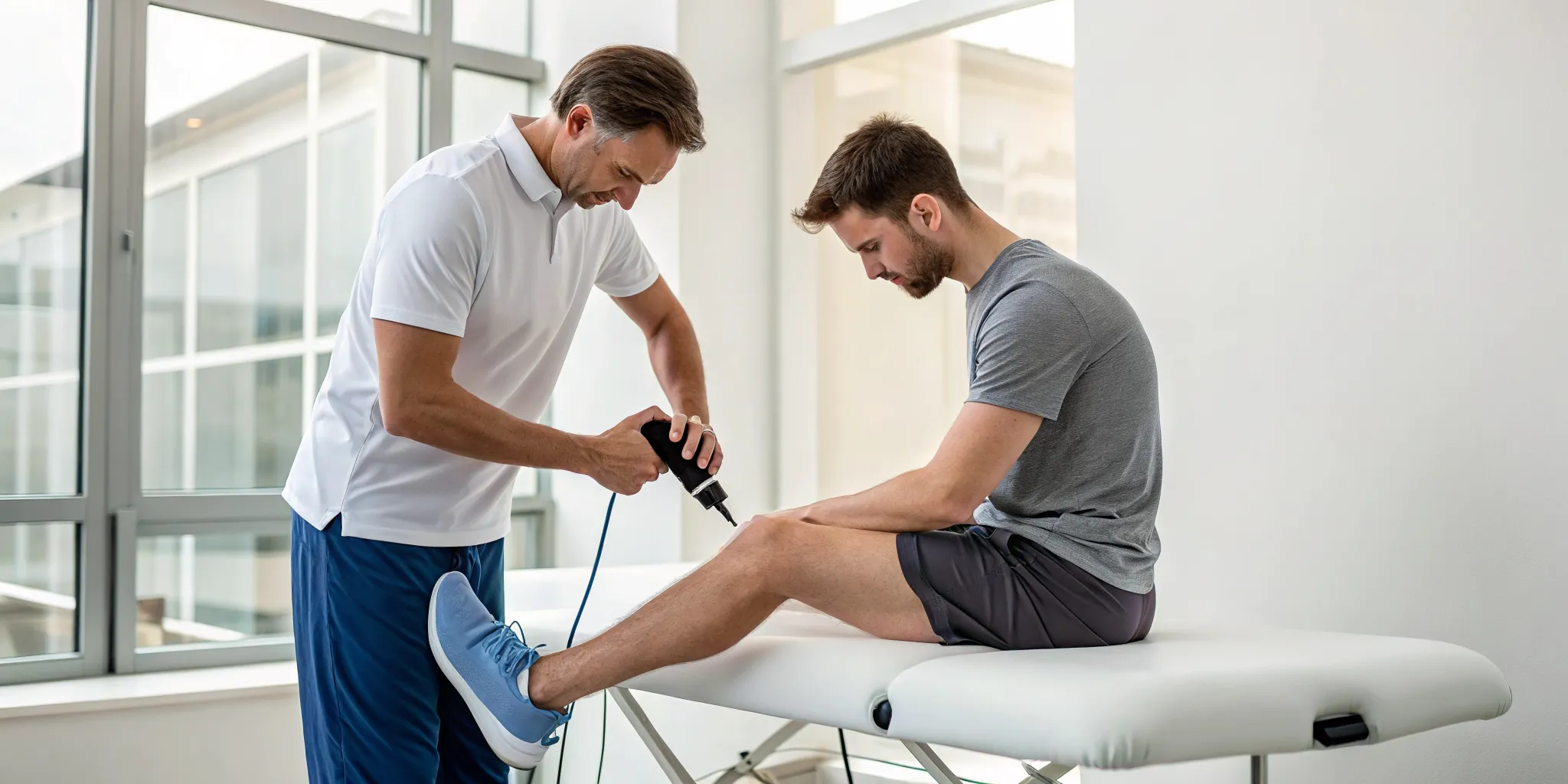
Your body is an interconnected system, and the pain you feel in one spot is often just one piece of a larger puzzle. That’s why we believe in a holistic approach to healing, where treatments work together to create lasting results. Shockwave therapy is a powerful tool in our physical medicine toolkit, but it shines brightest when it’s part of a comprehensive plan. It uses sound waves to target and repair damaged tissue at a cellular level, but we don’t stop there. By pairing it with chiropractic care to ensure proper alignment and functional medicine to optimize your internal health, we address your wellness from every angle. When you look for shockwave therapy physical therapy near me, you deserve a provider who sees the whole picture, creating a plan that supports true, sustainable healing.
Key Takeaways
- It works with your body, not against it: Shockwave therapy is a non-invasive treatment that uses acoustic waves to stimulate your body’s own repair processes, helping to heal stubborn injuries from the inside out.
- It offers relief for stubborn, chronic pain: The therapy is highly effective for persistent soft tissue issues like plantar fasciitis, tennis elbow, and Achilles tendonitis that have not responded to other treatments.
- It's most effective as part of a whole-body plan: For lasting results, shockwave therapy should be combined with other treatments like chiropractic care to address the root cause of your pain, rather than just treating the symptom.
How Does Shockwave Therapy Work?
It might sound intense, but shockwave therapy is a straightforward and non-invasive approach to healing. Think of it as a way to restart your body’s natural repair process in an area that’s been stuck. We use a special device to send acoustic waves, or sound waves, into the injured tissue. This process kickstarts circulation and stimulates your cells to regenerate, helping you heal from the inside out. It’s one of the key tools we use in our physical medicine approach to address the source of your discomfort, getting to the root of stubborn pain and mobility issues.
The Science of Acoustic Wave Healing
At its core, shockwave therapy works by creating a controlled, therapeutic response in the targeted tissue. The acoustic waves are powerful pulses of sound that penetrate your skin and travel to the injured area. This energy creates micro-trauma, which sounds a bit counterintuitive, but it’s often exactly what your body needs. This process signals your system to wake up and get back to work, increasing blood flow and bringing essential growth factors to the site of the injury. This response helps break down restrictive scar tissue and calcifications while encouraging the formation of new, healthy tissue and blood vessels. It’s a way of prompting your body to finish the healing work it may have stopped doing on its own.
Radial vs. Focused Shockwaves
When we talk about shockwave therapy, it’s not a one-size-fits-all tool. There are two main types of waves we can use: radial and focused. Radial shockwaves are pressure waves that spread out over a larger surface area, making them great for treating bigger muscle groups or conditions that are more widespread. Focused shockwaves, on the other hand, are more precise. They can be concentrated on a single, deeper point, which is ideal for targeting specific spots like a heel spur or a particular point within a tendon. The type of shockwave we recommend will depend entirely on your specific condition, its location, and your overall treatment goals.
How It Compares to Other Therapies
You might be wondering how this is different from other treatments like therapeutic ultrasound or heat packs. While those therapies can be helpful for managing symptoms, shockwave therapy works on a deeper, more regenerative level. It’s a non-invasive procedure, meaning there are no incisions or instruments entering the body. Unlike a heat pack that just soothes the surface, the acoustic waves actively trigger a cellular response to repair tissue. It’s a scientifically supported method that is often integrated into a comprehensive treatment plan to create lasting results, rather than just providing temporary relief. This makes it a powerful part of a holistic approach to your health.
What Can Shockwave Therapy Help With?
If you're dealing with persistent pain from an old injury or a condition that just won’t quit, you know how frustrating it can be. Shockwave therapy is a powerful tool in our physical medicine toolkit because it helps your body’s own healing mechanisms get back on track. It uses acoustic waves to stimulate blood flow and tissue regeneration right at the source of your pain. This approach is particularly effective for chronic issues involving muscles, tendons, and ligaments that haven't responded well to other treatments. It’s not about masking symptoms; it’s about encouraging genuine, long-term repair for a variety of common and stubborn problems.
Plantar Fasciitis and Heel Pain
That sharp, stabbing pain in your heel when you first step out of bed is a classic sign of plantar fasciitis. This condition can be incredibly persistent, making every step a challenge. Shockwave therapy offers a way forward by targeting the inflamed plantar fascia tissue directly. The sound waves create a healing response, helping to rebuild and strengthen the damaged tissue for lasting relief. Unlike treatments that only offer temporary comfort, this therapy addresses the root of the problem. It’s an excellent option for anyone struggling with chronic foot pain that has lingered despite trying other methods, helping you get back on your feet without that morning dread.
Chronic Tendon Pain (Tendonitis)
Tendonitis, or chronic tendon pain, happens when a tendon becomes inflamed and irritated from overuse. Conditions like Achilles tendonitis or tennis elbow can sideline you from your favorite activities for months. Shockwave therapy is a well-regarded treatment that helps heal these common but frustrating injuries. By delivering targeted energy waves to the affected tendon, it stimulates the formation of new blood vessels and kickstarts the repair process. This helps break the cycle of chronic inflammation and pain that keeps the tendon from healing properly. It’s a way to finally address that nagging pain and restore strength and function to the area.
Muscle Strains and Sports Injuries
For athletes and active individuals, injuries like hamstring strains or shin splints can be a major setback. When soft tissues are injured, the healing process can sometimes stall, leading to lingering pain and weakness. Orthopedic shockwave therapy uses powerful sound waves to accelerate the healing of injured soft tissues, joints, and even bones. It’s effective for a wide range of sports-related conditions we treat, from shoulder and knee pain to nagging muscle issues. By improving circulation and stimulating cellular repair, it helps you recover more completely so you can return to your sport with confidence.
Slow-Healing Ligament Injuries
Ligaments are the tough, fibrous tissues that connect bones, and when they get injured, they can be notoriously slow to heal. A sprained ankle or a tweaked knee can cause instability and pain that lasts for months or even years. Shockwave therapy is a non-invasive treatment that can give your body the push it needs to repair this kind of tissue damage. The acoustic waves help break down scar tissue and promote the regeneration of healthy ligament fibers. This process helps you find relief and restore stability without resorting to more aggressive procedures, fitting perfectly into a holistic plan for your body’s recovery.
Key Benefits of Shockwave Therapy
When you're dealing with persistent pain, finding a treatment that works with your body instead of against it can feel like a breakthrough. Shockwave therapy is one of those treatments. It’s a modern approach that supports your body’s natural ability to heal, making it a powerful tool for addressing chronic pain and stubborn injuries. The goal isn't just to quiet the symptoms for a little while; it's to create real, lasting change at the source of the problem.
This therapy stands out because it offers a path to recovery without the need for invasive procedures or long recovery periods. It works by delivering acoustic waves to injured tissue, which stimulates blood flow, kickstarts cellular repair, and helps break down scar tissue. This process encourages your body to rebuild and restore itself from the inside out. Let's look at some of the key benefits you can expect when incorporating shockwave therapy into your health plan.
A Non-Invasive Path to Pain Relief
One of the most significant advantages of shockwave therapy is that it's completely non-invasive. This means the procedure doesn't require any incisions, needles, or anesthesia. Instead, a specialized device is used to apply acoustic waves through the skin directly to the painful area. For many people trying to avoid more aggressive interventions, this is a game-changer. You get the benefit of a powerful, targeted treatment that stimulates deep healing without the risks and recovery associated with surgery. It’s an effective way to address the root cause of many musculoskeletal conditions we treat while respecting your body’s integrity.
Faster Recovery with Minimal Downtime
If the thought of taking weeks off to recover from a procedure just isn't an option, you’ll appreciate the minimal downtime with shockwave therapy. Most people can walk out of their session and get right back to their daily activities. There’s no need to put your life on hold to heal. Many patients report feeling a reduction in pain shortly after treatment, with improvements continuing over the following weeks. This makes it an incredibly practical choice for anyone with a busy schedule who needs to stay active. By promoting quicker healing, shockwave therapy helps you return to the life and activities you love, faster.
Promotes Long-Term Healing, Not a Quick Fix
While many treatments offer temporary relief, shockwave therapy is designed to create lasting results. It’s important to understand that this isn't a one-and-done solution. Instead, it’s a therapeutic process that typically requires several sessions to achieve its full effect. Why? Because true healing takes time. The acoustic waves stimulate your body's own regenerative processes, helping it repair damaged tissue and build stronger, healthier cells. This approach focuses on resolving the underlying issue for long-term relief, which is a core principle of our physical medicine philosophy. It’s about partnering with your body to create sustainable health, not just masking the pain.
Common Myths About Shockwave Therapy
When you first hear the term "shockwave therapy," it’s easy to let your imagination run wild. The name itself sounds a bit intense, which has led to a few common misunderstandings about what the treatment is and who it’s for. Let's clear the air and separate fact from fiction so you can feel confident about this powerful healing tool.
Shockwave therapy is a cornerstone of our physical medicine approach because it helps the body heal itself from the inside out. It’s a proven method for addressing the root cause of chronic pain, not just masking the symptoms. By understanding how it really works, you can see why it’s such an effective option for so many of the conditions we treat. Let’s look at some of the biggest myths out there.
Myth: The Treatment Is Painful
The word "shockwave" might bring to mind something jarring or painful, but that’s not an accurate picture of the treatment. Shockwave therapy is a non-invasive procedure, meaning there are no incisions or needles involved. The device delivers acoustic waves, which feel more like a strong, tapping pulse against your skin. Some people describe the sensation as slightly uncomfortable, similar to a deep tissue massage on a sore muscle, but it’s generally well-tolerated.
Your practitioner can adjust the intensity to a level that’s effective yet comfortable for you. The goal is to stimulate healing, not to cause pain. Most sessions are quick, and any discomfort felt during the treatment typically subsides almost immediately afterward.
Myth: One Session Is All You Need
While we all love the idea of a single, magical solution, true healing is a process. Shockwave therapy is incredibly effective, but it’s not a one-and-done deal. The acoustic waves work by creating a healing response in your body’s tissues, a process that takes time and consistency to produce lasting results. Think of it like starting a new fitness routine; you don’t see a complete transformation after one workout, but with each session, you get stronger.
A series of treatments allows your body to progressively repair damaged tissues, reduce inflammation, and build new blood vessels. The exact number of sessions you’ll need depends on the specific conditions we treat, the severity of your issue, and how your body responds.
Myth: It’s Only for Pro Athletes
It’s true that many professional athletes use shockwave therapy to recover from injuries and stay at the top of their game. However, this treatment is definitely not exclusive to the pros. It’s a powerful tool for anyone dealing with musculoskeletal pain, whether you’re a weekend warrior, a busy parent, or someone who spends hours at a desk. The same healing principles that help an athlete recover from a sports injury can help you find relief from chronic plantar fasciitis or nagging shoulder pain.
Our goal is to help everyone in our community live a healthier, more active life. As our about page explains, we believe everyone deserves access to effective, root-cause solutions, not just elite performers.
Myth: It Lacks Scientific Support
Shockwave therapy might seem like a new or trendy treatment, but the technology has been used and studied in medicine for decades. It was originally developed to break up kidney stones before being adapted for musculoskeletal conditions. Since then, a significant body of research has demonstrated its effectiveness for treating chronic tendon pain, plantar fasciitis, and other soft tissue injuries.
At Ascend Functional Health, we are committed to using research-backed protocols that deliver real results. We stay current on the latest findings to ensure our methods are both safe and effective. You can explore our blog to learn more about the science behind our holistic approach to health and wellness.
What to Expect During Your Session
It’s completely normal to have questions before trying a new therapy. Knowing what the process looks like can help you feel more comfortable and confident. The good news is that shockwave therapy is a very straightforward and efficient treatment. We want you to feel prepared and at ease from the moment you walk in, so let’s walk through what a typical session involves.
A Step-by-Step Look at the Process
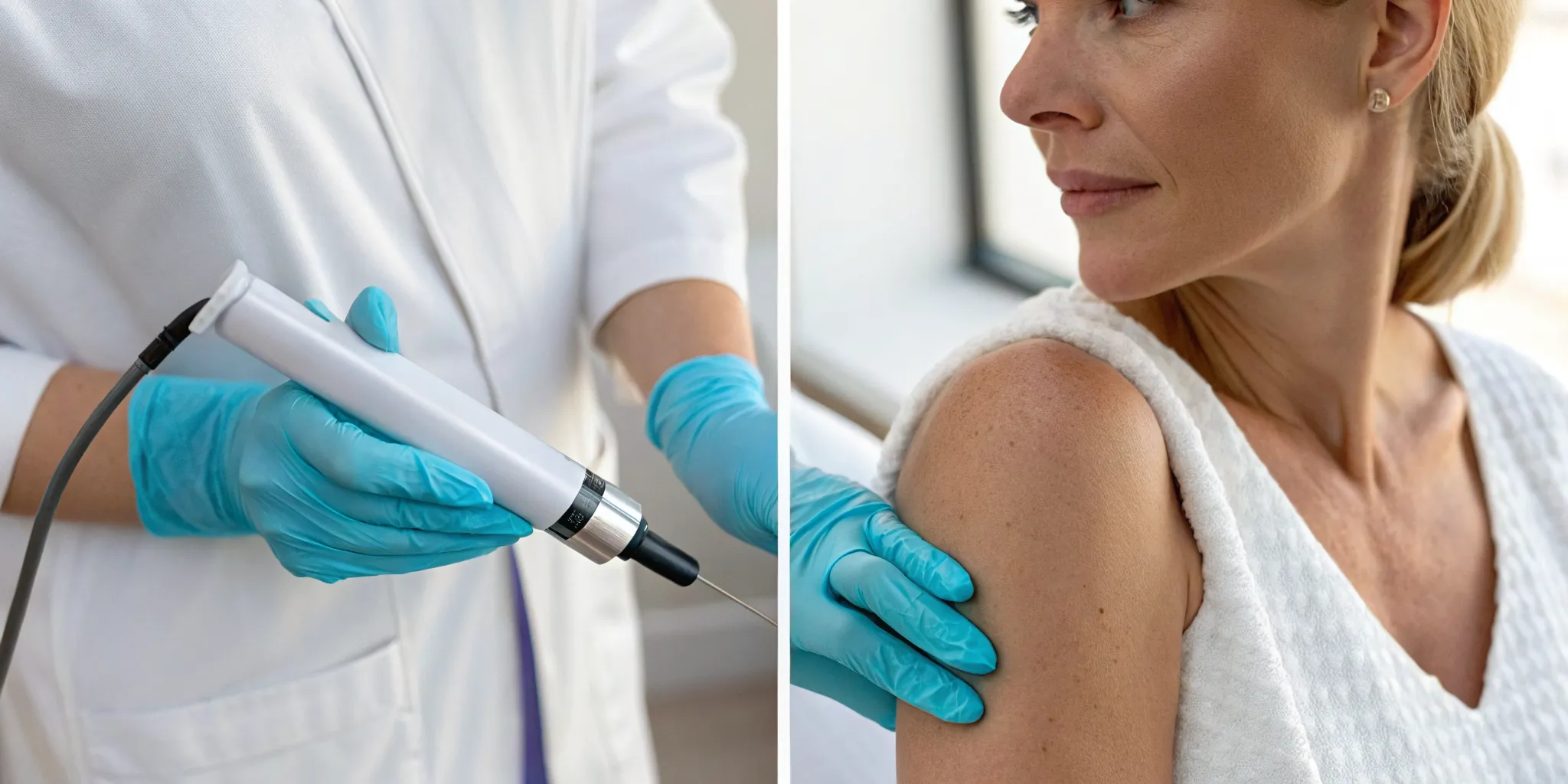
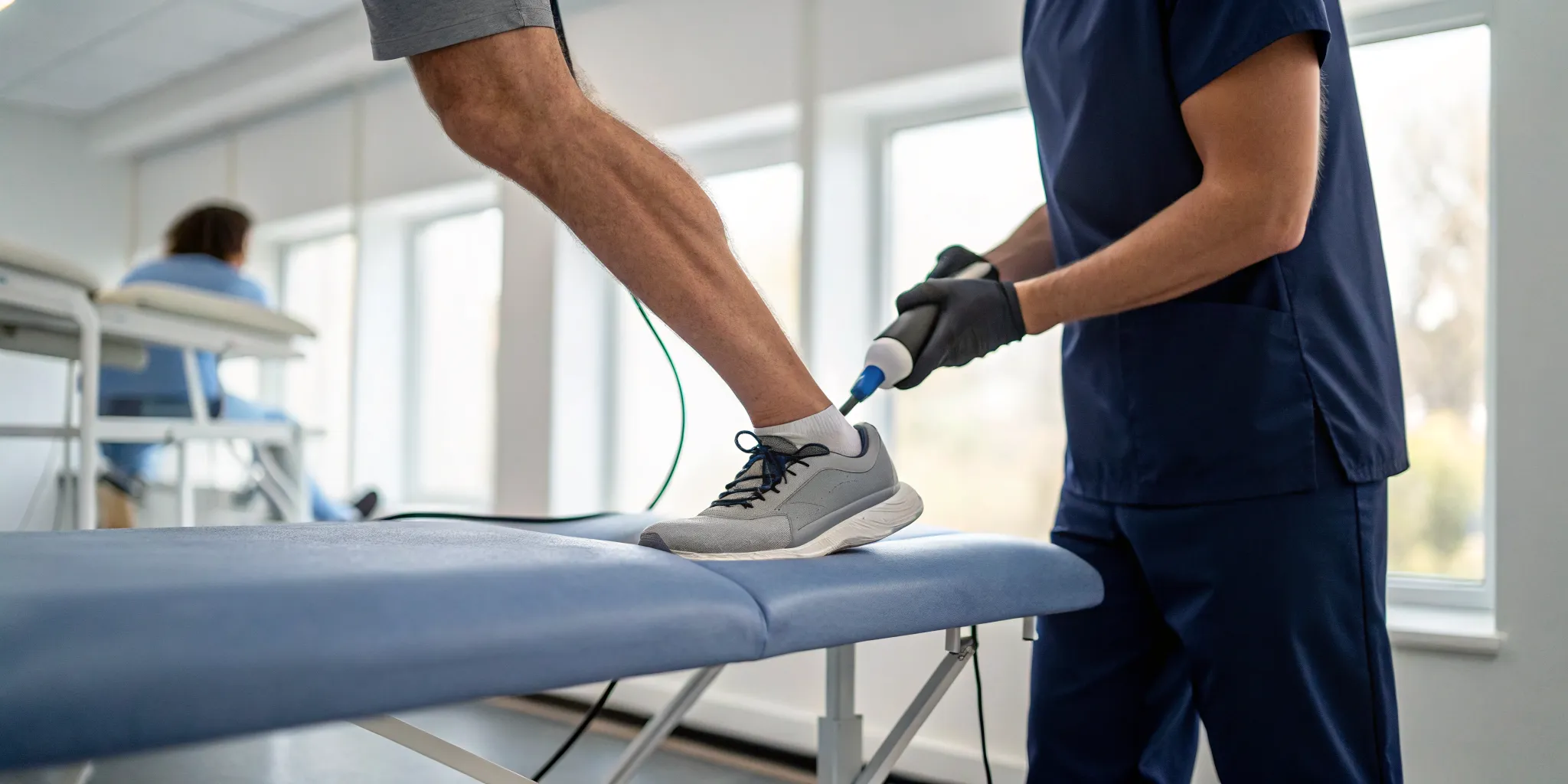
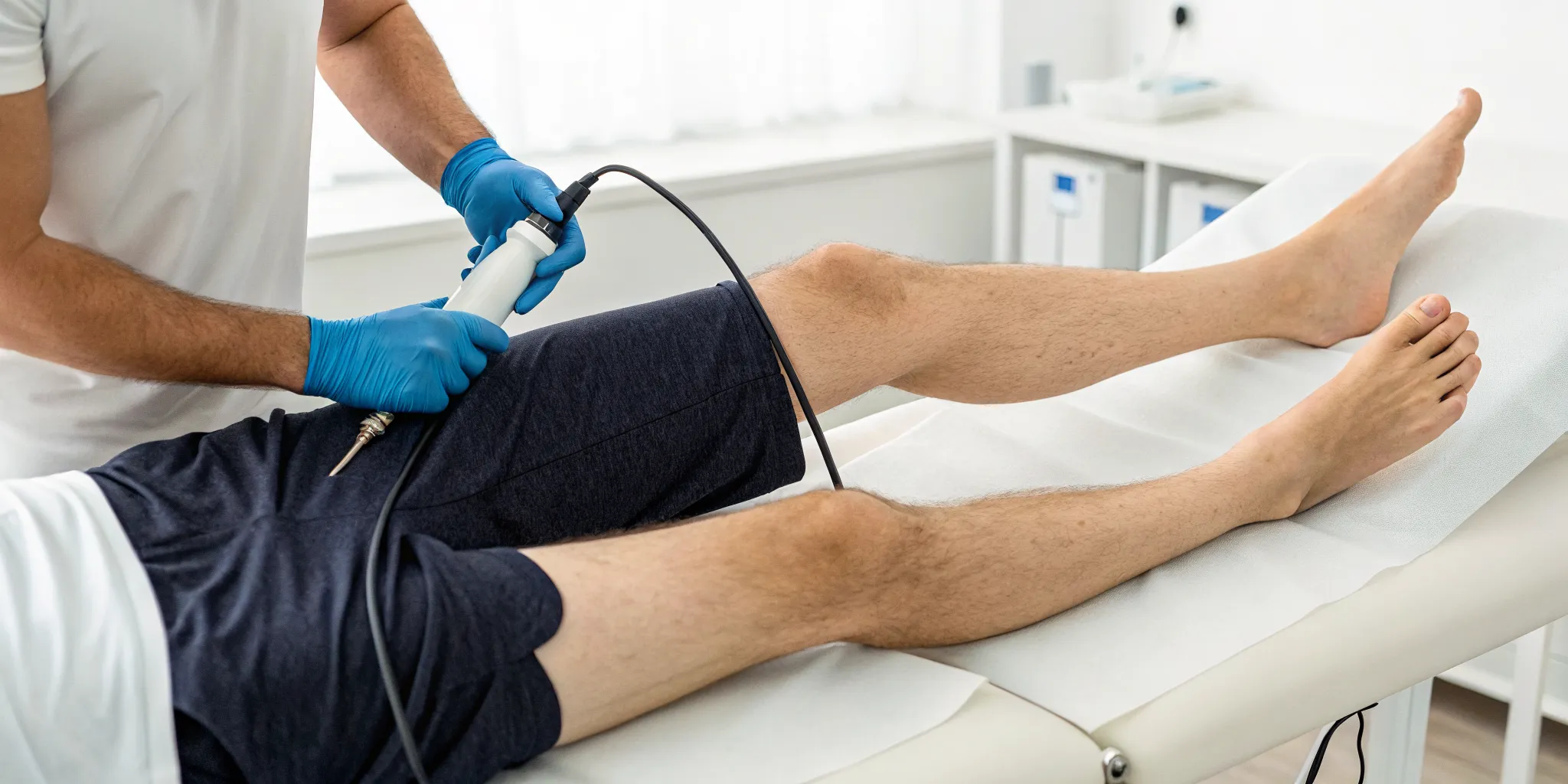
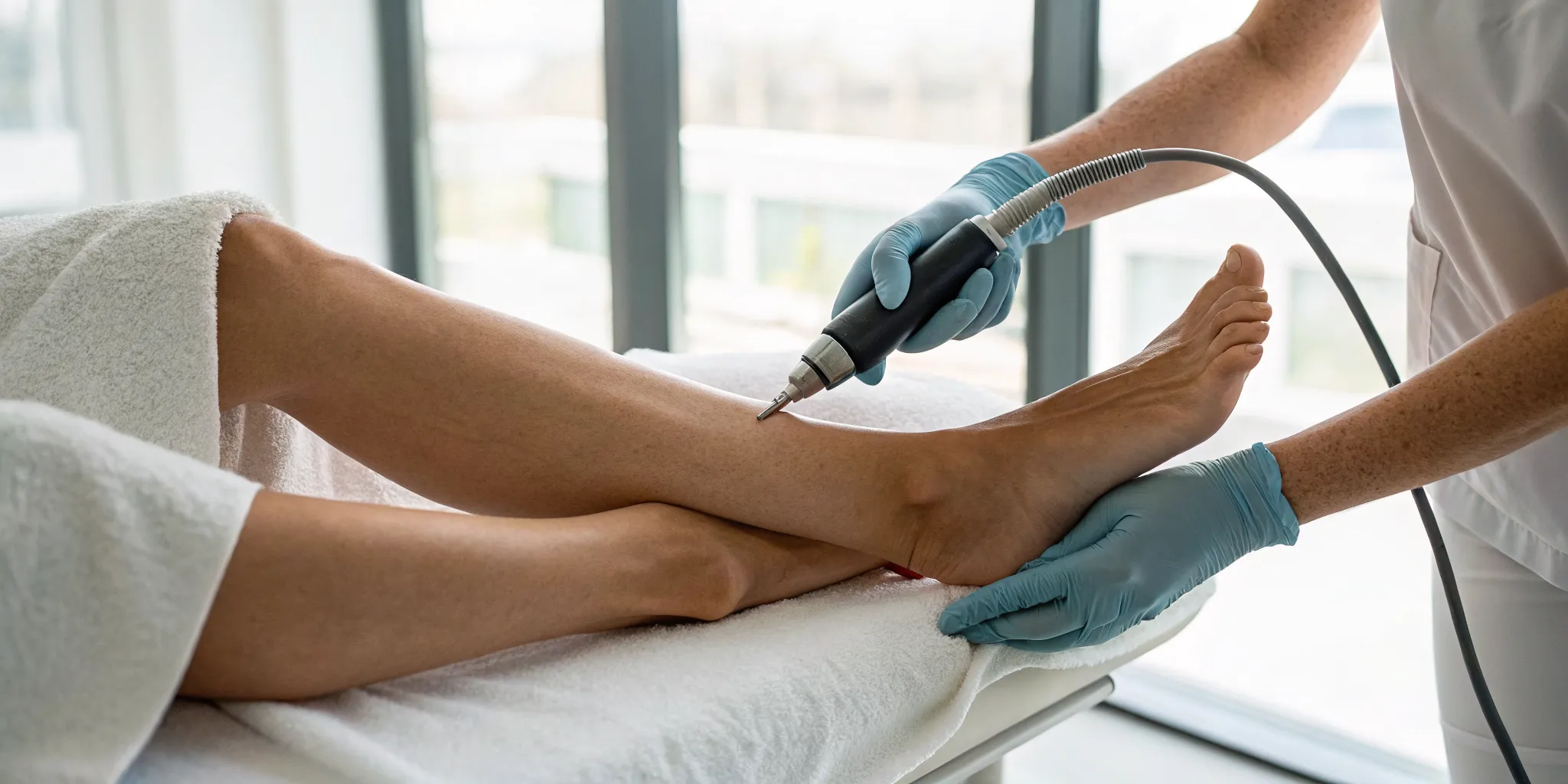
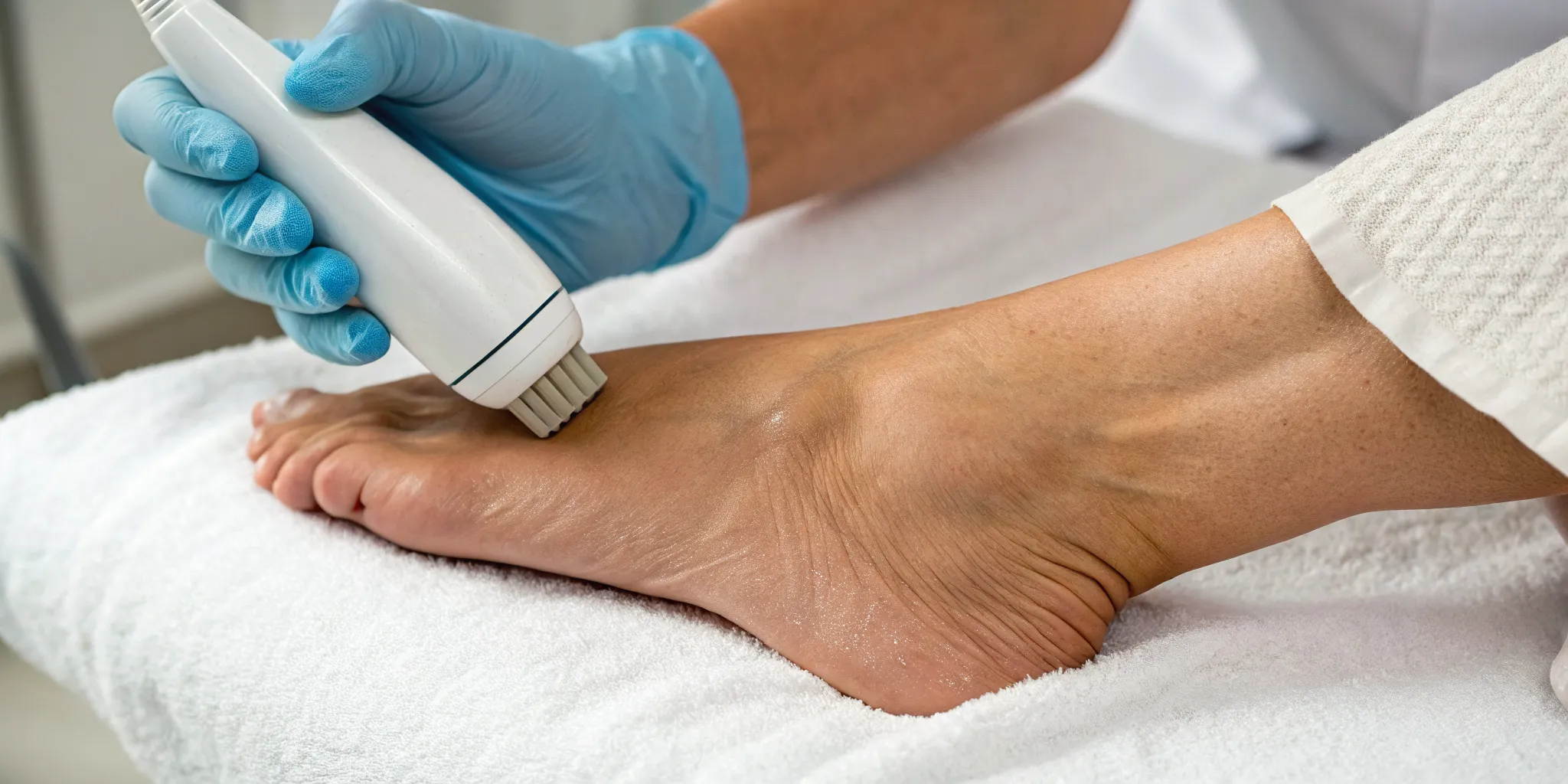
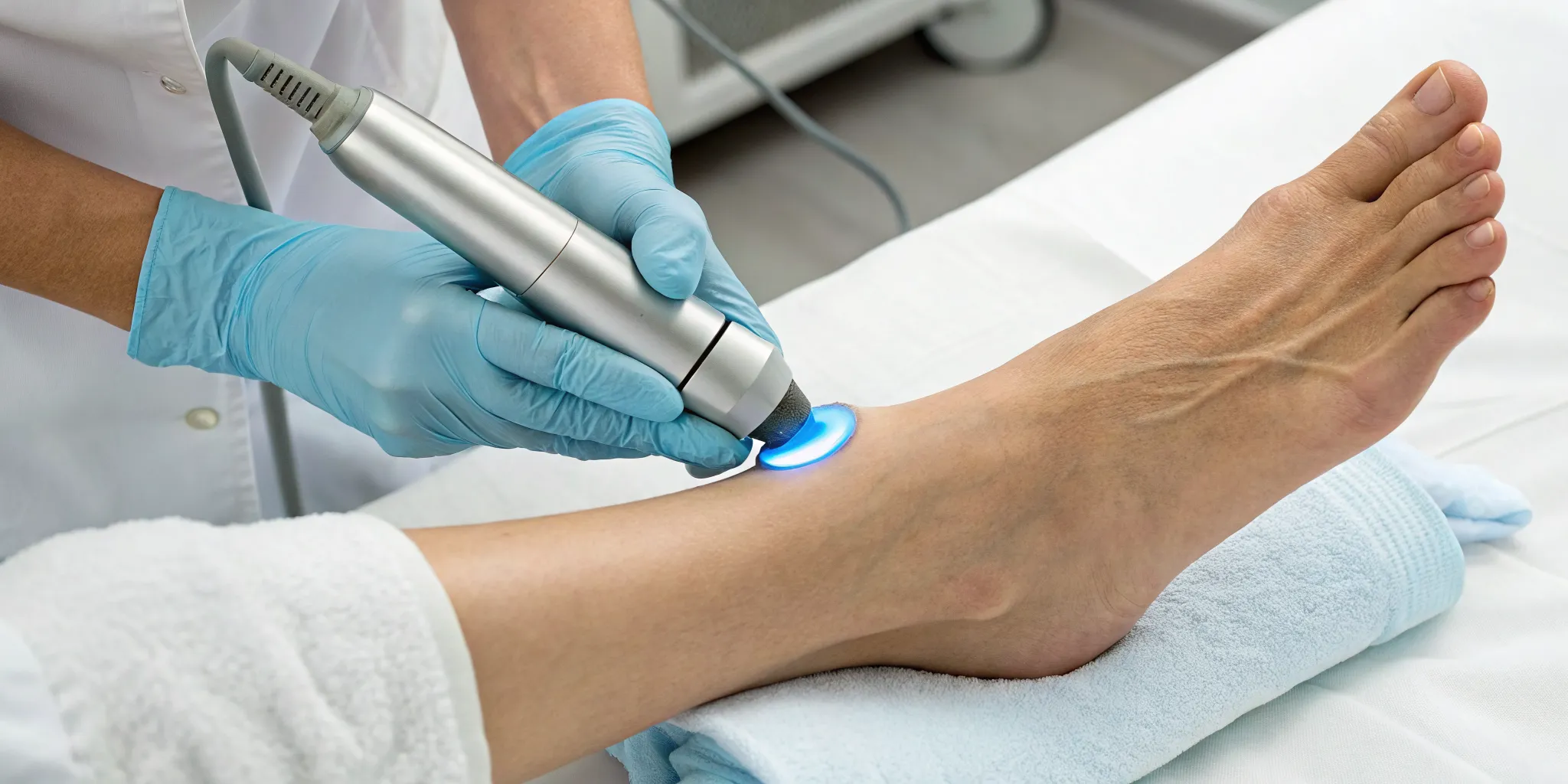
One of the best parts about shockwave therapy is how quick it is. Each session typically lasts only five to seven minutes, making it easy to fit into your schedule. When you come in, one of our trained specialists will apply a gel to the target area and use a handheld device to deliver the acoustic waves. The process is simple and direct. We focus on making your experience as comfortable and effective as possible, integrating it seamlessly into your overall physical medicine plan. Most people have their sessions spaced about a week apart to give the body time to respond and begin the healing process.
What It Feels Like and What’s Normal
You’re probably wondering, "What does it actually feel like?" During the treatment, it’s common to feel a tapping or pulsing sensation against your skin. Some people describe it as a strong vibration or mild pressure. You might experience some slight discomfort in the area being treated, but this is a normal and positive sign. It indicates that the acoustic waves are reaching the injured tissue and stimulating the body's natural healing response. Our team will communicate with you throughout the short session to ensure you remain comfortable. Most people tolerate the treatment very well and find the sensation manageable.
How Many Sessions Will I Need?
The number of sessions you’ll need depends entirely on your specific condition, its severity, and how your body responds to the treatment. While some people feel improvement after just a few visits, a typical treatment plan involves anywhere from four to eight sessions. These are usually scheduled once a week. This cadence gives your tissues the time they need to regenerate and repair between appointments. During your initial consultation, we will discuss your unique situation and create a personalized plan that outlines the recommended number of sessions to help you achieve long-term results.
Is Shockwave Therapy Right for You?
Deciding on a new treatment can feel like a big step, but understanding who it helps most (and who should steer clear) makes the choice much easier. Shockwave therapy is a modern, non-invasive treatment that uses sound waves to stimulate your body’s natural healing processes. It’s not a fit for everyone, but for the right person, it can be a game-changer. Let's walk through whether shockwave therapy could be the right move for you and your health goals.
Who Is an Ideal Candidate?
You might be a great candidate for shockwave therapy if you’re dealing with persistent pain that hasn’t responded to other treatments. It’s particularly effective for a wide range of chronic pain conditions, including plantar fasciitis, Achilles tendonitis, tennis elbow, shoulder pain, and even some types of nerve pain or scar tissue. Because the treatment is non-invasive (meaning no cuts or needles), it’s an excellent option for those looking to avoid more intensive procedures. With success rates reported between 72% and 80% for many common issues, it offers real hope for lasting relief by addressing the source of the pain, not just masking the symptoms.
When to Explore Other Options
While shockwave therapy is safe and effective for many, it’s not the right choice for everyone. It’s important to explore other options if you are pregnant, have a pacemaker, have a blood clotting disorder, or have a tumor at the intended treatment site. You should also wait if you’ve had a steroid shot in the area within the last six weeks. The best way to know for sure is to discuss your health history with a qualified provider. It’s also good to know what to expect. Most people describe the sensation as a tapping or pulsing, and while there might be mild discomfort, the treatment is usually well-tolerated and doesn't require any downtime.
How Shockwave Fits into a Holistic Health Plan
Think of your body as an intricate ecosystem where everything is connected. Pain or injury in one area is often just a symptom of a larger imbalance. While shockwave therapy is incredibly effective at targeting and healing a specific site of injury, its true power is revealed when it’s part of a comprehensive health plan. A holistic approach doesn’t just focus on the spot that hurts; it considers all the contributing factors, from your structural alignment to your internal health.
At Ascend Functional Health, we see shockwave therapy as a key player on a team of healing modalities. It works in concert with our other services to address your health from multiple angles. By integrating it into a personalized plan, we can do more than just manage your symptoms. We can address the root cause of your discomfort, support your body’s innate ability to heal, and build a foundation for long-term wellness. This strategy ensures that we’re not just patching a problem but truly resolving it.
Pairing Shockwave with Chiropractic and Functional Medicine
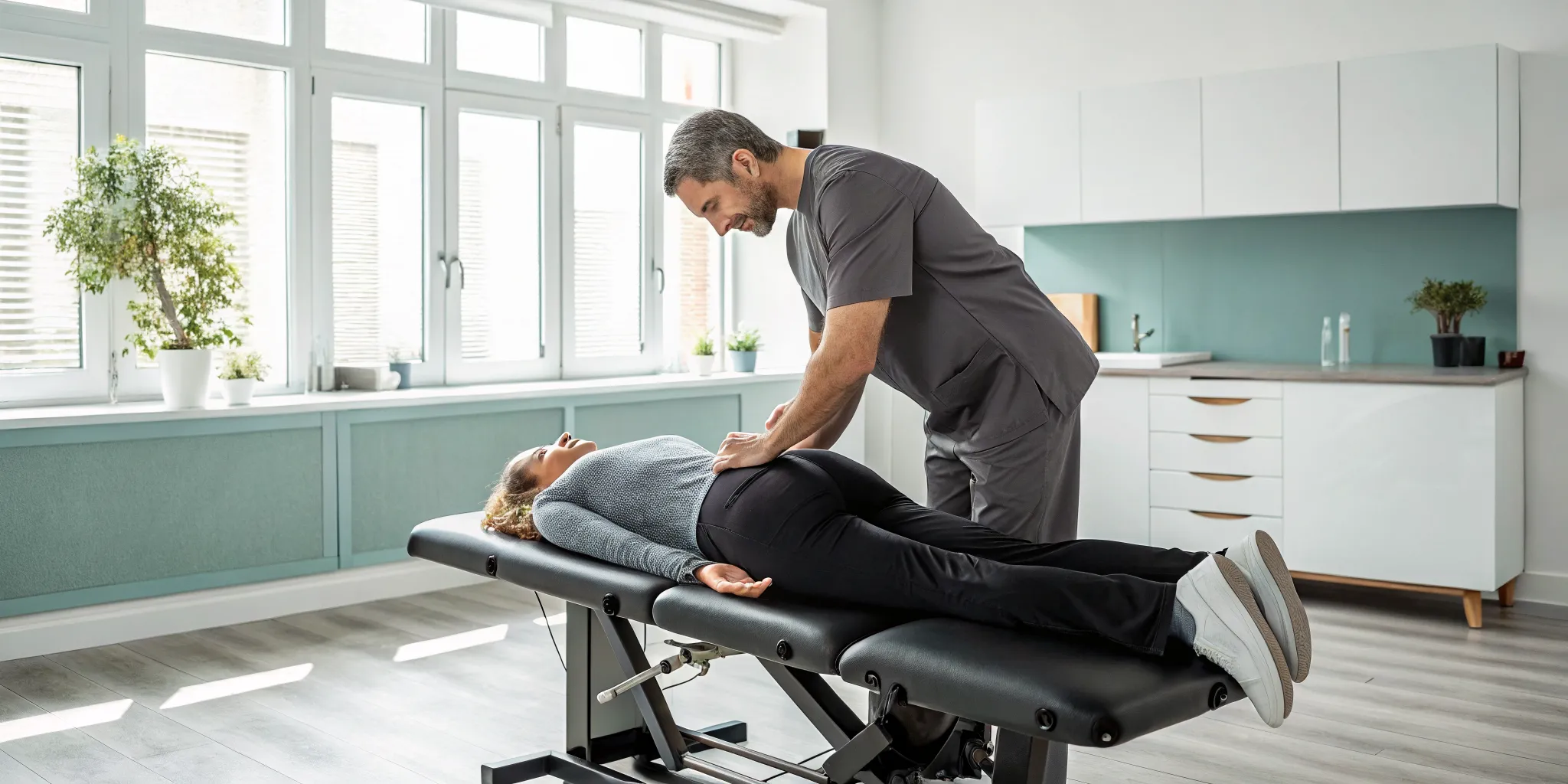
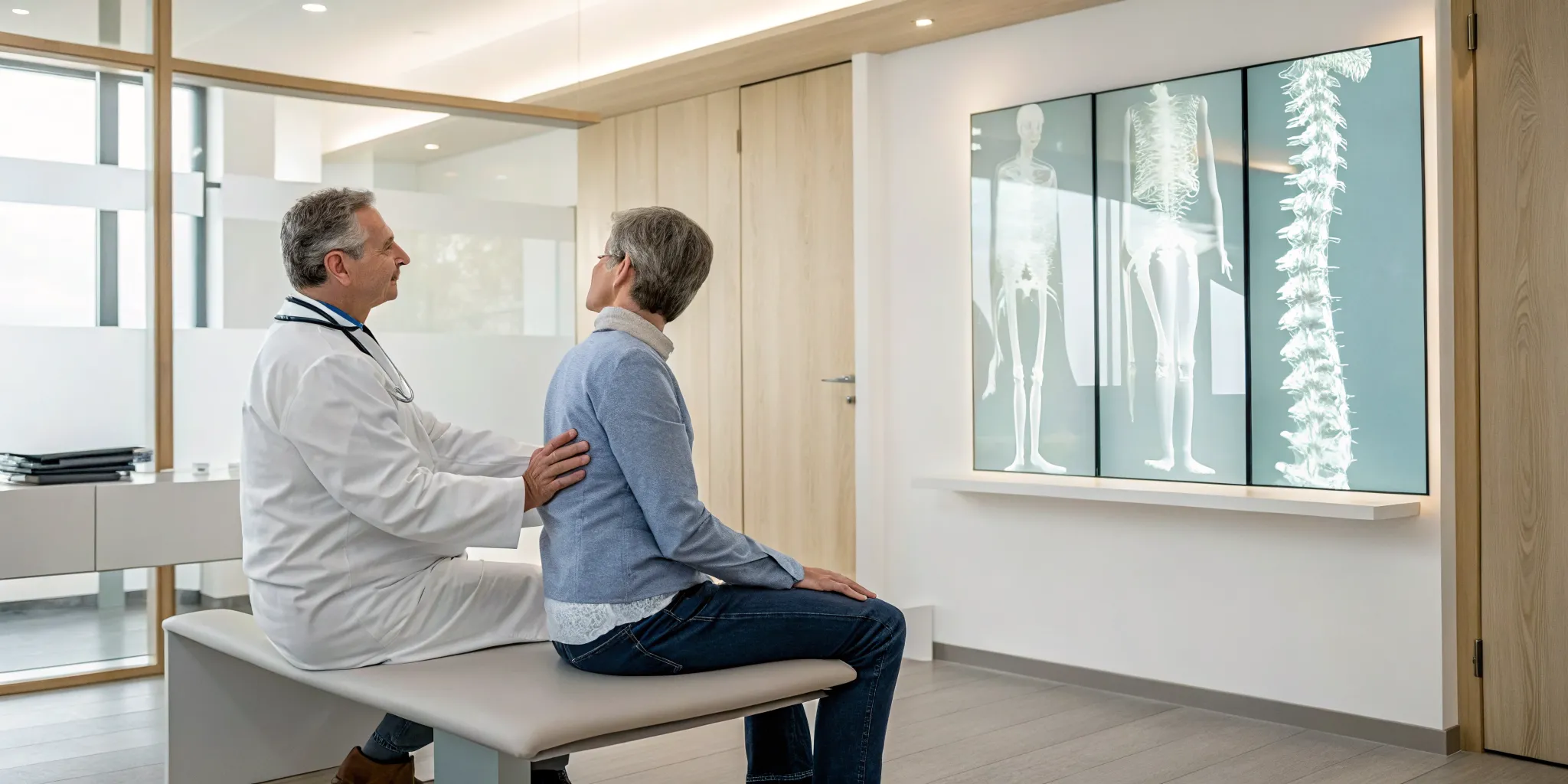
Shockwave therapy fits perfectly within a multi-faceted treatment plan. As a core component of physical medicine, it uses acoustic waves to stimulate tissue regeneration and accelerate healing right at the source of your pain. But the support doesn't stop there. We often pair it with chiropractic care to correct any structural misalignments that may be causing or contributing to the stress on your injured tissues.
At the same time, our functional medicine approach looks at your body from the inside out. We investigate underlying issues like chronic inflammation, nutrient deficiencies, or gut health imbalances that could be slowing down your recovery. By combining these pillars, we create a synergistic effect: shockwave repairs the local damage, chiropractic care restores proper function and movement, and functional medicine optimizes your body’s internal environment for healing.
Why a Whole-Body Approach Gets Better Results
Treating only the symptom without addressing the cause is like repeatedly painting over a water stain on the ceiling without fixing the leaky pipe. You might get temporary relief, but the problem will keep coming back. A whole-body approach gets better, more sustainable results because it addresses the entire chain of events that led to your pain. Your chronic Achilles tendonitis might not just be a foot problem; it could be linked to improper hip mechanics or systemic inflammation.
By integrating shockwave therapy with other treatments, we can correct those underlying issues. This comprehensive strategy is why so many of our patients find lasting relief. They come in for one issue and often discover, as their treatment progresses, that other aches and pains they’d learned to live with also begin to disappear. This is the power of treating the whole person, not just the diagnosis.
How to Choose the Right Shockwave Therapy Provider
Finding the right person to guide your healing journey is just as important as the treatment itself. When you’re exploring shockwave therapy, you want a provider who is not only skilled with the technology but who also sees you as a whole person. A great specialist will take the time to understand the root cause of your pain and create a plan that supports your body’s natural healing process. Here’s what to focus on to find a provider you can trust.
What to Look for in a Specialist
Start by looking for a specialist with a deep understanding of musculoskeletal health and non-invasive treatments. Since shockwave therapy is a non-invasive procedure, your provider should be an expert in therapies that work with your body, not against it. They should have a solid grasp of how different tissues respond to treatment and be able to explain how this therapy fits into a larger picture of health.
A truly effective provider will also take a holistic approach. They won’t just focus on the single point of pain; they’ll consider your lifestyle, history, and overall health to create a comprehensive plan. Look for a team that integrates different modalities, like chiropractic care or functional medicine, to ensure your results are lasting.
Questions to Ask at Your Consultation
Your initial consultation is the perfect time to get a feel for a provider and their practice. A good specialist will encourage your questions and provide clear, confident answers. Don't hesitate to ask why they recommend a specific type of shockwave therapy for your condition and what their experience has been in treating similar issues.
You should also ask what to expect during and after the session. While it’s not a painful treatment, you might feel a tapping or pulsing sensation, which is completely normal and usually well tolerated. It’s also wise to ask about the recommended number of sessions and how they’ll measure your progress. Feeling prepared and informed is the first step toward a successful outcome, so feel free to schedule a consultation to get your questions answered.
Red Flags to Be Aware Of
Be cautious of any provider who promises a "one-session cure." While shockwave therapy is effective, it’s not a magic wand. True healing is a process that often requires a series of treatments and a commitment to a broader care plan. This therapy is a safe, non-invasive treatment backed by years of research, so a provider should be able to explain the science behind it, not just make big promises.
Another red flag is a provider who seems dismissive of your questions or can’t explain their rationale. A trustworthy specialist will be transparent about the treatment process and confident in their knowledge. If their approach feels one-dimensional or they don’t seem interested in the other factors affecting your health, they may not be the right fit for addressing the complex conditions we treat and helping you achieve long-term wellness.
Begin Your Healing with Shockwave Therapy in Tampa
If you're dealing with stubborn pain from an old injury or a chronic condition, it can feel like you’ve tried everything without finding real relief. For those in the Tampa area, Shockwave Therapy offers a modern, non-invasive path forward. This treatment uses targeted acoustic waves to stimulate your body's own healing mechanisms, helping to repair damaged tissue, increase blood flow, and reduce pain right at the source. It’s an effective way to address the root cause of your discomfort without invasive procedures or lengthy recovery periods.
This therapy is particularly successful for soft tissue problems that are notoriously slow to heal. We often use it to help patients with a range of conditions we treat, including plantar fasciitis, Achilles tendonitis, and chronic muscle pain. Instead of just masking symptoms, Shockwave Therapy encourages long-term tissue regeneration, helping you build a stronger, more resilient foundation for movement. Many people experience a significant improvement in both pain and mobility, allowing them to get back to their daily activities with confidence.
The process itself is straightforward. A typical session is quick, usually lasting less than ten minutes, and you can get right back to your day afterward. While the number of sessions varies based on your specific needs, a series of weekly treatments is often recommended to achieve the best results. If you’re tired of letting persistent pain dictate your life, we can help you determine if this innovative treatment is the right fit for your health goals. Our team at Ascend Functional Health is here to guide you through our physical medicine options and create a personalized plan for your recovery.
Related Articles
- SoftWave Tissue Regeneration Therapy in Tampa | Alessi Functional Health
- Regenerative Medicine for Pain Recovery | Ascend Functional Health
- SoftWave TRT Therapy in Tampa, FL - Alessi Functional Health
- What Is Graston Technique Therapy? A Beginner's Guide
- What Is Soft Tissue Therapy? A Complete Guide
Frequently Asked Questions
What does shockwave therapy actually feel like? Most people describe the sensation as a strong, rhythmic tapping or pulsing against their skin. While you might feel some mild discomfort, especially if the area is already tender, it shouldn't be painful. Think of it like a very targeted deep tissue massage on a sore muscle. The intensity is always adjusted to your comfort level, and the entire treatment is over in just a few minutes.
What is the recovery like after a session? One of the best parts of shockwave therapy is that there is no downtime. You can walk out of your appointment and get right back to your daily routine. Some people experience a bit of temporary soreness or redness in the treated area, similar to how you might feel after a focused workout, but this usually fades quickly. It’s a positive sign that your body’s healing response has been activated.
How quickly can I expect to see results? While some people report feeling a reduction in pain after just one or two sessions, true healing is a cumulative process. The therapy works by stimulating your body to repair itself, which takes time. The most significant and lasting results typically build over a series of treatments as your tissues regenerate and grow stronger. Your provider will create a personalized plan and track your progress along the way.
Are there any side effects or risks involved? Shockwave therapy is a very safe, non-invasive treatment with a low risk of side effects. The most common effects are minor and temporary, such as mild soreness, redness, or slight swelling at the treatment site. During your initial consultation, we will review your health history thoroughly to ensure this therapy is a safe and appropriate choice for you.
Why is this often combined with other treatments like chiropractic care? We combine treatments because pain is rarely caused by just one thing. Shockwave therapy is fantastic for healing a specific injured tissue, but we also need to address why that tissue became injured in the first place. Pairing it with chiropractic care helps correct any underlying structural or movement issues that put stress on the area. This whole-body approach helps you get better results and reduces the chances of the problem returning.