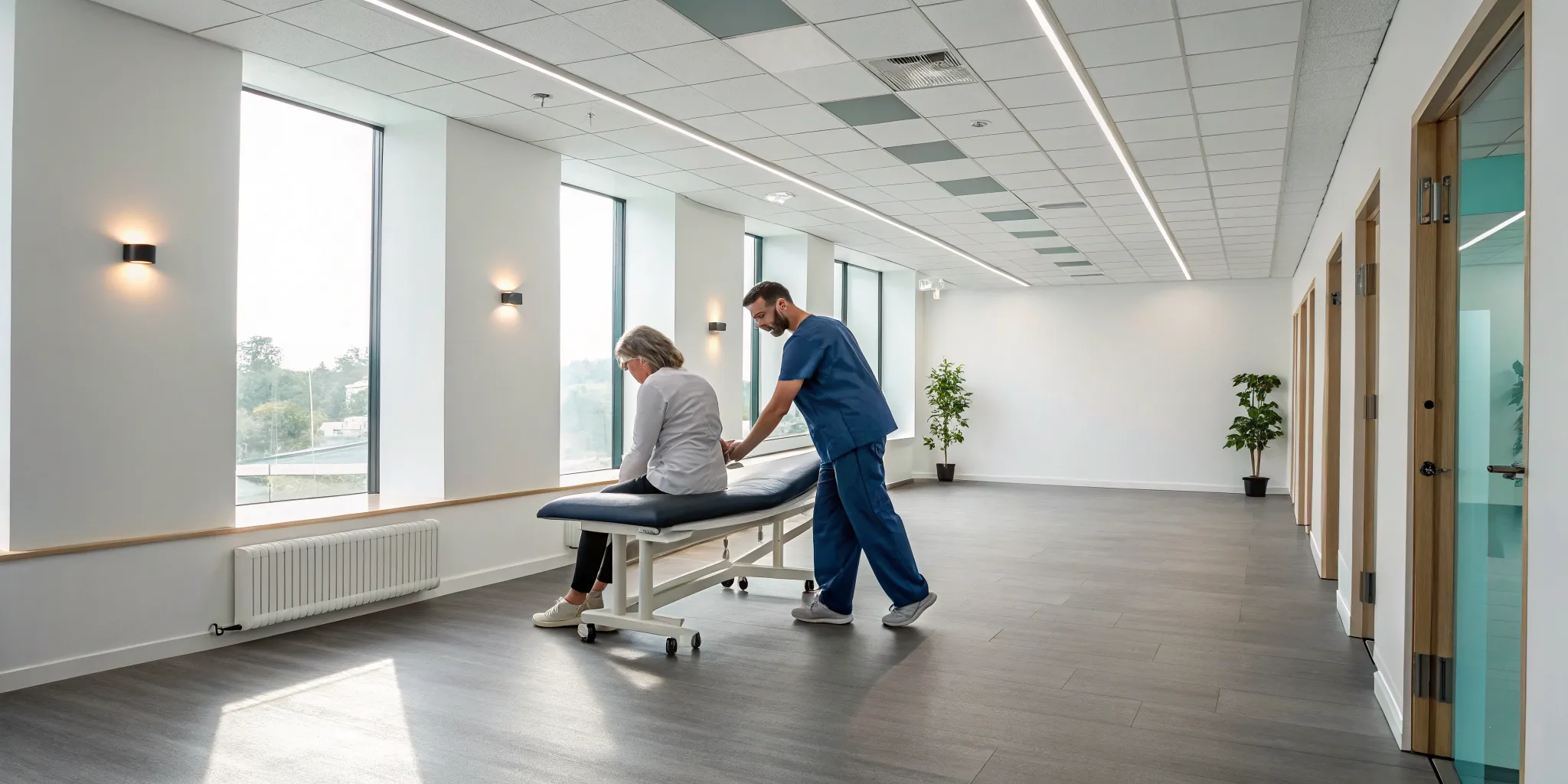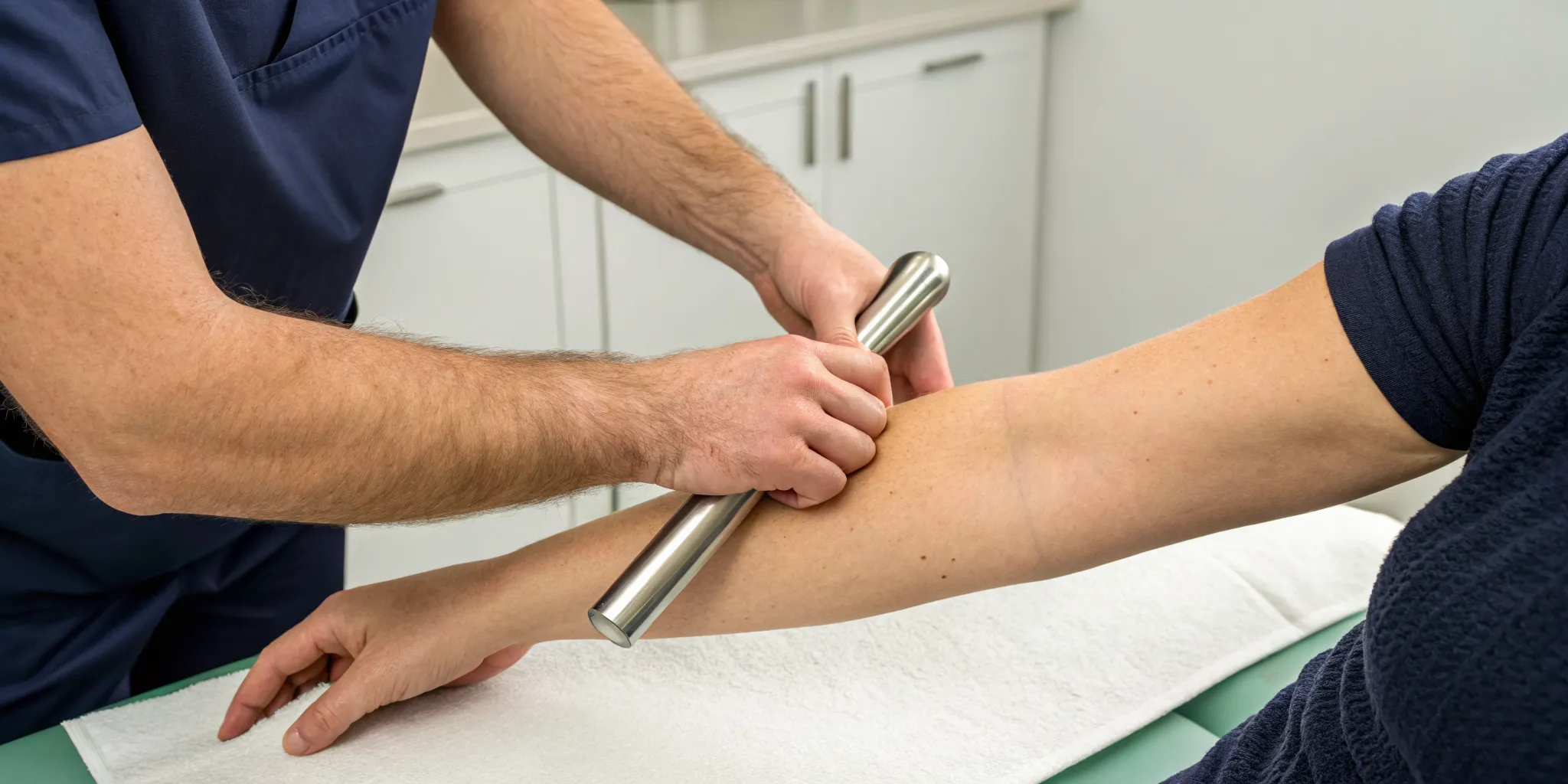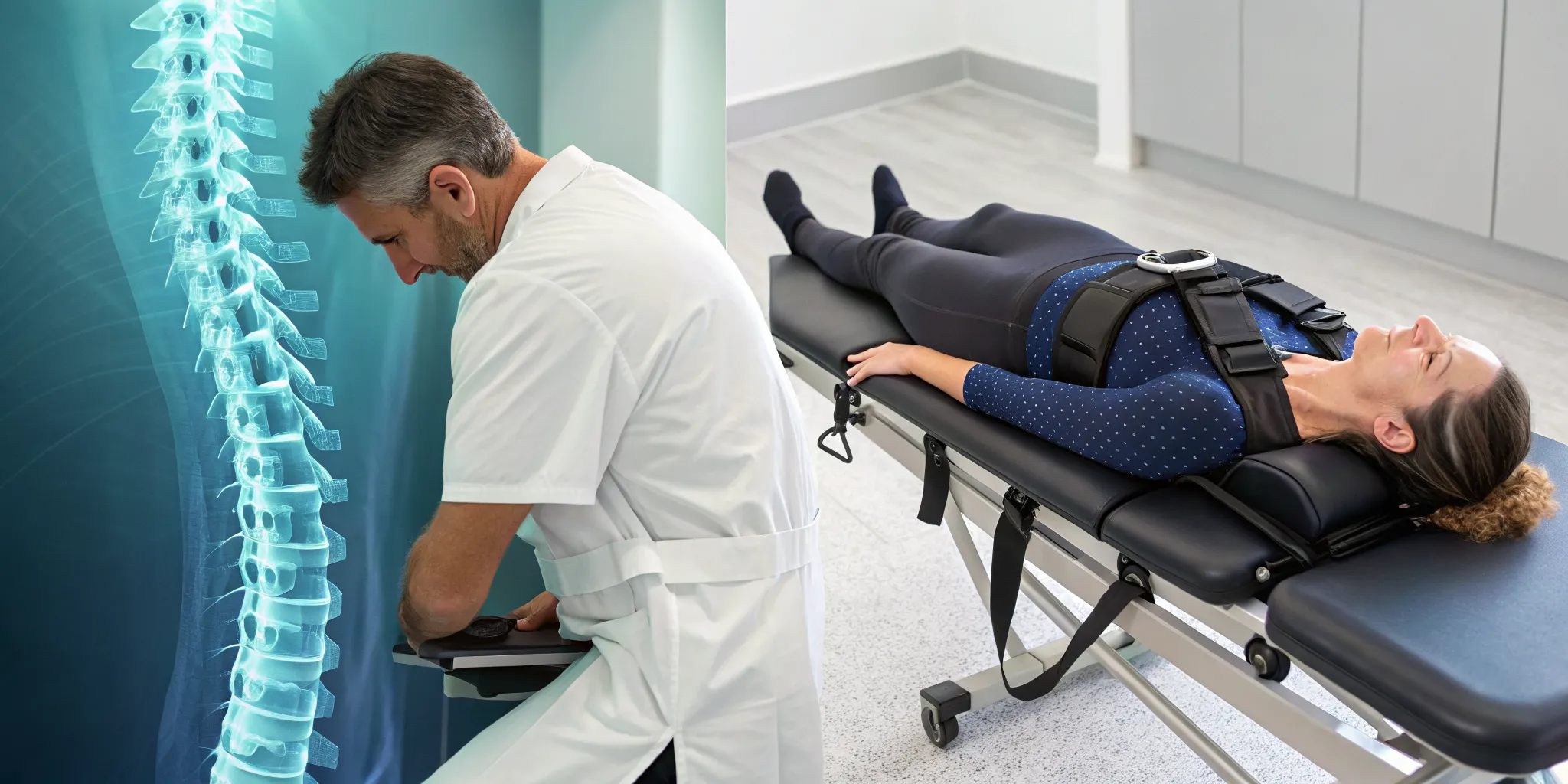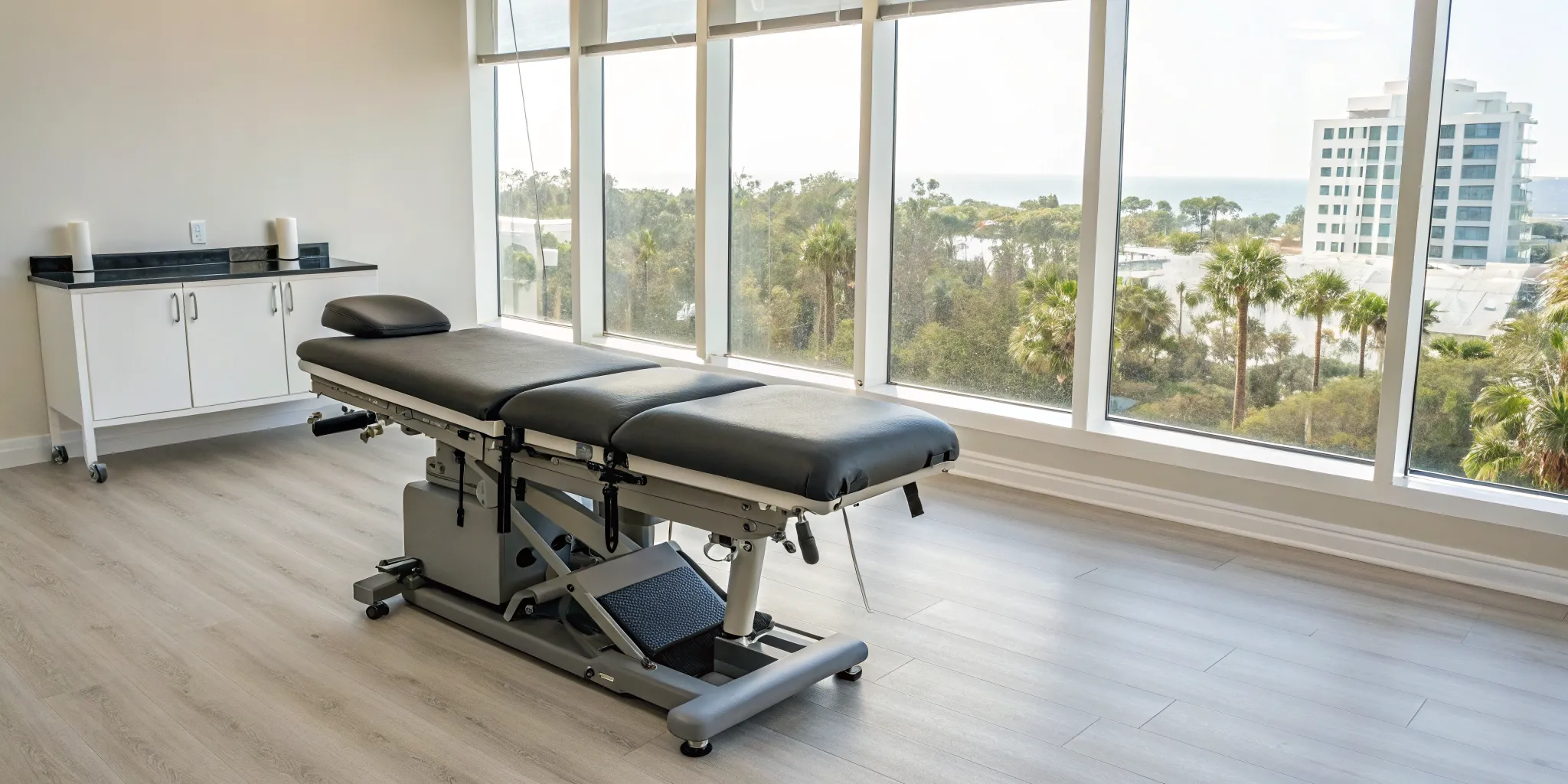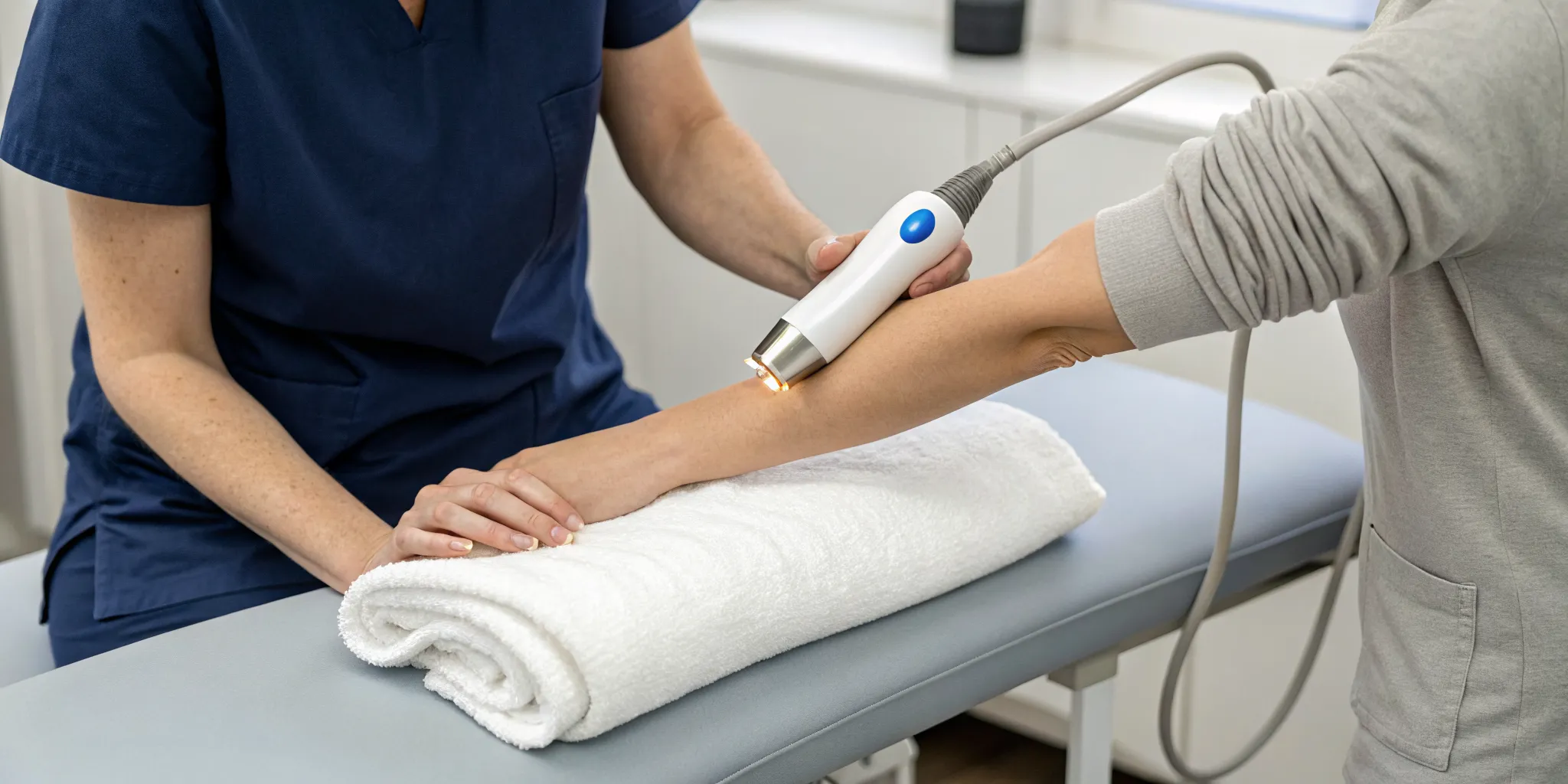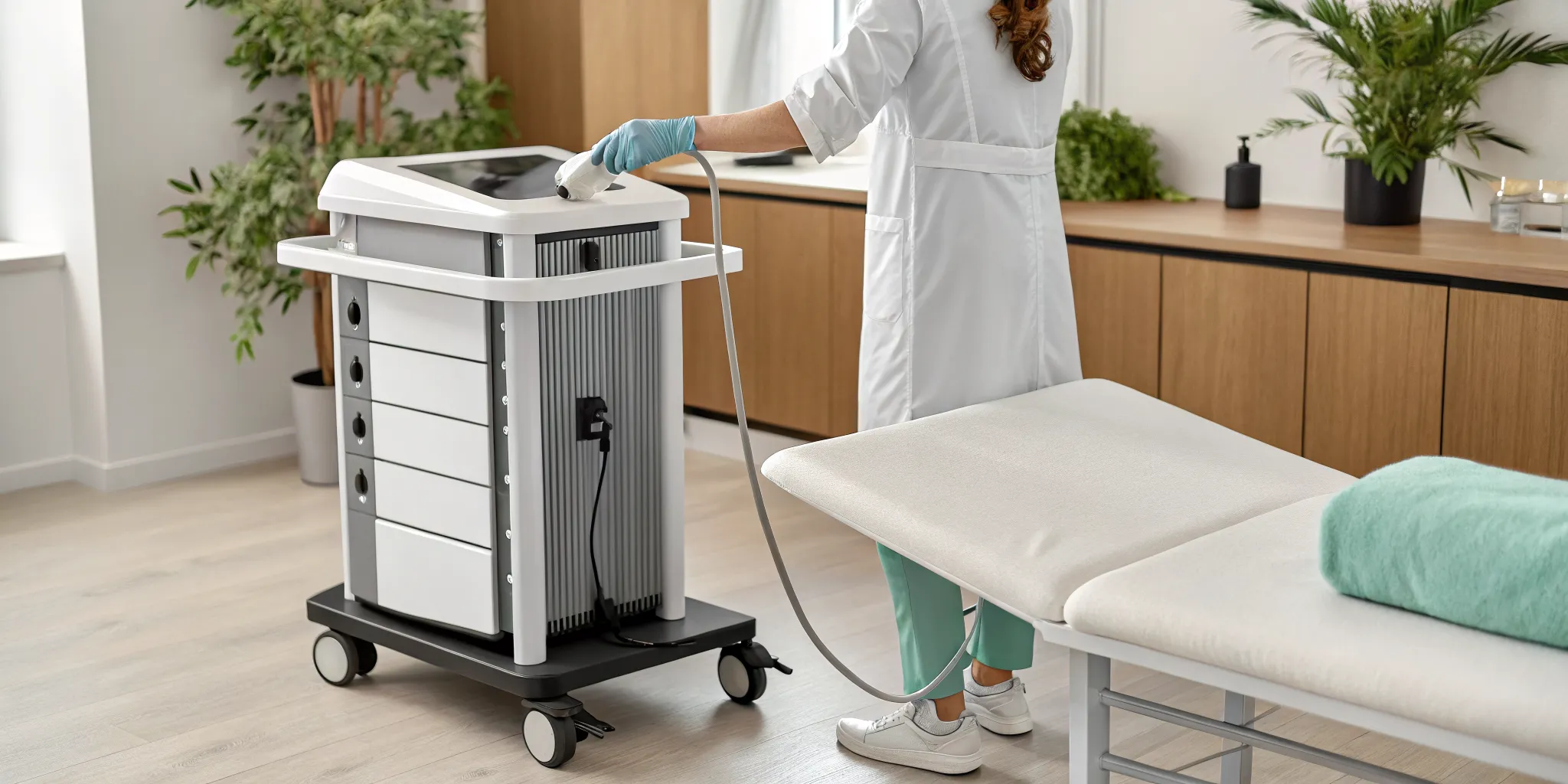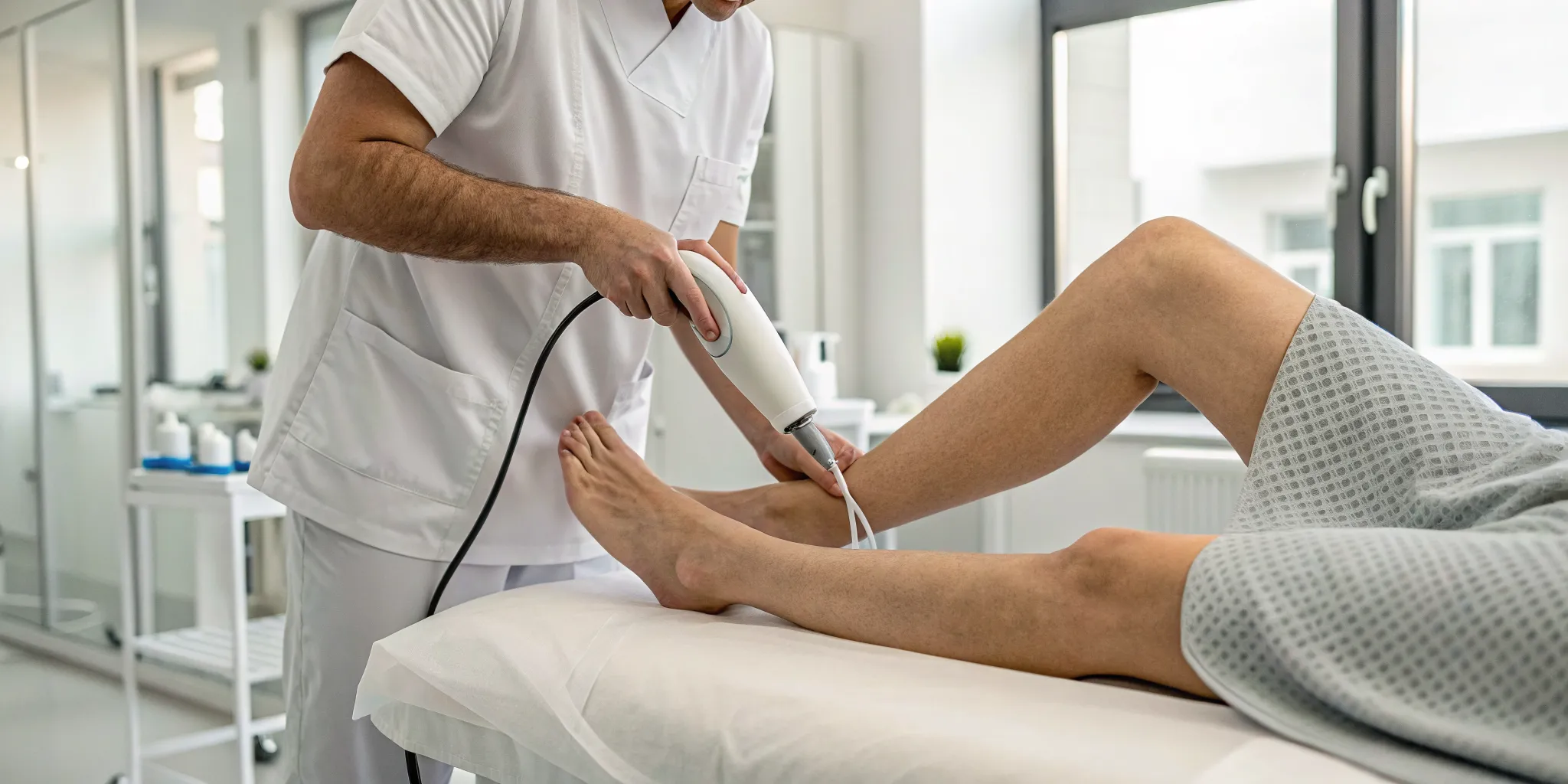
The term “shockwave” might sound intense, but this treatment is actually a highly controlled and non-invasive way to promote deep tissue healing. It doesn’t involve electric shocks; instead, it uses targeted sound waves to stimulate cell regeneration and kickstart a stalled recovery process. For conditions like tennis elbow or Achilles tendonitis that haven't responded to other methods, this can be a game-changer. Your search for a ‘shockwave therapy orthopedic clinic near me’ shows you’re looking for a real solution, not another temporary patch. This therapy offers just that, providing a way to address the core problem and help your body finally heal the damaged tissue, allowing you to move past the pain for good.
Key Takeaways
- It prompts your body to heal itself: This non-invasive therapy uses acoustic waves to stimulate blood flow and tissue repair deep within injured areas, restarting the healing process for chronic pain in places like your feet, elbows, and shoulders.
- It offers a path to lasting relief: Unlike treatments that only mask symptoms, shockwave therapy addresses the underlying tissue damage. For stubborn conditions like plantar fasciitis or rotator cuff issues, it can help you find long-term improvement and avoid more invasive options.
- It works best as part of a bigger plan: The most effective results come when shockwave therapy is integrated into a complete care plan that addresses the root cause of your pain, such as correcting alignment issues, leading to a more durable recovery.
What is Shockwave Therapy and How Does It Work?
If you're dealing with persistent pain that just won't quit, you’ve likely explored a lot of options without finding lasting relief. Shockwave therapy, sometimes called Extracorporeal Shockwave Therapy (ESWT), is a non-invasive medical treatment that uses high-energy sound waves to stimulate healing deep within damaged tissues. You can think of it as a way to send a wake-up call to your body’s own repair crew. During a session, a special device delivers these acoustic waves directly to the affected area. This targeted energy prompts tissue regeneration and kicks your natural healing process into a higher gear, addressing the root cause of your discomfort.
This approach is a cornerstone of modern physical medicine because it works with your body, not against it. Instead of just masking symptoms with temporary fixes, it gets to the heart of the problem by encouraging the damaged area to rebuild and recover on a cellular level. It’s a method that helps your body heal itself from the inside out, which is why it’s become such a trusted tool for addressing chronic pain and stubborn injuries that haven't responded to other treatments. By focusing on regeneration, it offers a path toward long-term relief and improved function, allowing you to get back to the activities you love without being held back by pain.
Focused vs. Radial: Understanding the Difference
When you hear about shockwave therapy, it’s helpful to know that there are two main types: focused and radial. While both use acoustic waves to promote healing, they work in slightly different ways. Radial shockwave therapy sends out pressure waves that spread over a larger, more superficial area. This makes it great for treating conditions closer to the skin’s surface and for stimulating a broad healing response in a general region. It’s often described as feeling like a strong, tapping pulse.
Focused shockwave therapy, on the other hand, is much more precise. It concentrates the energy into a single, targeted point deeper within the body. This allows a practitioner to pinpoint a specific area of damaged tissue with incredible accuracy. The choice between radial and focused therapy depends entirely on your specific condition, the location of your pain, and the depth of the tissue that needs attention.
How Acoustic Waves Prompt Natural Healing
So, how exactly do sound waves encourage your body to heal? It’s a fascinating process. The acoustic waves from the shockwave device create a controlled, therapeutic effect on your tissues. This energy prompts your body to increase circulation and blood flow to the area, which is essential for any kind of repair. Better blood flow means more oxygen and nutrients can get to the damaged cells.
This process also helps your body facilitate its innate healing abilities by stimulating the growth of new blood vessels and waking up the cells responsible for tissue repair. In short, the acoustic waves create the perfect environment for your body to do what it does best: heal itself. It’s a way to restart a healing process that may have stalled, which is often the case with chronic injuries. By giving your body this nudge, you can finally move past the pain and get back to feeling strong and healthy.
What Conditions Can Shockwave Therapy Help?
Shockwave therapy is a versatile tool we use to address a wide range of musculoskeletal issues, especially chronic conditions involving tendons and soft tissues that haven't responded well to other methods. By targeting the source of your discomfort, this therapy helps kickstart your body's own repair processes. It’s not a temporary fix; it’s about creating lasting change by healing the tissue from the inside out. This approach aligns perfectly with our philosophy of addressing the root cause of health concerns.
Many people come to us after trying various other treatments without success. They're dealing with pain that has become a part of their daily life. Shockwave therapy offers a new direction by using acoustic waves to stimulate metabolic activity and blood circulation in the affected area. This process encourages the regeneration of damaged tissue. Think of it as waking up the dormant healing cells in an area that has been "stuck" in a chronic state. From nagging foot pain that makes your first steps in the morning a struggle to persistent shoulder aches that limit your daily activities, shockwave therapy offers a non-invasive path toward relief and recovery. Let's look at some of the specific conditions where this treatment truly shines.
Foot and Ankle Pain: Plantar Fasciitis & Achilles Tendonitis
That sharp, stabbing pain in your heel with your first steps in the morning is a classic sign of plantar fasciitis. Along with Achilles tendonitis, these conditions can be incredibly stubborn. Shockwave therapy is a powerful option here, especially for chronic cases. The acoustic waves stimulate blood flow and cell regeneration in the tough, fibrous plantar fascia and Achilles tendon. Research shows that shockwave therapy is a highly effective treatment for chronic plantar fasciitis, helping many people find relief and get back on their feet without more invasive procedures. It works by breaking down scar tissue and encouraging the body to build new, healthy tissue in its place.
Elbow and Shoulder Pain: Tennis Elbow & Rotator Cuff Issues
Repetitive motions from sports, hobbies, or work can lead to chronic pain in the elbow and shoulder, like tennis elbow or rotator cuff tendinopathy. These conditions often involve micro-tears and inflammation in the tendons. Shockwave therapy can be particularly good for these conditions because it directly targets the damaged tissue. The acoustic waves create a controlled inflammatory response that signals your body to start the healing cascade, increasing blood supply and promoting the repair of worn-out tendons. This helps reduce pain and restore function, allowing you to swing a racket, lift objects, or simply reach overhead without wincing.
Knee and Leg Pain: Jumper's Knee & Patellar Tendonitis
Athletes and active individuals often experience pain in the front of the knee, a condition known as patellar tendonitis or "jumper's knee." This overuse injury affects the tendon connecting your kneecap to your shinbone. Shockwave therapy is an excellent, non-invasive option for this type of chronic tendon pain. The treatment helps to break up adhesions and calcifications within the tendon while stimulating the formation of new blood vessels. This process accelerates healing and reduces pain, making it one of the go-to therapies for patellar tendonitis and helping you return to your favorite activities with more confidence and less discomfort.
Persistent Hip and Lower Back Pain
Chronic hip and lower back pain can be complex, often involving tight muscles, trigger points, and tendon issues that don't resolve on their own. Shockwave therapy is commonly used to treat these persistent problems by addressing the underlying soft tissue dysfunction. The acoustic waves can penetrate deep to release trigger points in the gluteal muscles and break down scar tissue around the hip joint and lower back. This process helps to alleviate the tension and inflammation that contribute to ongoing pain, improving mobility and providing lasting relief where other treatments may have fallen short.
Is Shockwave Therapy Right for You?
Deciding on any new treatment can feel like a big step, and it’s smart to gather all the facts first. While shockwave therapy is a fantastic option for many people dealing with persistent pain, it’s not the right fit for everyone. Your specific health history, the nature of your condition, and your wellness goals all play a part in determining if this is the best path for you.
The best way to know for sure is to have a conversation with a provider who understands your unique situation. At Ascend Functional Health, our approach is always centered on you. We take the time to understand your full health picture before recommending any treatment. Let’s look at who typically sees the best results from shockwave therapy and a few situations where it might not be the ideal choice.
Who Makes an Ideal Candidate?
You might be a great candidate for shockwave therapy if you’re dealing with chronic pain from an injury that just won’t seem to heal. It’s especially effective for stubborn conditions affecting muscles, tendons, and joints that haven’t responded well to traditional approaches. Think of issues like plantar fasciitis, tennis elbow, or rotator cuff tendonitis that have lingered for months or even years.
This treatment is designed to stimulate your body’s own healing processes, making it a powerful option for those seeking a solution that addresses the root cause of their pain. If you’re looking for a non-invasive way to get back to your life without discomfort, exploring our physical medicine programs, which can include shockwave therapy, could be your next best step.
When to Reconsider This Treatment
While shockwave therapy is very safe, there are certain circumstances where it isn’t recommended. You should not have this treatment if you are pregnant, have a blood clotting disorder, or have a pacemaker. It’s also not performed over areas with active tumors. Additionally, if you’ve recently had a steroid shot in the target area (within the last six weeks), it’s best to wait.
Steroid shots can offer quick relief, but they don't address the underlying problem and can sometimes weaken tissues over time. Shockwave therapy, on the other hand, promotes long-term, sustainable healing. If you have any of these conditions or other concerns, it’s essential to discuss them with your provider. We can help you understand all your options when you contact our Tampa clinic for a consultation.
What to Expect During a Shockwave Therapy Session
If you’re considering shockwave therapy, you might be wondering what the treatment itself is actually like. It’s a common question, and I’m happy to walk you through it. The process is straightforward and non-invasive, meaning it doesn’t require any incisions or needles. Our goal is to make you feel comfortable and informed every step of the way, ensuring your treatment is a positive experience that supports your body’s healing journey.
At Ascend Functional Health, we integrate shockwave therapy into our Physical Medicine programs to address the root cause of your pain. Let’s break down what a typical session involves, from the moment you walk in to the self-care you’ll practice afterward.
A Step-by-Step Look at a Typical Session
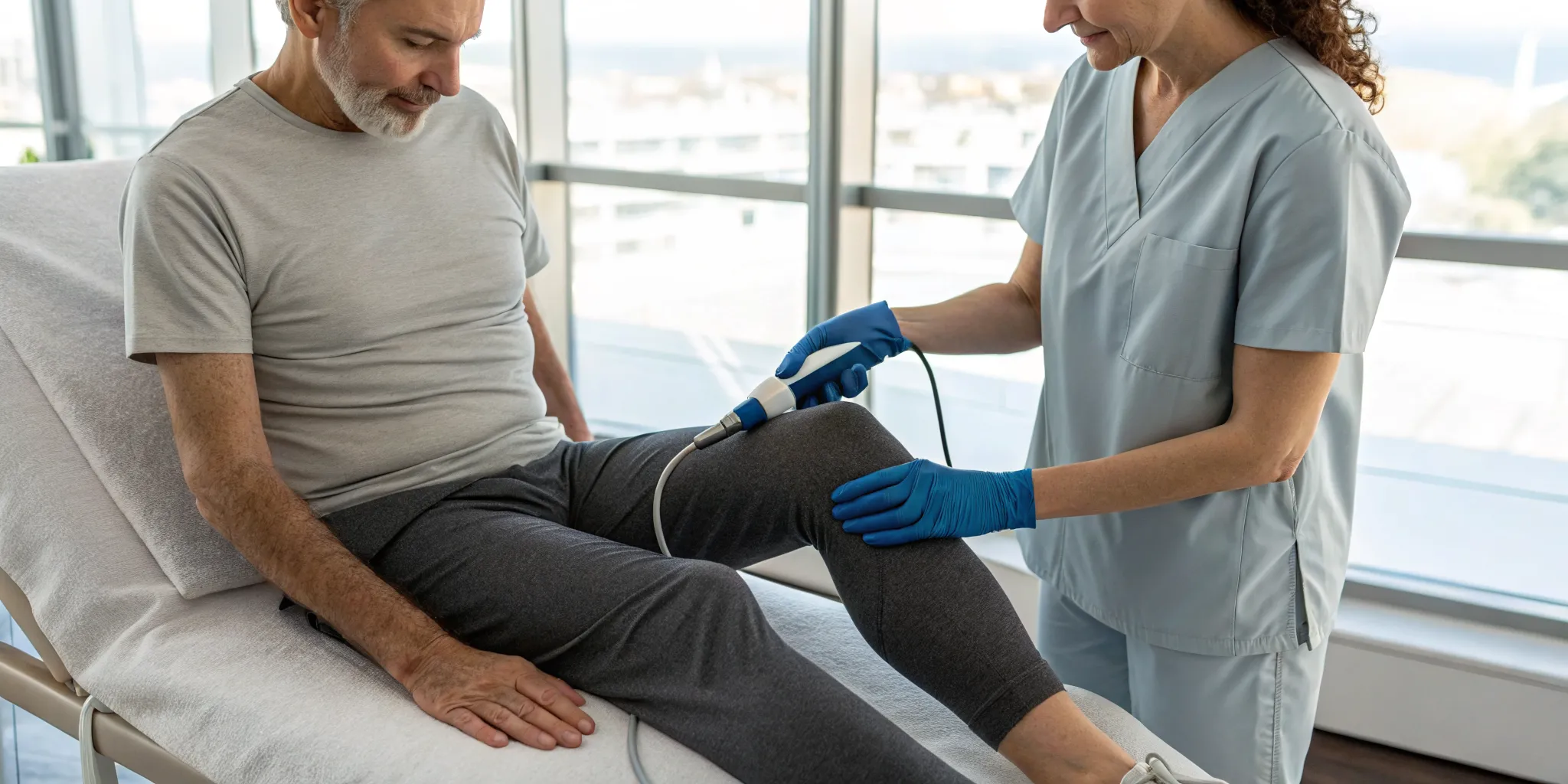
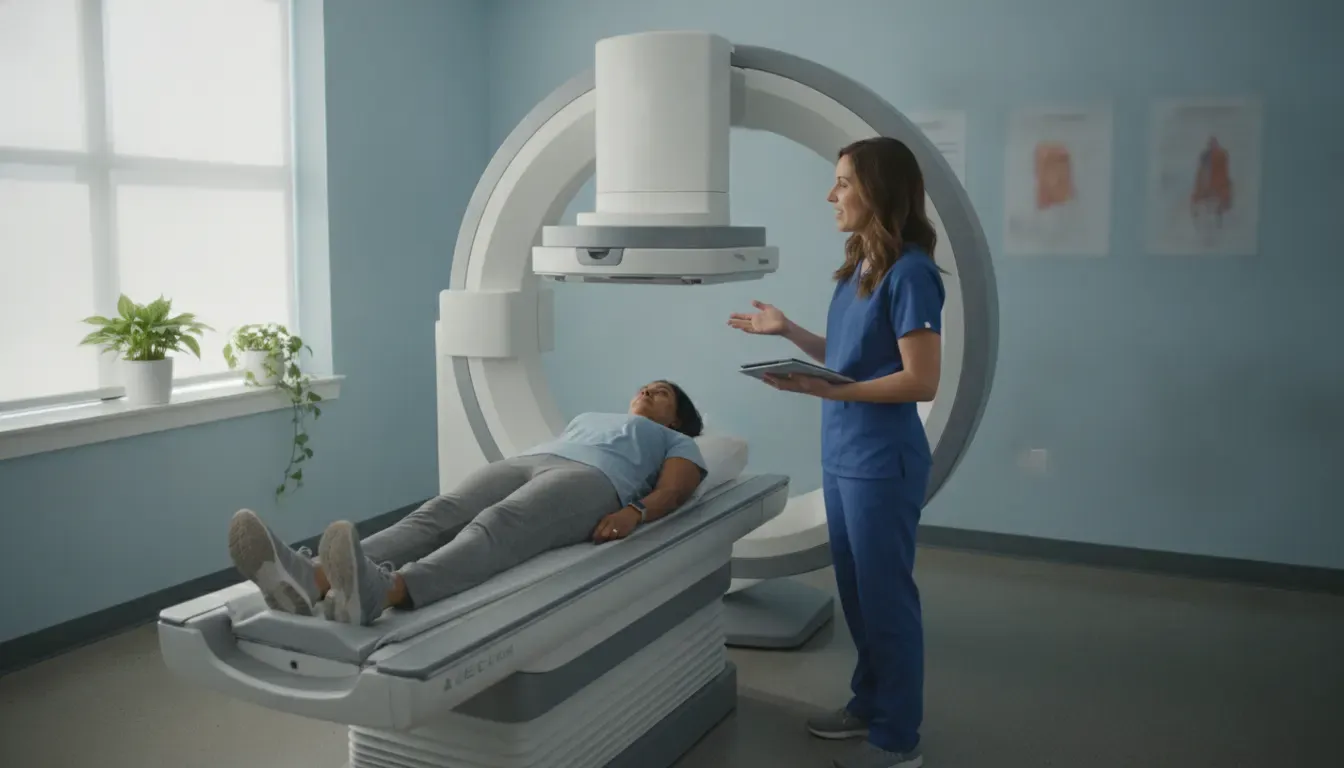
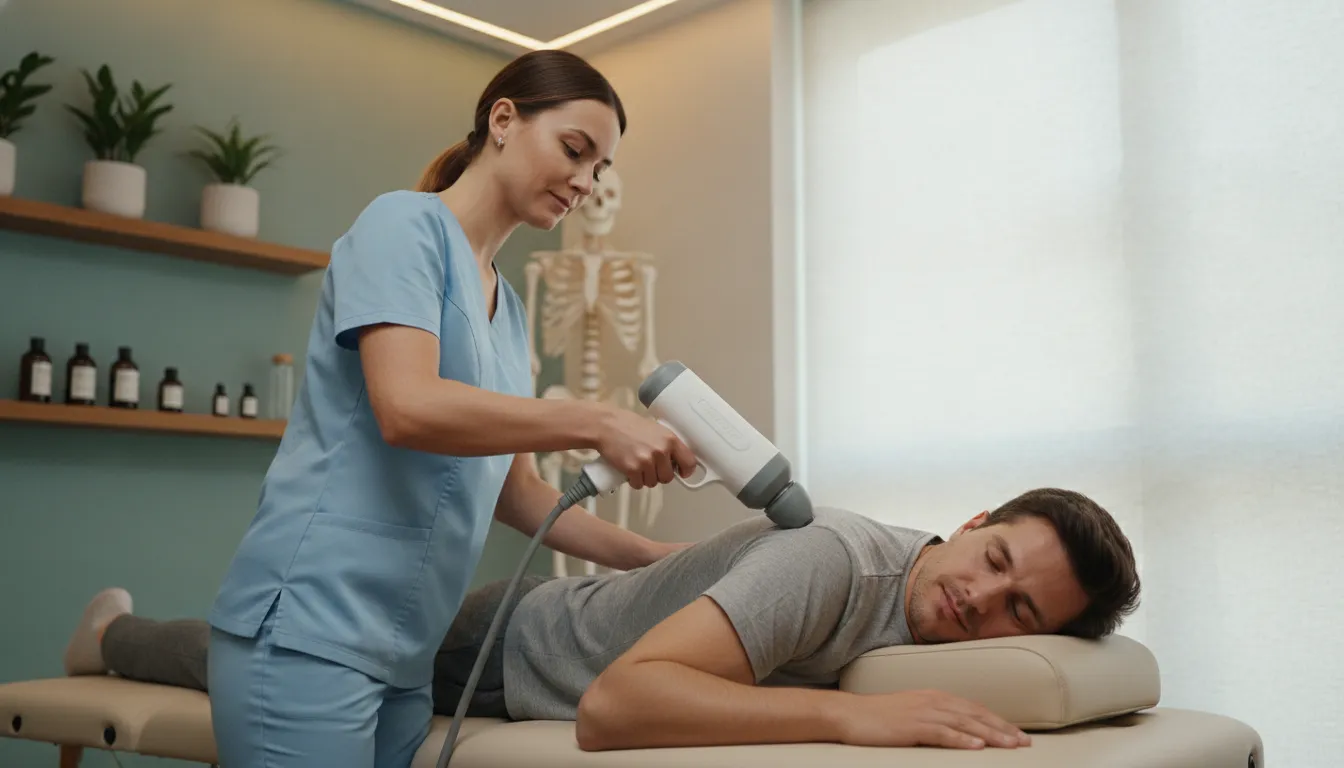
First, you’ll get comfortable in the treatment room, usually by lying down. Your practitioner will apply a special gel to the skin over the area that’s causing you pain. This gel helps the acoustic waves from the shockwave device travel more effectively into the tissue.
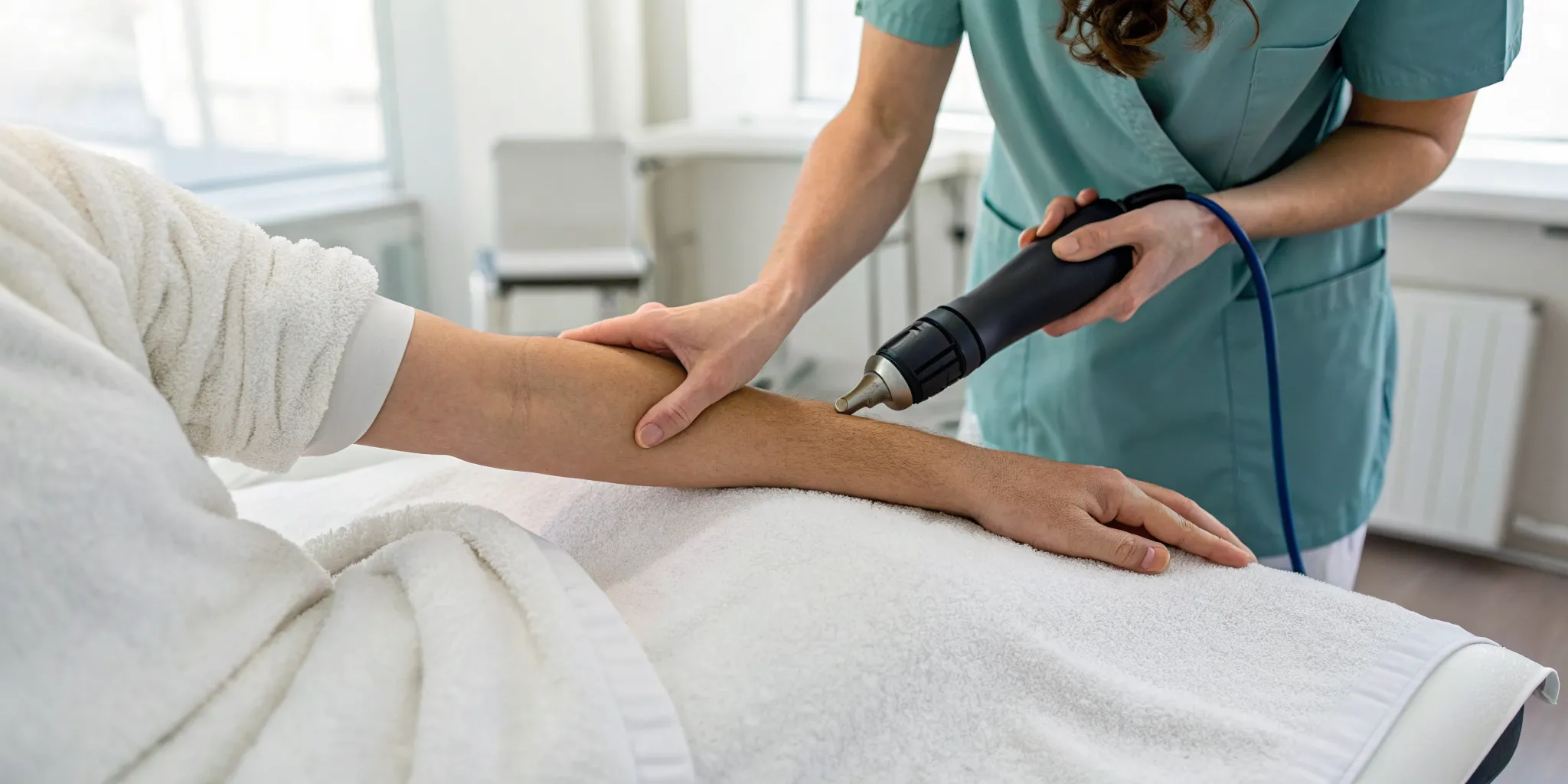
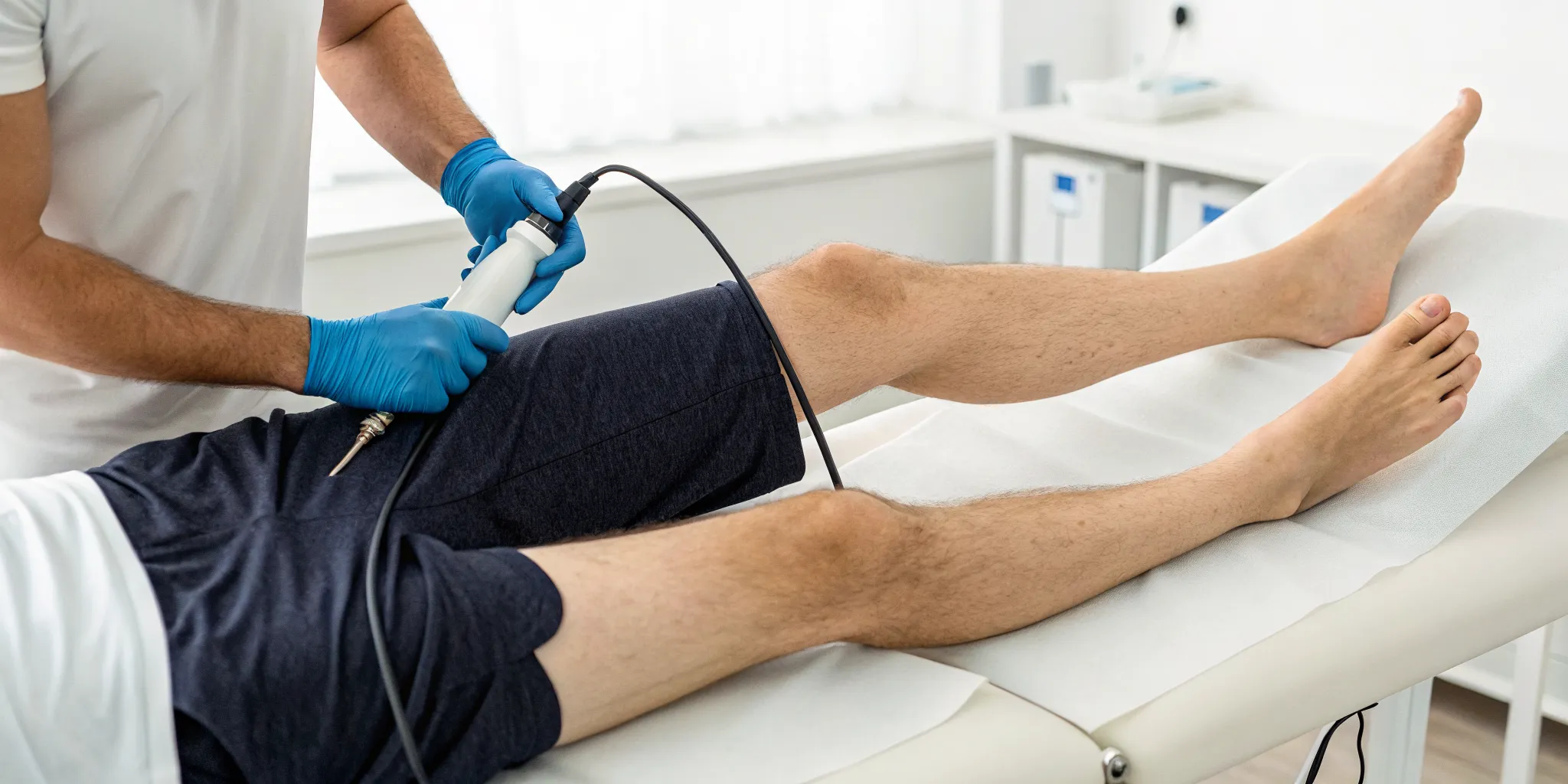
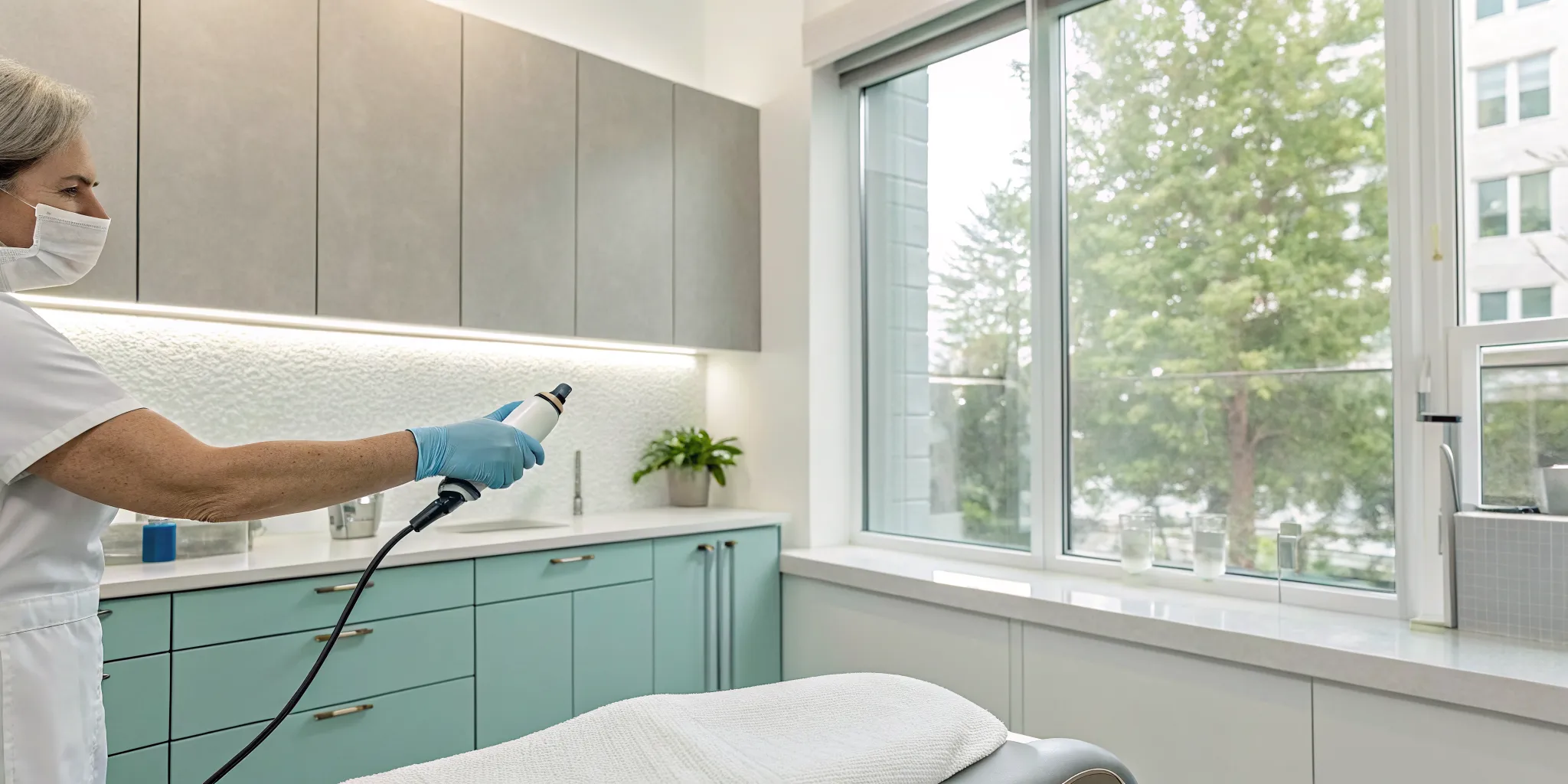
Next, your practitioner will use a handheld applicator, moving it in a circular motion over the targeted area. You will hear a clicking sound and feel a tapping sensation as the device delivers the acoustic waves. A single session is relatively quick, typically lasting between 10 and 30 minutes, depending on the condition being treated. It’s a simple process designed to stimulate your body’s natural repair mechanisms without significant discomfort.
How Many Sessions Will You Need?
The number of sessions you’ll need is tailored to you. Your treatment plan depends on the specific injury, how long you’ve had the issue, and how your body responds. Generally, most people see great results with a series of three to six treatments, scheduled about a week apart.
It’s also encouraging to know that many patients report feeling a noticeable reduction in pain after just one or two sessions. We will discuss a personalized plan for the conditions we treat during your initial consultation. Our team will assess your progress at each visit and adjust your plan as needed to ensure you get the best possible outcome.
After Your Session: Self-Care and What to Expect
One of the best parts about shockwave therapy is that there is no downtime. You can walk out of the clinic right after your session and return to most of your normal daily activities, including work. You might experience some mild soreness or tenderness in the treated area, which is a normal sign that the therapy has initiated a healing response.
We recommend avoiding any strenuous or high-impact exercise for about 48 hours after each treatment to give your body time to recover and repair. If you feel any discomfort, standard over-the-counter pain relievers are usually sufficient. Our team at Ascend Functional Health is always here to guide you on post-treatment care and answer any questions you have as you move through your healing process.
Comparing Shockwave Therapy to Other Treatments
When you’re dealing with persistent pain, it’s easy to feel like your options are limited to temporary fixes or invasive procedures. Understanding how shockwave therapy fits into the landscape of available treatments can help you make a more informed choice for your long-term health. Unlike methods that simply mask symptoms, shockwave therapy is designed to stimulate your body’s own healing mechanisms. It’s a fundamentally different approach that aims for lasting resolution rather than a quick, short-lived patch.
Let’s look at how this innovative therapy compares to more conventional treatments like injections, physical therapy, and surgery. By examining the pros and cons of each, you can get a clearer picture of why so many people are turning to shockwave therapy as a key part of their recovery plan. Our goal at Ascend Functional Health is to empower you with knowledge so you can choose the path that best supports your body’s ability to heal from the inside out.
Shockwave Therapy vs. Injections and Physical Therapy
Many people first turn to injections for pain relief. While these can offer a rapid reduction in discomfort, the effects are often temporary. Shockwave therapy, on the other hand, provides sustainable improvement by addressing the underlying tissue damage. It promotes regeneration without the potential risks of repeated injections, such as tissue degradation. When paired with other treatments in our physical medicine programs, it can be incredibly effective.
Physical therapy is another cornerstone of recovery, and shockwave therapy works as an excellent partner to it. While physical therapy strengthens muscles and improves mobility, shockwave therapy accelerates healing at the cellular level. This non-invasive treatment helps your body recover from various injuries, making your physical therapy exercises more effective and helping you achieve your goals faster.
Shockwave Therapy vs. Surgical Procedures
The thought of surgery can be daunting, often involving significant downtime, potential complications, and a long recovery period. Shockwave therapy presents a powerful alternative for many chronic conditions that might otherwise lead you down a surgical path. As a completely non-invasive procedure, it requires no incisions or anesthesia. It’s simply a way to treat problems without resorting to surgery or relying on pain medication.
Because it stimulates the body’s natural repair processes, many patients find they can avoid surgery altogether. By promoting blood flow, breaking down scar tissue, and encouraging cell regeneration, shockwave therapy helps resolve the root cause of pain. This allows you to get back to your life with minimal interruption and without the risks associated with an operation.
Understanding the Effectiveness of This Treatment
It’s natural to wonder if a non-invasive treatment can really deliver significant results, and the research on shockwave therapy is very encouraging. Studies have consistently shown that it can greatly reduce pain and speed up recovery for a wide range of musculoskeletal conditions. For many, this means finally finding a solution for pain that has lingered for months or even years.
The outcomes speak for themselves. In some clinical studies, around 91% of patients reported good results, including less pain and better movement after completing their treatment course. These high success rates are a major reason we incorporate shockwave therapy into our patient protocols. You can see what our own patients have to say about their experiences and the results they’ve achieved.
Clearing Up Common Myths About Shockwave Therapy
When you hear the term “shockwave,” it’s easy to picture something intense or intimidating. But when it comes to healing, this therapy is often misunderstood. Let's clear the air and separate fact from fiction so you can feel confident about your treatment options.
Myth: It's Painful and Invasive
Many people assume shockwave therapy must be painful, but that’s not the case. This treatment is completely non-invasive, which means there are no needles, no incisions, and nothing breaks the skin. The "shockwaves" are actually powerful acoustic waves, not electric shocks. During a session, you’ll feel a tapping or pulsing sensation on the treatment area. While it can be a bit uncomfortable, especially over a sore spot, the intensity is always adjusted to your tolerance. Most people find it very manageable. It’s a safe and effective part of our physical medicine programs, designed to help your body heal without resorting to more aggressive procedures.
Myth: It's a Treatment Only for Athletes
While shockwave therapy is popular among athletes for treating sports-related injuries, its benefits are for everyone. You don’t have to be a professional athlete to experience the kind of chronic pain this therapy addresses. Whether you’re dealing with plantar fasciitis from being on your feet all day, tennis elbow from a weekend project, or shoulder pain from sitting at a desk, shockwave therapy can help. It’s designed to treat specific musculoskeletal conditions we treat, regardless of your activity level. The goal is to get you back to doing what you love, whether that’s running a marathon or just walking your dog without pain.
Myth: It's the Same as Ultrasound
It’s easy to confuse shockwave therapy with therapeutic ultrasound, since both use a handheld device and gel on the skin. However, they work in very different ways. Therapeutic ultrasound uses high-frequency sound waves to create a gentle heating effect that can help relax tissues and improve blood flow. Shockwave therapy, on the other hand, uses higher-energy acoustic pressure waves. These waves create a controlled micro-trauma in the affected tissue, which stimulates your body’s natural healing response, breaks down scar tissue, and promotes new blood vessel growth. It’s a more active and targeted approach to healing, which is why it’s one of the many distinct services we offer to get to the root of your pain.
Planning for Your Shockwave Therapy Treatment
Deciding to move forward with a new treatment is a significant step in your healing journey. Once you’ve determined that shockwave therapy is a good fit for your condition, the next phase is all about preparation. Planning ahead helps you feel confident and in control, allowing you to focus completely on your recovery. This means knowing what to expect from the treatment itself and understanding the practical details, including the financial commitment involved.
Being well-informed about the entire process, from your first session to your last, removes uncertainty and sets you up for the best possible outcome. It’s about creating a clear path forward so there are no surprises along the way. When you’re ready to discuss your specific situation, our team at Ascend Functional Health is here to answer your questions and help you create a plan that works for you. You can always reach out to our Tampa clinic to get the conversation started.
Understanding Your Payment Options
Let’s talk about the financial side of shockwave therapy. It’s important to know that most patients pay for this treatment directly, as it’s often not a standard item on health benefit plans. Because of this, reputable clinics are very transparent about their pricing. You’ll typically find that services are offered at a set rate per session or as a package of multiple sessions, which can make budgeting more predictable.
When you have your consultation, don't hesitate to ask about all your payment options. Inquire if you can use funds from a Health Savings Account (HSA) or Flexible Spending Account (FSA) to pay for your treatment. While there is an upfront investment, many people find that shockwave therapy is a wise financial decision for their long-term health, especially when compared to the cumulative expense of repeated, less effective interventions. It’s a key part of our physical medicine programs designed to produce lasting results.
How to Choose the Right Shockwave Therapy Provider
Finding the right person to guide your healing journey is just as important as the treatment itself. When it comes to shockwave therapy, the provider’s experience and approach can make all the difference in your results. You want a partner in your health, not just a technician. A great provider will take the time to understand your unique situation and integrate shockwave therapy into a comprehensive plan designed for your body. Taking a few extra steps to vet your options will help you feel confident and secure in your decision, ensuring you’re on the best path toward recovery.
What Credentials and Qualifications Matter
Before committing to a treatment plan, it’s smart to look into the provider’s background. Proper training is non-negotiable. Look for a clinician who is certified in performing shockwave therapy, as this shows they have a deep understanding of how the technology works and how to apply it safely for specific conditions. Beyond certification, ask about their experience. How long have they been using this technology? What kinds of results have they seen? A trustworthy provider will be transparent about their qualifications and the training they’ve completed. At Ascend, our team is committed to the highest standards of care, and we believe that expertise is the foundation of effective physical medicine treatment.
Key Questions to Ask During Your Consultation
Your consultation is the perfect opportunity to get clarity and see if a clinic is the right fit for you. Think of it as a two-way conversation to ensure you feel completely comfortable. Go in prepared with a list of questions, such as, "Can you explain how shockwave therapy works for my specific issue?" or "What makes me a good candidate for this treatment?" It's also helpful to understand the bigger picture, so you could ask, "How does this fit into my overall care plan?" A provider who welcomes your questions and provides thoughtful, clear answers is a great sign that you’re in good hands. If you're ready to start the conversation, we invite you to contact our Tampa office to schedule a visit.
Red Flags to Watch For When Choosing a Clinic
Just as there are green flags, there are also red flags to be aware of. Be cautious if a provider seems vague about the equipment they use or can't explain why it’s the right choice for your body. A one-size-fits-all approach is another major warning sign. Your treatment plan should be tailored to you and the specific conditions we treat, not a generic protocol applied to every person who walks in the door. Finally, if you feel pressured to make a quick decision or your questions are dismissed, it might be best to look elsewhere. The right clinic will create a supportive environment where you feel heard and respected throughout your entire healing process.
Why a Functional Health Approach Leads to Better Results
Finding lasting relief from chronic pain isn't just about treating the spot that hurts. While a tool like shockwave therapy can be incredibly effective at targeting a painful area, it works best when it’s part of a bigger picture. This is where a functional health perspective makes all the difference. Instead of only focusing on the symptom, we look for the root cause. Why did your plantar fasciitis develop in the first place? What underlying imbalance is causing your shoulder to ache? A functional approach seeks to answer these questions by looking at how your entire body works together as a system.
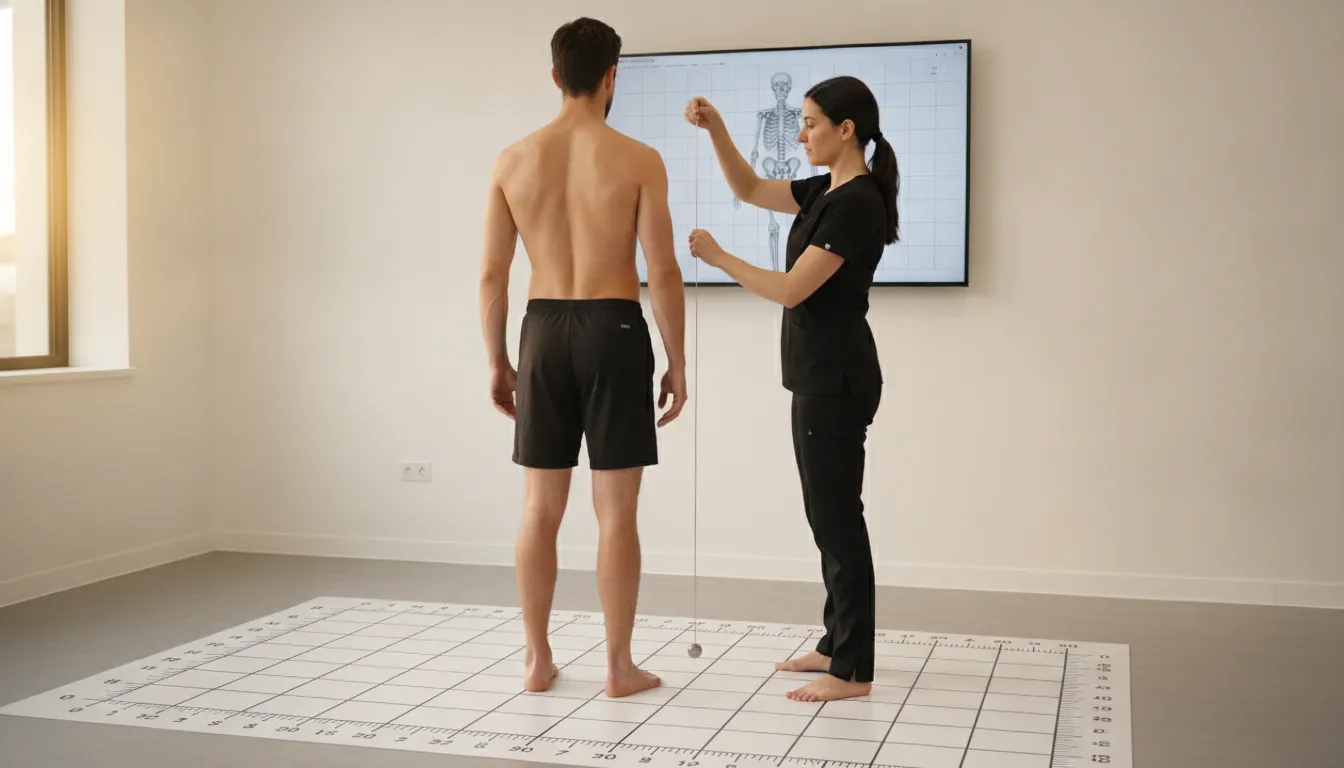
This method is about connecting the dots. Your recurring knee pain might be linked to a subtle misalignment in your hips, or your persistent backache could be aggravated by poor posture during your workday. By identifying and addressing these underlying issues, we create a more complete and durable solution. A comprehensive treatment plan that gets to the source of the problem promotes true tissue regeneration and helps you find long-term wellness. At Ascend Functional Health, our entire philosophy is built on understanding the body’s interconnected systems to create personalized protocols. We see shockwave therapy not as a standalone fix, but as a powerful component within a holistic strategy designed to restore your body’s natural function and health.
How We Integrate Shockwave Therapy into Our Physical Medicine Programs in Tampa
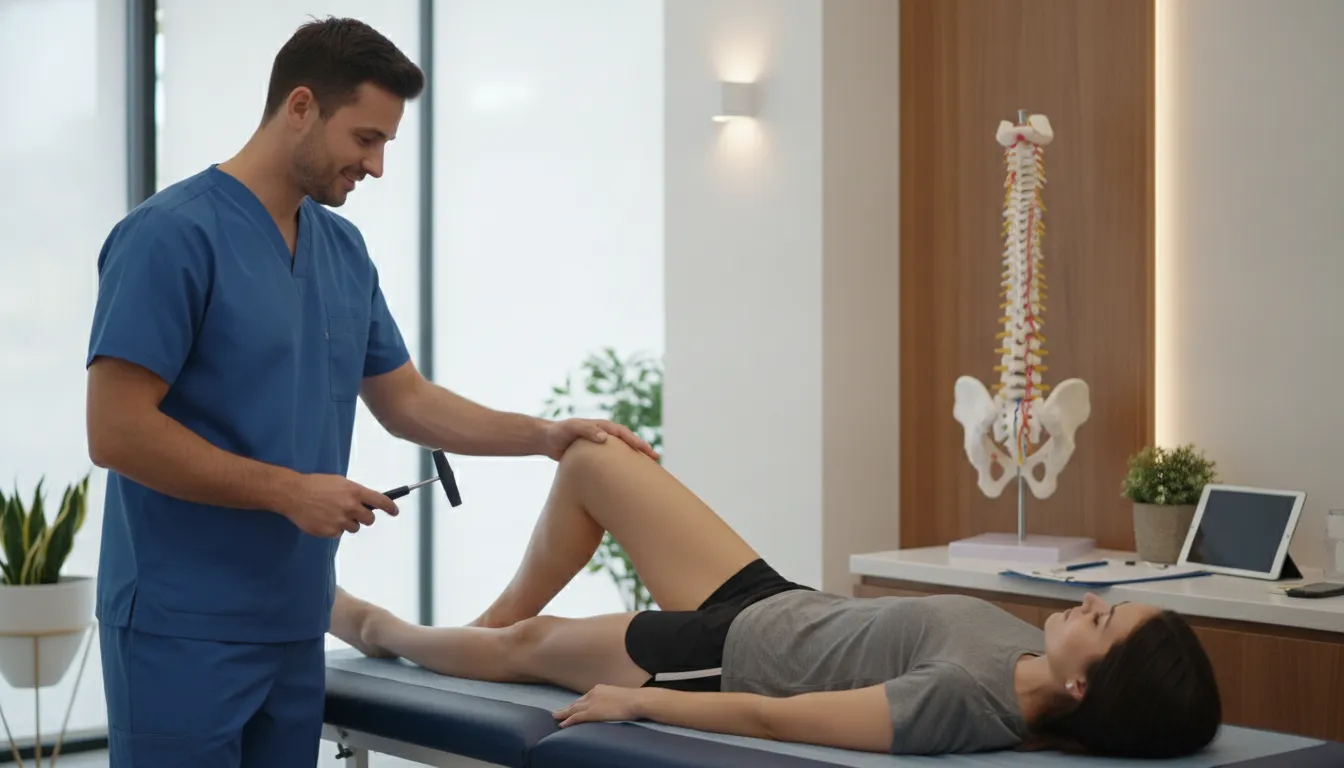
At our Tampa clinic, we never use shockwave therapy in a vacuum. It’s a key part of our integrated Physical Medicine programs, which are tailored to your specific needs. Your journey begins with a comprehensive evaluation to uncover the source of your pain and dysfunction. From there, we build a multi-faceted plan that uses shockwave therapy to accelerate healing at the cellular level while we address the bigger picture.
For example, we might pair shockwave sessions with chiropractic adjustments to restore proper joint alignment, or with specific corrective exercises to strengthen the muscles that support the injured area. This combination ensures we’re not just alleviating your immediate pain but also correcting the biomechanical problems that caused it. This patient-centered approach is designed to produce lasting results, helping you move better and live without discomfort.
Related Articles
- SoftWave Tissue Regeneration Therapy in Tampa | Alessi Functional Health
- SoftWave TRT Therapy in Tampa, FL - Alessi Functional Health
- Physical Medicine in Tampa | Chiropractic & Rehab Care | Ascend Functional Health
- Physical Medicine | Alessi Functional Health Tampa, FL
- Regenerative Medicine | Alessi Functional Health Tampa, FL
Frequently Asked Questions
Does shockwave therapy actually hurt? This is a great question, and the short answer is that while it isn't a relaxing massage, it’s very manageable. The treatment is non-invasive, so nothing breaks the skin. Most people describe the sensation as a strong, deep tapping or pulsing feeling. We can adjust the intensity to your comfort level, and any discomfort you feel is temporary and a sign that the therapy is targeting the right spot to stimulate healing.
How quickly can I expect to see results? While some people report feeling a bit better after just one or two sessions, the real magic happens over time. Shockwave therapy is designed to promote deep, long-term tissue regeneration, not just provide a temporary fix. The full course of treatment, which is typically a series of weekly sessions, gives your body the time it needs to repair the damaged tissue. The goal is lasting relief, which is a process that builds with each session.
I've already tried physical therapy without success. Why would this be any different? This is a common scenario, and it’s where shockwave therapy can be a game-changer. Think of it as a powerful partner to physical therapy. While physical therapy is excellent for strengthening muscles and improving mechanics, shockwave therapy works on a cellular level to restart a healing process that has stalled. It helps break down scar tissue and increases blood flow directly to the injured area, creating a better environment for your body to repair itself and making your physical therapy efforts more effective.
Are there any side effects, and is there any downtime after a session? One of the best things about shockwave therapy is that there is no real downtime. You can get back to your day right after your appointment. You might feel some mild soreness or tenderness in the treated area for a day or two, but this is a positive sign that your body has begun its inflammatory healing response. We just recommend avoiding any intense exercise for about 48 hours after each session to give the tissue time to respond.
How do I know if I'm a good candidate for this treatment? You might be a great fit for shockwave therapy if you're dealing with a chronic soft tissue or tendon injury, like plantar fasciitis or tennis elbow, that hasn't improved with other treatments. However, it isn't suitable for everyone, such as those who are pregnant or have certain blood clotting disorders. The best way to know for sure is to have a thorough consultation where we can discuss your health history and assess your specific condition to see if it aligns with this type of therapy.