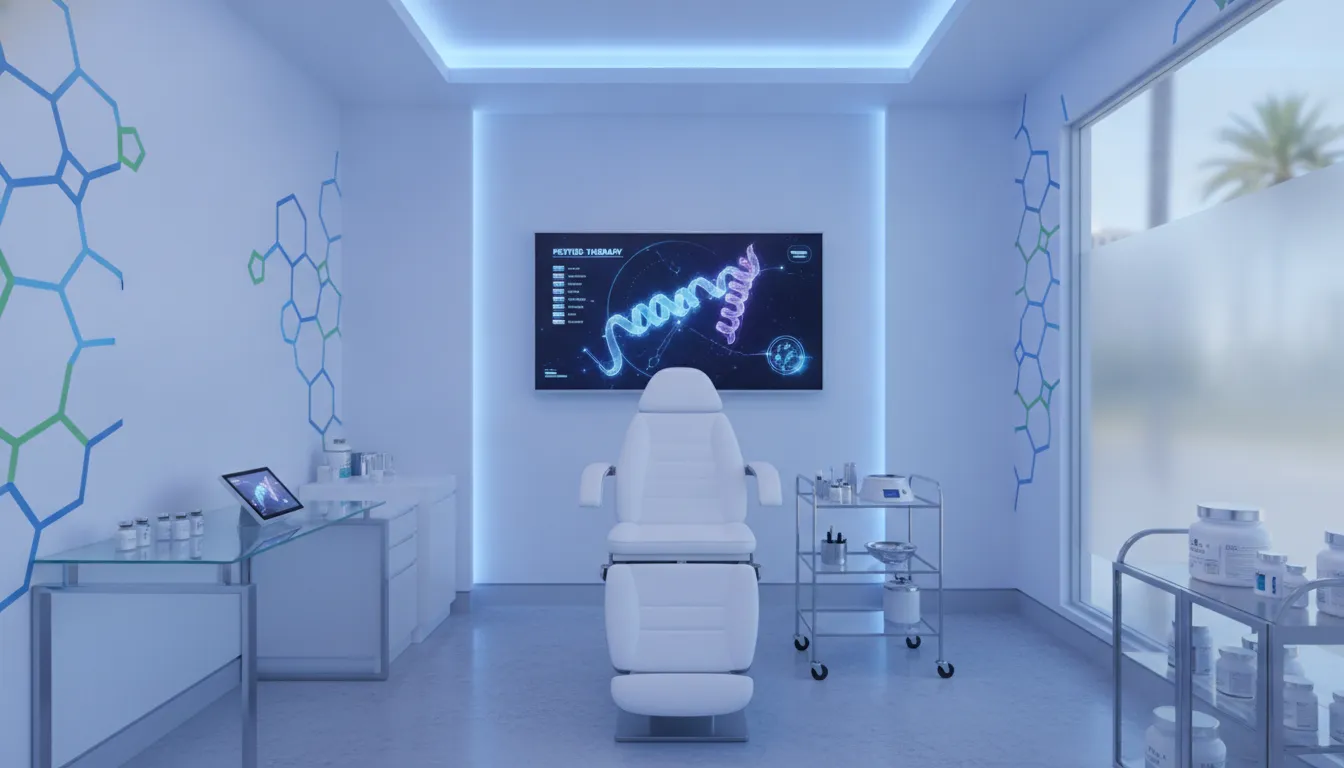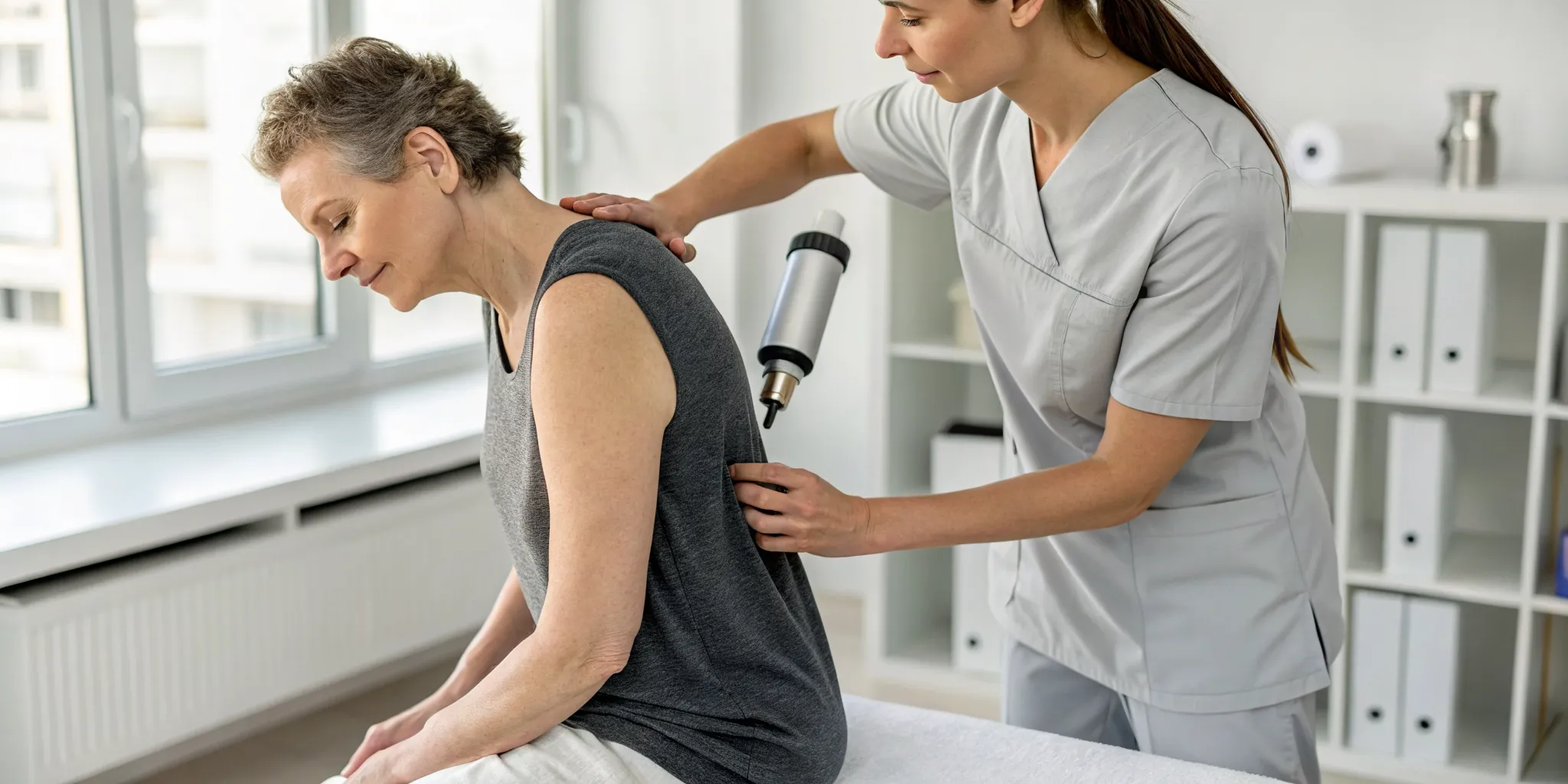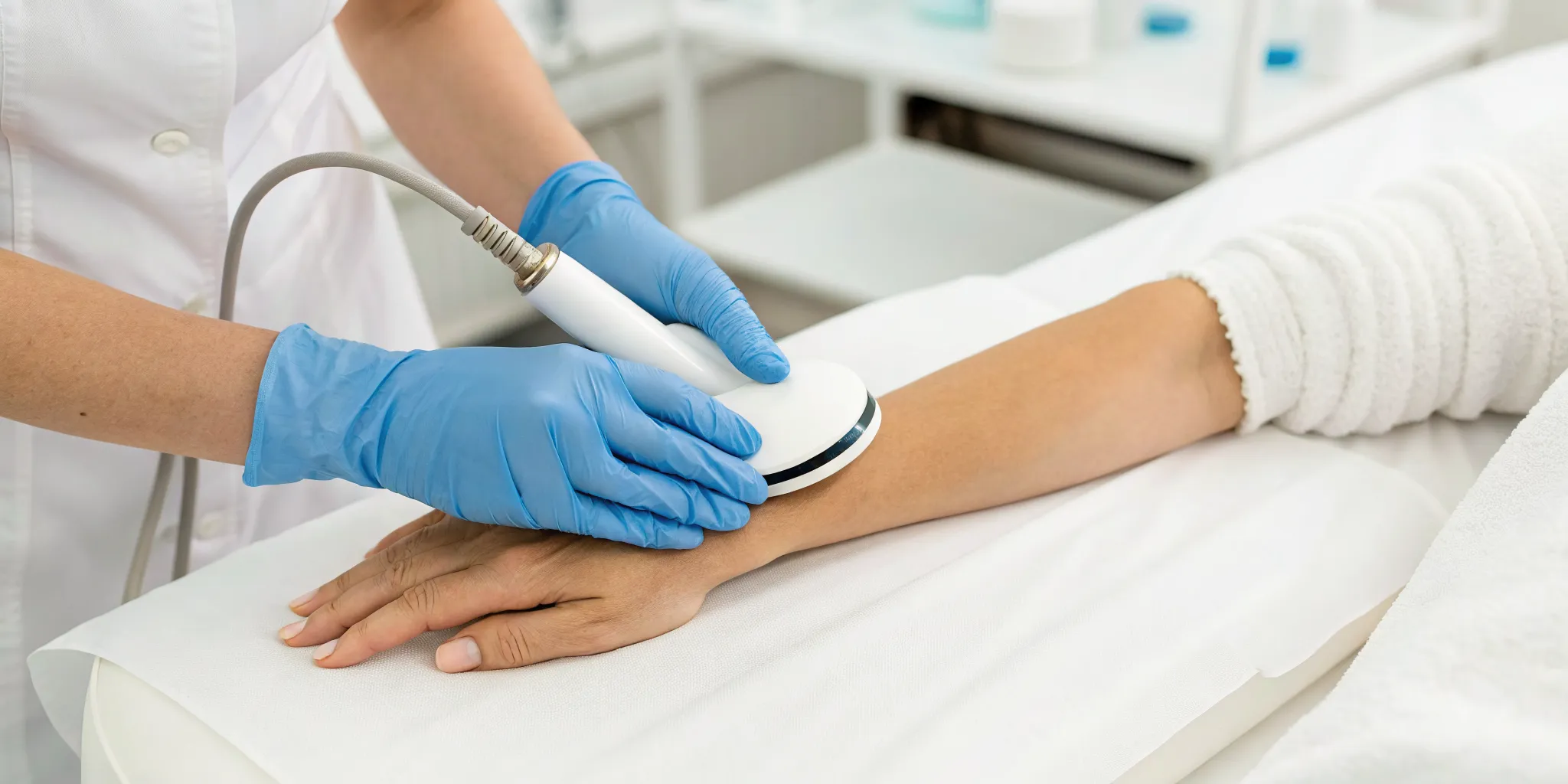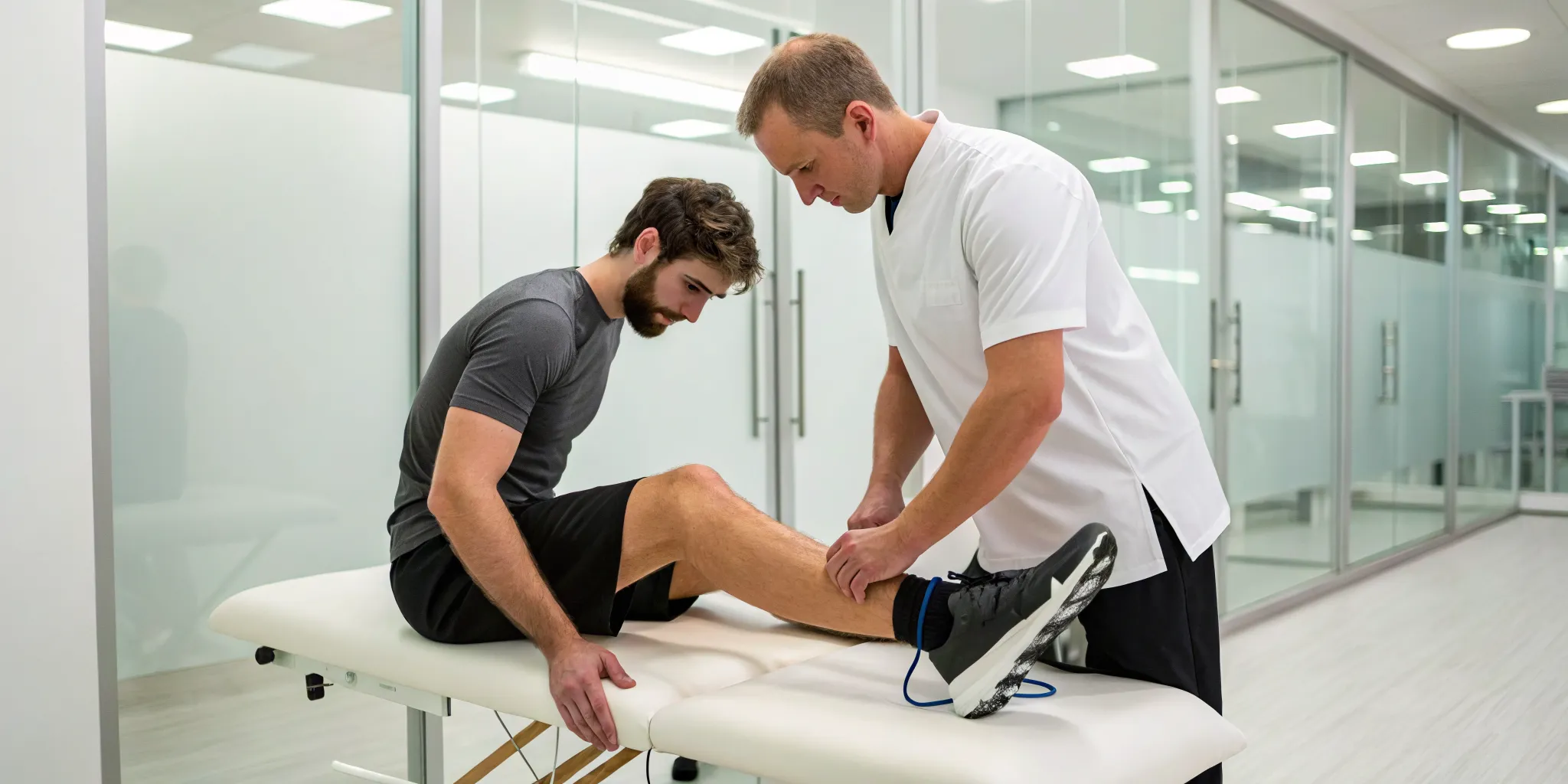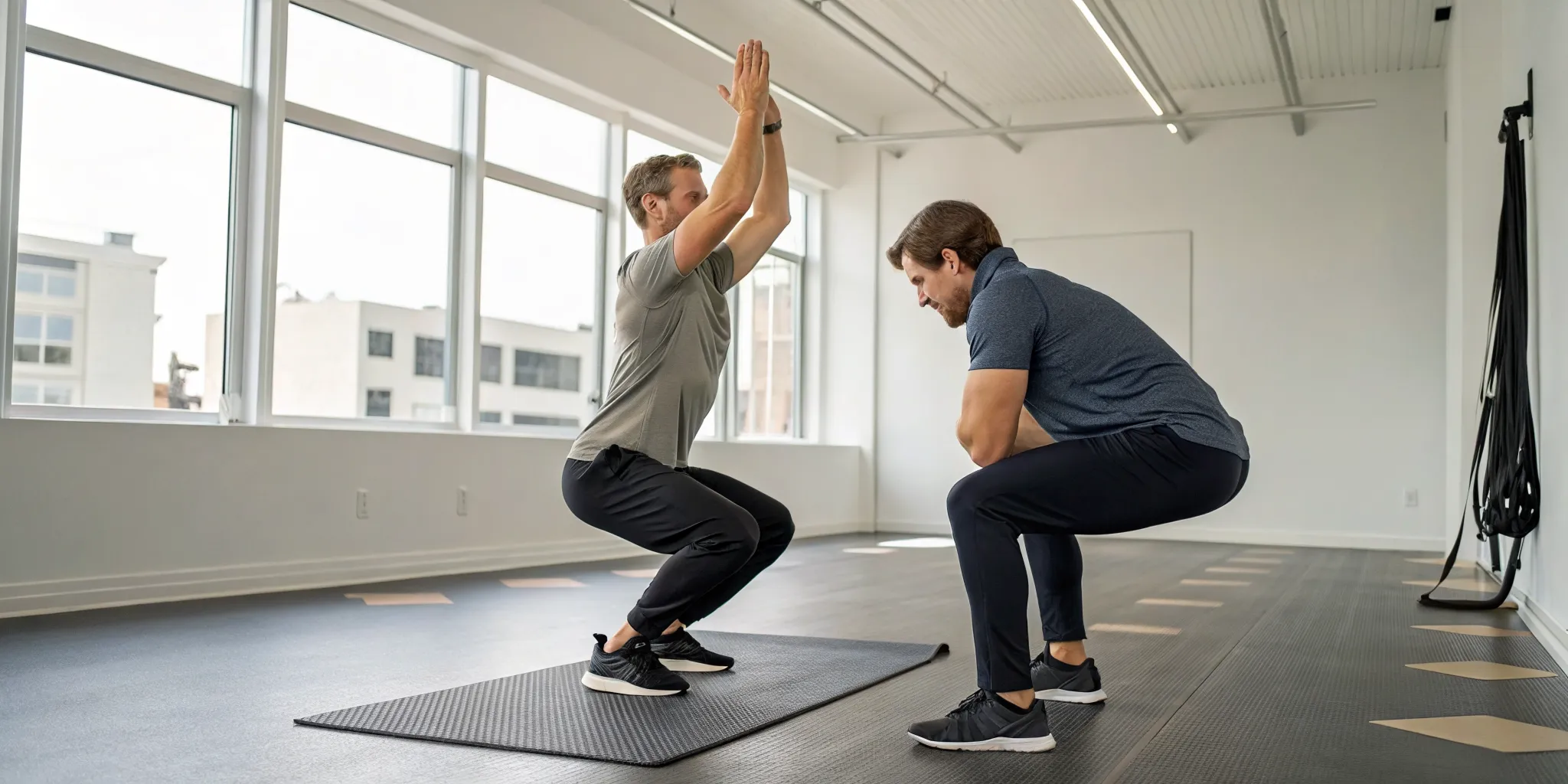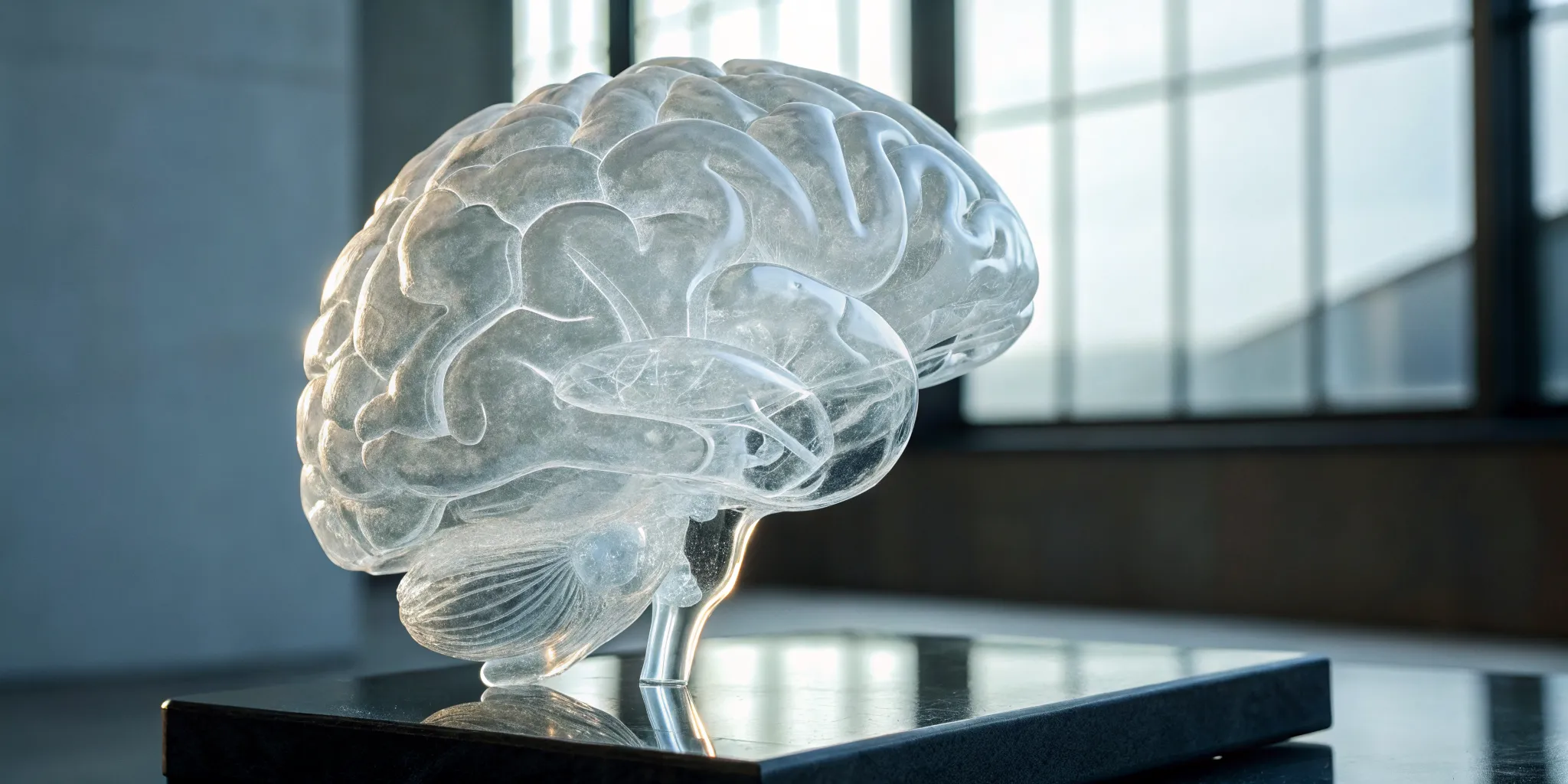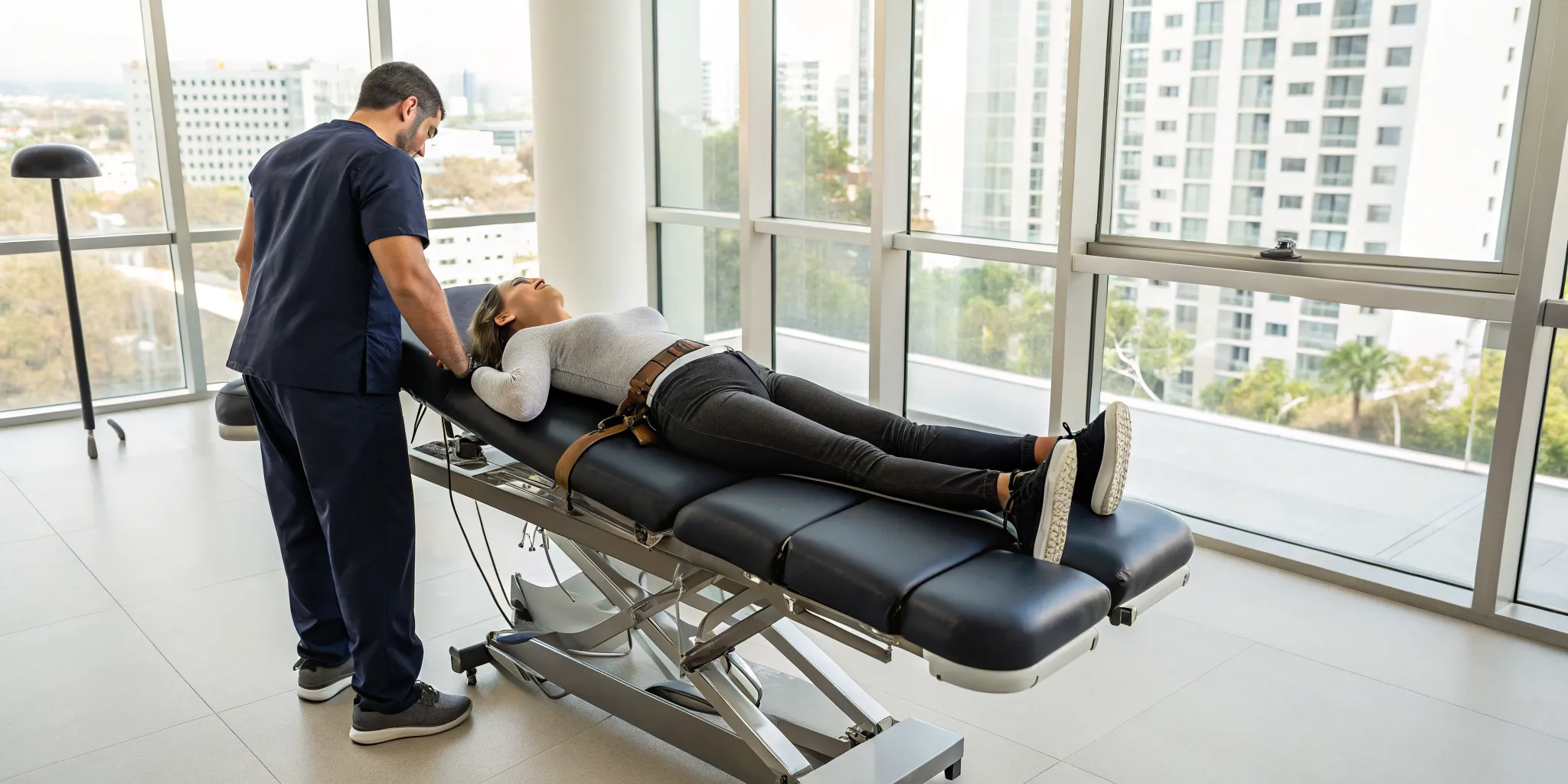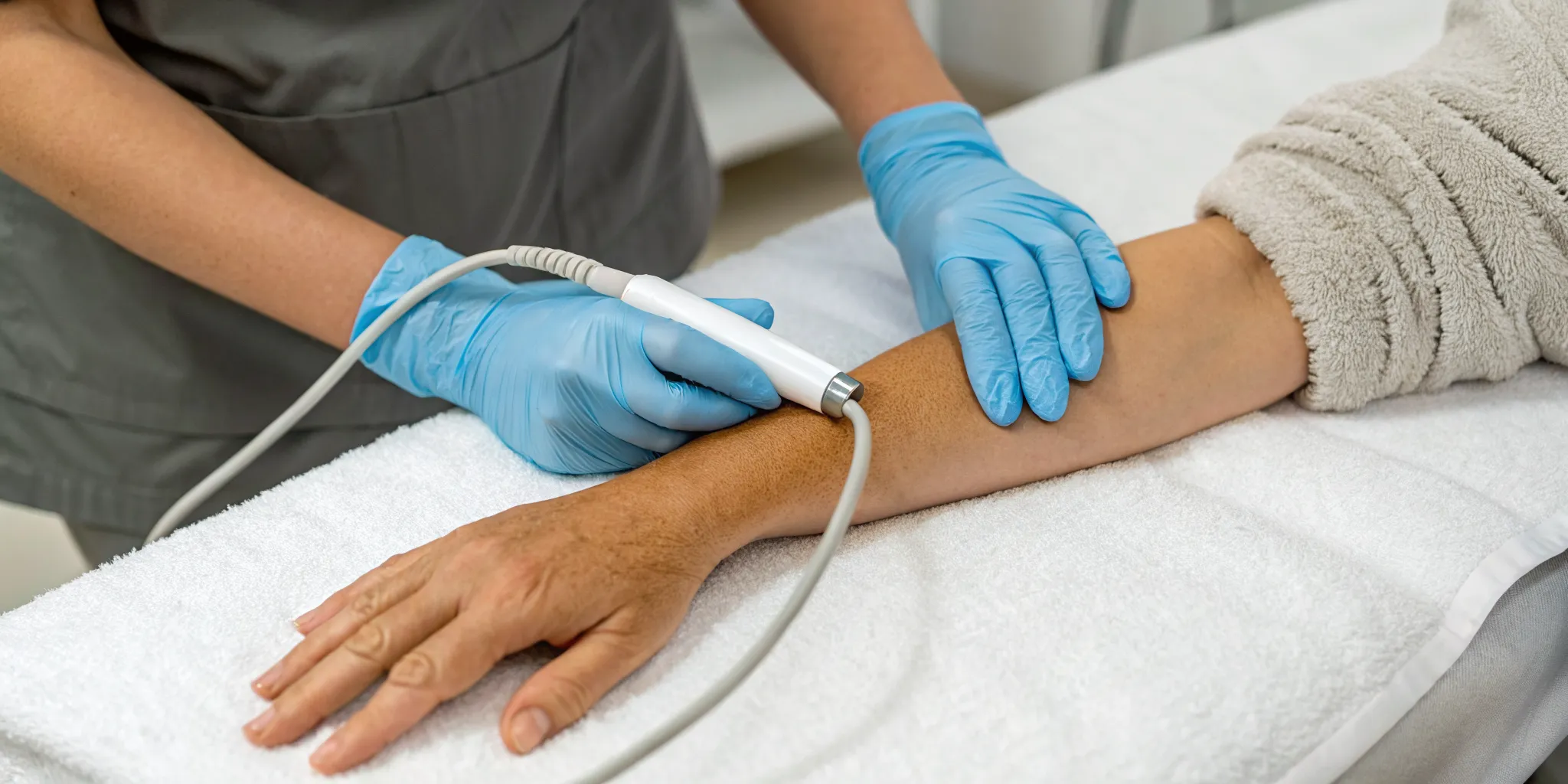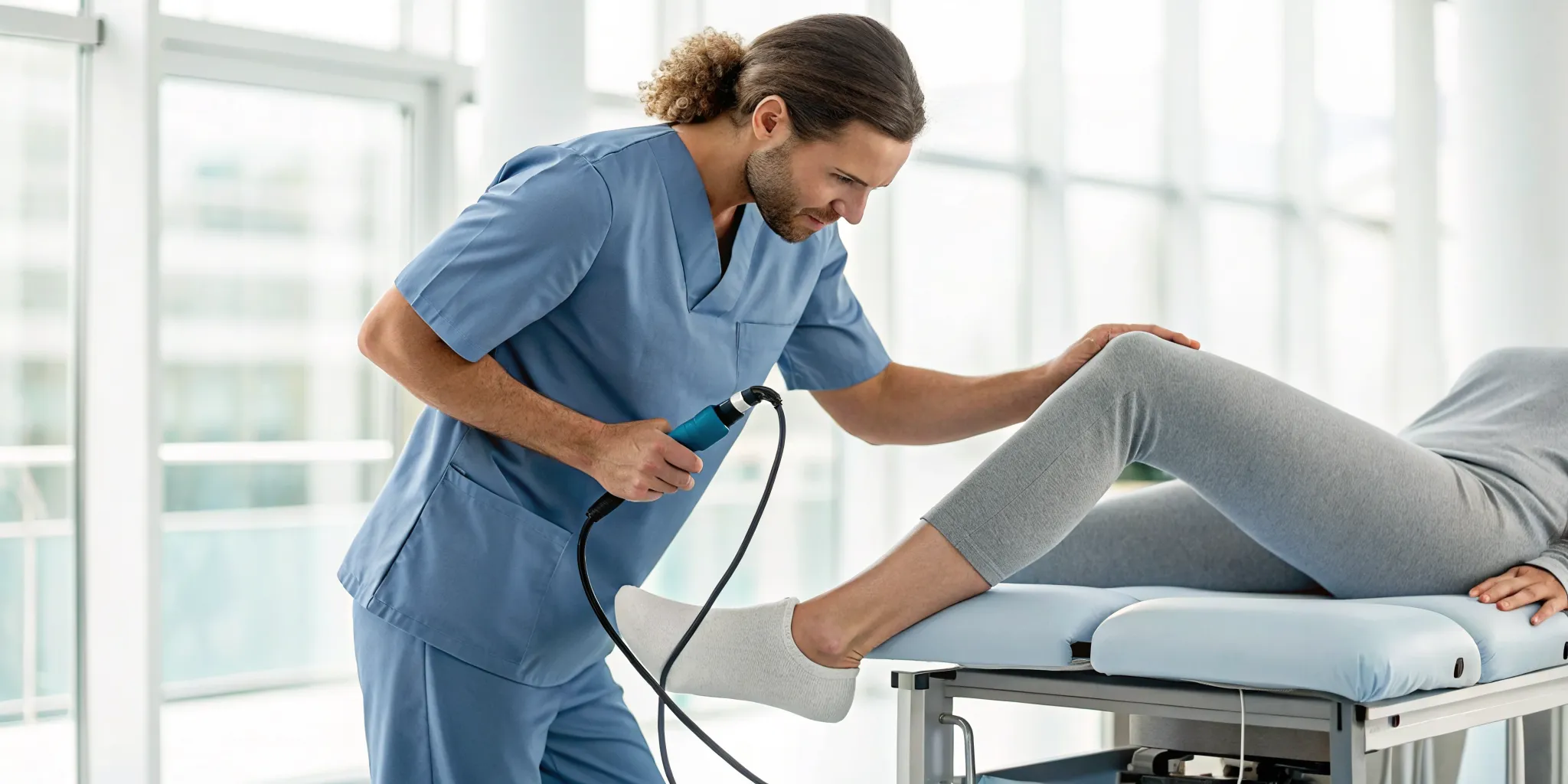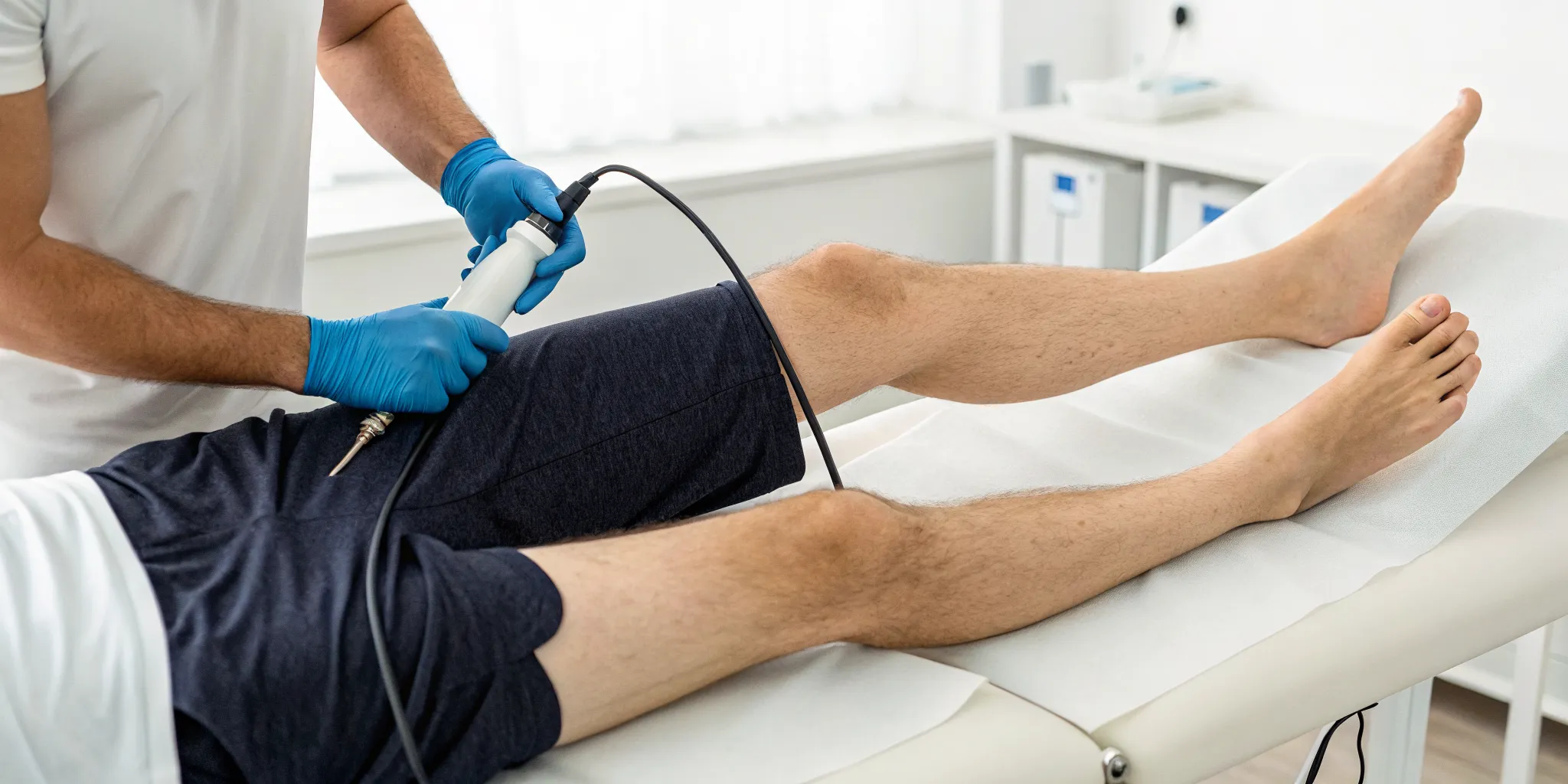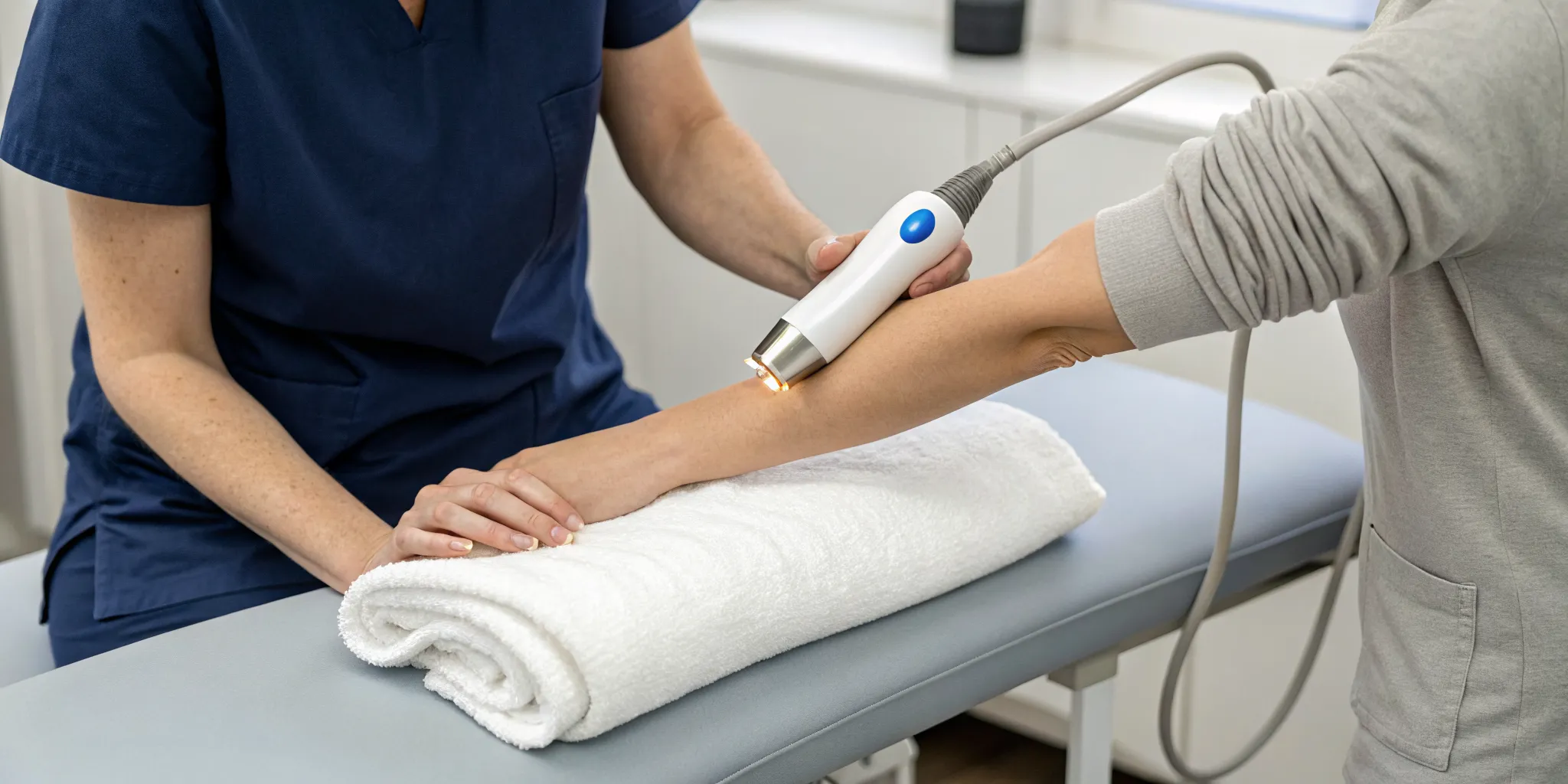
The term “shockwave” can sound a little intense, but let’s clear the air: this treatment has nothing to do with electrical shocks. Instead, it uses powerful acoustic waves—a type of sound wave—to target injured tissue deep beneath the skin. Think of it as a way to create a controlled, microscopic disruption that signals your body to jumpstart a stalled healing process. For athletes dealing with chronic pain from conditions like plantar fasciitis or tendonitis, this can be a game-changer. Our approach to shockwave therapy for sports recovery is a key part of our physical medicine services, offering a precise, science-backed method to promote genuine tissue repair without invasive procedures.
Key Takeaways
- It stimulates your body's own healing response: Shockwave therapy uses targeted acoustic waves to restart the repair process in injured tissue. This increases blood flow and encourages new collagen growth, addressing the root cause of pain instead of just covering it up.
- It's a versatile tool for common sports injuries: This non-invasive treatment is a great option for stubborn conditions like plantar fasciitis, Achilles tendinopathy, and tennis elbow. It helps resolve both chronic issues and more recent injuries, making it effective for athletes at any level.
- It supports an efficient recovery with minimal downtime: A typical treatment course involves just a few short sessions, allowing you to stay active while you heal. For the best results, shockwave therapy should be combined with other treatments, like corrective exercise, as part of a complete recovery plan.
How Does Shockwave Therapy Work?
If you’ve been sidelined by a nagging sports injury, you know how frustrating the recovery process can be. You want to get back to your routine, but your body needs time to heal. Shockwave therapy is a modern, non-invasive treatment that can help speed up that process by working with your body’s natural healing abilities. It’s not about masking pain; it’s about addressing the root cause of your injury to promote genuine, long-term repair.
At its core, shockwave therapy uses targeted sound waves to stimulate injured tissues, like tendons and ligaments. Think of it as a way to restart the healing process, especially in chronic injuries where it has stalled. A specialized device sends acoustic waves into the affected area, creating a controlled micro-trauma that triggers a powerful healing response from your body. This approach is a key part of our Physical Medicine services, designed to help you recover effectively and get back to the activities you love without invasive procedures.
The Science of Acoustic Wave Technology
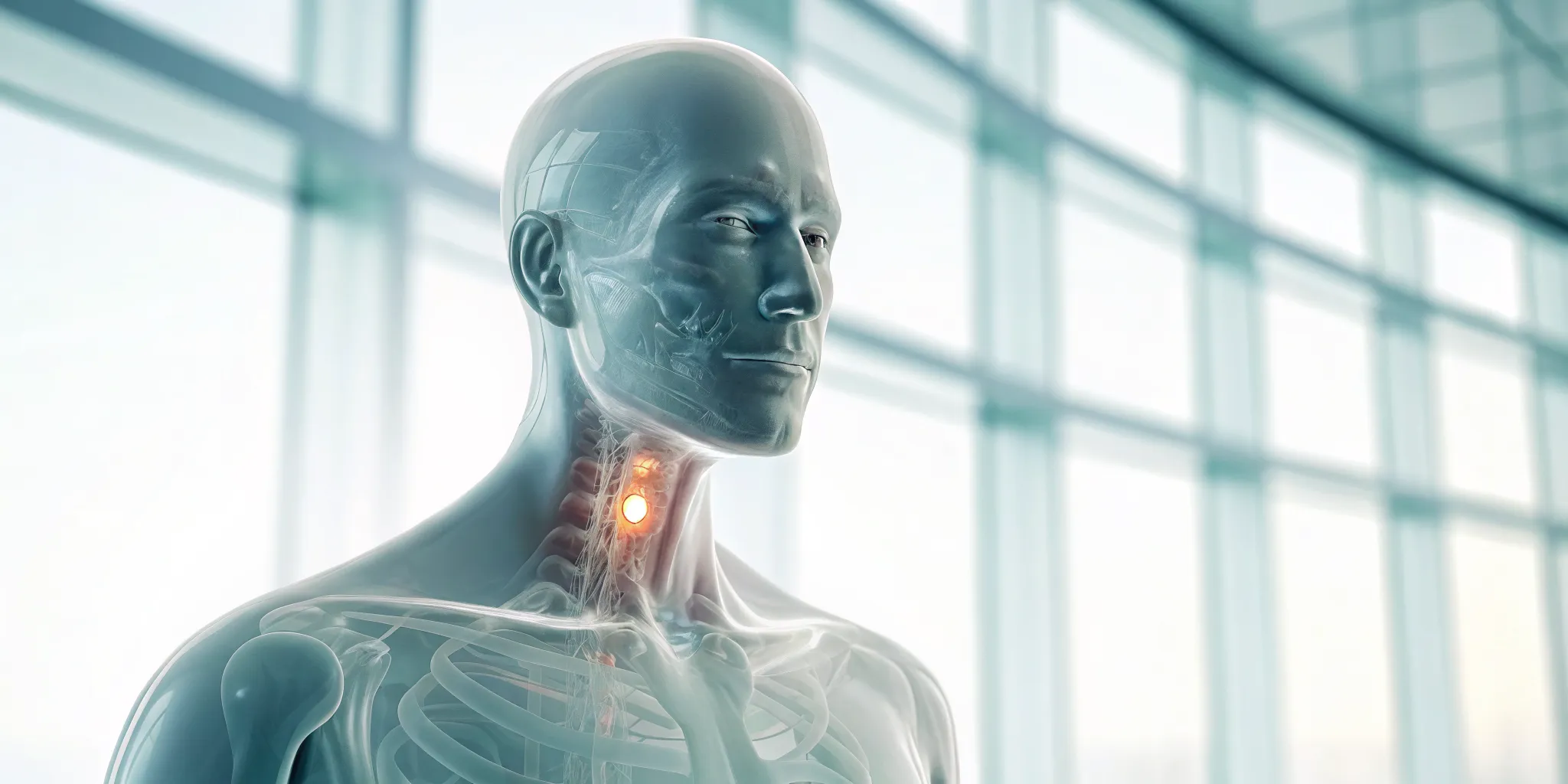
The term "shockwave" might sound intense, but the treatment itself is straightforward and non-invasive. It doesn't involve any incisions or injections. Instead, we use a device to deliver high-energy acoustic waves (sound waves) directly to the injured tissue. These waves travel through your skin to the targeted area, where they create tiny disruptions in the tissue.
This controlled stimulation is the key. It signals your body to ramp up its natural repair mechanisms. Your body responds by increasing metabolic activity and blood circulation around the injured tissue, which brings in more oxygen and nutrients essential for healing. It’s a way of waking up dormant cells and reminding them they have a job to do, making it one of the most effective services we offer for stubborn injuries.
Focused vs. Radial: What's the Difference?
Not all shockwave treatments are the same. There are two primary types: focused and radial. The one we choose depends entirely on your specific injury, its location, and how deep the tissue damage is. Radial shockwaves are pressure waves that spread out over a larger, more superficial area. This makes them great for treating broader zones of tenderness or injuries closer to the skin's surface.
Focused shockwaves, on the other hand, are more precise. They can be concentrated on a single point, allowing us to target tissues that are deeper within the body with pinpoint accuracy. It’s important to know that this technology is much more advanced than a standard therapeutic ultrasound, which uses different sound waves for different purposes.
Promoting Tissue Repair and Collagen Growth
So, what happens in your body after those acoustic waves are delivered? This is where the real magic begins. The stimulation from shockwave therapy encourages your body to produce new collagen, a vital protein that acts as the building block for your tendons, ligaments, and other connective tissues. For an athlete, healthy collagen is everything for maintaining strength and flexibility.
The treatment also triggers the release of natural growth factors that are crucial for cell regeneration. At the same time, it promotes the formation of new blood vessels in a process called neovascularization. This enhanced blood flow delivers a fresh supply of oxygen and nutrients to the injury, flushing out waste products and accelerating healing for many of the conditions we treat.
Which Sports Injuries Does Shockwave Therapy Help?
If you’re an athlete, you know that nagging injuries can be part of the game. The good news is that shockwave therapy is an incredibly versatile tool that can address a wide range of musculoskeletal conditions, helping you get back to your sport without significant downtime. It’s a key component of our physical medicine approach because it targets the root cause of pain and stimulates your body’s own healing mechanisms. This technology is effective for many of the common issues that keep athletes on the sidelines, from persistent tendon pain to acute muscle strains.
It works by delivering acoustic waves to injured tissue, which helps break down scar tissue, reduce pain, and improve blood flow to the area. This process, known as neovascularization, is crucial for healing tissues that don't get a lot of blood supply on their own. By creating a new healing response at the cellular level, shockwave therapy encourages your body to repair itself more effectively. Let’s look at some of the specific injuries where this treatment can make a real difference in your recovery.
Achilles and Hamstring Injuries
For runners, soccer players, and anyone whose sport involves explosive movements, injuries to the Achilles tendon and hamstrings can be particularly stubborn. These areas have limited blood flow, which can make healing a slow and frustrating process. Shockwave therapy directly addresses this by stimulating the formation of new blood vessels and promoting tissue regeneration. Studies show that this therapy can effectively treat many different injuries in athletes, including the persistent ankle and thigh pain associated with Achilles and hamstring tendinopathy. By targeting the damaged tissue, it helps you build a stronger, more resilient foundation for movement.
Plantar Fasciitis and Heel Spurs
That sharp, stabbing pain in your heel when you first step out of bed is the classic sign of plantar fasciitis. This condition, caused by inflammation of the tissue band connecting your heel to your toes, can make walking, let alone running, feel impossible. Shockwave therapy is a well-regarded option for this frustrating issue. It can help with many stubborn conditions, including the heel pain that comes from both plantar fasciitis and related heel spurs. The acoustic waves help to break up dysfunctional tissue and reduce the inflammation that causes pain, offering a path toward smoother, more comfortable movement.
Tendon Issues: Elbow, Shoulder, and Knee
Tendon pain isn't just for runners. Athletes in nearly every sport can experience tendinopathy, which is the breakdown of collagen in a tendon due to overuse. Whether it's tennis elbow from your backhand, rotator cuff pain from swimming, or patellar tendinopathy (jumper's knee) from basketball, these injuries can sideline you for weeks or months. Shockwave therapy is an excellent tool for these conditions because it kick-starts a new healing response in tissues that have been stuck in a chronic state of injury. It’s a targeted approach to get your body back on track with repairing itself.
Treating Both Chronic and Acute Injuries
One of the biggest misconceptions about shockwave therapy is that it’s only for old, chronic injuries that haven't responded to anything else. While it is highly effective for those stubborn cases, it can also be a valuable part of a treatment plan for more recent, or acute, injuries. The goal is always to support your body’s natural healing process. Shockwave therapy is a non-invasive treatment that can be used to relieve pain and help your body heal from various types of tissue damage. By improving circulation and stimulating cellular repair, it can help accelerate recovery, whether your injury is six days or six months old.
What Are the Benefits for Athletes?
For any athlete, an injury can feel like a major setback, disrupting training schedules and threatening performance goals. The path to recovery needs to be effective, efficient, and aligned with your body’s needs. Shockwave therapy offers a powerful solution that works with your body to heal from the inside out, helping you return to your sport with confidence. It’s a modern approach that addresses the root cause of pain and dysfunction, making it a go-to for athletes who want to maintain their edge.
This treatment supports your body’s natural healing processes, making it a cornerstone of our physical medicine services. Let’s explore the specific advantages that make shockwave therapy a game-changer for sports recovery.
A Non-Invasive Approach with Minimal Downtime
One of the biggest concerns for an athlete facing an injury is the amount of time they’ll have to spend on the sidelines. Shockwave therapy is a non-invasive treatment, meaning it doesn’t require any incisions or needles. Instead, it uses acoustic waves applied to the surface of your skin to stimulate healing deep within the tissue.
Because it’s a non-surgical approach, the recovery period is significantly shorter than with conventional procedures. Many athletes find they can continue with modified training during their treatment course, allowing them to maintain conditioning. This ability to stay active while still addressing the injury makes it an incredibly practical and appealing option for anyone who doesn’t want to put their athletic life on hold.
Accelerate Recovery and Improve Blood Flow
Shockwave therapy does more than just manage symptoms; it actively speeds up your body’s healing timeline. The targeted acoustic waves create a biological response that increases metabolic activity and circulation in the injured area. This enhanced blood flow delivers more oxygen and nutrients to the damaged tissue, which is essential for repair.
This process also stimulates the production of collagen, a vital protein that provides structure to your tendons, ligaments, and muscles. By encouraging new collagen formation, the therapy helps rebuild and strengthen injured tissue, leading to a more thorough and resilient recovery. This focus on cellular repair is a key part of our functional medicine philosophy, which aims to support the body’s innate ability to heal itself.
A Sustainable Alternative to Injections
While injections can offer temporary relief, they often mask the pain without fixing the underlying problem. Over time, repeated injections can even weaken tissues. Shockwave therapy provides a sustainable alternative by promoting true, long-term healing. Instead of just silencing pain signals, it helps your body regenerate the damaged area, addressing the source of the discomfort.
This makes it an excellent strategy for managing many of the chronic conditions we treat, from tendonitis to plantar fasciitis. By choosing a therapy that repairs tissue, you’re investing in your long-term health and athletic future, reducing the likelihood of recurring injuries and building a stronger foundation for performance.
Enhance Mobility and Athletic Performance
Ultimately, the goal of any recovery plan is to get you back to performing at your best. Shockwave therapy helps you do just that by restoring pain-free movement and improving your overall function. As the injured tissue heals and inflammation subsides, you’ll notice a significant increase in your range of motion and a reduction in stiffness.
This improved mobility allows you to move with greater efficiency and proper biomechanics, which is crucial for preventing re-injury and reaching peak performance. By resolving chronic pain and strengthening weakened tissues, shockwave therapy doesn’t just get you back in the game; it helps you return stronger and more resilient than before, fully aligned with our mission to help you achieve your health goals.
Clearing Up Common Myths About Shockwave Therapy
When you hear the term "shockwave," it’s easy to imagine something intense or even a little intimidating. But when it comes to healing, this therapy is often misunderstood. Let's clear the air and separate fact from fiction. Understanding what shockwave therapy really is (and isn't) can help you see if it’s the right step in your recovery journey. We'll tackle some of the most common questions we hear from athletes and patients just like you, so you can feel confident about your treatment options.
Is the Treatment Painful?
Let's address the biggest question first: does it hurt? The name "shockwave" can be misleading. This is a completely non-invasive treatment, meaning there are no needles or incisions involved. Most people describe the sensation as a strong tapping or pulsing against the skin. While you might feel some mild discomfort, especially over a sensitive area, the treatment is generally very well tolerated. Our team is always focused on your comfort and will adjust the intensity to a level that works for you, ensuring the session is productive without being painful. The goal is to stimulate healing, not cause distress.
Is It Just for Professional Athletes?
You don't need to be a pro athlete to benefit from shockwave therapy. While it's true that many elite athletes use it to stay on top of their game, this treatment is for anyone dealing with stubborn musculoskeletal pain. Whether you're a weekend warrior with nagging tendonitis, an office worker with chronic shoulder pain, or someone struggling with plantar fasciitis, shockwave can help. It's effective for a wide range of conditions we treat, addressing both long-term chronic issues and more recent acute injuries. It’s all about helping your body heal more effectively, no matter your activity level.
How Is It Different from Ultrasound?
It's common to confuse shockwave therapy with therapeutic ultrasound, but they work in very different ways. While both use sound waves, the type and intensity are worlds apart. Therapeutic ultrasound uses high-frequency sound waves to create gentle heat in the tissues, which can help with circulation and relaxation. Shockwave therapy, on the other hand, uses higher-energy acoustic pressure waves to create a strong, targeted response in your body. This process stimulates your natural healing mechanisms, helps break down scar tissue, and promotes the regeneration of healthy tissue. It's a key part of our physical medicine approach to kickstart recovery at the cellular level.
What to Expect During Your Session
Deciding to try a new treatment can bring up a lot of questions, and that’s completely normal. You want to know what the process involves, how it will feel, and what your recovery will look like. We believe in making your health journey as clear and comfortable as possible. Let’s walk through what a typical shockwave therapy session looks like from start to finish, so you can feel confident and prepared.
Your Treatment Timeline
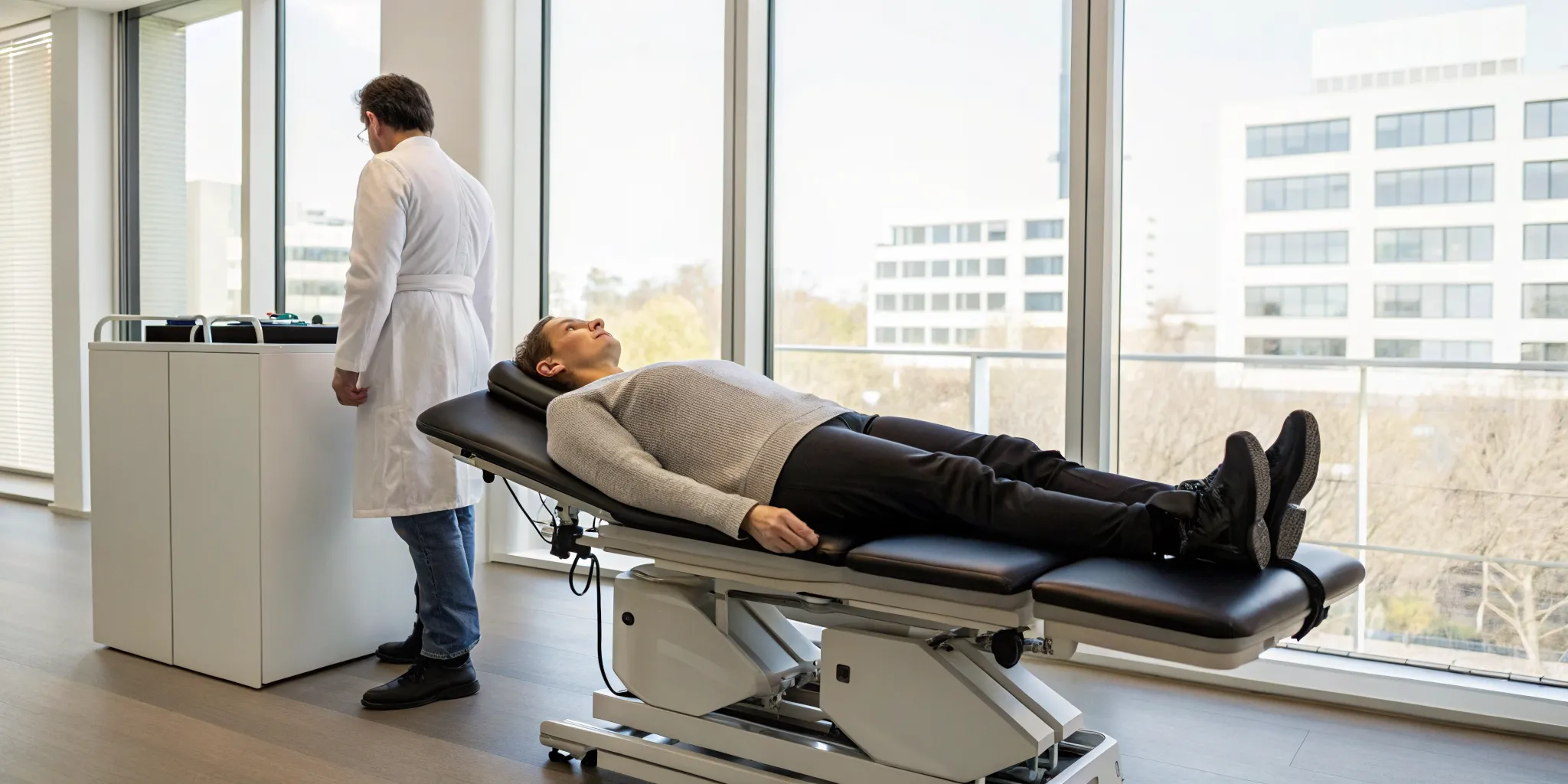
One of the best parts of shockwave therapy is that it’s designed for efficiency. It’s not a daily commitment, nor is it a long, drawn-out process. For most sports-related injuries, a full treatment course involves just a few sessions. Typically, patients need between three and five sessions, spaced about a week apart, to achieve lasting results. This schedule gives your body the time it needs to respond to the treatment and kickstart the healing process between visits.
Of course, every athlete and every injury is unique. The exact number of sessions you’ll need will depend on your specific condition, how long you’ve had the injury, and your personal health goals. We create a personalized plan for you, ensuring your treatment is tailored to what your body needs to recover effectively. Our goal is to address the root cause of the conditions we treat and get you back to your peak performance.
How to Prepare and What It Feels Like
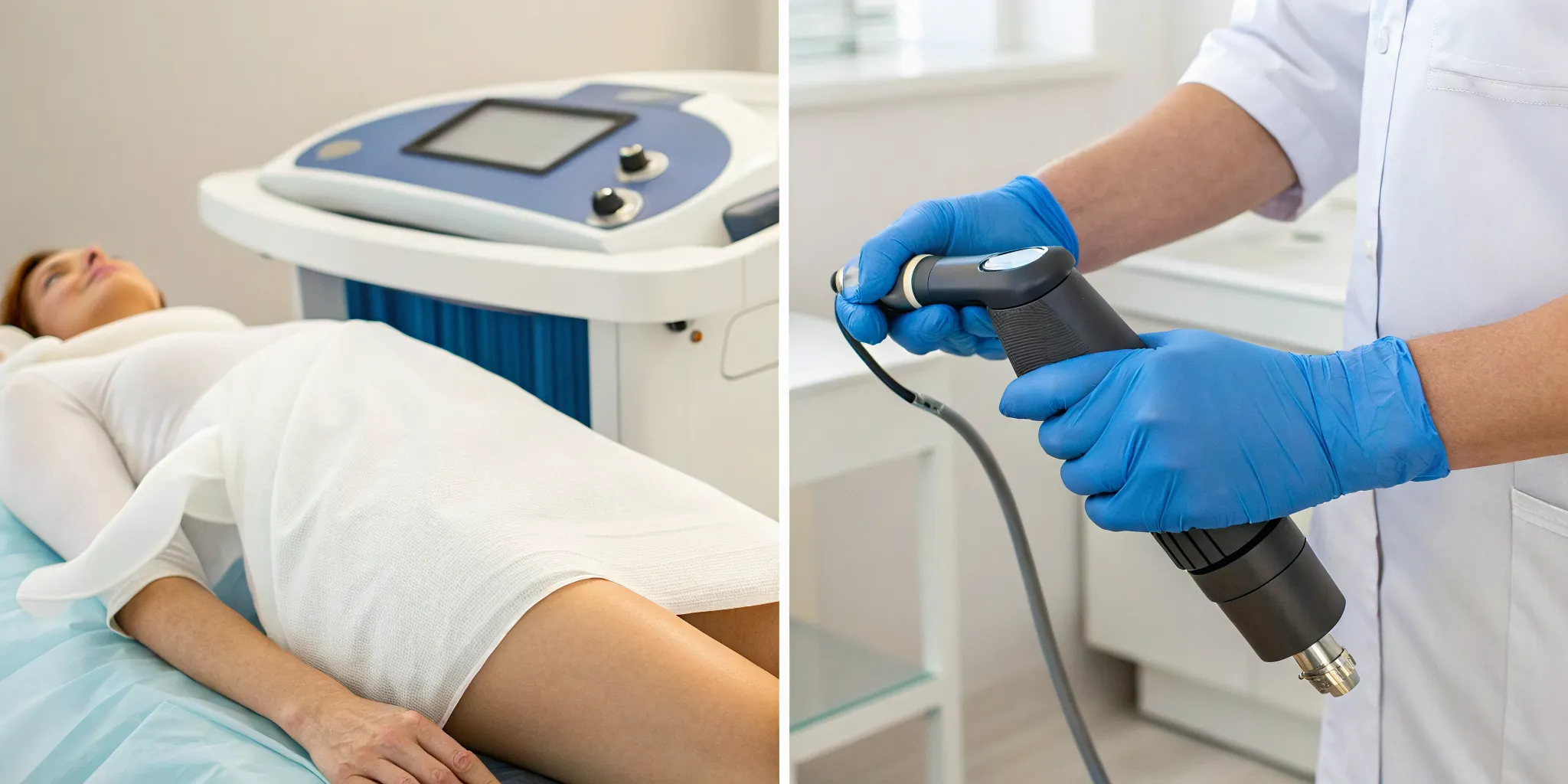
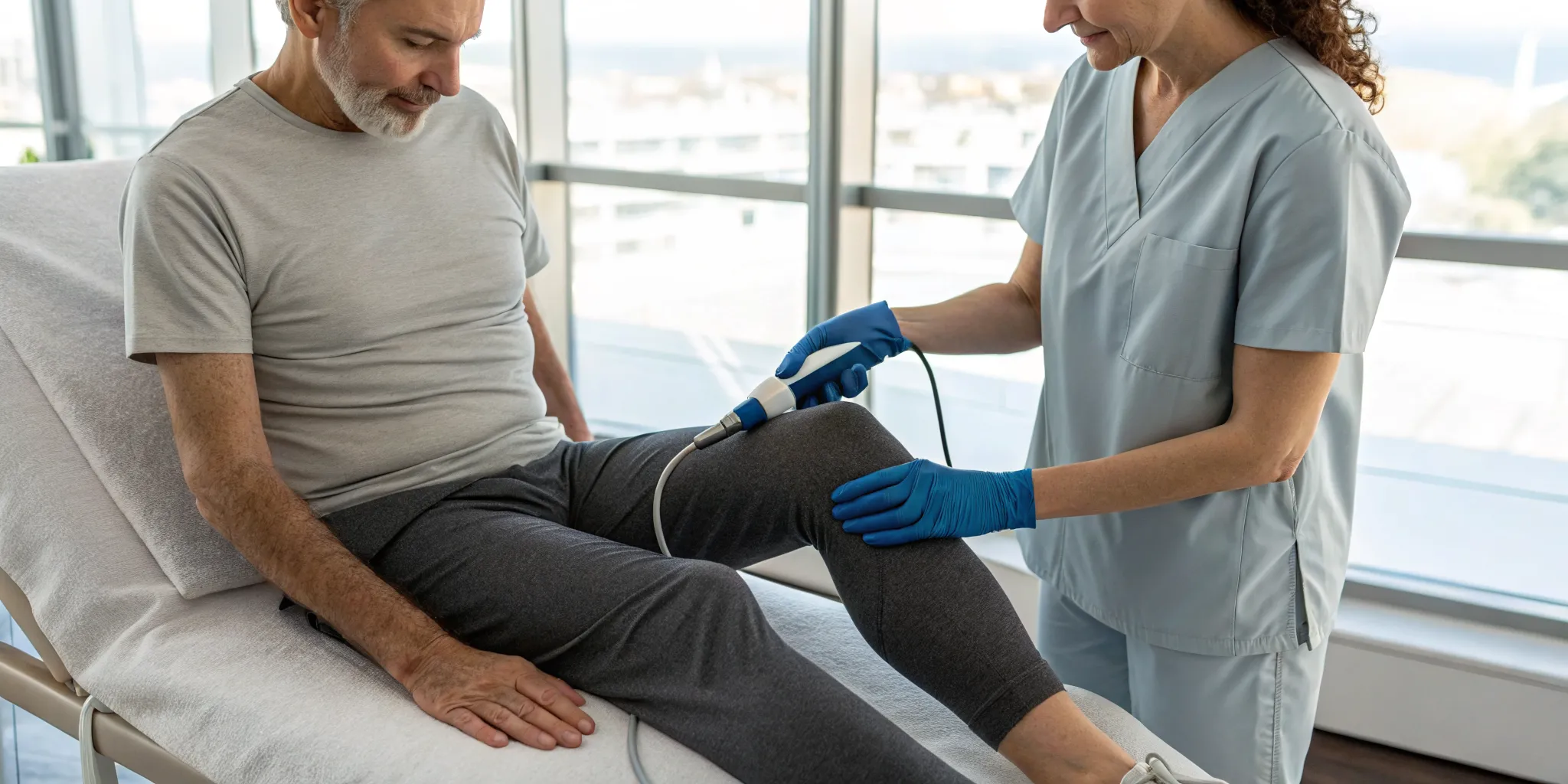
There’s no special preparation needed for your shockwave session. When you come in, we’ll start by applying a gel to the skin over the injured area. This helps the sound waves travel more effectively to the targeted tissue. Then, we use a handheld device that we move over the area, which delivers the acoustic pressure waves.
You’ll likely feel a sensation of quick tapping or pulsing during the treatment. Some people describe it as a mild discomfort, but not intense pain. We’ll communicate with you throughout the entire session, adjusting the intensity to your comfort level. The goal is to keep the sensation manageable. After the session, you might feel a little sore, similar to how you’d feel after a deep tissue massage, but this usually fades within a day or two.
Returning to Your Sport After Treatment
Athletes often worry about downtime, and that’s where shockwave therapy really shines. There is minimal to no recovery period required after a session. You can typically return to your normal daily activities, including light exercise, right away. This makes it an incredibly convenient option that fits easily into a busy training schedule.
We’ll give you specific guidance based on your injury and sport, but the general idea is to listen to your body. The therapy works by stimulating your body’s own healing mechanisms, a process that continues long after you leave our office. Many of our patients appreciate that they can get treatment and get right back to their lives without missing a beat. You can read some of their stories on our patient testimonials page.
Is Shockwave Therapy Safe?
When you’re dealing with an injury, the last thing you want is a recovery method that introduces new risks. The good news is that shockwave therapy is widely considered a safe and effective treatment, especially when performed by a trained professional who understands your health history. It’s a non-invasive procedure, meaning it doesn’t require any incisions or injections, which significantly lowers the risk of complications.
That said, safety is always our top priority. While the treatment is suitable for a broad range of musculoskeletal issues, it’s not the right fit for every person or every condition. It’s important to have an open conversation with your provider about your health background to ensure it’s the best choice for you. The side effects are typically minor and a normal part of the healing process, resolving on their own within a few days.
Who Should Avoid This Treatment
While shockwave therapy is a fantastic tool for many athletes, it’s not appropriate for everyone. Your safety comes first, so a thorough health assessment is always the initial step. This treatment is generally not recommended if you are pregnant, have a blood clotting problem, or are taking blood-thinning medications. It is also avoided for individuals with a history of bone cancer, active tumors, or certain nerve problems in the area needing treatment. Additionally, it isn't used directly over a ruptured tendon. Discussing your complete health history helps your provider determine if this is the right path for your recovery and explore which conditions we treat with this therapy.
Potential Side Effects and How to Manage Them
It’s completely normal to wonder what you’ll feel like after a session. Most people experience only mild and temporary side effects. The most common responses include some redness, minor bruising, or soreness in the treated area, which usually fades within a day or two. Think of it as similar to the soreness you feel after a good workout; it’s a sign that your body is responding and starting the repair process. To support this, it’s best to avoid anti-inflammatory medications right after treatment. Shockwave therapy initiates a natural healing cascade, and a bit of inflammation is a productive part of that cycle. This approach is a core component of our physical medicine services.
Is Shockwave Therapy Right for Your Recovery?
Deciding on the right treatment is a big step in your recovery journey. Shockwave therapy is an excellent option for many athletes, but its true power is revealed when it’s part of a broader, personalized plan. Understanding how it fits into a holistic approach is key to determining if it’s the right choice for you.
Integrating Shockwave into a Holistic Treatment Plan
Shockwave therapy is a powerful tool, but it rarely works in isolation. Think of it as one component of a comprehensive strategy designed to get you back to peak performance. At Ascend Functional Health, our approach is always holistic. We believe that lasting recovery comes from addressing the whole picture, not just the immediate symptom. Research supports this, showing that shockwave therapy is most effective when used alongside other treatments like corrective exercise. This combination helps with both immediate relief and long-term rehabilitation, ensuring you recover more completely. Our team creates a personalized physical medicine plan that integrates shockwave with other modalities to support your body’s natural healing abilities and address the root cause of your injury.
Pairing Treatments for Better, Faster Results
When we pair shockwave therapy with other treatments, the goal is to create a synergistic effect for better, faster results. For example, combining shockwave with a structured exercise program can significantly speed up your recovery time and lower the chance of re-injury. This integrated approach helps you regain movement and makes daily activities easier, facilitating a quicker return to your sport. Because shockwave is a unique, non-invasive treatment, it complements other therapies without being redundant. It’s not just another form of heat or ultrasound; it’s a distinct modality that enhances your overall recovery plan. By layering our services, we can help you achieve more durable and efficient healing.
Related Articles
- SoftWave Tissue Regeneration Therapy in Tampa | Alessi Functional Health
- SoftWave TRT Therapy in Tampa, FL - Alessi Functional Health
- What Is Soft Tissue Therapy? A Complete Guide
- Regenerative Medicine for Pain Recovery | Ascend Functional Health
- What Is Graston Technique Therapy? A Beginner's Guide
Frequently Asked Questions
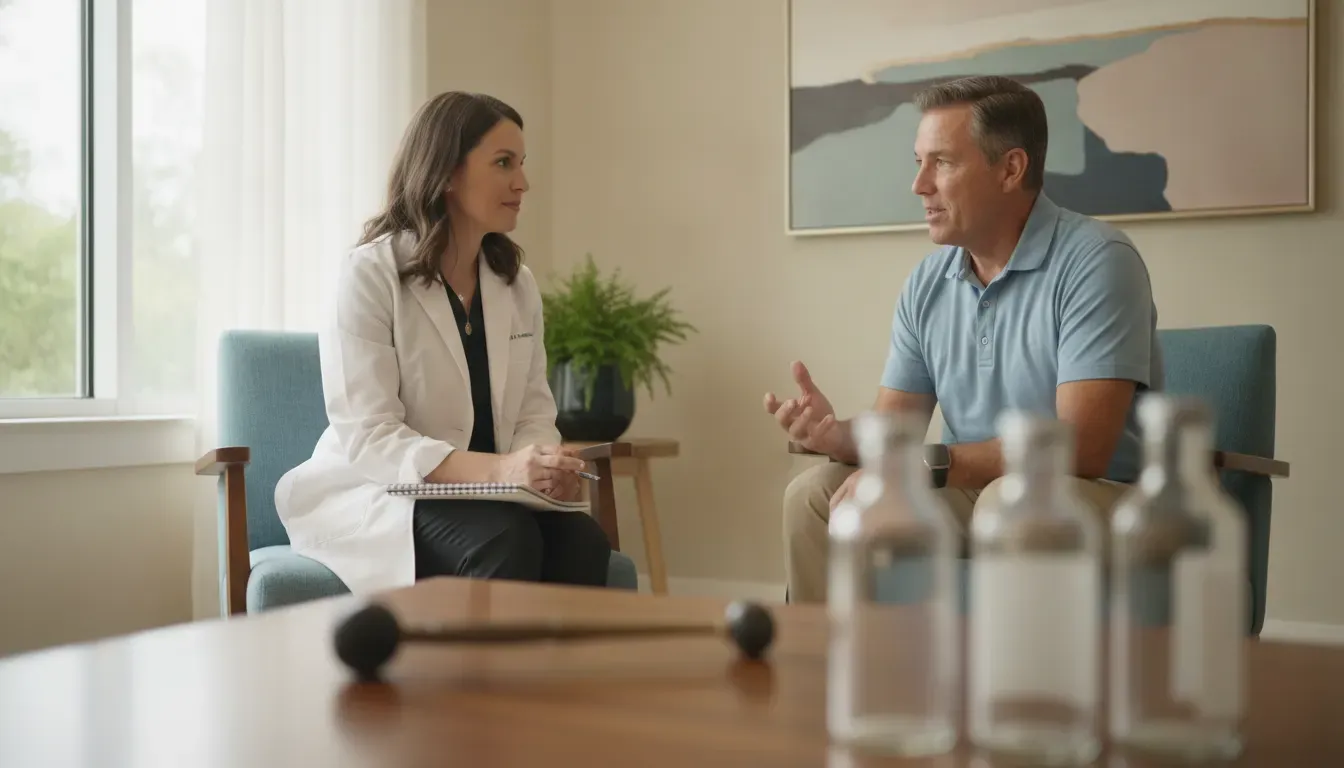
How do I know if shockwave therapy is the right choice for my injury? The best way to know for sure is to have a conversation with a provider who understands your specific injury and health history. While this therapy is effective for a wide range of tendon and soft tissue injuries, it works best when it's the right tool for the job. During a consultation, we can assess your condition and determine if shockwave therapy, either on its own or as part of a larger plan, is the most effective path for your recovery.
How many treatments will I need before I see results? Most people begin to feel a noticeable improvement after just a few sessions. A typical treatment plan involves three to five sessions, scheduled about a week apart to give your body time to heal. The exact number depends on factors like the type of injury you have, how long you've been dealing with it, and your body's individual response. The goal is to create lasting change, not just temporary relief.
Can I still work out while I'm getting shockwave therapy? Yes, one of the major advantages of this treatment is the minimal downtime. Most athletes can continue with their activities, though we usually recommend modifying your routine to avoid over-stressing the treated area. It's important to listen to your body and follow the specific guidance we provide. The idea is to keep you moving and conditioned while your body focuses on healing the injury.
Is this a permanent solution for my pain? Shockwave therapy is designed to create a permanent fix by addressing the root cause of your injury and stimulating your body to regenerate healthy tissue. However, long-term success also depends on addressing the factors that led to the injury in the first place. That's why we often pair it with corrective exercises and other therapies to improve your biomechanics and prevent the problem from returning.
What does it feel like compared to other treatments, like a deep tissue massage? While the post-session soreness can feel similar to a deep tissue massage, the sensation during treatment is quite different. Shockwave therapy feels more like a strong, focused tapping or pulsing on the skin. Unlike a massage that manually works on muscles, this therapy uses acoustic waves to stimulate a healing response at a cellular level, which is a unique and distinct feeling.