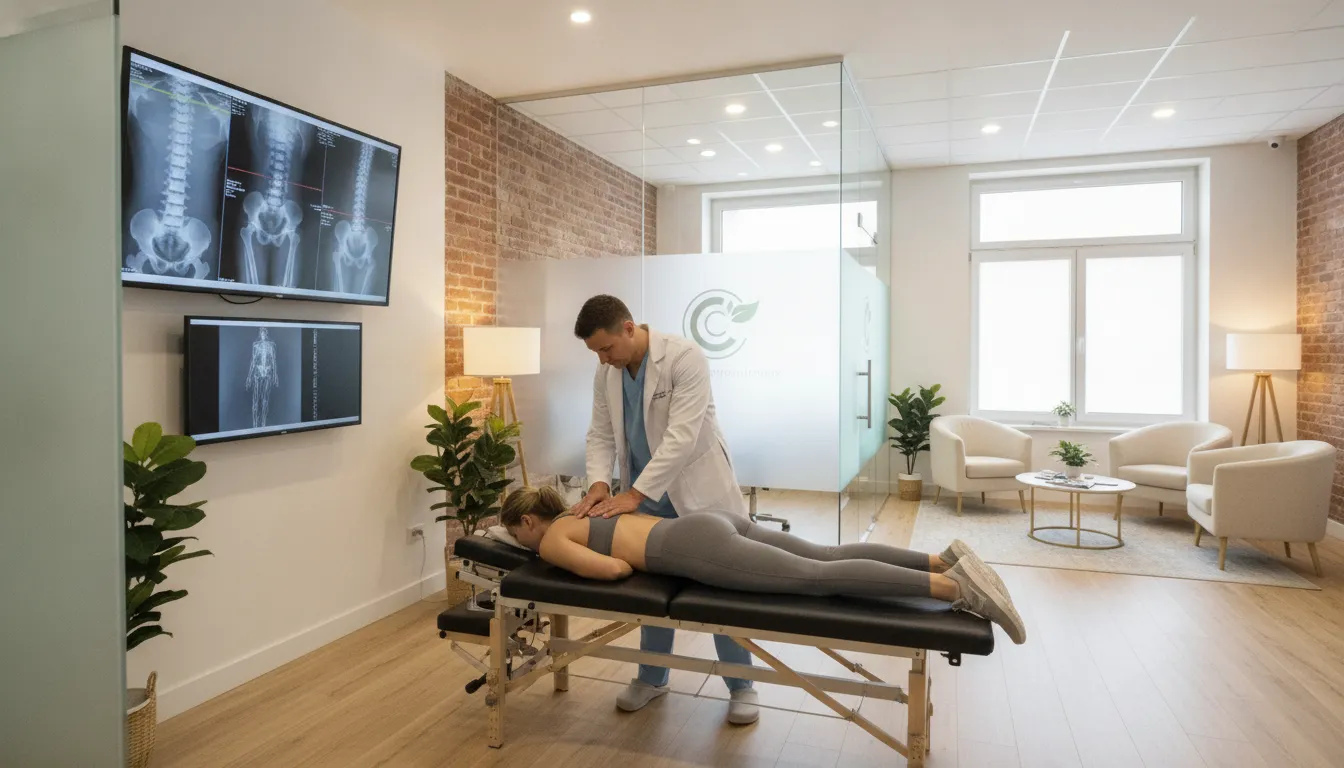
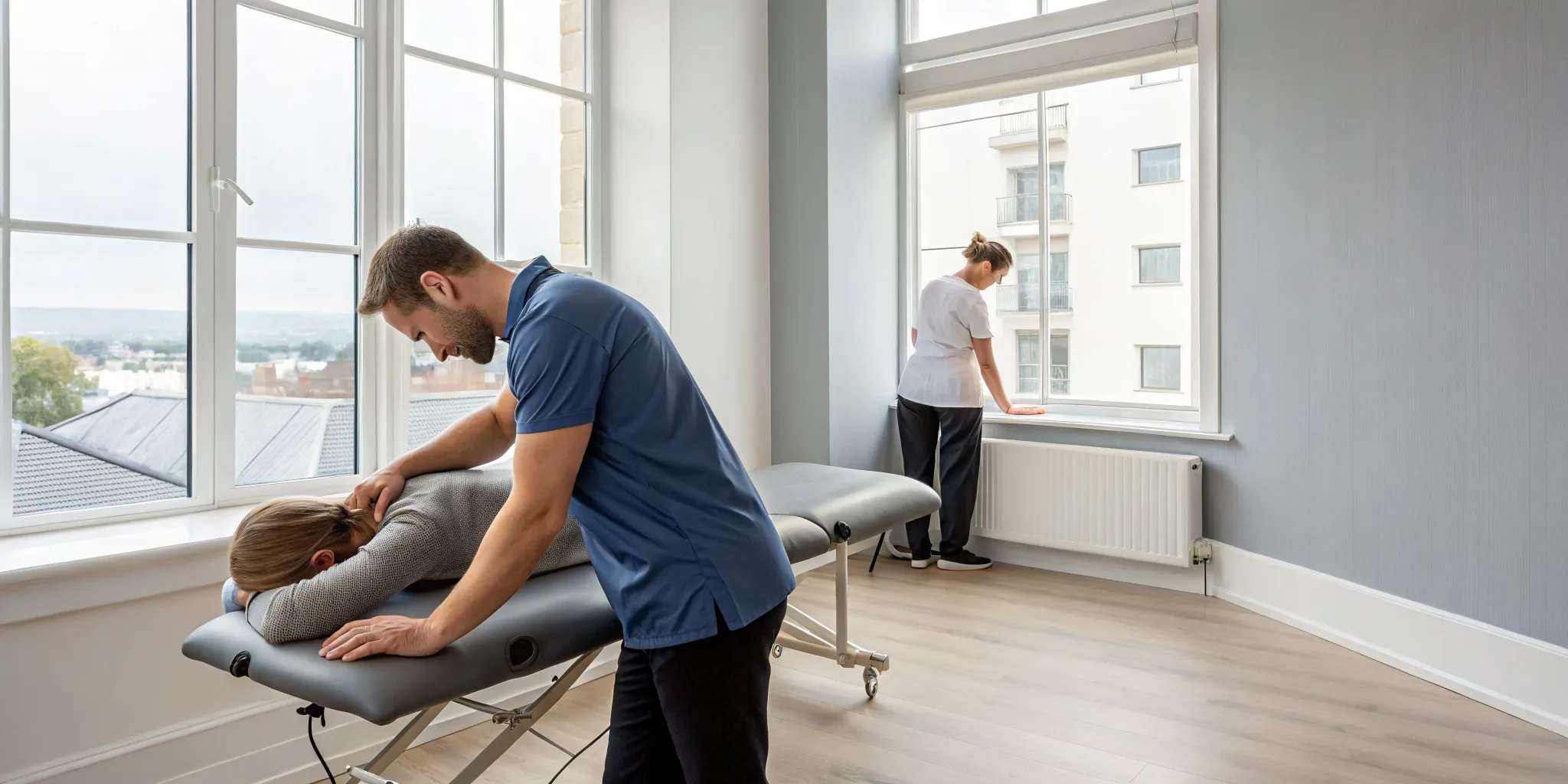
For a former athlete, a thoughtful return to activity starts with a clear picture of current health, not a comparison with past performance. A search for “return to activity former athlete Tampa” may come from someone who misses familiar movement but is unsure how to begin after a long break, a health change, or an injury. A clinician can help organize the factors that should shape that conversation.
Discuss your goals with Ascend
Which parts of your history should you share?
A useful starting point is a concise account of your past activity, time away, health changes, and current concerns. The details help a clinician understand what has changed since your competitive years and what you hope to do now.
Describe the activities you used to do, how often you did them, and what you would like to do now. You do not need to recreate your former schedule. A simple goal such as walking comfortably, joining a recreational league, or returning to a particular movement gives the discussion a practical focus.
Then explain the time away. Was it a gradual shift in routine, a demanding work or family period, a health concern, or an injury? Note when the change began and what activity you have done since. If you have had prior treatment, imaging, or a formal diagnosis, bring the related information if it is available.
Be specific about what you notice now. Describe where you feel discomfort or stiffness, when it appears, how long it lasts, and what changes it. Mention fatigue, reduced confidence, balance concerns, or a feeling that a movement is unfamiliar. These observations are more useful than a broad statement that you are “out of shape.”
Also share relevant health changes, including new diagnoses, changes in sleep or energy, and any advice you have received from another clinician. Ascend describes its approach through three pillars. Its Physical Medicine services include chiropractic and corrective care approaches; Functional Medicine considers broader health concerns and appropriate testing. Which areas matter depends on the individual evaluation.
A short timeline can make those details easier to explain. For example, note when a symptom first appeared, whether it was present before you stopped participating, and whether it has changed over time. Add any important milestones, such as a clinician visit or a change in your daily routine. You do not need to interpret the timeline or decide what caused a symptom; the purpose is to help the clinician see the sequence clearly.
It can also help to separate remembered athletic capacity from present-day demands. Instead of saying only that you used to play several times each week, describe the movement you want to work toward now, such as walking a specific route or participating in a recreational game. This turns a broad wish into a goal that can be discussed in relation to your current health and schedule.
How can you describe your current readiness?
Readiness is not a single number or a test you can pass on your own; it is a discussion about symptoms, function, confidence, and the demands of your goal. Give the clinician a realistic picture of what daily movement feels like today.
Think through ordinary tasks before focusing on sport-specific demands. Can you walk, use stairs, carry items, or stand for a period without a notable change in symptoms? Are there movements you avoid? Have you noticed that one side feels different from the other? These are discussion points, not a substitute for an examination.
Next, distinguish between what you can do once and what you can repeat. A brief effort may feel manageable while a longer or repeated effort brings on fatigue or discomfort. Tell the clinician how you feel during activity, later that day, and the next morning. That timeline can help clarify whether a response is consistent, delayed, or related to a particular demand.
Confidence also matters. A past injury or a long pause can make a familiar movement feel uncertain. Explain what feels safe, what feels concerning, and which activities you have avoided. Do not feel pressure to downplay symptoms to prove you are ready. A measured conversation makes it easier to consider appropriate next steps.
When describing an activity, include the conditions that shape the effort. A comfortable walk on a flat path is different from walking quickly over uneven ground or carrying a bag at the same time. For a sport, consider whether the goal involves steady movement, brief bursts, quick changes in direction, or contact. You do not need to test these demands before speaking with a clinician; identifying them simply helps make the discussion specific.
For a past knee injury, the injury details and care already received may be especially important. A University of Utah Health article on ACL return timing reports that athletes returning before nine months were more likely to experience another ACL injury. That finding concerns a specific injury context; it is not a universal timeline or personal clearance rule. Ask your treating clinician how your own history and current findings should guide activity.
Which questions can make the consultation more useful?
Bring questions that clarify the evaluation, the options, and how progress will be reviewed. The goal is not to leave with a promise about a particular outcome, but to understand a plan that fits your health and priorities.
- Which parts of my history or current symptoms matter most to this goal?
- What movement or health findings should we assess before I increase activity?
- Are there signs that mean I should pause an activity and contact a clinician?
- Would an evaluation of movement, posture, or spinal function be relevant to my concerns?
- Would broader health factors, such as fatigue or other ongoing concerns, change the discussion?
- What should I track between visits so we can assess my response?
- When should we check in again, and what would prompt a change in the plan?
Ask the clinician to explain any unfamiliar terms and how a recommendation relates to your stated goal. You can also ask what the next step would be if a particular option does not fit. Ascend's practice overview explains its integrative approach, while its services page describes the care areas a prospective patient can discuss.
To keep the conversation focused, choose your three most important questions and write them down before the appointment. Put the decision you need to make first, such as whether a specific activity needs clinical evaluation before you increase its demands. Then ask about the reasoning behind any recommendation, what alternatives can be discussed, and how you will know whether a follow-up conversation is needed. This approach leaves room for questions that arise during the visit without losing sight of your main concern.
If more than one clinician has been involved in your care, ask whether their guidance should be coordinated. Bring a concise summary of what each person has advised, along with relevant records you already have. This is especially helpful when your goal involves a prior injury, ongoing symptoms, or more than one health concern. A new conversation should add context, not require you to disregard guidance from a clinician who knows your case.
How do different care discussions compare?
Different starting points call for different questions, so compare the purpose of an evaluation rather than looking for one approach that fits everyone. This table can help you organize what to raise during a clinician conversation.
| Discussion area | When it may be relevant | What to ask | Possible next step |
|---|---|---|---|
| Movement and structure | Stiffness, posture concerns, movement limits, or a history of musculoskeletal symptoms | Which movements and findings should be evaluated? | Discuss whether Physical Medicine approaches fit the evaluation. |
| Injury history | Past injury, a procedure, recurring symptoms, or uncertainty about returning to a specific demand | Which prior records or clinician guidance would help shape the decision? | Coordinate the activity discussion with the clinician managing the injury when appropriate. |
| Broader health concerns | Persistent fatigue or other concerns that affect daily function and activity | Could a broader health review or appropriate testing inform the discussion? | Ask whether Functional Medicine evaluation is relevant. |
| Goal and follow-up | You want a clear way to review how the plan is working | Which changes should I note, and when should progress be revisited? | Agree on practical measures and a follow-up conversation. |
A table cannot determine which care is appropriate. The decision depends on your history, current findings, goals, and clinician guidance. Ascend presents Physical Medicine, Functional Medicine, and Regenerative Medicine as distinct pillars within its broader model; a conversation can clarify whether any of them relates to the concern being discussed.
For instance, a person primarily concerned about stiffness or a movement limitation might ask what a movement-focused evaluation considers. Someone whose activity is affected by persistent fatigue could ask whether broader health factors warrant discussion alongside movement. A previous injury may call for coordination with the clinician already overseeing that concern. These examples are starting points for questions, not conclusions about which service or treatment any individual needs.
When comparing possible next steps, ask how each one connects to the finding or goal it is meant to address. Clarify whether the next step is additional evaluation, a discussion with another clinician, or a care option to consider. Ask what information would be used to review progress and when the plan would be reconsidered. A clear explanation helps you understand the reasoning without assuming that every concern calls for the same approach.
How can you set a practical progression and track change?
A practical progression is individualized, adjusted to your response, and guided by a clinician when health concerns or prior injury call for it. Rather than trying to match an old level immediately, define a starting point that is realistic for your current day-to-day function.
Discuss the specific activity, its duration, how often you hope to do it, and the demands that matter most. A return to casual cycling differs from preparing for repeated sprinting or a long-distance event. Naming the actual activity helps make the evaluation and follow-up more relevant.
Ask how to recognize a response that is acceptable for your situation and what changes should prompt a pause or a new conversation. Do not assume that discomfort is either harmless or proof that a plan has failed. Your response can vary with the cause, its pattern, and your overall health.
Simple notes can make follow-up clearer. Record the activity, approximate duration, how you felt during it, and whether symptoms changed later that day or the next day. You might also note sleep, energy, confidence, or the ease of everyday movement if those factors are relevant to your concern. Keep the record brief enough to maintain and share only details that help the clinical discussion.
It can help to separate the activity itself from the conditions around it. For example, note whether you were on a different surface, had a longer day than usual, or changed the pace. These details do not prove what caused a symptom, but they give you and the clinician more context than a single rating. If a particular movement repeatedly changes how you feel, describe the movement rather than testing it many times to confirm a response.
Ask how the clinician wants you to use those observations. Some people benefit from a simple written log; others may prefer a short recap at follow-up. The point is to notice patterns without turning every ordinary variation into a problem. If symptoms shift in a way that worries you, pause the activity and ask the clinician who knows your history what to do next.
Also ask what progress should look like in your case. You may care most about being able to take a walk with family, return to recreational play, or handle a full day without feeling limited. Make the measure concrete enough to discuss, but flexible enough to adjust as you learn how your body responds. A clinician can help you decide whether the goal, the time frame, or the evaluation needs to change.
Agree in advance on when the plan will be reviewed. Progress may involve more than doing a larger amount of activity. It can include improved comfort with daily movement, better tolerance of a defined task, or greater confidence. Choose measures that relate to your own goal rather than comparing yourself with another person or your former athletic self.
A hypothetical example shows why details matter: someone hoping to return to recreational tennis might first identify the particular demands they miss, such as short rallies or moving laterally, rather than treating “play again” as one undivided goal. They can discuss what daily activities currently feel manageable, what symptoms they notice, and whether a clinician wants to assess movement or another health concern before planning next steps. The clinician can then help set a relevant way to review progress. The example is not a prescribed sequence; another person's needs and starting point may be different.
Consider making each check-in answer three questions: What activity did I try or discuss? What response did I notice, and when? What question does that raise for my clinician? Keeping the notes tied to these prompts makes them easier to review than a long diary. It also helps distinguish a change in the activity from a change in how you felt, without treating a single observation as a diagnosis.
How should Tampa Bay adults prepare for a first conversation?
Prepare a short goal statement, a symptom timeline, and a few questions so the visit can focus on decisions that matter to you. You do not need to arrive with a complete explanation of the problem.
- Write down your goal. State the activity you hope to return to and what success would look like in daily life.
- Make a brief timeline. Include when you stepped away from activity, any injury or health change, and what has happened since.
- List current observations. Note what feels different, what brings it on, and how long it lasts.
- Gather useful records. Bring relevant prior evaluations or clinician recommendations if you have them.
- Choose your top questions. Start with the concerns that most affect your decision about next steps.
Ascend Functional Health is a Tampa Bay integrative healthcare practice. Its approach may involve a discussion of Physical Medicine, Functional Medicine, or Regenerative Medicine based on the concern and the individual evaluation. To learn more about the practice before reaching out, review its Tampa service-area information and frequently asked questions.
When you contact the practice, describe your goal and ask what information would be useful for an initial discussion. A consultation is an opportunity to talk through fit and possible next steps; it is not a guarantee of a specific treatment or result.
Before the conversation, decide what would make it feel useful to you. You might want to understand which evaluation is appropriate, learn how a recommendation relates to your goal, or identify who should be involved in follow-up. It can be useful to bring a companion if you want help remembering the discussion, but keep the focus on your own preferences and questions. You can ask for a plain-language explanation or take time to consider a proposed next step rather than deciding before you understand it.
Explore Physical Medicine and discuss your next step
Frequently Asked Questions
How should a former athlete begin after a long break?
Start by describing your current activity, health history, symptoms, and goal to a clinician. If you have a prior injury or ongoing concern, ask how that history affects the evaluation before increasing demands.
Does my past level of sport determine what I can do now?
No. Your past experience provides useful context, but present health, function, and goals should guide the discussion. A clinician can help identify which activity fits your current situation rather than assuming your former level is a suitable starting point.
What should I track between conversations?
Note the activity and duration, how you felt during it, and any changes later that day or the following day. Include other relevant observations, such as confidence or daily movement, and share them with your clinician.
Can Ascend help me decide which care area to discuss?
Ascend organizes services around Physical Medicine, Functional Medicine, and Regenerative Medicine. Contact the practice to describe your concern and ask which evaluation or next step may fit; recommendations depend on individual assessment.
Request a conversation about your activity goals
This article is for educational purposes only and is not medical advice. Consult your clinician before acting on health information or changing your activity.