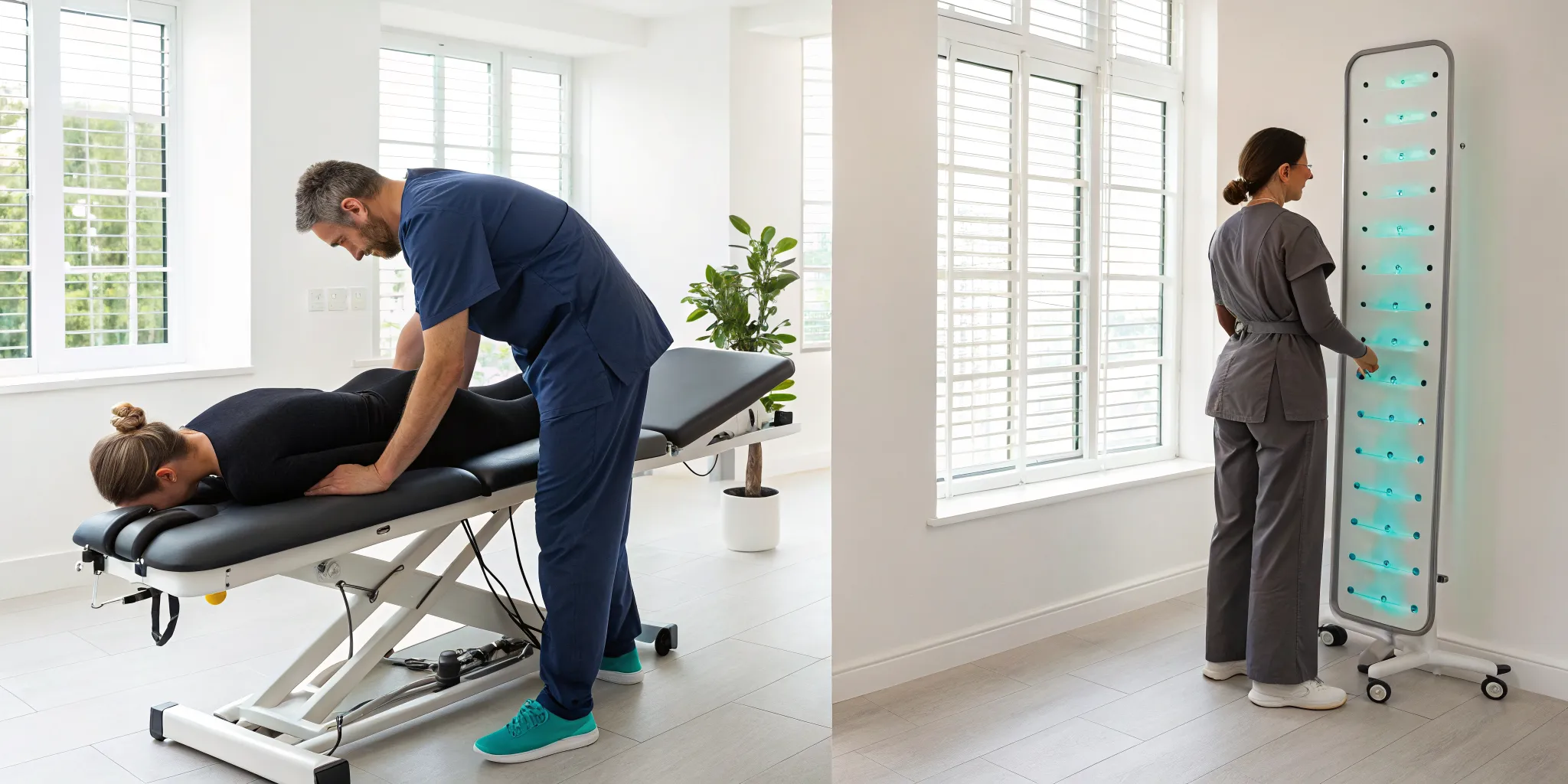
The difference between aging reactively and aging proactively comes down to one thing: knowing the right numbers. Standard annual blood work provides a narrow snapshot of a handful of markers compared against population averages. But a comprehensive data-driven assessment reveals how your metabolic, cardiovascular, inflammatory, hormonal, and musculoskeletal systems are truly performing. Without this data, you are making health decisions in the dark, hoping that how you feel aligns with what is actually happening inside your body.
That is where personalized longevity medicine changes everything. Instead of waiting for symptoms to force a doctor visit, this approach uses advanced diagnostics, biomarker tracking, and individualized analysis to detect biological shifts early and intervene before dysfunction becomes disease. The goal is not just a longer life but a higher-quality healthspan, tailored to your unique biology. Every data point contributes to a plan that evolves as your body changes.
At Ascend Functional Health in Tampa, we combine Physical Medicine, Functional Medicine, and Longevity Medicine under one roof to deliver care that is as individual as your DNA. Below, we examine the data, the diagnostics, and the personalized plan that makes true longevity optimization possible.
What Makes Longevity Medicine Different From Standard Care
Most Americans interact with healthcare only when something breaks. A headache becomes a prescription. A lab result flagged as abnormal triggers a medication. This is reactive medicine, and it dominates the current system. The problem is that by the time symptoms force a doctor visit, biological shifts have often been underway for years. Chronic disease rarely announces itself overnight, meaning conventional checks often miss the early stages of metabolic or cardiovascular decline.
Longevity medicine inverts this model entirely. Instead of asking what is wrong with this patient right now, it asks what is this patient's health trajectory and how can we optimize it for the next decade. The shift is made possible by data. Where standard care looks at a handful of blood markers against population averages, personalized longevity medicine builds a multidimensional picture of your biology using dozens of data points tracked over time and interpreted through the lens of your unique genetics, environment, and lifestyle.
This is not anti-aging medicine in the traditional sense. There is no single pill or universal protocol. The approach is precision medicine applied to longevity: your hormone profile, your metabolic markers, your inflammatory status, your cardiovascular fitness, and your body composition all feed into a plan designed specifically for you. Standard care waits for disease to declare itself. Longevity medicine looks for the earliest detectable shifts and addresses them before they compound.
One of the biggest practical differences is how lab results are interpreted. When you get blood work at a standard clinic, the lab checks your numbers against a broad population average. If your results fall within that range, you are told everything is normal. But being normal is not the same as being in peak health. Those broad ranges include data from people who already have chronic conditions or are aging poorly. Personalized longevity medicine looks for your optimal levels, not just acceptable ones, ensuring your biomarkers support robust cellular energy and tissue repair.
At Ascend Functional Health, this philosophy aligns with our three-pillar model. Physical Medicine addresses structural integrity through evidence-based chiropractic care and spinal rehabilitation. Functional Medicine uncovers root causes through comprehensive lab testing, gut health analysis, and nutritional intervention. Longevity Medicine ties everything together with hormone optimization, peptide therapies, and ongoing performance monitoring. It is the only practice in Tampa integrating all three, which means your data tells a complete story rather than being fragmented across multiple isolated specialists who do not communicate.
The Biomarkers That Reveal Your True Biological Age
Your chronological age is the number of candles on your birthday cake. Your biological age is the real story of how your body is functioning at a cellular level. Two people born on the same day can have dramatically different biological ages depending on their metabolic health, cardiovascular fitness, inflammation levels, and body composition. Understanding this difference is the foundation of any data-driven longevity plan, as biological age can be slowed down or even reversed through targeted, personalized interventions.
Standard lab work typically checks a basic panel: complete blood count, metabolic panel, lipids. These are useful for detecting disease but largely inadequate for predicting decline. They tell you if you have diabetes, not if you are trending toward it. They flag a heart attack risk, not the decade of inflammatory buildup that preceded it. A comprehensive longevity biomarker assessment addresses five key categories, each revealing a different aspect of your biological health.
Metabolic Markers. Hemoglobin A1c reveals your average blood sugar over three months. Fasting insulin is an earlier warning system, often elevated years before blood sugar moves outside normal range. Together they tell the story of your metabolic flexibility, your ability to switch between fuel sources efficiently. When metabolic flexibility declines, the body struggles to access stored fat for energy, leading to fatigue, weight gain, brain fog, and a long-term risk of insulin resistance.
Cardiovascular Fitness. VO2max is one of the strongest predictors of longevity in the medical literature. It measures how efficiently your body uses oxygen during hard exercise. A supervised treadmill test provides a direct measurement, and retesting at intervals tracks whether your cardiovascular system is improving or declining. This score correlates directly with mitochondrial function, meaning a higher VO2max keeps your cells young.
Inflammatory Status. High-sensitivity C-reactive protein detects low-grade systemic inflammation that standard panels miss. Chronic inflammation is a common denominator in heart disease, cognitive decline, autoimmune conditions, and accelerated aging. Keeping inflammation low prevents tissue wear and tear and preserves organ function as you age.
Hormonal Balance. Cortisol, thyroid hormones, testosterone, and estrogen all shift with age. Imbalances in any of these cascade into fatigue, weight gain, brain fog, and metabolic disruption. Hormonal optimization is a key pillar of any longevity plan, but it requires precise diagnostic testing to determine correct balance points rather than relying on guesswork.
Body Composition. Muscle mass, fat mass, and visceral fat tell you more about your health trajectory than body weight ever could. DEXA scans and bioimpedance analysis track these metrics longitudinally, showing whether your interventions are building the right kind of tissue. Visceral fat, the type that accumulates around organs, is metabolically active and drives systemic inflammation, yet it remains invisible on a standard scale.
Tracking these biomarkers over time is what separates guesswork from science. A single blood draw is just a snapshot. A series of tests interpreted by a clinician who understands their interconnections reveals your aging trajectory and tells you exactly where to intervene.
How Advanced Diagnostics Create Your Personalized Roadmap
Once you know which biomarkers matter, the next question is how to turn that data into a personalized plan. Each diagnostic test answers a specific question about your biology, and together they form a detailed roadmap for your health optimization journey, eliminating the trial-and-error approach that often derails wellness efforts.
Comprehensive Blood Panels. Beyond the standard metabolic panel, a thorough workup includes lipid subfractions, thyroid panel, sex hormones, adrenal markers, vitamin D, B12, iron panel, and inflammation markers. Comprehensive bloodwork reveals patterns that individual tests miss. Tracking these over time reveals trends, not just snapshots, allowing your clinical team to adjust protocols as your body shifts.
Genetic Testing. Your DNA carries variants that influence how you metabolize nutrients, process toxins, and respond to exercise. Testing for established variants helps identify predispositions toward cardiovascular disease, dementia, or metabolic syndrome. This is not a deterministic diagnosis but a risk map. Knowing you carry the APOE4 variant, for instance, shifts the focus toward brain-supportive nutrition and cognitive optimization years before any symptoms appear.
VO2max Testing. Cardiorespiratory fitness testing is the gold standard for cardiovascular health assessment. A supervised test using an airtight mask while you run or cycle gives a precise measurement of how efficiently your body uses oxygen. This single number is so predictive of longevity that repeat testing at six-month intervals can determine whether your training program is truly improving your fitness trajectory.
Continuous Glucose Monitoring. A CGM worn for ten to fourteen days reveals how your body responds to specific foods, exercise, and stress in real time. Two people eating the same meal can have dramatically different glucose responses based on their microbiome and insulin sensitivity. Seeing your personal curve allows tailored nutrition recommendations that match your metabolic profile.
Body Composition Analysis. DEXA scans measure muscle mass, fat distribution, and bone density with precision. Visceral fat drives inflammation and insulin resistance, yet it remains invisible on a standard scale. Tracking it alongside muscle mass tells you whether your protocol is building the right kind of tissue or if you are losing valuable muscle mass.
| Tool | Measures | Standard Care | Personalized Longevity |
|---|---|---|---|
| Blood Panels | Lipids, hormones, vitamins | Basic CBC and metabolic panel | Comprehensive with subfractions |
| Genetic Testing | DNA risk variants | Not typically offered | Identifies predispositions for prevention |
| VO2max | Cardiorespiratory fitness | Resting heart rate only | Direct treadmill measurement |
| CGM | Blood sugar response | Fingerstick or HbA1c only | Personalized nutrition plan |
| DEXA | Muscle mass, visceral fat | Weight and BMI | Longitudinal body composition tracking |
The Four Pillars of a Personalized Longevity Plan
Your biology does not operate in silos. A personalized longevity plan must address the interconnected systems that drive aging. At Ascend Functional Health, we organize these into four pillars, each informed by the diagnostic data we collect from your comprehensive assessment, ensuring all systems work in harmony.
Hormonal Optimization. Hormones are the chemical messengers that regulate nearly every biological process. Thyroid hormones control metabolic rate. Cortisol governs stress response and inflammation. Testosterone and estrogen influence muscle mass, bone density, mood, and cognitive function. As we age, these hormones naturally decline, but the rate varies dramatically between individuals. Data from comprehensive hormone panels allows for precise hormonal optimization through targeted supplementation and hormone replacement therapies when clinically indicated.
Metabolic Health. Your metabolism converts food into energy. When it runs efficiently, you maintain stable energy, healthy weight, and clear thinking. When it falters, the result is fatigue, weight gain, brain fog, and increased disease risk. Markers like fasting insulin and HbA1c reveal exactly where your system needs support, allowing for specific interventions like intermittent fasting or personalized nutrient protocols.
Cardiovascular Optimization. Heart disease remains the leading cause of death in the United States. Checking cholesterol once a year misses the bigger picture of vascular health and plaque formation. VO2max, hs-CRP, and advanced lipid testing provide earlier and more precise risk assessment, allowing for a personalized cardiovascular plan that includes specific exercise heart-rate targets and anti-inflammatory support.
Lifestyle Integration. Nutrition, exercise, sleep, and stress management are not generic recommendations in personalized longevity medicine. They are specific prescriptions based on your data. Your CGM tells you which foods spike your blood sugar. Your VO2max trend tells you whether your workout is improving fitness. The functional medicine approach grounds every lifestyle recommendation in your actual metrics.
These four pillars work together. High cortisol suppresses thyroid function, worsens glucose control, and accelerates muscle breakdown. Improving sleep improves cortisol, which improves metabolic health and supports hormone balance. A personalized plan addresses all four simultaneously because the data shows they are inseparable.
Personalized Longevity Medicine at Ascend Functional Health
Ascend Functional Health in Tampa is the only practice in the area offering a truly integrated approach to personalized longevity medicine. Under one roof, patients have access to Physical Medicine, Functional Medicine, and Longevity Medicine, eliminating the fragmented care that often undermines long-term health outcomes.
Dr. Alfred Alessi leads the practice with credentials that set it apart. He holds Chiropractic BioPhysics certification, achieved by only 1.5 percent of chiropractors worldwide. CBP is one of the most researched chiropractic methodologies, backed by over 341 peer-reviewed publications. He also holds Integrative Health Practitioner Levels 1 and 2 with advanced training in functional lab interpretation and hormonal assessment.
Patients can access comprehensive bloodwork and biometric panels far beyond standard annual labs, plus DEXA scans and advanced hormone panels. The consultation follows a two-day format. Day 1 is the discovery visit with X-rays. Day 2 is the report of findings and strategy session.
For ongoing monitoring, the Ascend Total Care membership provides continuous access, regular follow-up testing, and priority scheduling. It is designed for those who view health as an ongoing investment.
Frequently Asked Questions About Personalized Longevity Medicine
What is the difference between lifespan and healthspan?
Lifespan is the total number of years you live. Healthspan is the number of years lived in good health, free from chronic disease or disability. The goal of personalized longevity medicine is to extend healthspan.
How often should I have my biomarkers tested?
Most people should test key biomarkers every six to twelve months depending on age, health status, and optimization goals. Regular testing helps your care team adjust your plan based on actual results rather than assumptions.
Do I need a doctor to order longevity biomarker testing?
Yes. Advanced testing produces complex data that requires expert interpretation. A clinician contextualizes your results against your history, symptoms, and goals.
Can lifestyle changes really improve biomarker scores?
Yes. Focused nutrition changes, structured exercise, stress management, and sleep optimization consistently improve key longevity biomarkers. Data-driven plans use actual results to identify which interventions have the most impact.
Knowing your numbers is the first step. Acting on them changes your trajectory.
At Ascend Functional Health in Tampa, Dr. Alfred Alessi combines Physical Medicine, Functional Medicine, and Longevity Medicine under one roof to deliver personalized longevity plans rooted in comprehensive diagnostic data.
Schedule a consultation to discover how personalized longevity medicine can help you build a longer, healthier healthspan.