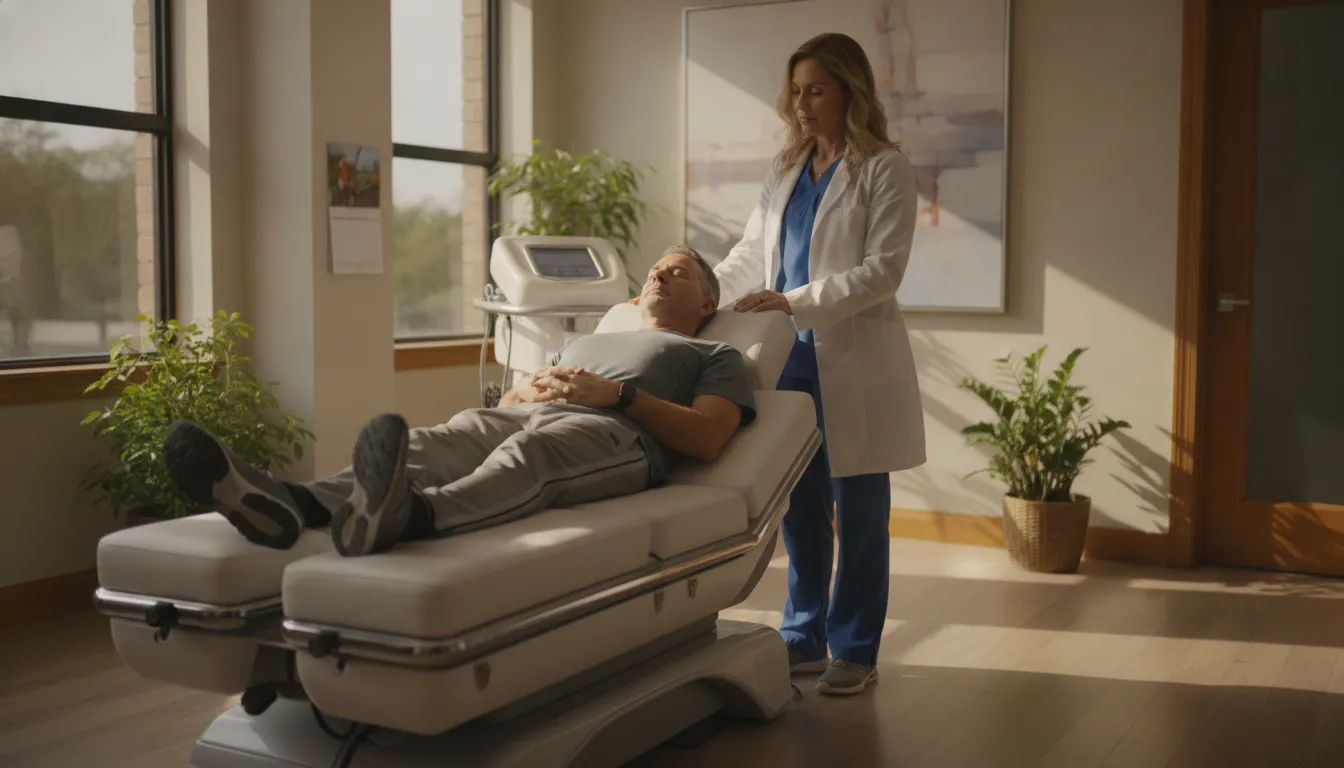
Old sports injuries men over 40 remember from a playing career can matter during a current movement evaluation, but a past injury does not automatically explain a new ache, stiffness, or change in activity. Sharing what happened, how it was treated, and what has changed helps a clinician consider the full picture and discuss appropriate next steps.
Explore physical medicine care
Why Can an Old Sports Injury Matter Years Later?
An old injury can be useful history, not a diagnosis by itself. Its relevance depends on the original problem, how it healed, current symptoms, and what a present-day evaluation finds.
A sports injury may have involved a strain, sprain, tendon irritation, break, dislocation, or another problem. The National Institute of Arthritis and Musculoskeletal and Skin Diseases describes these as among the types of injuries that can affect athletes (NIAMS overview of sports injuries). The label or memory of an injury alone cannot establish the current situation, though. A clinician needs to consider the current concern on its own terms.
For example, a man who once sprained an ankle may now notice stiffness after a long walk. The old event is worth mentioning. It does not prove that the ankle is the source of every present-day issue or that a particular treatment is needed. Similarly, a history of shoulder pain from throwing may help a clinician understand activity patterns, but it does not replace a current assessment.
Time also changes the context. A person may have changed sports, workload, strength, mobility, or daily routines since the original injury. A current evaluation can consider those changes rather than assume the body is responding exactly as it did during competitive play.
What Details Should You Share About Past Injuries?
A useful injury history is specific enough to guide questions, while leaving room for uncertainty. Share what you remember and clearly mark what you do not know.
Before an appointment, consider writing a short timeline. Include the body area, approximate date or age, activity involved, and whether the injury was evaluated. You do not need to reconstruct an exact medical record from memory. A rough but honest account is more helpful than guessing.
- What happened: Describe the movement or event, such as a collision, fall, awkward landing, or gradual onset during training.
- Where it happened: Name the body area and side. If pain spread or involved more than one area, explain that too.
- What you noticed then: Mention pain, swelling, restricted motion, instability, or difficulty using the area, if you recall.
- What care you received: Note whether a clinician assessed it, imaging was done, or you followed a rehabilitation plan. Do not infer a diagnosis if you were never given one.
- How it changed: Explain whether the problem resolved, returned intermittently, or remained limiting.
- What has changed now: Describe current symptoms, activities that bring them on, and changes in exercise or daily function.
It can also help to bring relevant reports or a prescription and care history if you have them. Do not delay appropriate care while trying to locate old records. If the details are incomplete, say so. A clinician can work with the information available and ask follow-up questions.
If you remember more than one injury, put them in order rather than blending them into one story. Note whether they affected the same area or different areas, and whether there was a period when you felt back to your usual activities. This helps separate the original event from later episodes. Include what changed around each episode, such as a return to a sport, a change in training, or a new daily demand, without concluding that any one factor caused the current concern.
Prior imaging or a diagnosis can be useful background, but it describes a past evaluation. It does not automatically explain a symptom today or determine which care is appropriate now. If you have a report, bring it and ask how it relates to the current examination. If you cannot find it, explain what you remember and let the clinician decide whether any new assessment is relevant.
Keep the focus on function as well as discomfort. Can you climb stairs, reach overhead, turn your neck, or return to a particular activity as you expect? A brief description of your difficulties can make a conversation more concrete than a general statement that you feel “out of shape.”
If symptoms come and go, consider noting when they appear and what was happening at the time. Record the activity, duration, and how the concern affected what you could do, without repeatedly provoking it to collect more information. A brief log over a normal routine can be more useful than a long list of guesses. Bring it to the appointment and let the clinician decide which details matter.
It may help to prepare a short opening summary: “I injured my left shoulder playing baseball around age 25; I was evaluated and returned to activity; lately, reaching overhead has become difficult.” Use only the details that are true for you. This format gives the clinician a starting point and makes it easier to correct or expand the timeline together. If you have multiple concerns, state which one most affects you now, then mention the others.
Many men over 40 have a different mix of sport, work, family, and recreation than they did when an injury first occurred. Explain what your current week looks like and how it differs from the period when you were injured. That context can prevent the conversation from centering only on the old competition or training schedule. You do not need to decide whether age, activity, or the old injury is responsible; describing the change is enough to guide a more relevant discussion.
How Might a Clinician Evaluate a Current Concern?
An evaluation starts with the present concern and uses the injury history as context. The clinician may ask about symptoms and activity, examine relevant movement, and decide whether further assessment or referral is appropriate.
The exact process depends on the person and the concern. A conversation may cover when the current symptom began, whether it is changing, prior injuries or procedures, medical history, current activities, and the goals that matter to you. A movement or physical examination may help the clinician understand how the area functions. No single detail or test should be treated as a complete explanation without context.
The clinician may ask whether today's concern is in the same place as the old injury, whether it feels similar, or whether it is a new pattern. These are questions to clarify the history, not a shortcut to a conclusion. For instance, a past injury in one area and a current limitation somewhere else should both be described accurately. A clinician can then decide whether they appear related, unrelated, or require more information.
You can ask what the evaluation does and does not establish. If a recommendation is made, ask which finding or goal it is meant to address, what alternatives may be reasonable, and whether another assessment is needed first. It is appropriate to request plain-language explanations and time to consider non-urgent decisions. A clear plan should help you understand the next step without implying certainty that the available information cannot support.
Be ready to describe a typical week rather than only your most intense workout. Include work demands, recreation, rest, and activities that have recently changed. If symptoms vary, note when they are better or worse. This can help distinguish a one-time episode from a recurring pattern without presuming the cause.
A careful evaluation may also identify reasons to pause a planned activity and seek a different level of care. A sudden severe problem, major injury, or rapidly worsening symptoms should not be managed solely through a routine wellness appointment. Seek prompt medical attention when a situation feels urgent or when a clinician has advised you to do so.
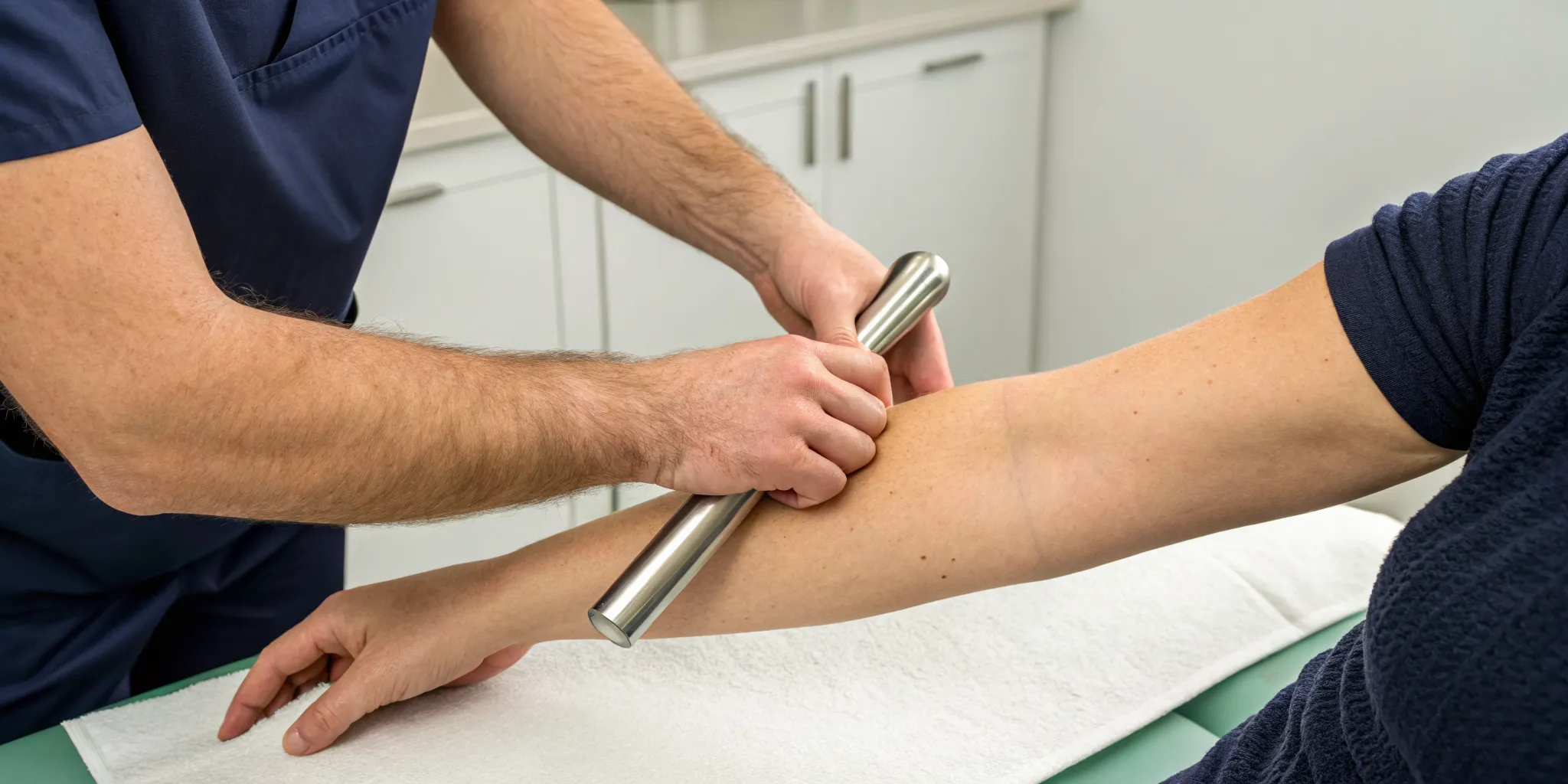
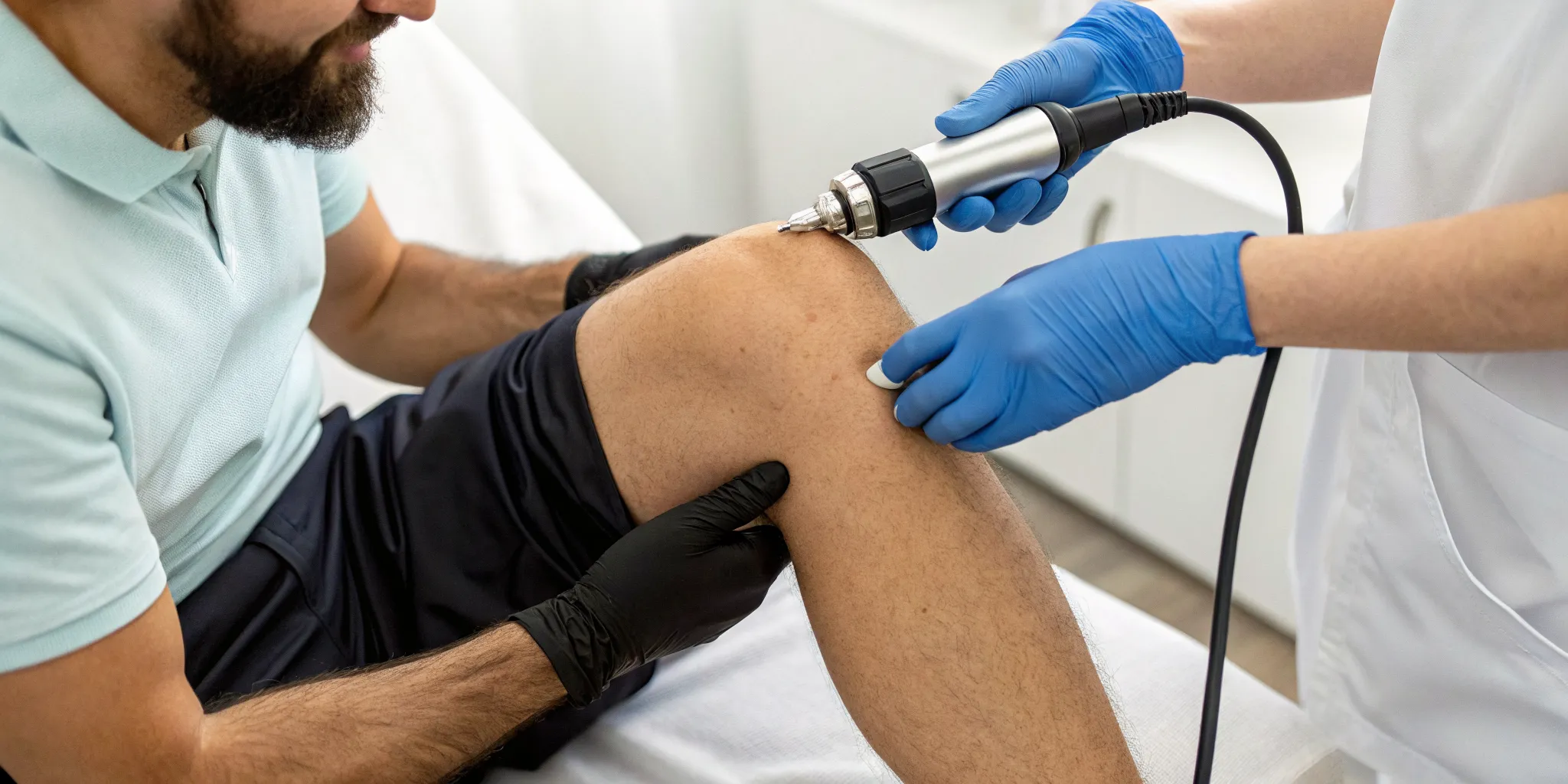
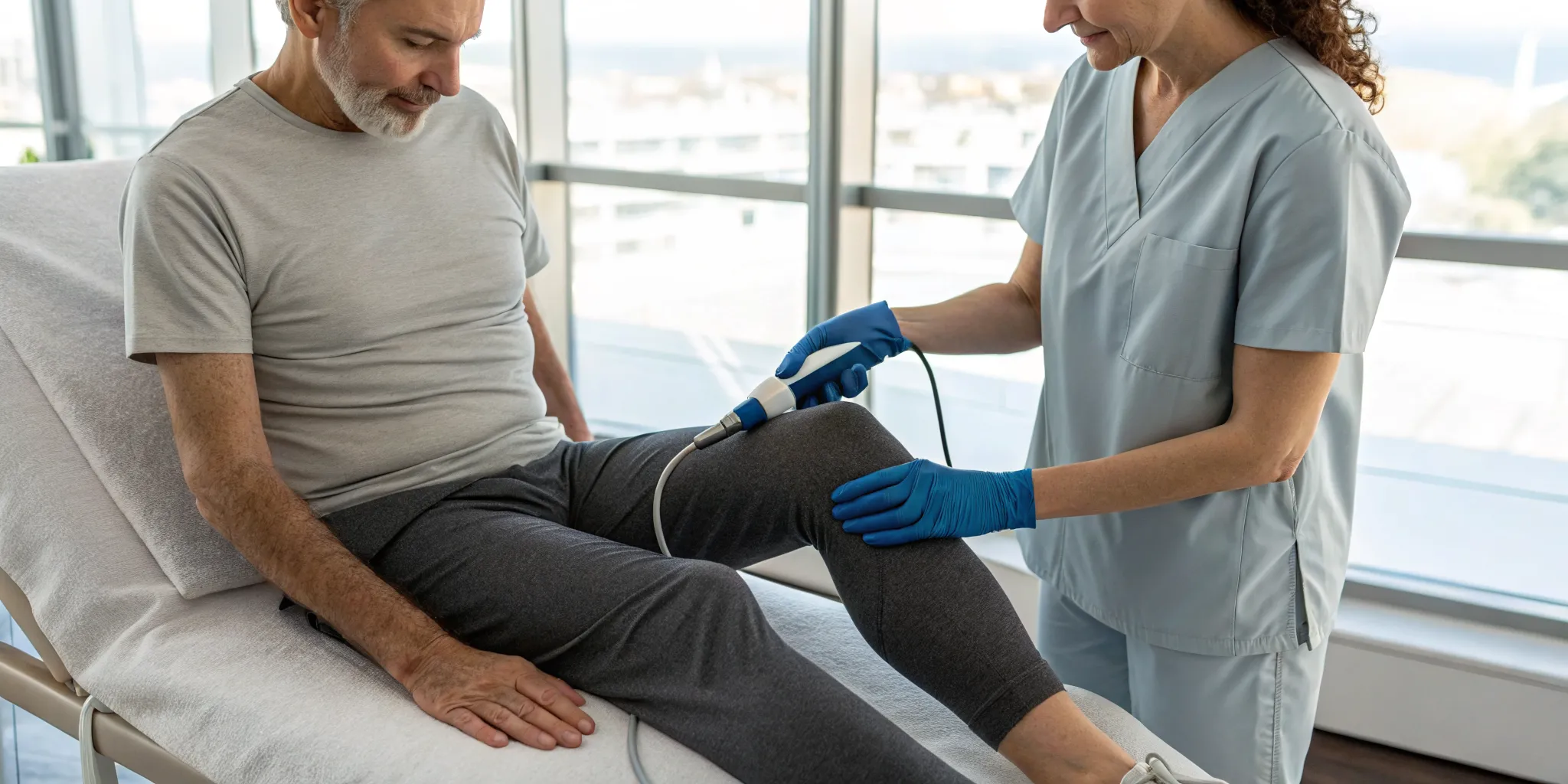
For some concerns, a clinician may discuss physical medicine approaches such as chiropractic care, decompression, lumbar care, corrective care, or soft-tissue work. Which options are appropriate depends on an individual evaluation; a prior sports injury alone does not make someone a candidate for a particular service. Ascend describes its Physical Medicine pillar as one part of its broader integrative care model.
How Do Old Injuries Fit With Current Activity and Goals?
Activity goals help make an evaluation practical. Explain what you want to do now, what you have stopped doing, and what a reasonable improvement in function would look like to you.
Former athletes may compare their current body with how it felt at peak performance. That memory can be meaningful, but it can also set an unrealistic standard for judging every symptom. Instead, describe the activities you want to return to and the barriers you experience. “I want to walk 18 holes without needing to stop because of stiffness” gives a clinician a clearer discussion point than “I need my old body back.”
Do not push through worsening symptoms simply to test whether an old injury still matters. Likewise, avoiding all movement indefinitely may not be the only choice. Ask a clinician what level of activity is appropriate while the concern is being assessed, and follow individualized guidance. General information cannot determine your safe limits.
It can be useful to agree on a way to track progress if you and your clinician decide to pursue care. That might include a consistent activity, a functional goal, or changes in symptom frequency. Tracking should be simple and relevant. It is not a guarantee of a particular result, and normal day-to-day variation should be discussed in context.
Make the goal specific enough to revisit. Instead of “get back to sports,” you might explain which recreational activity you mean, what part is currently difficult, and what you would like to be able to do comfortably. If a goal changes as you learn more, update it. The clinician can help you discuss whether the goal is appropriate and how to assess it. A useful measure reflects your daily life, not only a comparison with past competitive performance.
Also discuss practical boundaries: what to do if a symptom changes, when to check in again, and whether another clinician should be involved. Clarifying these points can reduce confusion between visits. It does not mean you should attempt to diagnose yourself or alter a care plan without discussing it with the clinician responsible for your care.
If your concern is in the back or leg, Ascend has information about its spinal decompression therapy and sciatica-related care. These pages describe services and are not a substitute for determining the cause of an individual symptom. Share the complete history with a qualified clinician before choosing a treatment path.
How Can You Compare Care Options and Ask Better Questions?
Compare options by how well they address your current concern, what evaluation precedes care, and how progress or a change in plan will be handled. Ask for clear explanations rather than assuming that an approach is right because it helped someone else.
| Conversation area | Questions to ask | Why it helps |
|---|---|---|
| Evaluation | What will you assess, and how does my old injury history inform that assessment? | Clarifies the role of history alongside current findings. |
| Care options | What approaches might fit my concern, and what are their limits? | Encourages a balanced discussion rather than a promise of results. |
| Safety and next steps | Are there symptoms or changes that mean I should seek another level of care? | Helps you understand when the plan should change. |
| Progress | How will we review whether my function or symptoms are changing? | Sets a clear basis for follow-up and reassessment. |
| Coordination | Should I share records or coordinate with another clinician? | Supports continuity when several clinicians are involved. |
A good discussion should leave you understanding the reasoning, alternatives, and what happens next. You can ask whether a proposed service is intended to address a specific finding or simply to support a broader goal. You can also ask what the clinician would recommend if progress does not follow the expected course.
Listen for a plan that accounts for your current health, not only the sport you used to play. Useful follow-up questions include: What should I expect at the next review? What would lead you to change the approach? Is there a reason to coordinate with my primary clinician or another specialist? What are the known limits of this option for my situation? These questions help you compare a thoughtful evaluation with a one-size-fits-all recommendation. You should not feel pressured to treat a past injury as the explanation before the current concern has been assessed.
Ascend Functional Health presents care through Physical Medicine, Functional Medicine, and Regenerative Medicine. For a movement concern related to an old injury, the relevant conversation may begin with Physical Medicine; other aspects of a person's health may lead to different questions. The aim should be a personalized, evidence-informed discussion, not an assumption that every pillar or service is needed.
When Should You Seek Prompt Medical Attention?
Do not wait for a routine appointment if a new problem is severe, rapidly worsening, or feels urgent. A past sports injury should never distract from symptoms that need timely medical assessment.
Examples of concerning changes can include a major injury, sudden loss of normal function, or symptoms that are escalating. This is not a complete triage list, and an online article cannot determine urgency for an individual. When in doubt, contact an appropriate medical professional or urgent service, especially if you have been told to seek care for a specific warning sign.
If the concern is not urgent but persists, recurs, or limits activity, arrange an evaluation rather than repeatedly guessing at the cause. Share any prior diagnoses and care, but also explain your current situation. The goal is to get the present problem assessed on its own merits.
Discuss your history and next steps with Ascend
Frequently Asked Questions
These answers offer general guidance for preparing a care conversation. An individual clinician can address how it applies to your health and symptoms.
Can an injury from decades ago still matter?
It can be relevant context, especially if symptoms returned or the area still affects function. But age of the injury does not establish that it causes a current problem. A clinician should consider your present symptoms and evaluation findings.
What if I do not remember the exact diagnosis?
Say what you remember and be clear about what you do not know. Describe the event, location, care you received, and how the issue changed. Avoid guessing at a diagnosis; old records may help if they are available.
Should I stop exercising until I have an evaluation?
There is no single answer for everyone. If an activity causes concerning or worsening symptoms, stop that activity and seek appropriate clinical guidance. A clinician who understands your situation can discuss what activity is reasonable while the concern is assessed.
Does a past injury mean I need chiropractic or decompression care?
No. A history alone cannot determine whether a service is suitable. The decision should follow a current evaluation and a discussion of potential benefits, limits, alternatives, and any need for other medical care.
What should I bring to an appointment?
Bring relevant records if readily available, a list of current concerns and medications, and a short timeline of prior injuries and care. Also think about the activities you want to do and the specific limitations you have noticed.
Contact Ascend to discuss whether an evaluation is a fit
This article is for educational purposes only and is not medical advice. Consult your clinician before acting on health information or making changes to your care.