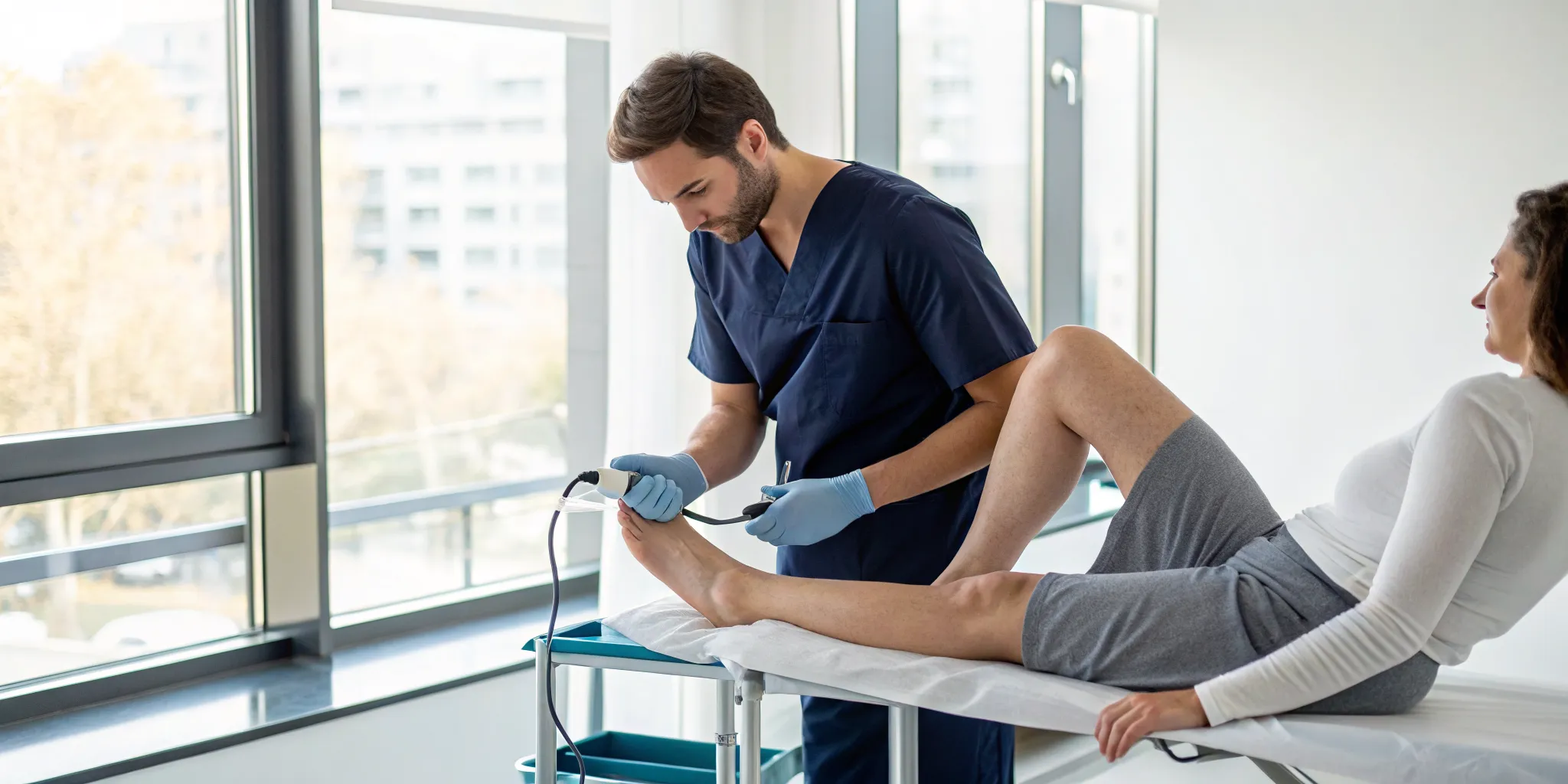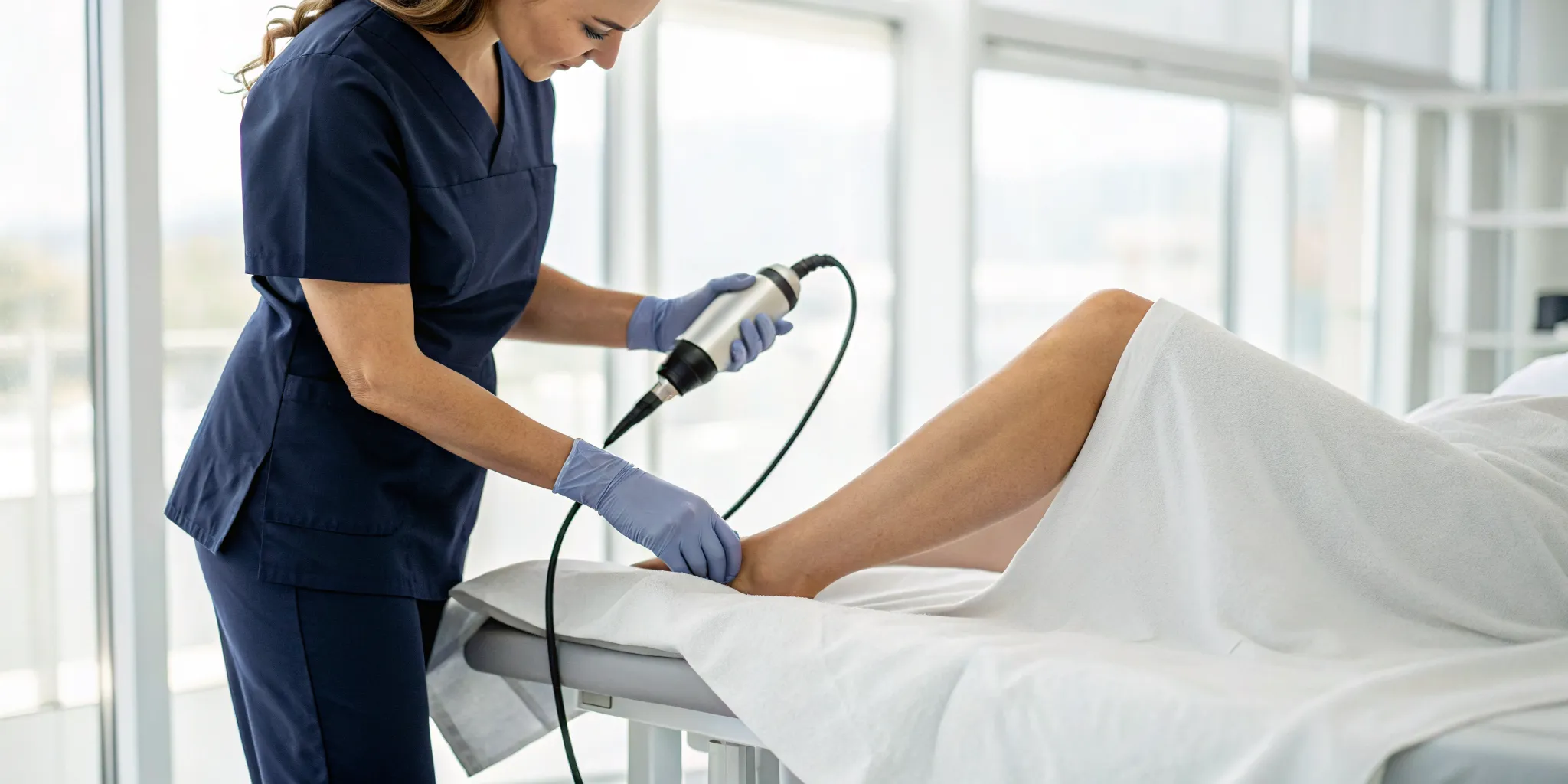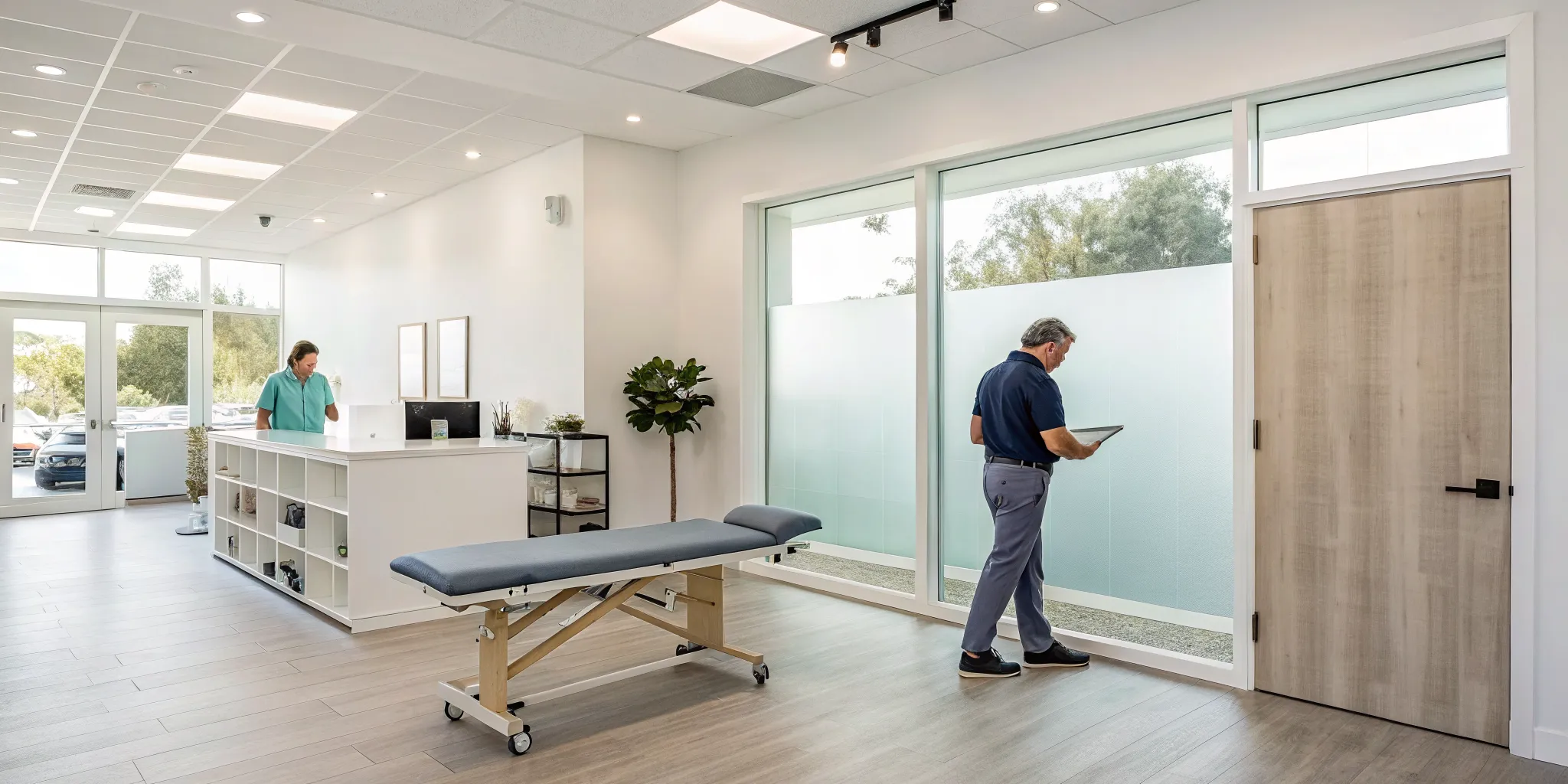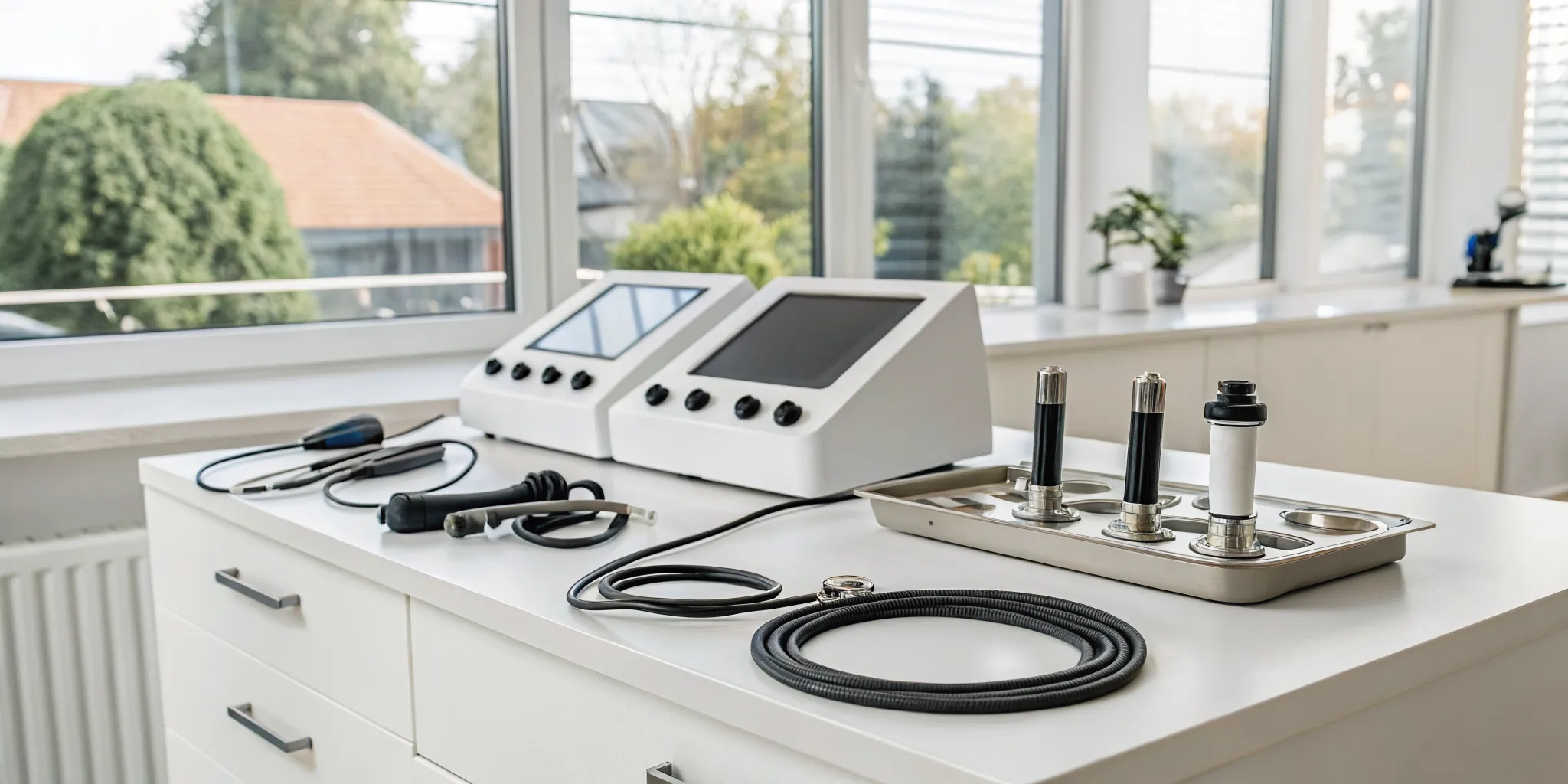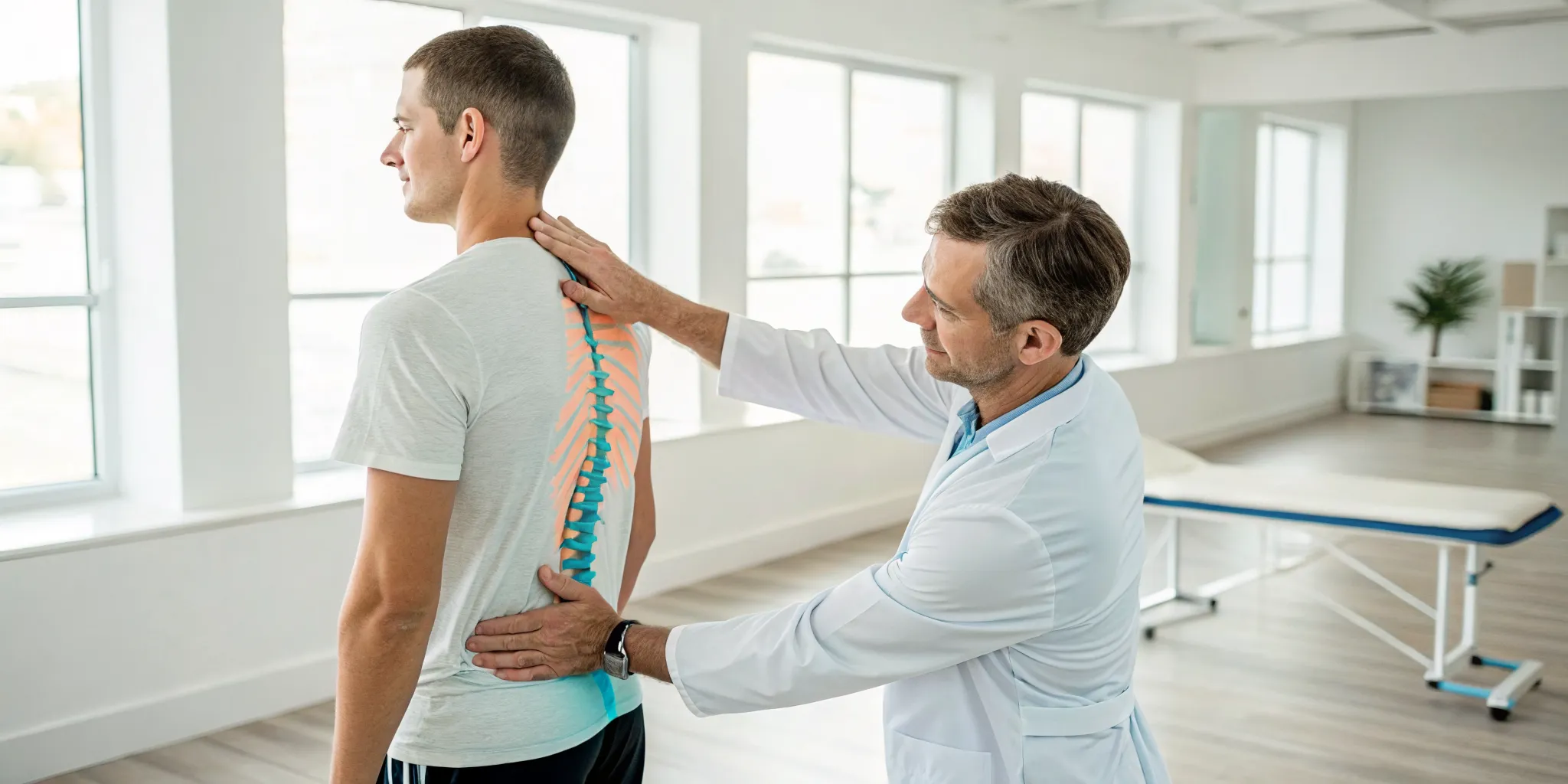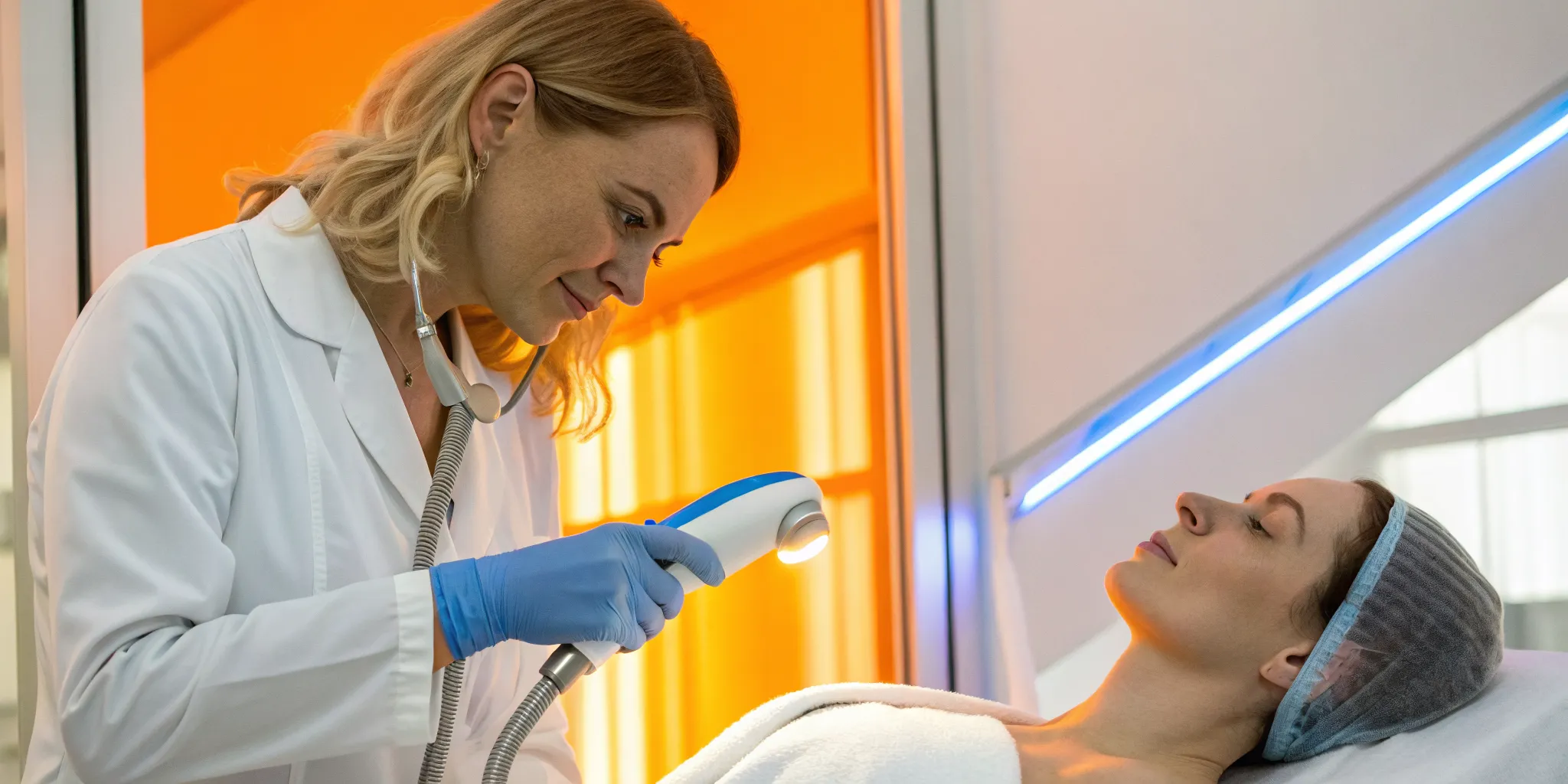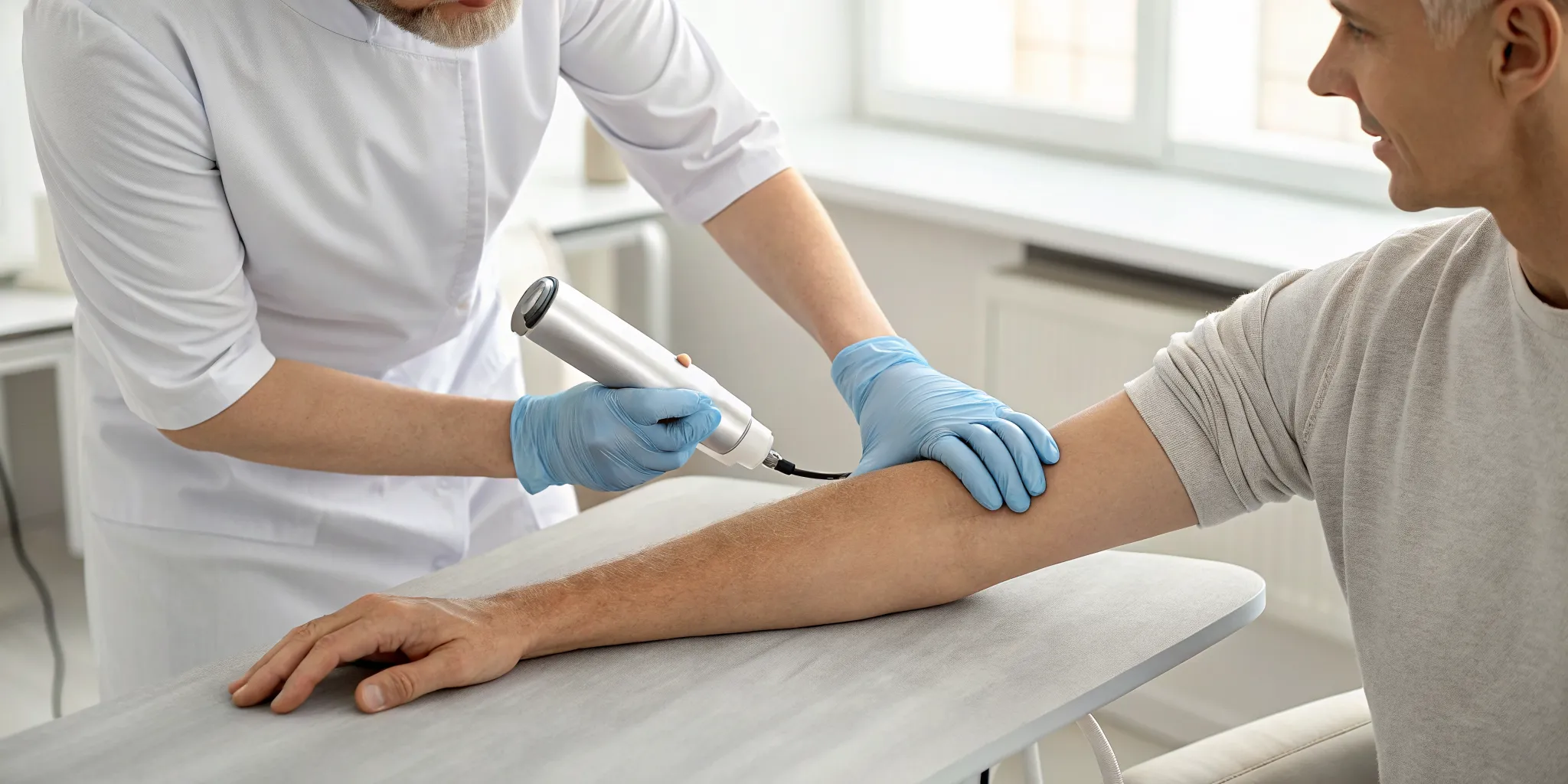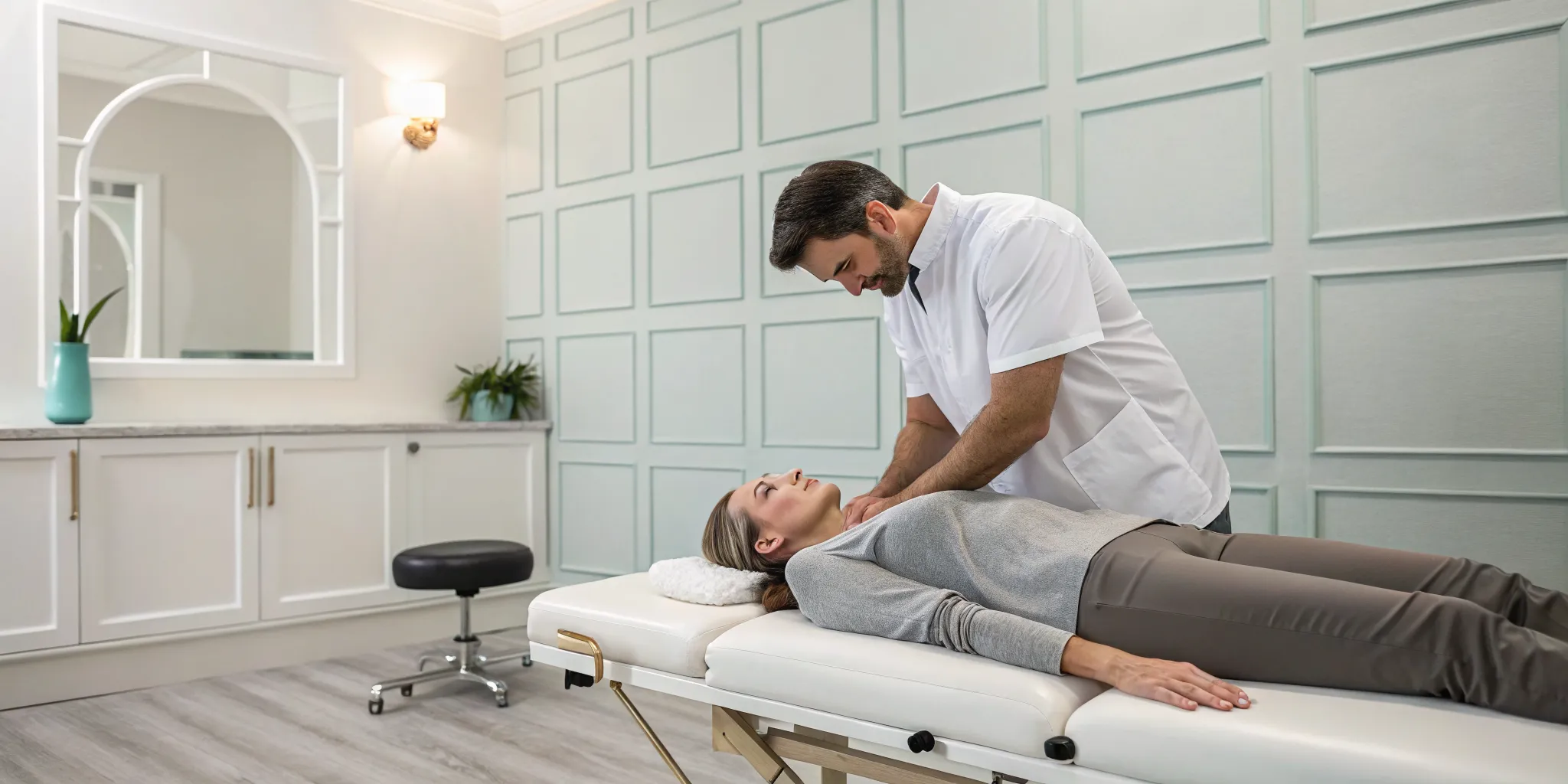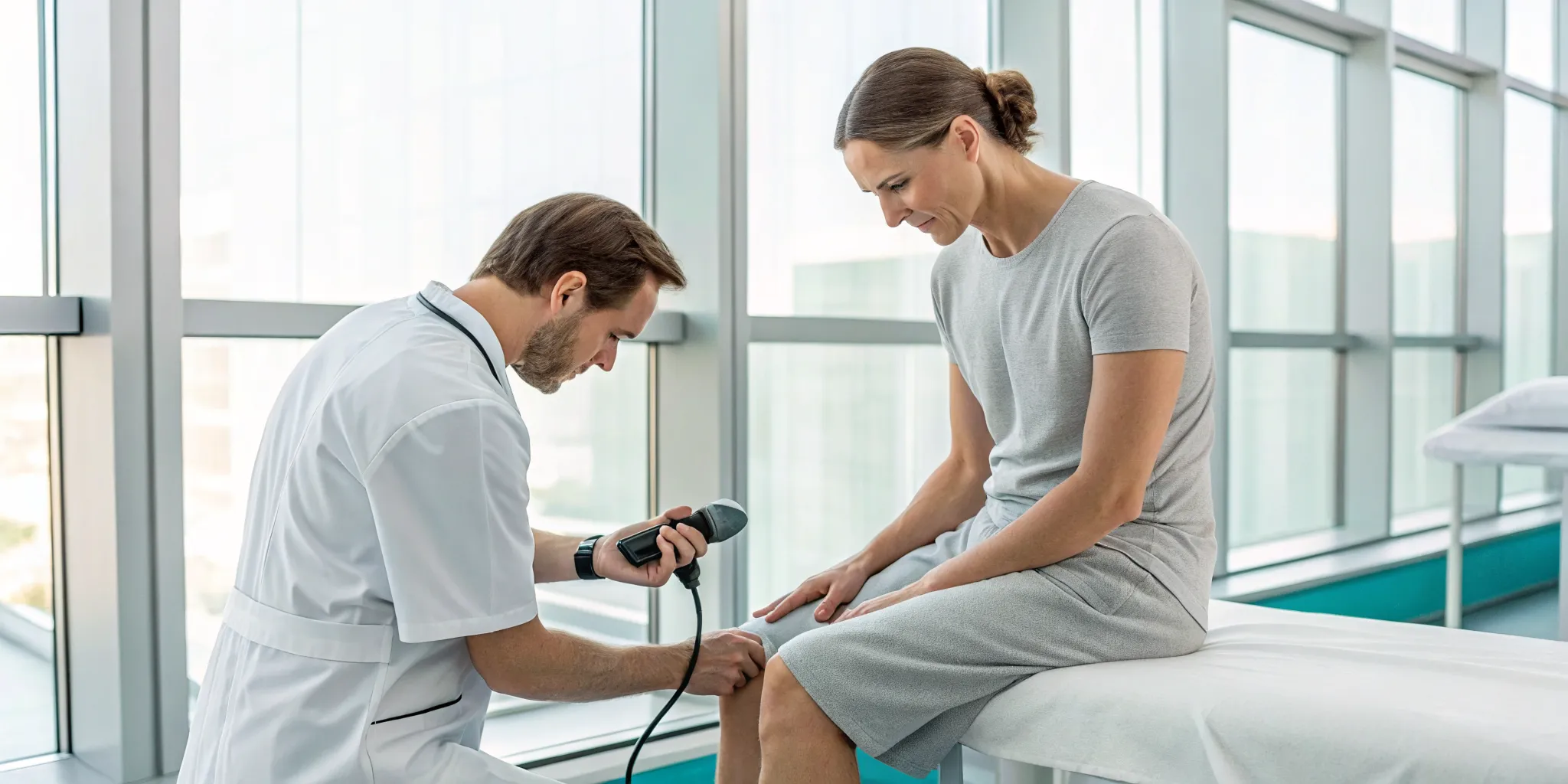
Where you receive treatment can be just as important as the treatment itself. You could find a clinic that offers SoftWave therapy as a standalone service, but you’d be missing a huge piece of the puzzle. A functional health clinic doesn’t just focus on the single point of pain; we look at your body as an interconnected system. When you search for a ‘SoftWave therapy provider near me,’ it’s worth considering the clinic’s entire philosophy. At Ascend Functional Health, SoftWave isn't just a tool; it's part of a bigger, smarter strategy designed to help you heal for good by addressing the root cause of your discomfort. This article explains why this integrated approach is so effective for creating lasting change.
Key Takeaways
- It prompts your body to heal itself: SoftWave therapy uses gentle acoustic waves to signal your body’s natural repair systems, increasing blood flow and activating stem cells to regenerate damaged tissue from the inside out.
- Commit to the full plan for lasting results: While sessions are quick, true tissue regeneration is a process. Completing your recommended treatment plan gives your body the consistent support it needs to fully repair the underlying issue.
- Choose a provider with a root-cause approach: SoftWave is most effective when it’s part of a comprehensive strategy. A functional health clinic will integrate the therapy into a personalized plan that addresses the true source of your pain, not just the symptom.
A Guide to SoftWave Therapy for Lasting Pain Relief
If you're dealing with persistent pain, you’ve likely tried a lot of different approaches to find relief. But what if there was a way to work with your body to heal the source of the pain, not just quiet the symptoms? That’s the idea behind SoftWave therapy. It’s a non-invasive technology that uses patented acoustic waves to kickstart your body's natural repair processes, helping you get back to feeling your best. It represents a shift from simply managing pain to actually resolving the underlying issue.
At Ascend Functional Health, we see it as a powerful tool within our physical medicine offerings because it aligns perfectly with our goal: addressing the root cause of your discomfort. This approach is about creating lasting change, not temporary fixes. Since SoftWave is a newer technology, it's natural to have questions. How does it actually work? Is it the same as other treatments you've heard of, like shockwave or ultrasound? We want you to feel informed and confident about your health choices. Let's get into the specifics so you understand your options for healing and can find a path toward lasting relief.
How Does Acoustic Wave Technology Work?
Imagine your body has its own team of repair workers, but sometimes they need a clear signal to get to the right spot. Acoustic wave technology sends gentle, low-intensity sound waves deep into your injured tissues. These waves act as that signal, stimulating your body’s natural healing processes without causing extra trauma to the area.
The waves help increase blood flow, reduce inflammation, and recruit your own stem cells to the site of injury to begin regenerating damaged tissue. It’s a way to prompt genuine healing for a wide range of conditions, from a nagging shoulder injury to chronic joint pain, by activating the systems your body already has in place.
SoftWave vs. Shockwave and Ultrasound
The terms “SoftWave” and “shockwave” are often used interchangeably, but they describe different experiences and technologies. While both are non-invasive, traditional shockwave therapy often uses focused, high-intensity waves that can be uncomfortable. SoftWave, on the other hand, uses unfocused, parallel waves that cover a wider and deeper area more gently. It delivers mechanical acoustic energy, not the heat of an ultrasound or the electrical pulses of a TENS unit.
Unlike ultrasound, which is often used alongside other treatments, SoftWave can serve as a primary intervention for many issues. It’s a distinct technology that stands on its own as one of our services designed to promote true tissue regeneration and healing from within.
What Conditions Does SoftWave Therapy Address?
One of the most impressive things about SoftWave therapy is its versatility. Because it works by stimulating your body’s own healing abilities at the cellular level, it isn’t limited to just one type of ache or pain. Instead of simply masking symptoms, this technology addresses the underlying issues of inflammation, poor circulation, and tissue damage that cause so many chronic problems. It’s a powerful tool for anyone looking to move beyond temporary fixes and find lasting relief from conditions that have lingered for months or even years.
This therapy uses patented technology to send unfocused acoustic waves deep into your body's tissues. These waves create a mild, controlled stress that essentially wakes up your cells and signals them to start repairing themselves. It’s like flipping a switch for your body’s natural regeneration processes. Whether you’re dealing with a nagging old injury, persistent joint pain, or even nerve-related issues, SoftWave can be a game-changer. It prompts a biological response that helps regenerate damaged tissues and restore function from the inside out. This approach allows us to address a wide spectrum of health concerns that our patients face. At Ascend Functional Health, we see it as a key part of our physical medicine services, helping people get back to living their lives with less pain and better mobility. Below, we’ll explore some of the most common conditions that respond well to this innovative therapy.
Chronic Pain and Joint Issues
If you live with chronic pain, you know how draining it can be. Conditions like arthritis, bursitis, or persistent back, knee, and shoulder pain can make everyday activities feel like a struggle. SoftWave therapy offers a new path forward. It uses acoustic waves to provide pain relief and improve how your muscles and joints work. By sending waves of energy deep into the tissue, it triggers your body’s own repair mechanisms. This process helps reduce inflammation, increases blood flow, and activates your own stem cells to migrate to the area and begin rebuilding damaged tissue. It’s a way to encourage true healing, not just silence the pain signals.
Tendon and Soft Tissue Injuries
Tendon and soft tissue injuries like plantar fasciitis, tennis elbow, or rotator cuff problems are notoriously slow to heal. This is often because tendons and ligaments have a limited blood supply, which slows down the natural repair process. SoftWave therapy can be highly effective in managing the symptoms of these frustrating soft tissue conditions. The acoustic waves create a response in the body that jumpstarts circulation and cellular activity right where you need it most. This helps break up scar tissue and brings a fresh supply of oxygen and nutrients to the injured area, creating an ideal environment for your body to finally heal those stubborn injuries.
Neuropathy and Circulation Problems
SoftWave therapy can also address issues beyond the joints and muscles, including neuropathy and problems related to poor circulation. Many conditions, from nerve pain in the feet to slow-healing wounds, are tied to inadequate blood flow. SoftWave can treat a wide range of these issues by promoting angiogenesis, which is the formation of new blood vessels. This renewed circulation delivers vital oxygen and nutrients to damaged nerves and tissues, helping to restore feeling and function. By supporting your body’s innate ability to heal, this therapy aligns perfectly with a root-cause approach to wellness, helping you build a stronger, more resilient foundation for health.
Debunking Common SoftWave Therapy Myths
When you’re exploring new ways to manage pain and improve your health, it’s easy to run into misinformation. SoftWave therapy is a powerful tool for healing, but a few common myths can cause confusion. Let's clear up some of the biggest misconceptions so you can feel confident about whether this treatment is the right step for you. Understanding the truth behind the technology is the first step toward taking control of your health journey.
Myth: "The Treatment is Painful"
Many people hear about wave-based therapies and immediately worry about pain. The good news is that SoftWave therapy is a non-invasive and gentle treatment. It works by sending unfocused acoustic waves into your tissues to stimulate your body’s natural healing and repair mechanisms. Most people describe the sensation as a light tapping on the skin. The goal is to promote healing without causing additional stress or trauma to the area. This makes it a comfortable option for a wide range of people, even those with significant sensitivity or a low pain threshold.
Myth: "It’s Just Like Ultrasound or a TENS Unit"
It’s common to group SoftWave with other therapies like ultrasound or TENS units, but they work in fundamentally different ways. Ultrasound uses heat to treat tissues, while a TENS unit uses electrical pulses to block pain signals. SoftWave therapy, on the other hand, uses mechanical acoustic energy. These sound waves create a biological response at the cellular level, signaling your body to increase blood flow, reduce inflammation, and activate stem cells to regenerate damaged tissue. It’s not about masking pain; it’s about triggering a genuine healing process from within.
Myth: "It’s Only for Professional Athletes"
While it’s true that many elite athletes use SoftWave to recover faster and stay at the top of their game, this therapy is absolutely not exclusive to them. We see patients from all walks of life who are simply looking for relief from chronic conditions. Whether you’re dealing with nagging joint pain, tendonitis from a weekend project, or persistent discomfort that limits your daily activities, SoftWave can help. The therapy is effective for a wide variety of conditions we treat, helping everyday people get back to living their lives with less pain and better mobility.
Myth: "You'll See Results in One Session"
Everyone wants immediate relief, but true healing is a process, not an event. SoftWave therapy works by stimulating your body’s own regenerative abilities, and that takes time. While some people report feeling better after their first session, the real, lasting results come from completing a full treatment plan. Think of it like tending to a garden; you won’t see a full bloom overnight. Each session builds on the last, giving your body the consistent signal it needs to repair and rebuild tissues. This approach ensures the results are not just a temporary fix but a genuine, long-term improvement.
What to Expect During Your SoftWave Session
Walking into a new type of therapy session can feel a little uncertain, but the process for SoftWave is simple and straightforward. The entire treatment is non-invasive, meaning it happens on the surface of your skin without any need for needles or incisions. From start to finish, a session is designed to be comfortable, efficient, and focused on targeting the precise areas that need healing. Our goal is to make your experience as clear and positive as the results you’re working toward.
Your Treatment Session, Step by Step
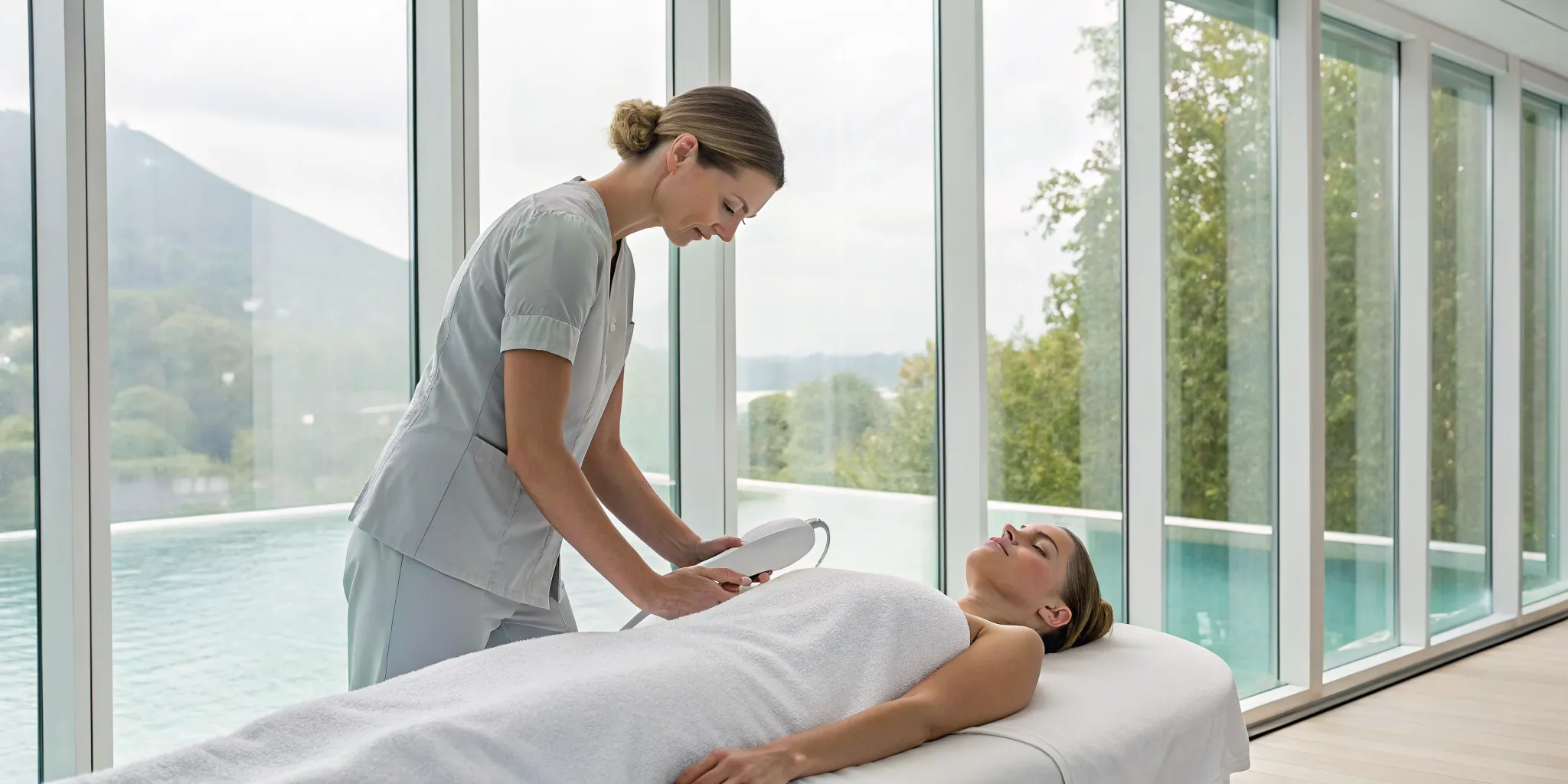
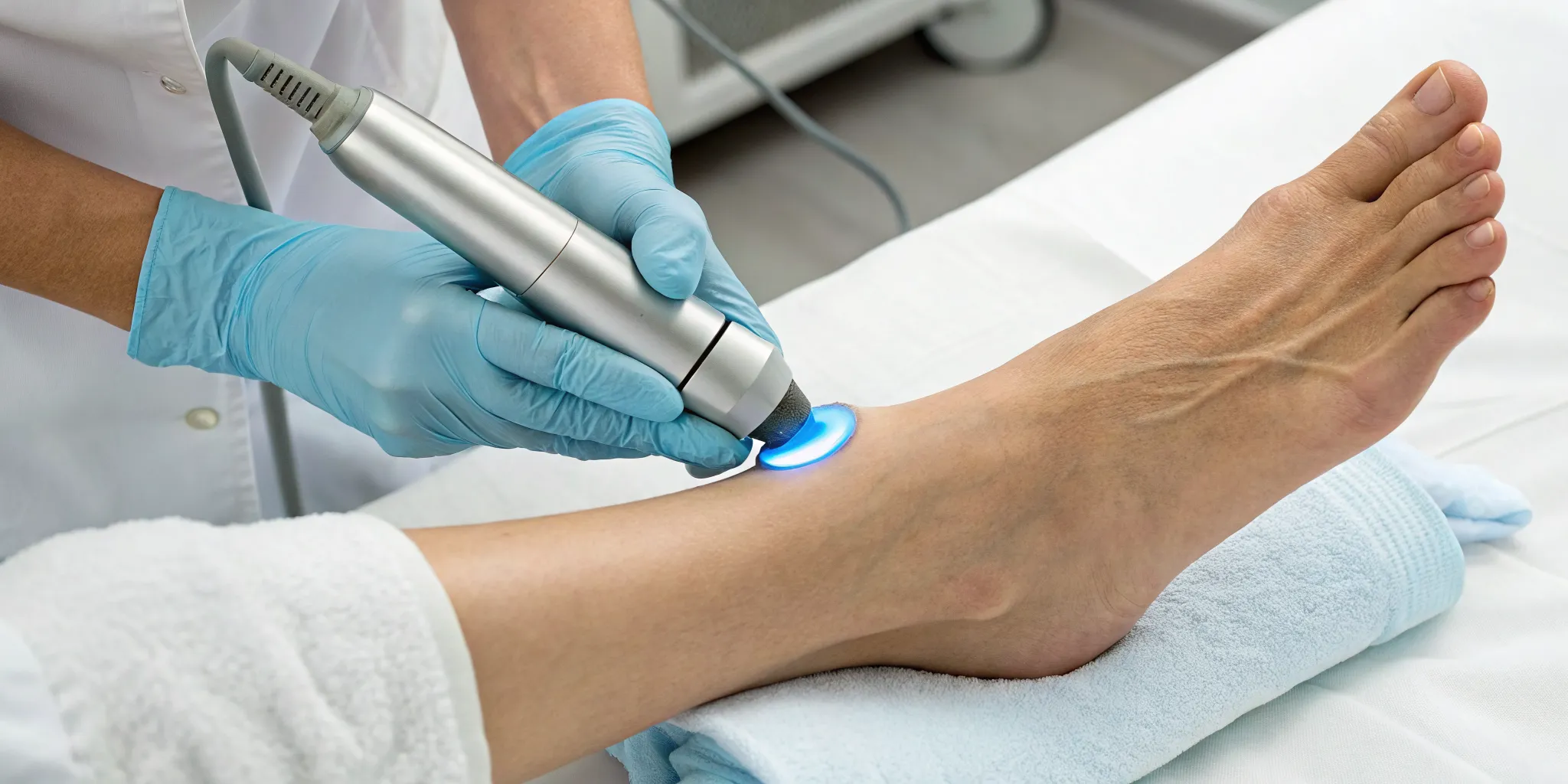
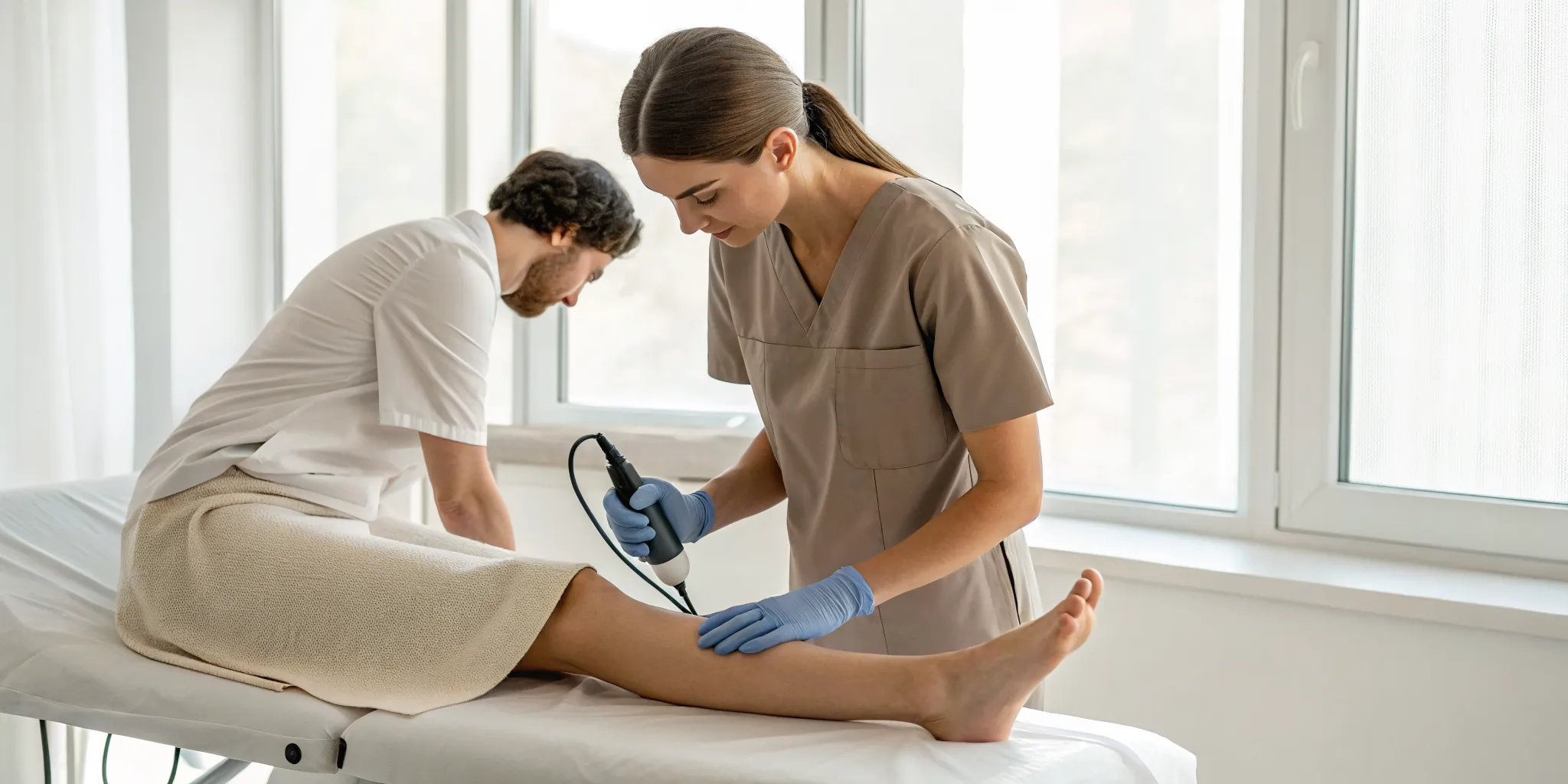
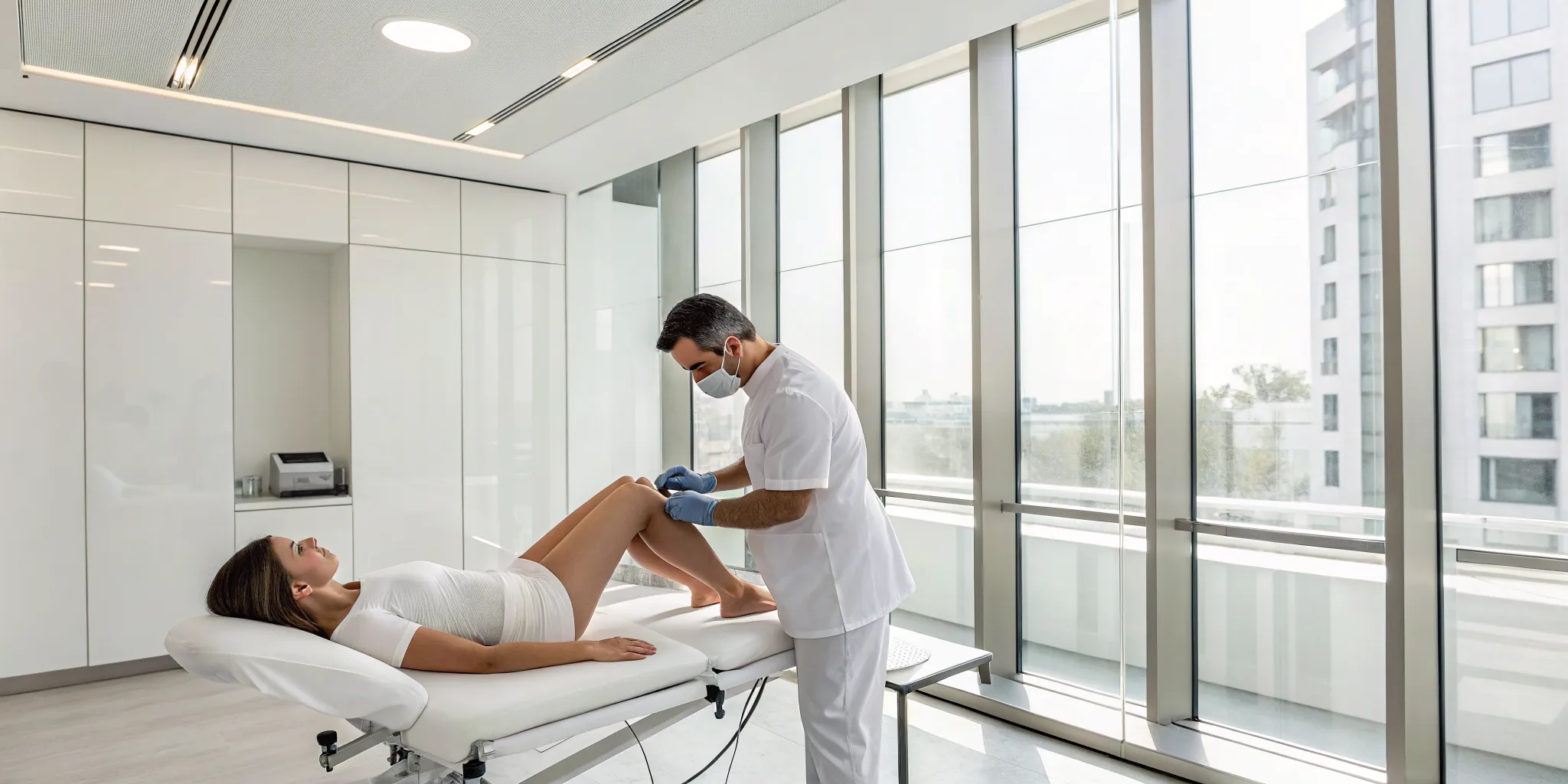
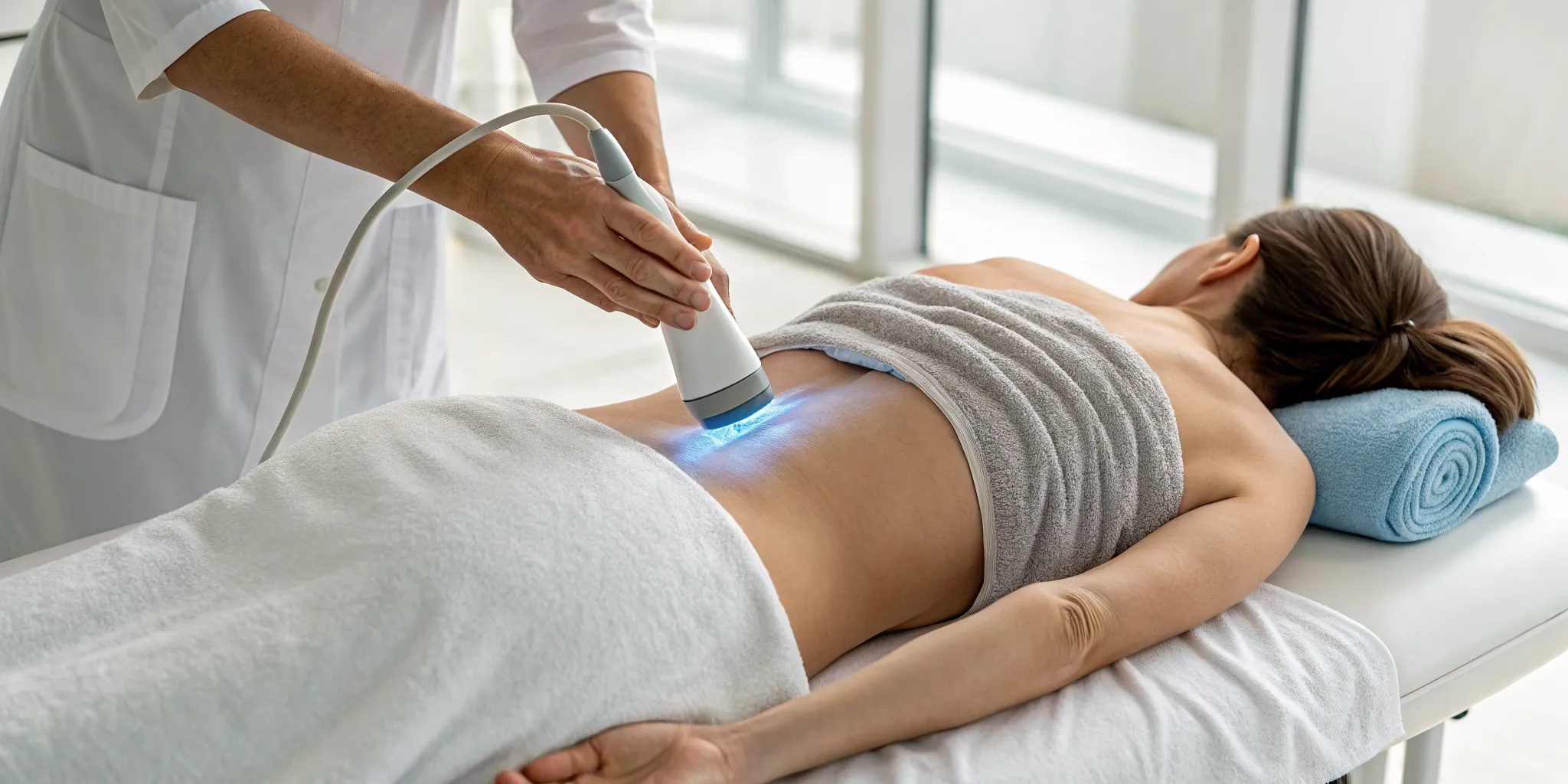
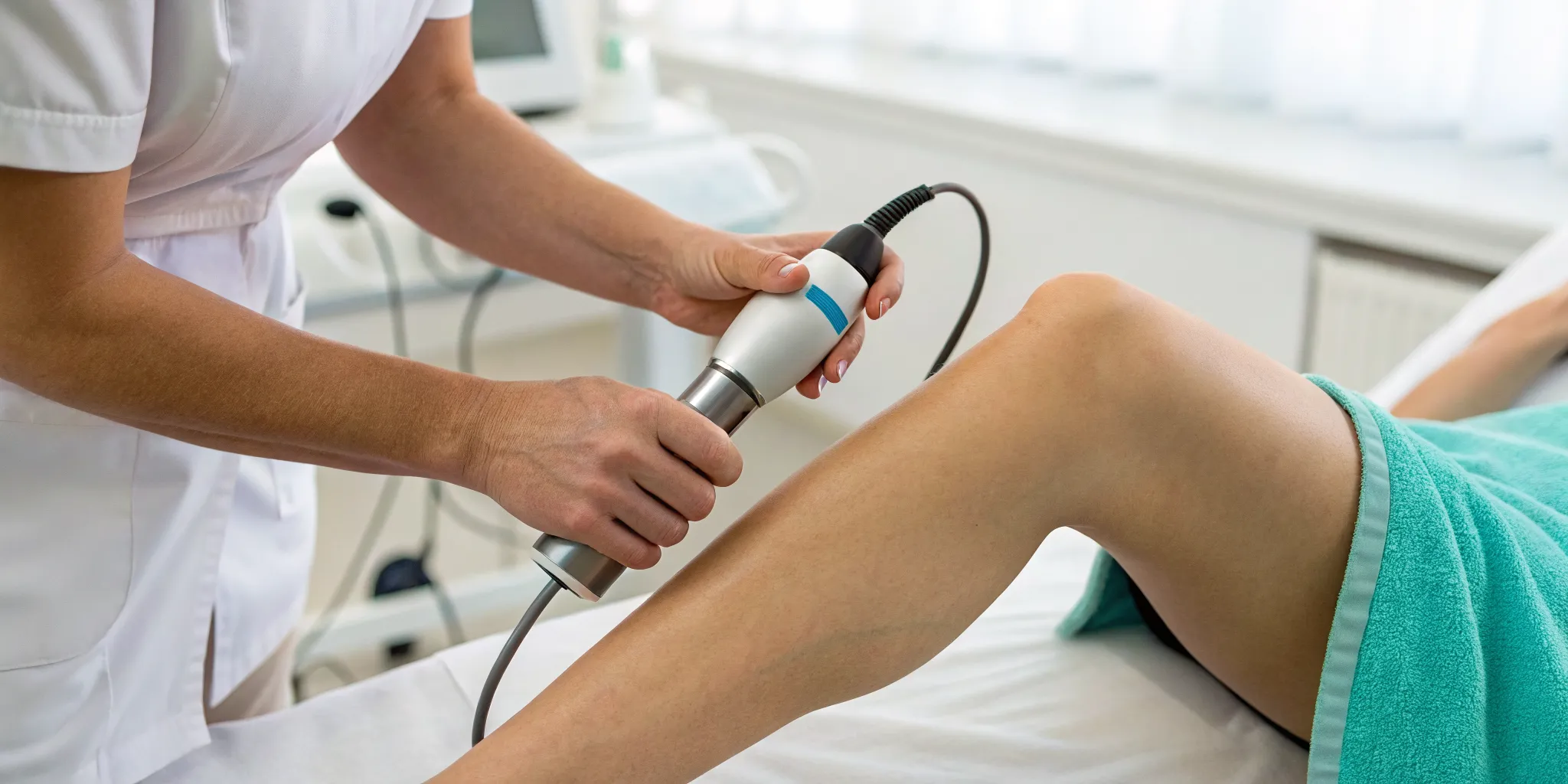
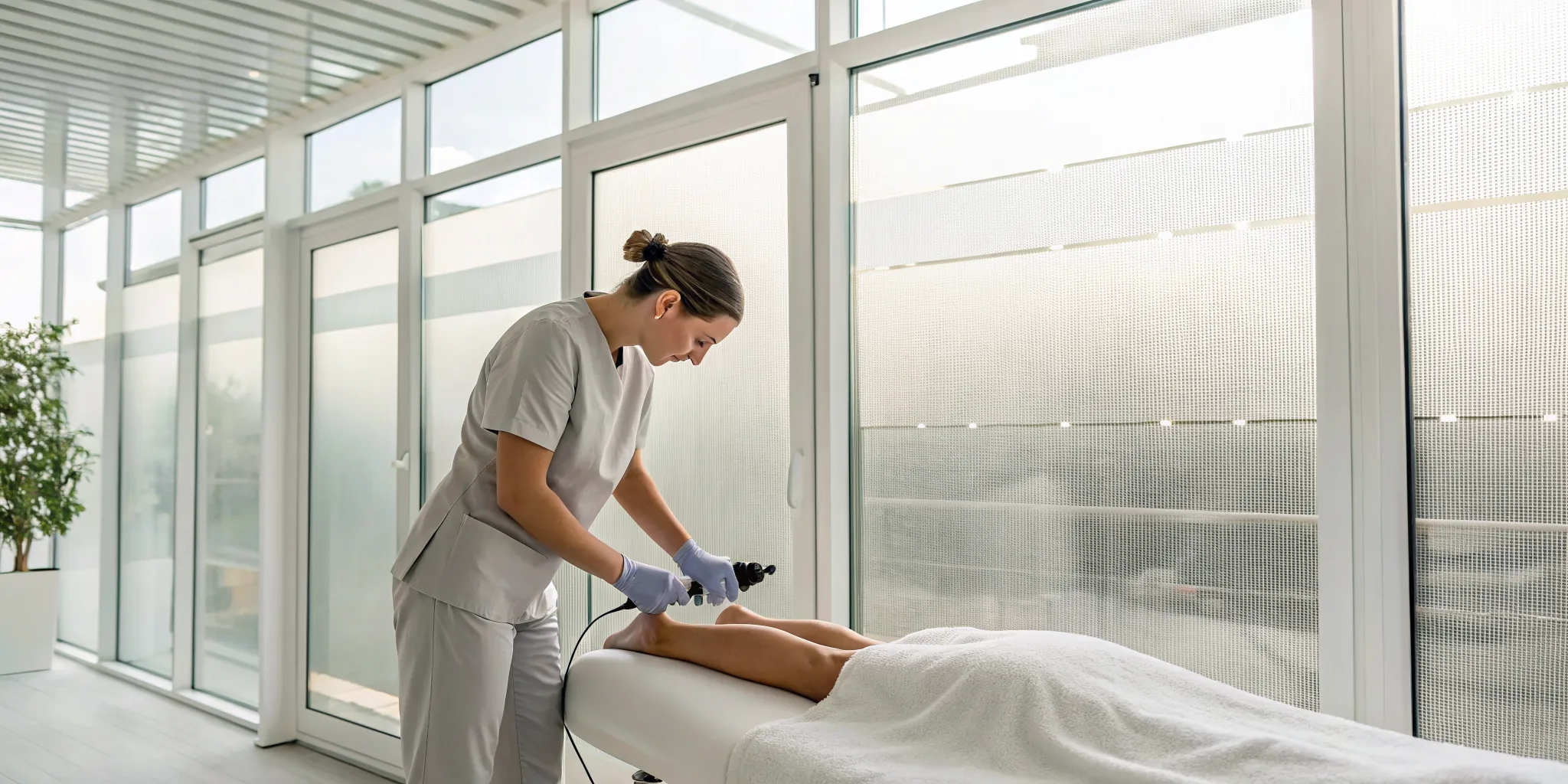
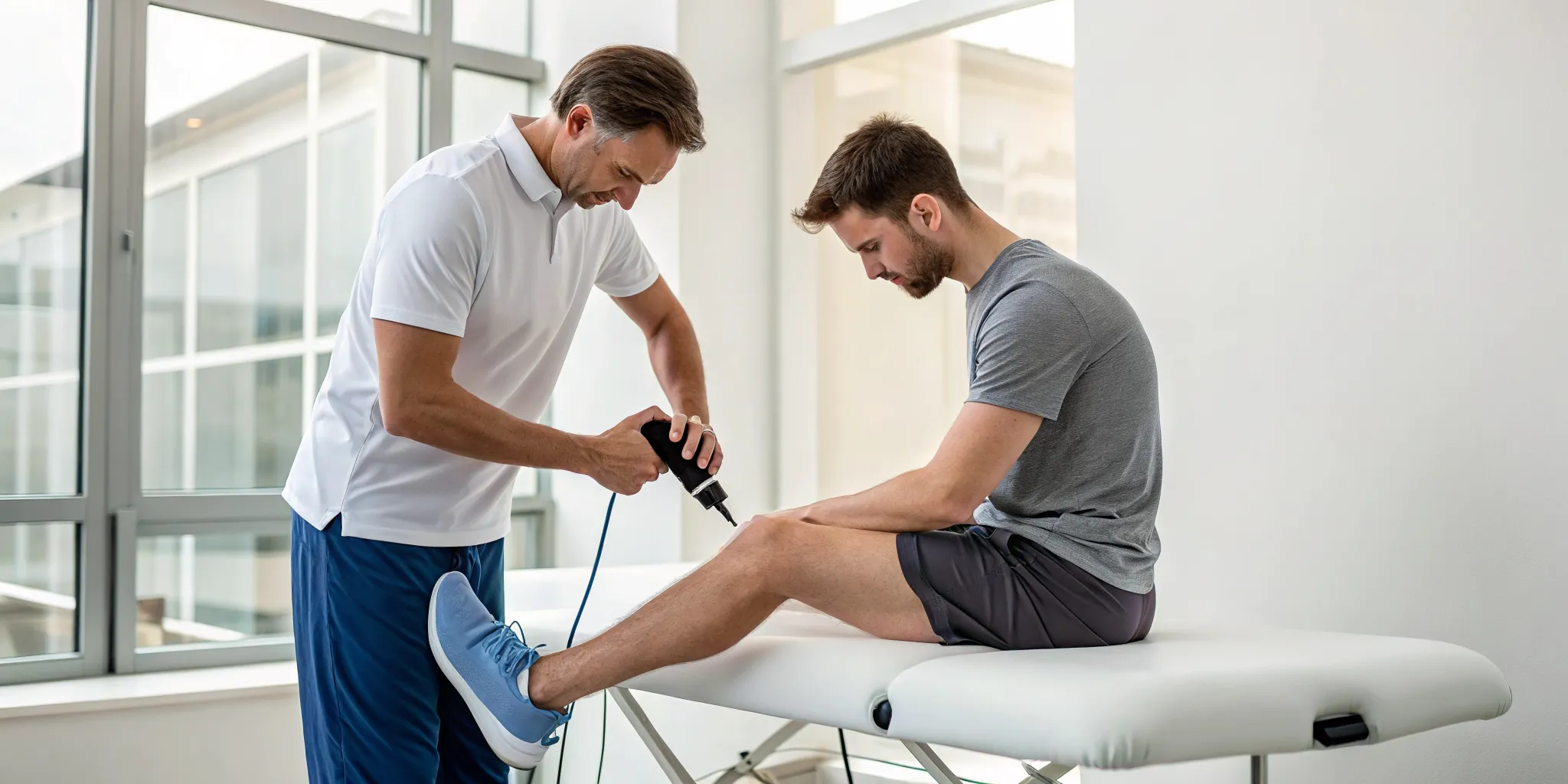
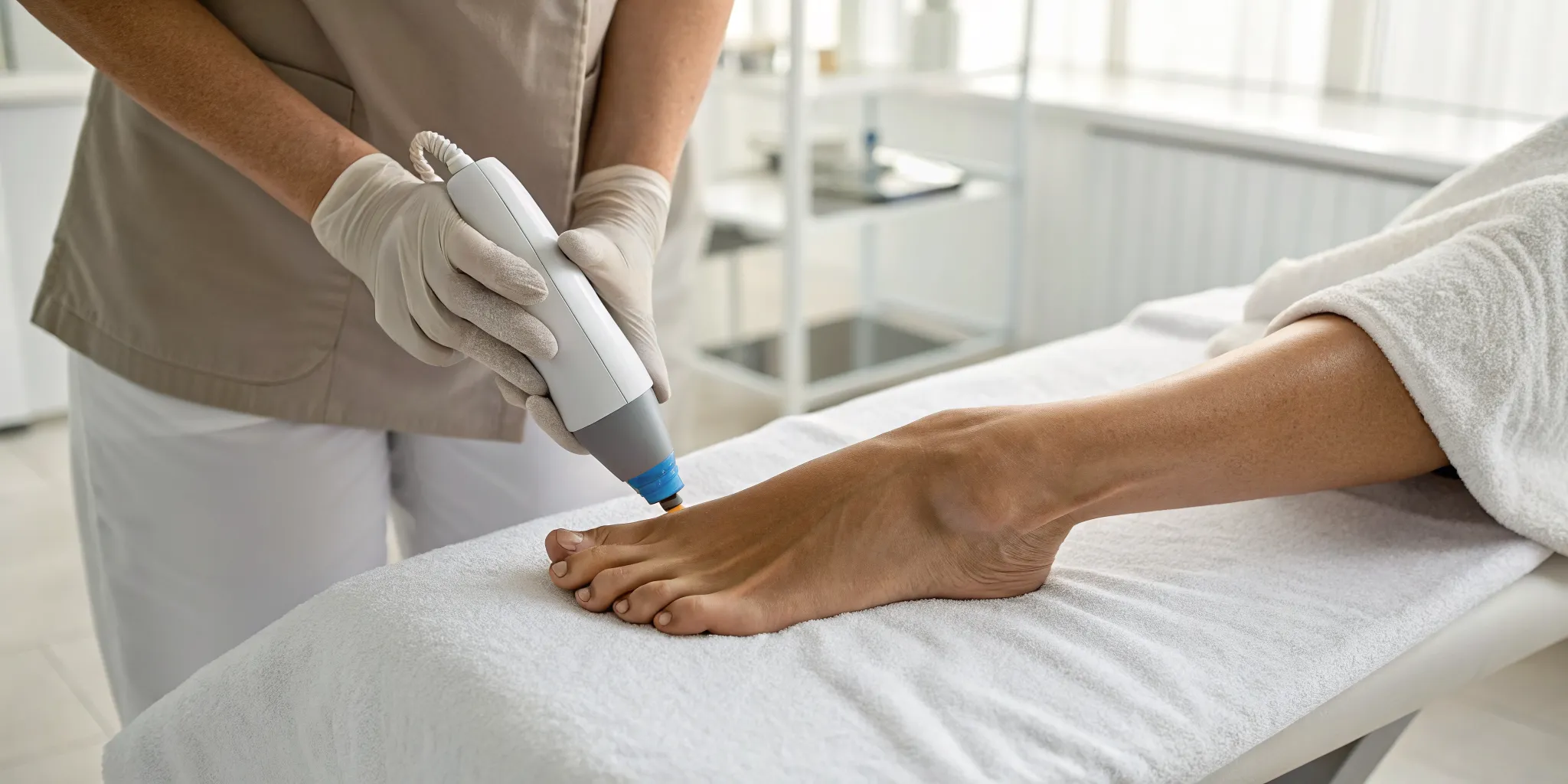
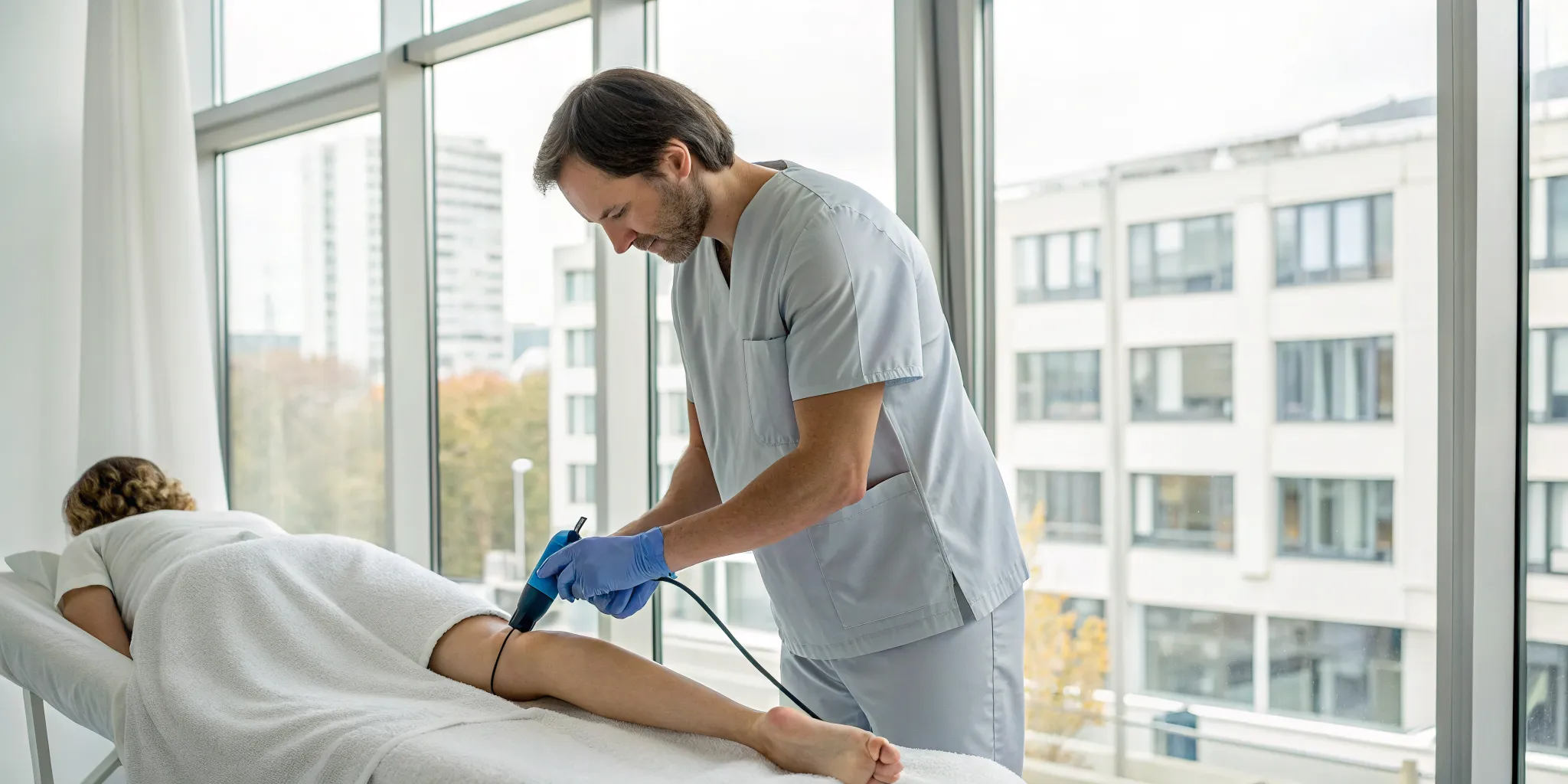
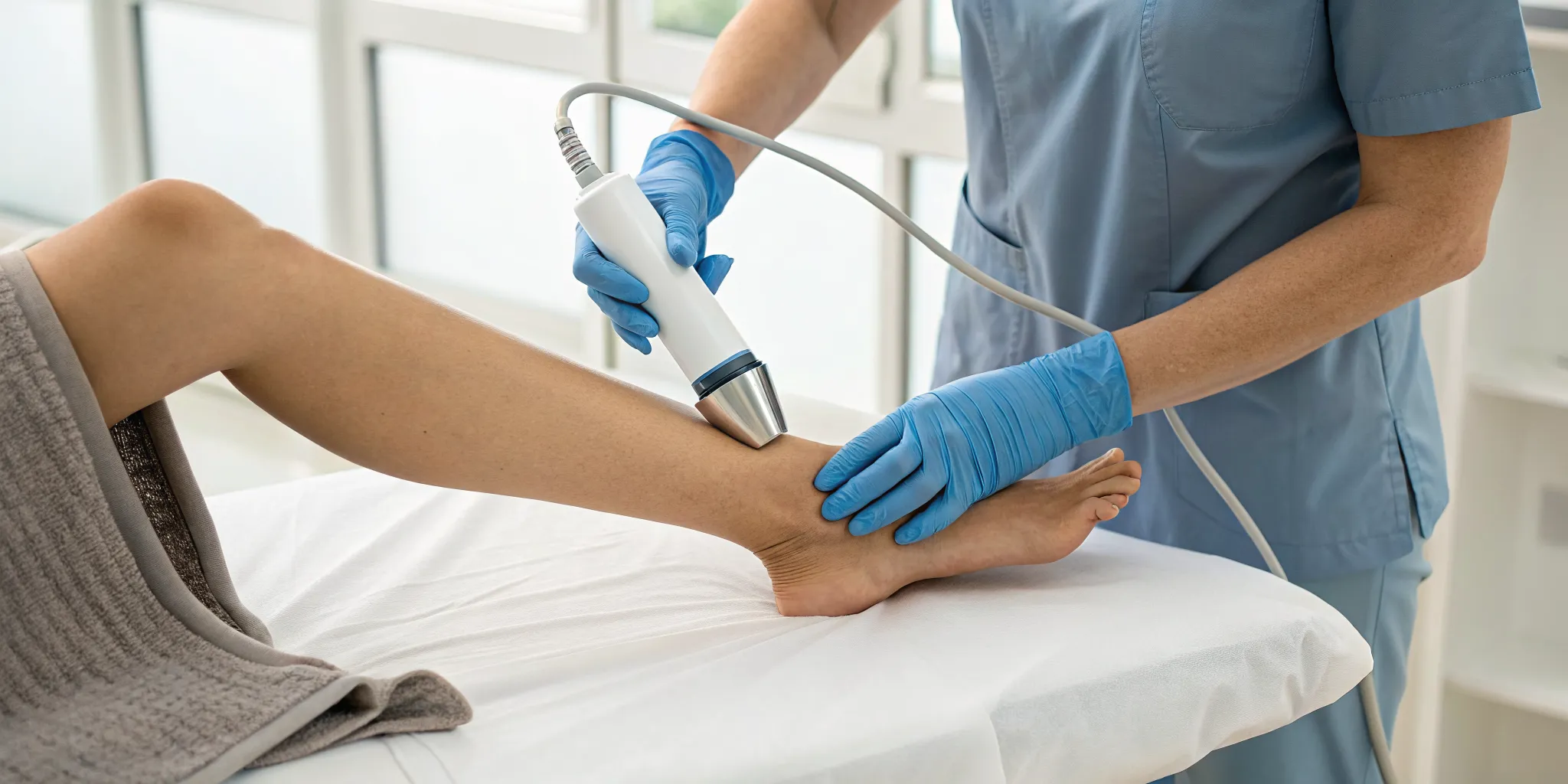
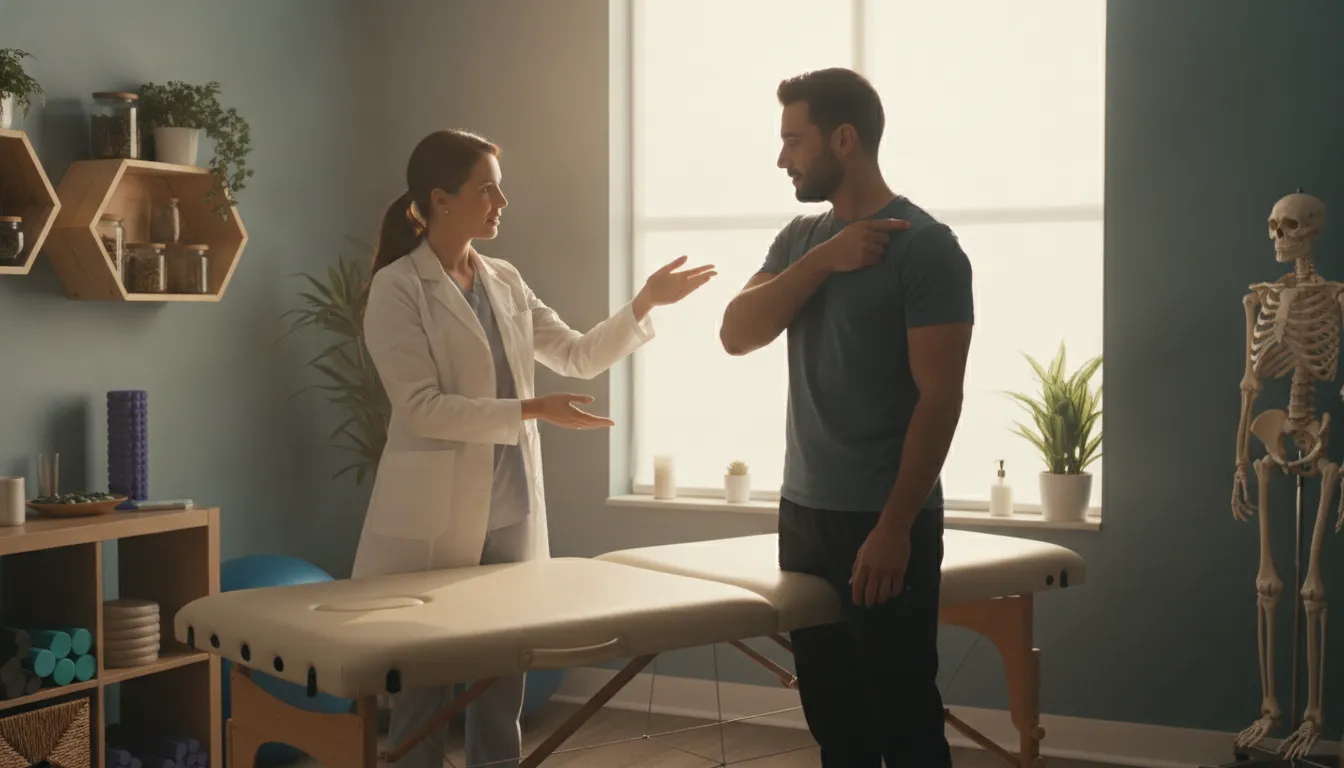
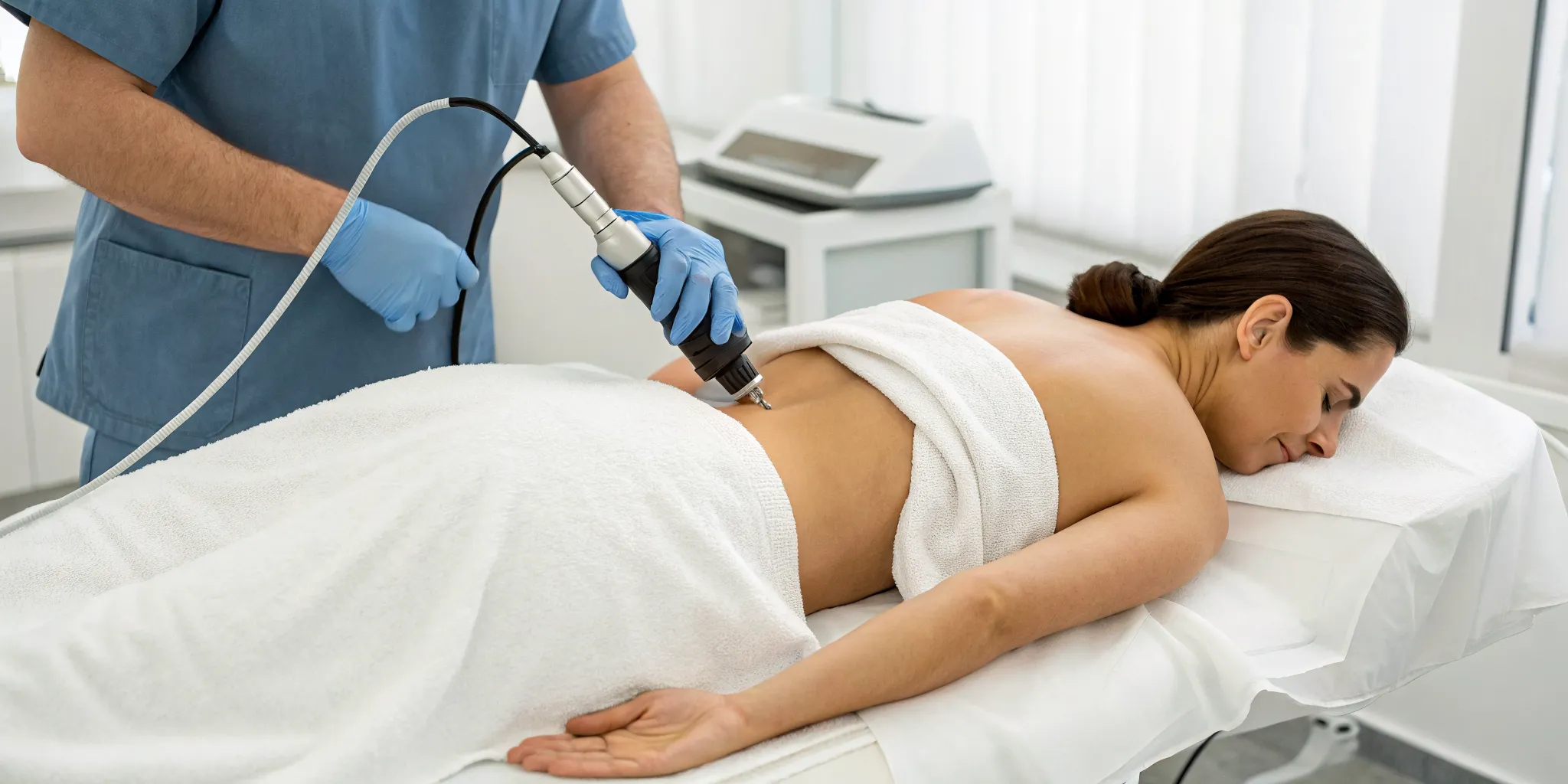
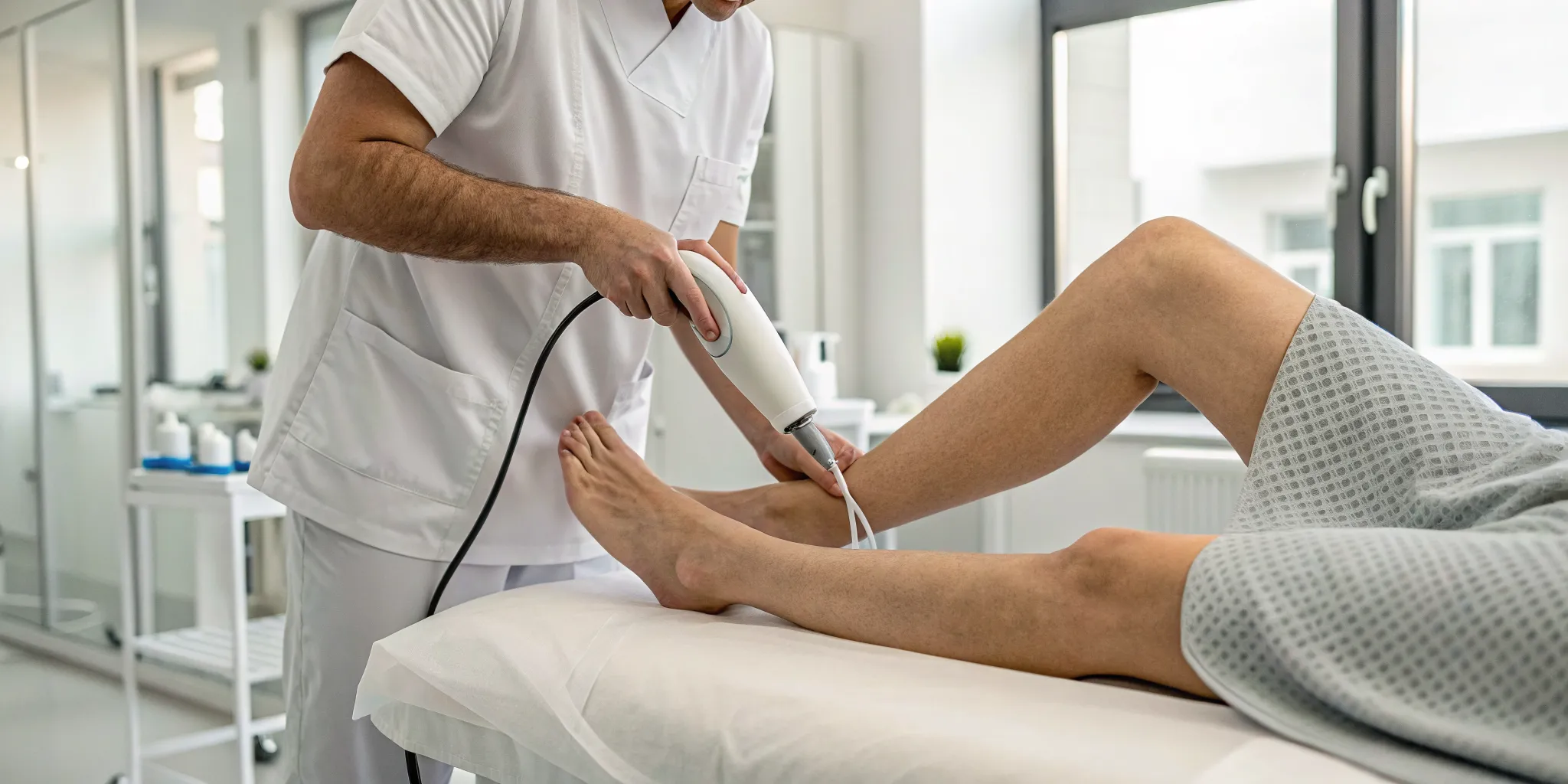
First, your practitioner will talk with you to pinpoint the areas causing you pain. Then, we’ll apply a gel to your skin, much like you’d experience during an ultrasound. This gel helps the sound waves travel from the SoftWave applicator into your body. Your provider will then glide the applicator over the treatment area. The device is uniquely designed to give real-time feedback, helping us identify the exact location of underlying inflammation or damaged tissue. A typical session is quick, usually lasting only 10 to 15 minutes, making it easy to fit into your day. This treatment is a key part of our physical medicine services, aimed at restoring your body's function.
What Does SoftWave Therapy Feel Like?
Most people describe the sensation of SoftWave therapy as a light tapping or pulsing on the skin. As the applicator moves over the treatment area, you might notice the feeling intensifies slightly over specific spots. This is a good sign. It means the sound waves have located an area of inflammation and are going to work stimulating your body’s natural healing response. The treatment is designed to be gentle and should not be painful; most patients report only mild discomfort that lessens as the tissue begins to heal. Because it’s so gentle, it’s an excellent option for many of the conditions we treat, even in sensitive areas.
How Many Sessions Will I Need?
While some people feel a difference after just one or two sessions, true tissue regeneration takes time. SoftWave therapy works by activating stem cells and promoting long-term healing at a cellular level, which doesn’t happen overnight. A complete treatment protocol is necessary for lasting results. The exact number of sessions you’ll need depends on your specific condition, its severity, and how your body responds. Most treatment plans involve a series of sessions scheduled over a few weeks. We will create a personalized plan tailored to your body’s needs to help you achieve significant, lasting improvement. To find out what a plan for you might look like, you can get started with a consultation.
The Results You Can Anticipate from SoftWave Therapy
When you're dealing with persistent pain, you want to know that a treatment will actually deliver results. SoftWave therapy is designed to work with your body’s own healing mechanisms to create lasting change. While every person's experience is unique, patients often report a combination of immediate relief and long-term improvements. Let's explore some of the positive changes you can look forward to as you move through your personalized treatment plan at our Tampa clinic.
Reduced Pain and Inflammation
One of the first things many people notice is a significant reduction in pain and inflammation. This isn't just a temporary numbing effect. SoftWave therapy uses acoustic waves to reach injured tissues deep beneath the skin, stimulating a natural response from your body. This process helps to decrease inflammation, improve blood flow to the area, and support tissue repair. By addressing the underlying cause of the inflammation, you can experience genuine, lasting pain relief that allows your body to truly start healing.
Better Mobility, Strength, and Sleep
As pain and inflammation subside, you’ll likely find that your movement and strength improve, too. Many of our patients are thrilled to get back to the activities they love, whether it's walking on the beach, playing golf, or simply keeping up with their kids. This therapy can help you improve mobility and regain confidence in your body's abilities. An often-overlooked benefit is better sleep. When you aren't being kept awake by nagging pain, your body can get the deep, restorative rest it needs to heal more effectively.
Why True Tissue Regeneration Takes Time
While you may feel better after just a few sessions, it’s important to remember that true, deep healing is a process. SoftWave therapy is jumpstarting your body’s ability to regenerate cells and rebuild tissue, and that doesn't happen instantly. Healing takes time, and achieving lasting results requires completing your full, recommended treatment plan. Think of it like planting a garden; you wouldn't expect a full bloom after one watering. Committing to the process allows your body to complete the regenerative cycle, leading to stronger, more resilient tissue and a more permanent solution to your pain.
How to Choose the Right SoftWave Provider
Finding the right person to guide your healing journey is just as important as the treatment itself. When it comes to SoftWave therapy, the provider you choose can make all the difference in your results and overall experience. Since this technology is so specialized, you want to be sure you’re in the hands of someone who is not only skilled but also deeply understands the science behind tissue regeneration. A great provider will take the time to understand your specific health concerns and create a plan tailored to you, rather than offering a generic solution.
Think of it like finding any trusted professional; you want someone with the right credentials, the right tools, and a transparent approach. The best clinics are open about their training, the equipment they use, and what you can realistically expect from treatment. They should be able to explain why SoftWave is a good fit for your condition and how it works to stimulate your body’s own healing mechanisms. Taking a little time to research your options ensures you partner with a clinic that is genuinely invested in your long-term well-being. This diligence helps you feel confident and secure as you take the next step toward feeling your best.
Check for Proper Training and Experience
It’s essential to verify the qualifications of any provider before starting treatment. SoftWave therapy is a powerful technology, and its effectiveness depends on the skill of the person operating the device. Don't hesitate to ask about their specific training and certifications. A qualified provider will have completed official training directly from the device manufacturer and should be happy to share their credentials with you. Experience is also key. Look for a practitioner who has a history of treating conditions similar to yours. Our team of experts at Ascend Functional Health, for example, has extensive experience integrating SoftWave into comprehensive care plans, ensuring you receive knowledgeable and effective treatment.
Look for FDA-Cleared Equipment
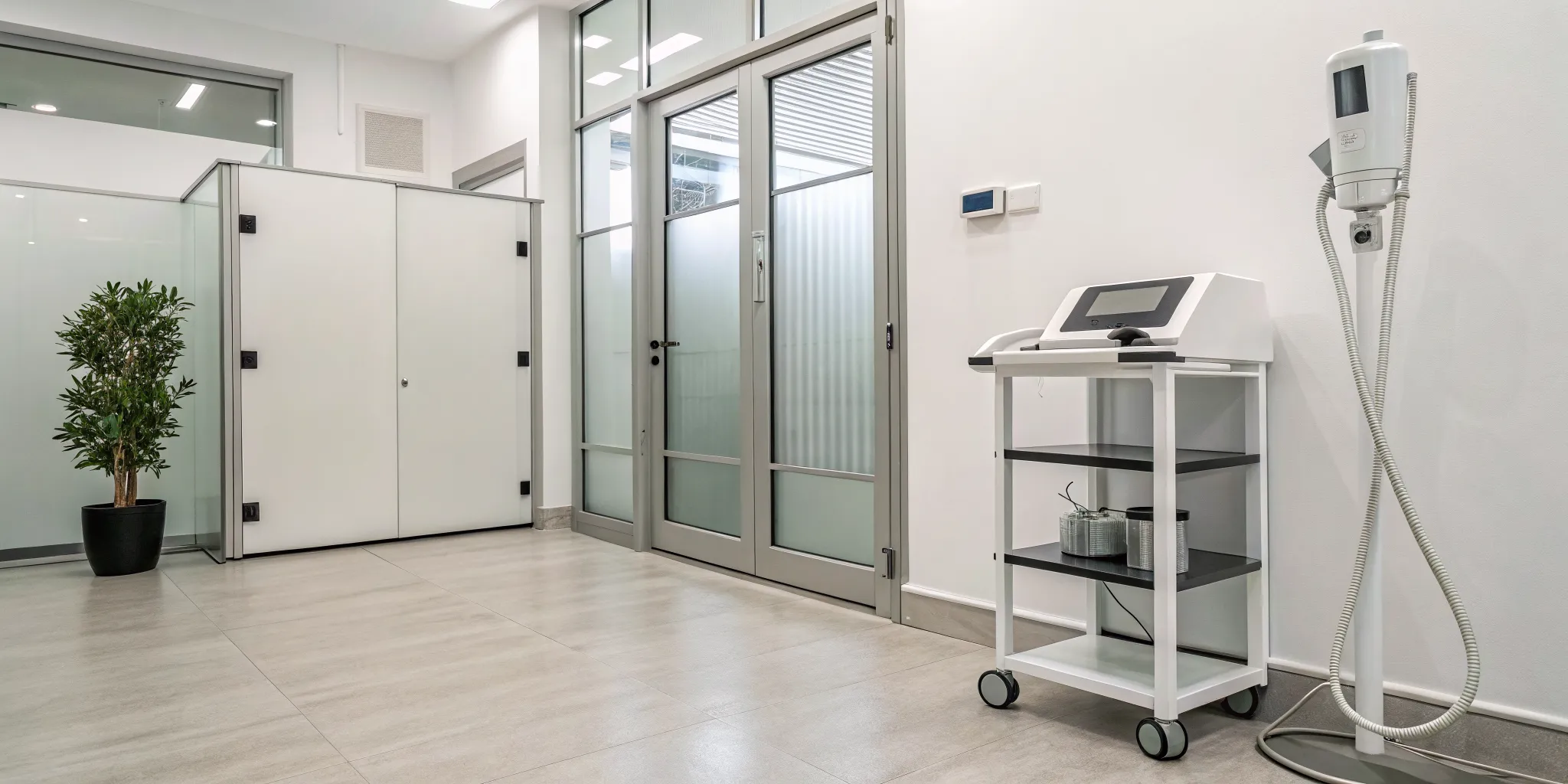
Not all acoustic wave or "shockwave" devices are created equal. True SoftWave therapy uses a specific, patented device that is FDA-cleared for its unique ability to promote healing at a cellular level. This technology is non-invasive and works by sending unfocused acoustic waves deep into tissue to improve blood supply and activate your body’s natural healing process. When researching clinics, make sure they use the official SoftWave TRT (Tissue Regeneration Technologies) device. Some places may use generic machines that don't offer the same patented technology or proven results. Confirming the clinic uses authentic SoftWave equipment is a critical step in ensuring your treatment is both safe and effective, which is central to our approach to physical medicine.
Red Flags to Watch Out For
A common misconception is that all forms of shockwave therapy are the same, but they aren't. A trustworthy provider will be clear about the technology they use and why it’s the right choice for you. Be cautious of any clinic that seems vague or dismissive when you ask questions. Other red flags include promising an "instant fix" or pressuring you into a large package of sessions before a proper evaluation. Your first appointment should involve a thorough assessment of your condition and a discussion about your health goals. If a provider’s plan doesn't feel personalized or they can't explain their reasoning, it might be best to look elsewhere. We encourage you to schedule a consultation to get clear, straightforward answers.
Finding a SoftWave Provider in Your Area
Once you’ve decided that SoftWave therapy is a promising option for your health goals, the next step is finding a qualified professional to perform the treatment. The quality of your provider matters just as much as the technology itself. A great provider will have the right training, use FDA-cleared equipment, and take the time to understand your unique situation. Taking a few minutes to research your options can make all the difference in your experience and results. Here’s a straightforward guide to help you find a trusted SoftWave clinic in your area.
Using Online Search to Find Clinics
Your search for a local SoftWave provider can begin right from your computer. A great starting point is using an online directory specifically designed to connect patients with local clinics. For instance, the official SoftWave network offers a search tool to help you find SoftWave therapy providers in your area. Simply enter your location to see a list of nearby options. If you don't see a clinic right in your town, the website will often show a list of all the providers within your state, so you can easily expand your search and explore other possibilities. This makes it simple to find a verified clinic without endless searching.
What to Look for on a Clinic's Website
After you’ve compiled a list of potential clinics, it’s time to take a closer look at their websites. The most important thing is to confirm the provider’s qualifications. Look for a licensed professional, like a chiropractor or physical therapist, who is certified to offer this specific therapy. A reputable clinic will be transparent about its team's credentials. You can usually find this information on an "About Us" or "Our Team" page. Checking these qualifications helps you make an informed decision about your care. Choosing a provider from a trusted national network can also add a layer of confidence, as these clinics are often pre-vetted for you.
Why See a Functional Health Clinic for SoftWave Therapy?
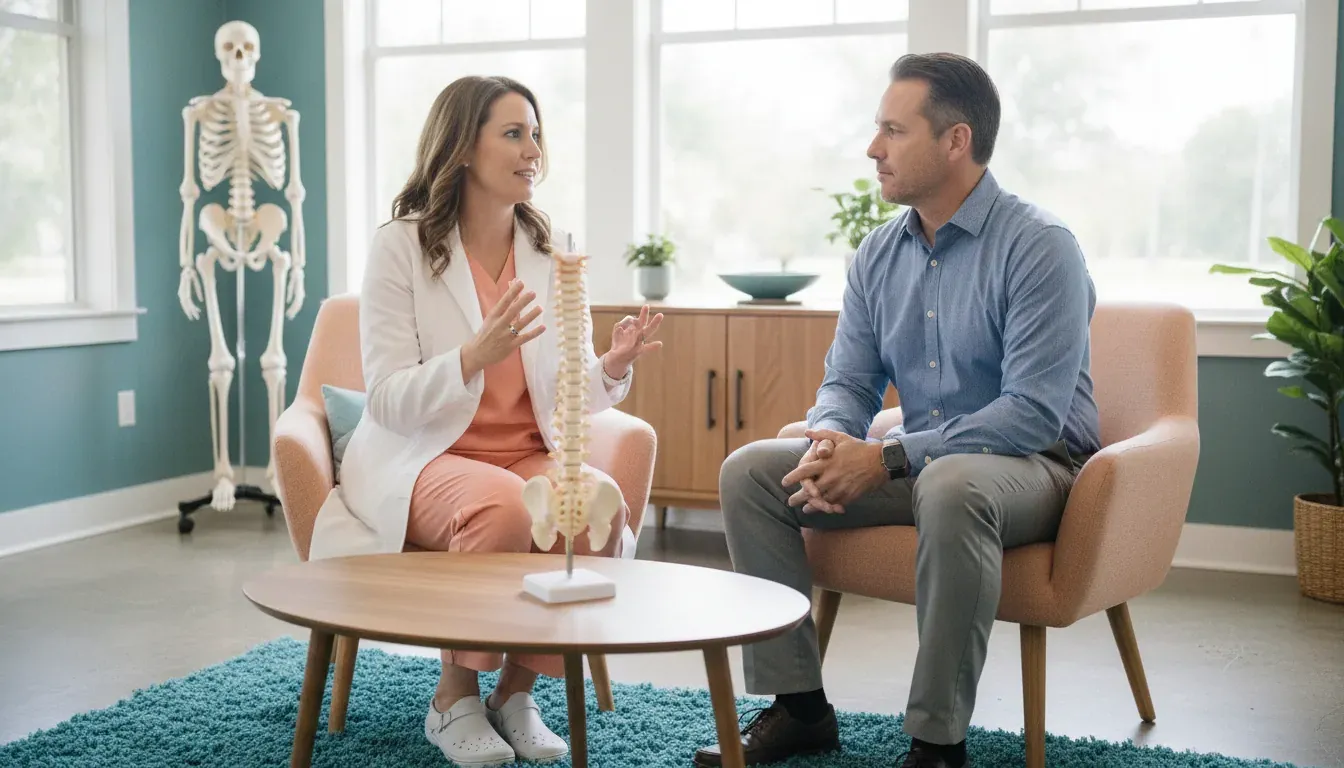
You could find a provider who offers SoftWave Therapy as a standalone service, but you’d be missing a huge piece of the puzzle. The environment where you receive treatment can make all the difference in your results. A functional health clinic doesn’t just focus on the single point of pain; we look at your body as an interconnected system. This means SoftWave isn't just a treatment, it's part of a bigger, smarter strategy designed to help you heal for good. Choosing the right clinical setting ensures the therapy is applied with a deep understanding of your unique health story.
The Benefit of a Root-Cause Approach
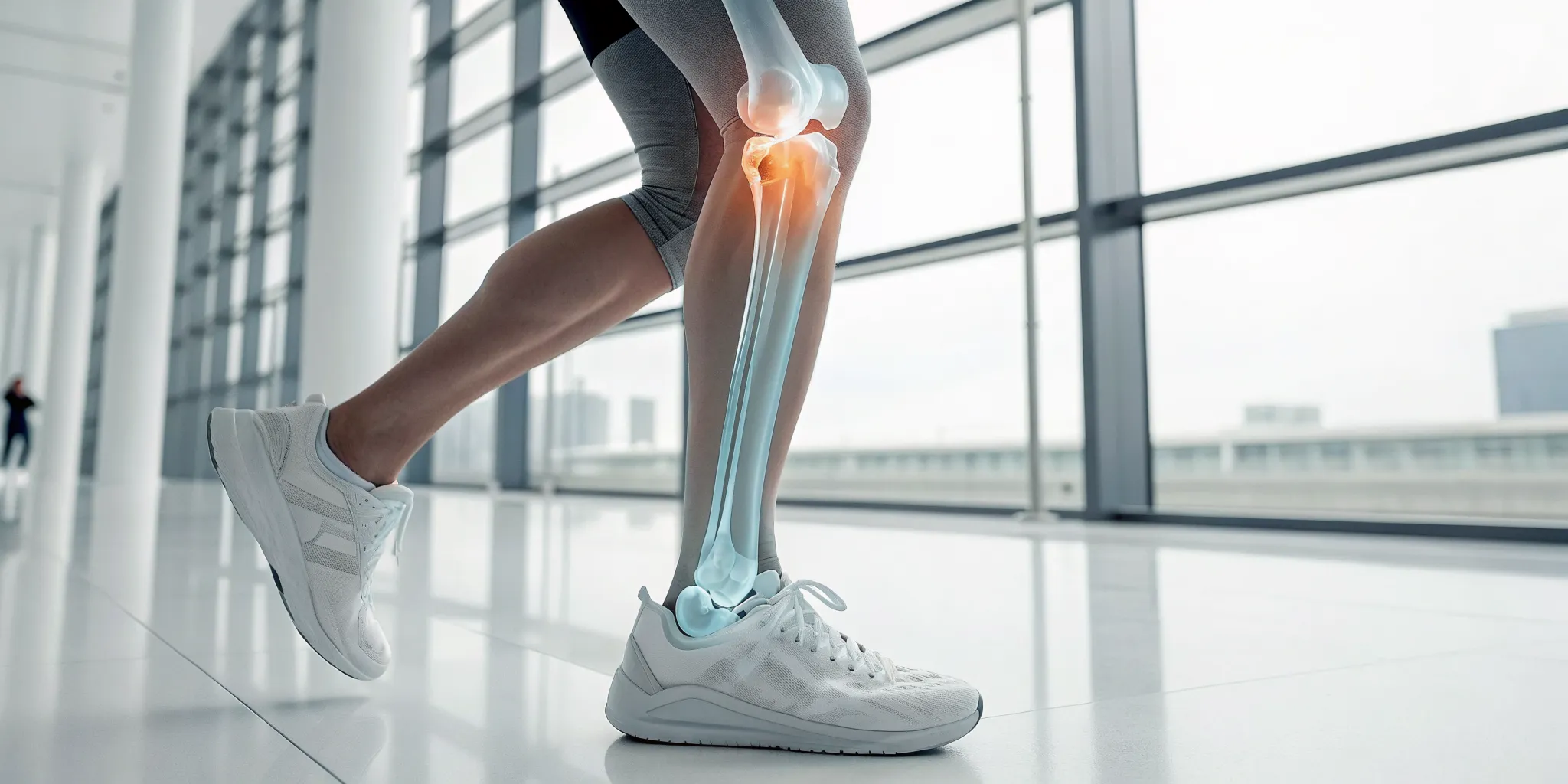
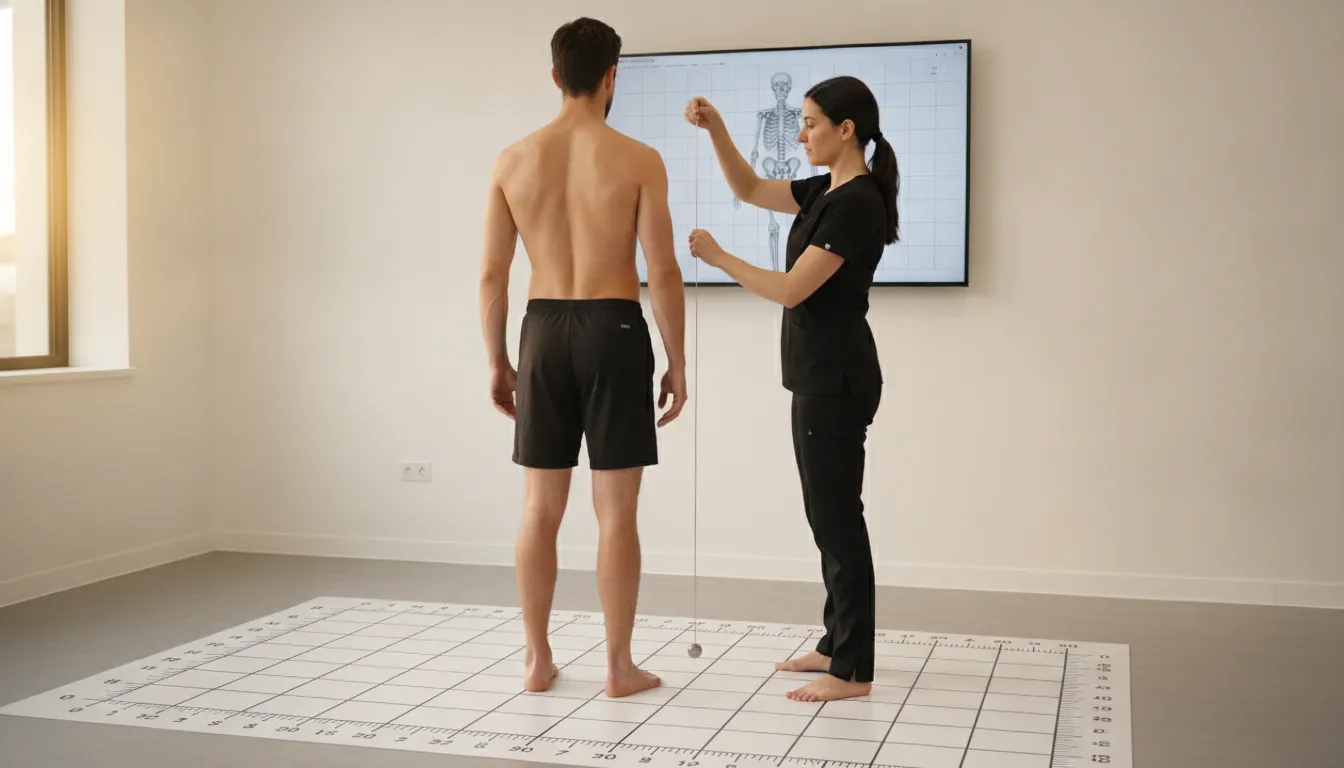
Functional health clinics operate on a simple but powerful principle: find and address the root cause of the problem, not just mask the symptoms. If you have chronic knee pain, for example, another provider might just treat the knee. But a functional health approach asks why your knee hurts. Is it your gait? An old injury that created compensation patterns? Or could inflammation from your diet be making things worse? At a clinic like Ascend Functional Health, we use functional medicine to connect these dots. SoftWave Therapy is a fantastic tool, but it’s even more effective when it’s aimed at the true source of your discomfort, not just where you feel the pain.
Integrating SoftWave into Your Personalized Health Plan
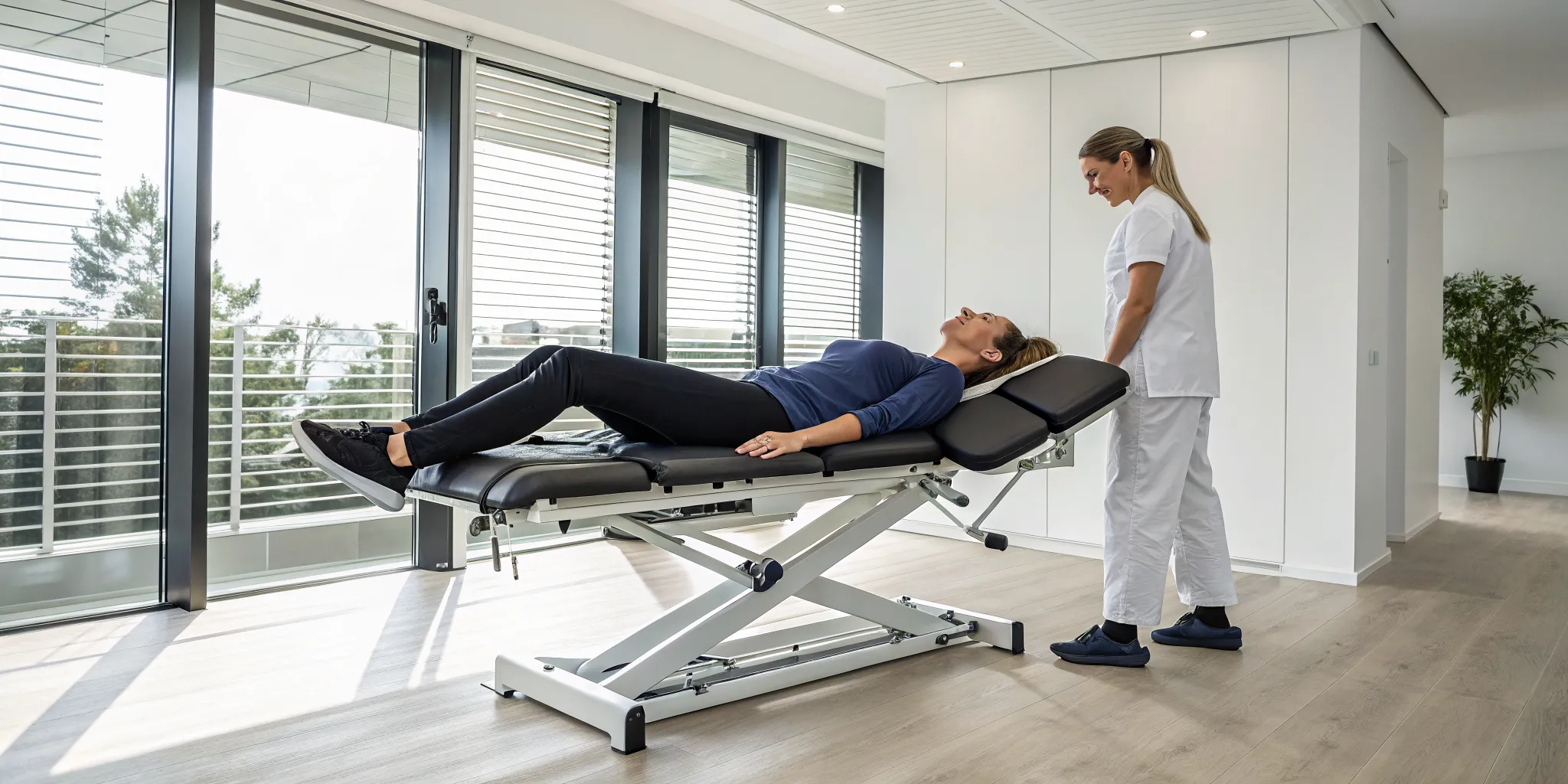
When you work with a functional health clinic, SoftWave Therapy becomes one component of a comprehensive, personalized plan. It’s not a one-size-fits-all solution. Instead, it’s integrated with other treatments that support your body’s healing process. Your plan might include hands-on corrective care, specific exercises to improve stability, or guidance on reducing systemic inflammation. This holistic model ensures that the tissue regeneration prompted by SoftWave is supported by a body that's functioning better overall. By combining advanced therapies with foundational health strategies, our services are designed to help you move better, feel stronger, and get back to living your life with confidence.
Experience SoftWave Therapy at Ascend Functional Health
Finding the right provider is about more than just access to the technology; it’s about finding a team that understands how to use it for your specific needs. At Ascend Functional Health, we see SoftWave therapy as a powerful tool within a much larger picture of your health. We deliver physical and functional care designed to uncover root issues and create clear next steps. Our goal isn't just to address a symptom, but to help you progress with clarity and confidence on your path to lasting wellness. We believe that true healing comes from understanding the "why" behind your condition.
Our care model combines movement-based treatment, clinical insight, and advanced therapies to help you feel your best. When you work with us, you get a partner in your health journey. We take the time to understand your history, your lifestyle, and what you hope to achieve. This comprehensive view allows us to integrate SoftWave therapy in a way that supports your entire body’s healing process, rather than just chasing discomfort. Our dedicated team of experts is committed to guiding you through every stage of your recovery, ensuring you feel supported and informed along the way. We believe this partnership is the key to achieving meaningful and sustainable results that empower you to live a fuller, more active life.
Our Approach to Physical Medicine in Tampa
We believe true healing happens when we look at the whole person, not just an isolated injury. Our integrated care model combines hands-on treatment, advanced testing, and regenerative solutions like SoftWave to help you move better and feel stronger. When you come to our clinic, SoftWave isn’t a standalone service. It’s part of a personalized plan that addresses your body’s unique needs. By pairing this advanced technology with our expertise in Physical Medicine, we can support your body’s natural healing process and help you achieve results that last. This holistic strategy ensures we are strengthening your body from the inside out.
How to Get Started with a Consultation
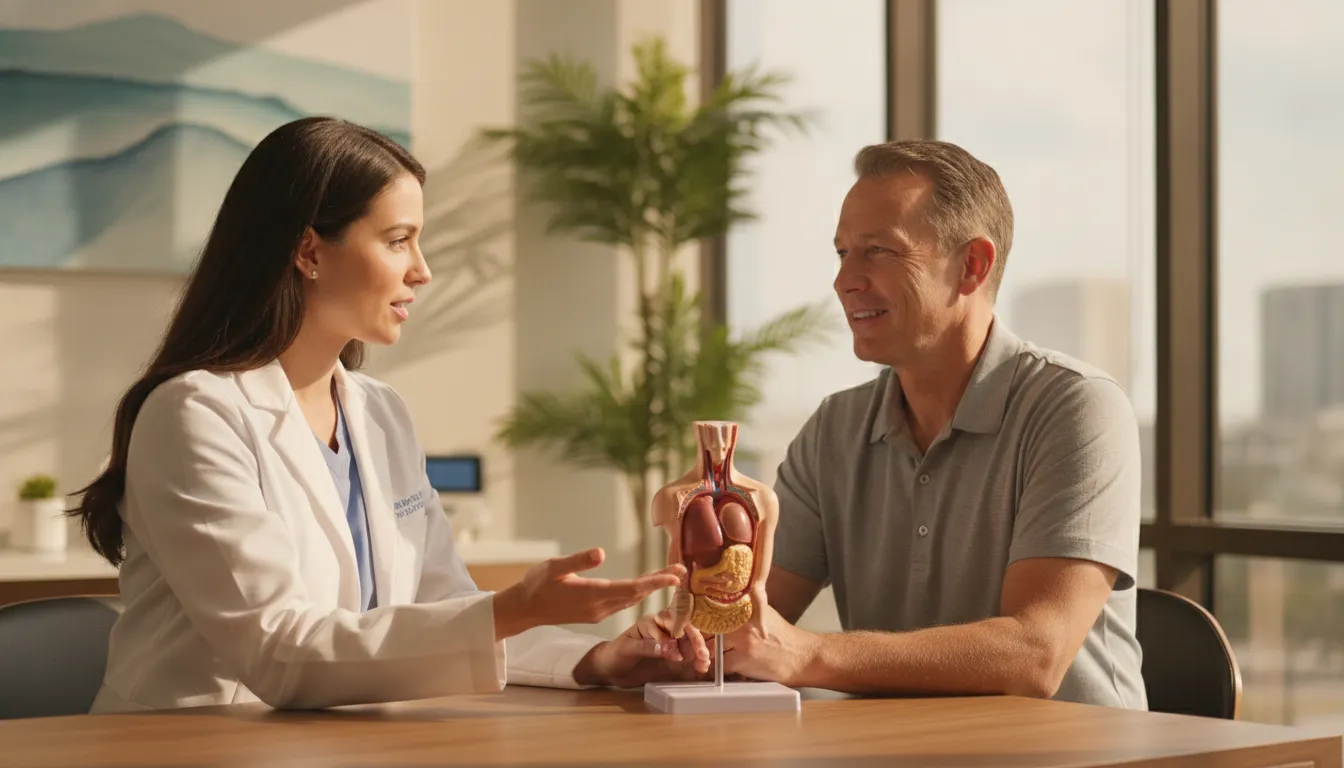
Ready to see if SoftWave therapy is the right fit for you? The first step is a simple conversation. Scheduling a consultation allows us to listen to your story, understand your health goals, and determine the root cause of your concerns. This initial meeting is all about creating a clear and confident path forward, with no pressure or obligation. We’re here to answer your questions and explore how our approach can help you. When you’re ready to take control of your health, you can schedule your consultation with our team in Tampa.
Related Articles
- SoftWave Tissue Regeneration Therapy in Tampa | Alessi Functional Health
- SoftWave TRT Therapy in Tampa, FL - Alessi Functional Health
- Regenerative Medicine for Pain Recovery | Ascend Functional Health
- Root Cause Treatment for Chronic Pain | Ascend Functional Health
- What Is Soft Tissue Therapy? A Complete Guide
Frequently Asked Questions
How do I know if SoftWave therapy is the right choice for me? The best way to know for sure is to have a conversation with a qualified provider. Generally, this therapy is a great option if you're dealing with chronic pain from an old injury, a soft tissue issue like plantar fasciitis, or joint discomfort that hasn't responded to other treatments. If you're looking for a solution that helps your body heal from the inside out, rather than just masking symptoms, it’s definitely worth exploring. A consultation will help determine if your specific condition can be addressed effectively with this approach.
Is the treatment safe, and are there any side effects? Yes, SoftWave therapy is very safe. It is a non-invasive treatment that is FDA-cleared, and it works by gently stimulating your body’s own repair processes. Unlike other procedures, there are no needles or incisions involved. Most people experience no side effects at all. Occasionally, some patients might notice minor soreness or redness in the treated area for a day or so, similar to how you might feel after a deep tissue massage, but this typically resolves quickly on its own.
How is this different from other pain relief options like cortisone shots or pain relievers? This therapy works in a fundamentally different way. Options like pain relievers or injections often provide temporary relief by blocking pain signals or reducing inflammation for a short time, but they don't address the underlying tissue damage. SoftWave therapy, in contrast, is a regenerative approach. It uses acoustic waves to activate your body's natural healing mechanisms, helping to repair damaged tissue, improve blood flow, and create a lasting solution to the problem.
How long will it take to see lasting results? While some people report feeling better after just one or two sessions, true healing is a gradual process. The therapy is designed to regenerate tissue at a cellular level, which takes time. Lasting results come from completing your full, personalized treatment plan. Each session builds on the previous one, giving your body the consistent support it needs to fully repair the area. Committing to the entire process is the key to achieving a genuine, long-term improvement.
Why should I choose a functional health clinic for this therapy? Receiving SoftWave therapy at a functional health clinic means you're getting more than just a single treatment. We look at your body as a whole, interconnected system to find the root cause of your pain. Instead of just treating the symptom, we integrate SoftWave into a comprehensive plan that might also include corrective care or lifestyle guidance to support your body's healing. This holistic strategy ensures the therapy is as effective as possible and helps you build a stronger foundation for long-term health.