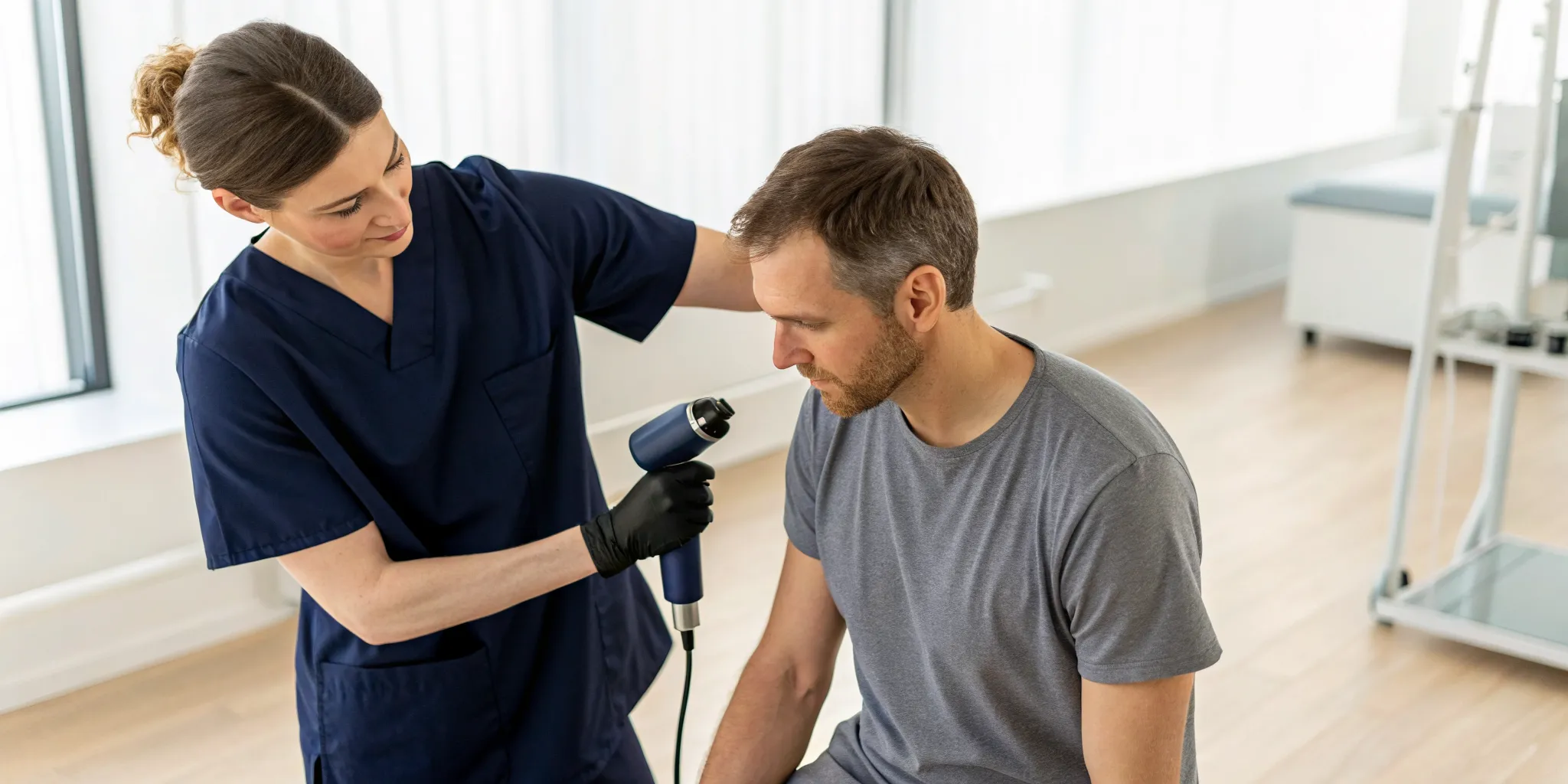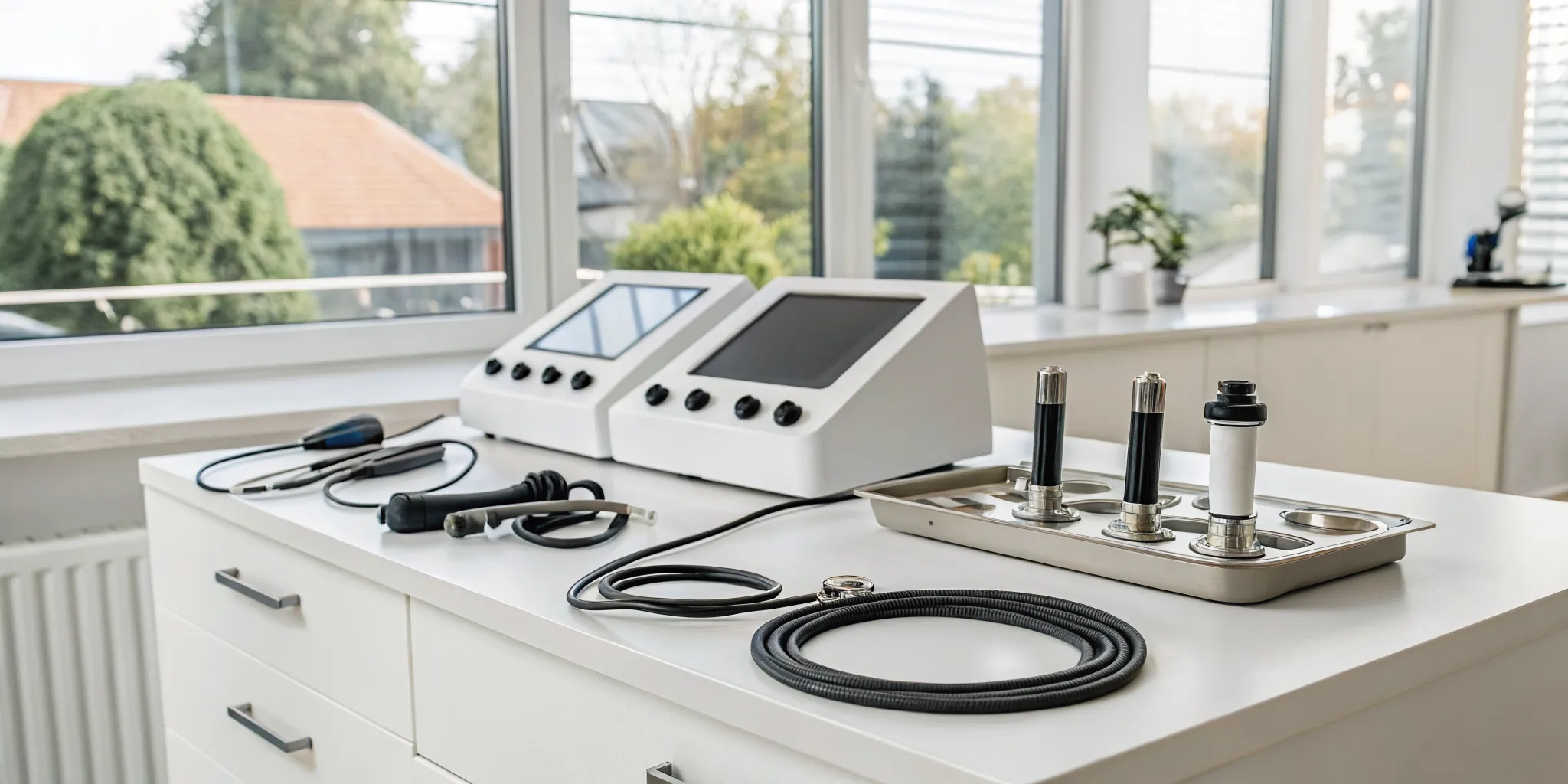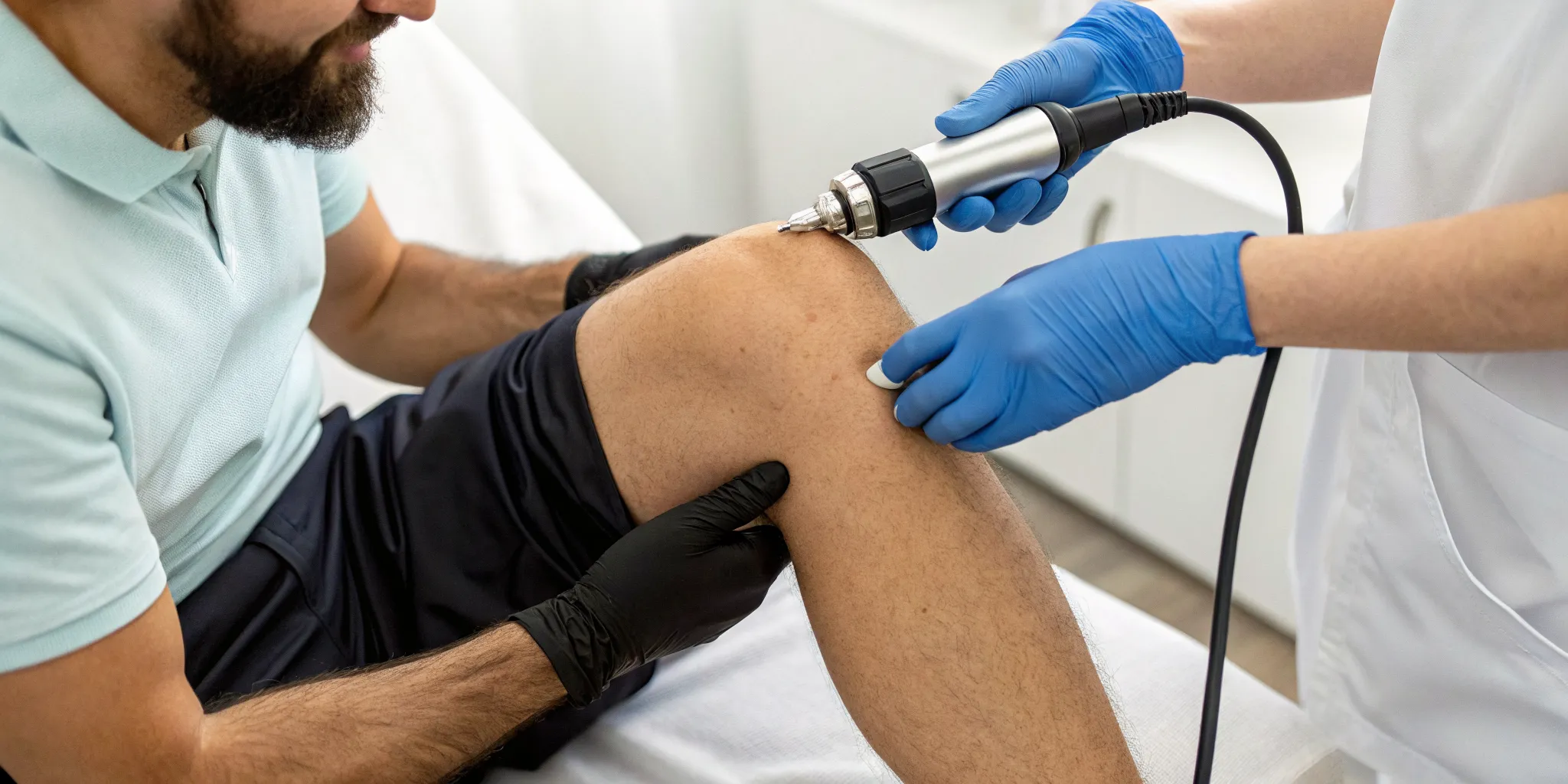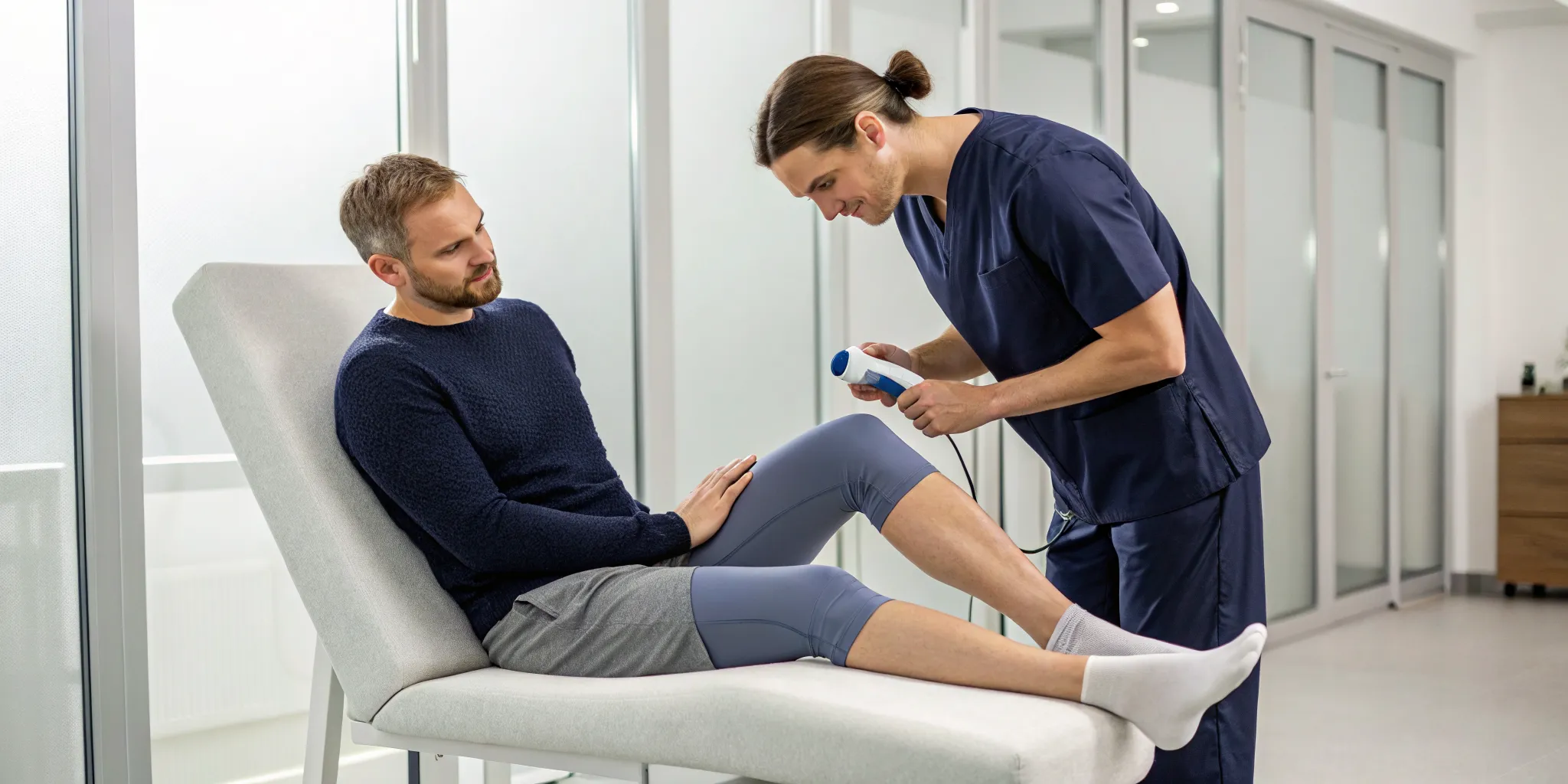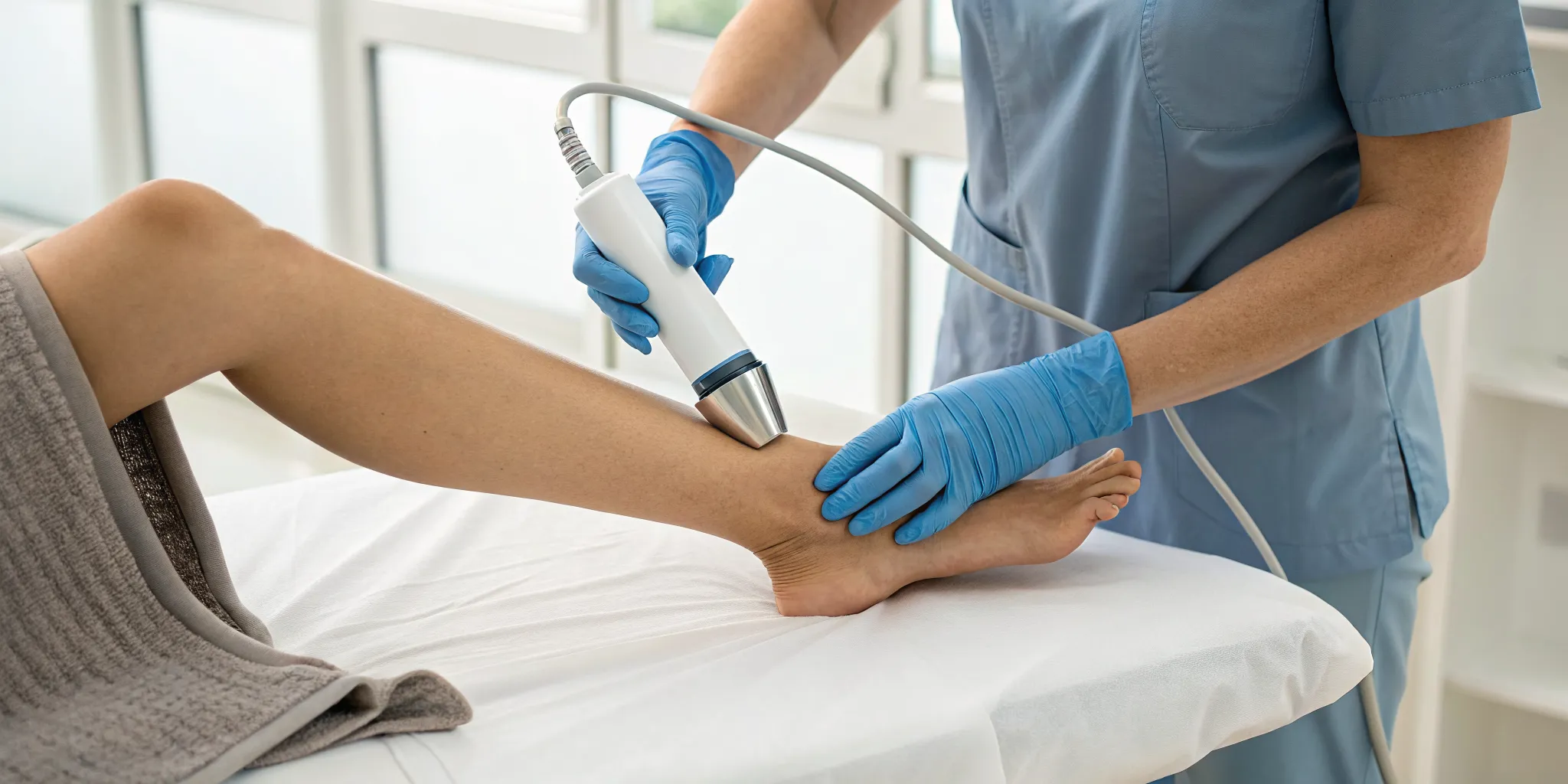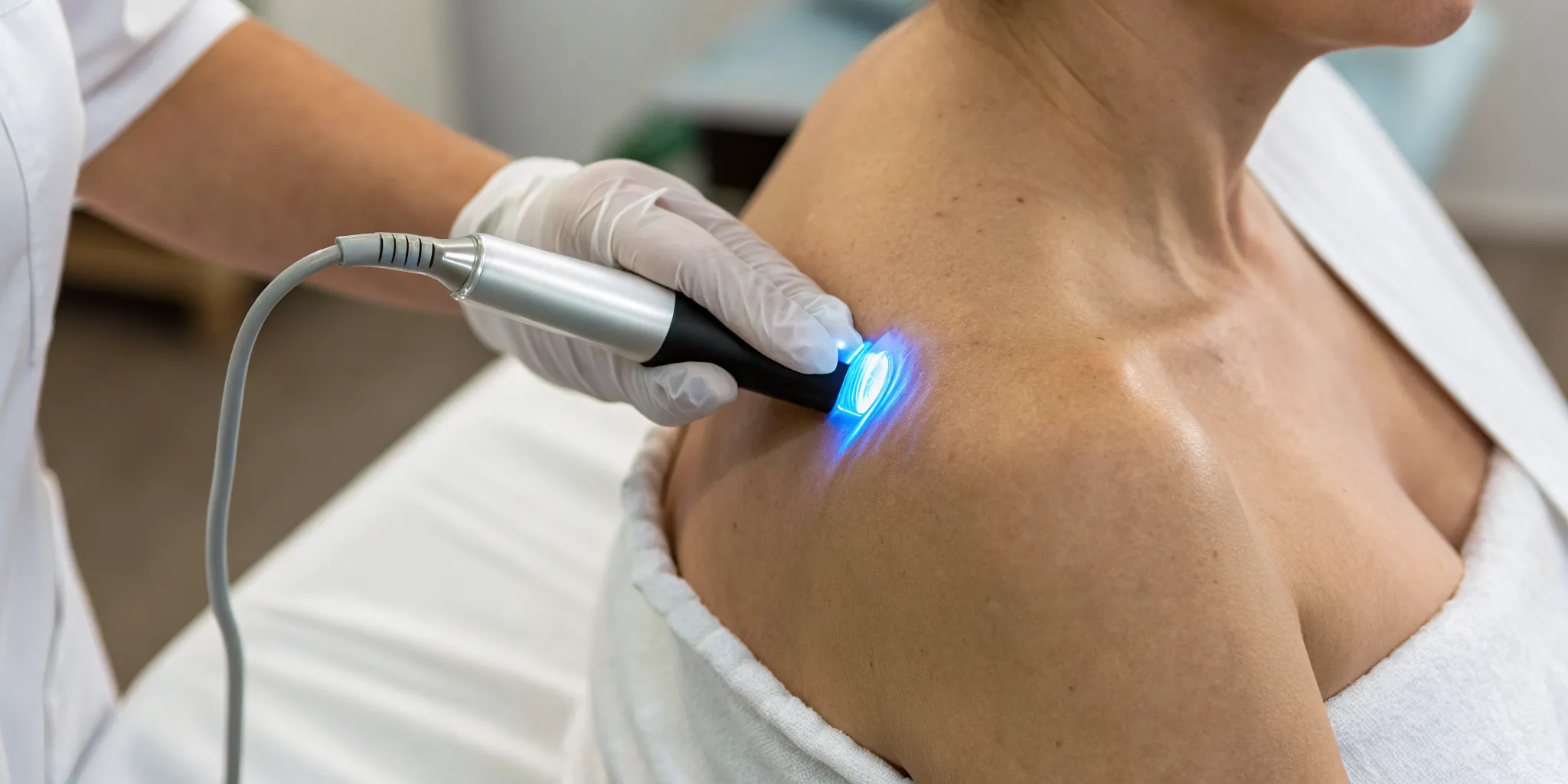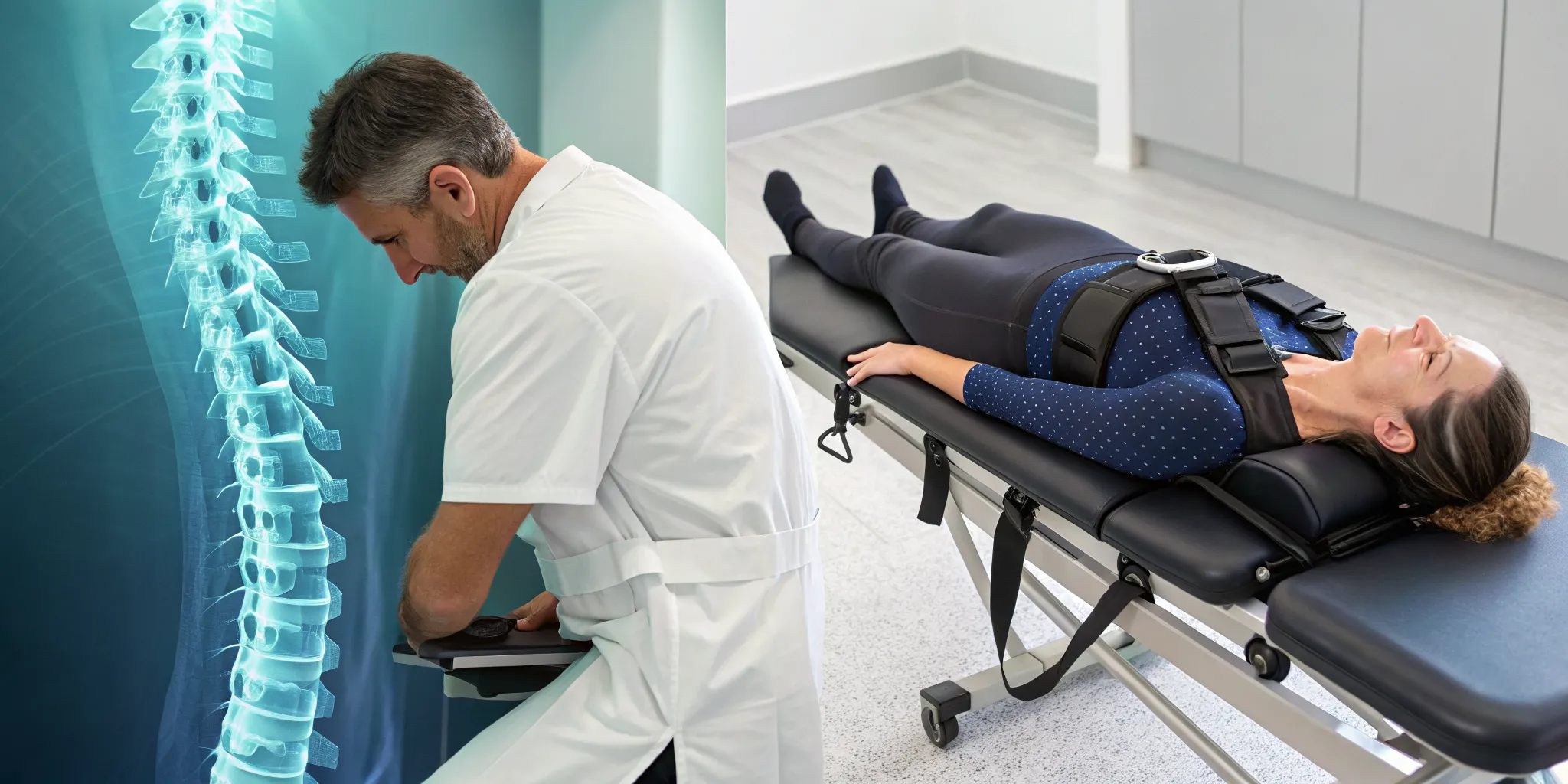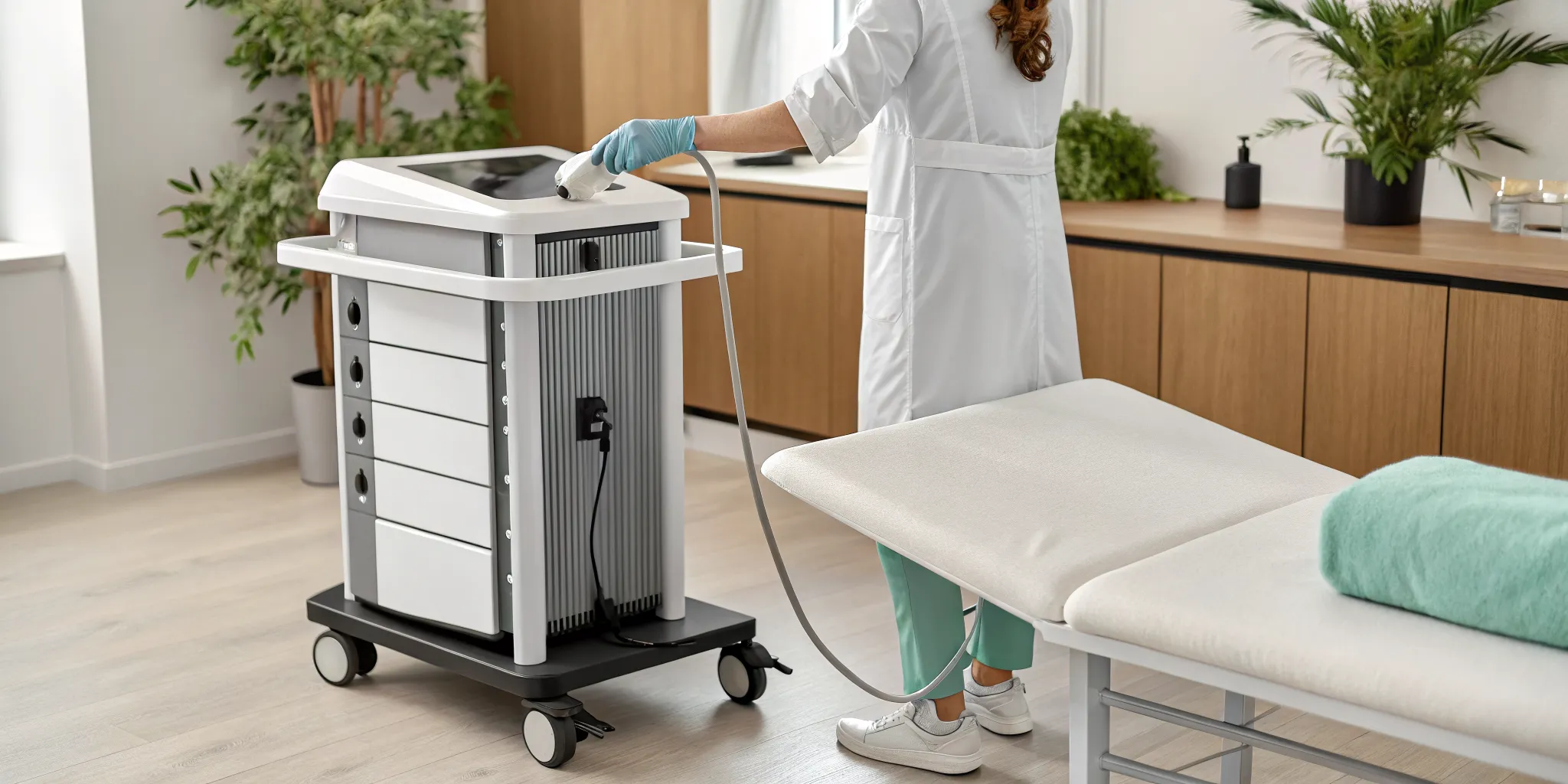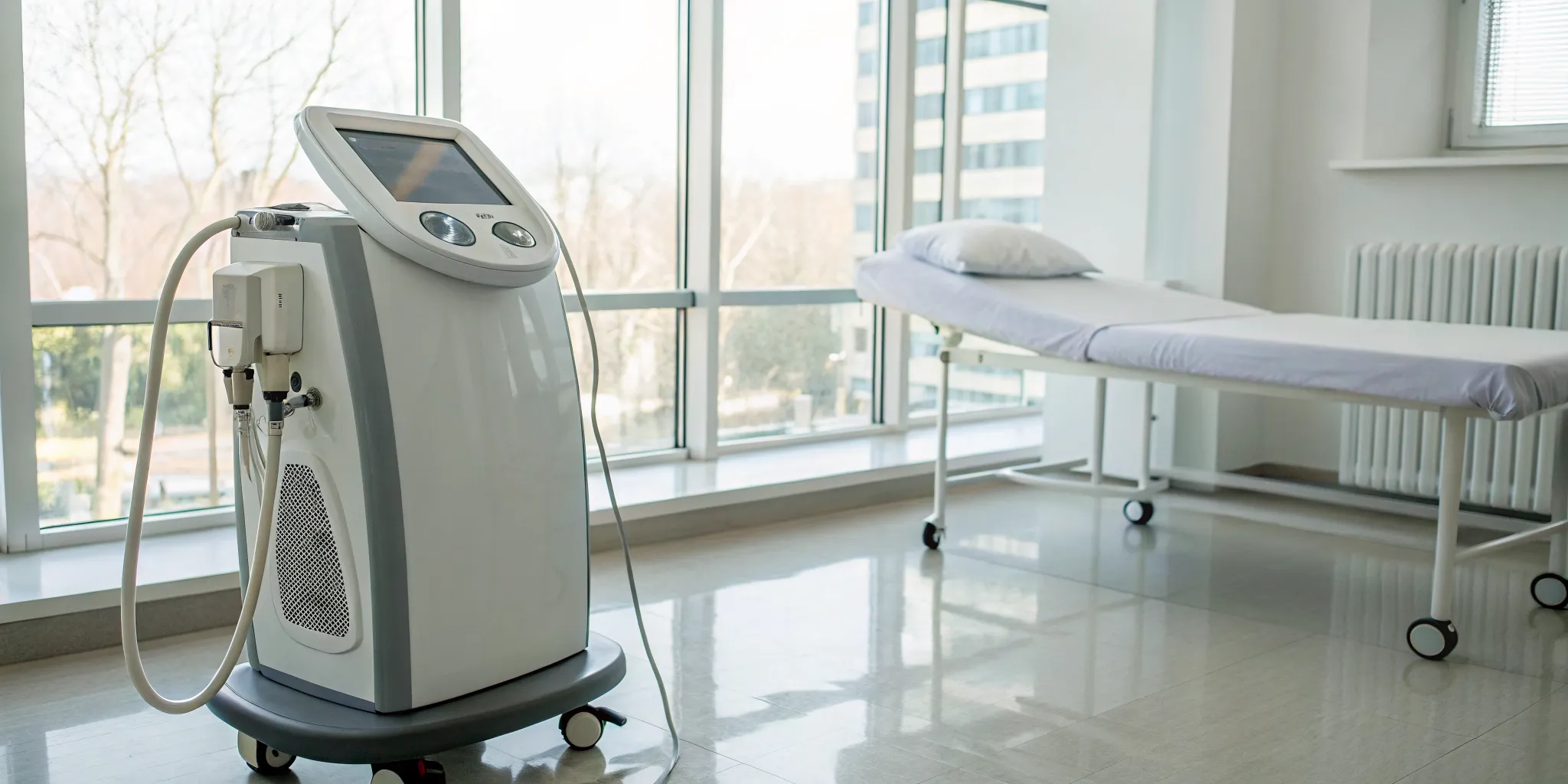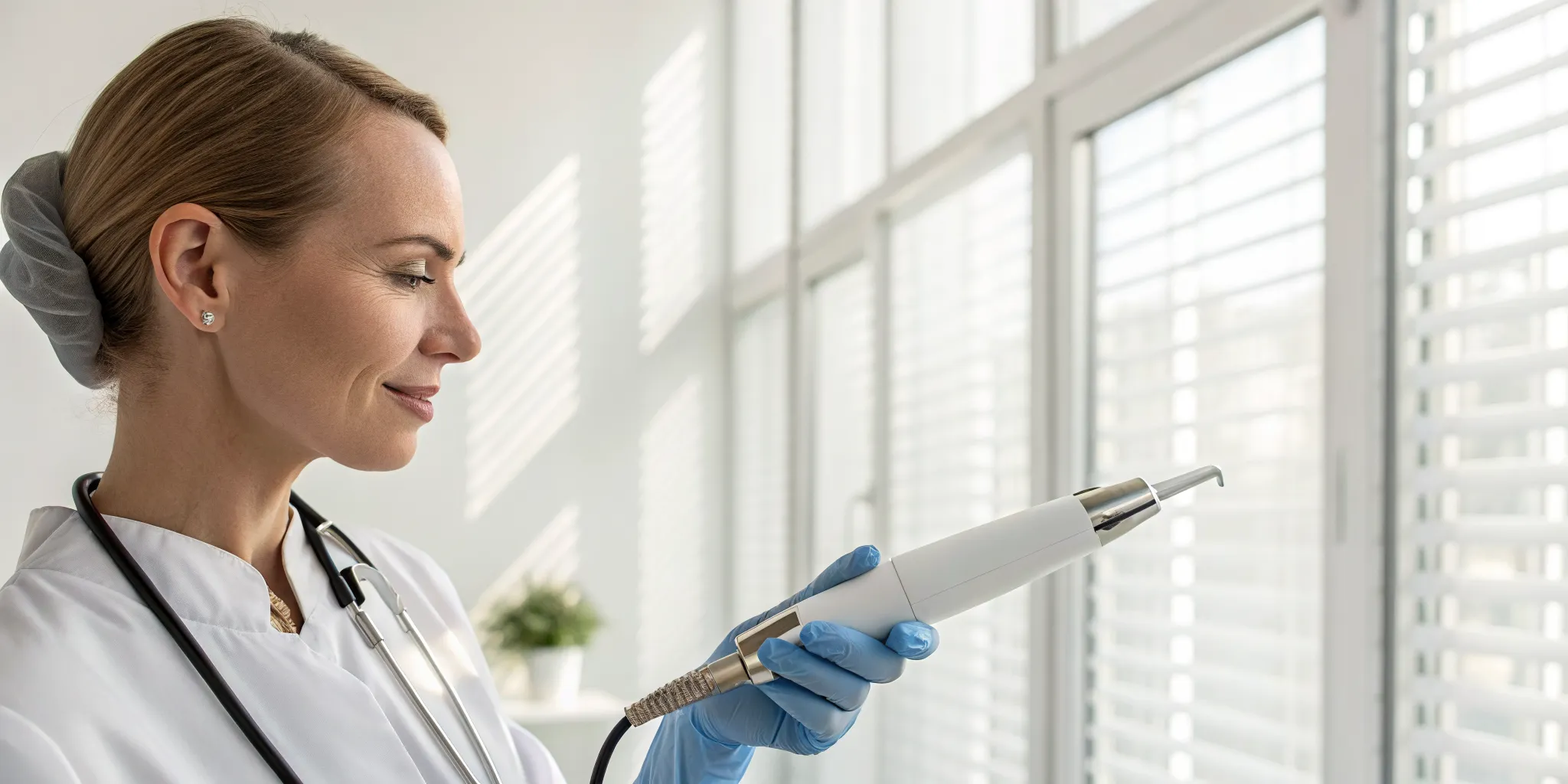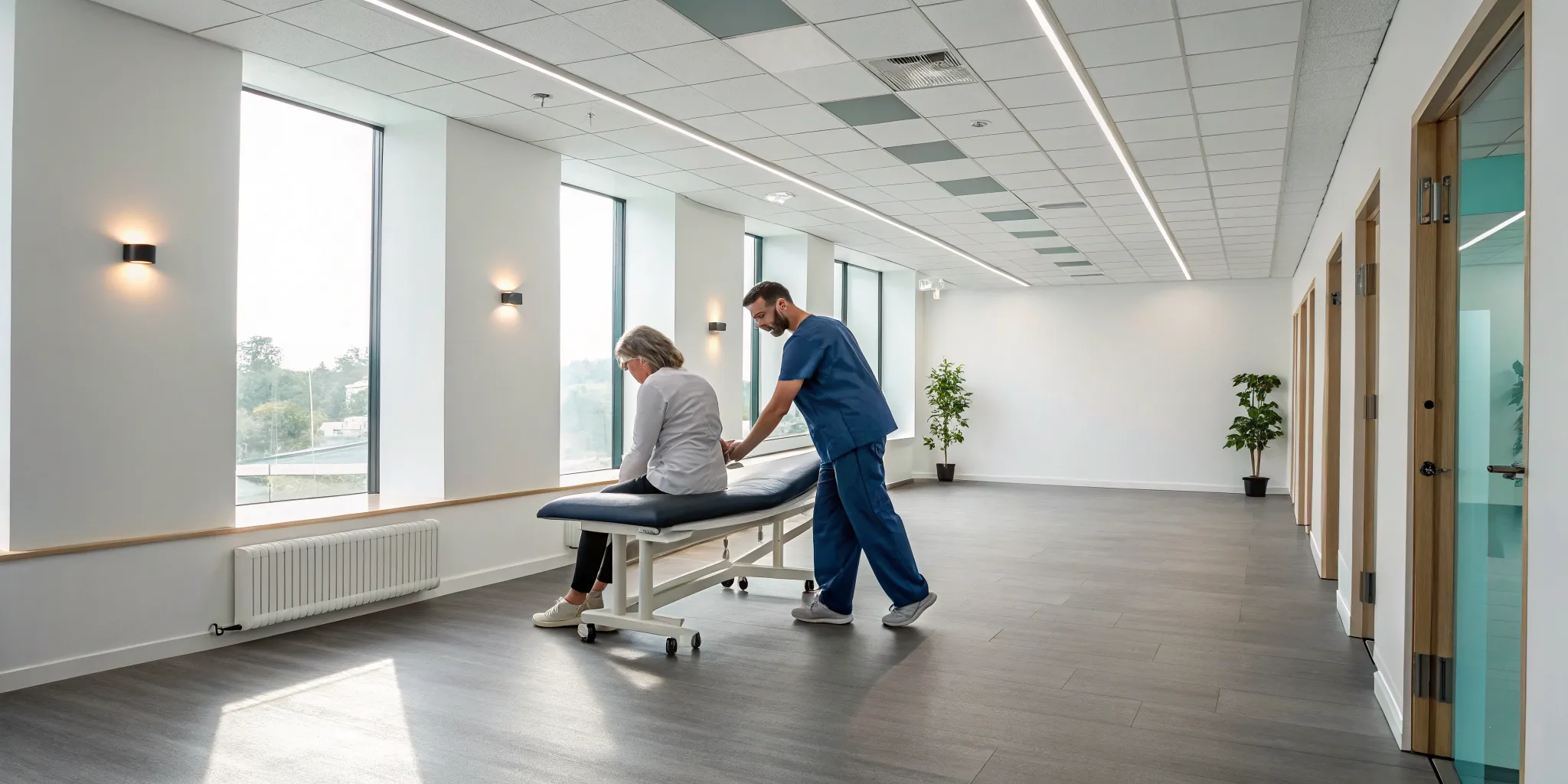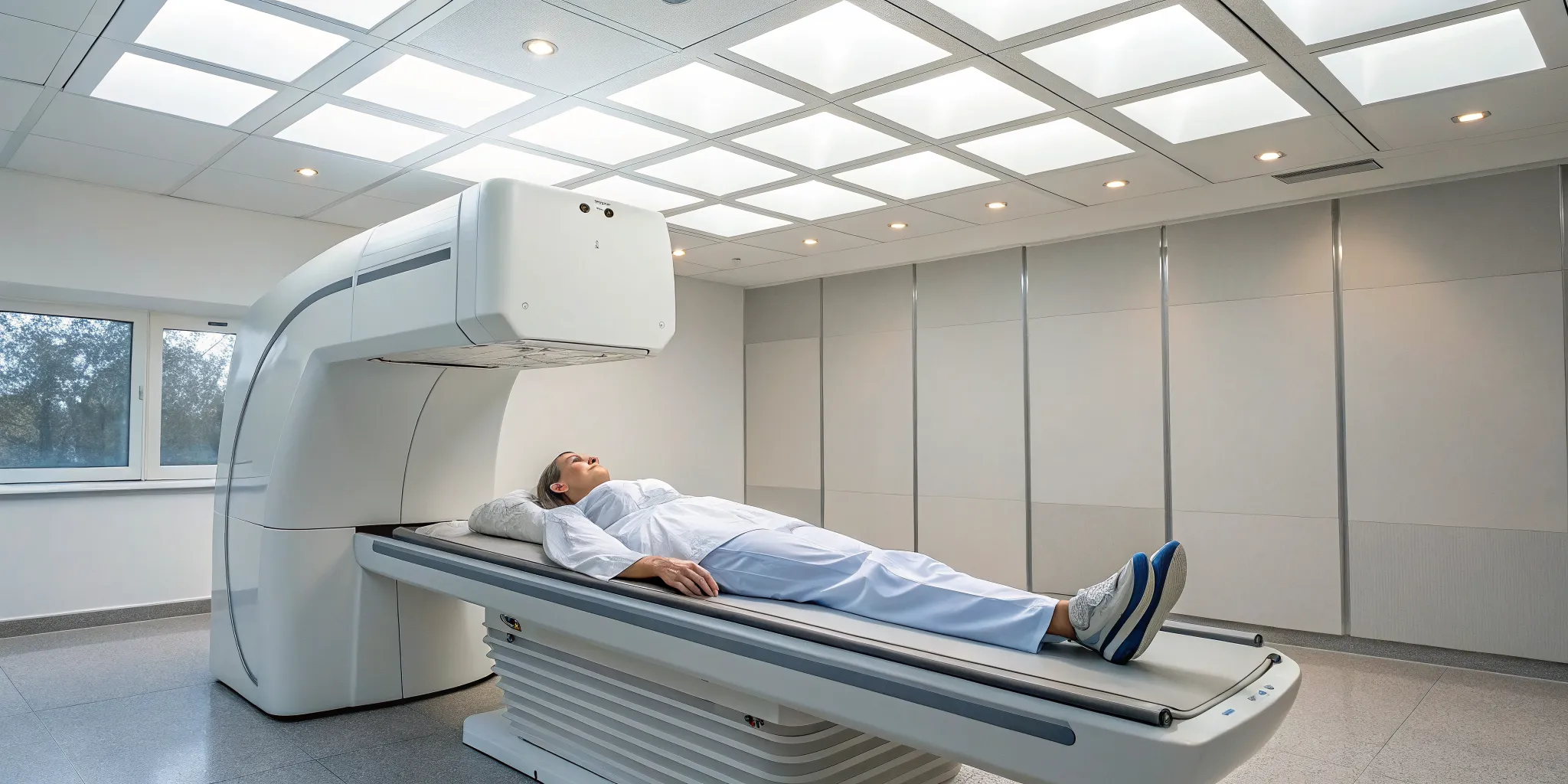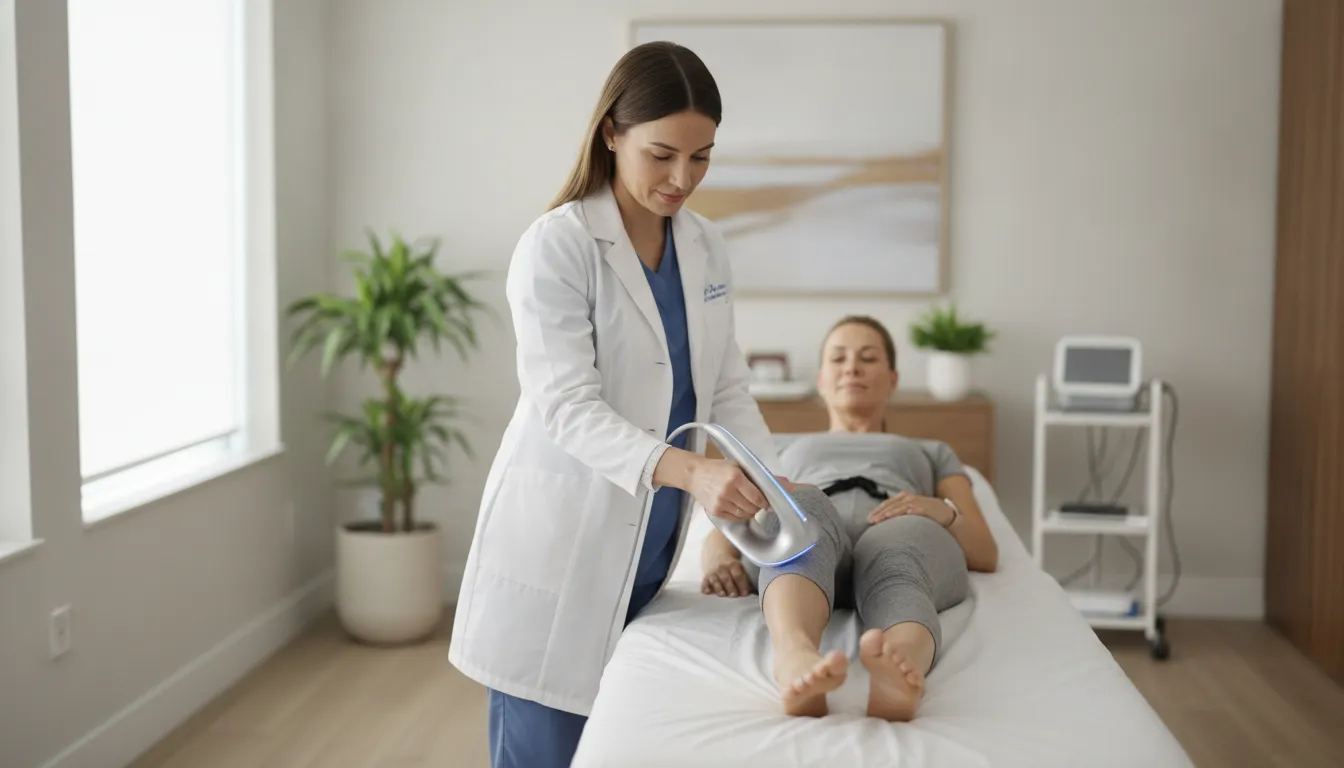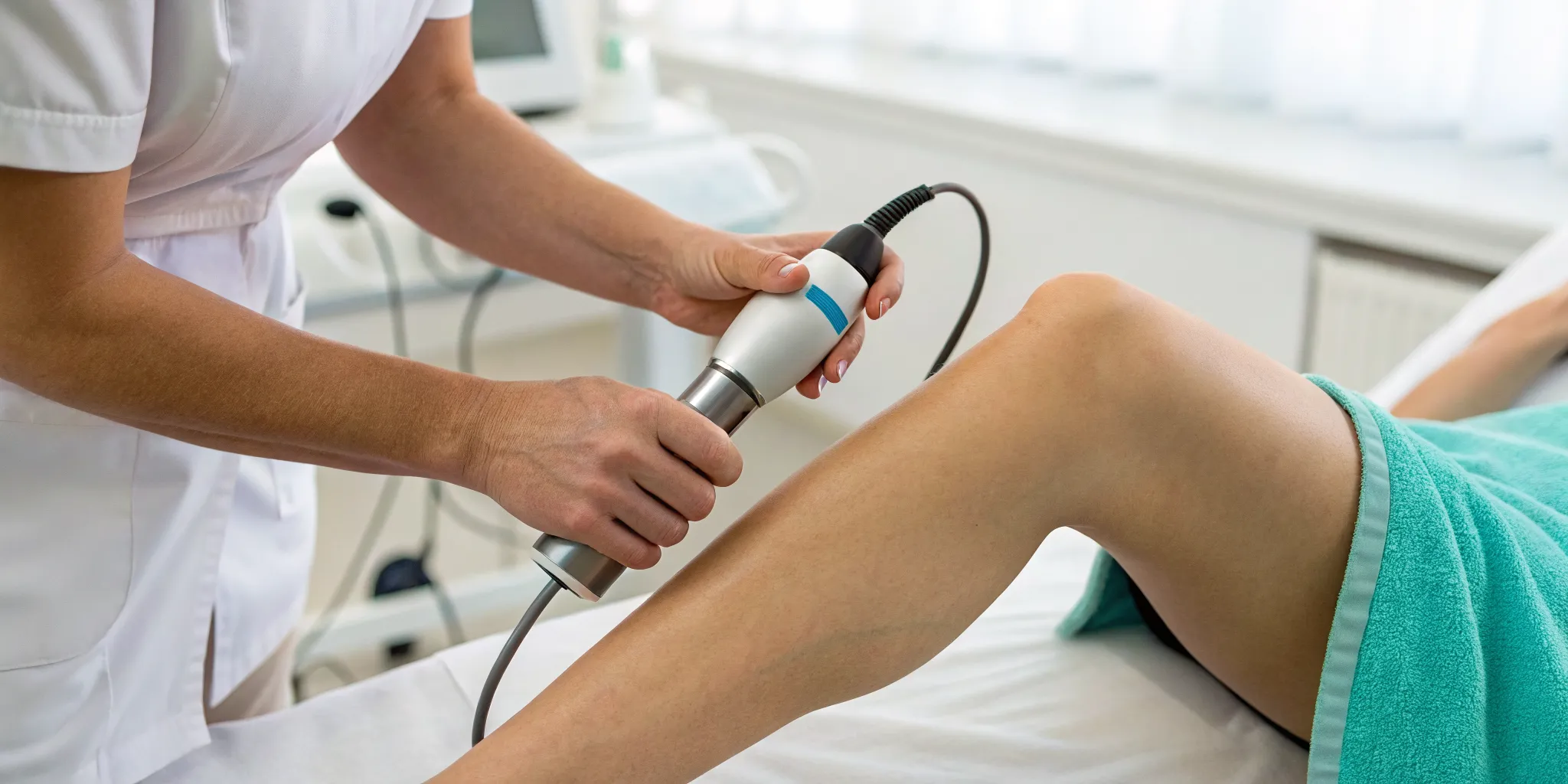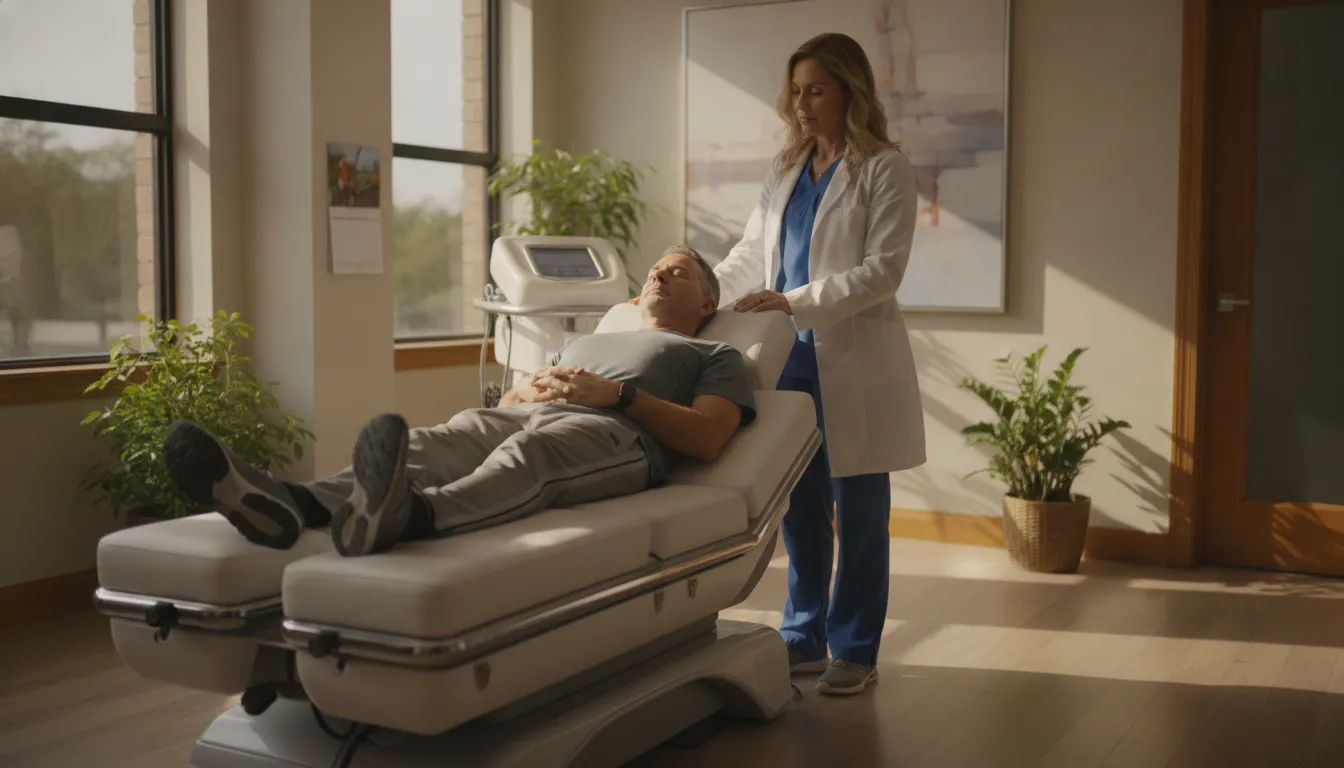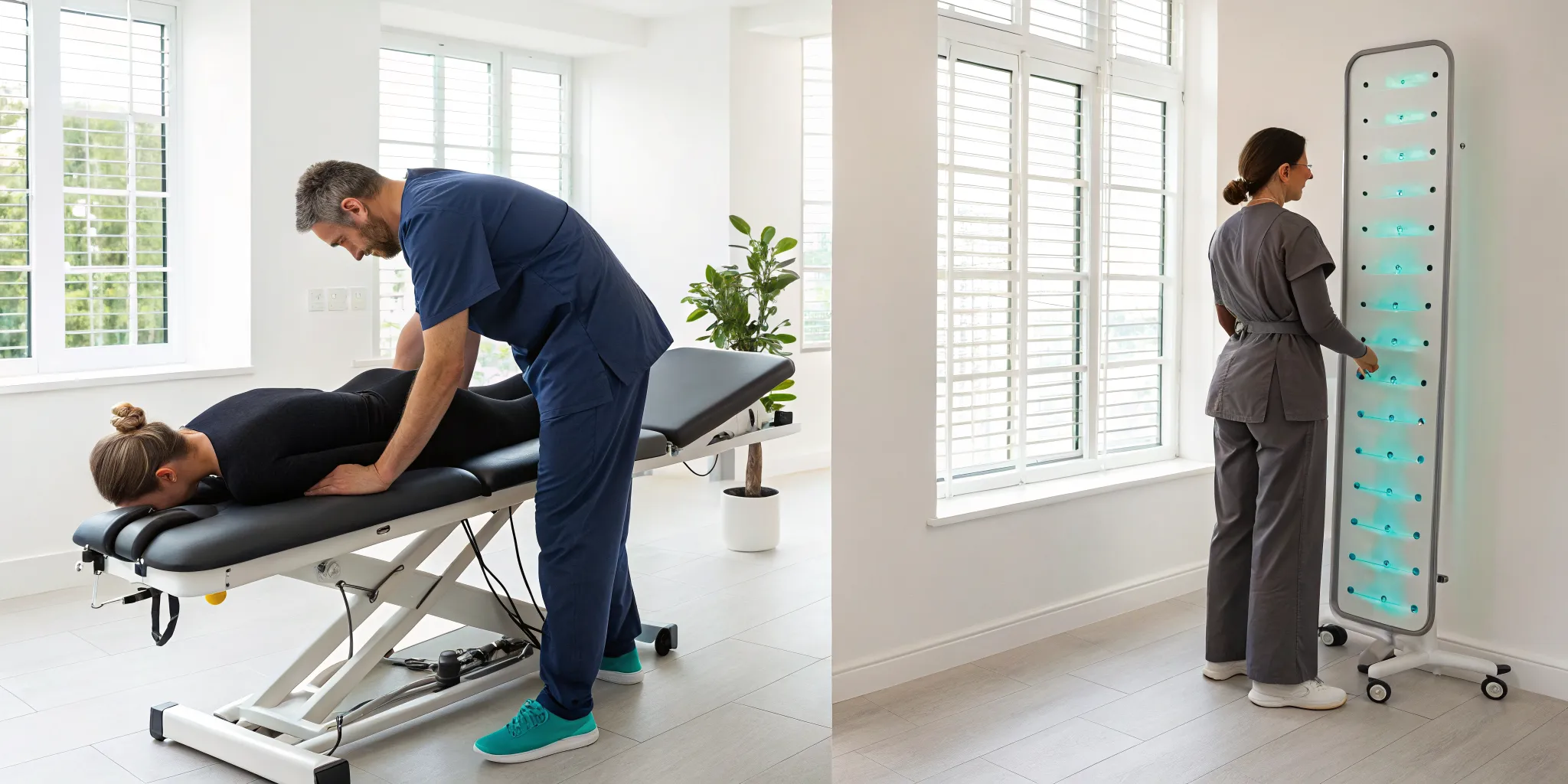
The name “shockwave therapy” can sound a bit intense, but the treatment itself is far from jarring. It doesn’t use any electrical currents. Instead, it uses focused acoustic waves, like a highly targeted form of sound energy, to communicate with the cells in your injured tissue. Think of it as a wake-up call for areas where healing has become dormant. For those dealing with persistent pain, shockwave therapy for chronic inflammation offers a sophisticated way to break up scar tissue and stimulate blood flow, prompting a fresh healing response right where you need it most, without disrupting the surrounding healthy tissue.
Key Takeaways
- It targets the source of chronic pain: Shockwave therapy goes beyond symptom management by using acoustic waves to restart your body's healing process, breaking down scar tissue and addressing the underlying inflammation.
- It promotes deep, long-term tissue repair: The therapy is effective for persistent conditions like tendinopathies because it improves blood flow and stimulates collagen production, helping your body build stronger, more resilient tissue for lasting function.
- Your treatment is a straightforward, personalized process: A plan typically involves a series of quick sessions tailored to your specific condition, and a thorough consultation is the first step to confirm it is the right approach for your health needs.
How Shockwave Therapy Addresses Chronic Inflammation
When you’re dealing with chronic pain, it often feels like your body is stuck in a cycle of inflammation that just won’t quit. This happens when the initial healing process stalls, leaving tissues in a state of constant irritation. Shockwave therapy is a modern, non-invasive approach designed to break that cycle. Instead of just masking symptoms, it works by targeting the root cause of your pain and prompting your body to restart its own natural healing process. It’s a key part of our physical medicine services because it helps address stubborn injuries that haven’t responded to other methods.
This therapy uses targeted sound waves to stimulate healing in deep tissues, making it an effective tool for a wide range of chronic conditions. It essentially re-awakens your body’s innate ability to repair itself. By creating a controlled, therapeutic response, we can help your body finally move past the inflammation and get back to building healthy, resilient tissue. It’s a way of working with your body, not against it, to achieve lasting relief and restore function.
The Science of Acoustic Waves
When you hear “shockwave,” it’s easy to picture something jarring, but the therapy is much more precise. It uses high-energy acoustic waves, not electrical currents, to target injured tissue. Think of it as a wake-up call for areas where your body’s healing process has stalled. Chronic injuries often have poor blood flow and dormant healing cells, which is why they don't seem to get better on their own.
The acoustic waves create a form of controlled micro-trauma in the affected area, which signals your body to spring into action. This process increases blood circulation, stimulates the formation of new blood vessels, and calls in the growth factors needed for repair. It essentially reminds your body that there’s an old injury that needs attention, allowing the natural healing cascade to begin again.
Radial vs. Focused: Which Approach Is for You?
Shockwave therapy isn't a one-size-fits-all solution; it comes in two main forms: Radial and Focused. Radial shockwaves are generated and then spread out to cover a wider, more superficial area. This approach is excellent for treating larger muscle groups or broader areas of tenderness where the exact point of pain is less defined. It’s great for addressing general tightness and discomfort across a region.
Focused shockwaves, on the other hand, are concentrated into a precise, deep-reaching beam of energy. This allows us to target a very specific spot, like a trigger point deep within a muscle or the exact attachment point of a tendon. The right approach depends entirely on the specific conditions we treat and your unique physiology. During your consultation, we’ll determine which type of shockwave therapy is best suited to help you achieve lasting results.
Chronic vs. Acute Inflammation: Why the Difference Matters
When you hear the word “inflammation,” you might think of a swollen ankle or a red, puffy bug bite. That’s acute inflammation, and it’s your body’s natural, healthy response to an injury or infection. It’s the internal first-responder team rushing to the scene to clean up damage and start the healing process. Once the threat is gone, the inflammation subsides, and your body returns to normal. This type of inflammation is temporary and essential for healing.
But what happens when that inflammatory response doesn't turn off? That’s when you enter the territory of chronic inflammation. Think of it as a fire alarm that keeps blaring long after the smoke has cleared. Your body remains in a constant state of high alert, and this prolonged internal battle can start to cause more harm than good. This can happen when an initial injury never fully heals or when the body’s systems are out of balance.
This is a critical distinction because chronic inflammation isn’t a helpful process. Over months or even years, it can slowly damage healthy tissues, leading to persistent pain, stiffness, and fatigue. This underlying, low-grade inflammation is a key factor in many long-term health conditions and is often the root cause of stubborn pain that just won’t go away.
Understanding whether your pain is from an acute issue or a chronic one is the key to finding effective relief. While acute inflammation often just needs rest and time, chronic inflammation requires a different strategy. To achieve lasting healing, you have to break the cycle of inflammation and address the dysfunction at its source. This is where targeted therapies come in, helping to reset the healing process and guide your body back to a state of balance.
What Conditions Does Shockwave Therapy Treat?
Shockwave therapy is a versatile tool we use to address persistent pain, especially in areas where connective tissues like tendons and ligaments are involved. It’s particularly effective for chronic conditions that haven't improved with other approaches. If you’re dealing with stubborn pain from an old injury or repetitive strain, this therapy could be the key to stimulating your body’s natural healing processes. It targets the root of the problem, helping you find lasting relief and get back to the activities you love.
Plantar Fasciitis and Achilles Tendinopathy
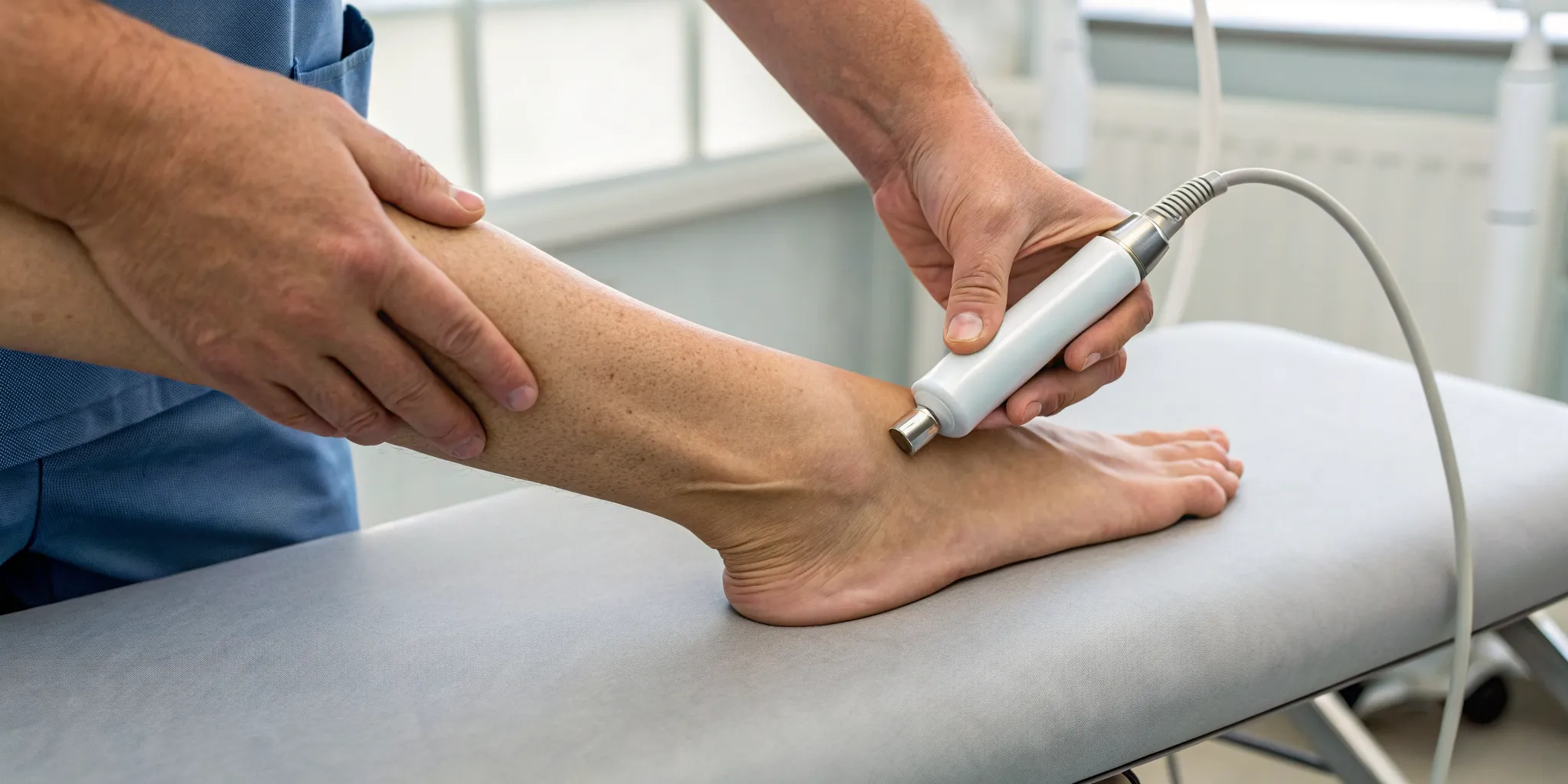
If you feel a sharp, stabbing pain in your heel with your first steps in the morning, you might be dealing with plantar fasciitis. Similarly, Achilles tendinopathy causes persistent pain and stiffness along the back of your heel. Both conditions result from chronic inflammation and strain on the connective tissues in your foot. Shockwave therapy directly targets this damaged tissue, breaking up scar tissue and promoting the formation of new blood vessels. This process reduces pain and accelerates healing, helping you walk comfortably again.
Knee, Hip, and Shoulder Tendinopathy
Pain around your kneecap (patellar tendinopathy), on the outside of your hip (gluteal tendinopathy), or in your shoulder (rotator cuff tendinopathy) can make simple movements feel like a chore. These conditions often stem from overuse and chronic inflammation in the tendons. Shockwave therapy offers relief by sending acoustic waves into the affected area, which helps reduce inflammation and promote tissue repair. By addressing the underlying cause of the pain, our physical medicine approach helps restore strength and function to these major joints.
Tennis Elbow and Lateral Epicondylitis
You don’t have to play tennis to experience tennis elbow. This condition, also known as lateral epicondylitis, involves inflammation of the tendons that connect your forearm muscles to the outside of your elbow. It often results from repetitive wrist and arm motions. Shockwave therapy can help accelerate recovery by improving oxygen delivery and encouraging new blood vessel formation in the damaged tissues. This enhances your body’s own healing mechanisms, providing relief from the persistent pain and weakness associated with this frustrating condition.
Bursitis and Other Inflammatory Issues
Bursitis is the inflammation of the small, fluid-filled sacs (bursae) that cushion your joints, commonly affecting the hip, shoulder, or elbow. It can cause significant pain and limit your movement. For active individuals struggling with chronic pain from bursitis or other inflammatory issues, shockwave therapy is an excellent non-invasive option. It’s especially helpful when you feel like you’ve tried everything without success. This therapy stimulates a healing response right where you need it, helping you overcome stubborn injuries and get back to your life.
The Healing Benefits of Shockwave Therapy
When you’re dealing with chronic pain, you want more than a temporary fix. You want real, lasting healing that gets to the root of the problem. Shockwave therapy is a powerful tool in our physical medicine toolkit because it works with your body’s natural abilities to repair itself from the inside out. By addressing the underlying causes of pain and inflammation, this treatment offers a path toward genuine recovery and improved function. Let’s explore the specific ways shockwave therapy can help you heal.
Find Lasting Pain Relief
Living with chronic pain can feel like a cycle you can’t break. Shockwave therapy offers a way out by targeting the source of your discomfort. Instead of just masking symptoms, the acoustic waves penetrate deep into the tissue to break up scar tissue and calcifications that contribute to pain and stiffness. This process helps your body clear out the old, damaged cells that are keeping you stuck.
This approach is especially effective for persistent conditions that haven't responded to other treatments. It’s widely used for issues like plantar fasciitis, Achilles tendinopathy, and other chronic pain conditions. By addressing the structural problems causing the pain, shockwave therapy helps you find meaningful and lasting relief so you can move forward.
Improve Blood Flow and Tissue Repair
Healing can’t happen without good circulation. Your blood carries the oxygen and nutrients your tissues need to repair themselves. When an area is injured or chronically inflamed, blood flow can become restricted, slowing down or even stopping the healing process. Shockwave therapy effectively restarts this process by creating new blood vessels in a process called neovascularization.
The energy from the acoustic waves stimulates the treated area, signaling your body to increase circulation and ramp up its repair efforts. This influx of fresh blood helps reduce inflammation and promotes the healing of damaged tissues, like the tendons around your elbow or knee. It’s a way of telling your body exactly where to send its healing resources, accelerating recovery in a targeted way.
Stimulate Collagen for Long-Term Healing
Collagen is like the scaffolding that holds your body together. It’s a vital protein that gives your tendons, ligaments, and other connective tissues their strength and flexibility. When these tissues are injured, your body needs to produce new collagen to rebuild them properly. Shockwave therapy gives this process a significant push.
The treatment stimulates specialized cells called fibroblasts, which are responsible for creating new collagen fibers. By encouraging this production, shockwave therapy helps your body build stronger, more resilient tissue. This isn't just a quick patch; it's a fundamental repair process that strengthens the injured area for the long term, making it less prone to future injury and helping you build a more durable foundation for your health.
Restore Your Mobility and Function
Ultimately, the goal of any treatment is to get you back to living your life without limitations. The combination of pain reduction, improved blood flow, and stronger tissue directly translates to better mobility and function. When pain and stiffness no longer hold you back, you can move more freely and confidently. Many of our patients at Ascend Functional Health are active individuals who are frustrated by injuries that keep them from doing what they love.
Shockwave therapy is a fantastic non-invasive option for these individuals, especially when conventional treatments haven’t provided the desired results. By promoting deep healing, it helps restore your body’s ability to perform. This means you can get back to your favorite activities, whether that’s walking, running, or simply moving through your day without pain.
What to Expect During a Shockwave Therapy Session
Walking into any new treatment can feel a little intimidating if you don't know what's coming. We want you to feel completely comfortable and confident in your care plan, so let's walk through exactly what a shockwave therapy session looks like from start to finish. Knowing what to expect helps you relax and allows your body to get the most out of every session.
What Does the Treatment Feel Like?
This is usually the first question on everyone's mind, and the answer is reassuring. Most people don't describe shockwave therapy as painful. Instead, they typically describe the sensation as a series of fast pulses against the skin, sometimes with a feeling of warmth. On a pain scale of 1 to 10, the discomfort is usually rated below a 5. We can always adjust the intensity of the device to keep you comfortable throughout the treatment. You might notice some mild swelling or redness in the area afterward, but this is a good sign. It simply means we’ve successfully stimulated increased blood flow to kickstart the healing process.
Session Length and What Happens
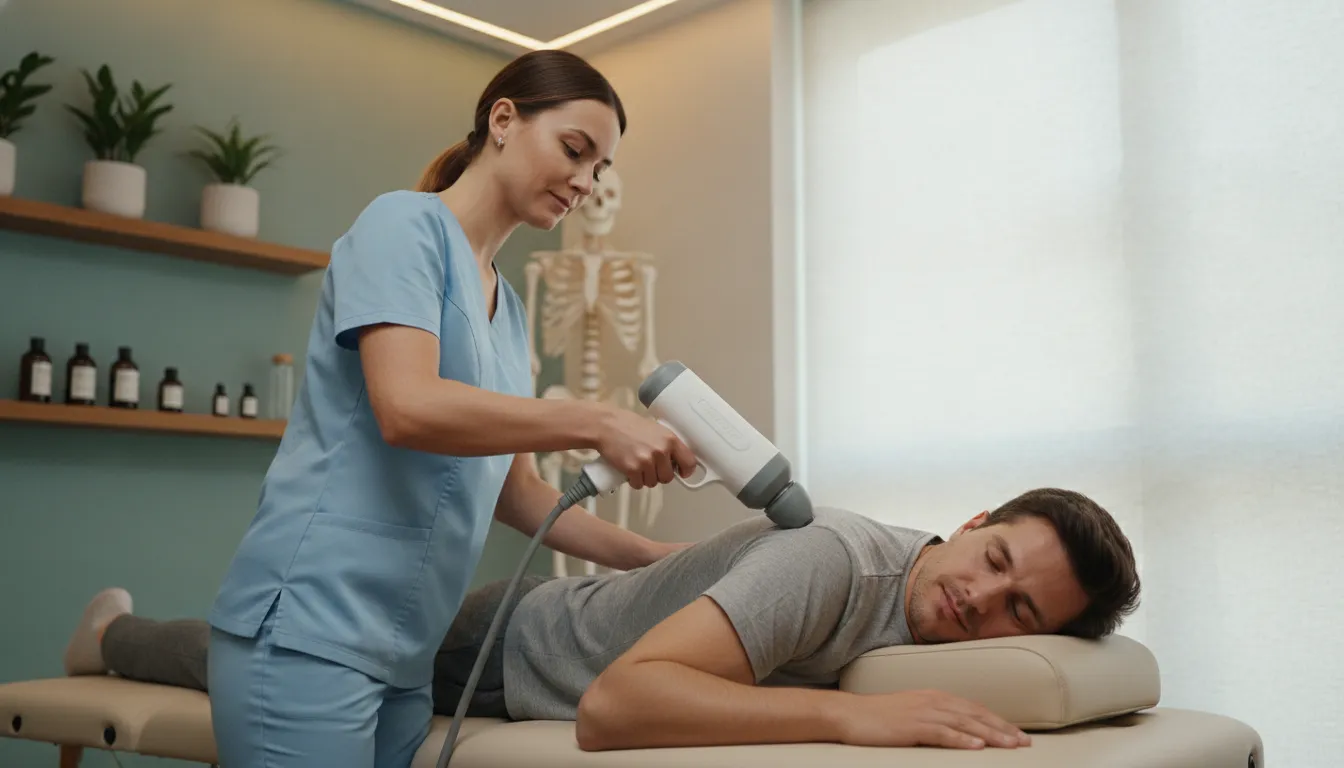
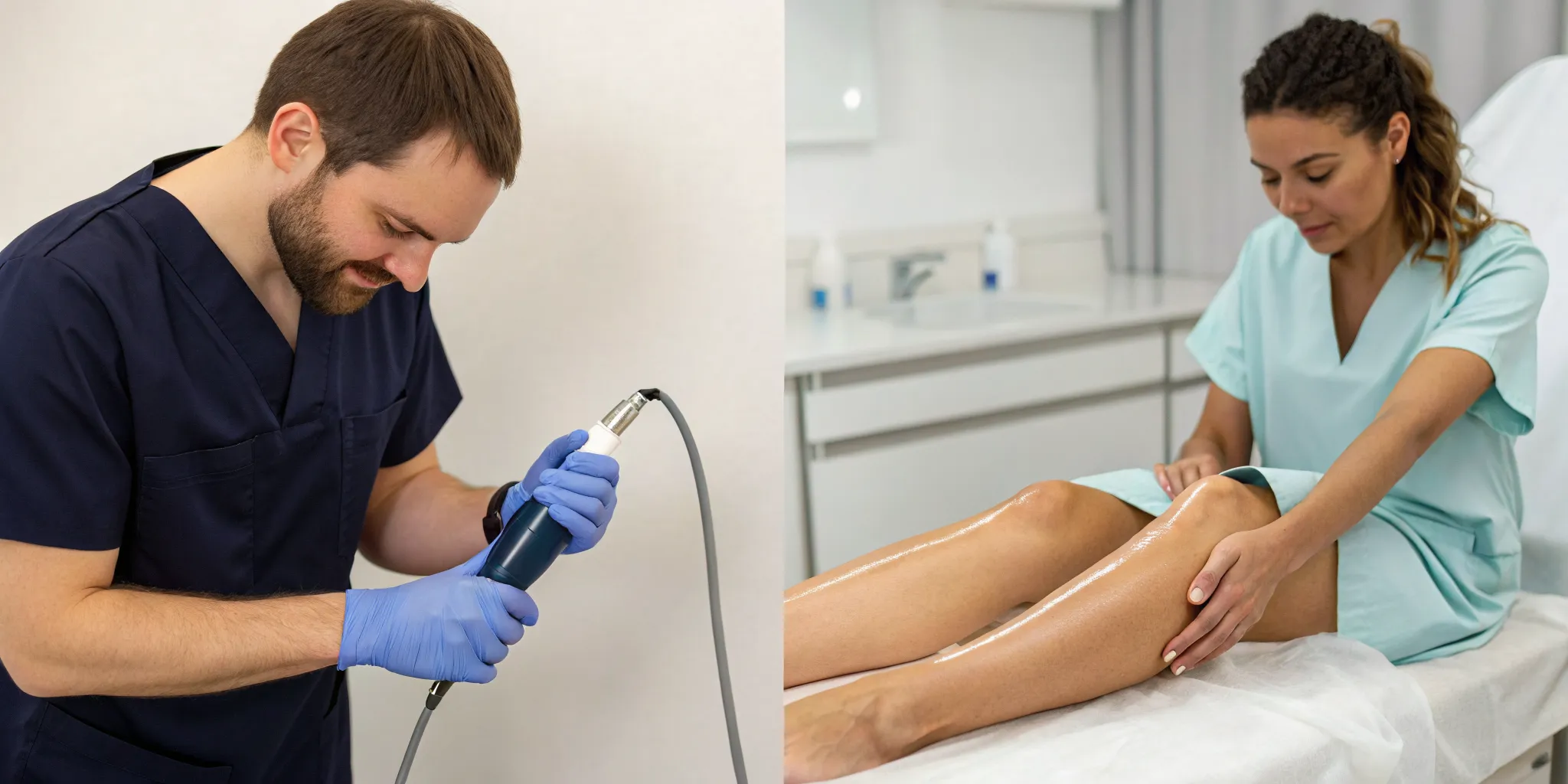
Your time is valuable, and we respect that. An average shockwave therapy session is surprisingly quick, usually lasting about 20 minutes. During your appointment, we’ll apply a gel to the target area and then move the applicator over the skin to deliver the acoustic waves. The length of your overall treatment plan will depend on your specific condition, how long you've been dealing with it, and how your body responds. Most people see the best results with a series of three to six sessions, scheduled about one week apart. This spacing gives your body the time it needs to repair tissues and reduce inflammation between appointments, creating a cumulative healing effect.
After Your Session: Immediate Effects and Care
After your session, the healing work continues. It’s normal to experience some mild swelling or redness in the treated area. You might even feel that the initial discomfort is a bit more noticeable for a day or two. Don't worry, this is a positive sign that your body is responding to the treatment. Shockwave therapy triggers a cascade of biological responses that signal your cells to begin repairing and rebuilding. This natural healing process is exactly what we want to see. We recommend taking it easy for the rest of the day, but you can typically return to your normal activities right away.
How Many Sessions Until You See Results?
It’s completely normal to wonder how long it will take to feel better. While every person’s healing journey is unique, we can give you a general idea of what to expect from shockwave therapy. The exact number of sessions and the speed of your results will depend on your specific condition, how long you’ve been dealing with it, and your body’s individual response. Our goal is to create a treatment plan that gets to the root of the issue for lasting relief.
Your Personalized Treatment Timeline
Your treatment plan is tailored specifically to you. However, most patients find success with a series of three to six sessions, typically scheduled about one week apart. We call this the "activation phase," where the acoustic waves begin to stimulate your tissue and kickstart the healing process. The severity of your condition and how long you’ve had it play a big role in determining the right number of treatments. We’ll work with you to create a personalized plan that aligns with your body’s needs and your health goals.
When to Expect Improvements
Many people start to feel a noticeable improvement after just two or three sessions. It’s important to remember that shockwave therapy is designed to promote deep, long-term healing, not just provide a temporary fix. While initial relief can be encouraging, the full benefits often unfold over several weeks as your body continues to repair tissue and reduce inflammation. This therapy works to restore function and comfort for many of the chronic conditions we treat, helping you get back to your life without relying on long-term pain medication.
Are There Any Side Effects to Consider?
It’s completely normal and wise to ask about the side effects of any new treatment. The good news is that shockwave therapy is a non-invasive approach, and for most people, the side effects are minimal and temporary. Unlike procedures that require significant downtime, shockwave therapy works with your body to stimulate its own repair mechanisms. This focus on supporting your body's natural abilities is a core part of our physical medicine philosophy.
Most people experience only minor effects that actually signal the treatment is working. However, safety is always our top priority. Shockwave therapy isn't the right fit for everyone, and certain health conditions or circumstances mean we would recommend a different path for your healing. It's essential to have an open conversation about your full health history so we can determine if you're a good candidate. We'll cover both the common, mild effects you might notice and the specific situations where this treatment should be avoided. This way, you can feel confident and informed about your care plan.
Mild Effects That Signal Healing
After a session, you might notice some slight swelling, redness, or tenderness in the treated area. Your pain might even feel a little more pronounced for a day or two. While that might sound counterintuitive, it's actually a positive sign. This temporary response means we’ve successfully activated your body’s healing cascade. The acoustic waves have stimulated blood flow and cellular activity, and your body is getting to work repairing the damaged tissue. These effects are typically mild and resolve on their own within 24 to 48 hours, leaving you on the path to long-term recovery.
Who Should Not Get Shockwave Therapy?
While shockwave therapy is safe for many, it’s not suitable for everyone. Your safety is our primary concern, so we avoid this treatment if you have certain conditions. Shockwave therapy is not recommended if you are pregnant, have a blood clotting disorder, or take blood thinners. It's also not appropriate for individuals with a history of bone cancer, a current infection in the treatment area, or certain nerve conditions. If you have metal plates or pins in the area or have had a steroid injection for the same issue within the last 12 weeks, we would explore other options with you. A thorough consultation is the first step to creating a safe and effective plan for your health, so be sure to discuss your full medical history with our team.
Is Shockwave Therapy Right for Your Chronic Pain?
Deciding on a new treatment can feel like a big step, especially when you've been dealing with persistent pain. You're likely wondering if shockwave therapy is the missing piece in your health puzzle. The answer depends on your specific condition, your health history, and your goals. Let's walk through what makes someone a good candidate and how this therapy fits into a broader, holistic approach to wellness.
Find Out if You're a Good Candidate
Shockwave therapy is often a great option for active people who are struggling with chronic pain and haven't found lasting relief from more conventional treatments. If you're dealing with a nagging ache that just won't go away, like a dull pain after a run or stiffness in your shoulder that makes reaching overhead feel impossible, this could be for you. It’s designed for those stubborn tendinopathies and inflammatory conditions that interfere with your daily life. The best way to know for sure is to have a thorough evaluation where we can discuss your symptoms and health history. We can help you understand if your specific issue is one of the many conditions we treat with this innovative therapy.
How Shockwave Fits into Your Ascend Functional Health Plan
At Ascend Functional Health, we don't believe in one-size-fits-all solutions. Shockwave therapy isn't just a standalone procedure; it's a powerful tool within your personalized health plan. As part of our Physical Medicine approach, it works to address the root cause of your pain by reducing inflammation and kickstarting your body's natural healing processes. By promoting tissue repair and improving blood flow, it helps your body fix the underlying problem. Many of our patients see significant improvements within a few weeks, making it a fantastic component of a plan aimed at restoring function and helping you get back to the activities you love, without relying on more invasive options.
Related Articles
- Regenerative Medicine for Pain Recovery | Ascend Functional Health
- Root Cause Treatment for Chronic Pain | Ascend Functional Health
- SoftWave Tissue Regeneration Therapy in Tampa | Alessi Functional Health
- SoftWave TRT Therapy in Tampa, FL - Alessi Functional Health
- Pain Free Future | Alessi Functional Health
Frequently Asked Questions
Does the treatment actually hurt? This is always one of the first things people ask, and it's a great question. Most people describe the sensation as a series of strong, rapid pulses against the skin rather than pain. We can adjust the intensity to a level that is effective yet comfortable for you. You might feel some tenderness, especially if the area is already sore, but it’s a very manageable feeling that only lasts for the few minutes of active treatment.
How is this different from other treatments like cortisone shots? Think of it as the difference between silencing a fire alarm and actually putting out the fire. A cortisone shot is excellent at reducing inflammation and providing temporary pain relief, which can be very helpful. Shockwave therapy, however, is designed to address the source of the fire. It works by stimulating your body’s own repair crews to rebuild damaged tissue, improve blood flow, and create a stronger, more resilient area for long-term healing.
What is the recovery like after a session? There is virtually no downtime, and you can return to your normal daily activities right after your appointment. It’s common to feel some mild soreness or tenderness in the treated area for a day or two, similar to how you might feel after a deep tissue massage. This is a positive sign that the therapy has activated a healing response, and it typically fades quickly on its own.
How long will it take for my pain to go away for good? Because shockwave therapy works by prompting your body to heal itself, the results are built to last. The goal isn't just to make the pain disappear; it's to repair the underlying tissue so the pain doesn't come back. While many people feel relief after just a few sessions, the most significant and lasting benefits unfold over several weeks as your body generates new collagen and stronger tissue. This process helps restore function and makes the area less prone to future injury.
I've had this pain for years. Can shockwave therapy still help me? Yes, absolutely. In fact, shockwave therapy is often most effective for chronic conditions where the body’s natural healing process has stalled. If you've been dealing with a stubborn injury for months or even years, it's likely because the area has poor blood flow and the repair process has shut down. Shockwave therapy acts as a powerful wake-up call, reminding your body that there is an old injury that needs attention and restarting that healing cascade from scratch.