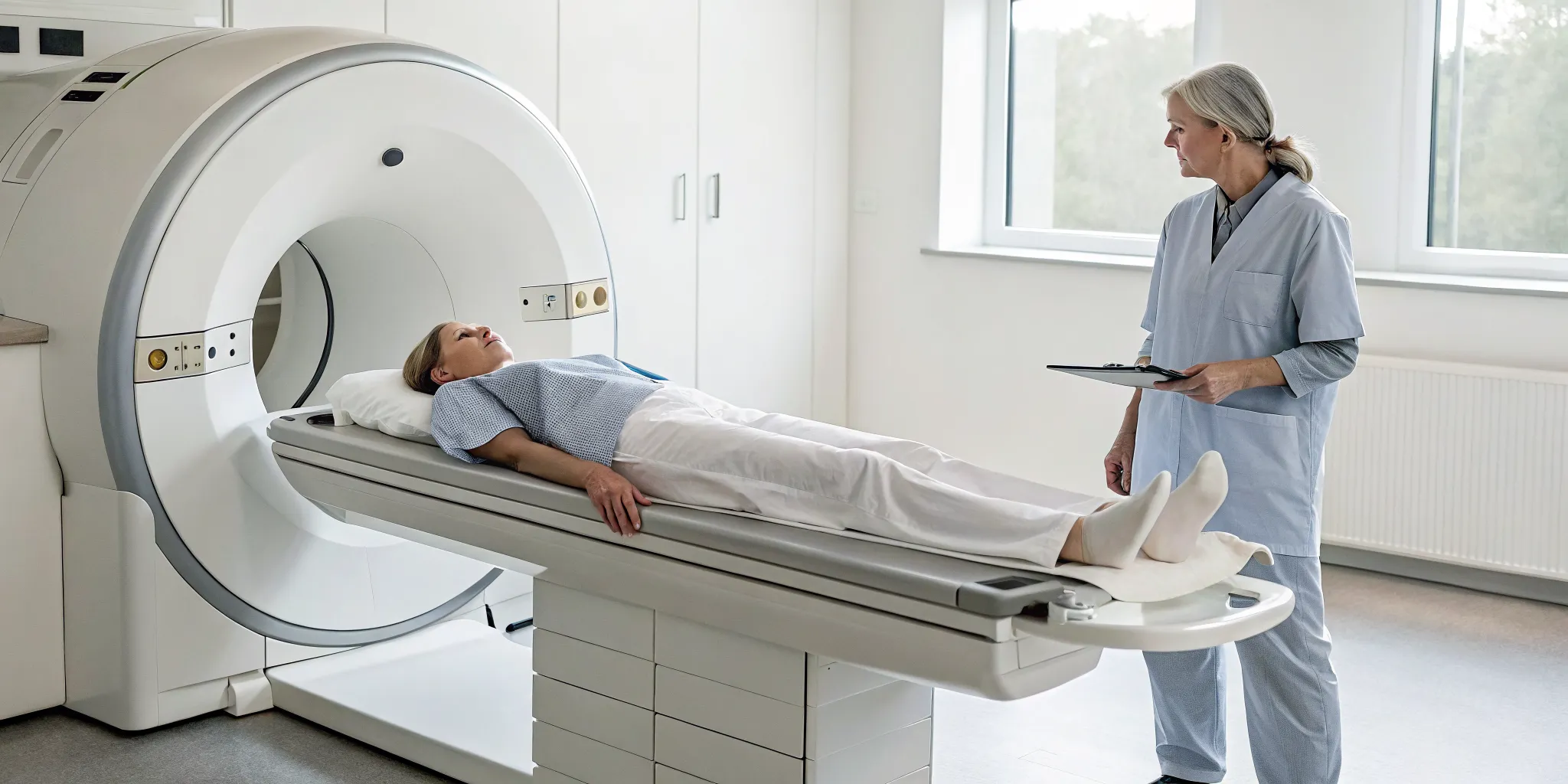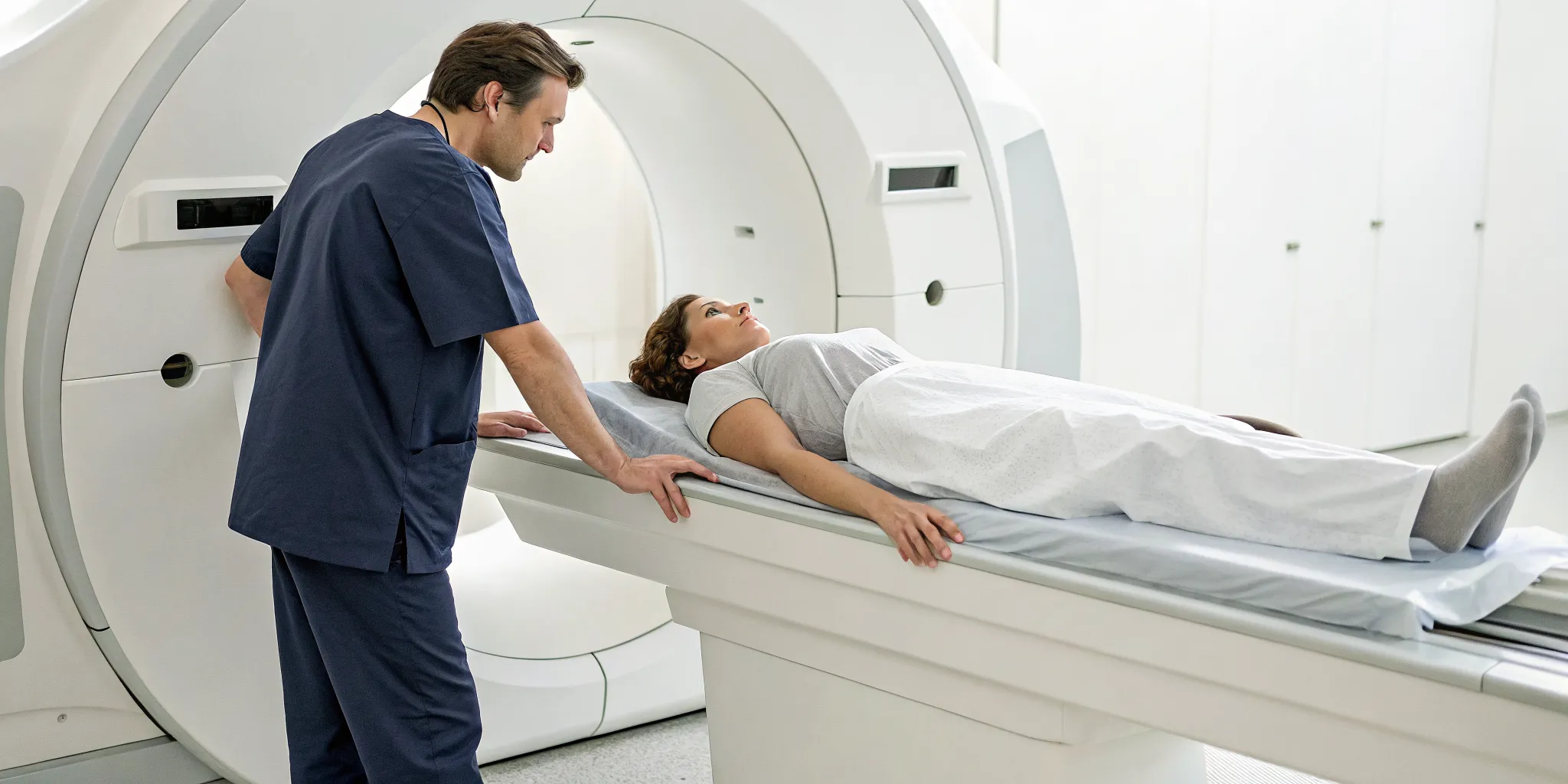
Persistent fatigue, changes in mood or libido, and reduced strength can reflect many aspects of health, not testosterone alone. A thoughtful evaluation looks beyond a single symptom to understand what your body is communicating.
Testosterone replacement therapy tampa should begin with a patient-specific clinical evaluation, appropriate lab testing, and a conversation about whether hormone optimization fits your goals and health history. At Ascend Functional Health, the process is grounded in functional and regenerative medicine, with attention to measurable outcomes rather than a one-size-fits-all protocol.
Testosterone supports functions including muscle mass and bone density, while low levels may be associated with fatigue, mood changes, decreased libido, and other concerns. Because those symptoms can have multiple causes, morning blood testing and a broader review of relevant health factors help guide responsible decisions. Ascend may consider nutrition, stress, gut health, thyroid function, and other hormonal markers as part of that workup.
Schedule a consultation with Ascend Functional Health
The first step is understanding what TRT is, what it can and cannot address, and how a Tampa clinical approach differs from treatment based on symptoms alone.
What Is Testosterone Replacement Therapy in Tampa?
Testosterone replacement therapy (TRT) is a clinician-guided treatment used when testing and symptoms indicate that testosterone levels are persistently low. In Tampa, Ascend Functional Health approaches TRT as part of individualized functional and regenerative medicine, not as a one-size-fits-all product or cosmetic service.
Testosterone has roles beyond sexual health. It supports muscle mass and bone density, and lower levels may be associated with decreased libido, fatigue, mood changes, and loss of muscle mass, according to the Mayo Clinic's overview of male hypogonadism. These symptoms can have several possible causes, so they do not establish a diagnosis by themselves. A thoughtful evaluation considers the full health picture before discussing treatment.
What makes a clinical TRT evaluation different?
A clinical program begins with your history, symptoms, goals, and appropriate lab work. Diagnosis generally relies on blood testing, often including morning testosterone measurements when levels are typically highest. Results are interpreted alongside your symptoms and other relevant health information, rather than treating a single number in isolation. Physician supervision and blood-test monitoring are central to responsible TRT care.
Ascend's process also looks beyond testosterone alone. Functional medicine asks whether factors such as stress, nutrient status, sleep, gut health, or other physiological imbalances may be influencing how you feel. This root-cause perspective can help inform a broader plan, while hormone optimization may include consideration of related markers such as thyroid and estrogen. The goal is a patient-specific strategy that supports measurable health outcomes and can be adjusted as your response and follow-up findings provide more information.
That differs from the drive-through men's-clinic model, where the emphasis may appear to be rapid access to testosterone without a comprehensive workup. TRT can be appropriate for some patients, but it is not automatically appropriate for everyone, and no responsible clinician should promise identical results. Ascend's team evaluates fit, discusses potential benefits and limitations, and keeps safety and shared decision-making at the center.
| Ascend's Clinical Approach | Typical One-Size-Fits-All Model |
|---|---|
| Begins with a full medical and symptom history | Often leans on a quick questionnaire |
| Uses diagnostic blood testing, including morning labs | May rely on a single testosterone reading |
| Reviews related hormones and root-cause factors | Focuses mainly on one hormone marker |
| Builds a personalized, adjustable protocol | Tends to apply a standard starting plan |
| Tracks objective markers and symptom progress | Provides a prescription with limited follow-up |
Learn more about hormone replacement therapy in Tampa, or explore how functional medicine can add root-cause context to your care plan.
What Are the Signs of Low Testosterone?
Low testosterone may affect sexual function, energy, mood, muscle, and bone health, but these symptoms do not confirm a hormone deficiency on their own. A clinical evaluation and appropriate lab testing are necessary to understand what may be contributing to how you feel.
Common signs can include:
- Decreased libido: A noticeable reduction in sexual desire may occur when testosterone levels are low. Changes in libido can also relate to stress, sleep disruption, certain prescriptions, relationship factors, or other health concerns.
- Persistent fatigue: Some people experience lower energy, reduced stamina, or difficulty staying focused. Fatigue is especially nonspecific, so it should be evaluated alongside sleep quality, nutrition, thyroid function, mood, and other relevant factors.
- Mood changes: Irritability, low mood, reduced motivation, or difficulty concentrating may accompany testosterone deficiency. These experiences can have many possible causes, which is why they should not be attributed to hormones without a broader assessment.
- Loss of muscle mass: Testosterone supports the maintenance of muscle mass. A gradual change in strength or muscle tissue may be one part of the clinical picture, particularly when it appears with other symptoms.
- Reduced bone density: Testosterone also contributes to bone health. Lower levels may be associated with decreased bone mineral density, although bone health depends on several factors and may require its own evaluation.
These concerns are not limited to one age group, and symptoms can vary from person to person. Some people have several signs, while others notice only one or two. The Mayo Clinic explains that male hypogonadism involves more than a symptom checklist and that diagnosis generally includes measuring testosterone with blood testing. Often in the morning when levels are typically higher: Mayo Clinic's overview of male hypogonadism symptoms.
That distinction matters because fatigue, changes in mood, reduced strength, and sexual symptoms can overlap with sleep disorders. Nutritional deficiencies, chronic stress, thyroid concerns, effects of certain treatments, and other medical conditions. Testing can help a qualified practitioner determine whether testosterone is actually low, whether the result is consistent over time, and what additional information is needed before discussing care.
At Ascend Functional Health, the goal is a patient-specific clinical evaluation rather than self-diagnosis or a one-size-fits-all protocol. Your symptoms, health history, and laboratory findings should be considered together so that any next step is based on informed clinical decision-making.
What Does Lab Testing Reveal Before TRT?
Lab testing helps determine whether low testosterone is present, how consistently it appears, and what other physiological factors may be influencing symptoms. Before considering treatment, Ascend reviews the broader pattern in your bloodwork rather than treating one testosterone result as the whole story.
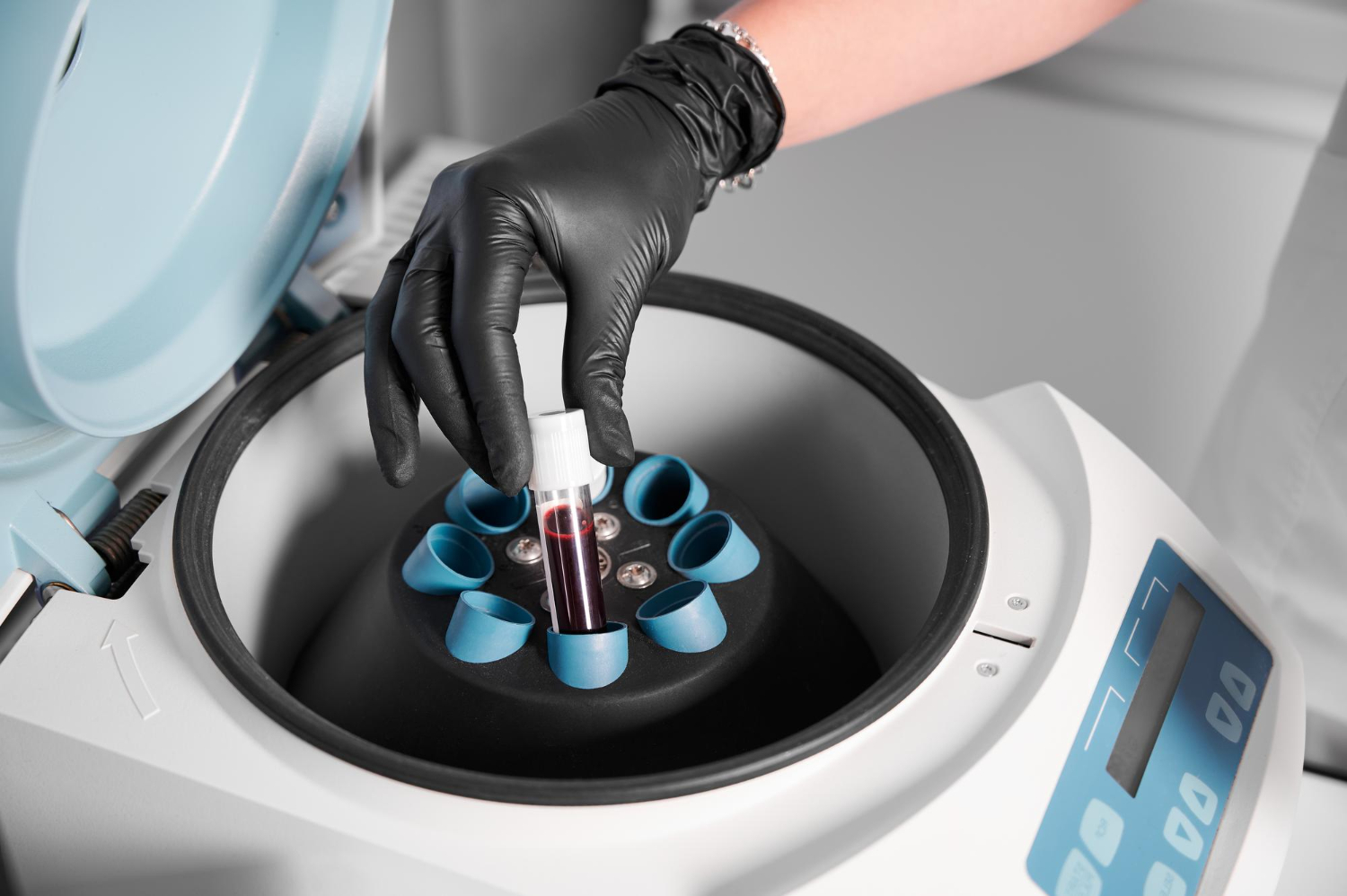
A first step commonly includes a morning blood test. Testosterone levels can vary during the day and are typically higher earlier in the morning, so timing helps create a more useful clinical picture. Mayo Clinic notes that diagnosing hypogonadism involves measuring testosterone with a blood test, alongside considering a patient's signs and symptoms. Read Mayo Clinic's overview of male hypogonadism diagnosis and treatment.
Depending on your history and symptoms, the evaluation may extend beyond a single testosterone marker. A broader hormone panel can include:
- Testosterone: Results provide important context, but they must be interpreted alongside symptoms, timing, and other health information.
- Estrogen: Estrogen and testosterone interact, so assessing both can help clarify the overall hormone balance.
- Thyroid markers: Thyroid function can influence energy, mood, metabolism, and other concerns that may overlap with symptoms commonly attributed to low testosterone.
This wider view matters because fatigue, changes in mood, reduced strength, and sexual health concerns can have more than one contributing factor. A functional-medicine evaluation uses bloodwork to look for underlying physiological imbalances instead of assuming that every symptom begins and ends with testosterone. Ascend's approach may consider factors such as nutrient status, stress load, digestive health, and sleep patterns, all of which can affect the body's hormonal environment.
Sleep deserves particular attention. Sleep patterns can influence testosterone production, which means a responsible plan may include guidance on sleep quality and daily habits as part of the evaluation. The goal is not simply to move a lab value into a preferred range. It is to understand the conditions affecting your health and decide whether testosterone replacement therapy is appropriate. What additional evaluation may be needed, and how progress should be measured over time.
For people exploring functional medicine or testosterone replacement therapy in Tampa, this diagnostic foundation supports a more individualized conversation with a qualified clinician. Results should be interpreted in context, with attention to both potential benefits and safety considerations.
How Ascend Personalizes Your Hormone Optimization Plan
Ascend personalizes hormone optimization by looking beyond a single testosterone result. Comprehensive diagnostic testing, root-cause evaluation, and ongoing adjustments help shape a plan around your symptoms, physiology, and measurable health goals.
Testosterone is one part of a larger hormonal system. The initial evaluation may consider nutrient status, chronic stress, gut health, sleep patterns, and other factors that can influence how you feel and how your body regulates hormones. This functional approach helps distinguish a hormone imbalance from symptoms that may have another underlying cause. It also creates opportunities to support your health through more than one intervention.
Starting with a complete clinical picture
Rather than choosing a standard protocol based only on age or a symptom checklist, the care team reviews your history, current concerns, lifestyle, and available lab data. Additional diagnostic testing may be recommended to identify physiological imbalances and establish a useful baseline. Bloodwork supports clinical decision-making, but the results are interpreted alongside your symptoms and overall health.
This matters because fatigue, changes in mood, reduced strength, and sexual health concerns can overlap with nutritional deficiencies, inadequate recovery, persistent stress, sleep disruption, or digestive problems. Addressing those contributors may be an important part of supporting long-term hormonal health. Ascend's Functional Medicine approach is designed to connect these factors rather than treat each symptom in isolation.
Assessing the hormones that interact with testosterone
A broader hormone review can include estrogen and thyroid markers, not just testosterone. These systems interact, so an appropriate plan must account for the wider hormonal environment. Depending on your results and clinical history, the care plan may include lifestyle guidance, nutritional support, and hormone optimization when clinically appropriate.
The goal is not simply to raise a number. It is to support the physiological environment associated with energy, mood, strength, metabolic health, and overall well-being. Patient outcomes can be tracked through symptom changes and objective health markers, rather than relying on testosterone levels alone.
Adjusting care as your response becomes clearer
Hormone optimization is individualized. A protocol that suits one patient may need to be modified for another, based on response, follow-up results, tolerability, and changing health priorities. Ascend uses this feedback to refine care over time, keeping the process collaborative and clinically guided instead of treating the first plan as permanent.
Contact Ascend Functional Health to discuss your personalized hormone optimization plan.
TRT Safety, Monitoring, and What to Expect
Testosterone replacement therapy should begin only after a comprehensive medical evaluation and continue with regular clinical monitoring. The goal is not simply to raise a laboratory value, but to improve relevant symptoms while tracking objective markers and protecting long-term health.
Before treatment is considered, your clinician reviews your medical history, symptoms, current prescriptions, and overall health status. This evaluation helps identify whether low testosterone is present and whether another condition may better explain fatigue, mood changes, reduced strength, or sexual symptoms. It also helps rule out situations in which TRT may be unsafe. The Urology Care Foundation notes that conditions such as prostate cancer or severe sleep apnea may affect whether testosterone therapy is appropriate.
Testing is part of that safety process. A clinician may use blood-work panels to confirm hormone status and establish a baseline for follow-up. Depending on your history and symptoms, monitoring may also include markers related to cardiovascular health and other systems. The Mayo Clinic explains that testosterone therapy can carry risks for some patients, including potential cardiovascular concerns, so long-term care should include appropriate medical oversight rather than an isolated prescription.
What follow-up appointments can include
Follow-up visits give your care team an opportunity to assess how you feel, review laboratory results, discuss side effects, and determine whether the protocol remains a good fit. Testosterone can be delivered through options such as injections, gels, patches, or implants. Your clinician can explain the advantages and limitations of each approach and adjust the plan based on your response, preferences, and measured health data.
Monitoring is also a way to keep the treatment aligned with the broader picture. At Ascend, outcomes are considered through both symptom improvement and objective markers, not through testosterone numbers alone. Energy, mood, strength, sleep, and other concerns may change at different rates. And your care team may need to evaluate related factors such as thyroid health, stress, or sleep patterns when progress is limited.
Setting realistic expectations
Some patients report noticing improvements in energy or mood within approximately four to six weeks, but individual responses vary. This is a point for reassessment, not a guarantee or finish line. Sustainable care involves ongoing communication, appropriate testing, and adjustments when the clinical picture calls for them. A careful process gives you clearer information about whether TRT is helping and how to pursue hormone health responsibly.
Frequently Asked Questions
What is testosterone replacement therapy?
Testosterone replacement therapy is a physician-supervised treatment for confirmed testosterone deficiency. The decision should follow a clinical evaluation, relevant symptoms, and diagnostic bloodwork rather than symptoms alone.
What lab work is involved before starting TRT?
Testing generally includes a testosterone blood test, often collected in the morning when levels are typically highest. A broader evaluation may also review estrogen, thyroid markers, and other findings that help identify contributing imbalances. Mayo Clinic explains the diagnostic role of testosterone blood testing.
How soon might I notice changes from TRT?
Some patients report changes in energy or mood within four to six weeks, while other outcomes may develop more gradually. Follow-up visits and objective markers help determine whether the plan is supporting your goals and whether adjustments are appropriate.
Is testosterone replacement therapy safe?
Safety depends on appropriate screening, medical supervision, and ongoing monitoring. Before treatment, a clinician should evaluate whether conditions such as prostate cancer or severe sleep apnea could make TRT inappropriate. Then monitor response and relevant health markers over time. Urology Care Foundation discusses evaluation for low testosterone.
Is TRT right for me if I am not a man over 40?
Age and gender alone do not determine whether treatment is appropriate. A clinician considers your symptoms, blood-test results, medical history. And possible root causes to decide whether testosterone deficiency is contributing to your concerns and whether a personalized plan is suitable.
Ready to Explore Whether Hormone Optimization Is Right for You?
TRT is not a one-size-fits-all decision. A personalized consultation can help connect your symptoms, lab results, and broader health goals so you can discuss appropriate next steps with a clinician.
Schedule a consultation with Ascend Functional Health
Reach out to learn how a careful, measurable approach to hormone optimization may fit within your overall care plan.