That persistent ache in your neck can feel like an unwelcome companion, turning simple movements into a source of dread. Whether it’s a dull throb that never quite leaves or sharp, radiating pain that travels down your arm, this discomfort can disrupt your sleep, focus, and overall mood. You’ve likely tried stretching and adjusting your posture, but the problem remains. The solution often lies in addressing the root cause: pressure within the cervical spine. This is where a targeted approach can make all the difference. Professional cervical traction therapy is designed to gently create space in your neck, relieving pressure on nerves and discs to provide lasting relief, not just a temporary fix.
Key Takeaways
- Traction relieves pressure by creating space: This therapy gently stretches your neck to open up the space between your vertebrae. This action can take pressure off compressed nerves and discs, helping to ease pain, stiffness, and radiating symptoms like tingling or numbness.
- It works best as part of a larger plan: While traction offers significant relief, its benefits are greatest when integrated with other treatments like chiropractic care and corrective exercises. A holistic approach addresses the root cause of your neck pain for more sustainable results.
- Professional guidance is essential for safety: This therapy is not a one-size-fits-all solution and can be risky if done incorrectly. A professional evaluation is crucial to determine if traction is right for you and to create a safe, personalized plan that avoids potential harm.
How Does Cervical Traction Work?
If you're dealing with persistent neck pain, you might have heard about cervical traction. But what does it actually do? At its core, this therapy is all about creating space in your neck to relieve pressure. It’s a non-invasive technique designed to gently stretch the cervical spine, offering a path toward relief and improved function. Let's look at how it accomplishes this through a process called spinal decompression and the different ways it can be applied.
The Goal: Spinal Decompression
The main objective of cervical traction is something called spinal decompression. Think of it as a gentle, targeted stretch for your neck. The therapy carefully pulls your head away from your shoulders, which helps to open up the space between the bones in your neck (your vertebrae). This extra space can reduce pressure on your spinal structures, including the soft, cushion-like discs that sit between each bone.
For anyone experiencing radiating discomfort from a pinched nerve, this can be a game-changer. Creating more room between the vertebrae can take pressure off those irritated nerves, helping to ease that specific kind of pain. By decompressing the spine, this therapy aims to address the root cause of the discomfort, not just mask the symptoms.
Manual vs. Mechanical Methods
Cervical traction isn't a one-size-fits-all approach; it's typically administered using one of two primary methods: manual or mechanical. With manual traction, a trained provider, like one of our chiropractors at Ascend, uses their hands to apply a gentle pull. They can adjust the angle and pressure in real-time based on your body’s response, making it a very personalized treatment.
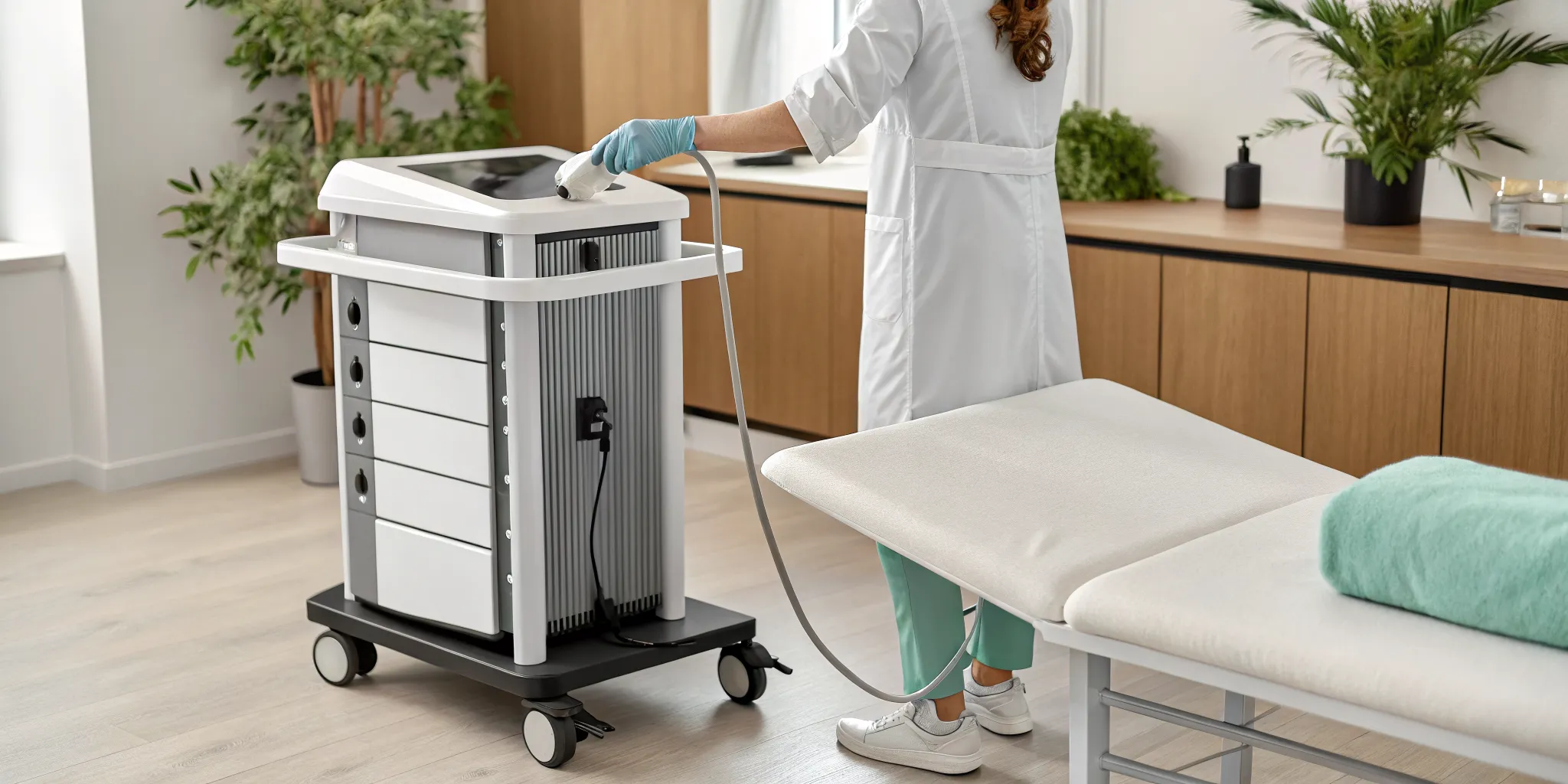
Mechanical traction, on the other hand, uses a specialized device to create a steady and consistent pull while you rest comfortably. This method can often be applied for longer periods than manual traction, providing a sustained stretch to the cervical spine. Both approaches are designed to be gentle and controlled, focusing on providing relief by carefully stretching the neck.
Exploring Types of Cervical Traction
Cervical traction isn't a one-size-fits-all solution. There are a few different ways to perform this therapy, and the best method for you depends on your specific needs, the condition being treated, and your overall health. At Ascend Functional Health, we believe in a personalized approach, which means we carefully consider which type of traction will give you the most effective and comfortable relief. Let's walk through the main types so you can better understand your options and what to expect.
Manual Cervical Traction
Think of this as the most hands-on approach. During manual cervical traction, a trained healthcare provider uses their hands to gently stretch your neck and pull your head away from your body. This technique is highly personalized because it allows the provider to feel the response of your muscles and joints in real time. They can adjust the angle and force of the pull throughout the session to target specific areas of tension. This adaptability is key for relieving pressure on the cervical spine and helping to improve mobility. It’s a dynamic process that combines the provider's skill with your body's feedback for precise relief.
Mechanical Cervical Traction
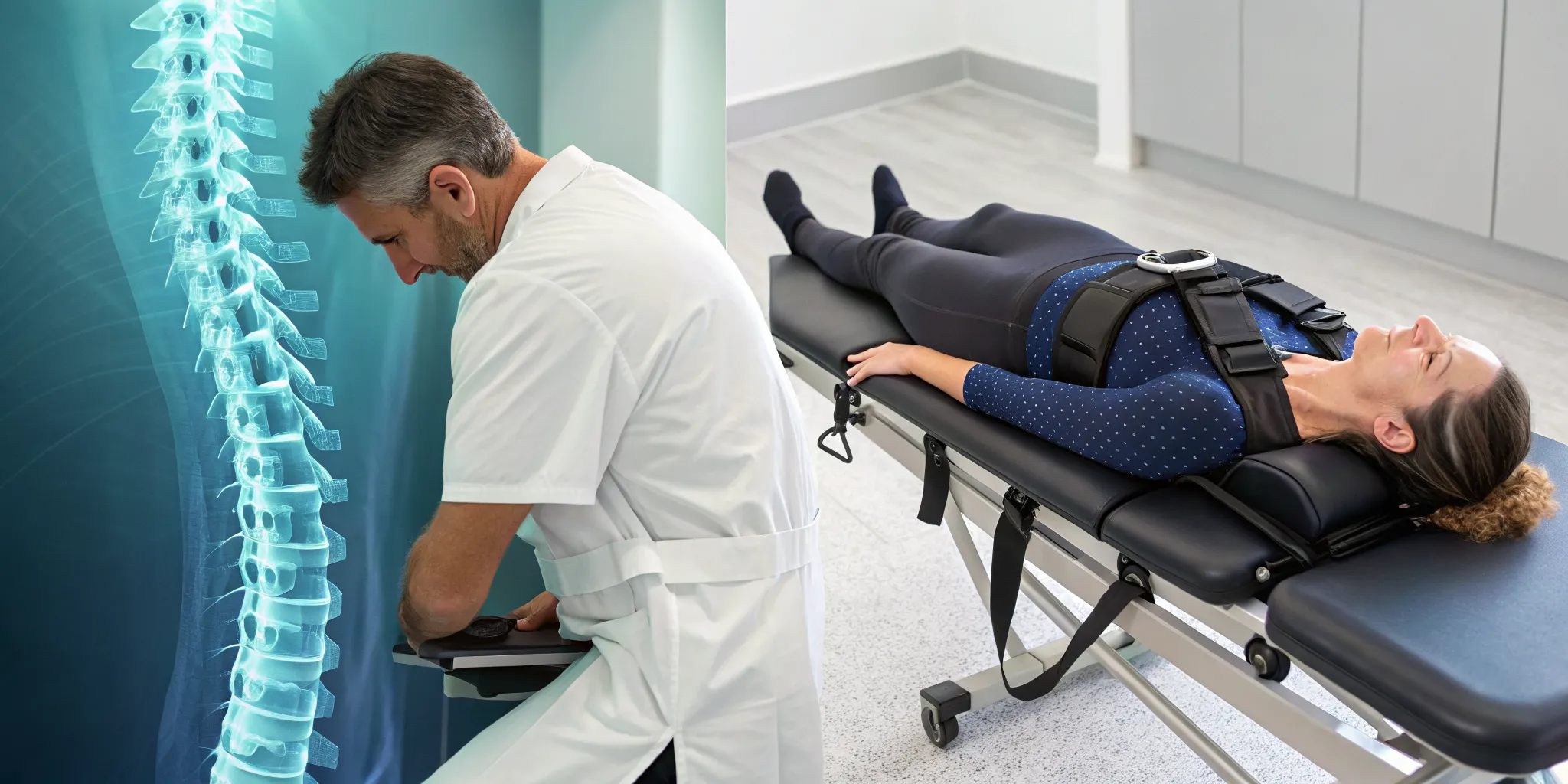
Mechanical cervical traction uses a specialized device to do the gentle pulling for you. While you relax lying down, a system of harnesses connected to a machine applies a controlled and steady force to stretch your neck. This method is great for providing continuous relief because the traction can be sustained for longer periods than manual techniques. The consistent force is excellent for promoting spinal decompression and creating space between your vertebrae. Your provider sets the exact amount of force and the duration of the treatment, ensuring the session is both safe and perfectly tailored to your therapeutic goals.
Positional Cervical Traction
Positional cervical traction, sometimes known as over-the-door traction, uses your body weight or a system of weights and pulleys to create a stretch. This method involves a harness that fits over your head and is connected to a pulley system, often placed over a door. According to WebMD, patients can either add weights or manually pull a rope to achieve the desired stretch in the neck. While some devices are designed for use outside of a clinical setting, it is absolutely essential to have professional guidance. A trained provider can teach you the correct technique and positioning to ensure you are performing the traction safely and effectively, preventing any unintended strain.
What Conditions Can Cervical Traction Help?
If you're dealing with persistent neck pain, you know how much it can affect your daily life. Simple movements can become a source of discomfort, and finding a comfortable position to sit or sleep can feel impossible. Cervical traction is a therapeutic method that can address a surprising range of conditions by gently stretching your neck. The primary goal is to create space between your vertebrae, which can relieve pressure on your spinal discs and nerves.
This approach is particularly helpful for a variety of issues, from nerve compression to muscle tightness. By decompressing the spine, traction can help reduce pain, improve mobility, and support the body's natural healing processes. It’s a cornerstone of physical medicine for many people seeking relief from chronic neck and upper back discomfort. We see a wide array of conditions at our practice that respond well to this type of care, and understanding how traction works can be the first step toward finding a solution.
Pinched Nerves and Herniated Discs
A pinched nerve in your neck can cause sharp, radiating pain, numbness, or tingling that travels down your shoulder and into your arm. This often happens when a spinal disc bulges or herniates, pressing against a nearby nerve root. Cervical traction is an effective way to address this by creating negative pressure in the disc space. This gentle pulling action encourages the herniated disc material to retract, taking pressure off the nerve. According to the Cleveland Clinic, cervical traction can help with conditions like pinched nerves and herniated discs by creating more space for the nerves and muscles around your spine. This can lead to significant pain relief and help restore normal function in your neck and arms.
Degenerative Disc Disease
Over time, the discs in our spine can lose hydration and wear down, a process known as degenerative disc disease. This can cause the space between your vertebrae to narrow, leading to stiffness, chronic pain, and reduced flexibility. While this is a natural part of aging for many, it doesn't mean you have to live with the discomfort. Cervical traction can provide relief by gently separating the vertebrae. This decompresses the worn-down discs, which can help reduce pain and improve their ability to absorb nutrients and rehydrate. As noted by WebMD, neck traction is often used for conditions like cervical disc disease and spinal degeneration. By alleviating pressure, this therapy can help manage symptoms and improve your overall neck mobility.
Cervical Spondylosis
Cervical spondylosis is essentially arthritis of the neck. It involves age-related changes to the bones and discs in your cervical spine, which can lead to the formation of bone spurs, stiffness, and chronic pain. This condition can make it difficult to turn your head and may cause persistent discomfort that affects your quality of life. Traction therapy can be a valuable part of a treatment plan for this condition. By stretching the neck, it helps to open up the spaces between your vertebrae, which can relieve pressure on the joints and nerves affected by arthritic changes. Research shows that cervical traction can help with the pain and stiffness associated with cervical spondylosis, improving flexibility and reducing that chronic ache.
Neck Sprains and Muscle Tension
Not all neck pain is caused by a disc or joint issue. Sometimes, the problem lies within the muscles themselves. Chronic muscle tension, spasms, or a sprain from an injury can lead to significant pain and restricted movement. This is often the kind of pain that creates tension headaches and makes it hard to focus throughout the day. Cervical traction can provide relief by gently stretching the muscles and soft tissues in the neck. This process helps to ease muscle spasms and improve circulation to the affected area, which promotes healing. As WebMD explains, neck traction helps ease muscle spasms, reduce pressure, and improve blood flow. For those dealing with chronic tightness from poor posture or stress, this can be a game-changer.
What Are the Benefits of Cervical Traction?
Cervical traction offers more than just a temporary solution for a sore neck. It’s a therapeutic approach designed to create meaningful, lasting changes in your cervical spine. By gently decompressing the neck, this therapy can address some of the root causes of discomfort and dysfunction. The benefits extend beyond simple pain relief, contributing to better movement, muscle health, and overall spinal alignment. Let's look at the specific ways cervical traction can help you find relief and improve your quality of life.
Relieve Pain and Nerve Compression
If you're dealing with persistent neck pain, especially the kind that shoots down your arm, it might be due to nerve compression. This happens when the spaces between your neck vertebrae narrow, putting pressure on the nerves. Cervical traction directly addresses this by gently stretching the neck to create more room. This process, known as decompression, can take the pressure off pinched nerves, providing significant relief from pain, tingling, and numbness. It’s a targeted way to ease the tension that causes everything from a dull ache to sharp, radiating discomfort, helping your nervous system function without interference.
Improve Flexibility and Range of Motion
A stiff neck can make simple movements, like checking your blind spot while driving, feel like a major challenge. Chronic tension and pain often lead to shortened, tight muscles that restrict your neck's mobility. Cervical traction helps by gently stretching these muscles and the surrounding connective tissues. This can reduce stiffness and gradually restore your neck's natural flexibility. When combined with specific exercises and other physical medicine techniques, traction can significantly improve how far and how comfortably you can move your neck. The goal is to help you regain your full range of motion for all your daily activities.
Enhance Blood Flow and Muscle Relaxation
When your neck muscles are constantly tight or in spasm, it can restrict blood flow to the area. This lack of circulation slows down your body's ability to heal because it limits the delivery of oxygen and vital nutrients to the tissues. Cervical traction encourages these tense muscles to relax. As the muscles let go, blood vessels can open up, improving circulation throughout your neck and upper back. This enhanced blood flow not only feels good but also supports the healing process from within, helping to reduce inflammation and repair damaged tissues more effectively.
Support Better Posture and Spinal Alignment
Many of us spend hours a day looking down at phones or computers, which can pull our head forward and strain the cervical spine. Over time, this can lead to poor posture and chronic pain. Cervical traction helps counteract these effects by gently encouraging the vertebrae back into a healthier alignment. By stretching the neck, it helps to correct the forward-head posture that contributes to so many neck issues. Supporting proper spinal alignment isn't just about standing up straighter; it's about reducing long-term wear and tear on your discs and joints, which is a key part of our approach to lasting wellness.
Understanding the Risks and Side Effects
When performed under professional supervision, cervical traction is a safe and effective therapy. However, like any treatment, it’s important to be aware of potential side effects and know what to look for. Your body is unique, and paying attention to its signals is a key part of the healing process. A thorough evaluation with a qualified provider is the first step to ensure this therapy is the right choice for you.
At Ascend Functional Health, our approach to physical medicine always begins with a detailed assessment to create a personalized and safe treatment plan tailored to your specific needs and health history.
Common Side Effects to Expect
For most people, cervical traction has very few side effects. You might experience some mild soreness or muscle fatigue after a session, which is similar to how you might feel after a new workout. This is typically temporary as your neck muscles and ligaments adjust to the gentle stretching. It’s also important to note that this therapy isn't suitable for everyone. A comprehensive health screening is necessary to rule out any underlying conditions that might make traction inappropriate, ensuring your safety and the effectiveness of the treatment. This is why a professional consultation is so important before starting.
When to Stop Treatment Immediately
While minor soreness can be normal, certain symptoms are not. It's crucial to listen to your body and stop the therapy immediately if you experience anything unusual. These signs include new or worsening headaches, nerve pain that radiates into your arms or legs, sudden muscle weakness, or feelings of numbness or tingling. These symptoms are your body’s way of telling you something isn’t right. If you notice any of these reactions, you should stop the treatment and contact your provider right away to discuss your symptoms before continuing.
Who Should Avoid Cervical Traction?
When This Therapy Isn't Recommended
While cervical traction can be a game-changer for neck pain, it’s not the right approach for everyone. Your health history and specific condition play a huge role in determining if this therapy is safe and effective for you. Think of it like any other targeted treatment: what works wonders for one person might be unsuitable for another. Before starting any new therapy, it's essential to get a thorough evaluation from a professional who understands the complexities of the spine. This ensures that the treatment plan is tailored specifically to your body's needs and won't put you at risk. At Ascend, our physical medicine approach always begins with a comprehensive assessment to make sure we choose the safest path to your recovery.
Conditions That Require Extra Caution
Certain health conditions make cervical traction a no-go. For instance, if you're pregnant, it's best to avoid this therapy. The same goes for individuals with specific spinal issues, such as a previous cervical fusion, a spinal cord tumor, or a bone infection like osteomyelitis. Conditions that affect bone density, like osteoporosis, can also increase the risk of injury. Additionally, people with untreated high blood pressure or those who feel anxious about being held still may find the procedure uncomfortable or unsafe. It’s crucial to be completely open about your health history with your provider so they can guide you toward the best possible treatment for your unique situation.
What to Expect During Your Session
If you’re considering cervical traction, you might be wondering what the experience is actually like. It’s a straightforward and gentle process designed to bring you relief, not cause more discomfort. Knowing what happens step by step can help you feel more comfortable and confident heading into your first appointment. At Ascend Functional Health, we prioritize your comfort and ensure you understand every part of your care plan.
Our team will guide you through the entire session, making adjustments as needed to ensure the therapy is both effective and relaxing. The goal is to create a positive experience that supports your body’s healing process from the very start.
A Look at a Professional Session
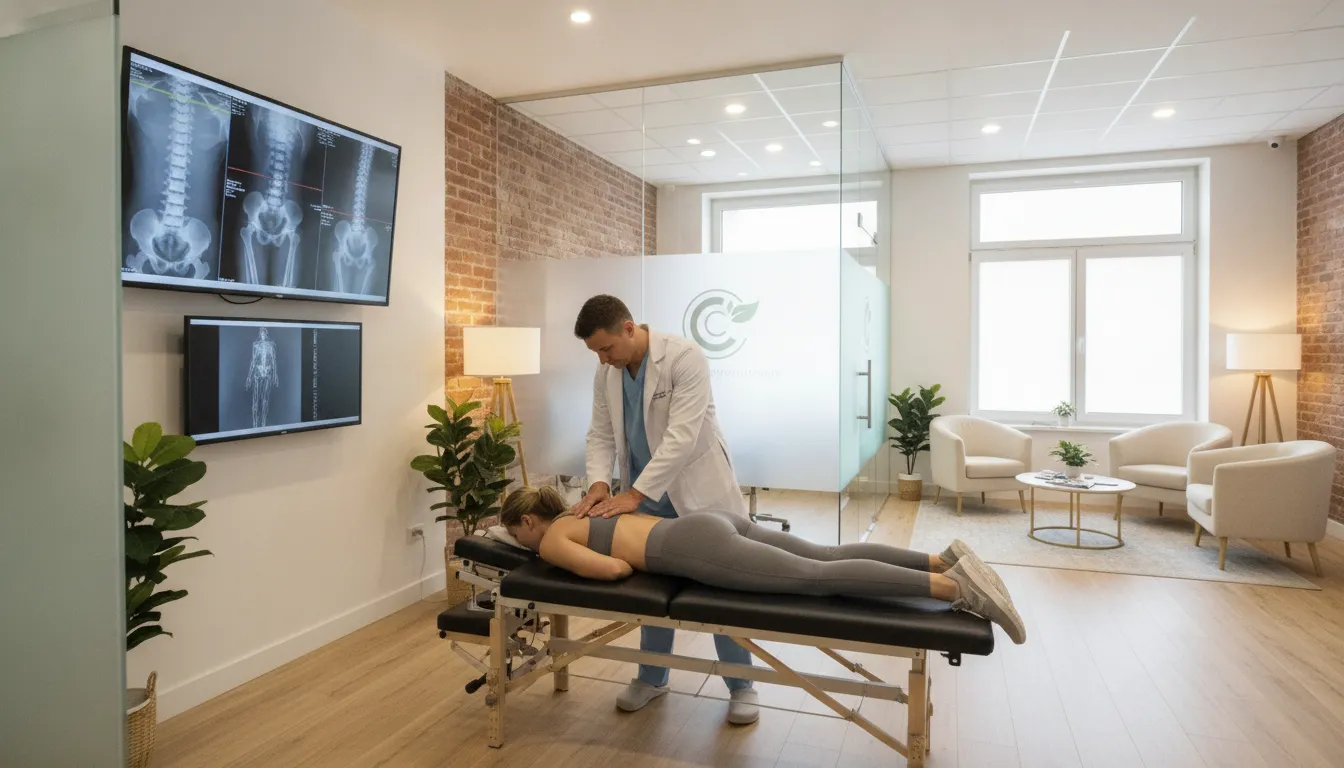
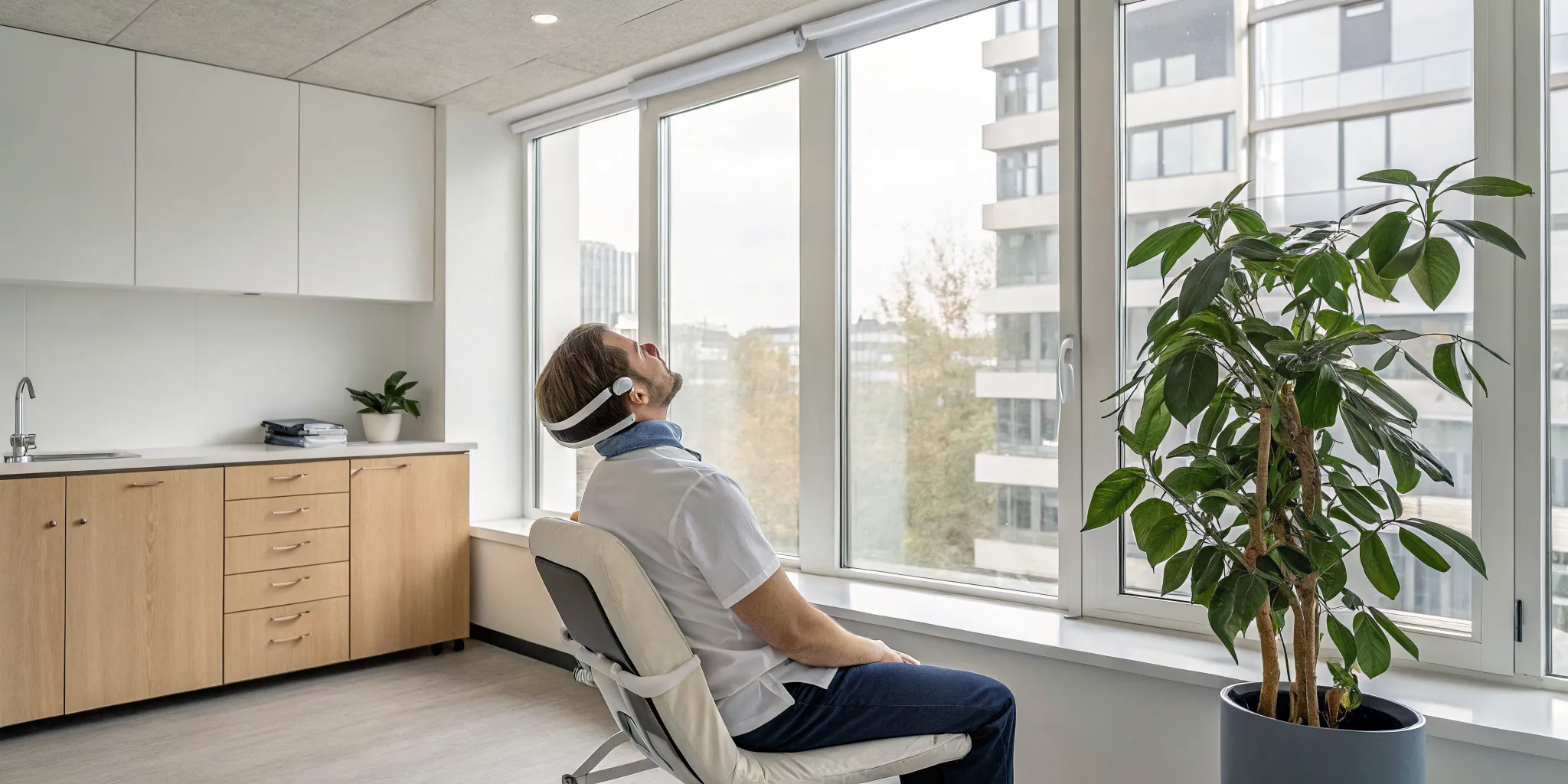
When you come in for cervical traction, you can expect a calm and controlled environment. This therapy is a key part of our Physical Medicine services. You’ll be comfortably positioned, either sitting or lying down, and our practitioner will use a specialized device to apply a gentle, pulling force to your neck. This process carefully stretches the cervical spine, which helps to open up space between your vertebrae. The primary goal is to relieve pressure on your spinal discs and any compressed nerves, which is often the source of persistent neck pain and radiating symptoms. We monitor you throughout the session to ensure the traction is applied correctly and comfortably.
Treatment Duration and Frequency
A common question we hear is, "How long does it take?" A typical cervical traction session is quite brief, usually lasting between 10 and 20 minutes. As for how many sessions you’ll need, that answer is unique to you. Your treatment plan is tailored to your specific needs and the underlying cause of your discomfort. While many people report feeling a noticeable difference after just a few sessions, the exact frequency and total number of treatments will depend on the conditions we treat and your body’s response. We’ll work with you to create a personalized schedule that gives you the best path toward lasting relief and improved function.
Can You Do Cervical Traction at Home?
The idea of finding neck pain relief without leaving your house is certainly appealing, and you may have seen devices marketed for personal use. While these tools exist, using them without professional supervision can be risky. Cervical traction is a specific therapeutic procedure, not a one-size-fits-all technique. The amount of force, the angle of the pull, and the duration of the session are all critical factors that depend on your unique condition. Applying traction incorrectly can do more harm than good, potentially straining muscles or aggravating the very issue you’re trying to solve.
Before you consider any type of traction outside of a clinical setting, it’s essential to understand what these devices are, the safety measures involved, and why getting a professional assessment is the most important first step. Your health is your greatest asset, and making informed decisions is key to protecting it. A proper diagnosis will determine if traction is even the right approach for your specific needs. At Ascend Functional Health, our physical medicine team is dedicated to identifying the root cause of your discomfort to create a safe and effective plan.
Common At-Home Devices
When people look into performing traction themselves, they typically find a few common types of equipment. One popular option is an over-the-door device, which uses a harness that fits around your chin and the back of your head. This harness is connected to a rope and pulley system that goes over a door, using a counterweight to create a gentle pulling force.
Another type is a pneumatic device. With this method, you lie down and place the device under your neck. It contains air chambers that you inflate with a hand pump, which slowly and gently stretches the cervical spine. While these special devices are available, it's important to remember they are still medical tools that require precise application to be both safe and effective.
Essential Safety Precautions for Home Use
Using a cervical traction device without a green light from your healthcare provider is a significant risk. Your doctor or physical therapist is the only one who can determine if this therapy is appropriate for your condition. Applying too much force or using a device incorrectly can strain your neck muscles or even harm your spine and nerves.
It's crucial to listen to your body. If you experience any new or worsening pain, numbness, or tingling in your arms or legs, you should stop immediately and consult your provider. Other red flags include developing a headache, dizziness, or changes in your vision. These aren't symptoms to ignore or push through, as they could indicate a more serious issue.
Why Professional Guidance Is Key
A professional evaluation is non-negotiable because it establishes the "why" behind your pain. A thorough assessment can confirm if your neck pain stems from a condition that traction can help, like a pinched nerve, or if it’s something else entirely. A healthcare provider can also perform manual traction in a controlled setting, using their hands to apply a precise amount of force to stretch your neck muscles and relieve pressure.
This expert oversight ensures that the treatment is tailored specifically to you. Your provider will recommend the exact settings and duration needed to achieve results safely. This personalized approach removes the guesswork and potential danger of self-treatment, putting you on a clear and supervised path toward feeling better.
Common Myths About Cervical Traction
When it comes to neck pain, it’s easy to get tangled in a web of misinformation. Cervical traction is a powerful tool, but myths and misunderstandings can keep people from exploring it as a viable option. Let's clear up some of the most common misconceptions so you can make an informed decision about your health. Understanding the truth about this therapy is the first step toward finding the relief you deserve.
Myth: It’s Only for Severe Pain
Many people think cervical traction is a last-resort treatment reserved only for excruciating pain. This simply isn't true. While it is effective for significant discomfort, it’s also incredibly helpful for managing moderate pain, persistent stiffness, and mobility issues. Think of it as a way to address problems before they become severe. By gently creating space in the spine, traction can alleviate the daily aches and stiffness that disrupt your life, improving your mood and sleep quality. It’s a proactive part of a comprehensive physical medicine plan, not just a reactive measure.
Myth: One Session Is a Permanent Fix
Wouldn't it be nice if one treatment session could permanently solve a chronic issue? While we all wish for a quick solution, healing is a process. Cervical traction can provide noticeable relief, sometimes even after the first session, but its true benefits come from consistent application as part of a larger care plan. The goal is to create lasting change, which requires time and repetition. Each session builds on the last, helping to retrain your muscles and ligaments and maintain spinal decompression. It’s a journey toward long-term wellness, not a one-stop solution for the many conditions we treat.
Myth: It Works as a Standalone Treatment
Cervical traction is an excellent therapy, but it’s a team player. It works best when integrated into a holistic treatment strategy that addresses the root cause of your neck pain. Relying on traction alone is like only fixing a leaky pipe without checking the water pressure; you’re missing the bigger picture. At Ascend Functional Health, we combine it with other modalities like chiropractic adjustments, corrective exercises, and soft tissue work. This comprehensive approach ensures we’re not just easing symptoms but are also correcting the underlying structural and functional issues. Our holistic philosophy is designed to support your body’s healing from every angle.
Myth: Anyone Can Do It Without Guidance
With the rise of at-home devices, it’s tempting to think you can manage cervical traction on your own. However, this is one area where professional guidance is non-negotiable. Applying the wrong amount of force or using improper technique can do more harm than good, potentially straining muscles or even affecting nerves. A trained professional will assess your specific condition to determine the right type of traction, duration, and intensity for you. This ensures your safety and maximizes the therapy's effectiveness. If you're curious about whether cervical traction is right for you, the best first step is to contact a professional for a proper evaluation.
Find Lasting Relief at Ascend Functional Health
If you're dealing with persistent neck pain, finding a solution that addresses the root cause is key to long-term relief. At Ascend Functional Health, we focus on creating a comprehensive plan that moves beyond temporary fixes. Our goal is to understand your body's unique signals and guide it back to optimal function. We combine different healing methods to create a strategy that works for you, helping you get back to living your life without discomfort.
Our Physical Medicine Approach
As a key part of our physical medicine services, we often use cervical traction therapy to address the structural source of neck pain. This technique involves gently stretching the neck to create space between the vertebrae. By decompressing the spine, we can relieve pressure on discs and nerves, which often eases pain and stiffness. This approach is effective for a variety of conditions that cause neck discomfort, including issues with the nerves and muscles surrounding your spine. It’s a targeted method we use to help restore proper alignment and function.
Your Personalized Path to Wellness
We know that every person's experience with pain is different, which is why we don't believe in one-size-fits-all solutions. Your journey to wellness at Ascend begins with a thorough evaluation to understand your specific condition and health goals. We then design a personalized treatment plan, drawing from our comprehensive services to best suit your needs. This ensures your therapy is both safe and effective, leading to benefits like reduced pain, less muscle tension, and improved flexibility. Our team provides professional guidance every step of the way, making sure your treatment is appropriate and helps you achieve lasting results.
Related Articles
- Revitalize Your Spine with Spinal Decompression Therapy in Tampa, FL
- Is Lumbar Decompression Chiropractic for You?
- Spinal Decompression Hurts Lower Back: Normal or Not?
Frequently Asked Questions
What does cervical traction actually feel like? Is it painful? Not at all. The therapy is designed to be gentle and provide relief, not cause pain. You should feel a light, steady pulling sensation as your neck is stretched. Many people find the decompression to be quite relaxing. It's possible to feel some minor muscle soreness after your first few sessions, similar to how you might feel after trying a new exercise, but the treatment itself should always be comfortable.
How quickly can I expect to feel better? This really depends on your specific condition and how your body responds. Some people notice a decrease in pain and an improvement in mobility after just a few sessions. However, the goal is lasting relief, which often requires a consistent treatment plan. Think of it as a process: each session builds on the last to create sustainable changes in your spine and muscles.
Is cervical traction a standalone treatment, or is it part of a bigger plan? Cervical traction is most effective when it's part of a comprehensive care plan. While it's a powerful tool for relieving pressure and pain, it works best when combined with other therapies that address the root cause of your issue. At our practice, we often integrate it with chiropractic adjustments, soft tissue work, and corrective exercises to support your body’s healing from all angles.
I've seen traction devices online. Why can't I just do it myself? Using a traction device without a professional evaluation can be risky. The effectiveness and safety of this therapy depend on using the correct amount of force at the right angle for your specific condition. A professional assessment is necessary to first confirm that traction is the right approach for you. Incorrect use can strain muscles or even worsen your condition, which is why expert guidance is so important.
Are there people who should not get this therapy? Yes, cervical traction is not suitable for everyone. We generally advise against it for individuals who are pregnant or have certain underlying health conditions. These can include issues like a spinal fusion, severe osteoporosis, specific types of spinal instability, or a bone infection. A thorough health history and evaluation are essential first steps to ensure this therapy is a safe and appropriate choice for you.